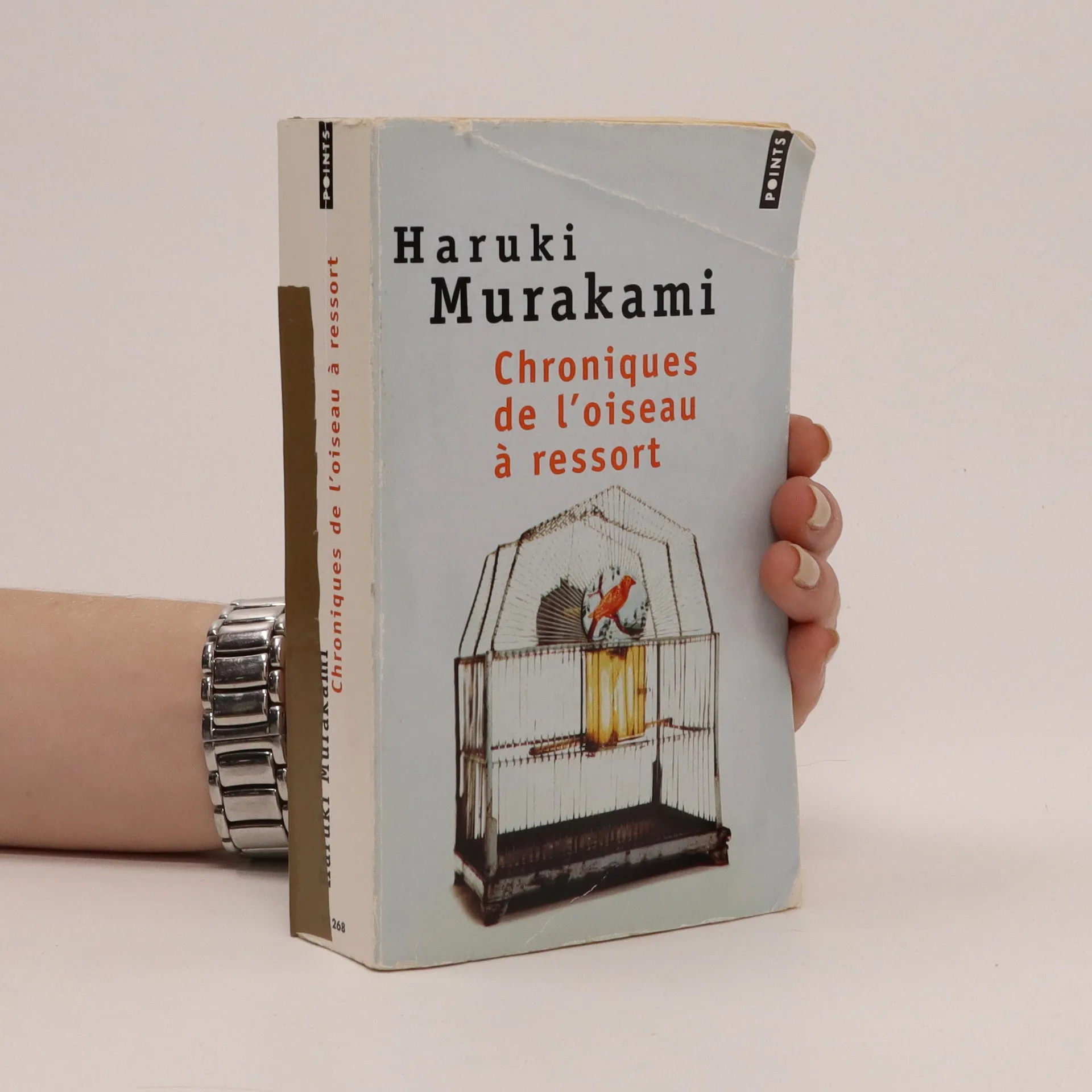
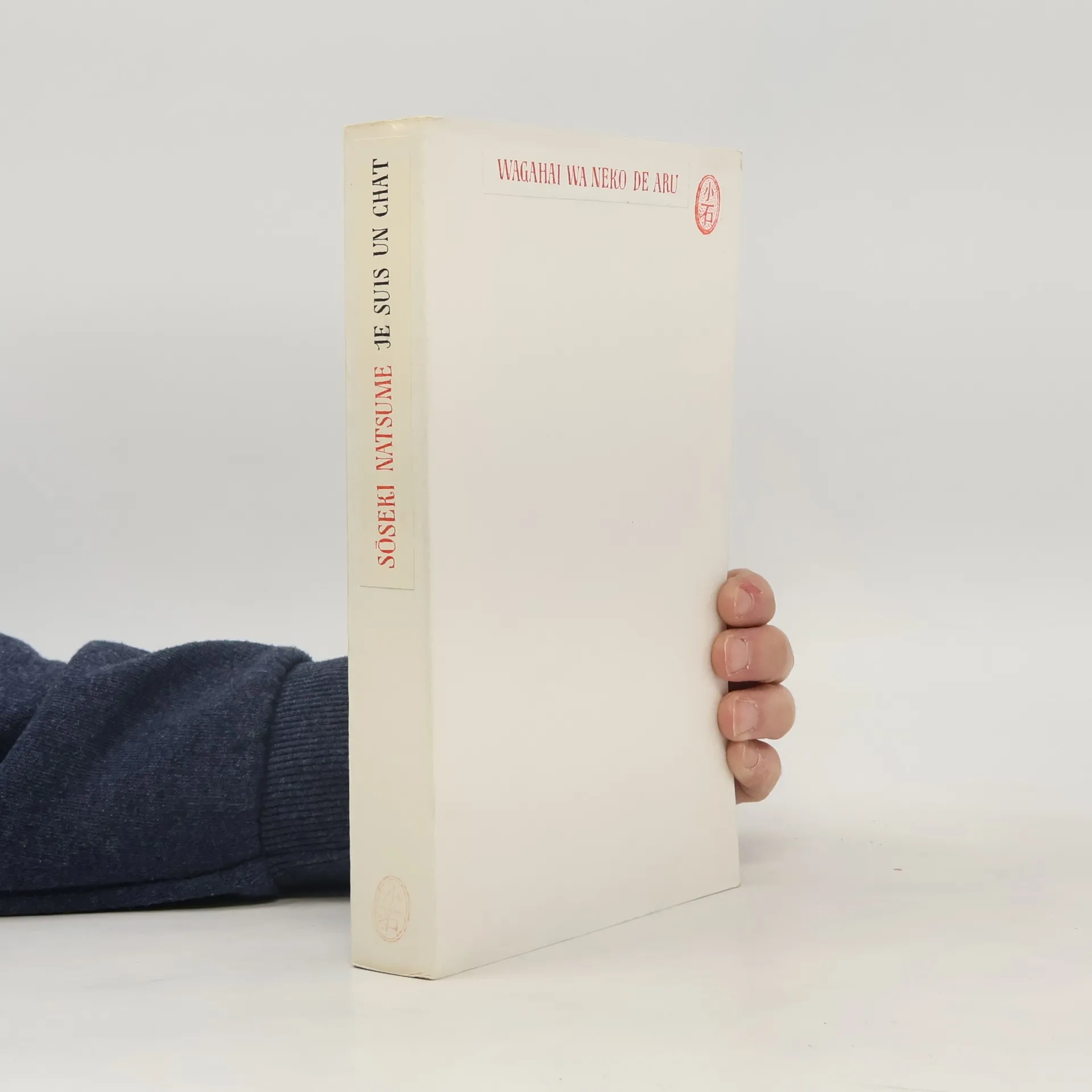
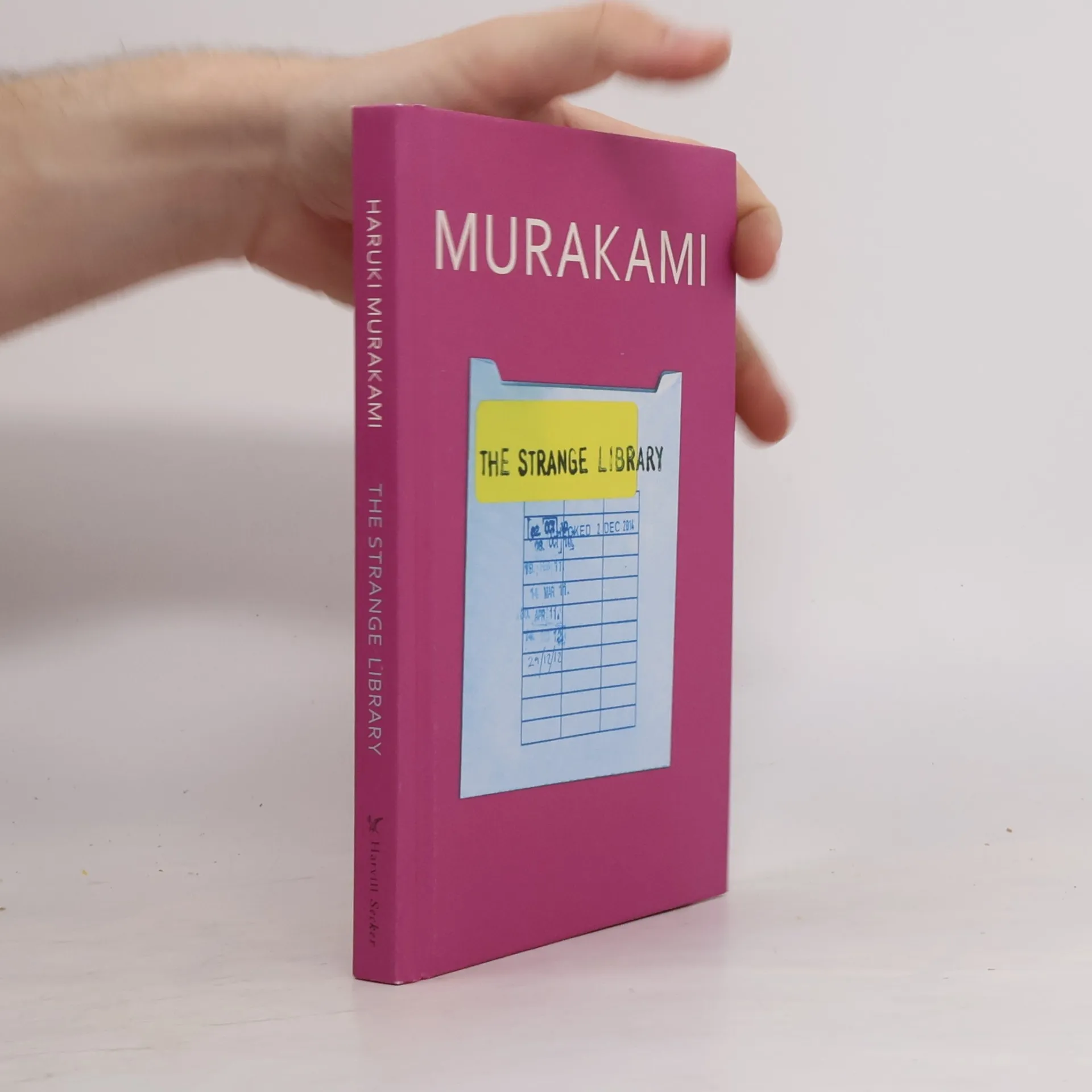
Un beau jour, la vie de Toru Okada, jeune banlieusard sans emploi bascule pour de bon. Tout commence avec les coups de téléphone équivoques d'une mystérieuse inconnue. Puis le chat s'échappe ... Le rêve, l'aventure, la bifurcation soudaine d'une existence toute tracée : est-on prêt une fois dans sa vie à tenter l'abordage des frontières inédites?
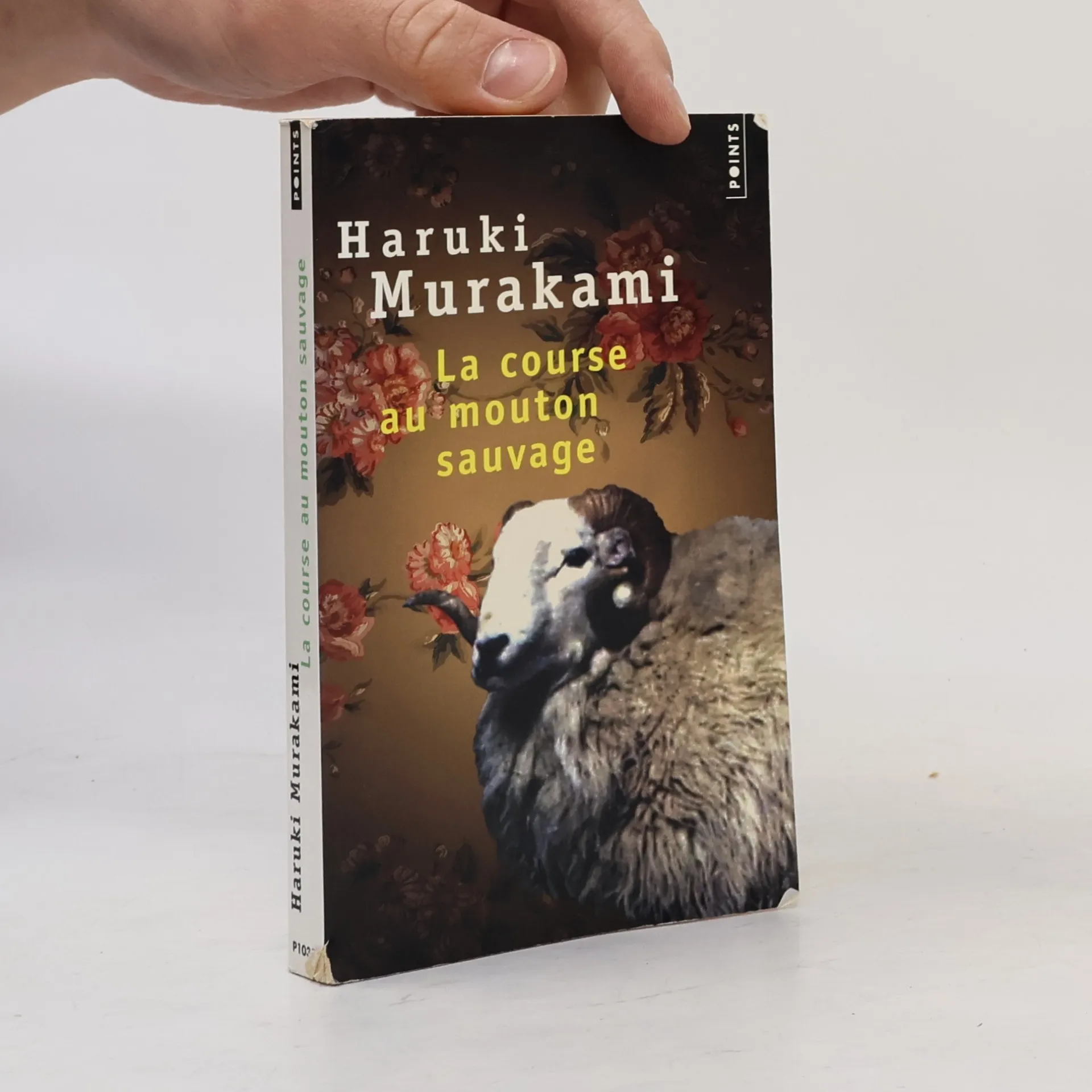
A Tokyo, un jeune cadre publicitaire mène une existence tranquille. Il est amoureux d'une jeune fille par fascination pour ses oreilles, est l'ami d'un correspondant qui refuse de lui donner son adresse pour de confuses raisons..., jusqu'au jour où cette routine confortable se brise. Pour avoir utilisé une photographie apparemment banale où figure un mouton, sa vie bascule. Menacé par une organisation d'extrême droite, il va se mettre en quête de cet animal particulier, censé conférer des pouvoirs supra-naturels... L'écriture de Murakami, à mi-chemin entre réalisme et fantastique, par son inventivité et son humour, place ce roman dans un univers qui parait ne rien devoir aux classiques japonais. Son auteur est sans aucun doute l'un des représentants les plus originaux de la littérature nippone contemporaine.
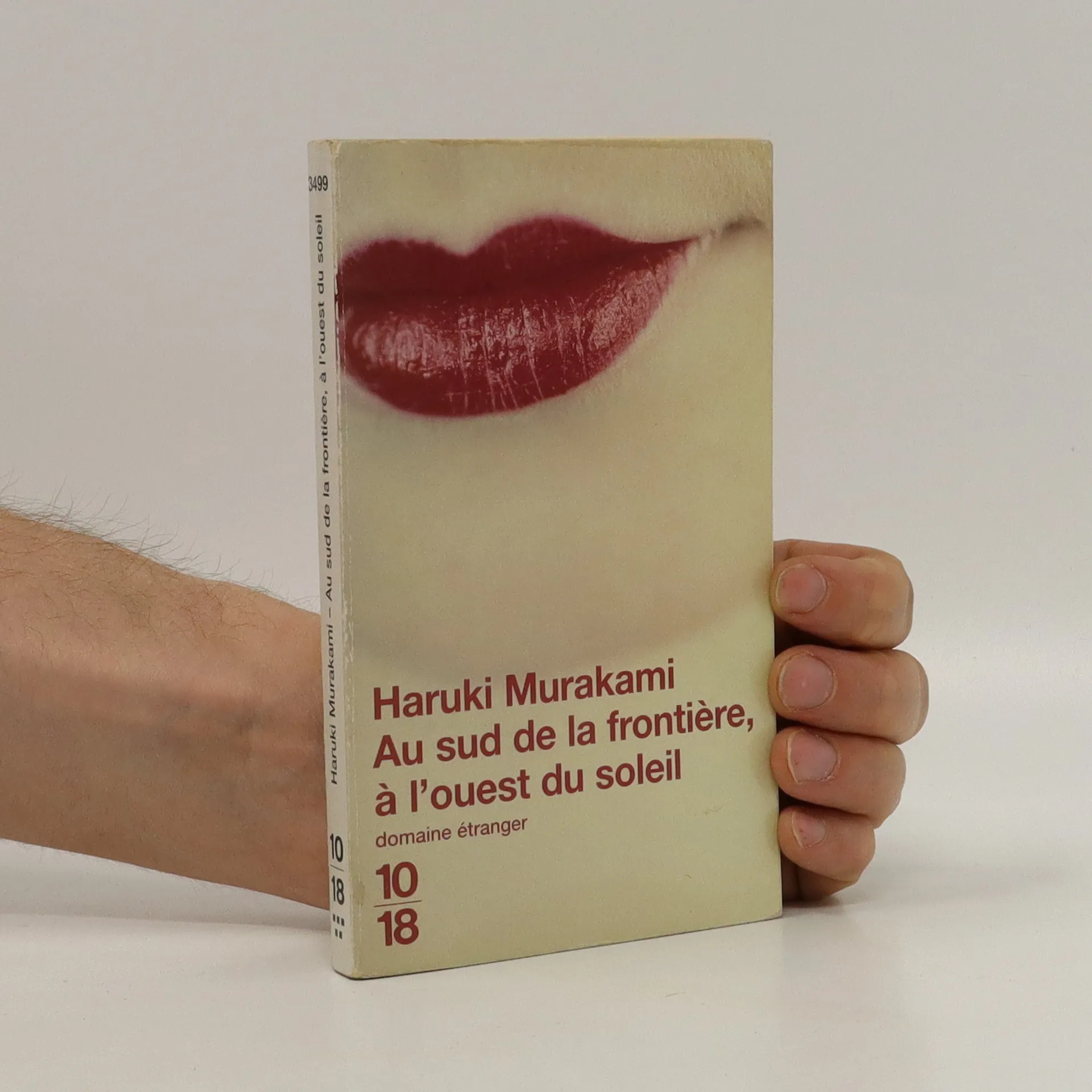
Hajime a connu pour la première fois l'amour en compagnie de la douce Shimamoto-San. Séparés par la vie, il n'a pourtant jamais oublié. Aujourd'hui, à l'aube de la quarantaine, Hajime est devenu un homme ordinaire et s'est construit une vie agréable entre sa famille et un métier qui lui plaît. Ce fragile équilibre résistera-t-il à ses retrouvailles avec Shimamoto-San ?
Le 1er avril 1978, Murakami décide de vendre son club de jazz pour écrire un roman. Assis à sa table, il fume soixante cigarettes par jour et commence à prendre du poids. S'impose alors la nécessité d'une discipline. La course à pied lui permet de cultiver sa patience, sa persévérance. Courir devient une métaphore de son travail d'écrivain. Journal, essai, au fil de confidences inédites, Murakami nous livre une méditation lumineuse sur la vie, qui, comme la course, ne tire pas son sens de sa fin inéluctable.
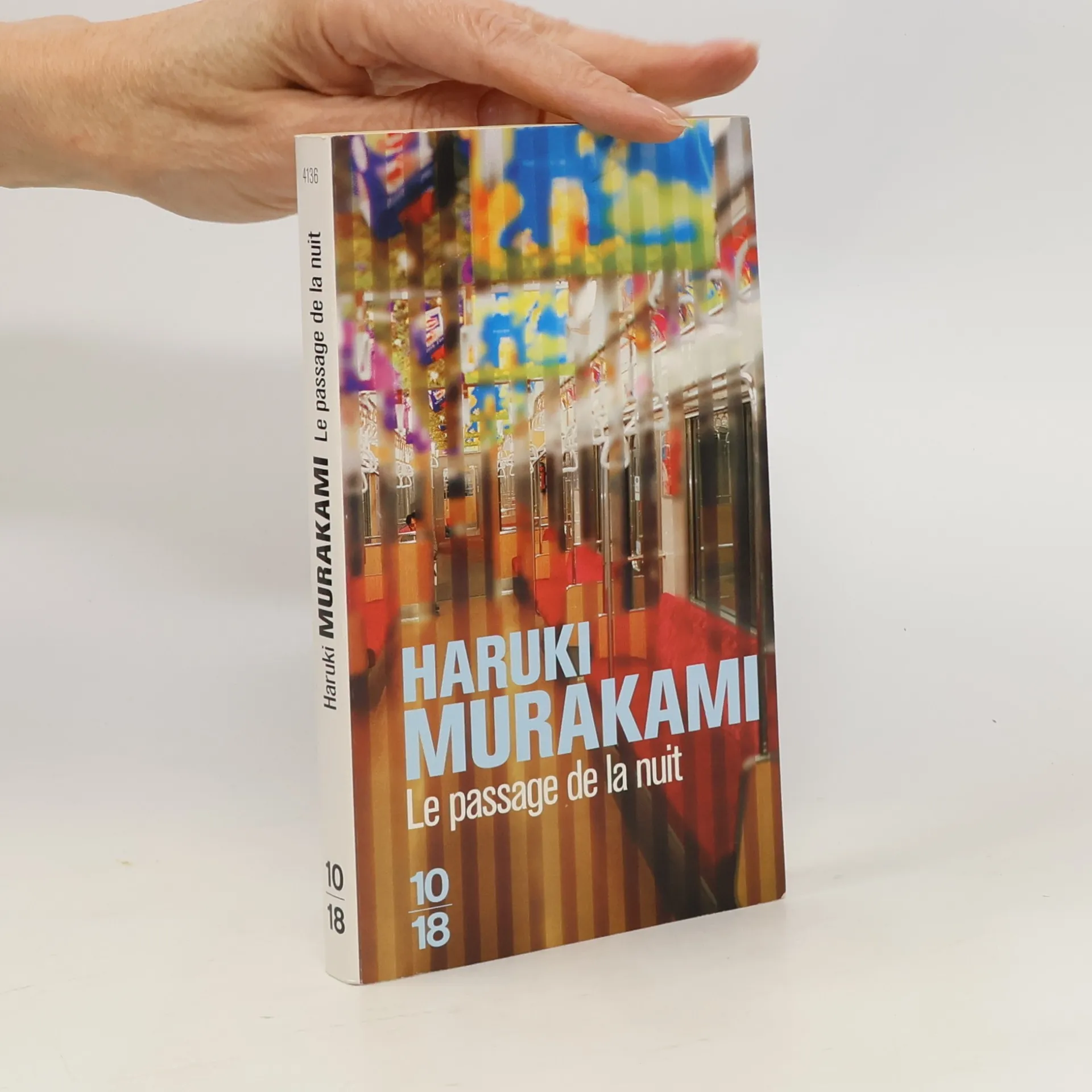
Un roman d'atmosphère, voguant sur plusieurs genres : drame psychologique, histoire fantastique et thriller s'entrelacent. A Tokyo, de nos jours, le temps d'une nuit. Une jeune fille qui lit, une autre qui dort. Elles sont soeurs. Un livre énigmatique et hypnotique dont chaque détail est un petit caillou qui, rétrospectivement, fait sens. Pour une nuit, Haruki Murakami nous entraîne dans un Tokyo sombre, onirique, hypnotique. Un éblouissant roman d'atmosphère à la poésie singulière, aux frontières de la réalité et du fantasme, ou chaque détail, rétrospectivement, fait sens. Dans un bar, Mari est plongée dans un livre. Elle boit du thé, fume cigarette sur cigarette. Un musicien surgit, qui la reconnaît. Au même moment, dans une chambre, Eri, la soeur de Mari, dort à poings fermés. Elle ne sait pas que quelqu'un l'observe. Autour des deux soeurs vont défiler des personnages insolites : une prostituée blessée, une gérante d'hôtel vengeresse, un informaticien désabusé, une femme de chambre en fuite. Des événements bizarres vont survenir : une télévision qui se met brusquement en marche, un miroir qui garde les reflets. À Tokyo, le temps d'une nuit, va se nouer un drame étrange...
Dans ce recueil comme un clin d’œil à Hemingway, des hommes cherchent des femmes qui les abandonnent ou qui sont sur le point de le faire. Musique, solitude, rêve et mélancolie, le maître au sommet de son art. « À ce que je sais, votre épouse était vraiment une femme merveilleuse [...] vous devez vous sentir reconnaissant d'avoir vécu presque vingt ans auprès d'une femme comme elle. Je le crois profondément. Néanmoins, vous aurez beau penser que vous avez compris quelqu'un, que vous l'avez aimé, il n'en reste pas moins impossible de voir au plus profond de son cœur. Vous aurez pu vous y efforcer, mais vous n'aurez réussi qu'à vous faire du mal. Vous ne pouvez voir qu'au fond de votre propre cœur, et encore, seulement si vous le voulez vraiment, et si vous faites l'effort d'y parvenir. En fin de compte, notre seule prérogative est d'arriver à nous mettre d'accord avec nous-même, honnêtement, intelligemment. Si nous voulons vraiment voir l'autre, nous n'avons d'autre moyen que de plonger en nous-même. Telle est ma conviction. »
Le retour de l'auteur japonais le plus lu en France.Parution le 2 janvier 2025Evènement !!! Le grand retour du maître Murakami pour un roman éblouissant, dans la lignée de ses grandes œuvres -Kafka sur le rivageou1Q84- et sept ans après son dernier roman -Le Meurtre du commandeur.
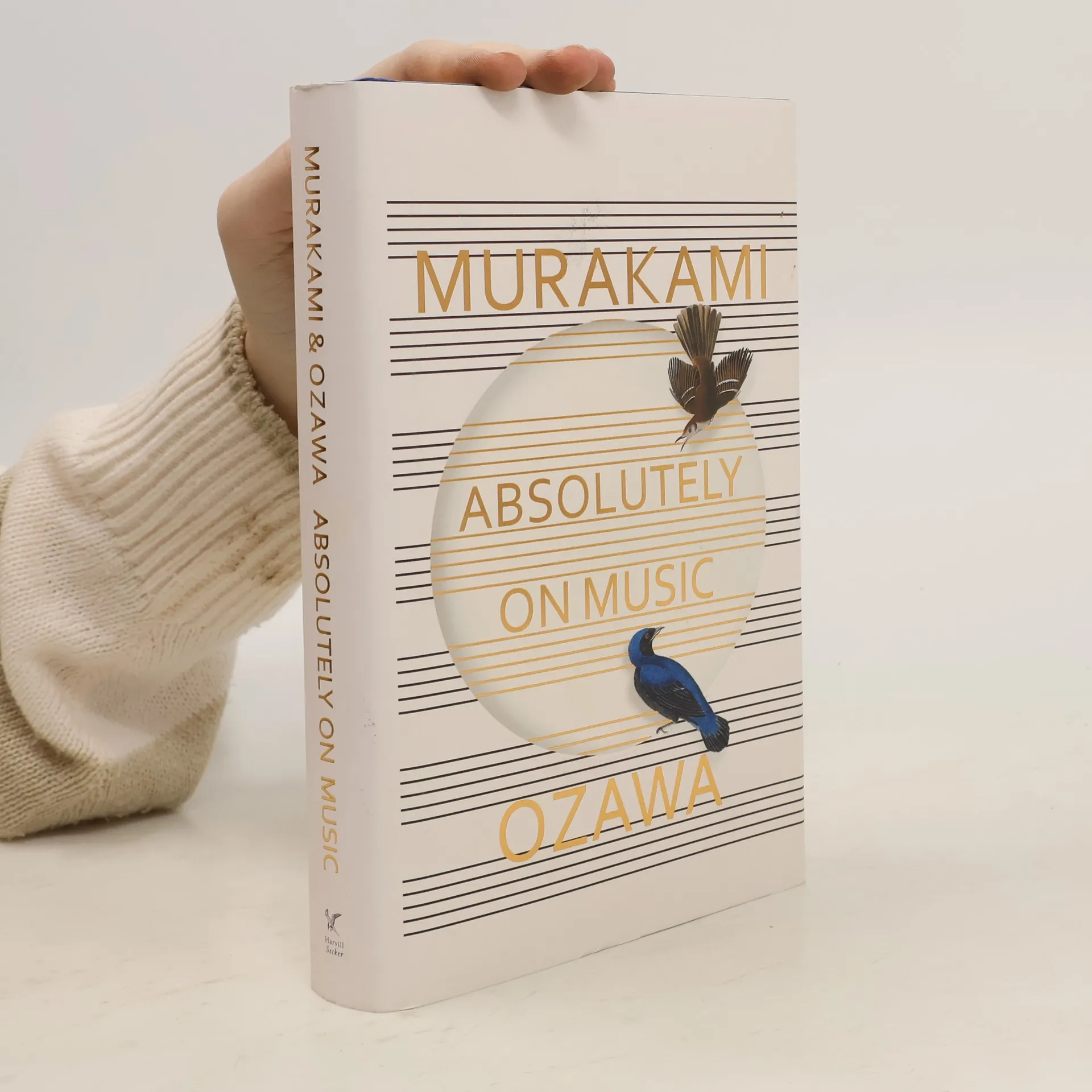
An intimate conversation about music and creativity, between the internationally bestselling writer and a world-class conductor. 'My only purpose in this book was for me, as a music lover, to have a discussion of music with the musician Seiji Ozawa that was as open and honest as possible. I simply wanted to bring out the ways that each of us (though on vastly different levels) is dedicated to music.' Haruki Murakami's passion for music runs deep. Before turning his hand to writing, he ran a jazz club in Tokyo, and the aesthetic and emotional power of music permeates every one of his much-loved books. Now, in Absolutely on Music, Murakami fulfills a personal dream, sitting down with his friend, acclaimed conductor Seiji Ozawa, to talk about their shared interest. Transcribed from lengthy conversations about the nature of music and writing, here they discuss everything from Brahms to Beethoven, from Leonard Bernstein to Glenn Gould, from record collecting to pop-up orchestras, and much more. Ultimately this book gives readers an unprecedented glimpse into the minds of two maestros.
Une curieuse digression sur les kangourous. Un éléphant qui se volatilise. Un nain diabolique qui danse. Ou une jeune fille « cent pour cent parfaite ». À travers ces dix-sept nouvelles, petits contes anodins de notre quotidien, Haruki Murakami entraîne son lecteur dans une dimension parallèle à l'imaginaire délicieusement drôle et bizarre, au fil d'un Japon nostalgique et moderne à la fois. Farouchement zen et férocement fantastique, l'auteur déploie encore une fois son art magistral, et nous montre qu'il sait comme personne comment transfigurer la banalité de nos existences.
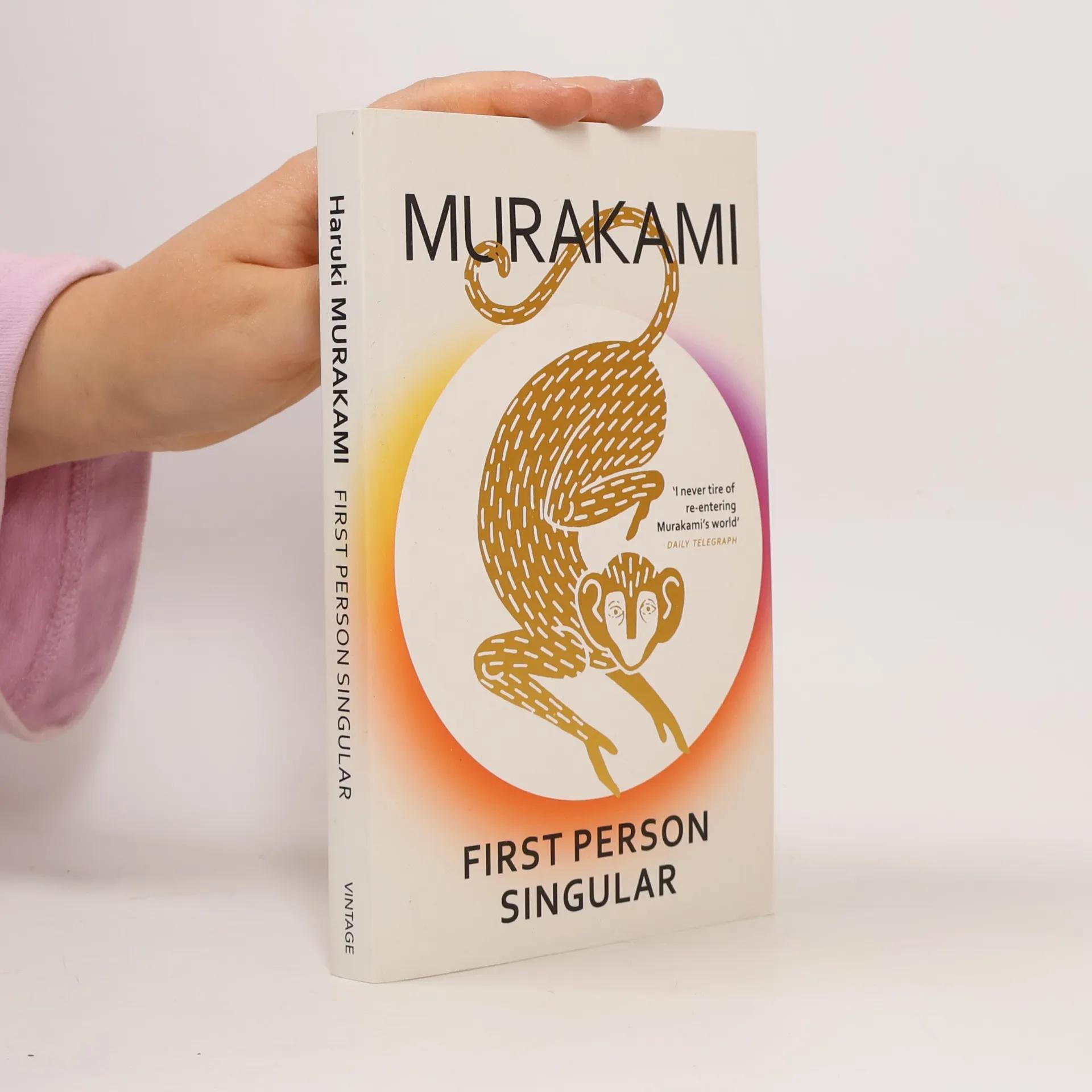
The eight stories in this new book are all told in the first person by a classic Murakami narrator. From memories of youth, meditations on music, and an ardent love of baseball, to dreamlike scenarios and invented jazz albums, together these stories challenge the boundaries between our minds and the exterior world. Occasionally, a narrator may or may not be Murakami himself. Is it memoir or fiction? The reader decides. Philosophical and mysterious, the stories in First Person Singular all touch beautifully on love and solitude, childhood and memory. . . all with a signature Murakami twist.
Asako è una studentessa di 17 anni silenziosa e assorta. Un giorno Asako decide di cambiare vita, si fa da parte, esce di scena: abbandona la scuola e si nasconde in casa senza che la madre se ne accorga. Liberata la sua stanza da tutti gli oggetti, gettati i vestiti, i giochi, il computer, Asako si accinge a sparire, quando incontra un bambino di dieci anni che cambierà la sua esistenza. Grazie a quel computer prima abbandonato, poi recuperato, i due si immergono nel mondo impersonale delle chat-line, e avviano una rete di incontri erotici che è al tempo stesso un vero e proprio lavoro e un teatro delle ombre, in cui annullare la propria identità e scoprirsi diversi.
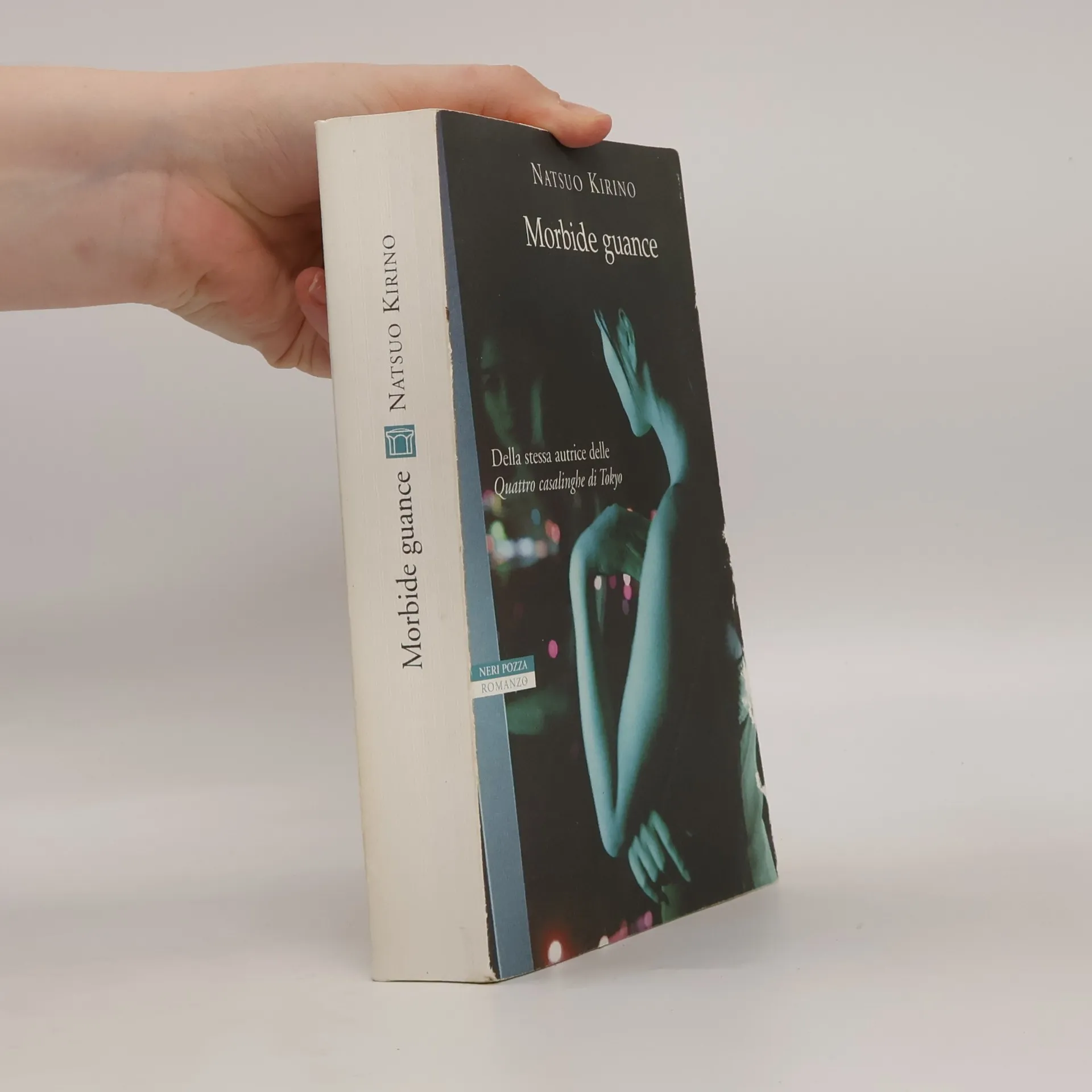
Kasumi è nata e cresciuta nell'Hokkaido, ma fugge ben presto a Tokyo, dove sogna di realizzare una vita libera e diversa da quella monotona e squallida dei suoi genitori. Sposatasi con un tipografo mite e serio, Kasumi cerca una via di fuga nelle braccia di un cliente del marito con il quale inizierà una relazione segreta e appassionata, che indurrà l'uomo a comprare una casa nell'Hokkaido per ospitare la donna e la sua famiglia. Nel corso di questo soggiorno, la figlia maggiore di Kasumi scompare senza lasciare traccia. Convinta che la scomparsa della bambina sia il meritato castigo per aver tradito il marito, le figlie e, anni prima, i genitori, Kasumi intraprende un viaggio alla ricerca della figlia che la ricondurrà alle sue origini.