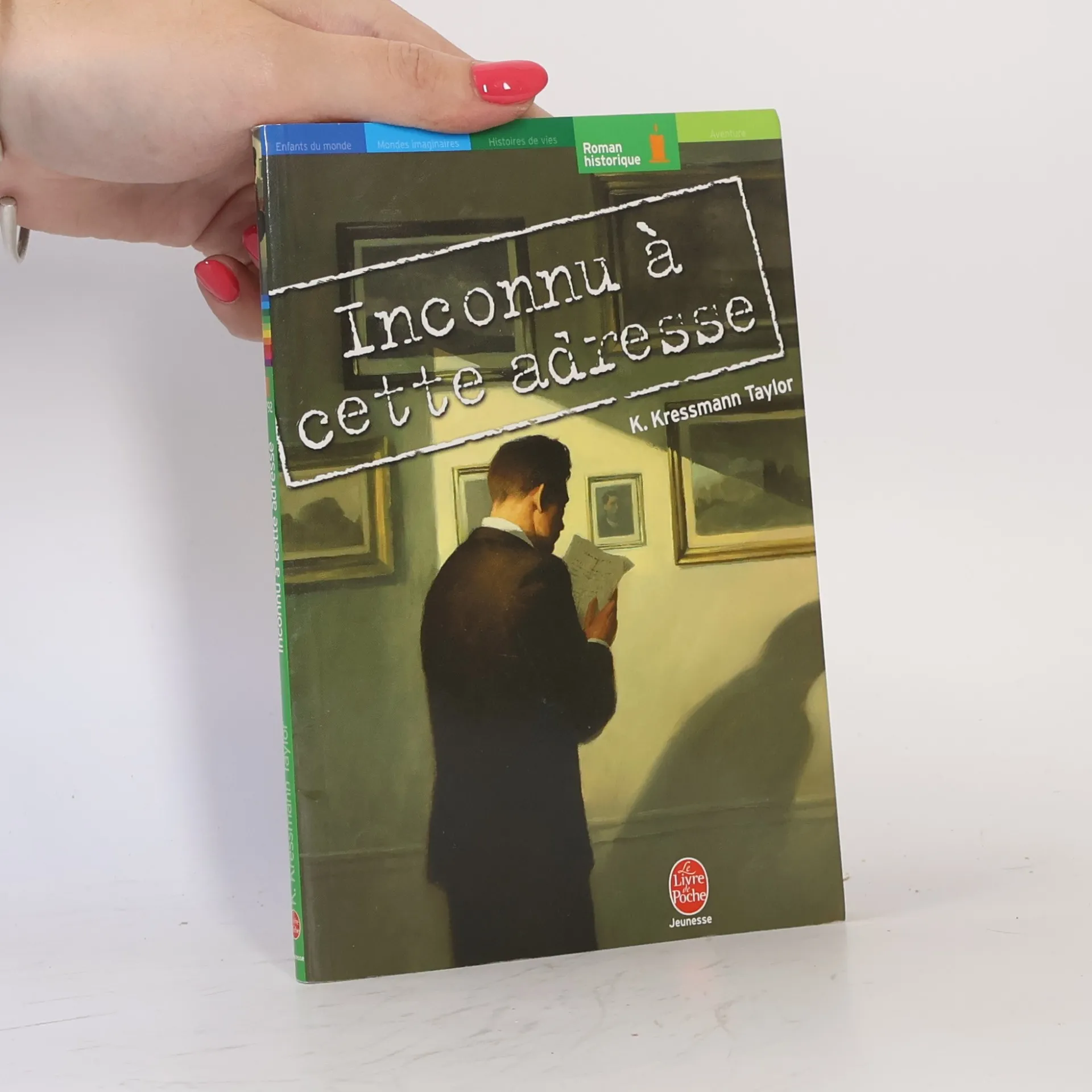
Mon cher Max... Mon cher Martin... Du 12 novembre 1932 au 18 mars 1934, entre l'Allemagne et les États-Unis, deux amis s'écrivent. Max, l'Américain, parle de sa solitude depuis le départ de son ami ; Martin, l'Allemand, lui raconte sa nouvelle vie dans une Allemagne qu'il peine à reconnaître tant elle est défigurée par la misère. Au fil des lettres, inexorablement, Martin et Max s'éloignent l'un de l'autre. D'autant que Max est juif... Écrit en 1938, ce texte cinglant et visionnaire était depuis longtemps tombé dans l'oubli. Publié pour la première fois en France en 1999 par les Éditions Autrement il connaît depuis lors une formidable renaissance.
Tinke Davids Livres
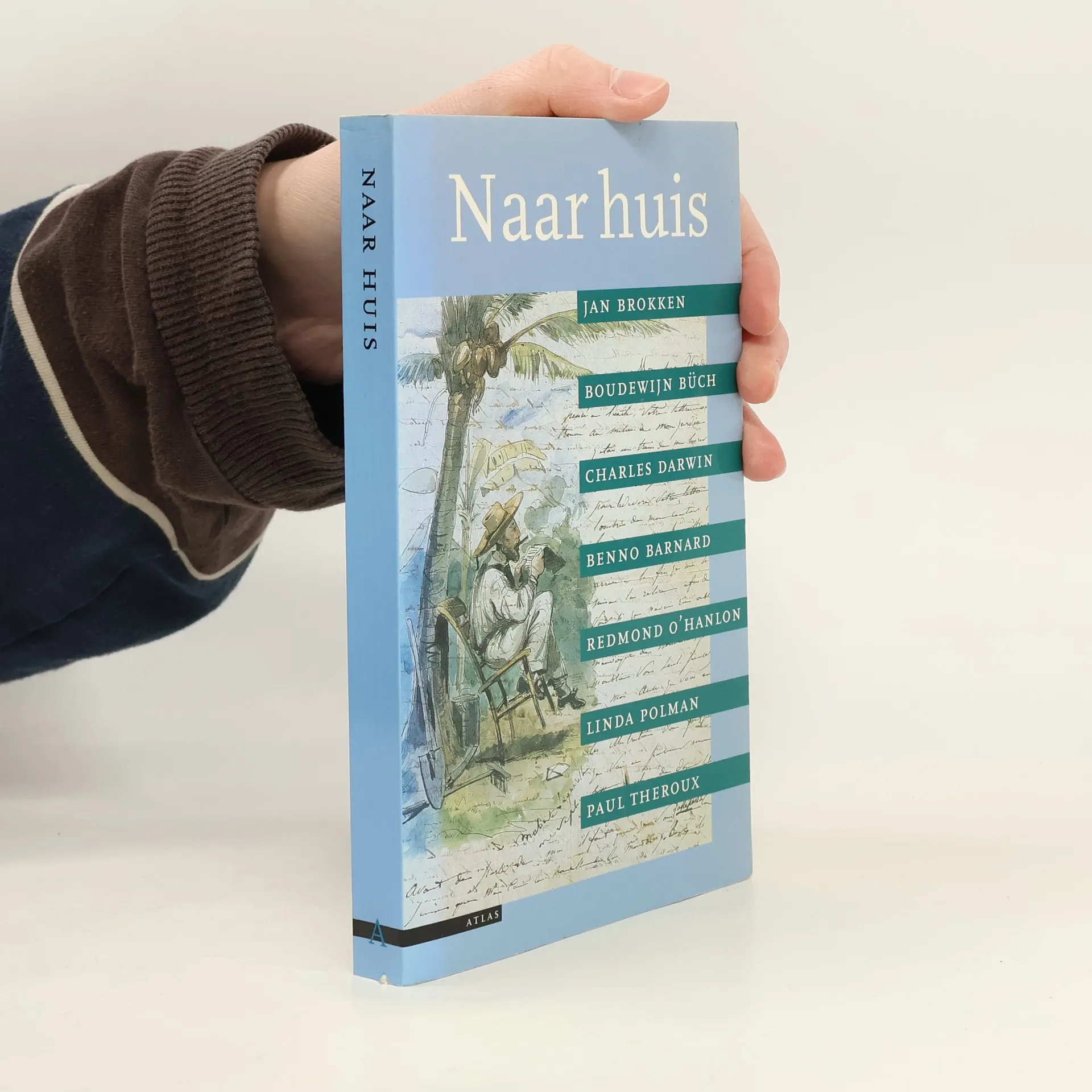
Naar huis
- 189pages
- 7 heures de lecture
Van de Rio Negro naar Buenos Aires - Charles Darwin Goedenavond, mrs. Thys - Jan Brokken Drie maanden in de West - W. Wijnaendts Francken-Syserinck Paaseiland: voorbij de branding van Rapa Nui - Paul Theroux Kongo - Redmond O'Hanlon Filfla - Boudewijn Büch Het dorp van Ratu Dinges - Johnny Frisbie Bot Pippel - Linda Polman De Kakaanse seismograaf - Benno Barnard
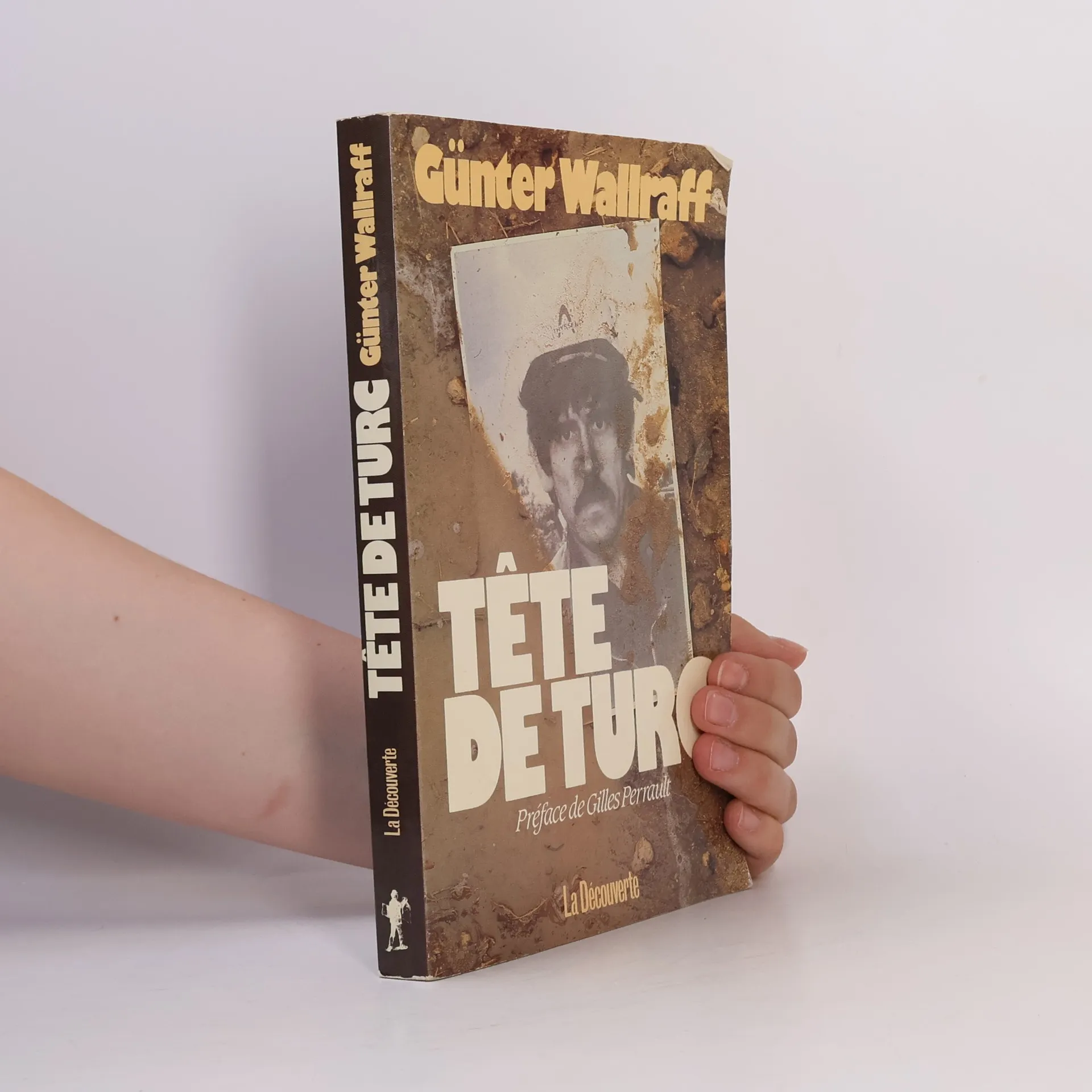
Tête de turc
- 309pages
- 11 heures de lecture
Il s'appelle Ali Sinirlioglu. Il a le teint mat, chevelure et moustache noires. Il parle un langage chaotique. Pour gagner sa vie, il est prêt à faire tous les boulots, même les plus durs, même les plus insalubres ». Rien ne le distingue de ces nombreux immigrés turcs qui vivent en République fédérale allemande. Rien... sauf que derrière les traits d'Ali se dissimule l'un des journalistes les plus célèbres d'Allemagne : Günter Wallraff Pendant deux ans, Wallraff a vécu, survécu plutôt, comme un Turc, trimé comme un Turc, subi toutes sortes de brimades et de discriminations. Une véritable descente aux enfers que Günter Wallraff nous restitue ici dans toute son authenticité. Un témoignage terrible, stupéfiant, qui a suscité un intérêt. passionné et obtenu partout un succès considérable.
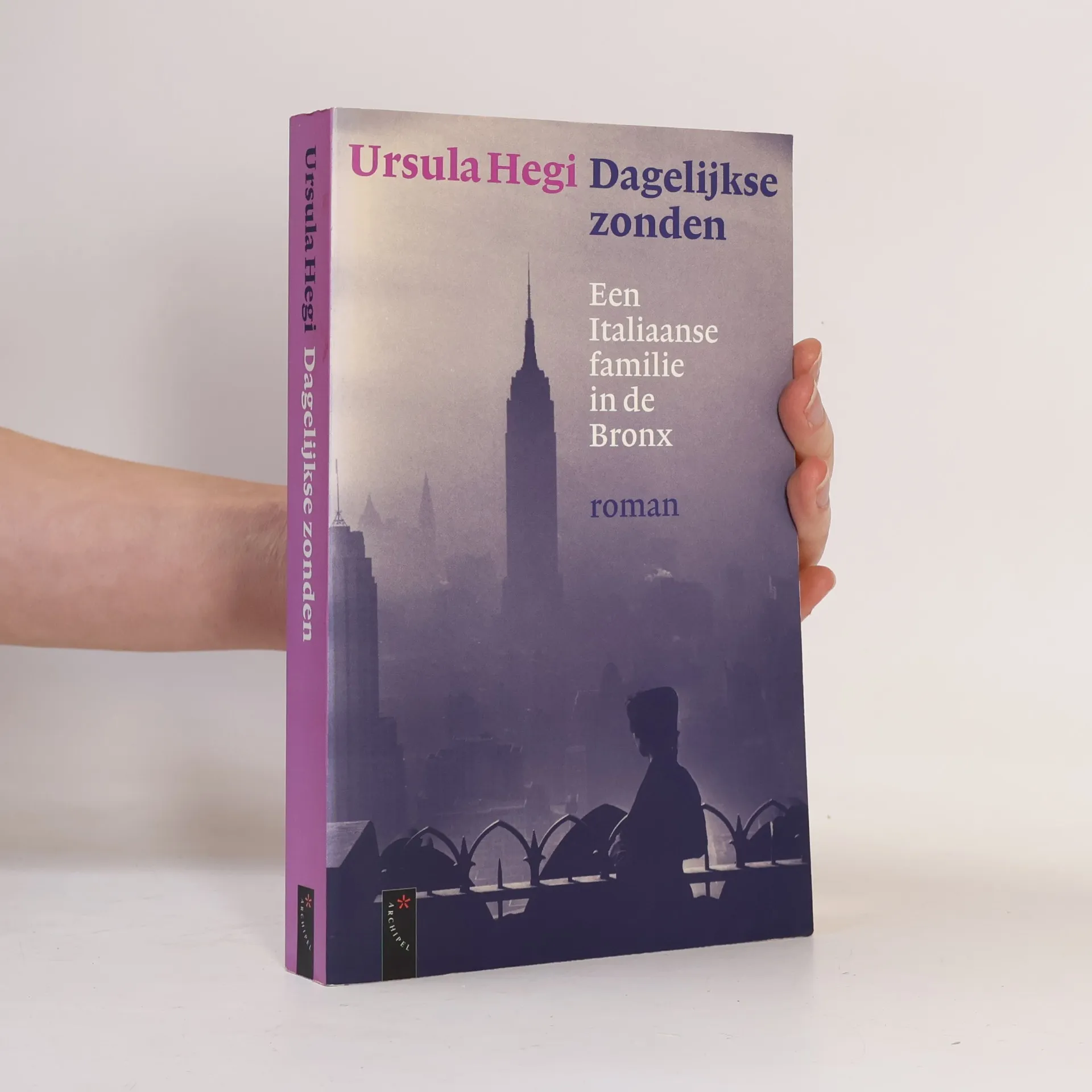
In de winter van 1953 is de liefste wens van puber Anthony Amedeo een sjabloonkit om, net als andere kinderen in zijn buurt, het raam van zijn slaapkamer te versieren. In plaats daarvan krijgt hij een heel ander kerscadeautje: het gezin van zijn oom Malcolm.Malcolm zit in de gevangenis, en Anthony's tante Floria en zijn nichtjes Bianca en Belinda (een tweeling) trekken bij hem en zijn ouders in. Ineens een kamer delen met meisjes is een hele toer, ook al is Anthony op de tweeling gesteld en zijn zij allebei hopeloos verliefd op hem. De ware verandering in zijn leven komt echter op de avond waarop hij iets gruwelijks laat gebeuren. Niet alleen zijn eigen leven, maar ook dat van zijn familieleden verandert daardoor voorgoed. Dagelijkse zonden omspant drie generaties en voert ons van de Bronx in de jaren vijftig naar het Brooklyn van 1999.
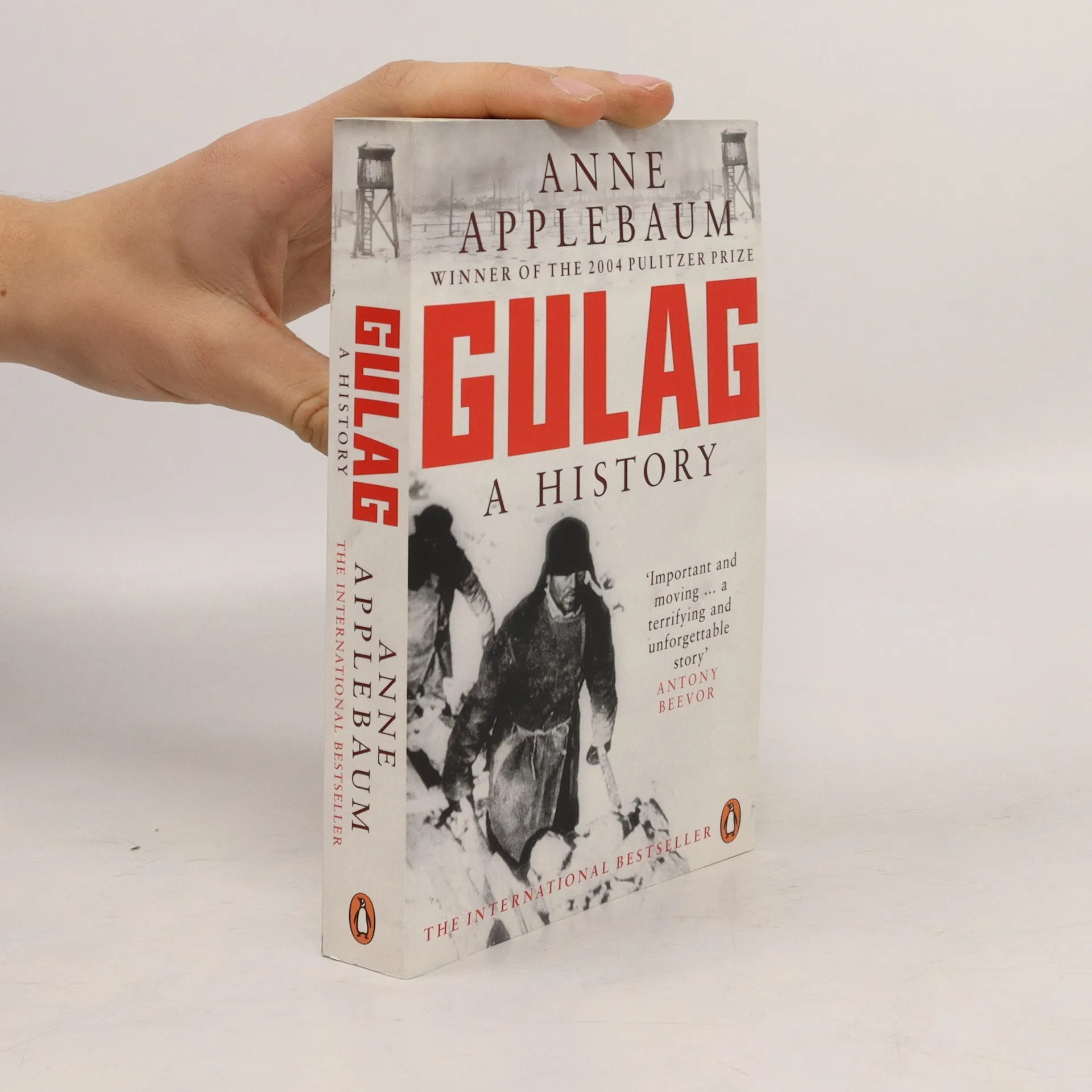
Gulag: A History of the Soviet Camps
- 624pages
- 22 heures de lecture
Reveals one of the greatest horrors of the 20th century: the system of Soviet camps that are responsible for the deaths of countless millions. This work presents history of the camp: from its origins under the tsars, to its colossal expansion under Stalin's reign of terror, its zenith in the late 1940s and eventual collapse in the era of glasnost.
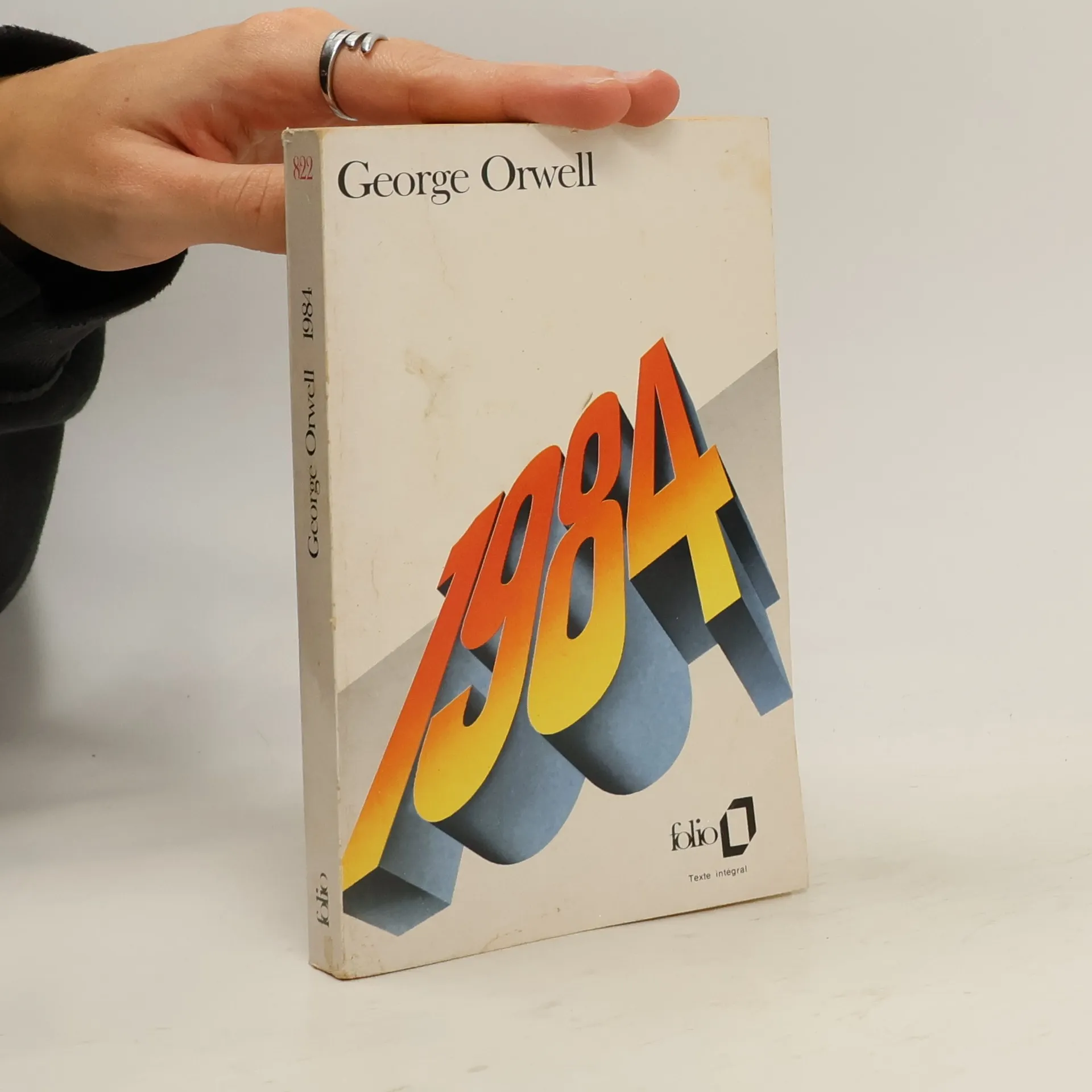
1984
- 438pages
- 16 heures de lecture
De tous les carrefours important, le visage à la moustache noire vous fixait du regard. Il y en avait un sur le mur d'en face. Big Brother vous regarde, répétait la légende, tandis que le regard des yeux noirs pénétrait les yeux de Winston... Au loin, un hélicoptère glissa entre les toits, plana un moment, telle une mouche bleue, puis repartir comme une flèche, dans un vol courbe. C'était une patrouille qui venait mettre le nez aux fenêtres des gens. Mais les patrouilles n'avaient pas d'importance. Seule comptait la Police de la Pensée.
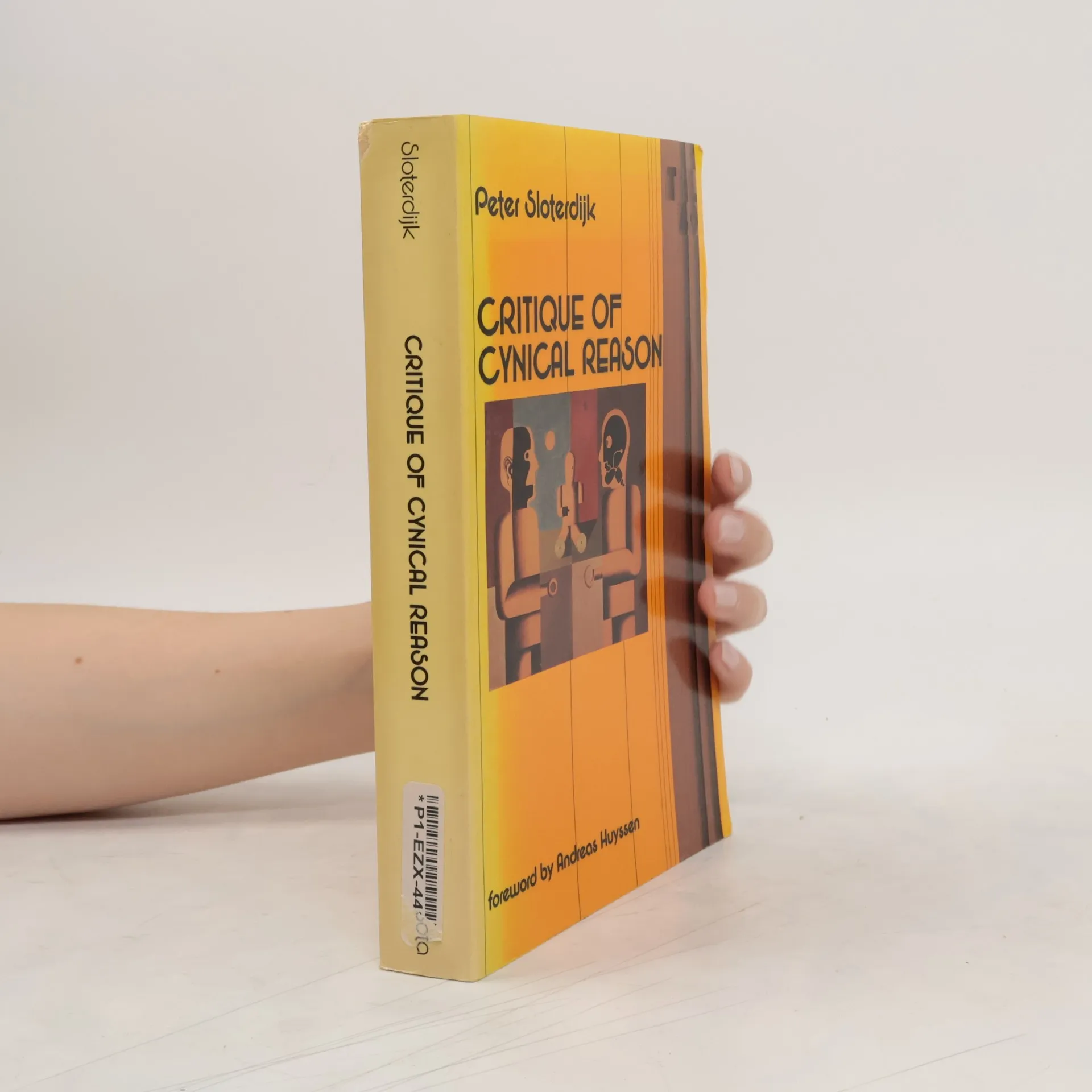
Critique of Cynical Reason
- 558pages
- 20 heures de lecture
Upon its publication in Germany in 1983, this author's book stirred both critical acclaim and consternation, attracting a wide readership. He finds cynicism the dominant mode in contemporary culture, in personal and institutional settings; his book is both a history of the impulse and an investigation of its role today, among those whose earlier hopes for social change have crumbled and faded away.
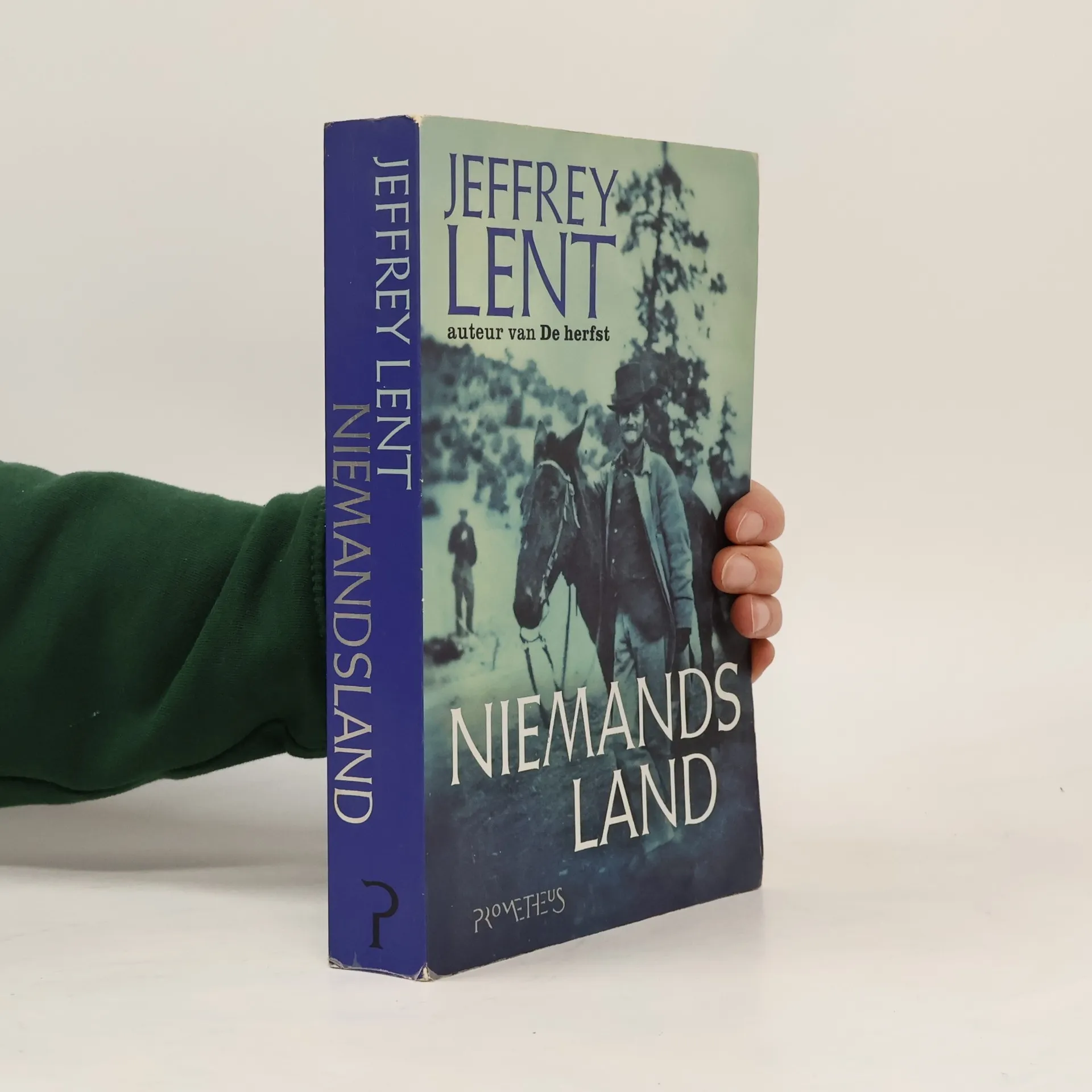
Niemandsland
- 362pages
- 13 heures de lecture
Een man trekt in 1838 naar New Hampshire met een zestienjarig meisje dat hij met pokeren won.
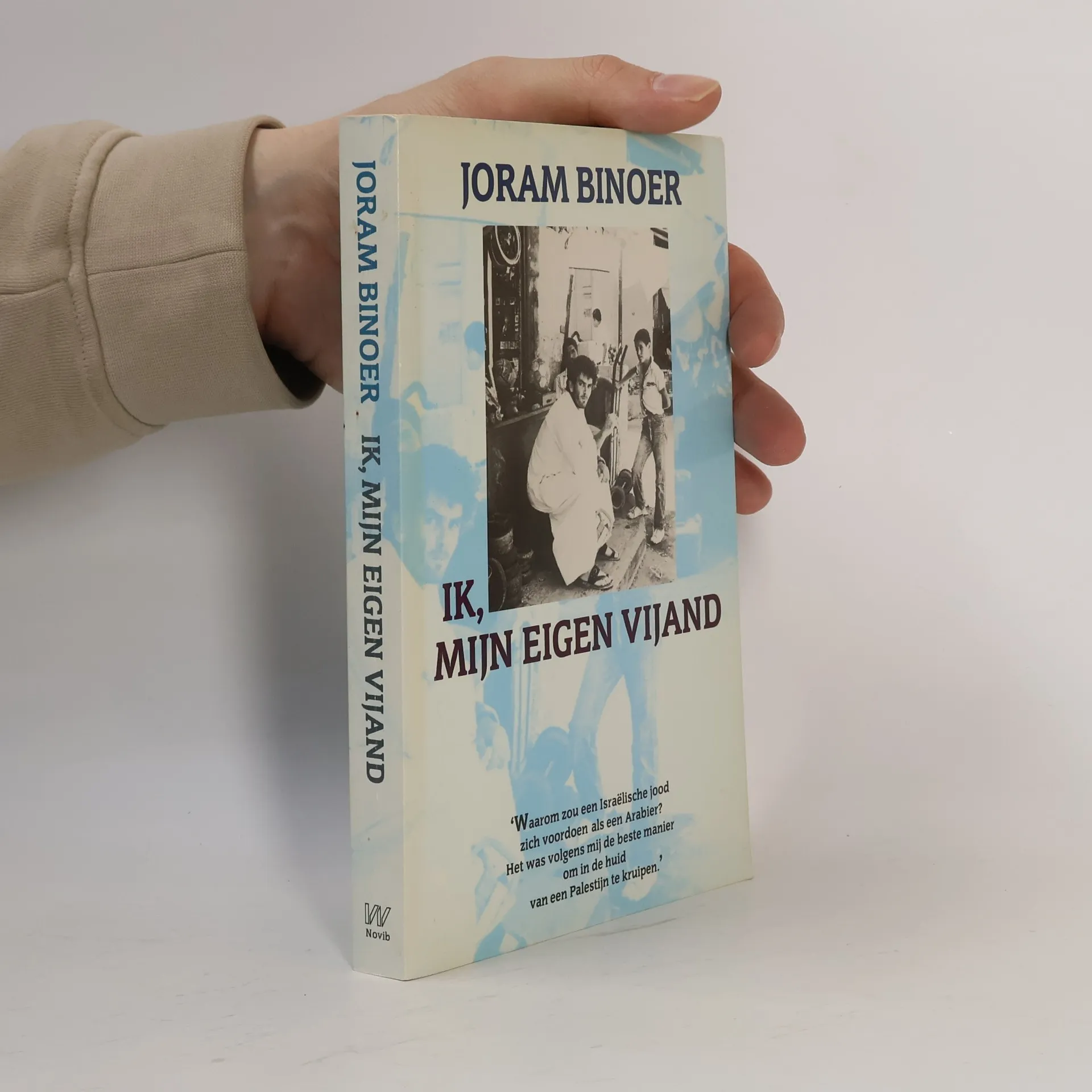
Ik, mijn eigen vijand
- 210pages
- 8 heures de lecture
Waarom zou een Israëlische jood zich voordoen als een Arabier? Het was volgens mij (de schrijver) de beste manier om in de huid van een Palestijn te kruipen.` Joram Binoer stak zijn licht op in de Gazastrook, in de vluchtelingenkampen op de Westoever en in het centrum van Tel Aviv. Een gewaagde onderneming.
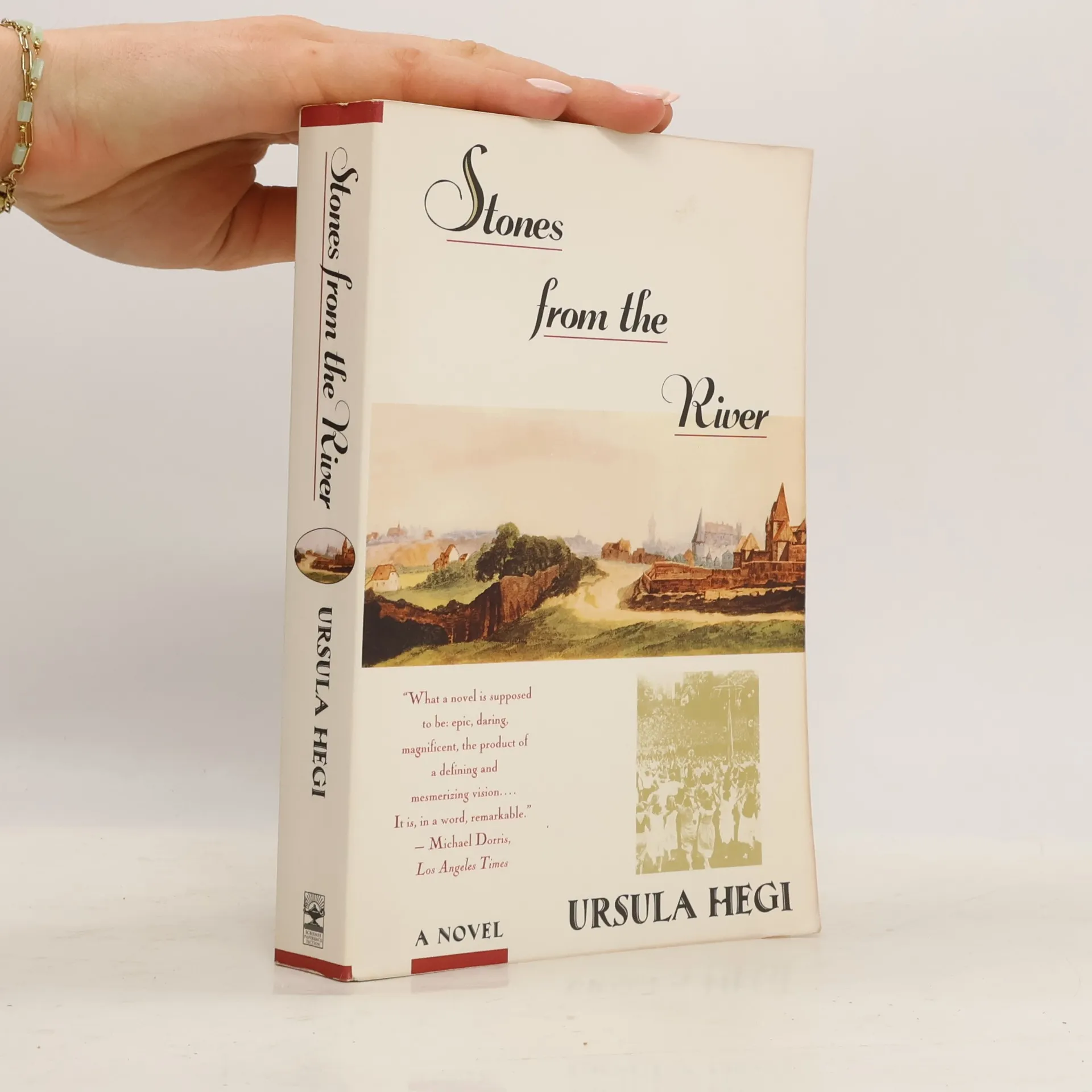
From the acclaimed author of Floating in My Mother’s Palm and Children and Fire, a stunning story about ordinary people living in extraordinary times—“epic, daring, magnificent, the product of a defining and mesmerizing vision” (Los Angeles Times). Trudi Montag is a Zwerg—a dwarf—short, undesirable, different, the voice of anyone who has ever tried to fit in. Eventually she learns that being different is a secret that all humans share—from her mother who flees into madness, to her friend Georg whose parents pretend he’s a girl, to the Jews Trudi harbors in her cellar. Ursula Hegi brings us a timeless and unforgettable story in Trudi and a small town, weaving together a profound tapestry of emotional power, humanity, and truth.
In dit boeiende boek laat de auteur het jaar 1688 wereldwijd herleven. In zeven delen, onderverdeeld in diverse hoofdstukken, worden de belangrijkste gebeurtenissen en ontwikkelingen beschreven die in en buiten Europa plaatsvonden. Dank zij de zeevaart, enkele missionarissen en avonturiers namen wij kennis van andere werelddelen en volken met hun cultuur en religie. Deze ontdekkingen hadden positieve en negatieve gevolgen, zoals handelscontacten, overheersing en de slavenhandel. Verwikkelingen aan Europese en Aziatische hoven drukken hun stempel op de tijd. De tweede helft van de zeventiende eeuw was ook de tijd van grote onderzoekers, wetenschappers en literatoren. De auteur kon putten uit authentiek bronnenmateriaal. Met enkele illustraties in zwart/wit. Een uitgebreid overzicht van geraadpleegde bronnen en verdere literatuur biedt de in geschiedenis geïnteresseerde lezer voldoende mogelijkheid om zijn kennis uit te breiden. Het boek eindigt met een personen- en zakenregister. (Biblion recensie, P. Brugmans-Peters) (first published January 3rd 2001 by W. W. Norton & Company)
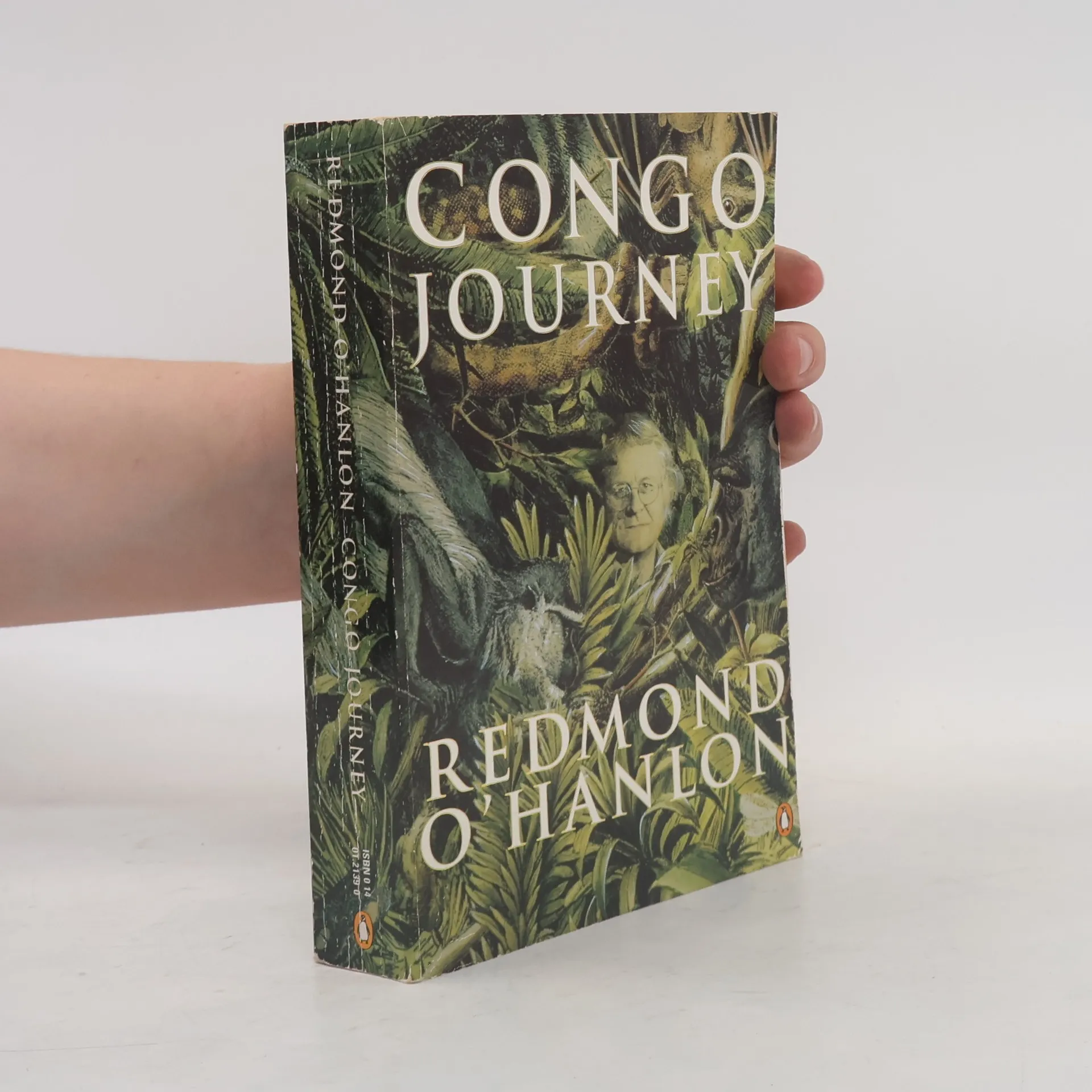
Congo Journey
- 480pages
- 17 heures de lecture
Combining the acute observation of a nineteenth-century missionary, and the wit of a Monty Python player, Redmond O'Hanlon is famous for his adventurous travel. His new challenge is the Congo, the most dangerous and inhospitable jungle in the world.
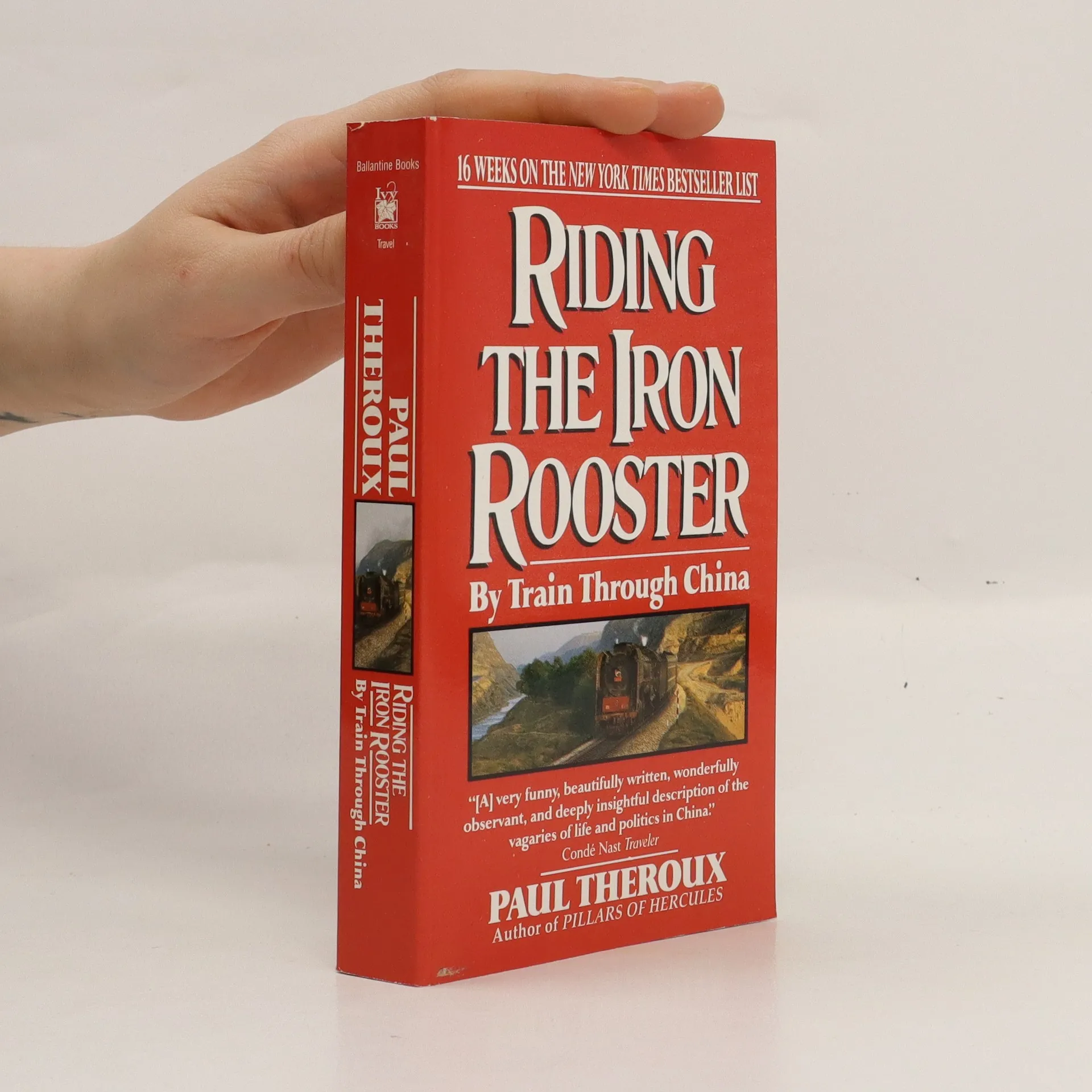
Describes the author's travels by train in every province of the People's Republic of China.
The drama of the gifted child : the search for the true self
- 133pages
- 5 heures de lecture
Why are many of the most successful people plagued by feelings of emptiness and alienation? This wise and profound book has provided thousands of readers with an answer—and has helped them to apply it to their own lives.Far too many of us had to learn as children to hide our own feelings, needs, and memories skillfully in order to meet our parents’ expectations and win their ”love.” Alice Miller writes, ”When I used the word ’gifted’ in the title, I had in mind neither children who receive high grades in school nor children talented in a special way. I simply meant all of us who have survived an abusive childhood thanks to an ability to adapt even to unspeakable cruelty by becoming numb… Without this ’gift’ offered us by nature, we would not have survived.” But merely surviving is not enough. The Drama of the Gifted Child helps us to reclaim our life by discovering our own crucial needs and our own truth.
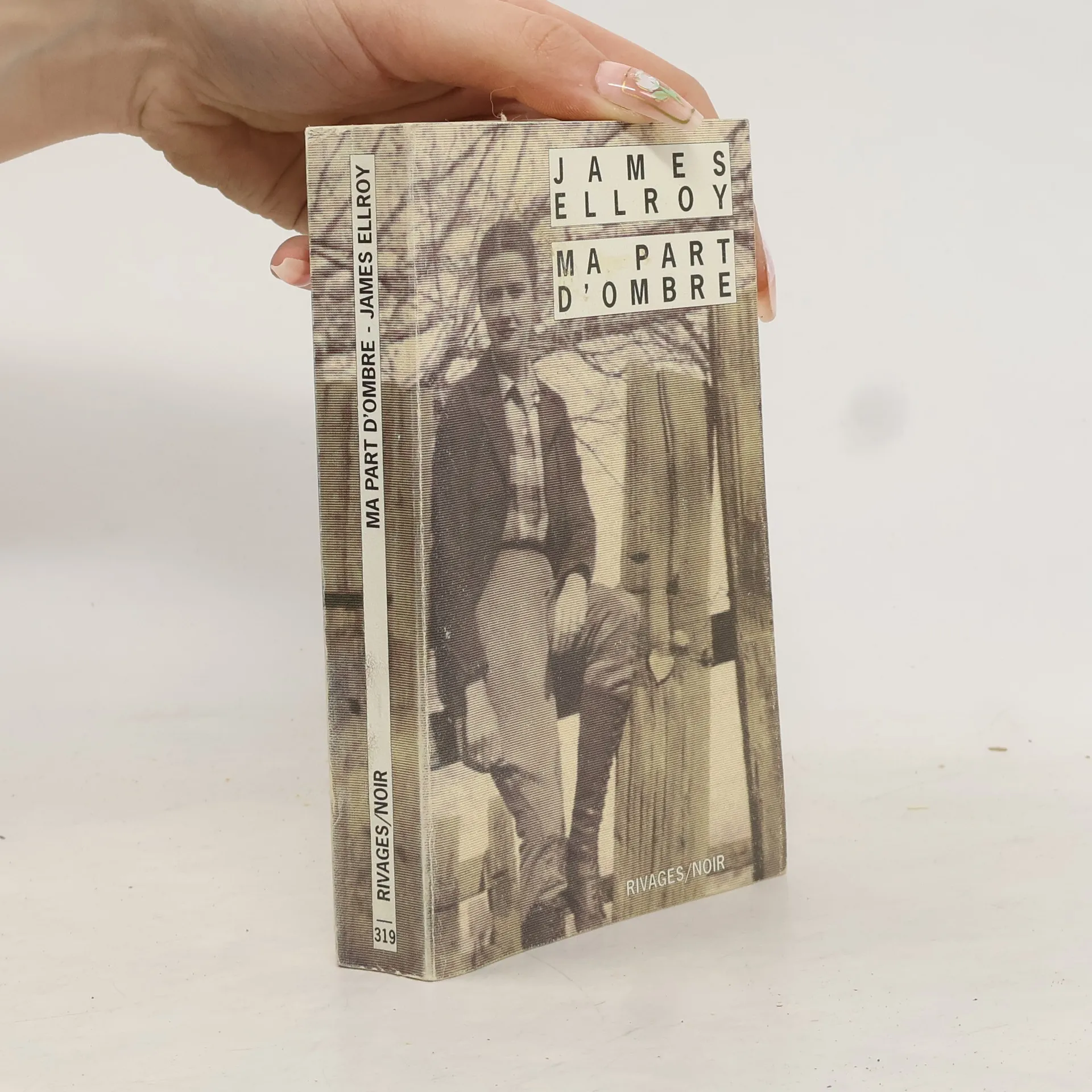
Ma part d'ombre
- 575pages
- 21 heures de lecture
Ma part d'ombre est le récit d'une double enquête que mène Ellroy sur l'assassinat de sa mère, tuée le 22 juin 1958, et sur sa propre vie d'enfant orphelin, d'adolescent perturbé et d'écrivain hanté. Voyage à travers ses souvenirs les plus secrets, ce livre est aussi un reportage sur le crime en Amérique, et en particulier les meurtres de femmes, d'autant plus saisissant qu'Ellroy a travaillé aux côtés d'un policier de la brigade criminelle de Los Angeles, Bill Stoner, qui a tissé des liens de plus en plus forts avec l'auteur au fil des mois.
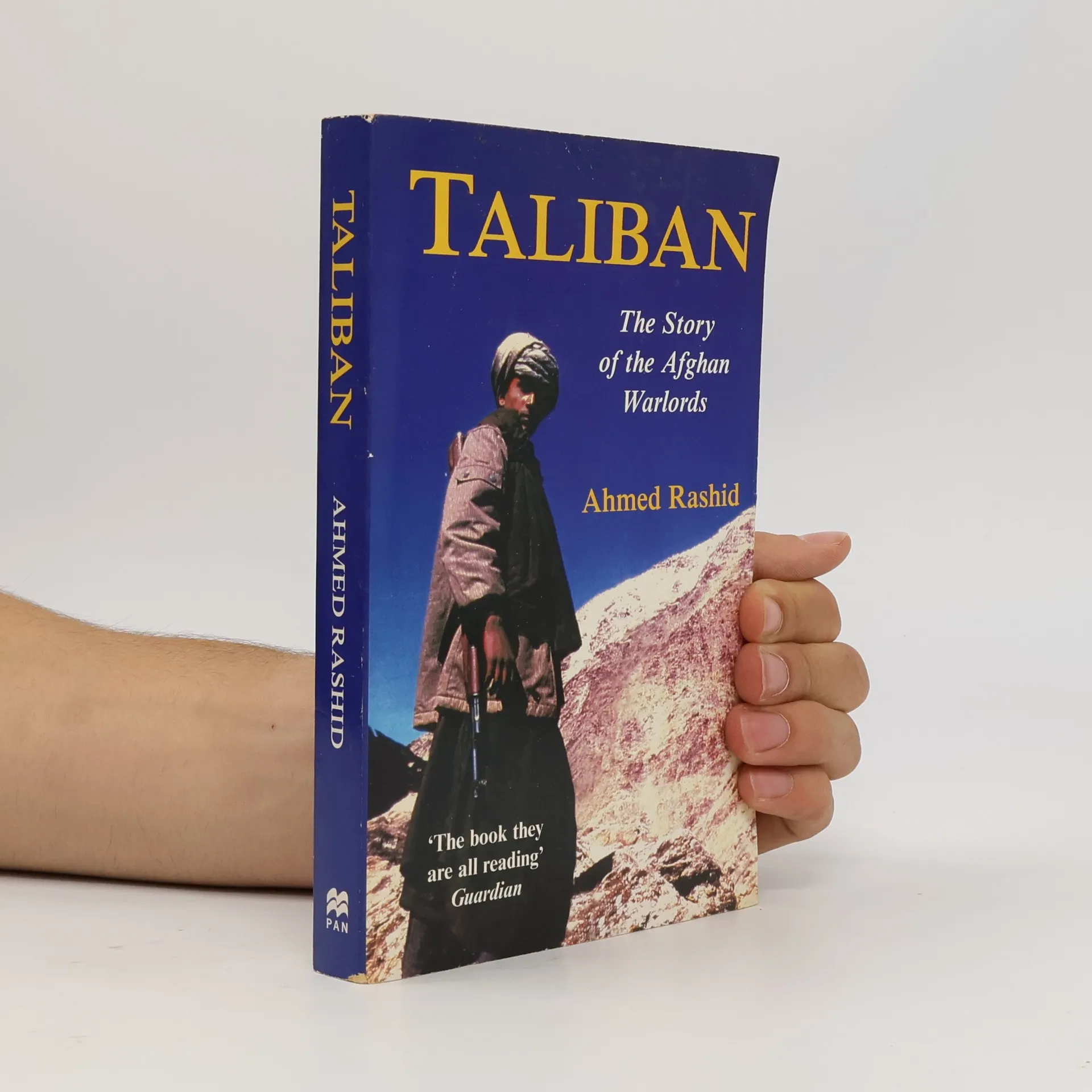
An exploration of the overwhelming complexity of Afghan politics, this title explains how it came in to being, how it is sustained and how Osama bin Laden has risen to such a figure of absolute power.
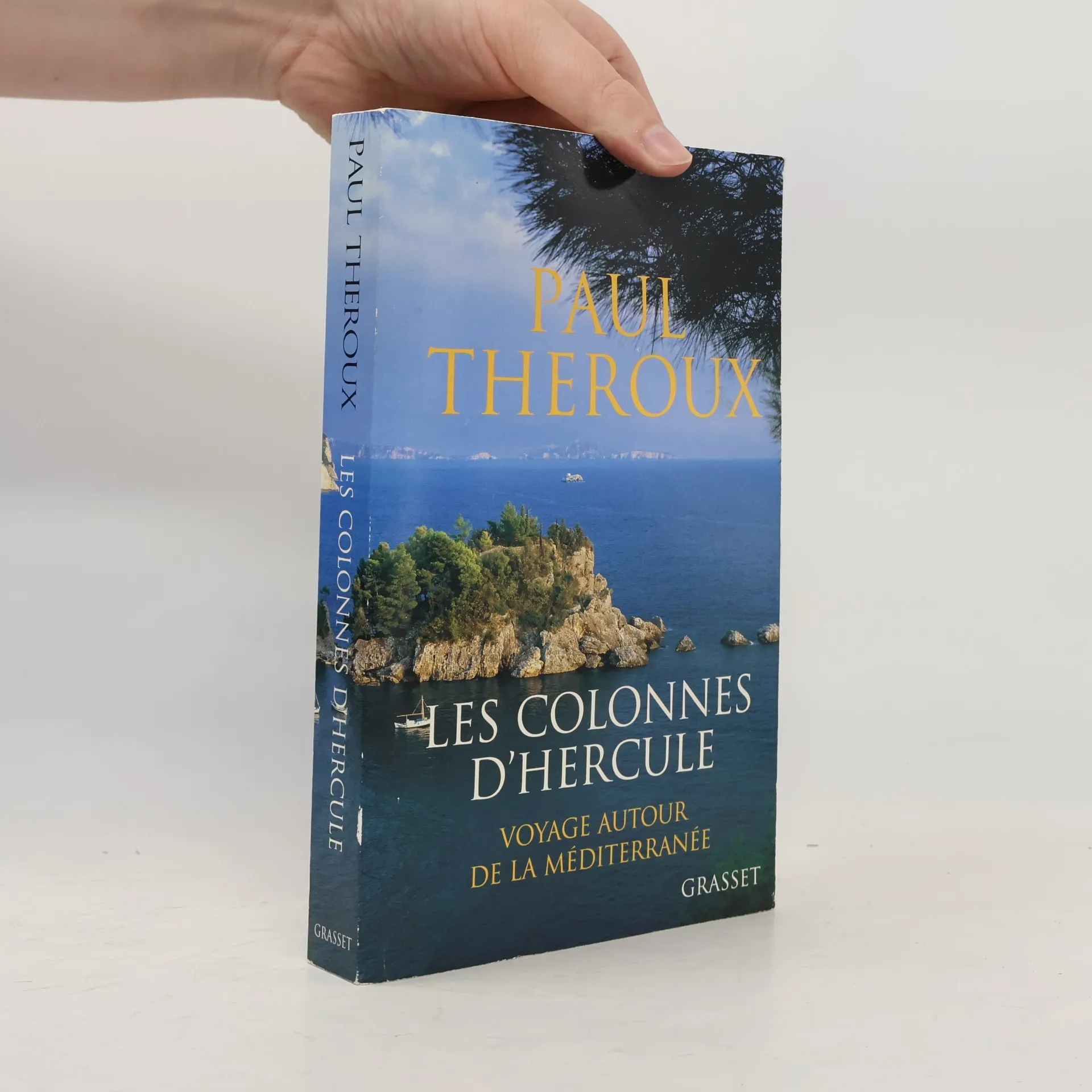
Les colonnes d'Hercule
- 482pages
- 17 heures de lecture
L'auteur a fait le tour de la Méditerranée à pied, en train, en car ou en bateau, accumulant les détours et les contretemps, faisant mille découvertes, mille rencontres. Il raconte, avec des arrière-plans culturels et littéraires.
The Old Patagonian Express
- 448pages
- 16 heures de lecture
Beginning his journey in Boston, where he boarded the subway commuter train, Paul Theroux travelled the length of North and South America, to his destination in Patagonia. In this book he vividly evokes the contrasts of his journey.
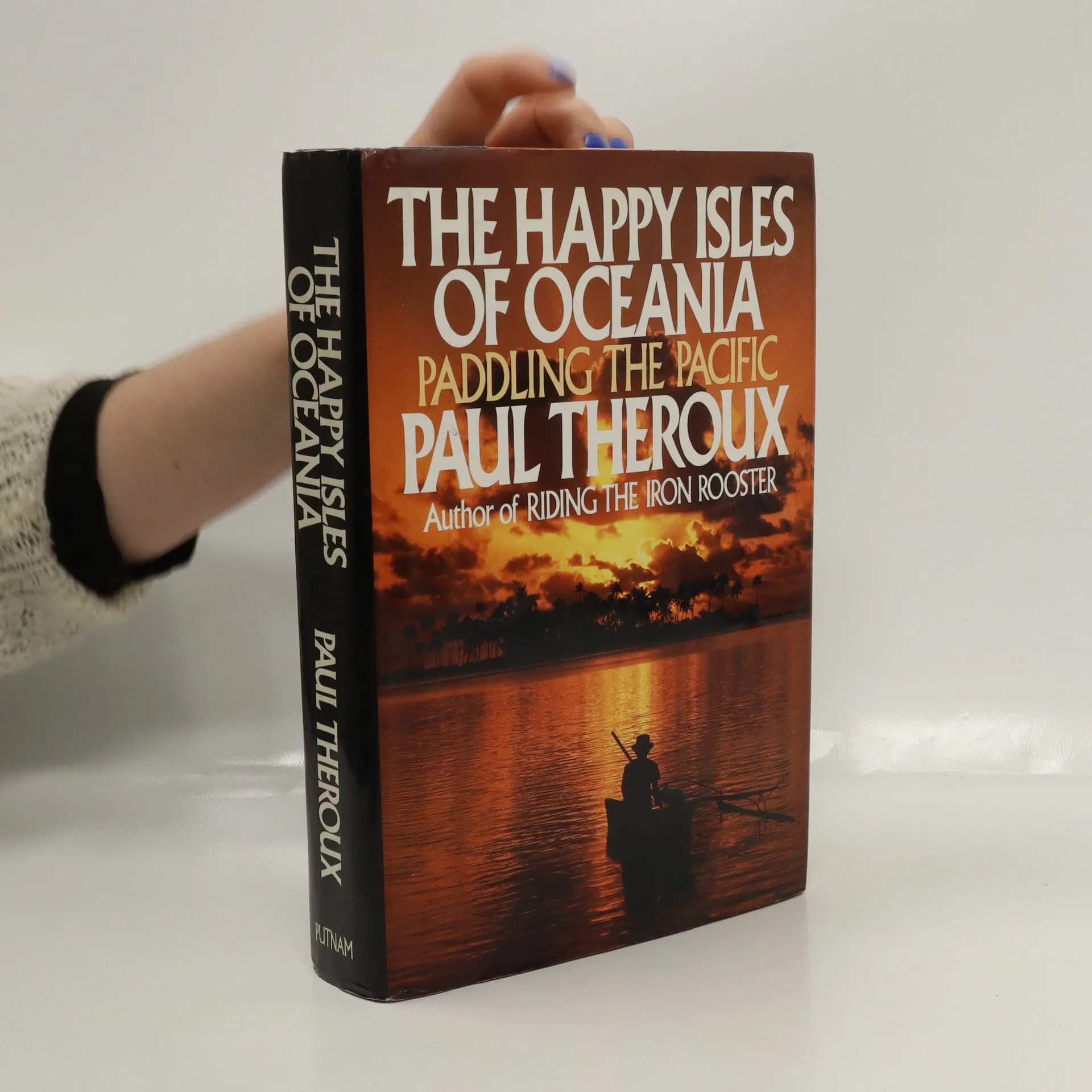
The Happy Isles of Oceania: Paddling the Pacific
- 528pages
- 19 heures de lecture
One of the world's premier travel writers launches his most exotic and tantalizing adventure yet, as he kayaks the shimmering Pacific, exploring the islands, and taking up residence to discover the secrets of these happy isles.
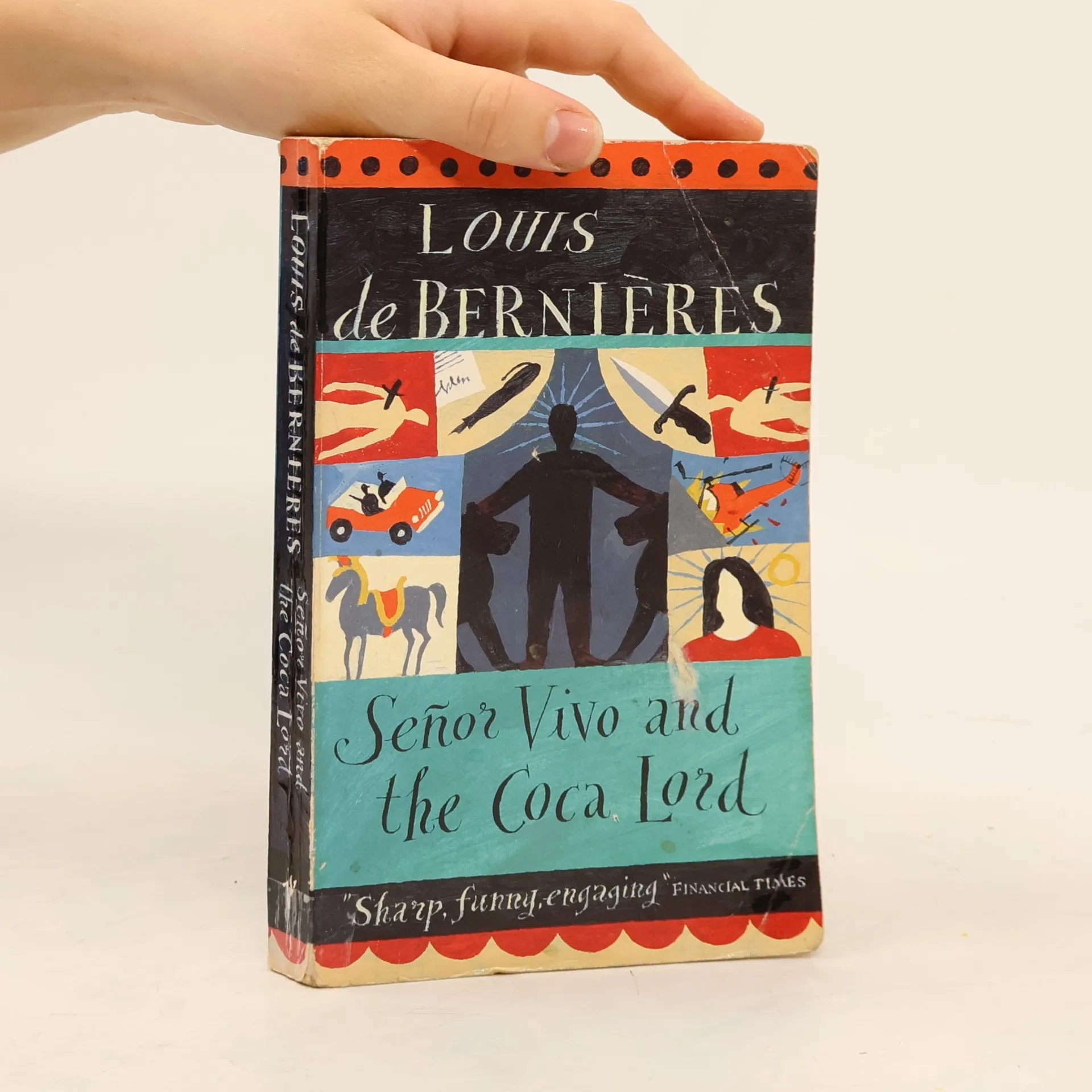
Dionisio Vivo, a young South American lecturer in philosophy, is puzzled by the hideously mutilated corpses that keep turning up outside his front door. To his friend, Ramon, one of the few honest policemen in town, the message is all too clear: Dionisio's letters to the press, exposing the drug barons, must stop; and although Dionisio manages to escape the hit-men sent to get him, he soon realizes that others are more vulnerable, and his love for them leads him to take a colossal revenge. "Senor Vivo and the Coca Lord is the second novel in a trilogy set in South America. It won a Commonwealth Writers Prize in 1992.
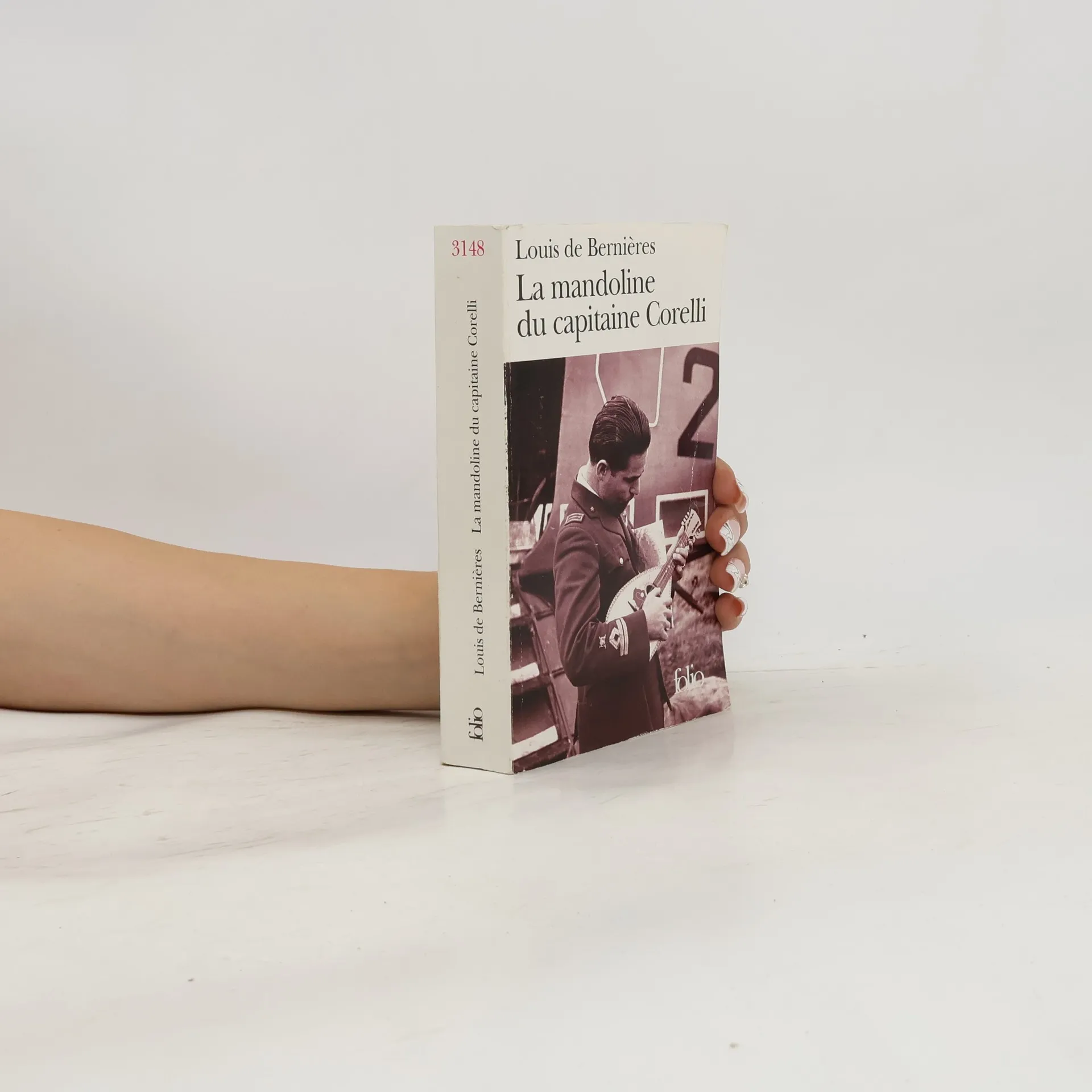
La mandoline du capitaine Corelli
- 692pages
- 25 heures de lecture
"L'île à moitié oubliée de Céphalonie s'élève imprudemment de la mer Ionienne. Elle est tellement chargée d'antiquité que les pierres elles-mêmes exhalent la nostalgie et que la terre rouge reste hébétée non seulement par le soleil mais aussi par le poids insupportable de la mémoire." Sur cette île en apparence bénie des dieux, des ouragans vont pourtant se déchaîner dès 1939; à l'occupation italienne va succéder l'invasion allemande et son cortège d'exactions. Puis, à partir de 1945, les maquis rouges feront régner leur terrible loi. Et quand enfin la paix semble revenue, le meurtrier tremblement de terre de 1953 dévaste Céphalonie à son tour. Que deviennent les destins individuels au cœur de tant de drames ? Un amour aussi fragile que celui de Pélagia, la jolie petite Grecque, et du séduisant capitaine Corelli peut-il leur résister ? Car comment résiste-t-on à la haine, la peur, la faim, la folie, la mort ? Est-il possible de continuer à vivre quand il ne reste plus que le souvenir, la tendresse, la musique - ah, la musique d'une certaine mandoline... à leur opposer ?
Tussen Orinoco en Amazone
- 321pages
- 12 heures de lecture
Verslag van een reis van vier maanden over de Orinoco naar het hart van het Amazonegebied.
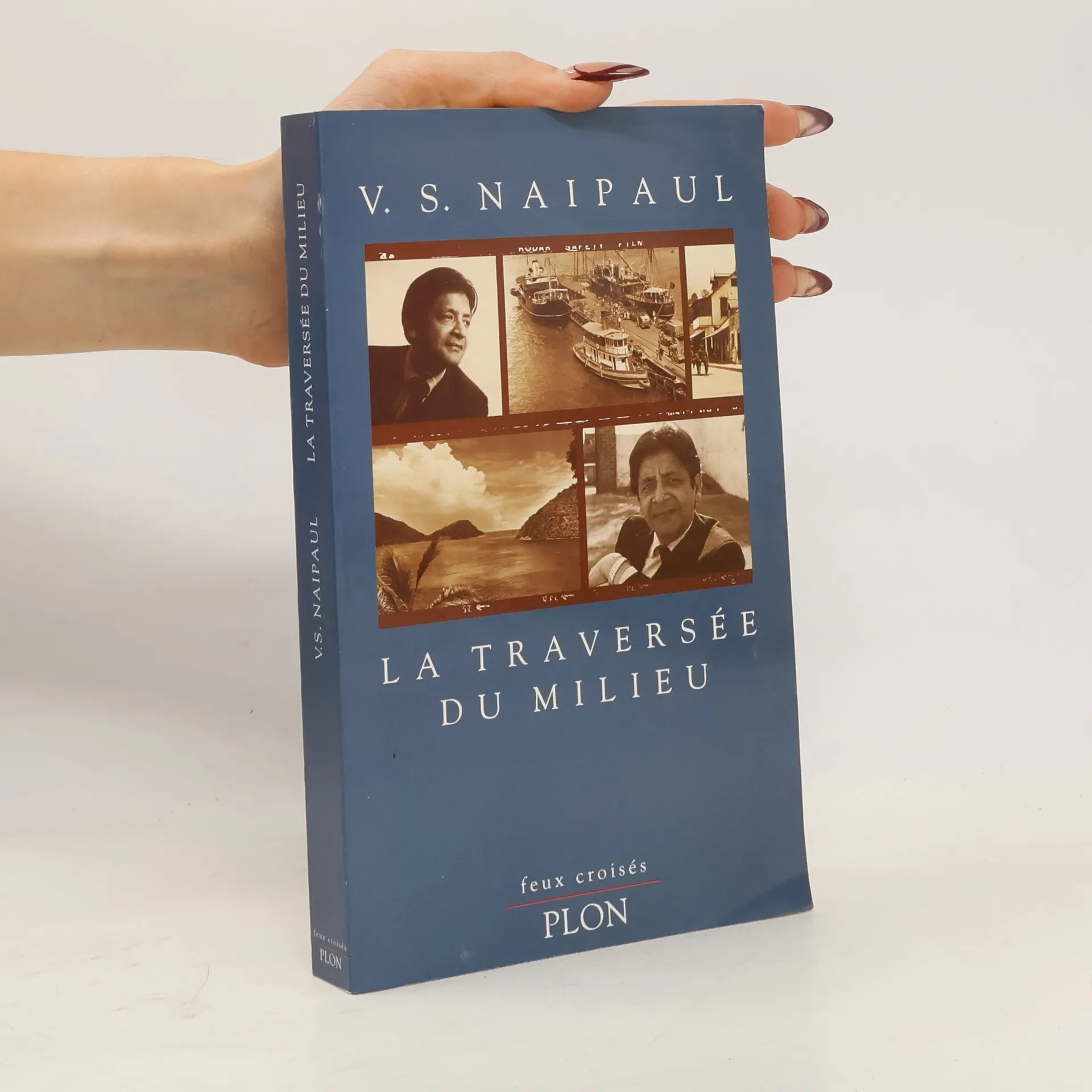
La traversée du milieu
- 275pages
- 10 heures de lecture
Raconte le voyage de l'auteur en 1950 de Londres à sa terre natale, l'île caribéenne de Trinidad. Cette œuvre offre une étude des sociétés - la Guyane britannique, le Suriname, la Martinique et la Jamaïque - en examinant leur héritage commun de colonialisme et d'esclavage.
Cassandra
- 200pages
- 7 heures de lecture
Cassandra, daughter of the King of Troy, is endowed with the gift of prophecy but fated never to be believed. After ten years of brutal war, Troy has fallen to the Greek army, and Cassandra is now a prisoner of war, shackled outside the gates of a foreign fortress, Agamemnon's Mycenae. Through memories of her childhood and reflections on the long years of conflict, Cassandra pieces together the legendary fall of her city. A woman living in an age of heroes, Cassandra reveals the untold personal story that has been lost among the triumphs of Achilles and Hector.
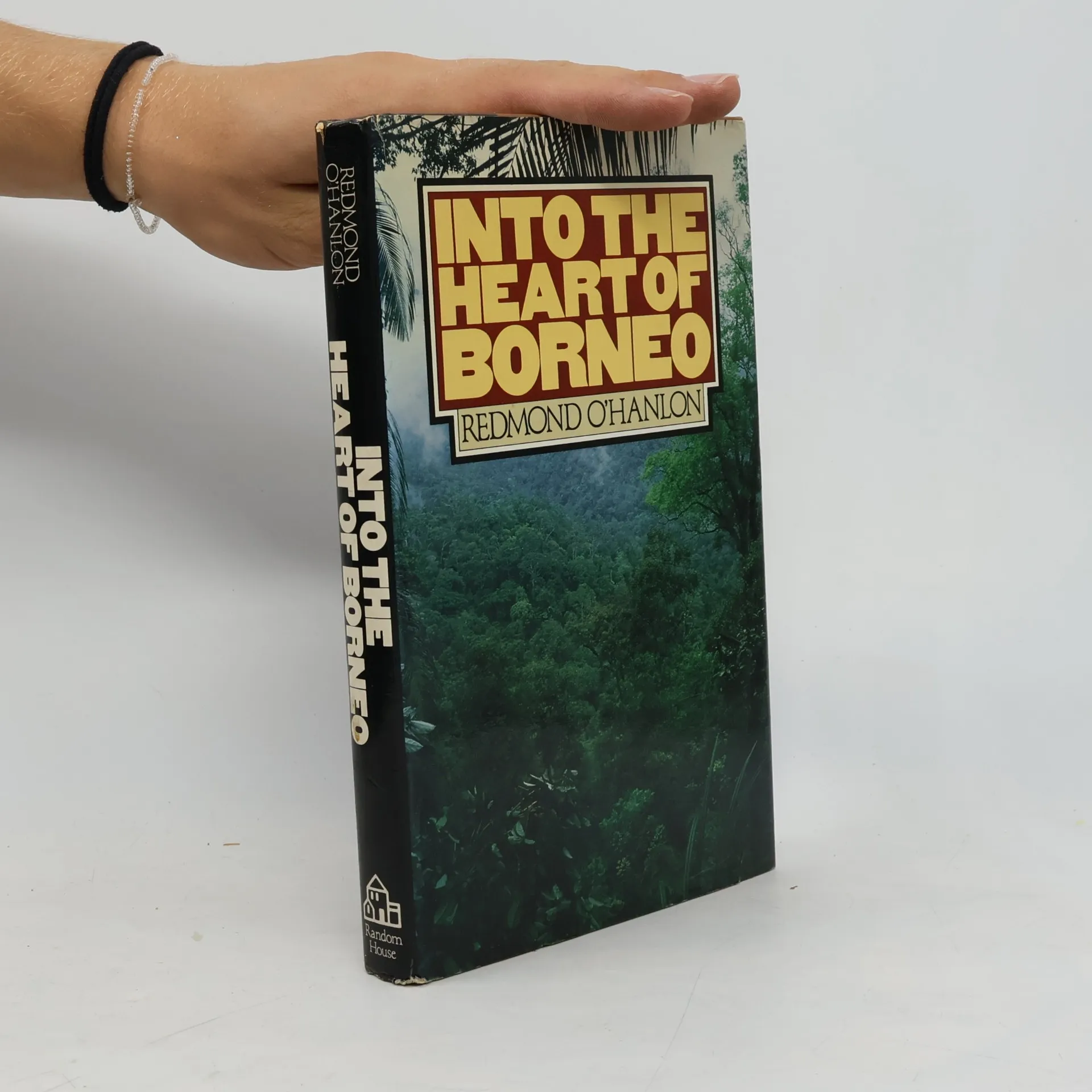
Into the Heart of Borneo
- 191pages
- 7 heures de lecture
An Account of a Journey Made In 1983 to the Mountains of Batu Tiban with James Fenton "Ye Gods, old man--don't do it!" you're bound to shriek on page 1 of this hilarious travelogue, on which the author lists the hazards that may befall him--vipers, cholera, crocs, ticks, tuberculosis, malaria, rabies, and 1,700 types of parasitic worms among them. After all, portly, over-the-hill London Times literary reviewer Redmond O'Hanlon hasn't done anything more aerobic than flip the pages of a book for decades; he wasn't even a Boy Scout. It's hardly reassuring that his colleague, poet James Fenton--who had the big idea to trek in Borneo--was a Boy Scout. He hated it, and besides, aged, balding Fenton, whom O'Hanlon describes as rather worm-like, sounds like he's a likely lunch for a swooping black eagle. But on they trod--with the much-needed help of three Iban natives and an unseen, though oft-quoted river god--through jungle, across rivers whose height may rise seven feet overnight, and via native villages (where they often have late-night parties), with one goal in mind: seeing the fabled Borneo rhino. Fenton is nearly swept away in a whirlpool, they subsist on jungle-worm gruel, and ripping off sucking leeches is a near-daily occurrence, but cultural and natural insights and adventures abound in this rip-roaringly funny and deftly written travelogue that will have you chortling out loud. --Melissa Rossi
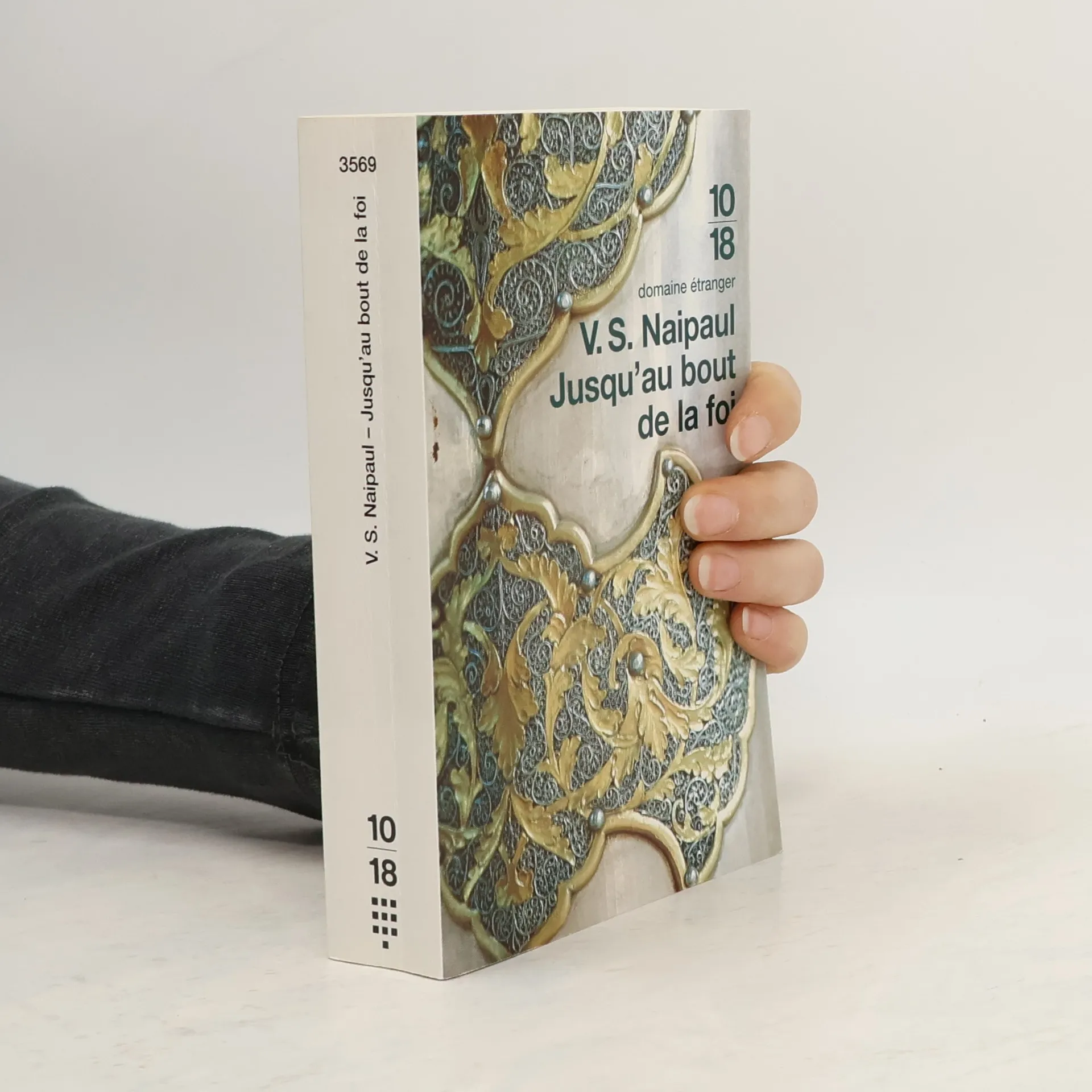
Domaine étranger: Jusqu'au bout de la foi
- 554pages
- 20 heures de lecture
Quinze ans après son premier voyage dans quatre pays musulmans non arabes - l'Indonésie, l'Iran, le Pakistan et la Malaisie -, V S. Naipaul revient sur ses pas. L'auteur du Crépuscule de l'Islam part à la recherche des hommes qu'il a connus en 1979, résistants de l'ombre ou défenseurs enthousiastes des gigantesques bouleversements que connaissait alors une partie du monde musulman. Naipaul rapporte les récits de ces vies singulières en vingt ans converties à la religion du prophète. D'Islamabad à Kuala Lumpur, des campagnes iraniennes aux mégalopoles d'Indonésie, il recueille les paroles désenchantées d'hommes résignés à endurer les aberrations des régimes en place. L'écrivain, qui sait aussi se faire sociologue ou historien, dresse le portrait de cette partie de l'humanité qui a cédé aux diktats d'une conception obscurantiste de la foi.
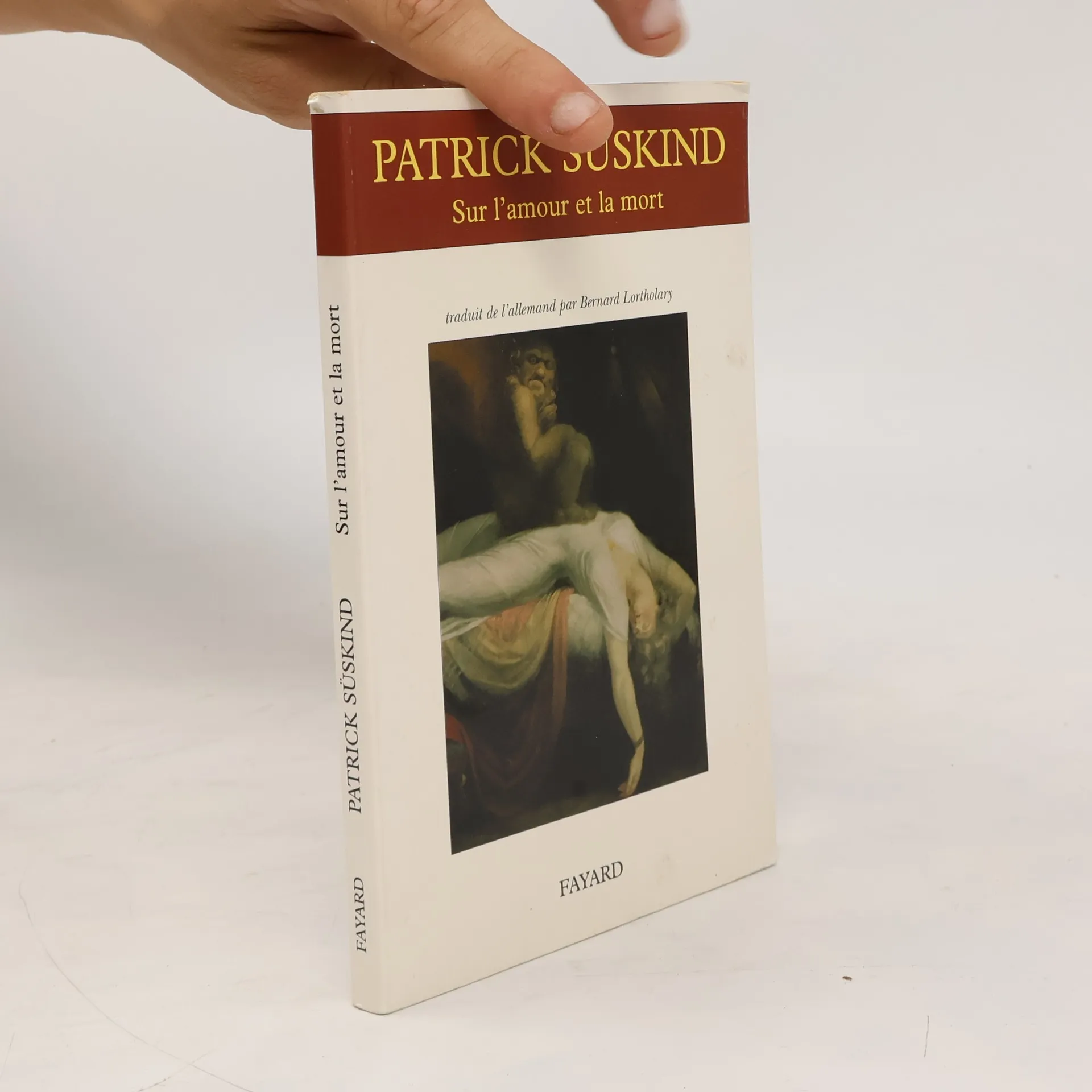
" Comment l'amour qui nous abêtit, et qui est potentiellement capable de faire de nous des brutes, peut-il être ressenti et désigné comme le bonheur suprême ? L'amour n'est-il qu'une maladie, et non la plus belle, mais la plus terrible qui soit ? Ou bien est-il un poison dont le dosage décide s'il est bénéfique ou dévastateur ? Au secours, Socrate, au secours ! " C'est bien l'amour et son funeste double, la mort, que l'auteur du Parfum a choisi d'embrasser ici dans un même mouvement d'humour et d'audace. L'essayiste en appelle à Goethe, Wagner ou Stendhal, compare les destins d'Orphée et de jésus qui, tous deux, ont tenté de vaincre la mort au nom de l'amour. Mais c'est surtout le romancier que l'on retrouve avec bonheur dans ce bref essai, lui qui sait, mieux que personne, brosser en quelques lignes des saynètes cocasses et bouleversantes.
La pianiste
- 250pages
- 9 heures de lecture
Elle ne boit pas, ne fume pas, couche encore à 36 ans dans le lit maternel et aime bien rester chez elle. Chaque fois que ses horaires de professeur de piano au conservatoire de Vienne le lui permettent, elle se plaît à fréquenter les cinémas pornos, les peep-shows et les fourrés du Prater. Et quand un de ses étudiants tombe amoureux d'elle, Erika Kohut ne sait lui offrir en échange qu'un scénario éculé, propre à redorer la vieille relation du maître et de l'esclave. Cru, féroce et en même temps d'un comique irrésistible, ce livre n'épargne ni l'amour maternel et ses vaines ambitions, ni la vénérable institution qu'est à Vienne la grande musique, ni le sexe et ses névroses.
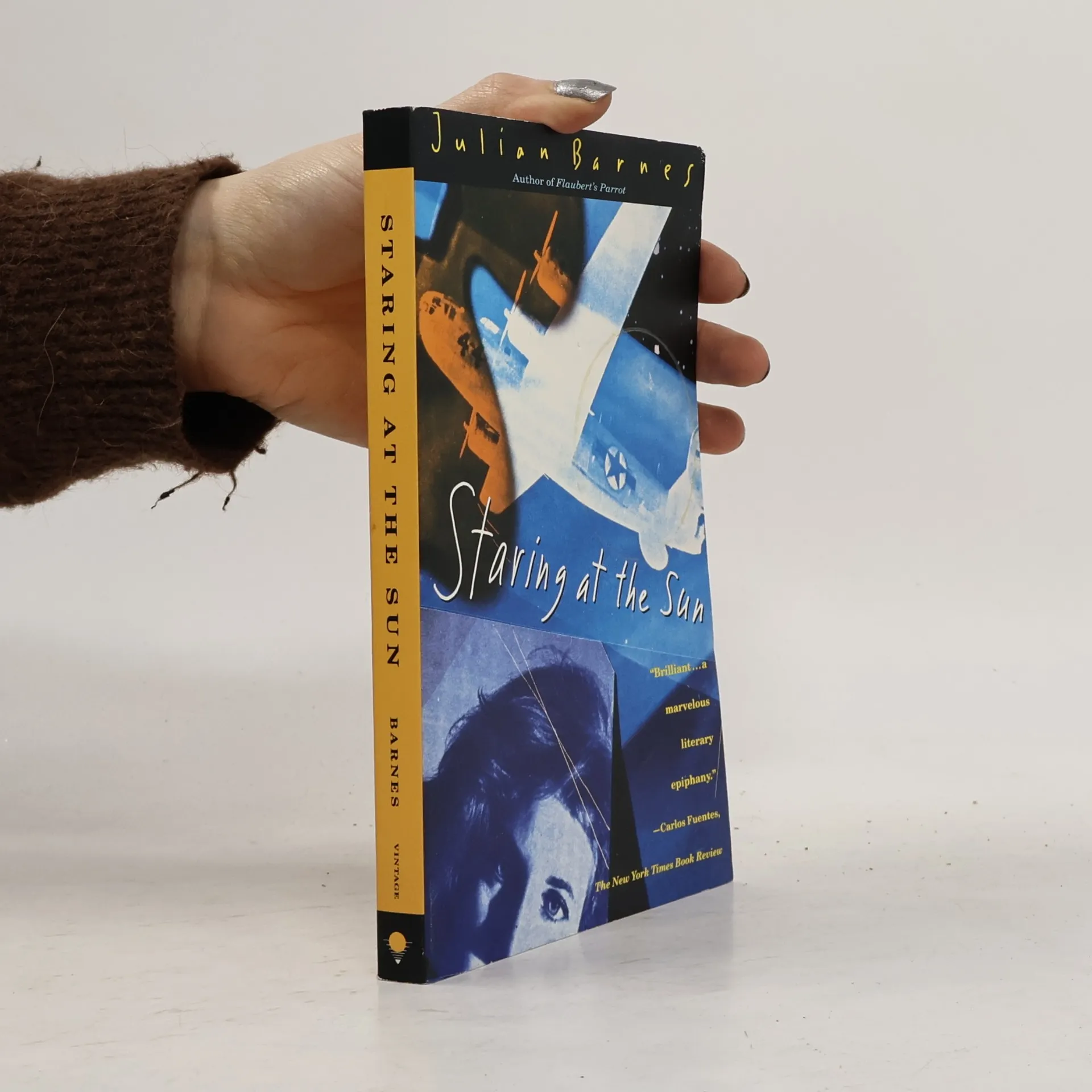
The bestselling, Booker Prize-winning author of The Sense of an Ending traces the life of a seemingly ordinary woman with an extraordinary disdain for wisdom in this “marvelous literary epiphany” (The New York Times Book Review). In this wonderfully provocative novel, Barnes follows Jean Serjeant from her childhood in the 1920s to her flight into the sun in the year 2021, confronting readers with the fruits of her relentless curiosity: pilgrimages to China and the Grand Canyon; a catalogue of 1940s sexual euphemisms; and a glimpse of technology in the twenty-first century (when The Absolute Truth can be universally accessed). Elegant, funny and intellectually subversive, Staring at the Sun is Julian Barnes at his most dazzlingly original.
The Kingdom By The Sea
- 368pages
- 13 heures de lecture
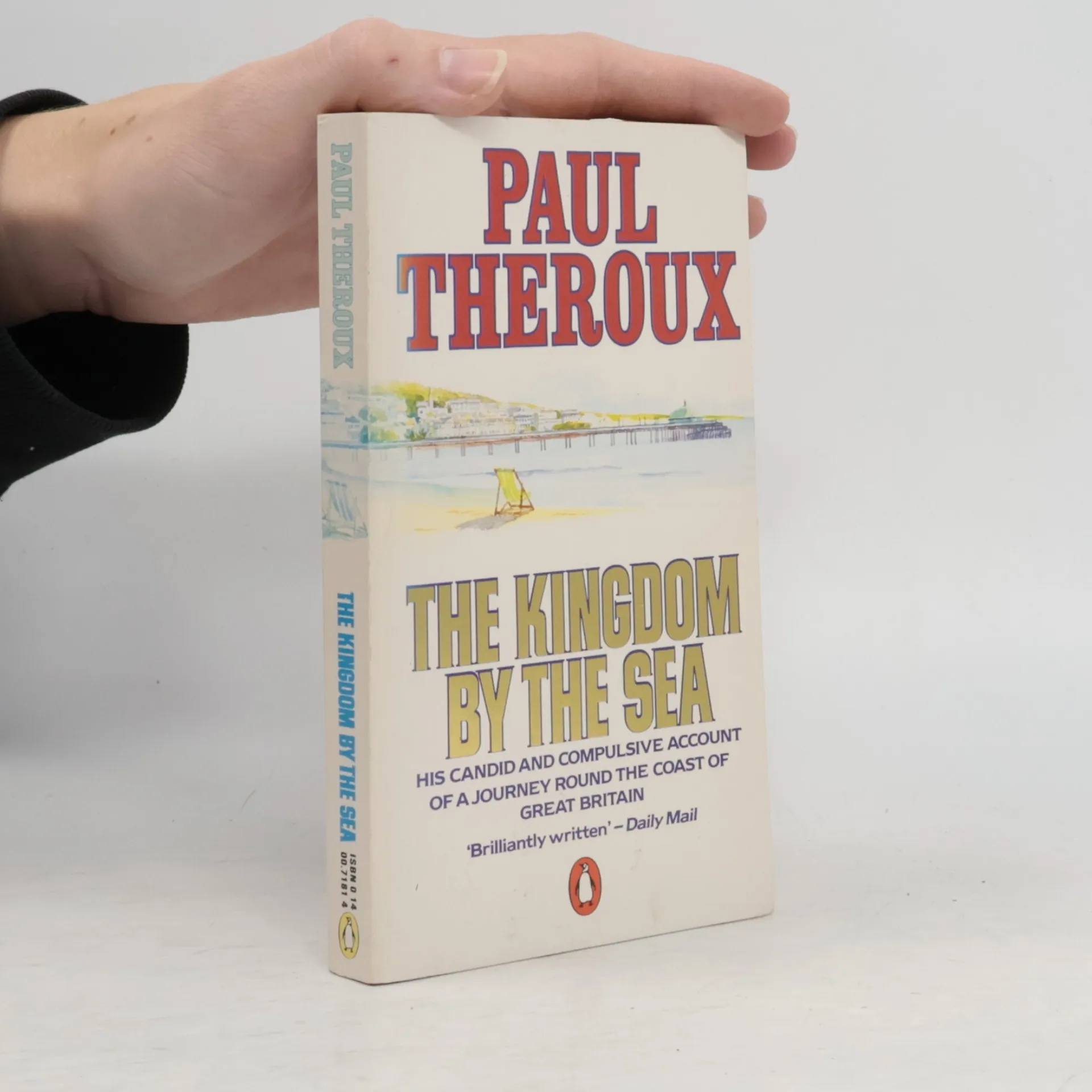
Paul Theroux's round-Britain travelogue is funny, perceptive and, said the Sunday Times, 'best avoided by patriots with high blood pressure . . . 'After eleven years living as an American in London, Paul Theroux set out to travel clockwise round the coast and find out what Britain and the British are really like. It was 1982, the summer of the Falklands War and the royal baby, and the ideal time, he found, to surprise the British into talking about themselves. The result is absolutely riveting reading. 'Few of us have seen the entirety of the coast and I for one am grateful to Mr Theroux for making my journey unnecessary. He describes it all brilliantly and honestly' - Anthony Burgess in the Observer. 'Filled with history, insights, landscape, epiphanies, meditations, celebrations and laments' - The New York Times.
Het raadsel van het Prado
- 342pages
- 12 heures de lecture
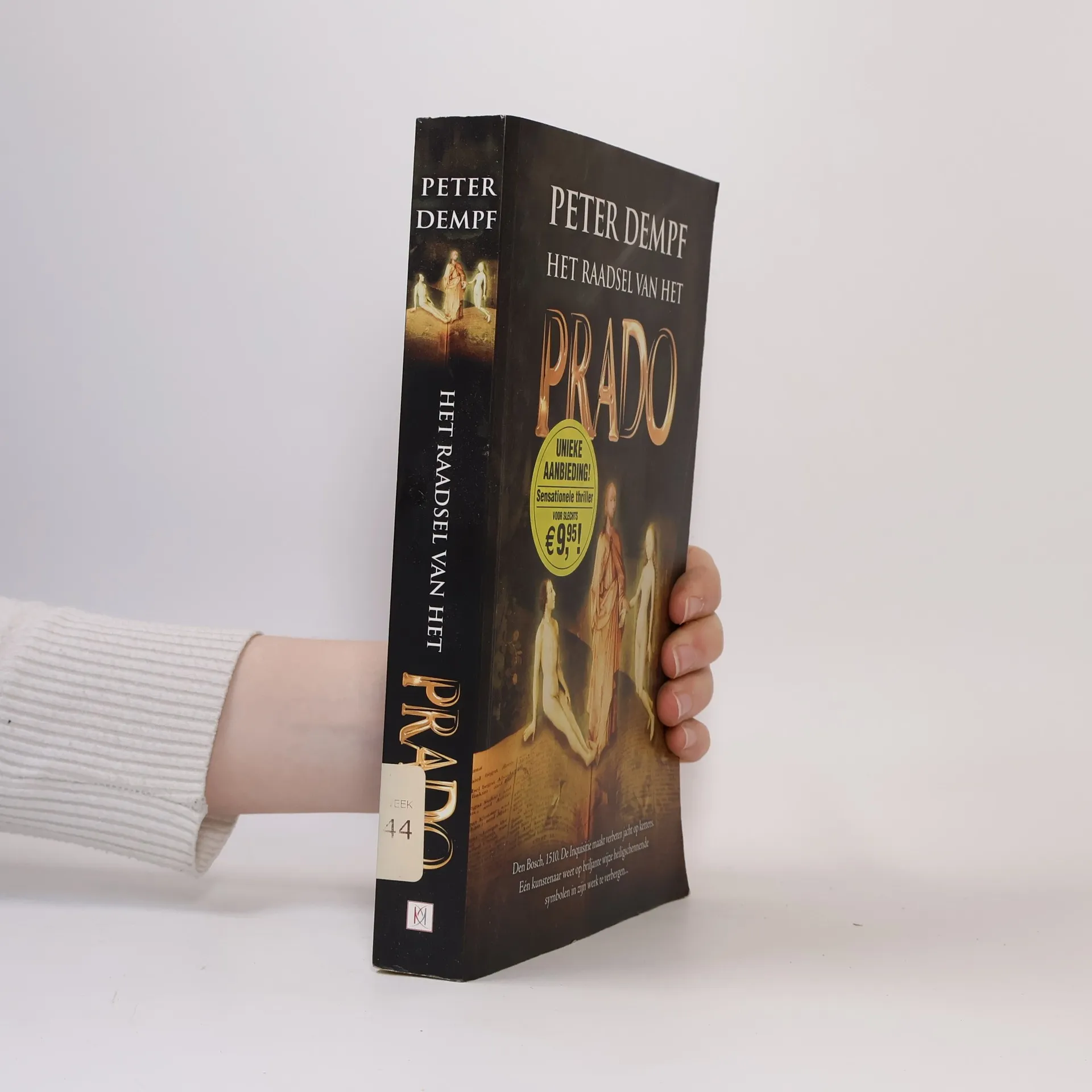
Als De tuin der lusten, het beroemde schilderij van Jeroen Bosch, in het Prado-museum van Madrid door een agressieve bezoeker wordt beschadigd en het doek als gevolg daarvan hersteld moet worden, ontdekt restaurateur Michael Keie in de diepere kleurlagen van het schilderij een reeks geheime tekens. Na deze intrigerende ontdekking wordt hij voortdurend op de hielen gezeten door een vrouw die beweert psychologe te zijn. Heeft zij het gemunt op de negatieven van het röntgenonderzoek? En welke betekenis hebben de zeldzame symbolen? De pogingen van Keie dit raadsel van het Prado op te lossen, voeren al snel terug naar de oorsprong van het schilderij, naar het 's Hertogenbosch van 1510, waar de Inquisitie jacht maakt op elke mogelijke vorm van ketterij... Oorspronkelijke Nederlandse titel: Het geheim van Jeroen Bosch
Our Lady of the Forest
- 345pages
- 13 heures de lecture
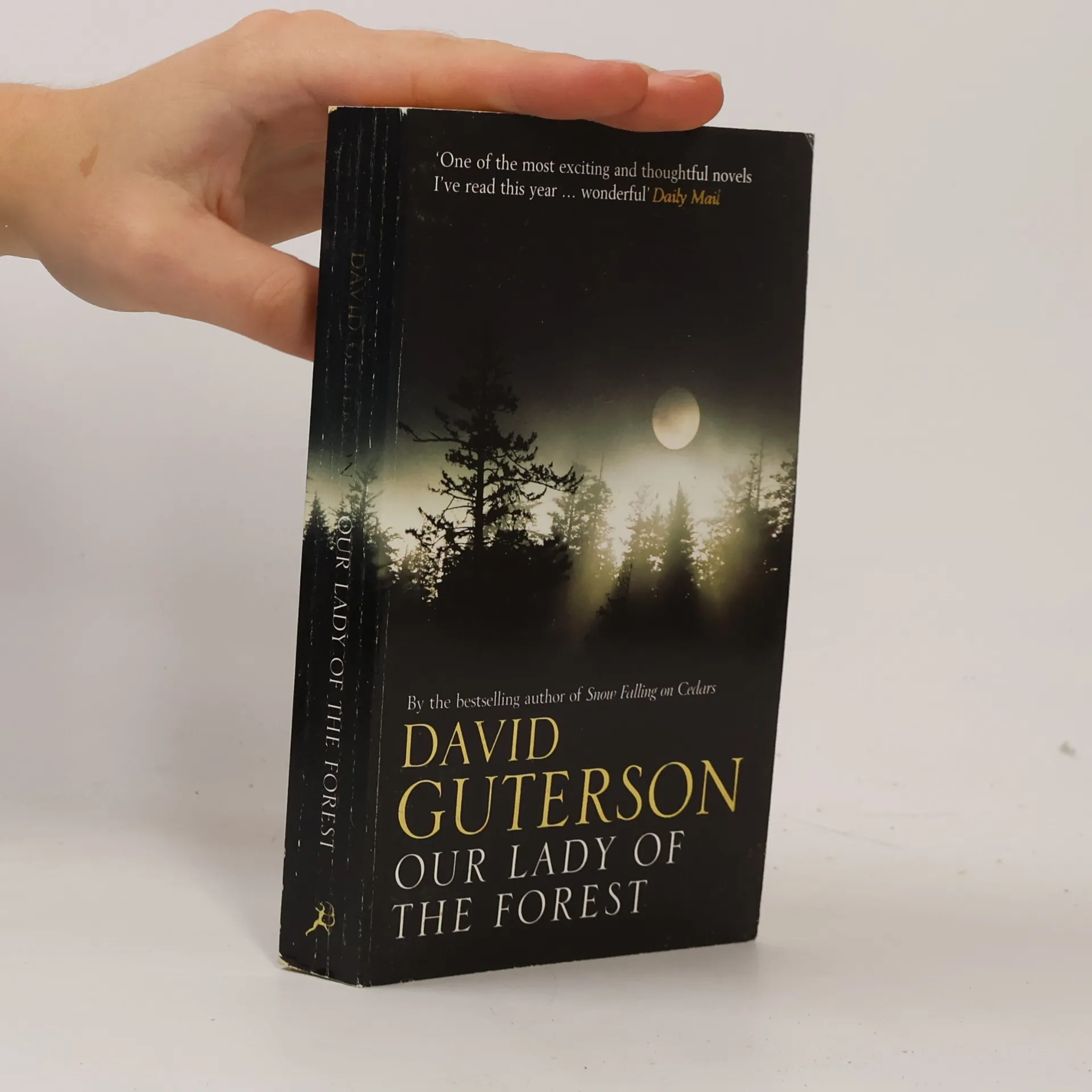
Ann Holmes seems an unlikely candidate for revelation. A sixteen-year-old runaway, she is an itinerant mushroom picker who lives in a tent. Her past has been hardscrabble. Then one November afternoon, in the foggy woods of North Fork, Washington, the Virgin comes to her, clear as day. Is this delusion, a product of her occasional drug use, or a true calling to God? Gradually word spreads, and thousands converge upon the already troubled town. For Tom Cross, an embittered logger who's been out of work since his son was paralyzed in a terrible accident, the possibility that Ann's visions are real offers a last chance for him and his son. As Father Collins searches both his own soul and Ann's; as Carolyn struggles with her less than admirable intentions; as Tom alternates between despair and hope; OUR LADY OF THE FOREST combines suspense, grit and humour in a story of faith at a contemporary crossroad.
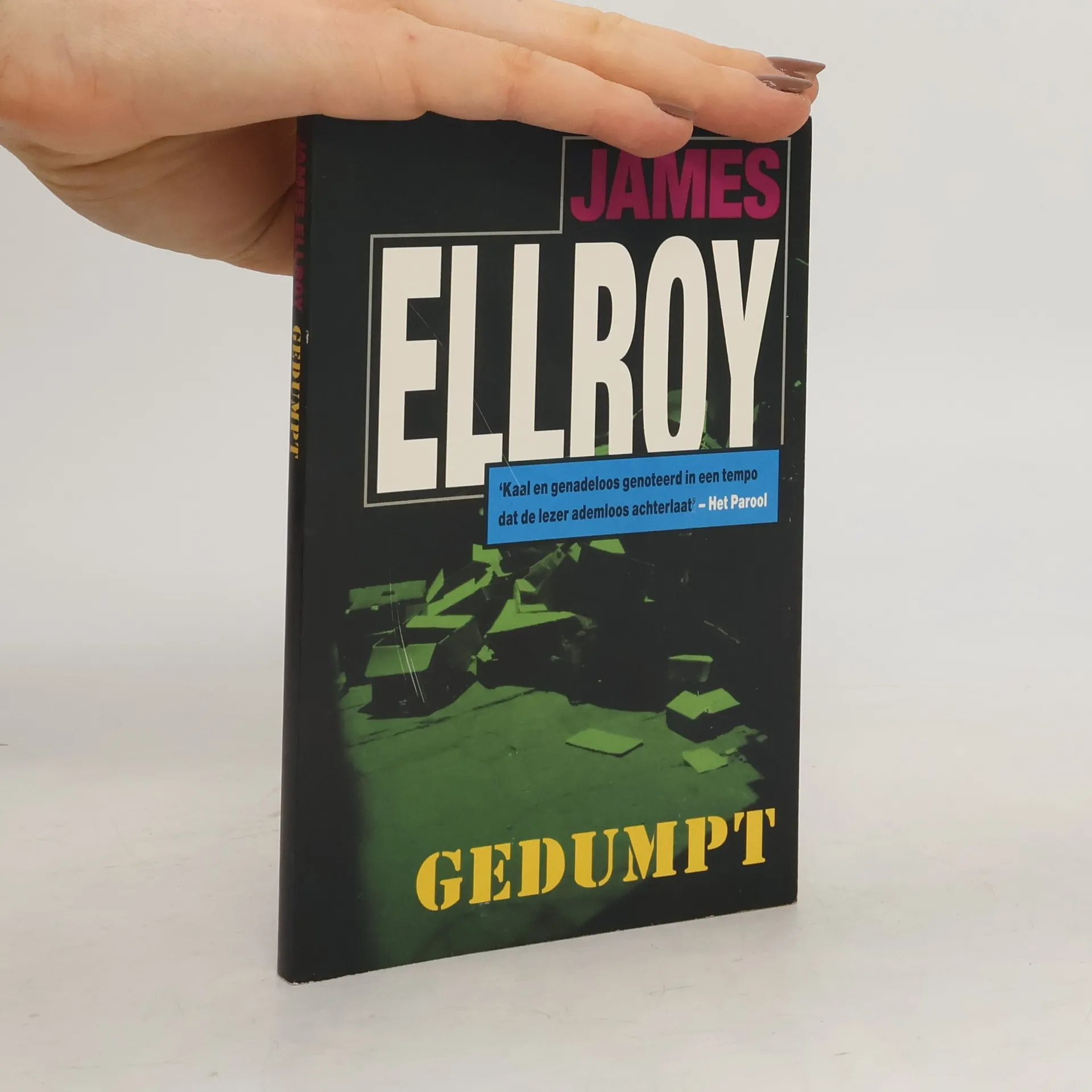
Gedumpt
- 94pages
- 4 heures de lecture
'Gedumpt' vertelt opnieuw het verhaal van een moord op een jonge vrouw: Betty Jean Scales. Het is het adembenemende relaas van twee mannen, een schrijver en een detective, in hun hongerige zoektocht naar gerechtigheid. CPNB Maand van het spannende boek 1998.
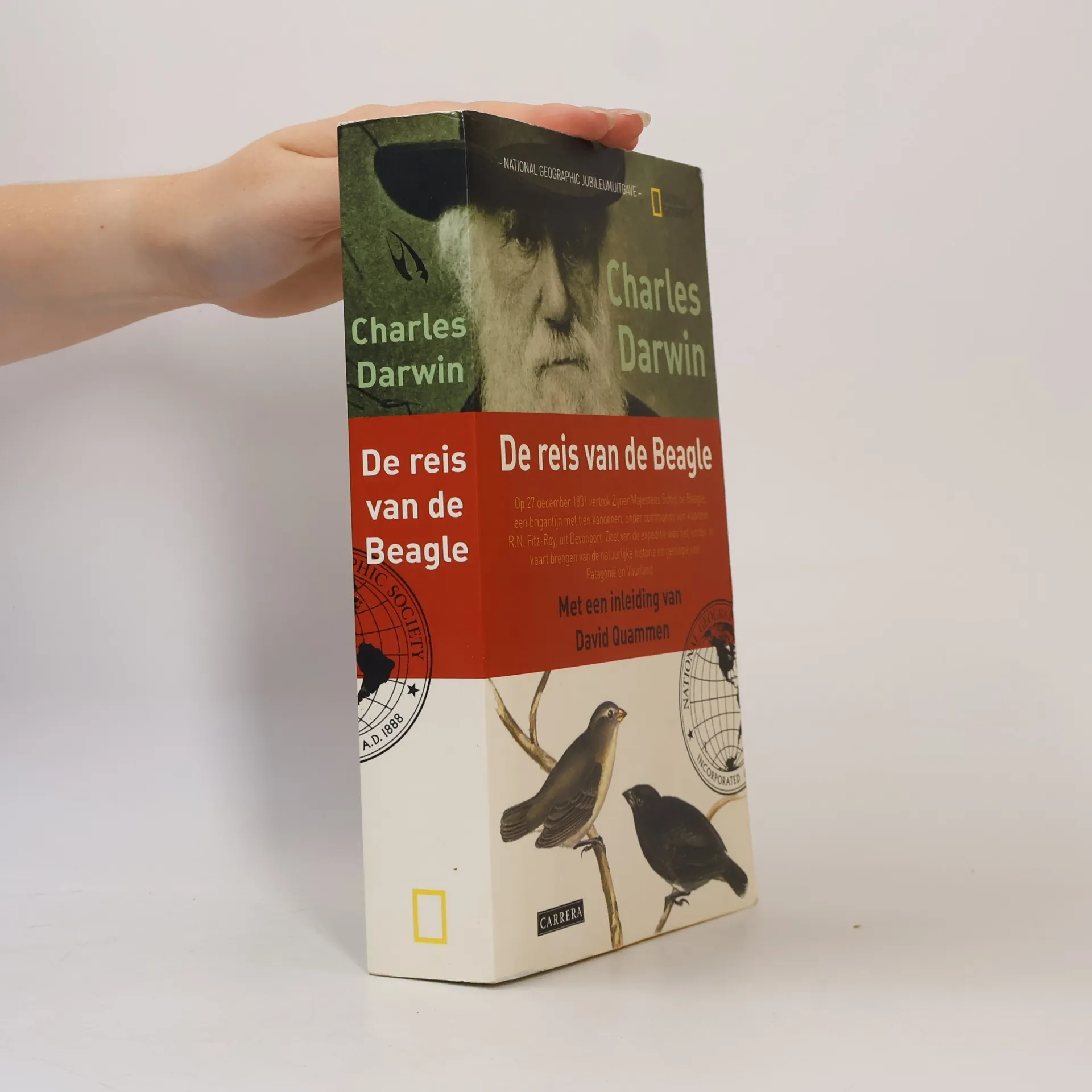
De reis van de Beagle
- 459pages
- 17 heures de lecture
Reisverslag van de 5 jaar durende zeereis die de Britse wetenschapper Charles Darwin vanaf 1831 maakte naar Zuid-Amerika, Afrika, Australië en eilanden in de Stille en Indische Oceaan.
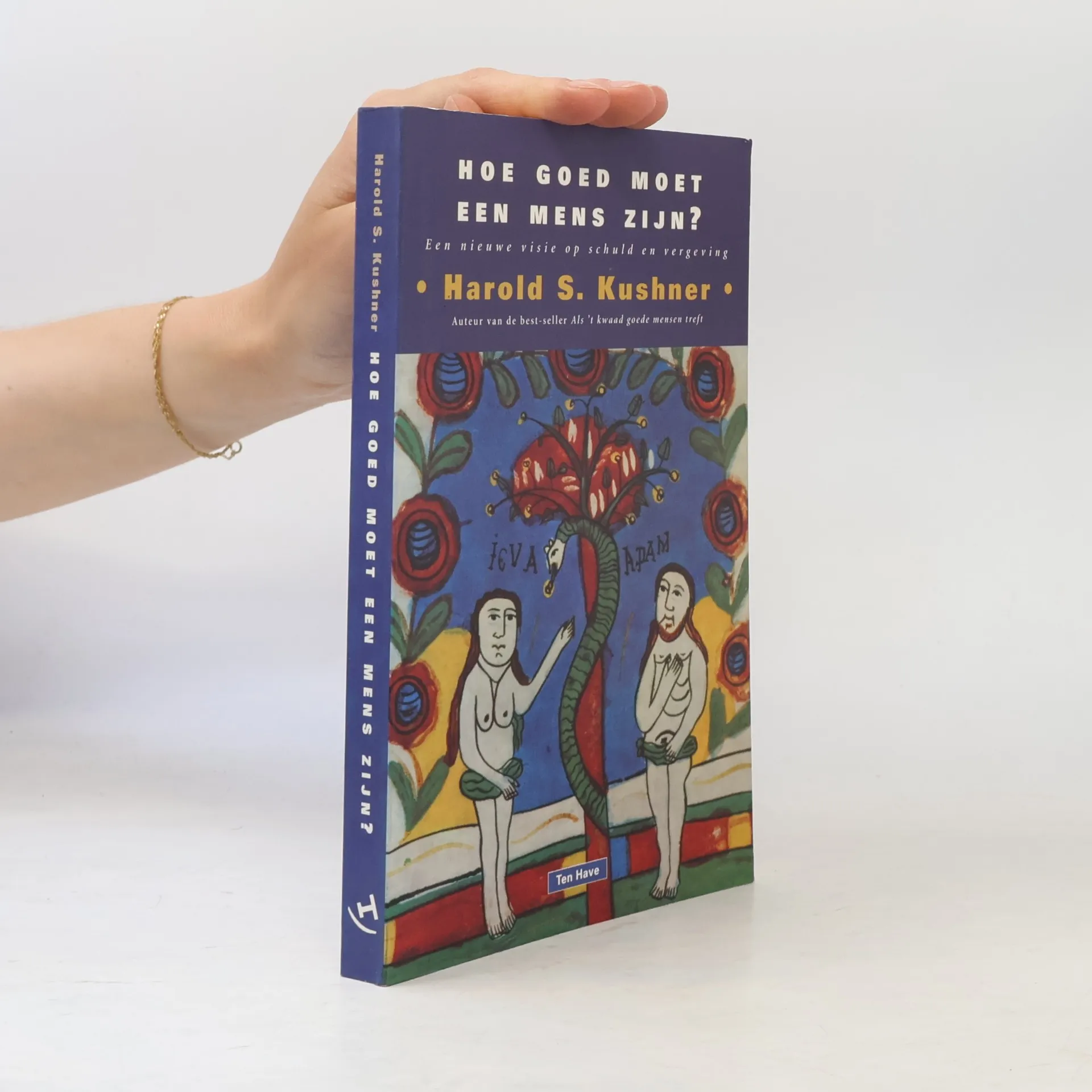
Theologische beschouwing over menselijke gevoelens van ontoereikendheid en schuld, door de Amerikaanse rabbijn.
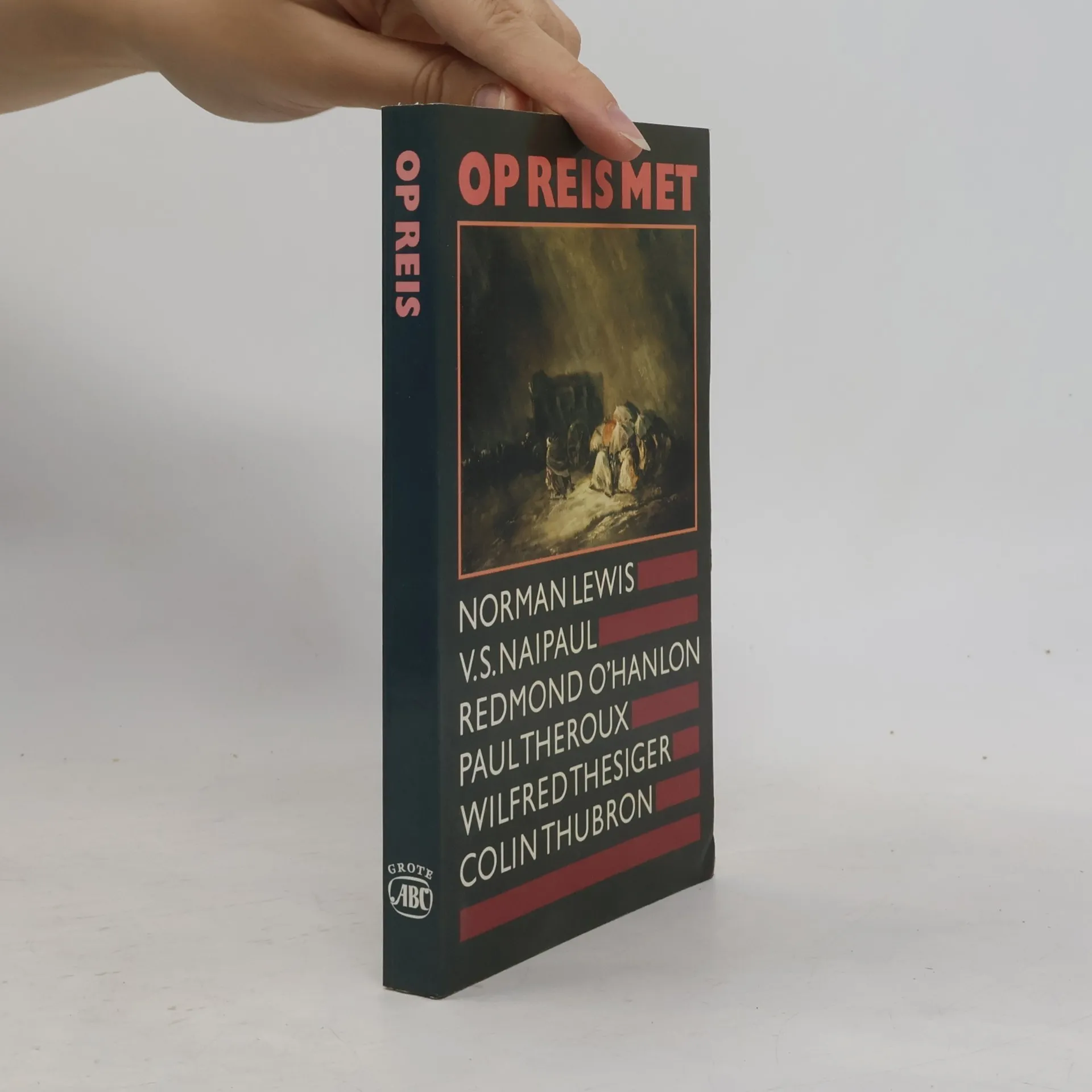
Op reis met ...
- 159pages
- 6 heures de lecture
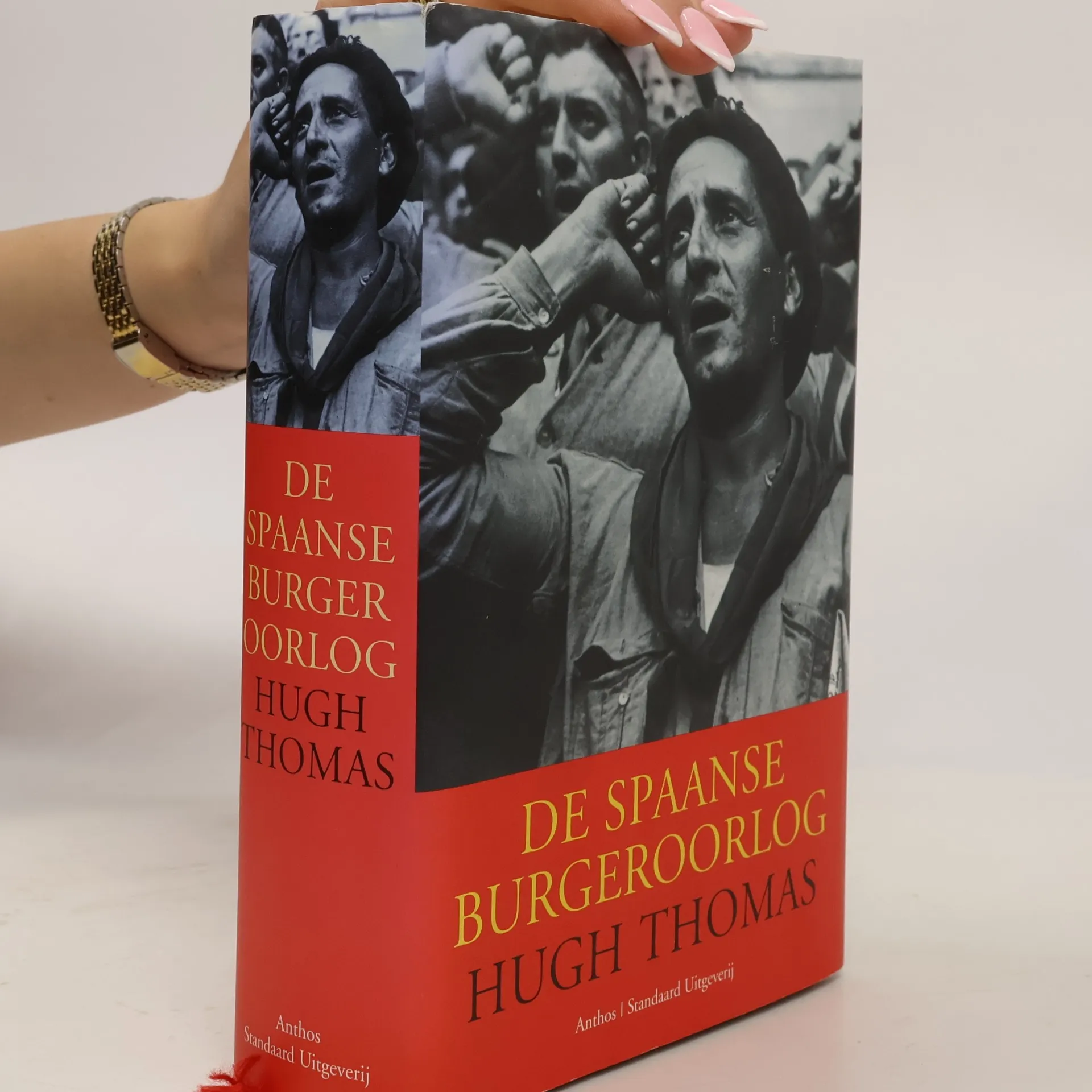
De Spaanse burgeroorlog / druk 1
- 927pages
- 33 heures de lecture
Geschiedenis van de Spaanse Burgeroorlog (1936-1939) met veel aandacht voor de sociale, politieke, militaire en economische aspecten van dit conflict.
/ 9055155039 / Literature translated into Dutch / Nederlands / Dutch / Néerlandais / Niederländisch / soft cover / 13 x 21 cm / 198 .pp /
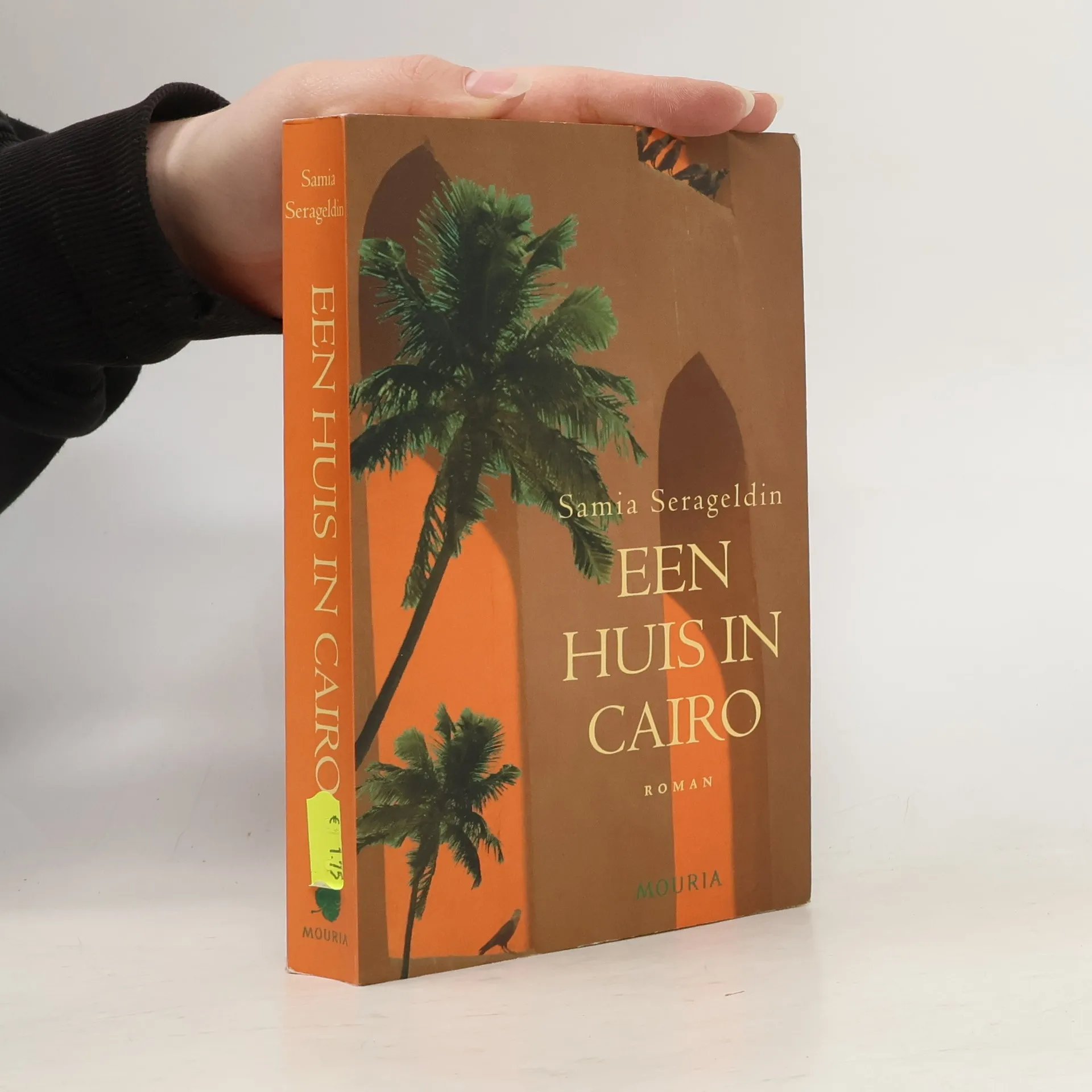
Een huis in Cairo
- 301pages
- 11 heures de lecture
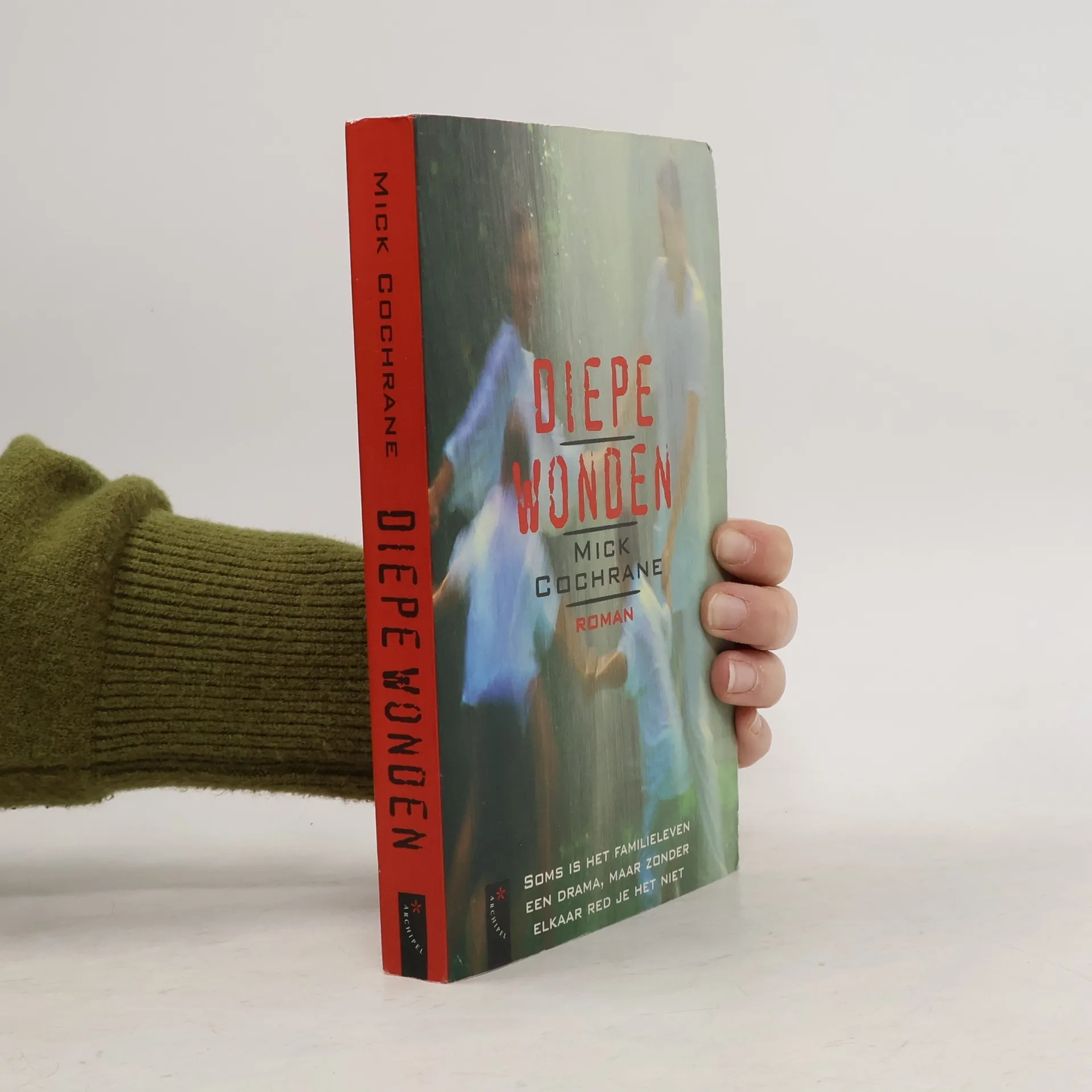
Diepe wonden
- 250pages
- 9 heures de lecture
Vertaald naar het Nederlands door / Translated into Dutch by Tinke Davids / 9789029508896 / Literature translated into Dutch / Nederlands / Dutch / Néerlandais / Niederländisch / paperback / 13 x 21 cm / 251 .pp /
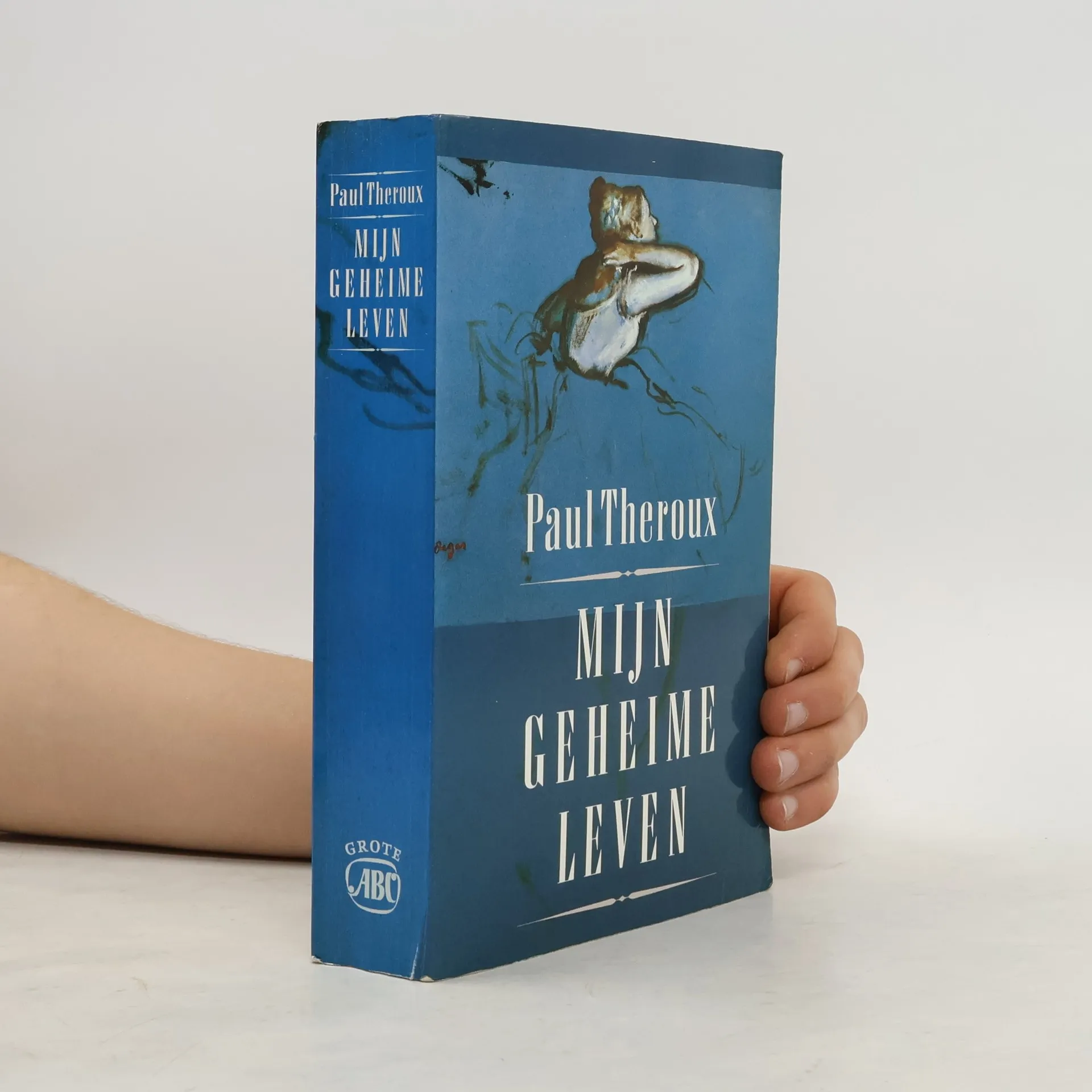
Mijn geheime leven
- 494pages
- 18 heures de lecture
Deels autobiografisch relaas over het leven van een Amerikaan vanaf zijn vijftiende jaar tot aan de nadering van de middelbare leeftijd.
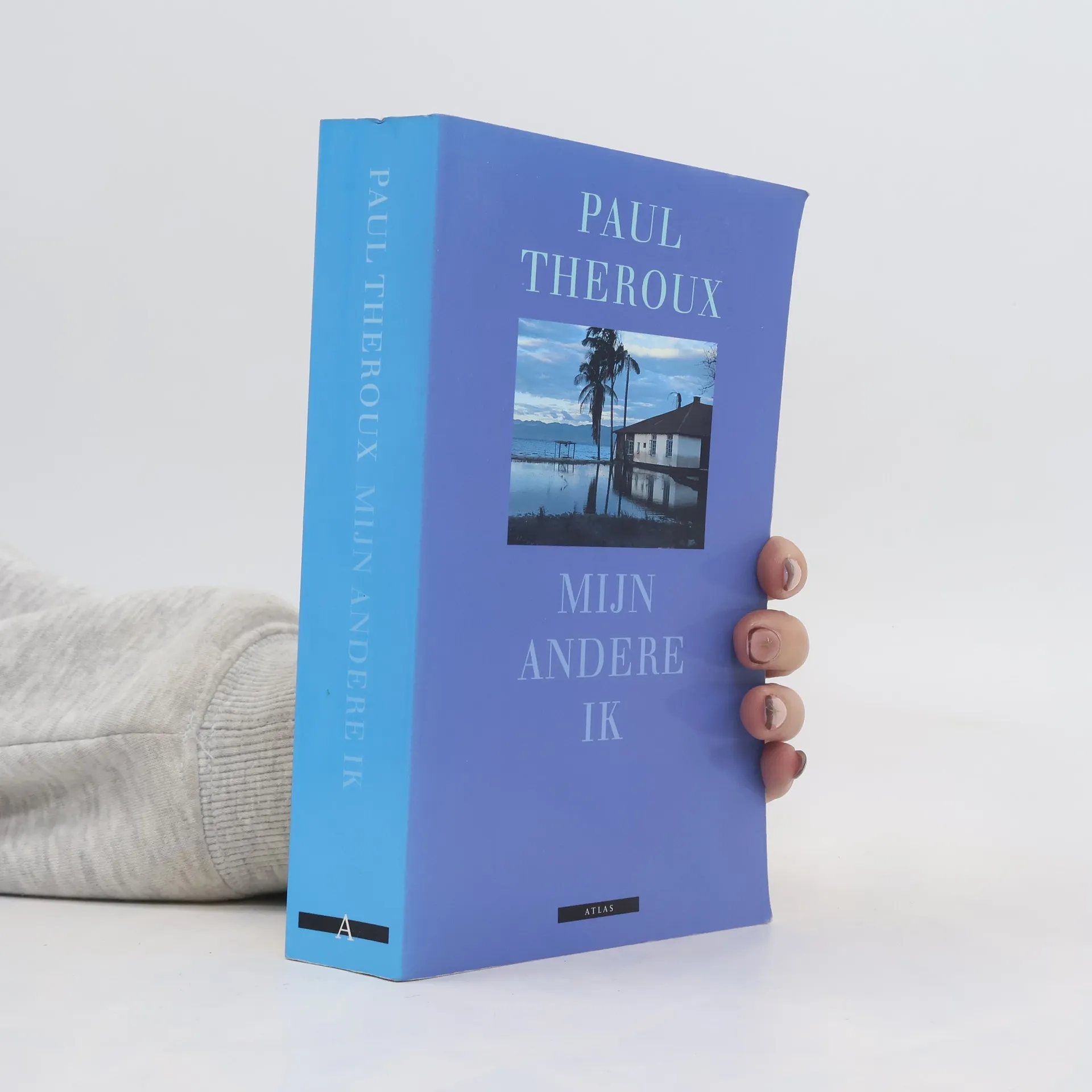
Mijn andere ik
- 464pages
- 17 heures de lecture
In denkbeeldige herinneringen vertelt de auteur over ontmoetingen en gebeurtenissen in zijn leven, in zijn huwelijk en in zijn werk als schrijver.
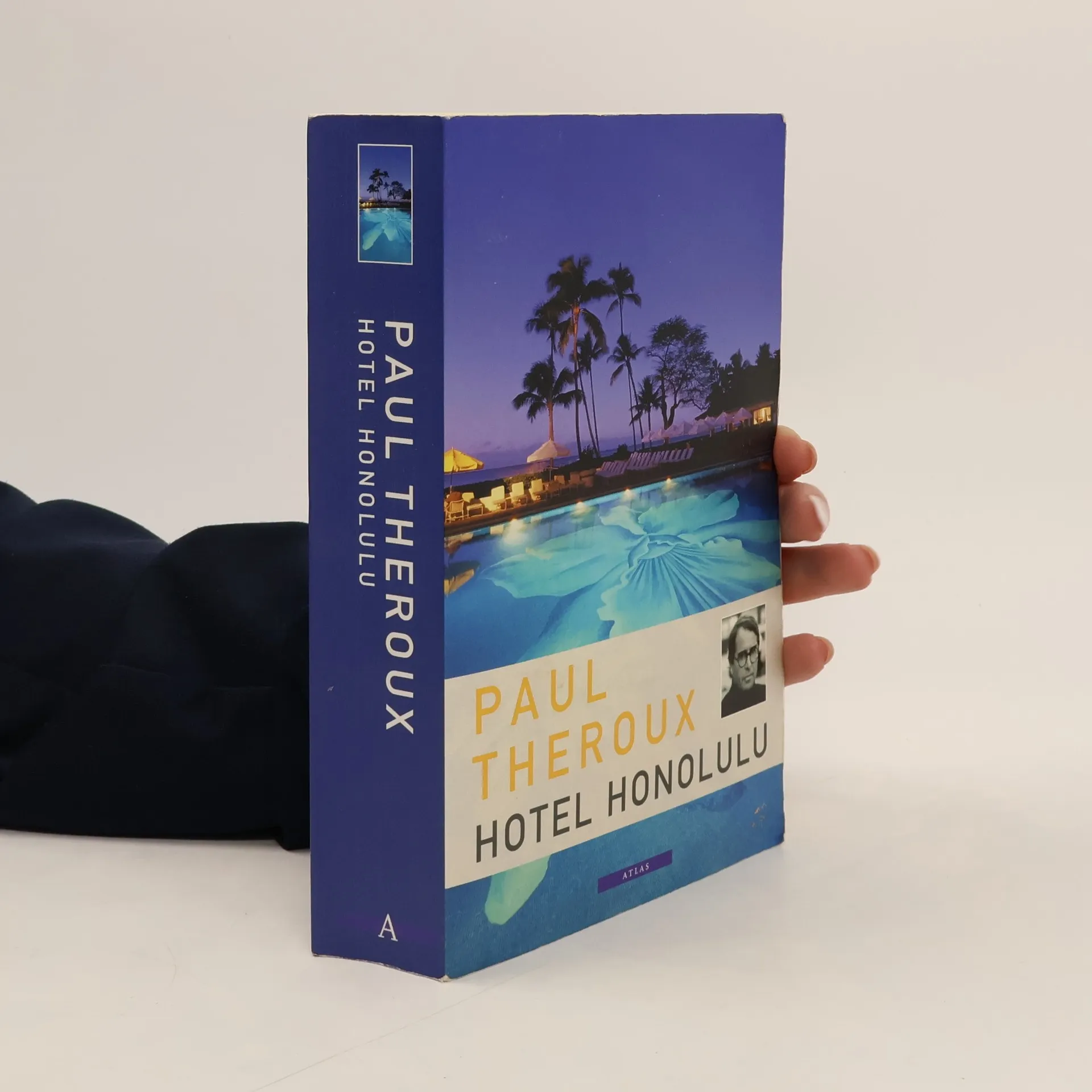
Hotel Honolulu
- 476pages
- 17 heures de lecture
Een Amerikaanse schrijver begint een nieuw leven als hotelmanager op Hawaiï en observeert de levens van de hotelgasten en personeelsleden.
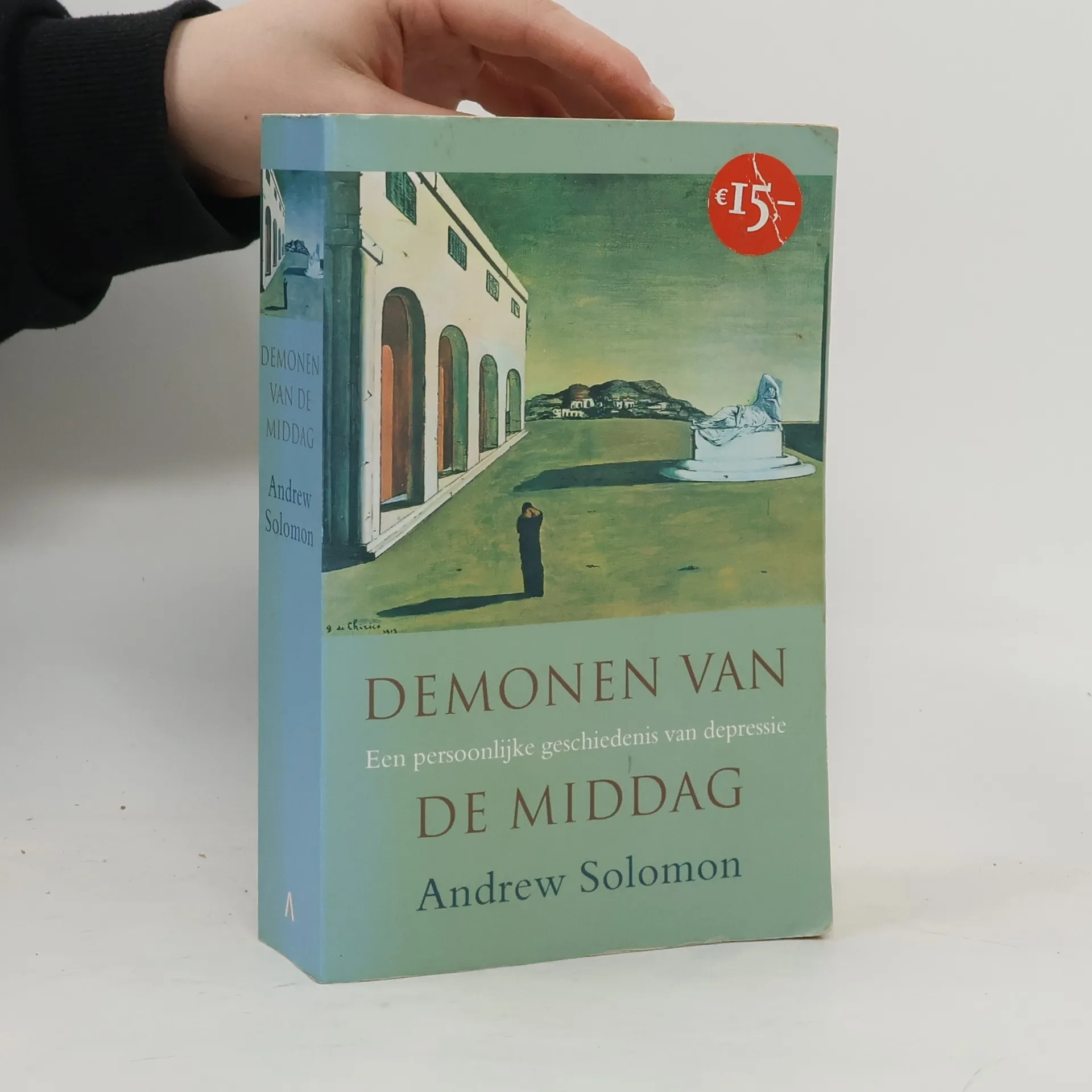
Persoonlijk relaas over de depressie van de schrijver, afgewisseld met meer algemene beschouwingen over deze aandoening.
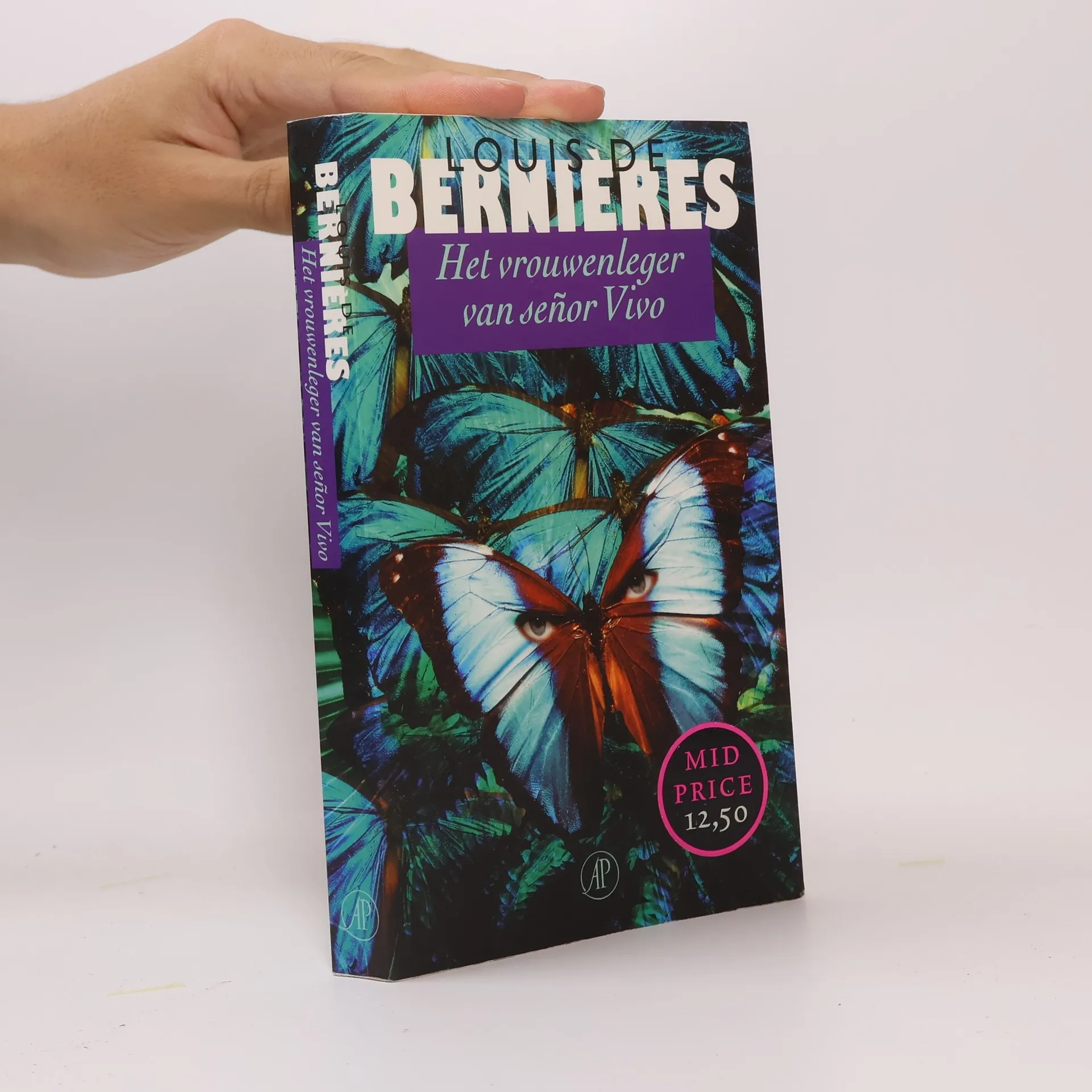
Een Zuid-Amerikaanse leraar filosofie, die de drugsmafia aanklaagt in de krant, vindt regelmatig als afschrikmiddel een lijk in zijn tuin.
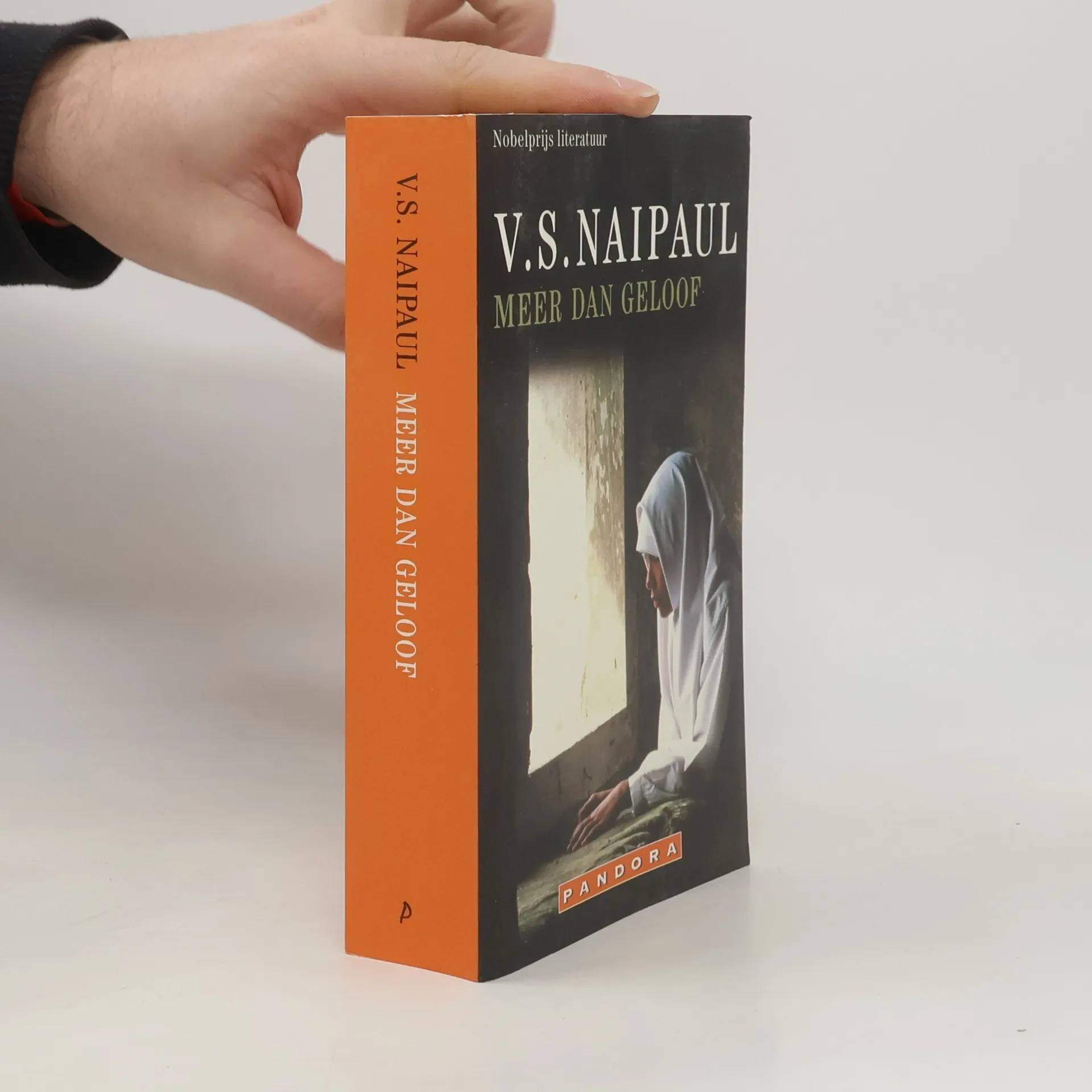
Meer dan geloof
- 607pages
- 22 heures de lecture
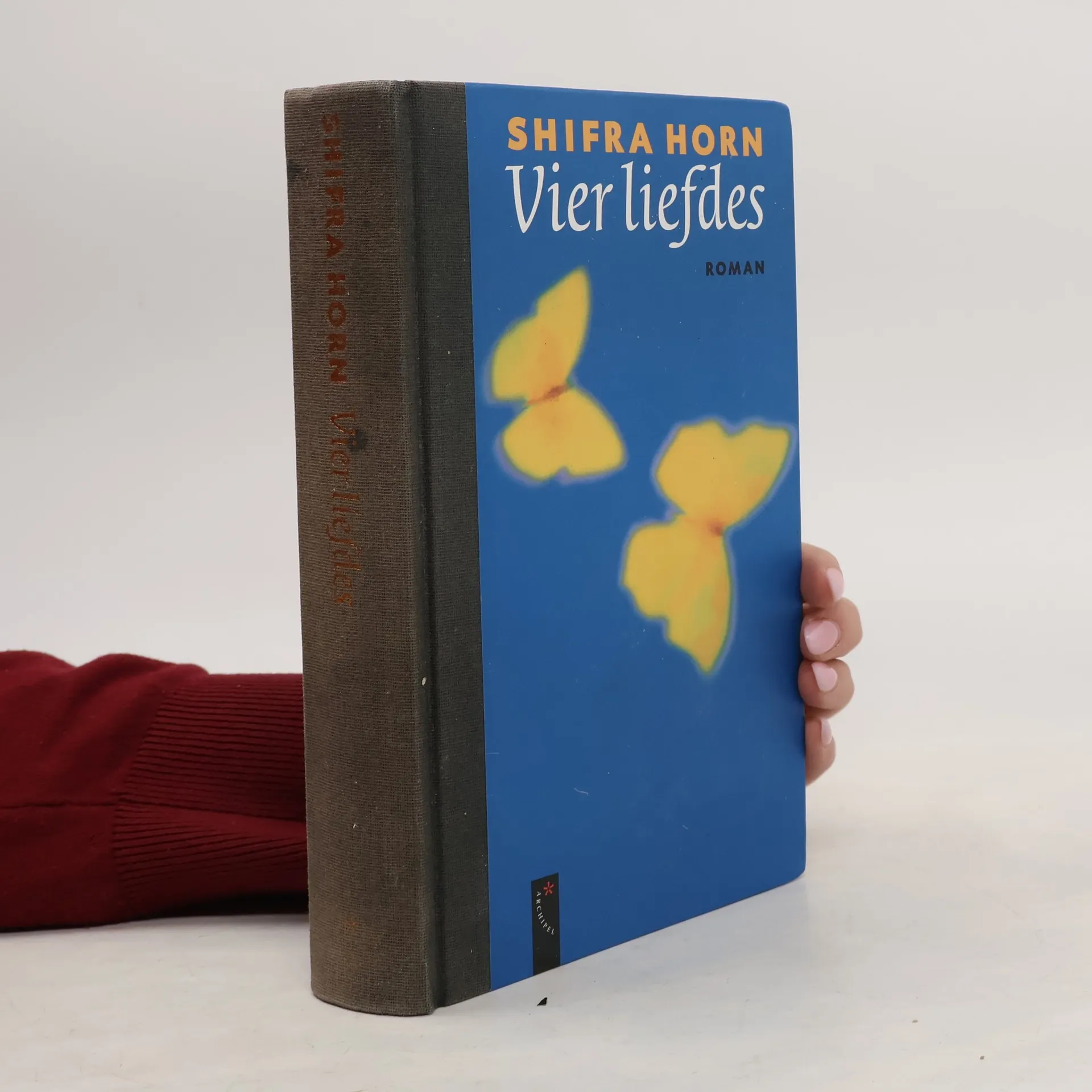
Vier liefdes
- 367pages
- 13 heures de lecture
Het wonderlijke levensverhaal van een sensuele, voluptueuze joodse vrouw in Jeruzalem tussen 1948 en de jaren '90.