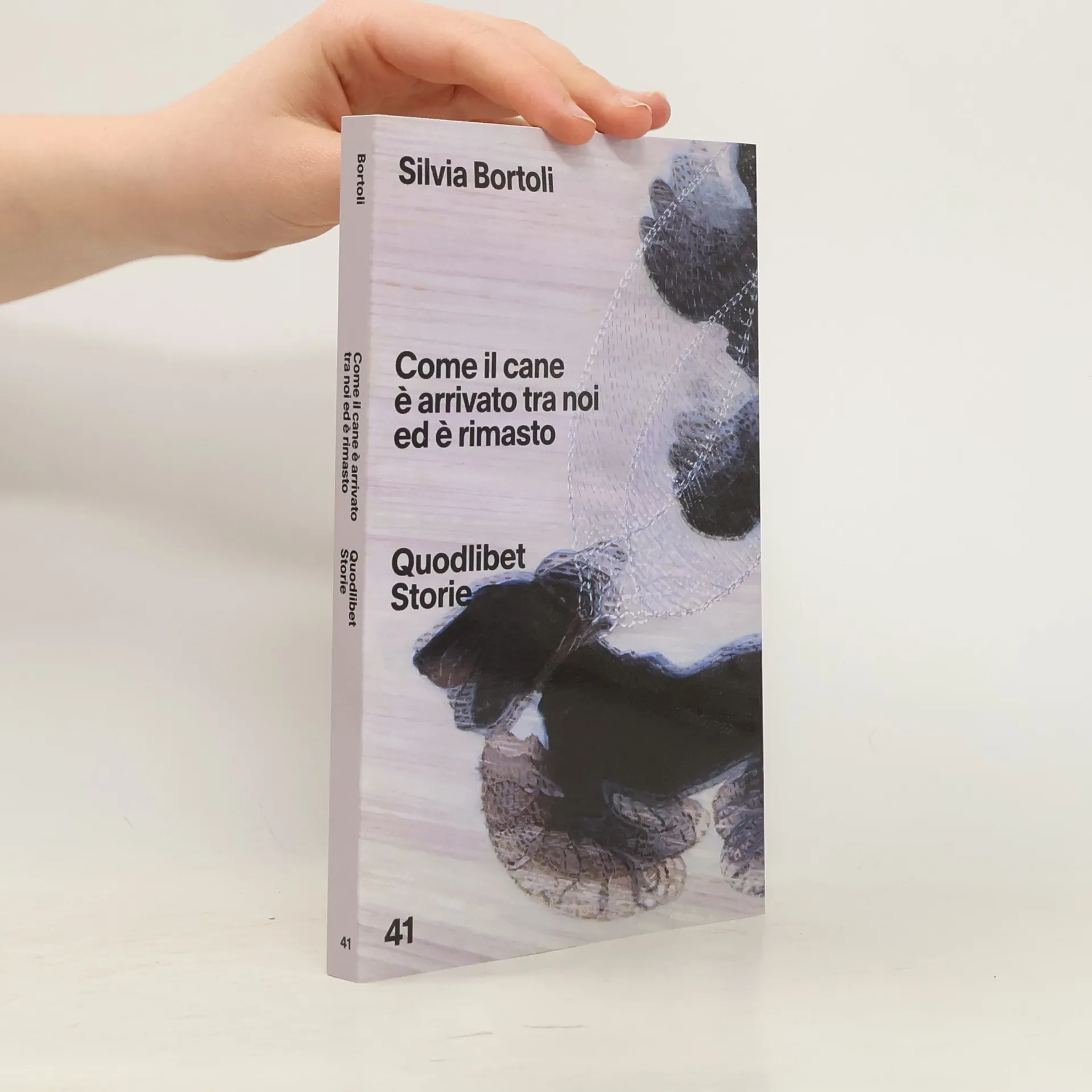
Nata nella seconda metà dell'Ottocento, figlia di un pastore protestante, poi alto dirigente delle ferrovie (uomo progressista nella professione ma conservatore e conformista nella vita privata) sposatasi contro il volere della famiglia con un pastore di modeste condizioni sociali ed economiche che tuttavia la aiuterà, prima donna svizzera, a laurearsi in legge e a emigrare negli Stati Uniti per esercitare la professione negatale in patria, Emily Kempin Spyri è un personaggio emblematico delle prime lotte femministe. Questo volume ne presenta la biografia romanzata.
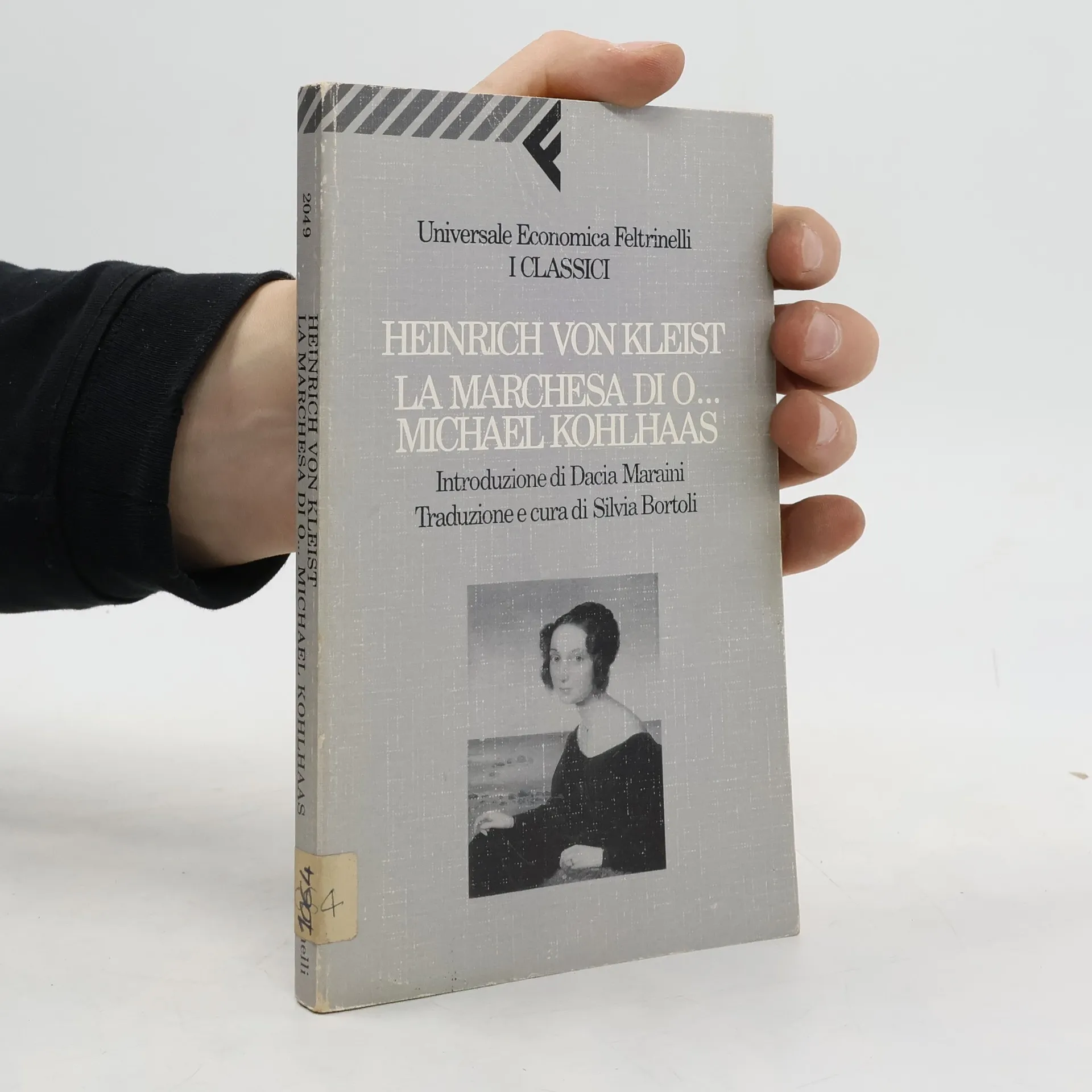
Nel XVI secolo, il commerciante di cavalli Michael Kohlhaas viene privato dei suoi due migliori cavalli, dei suoi diritti e infine della vita di sua moglie dal nobile Junker von Tronka, dal suo amministratore e dal castellano. Infuriato, intraprende con i suoi servitori una straordinaria vendetta contro il castello del malvagio nobile... La marchesa Julietta, una donna di fine classe, non ha avuto contatti con uomini dalla morte del marito, ma poi un medico e successivamente una levatrice le rivelano che è incinta. I suoi genitori la cacciano e vogliono anche portarle via i figli. A tutto ciò si aggiunge la pressione di un conte russo...
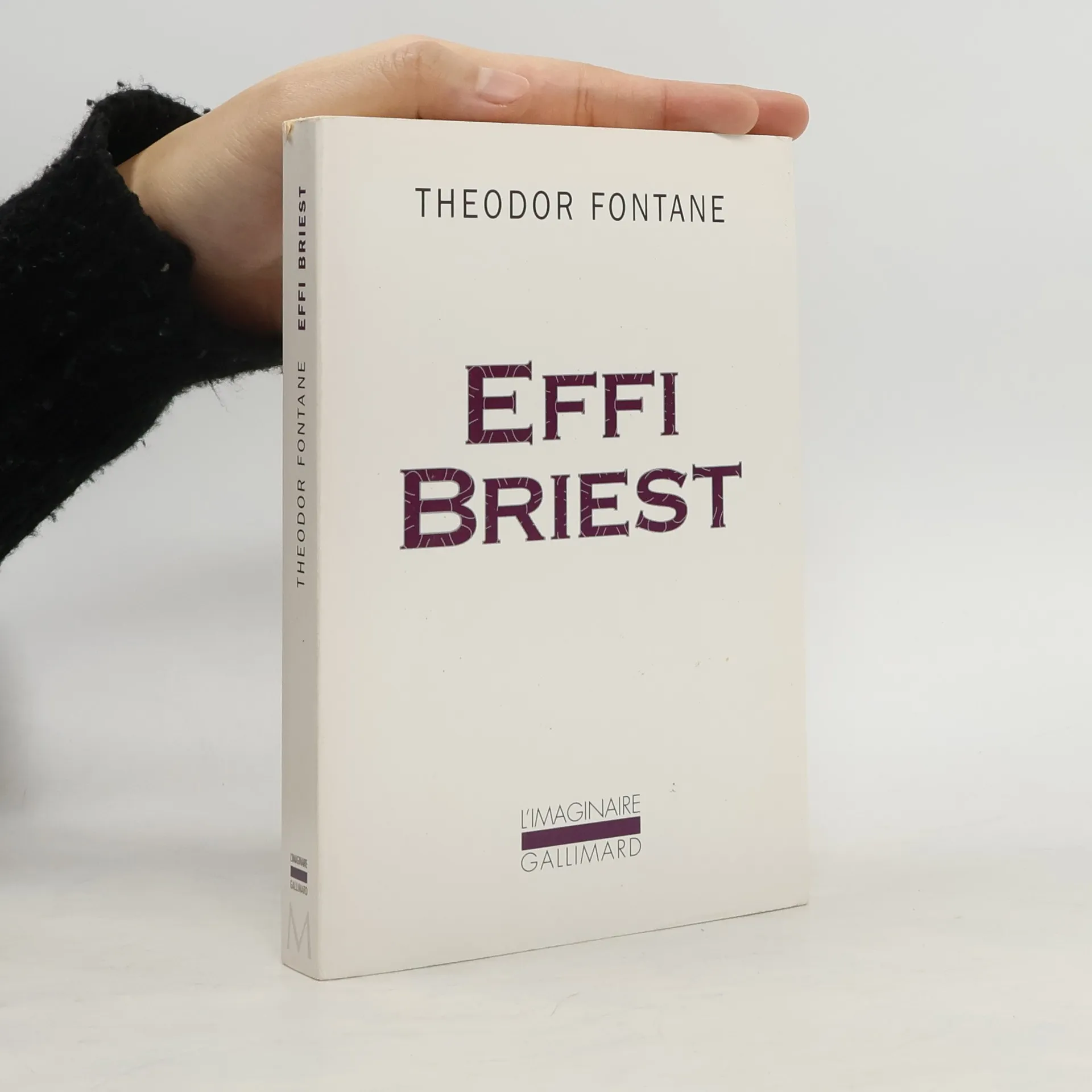
Telling the tragic tale of a socially advantageous but emotionally ruinous match, this novel, translated by Hugh Rorrison with an introduction by Helen Chambers, follows the life of young Effi Briest. Married to the austere Baron von Innstetten, a civil servant twice her age, Effi feels isolated and bored. Seeking comfort, she engages in a brief affair with the married Major Crampas, a decision that later haunts her with fatal consequences. Through taut, ironic prose, the author explores a world where sexuality and the desire for enjoyment are suppressed by societal pretenses and obligations. This work is a humane, unsentimental portrait of a woman caught between her duties as a wife and mother and her own heart's instincts. Rorrison's modern translation is complemented by Chambers' introduction, which draws parallels between Effi and other literary heroines like Emma Bovary and Anna Karenina. The author, a notable German novelist and political reporter, is also known for his ironic critique of middle-class hypocrisy in another work. If you appreciate this novel, you might also enjoy Tolstoy's Anna Karenina, available in Penguin Classics. 'I have been haunted by it ... as I am by those novels that seem to do more than they say,' remarks Hermione Lee in the Sunday Times.