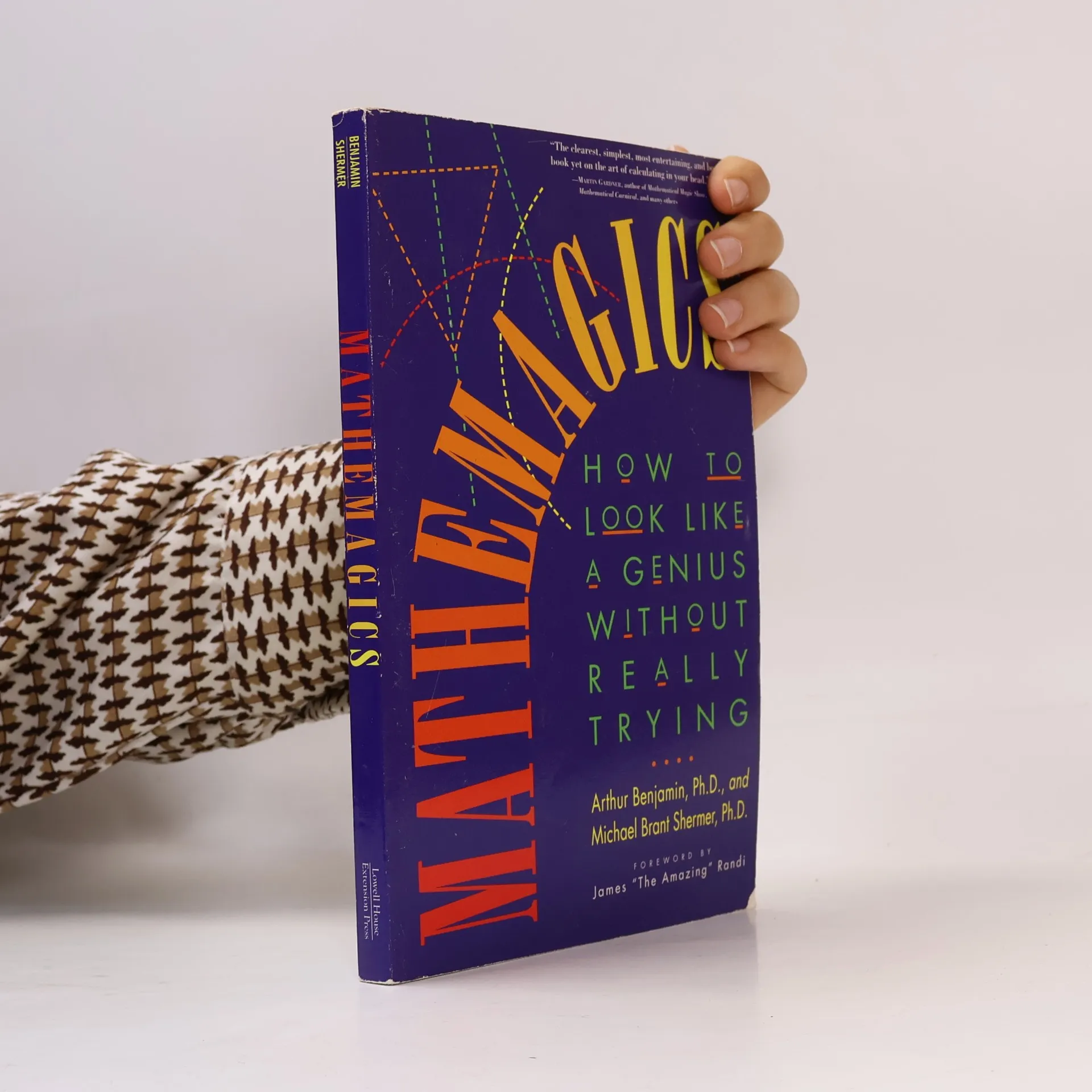
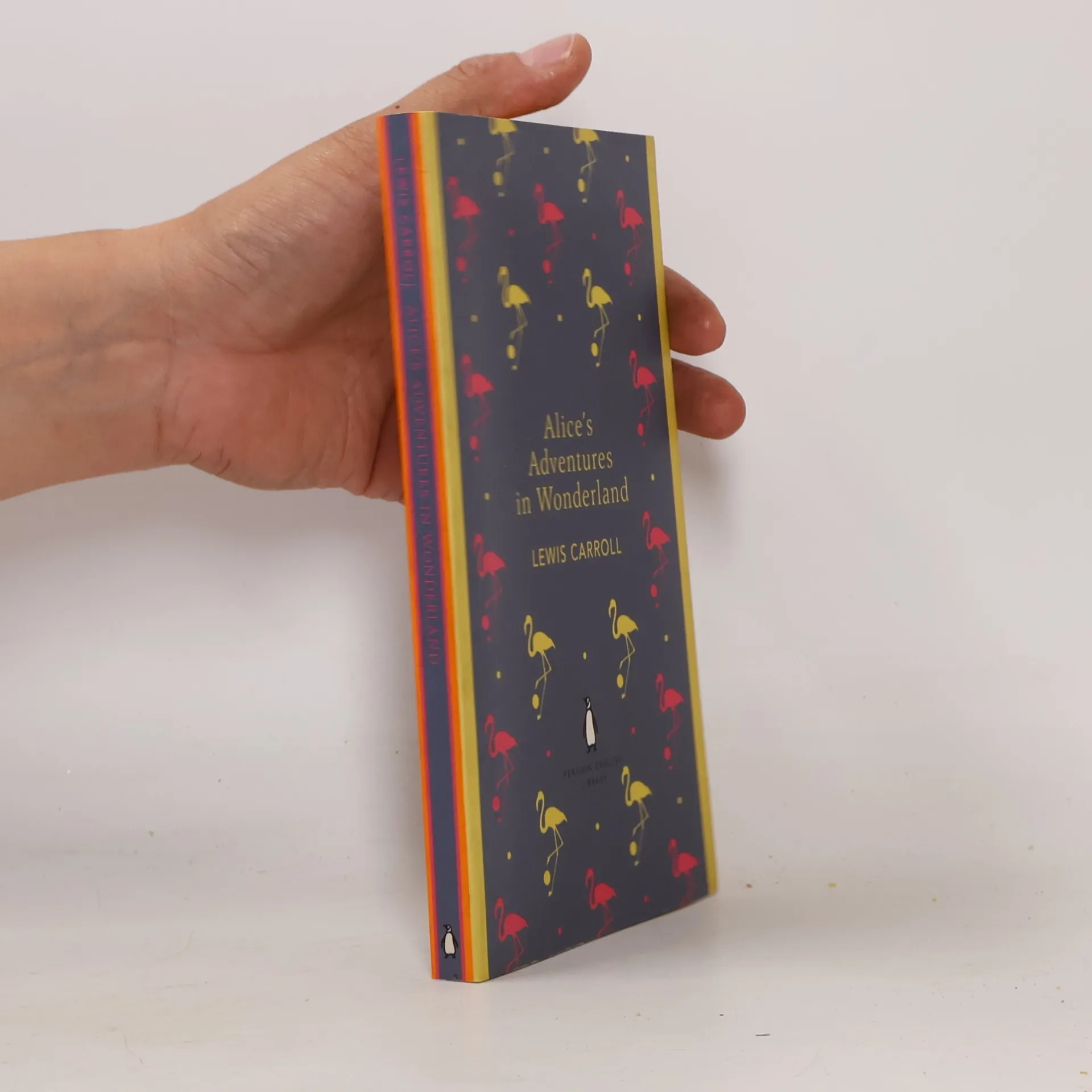
'A landmark, bringing together a lifetime's work on Lewis Carroll by writer and mathematician Martin Gardner. He dazzles on Carroll's puzzles and games of logic and entertains on everything from Alice's influence on the Beat poet Jack Kerouac to howmercury in hat linings turned hatters mad...it is unsurpassed' - Jackie Wullschlager, Financial Times 'The indispensable guide to a classic of English literature...no one who has ever wondered about the meaning of 'Jabberwocky' should fail to include on their Christmas list' - Robert McCrum, Observer
Martin Gardner Livres
21 octobre 1914 – 22 mai 2010
Martin Gardner était un écrivain américain dont l'œuvre couvrait les mathématiques récréatives, la magie, la littérature, la philosophie et le scepticisme scientifique. Il possédait un talent unique pour rendre les sujets complexes accessibles et attrayants pour un large public. L'écriture de Gardner se caractérise par sa rigueur intellectuelle alliée à une curiosité ludique, invitant les lecteurs à explorer les merveilles de la logique et de l'univers. Son héritage durable réside dans sa capacité à inspirer une appréciation plus profonde de l'interconnexion de divers domaines du savoir.


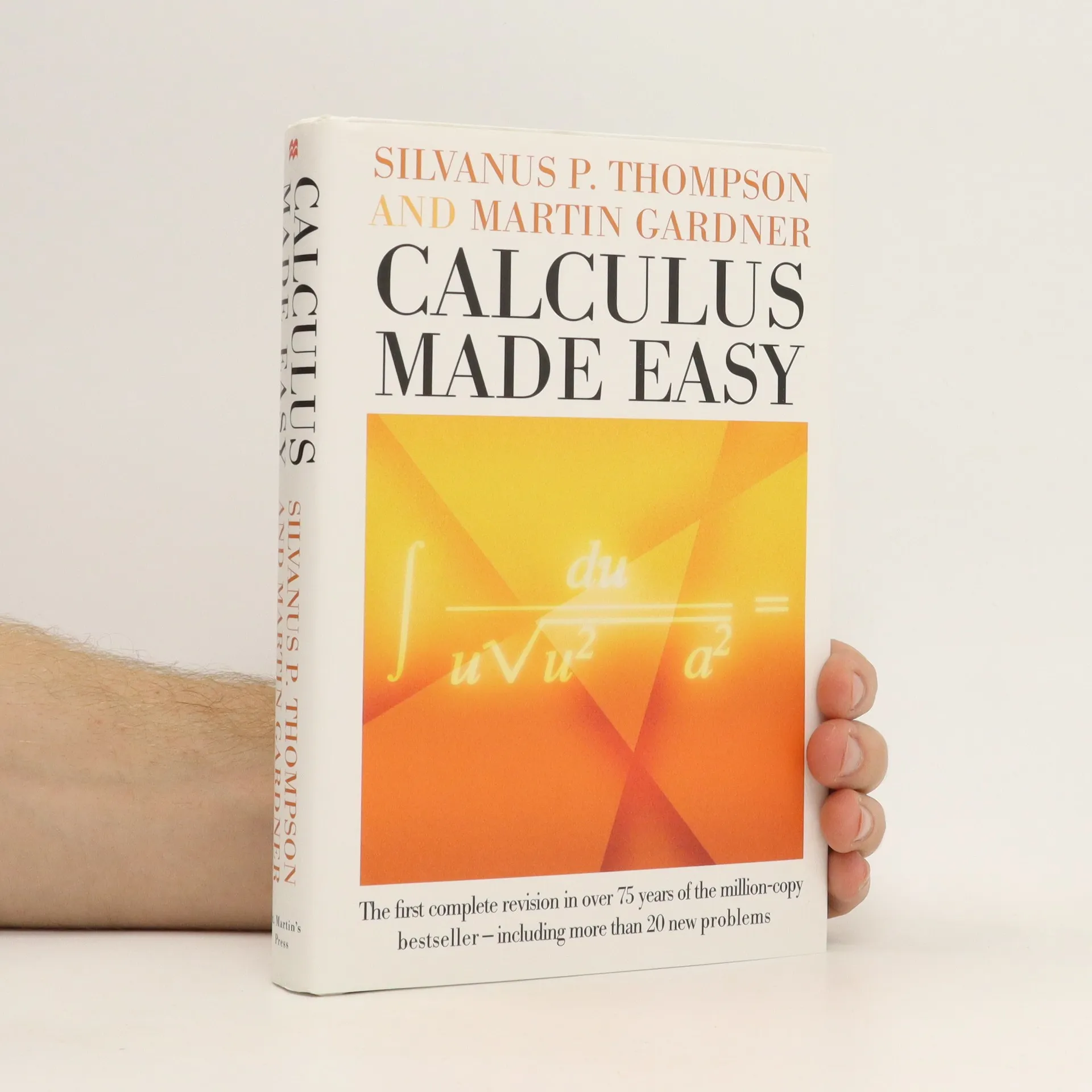
Calculus Made Easy has long been the most popular calculus primer, and this major revision of the classic math text makes the subject at hand still more comprehensible to readers of all levels. With a new introduction, three new chapters, modernized language and methods throughout, and an appendix of challenging and enjoyable practice problems, Calculus Made Easy has been thoroughly updated for the modern reader.
Order and Surprise
- 396pages
- 14 heures de lecture
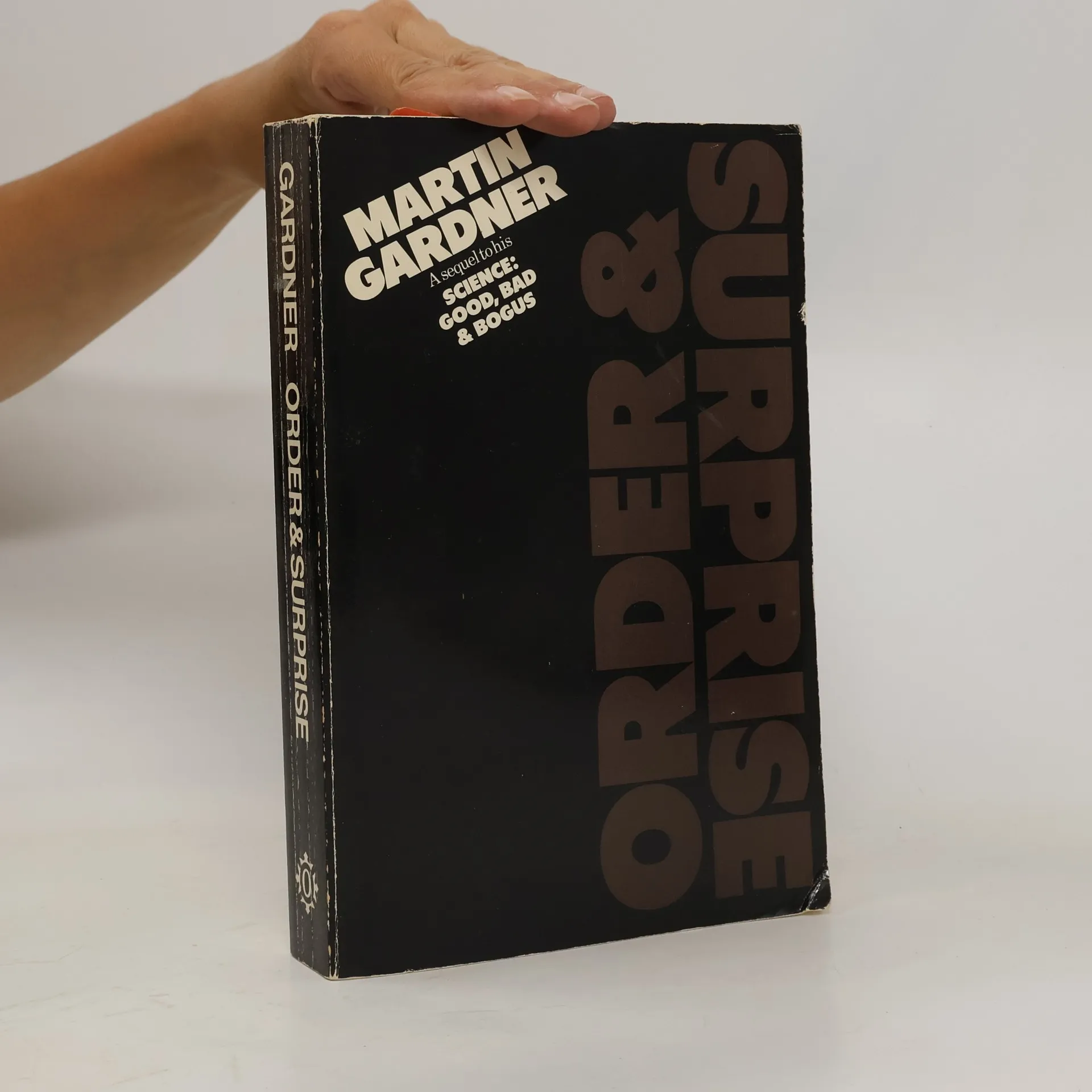
This collection of essays by America's foremost polymath delves into some of the many fascinating subjects in which Martin Gardner has had an abiding interest. Focusing primarily on literary and philosophical subjects, Order and Surprise is the sequel to the widely acclaimed Good, Bad and Bogus. Some of Gardner's best essays and reviews are included in this volume, such "Why Librarians Dislike Oz""The Strange Case of Robert Maynard Hutchins""H.G. Wells, 'Premature' Anti-Communist""Orwell's Nineteen Eighty-Four""Is Nature Ambidextrous?""Beyond Cultural Relativism""The Popperism of Sir Karl""Keeping Up With Einstein"In addition, Gardner has included many of his perceptive reviews of books by and about such authors as Franz Kafka, Thomas Wolfe, John Updike, Vance Packard, Colin Wilson, Lewis Carroll, and many others.In some cases the author has modified the original texts, sometimes restoring passages removed by editors, sometimes adding new footnotes to update the material. In many cases, Gardner has added a postscript that allows him to comment on an article or review. Like the previous anthology, this book is divided into two parts. The first contains articles in chronological order of publication; the second, book reviews in similar order.Order and Surprise represents Gardner at his best - incisive, witty, and urbane.
Origami, Eleusis, and the Soma Cube
- 248pages
- 9 heures de lecture
This edition features a curated selection of Martin Gardner's renowned Mathematical Games, celebrating his contributions to recreational mathematics. It includes updated puzzles, problems, and intriguing insights that engage both enthusiasts and newcomers. Gardner's ability to weave together mathematics and entertainment makes this collection a delightful exploration of mathematical concepts through games and challenges, showcasing his legacy in the field.
This illustrated text uses colourful examples to take readers on a stimulating mental journey through the frontiers of mathematical theory. For each example, the author provides the mathematical solution and also a computer program that can be used by the reader to investigate the problem.
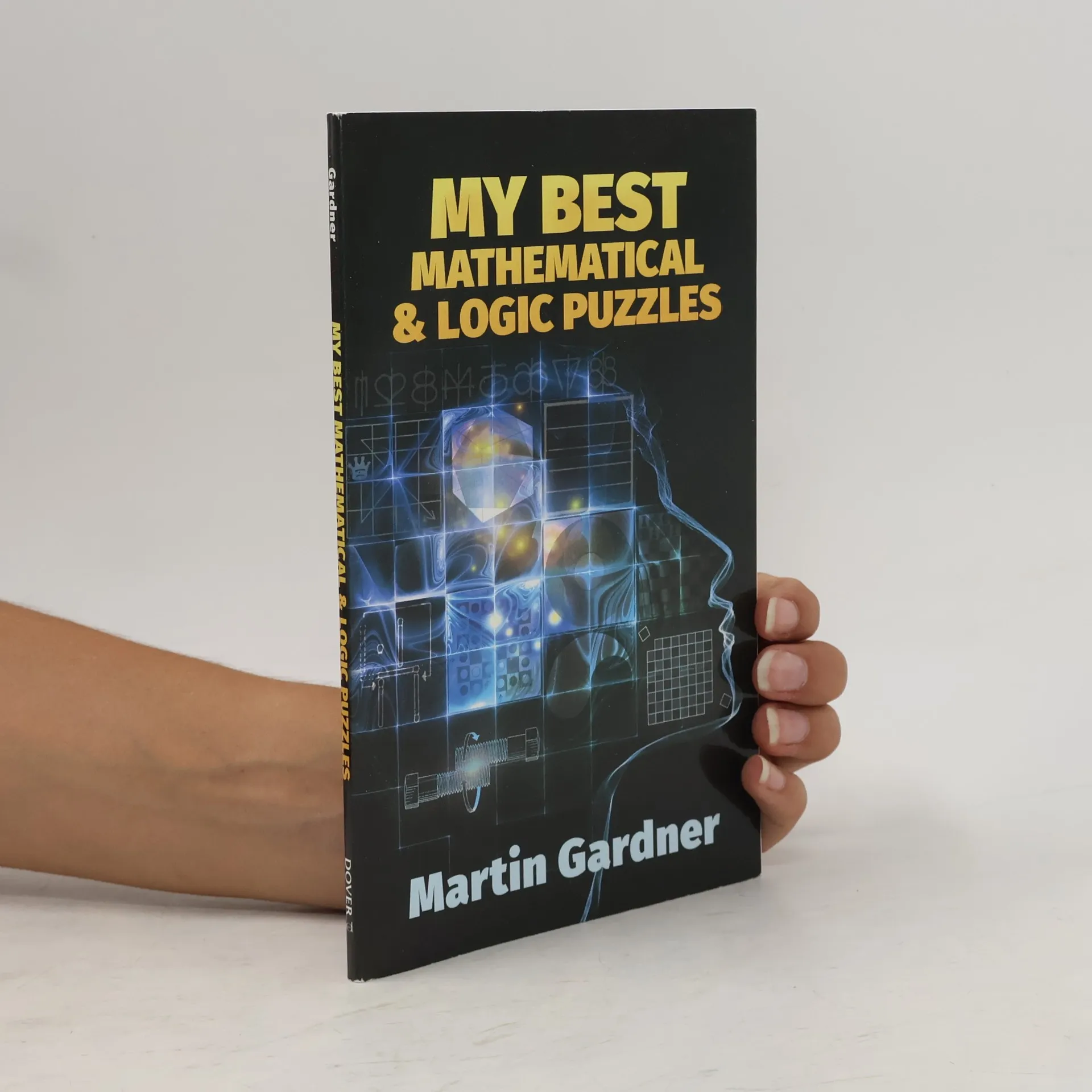
Over a period of 25 years as author of the Mathematical Games column for Scientific American, Martin Gardner devoted a column every six months or so to short math problems or puzzles. He was especially careful to present new and unfamiliar puzzles that had not been included in such classic collections as those by Sam Loyd and Henry Dudeney. Later, these puzzles were published in book collections, incorporating reader feedback on alternate solutions or interesting generalizations. The present volume contains a rich selection of 70 of the best of these brain teasers, in some cases including references to new developments related to the puzzle. Now enthusiasts can challenge their solving skills and rattle their egos with such stimulating mind-benders as The Returning Explorer, The Mutilated Chessboard, Scrambled Box Tops, The Fork in the Road, Bronx vs. Brooklyn, Touching Cigarettes, and 64 other problems involving logic and basic math. Solutions are included.
How do you move two matches - and only two - to new positions, so that the glass is reformed in a different position, with the cherry outside?
Colossal Book of Wordplay
- 160pages
- 6 heures de lecture
A true pioneer in the field of recreational mathematics, Martin Gardner has been wrangling words for decades, and his latest opus is nothing short of extraordinary. From amazing anagrams and silly spoonerisms to alphamagic squares and cryptarithms, this mind-bending compendium is chock-full of whimsical forms of wordplay that are sure to have sesquipedalian scholars and limber-minded logophiles racking their brains in delight.
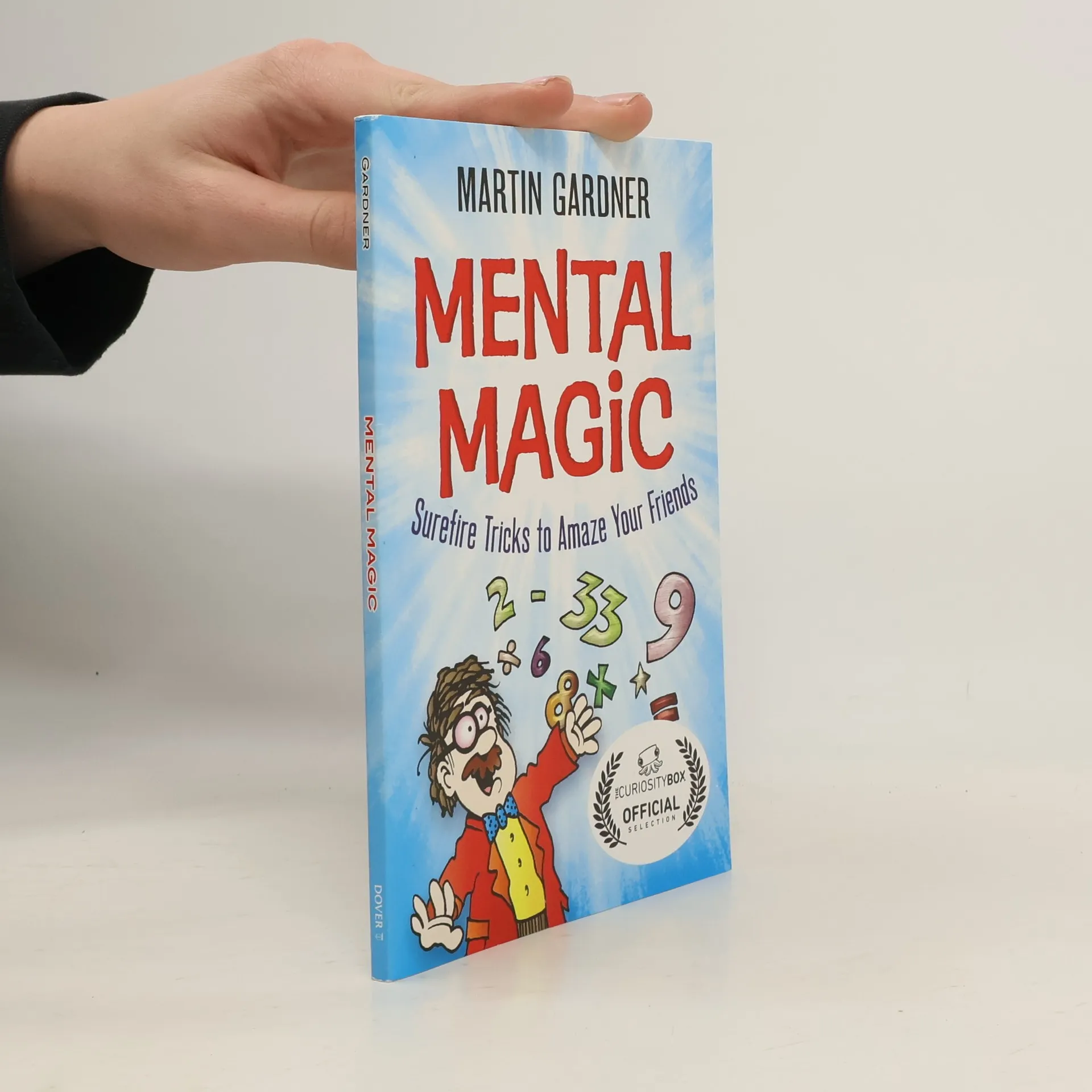
Secrets of lightning calculation and how to perform mind-boggling mental feats.
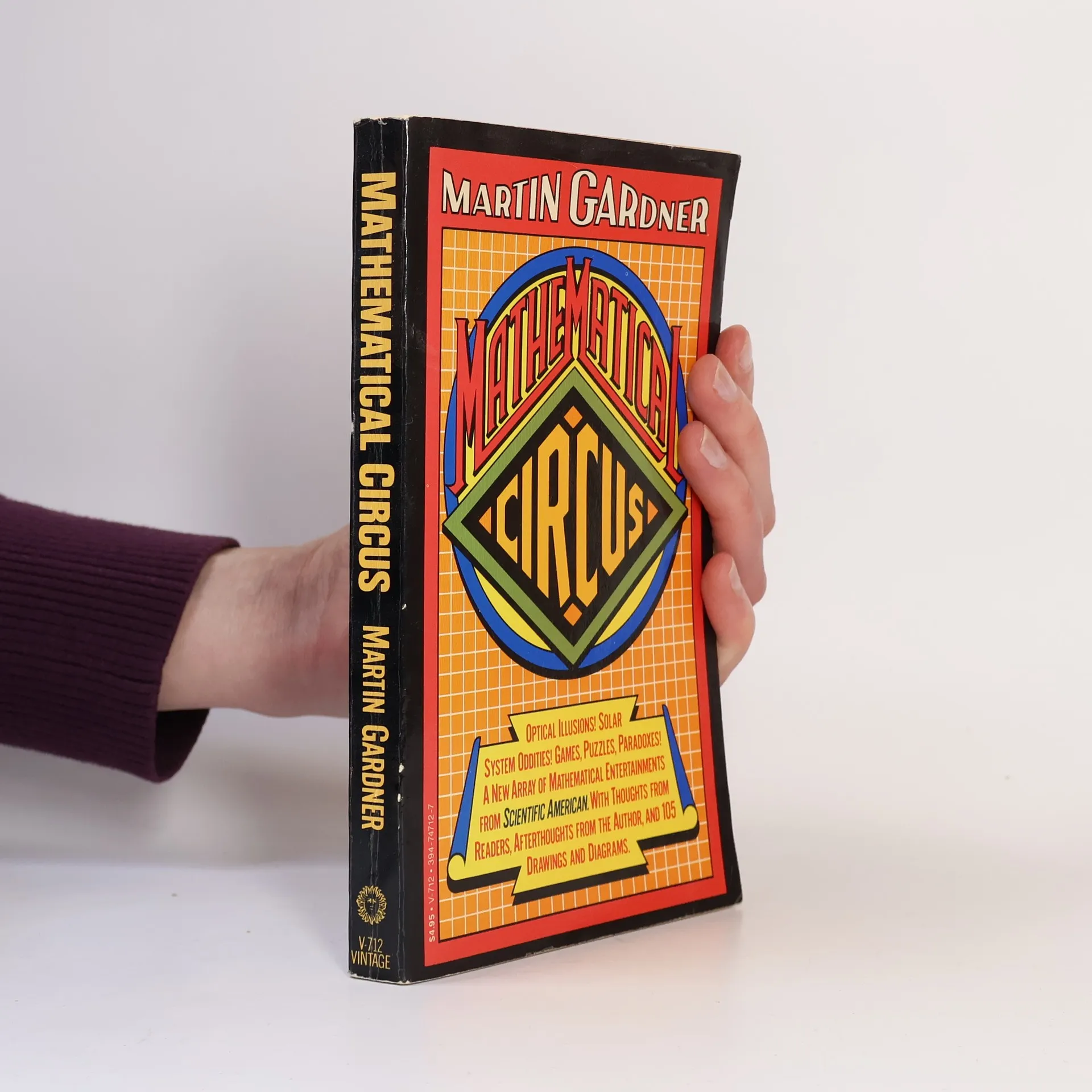
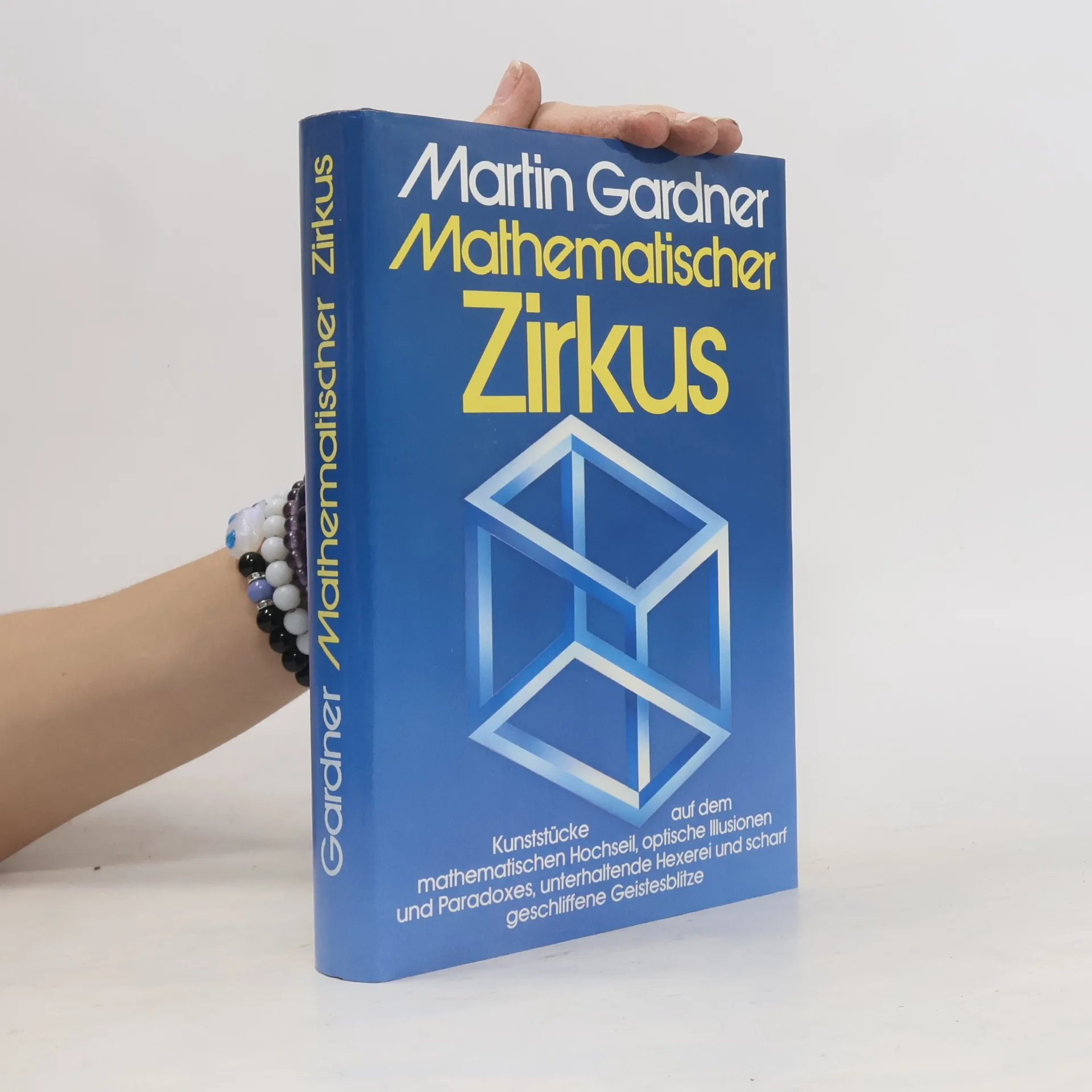
Mathematical Circus
More Games, Puzzles, Paradoxes & Other Mathematical Entertainments from Scientific American: With Thoughts from Readers, Afterthoughts from the Author, and 105 Drawings & Diagrams
- 272pages
- 10 heures de lecture
s/t: More games, puzzles, paradoxes & other mathematical entertainments from Scientific American : with thoughts from readers, afterthoughts ... from the author, and 105 drawings & diagrams The twenty chapters of this book are nicely balanced between all sorts of stimulating ideas, suggested by down-to-earth objects like match sticks and dollar bills as well as by faraway objects like planets and infinite random walks. We learn about ancient devices for arithmetic and about modern explanations of artificial intelligence. There are feasts here for the eyes and hands as well as for the brain.
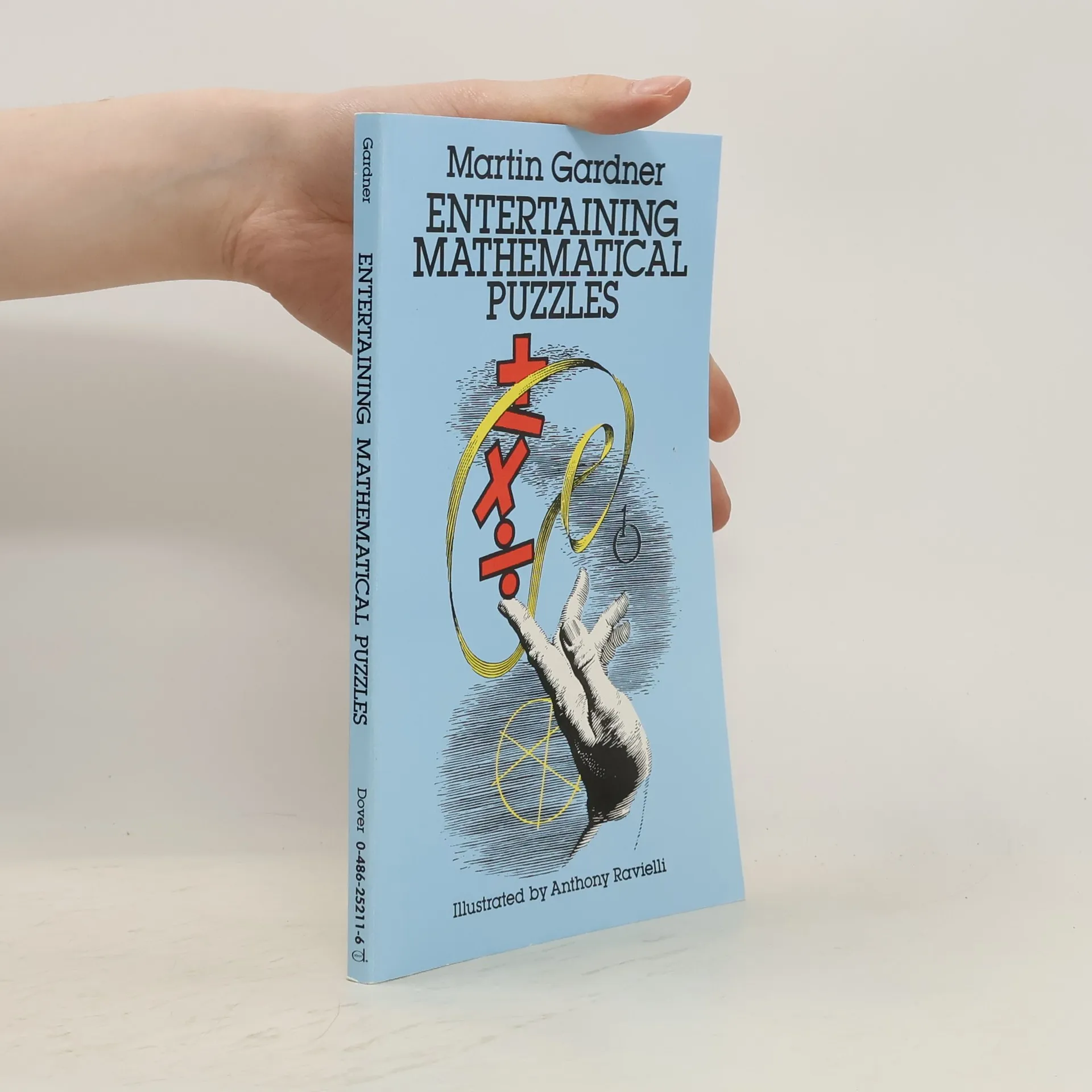
Engaging with mathematical puzzles can provide extraordinary enjoyment. The author proves this with this book. To solve the puzzles, one only needs basic mathematical knowledge and the ability to resist the urge to look at the answers. Entertaining Mathematical Puzzles is written in a clear and lively manner, featuring a mix of new and old puzzles. It is divided into various sections covering diverse mathematical topics such as money, speed, geometry, probability, topology, and tricky puzzles. Short and clear writings at the beginning of each section explain the nature and importance of the mathematics needed to solve the puzzles. Each puzzle is followed by a carefully prepared solution. In most cases, solving the puzzle requires logical and straightforward thinking, being ready to be surprised, and noticing a hidden factor that may be overlooked. Illustrated puzzles will attract the interest of parents, children, amateur mathematicians, scientists, and students. The author adds that you will be drawn into this intense area of thinking and will see some small paths inviting you into the depths of the mathematical forest.
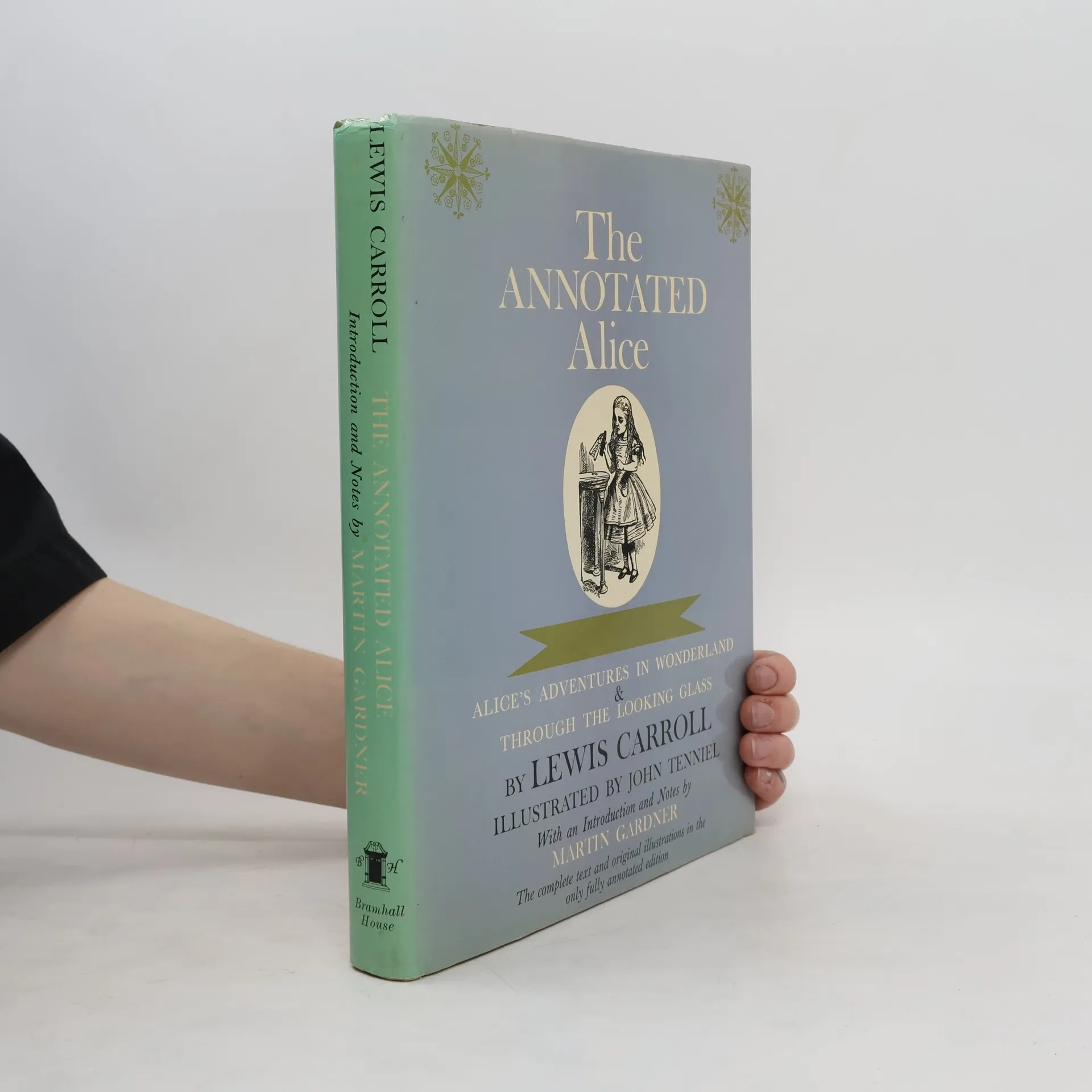
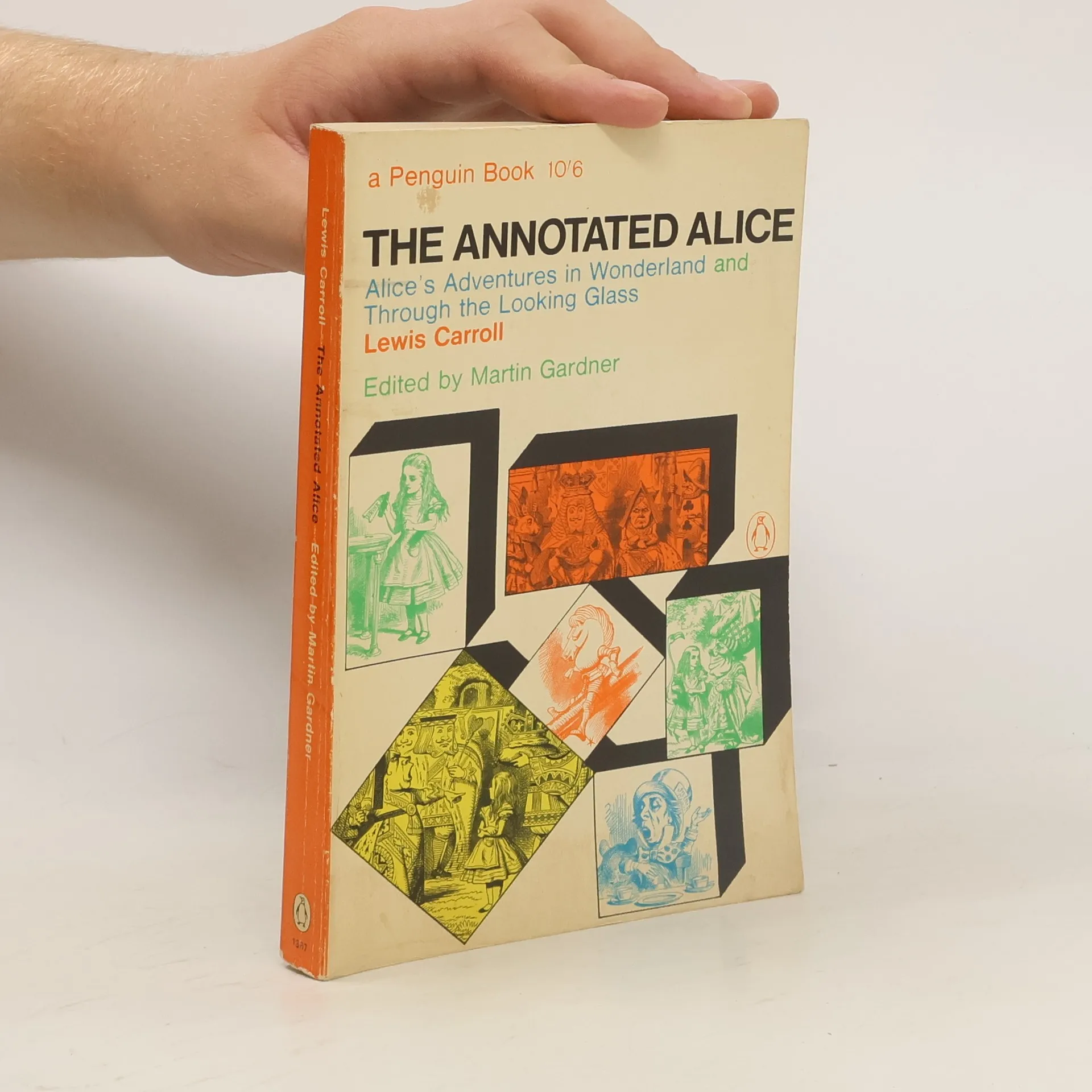
His dream worlds of nonsensical Wonderland and the back-to-front 'Looking Glass kingdom' depict order turned upside-down: a baby turns into a pig, time is abandoned at a disorderly tea-party and a chaotic game of chess makes a seven-year-old girl a Queen. But amongst the anarchic humour and sparkling word play, puzzles and riddles, are poignant moments of nostalgia for lost childhood
The emperor's new mind
- 480pages
- 17 heures de lecture
The proponents of artificial intelligence want to prove that it is only a matter of time before computers will be doing everything that a human mind can do. The author reacts against this view, by saying there is some facet of human thinking that can never be emulated by a machine.
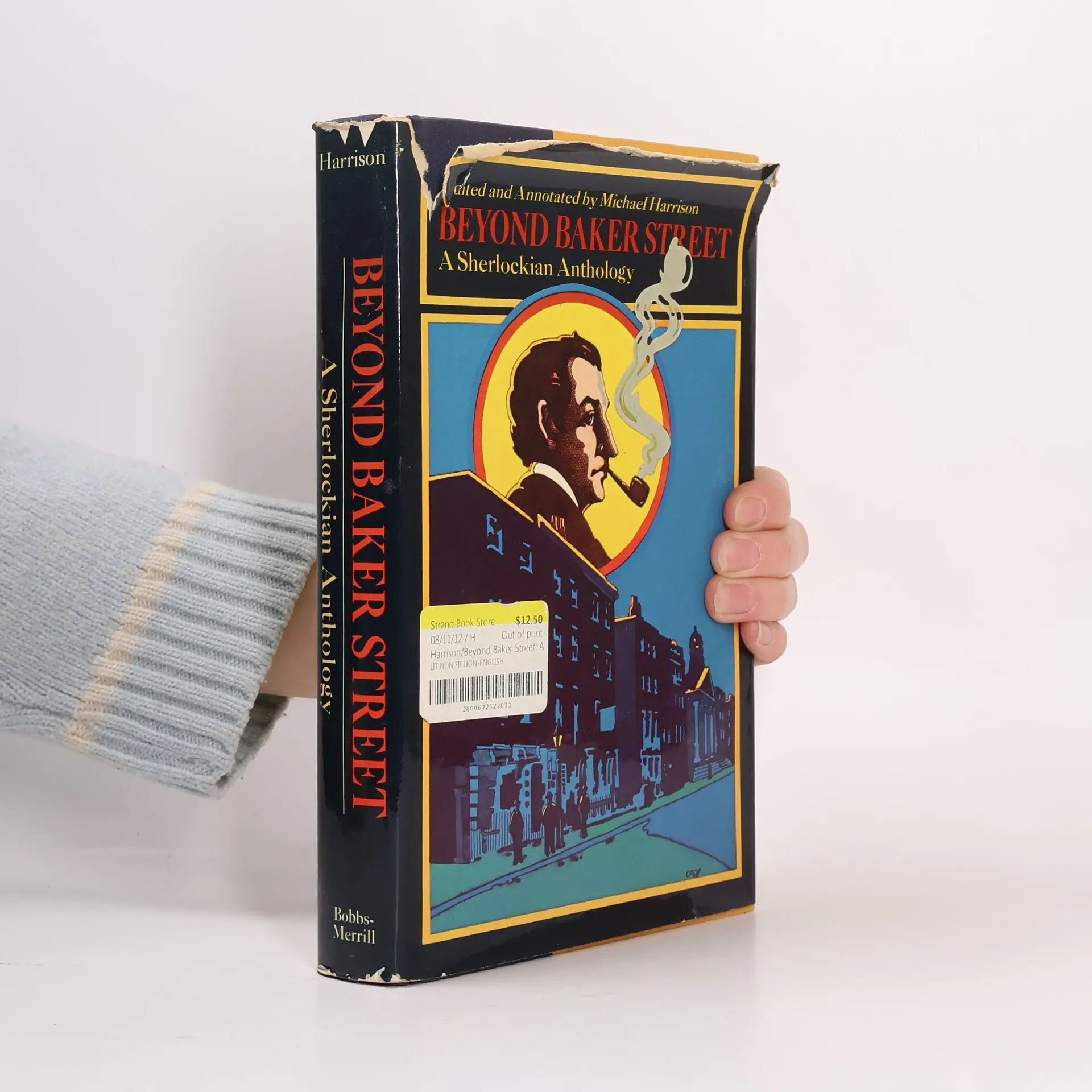
Hard Cover; Very Good; Dust Jacket - Very Good; Bobbs-Merrill First Edition / First Printing. Hardcover, Very Good quarter cloth binding with paper covered boards; minor edge rubbing. DJ is Very Good with minor edge rubbing. "A Sherlockian Anthology edited and annotated by Michael Harrison." Includes thirteen B&W drawings prepared specially for this anthology by Henry Lauritzen.
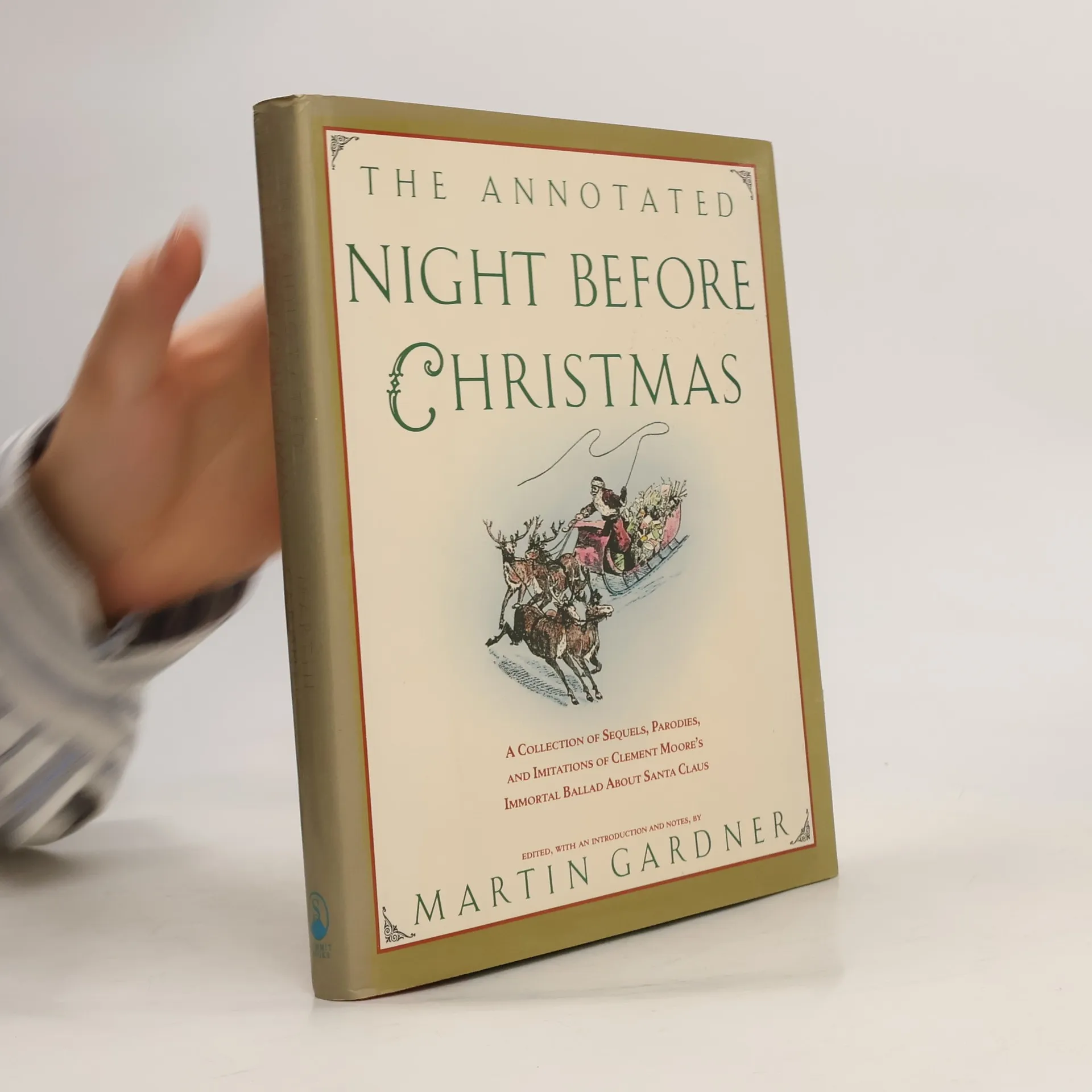
The Annotated Night Before Christmas
- 253pages
- 9 heures de lecture
A history of Moore's famous yuletide poem describes how the figure of Santa Claus evolved
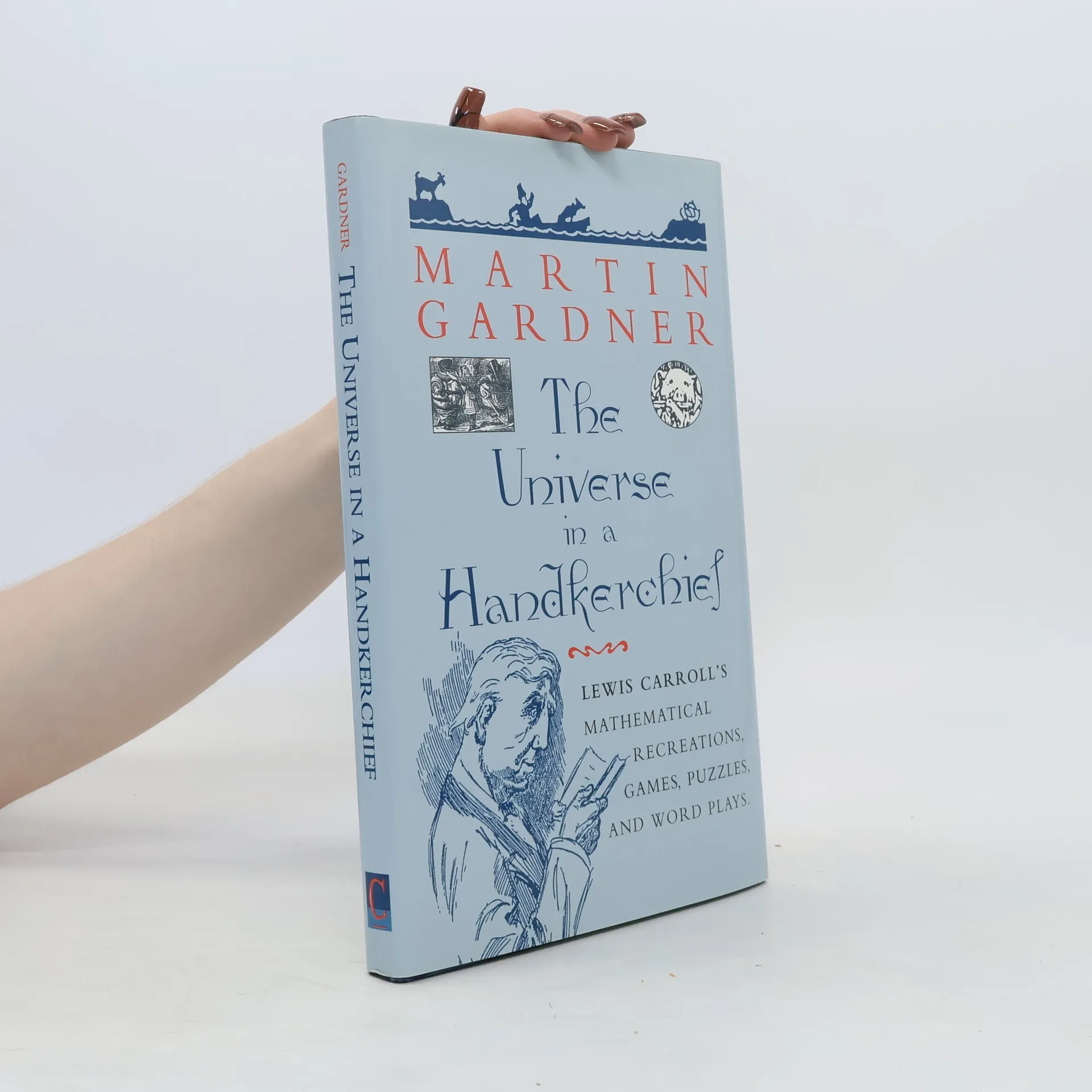
The Universe in a Handkerchief
Lewis Carrolls Mathematical Recreations, Games, Puzzles, and Word Plays
- 172pages
- 7 heures de lecture
Intriguing puzzles and paradoxes crafted by Lewis Carroll showcase his diverse interests, from innovative games like Arithmetical Croquet to significant contributions in symbolic logic and propositional calculus. Authored by Carroll expert Martin Gardner, this exploration not only highlights Carroll's creativity but also provides an engaging and educational experience for readers, blending entertainment with intellectual discovery.
Classic Brainteasers
- 96pages
- 4 heures de lecture
"From math, science, and logic puzzlers to word games to whats-wrong-with-this-picture challenges. Cartoon illustrations give the book pick-me-up appeal, but its the games themselves that will keep readers going as they match wits with Gardner, challenge their friends, or simply read along and look up the answers in the back."-- Booklist.
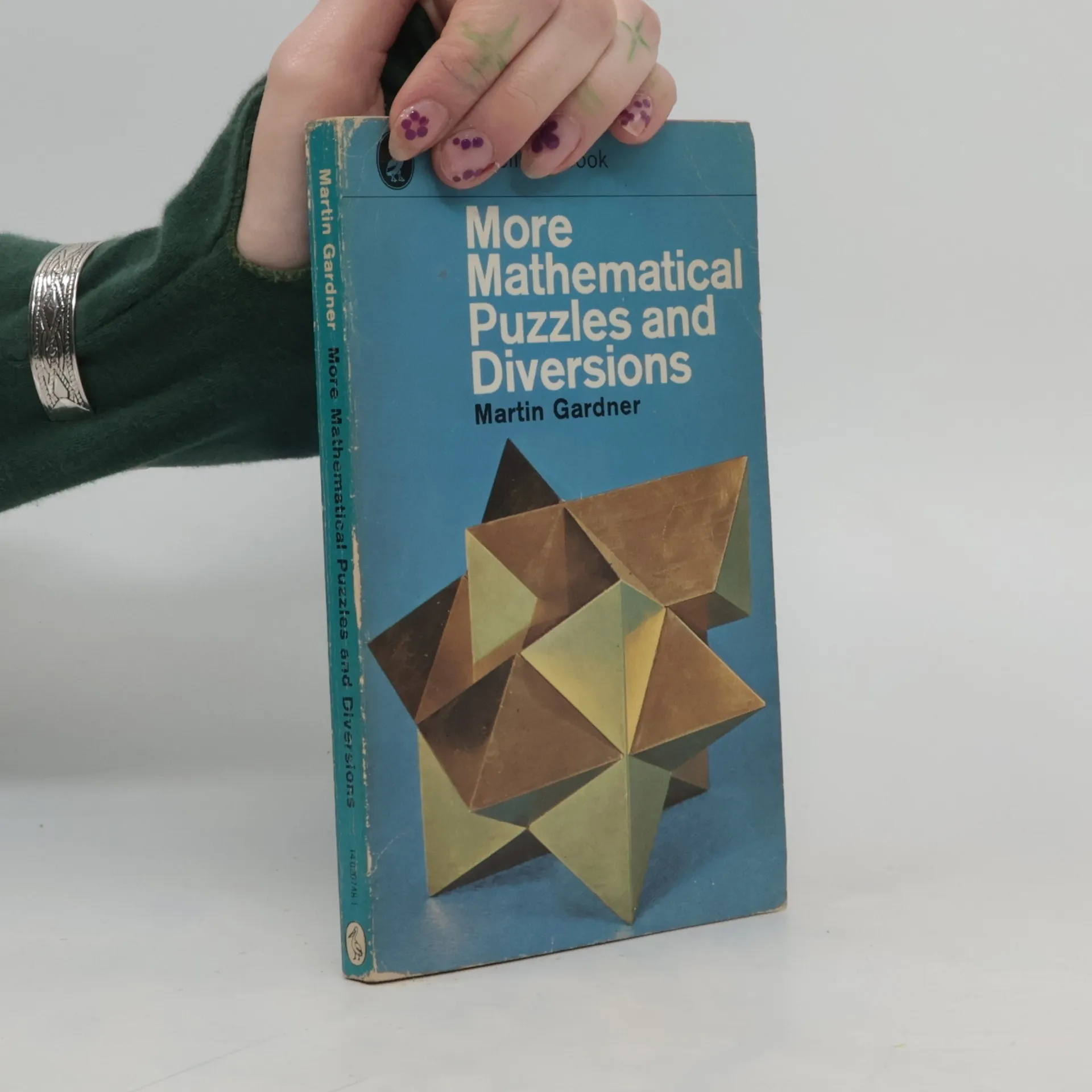
MORE MATHEMATICAL PUZZLES AND DIVERSIONS is a second collection of Martin Gardner's compulsive pozers from the Scientific American. From Diophantine brain-teasers to diabolic squares, these arithmetical, geometrical, logical, topological, mechanical, and probability problems are designed to beguile the weary leisure hours and sharpen blunted wits.
The Annotated Innocence of Father Brown
- 274pages
- 10 heures de lecture
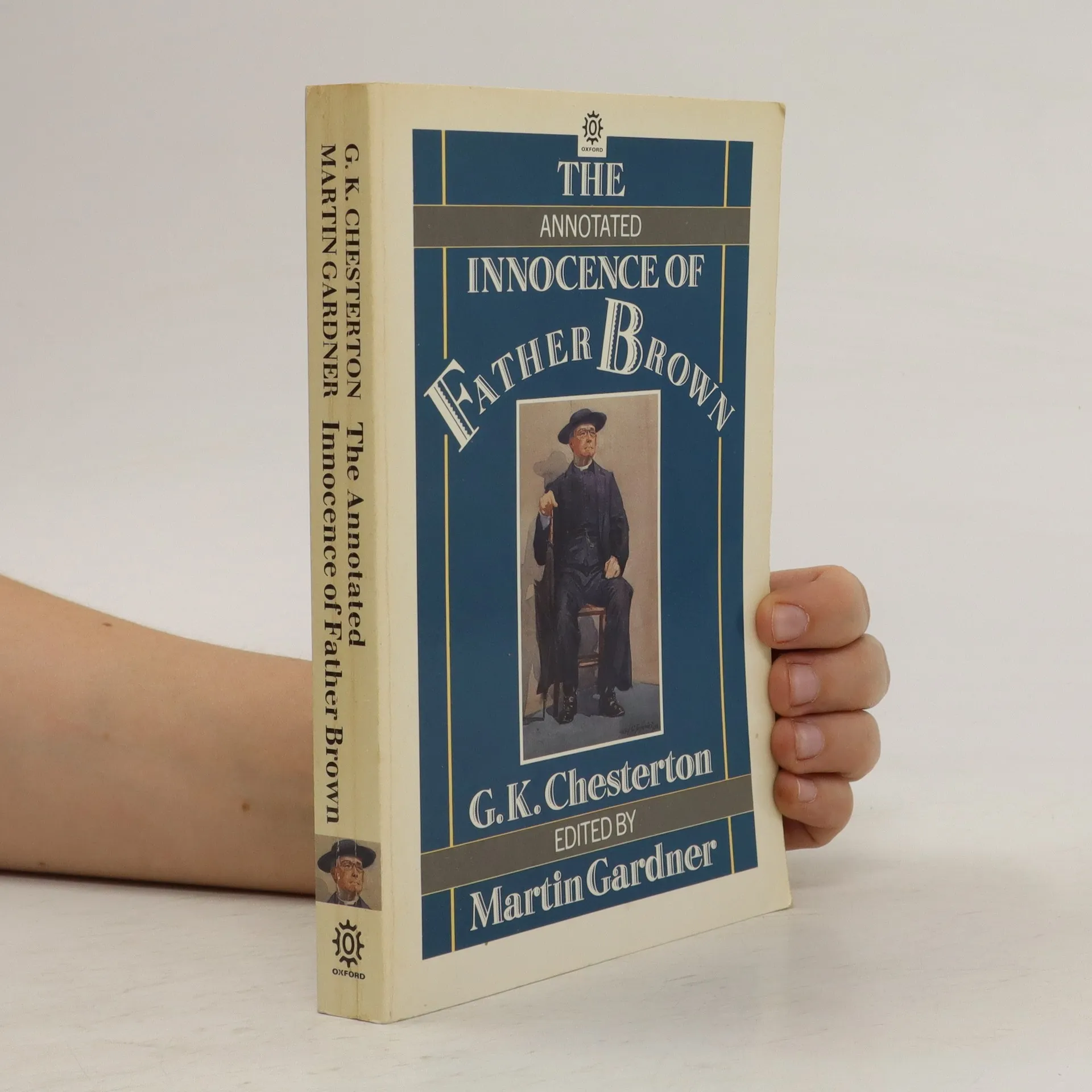
Short stories about the priest's solution of baffling mysteries are accompanied by background and textual notes.
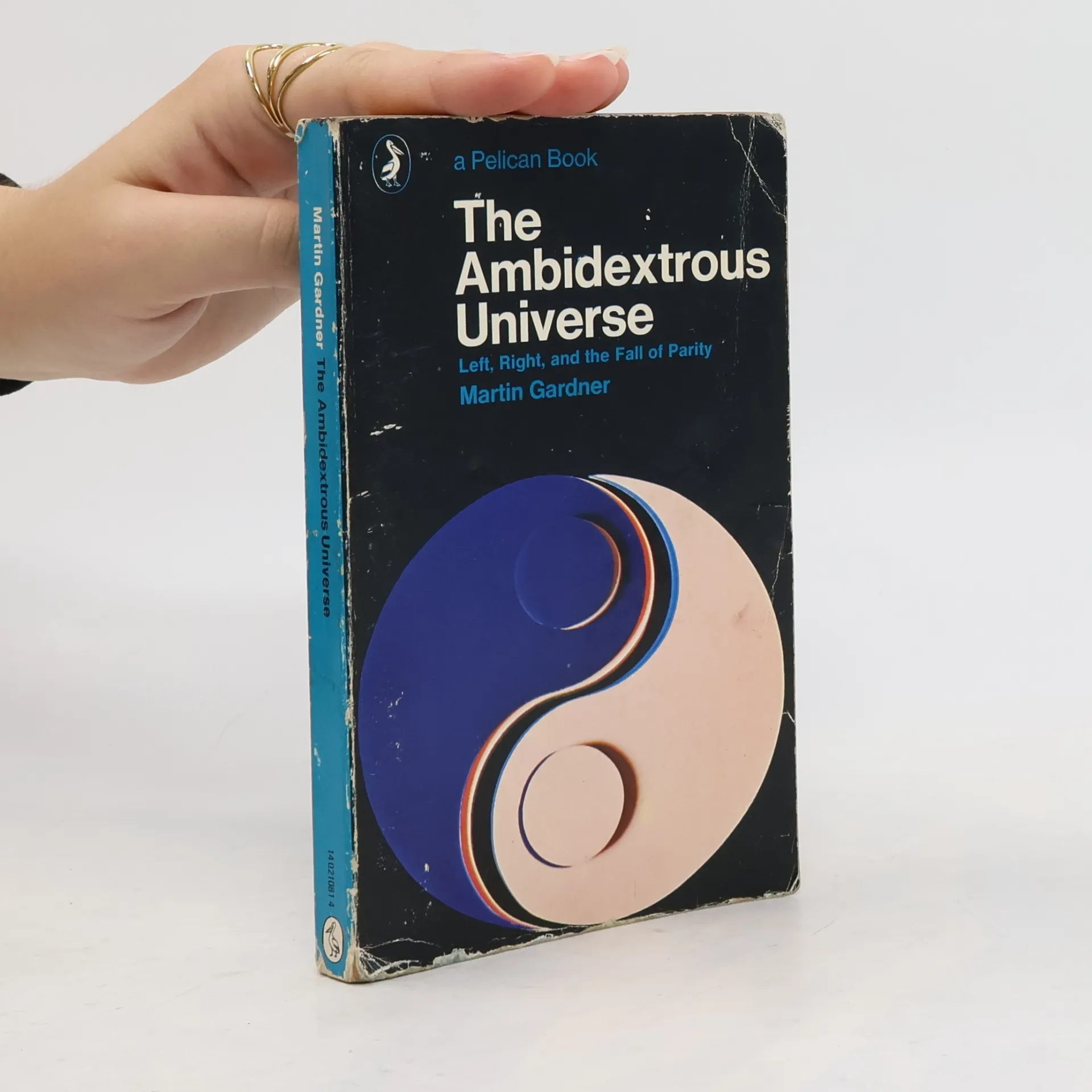
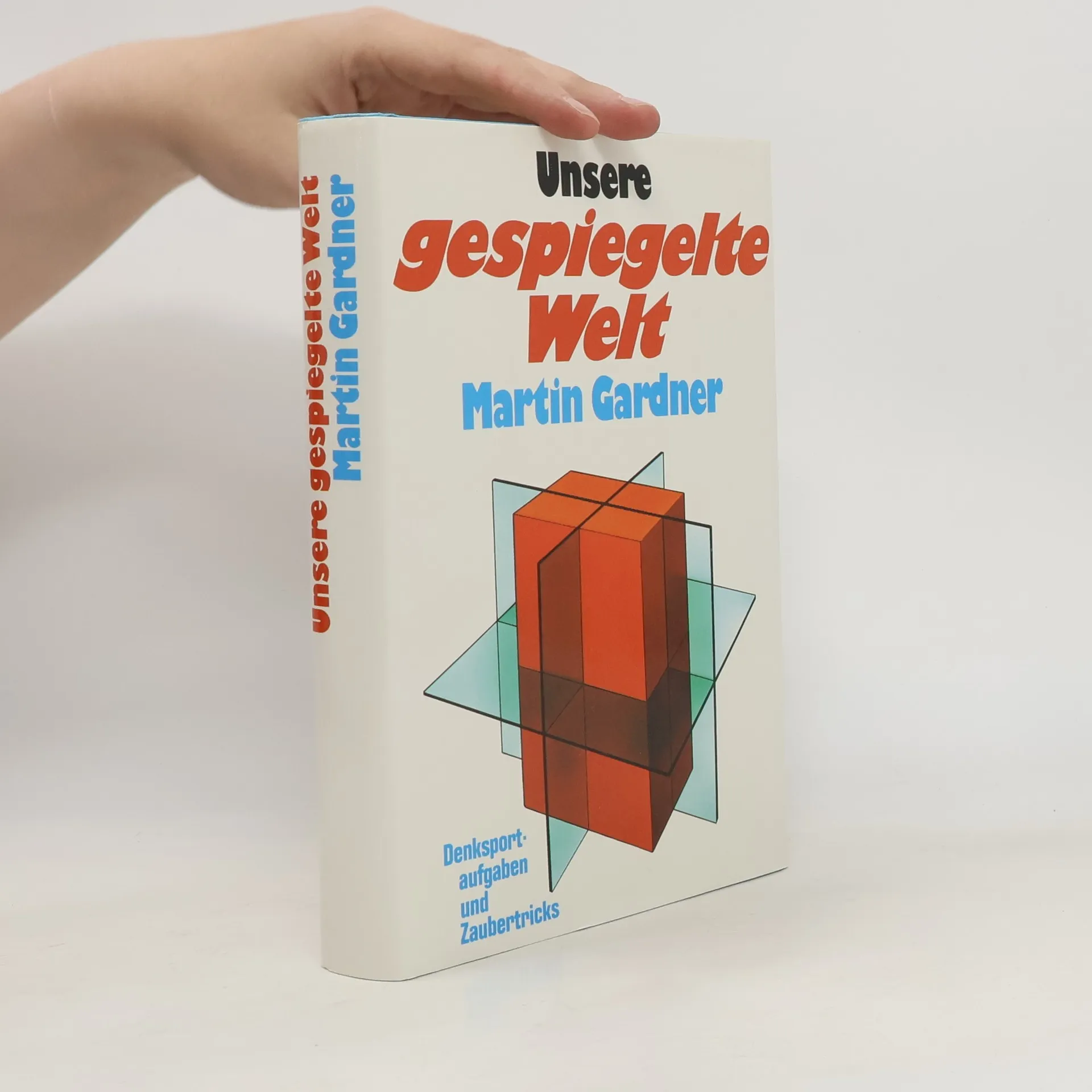
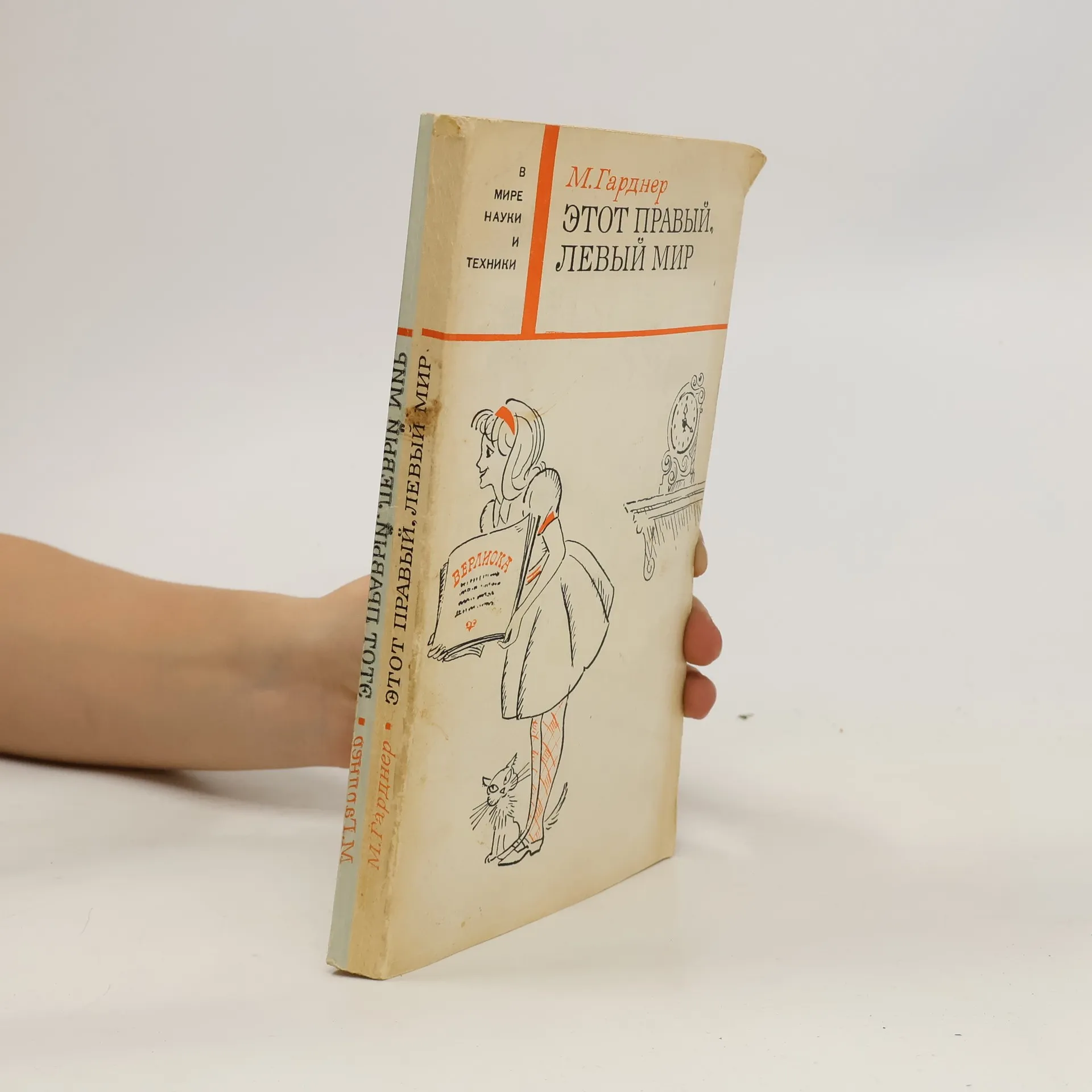
The Ambidextrous Universe
Left, Right, and the Fall of Parity
The Colossal Book of Short Puzzles and Problems
Combinatorics, Probability, Algebra, Geometry, Topology, Chess, Logic, Cryptarithms, Wordplay, Physics and Other Topics of Recreational Mathematics
- 494pages
- 18 heures de lecture
Finally collected in one volume, Martin Gardner's immensely popular short puzzles; along with a few new ones from the master.
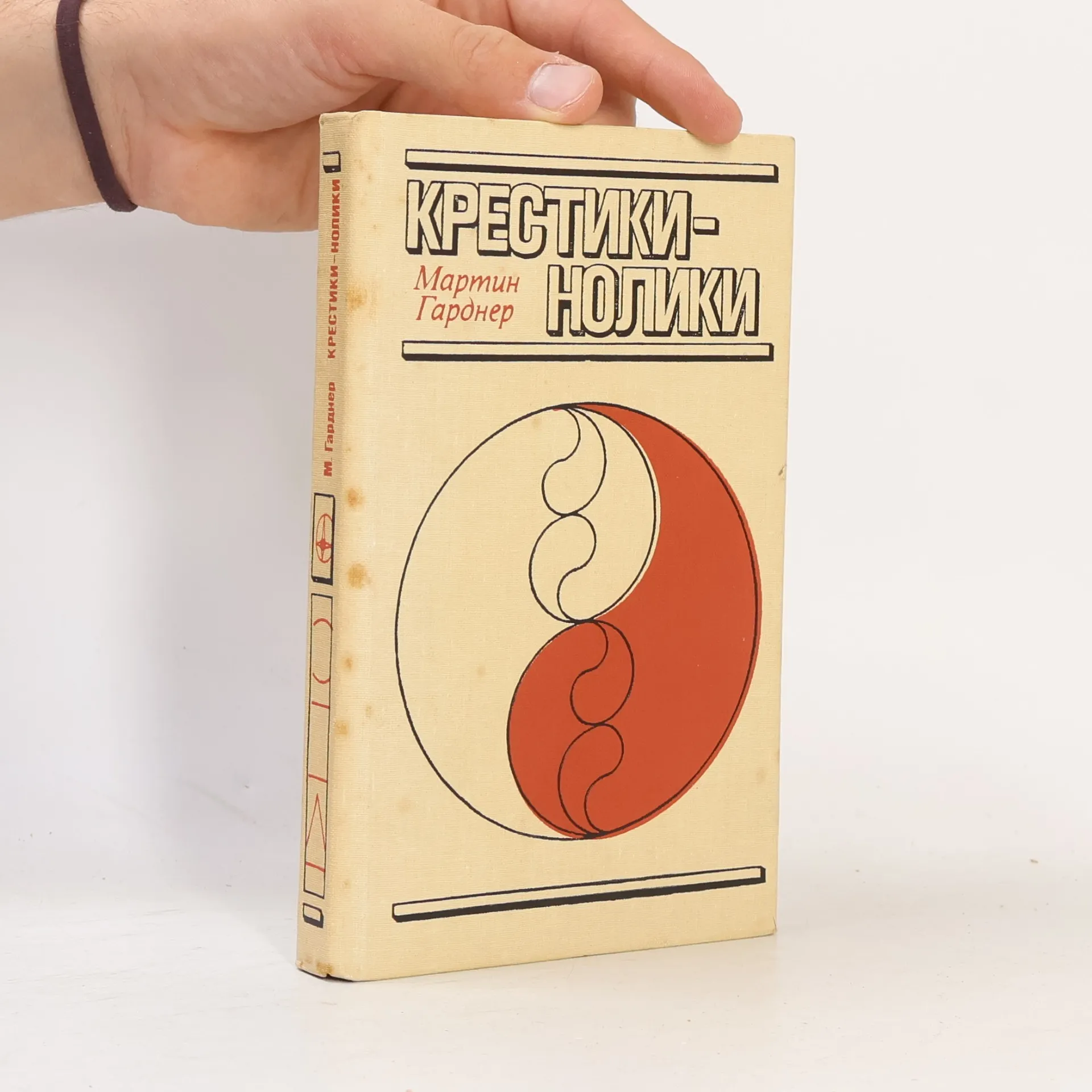
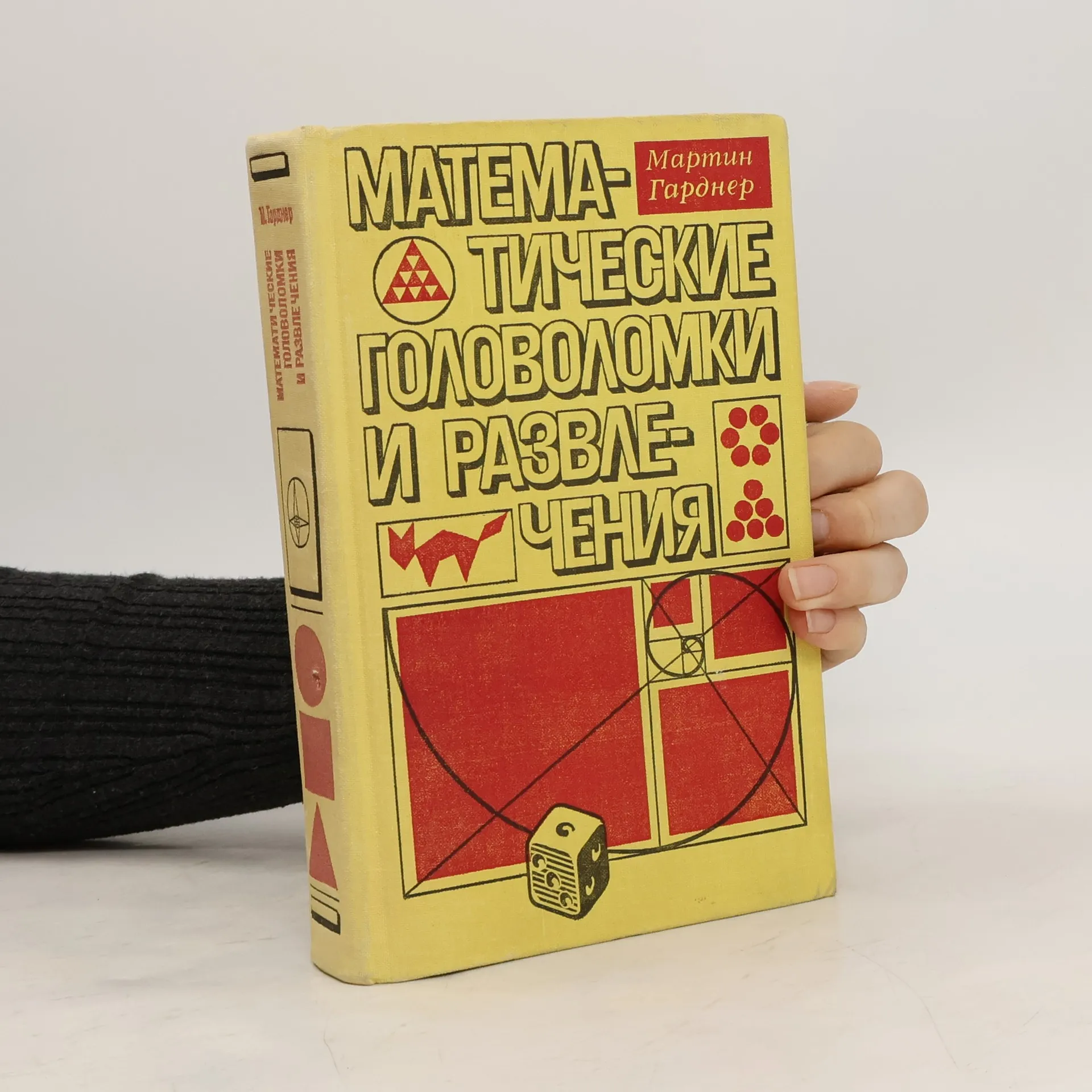
Крестики-нолики
- 352pages
- 13 heures de lecture
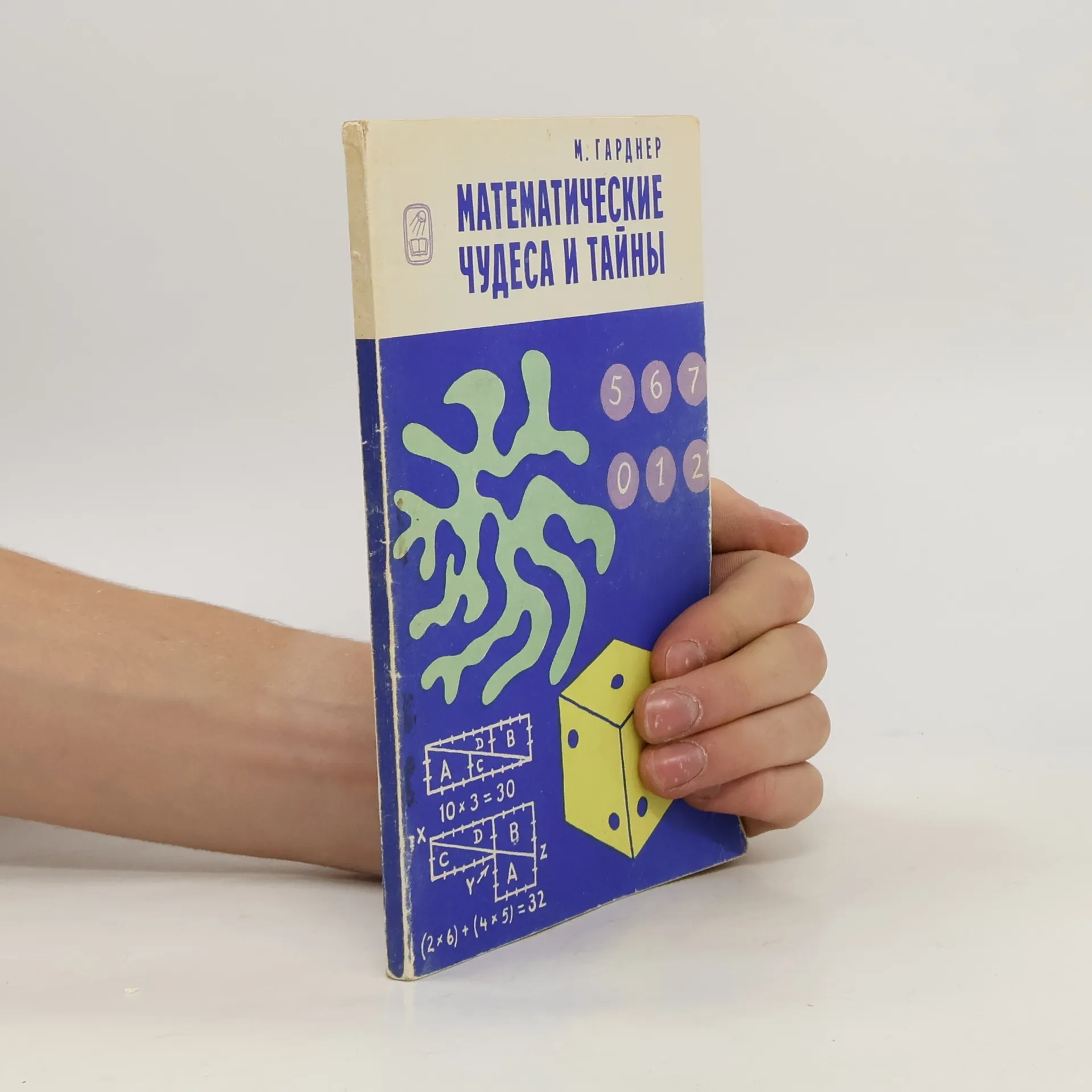
Книга хорошо известного американского популяризатора науки Мартина Гарднера, продолжающая серию книг по занимательной математике, содержит эссе, задачи и головоломки из различных областей математики. Рассчитана на любителей занимательной математики.
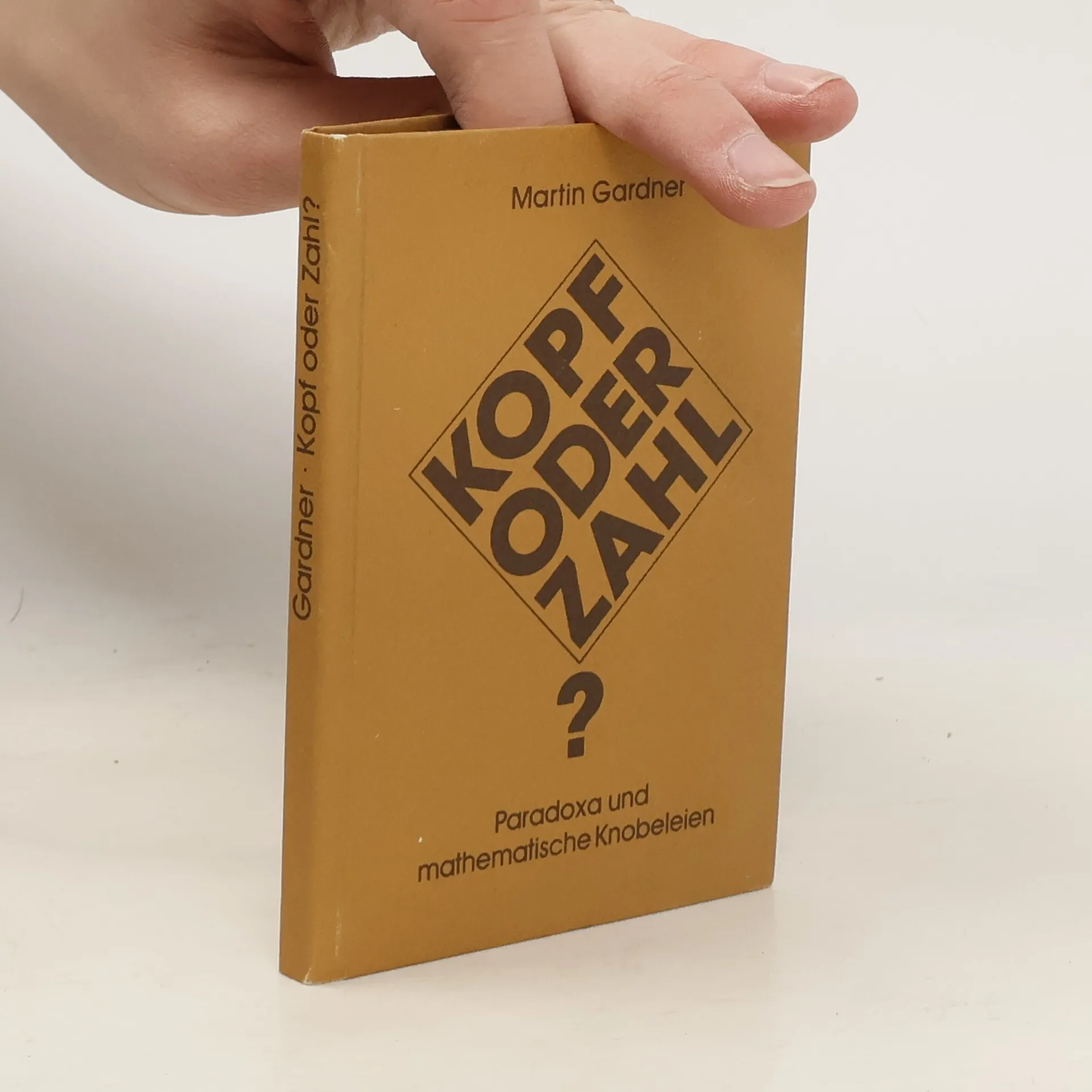
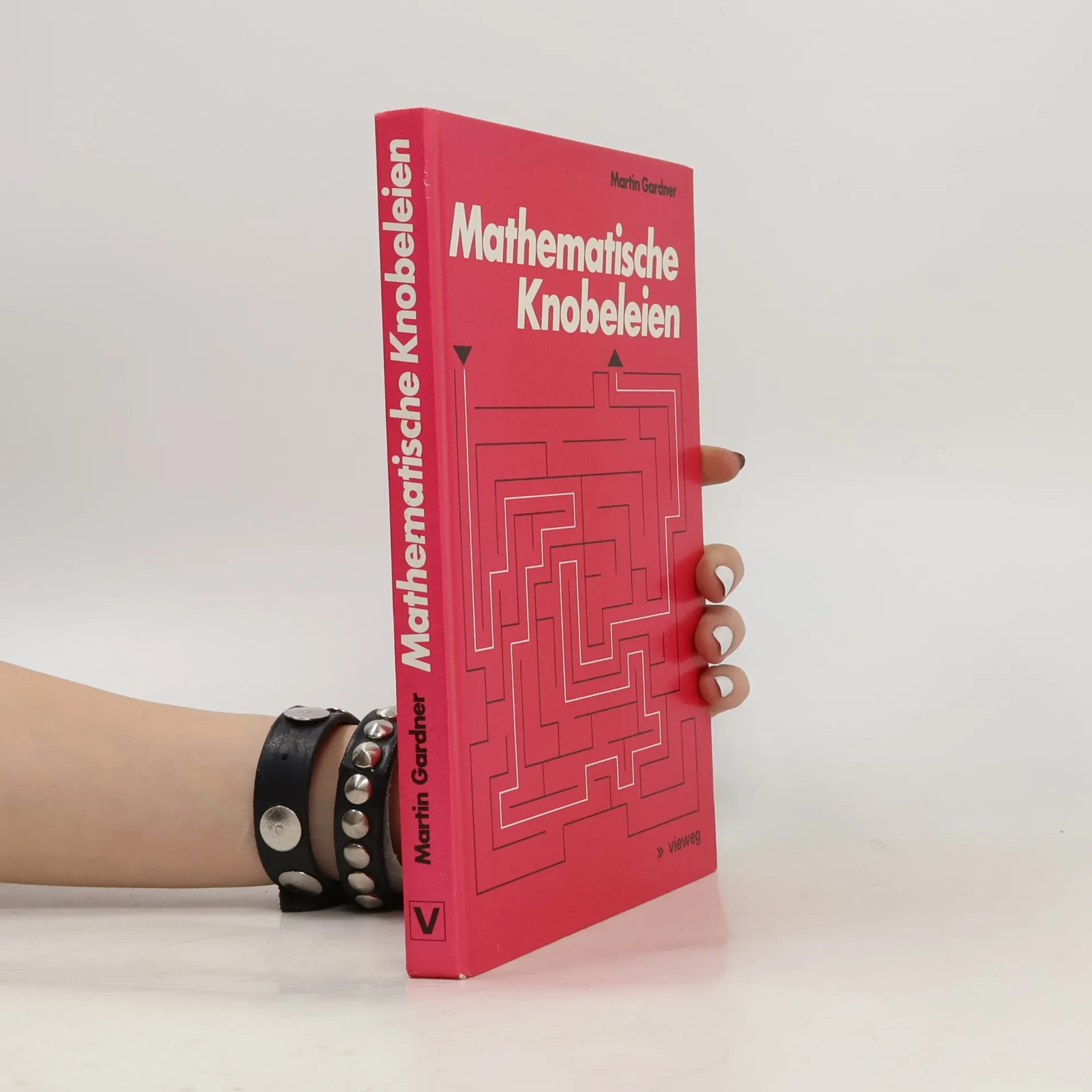
Mathematische Knobeleien
- 216pages
- 8 heures de lecture
Inhaltsverzeichnis1. Das Zweiersystem.2. Gruppentheorie und Geflechte.3. Acht Probleme.4. Wortspiele und Rätsel von Lewis Carroll.5. Geometrie mit Papier und Schere.6. Brettspiele.7. Wie man Kugeln packt.8. Die Zahl Pi.9. Der Mathematiker Victor Eigen.10. Das Vierfarbenproblem.11. Mr. Apollinax besucht New York.12. Neun Probleme.13. Polyominos und bruchlinienfreie Rechtecke.14. „Euler’s Spoilers”, oder: Wie man ein griechisch-lateinisches Quadrat der Ordnung 10 gefunden hat.15. Die Ellipse.16. Die 24 farbigen Quadrate und die 30 bunten Würfel.17. H. S. M. Coxeter.18. „Bridg-it“ und andere Spiele.19. Noch einmal neun Probleme.20. Die Differenzenrechnung.
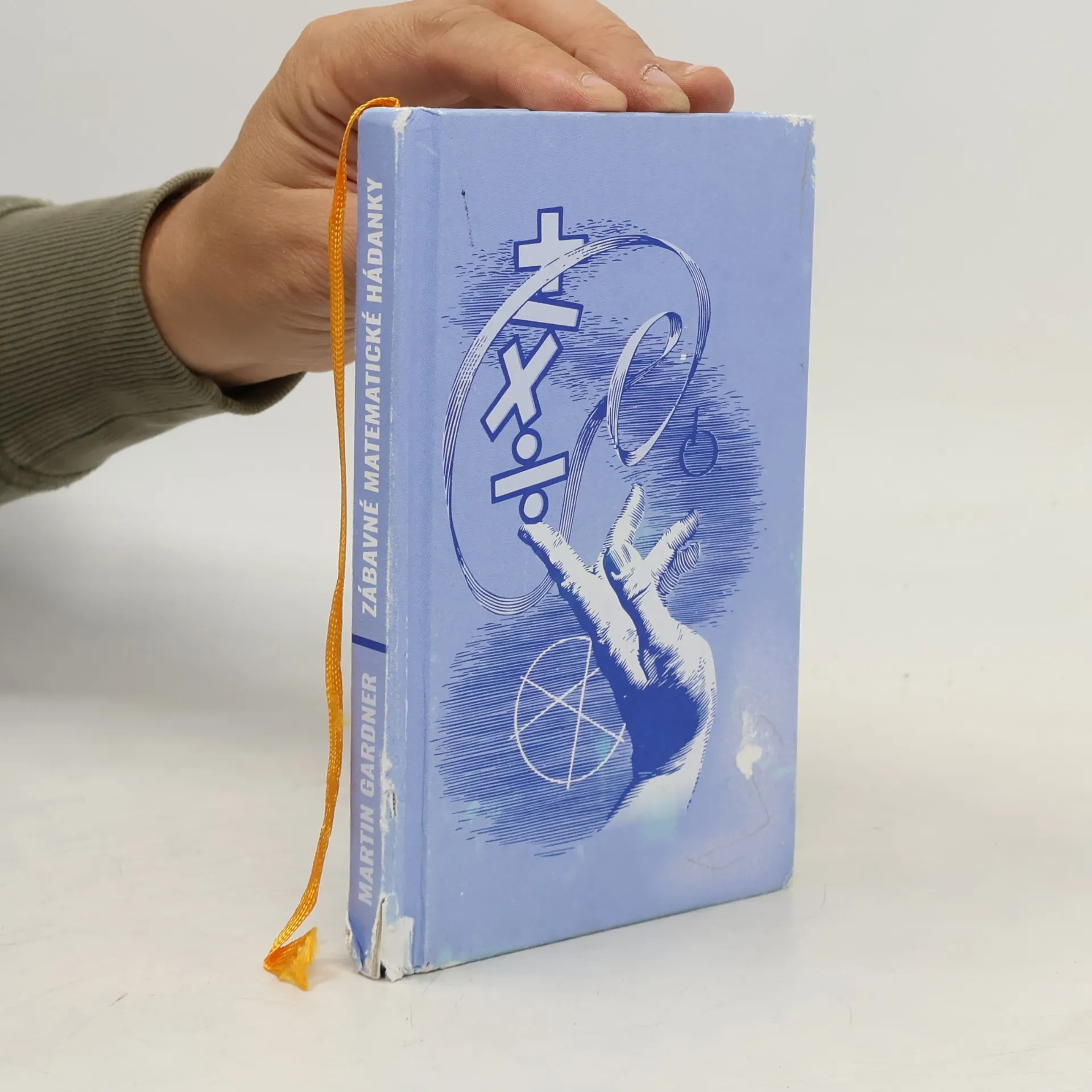
Zábavné matematické hádanky
- 168pages
- 6 heures de lecture
V rozporu s názorem mnoha studentů mohou být matematické úlohy současně chytré, inspirativní i velice zábavné. Autor této knihy byl jedním z nejlepších popularizátorů rekreační matematiky, po řadu desetiletí bavil čtenáře časopisu Scientific American a dokázal shromáždit tisíce matematických hádanek. Sbírka představuje úlohy spadající do různých oborů matematiky - hrátky s celými s čísly, geometrii v rovině i v prostoru. Zvláště oblíbené jsou hádanky týkající se rychlostí, peněz nebo pravděpodobnosti. A nebudou chybět ani různé speciální chytáky a vtipné paradoxy.
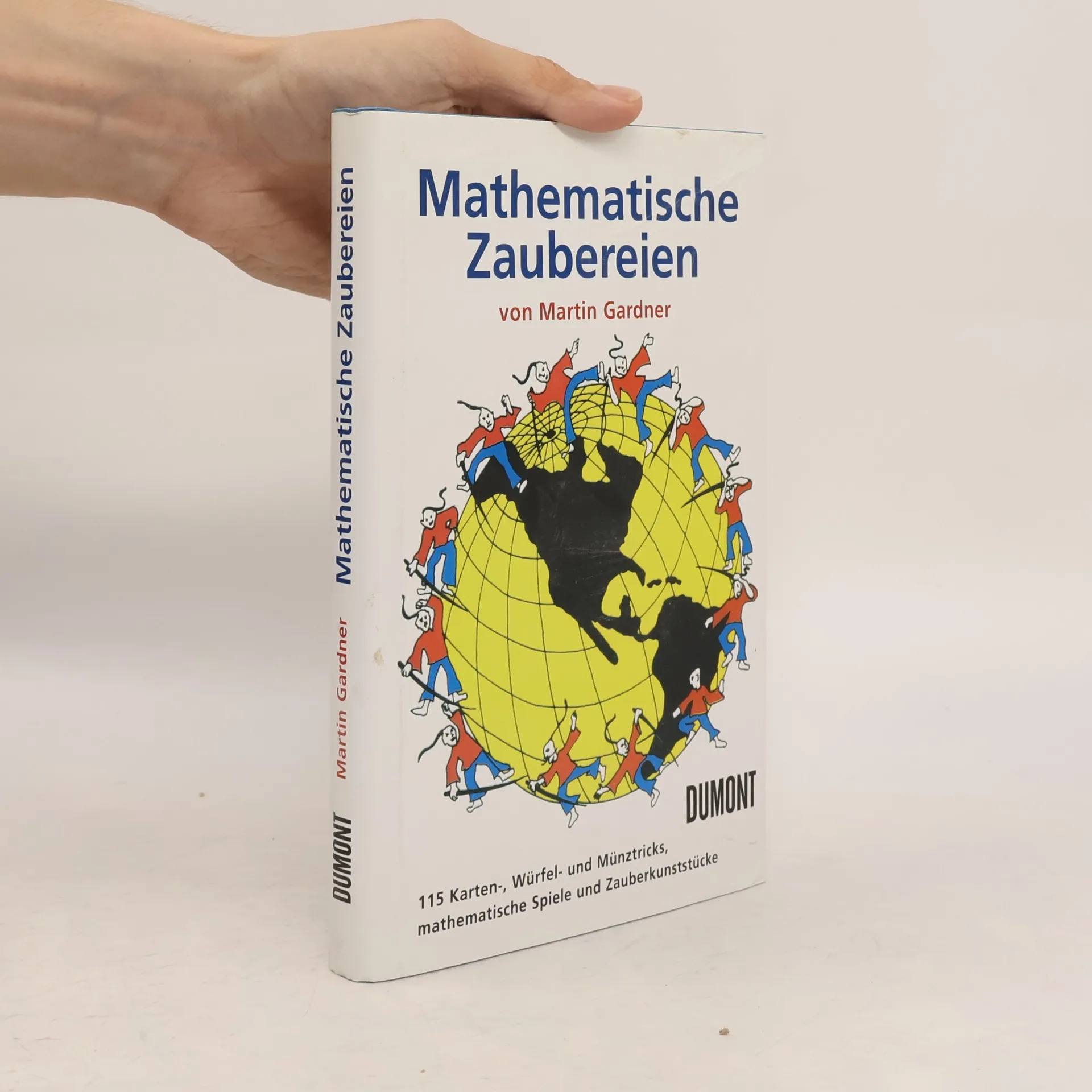
Mathematische Zaubereien
- 191pages
- 7 heures de lecture
Alle 115 unterhaltsamen Spiele und Zauberkunststücke haben etwas mit Mathematik zu tun, setzen jedoch kein Verständnis für mathematische Zusammenhänge voraus. Martin Gardner stellt Aufgabe und Präsentation vor und erläutert anschließend den „Trick", der diese Zaubereien ohne große Vorbereitung zu verblüffend effektvollen Kunststücken macht. Spielerisch führen sie die zugrunde liegenden Gesetze aus Geometrie und Arithmetik vor Augen.
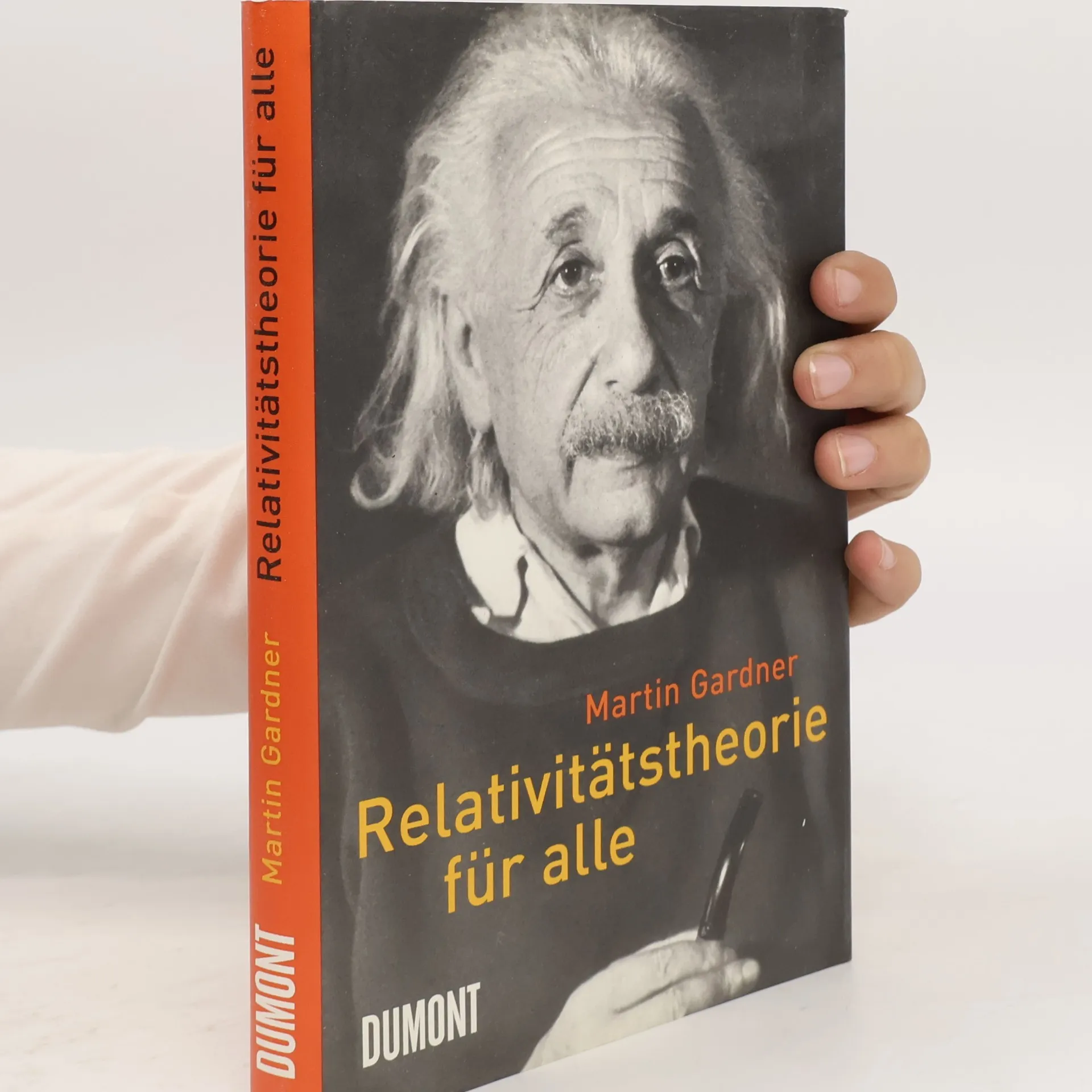
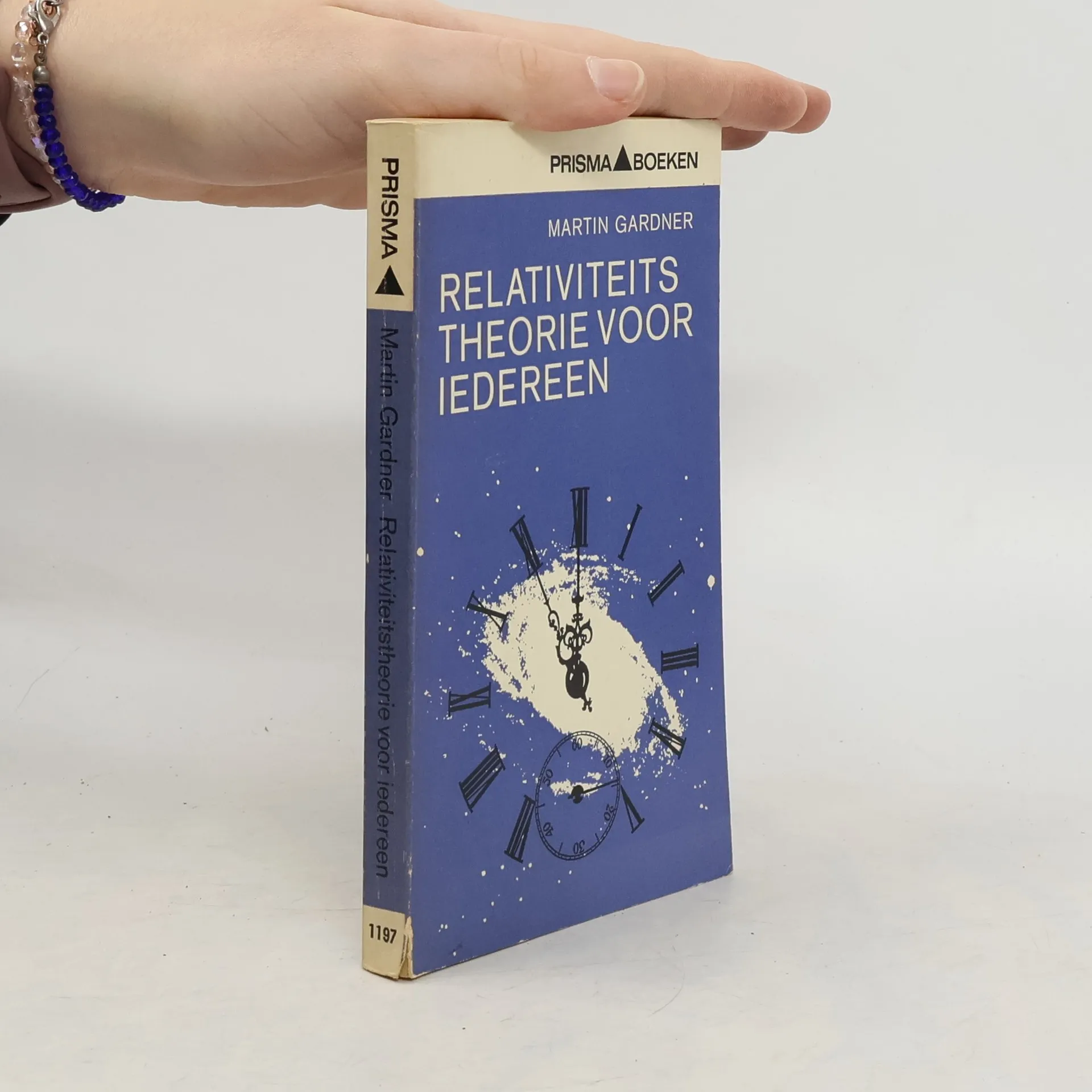
Relativitätstheorie für alle
- 170pages
- 6 heures de lecture
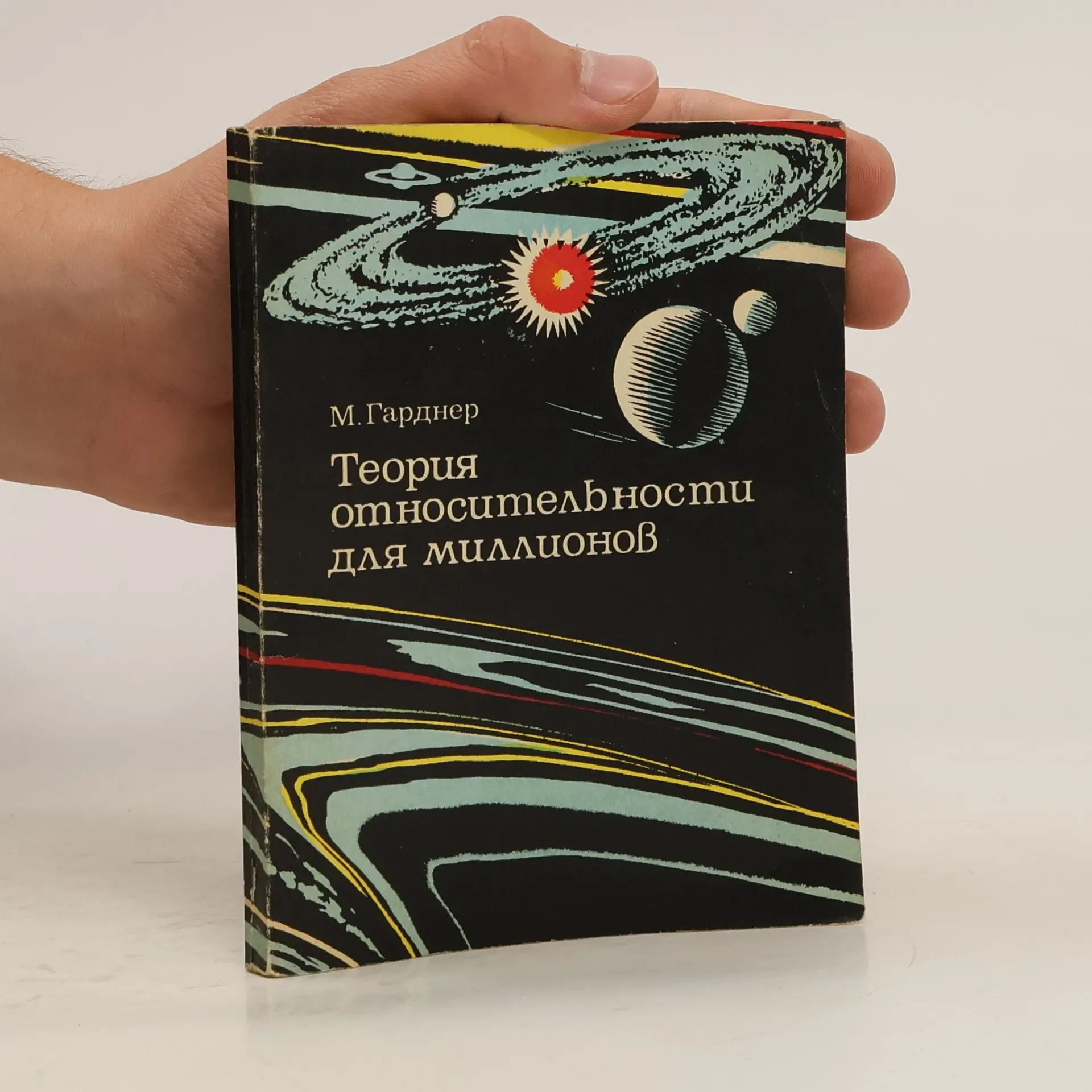
Am 30. Juni 1905 vollendete Albert Einstein die spezielle Relativitätstheorie. Sie erschütterte das Weltgebäude der Physik. Hundert Jahre später benutzen wir wie selbstverständlich Navigationssysteme, die ohne die Erkenntnisse dieser Theorie in die Irre führen würden. Und dennoch bleiben die spezielle und die allgemeine Relativitätstheorie eine Herausforderung, die uns an die Grenzen unserer Vorstellungskraft bringt. Martin Gardner, der Meister der populären Wissenschaft, hat eine der klarsten und unterhaltsamsten Einführung in eine Theorie geschrieben, die die berühmteste Formel der Welt enthält und dennoch viel zu oft unverstanden blieb.
Die zwanzig Kapitel dieses Buches sind ausgewogen zwischen verschiedenen anregenden Ideen, die durch alltägliche Objekte wie Streichhölzer und Geldscheine sowie durch entfernte Objekte wie Planeten und unendliche Zufallsbewegungen angeregt werden. Wir erfahren von alten Geräten zur Arithmetik und von modernen Erklärungen zur künstlichen Intelligenz. Hier gibt es Festlichkeiten für die Augen und Hände sowie für das Gehirn.
Jakou barvu má medvěd? Nejlepší matematické a logické hádanky
- 176pages
- 7 heures de lecture
Matematik Martin Gardner psal přes 25 let sloupky matematických her do prestižního časopisu Scientific American – vždy se snažil ukázat nový a neokoukaný problém a jeho řešení. Kniha, která patří k nejoceňovanějším ve svém oboru, obsahuje výběr 65 nejlepších matematických hádanek a logických úkolů, které potrápí mozkové závity, rozšíří možnosti uvažování a poučí o matematických a logických postupech. Součástí knihy jsou komentovaná řešení.
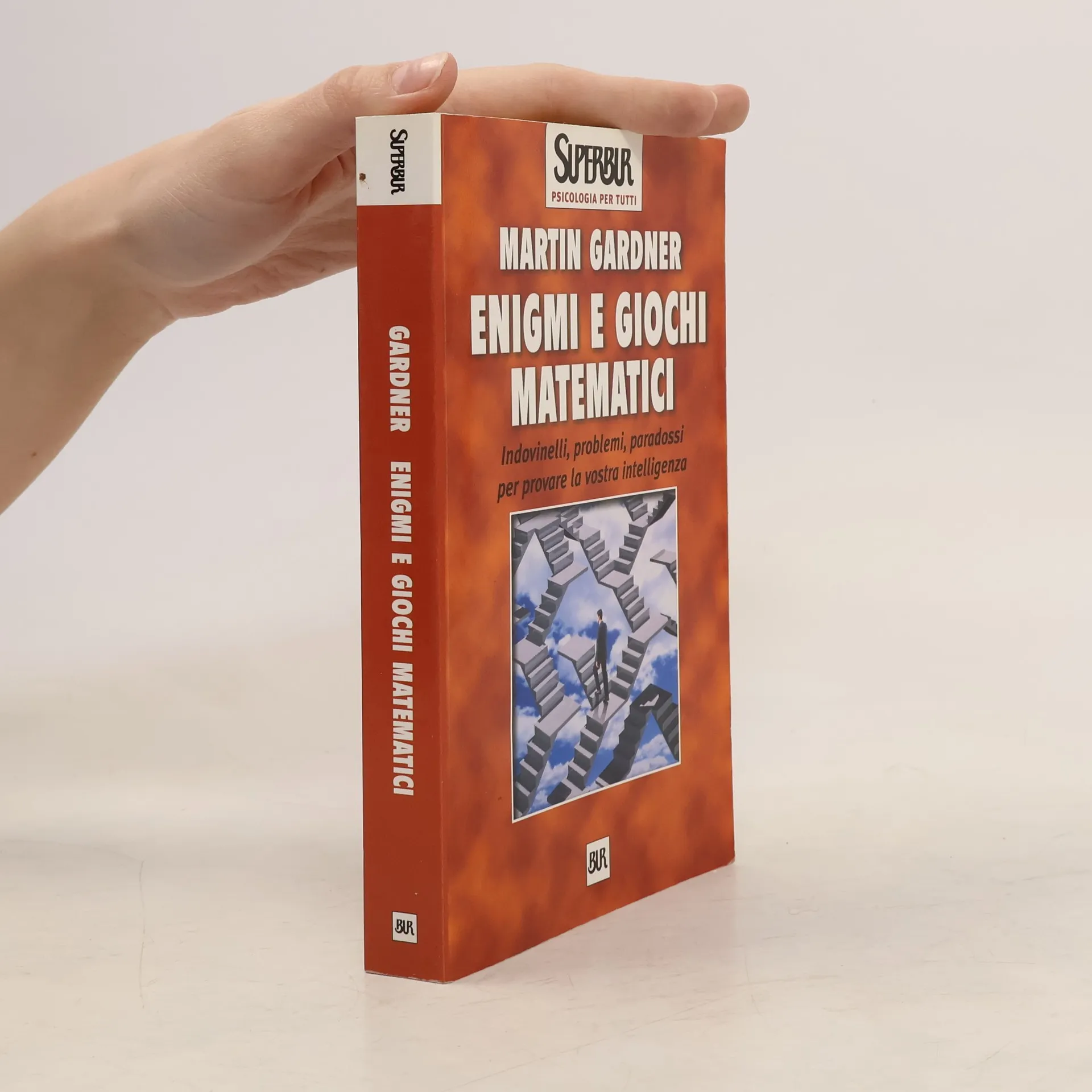
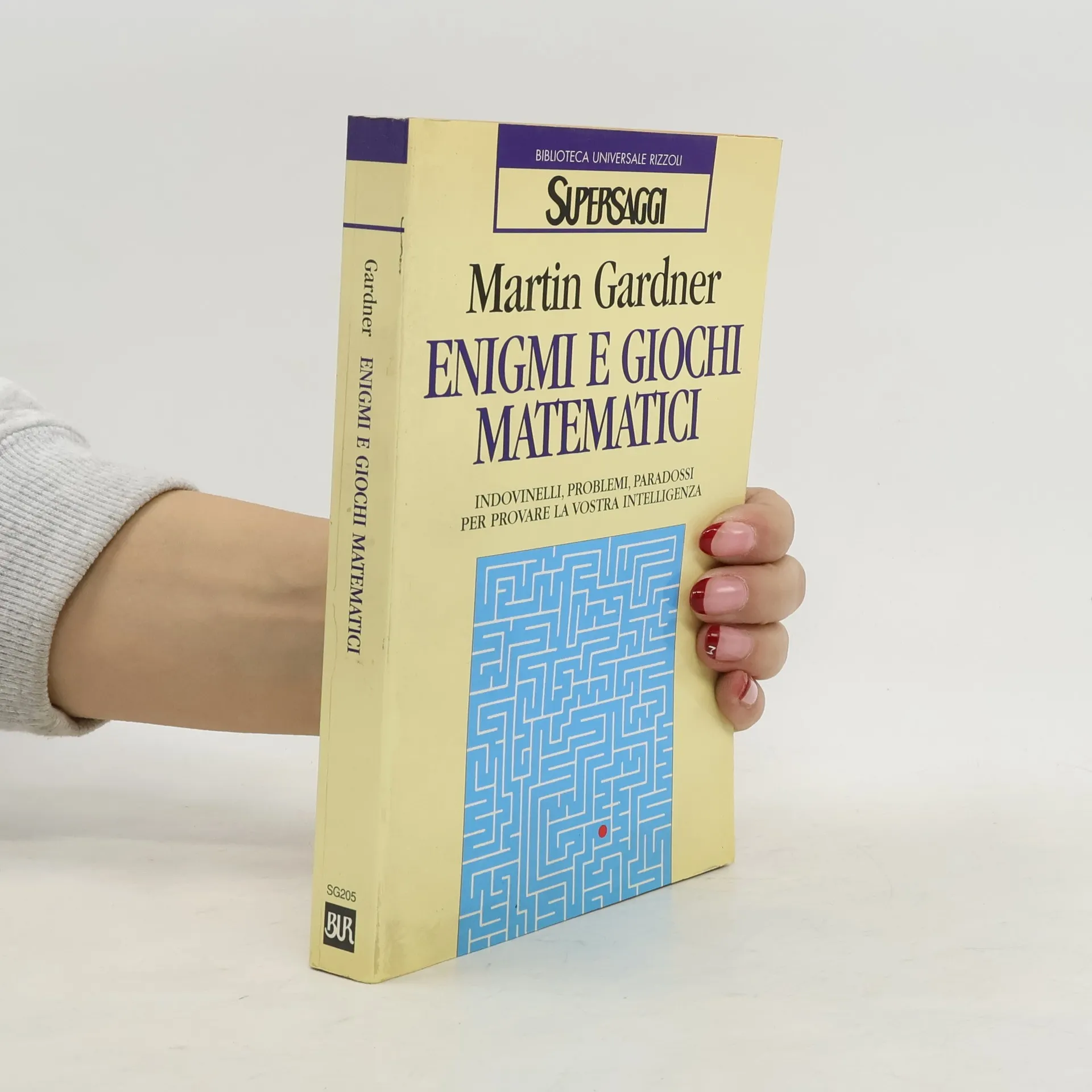
Enigmi e giochi matematici
- 359pages
- 13 heures de lecture
Il contenuto delle variazioni matematiche presentate da Gardner, si estende dalle figure di carta (sapete riflettere un esaesaflexagono?) alle capacità della memorizzazione matematica e alle speculazioni sul nastro di Moebius. Vi sono indovinelli ideati da alcuni matematici odierni per puro divertimento o nel corso di serie ricerche. Ogni giochetto contenuto nel libro, ogni paradosso o rompicapo è stato scelto per il suo interesse matematico ed è accompagnato da commenti che offrono all'autore il pretesto per illustrare alcuni aspetti del pensiero matematico.
Kabarett der Täuschungen
- 267pages
- 10 heures de lecture
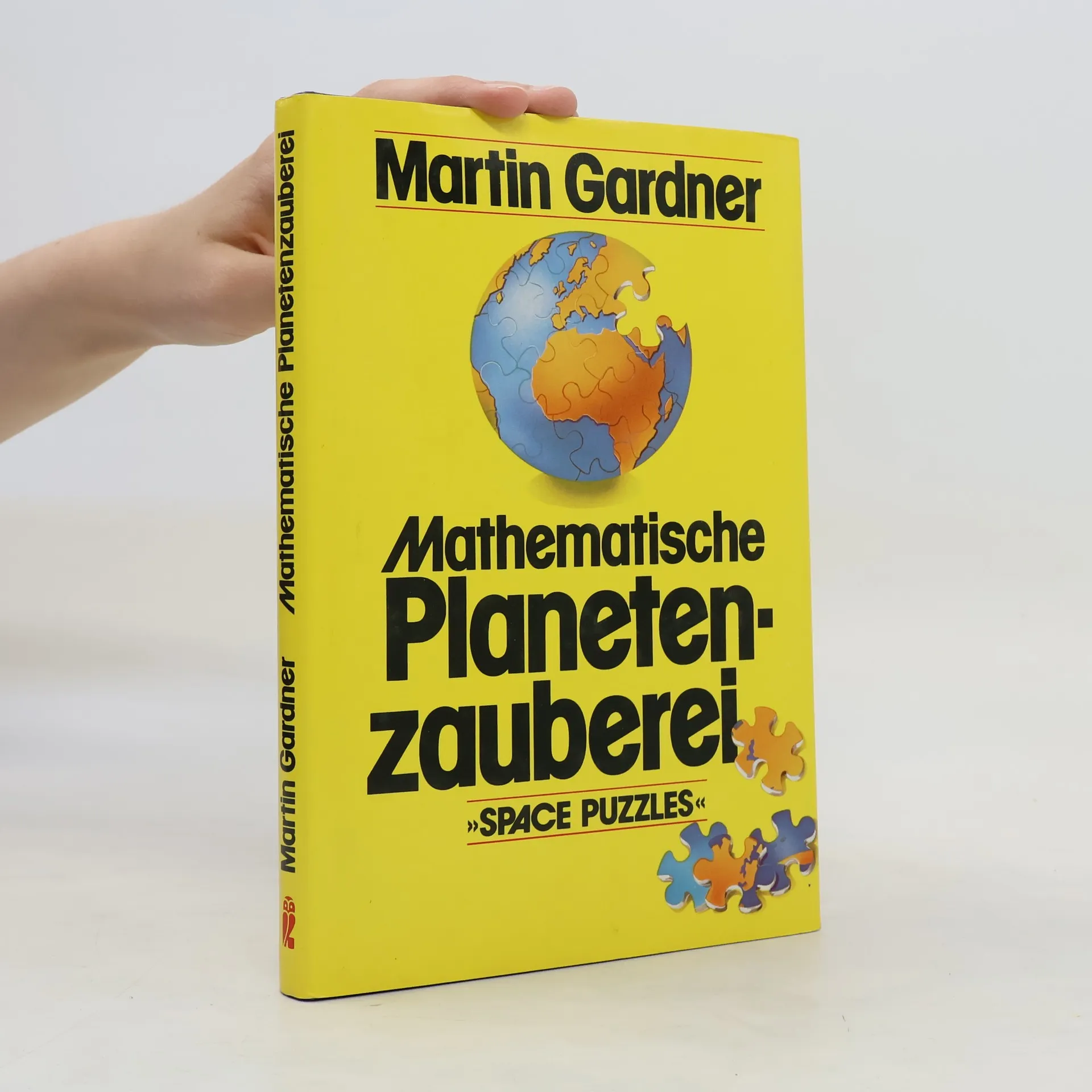
Mathematische Planetenzauberei
- 103pages
- 4 heures de lecture
Die zwanzig Kapitel dieses Buches sind ausgewogen zwischen verschiedenen anregenden Ideen, die durch alltägliche Objekte wie Streichhölzer und Geldscheine sowie durch entfernte Objekte wie Planeten und unendliche Zufallsbewegungen angeregt werden. Wir erfahren von alten Geräten zur Arithmetik und von modernen Erklärungen zur künstlichen Intelligenz. Hier gibt es Festmahle für die Augen und Hände sowie für das Gehirn.
Ajá! paradojas que hacen pensar
- 271pages
- 10 heures de lecture
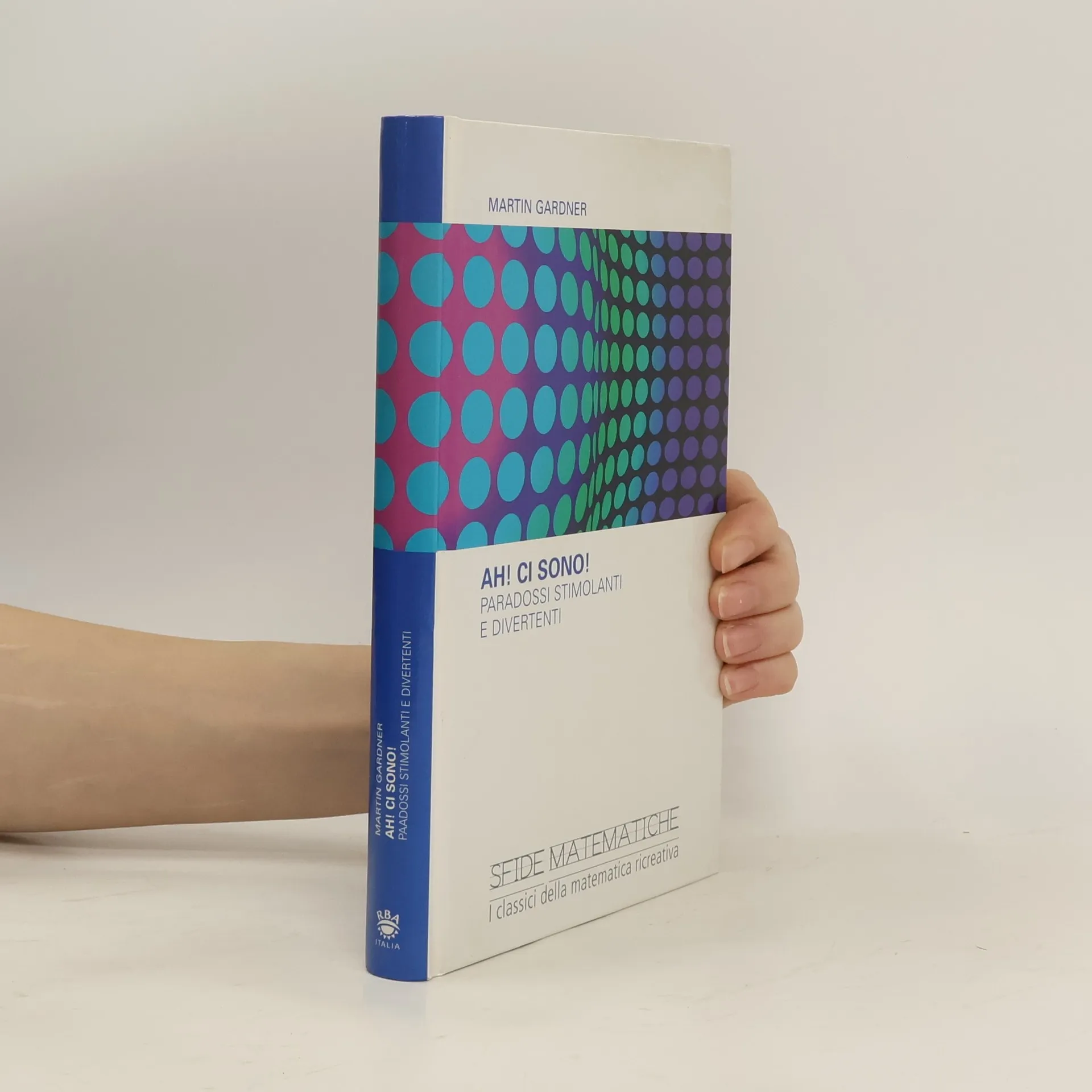
Mucho podemos aprender de las paradojas. Al igual que los buenos trucos de ilusionismo, nos causan tanto asombro que inmediatamente queremos saber cómo se han hecho. Los ilusionistas no revelan jamás cómo hacen lo que hacen, pero los matemáticos no tienen necesidad de guardar el secreto. Las matemáticas no solo pueden ser divertidas, sino que encierran una fabulosa mezcla de sorpresa y de aprendizaje. Nunca se olvidará de ello si se asoma a los asombrosos juegos de Martin Gardner.
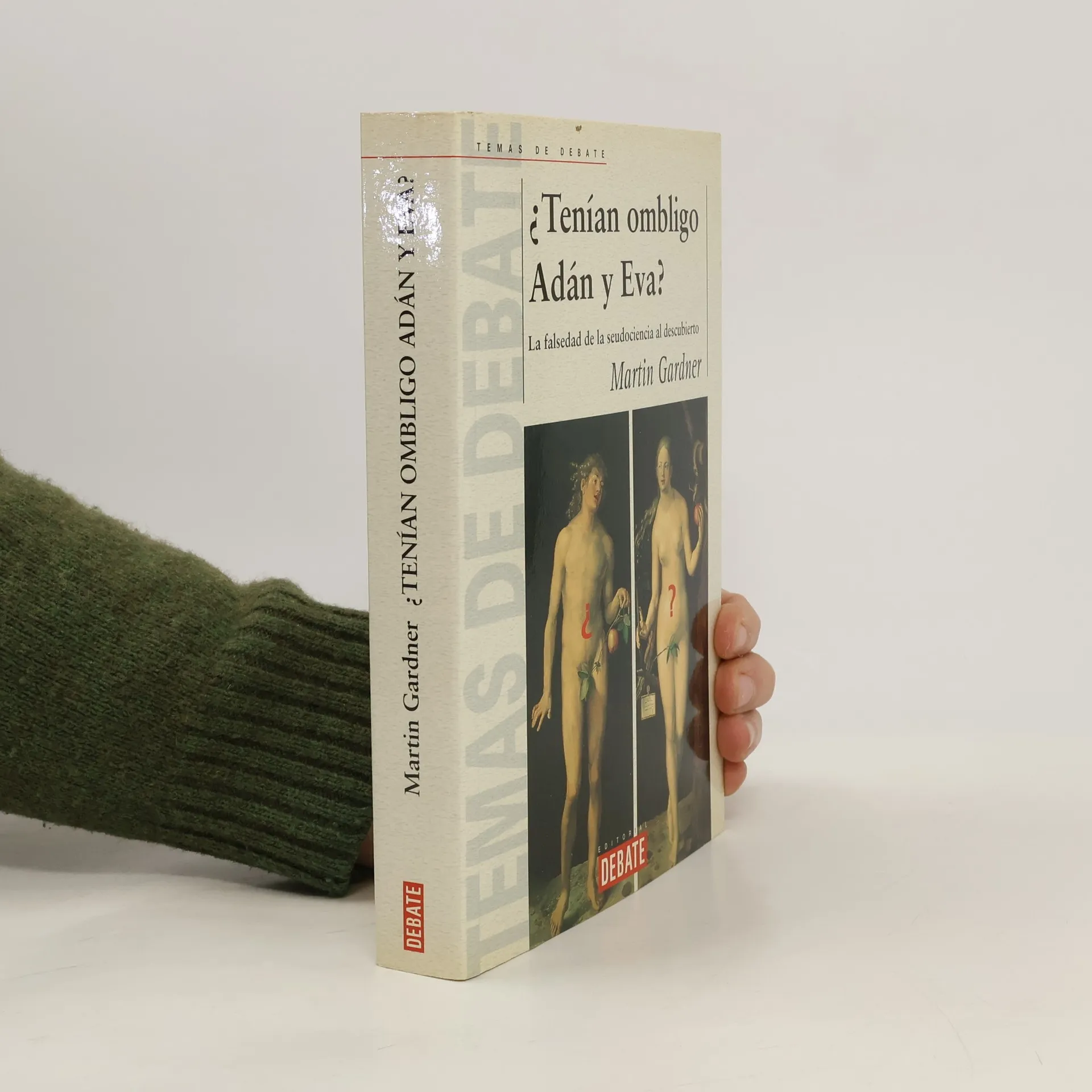
Temas de Debate: ¿Tenían ombligo Adán y Eva? La Falsedad de la pseudociencia al descubierto
- 400pages
- 14 heures de lecture
¿Se pueden curar las enfermedades bebiendo la propia orina? Cuestiones risibles como estas parecen ocupar las mentes de millones de personas día tras día, como si la gente estuviera hambrienta de cualquier migaja de conocimiento que se dé aires de ciencia, dispuesta a adoptar teorías traídas por los pelos que sólo provocan miedo y asombro. Gardner, posiblemente el desenmascarador de fraudes científicos más inteligente de nuestra época, hace uso de sus décadas de experiencia para desbaratar las proclamaciones de la Nueva Era y las dudosas investigaciones de eminentes científicos.
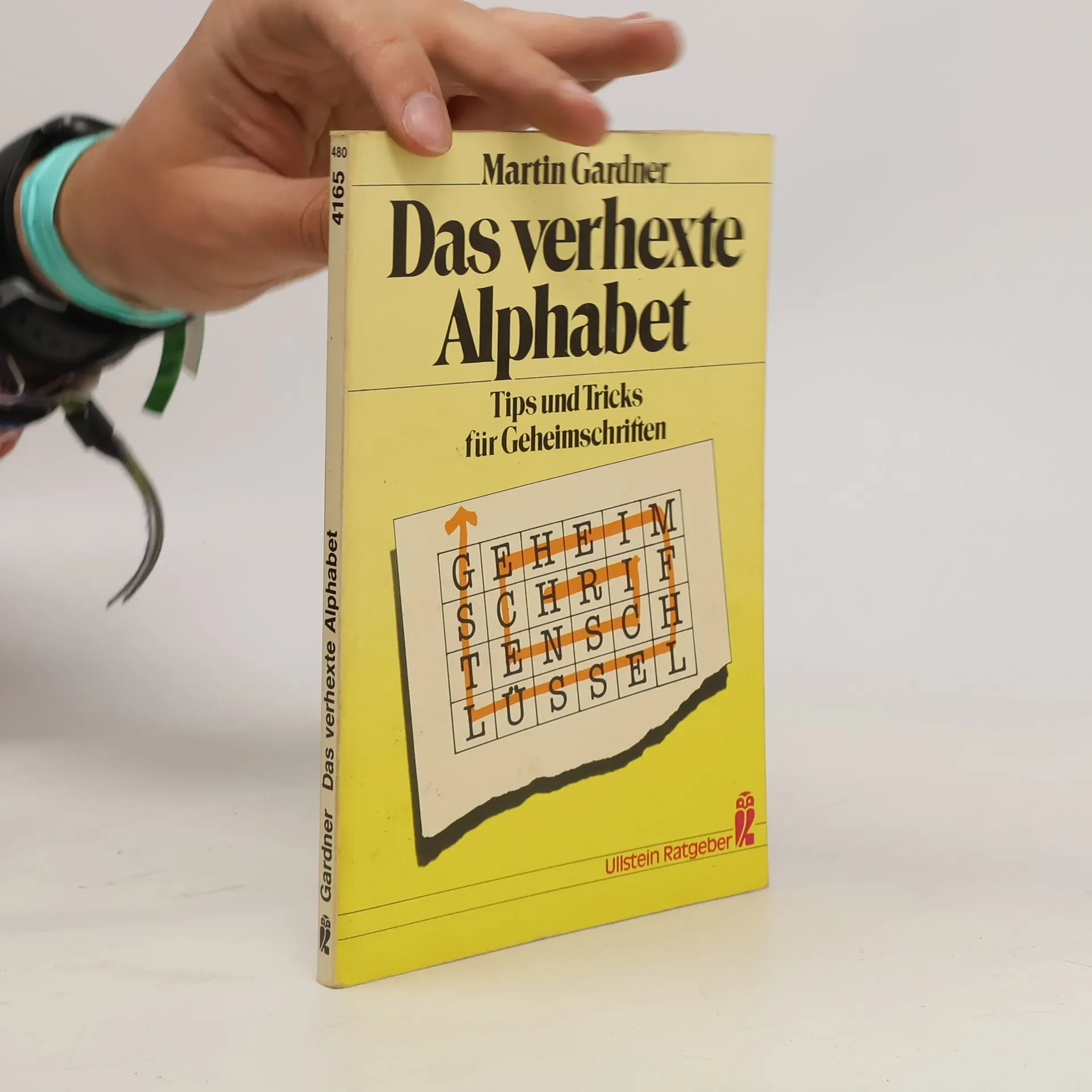
Das verhexte Alphabet
- 101pages
- 4 heures de lecture
Erklärt in einfachen Worten, wie man Nachrichten in verschiedenen Chiffren kodiert und dekodiert, beschreibt Kodiermaschinen und gibt Formeln für unsichtbare Tinte.
Die magischen Zahlen des Dr. Matrix
- 206pages
- 8 heures de lecture
Martin Gardner's mathematische Denkspiele
- 280pages
- 10 heures de lecture
Denkspiele von anderen Planeten
- 176pages
- 7 heures de lecture
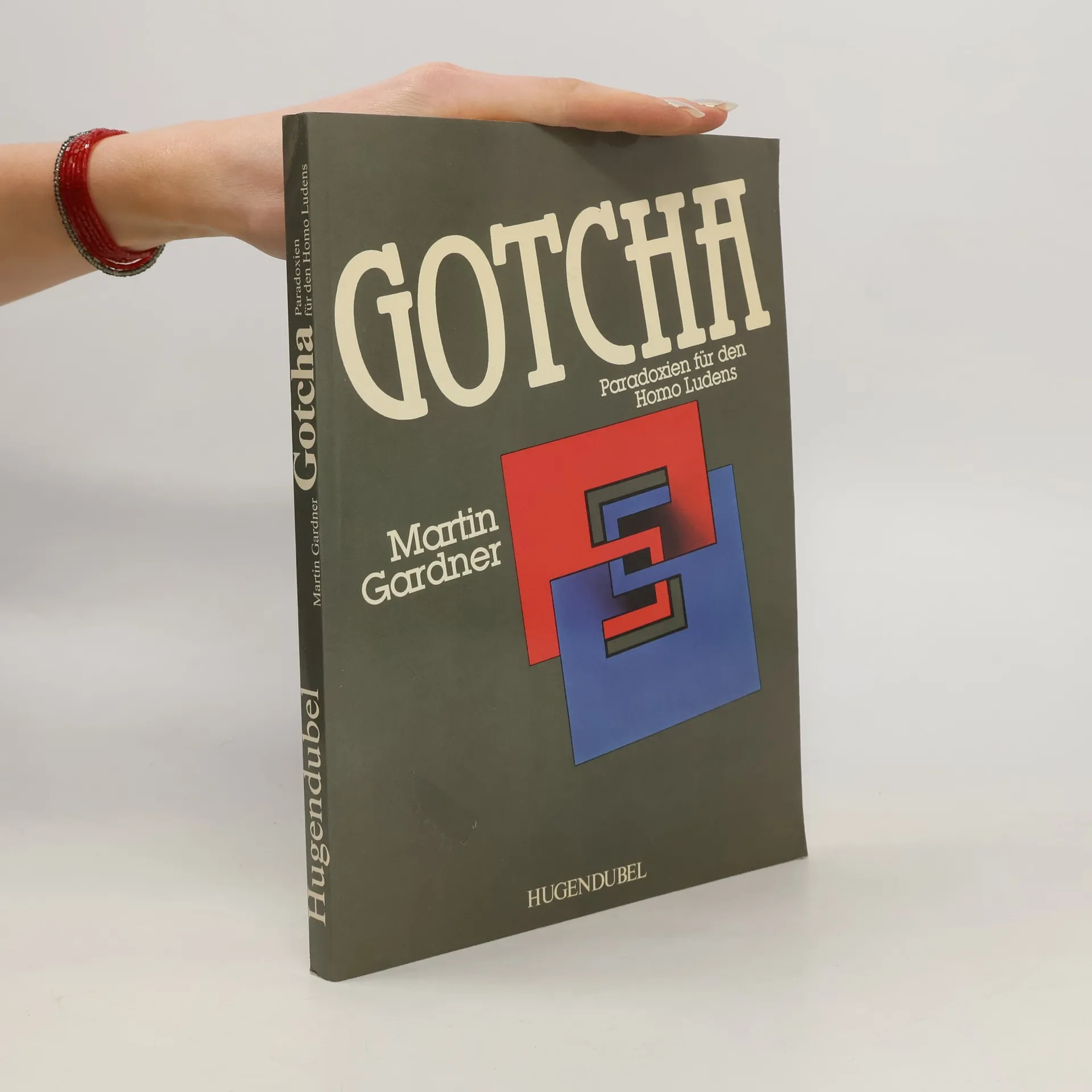
Gotcha
- 167pages
- 6 heures de lecture
Unsere gespiegelte Welt
- 344pages
- 13 heures de lecture
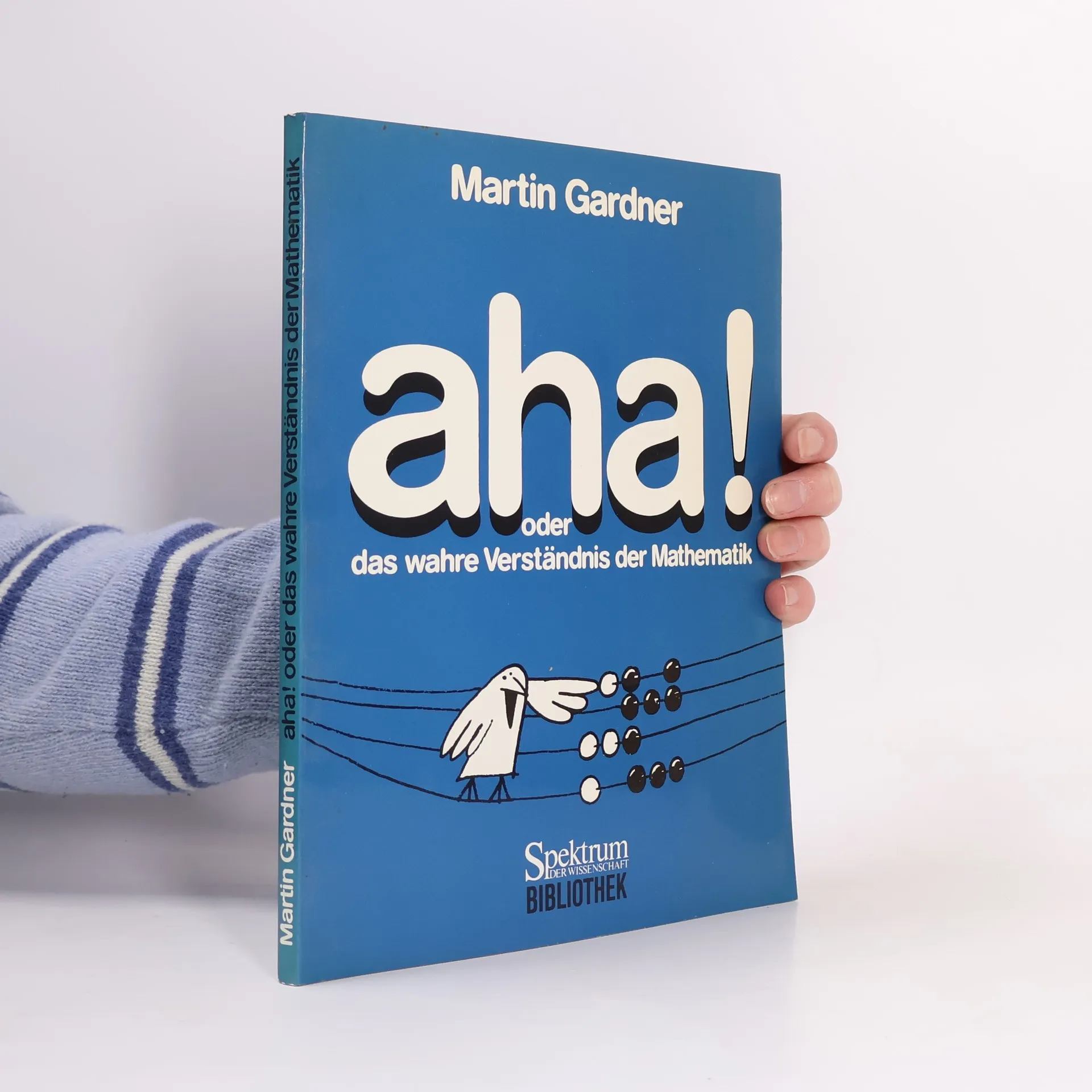
Aha! oder das wahre Verständnis der Mathematik
- 183pages
- 7 heures de lecture
Rätsel und Denkspiele
- 127pages
- 5 heures de lecture
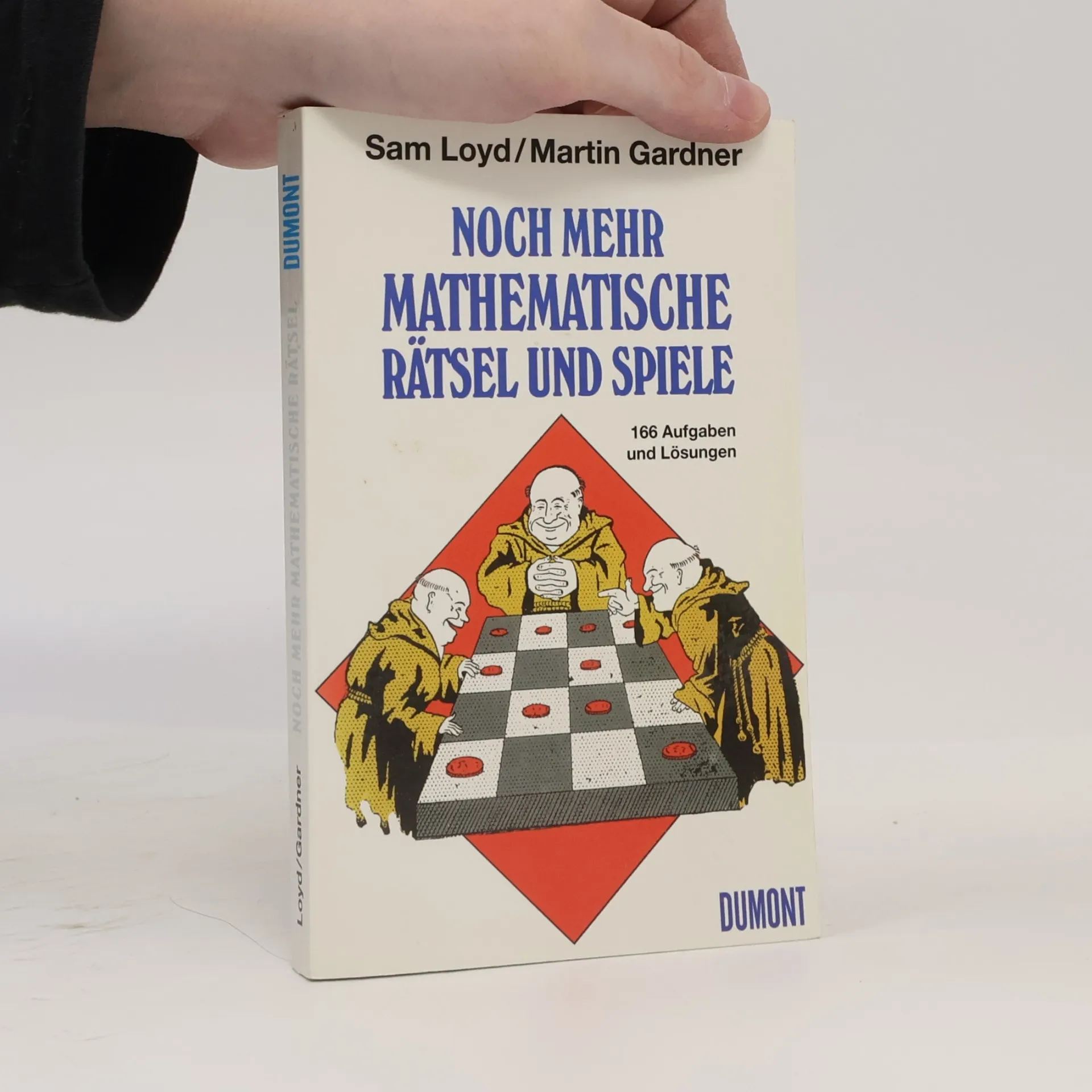
Weitere 166 Herausforderungen für Fantasie und Ausdauer – und wenn die einmal am Ende sind, hilft der Lösungsteil. Endlich wieder lieferbar: Die Klassiker der mathematischen Rätsel und Zaubereien des genialen Duos Sam Loyd und Martin Gardner. Denksport für kluge Köpfe und solche, die es werden wollen.
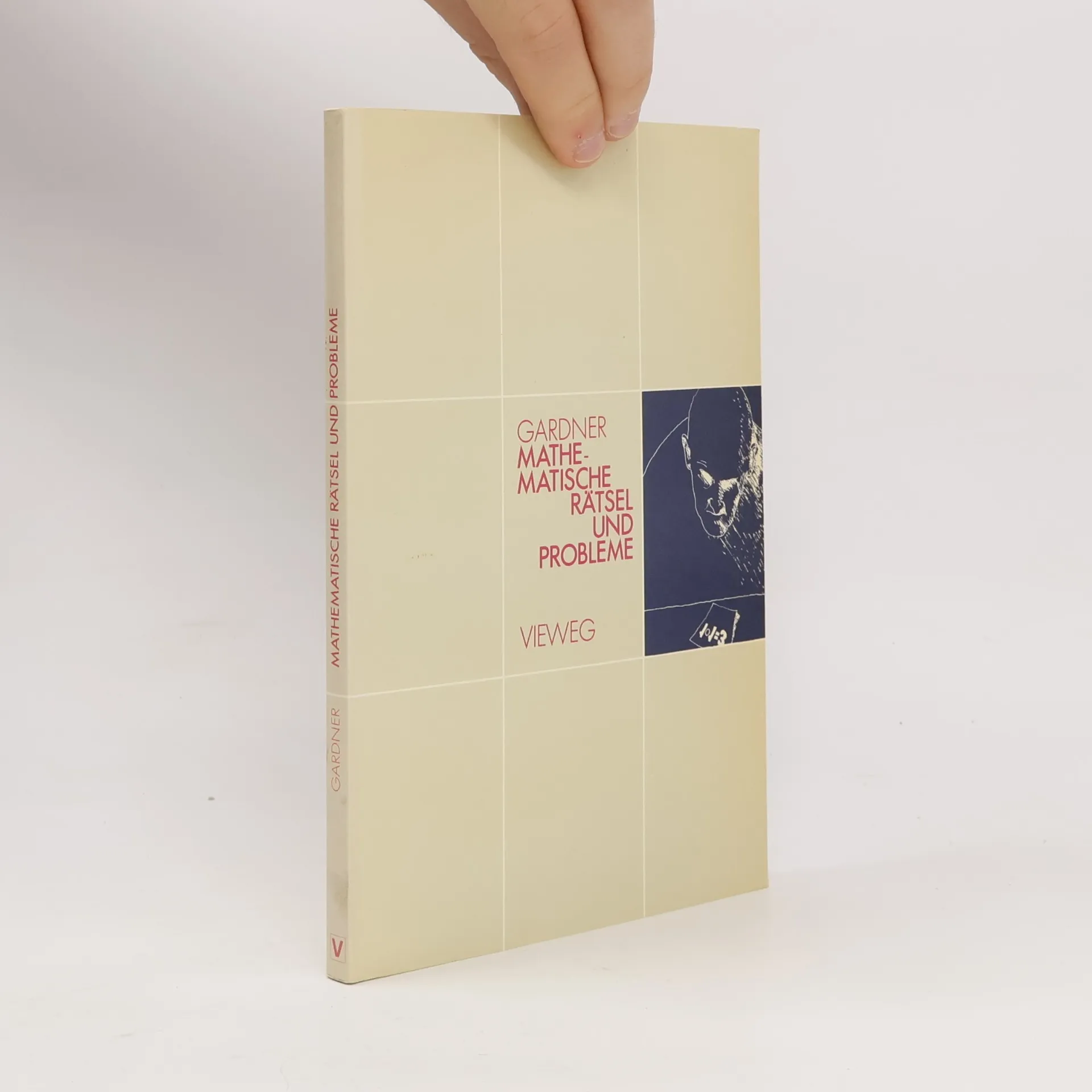
Mathematische Rätsel und Probleme
- 158pages
- 6 heures de lecture
Aufgabensammlung; Denksport; Mathematik; Rätsel.
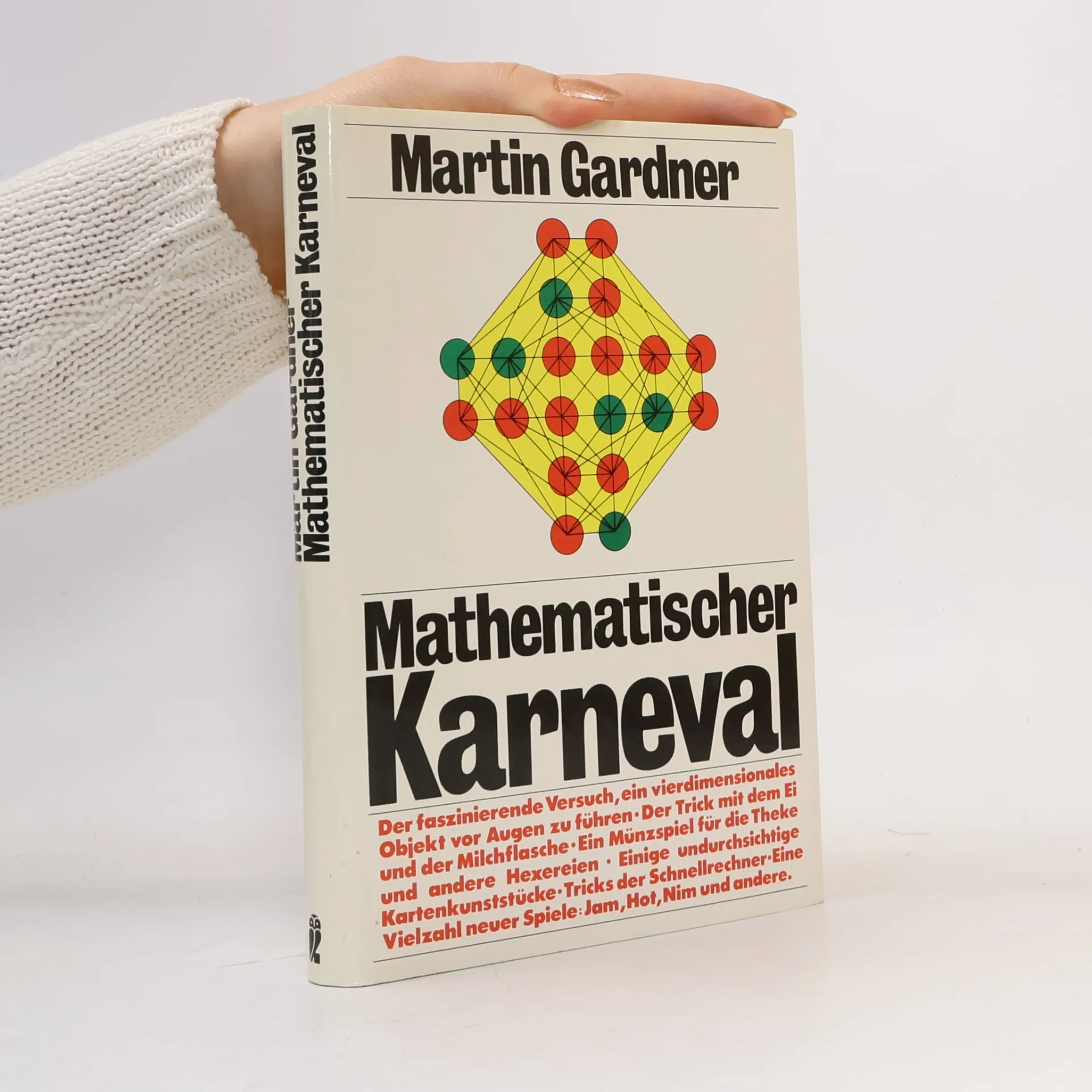
Mathematischer Karneval
- 269pages
- 10 heures de lecture
Aufgabensammlung; Denksport; Mathematisches Spiel.
Geometrie mit Taxis, die Köpfe der Hydra und andere mathematische Spielereien
- 297pages
- 11 heures de lecture
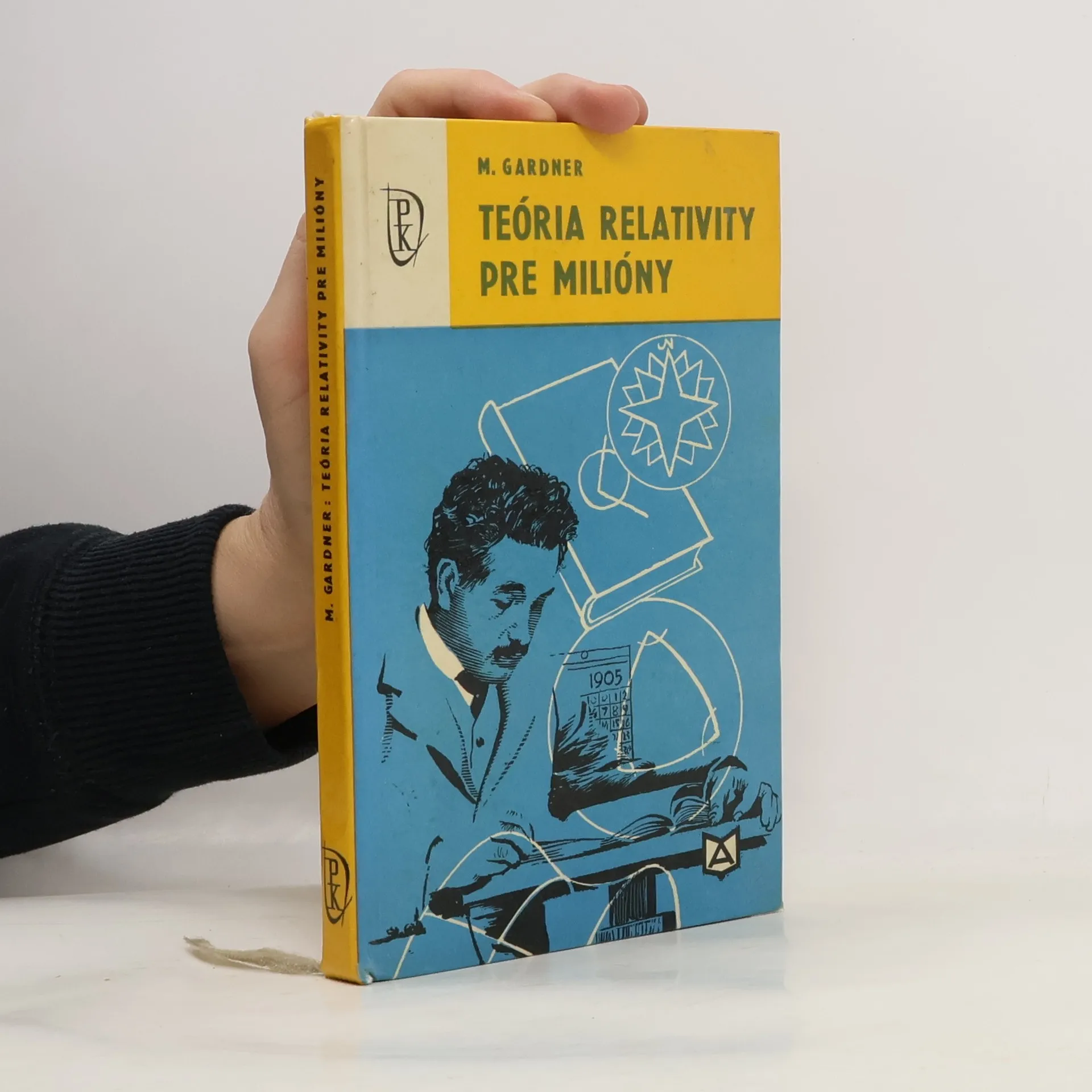
Azda len sporadicky možno nájsť knihu, ktorá by takto zrozumiteľne a vtipne uvádzala čitateľa do náročnej vedeckej tematiky. Tejto knihe sa to vskutku podarilo. Autor vtipnými historkami, vážne i žartovne, objasňuje teóriu relativity v matematike, vo fyzike i vo filozofii. Nevynecháva ani historický vývoj a otázky relativity vo vesmíre. Kniha je bestsellerom populárno-vedeckej literatúry anglického sveta, kde vyšla už v 5 vydaniach. Bola preložená do ôsmich jazykov. Je vynikajúco ilustrovaná. Určená je študentom, učiteľom i širšej verejnosti, zaujímajúcej sa o vedecko-odborné zaujímavosti.
Inhaltsverzeichnis1. Das Paradoxon der unerwarteten Hinrichtung.2. Knoten und Barromäische Ringe.3. Die transzendentale Zahl.4. Geometrische Zerlegungen.5. Über Glücksspiele.6. Die Kirche der vierten Dimension.7. Acht Aufgaben.1. Eine Ziffern-Lege-Aufgabe.2. Die Dame oder der Tiger.3. Ein Tennis-Match.4. Die farbigen Kegel.5. Die Aufgabe mit den sechs Zündhölzern.6. Zwei Schach-Aufgaben: Minimum- und Maximum-Angriffe.7. Wie weit fuhr die Familie Schmidt?.8. Voraussage eines Fingerzählens.8. Eine Spiel-Lernmaschine aus Zündholzschachteln.9. Spiralen.10. Drehungen und Spiegelungen.11. Patience mit Figuren.12. Plattländer.13. Der Zauberkongreß in Chicago.14. Teilbarkeit-Proben.15. Neun Aufgaben.1. Die sieben Karteikarten.2. Eine ohne-blau Graphik.3. Zwei Spiele hintereinander.4. Ein Paar Zahlenrätsel.5. Aufteilen eines Quadrats.6. Verkehrsfluß in Floyd’s Knob.7. Littlewoods Fußnoten.8. Neun zu eins ist gleich 100.9. Die gekreuzten Zylinder.16. Die acht Königinnen und andere Brettspielereien.17. Eine Schnurschlinge.18. Geschlossene Kurven mit konstantem Durchmesser.19. Rep-Tiles: Ebene Wiederholungsfiguren.20. Neunundzwanzig Fangfragen.
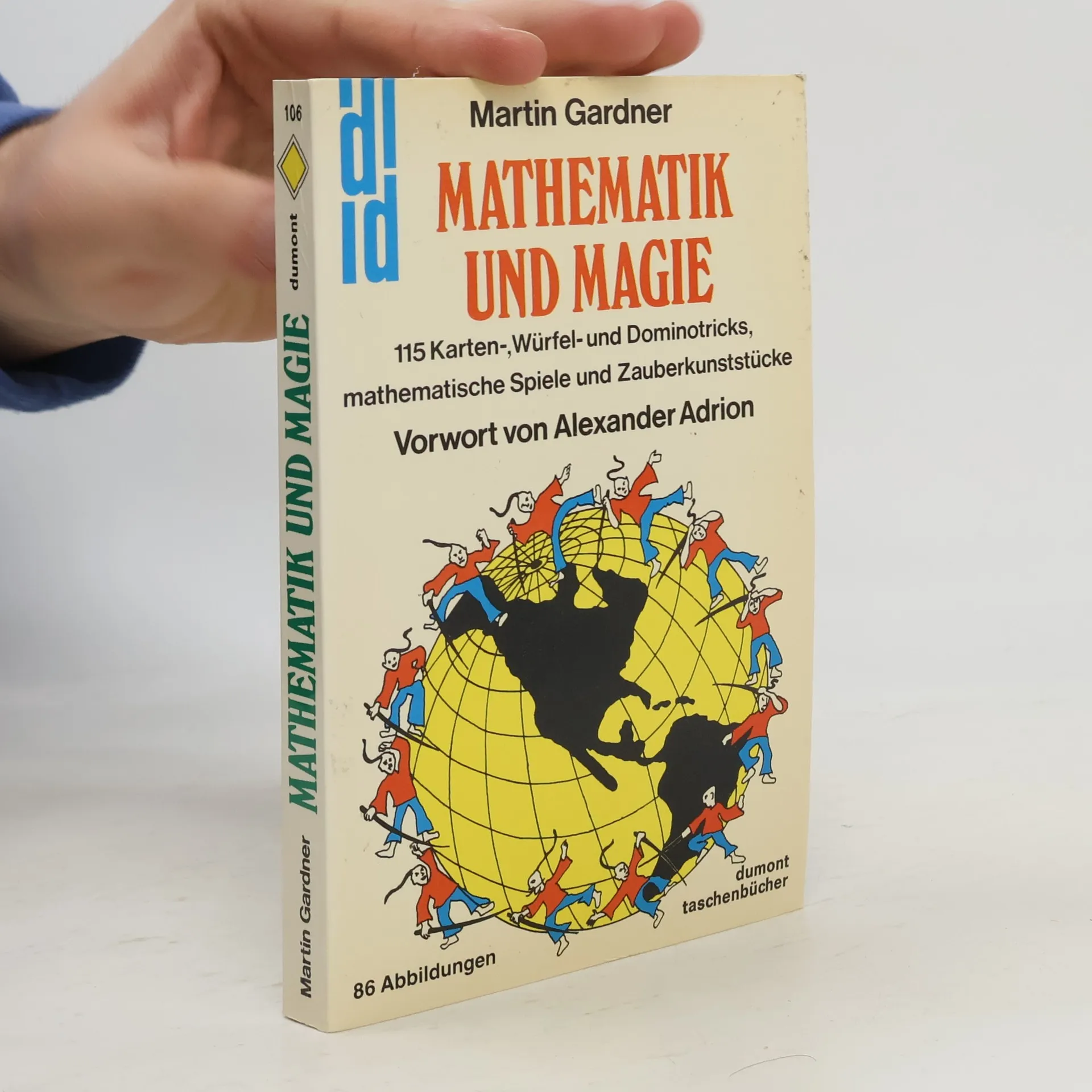
Mathematik und Magie
115 Karten-, Würfel- und Dominotricks, mathematische Spiele und Zauberkunststücke
- 191pages
- 7 heures de lecture
Alle 115 vorgestellten Zaubertricks haben etwas mit Mathematik zu tun, ohne mathematisches Verständnis vorauszusetzen. Martin Gardner stellt sie vor und erläutert anschließend den „Trick", der diese Zaubereien ohne große Vorbereitung zu verblüffend effektvollen Kunststücken macht. Spielerisch führen sie die zugrundeliegenden Gesetze aus Geometrie und Arithmetik vor Augen. Endlich wieder lieferbar: Die Klassiker der mathematischen Rätsel und Zaubereien des genialen Duos Sam Loyd und Martin Gardner. Denksport für kluge Köpfe und solche, die es werden wollen.
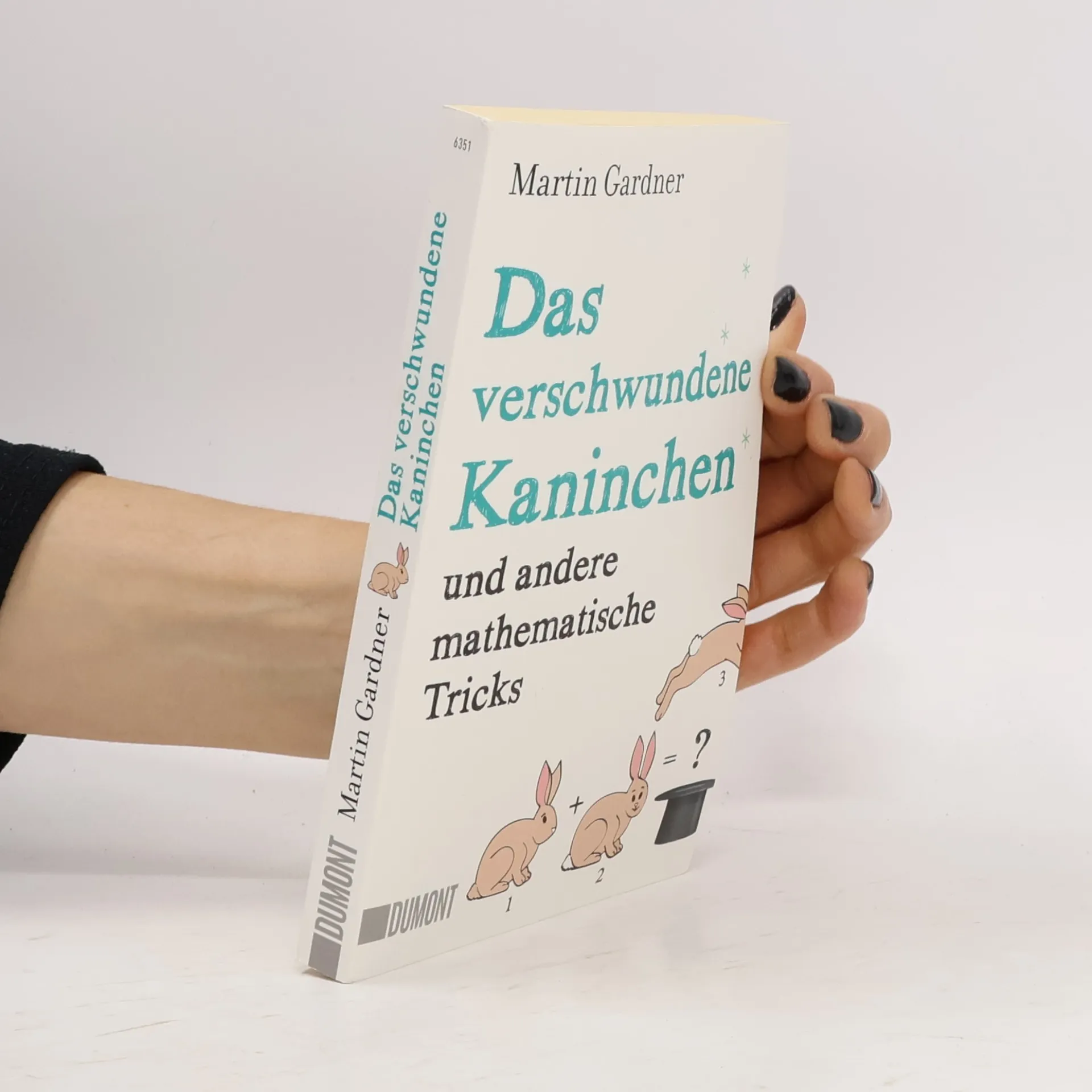
Das verschwundene Kaninchen und andere mathematische Tricks
- 192pages
- 7 heures de lecture
Martin Gardner ist nicht nur der Erfinder pfiffiger mathematischer Rätsel, sondern auch ein Meister magischer Kunststückchen und trickreicher Zaubereien. Von einfachen Kartentricks bis hin zu komplexen Weissagungen – hier kann man sich einiges abschauen und das stets auf Grundlage mathematischer Gesetze. Auf gewohnt unterhaltsame Weise beschreibt Gardner seine Tricks und lüftet so manches Geheimnis. Der Leser bekommt eine Einführung in die Magie – und lernt Mathe.
Das Inhaltsverzeichnis umfasst eine Vielzahl von mathematischen Themen und Herausforderungen. Es beginnt mit der Helix und Schraubenlinien, gefolgt von Kleinschen Flaschen und anderen Flächen. Der Abschnitt über Kombinatorik führt zu interessanten Problemen wie springenden Bällen in Vielecken und Polyedern sowie vier ungewöhnlichen Brettspielen. Es werden auch verschiedene mathematische Rätsel und Probleme behandelt, darunter das starre Quadrat, dreidimensionale Labyrinthe, magische Wortquadrate und die Maximalzugmöglichkeiten für Schachfiguren. Zusätzlich werden Puzzles mit verschiebbaren Klötzen, Paritätskontrollen und die Regelmäßigkeit der Primzahlen thematisiert. Der Bereich der Graphentheorie, das Ternärsystem und eine Reise um den Mond sind ebenfalls enthalten. Weitere Probleme umfassen das Rechteck und die Ölquelle, Banknoten, Dudeneys Wortquadrat und Schachtouren für Damen. Die Zykloide wird als „Helena der Geometrie“ bezeichnet, und es werden mathematische Zaubertricks sowie der Pythagoreische Lehrsatz behandelt. Grenzwerte von unendlichen Reihen, Polyiamonds und Tetraeder folgen. Schließlich werden Coleridges Äpfel, das Zahnrad-Paradoxon und ein Puzzle mit acht Klötzen thematisiert. Der Inhalt schließt mit dem Gitter der ganzen Zahlen, endlosen Folgen und dem Thema der außerirdischen Kommunikation ab.
¡Aja! Paradojas que te hacen pensar
- 288pages
- 11 heures de lecture
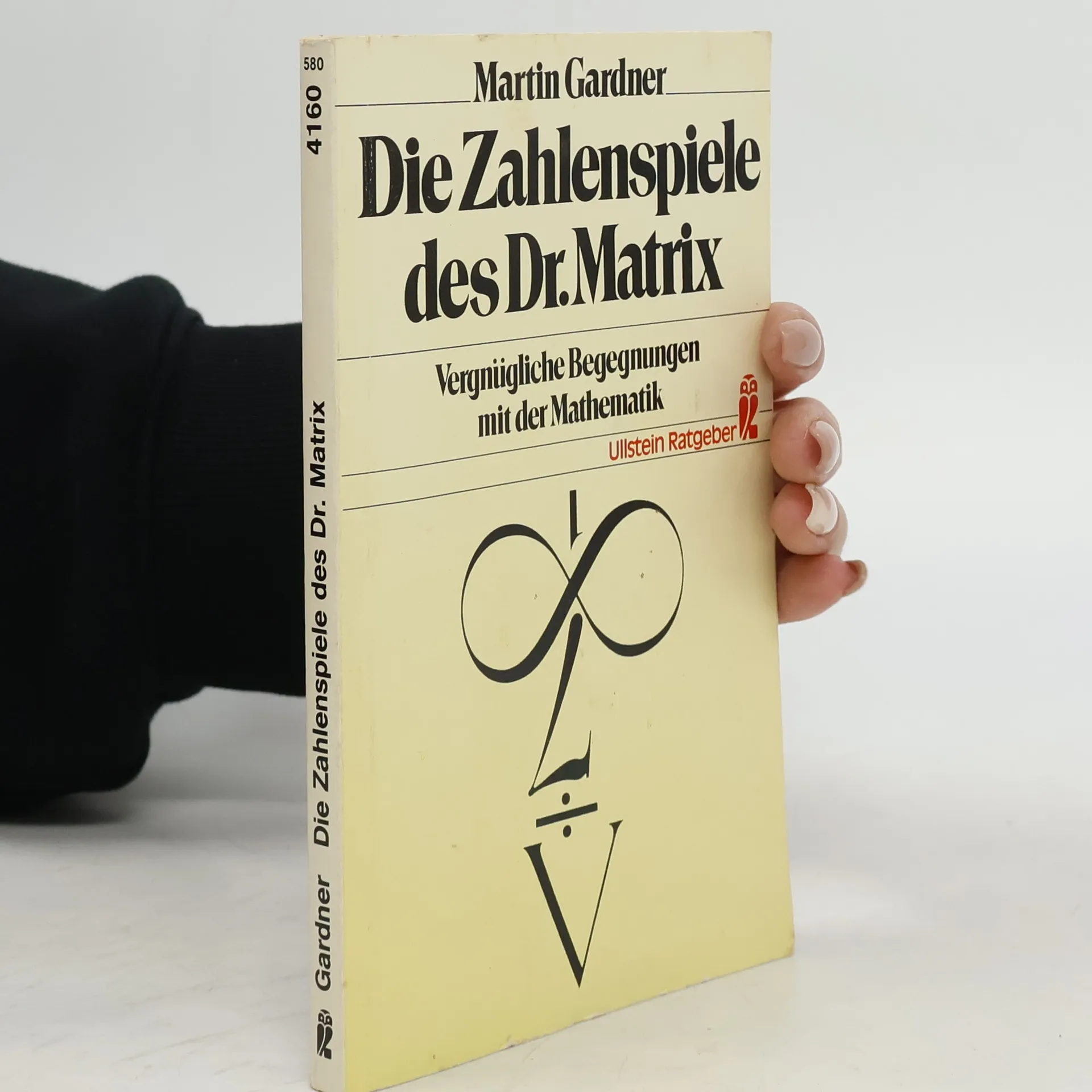
Die Zahlenspiele des Dr. Matrix
Vergnügliche Begegnungen mit der Mathematik
- 141pages
- 5 heures de lecture
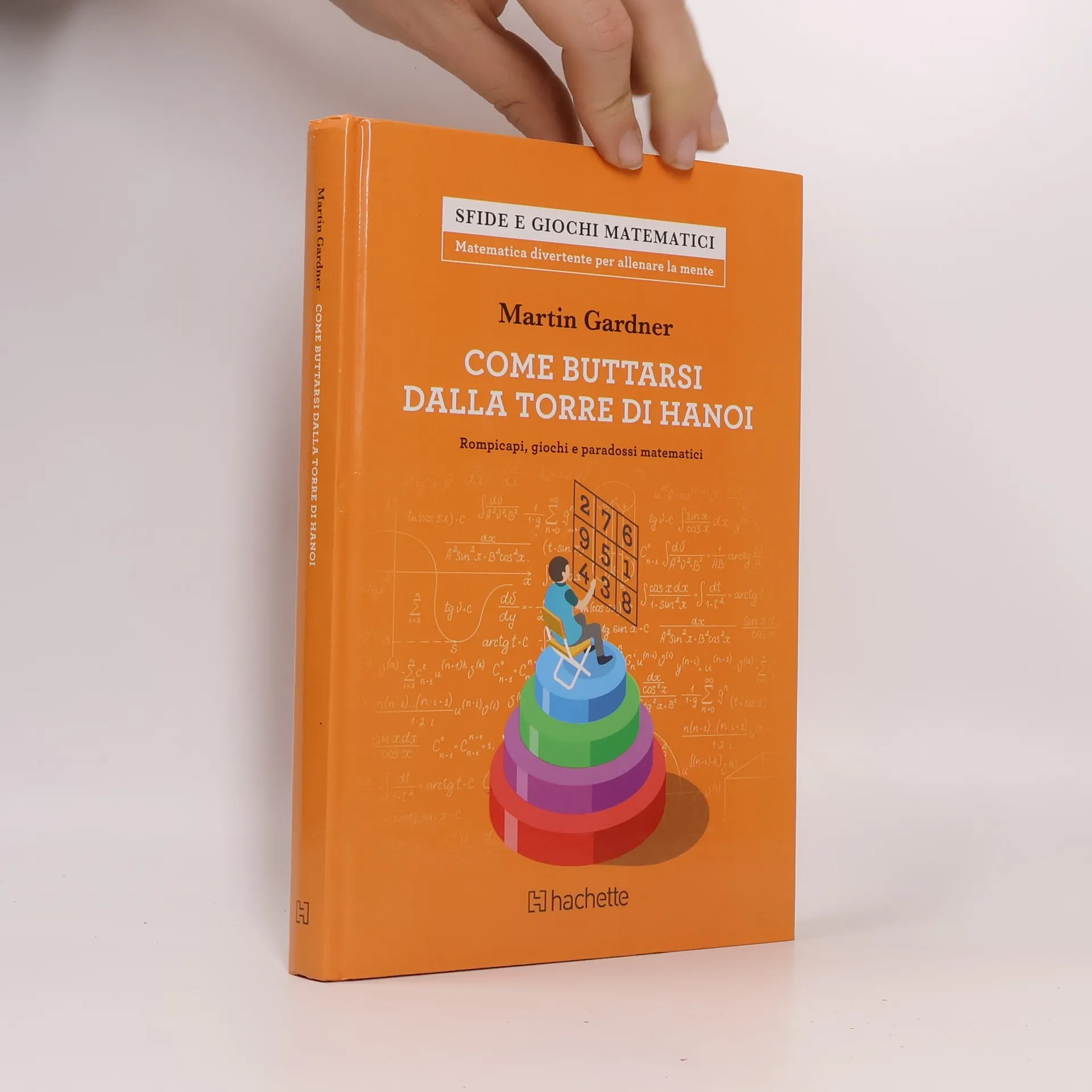
Come buttarsi dalla torre di Hanoi
Rompicapi, giochi e paradossi matematici
Enigmi e giochi matematici
Indovinelli, problemi, paradossi per provare la vostra intelligenza
- 368pages
- 13 heures de lecture