Le joueur d'échecs
- 94pages
- 4 heures de lecture
Une confession à peine déguisée, dans laquelle Zweig avoue son impuissance d'homme cultivé à combattre efficacement la brutalité nazie. [SDM].




Une confession à peine déguisée, dans laquelle Zweig avoue son impuissance d'homme cultivé à combattre efficacement la brutalité nazie. [SDM].
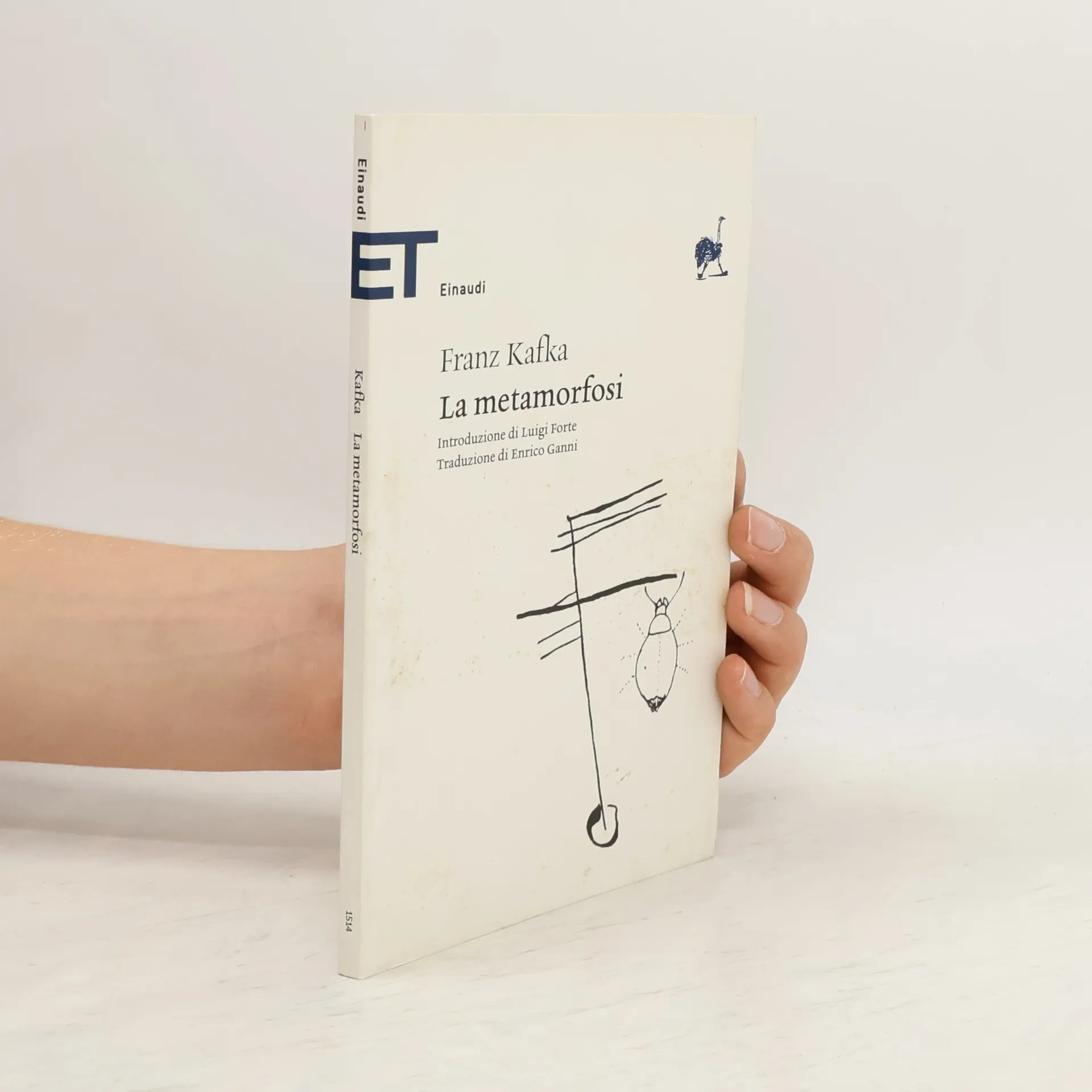
Gregor Samsa, a travelling salesman, wakes one morning to find himself transformed into an insect.
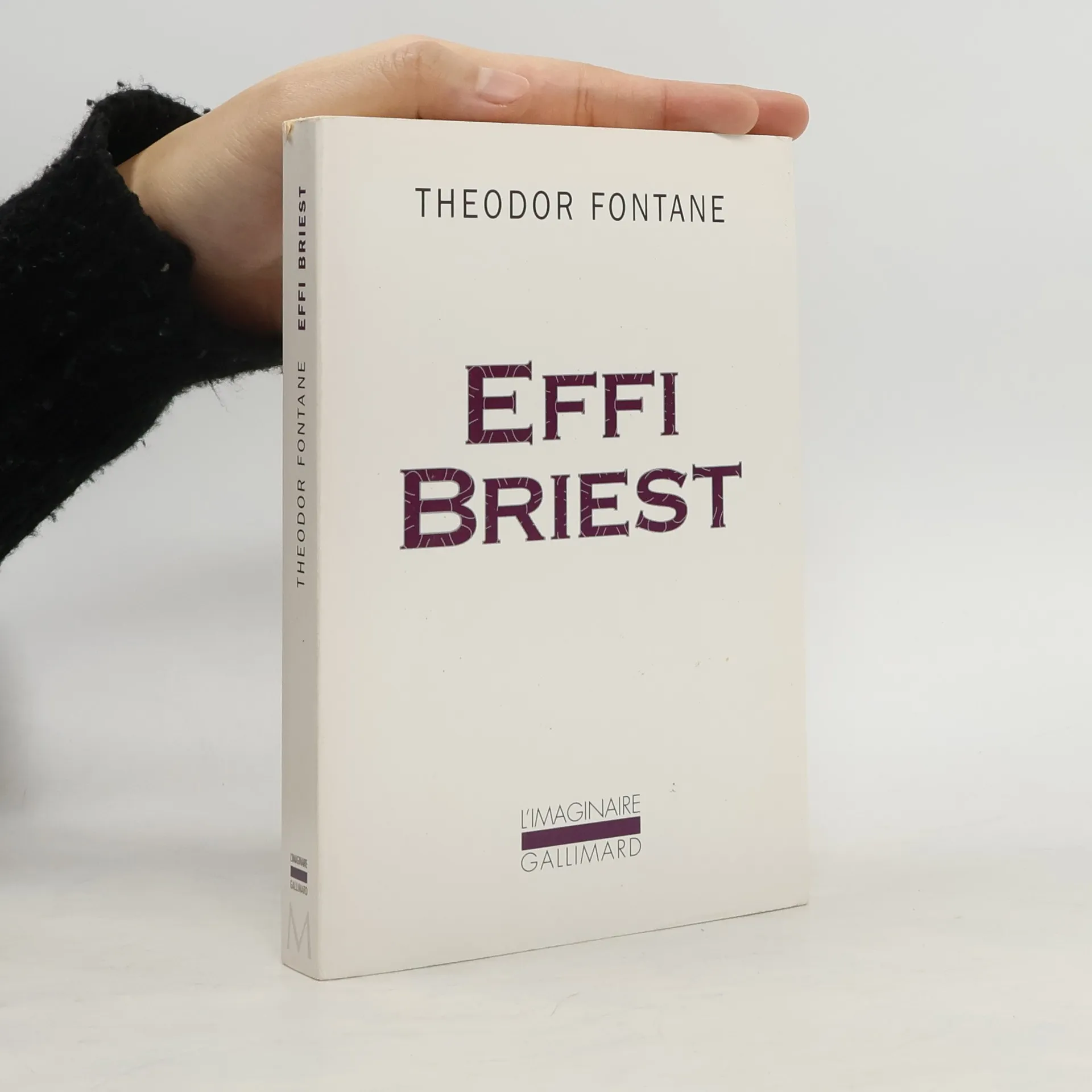
Telling the tragic tale of a socially advantageous but emotionally ruinous match, this novel, translated by Hugh Rorrison with an introduction by Helen Chambers, follows the life of young Effi Briest. Married to the austere Baron von Innstetten, a civil servant twice her age, Effi feels isolated and bored. Seeking comfort, she engages in a brief affair with the married Major Crampas, a decision that later haunts her with fatal consequences. Through taut, ironic prose, the author explores a world where sexuality and the desire for enjoyment are suppressed by societal pretenses and obligations. This work is a humane, unsentimental portrait of a woman caught between her duties as a wife and mother and her own heart's instincts. Rorrison's modern translation is complemented by Chambers' introduction, which draws parallels between Effi and other literary heroines like Emma Bovary and Anna Karenina. The author, a notable German novelist and political reporter, is also known for his ironic critique of middle-class hypocrisy in another work. If you appreciate this novel, you might also enjoy Tolstoy's Anna Karenina, available in Penguin Classics. 'I have been haunted by it ... as I am by those novels that seem to do more than they say,' remarks Hermione Lee in the Sunday Times.
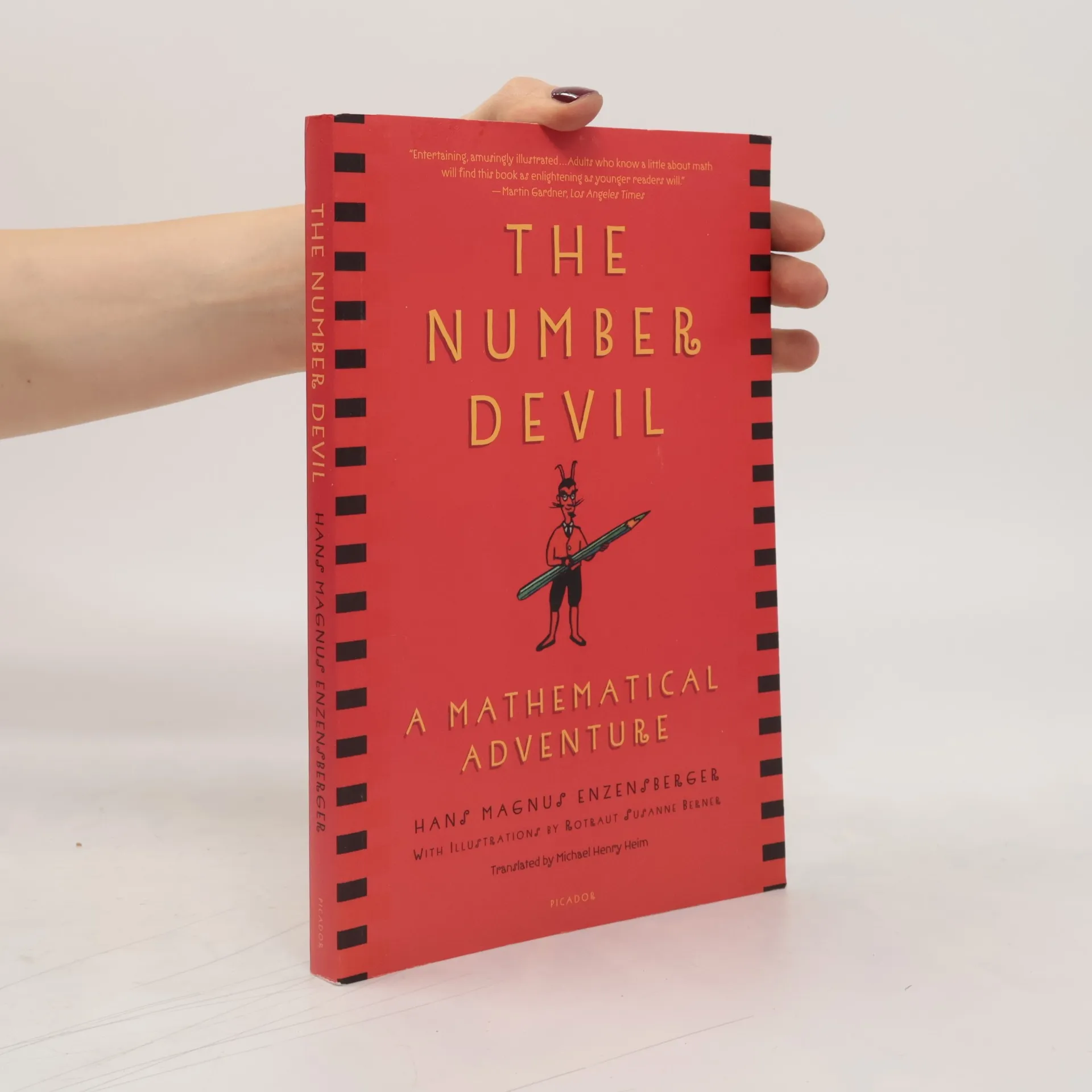
In 12 dreams, Robert, a boy who hates math, encounters a sly, clever number devil who introduces him to the wonders of numbers: infinite numbers, prime numbers, Fibonacci numbers, and numbers that expand without end.
La ricerca di soluzioni radicali e definitive, seppure nata con le migliori intenzioni, è alla fine un modo di affrontare i problemi che ha inevitabilmente effetti controproducenti. C'è in questo approccio alla vita qualcosa di eccessivo, che può rasentare il fanatismo. "Di bene in peggio" mette in guardia gli adolescenti come gli anziani, i sadici come i masochisti, da questa estrema ed erronea ricerca di totalità, e dall'intransigenza dell'alternativa radicale, del tertium non datur. Suggerisce la saggezza dell'adesione alla concretezza del presente e dei piccoli passi, e tuttavia, con il suo gusto ironico e paradossale, non manca di ricordare che anche tale condizione di saggezza può celare in sé il virus di un nuovo fanatismo: può trattarsi di un'altra ipersoluzione, quella del "giusto mezzo."