A forceful and accessible discussion of Christian belief that has become one of the most popular introductions to Christianity and one of the most popular of Lewis's books. Uncovers common ground upon which all Christians can stand together.
Franco Salvatorelli Livres
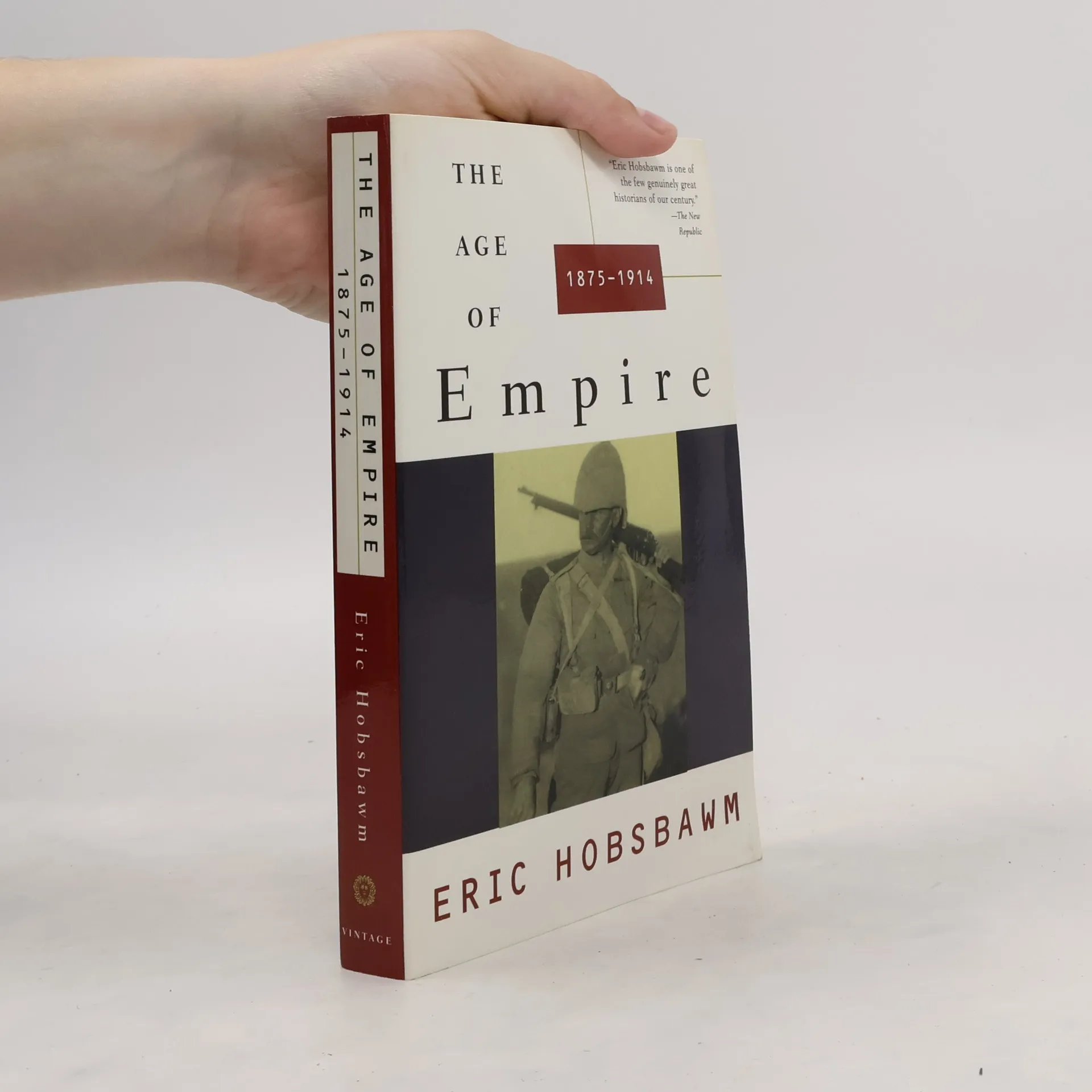

Erica Hobsbawm discusses the evolution of European economics, politics, arts, sciences, and cultural life from the height of the industrial revolution to the First World War. Hobsbawm combines vast erudition with a graceful prose style to re-create the epoch that laid the basis for the twentieth century.
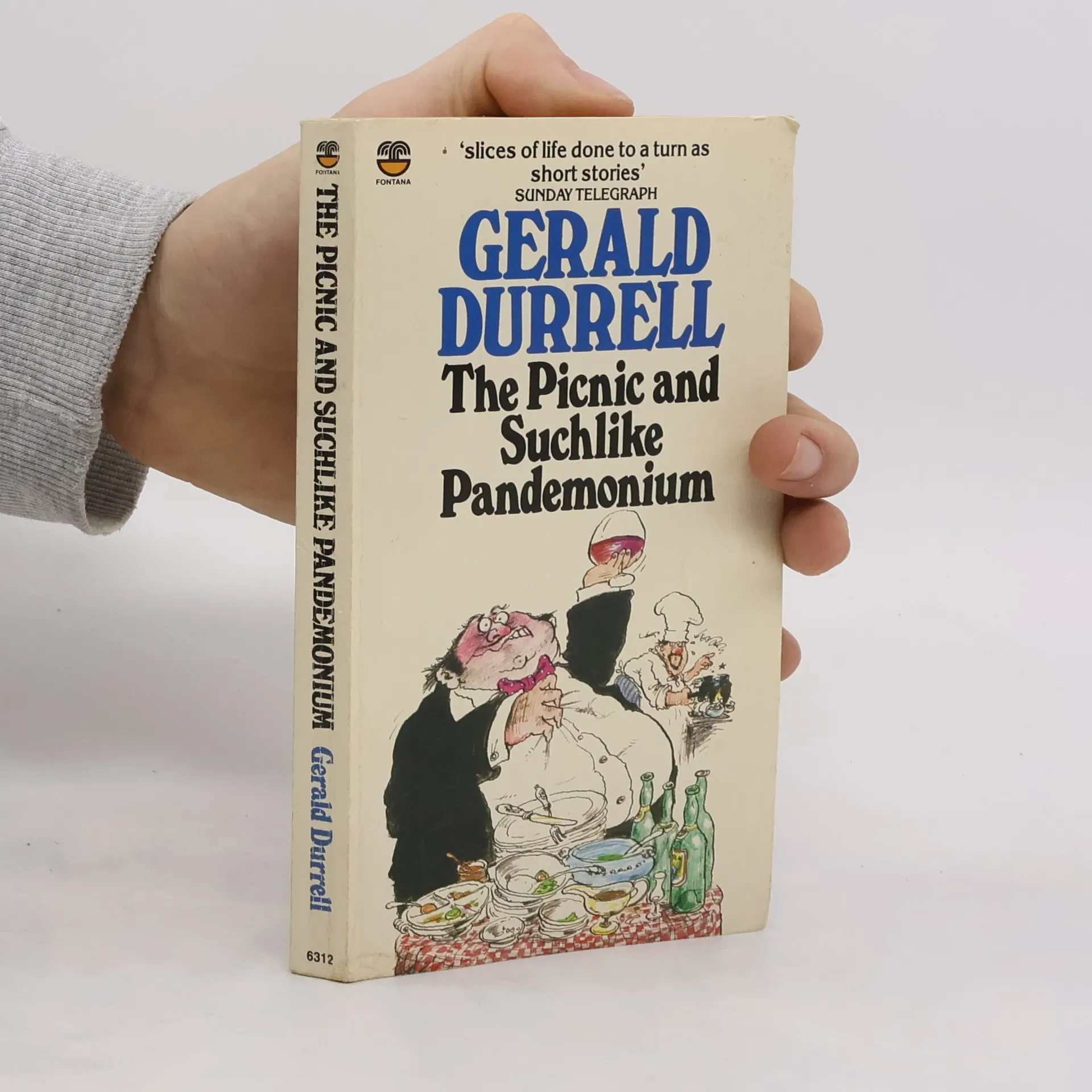
If you loved My Family and Other Animals and can't get enough of the Durrells after the Corfu series, this is the book for you. It constitutes a series of anecdotal snippets and short stories including 'The Picnic', a laugh-out-loud account of an ill-fated Durrell family excursion, which should have been a relaxing, jolly affair. But with the Durrells things are seldom straightforward and on this occasion all that could go wrong did go wrong - except Gerald Durrell's sense of humour in recounting the tale. Other hilarious and surreal Roald Dahlesque stories ensue, including the critically acclaimed Gothic horror story 'The Entrance'.
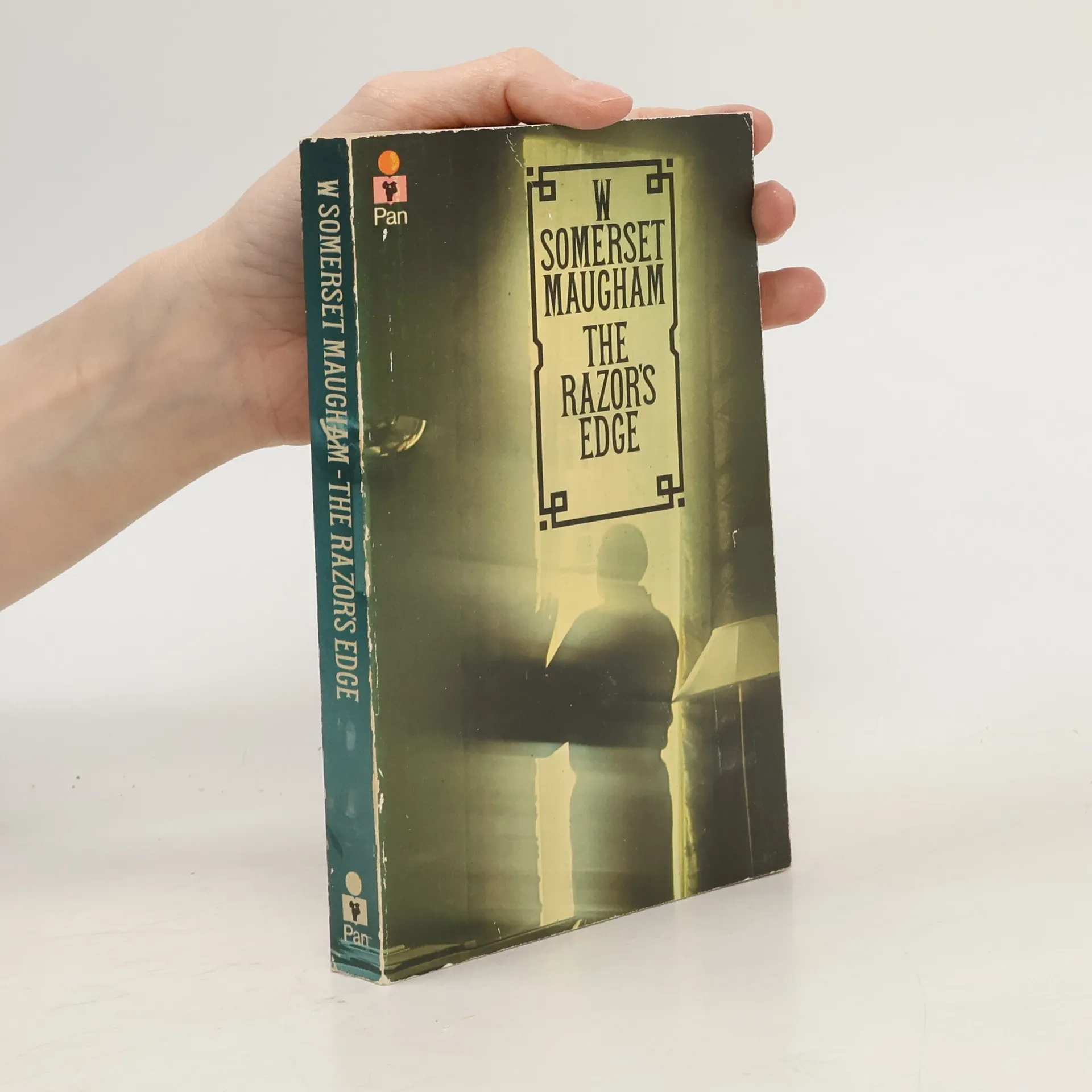
The Razor's Edge
- 314pages
- 11 heures de lecture
The Great War changed everything and the years following it were tumultuous - most of all for those who lived the war first-hand. Maugham himself is a character in this novel of self-discovery and search for meaning, but the protagonist is a character named Larry. Battered physically and spiritually by the war, Larry's physical wounds heal, but his spirit is changed almost beyond recognition. He leaves his betrothed, the beautiful and devoted Isabel. He studies philosophy and religion in Paris. He lives as a monk. He witnesses the exotic hardships of Spanish life. All of life that he can find - from an Indian Ashrama to labor in a coal mine - becomes Larry's spiritual experiment as he spurns the comfort and privilege of the Roaring '20s. Maugham's theme is the contrast of spiritual content between Larry and the growing materialism and sophistication of those he left behind - and the surprising irony of where both of those paths lead.
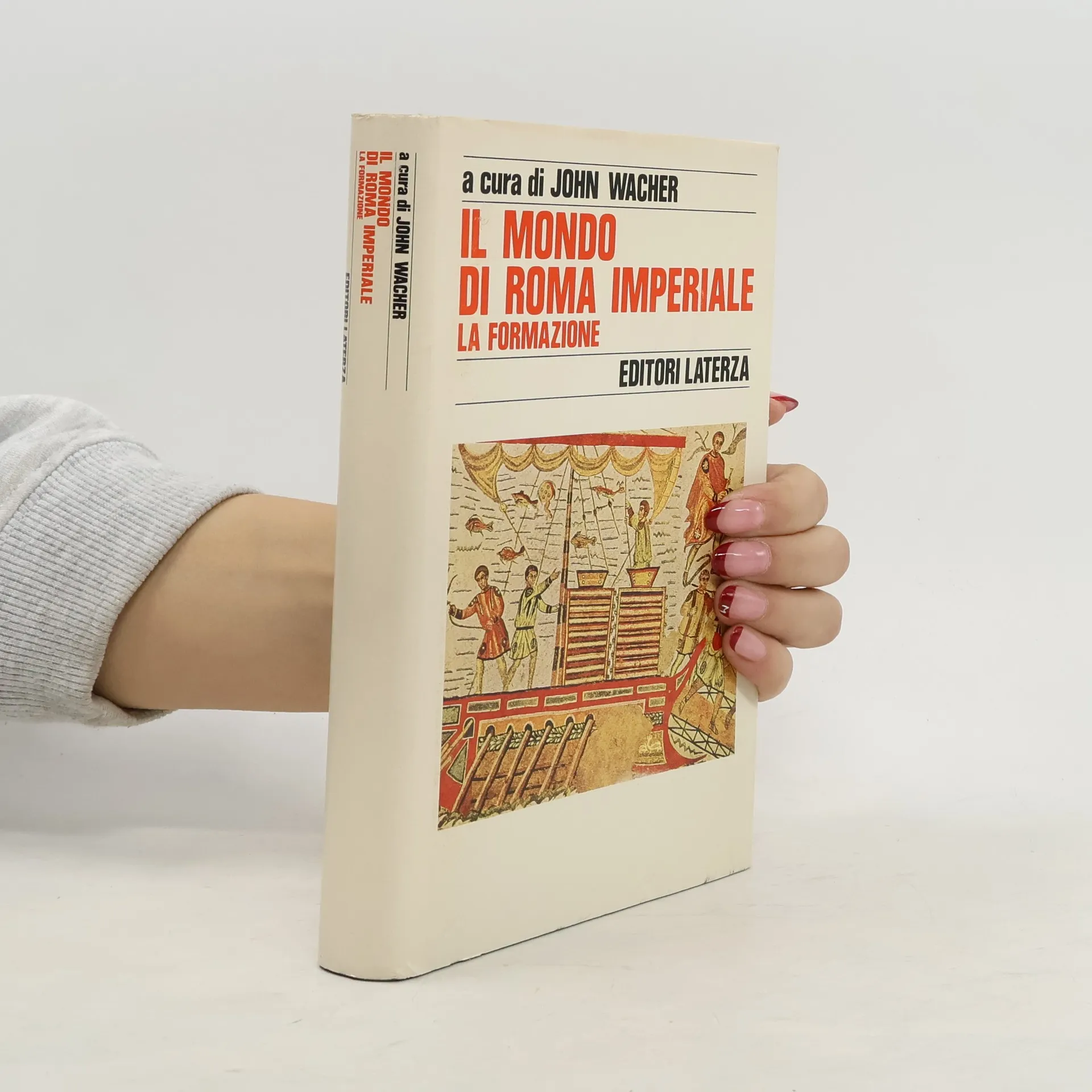
l mondo di Roma imperiale: un'area vastissima che va dalla penisola iberica al Caucaso, dalle isole britanniche all'Africa settentrionale. A contatto con realtà etniche e culturali diversissime la civiltà romana rappresento un potente elemento di unificazione e di attrazione soprattutto per le classi dirigenti provinciali e nella dimensione della vita urbana. E ciò anche grazie alla sua capacità di adeguarsi alle tradizioni locali o, addirittura, in qualche caso di farle proprie. Il mondo di Roma imperiale propone per la prima volta un racconto sistematico degli elementi costitutivi della civiltà romana, in tutta la sua area di diffusione, dal I secolo a. C. alla caduta dell'impero d'Occidente. L'opera, articolata in tre volumi (I. La formazione; II. Vita urbana e rurale, III. Economia, società e religione), è stata realizzata, sotto la direzione di John Wacher, da una equipe di storici e archeologi che hanno intrecciato strettamente l'indagine delle fonti letterarie con la documentazione di scavo. Ne è testimonianza l'apparato iconografico che, ricchissimo di carte geografiche, comprende anche numerose piante e disegni, a volte ricostruzioni interpretative, che illustrano i principali siti e ritrovamenti archeologici.
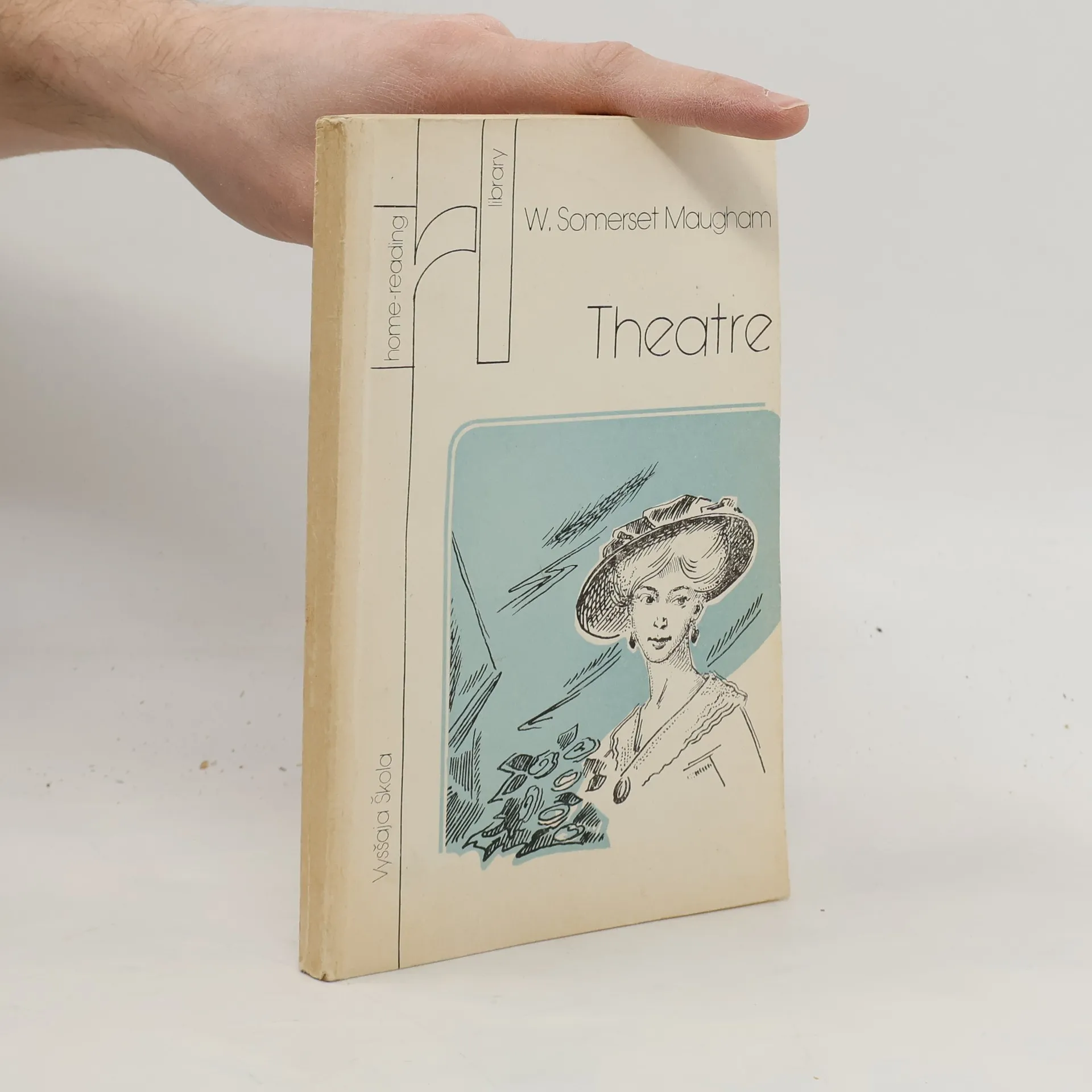
В книге представлен неадаптированный текст романа, снабженный комментариями и словарем. Для всех, кто изучает английский язык
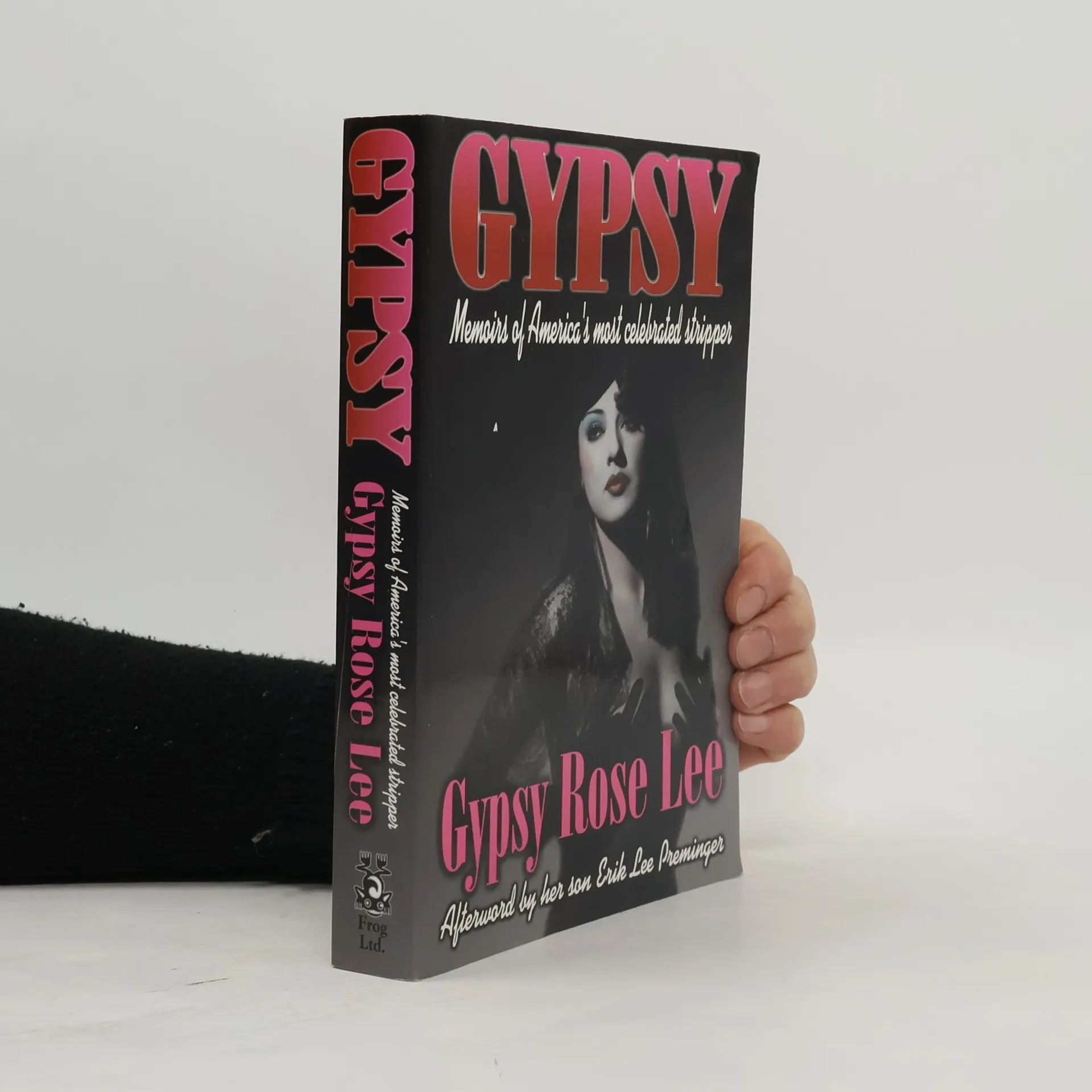
Gypsy
- 350pages
- 13 heures de lecture
Gypsy Rose Lee’s memoir became a New York Times bestseller in 1957, inspiring the 1959 hit musical, two movies, and three revivals. Now a fourth, directed by Arthur Laurents and starring Patti LuPone, is lighting up New York, winning top Broadway theatre awards, including three 2008 Tony Awards, as well as raves from critics and audiences: “No matter how long you live, you’ll never see a more exciting production.” —Terry Teachout, The Wall Street Journal “Watch out, New York! This GYPSY is a wallop-packing show of raw power.” —Ben Brantley, The New York Times “Not your ordinary theater experience. This is the best production of the best damn musical ever.” —Liz Smith, Syndicated ColumnistThe memoir, which Gypsy began as a series of pieces for The New Yorker, contains photographs and newspaper clippings from her personal scrapbooks and an afterword by her son, Erik Lee Preminger. At turns touching and hilarious, Gypsy describes her childhood trouping across 1920s America through her rise to stardom as The Queen of Burlesque in 1930s New York—where gin came in bathtubs, gangsters were celebrities, and Walter Winchell was king.Gypsy’s story features outrageous characters—among them Broadway’s funny girl, Fanny Brice, who schooled Gypsy in how to be a star; gangster Waxy Gordon, who fixed her teeth; and her indomitable mother, Rose, who lived by her own version of the Golden Rule: “Do unto others … before they do you.”
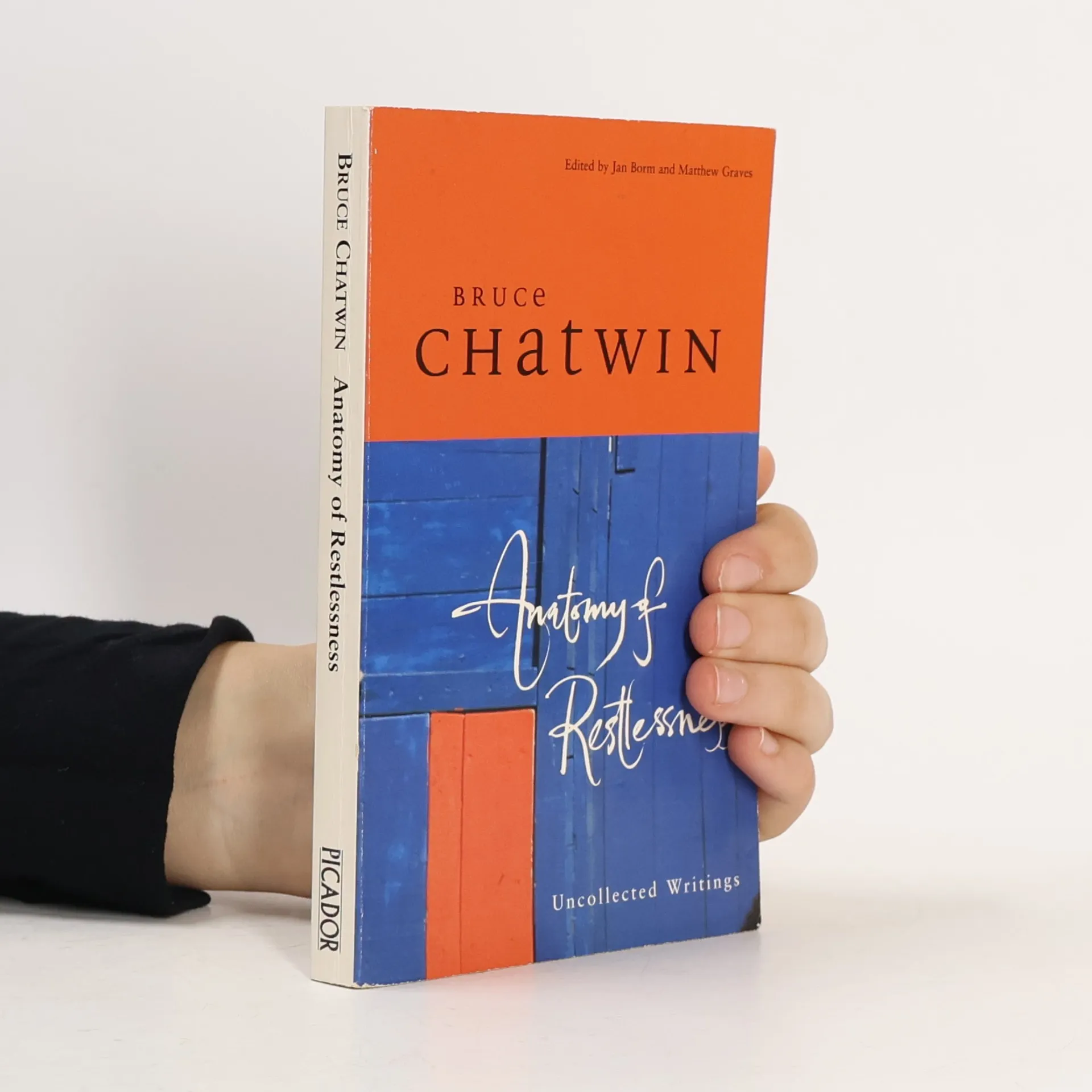
This collection of essays and articles - taken from the late-1960s onwards - show Chatwin and every twist and turn of his career, from art expert to archaeologist, to journalist and author, right up until his death in 1989. The book includes short stories, travel sketches and criticism.
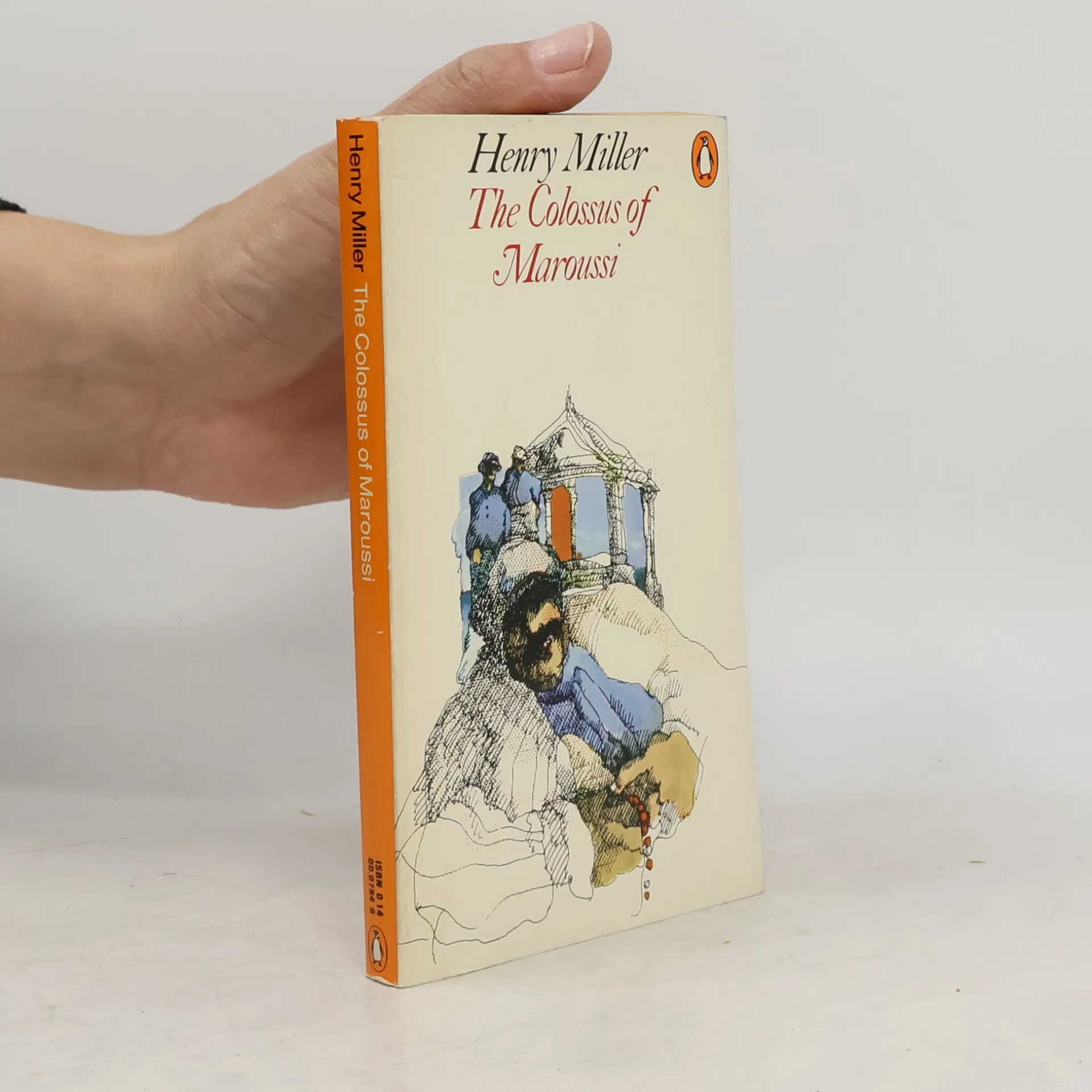
The Colossus of Maroussi
- 256pages
- 9 heures de lecture
'The Colossus of Marroussi' is Henry Miller's account of his remarkable stay in Greece during the year war was breaking out over Europe.
Groucho And Me
- 170pages
- 6 heures de lecture
"An important contribution to the history of show business and to the saga of American comedy and comedians, comics and comicality."--James ThurberWith impeccable timing, outrageous humor, irreverent wit, and a superb sense of the ridiculous, Groucho tells the saga of the Marx the poverty of their childhood in New York's Upper East Side; the crooked world of small-time vaudeville (where they learned to carry blackjacks); how a pretzel magnate and the graceless dancer of his dreams led to the Marx Brothers' first Broadway hit, I'll Say She Is! ; how the stock market crash in 1929 proved a godsend for Groucho (even though he lost nearly a quarter of a million dollars); the adventures of the Marx Brothers in Hollywood, the making of their hilarious films, and Groucho's triumphant television series, You Bet Your Life! Here is the life and lunatic times of the great eccentric genius, Groucho, a.k.a. Julius Henry Marx.
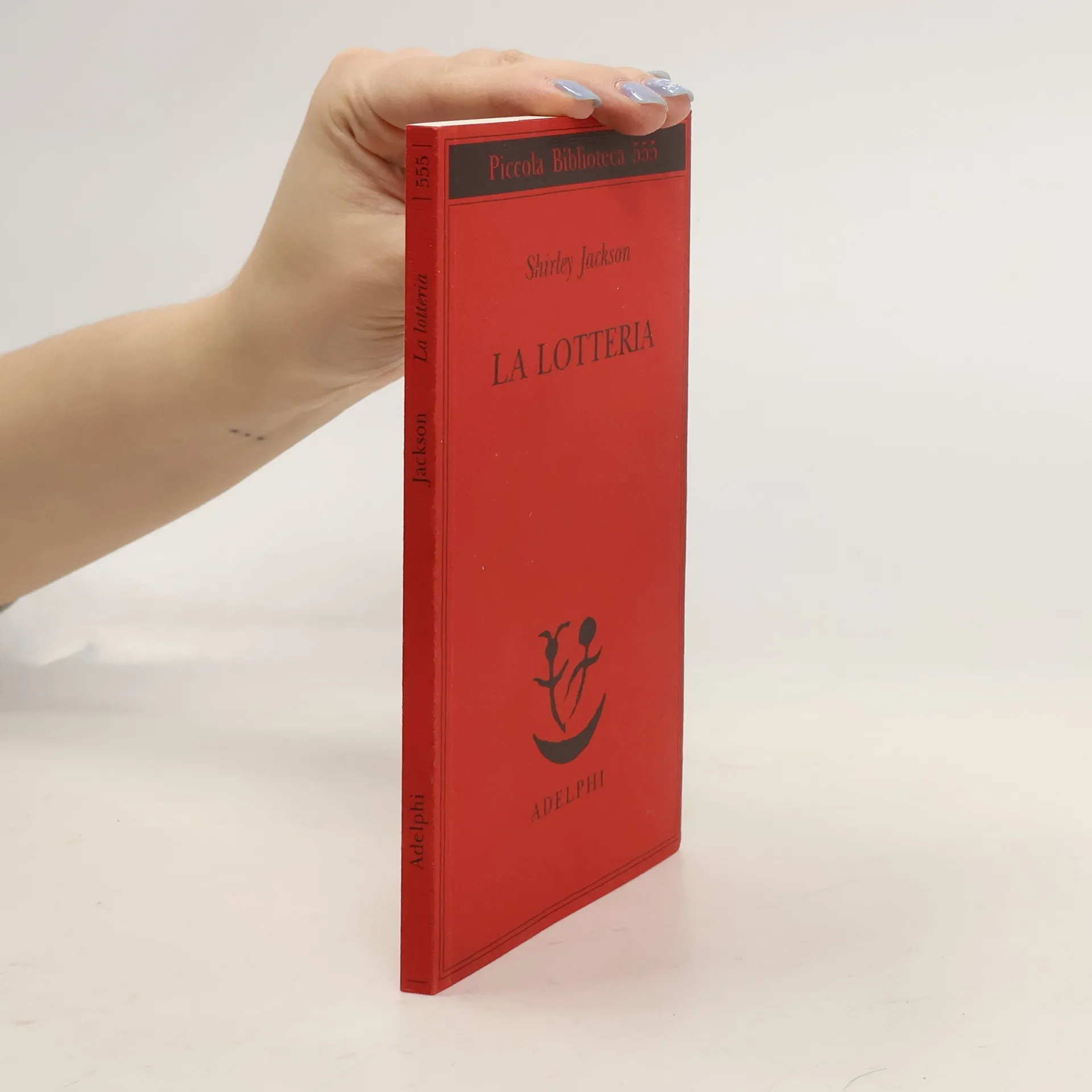
Piccola Biblioteca - 555: La lotteria
- 82pages
- 3 heures de lecture
Il racconto di Shirley Jackson intitolato La lotteria ricorda da vicino, per la fama che lo circonda, la famigerata lettura radiofonica della Guerra dei Mondi di Orson Welles. Fama non immeritata, giacché la pubblicazione sul "New Yorker", nel 1949, scatenò un pandemonio. Molti lo presero alla lettera, reagendo all'istante e poi per lungo tempo con missive indignate o atterrite alla redazione. Certe cose non potevano, non dovevano succedere. Eppure la storia si presenta in tutta innocenza quale pura e semplice descrizione della lotteria che si svolge nell'atmosfera pastorale, quasi idilliaca, di un villaggio del New England in un luminoso mattino di giugno, come ogni anno da tempo immemore. Ma giunto al termine di questo racconto, come degli altri che compongono l'intensa silloge qui proposta, il lettore scoprirà da sé, in un crescendo di "brividi sommessi e progressivi" - come diceva Dorothy Parker - che cosa li rende dei classici del terrore. Secondo un altro illustre ammiratore della Jackson, oltre che maestro del genere, Stephen King, lo sono perché "finiscono con una svolta che porta dritto in un vicolo buio".