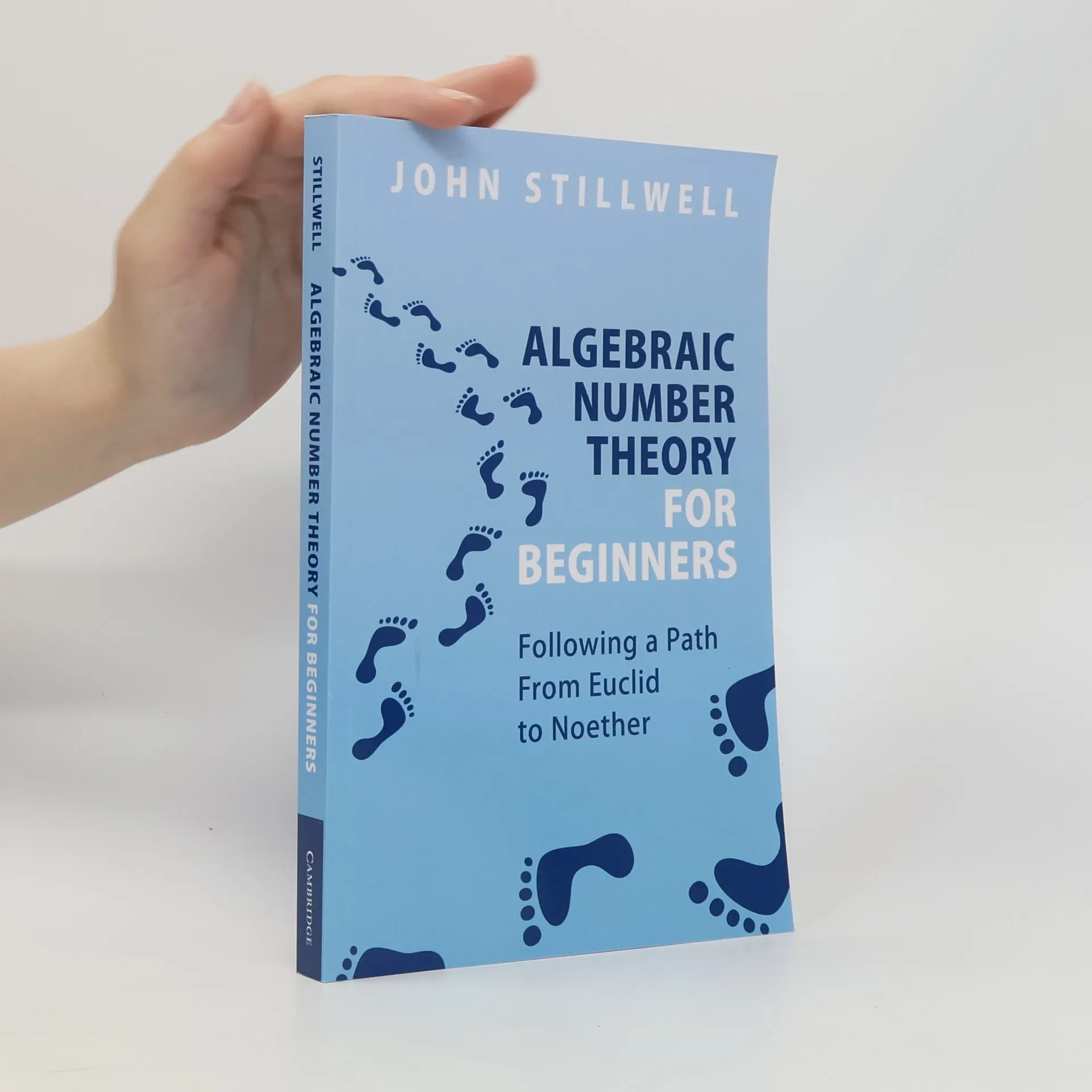
This book, meant for undergraduate mathematics students and teachers, introduces algebraic number theory through problems from ordinary number theory that can be solved with the help of algebraic numbers, using a suitable generalization of unique prime factorization. The material is motivated by weaving historical information throughout.
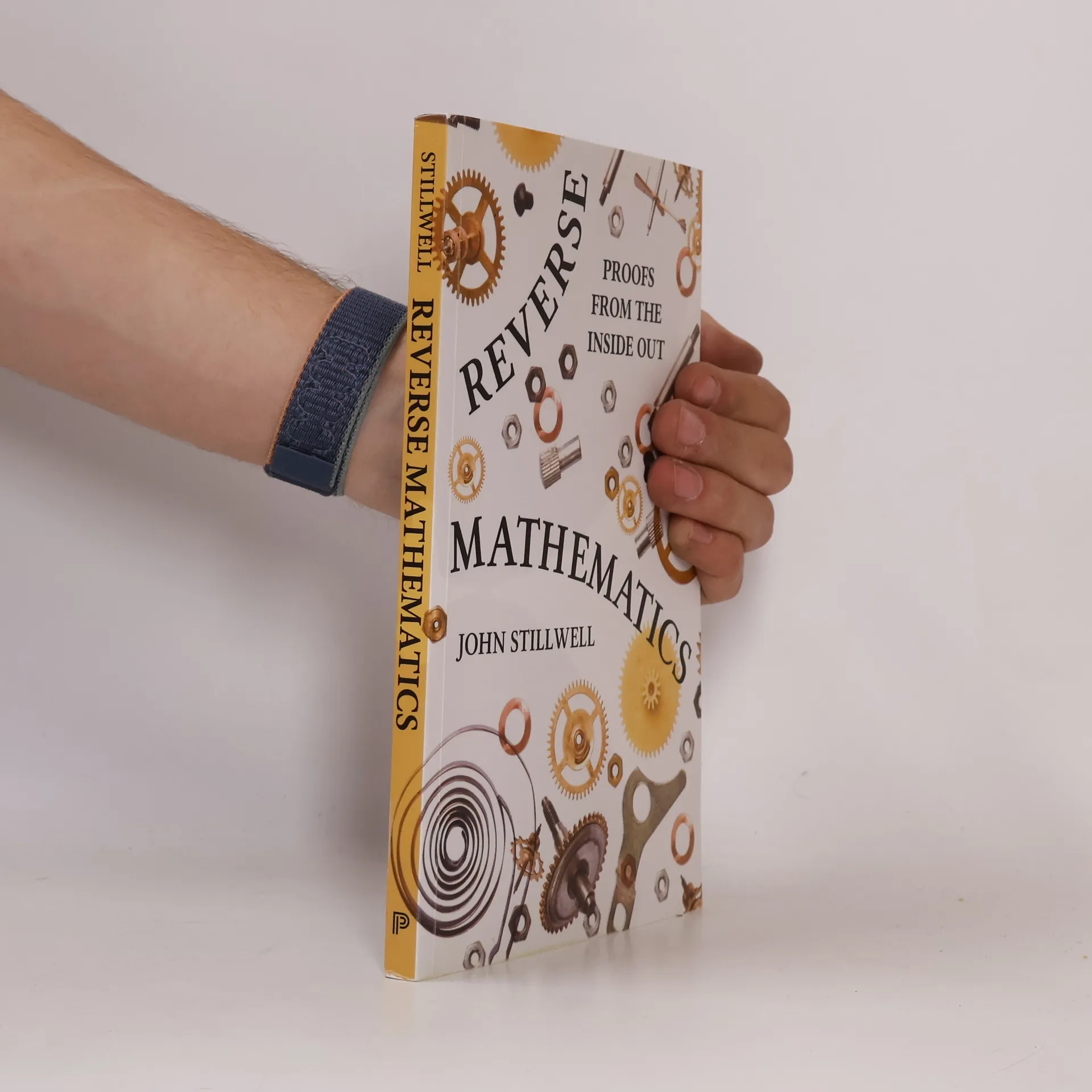
This volume presents reverse mathematics to a general mathematical audience for the first time. Stillwell gives a representative view of this field, emphasizing basic analysis--finding the "right axioms" to prove fundamental theorems--and giving a novel approach to logic. to logic.
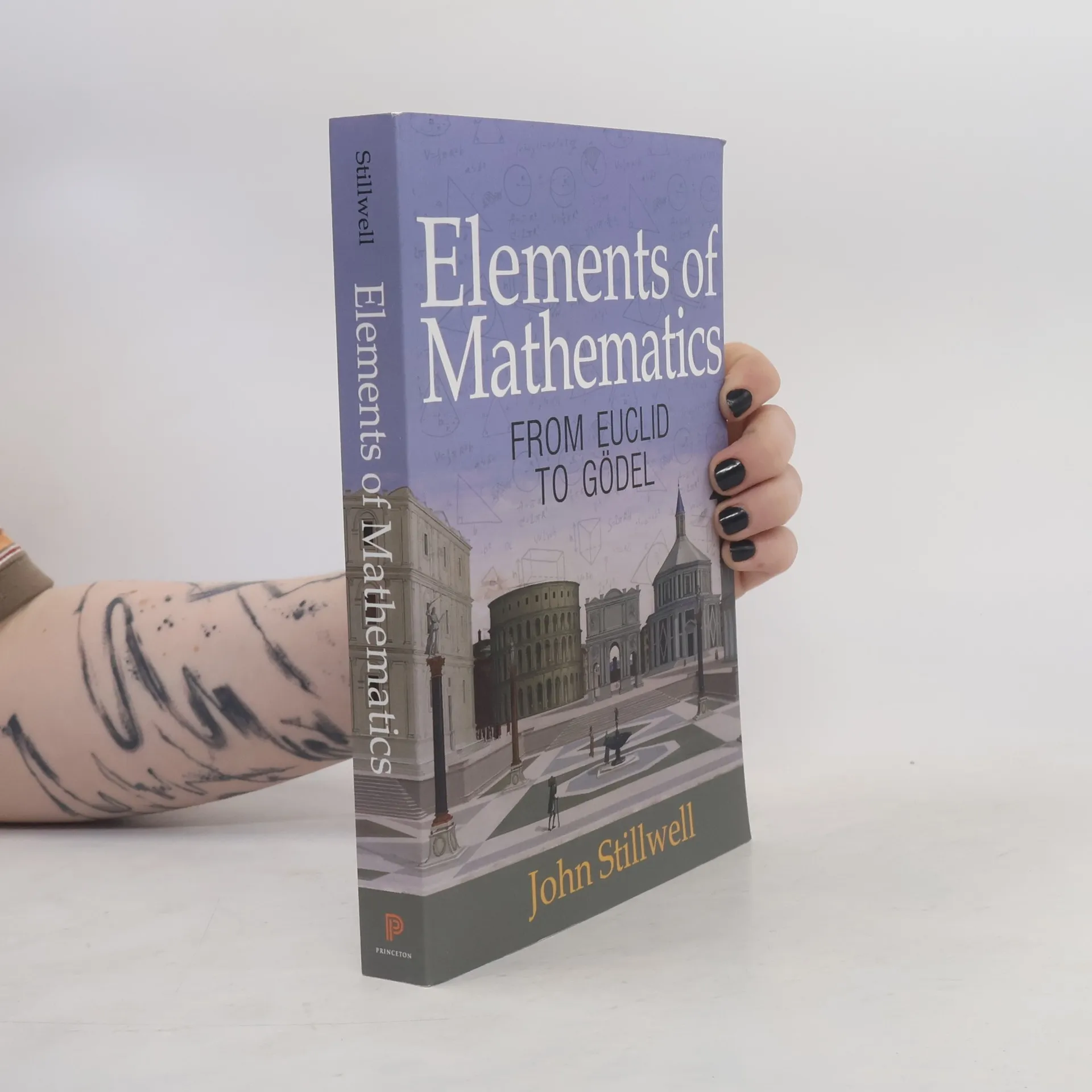
Stillwell is . . . One of the better current mathematical authors: he writes clearly and engagingly, and makes more of an effort than most to provide historical detail and a sense of how various mathematical ideas tie in with one another. . . . The features we have learned to expect from Stillwell (including, but not limited to, excellent writing) are present in [Elements of Mathematics] as well.--MAA Reviews
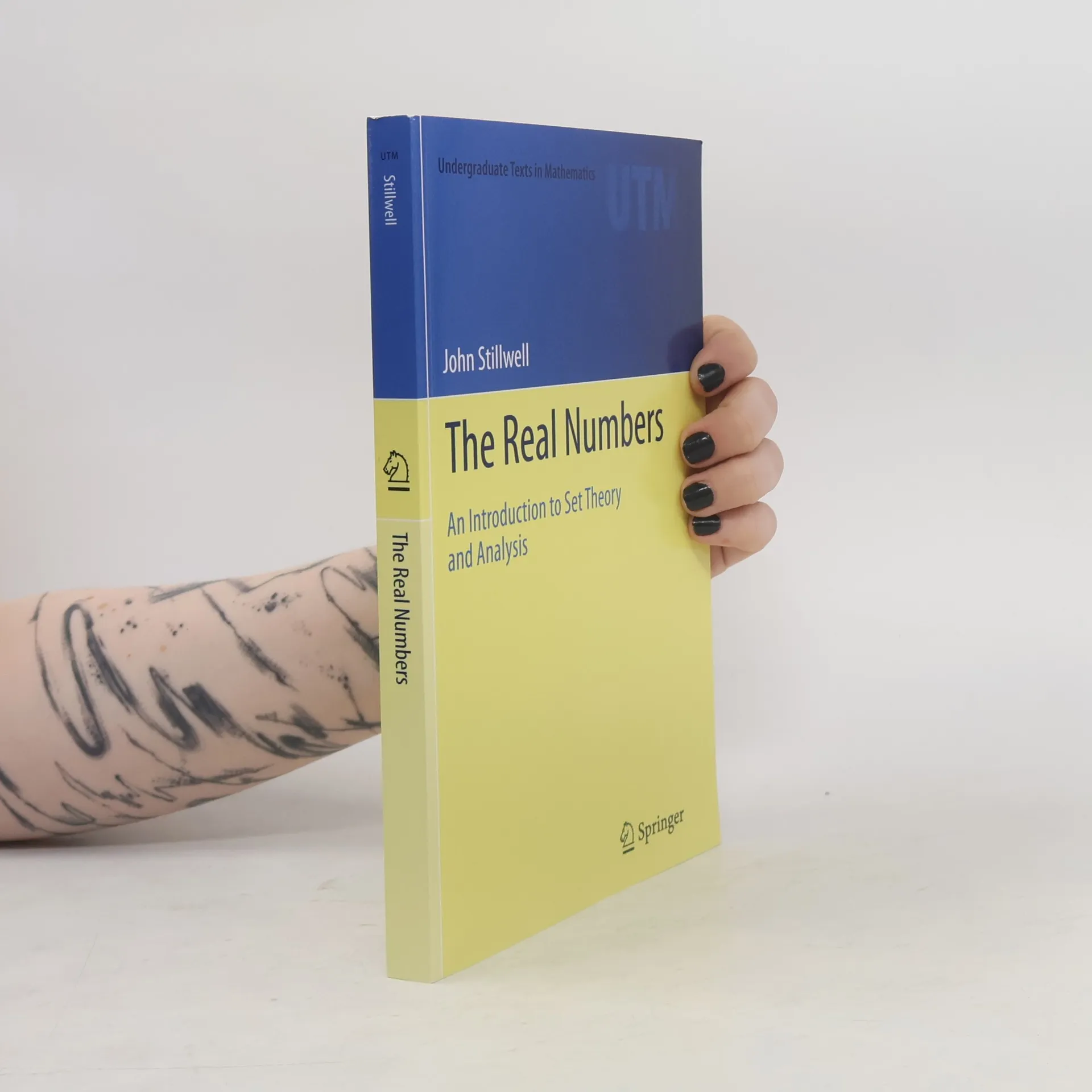
Linking set theory with analysis, this text offers a detailed exploration of the real numbers system. It provides a unique introduction to set theory while thoroughly explaining the fundamental concepts of analysis, filling a gap in standard curricula. The book aims to enhance understanding of both mathematical fields through its comprehensive approach.
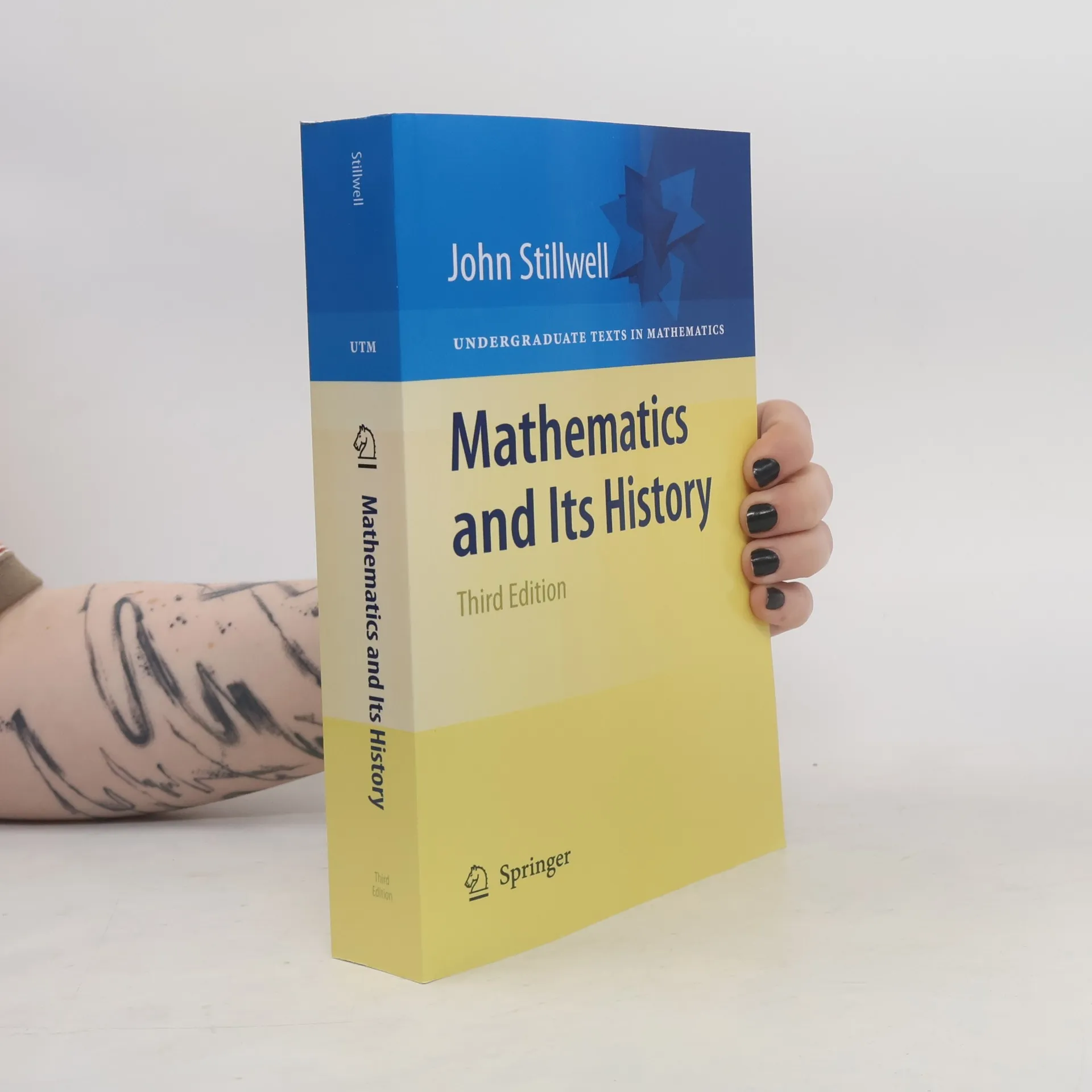
This book explores unique mathematical topics often overlooked in undergraduate courses, including the history of calculus and polynomial equations. The third edition introduces new chapters on simple groups and combinatorics, alongside enhanced sections and exercises, enriching students' understanding of mathematical ideas in context.
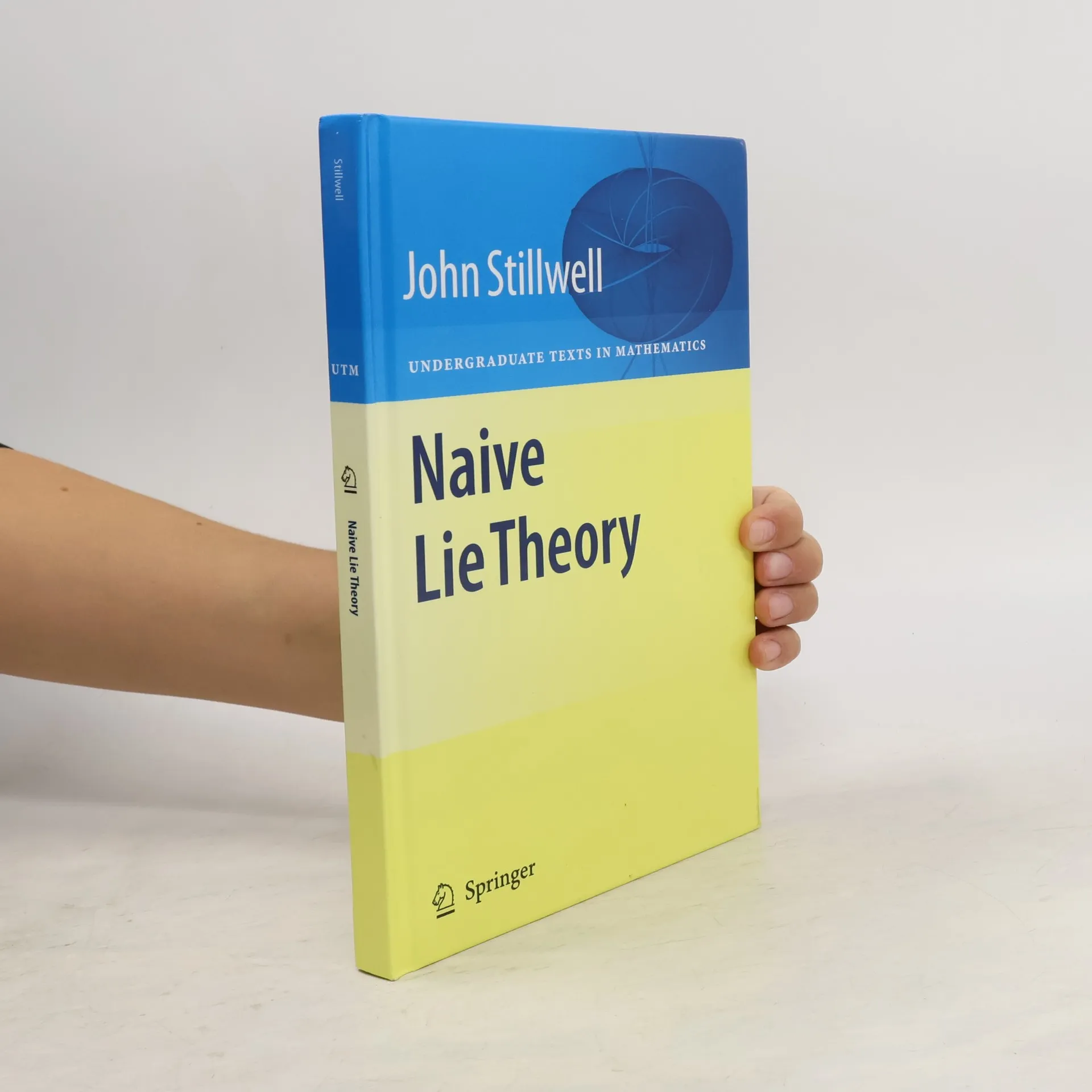
In this new textbook, acclaimed author John Stillwell presents a lucid introduction to Lie theory suitable for junior and senior level undergraduates. In order to achieve this, he focuses on the so-called "classical groups'' that capture the symmetries of real, complex, and quaternion spaces. These symmetry groups may be represented by matrices, which allows them to be studied by elementary methods from calculus and linear algebra. This naive approach to Lie theory is originally due to von Neumann, and it is now possible to streamline it by using standard results of undergraduate mathematics. To compensate for the limitations of the naive approach, end of chapter discussions introduce important results beyond those proved in the book, as part of an informal sketch of Lie theory and its history. John Stillwell is Professor of Mathematics at the University of San Francisco. He is the author of several highly regarded books published by Springer, including The Four Pillars of Geometry (2005), Elements of Number Theory (2003), Mathematics and Its History (Second Edition, 2002), Numbers and Geometry (1998) and Elements of Algebra (1994).
This book explores the history of mathematics from the perspective of the creative tension between common sense and the "impossible" as the author follows the discovery or invention of new concepts that have marked mathematical progress: - Irrational and Imaginary Numbers - The Fourth Dimension - Curved Space - Infinity and others The author puts these creations into a broader context involving related "impossibilities" from art, literature, philosophy, and physics. By imbedding mathematics into a broader cultural context and through his clever and enthusiastic explication of mathematical ideas the author broadens the horizon of students beyond the narrow confines of rote memorization and engages those who are curious about the place of mathematics in our intellectual landscape.