Gun Island
- 313pages
- 11 heures de lecture
A spellbinding, globe-trotting novel by the bestselling author of the Ibis trilogy




A spellbinding, globe-trotting novel by the bestselling author of the Ibis trilogy
Traditonal Chinese version of Exit West, a novel about migration and mutation, full of wormholes and rips in reality, begins as it mostly doesn't go on.
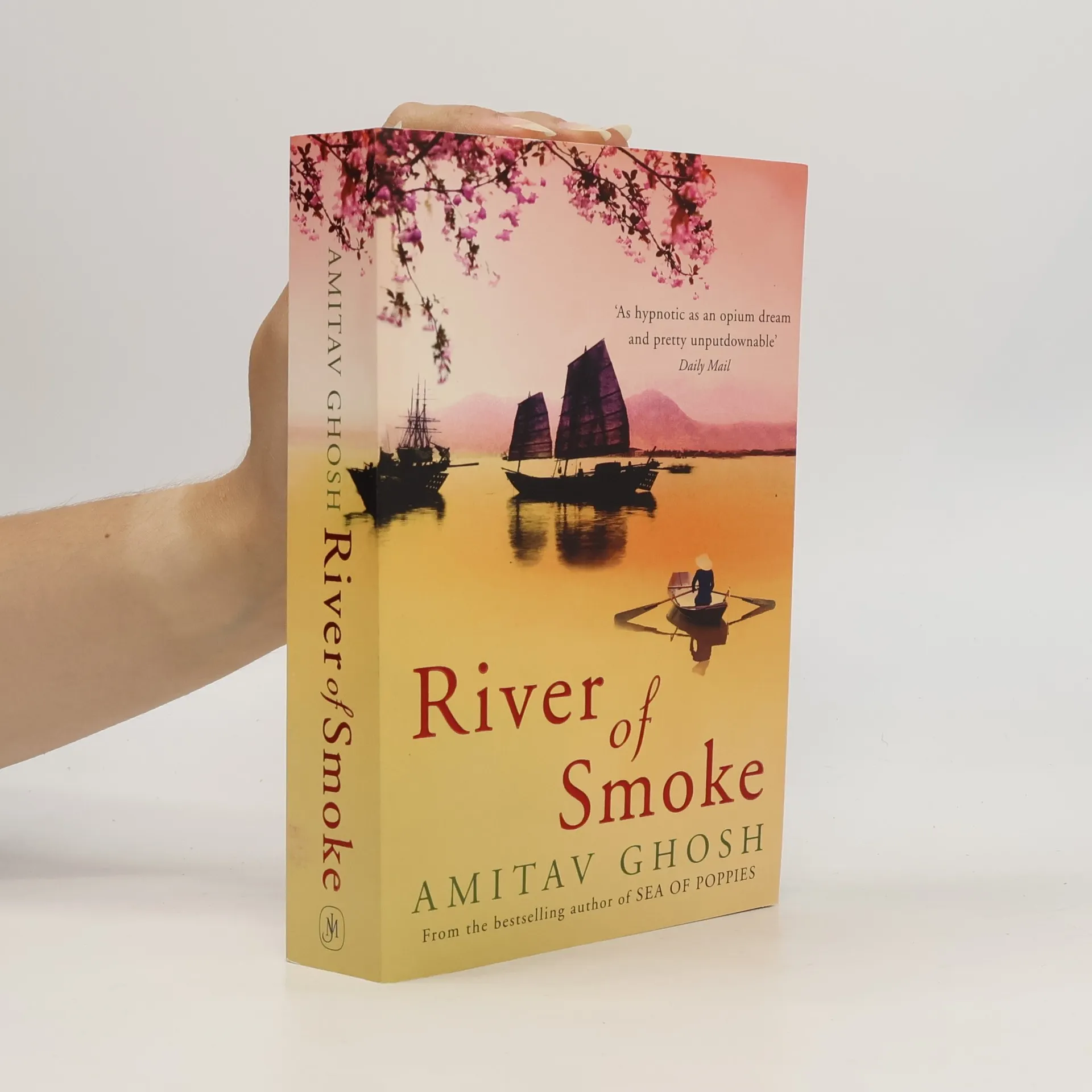
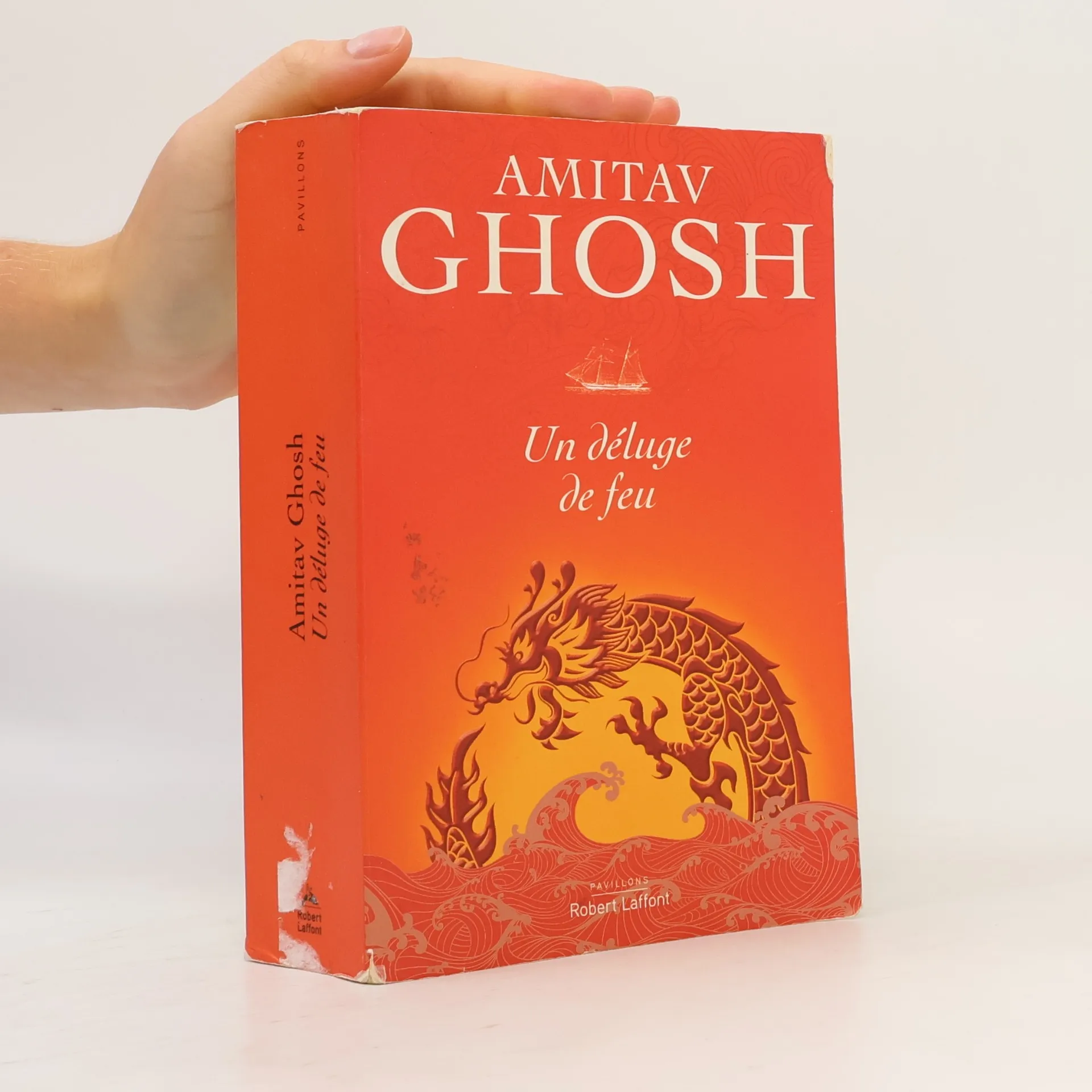
1839 : l'empereur de Chine décrète le blocus de l'importation d'opium. Les entrepôts des négociants anglais, indiens et américains sont fermés et leurs stocks brûlés. La flotte britannique s'arme, quitte l'Inde et fait voile vers Canton. Dans le tourbillon soulevé par la guerre, Zachary, Noir américain qui se fait passer pour un Blanc, Catherine, grande bourgeoise frustrée, Kesri, soldat indien, et Shireen, veuve parsie, voient leurs secrets trahis et leurs certitudes bouleversées. Mais tous découvrent ce qu'ils veulent vraiment et s'inventent un avenir. Et tous sont touchés par le drame qui se prépare : la victoire de l'empire britannique qui scellera l'effondrement de leur monde.
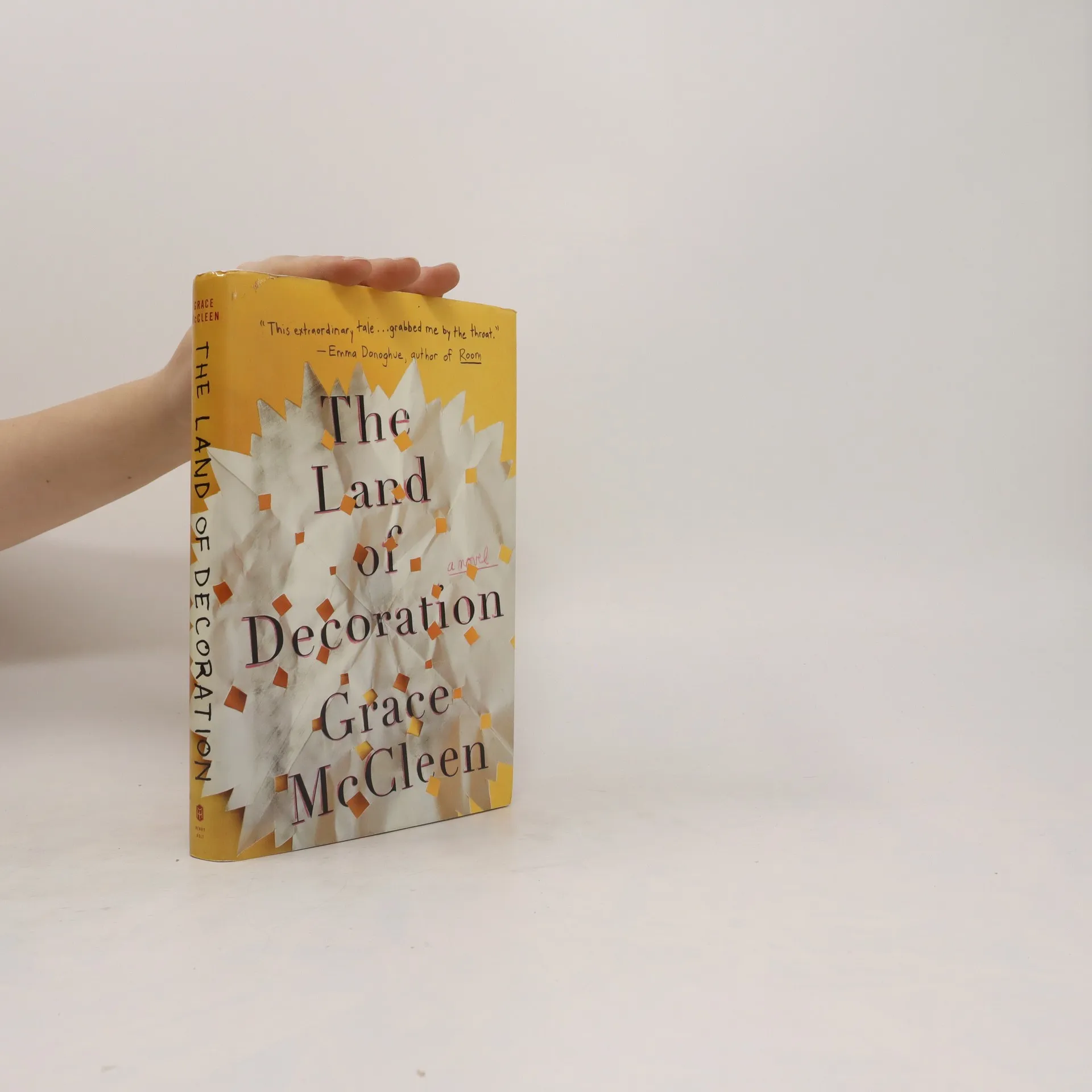
Ten-year-old Judith McPherson sees the world with the clear eyes of faith. Other students persecute her for her differences. To escape, Judith builds a Land of Decoration, a model in miniature of the Promised Land. When her father's factory job is threated by a strike and the taunting of school slips into dangerous territory, they threaten the very foundations of Judith's world
The sequel to the bestselling, Booker-shortlisted, Sea of Poppies.
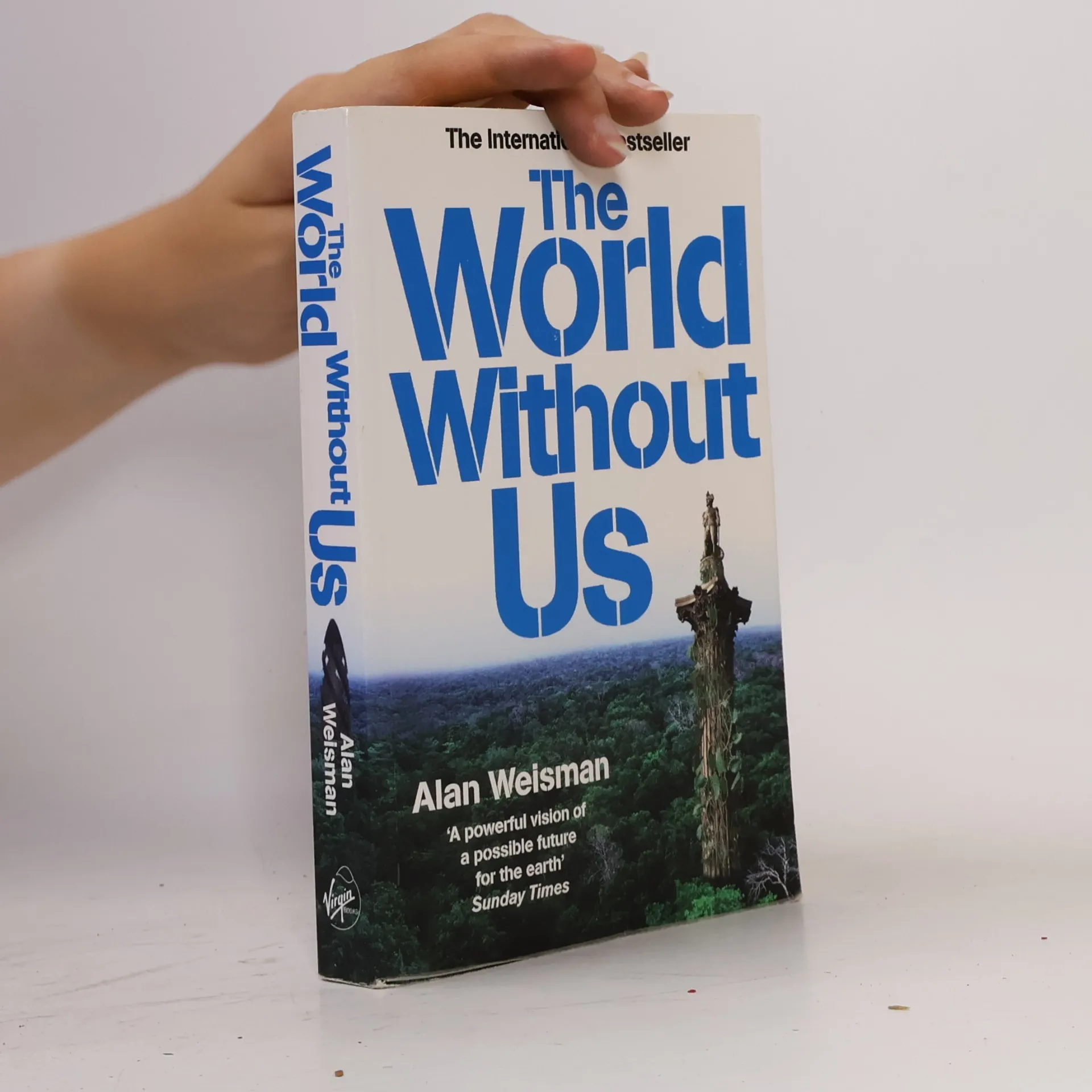
Take us off the Earth and what traces of us would linger? Weisman writes about which objects from today would vanish without us; how our pipes, wires, and cables would be pulverized into a line of red rock, and why some museums and churches might be the last human creations left standing.
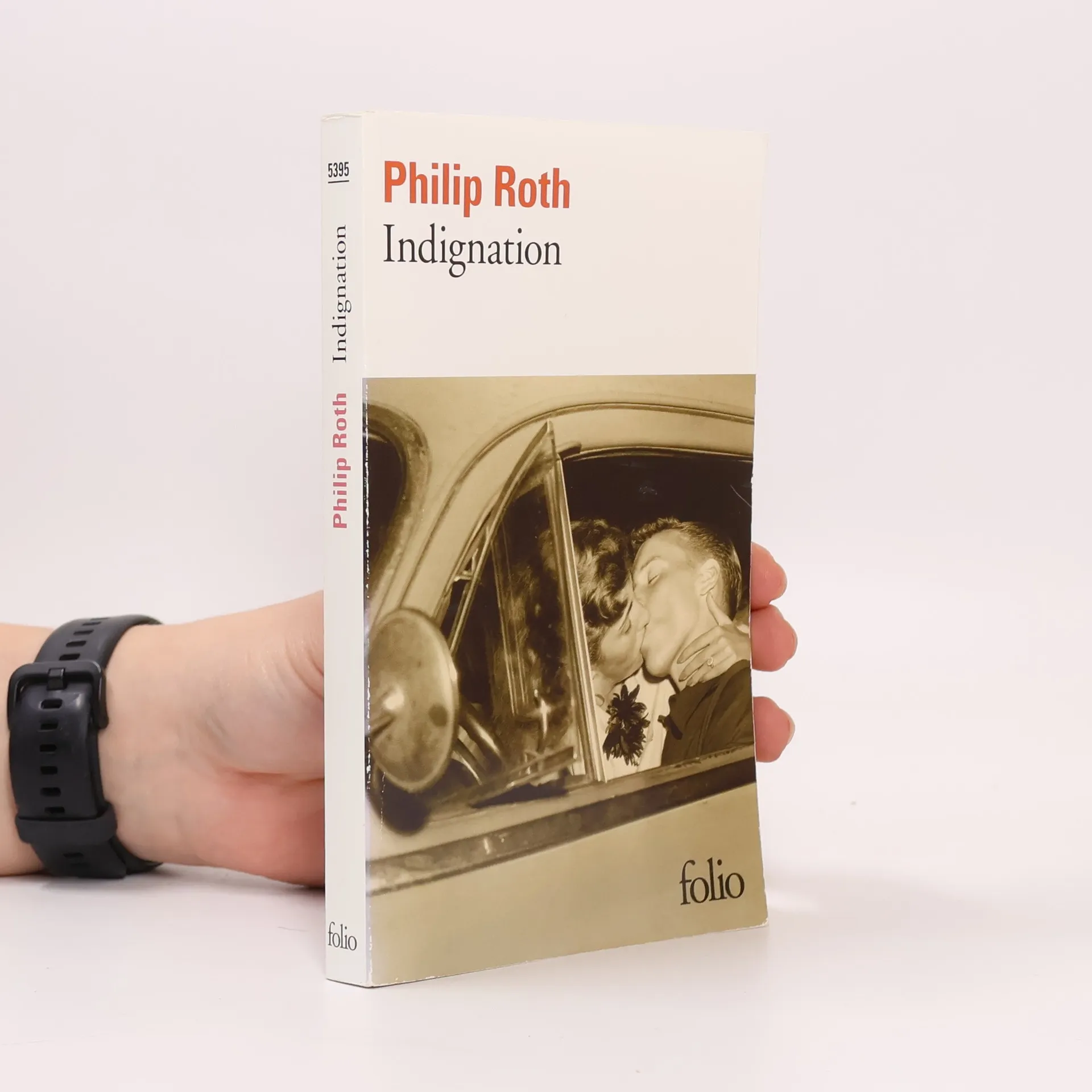
En 1951, pendant la guerre de Corée, Marcus Messner, 19 ans et d'origine juive, étudie au Winesburg College dans l'Ohio pour fuir la paranoïa de son père. Ce roman d'apprentissage explore son parcours intellectuel et sexuel.
Dans les "Ténèbres", vaste région au coeur d'une Inde miséreuse et violente, chacun sait que la Shining India ne brille pas pour tous! Balram Halwai, surnommé le Tigre Blanc pour son intelligence hors norme, est pourtant décidé à conquérir sa place au soleil. Immoral et cynique, il ne reculera devant aucun moyen, quitte à y perdre son âme... Un premier roman couronné parle Booker Prize en 2008.