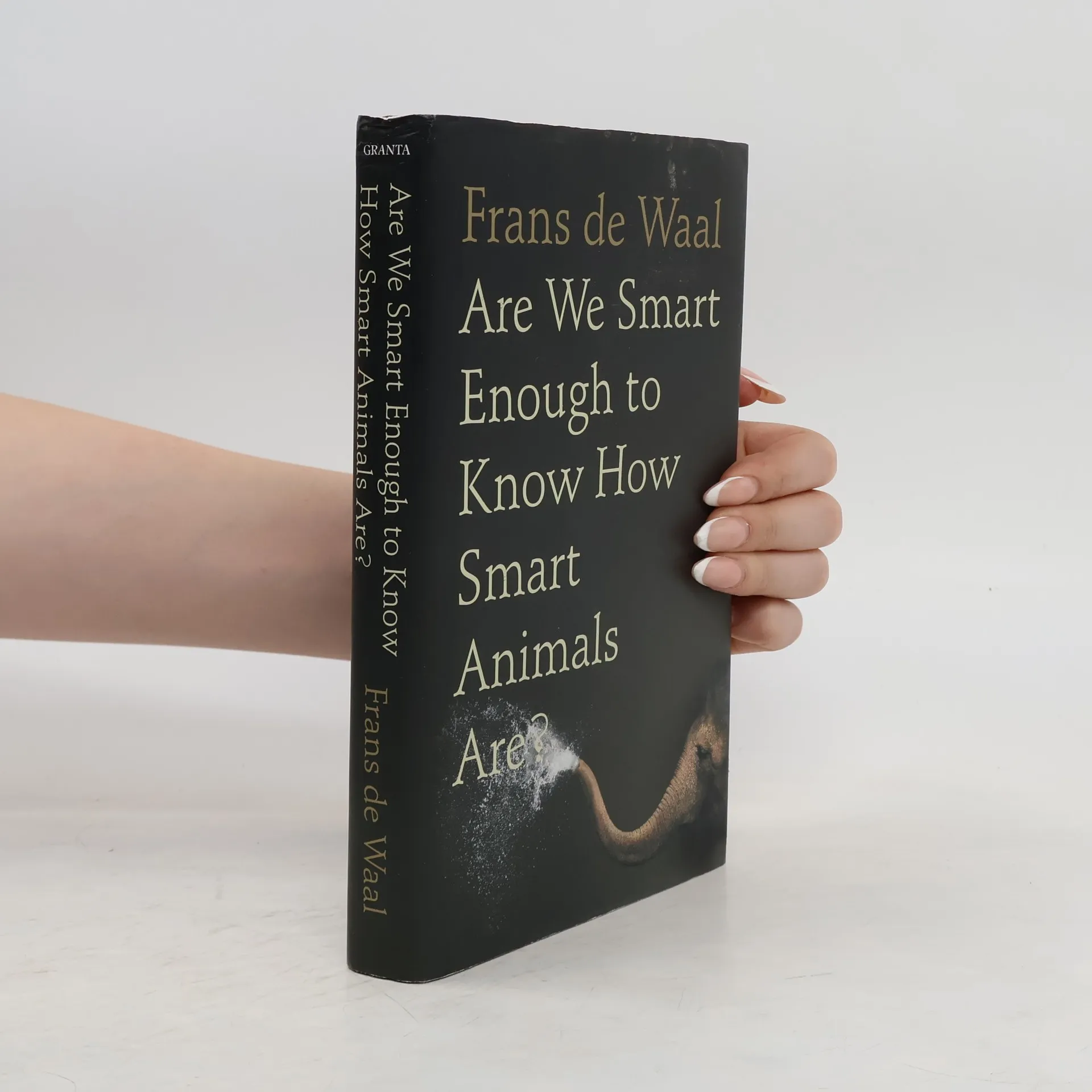
What separates your mind from that of an animal? Is it the ability to design tools; a sense of self; or the grasp of past and future? In recent decades these claims have eroded, or even been disproven outright, by a revolution in the study of animal cognition. Waal explores both the scope and the depth of animal intelligence, offering a firsthand account of how science has stood traditional behaviorism on its head by revealing how smart animals really are, and how we've underestimated their abilities for too long.
Libero Sosio Ordre des livres (chronologique)

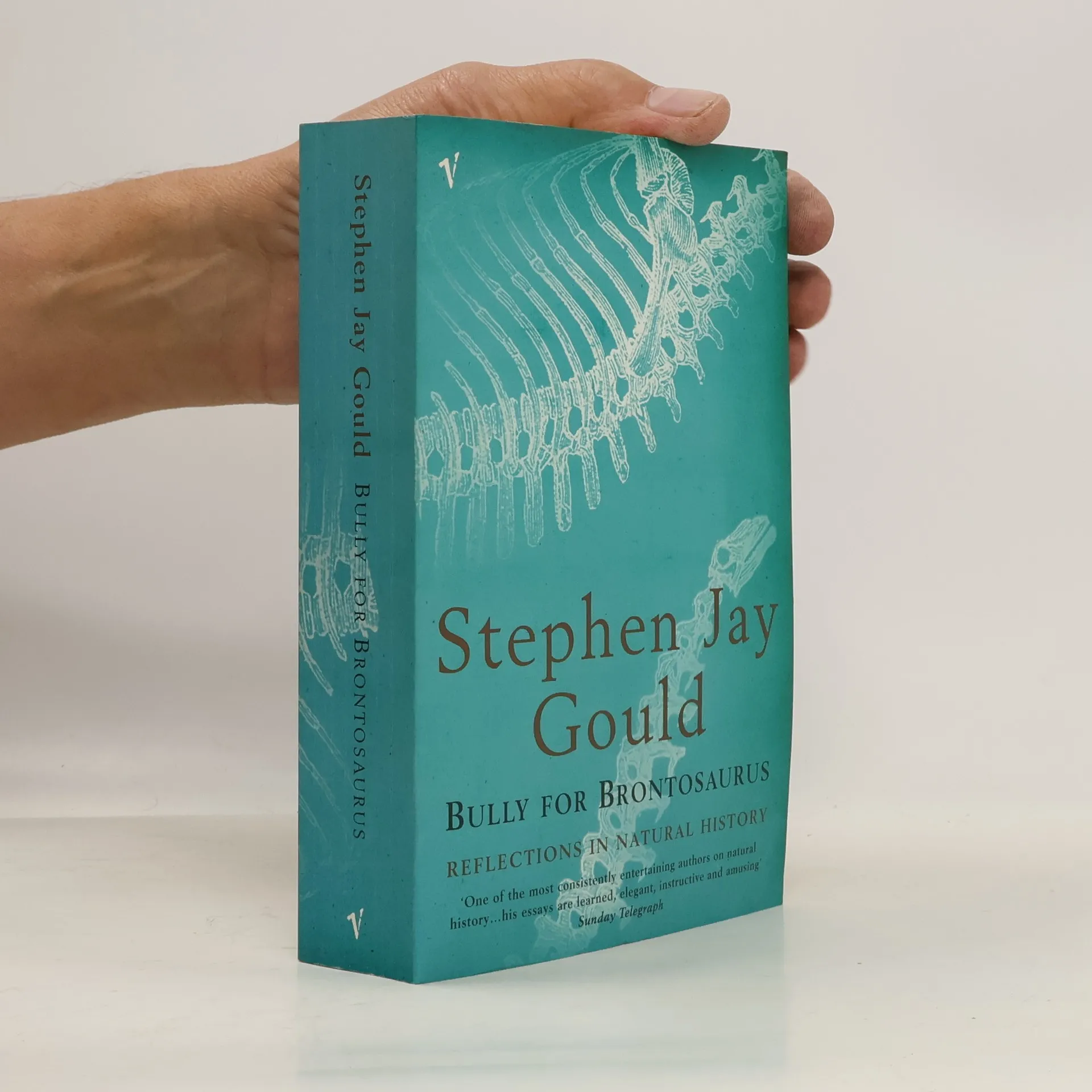

The Development of an Extraordinary Species We human beings share 98 percent of our genes with chimpanzees. Yet humans are the dominant species on the planet -- having founded civilizations and religions, developed intricate and diverse forms of communication, learned science, built cities, and created breathtaking works of art -- while chimps remain animals concerned primarily with the basic necessities of survival. What is it about that two percent difference in DNA that has created such a divergence between evolutionary cousins? In this fascinating, provocative, passionate, funny, endlessly entertaining work, renowned Pulitzer Prize–winning author and scientist Jared Diamond explores how the extraordinary human animal, in a remarkably short time, developed the capacity to rule the world . . . and the means to irrevocably destroy it.
This text is a metaphor for the way individuals and unpredictable events influence history. In response history, suggests the author, is the best model for evolution. The author explores the science of improbable outcomes in this wide ranging book written on the evolutionary theme.
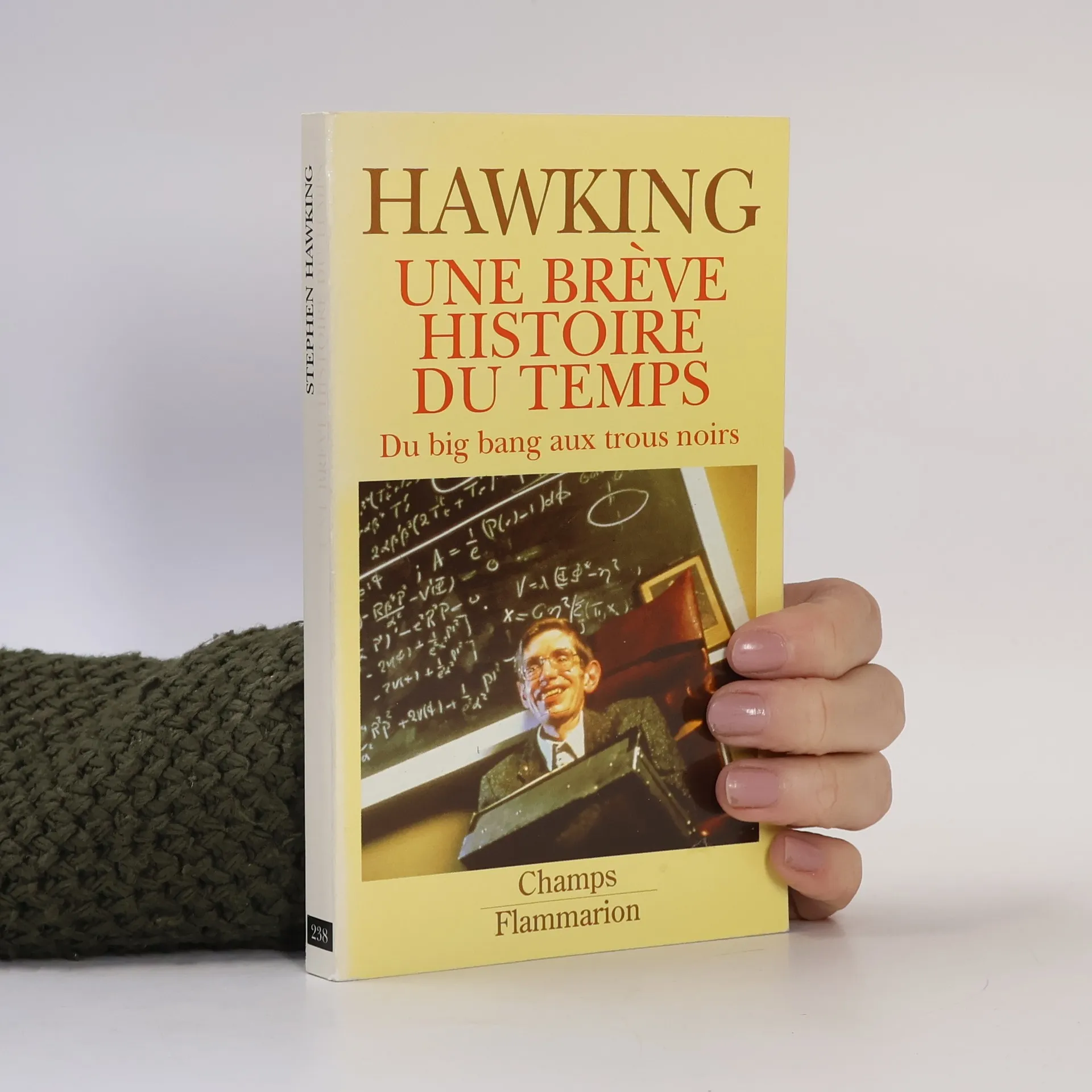
Stephen Hawking est universellement reconnu comme un des plus grands cosmologistes de notre époque et l'un des plus brillants physiciens depuis Einstein. Successeur de Newton, il occupe à l'Université de Cambridge la chaire de Mathématiques, et s'est rendu célèbre pour ses travaux sur les origines de l'Univers. Une brève histoire du temps est le premier livre qu'il ait décidé d'écrire pour le non-spécialiste. Il y expose, dans un langage simple et accessible, les plus récents développements de l'astrophysique concernant la nature du temps et du monde. Retraçant les grandes théories du cosmos, de Galilée et Newton à Einstein et Poincaré, racontant les ultimes découvertes de l'espace, expliquant la nature des trous noirs, il propose ensuite de relever le plus grand défi de la science moderne: la recherche d'une théorie unitaire combinant et unifiant la Relativité générale et la mécanique quantique. On sait que Stephen Hawking lutte depuis vingt ans contre une maladie neurologique très grave. On n'en trouvera que plus fascinant cet extraordinaire effort d'un esprit scientifique pour parvenir à une compréhension ultime des secrets de l'Univers.
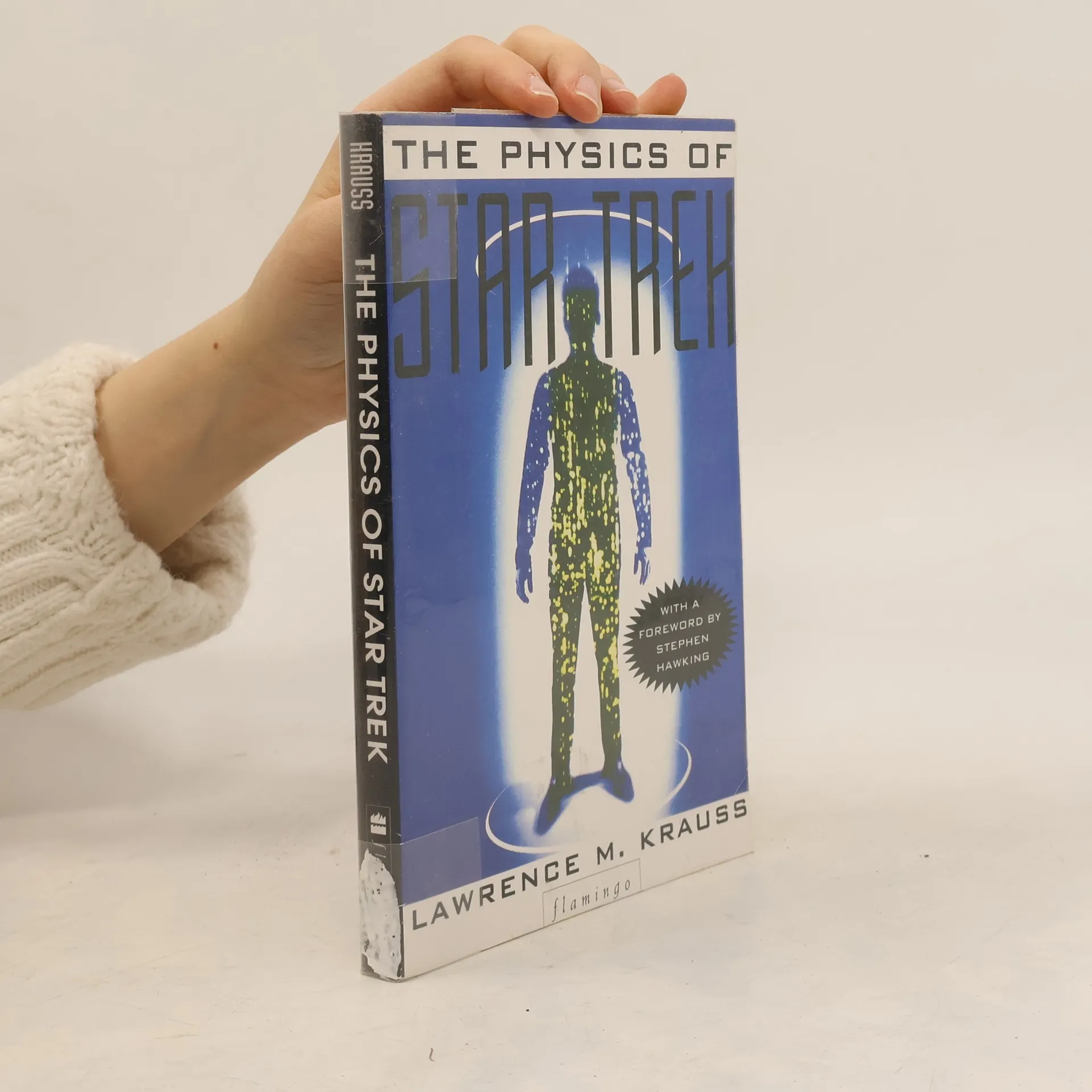
The Physics of 'Star Trek
- 188pages
- 7 heures de lecture
An easy-to-understand introduction to the complexities of today's and tomorrow's physics. The author assess what is and what is not actually possible according to the laws of physics, among all the weird and wonderful things that Kirk, Spock and Scottie got up to in their parallel universe.
The Origin of Consciousness in the Breakdown of the Bicameral Mind
- 512pages
- 18 heures de lecture
What is human consciousness, where did it come from, and how does it determine who we are and how we live in the world? At the heart of this book is the theory that human consciousness did not develop over time--that, in fact, ancient peoples from mesopotamia to Peru did not "think" as we do and therefore were not conscious. Drawing on laboratory studies of the brain and clos examination of archaeological evidence, the author concludes that consciousness is not a product of evolution but of catastrophic events in our own history, events that occurred as recently as three thousand years ago.
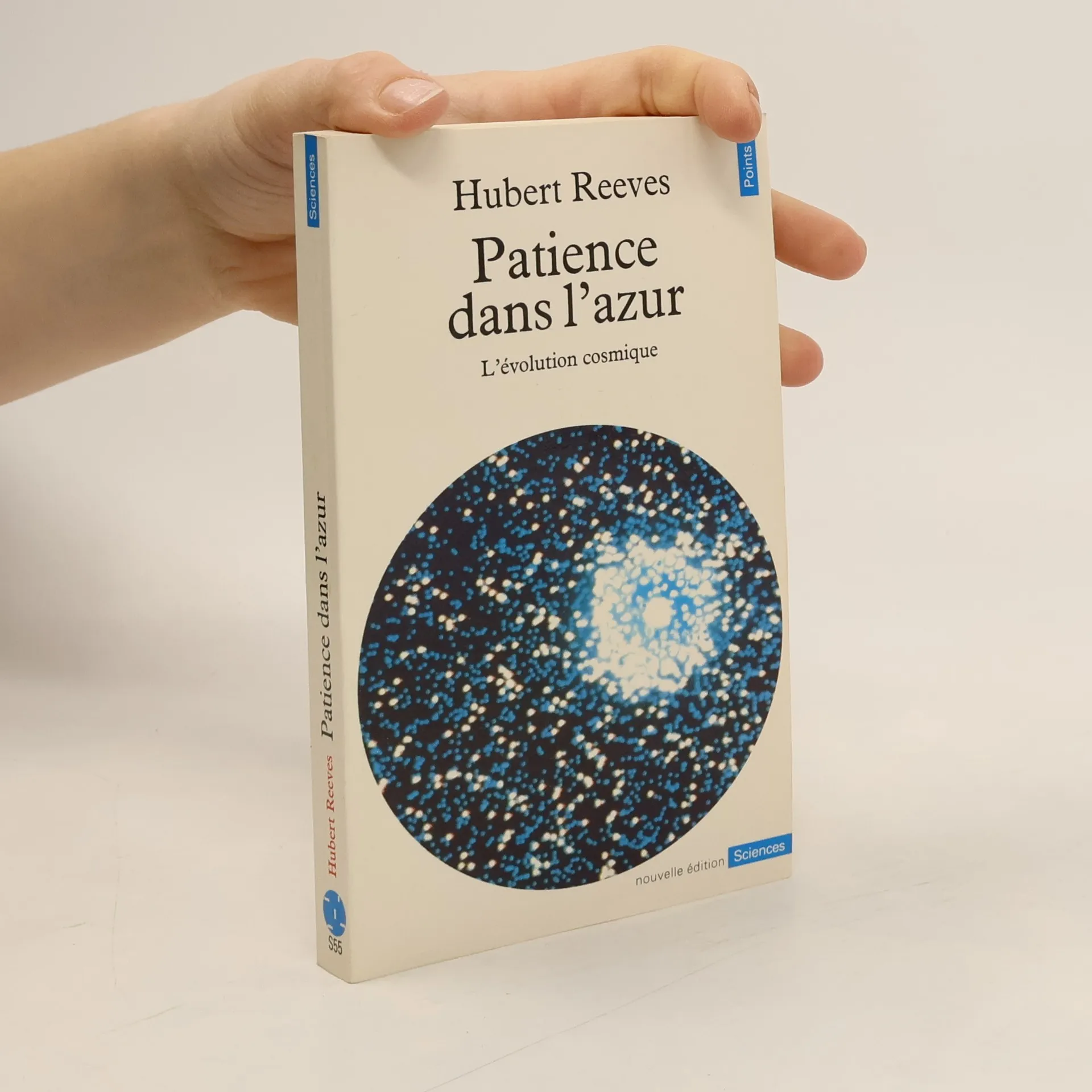
Paul Valéry, étendu sur le sable chaud d’une lagune, regarde le ciel. Dans son champ de vision, des palmiers se balancent mollement, mûrissant leurs fruits. Il est à l’écoute du temps qui sourdement fait son œuvre. Cette écoute, on peut l’appliquer à l’univers. Au fil du temps se déroule la gestation cosmique. À chaque seconde, l’univers prépare quelque chose. Il monte lentement les marches de la complexité. » H.R.Quand Hubert Reeves rencontre Paul Valéry, et l’astrophysique la poésie, la vulgarisation des sciences s’enrichit d’un grand classique qui, en un quart de siècle, n’a pas pris une ride.
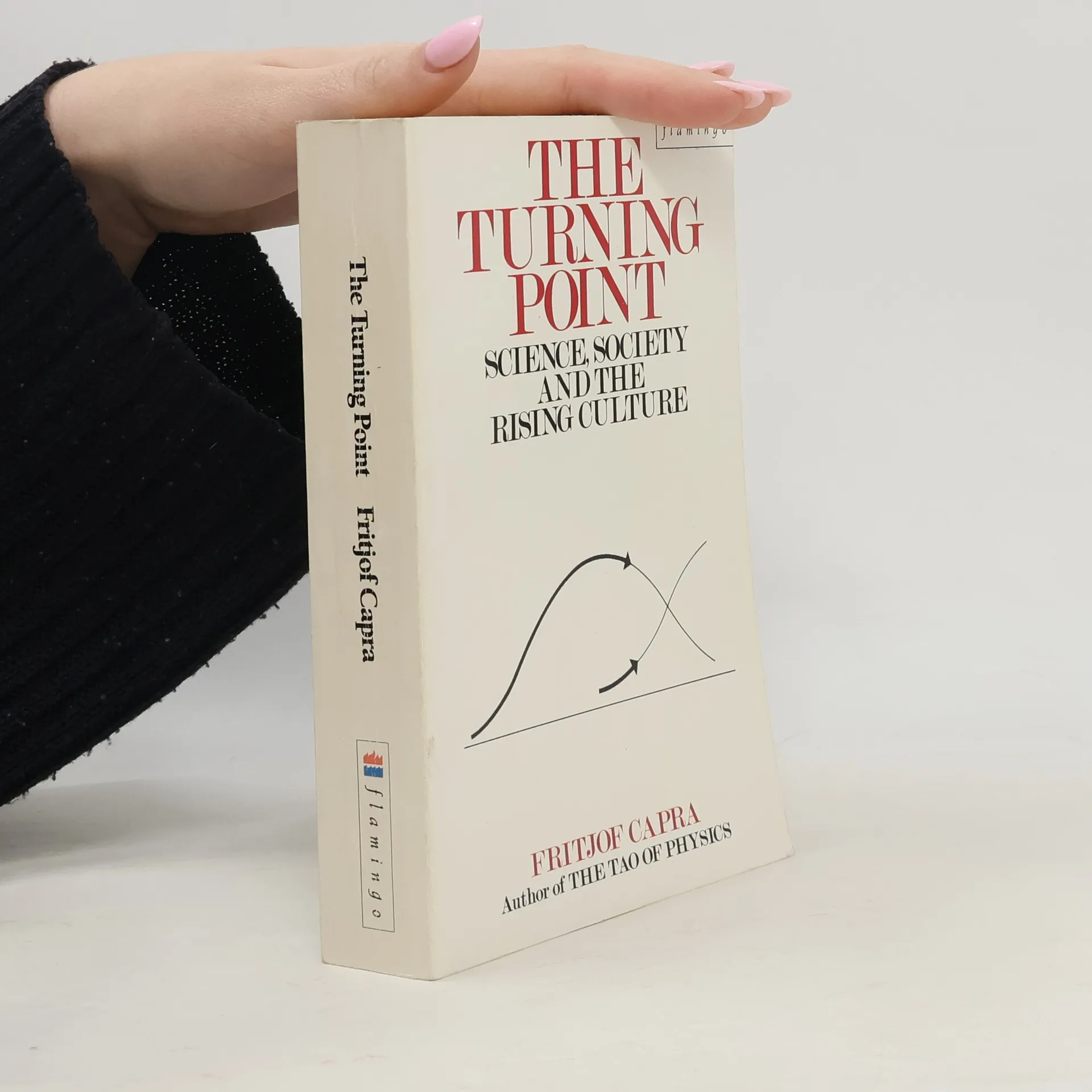
The Turning Point
Science Society and the Rising Culture
"We are trying to apply the concepts of an outdated world view--the mechanistic world view of Cartesian-Newtonian science--to a reality that can no longer be understood in terms of these concepts ... To describe this world appropriately, we need an ecological perspective that the Cartesian world view does not offer." (Preface 15,16)