Mircea Eliade Ordre des livres (chronologique)
Mircea Eliade fut un auteur extrêmement prolifique dont l'œuvre couvrait la religion, la philosophie et la fiction. En tant que l'un des principaux interprètes des religions du monde, il acquit une renommée internationale grâce à ses profondes analyses des symboles et de l'imagerie religieuse. Son vif intérêt pour le monde de l'inconscient et le thème central de l'amour érotique dans ses romans soulignent sa fascination pour la psychologie et le désir humains. La vaste production d'Eliade, comptant plus de 1 300 œuvres, en fait une figure marquante tant sur le plan littéraire qu'académique.



Corneliu Zelea Codreanu a Legie archanděla Michaela
- 157pages
- 6 heures de lecture
Kromě výkladu historie, stylu, doktríny a víry legionářského hnutí, obsahuje rozhovor, který prof. Mutti vedl s vdovou po Codreanovi krátce před jejím úmrtím, vyznání se k legionářské víře od religionisty Eliada a Evolovu rozpravu s Codreanem z března 1938. Především však rozsáhlé ukázky z původních Kapitánových (= Codreanu) knižních prací Pentru legionari (Mým legionářům) a Cãrticica sefului de cuib (Příručka pro hnízda).
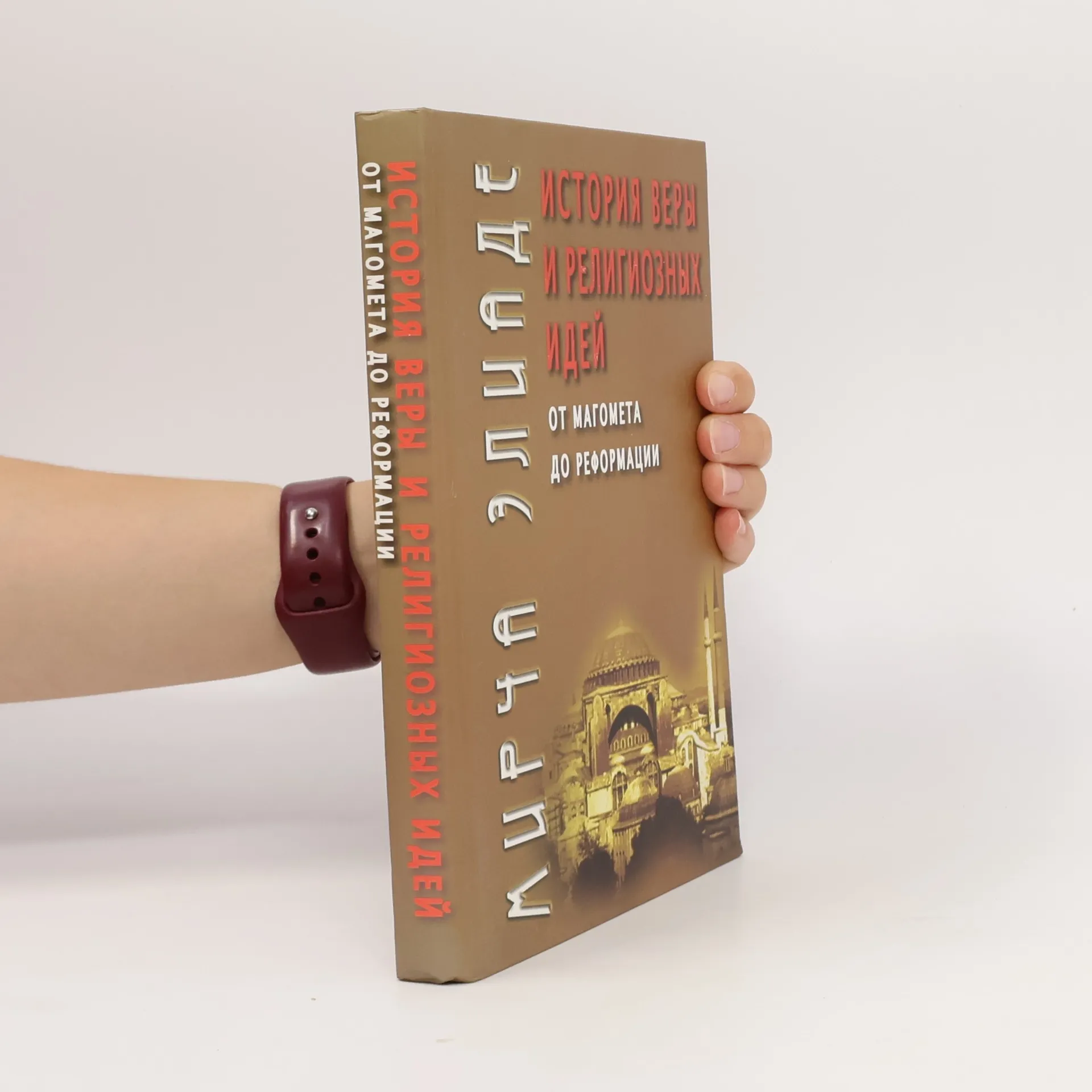
Istoriya very i religioznyh idey
Ot Magometa do Reformatsii
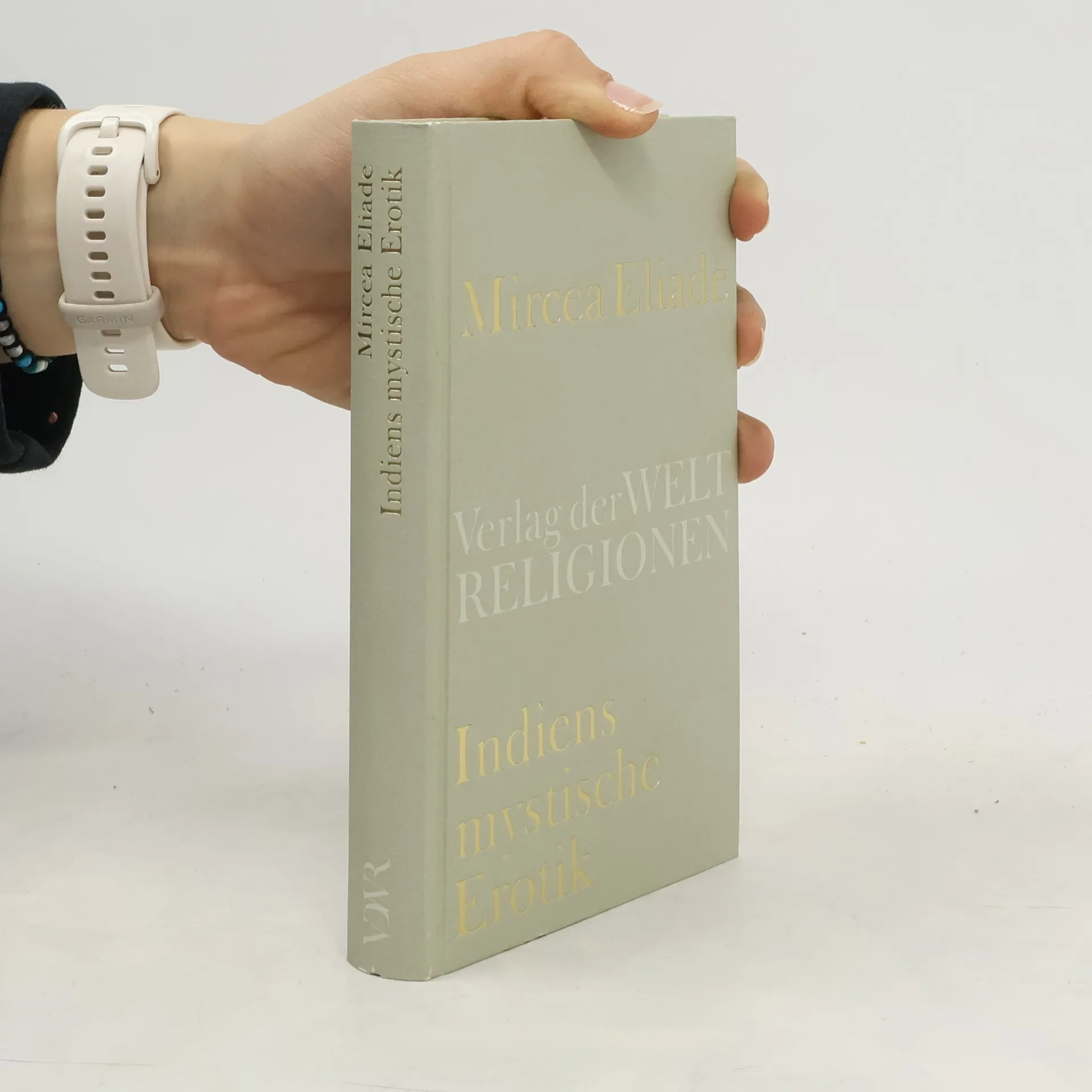
Indiens mystische Erotik
Aus dem Rumänischen übersetzt und herausgegeben von Richard Reschika
Für den rumänischen Religionsphilosophen Mircea Eliade ist die Entdeckung des nichteuropäischen Menschen und seiner geistigen Welt das zentrale Phänomen des 20. Jahrhunderts. Die wissenschaftliche Erforschung exotischer Religionen sowie des Hinduismus und Buddhismus eröffnet dem Abendland eine tiefgreifende Horizonterweiterung und relativiert eurozentristische Denkweisen. Besonders hervorzuheben sind Eliades Arbeiten zu den Weisheitslehren und spirituellen Praktiken Indiens, einschließlich Hinduismus, Buddhismus, Schamanismus, Tantrismus und Yoga. Diese Pionierleistung im interkulturellen und interreligiösen Dialog zwischen West und Ost ist geprägt von interdisziplinärer Gelehrsamkeit und einer besonderen Fähigkeit, sich in die Einstellungen anderer Menschen einzufühlen. Die Texte zu Indiens mystischer Erotik, die nun erstmals auf Deutsch vorliegen, entstanden zwischen 1929 und 1931 während Eliades Aufenthalt in Indien. Sie thematisieren indische Religion, Mystik und Spiritualität, wobei die mystische Erotik im Mittelpunkt steht. Den Abschluss des Bandes bildet die intime Korrespondenz Eliades mit seiner Familie, die den Leser zum Zeugen seiner wissenschaftlichen, literarischen und alltäglichen Aktivitäten werden lässt und Eliades spirituelles Tagebuch authentisch ergänzt.
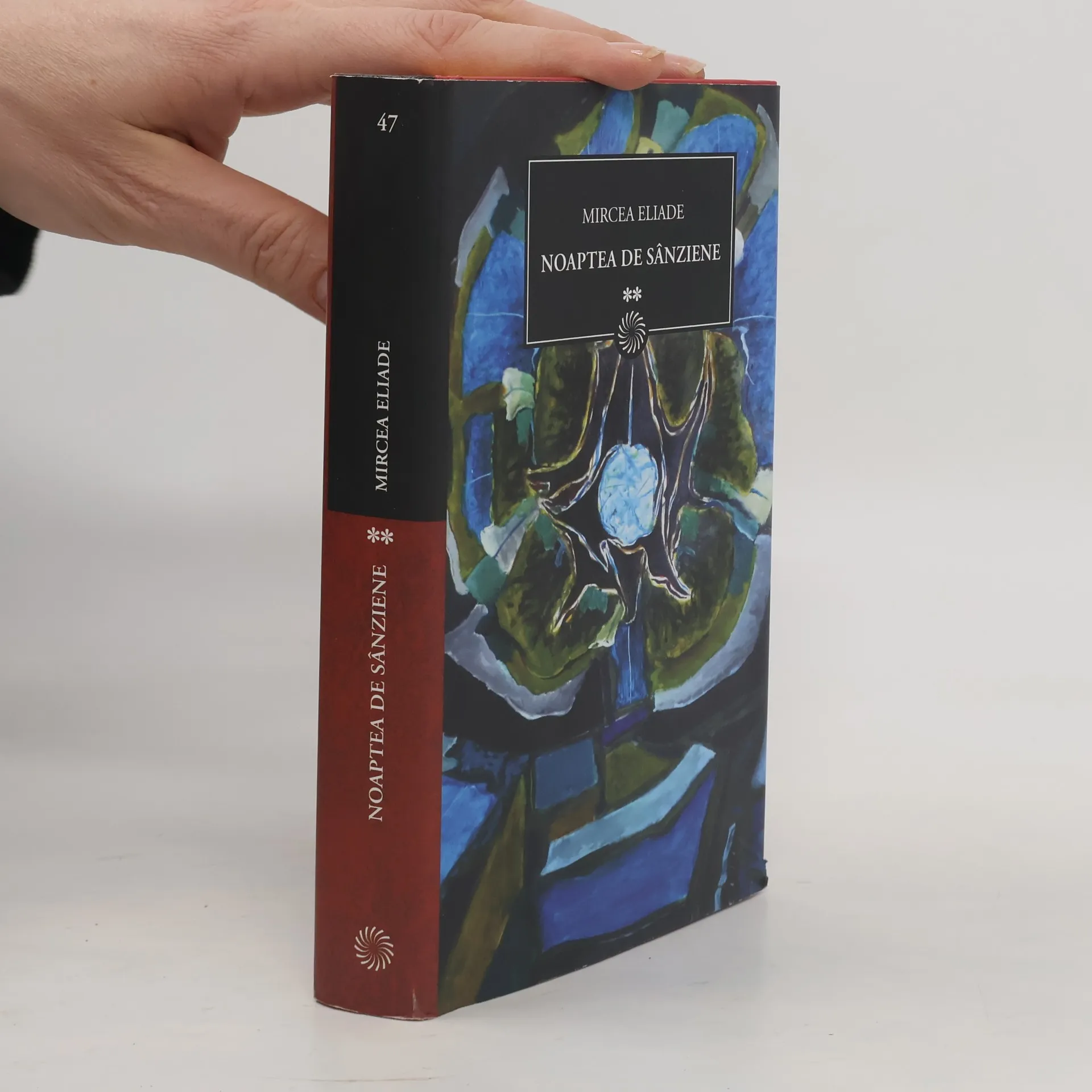
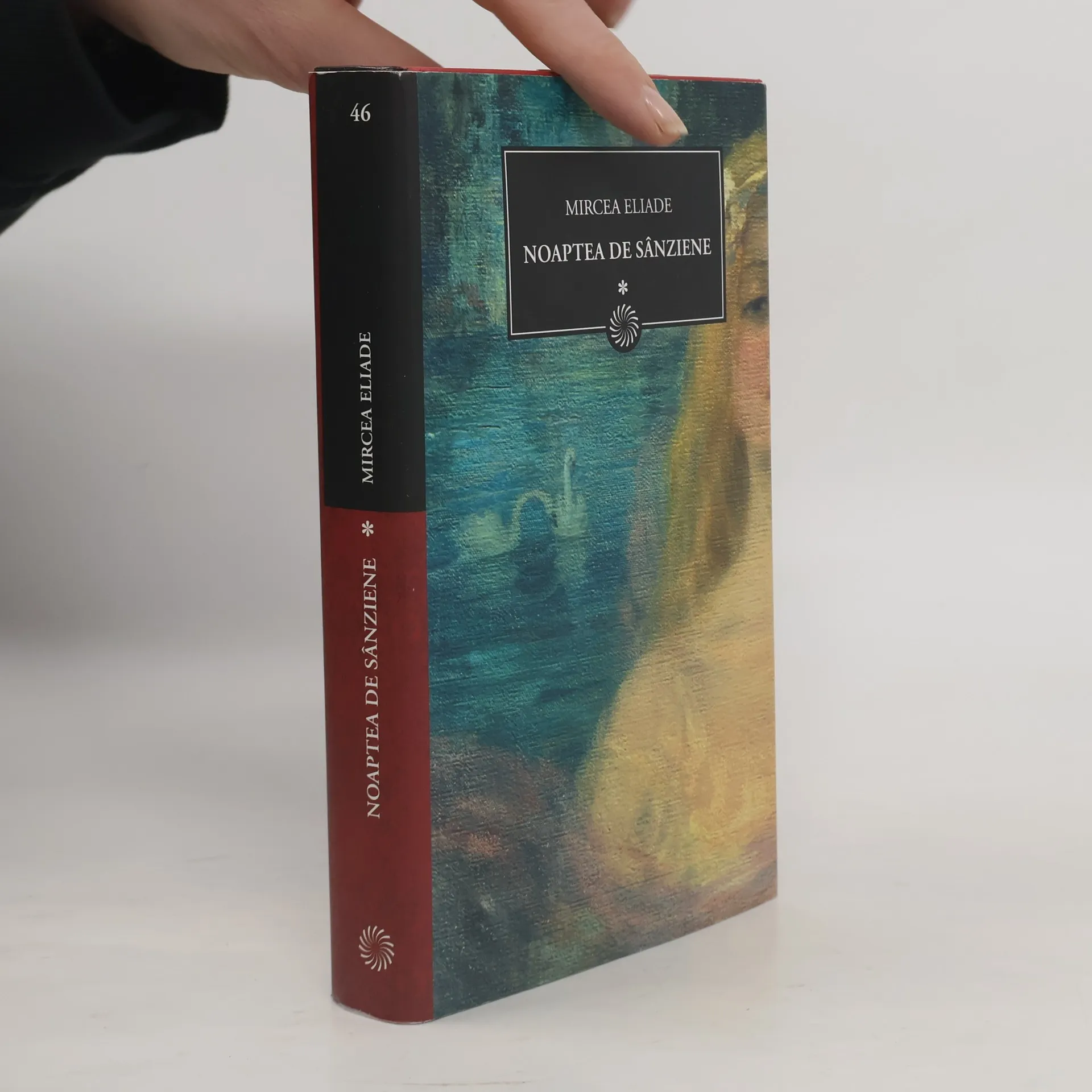
Noaptea de Sânziene 2
- 384pages
- 14 heures de lecture
Prin tema care-i conferă şi titlul, romanul pare să-şi aibă sursa în perioada portugheză, aşa cum menţionează Eliade în Jurnal, în 21 iunie 1949: „Solstiţiul de vară şi noaptea de Sânziene îşi păstrează, pentru mine, toate farmecele şi toate prestigiile. Se întâmplă ceva şi ziua aceasta mi se pare nu numai cea mai lungă, ci, pur şi simplu, alta decât cea de ieri sau cea de mâine. Cândva, în Portugalia, imaginasem un fel de poveste cu miracolul regenerării şi tinereţii veşnice dobândite într-o noapte de Sânziene. Imaginasem e puţin spus. Multe zile de-a rândul am trăit parcă sub vraja acestui mister. Trăiam aşteptând: să mi se întâmple ceva, să mi se dezvăluie ceva.” Noaptea de Sânziene constituie pentru Eliade un alt moment privilegiat de revelare a numinosului, iar alături de sentimentul alterităţii se află şi cel al magicului.
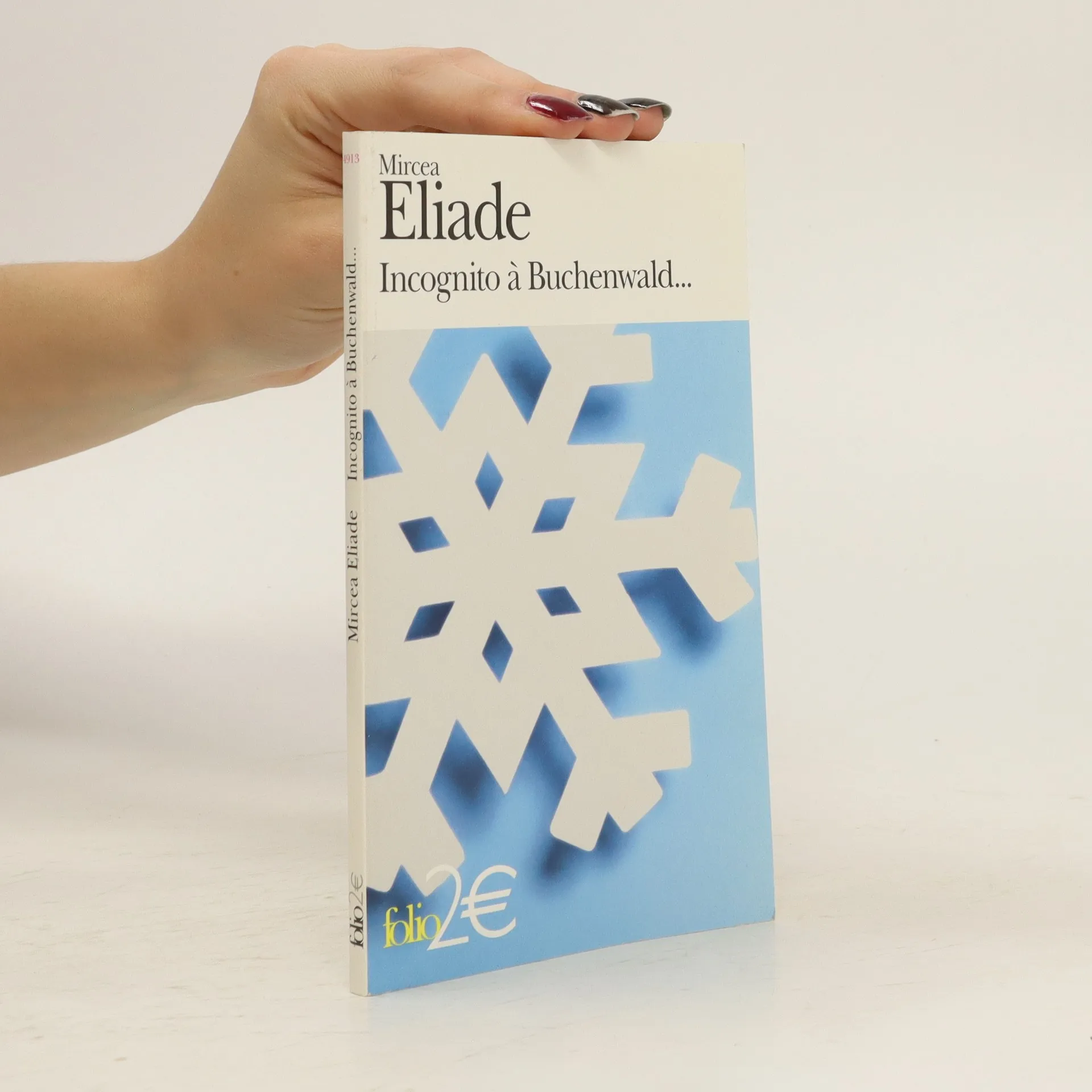
Comment réagirait le public d'une pièce dont le premier mot serait " Adieu !... " et c'est tout ? Ensuite plus rien, ni acteur ni lever de rideau... Mircea Eliade, dans ces deux fables étonnantes, entraîne le lecteur à travers une réflexion sur la vie, le temps et la mort.
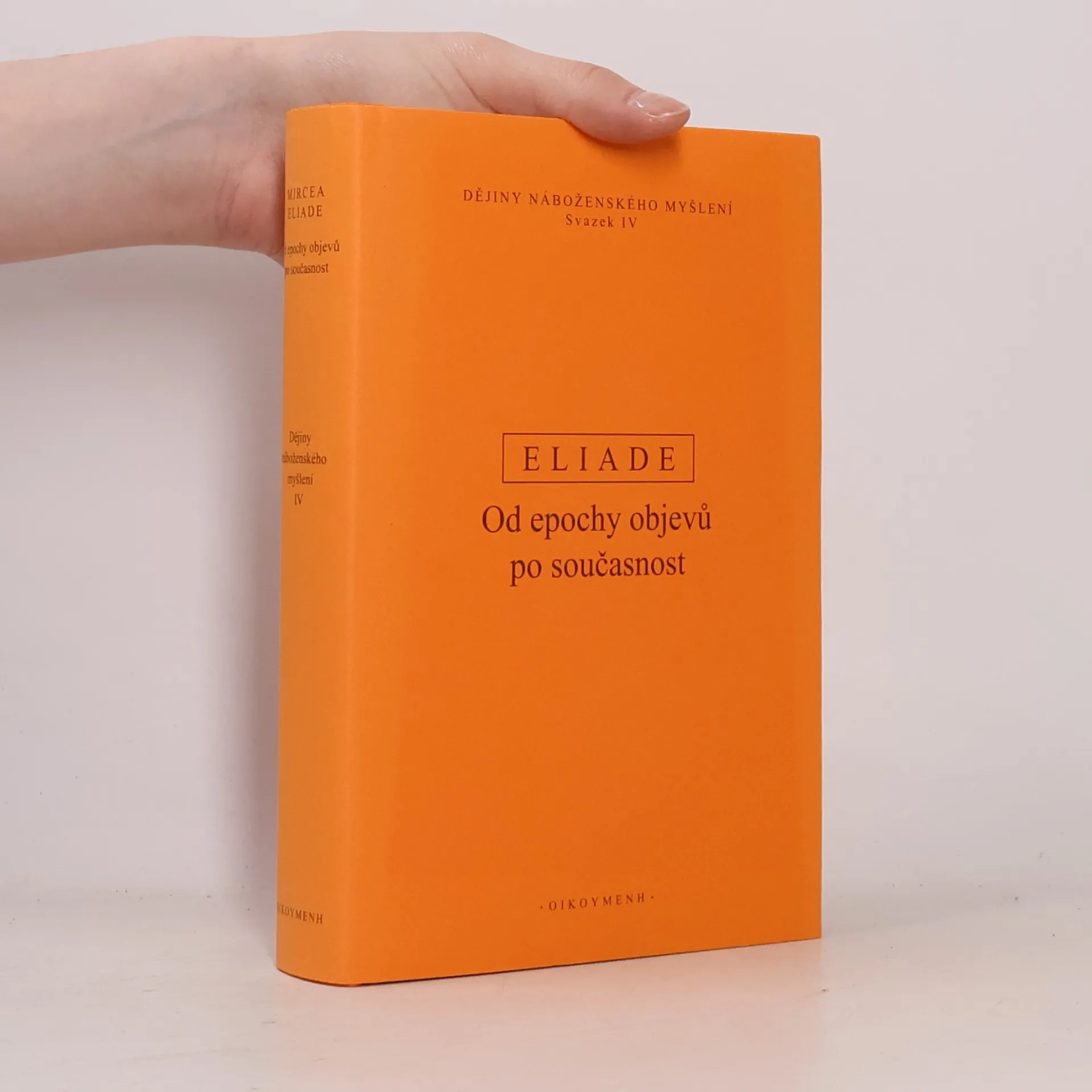
Od epochy objevů po současnost. Čtvrtý, závěrečný svazek byl napsán řadou významných specialistů, religionistů a etnologů, neboť Eliade krátce před svou smrtí již neměl dost sil, projekt sám dokončit. Dvanáct kapitol je věnováno především náboženským světům Austrálie, Oceánie, Japonska, Číny, Indonésie, západní a východní Afriky a Severní, Jižní a centrální Ameriky. Poslední kapitola se zabývá náboženskou kreativitou a procesem sekularizace v Evropě od dob osvícenství se zvláštním zaměřením na německou filosofii.
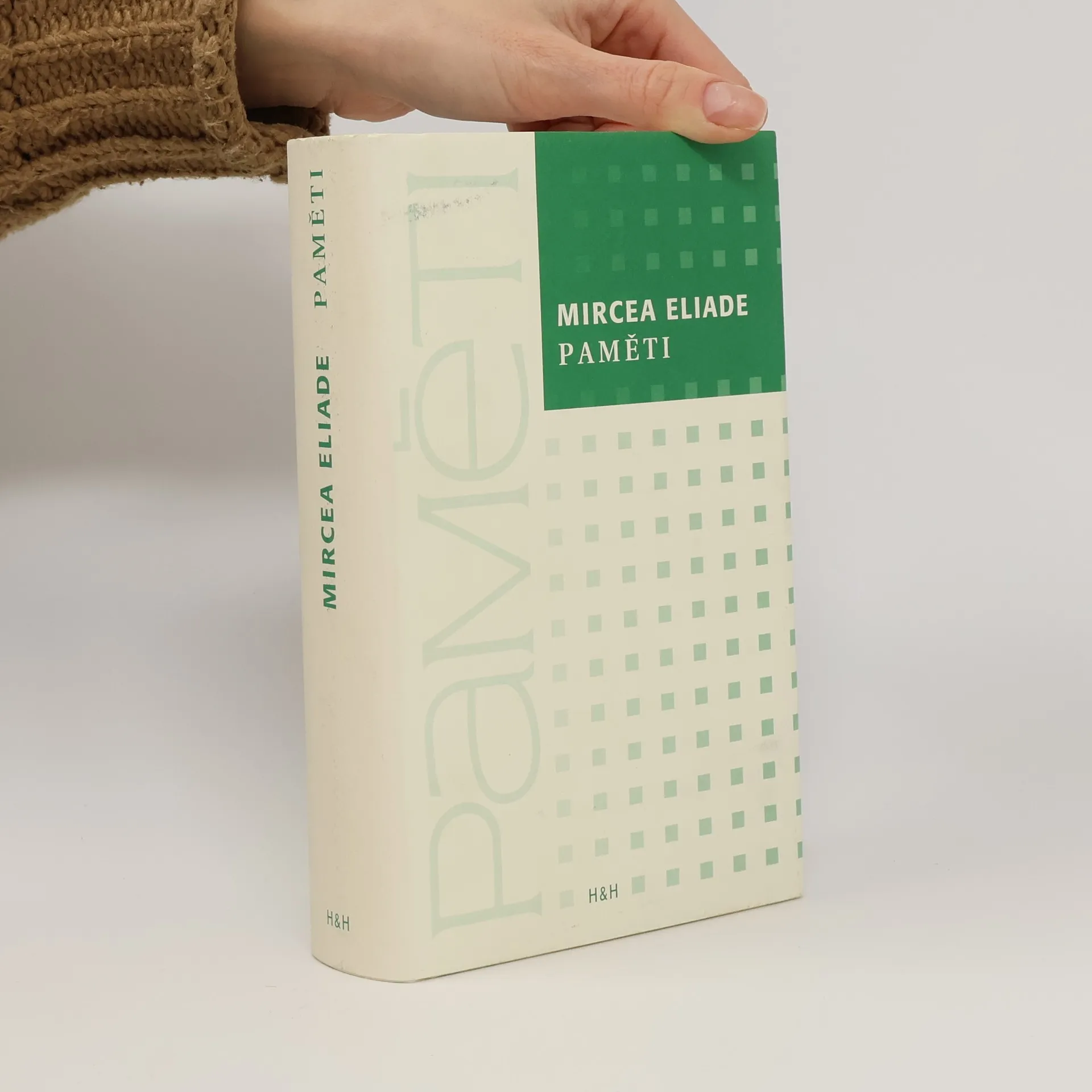
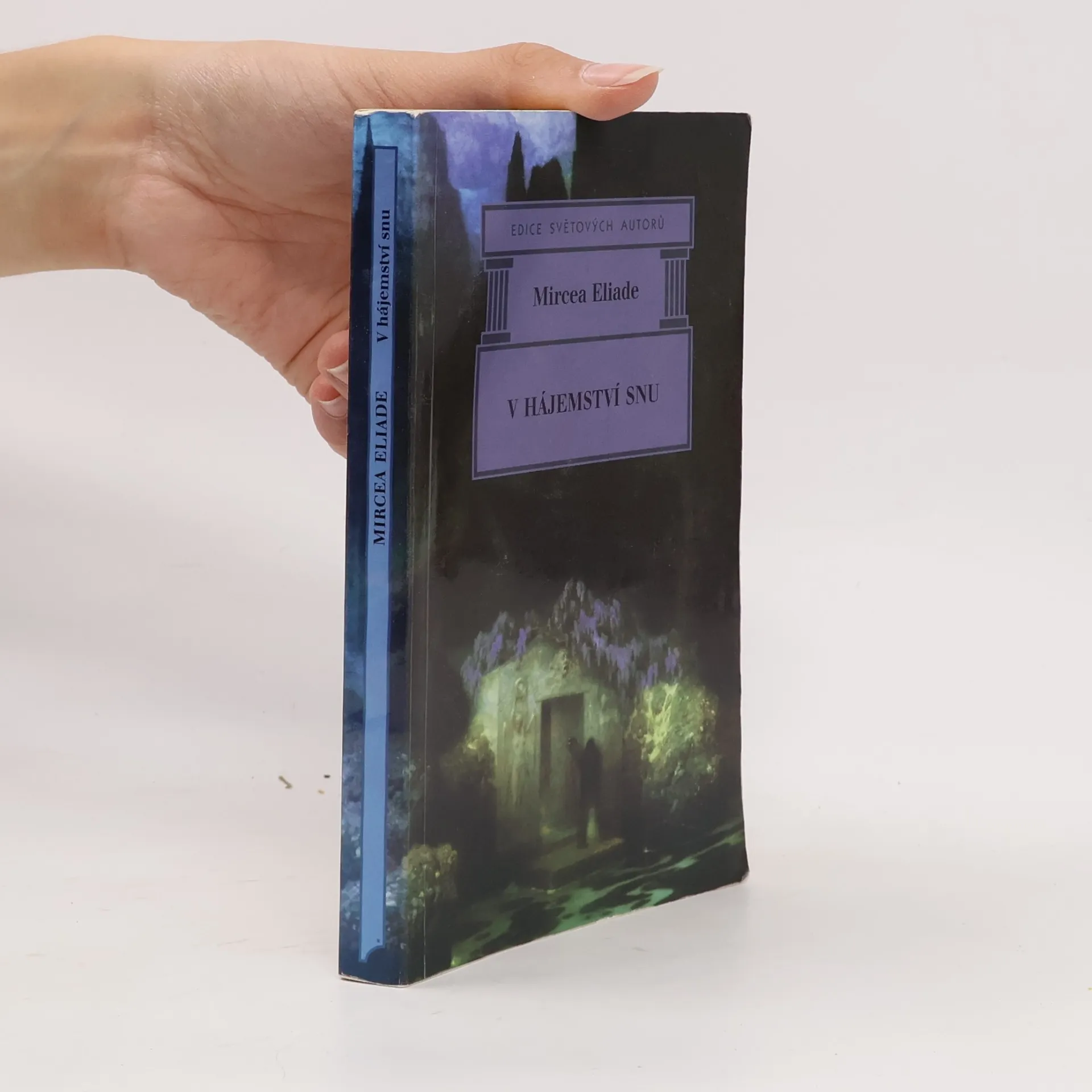
Proslulý historik náboženství, filozof, spisovatel a publicista (1907–1986) vzpomíná na své dětství v Bukurešti během první světové války, na první přátelství a záliby v přírodních vědách, filozofii a literatuře. Jeho odjezd do Kalkaty, kde studoval pod filozofem S. Dásguptou a žil v poustevně na břehu Gangy, zásadně ovlivnil jeho život. Po návratu do Rumunska se aktivně podílel na kulturním dění a přednášel dějiny indické filozofie na Bukurešťské univerzitě, získal uznání jako romanopisec. V 30. letech byl však nucen odejít z univerzity kvůli kritice svých prozaických děl, vstoupil do diplomatických služeb a pracoval v Anglii a Portugalsku, přičemž jeho literární a badatelská činnost neustala. Po 2. světové válce se již do Rumunska nevrátil a musel začínat znovu jako historik náboženství, než získal uznání ve Francii a USA, kde mu byla zřízena katedra. V roce 1927 vyzval mladé tvůrce, aby pracovali, jako by měli před sebou poslední rok života, čímž neúmyslně nastínil svůj životní program. V Pamětech se snaží zachytit svět, jehož smysl usiloval pochopit, a umožňuje nám sledovat jeho odborný růst na pozadí historických událostí, přičemž jeho styl odráží beletristickou průpravu.
V tieni ľalie
- 302pages
- 11 heures de lecture
Sedem poviedok svetoznámeho historika náboženstiev predstavuje M. Eliadeho ako aj uznávaného spisovateľa a tvorcu modernej fantastickej poviedky.
Mito e realtà
- 190pages
- 7 heures de lecture
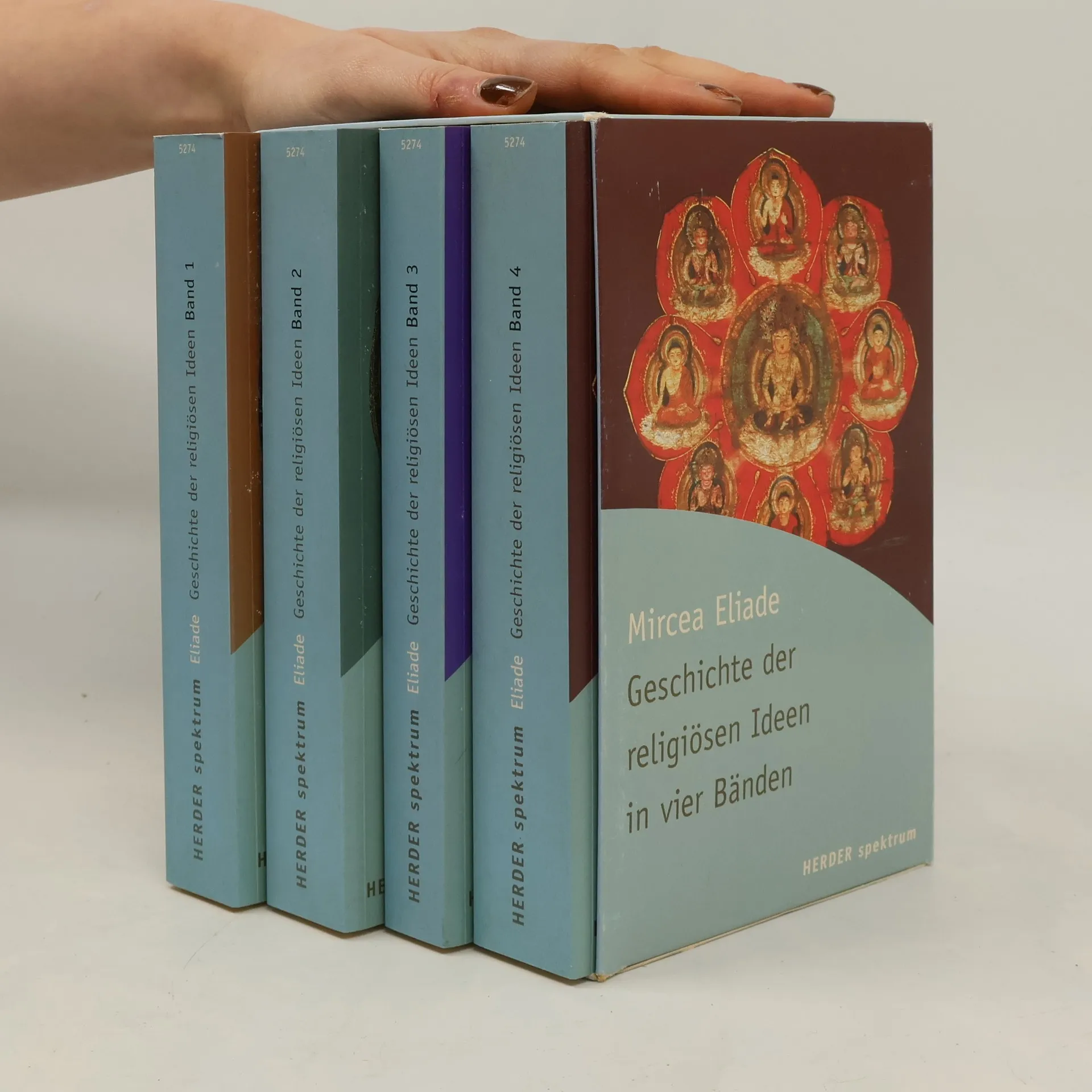
Eine gewaltige geistige Unternehmung, fesselnd und allgemeinverständlich aufbereitet" (Süddeutsche Zeitung). "Wer Eliades Werk liest, wird beschenkt und gewinnt nicht nur ein Verständnis der Religionen, sondern auch der Erkenntnis der Welt, in der wir leben" (Die Welt).
Isabelle und die Wasser des Teufels
- 220pages
- 8 heures de lecture
O islame
- 189pages
- 7 heures de lecture
Eliade sa zaoberá rozmachom islamu, jeho vpádom do Stredomoria a na Blízky východ. Rozoberá Moslimské teologické a mystické systémy v samostatnej kapitole. Druhú časť knihy tvorí antológia pramenných islamských textov. Výber z Koránu a texty moslimských teológov a mystikov ilustrujú Eliadeho historický a náboženský výklad. Knihu O Islame dopĺňa doslov Gabriela Pirického o historickom a náboženskom vývoji islamu od stredoveku do súčasnosti. Vydanie prvé
Společným jmenovatelem osmi próz z pera známého rumunského historika náboženství je dialektika posvátného a světského. Úlohu magična z autorových raných textů v nich přebírá složitější duchovní síla, jež skrytě zasahuje do života moderního člověka. Eliade v nich vytváří nový, neokázalý typ fantastična, jehož protagonisty jsou vesměs tuctoví lidé, kteří se proti své vůli dostávají do mimořádných situací a navzdory všemu dál zůstávají přesvědčeni o normálnosti své existence. Trpí podivnou ztrátou paměti a jediný způsob, jak lze záplavě neklamných příznaků paradoxní, paranormální existence čelit, je fabulace. Snovat příběhy podle autora totiž znamená možnost zachovat přítomnost mýtu ve světě, který už dávno pozbyl svůj posvátný rozměr.
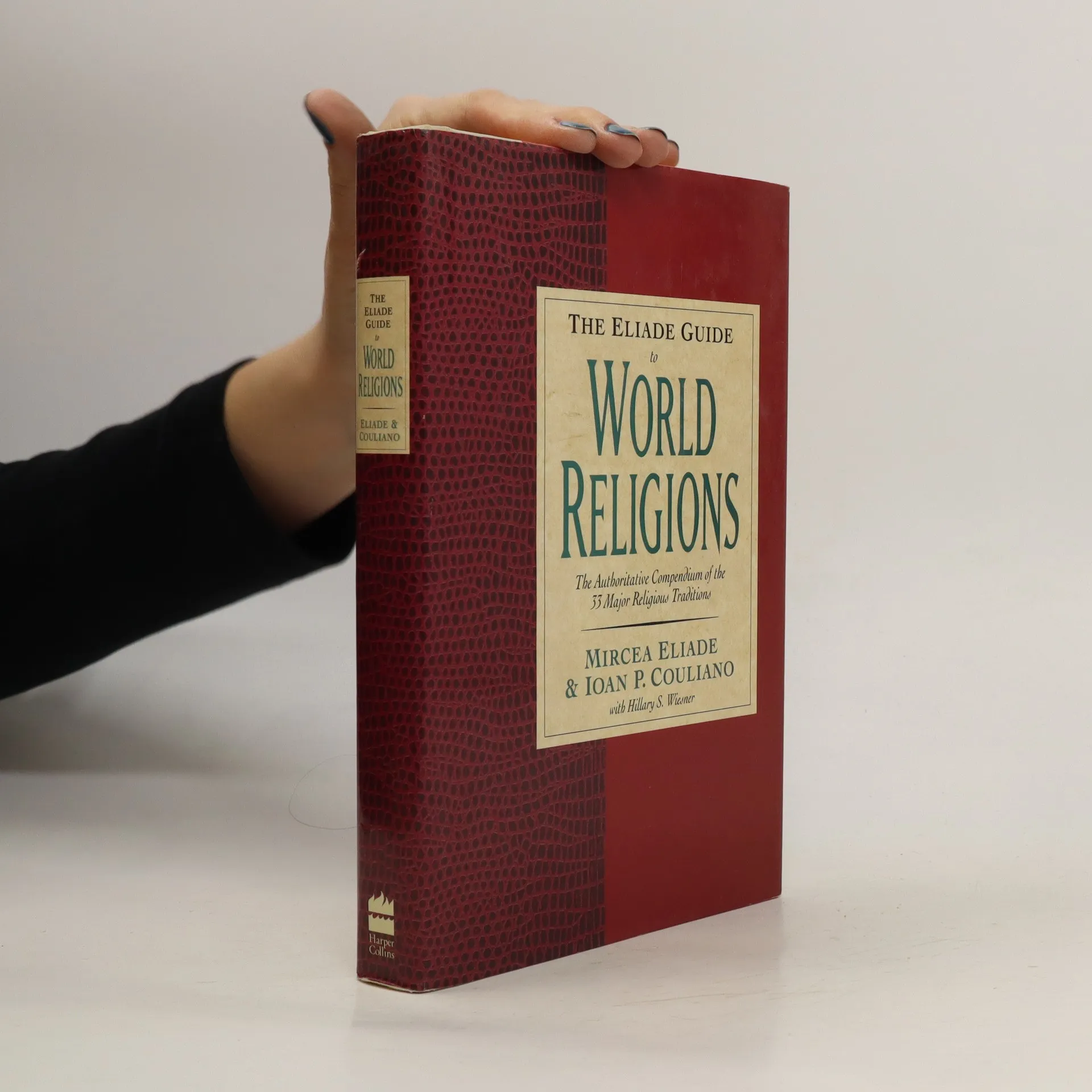
The HarperCollins Concise Guide to World Religions
- 320pages
- 12 heures de lecture
The definitive dictionary of the world's religions, compiled by two of the 20th century's most distinguished religion scholars. This highly accessible resource distils Mircea Eliade's lifework of detailing and comparing humanity's entire religious heritage, providing fascinating insights into the character and worldview of the 33 principal religions. Including Buddhism, Christianity, Jainism, Judaism, Islam, Shinto, Shamanism, Taoism, South American religions, Baltic and Slavic religions, Confucianism, and the religions of Africa and Oceania, The HarperCollins Concise Guide to World Religions covers all kinds of religious figures, histories, sacred texts, mythologies, and mystical techniques.
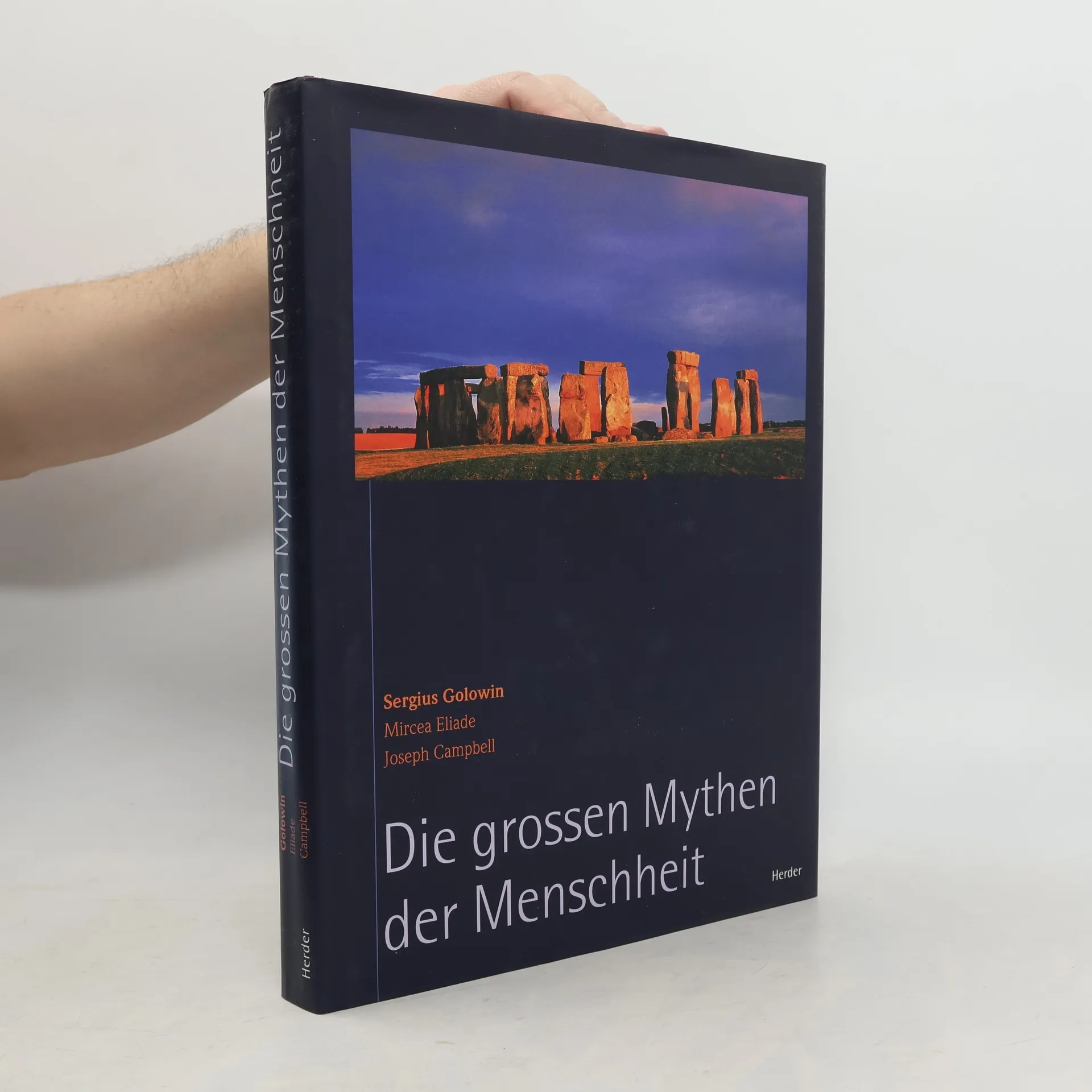
Die großen Mythen der Menschheit
- 304pages
- 11 heures de lecture
"Im Anfang war das Wort, und Gott 'Es werde Licht'." So präsentiert sich der christliche Schöpfungsmythos. Während wir eine Vorstellung vom Weltuntergang und dem jüngsten Gericht haben, haben auch andere Kulturen über Jahrhunderte hinweg Mythen und Sagen hervorgebracht, die ihre Weltanschauungen widerspiegeln. Schon frühe Stämme drückten in Höhlenmalereien ihre Geschichten über Jagd, Geburt und Schamanismus aus. Die Anbetung von Erdmuttergottheiten war unter den Menschen weit verbreitet. Sergius Golowin hat einen bildreichen Leseband veröffentlicht, der eine umfassende Übersicht über Menschheitsmythen und Götterwelten bietet. Er beginnt bei den afrikanischen Mythen und reist über das Mittelmeer, die nordischen Länder und den Nahen Osten bis nach Ozeanien und Amerika. Thematisch behandelt er die Entstehung des Kosmos, ägyptische Götter und monotheistische Reformen. Besonders informativ ist sein grafisch bebilderter Stammbaum der griechischen Götterwelt, der die komplexen Beziehungen verdeutlicht. Die Weltesche Yggdrasil und zahlreiche Tragikhelden wie Sigurd, Orpheus und Gilgamesch werden vorgestellt. Golowin beleuchtet die Vielfalt der Tiergottheiten und die Vorstellungen von Seelenwanderung. Dieses Werk richtet sich sowohl an Spezialisten als auch an Einsteiger und ist ein ideales Buch für die besinnlichen Tage am Jahresende.
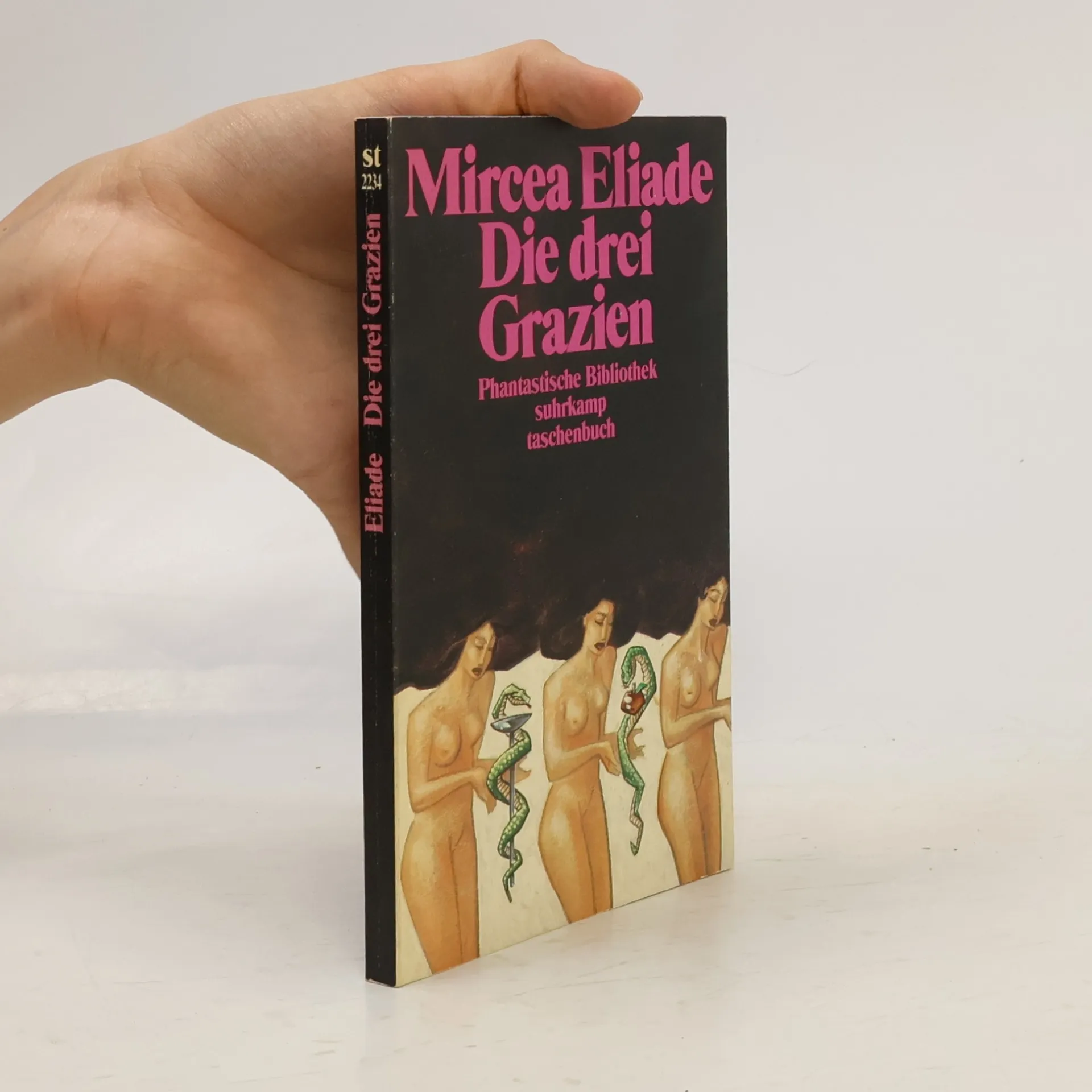
Die drei Grazien. Phantastische Erzählungen
- 101pages
- 4 heures de lecture
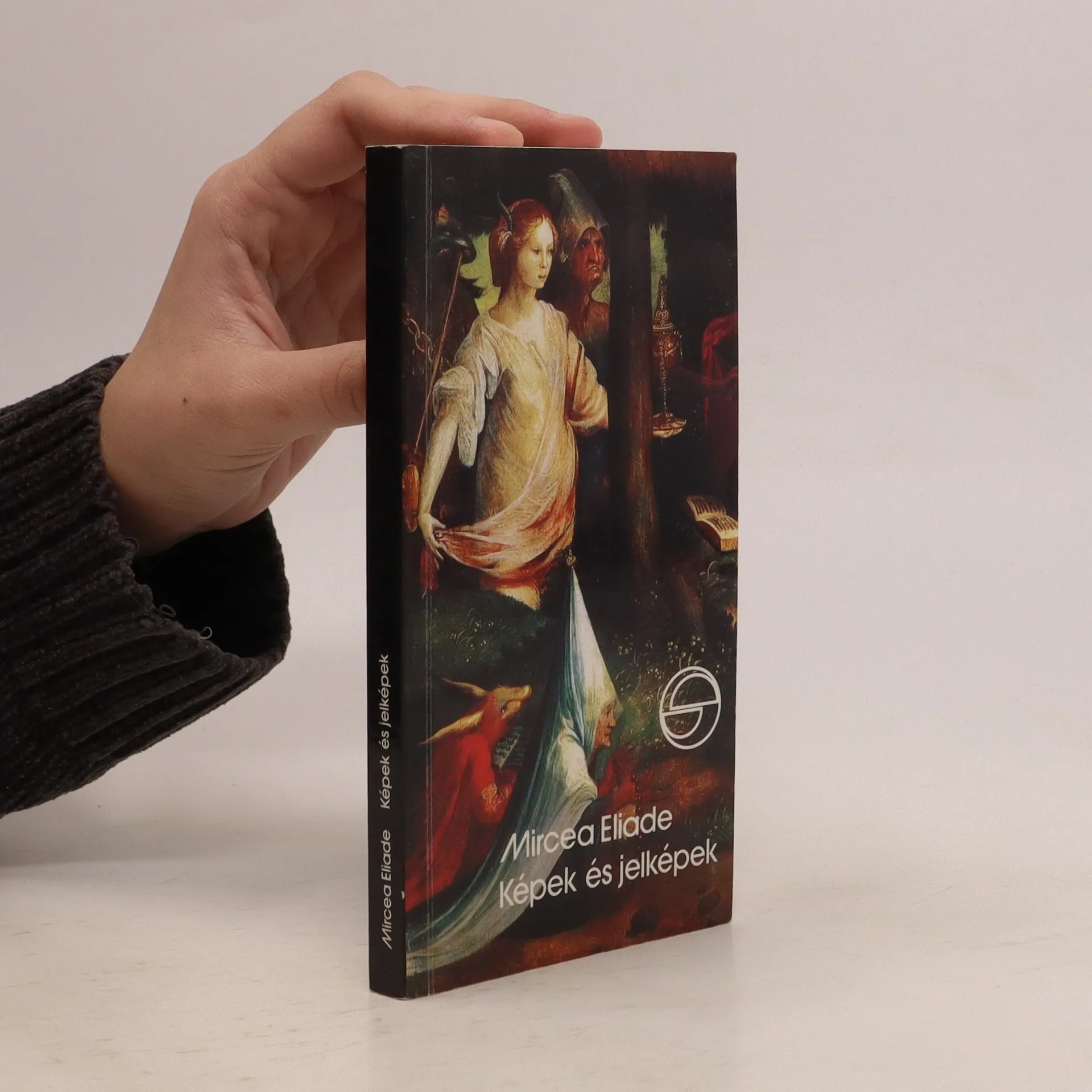
Képek és jelképek
- 230pages
- 9 heures de lecture
Mircea Eliade – a vallási hagyományok és gyakorlatok egyik legismertebb értelmezője – ebben a könyvben bemutatja, hogy a mítoszok és szimbólumok olyan gondolkodási módok, amelyek nemcsak megelőzték a racionális gondolkodást, hanem továbbra is lényeges részét képezik az emberi tudatnak. Elemzi és leírja a legbefolyásosabb és legelterjedtebb szimbólumokat, amelyek sokszor és sok szinten uralták a nyugati és keleti mitológiai gondolkodást, például a középpont, az idő és az örökkévalóság, a csomók és a kötés, valamint a kagylók és a víz elem szimbolikáját.
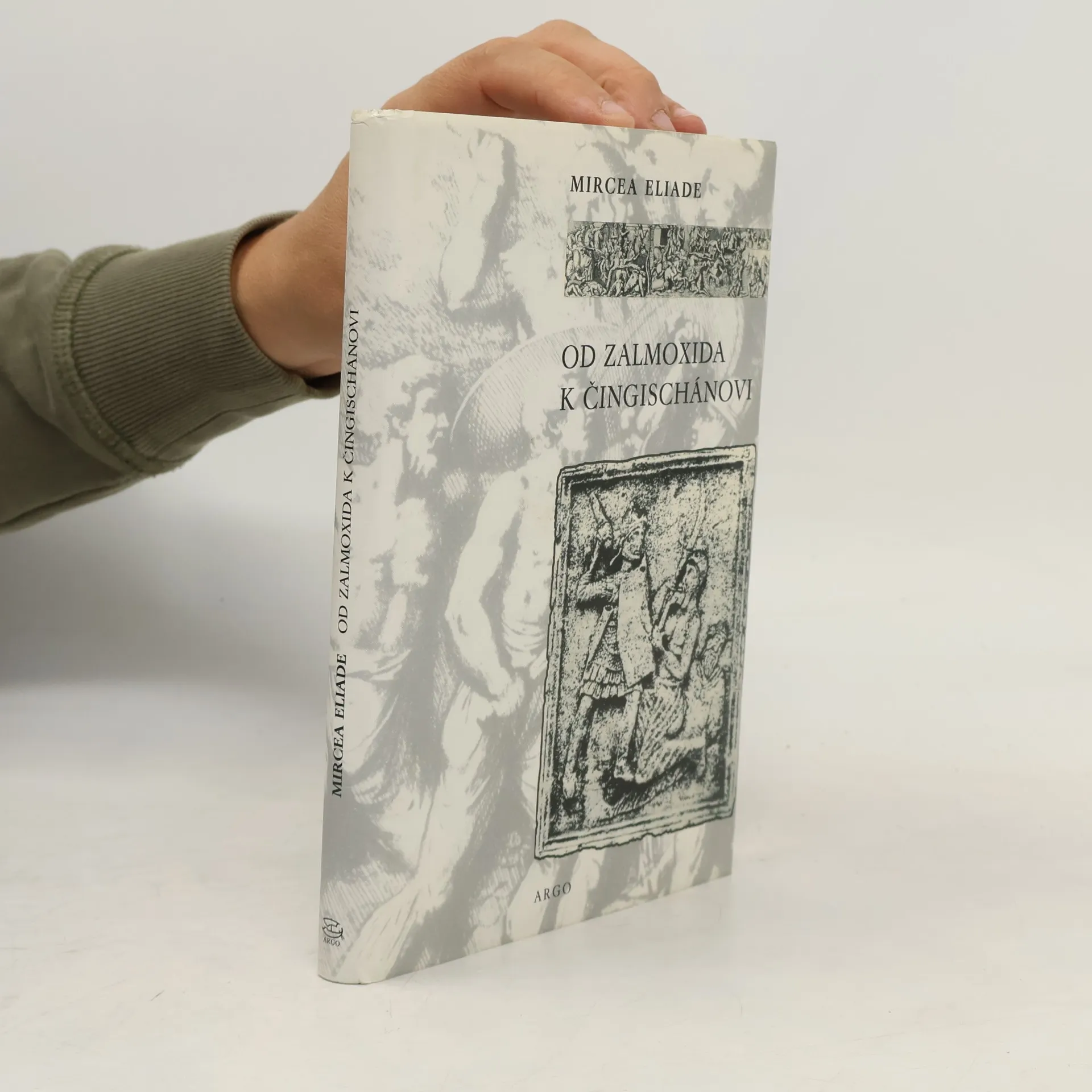
Od Zalmoxida k Čingischánovi. Srovnávací studie o náboženstvích a folkloru Dácie a východní Evropy
- 218pages
- 8 heures de lecture
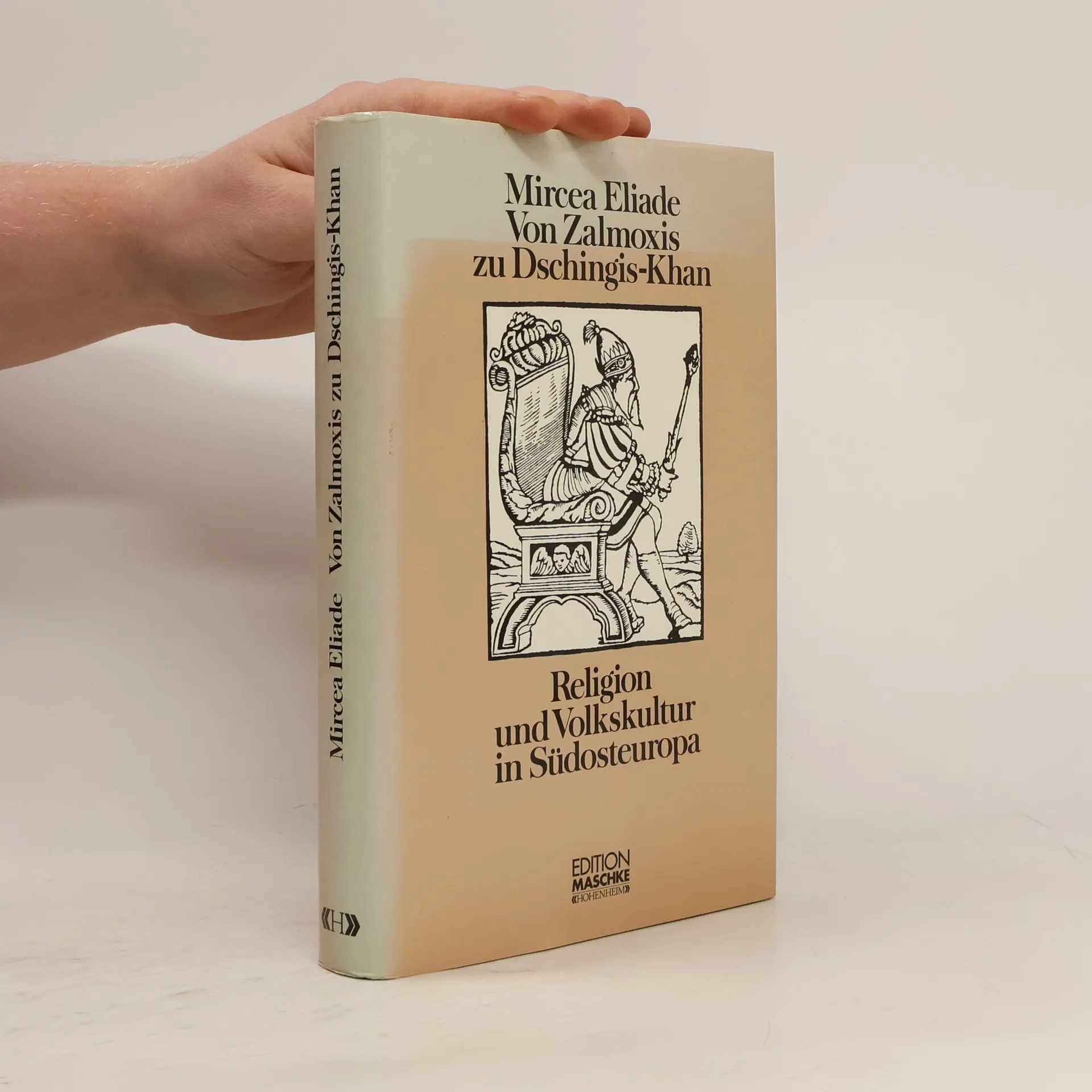
Známý autor se věnuje archaickému kulturnímu dědictví v evropských i mimoevropských mýtech, rituálech a zvycích. Jak přišli Dákové, podle praotce evropského dějepisu Hérodota „nejstatečnější a nejspravedlivější" z Thráků, ke svému rodovému jménu, které znamená „vlci"? Je možno považovat Zalmoxida, původně prý Pythágorova otroka, za boha země s mysterickým kultem? Jak si vysvětlit „únavu Boha“ v některých lidových kosmogonických mýtech na Balkáně, ale i ve střední Evropě a v Asii? Co soudit o úloze rituálního lovu v hájích spojených se založením osady, města či státu?Jakou úlohu hraje lidská oběť při stavebních rituálech? Mohl na rumunském venkově přežít šamanismus či kult bylin „života a smrti“? Je odevzdanost pastýře tváří v tvář smrti v nejznámější rumunské lidové baladě Jehnička osudovým povahovým rysem celého národa? Na tyto a mnohé jiné otázky odpovídá Eliade s erudicí a elegancí sobě vlastní, osvětluje je na základě studia archaického kulturního evropského i mimoevropského podloží a snaží se „zaujmout cizince, aby tuto knihu četl s týmž zájmem, jako čte nebo četl o Řecích nebo Afričanech a Indech“. Český čtenář, který se s Eliadovými statěmi seznámí, bude nucen uznat, že se mu to podařilo.
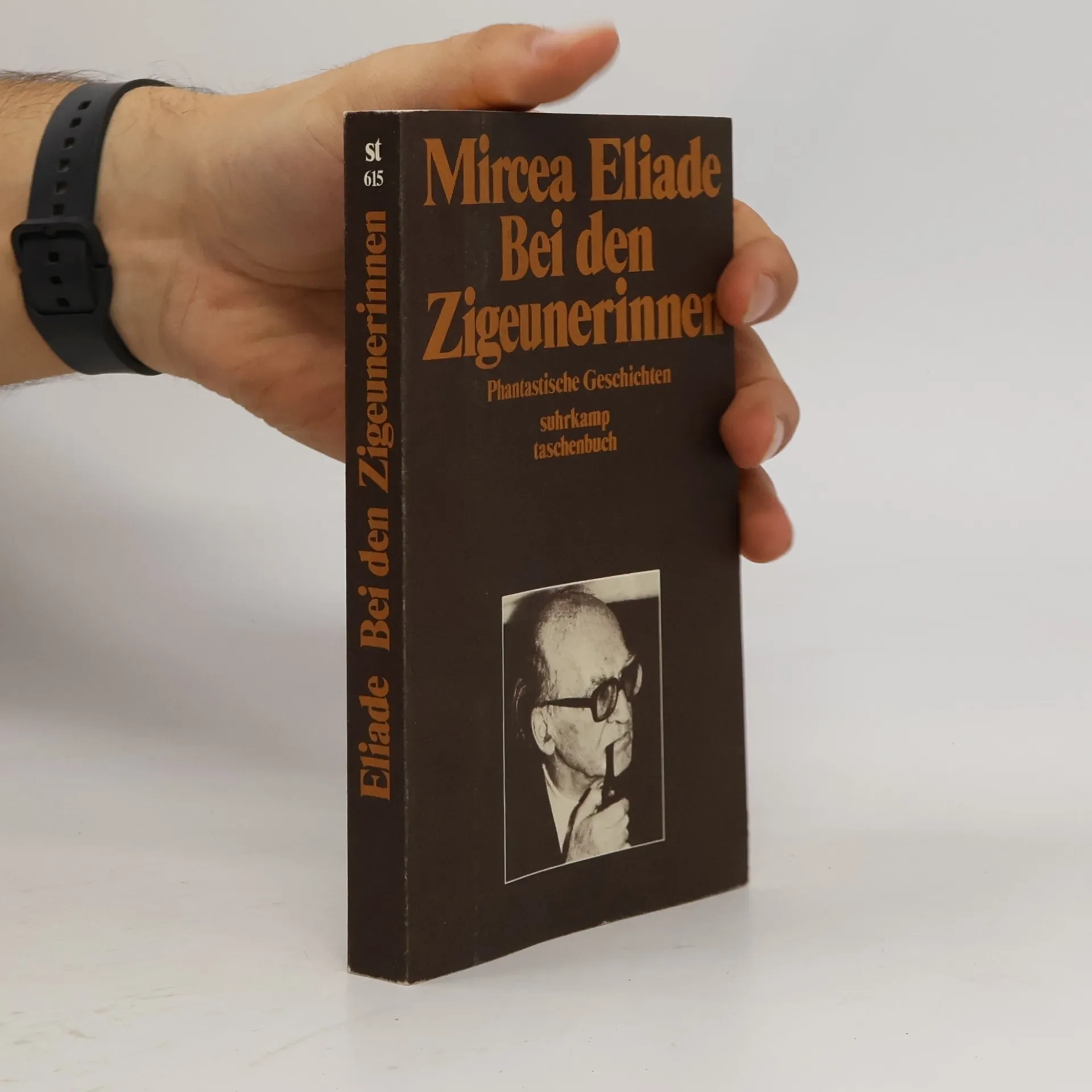
Čtyři povídky známého rumunského spisovatele a religionisty.
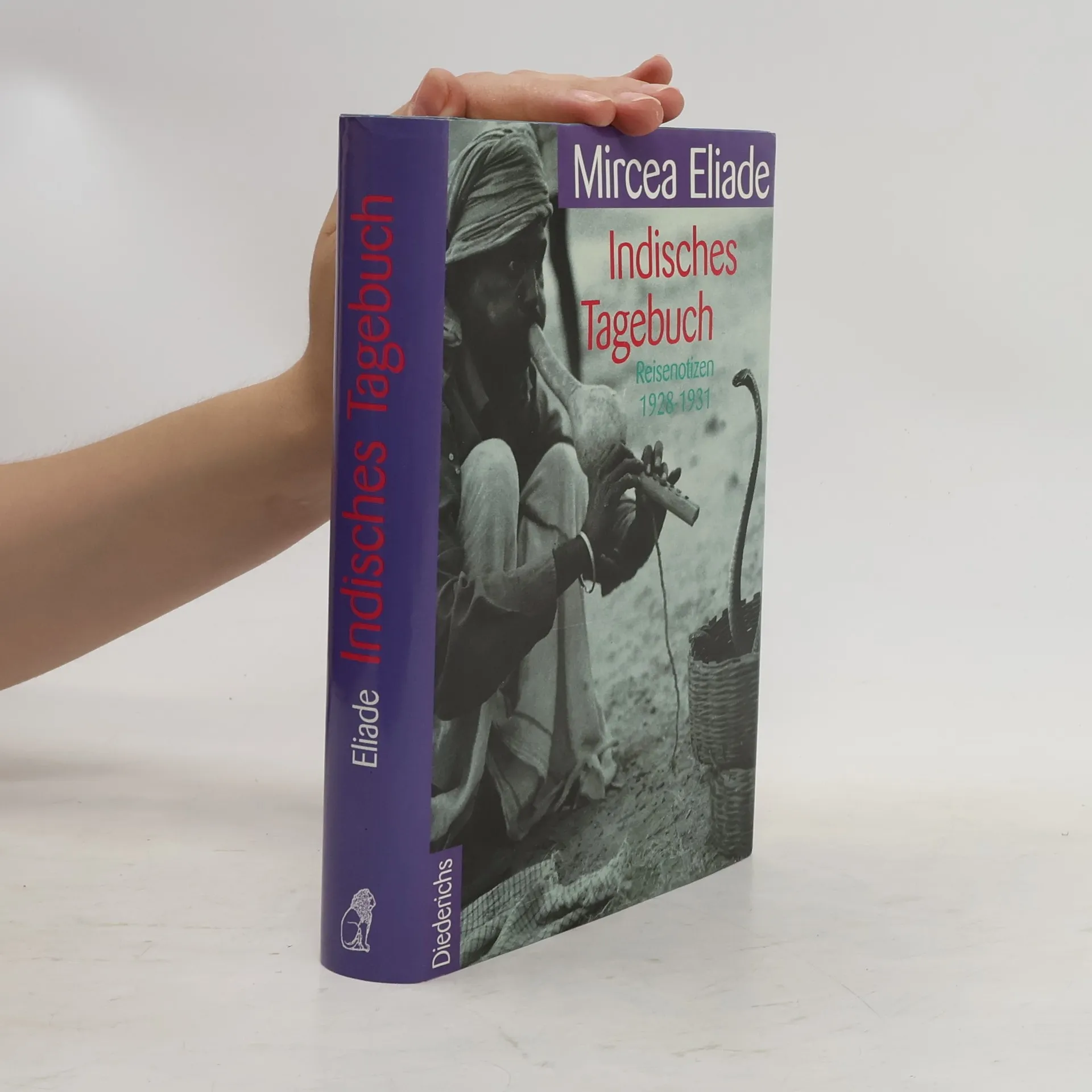
Indisches Tagebuch
- 396pages
- 14 heures de lecture
Von 1928 bis 1931 reiste der rumänische Religionshistoriker und Schriftsteller Mircea Eliade zum erstenmal durch Indien und das Himalaya-Gebiet. Er erlebte Landschaften und Natur, Orte mit Straßenleben und Basaren, Hochzeitsfeierlichkeiten und Begräbniszeremonien, hatte Begegnungen mit Einsiedlern, Mönchen, Bauern, Dichtern, Propheten, Leprakranken. Die Aufzeichnungen, die er damals machte, liegen jetzt erstmalig in deutscher Sprache vor.
Der besessene Bibliothekar
- 357pages
- 13 heures de lecture
Mircea Eliade, geboren 1907 in Bukarest. Er studierte 1925-31 in Bukarest und Kalkutta; längerer Aufenthalt im Himalaya-Gebiet, ausgedehnte Asien-Reisen. Seit den fünfziger Jahren bis zum seinem Tod 1986 Professor für Religionswissenschaft in Chicago.
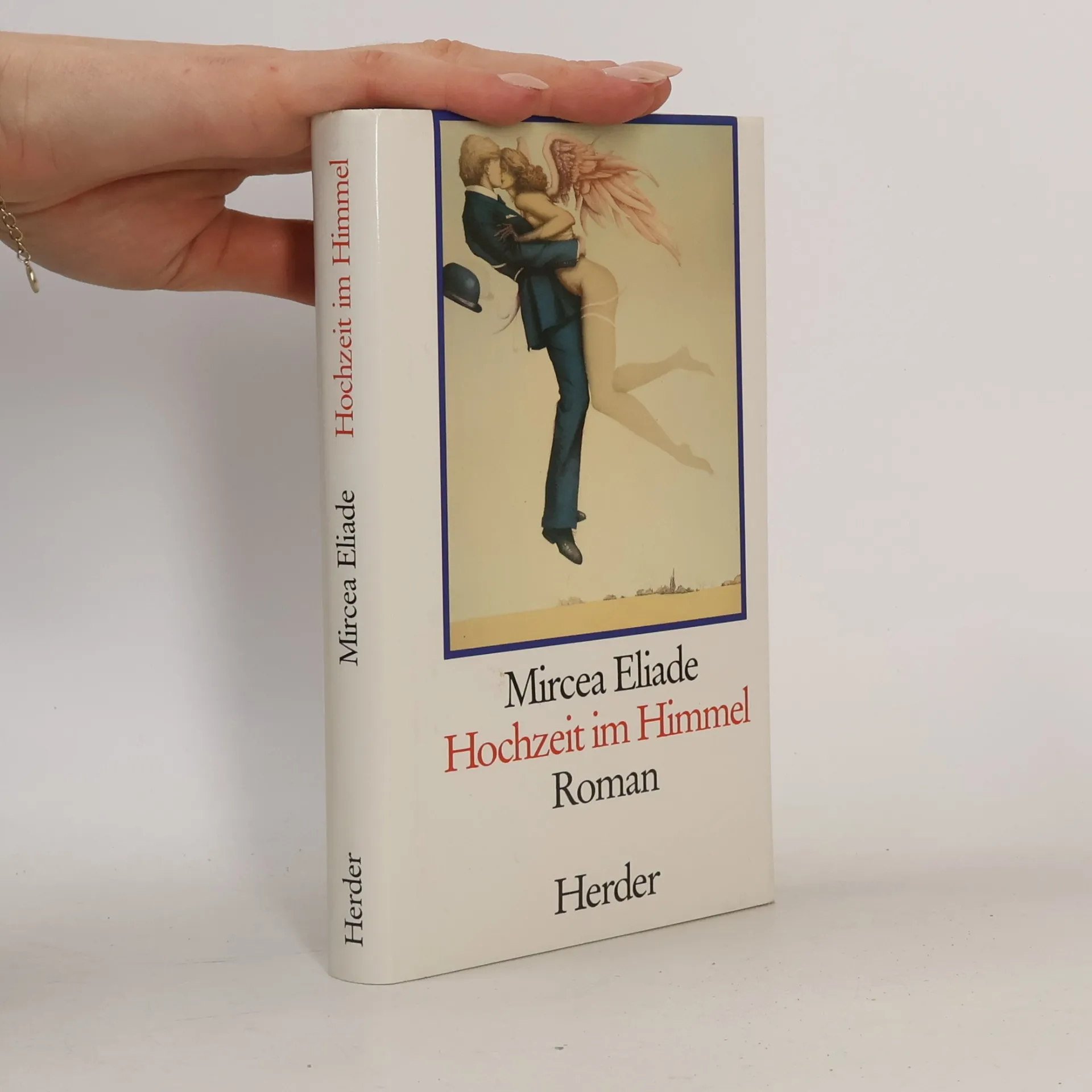
Hochzeit im Himmel. Roman. Aus d. Rumän. u. Nachw. v. Marianne Sora
- 208pages
- 8 heures de lecture
Eines Nachts, außerhalb des gewohnten Ablaufs des Lebens, treffen sich Mavrodin und Hasnas in den geheimen, heilenden Räumen des Geständnisses. Jeder von ihnen blickt auf seine Vergangenheit, auf seine einzigartige Begegnung mit einer Frau. Nach den Worten des Autors ist „Hochzeit im Himmel“ ein „Roman über die Liebe, aber nicht wie sie in anderen Romanen beschrieben wird, sondern über die reine, vollkommene Liebe, die unmöglich wird, sobald man versucht, sie in Zeugung, in die Schaffung eines eigenen menschlichen Fortbestehens zu verkörpern“... Warum gelingt es dem Menschen nicht, sein Glück zu begreifen und festzuhalten? Was bedeutet es eigentlich, zu lieben? Der Roman von Mircea Eliade bewegt, weckt Regungen und Gedanken, denn jeder von uns trägt im Herzen den lebhaften Abdruck der Liebe – als Erinnerung, als Traum, als einzigen Lebenssinn. Die Prosa des bekannten rumänischen Schriftstellers, Kulturwissenschaftlers und Philosophen Mircea Eliade (1907–1986) entführt uns in die Welt des tief Erlebten, sprengt die Grenzen der materiellen Welt und der Realität und bietet uns einen erschütternden Blick auf die tiefsten menschlichen Erfahrungen.
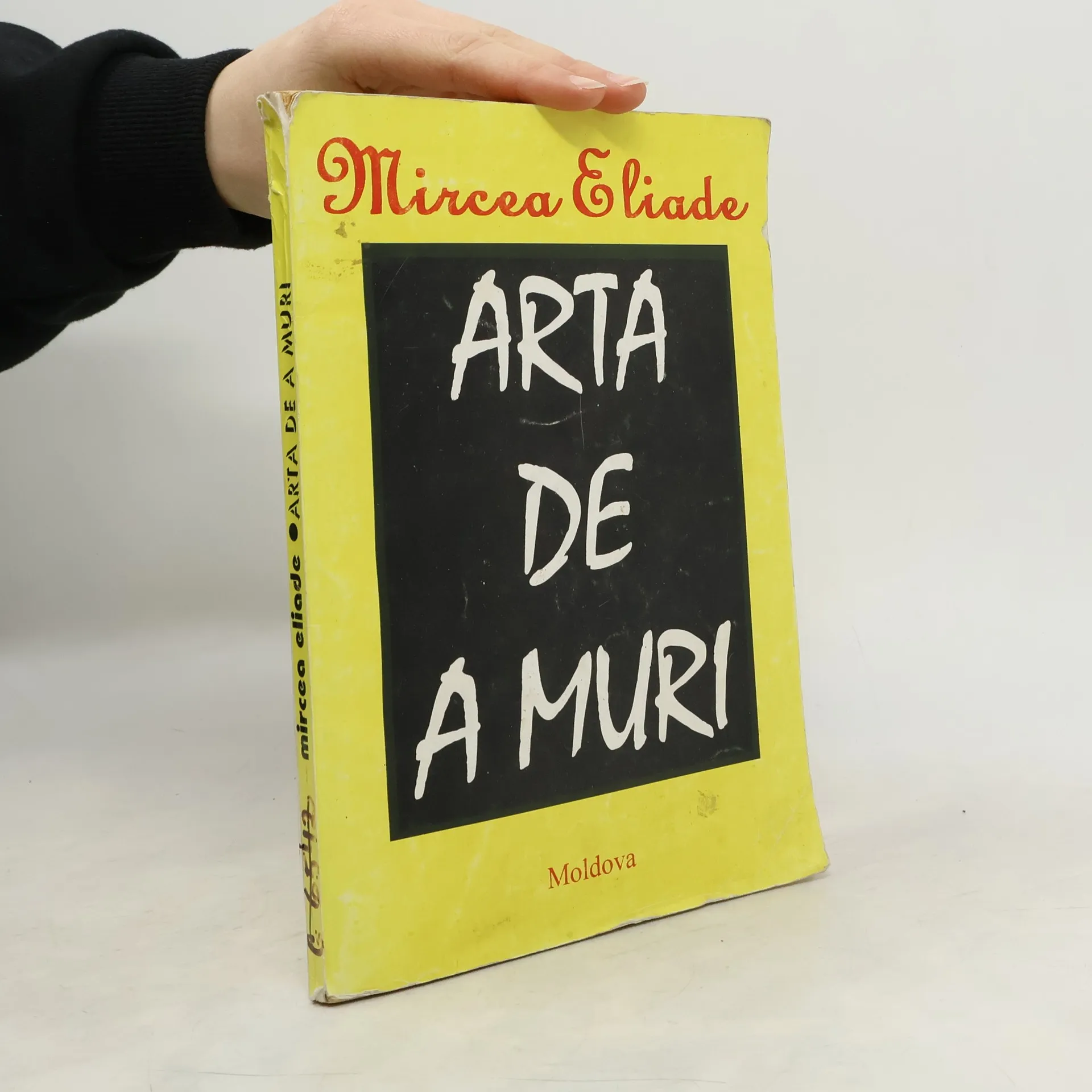
Arta de a muri
- 269pages
- 10 heures de lecture
Romanian
Veröffentlicht 1937 unter dem Titel Sarpele , markiert der Band von Mircea Eliade den endgültigen Bruch des Autors mit der Prosa, die den politischen Turbulenzen seiner bewegten Generation gewidmet ist. Ab diesem Roman und den hier enthaltenen Erzählungen verlieren seine Helden allmählich den Bezug zu einer als immer authentischer empfundenen Alltagsrealität. Ihr Dasein ist schmerzhaft zerrissen zwischen zwei unversöhnlichen Realitäten: der Banalität des täglichen Lebens und der zunehmend schwer zugänglichen Welt authentischer Erfahrungen. Daher streben sie, obwohl sie im Hier und Jetzt verankert sind, intensiv nach der Befreiung von der drückenden Last des Alltags. Die Zeichen der lang ersehnten Erlösung erscheinen als ein undurchdringliches Geheimnis, das in ihr Leben einbricht, sei es in Form einer Figur, einer tiefen Sehnsucht nach Abenteuer oder einer aufwühlenden Nostalgie nach Reinheit.
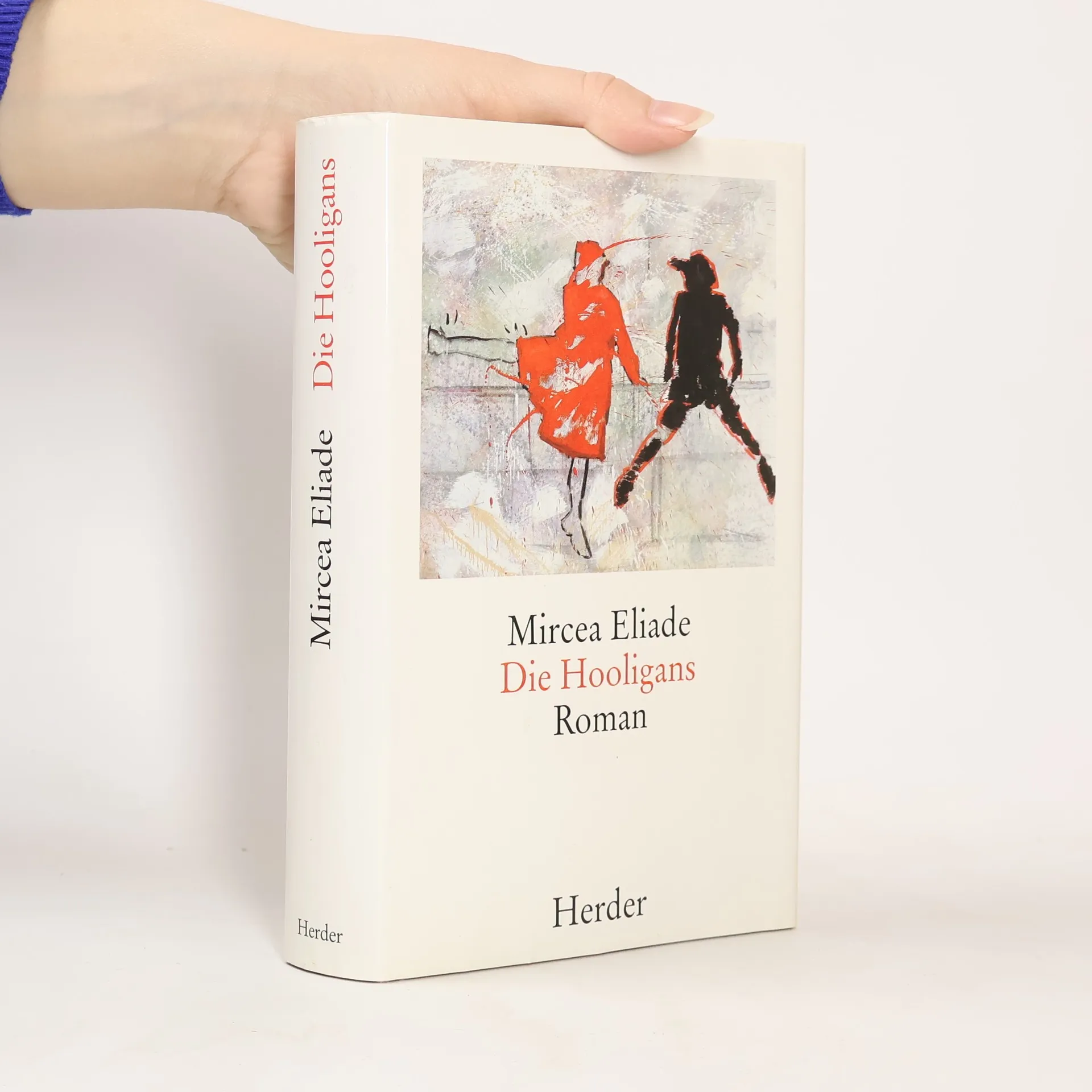
Die Hooligans
- 358pages
- 13 heures de lecture
Der Religionswissenschaftler Mircea Eliade (1907-1986) hat auch ein literarisches Werk von beachtlichem Rang vorgelegt. In seinem Roman "Die Hooligans" hält er der dekadenten bürgerlichen Gesellschaft der 30er Jahre einen Spiegel vor. In einem vielfach geknüpften Netz der Handlung setzt er Einzelschicksale, Liebschaften und "weltverbesserische" Diskussionen zu einem sozialen Mosaik der intellektuellen "jeunesse doree" Bukarests zusammen.
Základní příručka světových náboženství z pera dvou předních světových odborníků v oblasti dějin náboženství. Jednotlivá hesla jsou rozdělena podle zeměpisných oblastí a dále pak chronologicky. Četné odkazy na dílčí jevy, božstva, různé náboženské skupiny a hnutí jsou obsaženy v rejstříku. Kniha, vycházející v českém překladu už podruhé, poskytne nejen poučení zájemcům o religionistiku, ale je rovněž užitečnou pomůckou pro všechny, kdo se v rámci svého zaměstnání setkávají s jim neznámými pojmy z různých náboženství světa.
Noaptea de Sânziene 1
- 720pages
- 26 heures de lecture
Acest roman constituie poate proiectul cel mai ambiţios al lui Mircea Eliade, acela de a configura un Zeitgeist, plasându-se astfel alături de romancieri europeni redutabili. Romanul recapitulează toate temele esenţiale pentru opera lui Eliade, teme care-şi găsesc ecoul atât în proza şi dramaturgia sa cât şi în opera ştiinţifică sau în publicistică. În acelaşi timp, romanul reprezintă un mare semn de adio, este un roman al despărţirilor, al rupturilor, al unei lumi dispărute care va continua să-l obsedeze pe scriitor şi asupra căreia acesta va mai reveni, dar niciodată cu acest suflu, cu o astfel de anvergură. (ANGELO MITCHIEVICI)
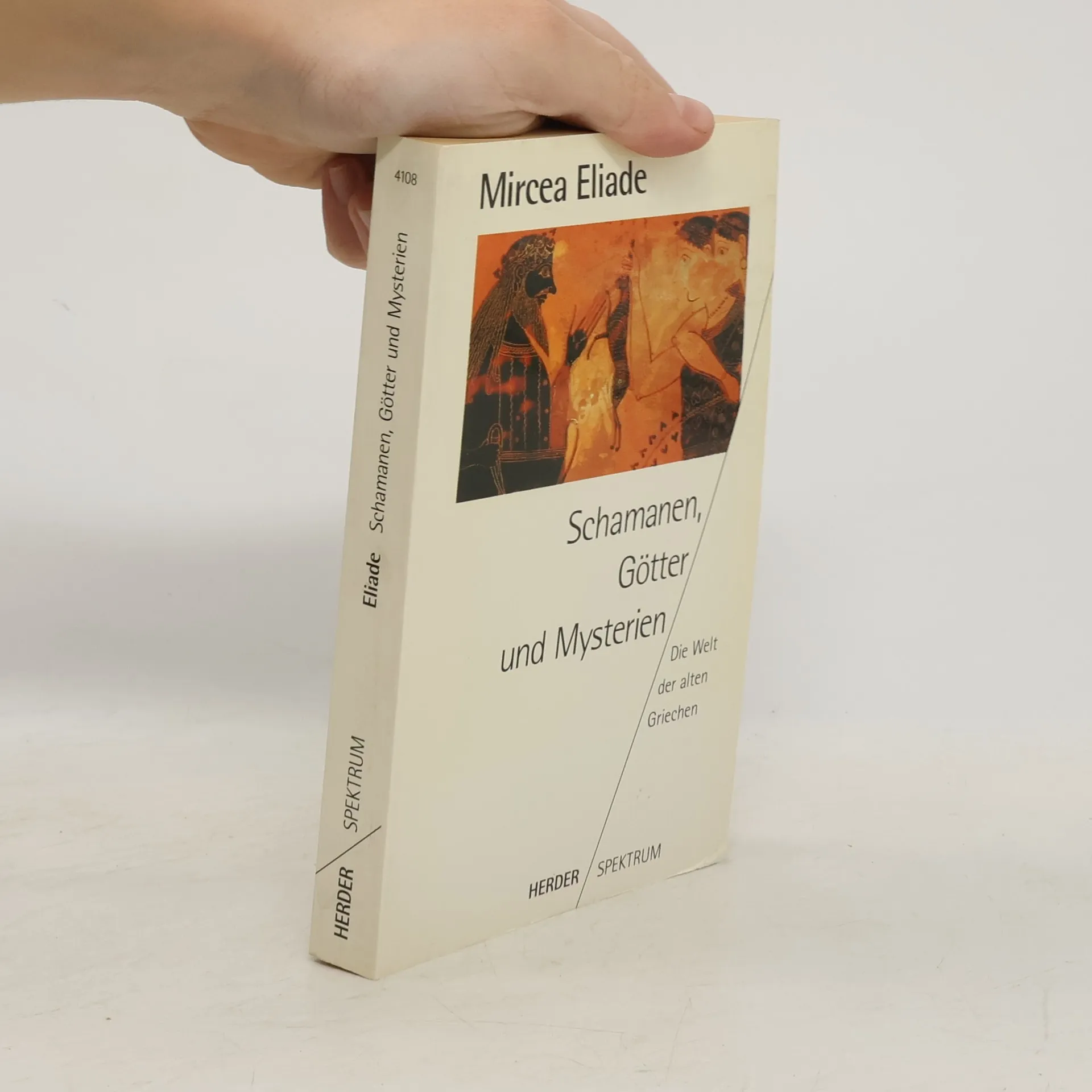
Schamanen, Götter und Mysterien. Die Welt der alten Griechen
- 286pages
- 11 heures de lecture
First published in 1951, "Shamanism" soon became the standard work in the study of this mysterious & fascinating phenomenon. Writing as the founder of the modern study of the history of religion, Romanian emigre--scholar Mircea Eliade (1907-86) surveys the practice of Shamanism over two & a half millennia of human history, moving from the Shamanic traditions of Siberia & Central Asia--where Shamanism was first observed--to North & South America, Indonesia, Tibet, China & beyond. In this authoritative survey, Eliade illuminates the magico-religious life of societies that give primacy of place to the figure of the Shaman--at once magician & medicine man, healer & miracle-doer, priest, mystic & poet. Synthesizing the approaches of psychology, sociology & ethnology, "Shamanism" will remain for years to come the reference book of choice for those intrigued by this practice.
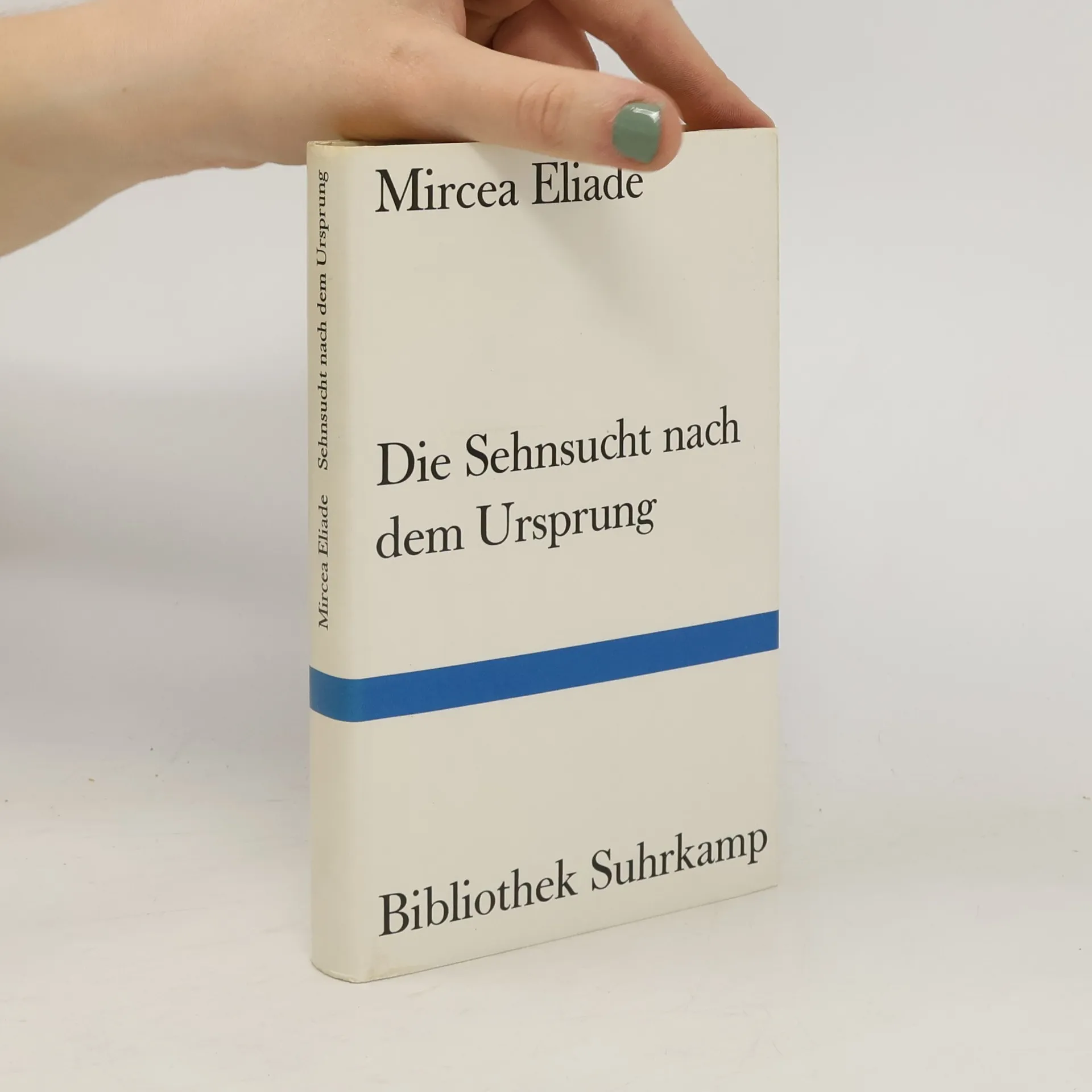
Die Sehnsucht nach dem Ursprung. Von d. Quellen d. Humanität
- 249pages
- 9 heures de lecture
Mystic Stories
- 302pages
- 11 heures de lecture
s/t: The sacred and the profane
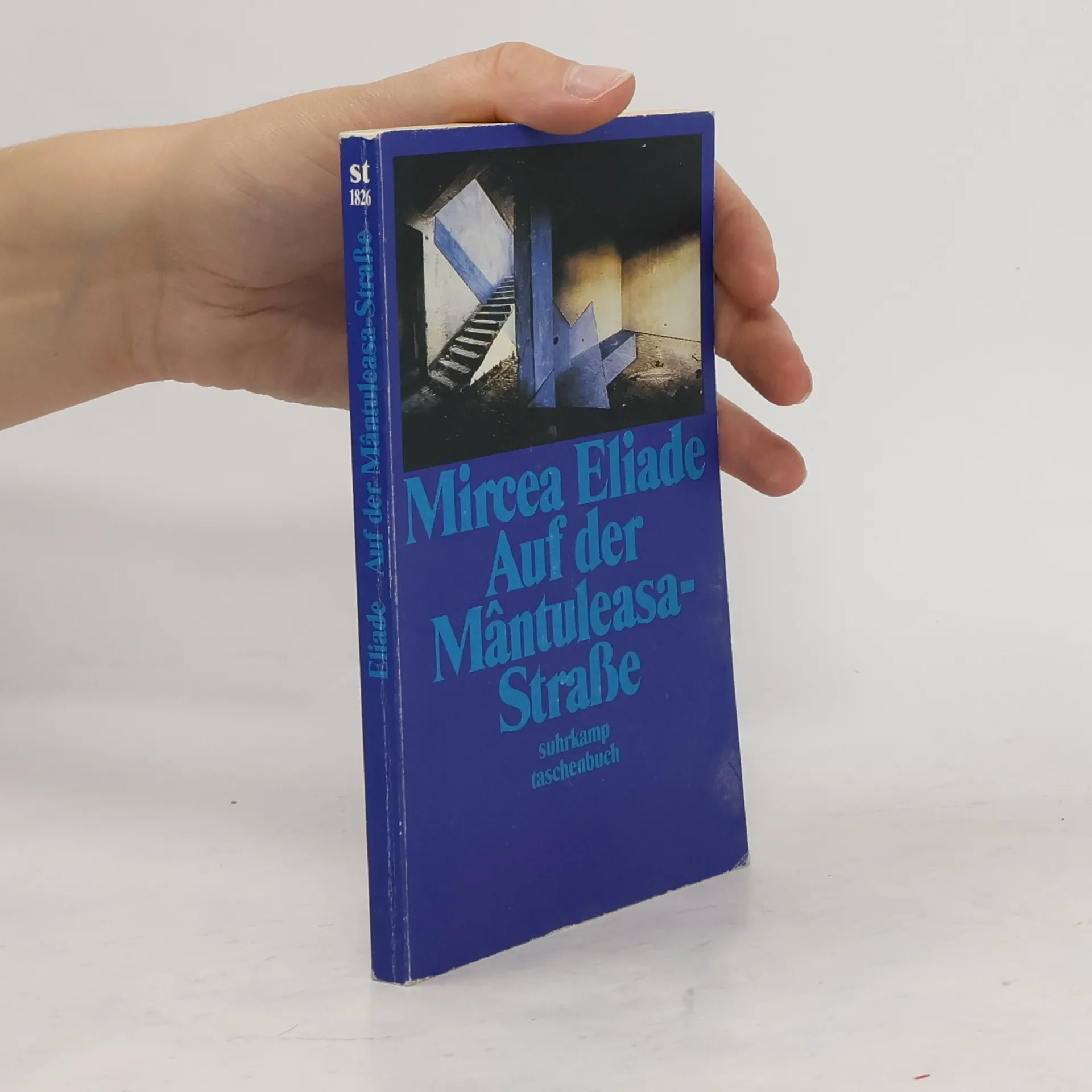
Auf der Mântuleasa-Strasse
- 166pages
- 6 heures de lecture
»Ein politischer, ein Parteiherrschaftsroman in Kafkaangst, erzählt mit dem hier frisch angewandten Trick aus Tausend-und-einer-Nacht, die Rettung in einer Schwäche der Macht suchend, ihrer Neugierde, ihrem Verfolgungswahn, ihren lauschenden gespitzten Ohren, der vom Hundertsten ins Tausendste kommenden, immer spannenderen Geschichte, das war und ist die Flucht vor Gefängnis und Tod, die den Zuhörer, den Verhörenden in ein Labyrinth undurchsichtiger Mitteilungen, unglaublicher Bekenntnisse, falscher Spuren führt, manchmal mit Schwejkschen Hasenhaken und immer hoffnungslos in die Irre. Eine erregende, eine fesselnde Lektüre von der Gegenmacht der Phantasie.« Wolfgang Koeppen
A comprehensive guide to the thirty-three major religions, including information about their origins, founders, sacred teachings, and spiritual traditions
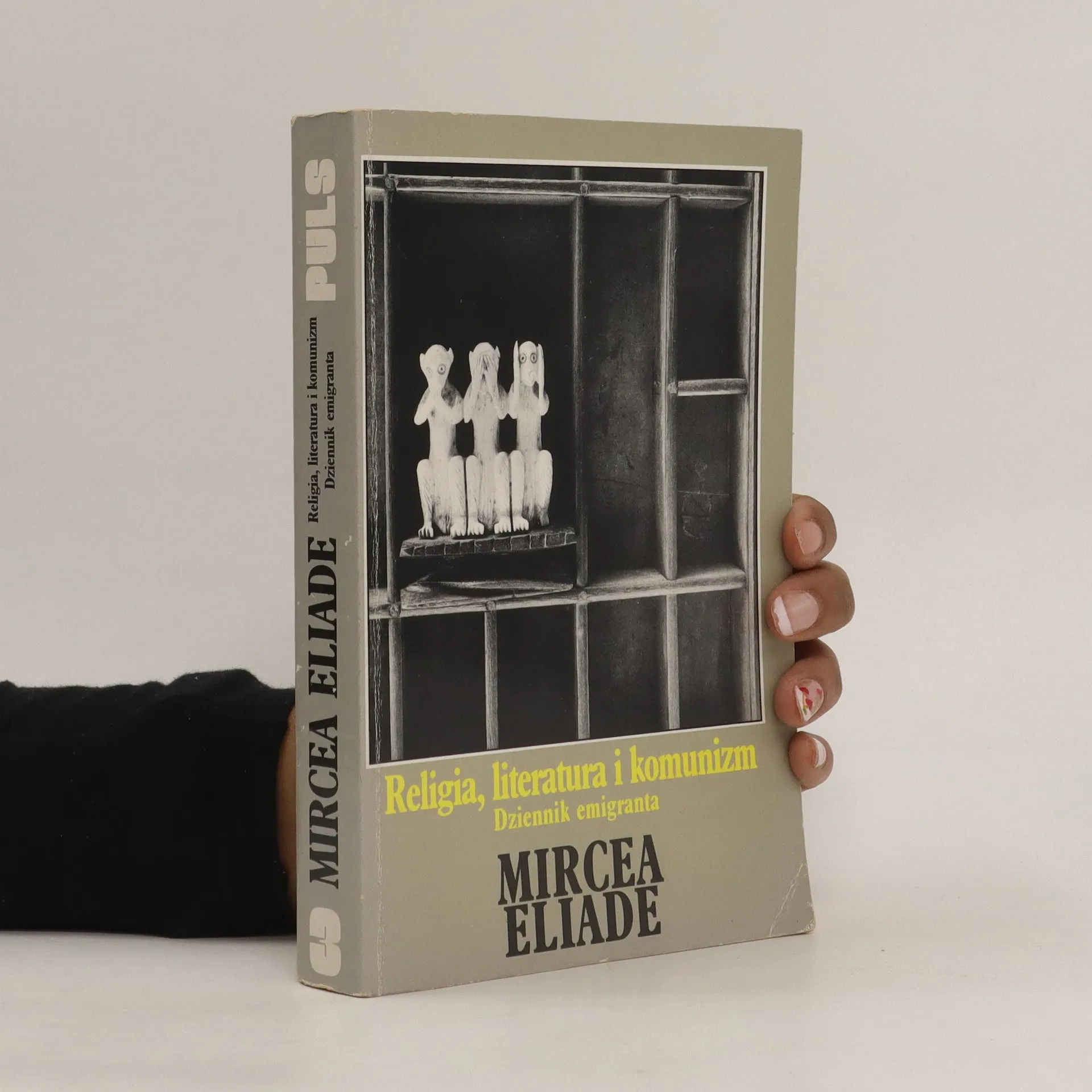
Religia, literatura i komunizm : dziennik emigranta
- 401pages
- 15 heures de lecture
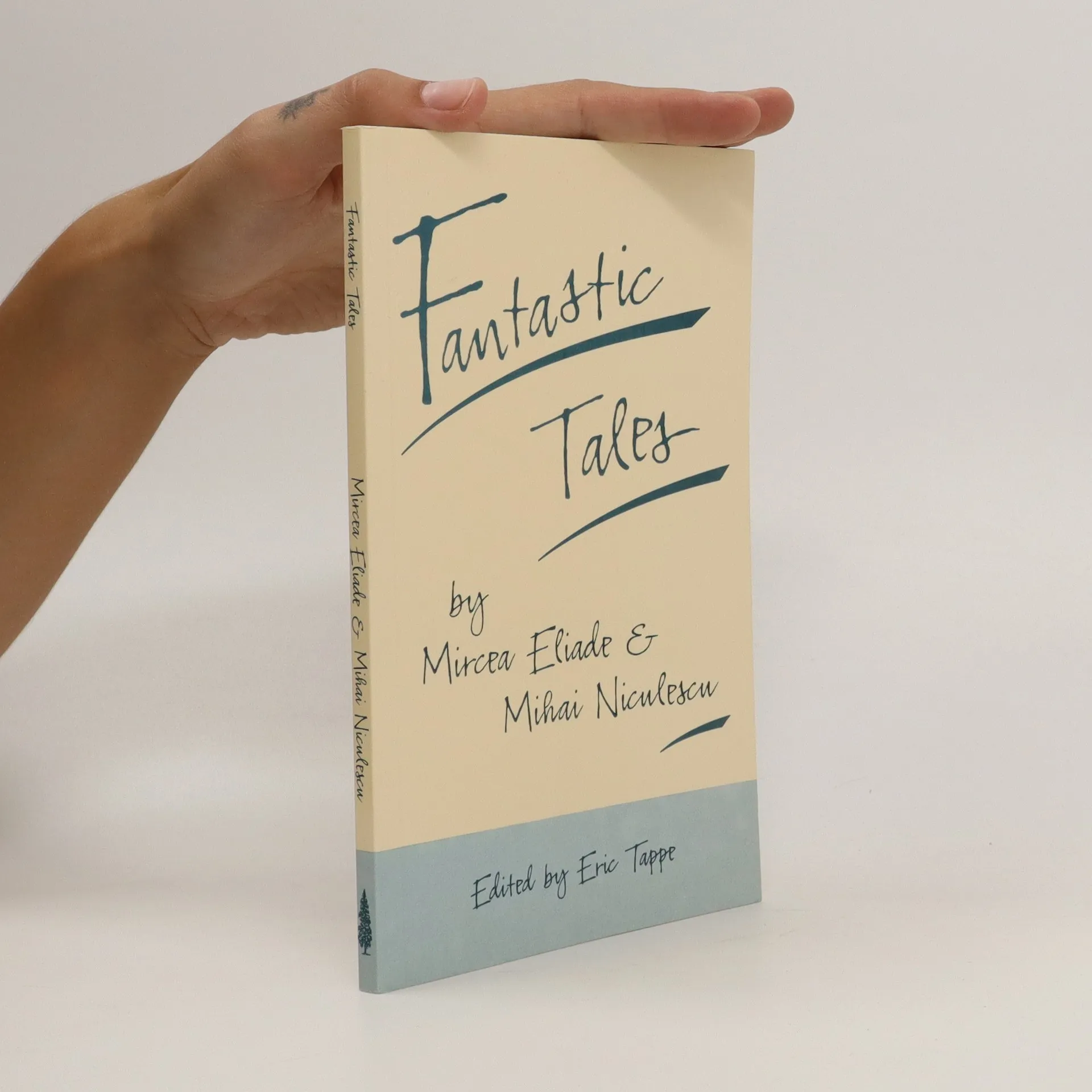
Fantastic Tales
- 108pages
- 4 heures de lecture
Mircea Eliade, a world-renowned scholar and a significant figure in Romanian literature between the two world wars, is also a major personality in Romanian fantastic literature. This volume features four of his stories, in which the author paints an exciting and peculiar world, using his expertise as a scholar of Indology and his enchanting narrative techniques.
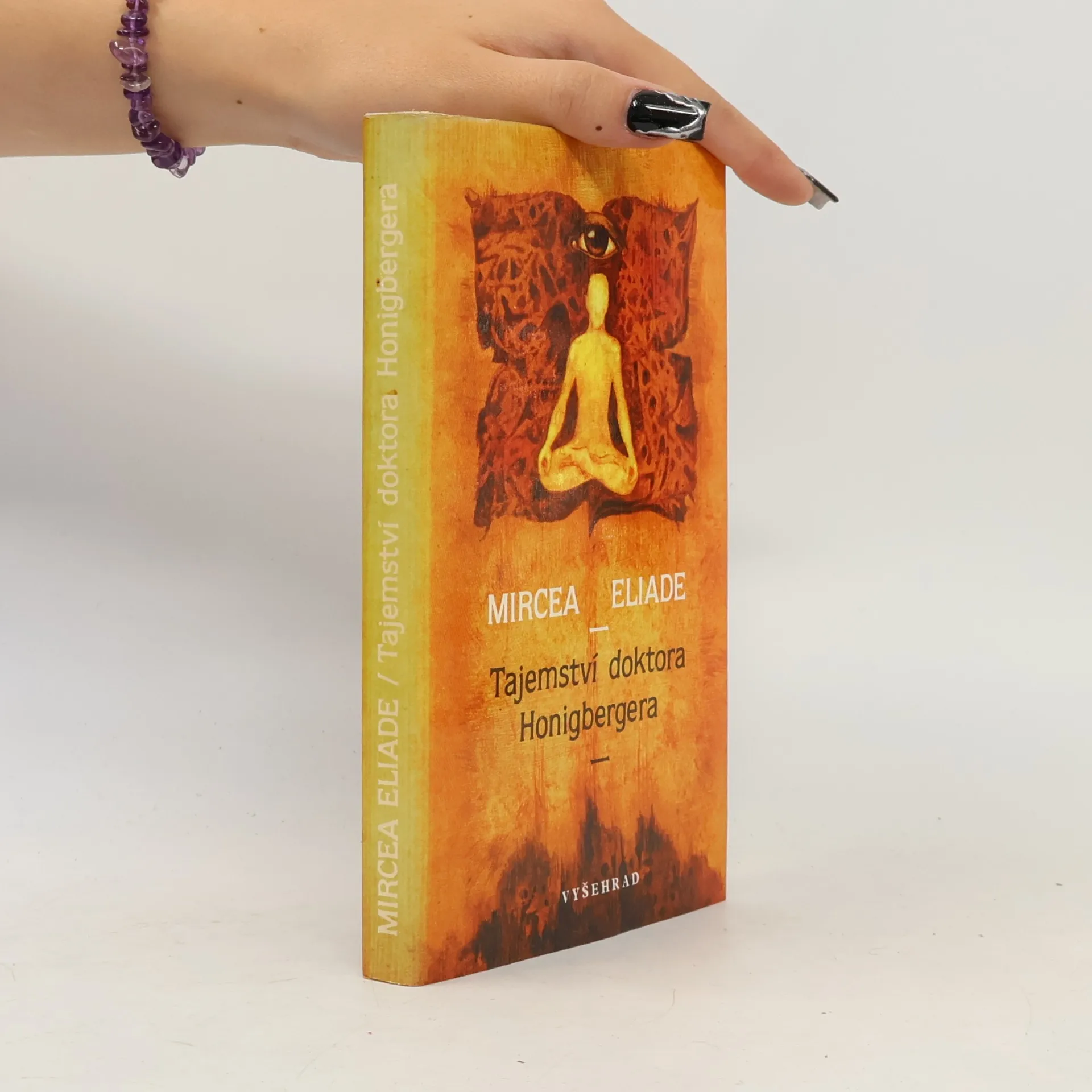
Tajemství doktora Honigbergera
- 258pages
- 10 heures de lecture
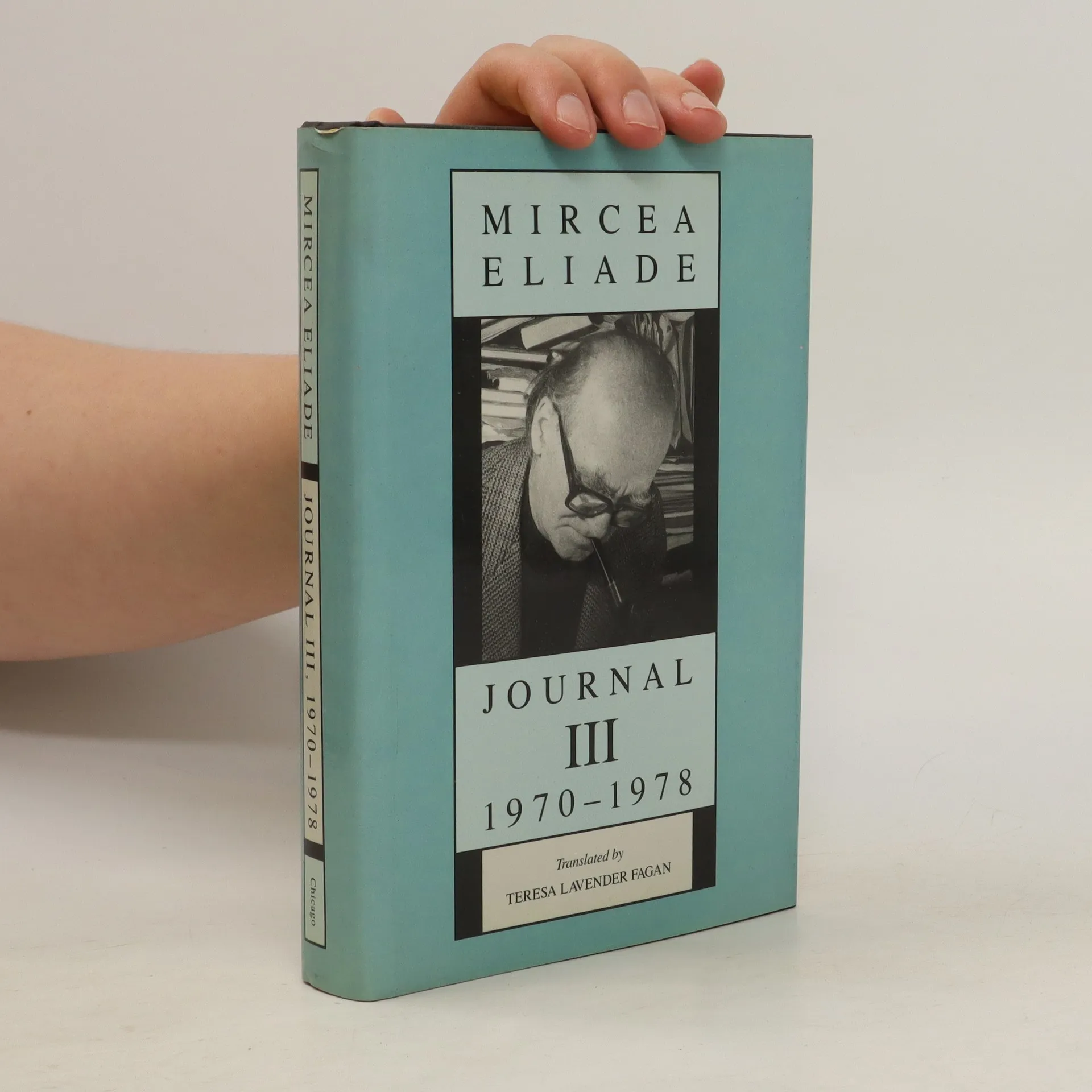
This volume of Mircea Eliade's journal serves as an eloquent chronicle of his intellectual life rather than a mere account of daily activities. The candid entries provide a revealing portrait of the esteemed scholar, showcasing his thoughts on various subjects, including his views on students seeking instruction in black magic, feminism, drug use among students, and the sexual revolution. Eliade reflects on his relationships with friends and colleagues, such as Jung, Dumézil, and Ionesco, while also expressing his preferences for certain company over others. Beyond personal insights, the journal holds cultural and intellectual significance, capturing Eliade's evolving perspectives on religion, history, and academic culture during his most active teaching years. The text juxtaposes snippets of his past with ongoing projects, travel anecdotes, and commentary on global events. For readers interested in Eliade and the history of religions, this journal offers new perspectives on his other works, including the History of Religious Ideas and Ordeal by Labyrinth. It also serves as a mature scholar's reflection on the aftermath of the 1960s, a period that significantly influenced American university life, providing valuable insights into both Eliade's life and the cultural history of that era.
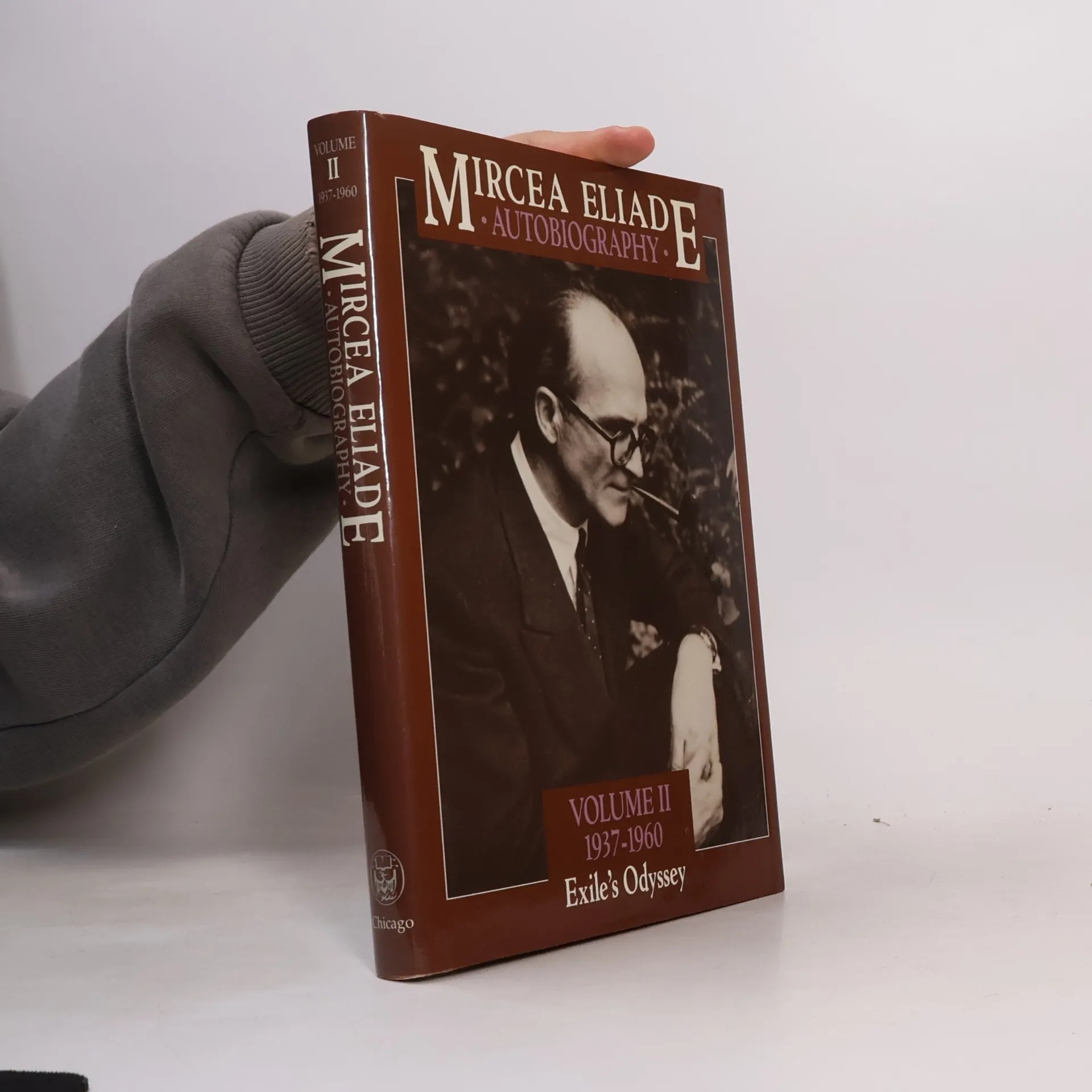
Autobiography - 2: Exile's Odyssey
- 248pages
- 9 heures de lecture
"Here finally are Eliade's memoirs of the first thirty years of his life in Mac Linscott Rickett's crisp and lucid English translation. They present a fascinating account of the early development of a Renaissance talent, expressed in everything from daily and periodical journalism, realistic and fantastic fiction, and general nonfiction works to distinguished contributions to the history of religions. Autobiography follows an apparently amazingly candid report of this remarkable man's progression from a mischievous street urchin and literary prodigy, through his various love affairs, a decisive and traumatic Indian sojourn, and active, brilliant participation in pre-World War II Romanian cultural life."—Seymour Cain, Religious Studies Review
Mythos und Wirklichkeit
- 208pages
- 8 heures de lecture
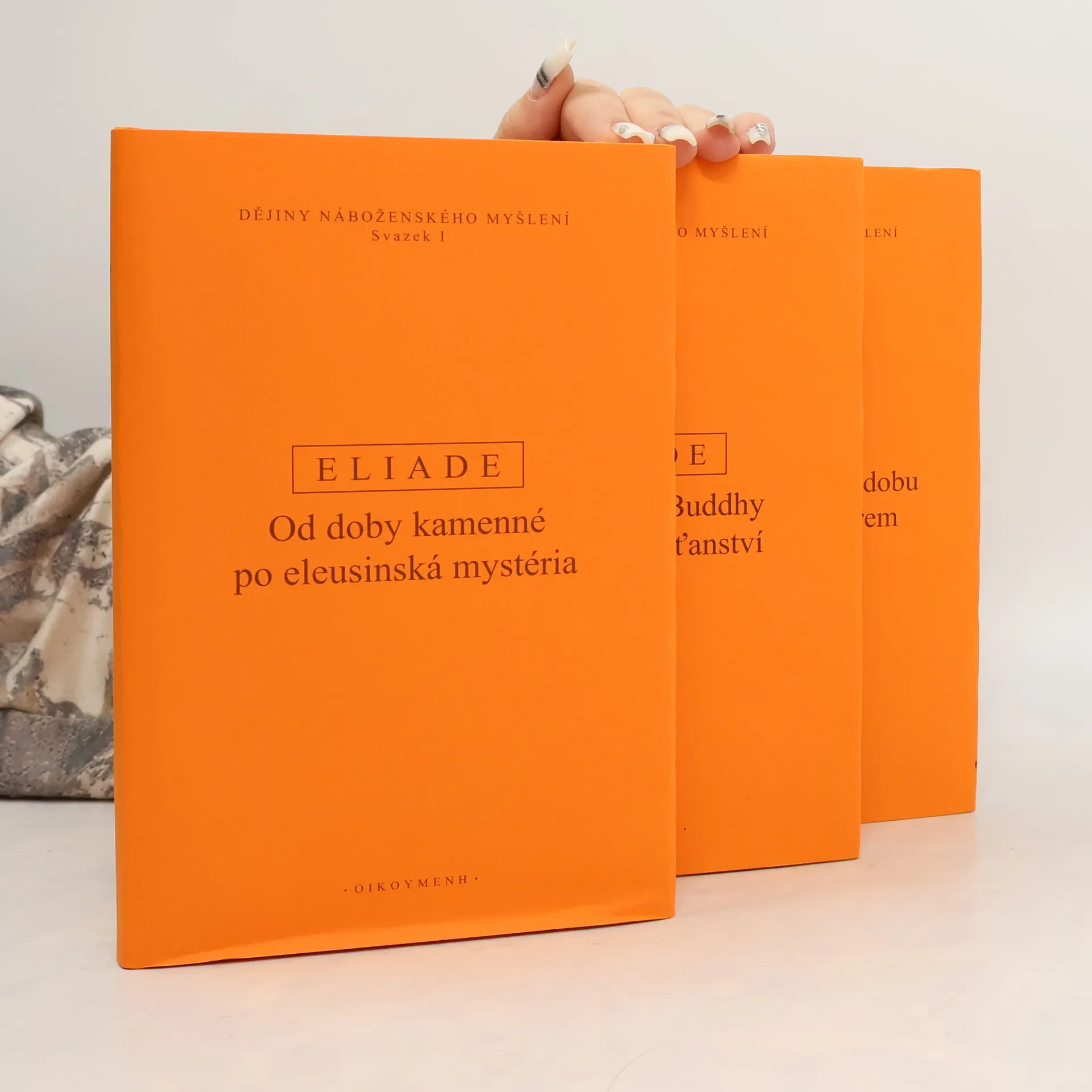
Historia wierzeń i idei religijnych
Od epoki kamiennej do misteriów eleuzyńskich
- 419pages
- 15 heures de lecture
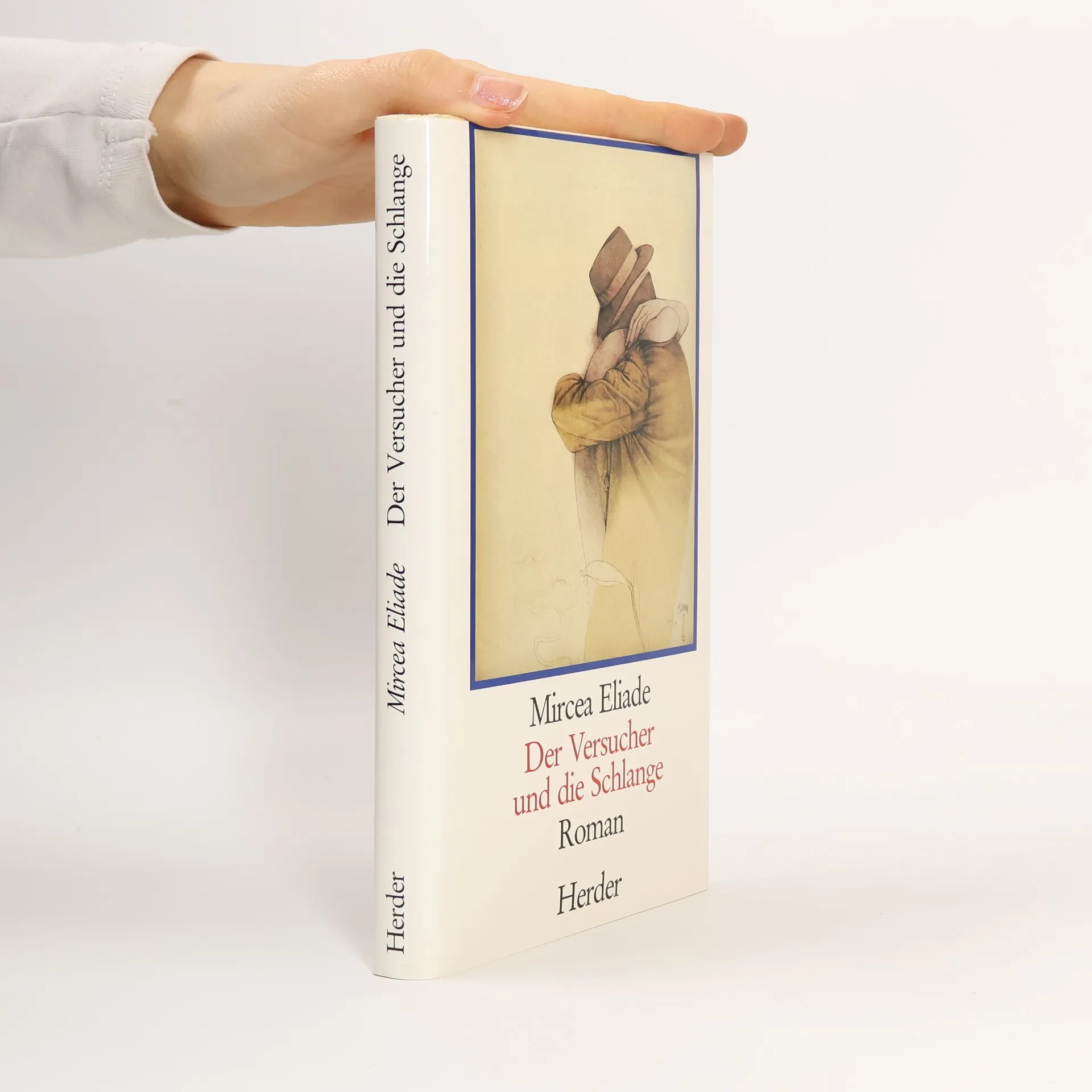
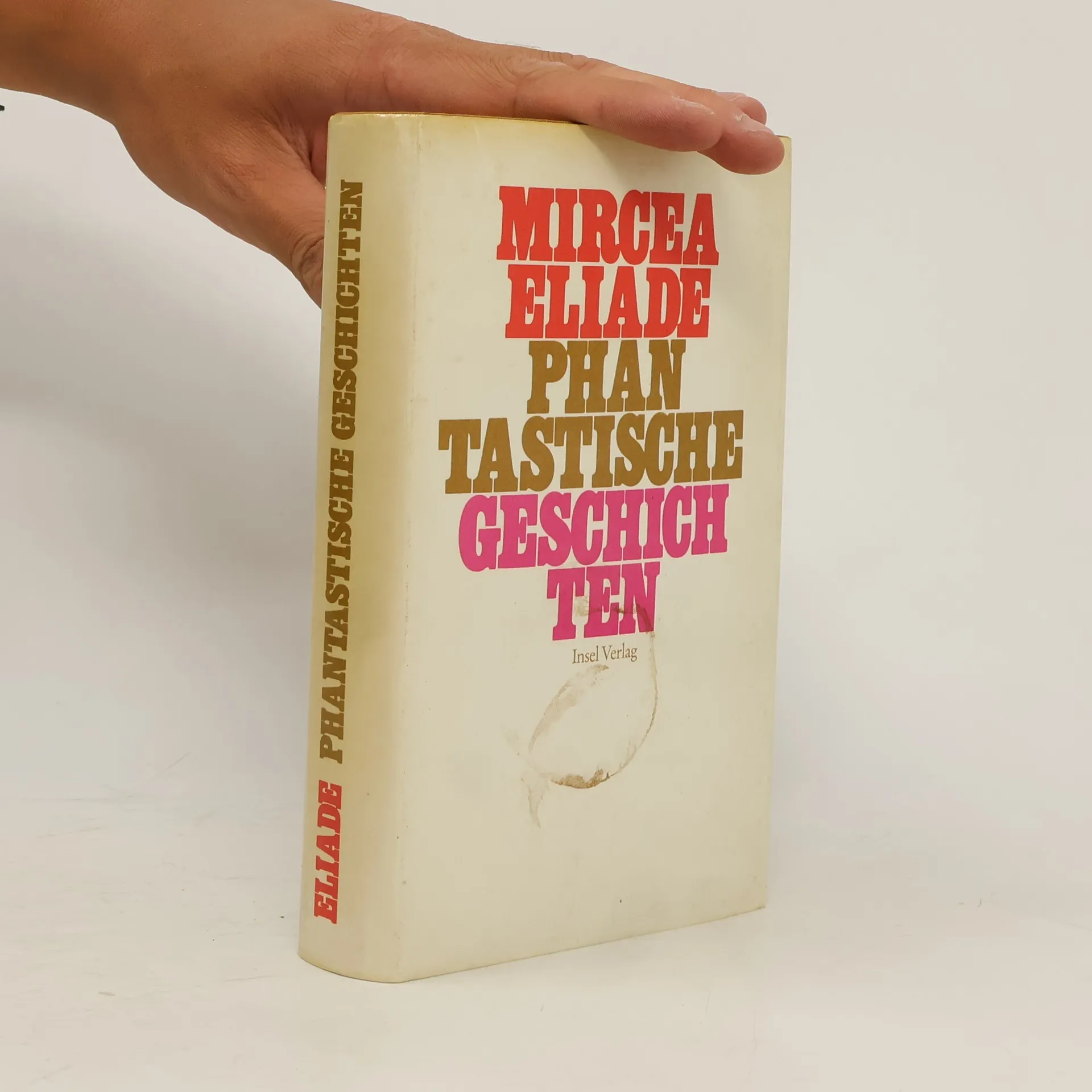
Wenn ein als Genie geltender Student der Mathematik, der auf den Spitznamen "Dayan" hört, weil er seit einem Unfall eine schwarze Binde über einem Auge zu tragen genötigt ist, im Straßentrubel Bukarests Ahasver, dem Ewigen Juden, begegnet, so geht dies gewiss nicht mit rechten Dingen zu. Und wenn sich Derartiges zudem in einem kommunistisch regiertem Ostblockstaat zuträgt, so wird es natürlich zu einem »Fall« für Miliz und Sicherheitsdienst... Die kurze Erzählung "Im Schatten einer Lilie", eine Folge von Gesprächen, ist ein Warten auf Godot im Pariser rumänischen Emigrantenmilieu. Ein geheimnisvoller Satz, den alle zu verschiedenen Zeiten, an verschiedenen Orten, in verschiedenem Zusammenhang hörten, beschäftigt sie. Hat er für sie einen symbolhaften Sinn? Kündet er die Rückkehr in die Heimat an? Die Zeichen mehren sich. Zwei neue Erzählungen dieses Meisters der phantastischen Literatur, von politischer und meta-politischer Bedeutung.
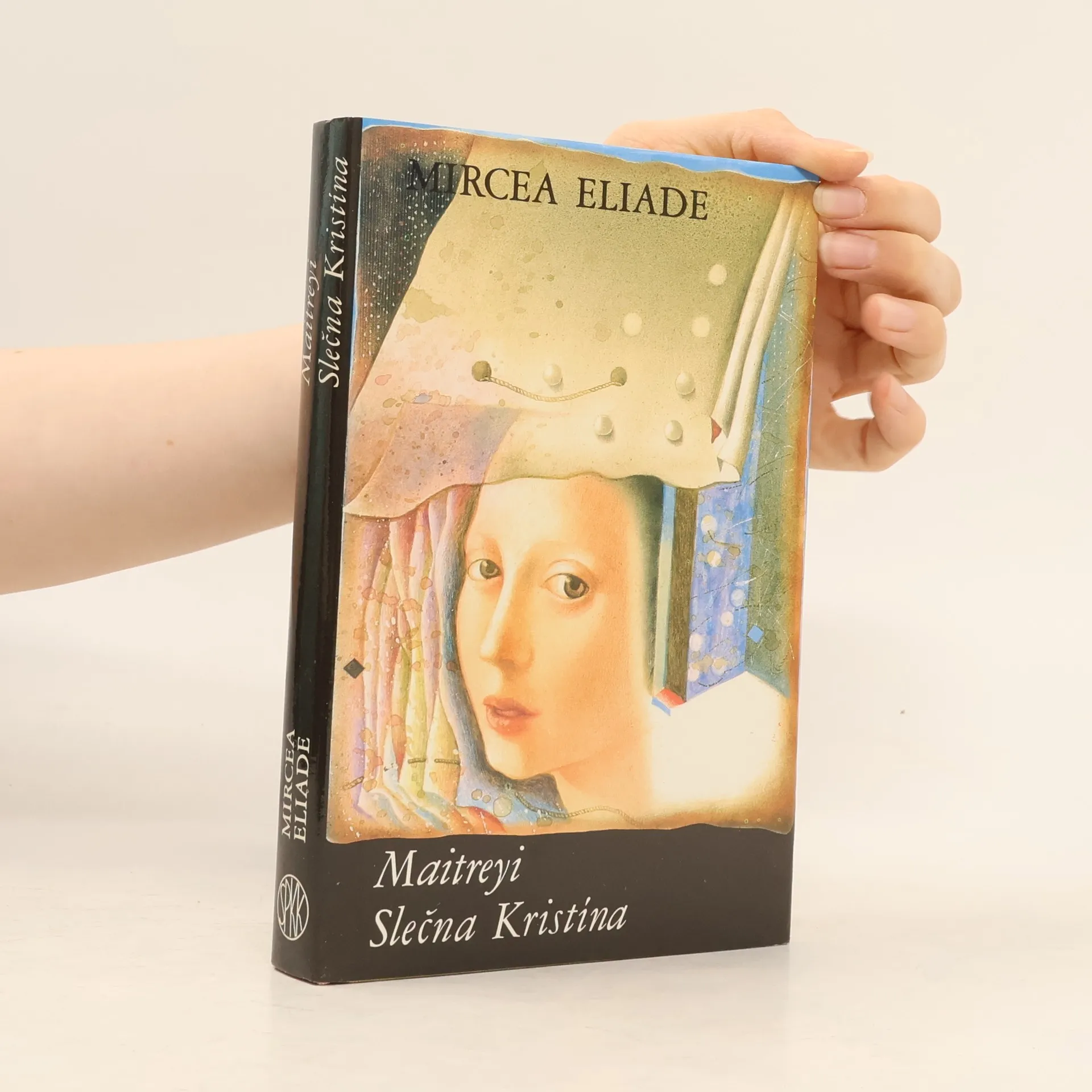
Dej novely Slečna Kristína sa odohráva na bojarskom sídle, kde letných hostí navštevuje upír, démonický ženský zjav, ktorý sa pokúša zatiahnuť do krážov mimoľudskej lásky mladého maliara Jegora. Exotickým čarom Indie a mladučkej Bengálky Maitreyi zaklial Eliade aj svoj rovnomenný ľúbostný román, ktorý patrí ku klenotom rumunskej literatúry. Je to román o láske a jej premenách a zároveň aj román o indickej kultúre. Prvé vydanie. Cena knihy v čase vydania: 25.- Kčs.
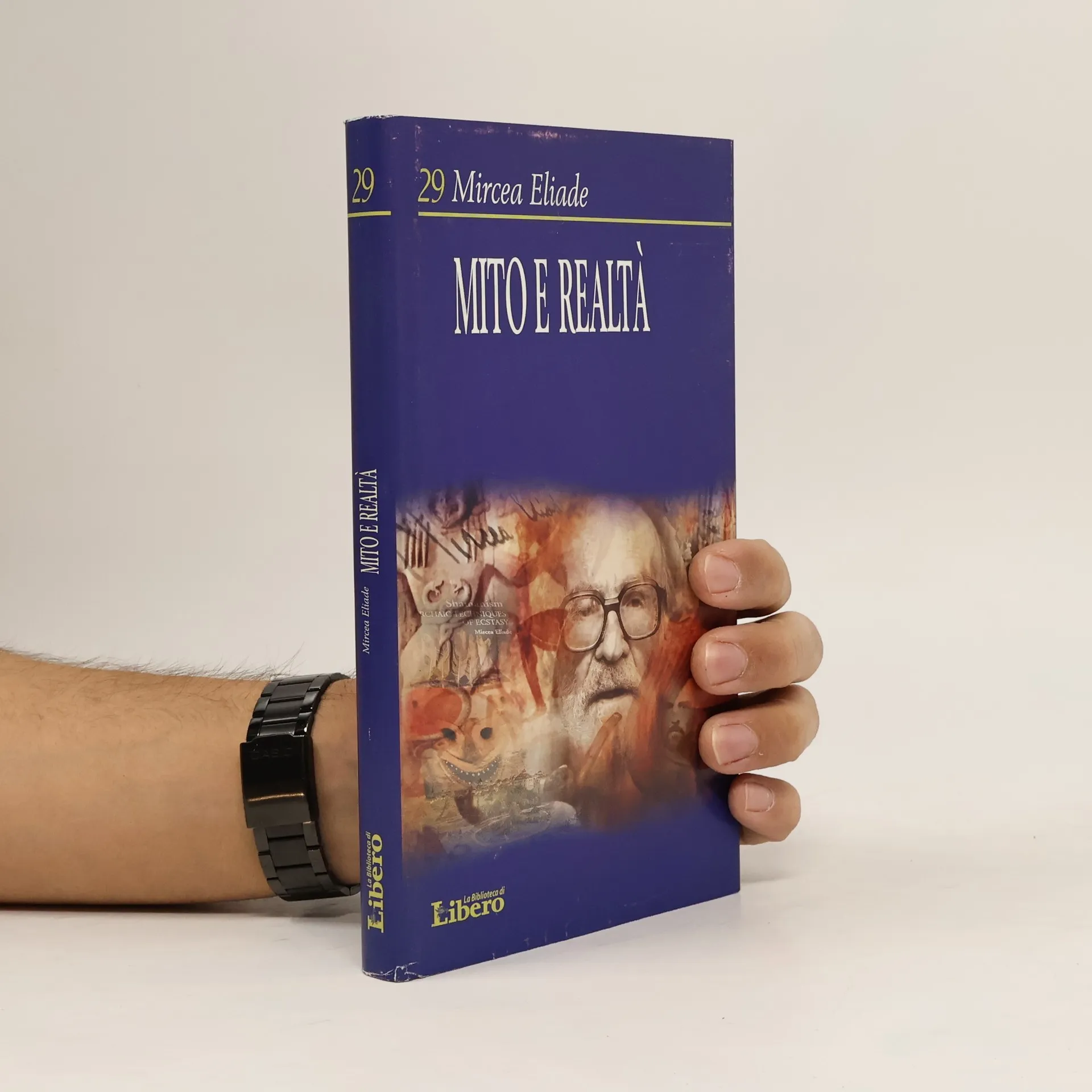
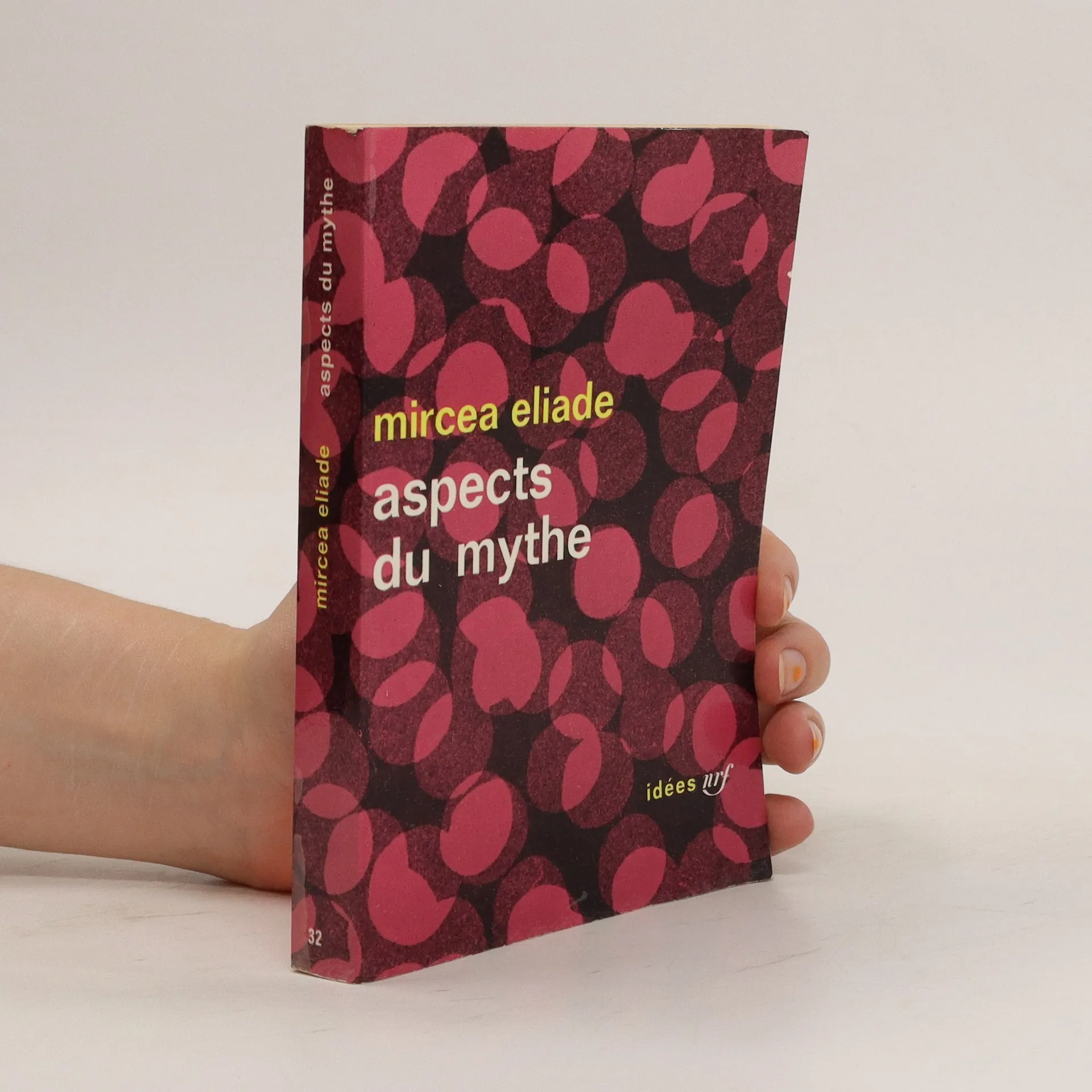
La fonction du mythe est de donner une signification au monde et à l'existence humaine. Grâce au mythe, le monde se laisse saisir en tant que cosmos parfaitement intelligible. Mircea Eliade retrace l'histoire des grands mythes des peuples primitifs jusqu'au monde moderne en passant par les grandes civilisations du passé (Inde, Grèce, etc.). Son livre constitue à la fois un exposé historique, rempli d'exemples, et une synthèse philosophique du problème examiné.
Mircea Eliade, geboren 1907 in Bukarest. Er studierte 1925-31 in Bukarest und Kalkutta; längerer Aufenthalt im Himalaya-Gebiet, ausgedehnte Asien-Reisen. Seit den fünfziger Jahren bis zum seinem Tod 1986 Professor für Religionswissenschaft in Chicago. Eva Moldenhauer, 1934 in Frankfurt am Main geboren, war seit 1964 als Übersetzerin tätig. Sie übersetzte Literatur und wissenschaftliche Schriften französischsprachiger Autoren ins Deutsche, u. a. von Claude Simon, Jorge Semprún, Marcel Mauss, Mircea Eliade, Gilles Deleuze und Lévi-Strauss. Sie wurde mit zahlreichen Preisen ausgezeichnet, u. a. mit dem Helmut-M.-Braem-Übersetzerpreis und dem Paul-Celan-Preis. Eva Moldenhauer verstarb am 22. April 2019.
Erinnerungen 1907 - 1937
- 438pages
- 16 heures de lecture
Mircea Eliade, geboren 1907 in Bukarest. Er studierte 1925-31 in Bukarest und Kalkutta; längerer Aufenthalt im Himalaya-Gebiet, ausgedehnte Asien-Reisen. Seit den fünfziger Jahren bis zum seinem Tod 1986 Professor für Religionswissenschaft in Chicago.
Eros and Magic in the Renaissance
- 296pages
- 11 heures de lecture
A common belief in modern scientific society is that "magic" is a mere collection of outdated and nonsensical practices. This work challenges that notion, offering a scholarly exploration of magic's role and its evolution into contemporary forms. According to Ioan Couliano, Renaissance magic was a scientifically grounded attempt to influence individuals through an understanding of motivations, especially erotic ones. The core idea was that sexual desire could sway everyone and everything. Additionally, magicians employed advanced memory techniques to shape the imaginations of their subjects. Couliano posits that magic serves as a precursor to modern psychological and sociological disciplines, positioning the magician as a forerunner to psychoanalysts and marketing professionals. Couliano delves into the works of influential figures like Giordano Bruno, Marsilio Ficino, and Pico della Mirandola, shedding light on various facets of Renaissance culture, including heresy, medicine, astrology, alchemy, courtly love, classical mythology, and even fashion. While science has become the dominant narrative of our age, magic once provided a similar narrative during the Renaissance. The reliance on images in magic faced repression during the Reformation, leading to its decline in favor of precise science and technology. Couliano's insightful scholarship revives the significance of magic, appealing to a diverse audience in the humanities
Two Strange Tales
- 144pages
- 6 heures de lecture
"No event in our world is real, my friend. Everything that occurs in this universe is illusory... And in a world of appearances, in which no thing and no event has any permanence, any reality of its own—whoever is master of certain forces can do anything he wishes..." So speaks a character in Two Strange Tales, a pair of novellas in which Westerners are caught up in the uncanny realm of Eastern religion and magic. In "Nights at Serampore," three European scholars, traveling deep into the forests of Bengal, are inexplicably cast into another time and space where they witness the violent murder of a young Hindu wife. In "The Secret of Dr. Honingberger," a respectable Rumanian physician vanishes without a trace after experimenting with yogic techniques in his quest for the legendary invisible world called Shambhala. In Two Strange Tales, author Mircea Eliade combined yogic folklore with the literary genre of the supernatural suspense tale so as to reveal dimensions of experience that are inaccessible to other intellectual approaches. These well-crafted stories will appeal to both lovers of the supernatural and those fascinated by mysticism of the East.
Na výletě do přírody má měšťácká bukurešťská společnost za lubem dát dohromady mladý manželský pár. Ale jádrem novely je střetnutí těchto lidí s tajemným mladým mužem, který je tu výrazem přírodního praživlu.
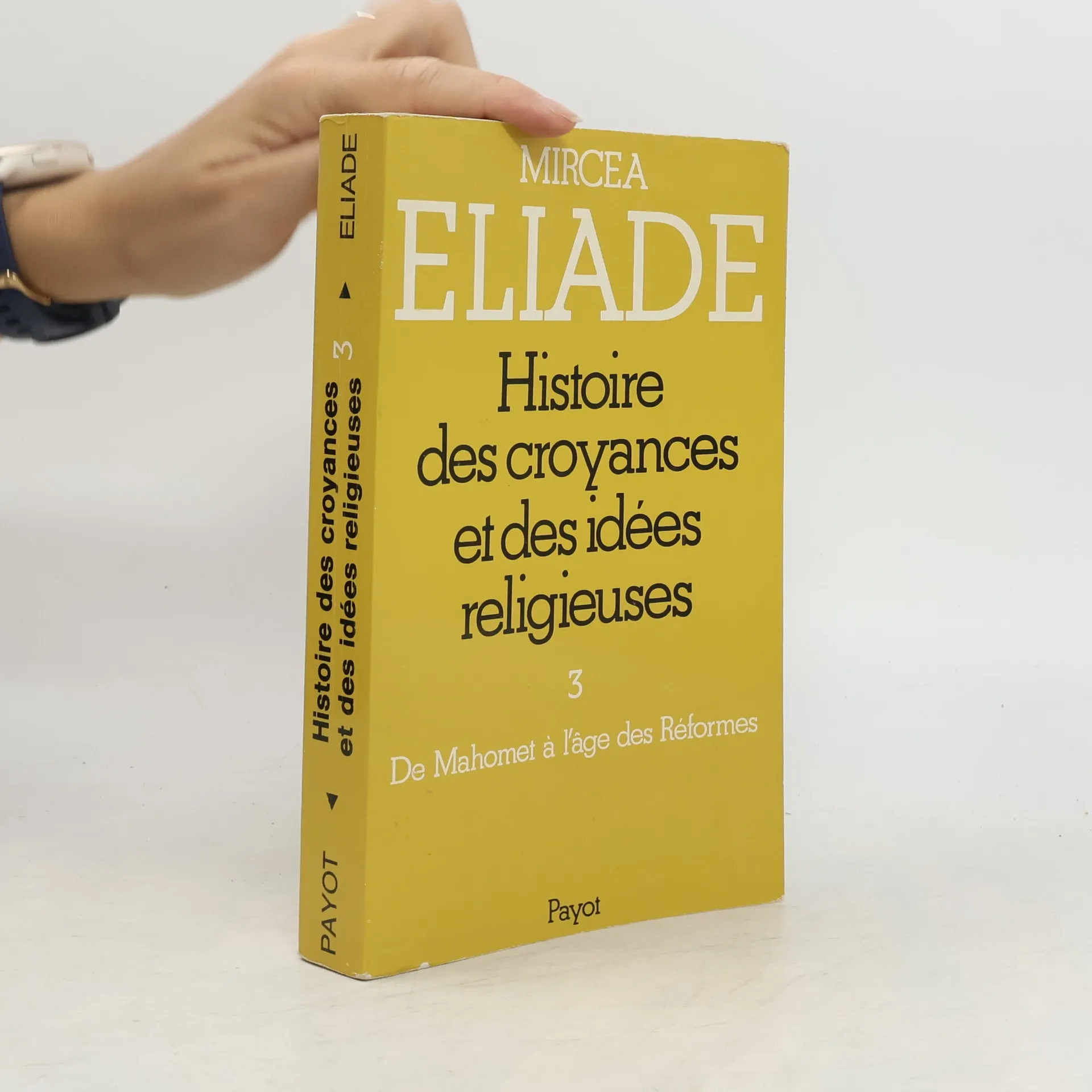
This volume completes the immensely learned three-volume A History of Religious Ideas. Eliade examines the movement of Jewish thought out of ancient Eurasia, the Christian transformation of the Mediterranean area and Europe, and the rise and diffusion of Islam from approximately the sixth through the seventeenth centuries. Eliade's vast knowledge of past and present scholarship provides a synthesis that is unparalleled. In addition to reviewing recent interpretations of the individual traditions, he explores the interactions of the three religions and shows their continuing mutual influence to be subtle but unmistakable. As in his previous work, Eliade pays particular attention to heresies, folk beliefs, and cults of secret wisdom, such as alchemy and sorcery, and continues the discussion, begun in earlier volumes, of pre-Christian shamanistic practices in northern Europe and the syncretistic tradition of Tibetan Buddhism. These subcultures, he maintains, are as important as the better-known orthodoxies to a full understanding of Judaism, Christianity, and Islam.
Nächte in Serampore
- 81pages
- 3 heures de lecture
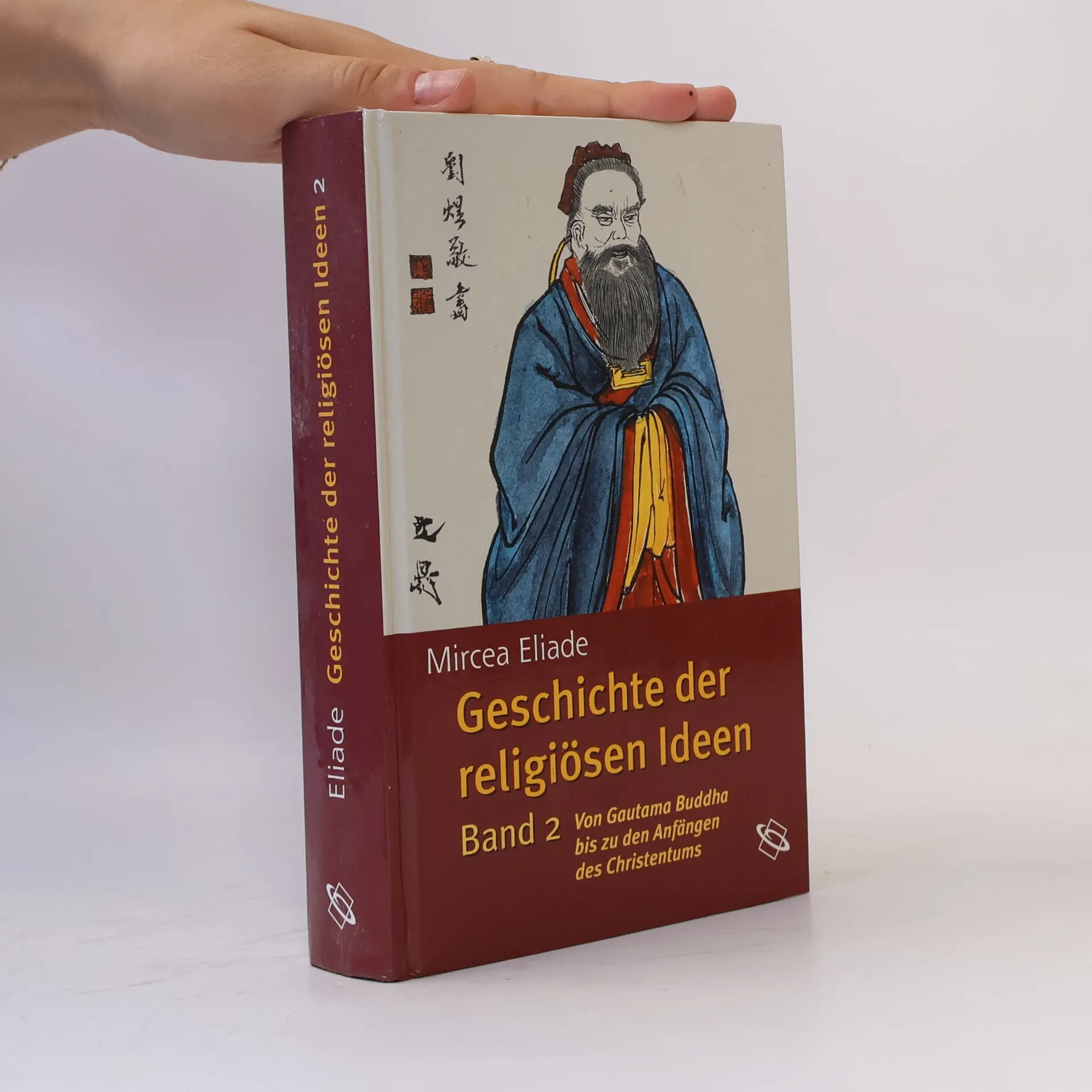
A History of Religious Ideas 2
- 580pages
- 21 heures de lecture
In volume 2 of this monumental work, Mircea Eliade continues his magisterial progress through the history of religious ideas. The religions of ancient China, Brahmanism and Hinduism, Buddha and his contemporaries, Roman religion, Celtic and German religions, Judaism, the Hellenistic period, the Iranian syntheses, and the birth of Christianity—all are encompassed in this volume.
Unter dem Pflaster liegt der Strand 11
- 219pages
- 8 heures de lecture
Hrsg. von Rolf Gehlen und Bernd Wolf, umfasst das Buch von Mircea Eliade 218 Seiten und enthält Abbildungen.
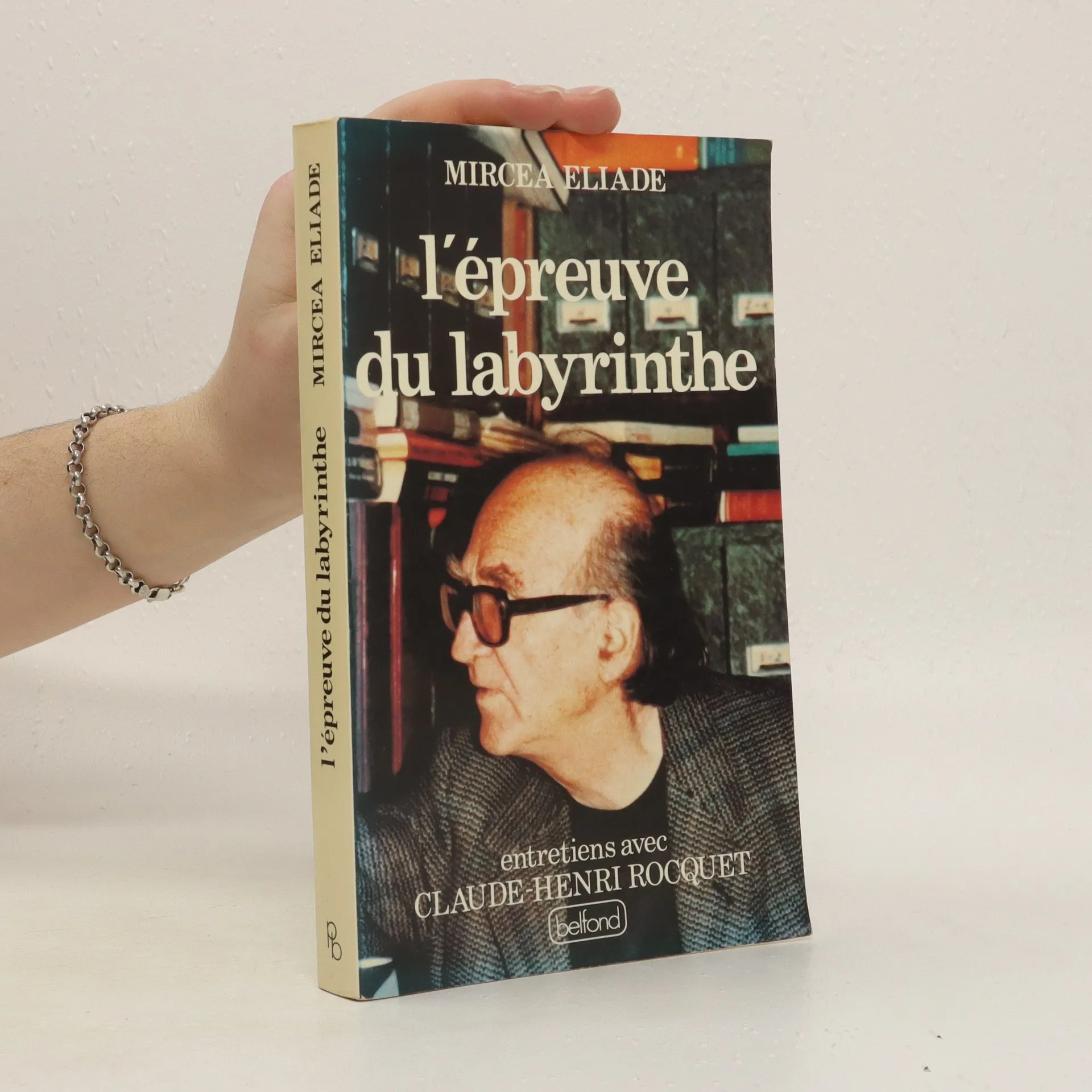
Un labyrinthe est parfois la défense magique d'un centre, d'une richesse, d'un sens. Y pénétrer peut être un rituel initiatique, comme le montre le mythe de Thésée. Ce symbolisme est le modèle de toute existence qui, à travers de nombreuses épreuves, avance vers son propre centre, vers soi-même. À plusieurs reprises, j'ai eu conscience de sortir d'un labyrinthe, d'avoir trouvé le fil. Auparavant, je me sentais désespéré, oppressé, égaré... Bien sûr, je ne me suis pas dit : 'Je suis perdu dans le labyrinthe', mais, à la fin, j'ai eu tout de même l'impression d'être sorti victorieux d'un labyrinthe. Chacun a connu cette expérience. Il faut encore dire que la vie n'est pas faite d'un seul labyrinthe : l'épreuve se renouvelle.
Von Zalmoxis zu Dschingis-Khan
- 267pages
- 10 heures de lecture
Bibliothek Suhrkamp: Neunzehn Rosen
- 180pages
- 7 heures de lecture
În ultimul lui volum de povestiri, apărut în 1980, arta lui Mircea Eliade atinge o esențializare pe care prozatorul a căutat-o în scrierile sale literare dintotdeauna. Dincolo de întâmplări, dincolo chiar de nostalgia evocării, o temă prezentă în multe din prozele sale fantastice dobândește acum o pondere covârșitoare: semnificația actului creator. Personajele nu mai sunt oamenii obișnuiți de altădată, încercați de întâmplări enigmatice și pline de semnificații, ci scriitori, artiști sau matematicieni pe cale să descopere o taină esenţială pentru ei şi pentru omenire. Ele par să nu mai cunoască nicio altă frământare în afară de pătrunderea misterului care se revelează prin intermediul destinului ce le-a fost rezervat. Discuțiile lor pasionate revin obsedant asupra câte unui amănunt, banal în aparență – o vorbă auzită cândva și apoi îngropată în uitare sau o întâmplare fără niciun ecou în viaţa imediată - care revine în miezul cel mai fierbinte al memoriei dovedindu-se înzestrat cu consecințe cosmice.
A History of Religious Ideas
- 367pages
- 13 heures de lecture
This volume completes the immensely learned three-volume A History of Religious Ideas. Eliade examines the movement of Jewish thought out of ancient Eurasia, the Christian transformation of the Mediterranean area and Europe, and the rise and diffusion of Islam from approximately the sixth through the seventeenth centuries. Eliade's vast knowledge of past and present scholarship provides a synthesis that is unparalleled. In addition to reviewing recent interpretations of the individual traditions, he explores the interactions of the three religions and shows their continuing mutual influence to be subtle but unmistakable.As in his previous work, Eliade pays particular attention to heresies, folk beliefs, and cults of secret wisdom, such as alchemy and sorcery, and continues the discussion, begun in earlier volumes, of pre-Christian shamanistic practices in northern Europe and the syncretistic tradition of Tibetan Buddhism. These subcultures, he maintains, are as important as the better-known orthodoxies to a full understanding of Judaism, Christianity, and Islam.
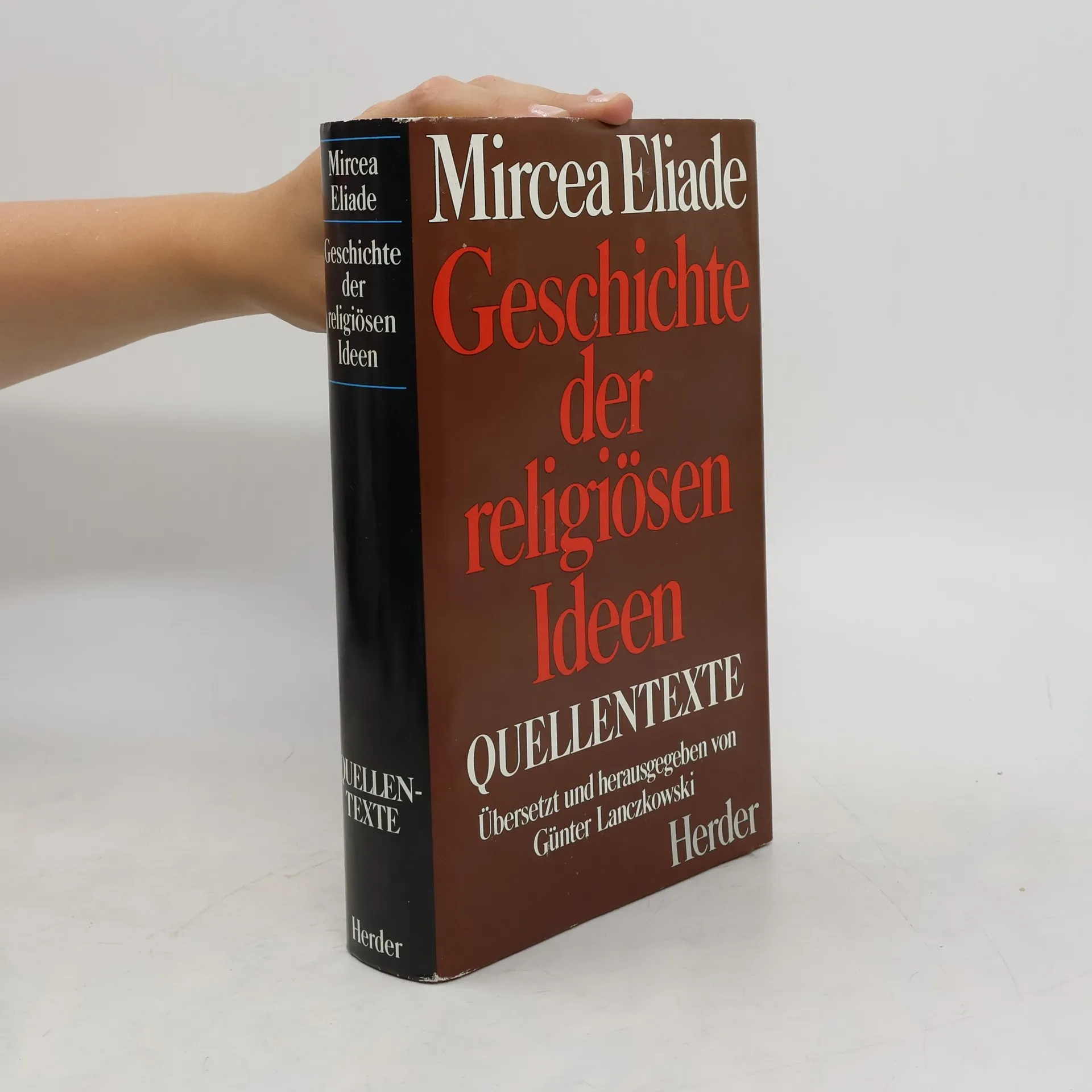
Geschichte der religiösen Ideen. 4. Quellentexte
- 456pages
- 16 heures de lecture
Eine gewaltige geistige Unternehmung, fesselnd und allgemeinverständlich aufbereitet" (Süddeutsche Zeitung). "Wer Eliades Werk liest, wird beschenkt und gewinnt nicht nur ein Verständnis der Religionen, sondern auch der Erkenntnis der Welt, in der wir leben" (Die Welt).
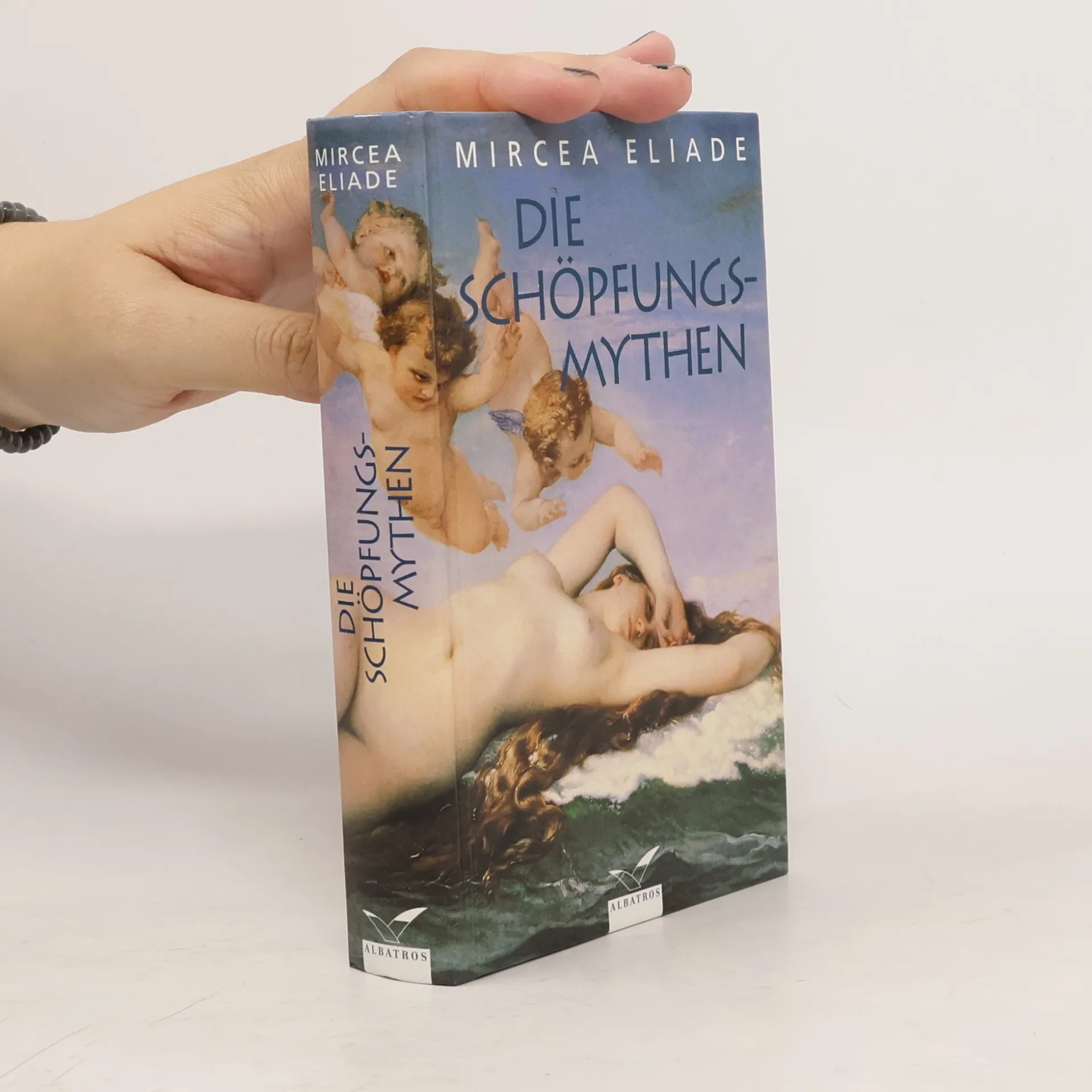
Die Schöpfungsmythen
- 272pages
- 10 heures de lecture
In diesem Buch sind Essays versammelt, die nicht nur für Fachleute verfasst wurden, sondern auch für ein breiteres Publikum zugänglich sind. Ich hoffe, dass aus der Begegnung der westlichen Welt mit unbekannten oder wenig bekannten Konzepten ein "neuer Humanismus" entstehen kann. Wie in meinen vorherigen Veröffentlichungen zielen diese Essays darauf ab, auf die kulturelle Rolle der Religionsgeschichte in einer säkularen Gesellschaft hinzuweisen. Zudem streben sie an, eine systematische Interpretation der Heiligen und ihrer historischen Konsequenzen zu entwickeln.
Mircea Eliade, geboren 1907 in Bukarest. Er studierte 1925-31 in Bukarest und Kalkutta; längerer Aufenthalt im Himalaya-Gebiet, ausgedehnte Asien-Reisen. Seit den fünfziger Jahren bis zum seinem Tod 1986 Professor für Religionswissenschaft in Chicago. Edith Silbermann, geboren 1921 in Czernowitz (Ukraine) und verstorben 2008 in Düsseldorf, war Übersetzerin, Publizistin und Schauspielerin.
Folio essais - 196: Initiation, rites, sociétés secrètes
Naissances mystiques : essai sur quelques types d'initiation
- 282pages
- 10 heures de lecture
В этой небольшой книге собраны лекции из цикла `Хаскелловские чтения`, прочитанные автором в Чикагском университете осенью 1956 года по общей теме `Образцы посвящения`.
Un roman semi-autobiographique entre un ingénieur français et la fille d'une famille hindoue chez laquelle il a séjourné en Inde. Une rencontre entre l'Est et l'Ouest, avec toutes les joies et les peines que de telles rencontres engendrent.
Bucharest, 1938: while Hitler gains power in Germany, the Romanian police start arresting students they suspect of belonging to the Iron Guard. Meanwhile, a man who has spent his life studying languages, poetry, and history--a man who thought his life was over--lies in a hospital bed, inexplicably alive and miraculously healthy, trying to figure out how to conceal his identity. At the intersection of the natural and supernatural, myth and history, dream and science, lies Mircea Eliade's novella. Now in its first paperback edition, the psychological thriller features Dominic Matei, an elderly academic who experiences a cataclysmic event that allows him to live a new life with startling intellectual capacity. Sought by the Nazis for their medical experiments on the potentially life-prolonging power of electric shocks, Matei is helped to flee through Romania, Switzerland, Malta and India. Newly endowed with prodigious powers of memory and comprehension, he finds himself face to face with the glory and terror of the supernatural. In this surreal, philosophy-driven fantasy, Eliade tests the boundaries of literary genre as well as the reader's imagination. Suspenseful, witty, and poignant, Youth Without Youth illuminates Eliade's longing for past loves and new texts, his erotic imagination, and his love of a thrilling mystery. It was adapted for the screen in 2007 as Francis Ford Coppola's first feature film in over ten years
Forgerons et alchimistes
- 278pages
- 10 heures de lecture
D'après la croyance des primitifs, les substances minérales participent à la sacralité de la Terre-Mère. Les minerais <> dans le ventre de la Terre, tout comme des embryons. La métallurgie prend ainsi un caractère obstétrique. Le mineur et le métallurgiste interviennent dans le déroulement de l'embryologie souterraine : ils précipitent le rythme de croissance des minerais, ils collaborent à l'oeuvre de la Nature, l'aident à <>. Bref, par ses techniques, l'homme se substitue peu à peu au Temps, son travail remplace l'oeuvre du Temps. Collaborer avec la Nature, l'aider à produire dans un temps de plus en plus rapide, changer les modalités de la matière, voilà une des sources de l'idéologie alchimique. Tout comme le fondeur et le forgeron, l'alchimiste travaille sur une matière à la fois vivante et sacrée ; ses labeurs poursuivent la transformation de la matière, son <>, sa <>. L'auteur a insisté sur les alchimies indienne et chinoise parce qu'elles sont moins connues, mais surtout parce qu'elles présentent sous une forme plus nette leur caractère de technique à la fois expérimentale et <>. Car l'alchimie ne fut pas à l'origine une science empirique, une chimie embryonnaire ; elle ne l'est devenue que plus tard.
Occultism, Witchcraft, and Cultural Fashions
Essays in Comparative Religion
- 161pages
- 6 heures de lecture
Six essays on a variety of interrelated subjects.
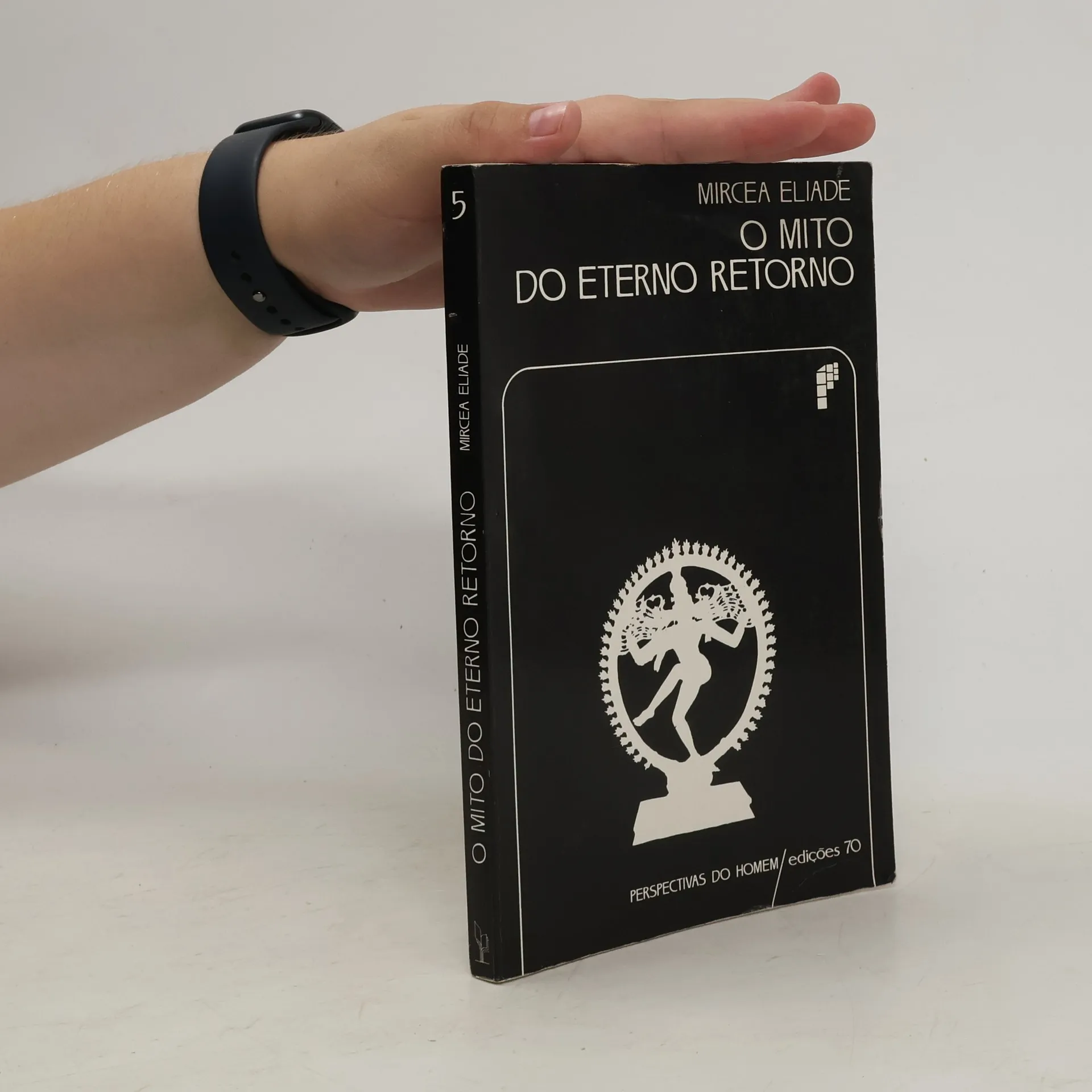
O mito do eterno retorno
- 174pages
- 7 heures de lecture
Célebre historiador das religiões, o autor analisa as concepções fundamentais em que se estruturam as sociedades arcaicas, especialmente na sua recusa do tempo histórico e na sua nostalgia do tempo mítico das origens.
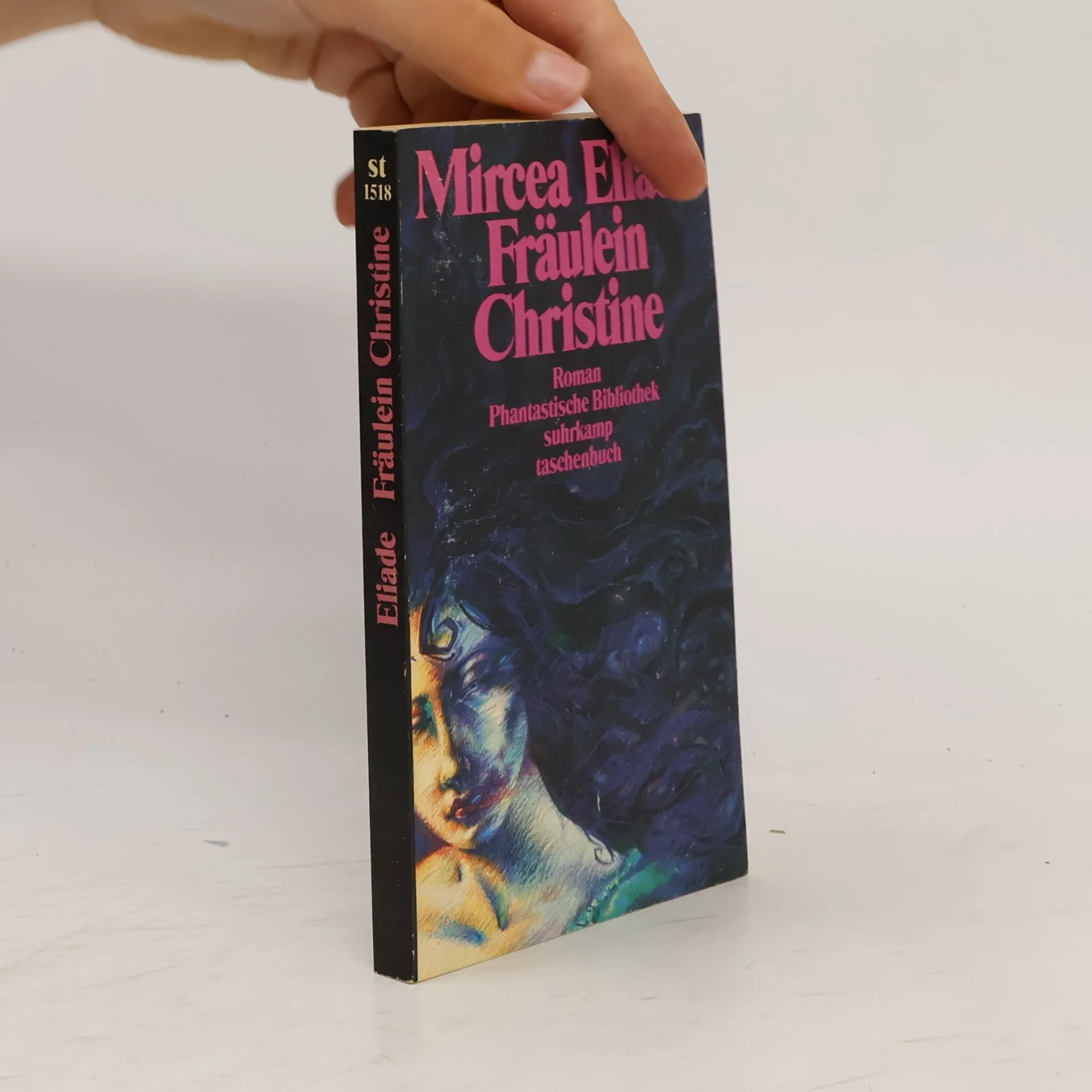
Mademoiselle Christina
- 204pages
- 8 heures de lecture
Une famille isolée au bord du Danube subit l’influence maléfique d’une ancêtre disparue. Mademoiselle Christina hante les chambres des occupants, vampire à l’apparence séductrice, elle charme Egor et enlève petit à petit toute vie dans la demeure austère. Sous la lumière blafarde de la lune, les ombres trahissent la présence d’un autre monde, effrayant, celui des âmes damnées. Entre deux soupirs de Sanda, jeune fille exsangue, un silence de mort s’installe dans le récit.Egor trouvera-t-il la force de lutter contre l’enchanteresse Christina ? La jeune Simina, possédée par le mal, semble en douter.Mademoiselle Christina nous vient tout droit du folklore roumain. Une histoire de vampires dans un monde en proie au blasphème; pour l'exorciser, un jeune homme tue deux fois le vampire en lui transperçant le cœur. Le dialogue entre le monde des morts et celui des vivants n'est pas éphémère. Les deux camps se livrent un siège sans merci, à ceci près que les belligérants se disputent non des fortunes mais des âmes, et que leurs armes ne sont pas des armes classiques, mais des rituels magiques.
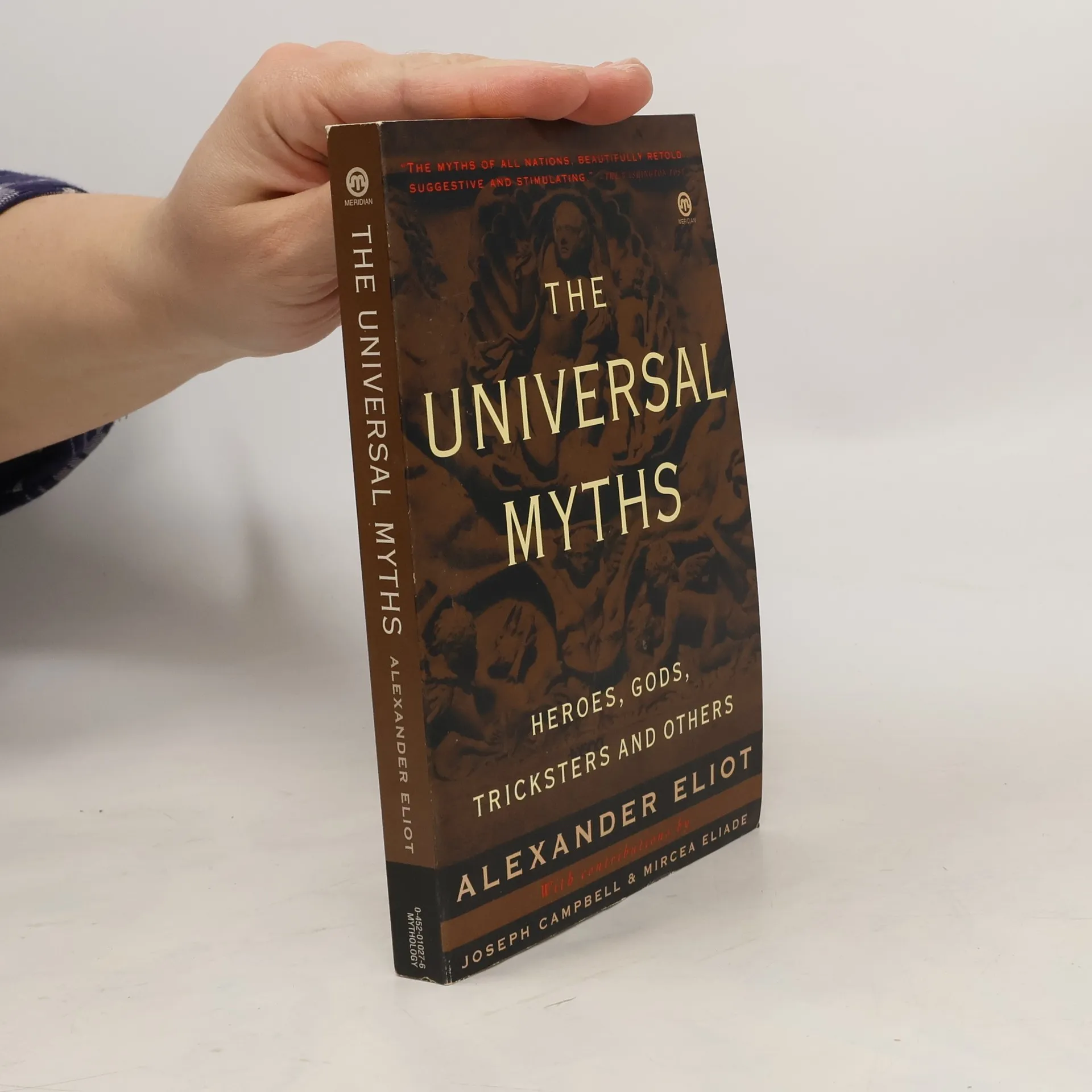
The Universal Myths: Heroes, Gods, Tricksters and Others
- 310pages
- 11 heures de lecture
Crossing the boundaries of time, region, and culture, universal myths have provided inspiration and guidance for countless generations—laying a foundation for the religious, social, and political heritage of nations and peoples since the beginning of time. Here is a rich and absorbing survey of the common myths that connect all cultures, Eastern and Western, from antiquity to the present day. With stunning power, the stuff of legend is explored in all its drama and magnificence. There are stories of gods and men—and legendary heroes from Zeus to King Arthur to the “Superman” of modern media; tales of heaven, earth, and the origins of man from Hindu, American Indian, and Western thought; and retellings of mythic quests and legendary lovers, from the epic wanderings of Odysseus to the tragedy of Tristram and Iseult and the Krishna marriage of Heaven and Earth. This extraordinary work, compiled and arranged by theme from stories of creation to tales of death and rebirth, examines and compares the world’s myths that have shaped our common past and continue to influence us still.
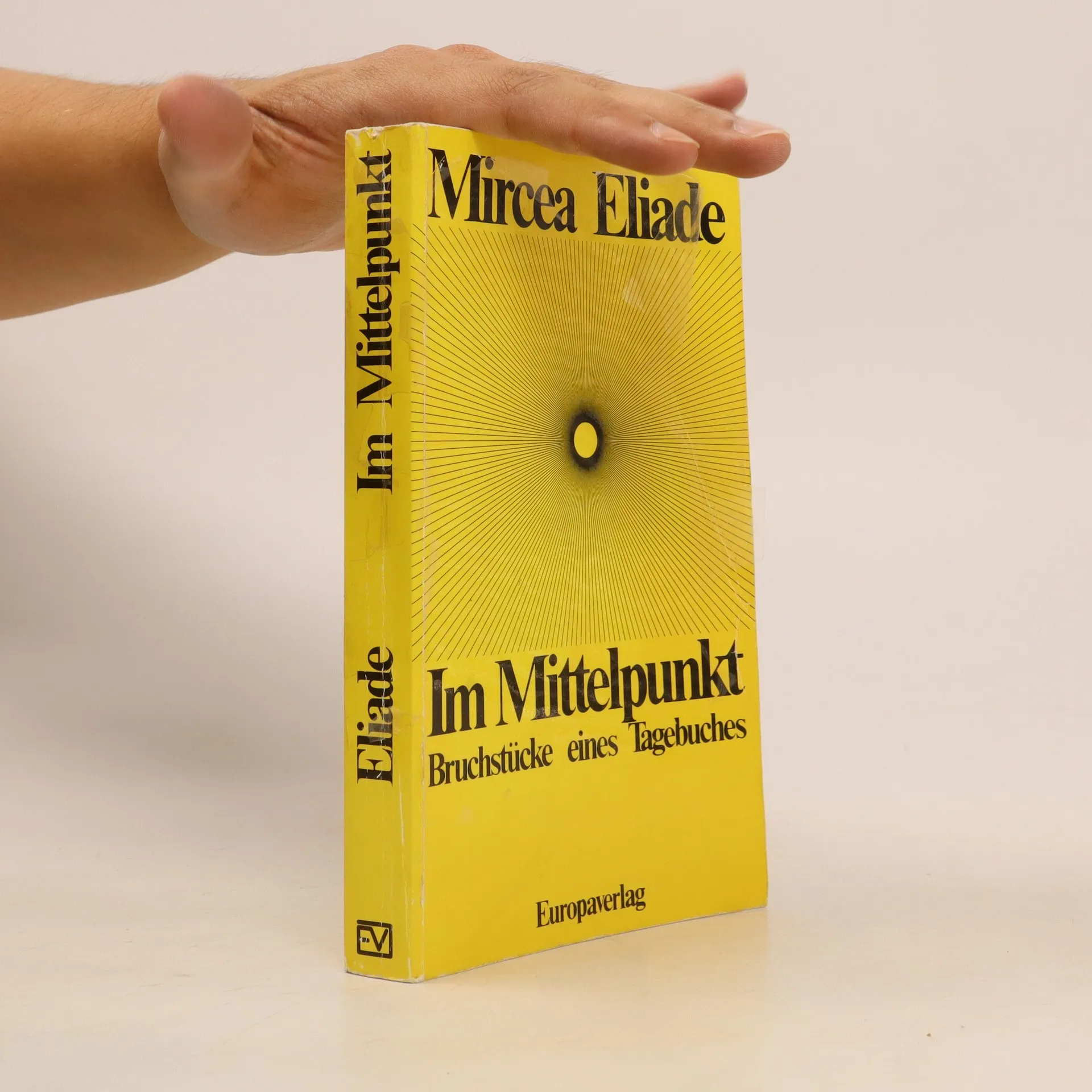
Im Mittelpunkt
- 298pages
- 11 heures de lecture
Demonstrates universal religious experience and shows how humanity's effort to live within a sacred sphere has manifested itself in myriad cultures from ancient to modern times; and, how certain beliefs, rituals, symbols, and myths have, with interesting variations, persisted.
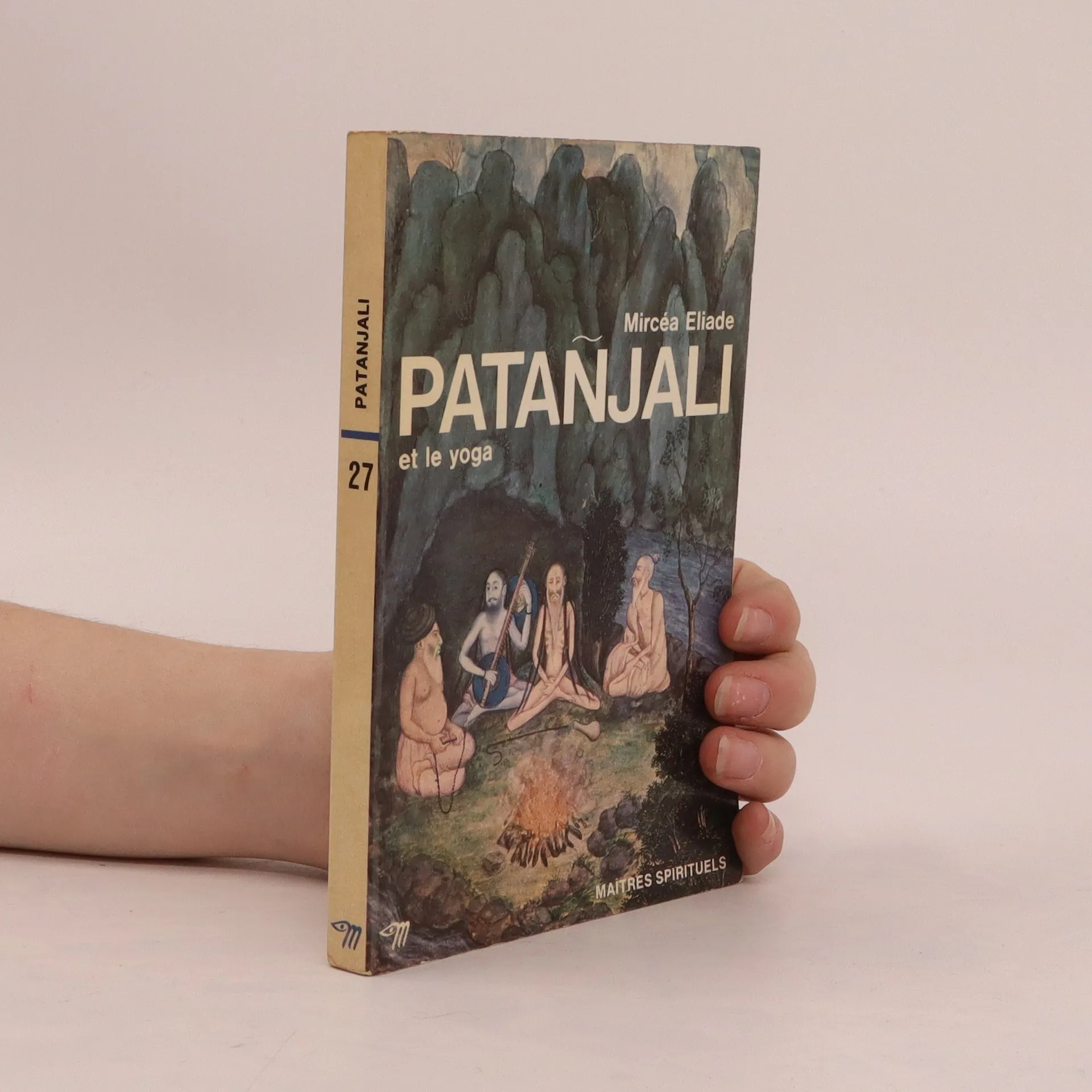
Patañjali et le Yoga
- 216pages
- 8 heures de lecture
Patanjali and Yoga is a clear and straihtforward look at the history, development and meaning of yogic thought now proving of such interest to the West. It is not just another book of methods and practices.Yoga originated in archaic magical means intended to overcome human anguish and suffering, These methods were known long before Patanjali, but Eliade has chosen to focus on the Yoga Sutras of Patanjali, who was the first to write down and codify "classic yoga." Following in Patanjali's path, Indian thinkers have been quick to distinguish true yoga from trances, self-hypnosis and false ecstasies. The many forms and aspects of yogic practice constitute a major part of India's history.From earliest times, India has concerned itself with what we in the modern West call altered states of consciousness. Yoga allows a release from deterministic conditioning and permits the yogi to release himself into the true, indescribable freedom of liberation. With that release comes the appearance of extraordinary powers baffling to modern scientists and easily confused with "magical" or "occult" powers. Here is a comprehensive introduction to the foundations of yogic thought and practice.