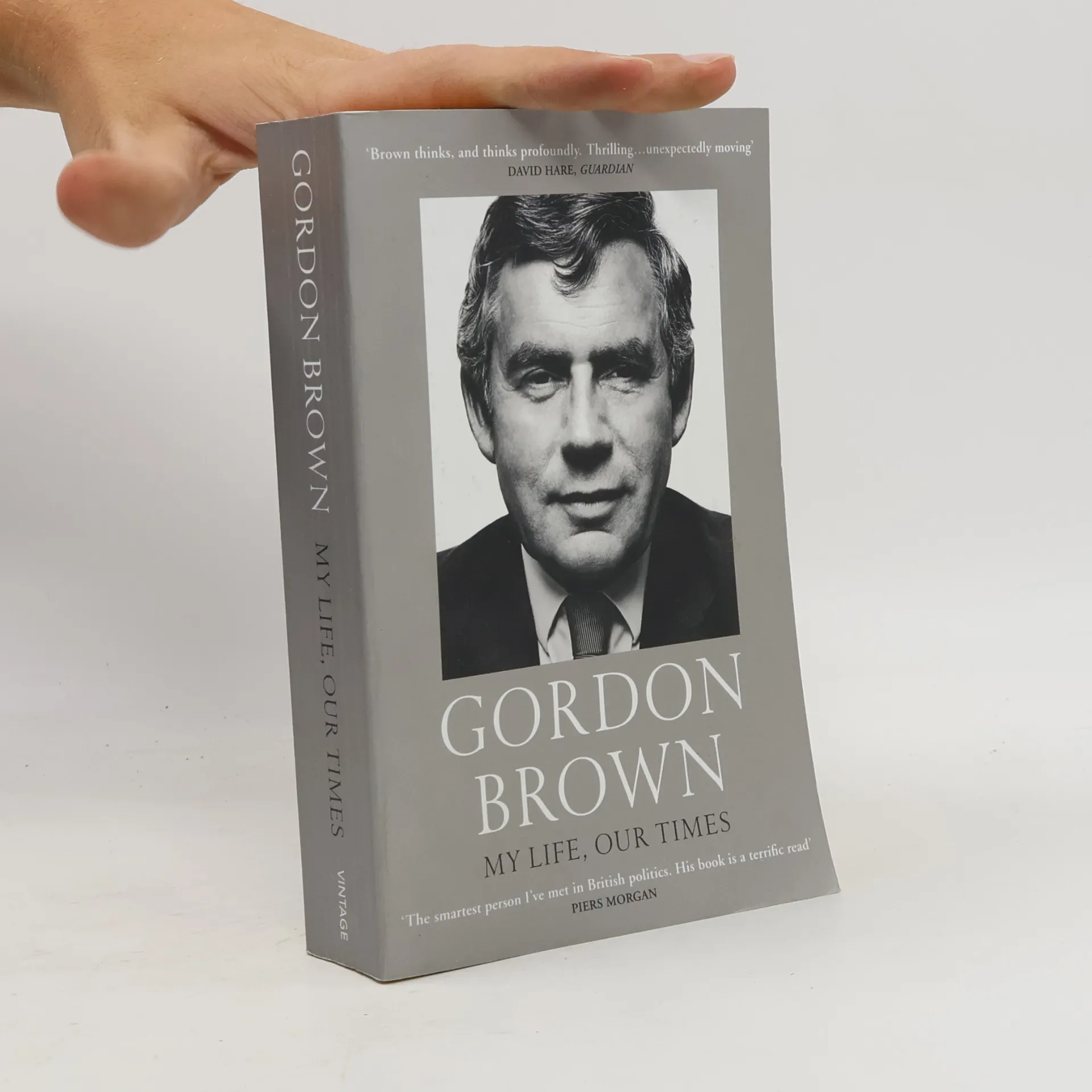
Gordon Brown signe des polars captivants qui plongent les lecteurs dans des mystères complexes au rythme effréné. Son style narratif se distingue par des décors saisissants et une exploration psychologique approfondie de ses personnages, entraînant le lecteur au cœur de chaque enquête. Les romans de Brown abordent souvent les aspects les plus sombres de la nature humaine et les dilemmes moraux complexes auxquels ses protagonistes sont confrontés. Son œuvre est reconnue pour sa capacité à construire des scénarios criminels authentiques et à offrir une narration captivante qui saura satisfaire les amateurs du genre.
This is a guide to hundreds of spirits from around the world for the consumer who wants to know the story behind the label. Ingredients, manufacture, history and the geographical details of each brand are listed.
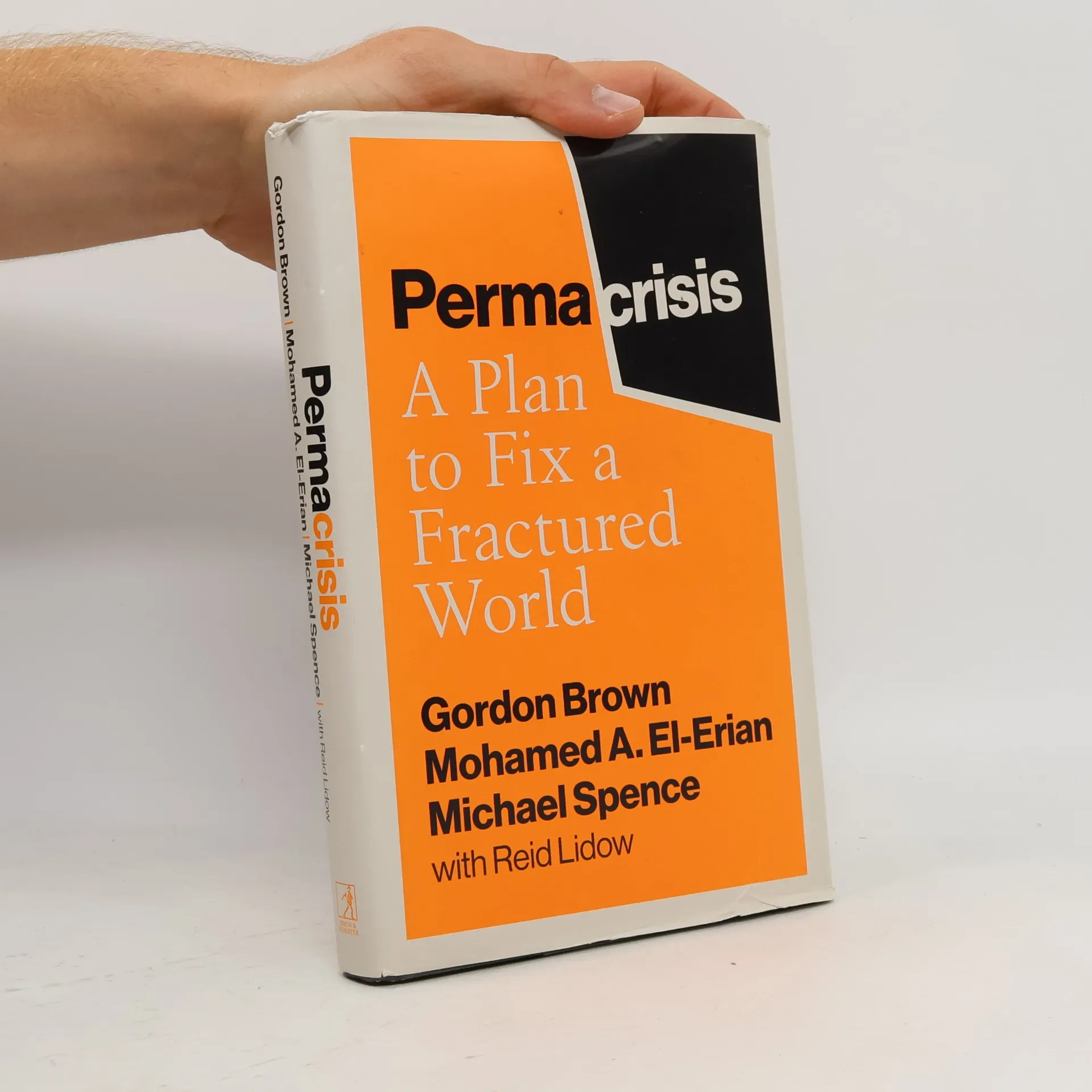
Former Prime Minister Gordon Brown offers his solutions to the key issues
facing us all in 2021, from Covid to climate change and the crisis of
capitalism
Whether the world's best truffles are found in Piedmont or Perigord inspires impassioned debate, but the effects of dwindling supply and insatiable demand for the elusive, ultimate mushroom are unquestionable: prices through the roof, intrigue and deception, and ever more intensive efforts to cultivate. The secrets of when, how, and where to collect truffles have benn passed from generation to generation since ancient times, but artificial cultivation remains the holy grail. Here in the most comprehensive practical treatment of the gastronomic treasure to date, the art and science of the high-stakes pursuit come together. Their enthusiasm and expertise leavened with wry humor, the authors explore the newest techniques; they describe the commercial species in detail along with their host plants, natural habitats, cultivation and mintenance, pests and diseases, and harvesting with pigs, dogs, truffle flies, and even the electronic nose. Pursuit of the fungus that costs more than gold is not for the faint of heart nor for those in a hurry, as under ideal conditions, truffle production in artificial truffieres can begin after three years but results may not be seen until a decade after planting, and maximum yields not for another decade still. So there is time to read and prepare, and no better source than this one.
A powerful case for the importance of universities as an antidote to the “secular dogmatism” that increasingly infects political discourse John Sexton argues that over six decades, a “secular dogmatism,” impenetrable by dialogue or reason, has come to dominate political discourse in America. Political positions, elevated to the status of doctrinal truths, now simply are “revealed.” Our leaders and our citizens suffer from an allergy to nuance and complexity, and the enterprise of thought is in danger. Sexton sees our universities, the engines of knowledge and stewards of thought, as the antidote, and he describes the policies university leaders must embrace if their institutions are to serve this role. Acknowledging the reality of our increasingly interconnected world—and drawing on his experience as president of New York University when it opened campuses in Abu Dhabi and Shanghai—Sexton advocates for “global network universities” as a core aspect of a new educational landscape and as the crucial foundation-blocks of an interlocking world characterized by “secular ecumenism.”
In „Permacrisis“ diskutieren drei renommierte Denker während der Coronapandemie ernste Themen wie Wirtschaftswachstum, Inflation, Klimakrise und Ungleichheit. Sie präsentieren innovative Ansätze zur Bekämpfung und Vermeidung von Krisen, um eine bessere Zukunft für alle zu gestalten.
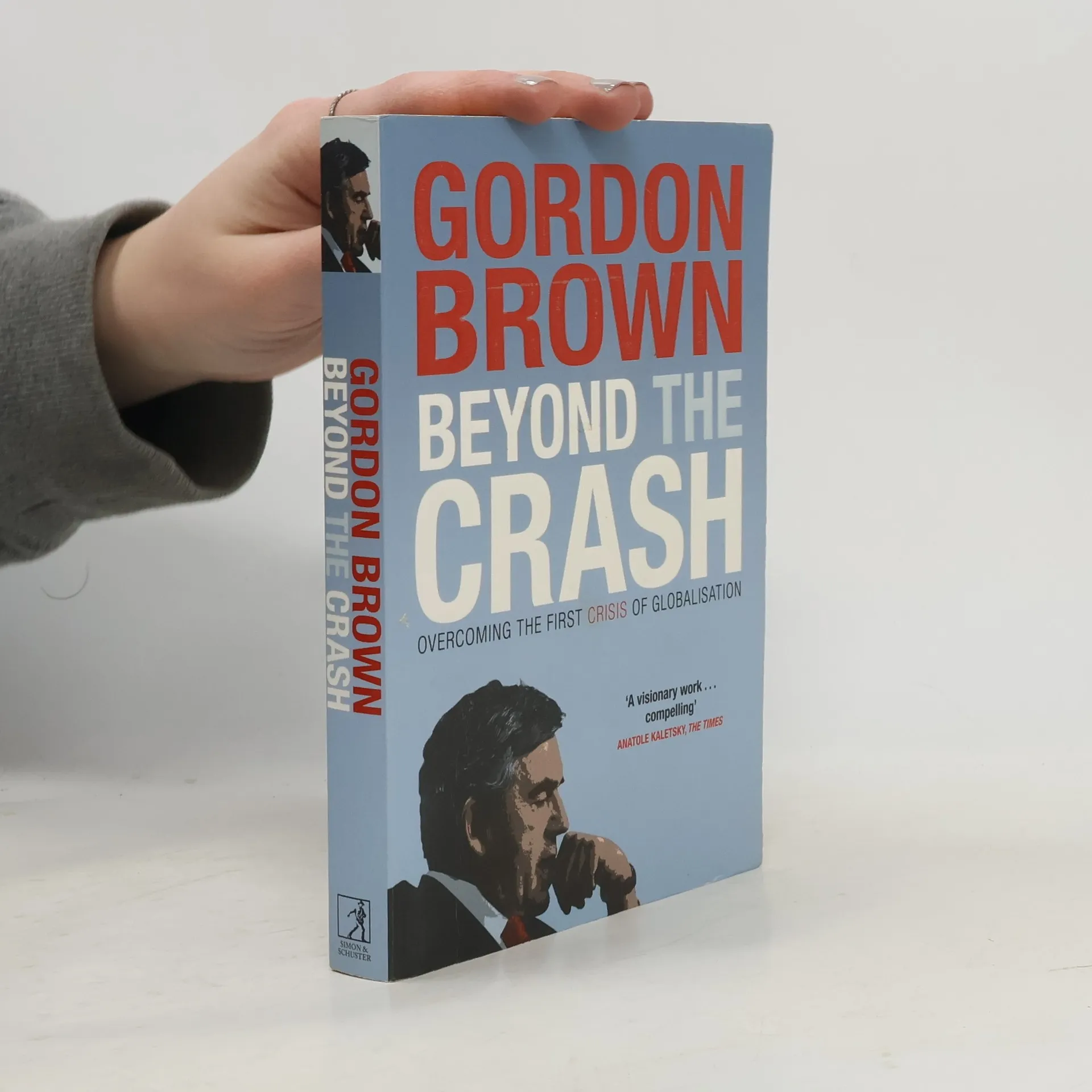
Als Schatzkanzler Großbritanniens sorgte Gordon Brown für die längste Wachstumsperiode in der gesamten Geschichte des Landes. Während des Höhepunkts der Finanzkrise war er britischer Premierminister. Weit vor allen anderen europäischen Regierungen – die deutsche eingeschlossen – erkannte er die globale Dimension der Krise. Seine erfolgreichen Rettungsmaßnahmen waren international wegweisend. In seinem Buch zeigt er, wie es ihm gelang, sein Land durch die Turbulenzen zu steuern. Doch Brown warnt: International ist die Krise noch nicht ausgestanden. Basierend auf seiner großen wirtschaftspolitischen Erfahrung entwirft er einen fundierten Plan, mit dem es uns gelingen wird, weltweit neues Wachstum zu schaffen.