

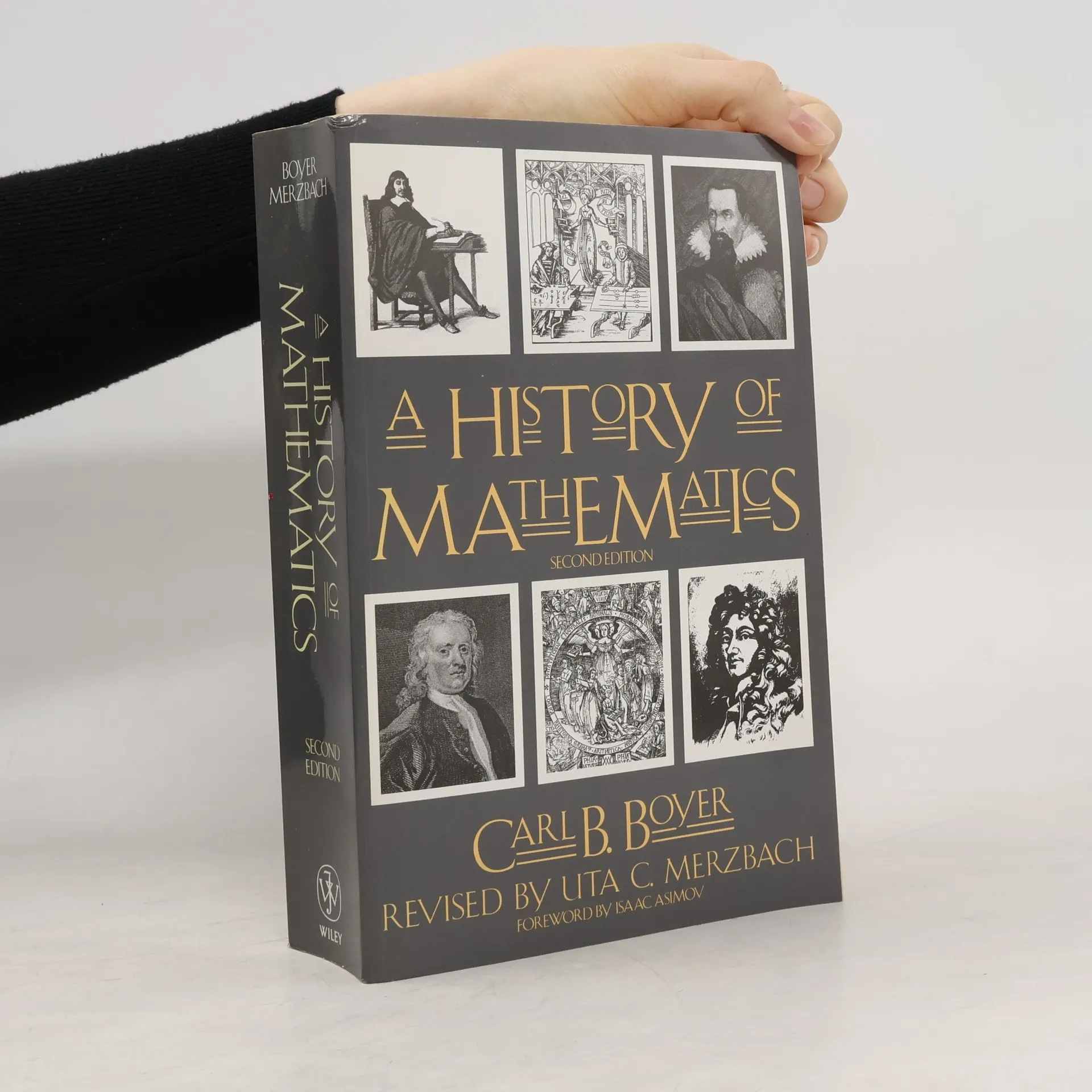
Boyer and Merzbach distill thousands of years of mathematics into a captivating chronicle, showcasing brilliant mathematics and a distinguished cast of characters. They trace the development of European mathematics while also acknowledging the significant contributions from Chinese, Indian, and Arabic civilizations. This work stands as a classic one-volume history of mathematics and the mathematicians behind it. The authors present a mounting structure of knowledge, with a solid foundation dating back to Thales' early geometrical theorems nearly 26 centuries ago. It is regarded as one of the most useful and comprehensive general introductions to the subject. Both readable and scholarly, it serves as an excellent introduction and reference source. Revised for accessibility, the text vividly illustrates humankind's relationship with numbers and includes broadened coverage of twentieth-century advances in probability and computing. Additionally, it features an appendix with an extensive chronological table of mathematical and historical developments, appealing to a wide range of readers.
Adriano Carugo Livres
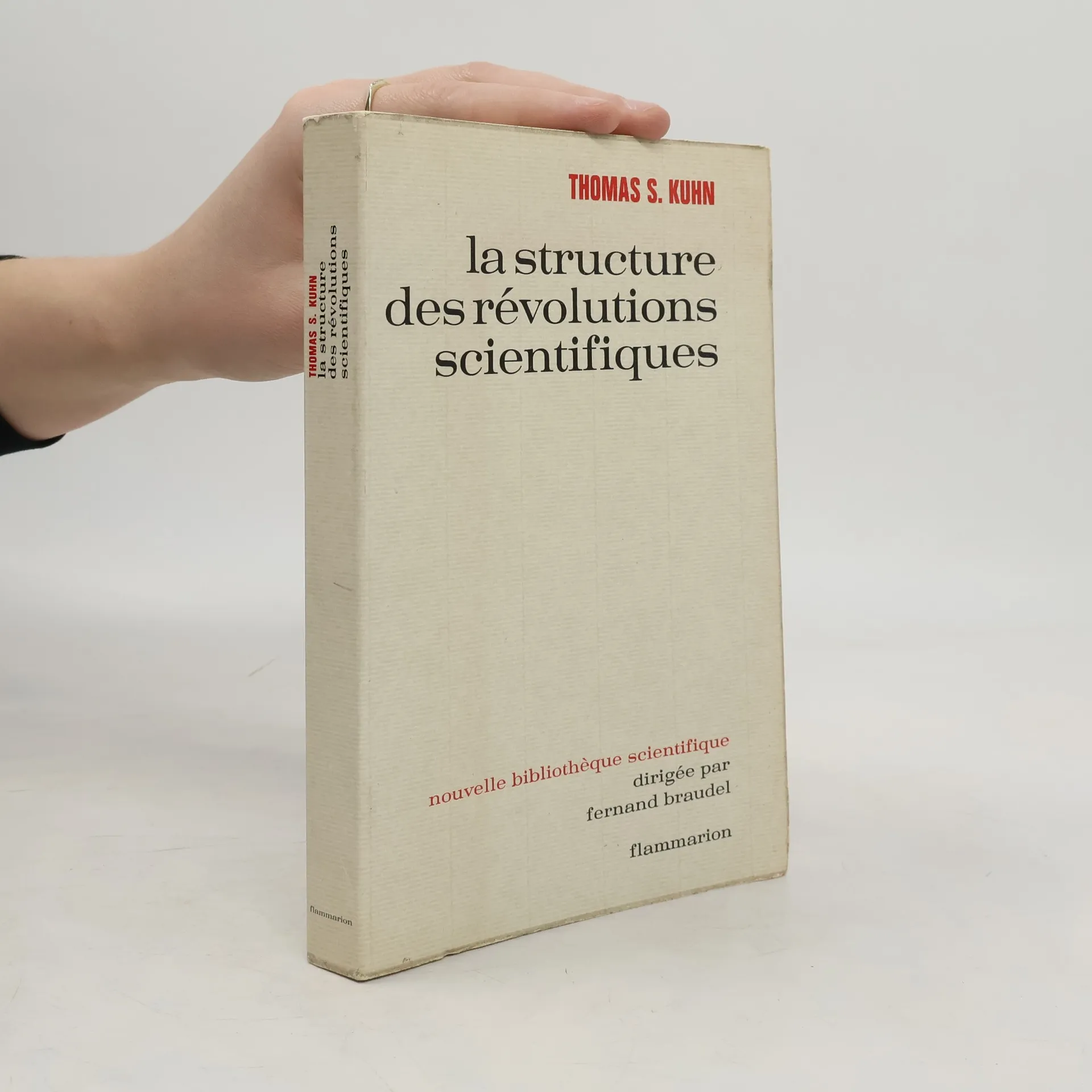
Un bon livre peut changer notre vision du monde, mais un grand livre devient partie intégrante de notre conscience, influençant nos pensées au point où nous oublions ses provocations originales. La Structure des révolutions scientifiques en est un exemple. Depuis sa publication en 1962, il reste une œuvre centrale dans l'histoire et la philosophie des sciences, offrant des leçons durables. Kuhn a remis en question les vues linéaires traditionnelles du progrès scientifique, affirmant que les idées transformantes émergent non pas d'expérimentations graduelles mais de moments révolutionnaires qui perturbent la pensée établie. Il a qualifié ce processus de "science normale". Bien que rédigé à une époque dominée par la physique, les idées de Kuhn sur la manière dont les révolutions scientifiques traitent les anomalies accumulées dans la recherche demeurent pertinentes aujourd'hui, en particulier dans le domaine de la biotechnologie. L'introduction éclairante d'Ian Hacking clarifie des concepts clés comme le paradigme et l'incommensurabilité, appliquant les idées de Kuhn à la science contemporaine. L'introduction de Hacking, en accord avec les sections du livre, fournit un contexte et des informations essentiels. Avec un nouveau design et un index élargi, cette édition est prête à engager une nouvelle génération de lecteurs désireux d'explorer l'évolution des perspectives scientifiques.