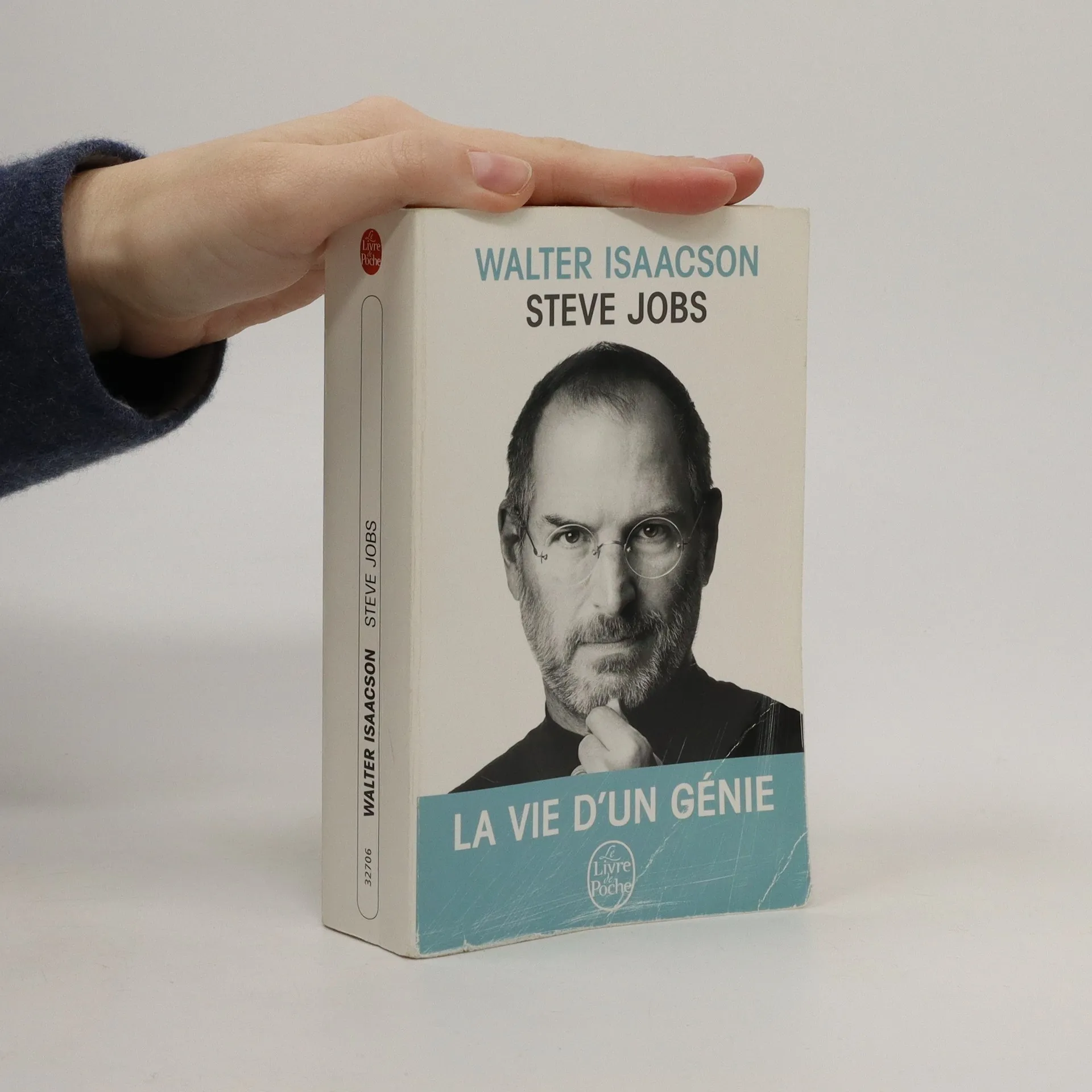
Cet ouvrage résulte d'un travail de plus de deux ans, mené à partir d'interviews des proches, des rivaux, des collègues, mais aussi d'entretiens avec le cofondateur de la firme Apple, Steve Jobs. Atteint d'un cancer, Steve Jobs évoquait sa carrière que certains qualifient d'exemplaire.
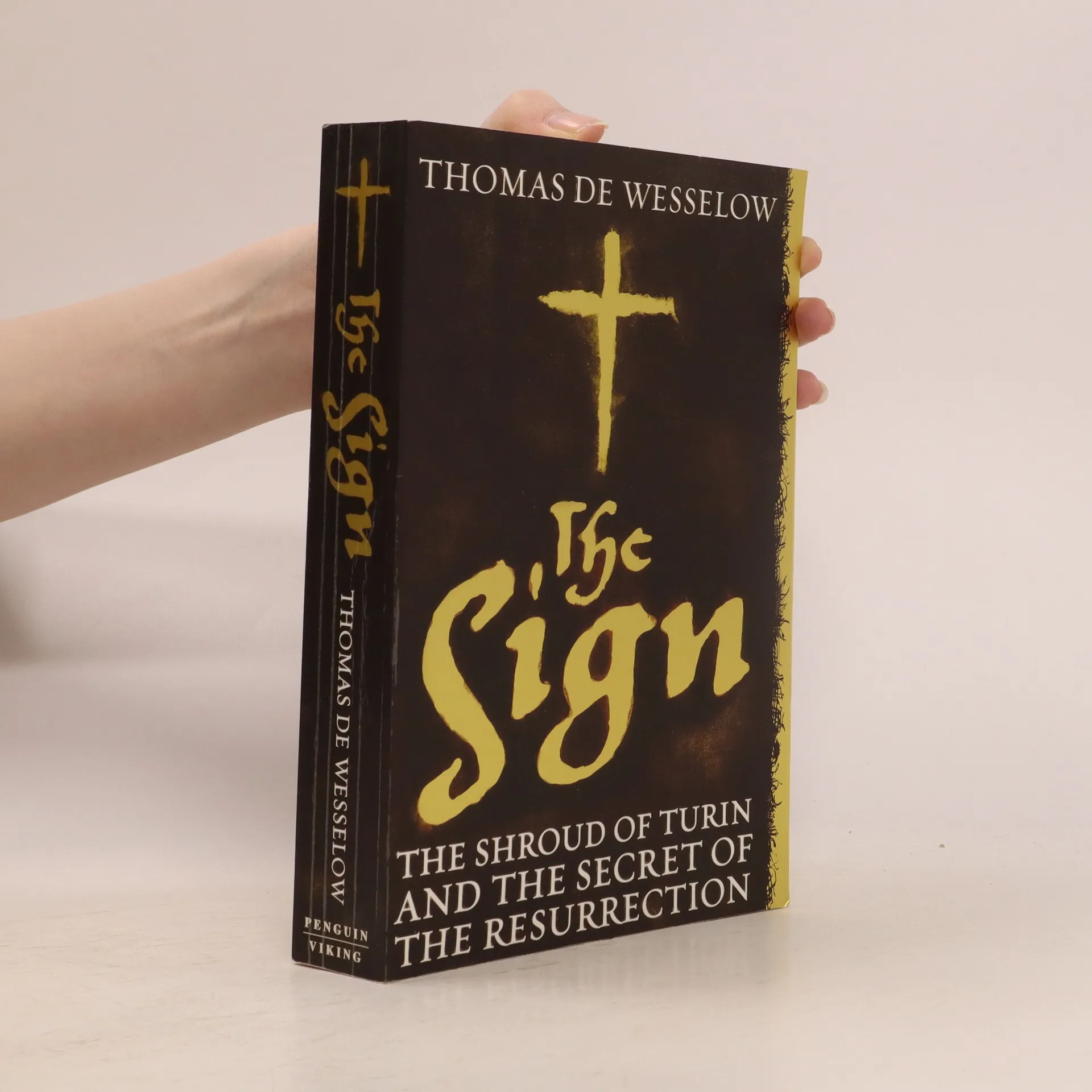
"The birth of Christianity, nearly 2000 years ago, has shaped the whole course of human history. Yet historians still cannot explain how it all really began. What made Jesus's followers claim to have seen him alive again, three days after his crucifixion? Why did Christianity take off so quickly? This extraordinary book, based on seven years of secret research, finally provides the answer. And it lies with an enigmatic relic long assumed to be a fake: the Shroud of Turin. With historical detective work and cutting-edge scientific research, art historian Thomas de Wesselow has discovered that Jesus's followers did see something at the tomb. They saw something real but out of the ordinary - something that seemed like a miracle. It was the burial cloth of Jesus, stained with his body image. This ancient marvel was hailed as a sign of the Resurrection, and kick-started the Christian faith. The Sign details conclusive evidence that the Shroud of Turin is authentic, showing that the faint image on the cloth was formed naturally through a rare chemical reaction. It then explains how this revelation solves multiple puzzles of religious history: for example, the Gospel reports of the appearances of the Risen Christ are clearly based on early viewings of the Shroud"--Publisher description
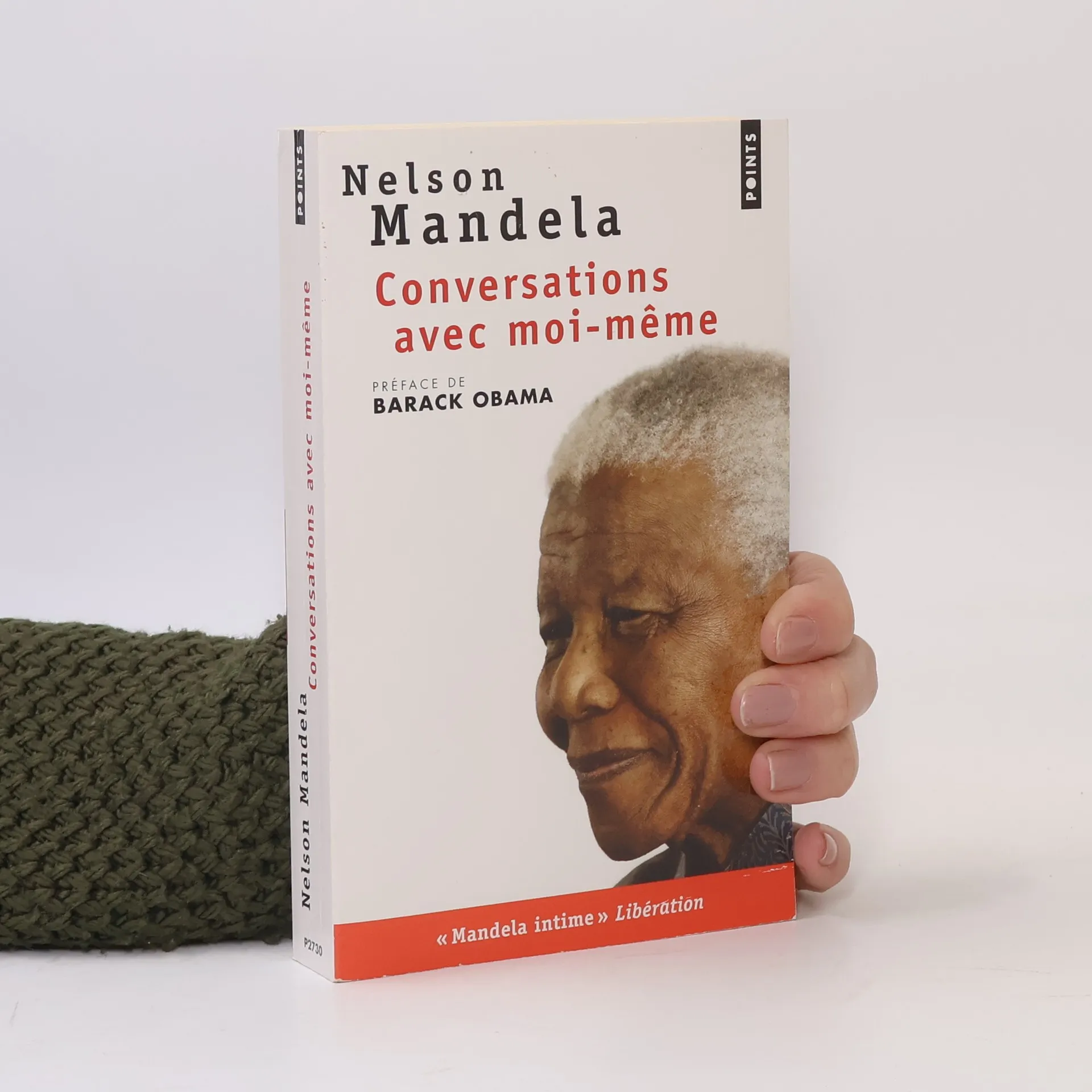
Ce recueil de notes et de correspondances dévoile la face inconnue et intime de Nelson Mandela, depuis l'éveil de sa conscience politique jusqu'à son rôle de leader d'une nation. Ses lettres de prison, ses carnets de notes, la retranscription de ses entretiens privés et le brouillon de son manuscrit autobiographique révèlent les réflexions et les espoirs mais aussi les peurs et les faiblesses d'un homme au-delà de la légende.
Throughout his life Mozart was inspired, fascinated, amused, aroused, hurt, disappointed and betrayed by women; and he appeared equally fascinating to them. But, first and last, Mozart loved and respected women. His mother, his sister, his wife, her sisters, his patrons, his friends, his lovers and his artists all figure prominently in his life. Jane Glover introduces us to Mozart’s mother, Maria Anna and his beloved and talented sister, Nannerl. We meet, too, Mozart’s ‘other family’, the Webers: Constanze, his wife, much maligned by history, and her sisters Aloysia, Sophie and Josepha. This is their story. But it is also the story of the women in his operas, all of whom were – like his sister, his mother, his wife and entire female acquaintance – restrained by the conventions and strictures of eighteenth-century society. Yet through his glorious writing, he identified and released the emotions of his characters. They hold up the mirror to their audiences and offer inestimable insight, together constituting yet further proof of Mozart’s true genius and phenomenal understanding of human nature. Rich, evocative and compellingly readable, Mozart's Women illuminates the music and the man, but above all, the women who inspired him.
Based on huge research and scores of interviews, this book offers an unforgettable and richly illustrated narrative of the military action that took place in Moscow during 1941; telling portraits of Stalin and his generals, some apparatchiks, some great commanders. It also traces the stories of individuals, soldiers, politicians and intellectuals, writers and artists and dancers, workers, schoolchildren and peasants. Click here to visit the author's website.
The God Delusion caused a sensation when it was published in 2006. Within weeks it became the most hotly debated topic, with Dawkins himself branded as either saint or sinner for presenting his hard-hitting, impassioned rebuttal of religion of all types. His argument could hardly be more topical. While Europe is becoming increasingly secularized, the rise of religious fundamentalism, whether in the Middle East or Middle America, is dramatically and dangerously dividing opinion around the world. In America, and elsewhere, a vigorous dispute between 'intelligent design' and Darwinism is seriously undermining and restricting the teaching of science. In many countries religious dogma from medieval times still serves to abuse basic human rights such as women's and gay rights. And all from a belief in a God whose existence lacks evidence of any kind. Dawkins attacks God in all his forms. He eviscerates the major arguments for religion and demonstrates the supreme improbability of a supreme being. He shows how religion fuels war, foments bigotry and abuses children. The God Delusion is a brilliantly argued, fascinating polemic that will be required reading for anyone interested in this most emotional and important subject.
In this sweeping history, bestselling author Amy Chua explains how globally dominant empires—or hyperpowers—rise and why they fall. In a series of brilliant chapter-length studies, she examines the most powerful cultures in history—from the ancient empires of Persia and China to the recent global empires of England and the United States—and reveals the reasons behind their success, as well as the roots of their ultimate demise. Chua's analysis uncovers a fascinating historical pattern: while policies of tolerance and assimilation toward conquered peoples are essential for an empire to succeed, the multicultural society that results introduces new tensions and instabilities, threatening to pull the empire apart from within. What this means for the United States' uncertain future is the subject of Chua's provocative and surprising conclusion.