The Un-Private House
- 151pages
- 6 heures de lecture
"This book looks at twenty-six houses by an international roster of contemporary architects"--P. [4] of cover.



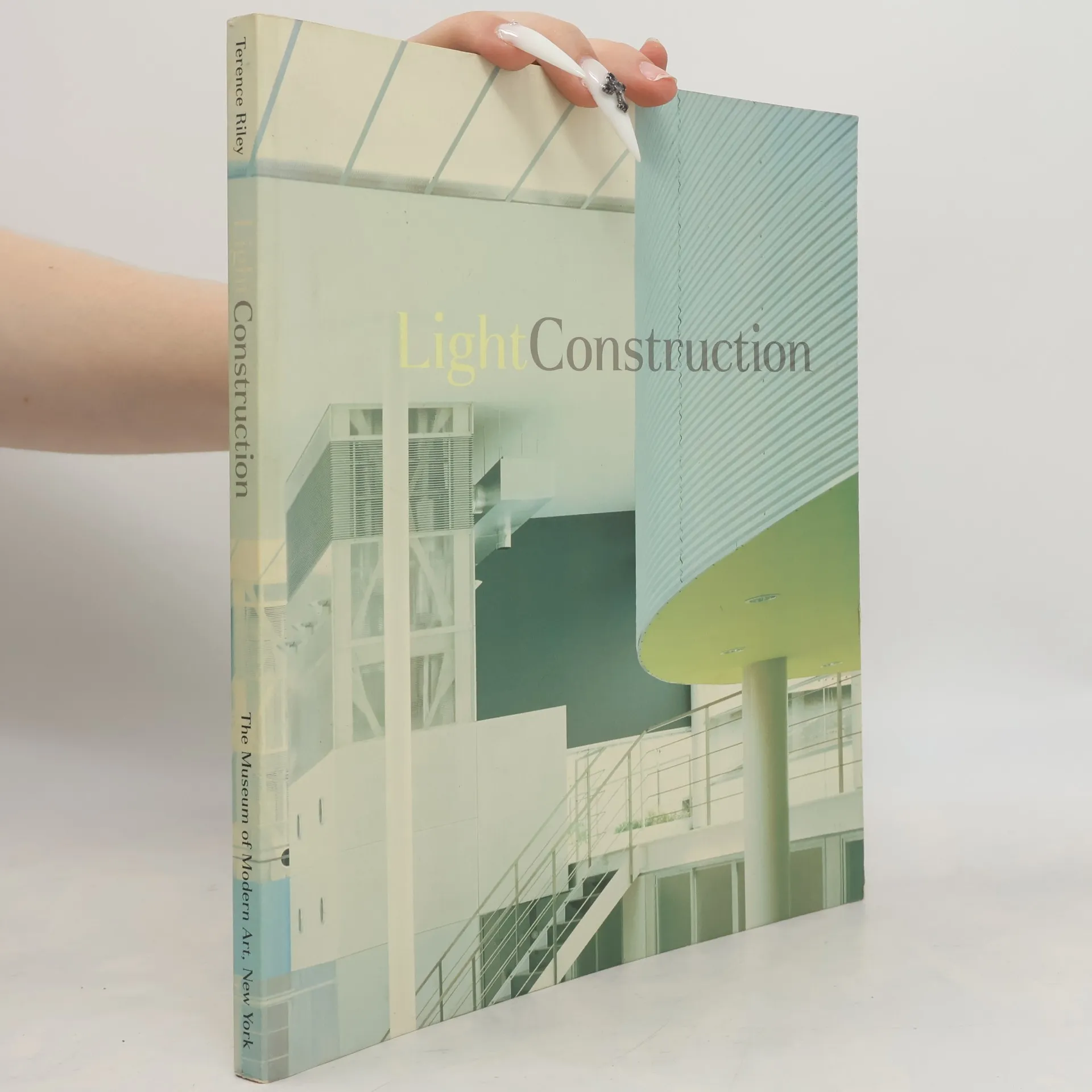
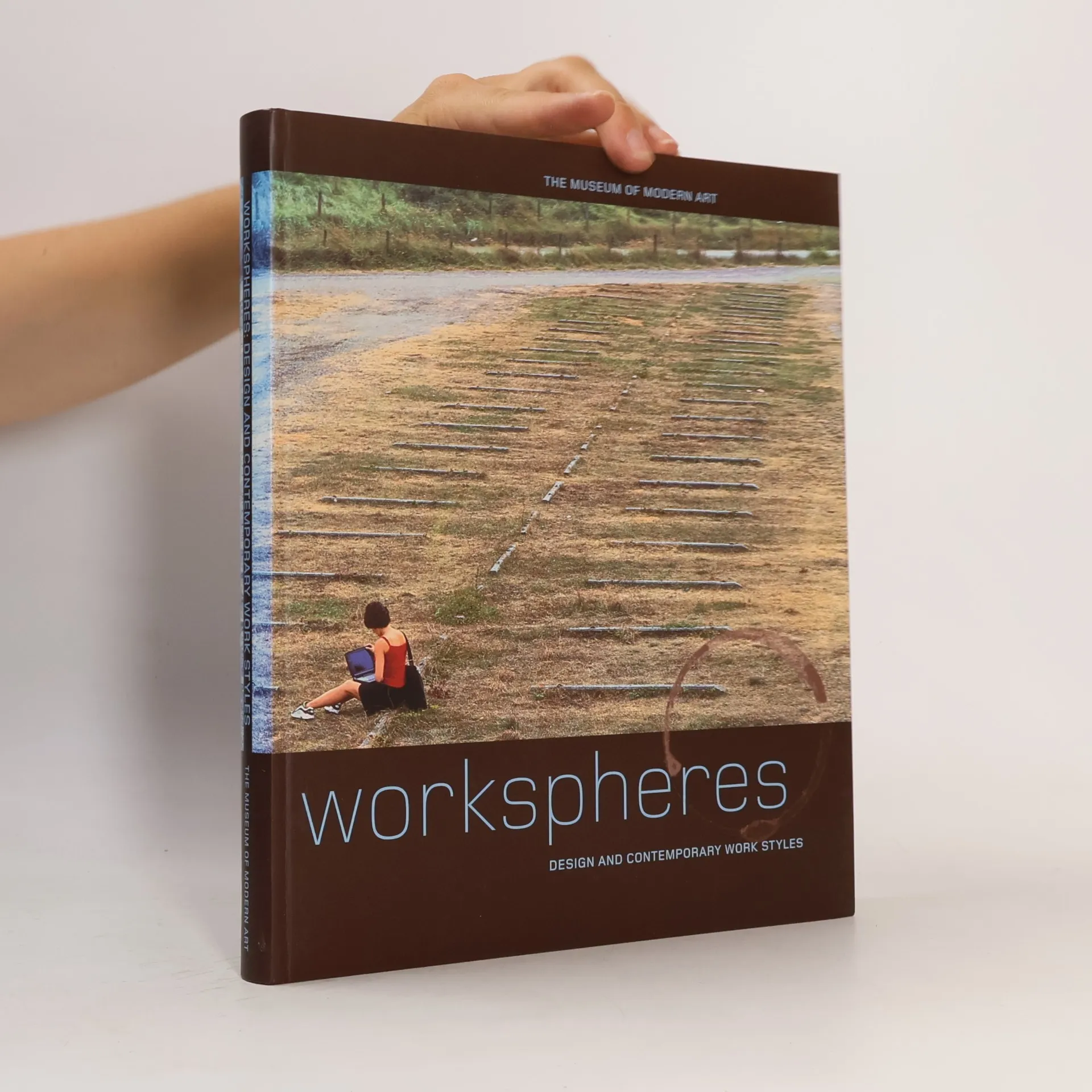
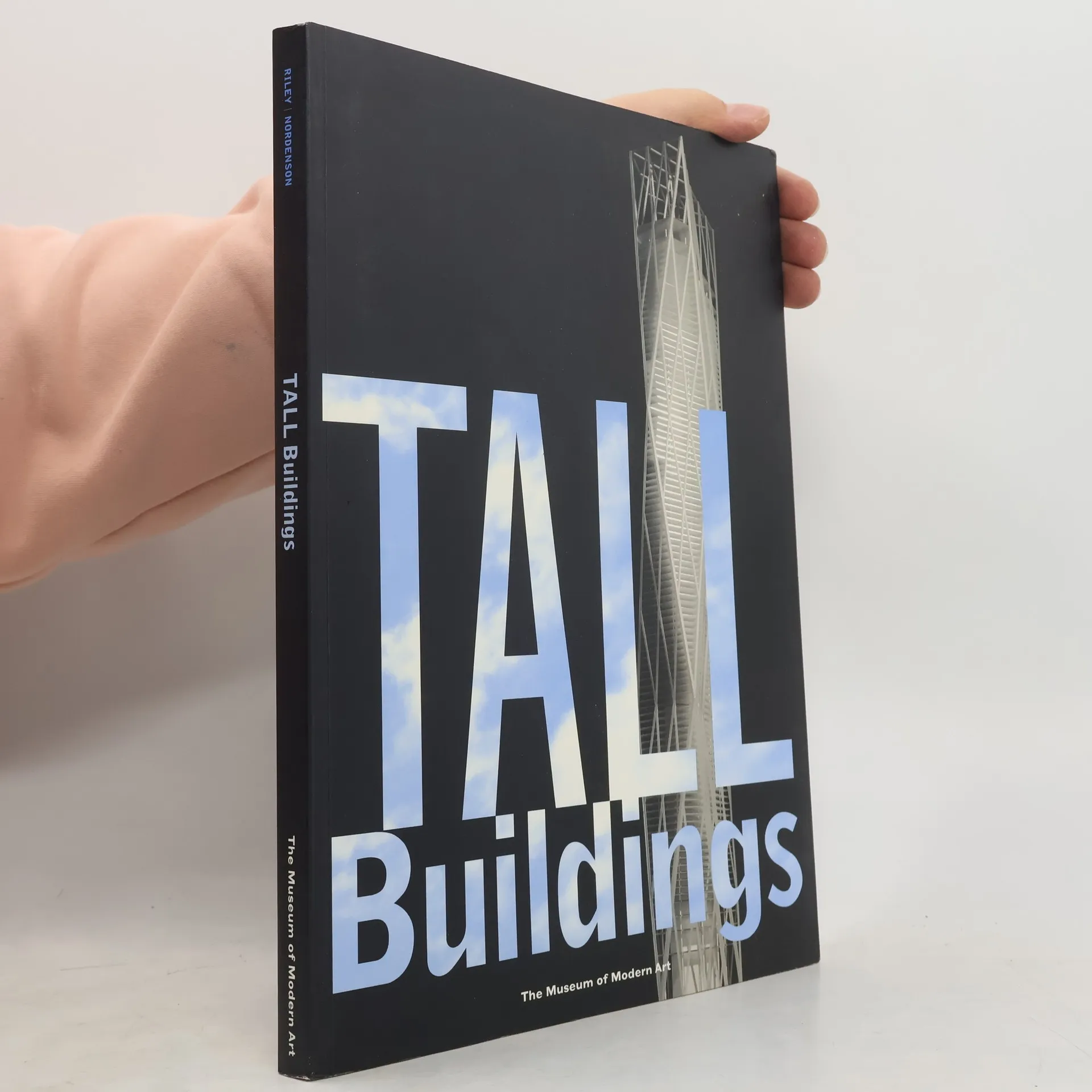
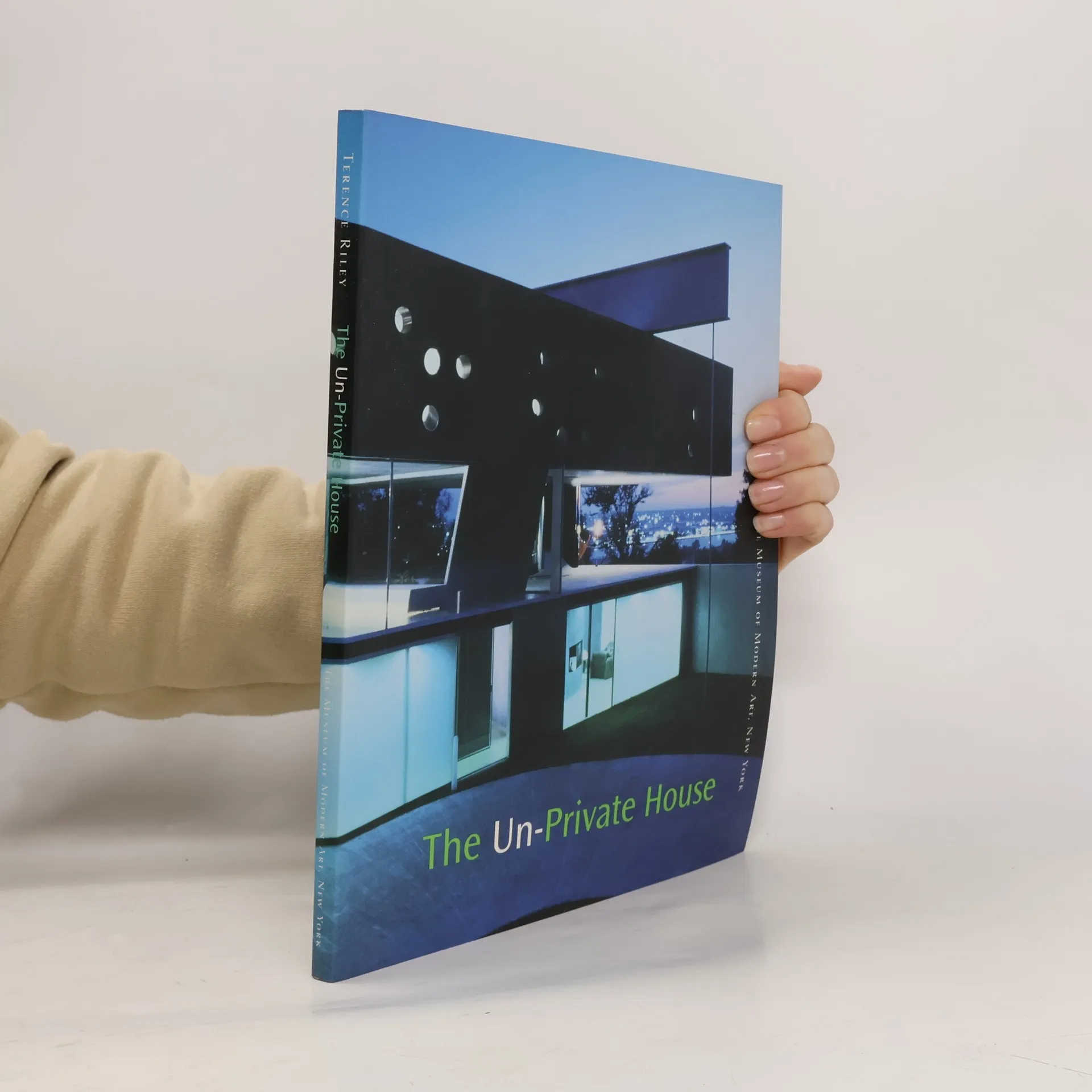
"This book looks at twenty-six houses by an international roster of contemporary architects"--P. [4] of cover.
Since the first skyscraper was built a century ago, tall buildings have captivated people worldwide. Today, they are integral to our urban landscape. However, skyscrapers are not just relics of the twentieth century; they have evolved alongside our technological, spatial, and aesthetic needs, shaping the modern city. This exploration delves into the redefinition of tall buildings for the twenty-first century, offering a critical review of their current state. It discusses structural innovations, programmatic advancements, and their social and urban implications. The book features 26 skyscrapers and high-rise structures designed in the last decade globally, exemplifying these themes. Each project is richly illustrated and accompanied by explanatory text. Notable examples include Santiago Calatrava's Turning Torso in Malmo, Norman Foster's Swiss Re Headquarters in London, and Rem Koolhaas's CCTV Tower in Beijing. Other highlighted projects include the New York Times Headquarters by Renzo Piano, Jin Mao Tower by SOM, and various proposals for the World Trade Center. This work provides insight into the architectural evolution and significance of tall buildings in contemporary society.
In the past, work has shaped the way we live. In the near future, the way we live may shape the way we work. Workspheres creatively confronts the design demands of the ever-evolving contemporary work environment. Featuring design products, prototypes, and models, and part of a groundbreaking 2001 exhibition held at The Museum of Modern Art, New York, this exciting book introduces work concepts originated by internationally recognized designers who address the unique needs of specific work scenarios, including the nomadic office of a business traveler; the domestic office; the virtual office; and more traditional offices in settings configured for group interaction. Featuring projects commissioned especially for Workspheres by such avant-garde brainstormers as LOT/EK, Digital Image Design, and Hella Jongerius, interviews with designers extraordinaire Bruce Mau, Michael Brill, and Francis Duffy, and more pictures of chairs, cubicles, and desks that you've ever imagined, even in your most compulsive catalogue fantasies, Workspheres is the ultimate consideration of contemporary work space.
How do you transform an old staple factory into temporary quarters for The Museum of Modern Art? As one of the world's foremost museums prepares to undergo massive renovations, rebuilding, and expansion, an interim space has been created in Queens, one of the five boroughs, to house exhibitions and administrative and curatorial offices. After the Manhattan site reopens, MoMA QNS will continue to be used as a study center and art storage facility. This publication details the renovation process and discusses the building from conception to completion, with images of the drawings, plans, and structure. The architects for the project, Michael Maltzan, Inc. and Cooper, Robertson & Partners, are discussed in terms of their roles at MoMA QNS and their other projects. Published to coincide with the opening of MoMA QNS.