

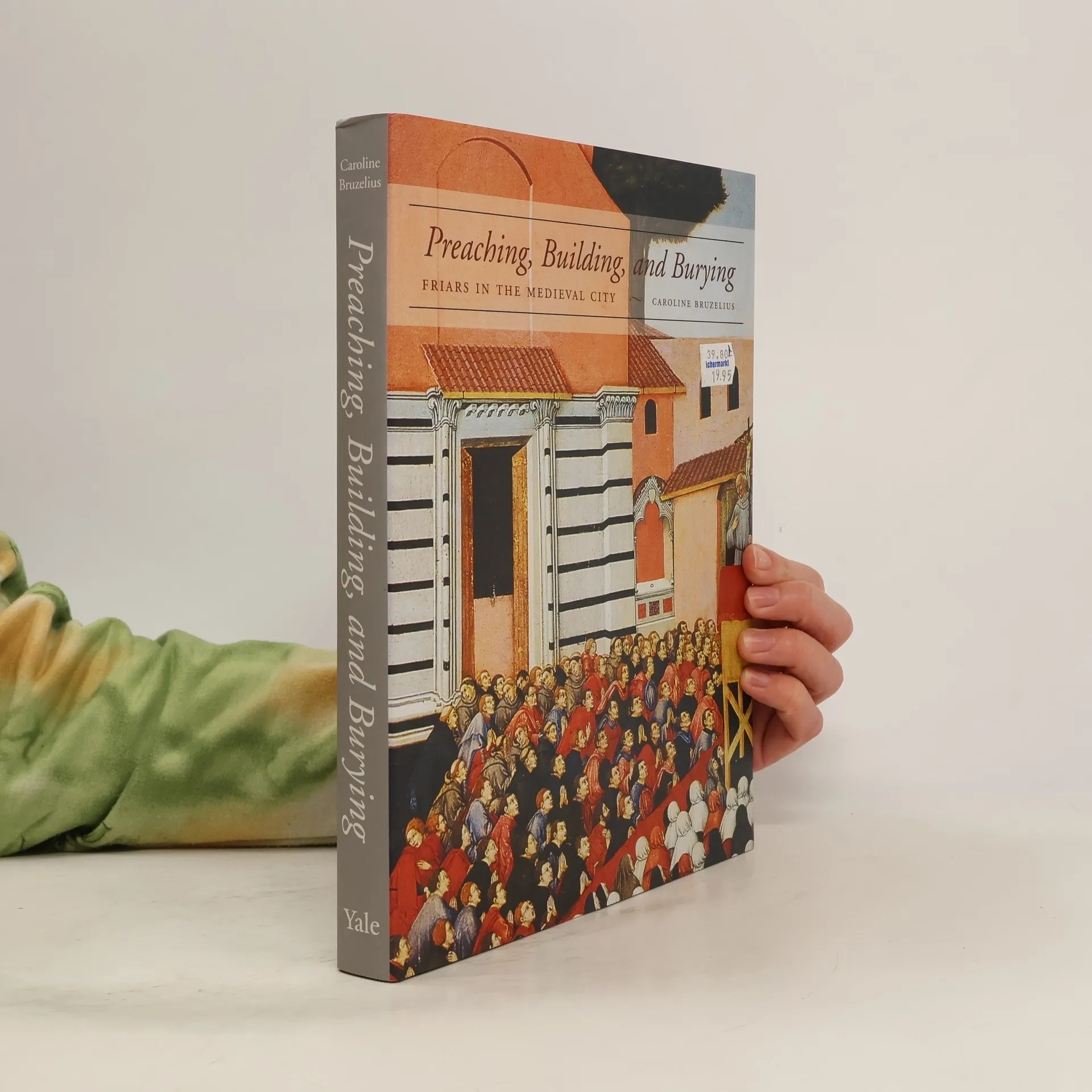
Friars transformed the relationship of the church to laymen by taking religion outside to public and domestic spaces. Mendicant commitment to apostolic poverty bound friars to donors in an exchange of donations in return for intercessory prayers and association with friars was believed to reduce the suffering of purgatory. Mendicant convents became urban cemeteries, warehouses filled with family tombs, flags, shields, and private altars. As mendicants became progressively institutionalized and sought legitimacy, friars adopted the architectural structures of chapter houses, cloisters, dormitories, and refectories. They also created piazzas for preaching and burying outside their churches. Construction depended on assembling adequate funding from communes, confraternities, and private individuals; it was also sometimes supported by the expropriation of property from heretics. Because of irregular funding, construction was episodic, with substantial changes in scale and design. Choir screens served as temporary west façades while funds were raised for completion. This is the first book to analyze the friars’ influence on the growth and transformation of medieval buildings and urban spaces.
Caroline Astrid Bruzelius Livres
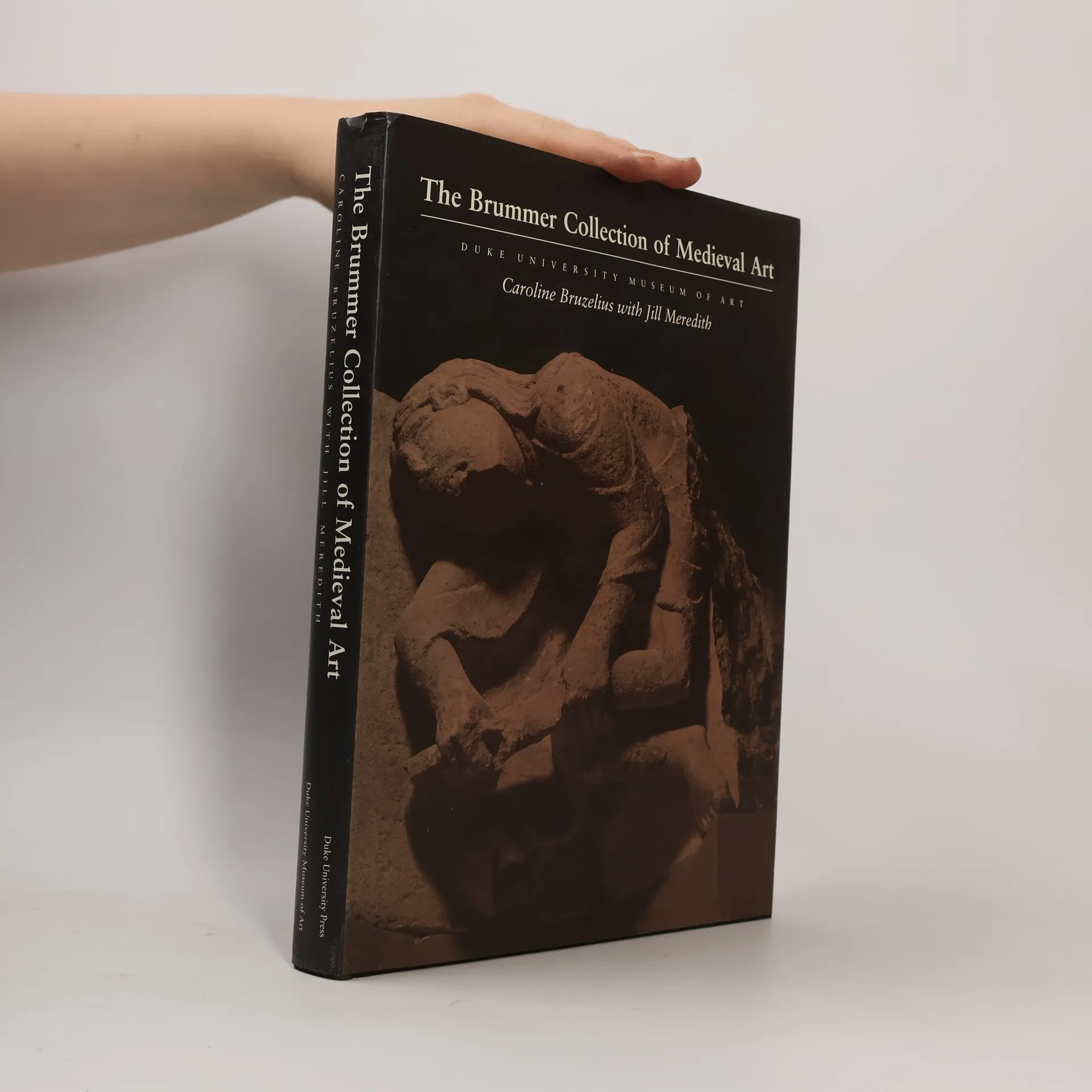
The Brummer Collection of Medieval Art in the Duke University Museum of Art is one of the finest to be found in any American university museum. It is remarkable for its breadth and the variety of objects represented, with works varying in scale from monumental stone pieces to small-scale objects in wood, ivory, or metal, and ranging from the seventh to eighth centuries through the sixteenth century. This fine catalog makes available for the first time this rich but little-known collection.Five studies by leading art scholars focus on key works in the collection and contribute to a new understanding of the origins of many of the pieces. Two introductory essays comment on the character of the collection as a whole, its acquisition by Duke University, and its conservation. Finally, the catalog section discusses the more important pieces in the collection and is followed by a checklist of entries and smaller photographs of all other objects. Contributors. Ilene H. Forsyth, Jean M. French, Dorothy F. Glass, Dieter Kimpel, Jill Meredith, Linda S. Roundhill