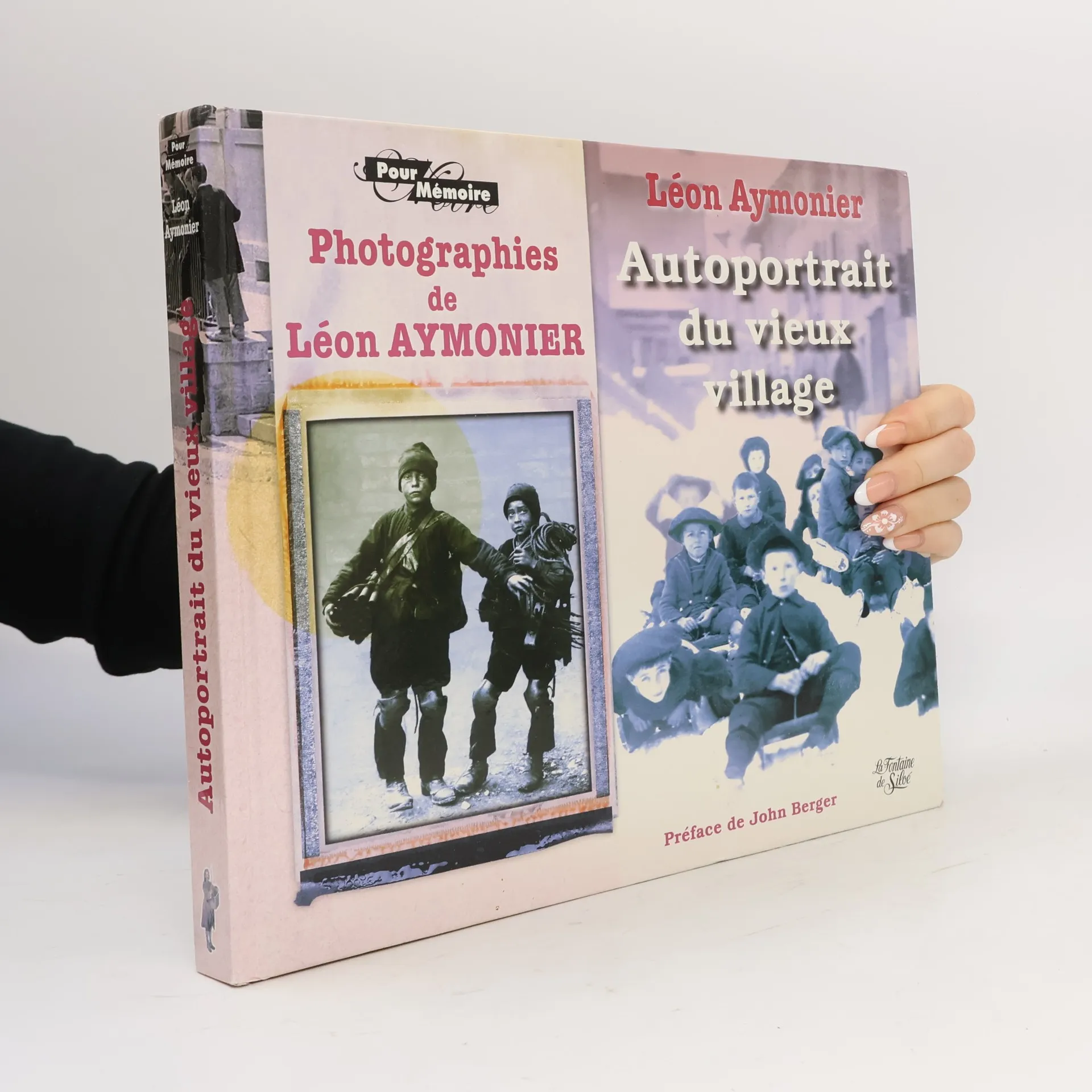
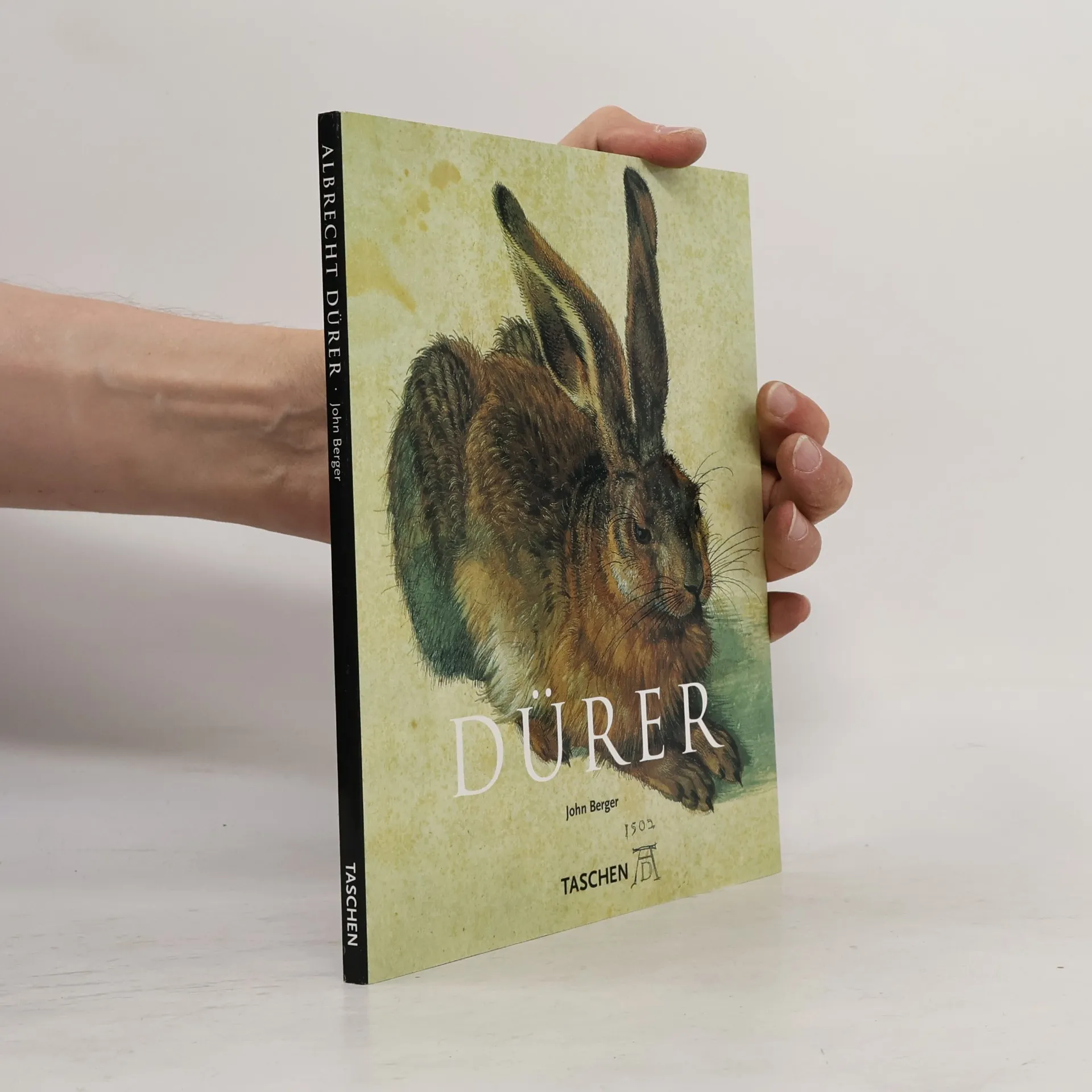
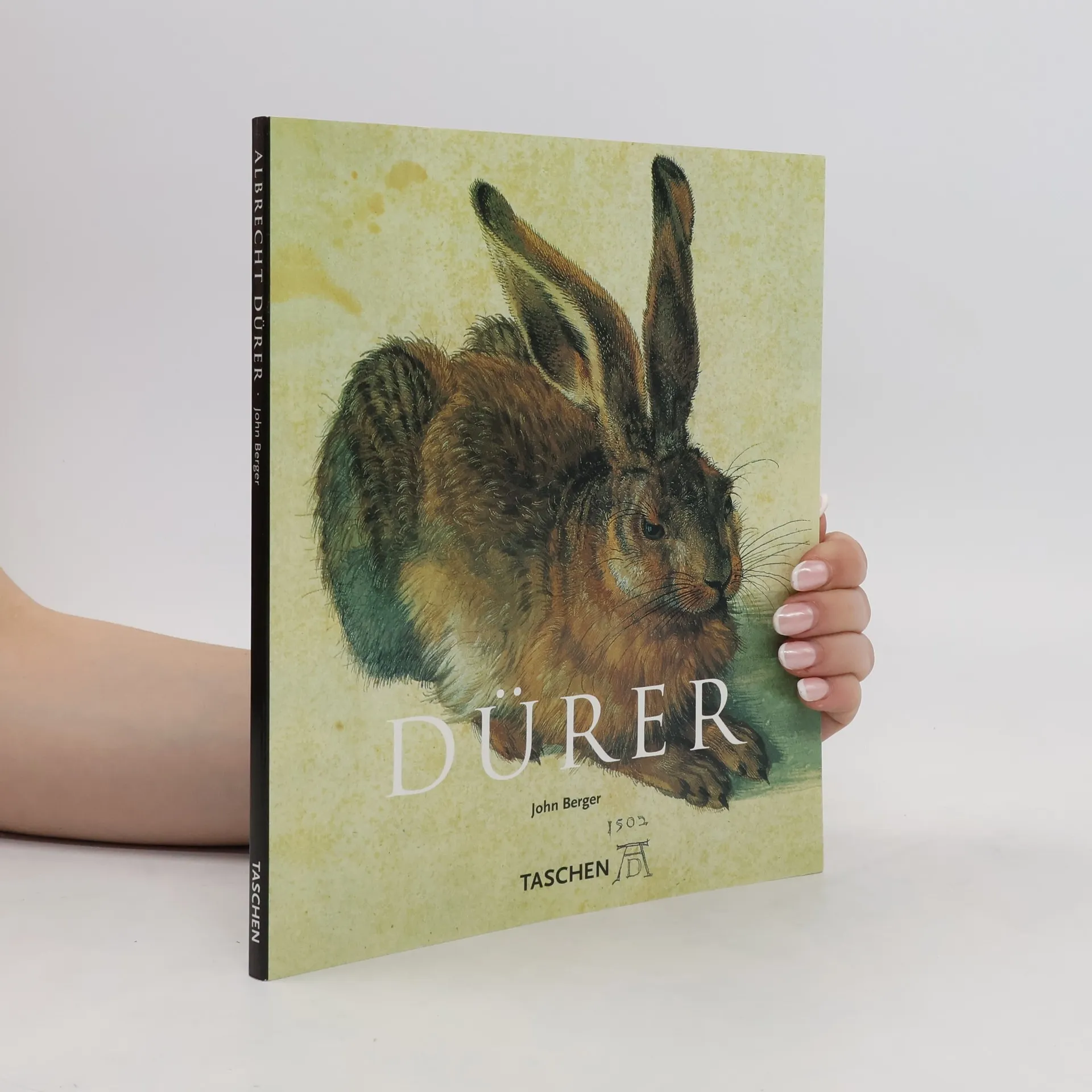
500 ans nous séparent d'Albrecht Dürer (1471-1528). Pour ses contemporains, son habileté à représenter un objet tenait du prodige. Aujourd'hui encore, il nous suffit d'évoquer ses dessins de plantes et d'animaux pour ressentir cette impression. Les œuvres réunies dans cet ouvrage reflètent le génie de cet artiste exceptionnel.
John Berger Livres
5 novembre 1926 – 2 janvier 2017
John Berger était un auteur anglais dont l'œuvre couvrait la critique d'art, le roman et la peinture. Son écriture explore fréquemment la tension entre modernité et mémoire, perte et présence. Berger méditait souvent sur la vie des paysans et leur transformation lors de leur passage en milieu urbain. Ses textes sont connus pour leur profonde perspicacité sur la condition humaine et une perspective critique sur la société.



King
- 233pages
- 9 heures de lecture
Ils s'appellent Liberto, Malak, Joachim, Alfonso, Vico, Vica. Ils vivent dans un terrain vague, à proximité d'une voie rapide, parmi les détritus et toutes sortes d'objets broyés, de machines cassées. King raconte vingt-quatre heures de leur vie. Mais qui est King ? King est la voix du conteur. C'est un chien. Ou, si l'on préfère, le point de vue d'un chien sur cette humanité précaire - les SDF - qui tente, à l'aube du XXIe siècle, de survivre au milieu des déchets abandonnés par la société de consommation.
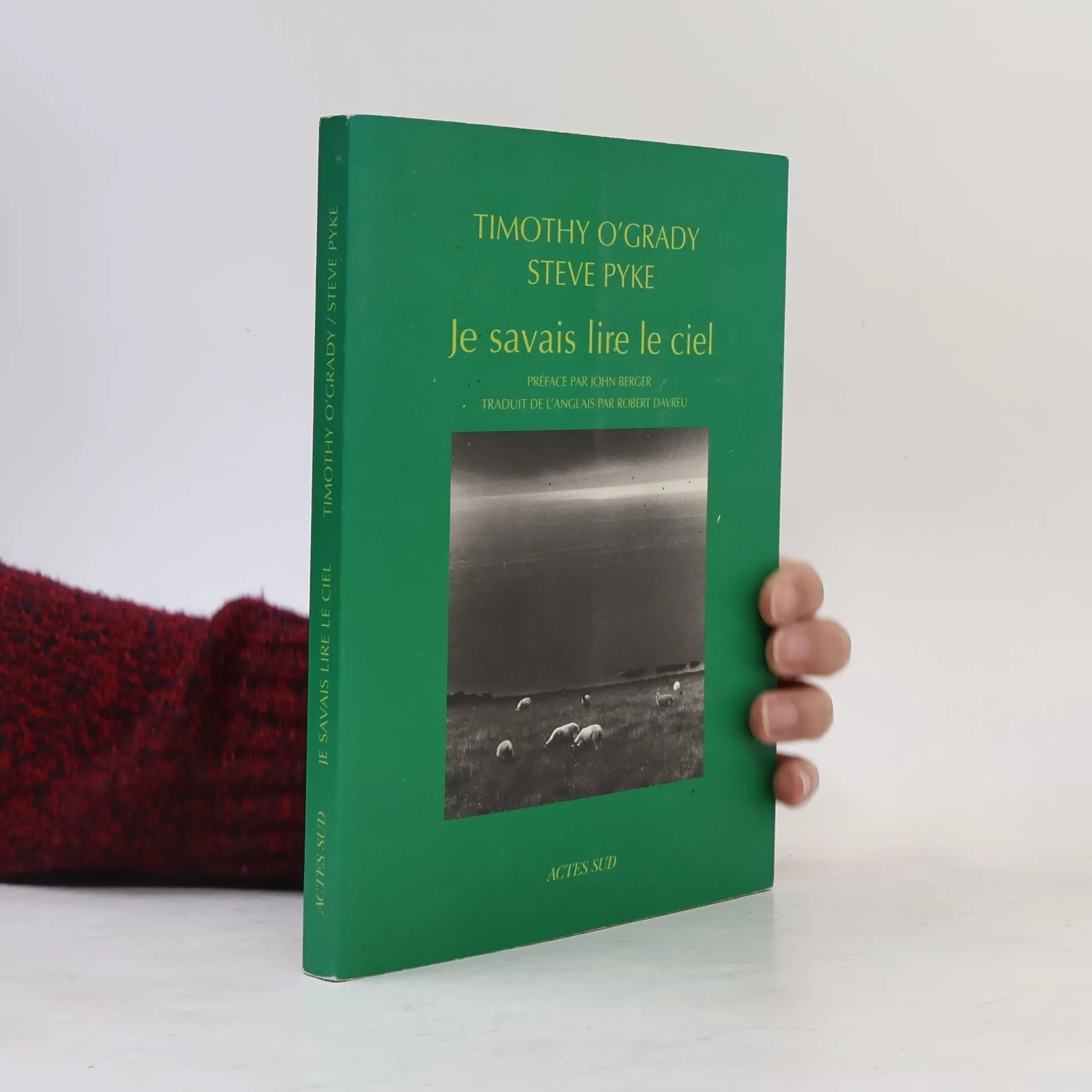
Je savais lire le ciel
- 192pages
- 7 heures de lecture
Celui qui, vieillissant, évoque ici son passé fut de ces émigrants coupés de leurs racines par la difficile histoire de l'Irlande au cours du XXe siècle. Comme tant d'autres, laminés par la perte, hantés par les visages de ceux qu'il leur fallut laisser derrière eux et le corps altéré par de terribles conditions de travail, le narrateur a été contraint par la misère à s'exiler vers l'Angleterre : ses mégapoles industrielles, ses chantiers ou ses champs qui, à certains, ont pris jusqu'à la vie... Méditatif et bouleversant, le récit révèle peu à peu, entre les blancs du silence, la sombre empreinte que laissent à l'âme les paradis perdus et les enfers sur terre. Icônes conniventes pour une cérémonie du souvenir, les photos de Steve Pyke - lieux et visages de mémoire - conjuguent aux vertus d'une langue superbe celles de leur frémissante austérité.
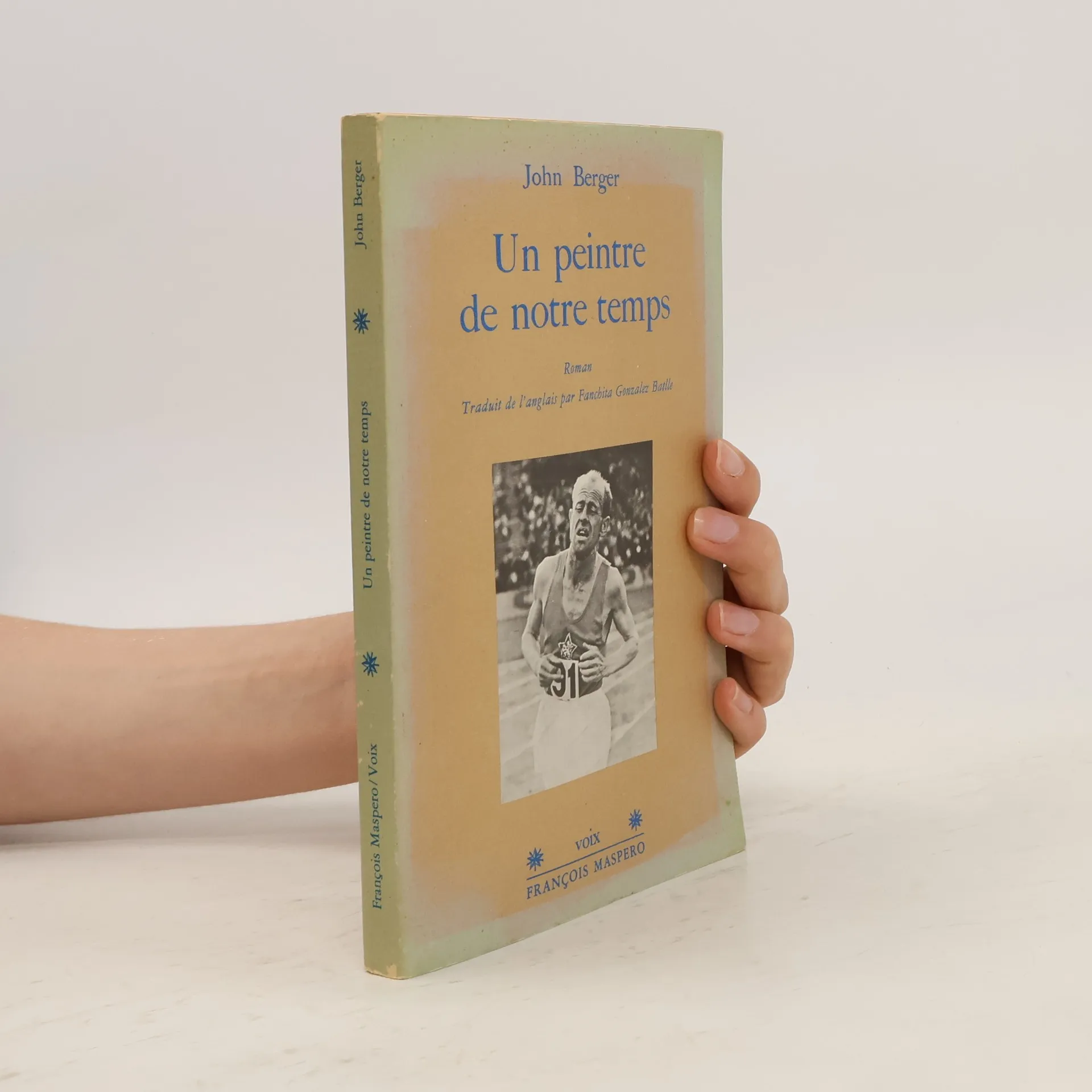
Un Peintre de notre temps
- 219pages
- 8 heures de lecture
Dans Un Peintre de notre temps, John Berger propose une captivante histoire intellectuelle et morale, tout en offrant des réflexions esthétiques qui font écho à ses grandes œuvres de critique d'art. L'année est 1956. Des chars soviétiques envahissent Budapest. À Londres, un peintre hongrois expatrié, Janos Lavin, a disparu après un triomphe lors d'une exposition personnelle dans une galerie à la mode. Où est-il allé ? Pourquoi a-t-il disparu ? Les seules pistes pourraient se trouver dans le journal, écrit en hongrois, que Lavin a laissé dans son atelier. Avec une compréhension saisissante, John Berger dresse l'un des portraits les plus convaincants d'un peintre dans la littérature moderne, révélant les thèmes de l'art et de l'exil.
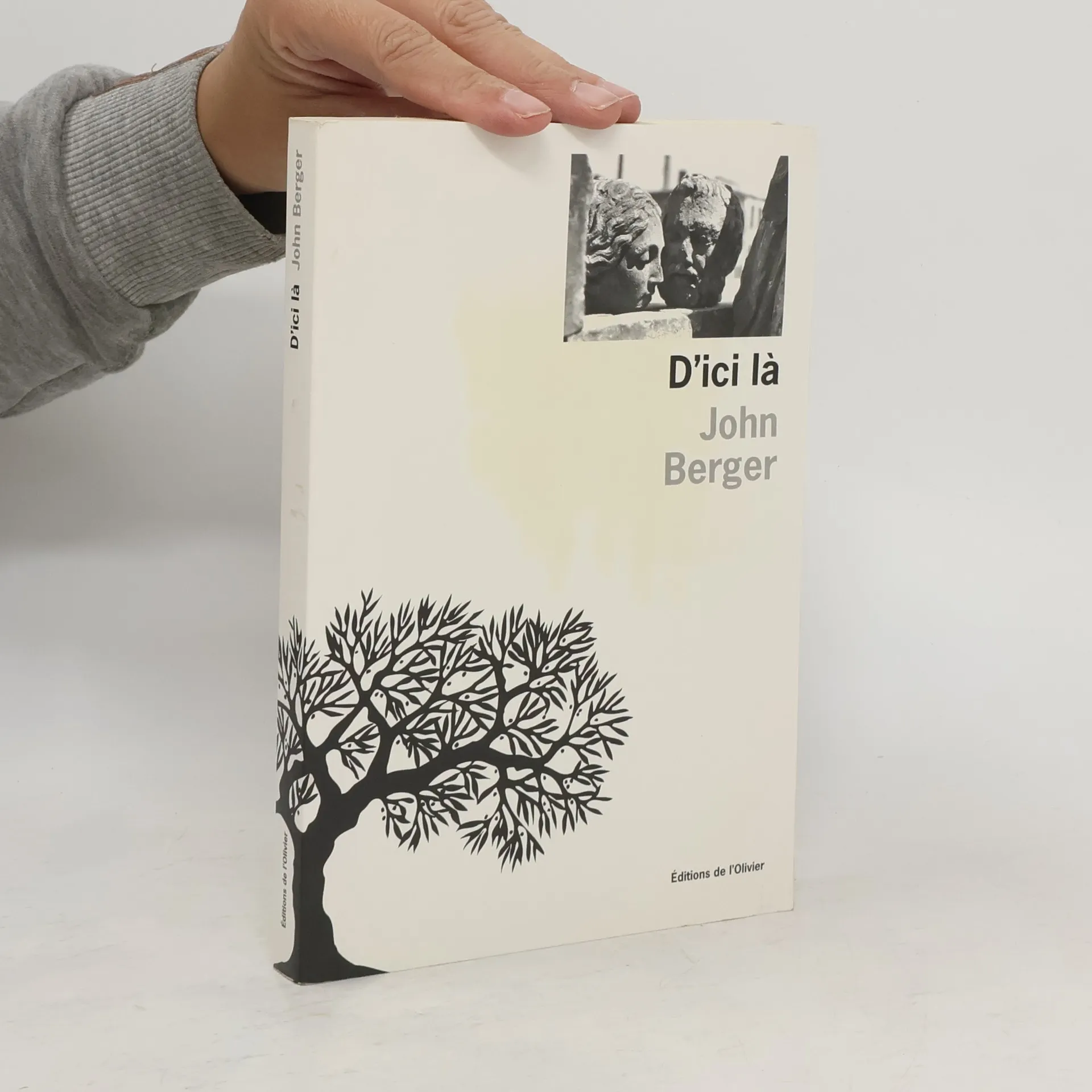
D'ici là
- 239pages
- 9 heures de lecture
A Lisbonne, au détour d'une rue, John Berger rencontre sa mère, pourtant morte depuis quinze ans. Elle l'accompagne le temps d'une balade parmi les azulejos colorés et lui raconte son premier amour. A Cracovie, dans le dédale d'un marché, il aperçoit Ken, son " passeur ", l'homme de trente ans son aîné qui lui a tout appris - à peindre, à tricher aux cartes, à boire - lorsqu'il était adolescent. A Madrid, c'est son vieux professeur d'école qui réapparaît. D'ici là se fonde sur le pouvoir de l'imagination littéraire et le don d'ubiquité de l'écrivain : être à la fois ici et là-bas, parmi les vivants et les morts, dans le présent et dans le passé. En convoquant celles et ceux qui ont fait de lui l'homme et l'artiste engagé qu'il est, ce roman dessine en creux le portrait de son auteur.
Joue-moi quelque chose
- 241pages
- 9 heures de lecture
Si ces photographies ne nous parlaient que de l'acte d'être photographié, elles ne nous hanteraient pas comme elles le font. Quelque chose d'autre est à l'oeuvre. Nous regardons ceux qui ont disparu. Non ! Ils ne sont pas revenus partager leurs plaisanteries avec nous au moment du Carnaval. A cet instant où nous les voyons, ils n'étaient pas morts (les images de lits de mort doivent être mises à part), ils n'étaient pas morts, et pourtant ils prévoyaient déjà tout. Ce qu'ils prévoyaient, c'était l'inévitable, pourtant en regardant l'inévitable, ils ne pouvaient contenir la fureur, non, la tenace obstination de leurs espoirs. Espoirs encore intacts, ou alors espoirs abandonnés encore en mémoire.
Daumier
- 221pages
- 8 heures de lecture
Honore Daumier (1808-1879) is perhaps best known for his political and social caricatures, precise and witty observations of life in nineteenth-century France. This study offers an assessment of his entire oeuvre, bringing together his paintings, sculptures, watercolours, drawings and lithographs, all of which were greatly admired in his lifetime.
I send you this cadmium red ...
- 244pages
- 9 heures de lecture
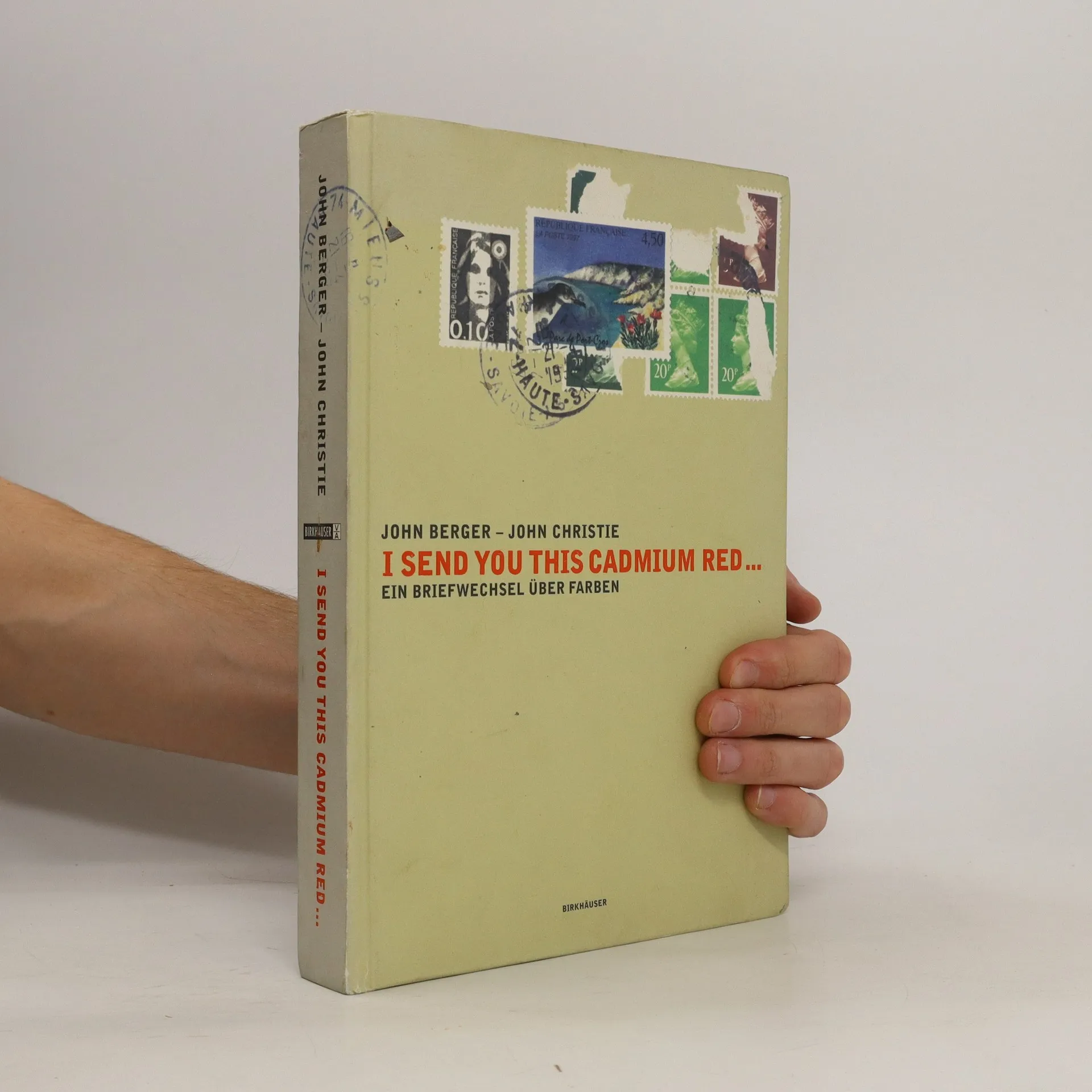
1997 erhält John Berger von John Christie ein rot bemaltes Papier. Berger antwortet, er gibt der Farbe rot eine eigene 'Lebensgeschichte': das unberührte Rot der Kindheit, das Schwarz, in das es sich verwandelt im Älterwerden, das Weiß, das es war, als es jung war, bis er zu seinem Lieblingsrot, dem Caravaggio-Rot kommt. Später schreiben sich Berger und Christie über das Matisse-Blau, das Yves Klein-Blau, sie kommen von Klein zu Le Corbusier, von Perlmutt zu Courbet, von Gelb zu Gold, von Kandinsky zu Paul Klee. Die Publikation dieser faszinierenden Korrespondenz ist eine Schatzkammer für alle diejenigen, die sich für Farben, Gestaltung, Malerei, Kunstgeschichte und Design interessieren. Die phantasievoll und sehr künstlerisch gestalteten Briefe werden alle im Faksimile und in Übersetzung wiedergegeben.
A Seventh Man
- 240pages
- 9 heures de lecture
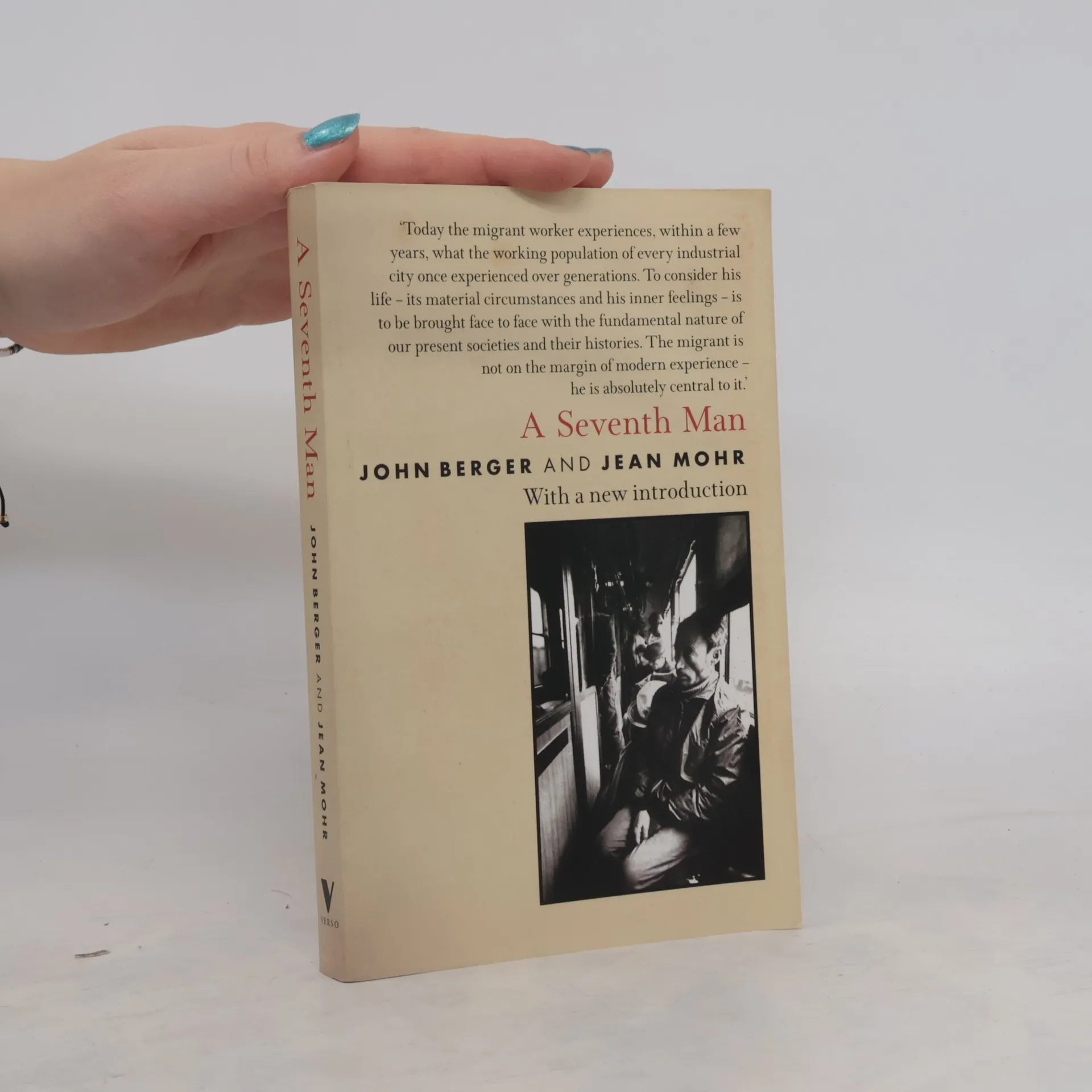
Why does the Western world look to migrant laborers to perform the most menial tasks? What compels people to leave their homes and accept this humiliating situation? In A Seventh Man, John Berger and Jean Mohr come to grips with what it is to be a migrant worker—the material circumstances and the inner experience—and, in doing so, reveal how the migrant is not so much on the margins of modern life, but absolutely central to it. First published in 1975, this finely wrought exploration remains as urgent as ever, presenting a mode of living that pervades the countries of the West and yet is excluded from much of its culture.
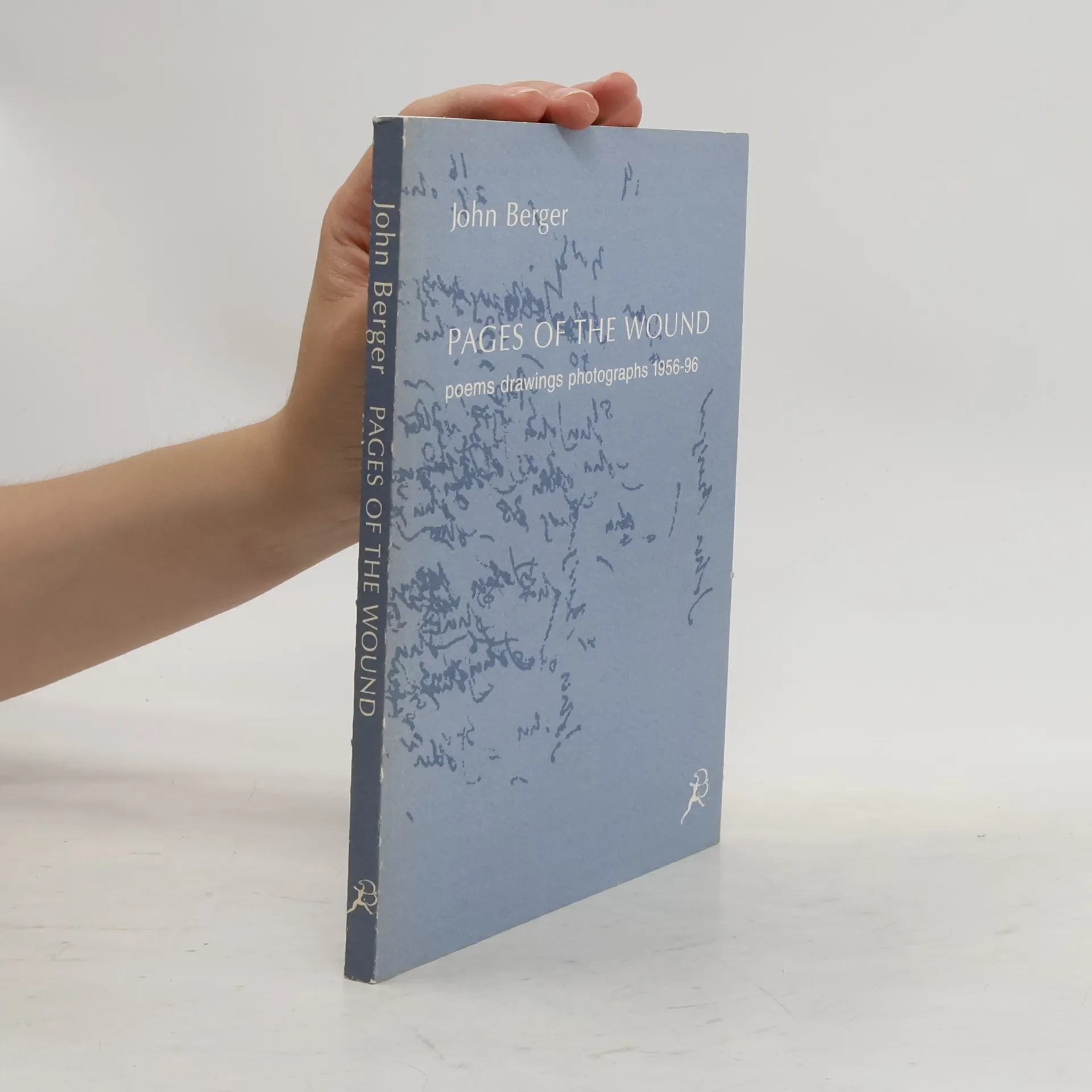
Published to celebrate John Berger's 70th birthday, this is a collection of his poems, drawings and photographs. It includes 46 poems written between 1956 and 1994. "At Remaurian", a sequence of poems from the early 1960s is accompanied by nine photographs taken by Berger. There are two gate-fold triptychs of drawings, as well as a self-portrait made in 1945 when Berger was an art student.
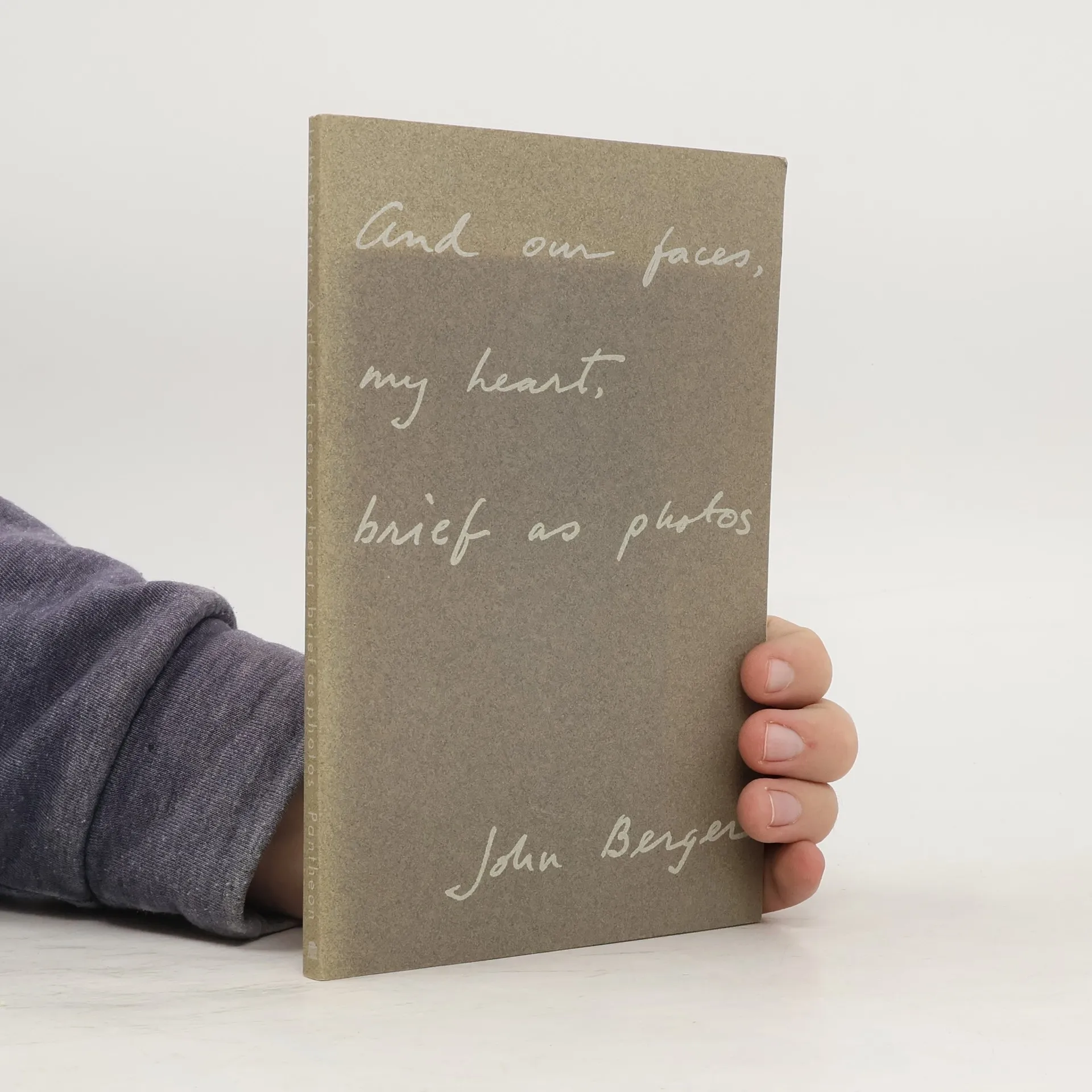
And Our Faces, My Heart, Brief as Photos
- 101pages
- 4 heures de lecture
Booker Prize-winning author John Berger reveals the ties between love and absence, the ways poetry endows language with the assurance of prayer, and the tensions between the forward movement of sexuality and the steady backward tug of time. He recreates the mysterious forces at work in a Rembrandt painting, transcribes the sensorial experience of viewing lilacs at dusk, and explores the meaning of home to early man and to the hundreds of thousands of displaced people in our cities today. And Our Faces, My Heart, Brief as Photos is a seamless fusion of the political and personal.
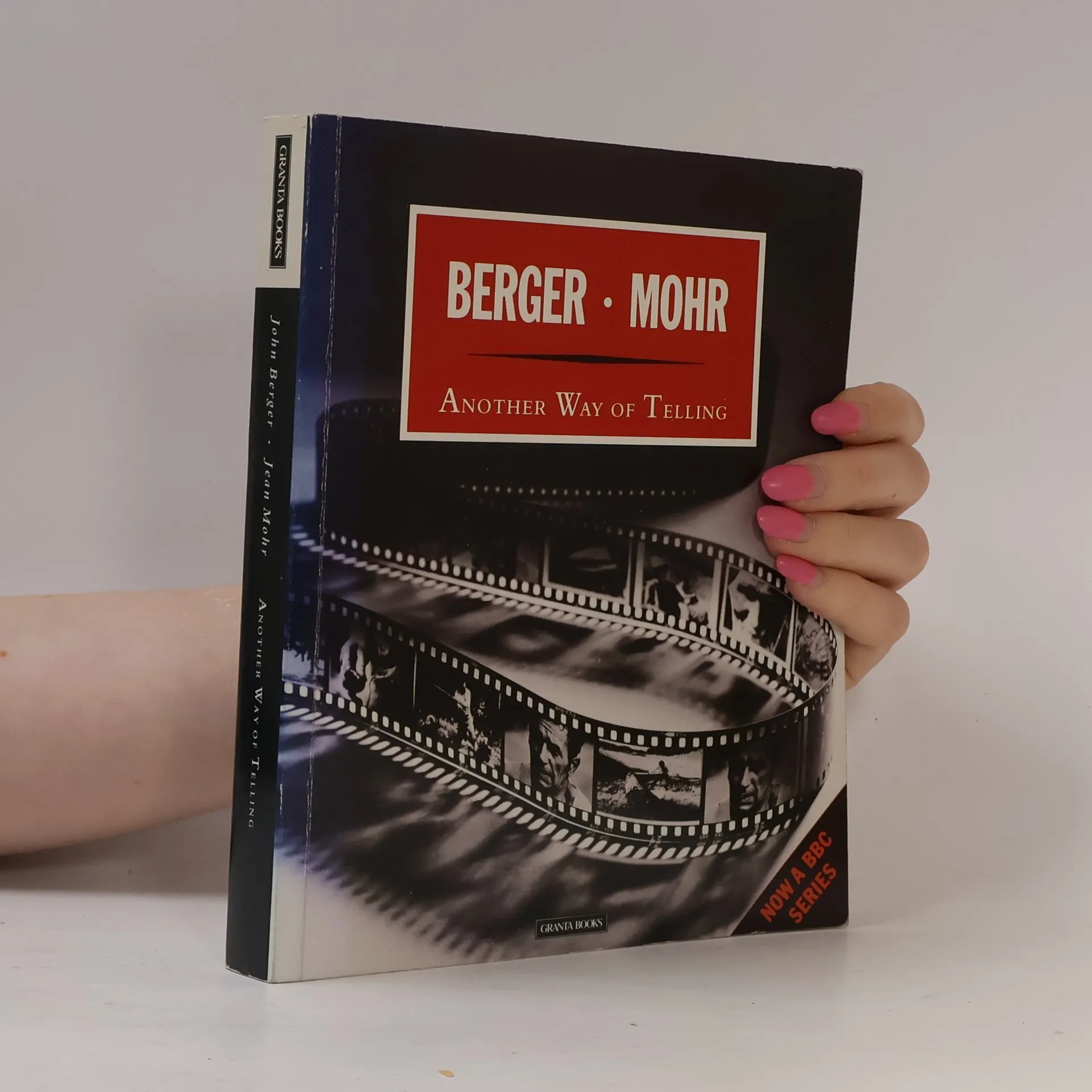
Another Way of Telling
- 300pages
- 11 heures de lecture
One of the most eloquent accounts of photography written in collaboration with the Swiss photographer Jean Mohr and illustrated by both Jean Mohr's work and notable examples of photography throughout the Twentieth Century. This publication ties in with the BBC's televising of a four part series.
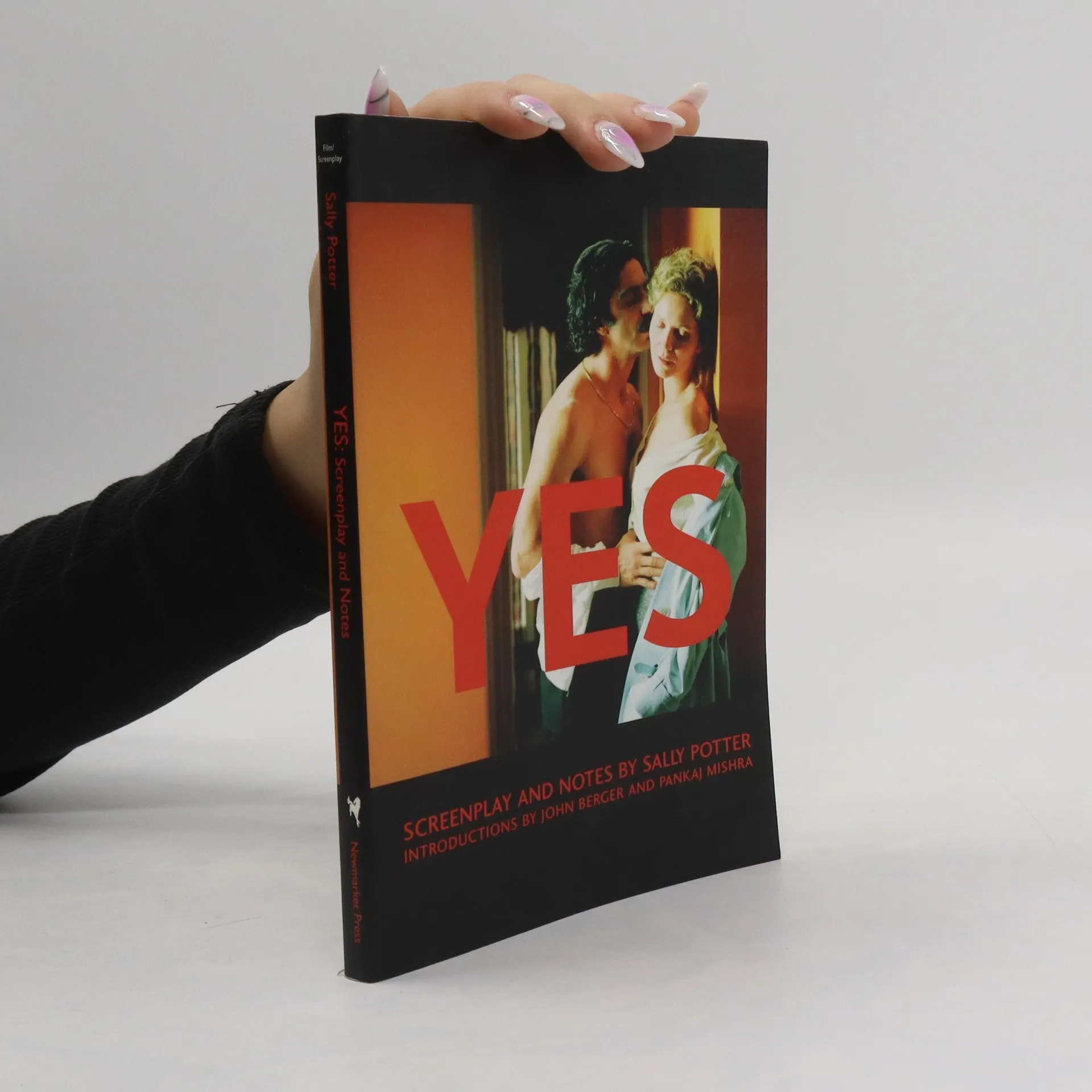
Yes
- 105pages
- 4 heures de lecture
"Since 'Thriller' and the widely acclaimed 'Orlando', writer-director Sally Potter has been known as a pioneer filmmaker. [... YES is] easily her masterpiece to date. The central action, set in contemporary London, involves a successful scientist locked in a passionless marriage and conducting an intensely sexual affair with a Lebanese immigrant worker. But this sturdy dramatic situation is only the beginning."--Publisher's description. Includes both the finished screenplay and the original short film script it was based on, as well as photos, credits, and a question-and-answer session with Sally Potter and actress Joan Allen
New edition: A Personal History of Art from the author of Ways of Seeing
The first work of fiction published for seven years by this author, this book consists of a number of inter-related love stories unified by the same setting in France. Berger's previous publications include "The Success and Failure of Picasso" and the 1972 Booker Prize winner, "G".
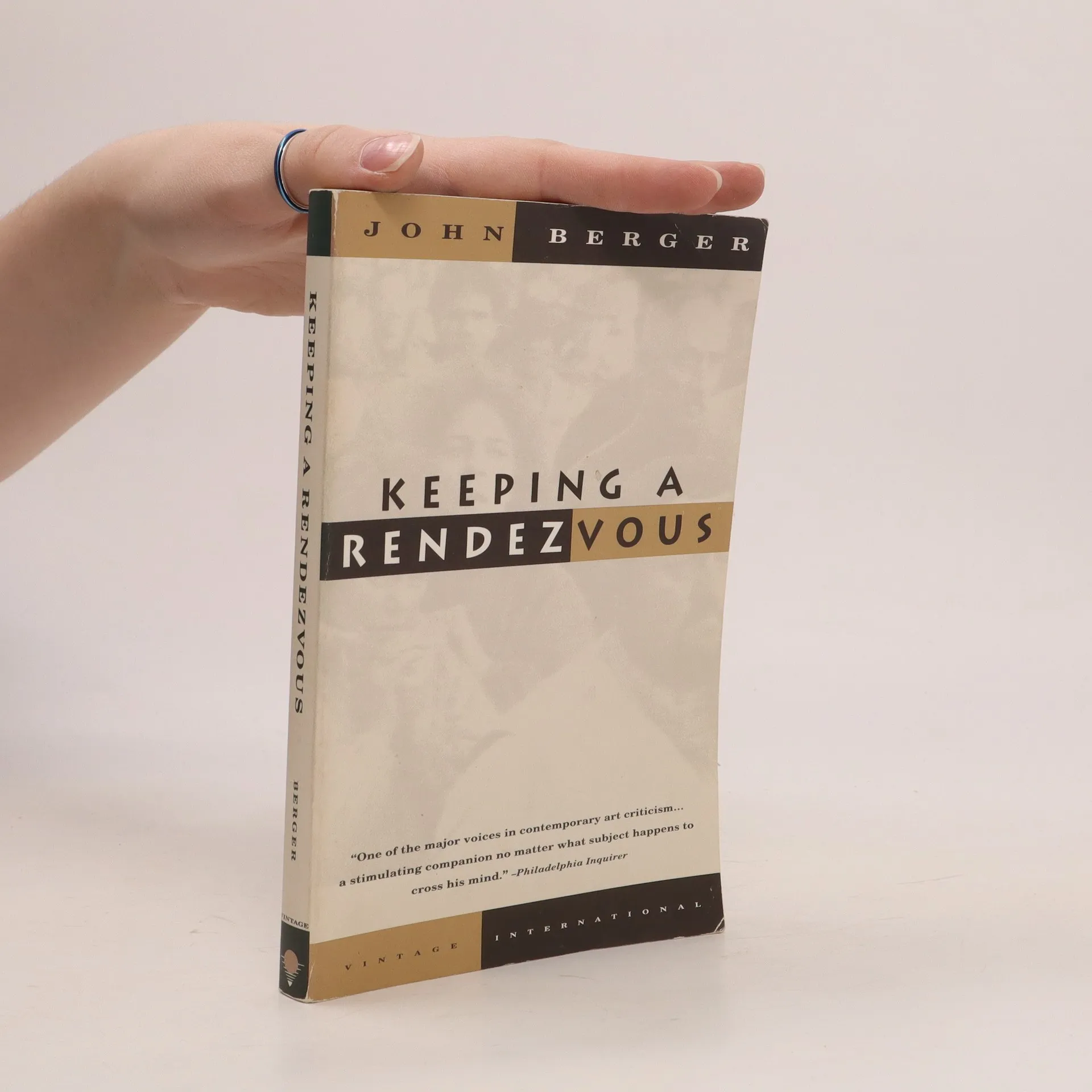
When he stands before Giorgione's La Tempesta , Booker Prize-winning author John Berger sees not only the painting but our whole notion of time, sweeping us away from a lost Eden. A photograph of a gravely joyful crowd gathered on a Prague street in November 1989 provokes reflection on the meaning of democracy and the reunion of a people with long-banished hopes and dreams.With the luminous essays in Keeping a Rendezvous , we are given to see the world as Berger sees it -- to explore themes suggested by the work of Jackson Pollock or J. M. W. Turner, to contemplate the wonder of Paris. Rendezvous are between critic and art, artist and subject, subject and the unknown. But most significant are the rendezvous between author and reader, as we discover our perceptions informed by Berger's eloquence and courageous moral imagination.
The Red Tenda of Bologna
- 64pages
- 3 heures de lecture
A dream-like meditation on memory, food, paintings, a fond uncle and the improbable beauty of Bologna
Dürer
- 96pages
- 4 heures de lecture
Albrecht Dürer (1471-1528) was one of the greatest artists of the Northern Renaissance, remarkable for the range and versatility of his work. His woodcuts and engravings made him famous throughout Europe and he is still regarded as one of the most brilliant printmakers of all time. Dürer was equally successful at religious and secular subjects, painting magnificent altarpieces and powerful portraits. He also produced an impressive range of drawings and watercolours in a variety of media.The son of an Hungarian goldsmith, Dürer grew up in Nuremberg, a town half-way between the Netherlands and Italy, and he found inspiration in the work of the painters of both these major artistic centres of his time. But rather than simply imitating what others were doing, Dürer was very much an innovator; he is the first artist who is known to have produced a self-portrait and to have done a landscape painting of a specific scene. Includes 88 illustrations, 48 in colour.
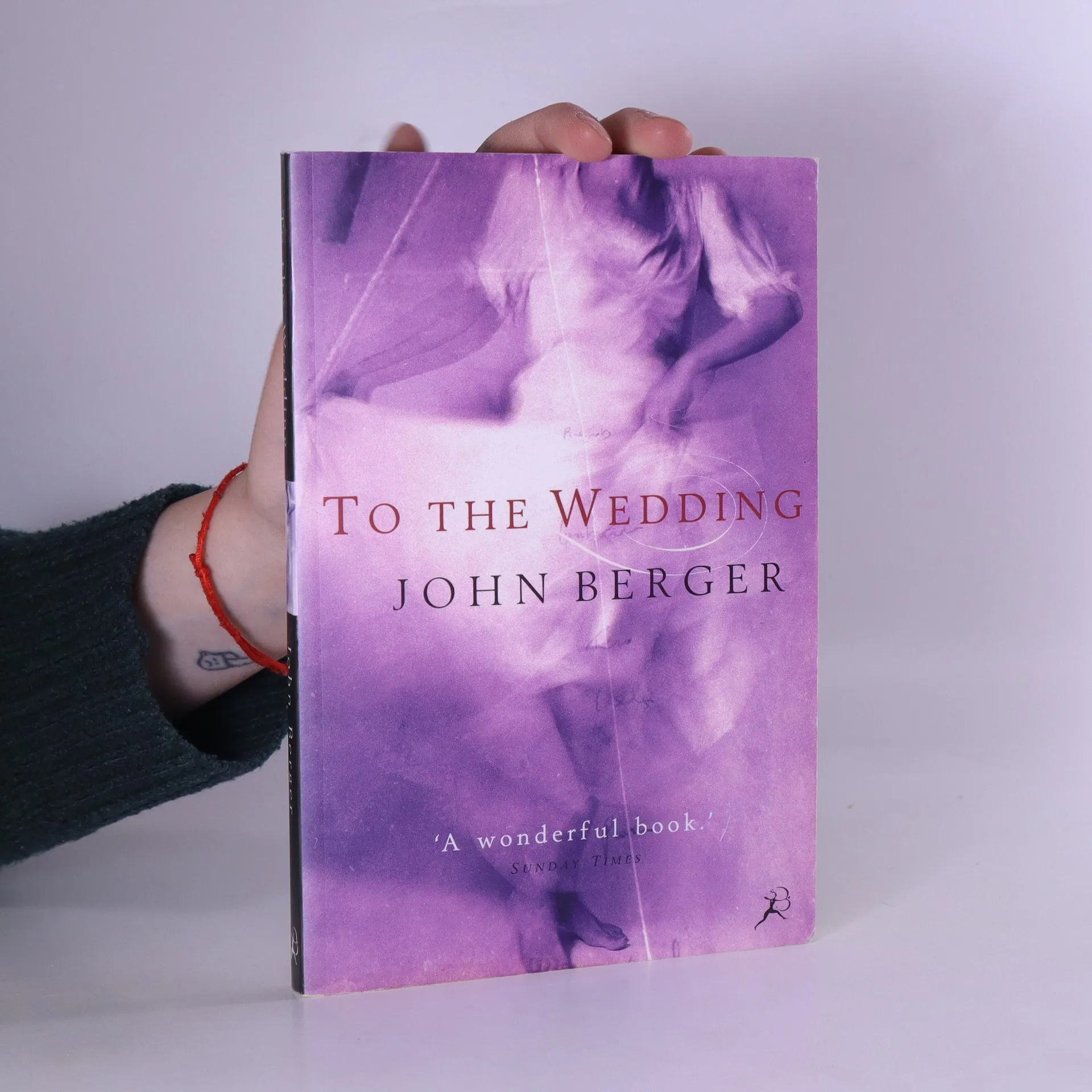
To the Wedding
- 224pages
- 8 heures de lecture
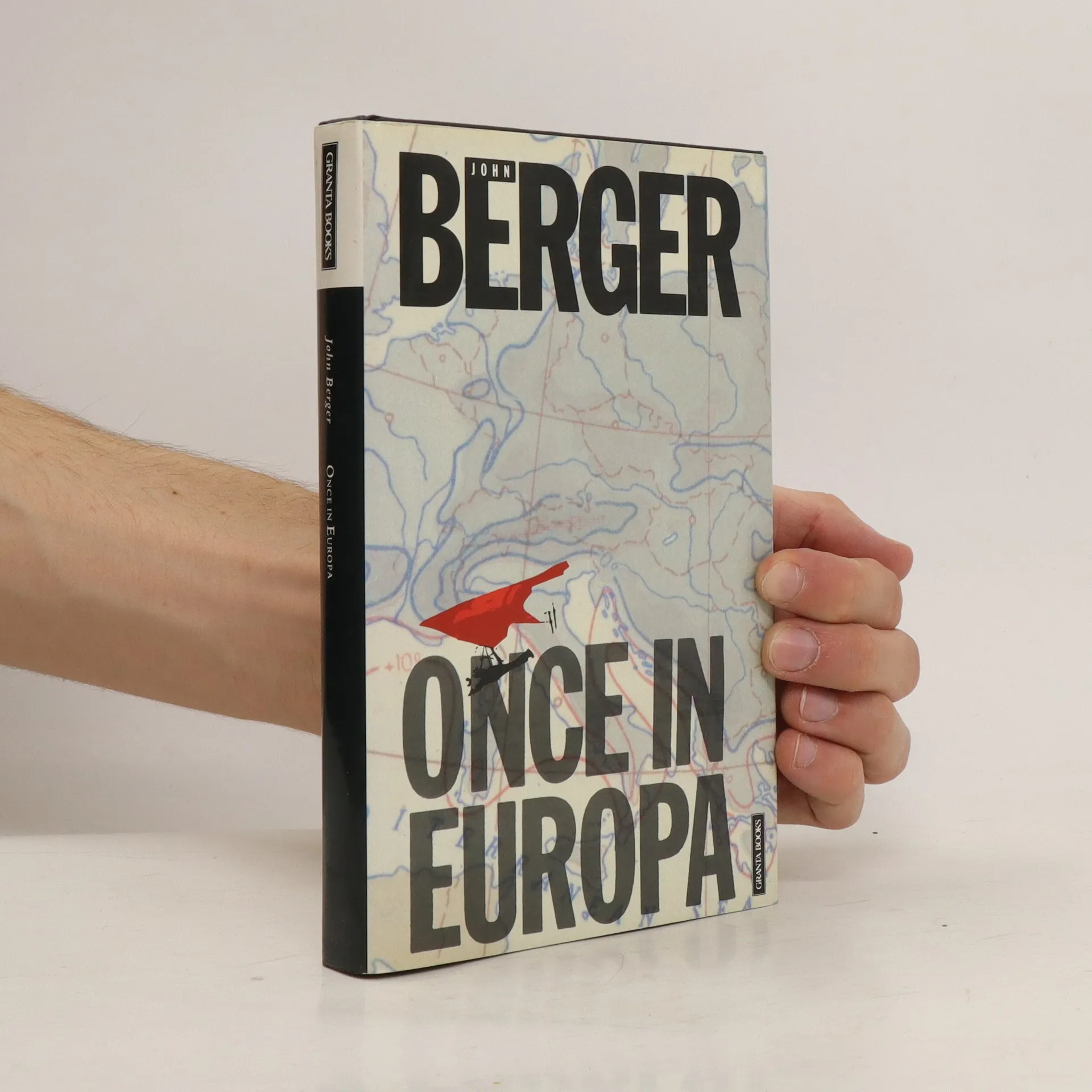
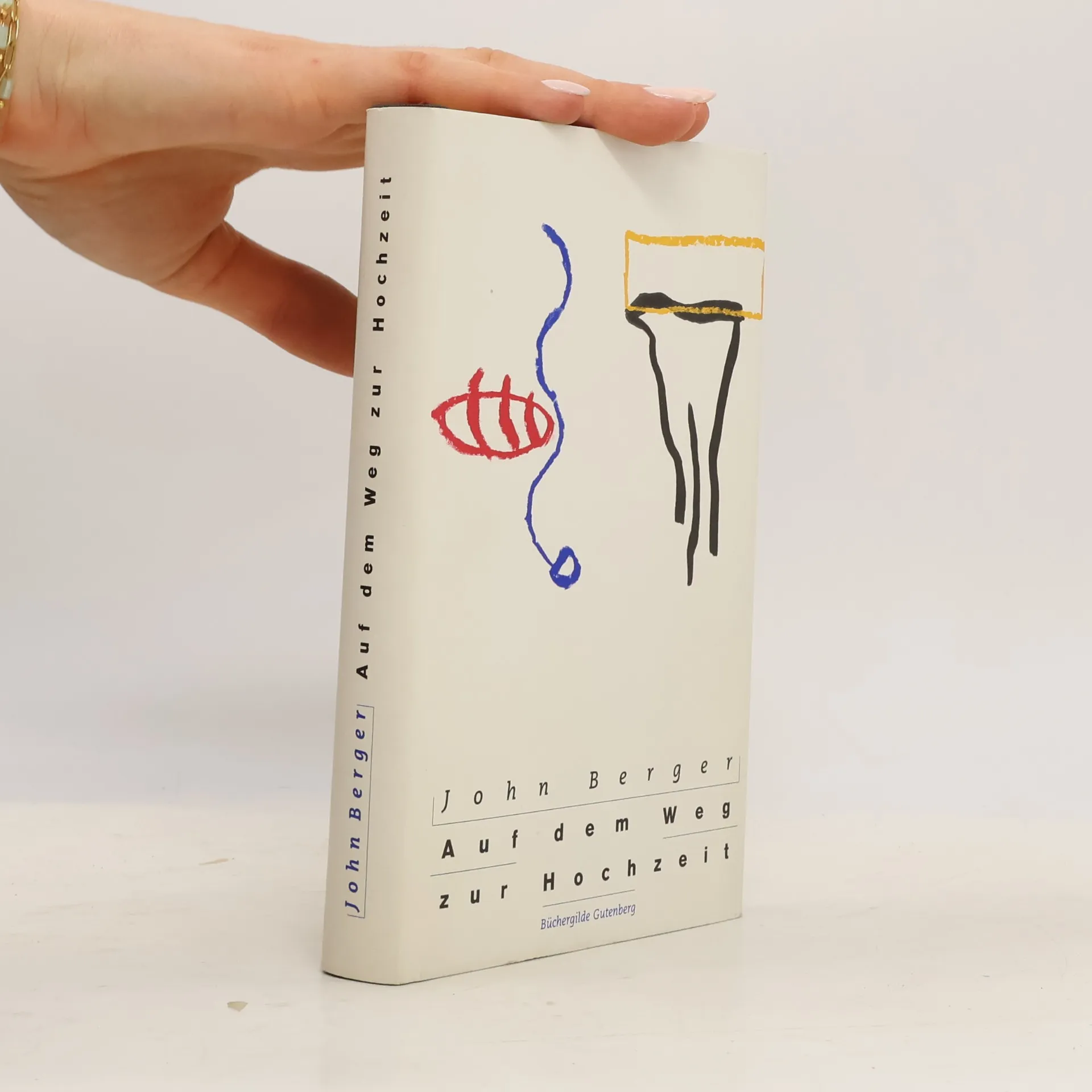
A mother and father are travelling across Europe to their daughter's wedding. They meet for the first time in many years near the estuary of the river Po. Many people cross the pages of their story, from their future son-in-law to an Italian scrap merchant and a band of computer hackers.
Lilac and Flag
- 192pages
- 7 heures de lecture
In the mythic city of Troy, amidst the shanty-towns, factories, opulent hotels, fading heritages and steadfast dreams, the children and grandchildren of rural peasants pursue meagre livings as best they can. And two young lovers embark upon a passionate journey of love and survival.
Steps Towards a Small Theory of the Visible
- 128pages
- 5 heures de lecture
'We live within a spectacle of empty clothes and unworn masks' In this series of remarkable pieces from across his career, John Berger celebrates and dissects the close links between art and society and the individual. Few writers give a more vivid and moving sense of how we make art and how art makes us. One of twenty new books in the bestselling Penguin Great Ideas series. This new selection showcases a diverse list of thinkers who have helped shape our world today, from anarchists to stoics, feminists to prophets, satirists to Zen Buddhists.
Pig Earth
- 208pages
- 8 heures de lecture
Set in a small village in the French Alps, this book relates the stories of sceptical, hard-working men and fiercely independent women.
Understanding a Photograph
- 240pages
- 9 heures de lecture
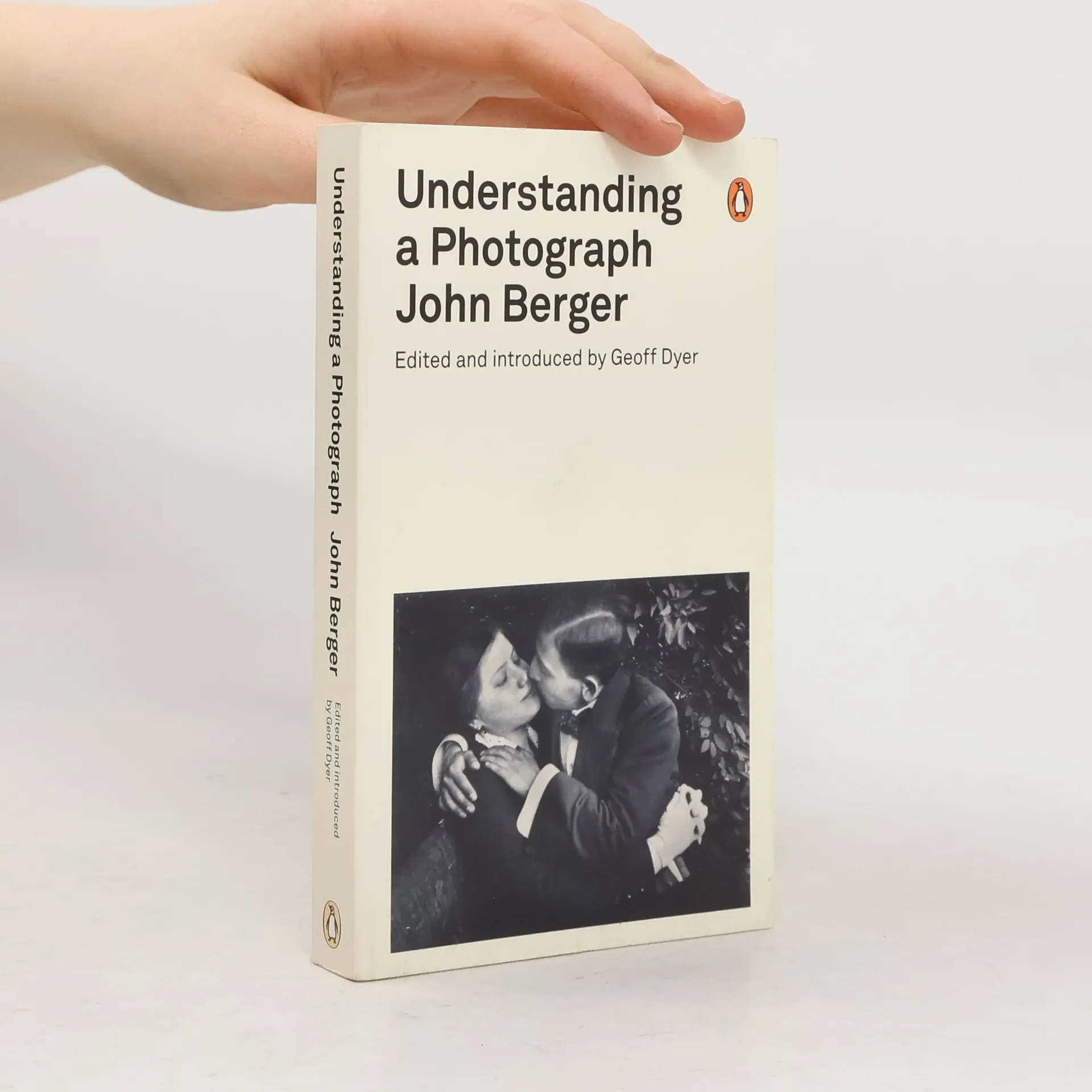
John Berger's writings on photography are some of the most original of the twentieth century. This selection contains many groundbreaking essays and previously uncollected pieces written for exhibitions and catalogues in which Berger probes the work of photographers such as Henri Cartier-Bresson and W. Eugene Smith - and the lives of those photographed - with fierce engagement, intensity and tenderness. The selection is made and introduced by Geoff Dyer, author of the award-winning The Ongoing Moment. How do we see the world around us? This is one of a number of pivotal works by creative thinkers whose writings on art, design and the media have changed our vision for ever. Understanding a Photograph John Berger Edited and introduced by Geoff Dyer
Bento's Sketchbook
- 176pages
- 7 heures de lecture
Exploring the art of drawing, this book combines thoughtful reflections and visual elements to delve into the creative process. The author, known for their influential work "Ways of Seeing," invites readers to reconsider their perceptions of drawing as a practice. Through a blend of insightful commentary and striking imagery, the book encourages a deeper appreciation for the nuances and significance of artistic expression.
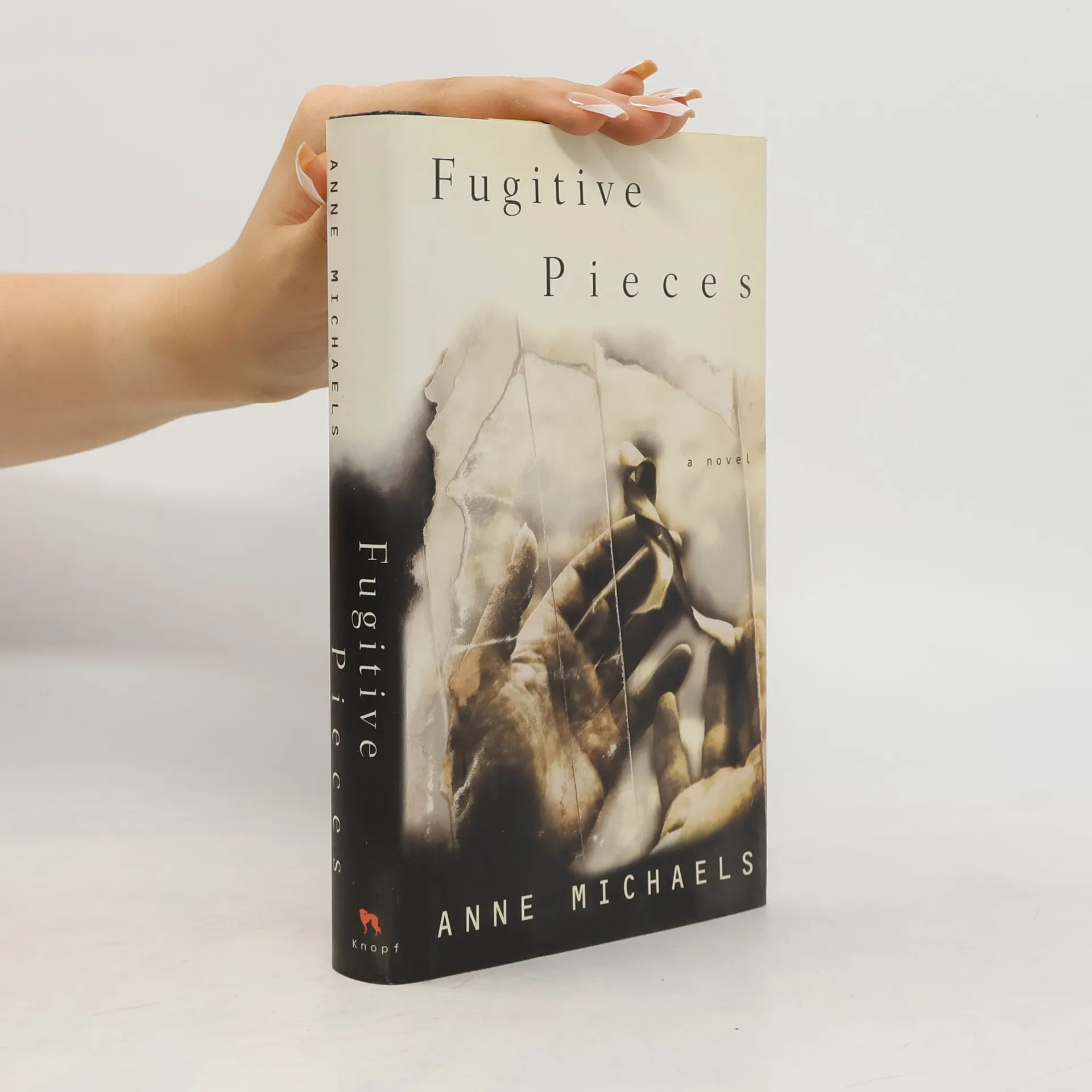
Fugitive Pieces
- 294pages
- 11 heures de lecture
Anne Michaels's debut novel intricately weaves the stories of three men across generations, all profoundly affected by the same war. Central to the narrative is Jakob Beer, who, as a young boy during the Second World War, is orphaned and rescued from a buried Polish city by Athos Roussos, a humanist and scholar. After the war, they settle in Toronto, where Athos teaches at the university. Here, Jakob confronts the haunting shadows of his past, particularly the fate of his beloved sister. This period also marks the beginning of his life as a translator and poet, and his first marriage. Through this journey, Jakob discovers the dual nature of language—it can destroy and conceal, yet also witness and heal. Later in life, Jakob encounters Ben, a young professor with expertise in weather and biography but lacking insight into his own life. Ben is drawn to Jakob's quiet strength and the shared legacies of war, igniting a fascination that compels him to confront his own suppressed past. Their connection becomes a catalyst for Ben's awakening, highlighting the enduring impact of history on personal identity and the transformative power of storytelling.
Ways of seeing
- 176pages
- 7 heures de lecture
Contains seven essays. Three of them use only pictures. Examines the relationship between what we see and what we know.
Why Look at Animals?
- 128pages
- 5 heures de lecture
John Berger broke new ground with his penetrating writings on life, art and how we see the world around us. Here he explores how the ancient relationship between man and nature has been broken in the modern consumer age, with the animals that used to be at the center of our existence now marginalized and reduced to spectacle. Throughout history, some books have changed the world. They have transformed the way we see ourselves - and each other. They have inspired debate, dissent, war and revolution. They have enlightened, outraged, provoked and comforted. They have enriched lives - and destroyed them. Now Penguin brings you the works of the great thinkers, pioneers, radicals and visionaries whose ideas shook civilization and helped make us who we are.
G
- 336pages
- 12 heures de lecture
This novel centres on G, who seems impervious to everything around him. His interests are purely sexual, his crowning ideal fulfilment. Yet, in the end this is enough for the politics of desire to expose the criminal politics of oppression. John Berger is the author of To The Wedding.
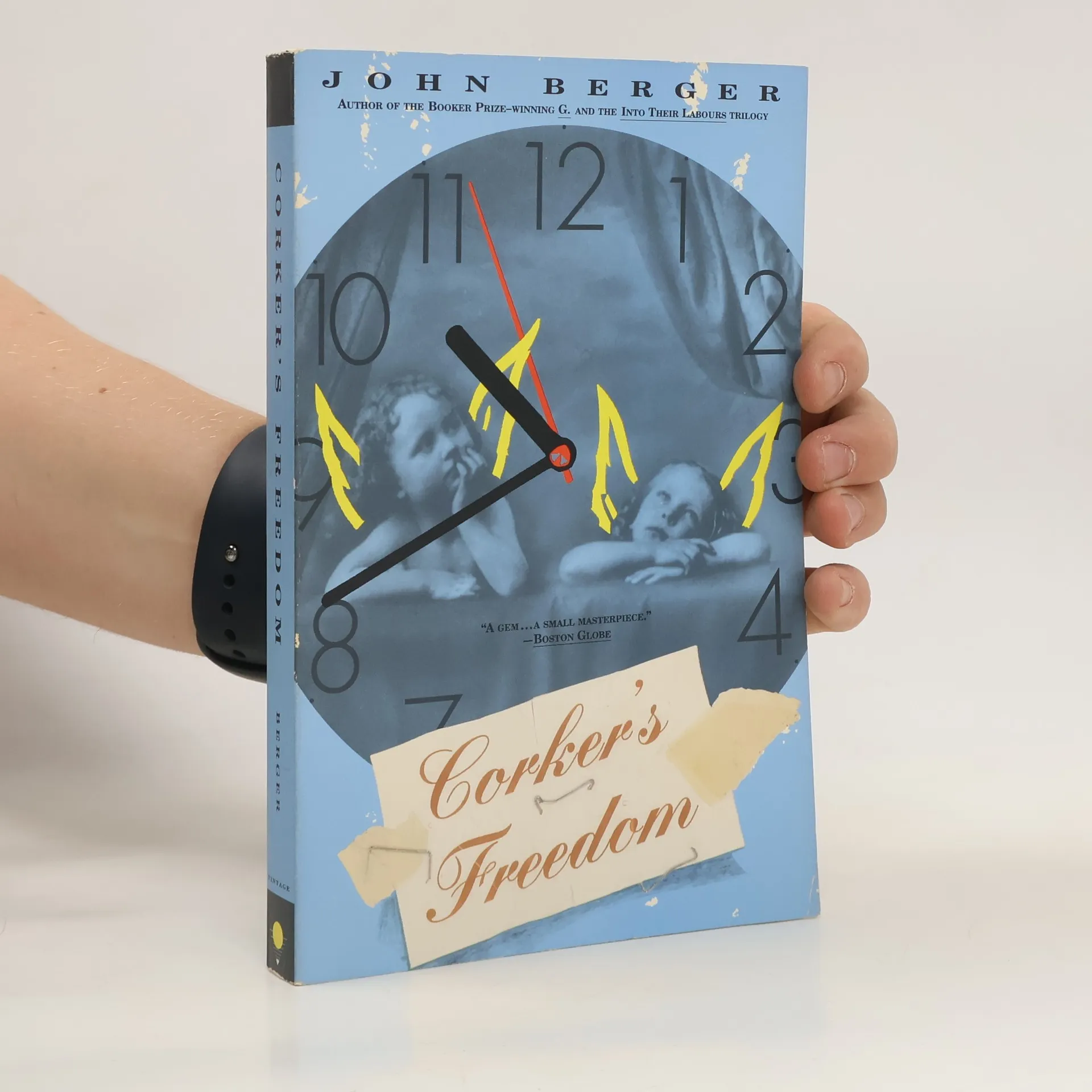
Corker's Freedom
- 240pages
- 9 heures de lecture
Booker Prize-winning author John Berger brings us this tender and bittersweet novel is a book of dreams of freedom and romance, dreams that intoxicate and redeem, dreams that have the power to exalt their dreamers or dash them against hard truth. It is the unforgettable, often comical portrait of a dreamer, one William Corker, the genteel proprietor of a London employment agency, who, in his sixty-third year, has just moved out of the house he shared with his overbearing sister. As Corker takes his first steps into a life of passions, Berger creates a character of astonishing depth and liveliness—a man whose fantasies and ambitions are at once splendid and tragic.
The Storyteller
- 208pages
- 8 heures de lecture
A beautiful collection of the legendary thinker’s short stories The Storyteller gathers for the first time the fiction of the legendary critic and philosopher Walter Benjamin, best known for his groundbreaking studies of culture and literature, including Illuminations, One-Way Street and The Arcades Project. His stories revel in the erotic tensions of city life, cross the threshold between rational and hallucinatory realms, celebrate the importance of games, and delve into the peculiar relationship between gambling and fortune-telling, and explore the themes that defined Benjamin. The novellas, fables, histories, aphorisms, parables and riddles in this collection are brought to life by the playful imagery of the modernist artist and Bauhaus figure Paul Klee.
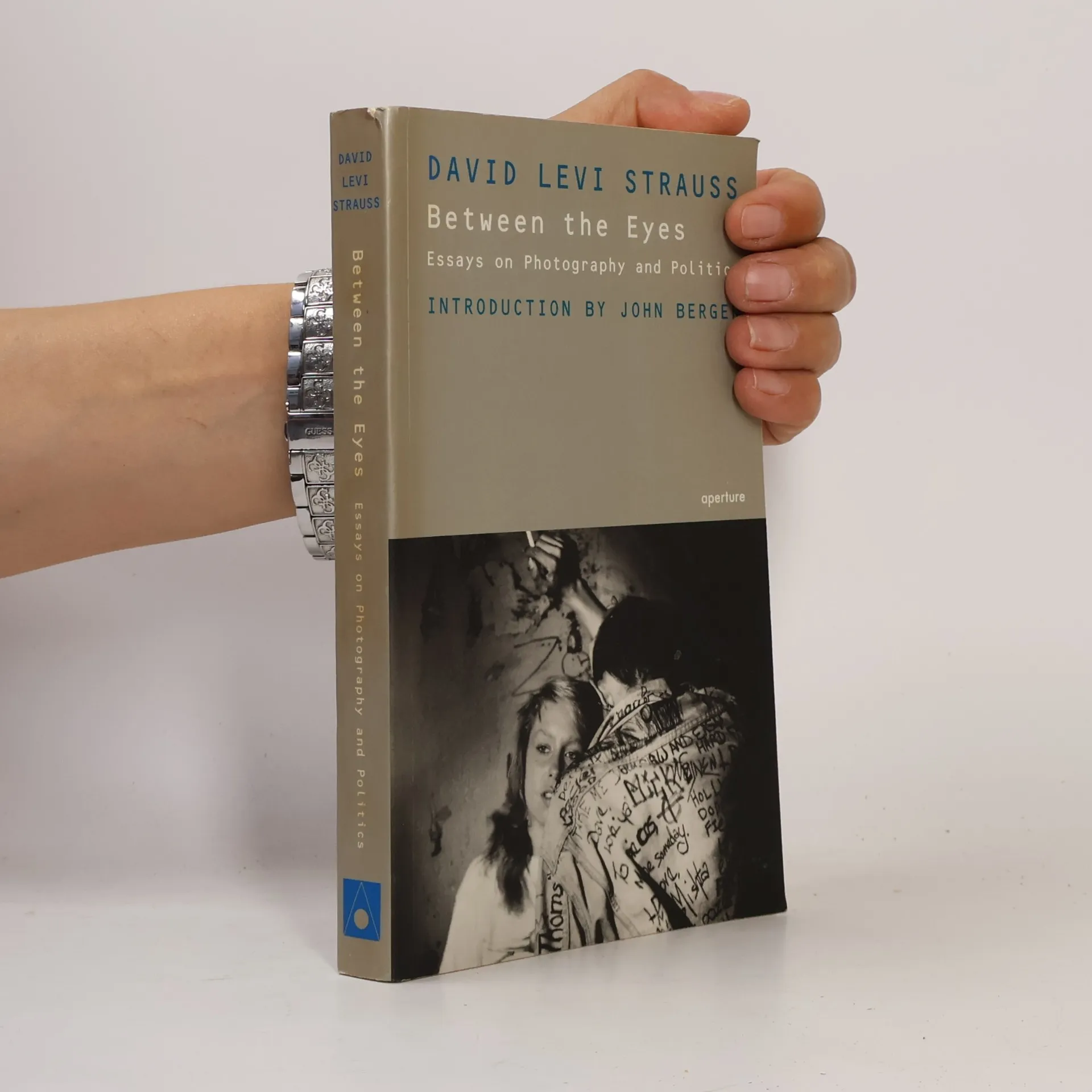
David Levi Strauss is a writer whose visual and intellectual sensibilities are both acute and expansive. His trenchant writings on photography and photographers have been collected for this volume from a broad range of magazines, including "Aperture," "Artforum" and "The Nation." In "Between the Eyes: Essays on Photography and Politics," Strauss tackles subjects as diverse as "Photography and Propaganda," the imagery of dreams, Sebastiao Salgado's epic social documents and the deeply personal photographic revelations of Francesca Woodman. The timely issue of photographic legitimacy is addressed in the essay "Photography and Belief," and in "The Highest Degree of Illusion," Strauss discusses the media frenzy surrounding the events of September 11. As our world is shaped more and more by images and their slipperiness, what he calls a media "pandemonium" in its root meaning of "the place of all howling demons," we need a mind and voice like Levi Strauss' to bring clarity to our vision.
Anlässlich des zehnten Todestages von Martin Noël bietet dieser Überblicksband eine umfassende Darstellung seines künstlerischen Schaffens von den 1980er-Jahren bis 2010. Mit 35 beeindruckenden Arbeiten wird Noëls Entwicklung von der Malerei über Linol- und Holzschnitte bis zu seinen späten Gemälden dokumentiert.
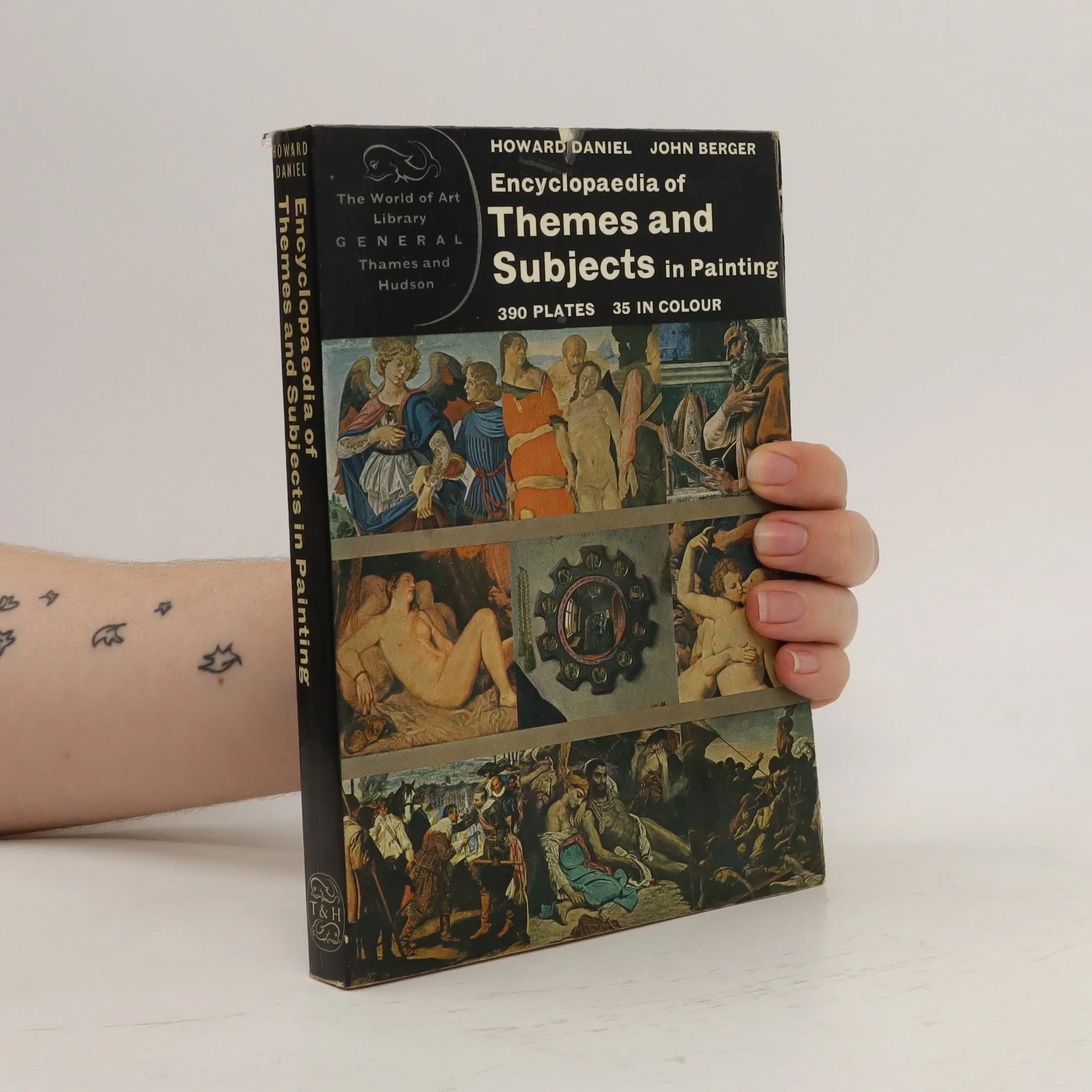
Encyclopaedia of Themes and Subjects in Painting
- 252pages
- 9 heures de lecture
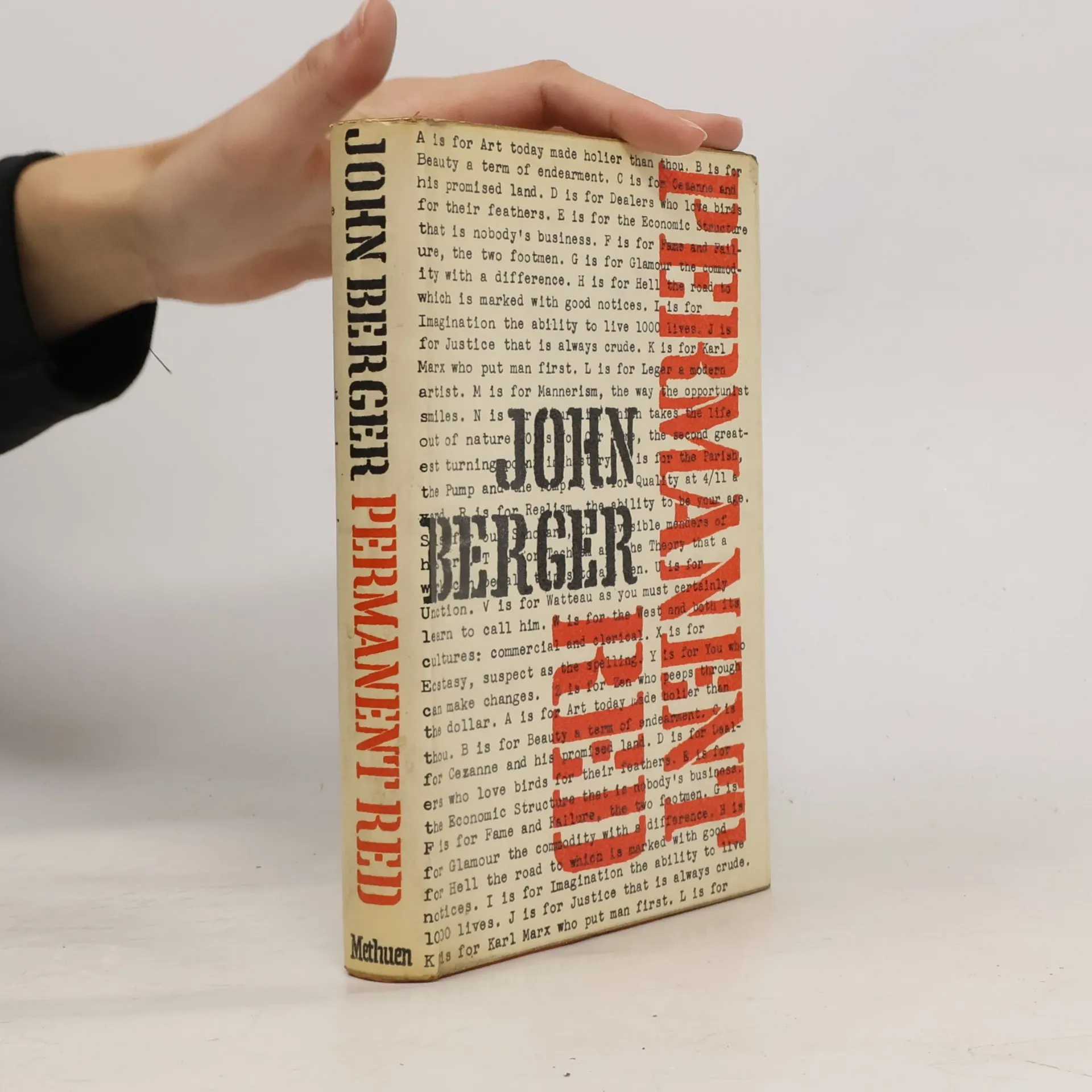
Permanent Red
Essays in Seeing
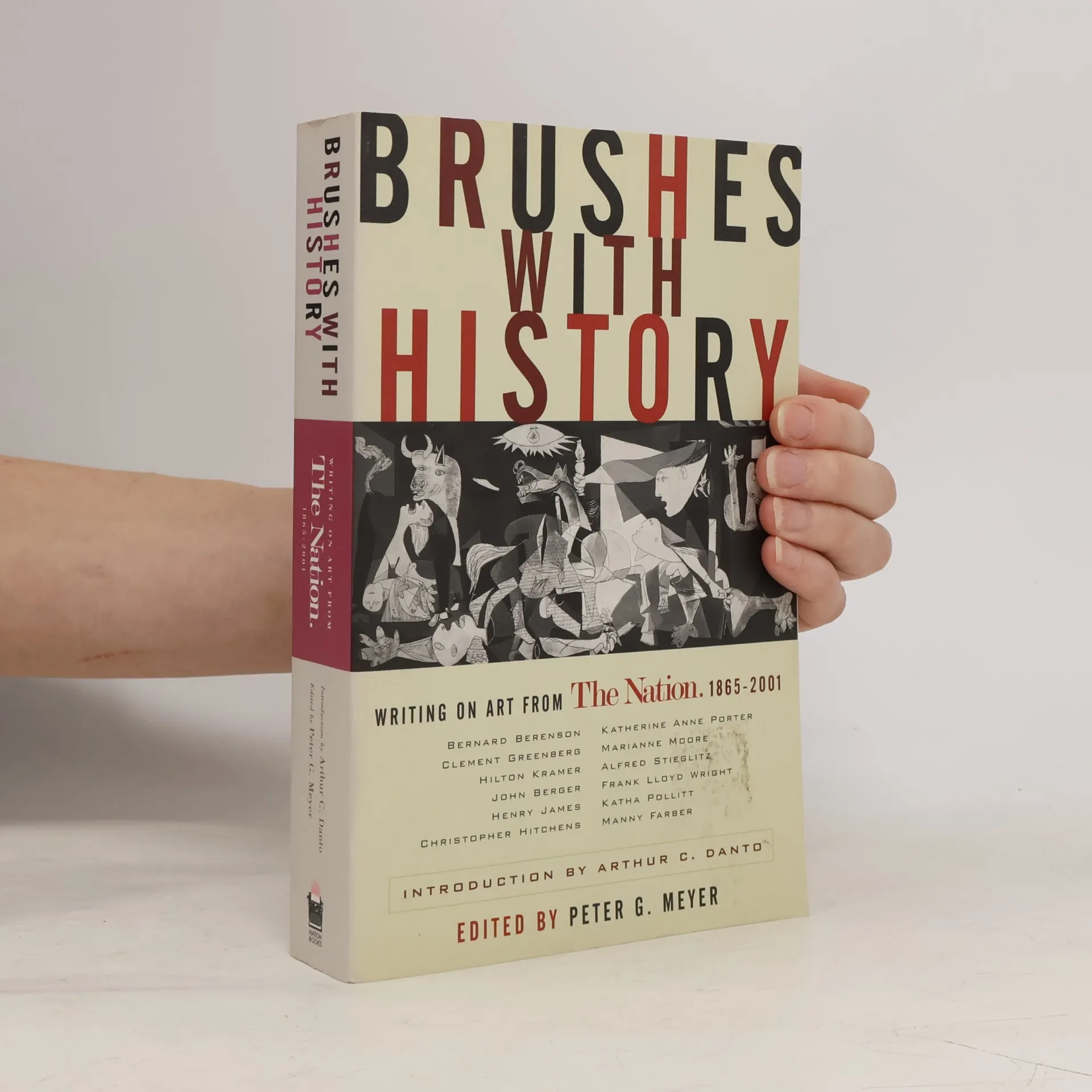
The Nation magazine, since its founding in 1865, began what has become, for better or worse, art criticism as a cultural institution in the United States. This eclectic collection features contributors like Christopher Hitchens on “degenerate art,” Heywood Broun on the Artists Congress of 1936, Katherine Anne Porter on children’s art, Marianne Moore on the death of Nation art critic Paul Rosenfeld, and Langston Hughes on “Negro Art.” The volume also includes contributions from many well-known Stuart Davis, Marsden Harley, Alfred Stieglitz, John Marin, Kenyon Cox, Guy Pene Du Bois, Louis Lozowick, and Frank Lloyd Wright. Celebrated writers on art such as Bernard Berenson, Clement Greenberg, Lawrence Alloway, Hilton Kramer, Max Kozloff, John Berger, and Arthur Danto give readers first-hand accounts of the debuts of artists ranging from John Singer Sargent to Jackson Pollock and Willem deKooning as well as the famous lawsuit between John Ruskin and James McNeill Whistler (reported by a youthful Henry James), the destruction of Diego Rivera’s Rockefeller Center murals and Richard Nixon’s views on art. More recently writers like E.L. Doctorow and Katha Pollitt have weighed in on the recent culture wars over arts funding and free expression.
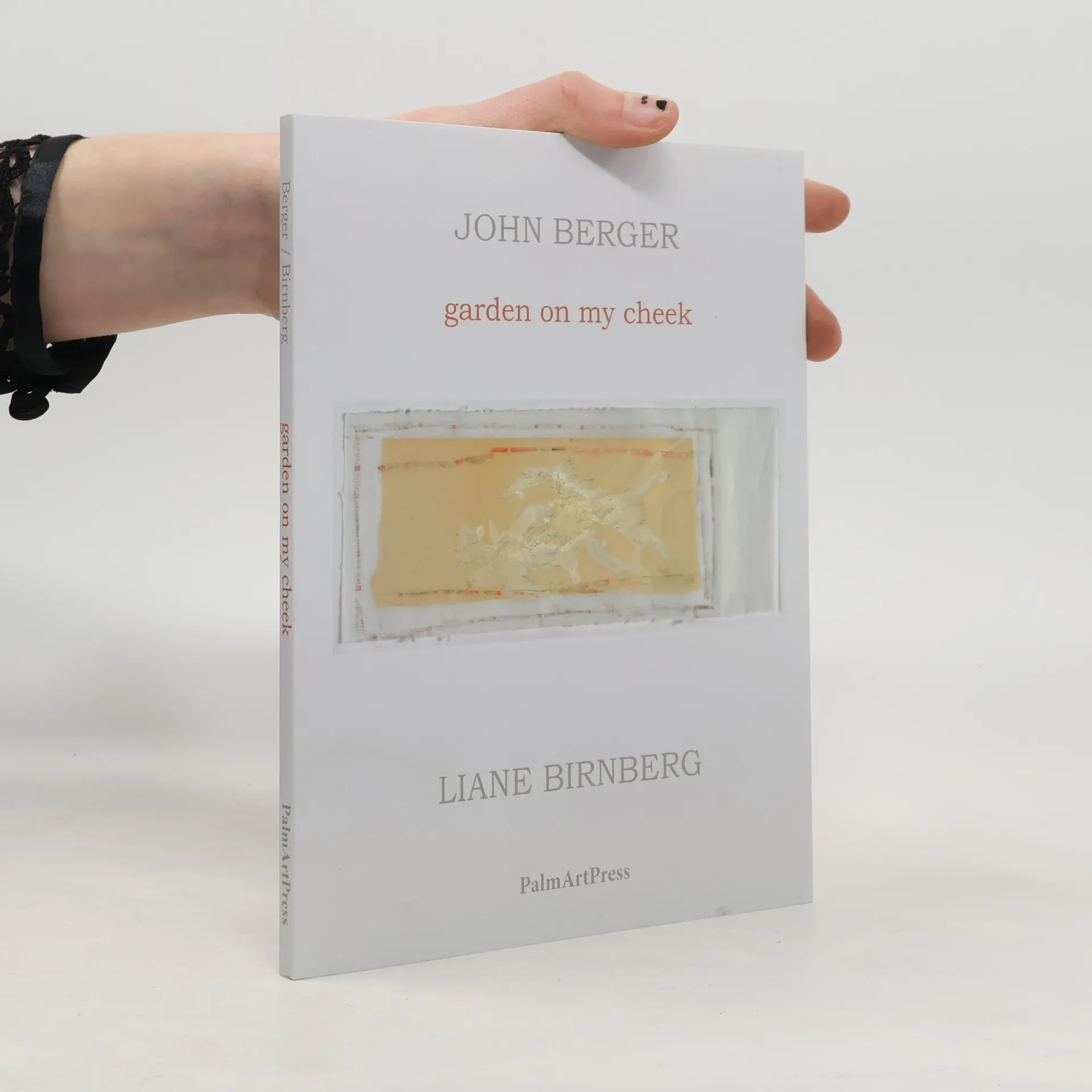
Garden on My Cheek
- 60pages
- 3 heures de lecture
Seitdem John Berger vor vielen Jahren Bilder von Liane Birnberg in ihrem Atelier gesehen hat, verbindet sie eine für Liane höchst produktive Freundschaft. Er sagt, dass ihre Bilder „Augen“ hätten und schickt ihr regelmäßig seine neuen Bücher. Diese wirkten für ihre Arbeiten wie ein Katapult. In den Bildern von Liane Birnberg spielt die Sprache eine gewisse Rolle; sie ist aber nur rein graphisch erkennbar. Die Wörter werden eingebettet in Microglaskugeln, sie werden verfremdet und andere Linien und Formen verschlingen alles. Text und Bild wächst zusammen, aber keins gehört dem anderen. Garden On My Cheek ist das dritte Buch von John Berger und Liane Birnberg. Als Vorwort hat Jürgen Wellbrock einen Essay geschrieben. Das Buch erscheint in PalmArtPress zu John Bergers neunzigstem Geburtstag.
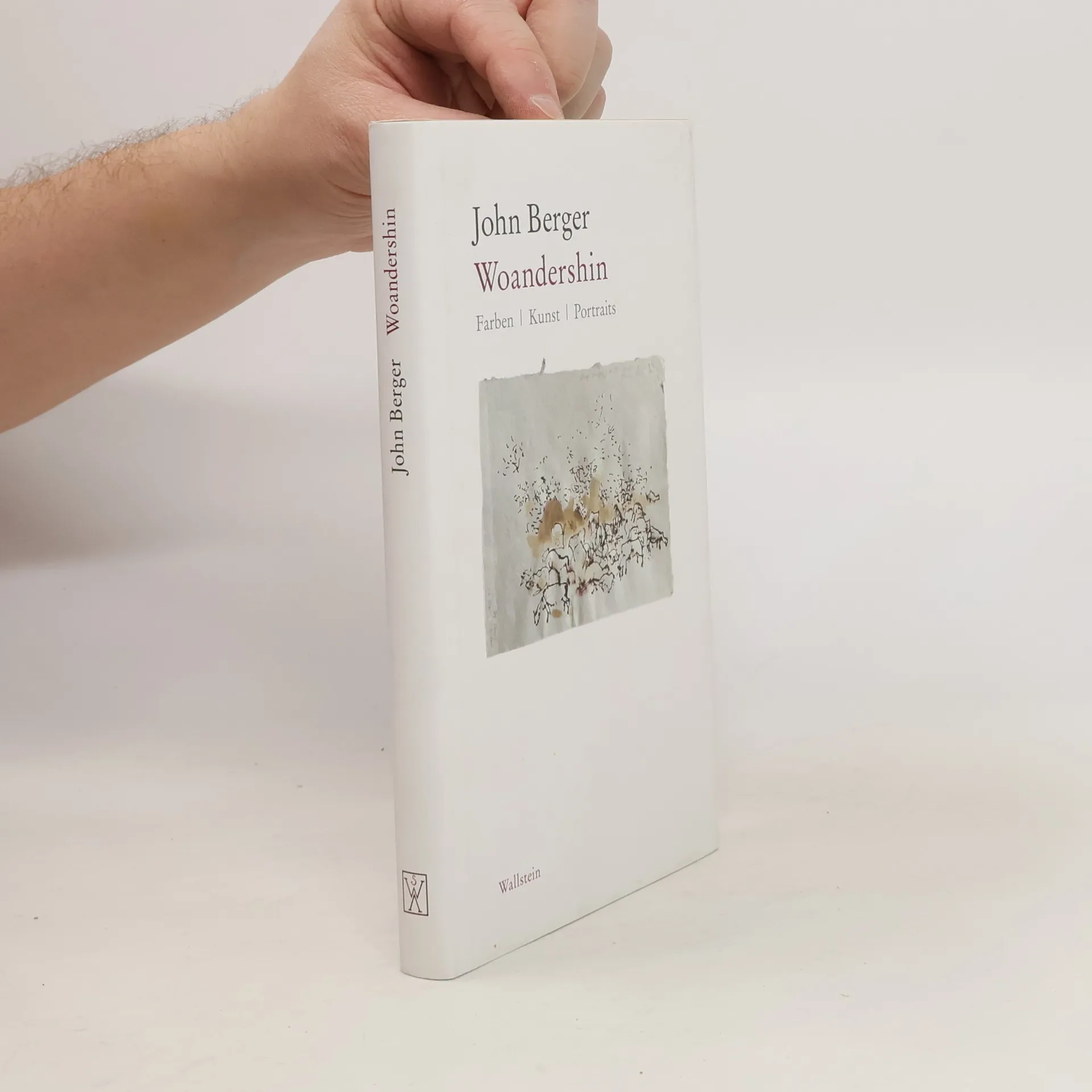
Woandershin
Farben - Kunst - Portraits
Dieses Buch ist ein Querschnitt durch das Werk eines der einflussreichsten Kunstkritiker des 20. Jahrhunderts, der die Art, Kunst zu betrachten, zu SEHEN überhaupt, neu definiert hat. »Wir betrachten Bilder, um ein Geheimnis zu entdecken«, schreibt John Berger, der 1992 für seine Romane, Geschichten, Gedichte und Essays mit dem Petrarca-Preis ausgezeichnet wurde. Für ihn betrifft dieses Geheimnis die Kunst ebenso wie das Leben. Seine Essays zur Kunst sind Liebesbriefe an das Sichtbare und an die Sinnlichkeit. Mit großer Klarheit und Empathie zeigen seine Essays auch das auf den Bildern Ausgesparte und begeistern durch den sinnesöffnenden Blick auf die verwunschene Gegenwärtigkeit dieser Kunstwerke. Er begibt sich auf die Spuren von Piero della Francesca und Vermeer, Cézanne und Monet, Chardin und Morandi und zieht eine Linie weiter bis in unsere Gegenwart. Gleichzeitig kann der Leser nachvollziehen, wie sich Bergers Nachdenken über die Kunst entwickelt hat: von frühen Aufsätzen wie jenem über »Die Klarheit der Renaissance« bis zu seinen späten großen Entwürfen wie dem über das »Stillleben«, der hier zum ersten Mal ungekürzt publiziert wird. Neben frühen, noch nie übersetzten Texten finden sich in dem Band auch die letzten Essays Bergers, die er nicht mehr selbst in Bücher aufnehmen konnte. Sie bilden das Vermächtnis dieses großen Liebenden, für den Sehen immer auch Entdecken bedeutete.
Mirar
- 188pages
- 7 heures de lecture
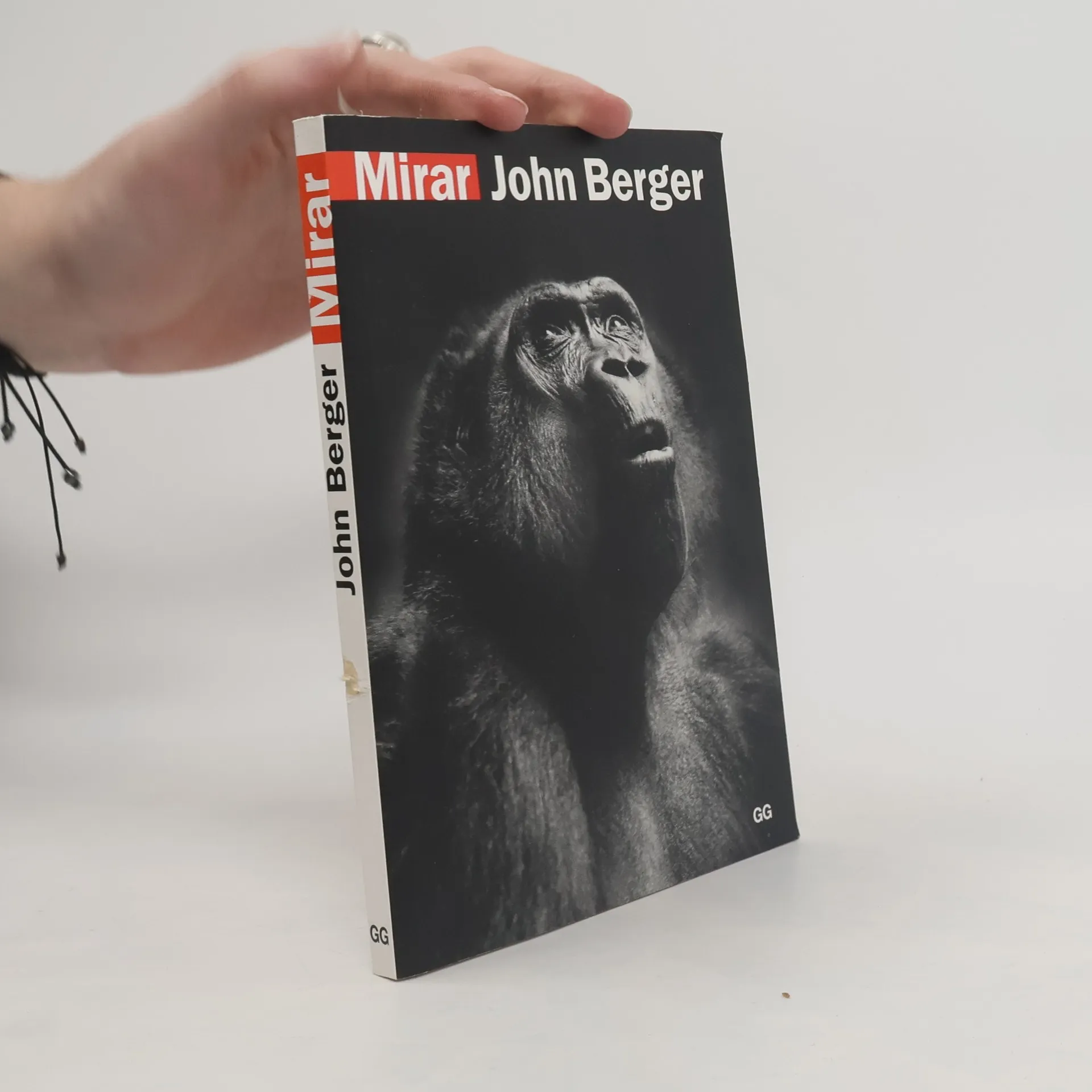
La mirada incisiva de John Berger inaugura nuevos modos de ver donde la mirada hacia el arte y hacia la vida se confunden combinando un exhaustivo análisis que tiende a ser 'objetivo', entre materialista y puro visualista. El ojo de la cámara y el ojo del artista nos hablan del significado oculto en la mirada cotidiana con la que contemplamos paisajes, animales o personas queridas. En los lienzos de Millet, Courbet, Turner, Magritte y Bacon, Berger evoca experiencias que confunden el propio misterio que rodea al arte con nuestras propias vidas, paseando entre categorías literarias, del relato al ensayo, sin casi reparar en ello.
Gegen die mediale Überflutung mit Bildern setzt John Berger seinen unverwechselbar intuitiven Blick und die meditative Kraft der Konzentration. Auch seine jüngsten Essays zur Kunst sind weit mehr als Kunstkritik im üblichen Sinn. Sie spannen den Bogen von der Höhlenmalerei und den Porträts von Faijum über Michelangelo und Rembrandt bis zu van Gogh und Frida Kahlo.
Aquarelle und Zeichnungen: Dürer
- 96pages
- 4 heures de lecture
Mehr als 500 Jahre trennen uns von Albrecht Dürer (1471-1528). Seine Fähigkeit, einen Gegenstand abzubilden, wirkte auf die Zeitgenossen wie ein Wunder. So ist es auch heute noch, denkt man allein an seine aquarellierten Zeichnungen von Pflanzen und Tieren. Die in diesem Buch zusammengestellten Werke des Künstlers spiegeln seine Genialität und Einmaligkeit wider.
Der siebte Mensch
Eine Geschichte über Migration und Arbeit in Europa
Der Klassiker zu Migration und Arbeit in Europa - so aktuell wie nie. Jetzt neu auflegt im FISCHER Taschenbuch! ›Der siebte Mensch‹ untersucht die Situation der Migranten und Wanderarbeiter – in Text und Bild, mit Geschichten und Erzählungen. Es war das erste Buch, das John Berger gemeinsam mit Jean Mohr ganz den Erfahrungen und Folgen der Migration widmete – und es ist wie ›Sehen‹ längst ein Klassiker der Moderne. Die Neuausgabe erscheint mit einem aktuellen Vorwort von John Berger. John Berger, der große europäische Erzähler und Essayist, feiert im November 2016 seinen 90. Geburtstag. Seine Essays zu Kunst und Fotografie sind aus der Ästhetik des 20. Jahrhunderts nicht mehr wegzudenken. Meisterhaft finden seine Erzählungen und Romane eine sinnliche Antwort auf die Frage, wie wir heute leben. »Es gibt niemals genug von John Berger!« Tilda Swinton
Meine Schöne
Essays Geschichten Gedichte
John Berger – 80. Geburtstag 5. November 2006 John Berger ist ein staunender Reisender. Mit einem wachen Ohr für Geschichten schaut er den Menschen in die Augen und sammelt ihr Erstaunen, ihre Liebe und ihren Zorn. Ob er über die Einsamkeit der Emigranten, oder der Sorge, mit der man ein Bild seiner Liebsten in der Brieftasche bei sich trägt, schreibt, stets treibt ihn ein großes Heimweh nach den Dingen und Menschen. Zum 80. Geburtstag des großen europäischen Erzählers erscheint ein Lesebuch, das sein schönstes und zärtlichstes Buch »Und unsere Gesichter, mein Herz, vergänglich wie Fotos«, seine Gedichte aus »Wegzeichnung« und zum ersten Mal auf Deutsch seinen letzten Essay zu Giacometti, ›Meine Schöne‹ enthält.
In seinen Essays beschreibt John Berger das, was man sehen kann. Sein Zugriff auf die Welt ist ein phänomenologischer. So können - in einer Zeit, in der die visuellen Eindrücke inflationär geworden sind - seine genauen und geduldigen Wahrnehmungen von Bildern, Menschen, Landschaften, Städten und immer wieder Gemälden für den Leser zu einer Schule des Sehens werden.‹/p›
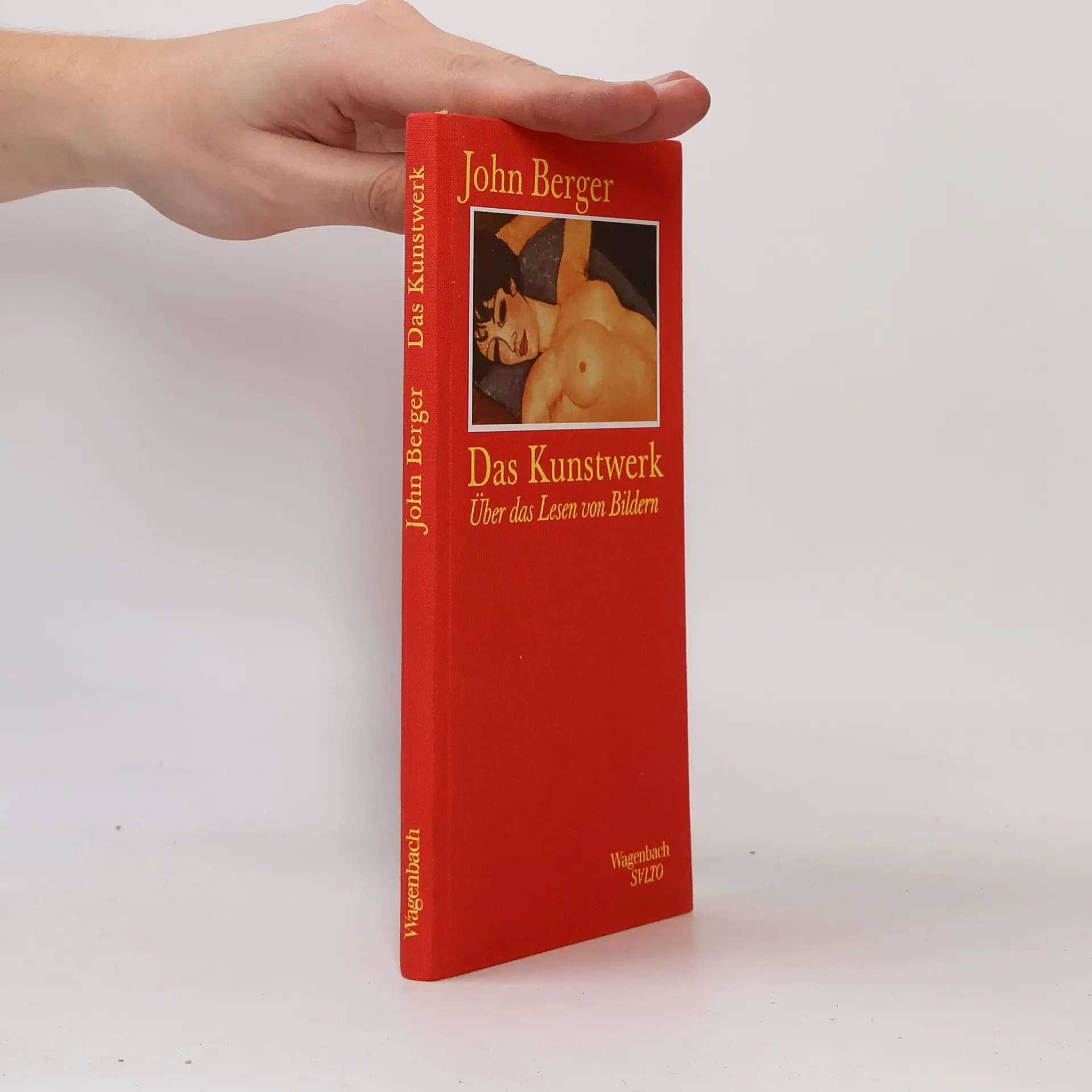
Das Kunstwerk
- 96pages
- 4 heures de lecture
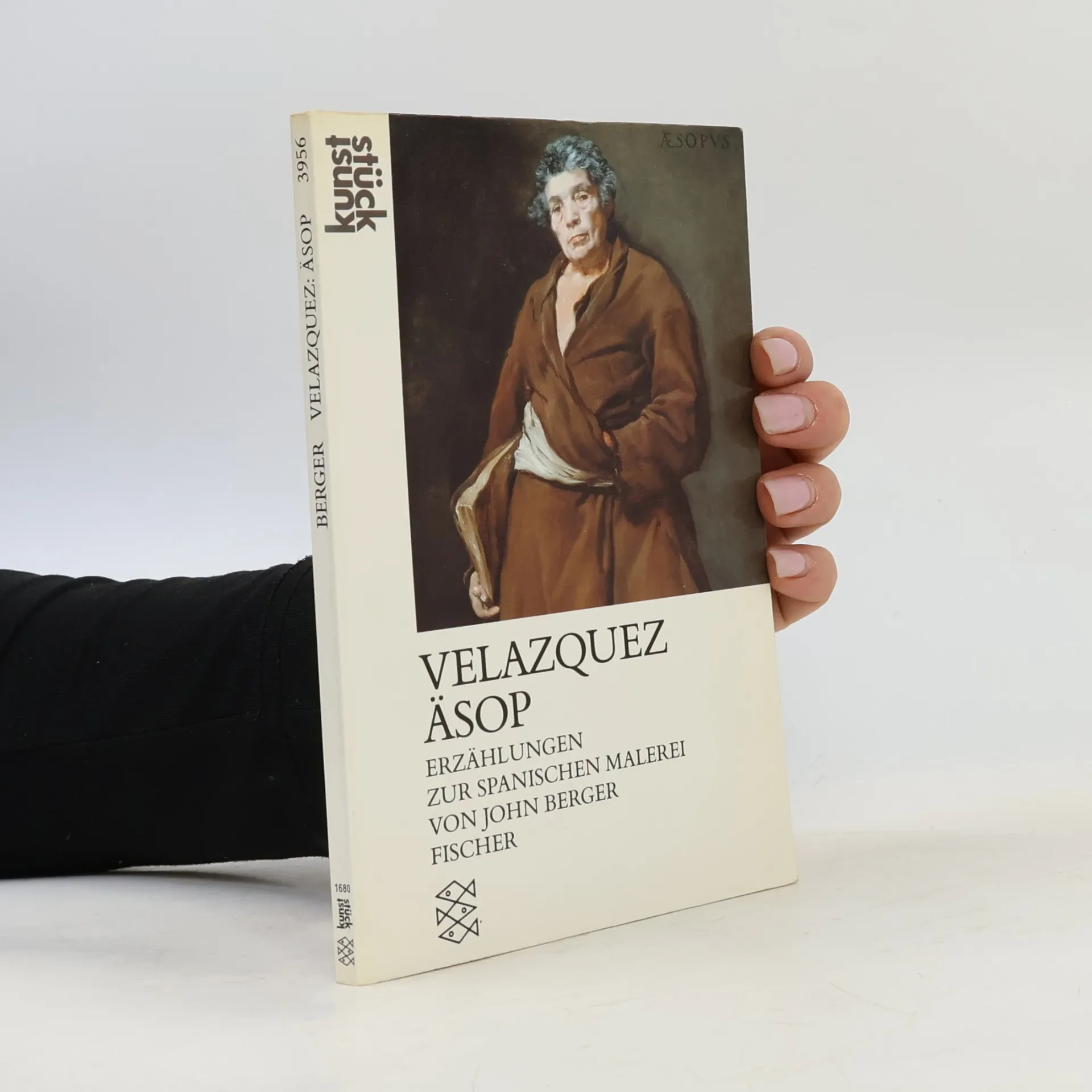
Acht Kurzkurse des bedeutenden englischen Kunstkritikers über das vergleichende Sehen, die Augen der Maler und die Einsamkeit des Betrachters. Der große Schriftsteller und Kritiker beginnt mit einer Untersuchung des Verhältnisses zwischen Kunst und Natur. An fünf bedeutenden Malern und ihren Bildern zeigt er dann, wie Kunst in ihrem Kontext gelesen werden kann.
O pohledu
- 225pages
- 8 heures de lecture
V tematicky rozmanitých esejích se autor soustřeďuje na základní předpoklady, které ovlivňují naše umělecké vnímání. Úvodní stať (Proč se dívat na zvířata) se svým námětem poněkud vymyká z celého souboru - věnuje se vývoji vztahu člověka a zvířete a kriticky tematizuje fenomén kulturní marginalizace zvířat v moderní době. Následují oddíly věnované fotografii a výtvarnému umění - Berger se ve svých výtvarných kritikách a analýzách věnuje jak význačným představitelům starého umění (La Tour, Hals), tak výtvarným umělcům 19. a 20. století (Courbet, Turner, Bacon, Rouault, Magritte, Giacometti a další). Texty, které charakterizuje historicko-sociologický přístup a zároveň autorova politická angažovanost, pocházejí většinou ze 60. a 70. let 20. století a vyšly původně časopisecky.
A und X
Eine Liebesgeschichte in Briefen
Seit seinem wunderbaren Roman »Auf dem Weg zur Hochzeit« hat John Berger keine derart ergreifende und zärtliche Liebesgeschichte mehr geschrieben wie mit dieser »Liebesgeschichte in Briefen«. Eine Geschichte, die an vielen Plätzen der Welt spielen könnte. In einem Land, in dem bürgerkriegsähnliche Zustände herrschen, sitzt Xavier im Gefängnis, verurteilt zu lebenslanger Haft. Seine Geliebte A'ida schreibt ihm Briefe, die eine Beschwörung von Lust und Leben, von Freiheit und Nähe sind, durch die selbst Gefängnismauern überwunden werden können. Fast »überirdisch« schön urteilte Gisela von Wysocki.
„All die Jahre über hat mich eine Ahnung zum Schreiben angetrieben, dass etwas erzählt werden muss, das, falls ich es nicht versuche, unerzählt bleiben wird.“ „Ein Geschenk für Rosa“ ist das letzte Buch, das John Berger vor seinem Tod veröffentlichte. Er erforscht das eigene Schreiben und dessen untrennbare Verbindung zu Malerei, Fotografie und Musik, spiegelt sich in Geistesgefährten wie Charlie Chaplin, Albert Camus und Rosa Luxemburg. Berger nimmt Abschied von Künstlerfreunden und Verwandten wie seinem Onkel Edgar, der stets drei Brillen bei sich trug. Immer weisen seine Worte über das Selbstporträt hinaus, hinterfragt und erschließt seine Literatur auf einmalige Weise unsere Welt.
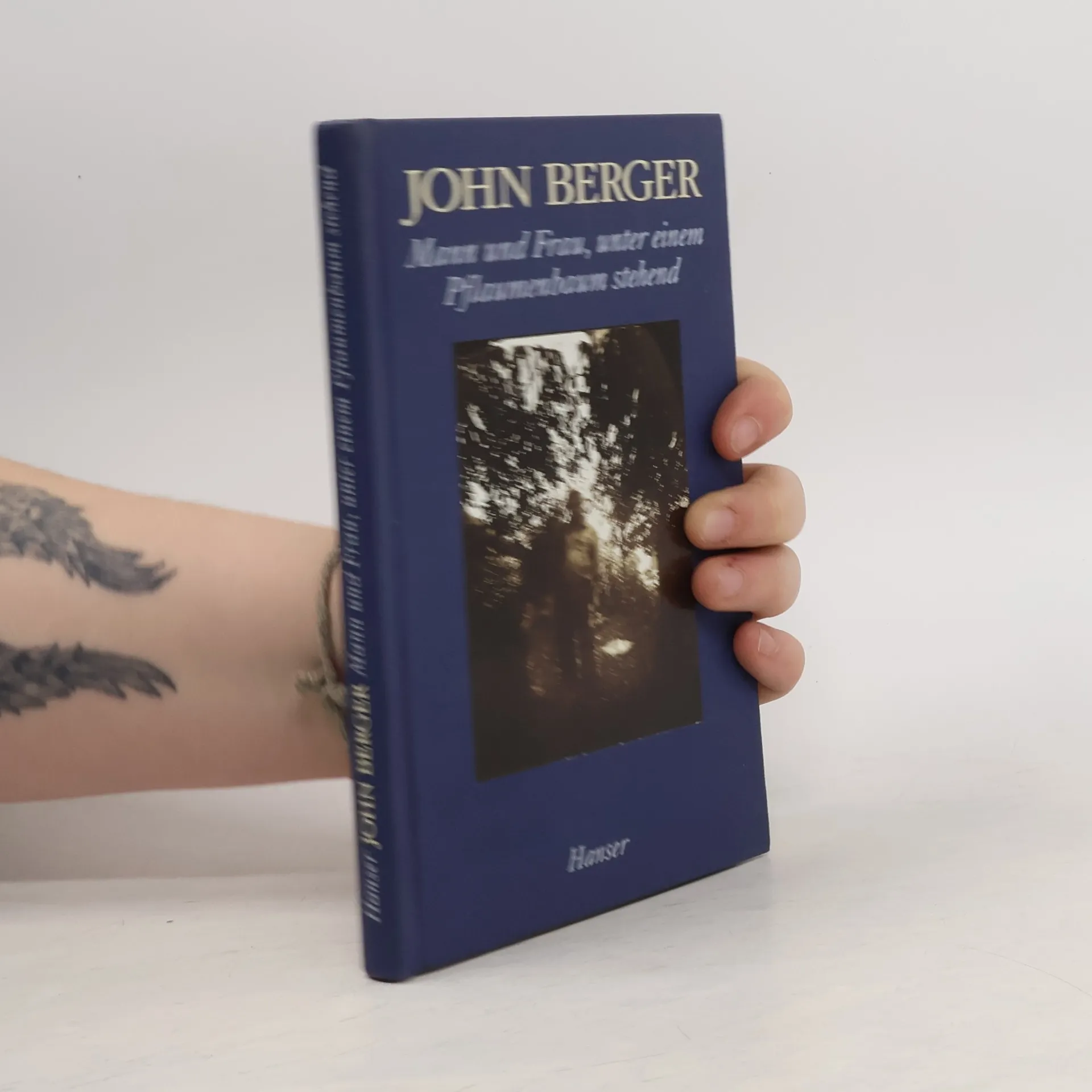
Mann und Frau, unter einem Pflaumenbaum stehend
- 118pages
- 5 heures de lecture
Bergers literarische Porträts sind eine Schule des Sehens. In 22 Wort-Bildern hält der große Meister der genauen Beobachtung die Erinnerung an Freunde fest, fixiert den unwiederbringlichen Zauber von Begegnungen mit unbekannten Menschen wie dem Bauern Théophile oder bekannten wie der französischen Philosophin Simone Weil, einem Mädchen wie Antigone, und dem Altmeister der Photographie, Henri Cartier-Bresson.
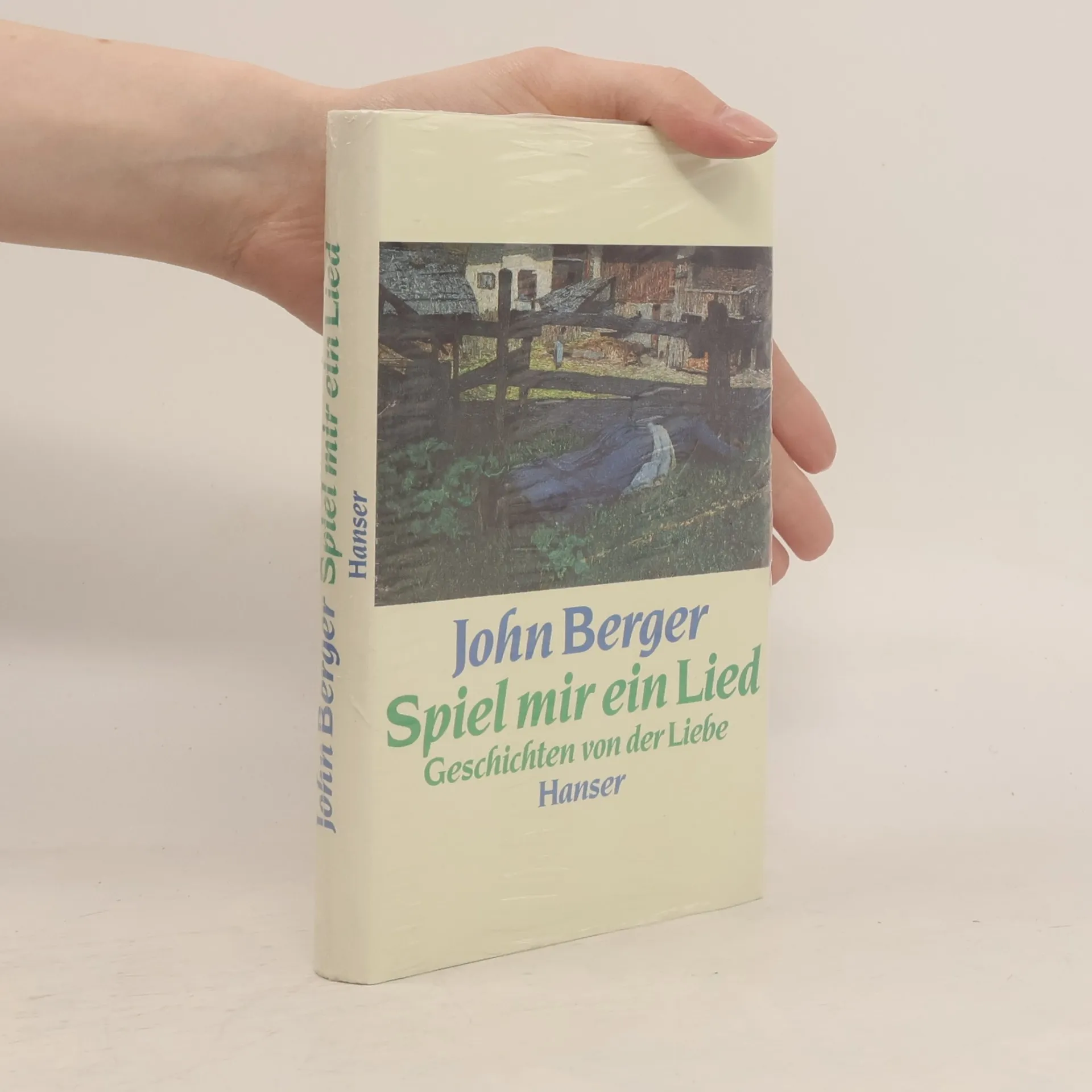
Sechs Liebesgeschichten, die John Berger meisterhaft zu einem Porträt ländlichen Lebens zusammensetzt. Dabei ist seine Sprache bildhaft und spontan wie die der Menschen, von deren Dasein er ebenso unsentimental wie ergreifend erzählt.
Es gibt eine Eleganz und eine Gelassenheit in diesen Erinnerungen, die den Leser sehnsüchtig stimmt. Christoph Bartmann, Süddeutsche Zeitung, 04.10.06 John Bergers literarische Bilder machen neugierig auf die ganze Welt. Carten Hueck, Neue Züricher Zeitung, 02.11.06 Es geht dabei melancholisch zu, aber zugleich aquarellhaft leicht und lichterfüllt. (...) Er hat der Verschmelzung, die die Menschen gerade aus der Zeit herausheben soll, in jeder Zeit seines Lebens und Schreibens eine andere Färbung gegeben. Andreas Isenschmid, Neue Zürcher Zeitung, 05.11.06 Ein faszinierendes, die eigene Biographie umspielendes, Erinnerungsbuch. John Berger eint Vergangenheit und Gegenwart zu Momenten von rätselhafter Zeitlosigkeit, die ihren Ursprung in der vom Bewußtsein belebter Stille zu haben scheinen. (...) Eine universale Enzyklopädie menschlicher Erfahrungen. Thomas David, Frankfurter Allgemeine Zeitung, 06.11.06 Er ist auch bildender Künstler und betrachtet die Welt in kleinsten Facetten, nah an der Natur und den Menschen. (...) In federleichter Stimmung entstehen Glücksmomente (...) und liebevolle Skizzen Lissabons. Inge Rauh, Nürnberger Nachrichten, 17.01.07
In »Der Augenblick der Fotografie« versammelt John Berger seine Aufsätze zur Fotografie von den 1960er Jahren bis 2017. Er analysiert Werke großer Fotografen und erforscht die Geschichten hinter den Bildern, was eine neue Erzählweise ermöglicht. Herausgegeben von Geoff Dyer, ist es ein Buch über Sehen und Erinnerung.
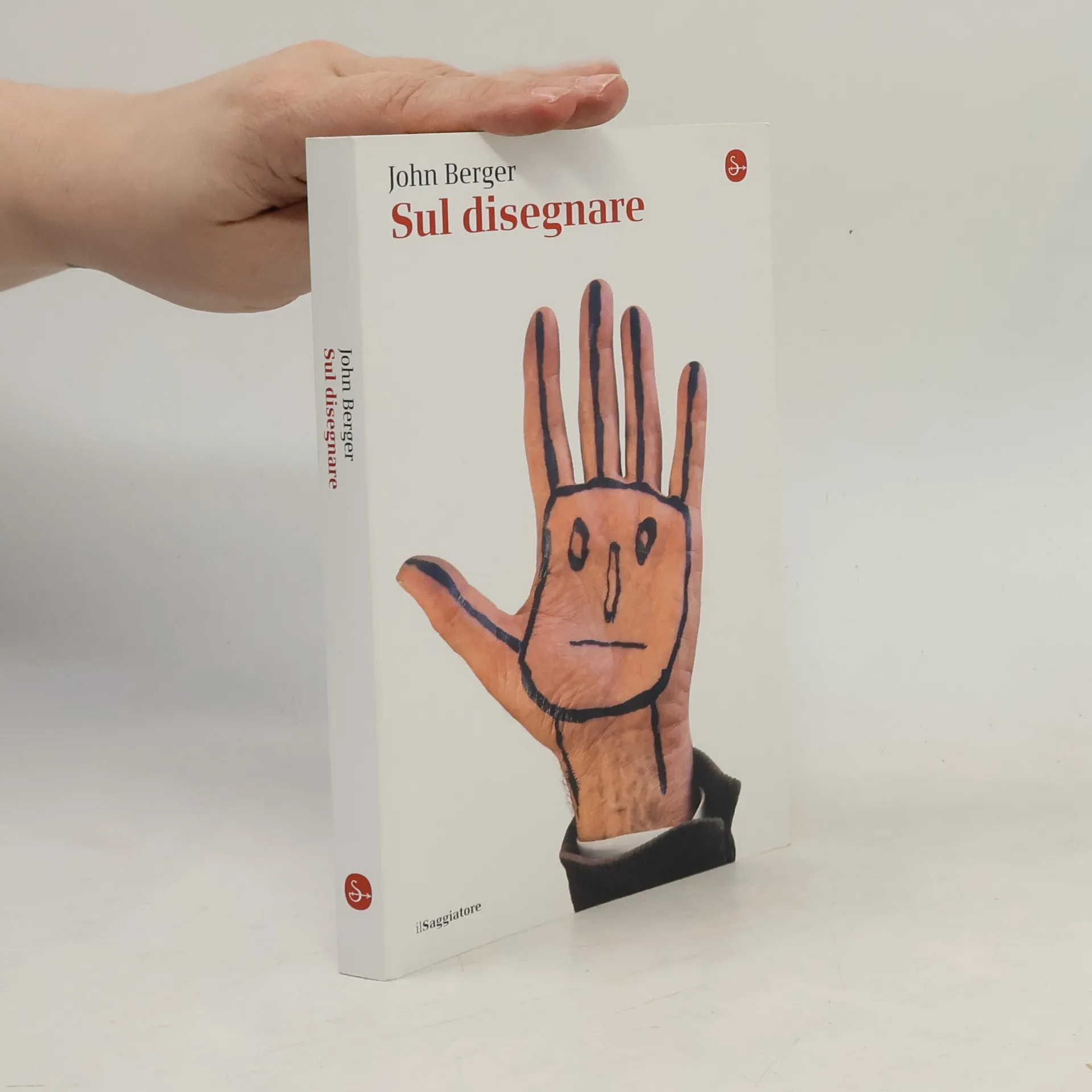
La piccola cultura: Sul disegnare
- 186pages
- 7 heures de lecture
Il disegno rappresenta una delle attività umane più profonde. Sin dai tempi antichi, come dimostrano le pitture nella grotta di Chauvet, l'atto di disegnare ha sempre implicato una riflessione sulla finitudine dell'esistenza e sul mondo circostante. In questo spazio metafisico, l'artista esplora il mistero della presenza e della morte, utilizzando il carbone per dare forma a idee e comunicare emozioni. A differenza della pittura, il disegno non cerca di illudere con la realtà; mostra invece la sua essenza di progetto. Attraverso linee, luci e colori, osserviamo un processo in cui l'artista cerca di catturare una molteplicità di esperienze in un'immagine simultanea. John Berger, nei suoi scritti, segue questa danza creativa, dall'arte di Vincent van Gogh, che esprime amore per la materia, a quella di Pablo Picasso, che affronta il tema del decadimento. Inoltre, Berger traccia il volto paterno sul letto di morte per afferrare una vita intera. Attraverso gli schizzi di Giacometti, Rembrandt e Goya, dimostra come il disegno sia un modo per scoprire e vivere il mistero del reale, amplificandolo come un evento significativo.
¿Qué es el packaging?
- 256pages
- 9 heures de lecture
'¿QUÉ ES EL PACKAGING?' explora multitud de cuestiones relacionadas con el diseño de envases - desde su papel dentro de la estrategia de una marca hasta los materiales empleados en su realización. Analiza, además, cada componente gráfico -su estructura, la disposición y jerarquía de la información, las fotografías e ilustraciones y los acabados- tanto de forma aislada como en interrelación con otros elementos.
Vom Wunder des Sehens
Zeichnungen von Selçuk Demirel
John Berger erlebte, was jedem von uns geschehen kann: Er musste an beiden Augen den grauen Star operieren lassen. In seinen Aufzeichnungen beobachtet er sich vor, während und nach der Heilung – und entdeckt dabei das Glück des Sehens und die Wunder unserer Welt aufs Neue. Begleitet von den feinsinnigen Zeichnungen des Künstlers Selçuk Demirel, ist ein Buch entstanden für alle, die bereit sind, auch über das vermeintlich Selbstverständliche zu staunen.
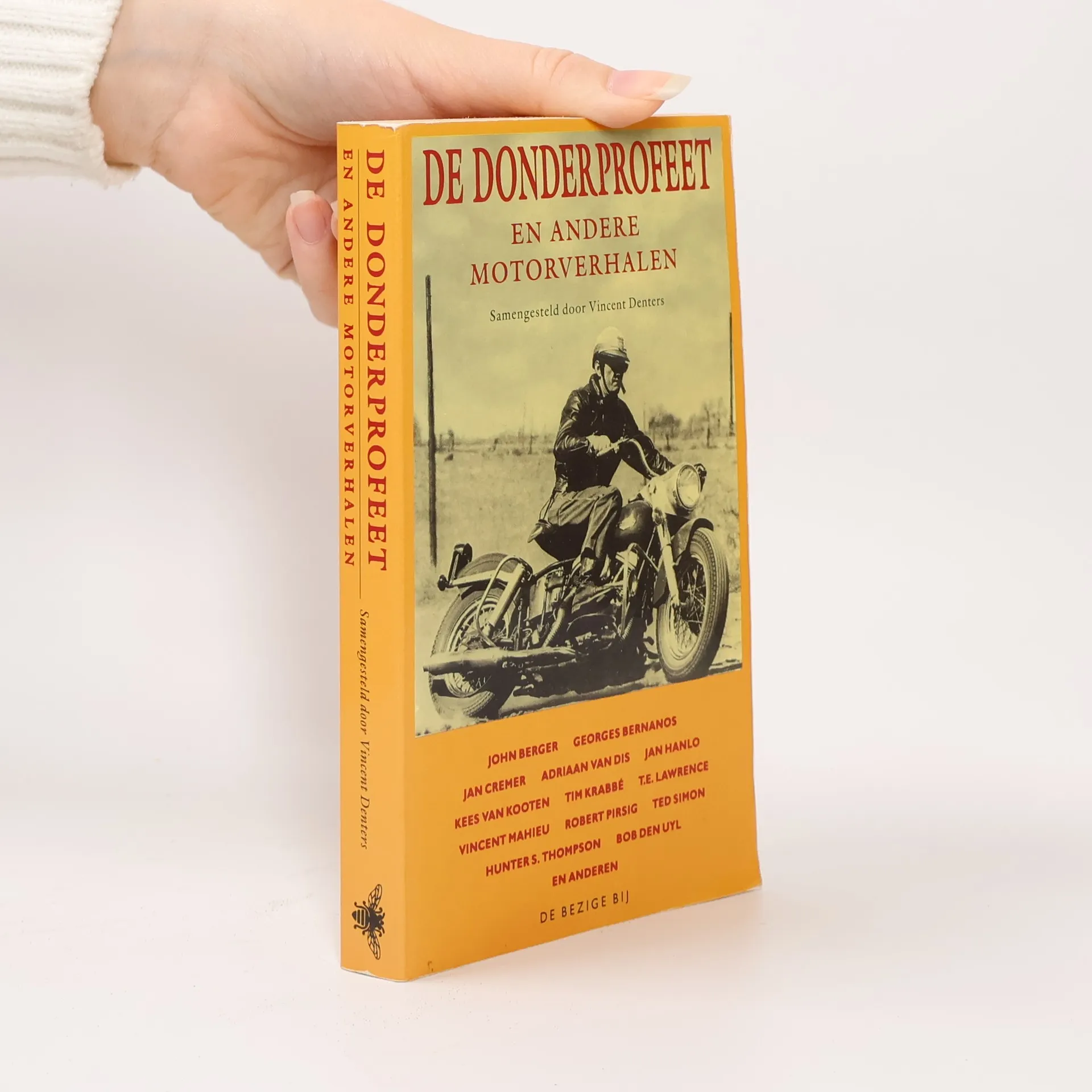
De donderprofeet en andere motorverhalen
- 255pages
- 9 heures de lecture
Dutch
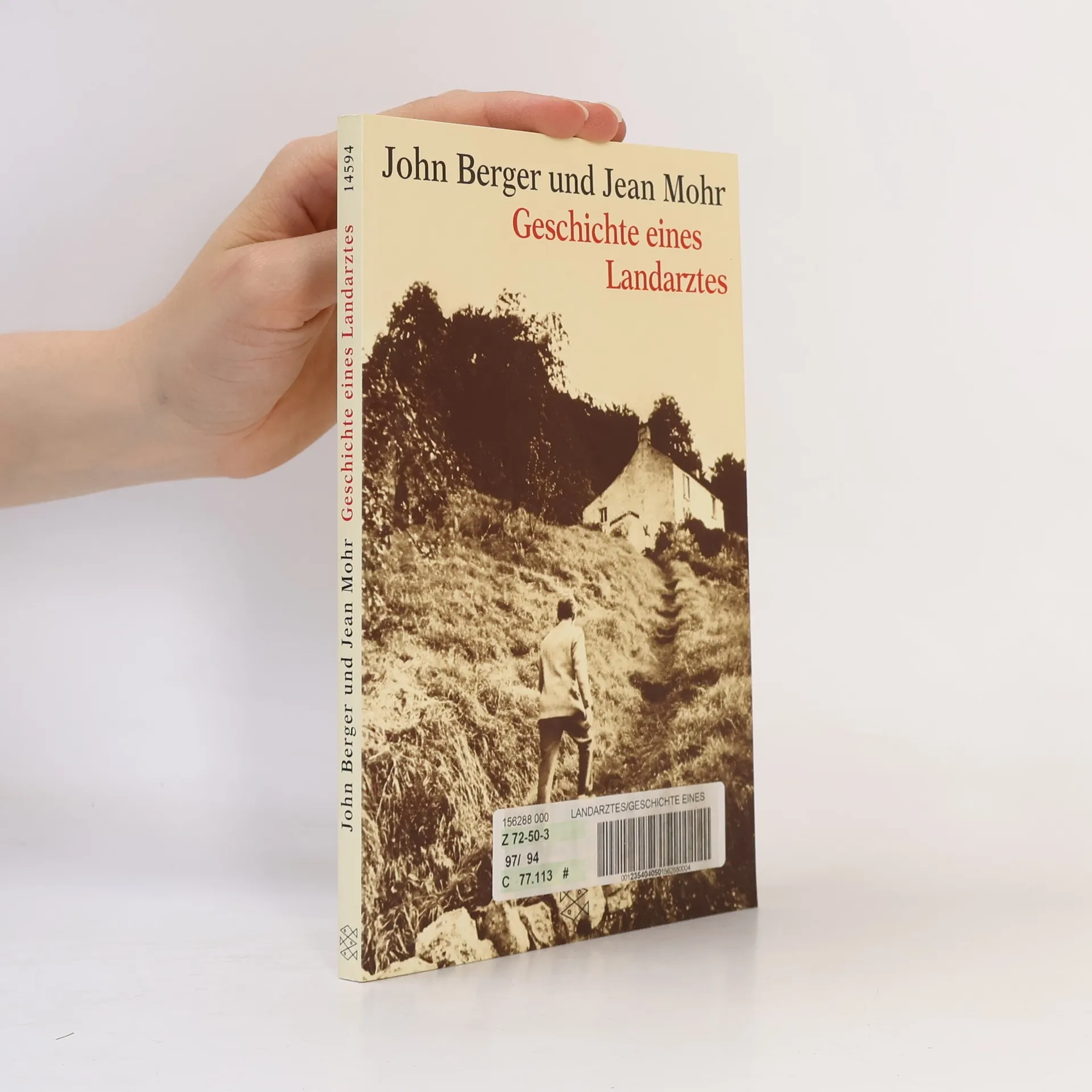
Geschichte eines Landarztes
- 171pages
- 6 heures de lecture
Vor mehr als 30 Jahren haben John Berger und Jean Mohr das tägliche Leben eines englischen Landarztes beobachtet, photographiert und aufgeschrieben. Entstanden ist dabei das einzigartige Zeugnis einer vergangenen Zeit und das Porträt eines bewundernswerten Mannes, der es verstand, in den Lebensgeschichten seiner Patienten zu lesen, ihre individuelle Situation zu verstehen. »Dieses Buch spricht wie kaum ein anderes von der ärztlichen Berufung, von Kreativität, von Kunst, vom auszuhaltenden Druck der Unzulänglichkeit. Vom Wesentlichen also.« Tages-Anzeiger »John Berger vertieft sich in den Arzt, seine Arbeit, seine Umstände, um einen Menschen zu verstehen, der Menschen versteht. Die Kunst seiner dichten Beschreibung besteht in einer Genauigkeit, die weder ableitet noch beweist.« Walter van Rossum
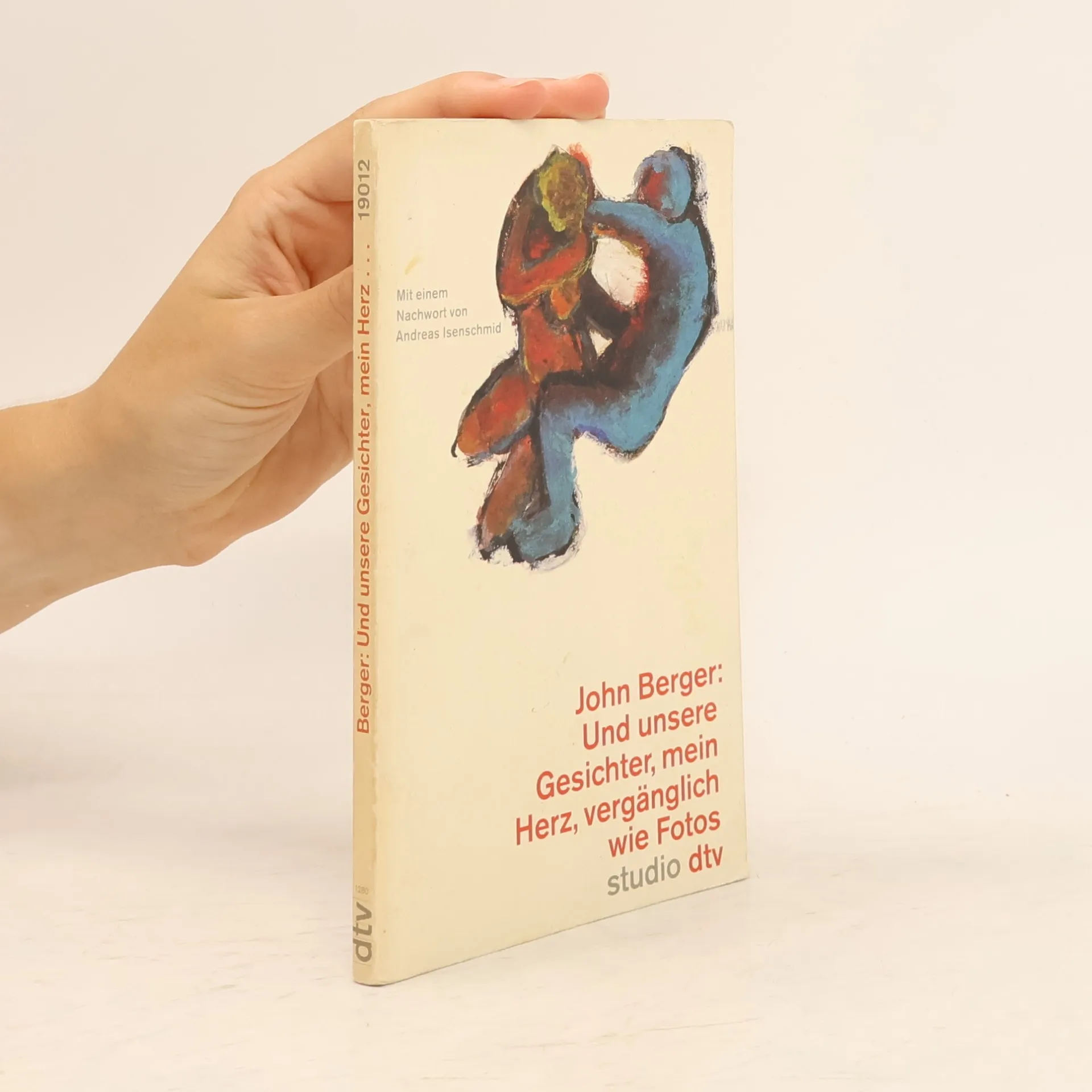
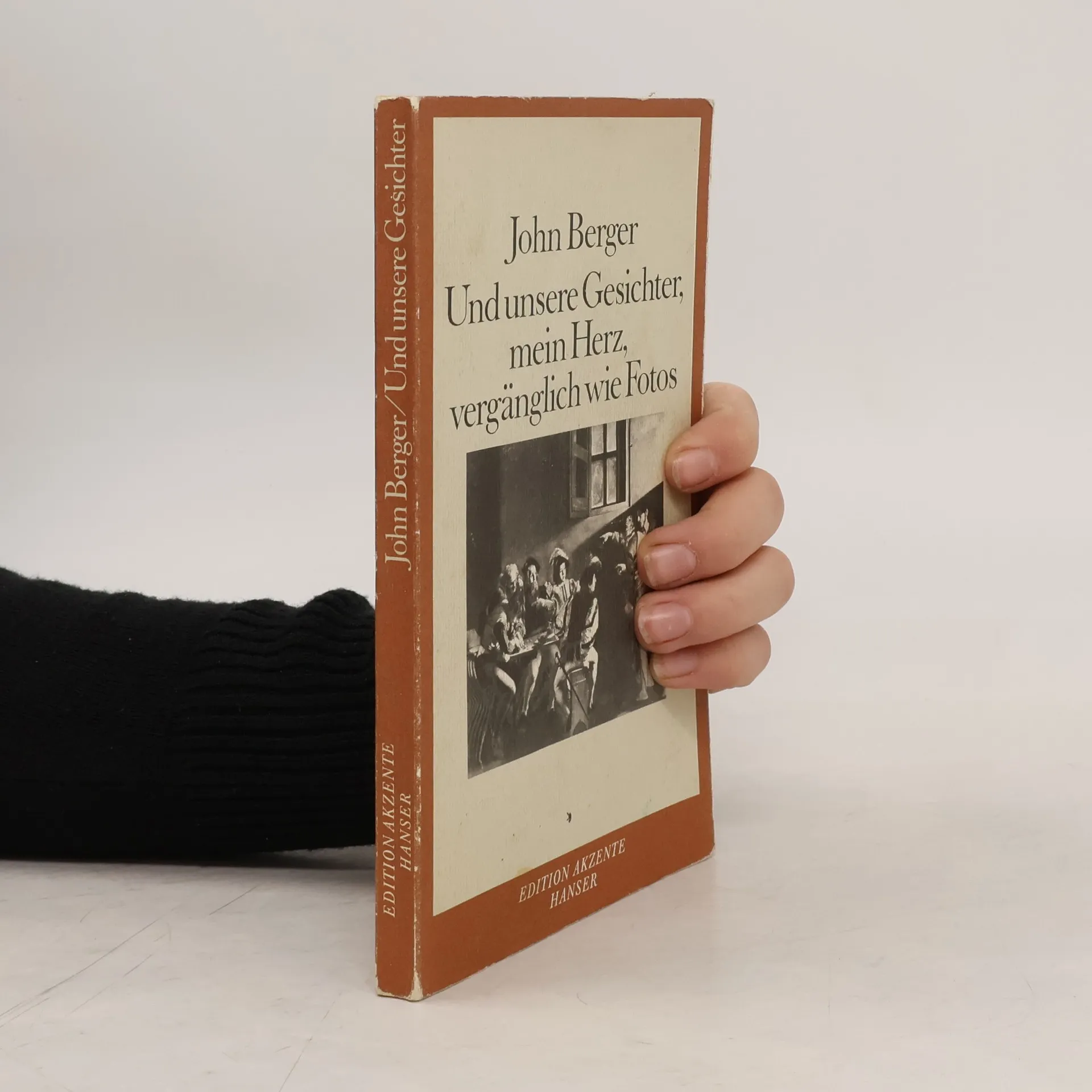
Und unsere Gesichter, mein Herz, vergänglich wie Fotos. Essays.
- 118pages
- 5 heures de lecture
Berger thematisiert neu Zeit, Raum, Anwesenheit, Distanz, Liebe und Tod, wobei er alltägliche Beispiele nutzt. Sein schmaler Band versetzt Leser mit unaufdringlicher Autorität in einen Zustand meditativer Aufmerksamkeit.
Arbeitsemigranten
- 240pages
- 9 heures de lecture
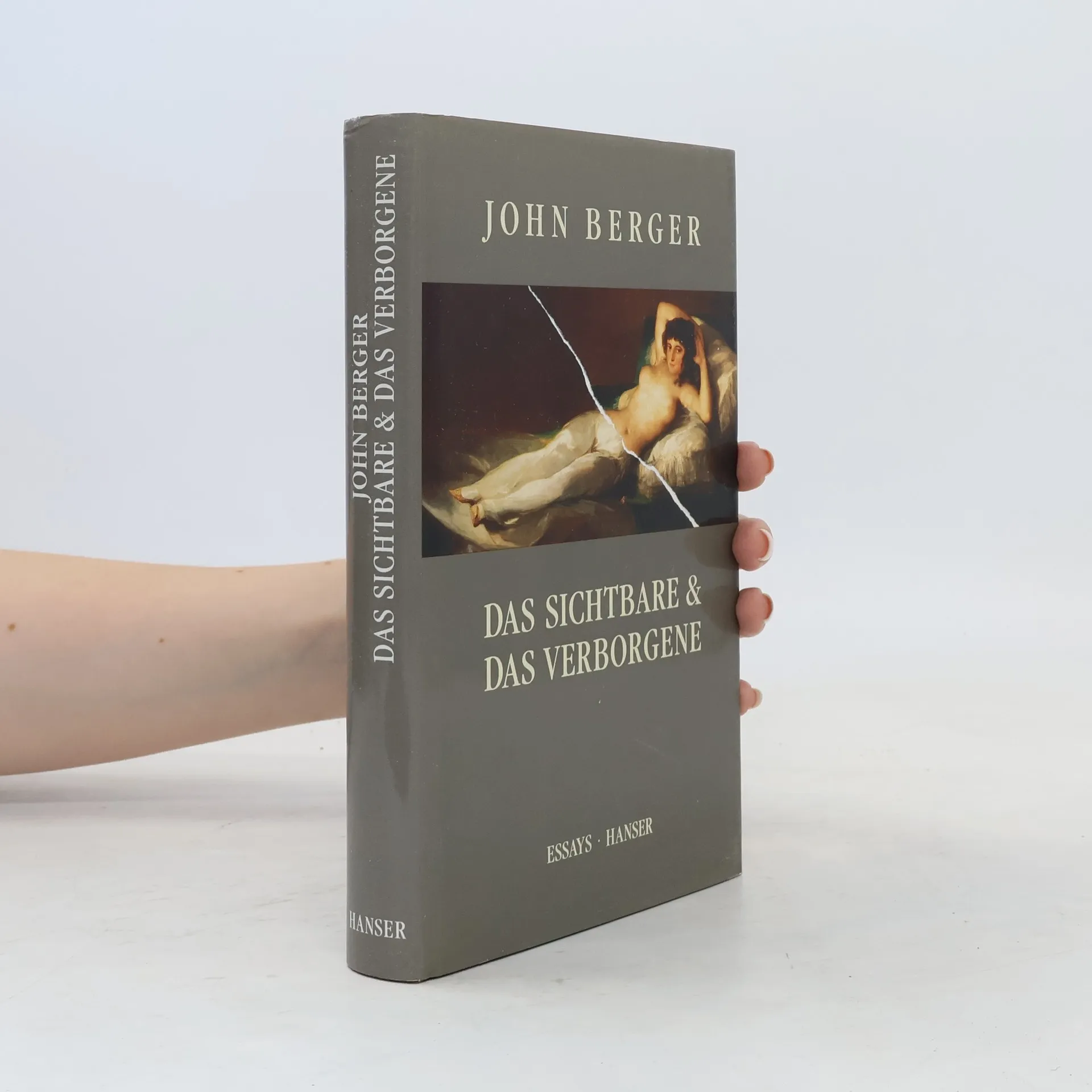
Das Sichtbare und das Verborgene
- 304pages
- 11 heures de lecture
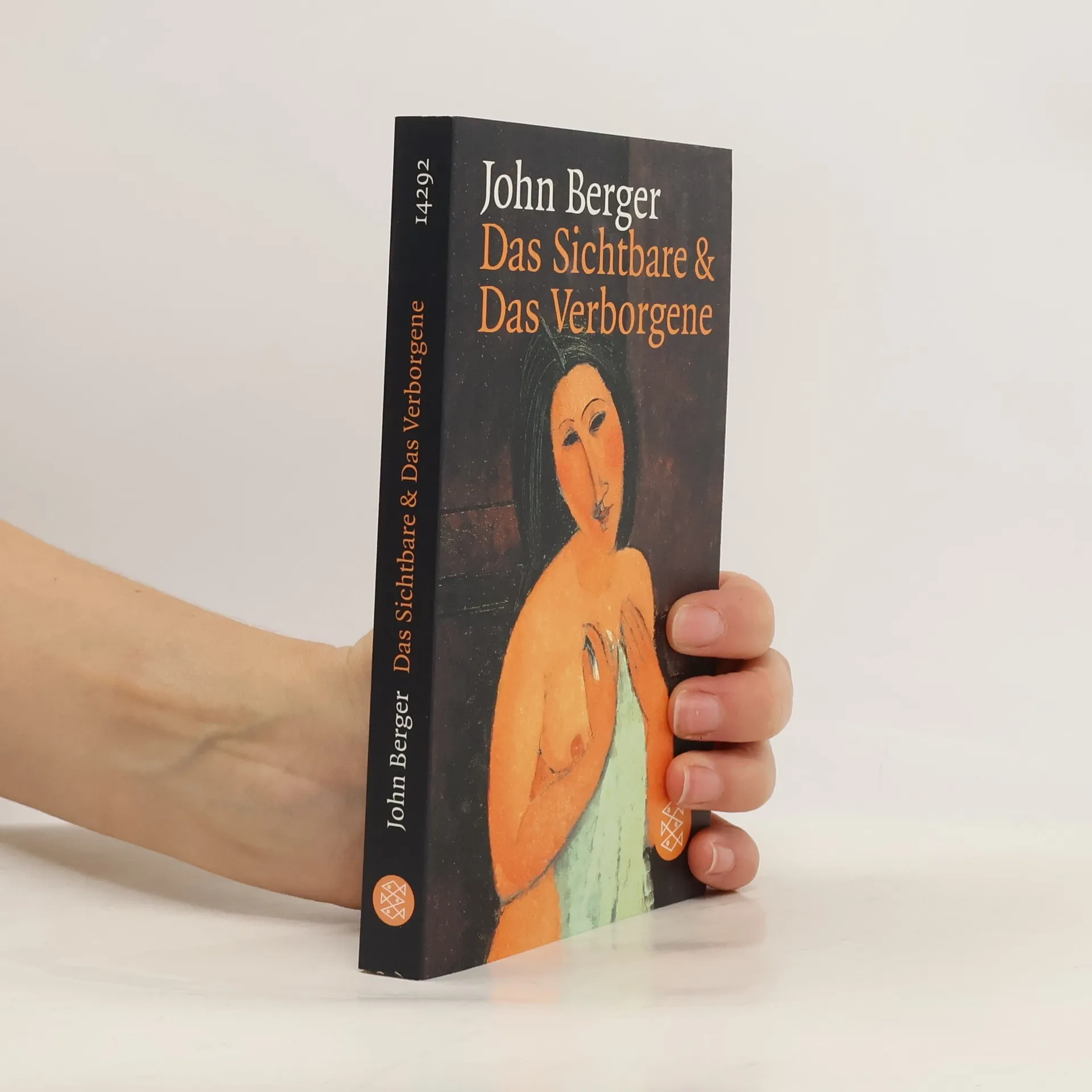
Dieser bisher umfangreichste Essayband Bergers ist die Summe seines unkonventionellen und oftmals provozierenden essayistischen Werkes. Nach thematischen Schwerpunkten komponiert, gibt er einen umfassenden Überblick über Bergers Schule des Sehens: seine Interpretationen von Kunstwerken, seine Städtebilder und Menschenansichten erweitern und vertiefen unseren Blick auf die Welt. »Es tut wohl, jemanden so ruhig sprechen zu hören in einer Welt, in der sich die unaufhörlich plappernden Post-Historiker und die schwerfällig raunenden Endzeitpropheten ein festliches Stelldichein geben.« SÜDDEUTSCHE ZEITUNG
Und unsere Gesichter, mein Herz, vergänglich wie Fotos
- 116pages
- 5 heures de lecture
Berger scheut sich nicht, die »großen Themen« neu zu bedenken: Zeit und Raum, Anwesenheit und Distanz, Liebe und Tod. Dabei bedient er sich der Beispiele aus dem Alltäglichen, nicht aus der Philosophiegeschichte. »Dieses schmale Buch gehört zu den seltenen Werken, die den Leser mit unaufdringlicher Autorität in einen Zustand meditativer Aufmerksamkeit versetzen.« TIMES LITERARY SUPPLEMENT
Schritte zu einer kleinen Theorie der Sichtbarkeit
- 52pages
- 2 heures de lecture
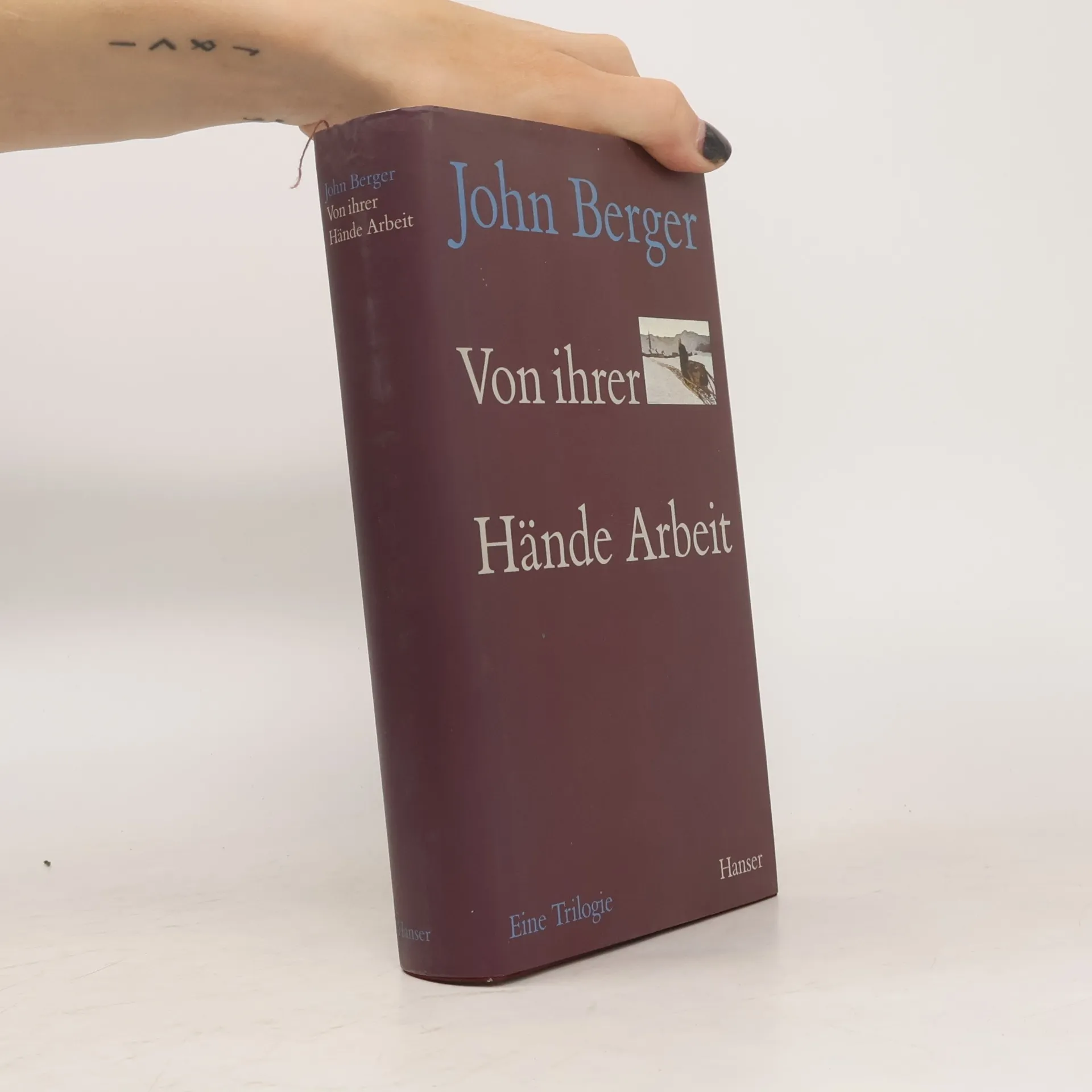
Von ihrer Hände Arbeit
- 622pages
- 22 heures de lecture
Vereint sind diese Romane das große Epos der rauhen savoyardischen Landschaft und seiner Menschen: John Bergers Bücher Sau-Erde, Spiel mir ein Lied und Flieder und Flagge. In ihnen beweist er seine große Erzählkunst und unnachahmliche Beobachtungsgabe.
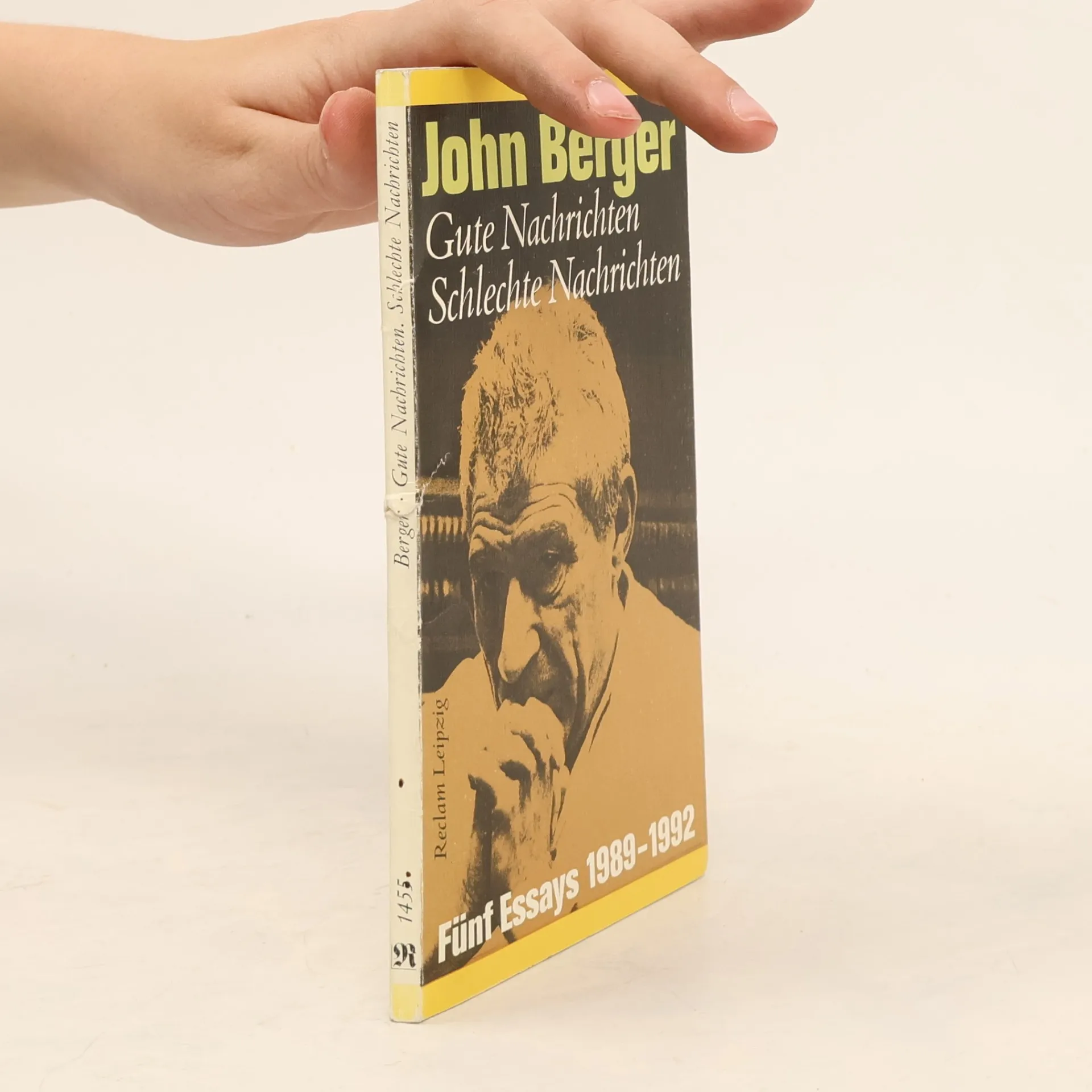
Gute Nachrichten, schlechte Nachrichten
- 64pages
- 3 heures de lecture
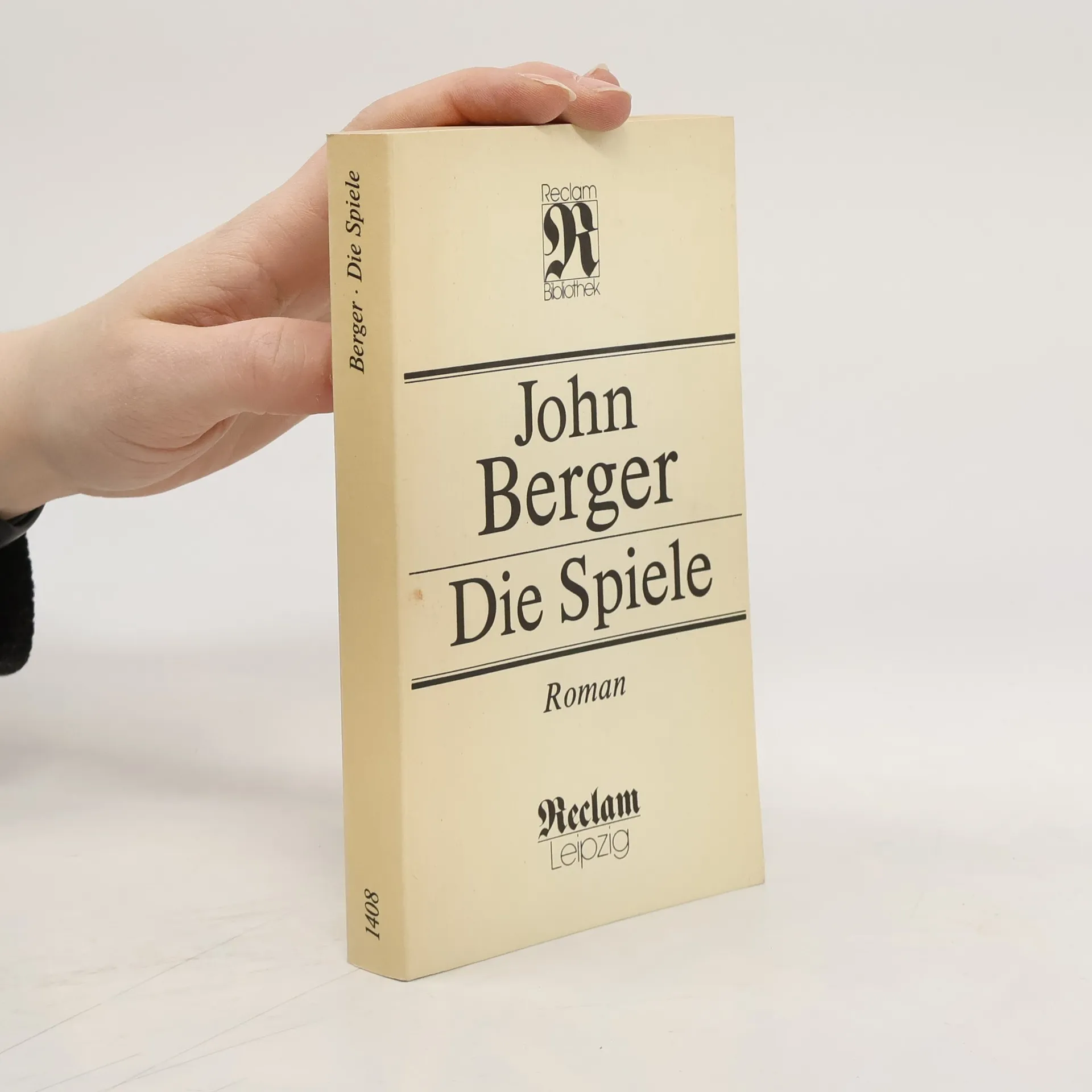
Die Spiele
- 283pages
- 10 heures de lecture
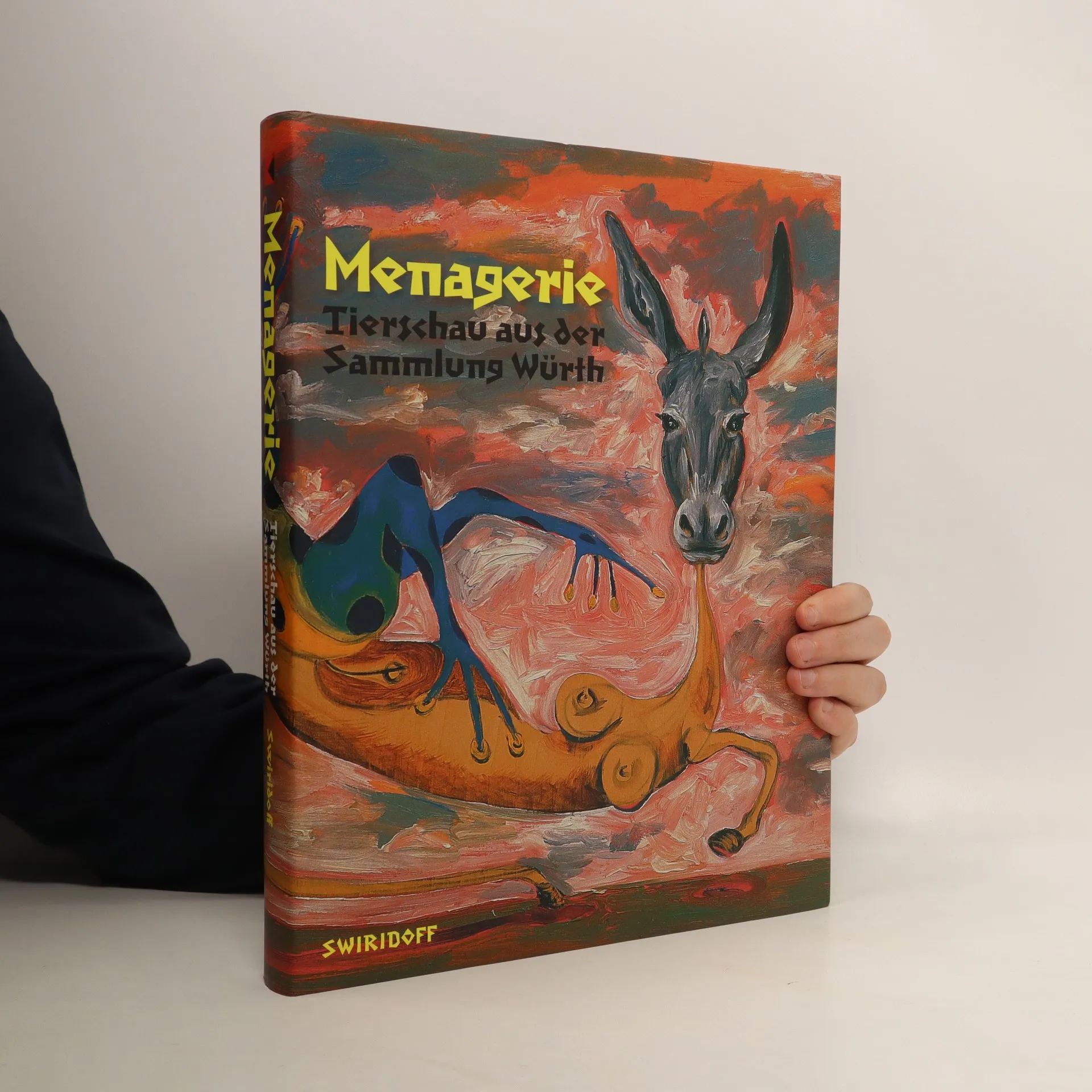
Menagerie : Tierschau aus der Sammlung Würth
- 303pages
- 11 heures de lecture
Wir kommen auf den Hund, weinen dicke Krokodiltränen und sind arm wie Kirchenmäuse. Über Jahrhunderte war es für Literatur und Kunst eine Herausforderung, das komplexe Verhältnis zwischen Mensch und Tier darzustellen. Unsere Vorstellung vom Wesen der Tiere hat sich im Lauf der Epochen gewandelt. Während unser Wissen über die Verwandtschaft zwischen Mensch und Tier wächst, wächst auch die Skepsis gegenüber einer Hierarchie der Arten. Philosoph Jacques Derrida hinterfragt, ob es sinnvoll ist, vom Tier im Singular zu sprechen, da die Unterschiede zwischen Mensch und Schimpanse oft geringer sind als zwischen anderen Tierarten. Unsere Vorstellungen über Tiere sind in Bewegung, während Künstler sie aus ungewöhnlichen Perspektiven zeigen. Diese Vielfalt und Rätselhaftigkeit spiegelt sich in mythologischen Figuren, Fabeln und Märchengestalten wider. In der Tierschau der Kunsthalle Würth werden Tiere aus der Kunstgeschichte präsentiert, von Kühen und Pferden bis hin zu fantastischen Wesen wie Drachen und Minotauren. Diese Ausstellung verspricht ein visuelles Erlebnis für die ganze Familie und bietet auch Einblicke in die menschliche Natur. Denn der Mensch hat in der Kunst stets versucht, sich selbst durch die Beziehung zu Tieren zu deuten, sei es durch Abgrenzung oder die Betonung von Gemeinsamkeiten.
Géo Chavez
der erste Flug ueber die Alpen = Géo Chavez : the first flight across the Alps
- 120pages
- 5 heures de lecture
Auf dem Weg zur Hochzeit
- 215pages
- 8 heures de lecture