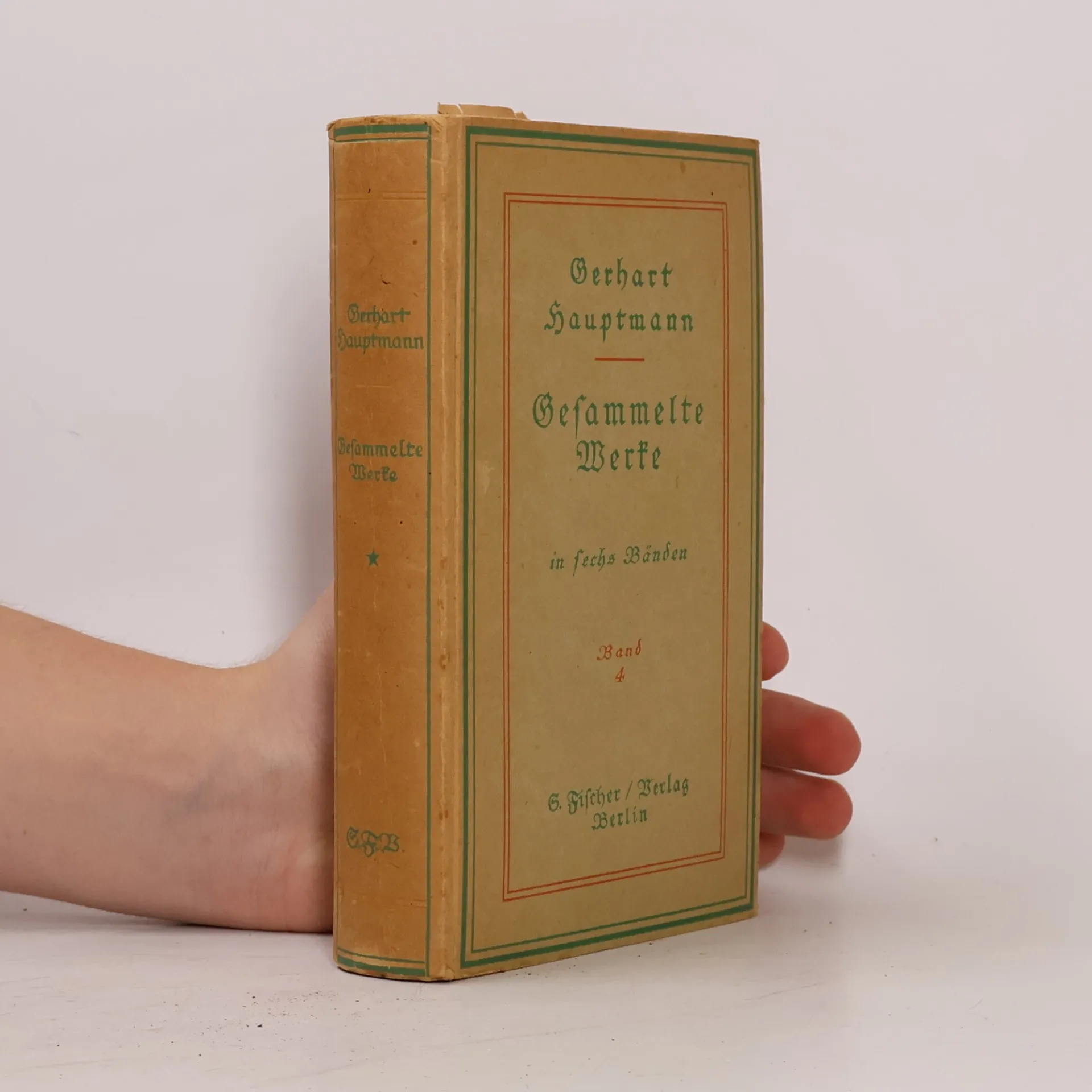
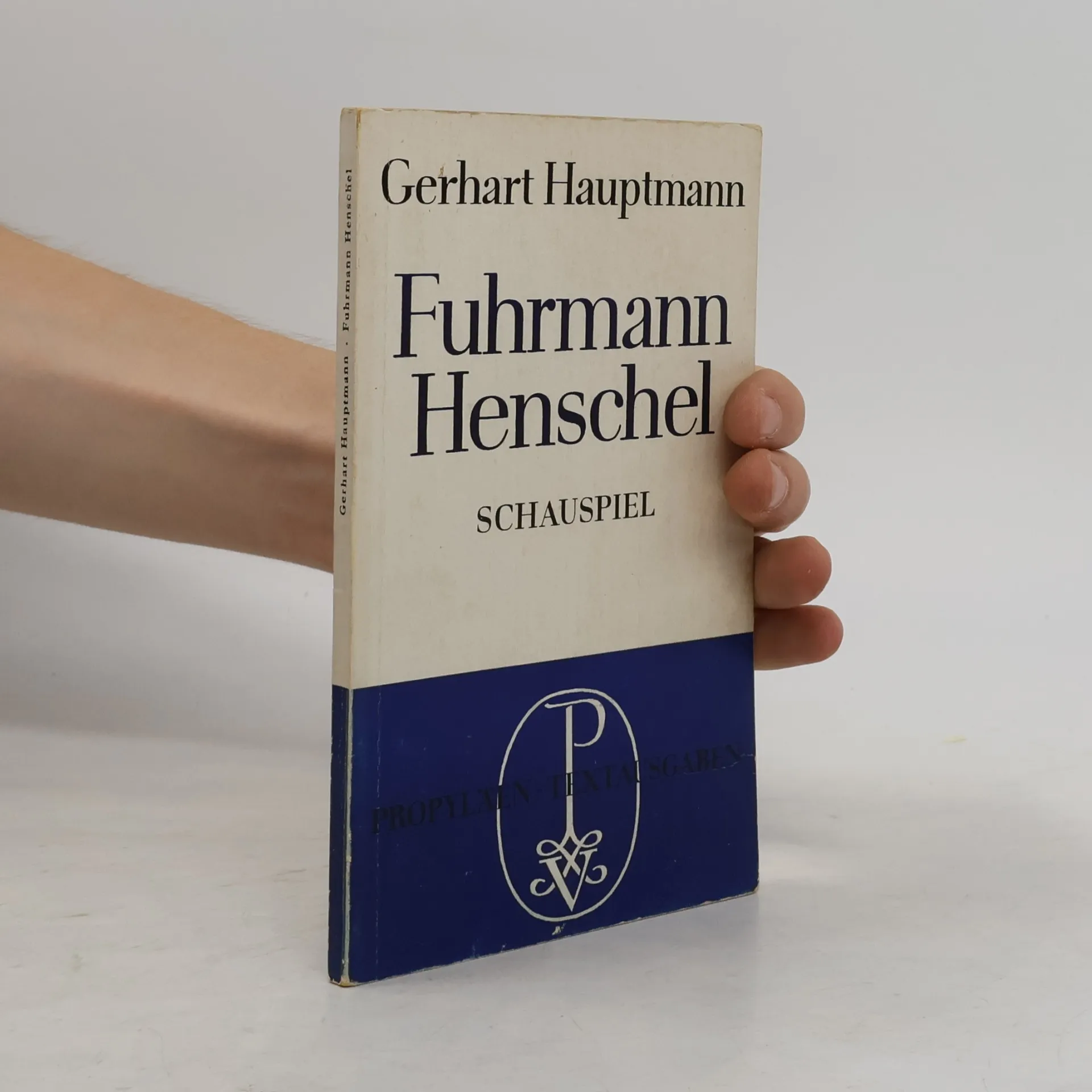
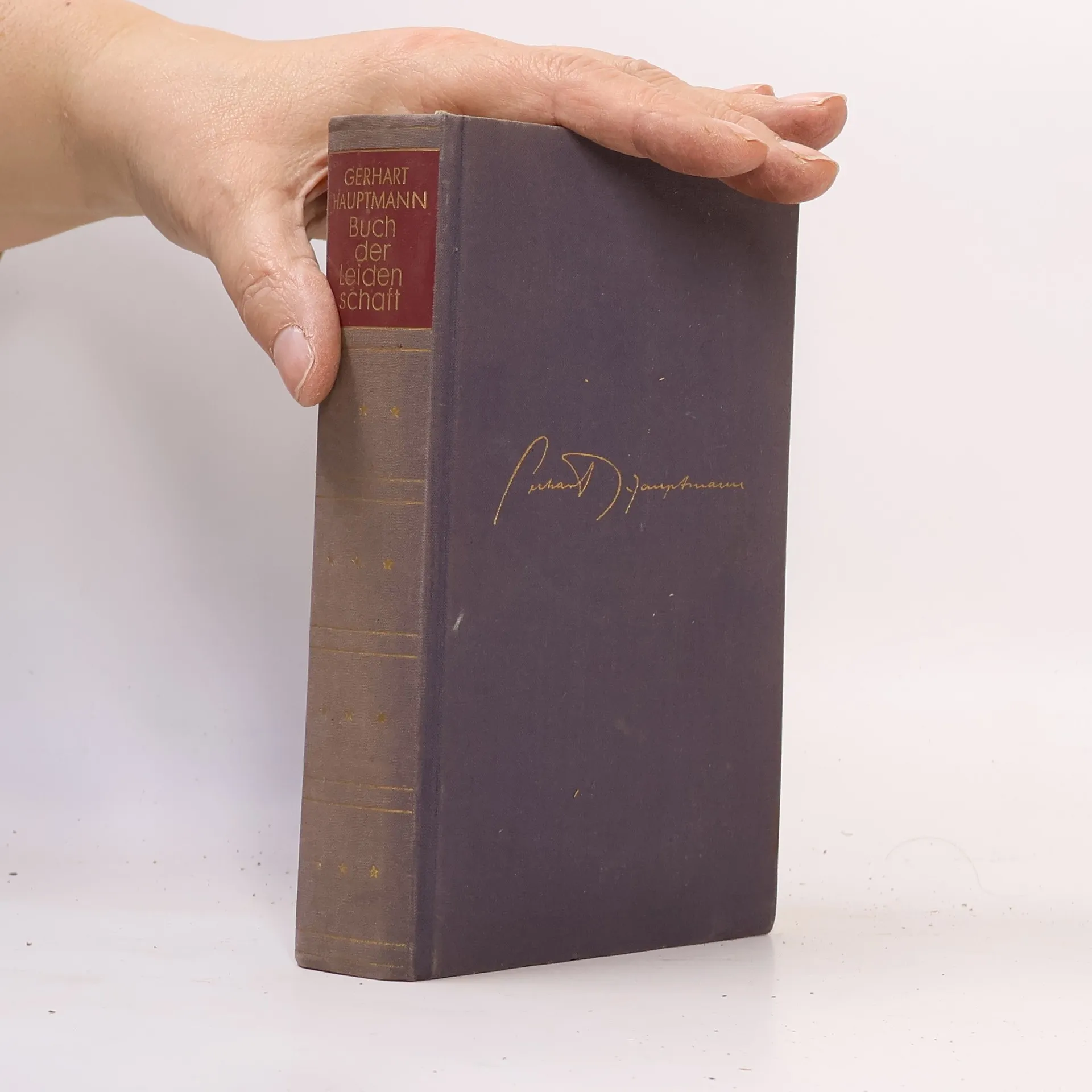
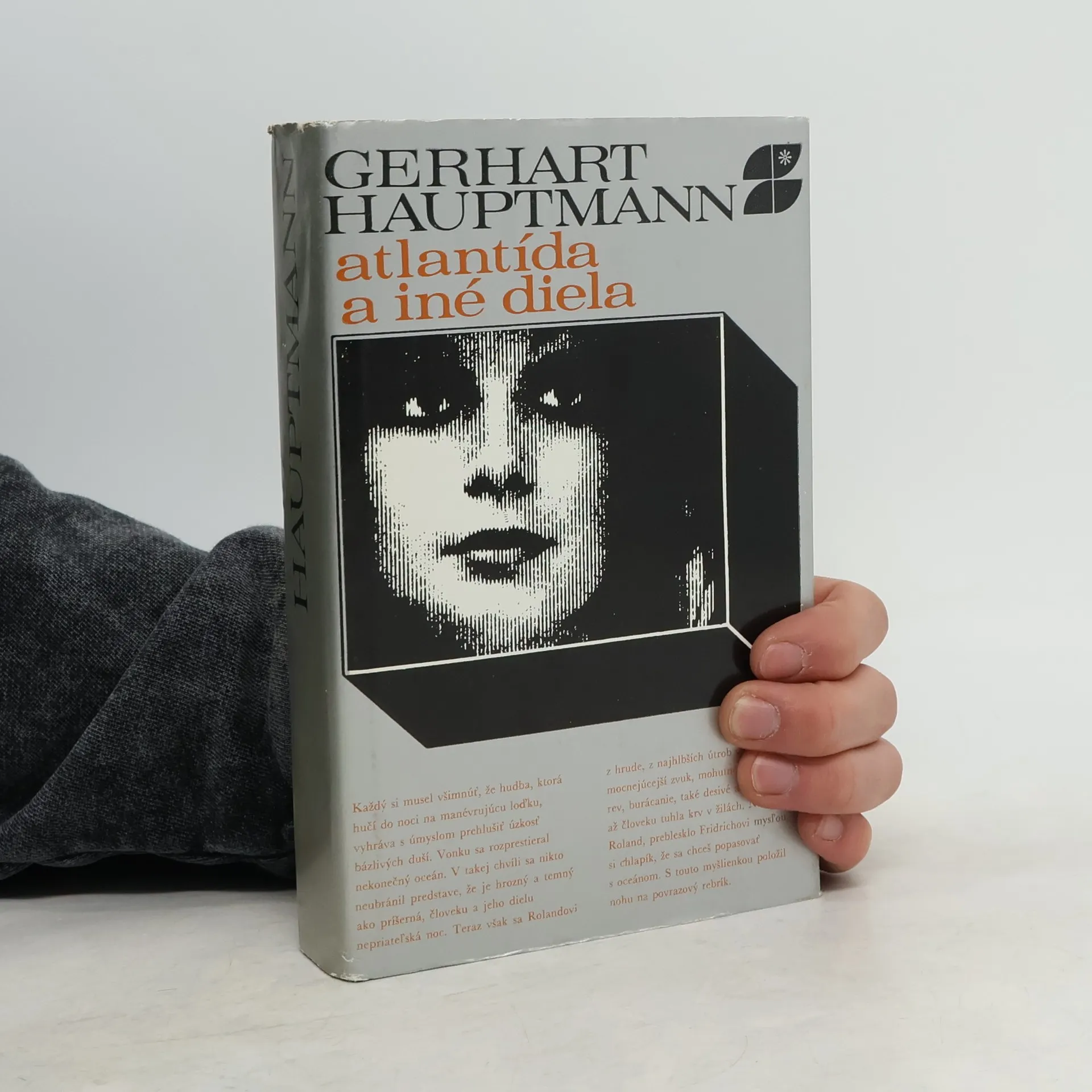
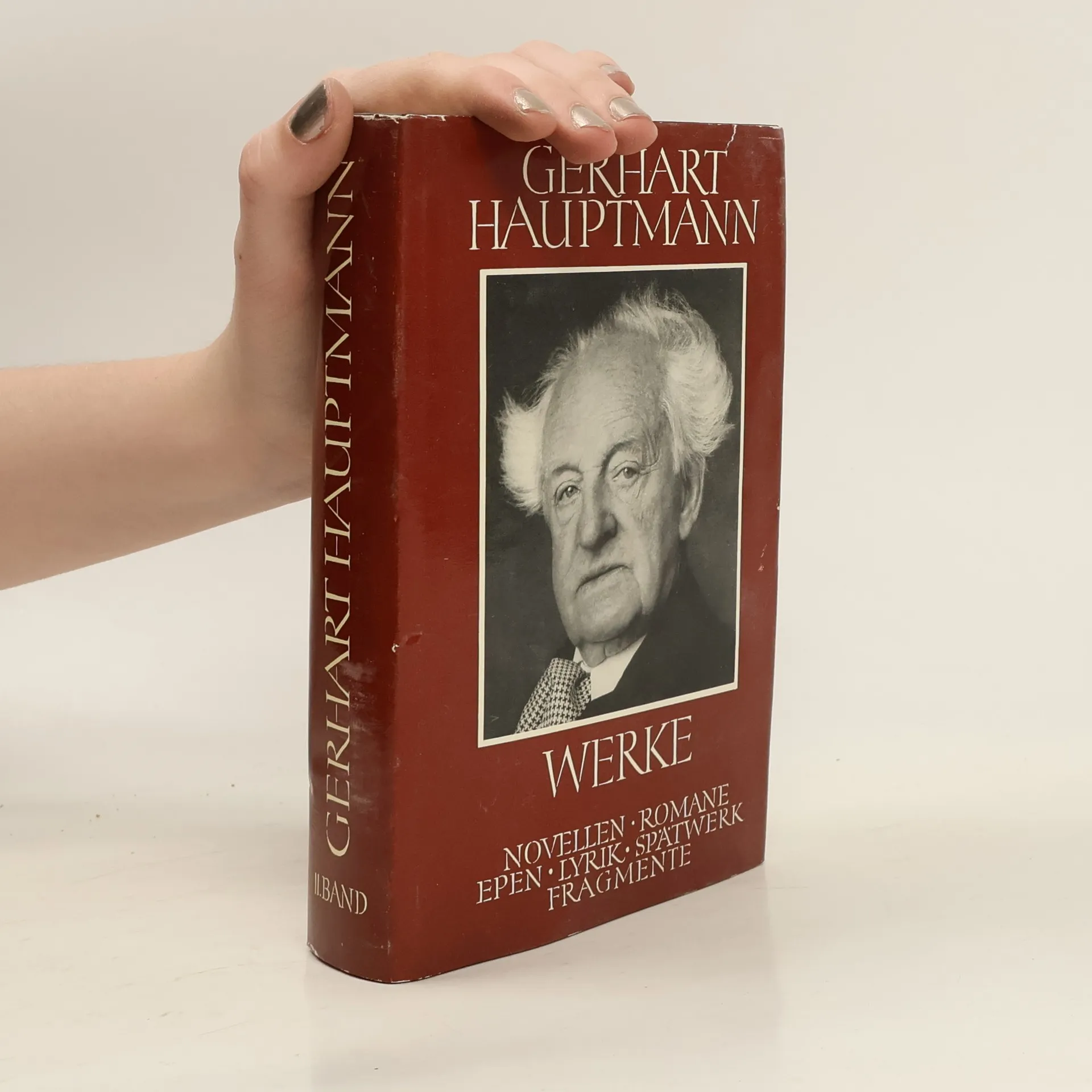
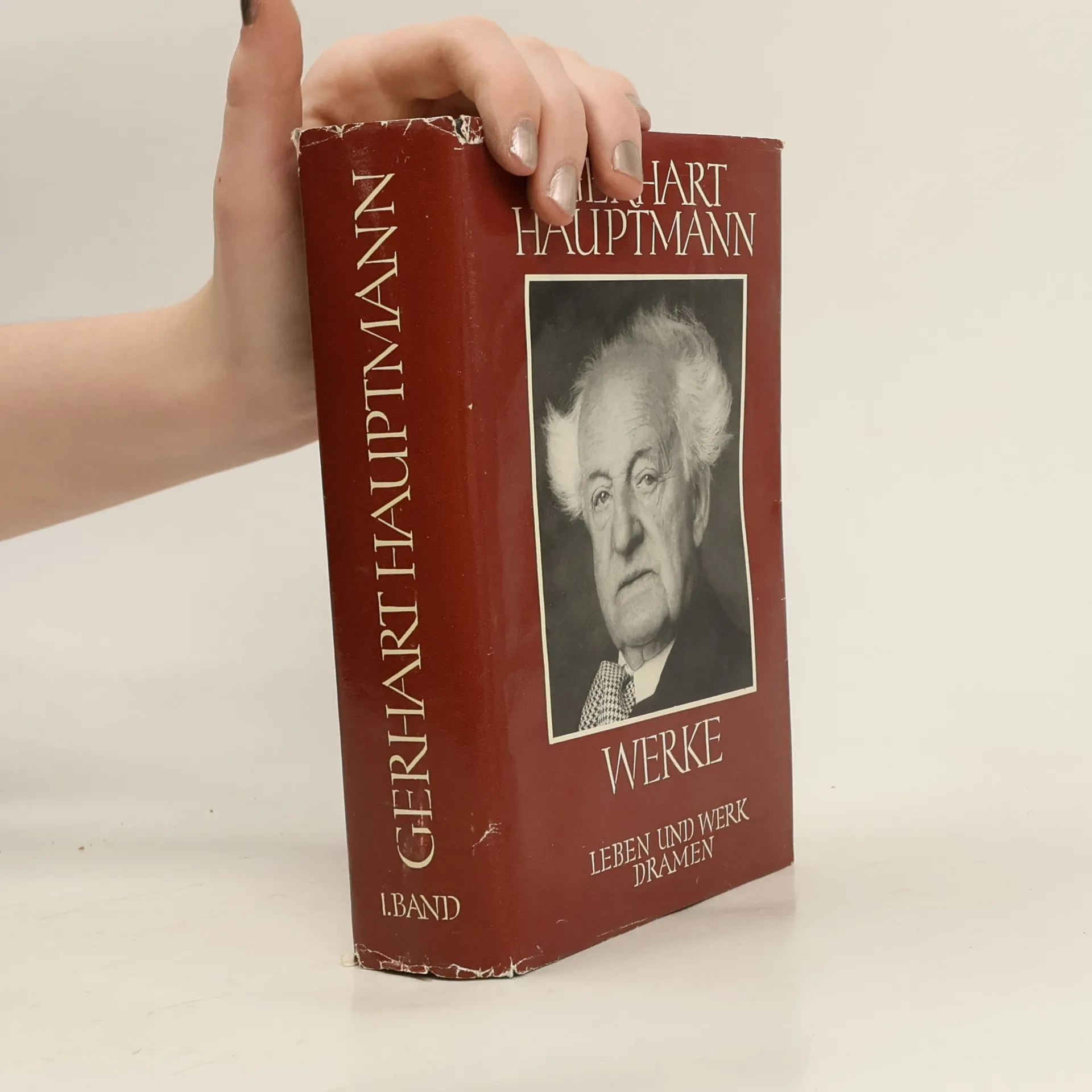
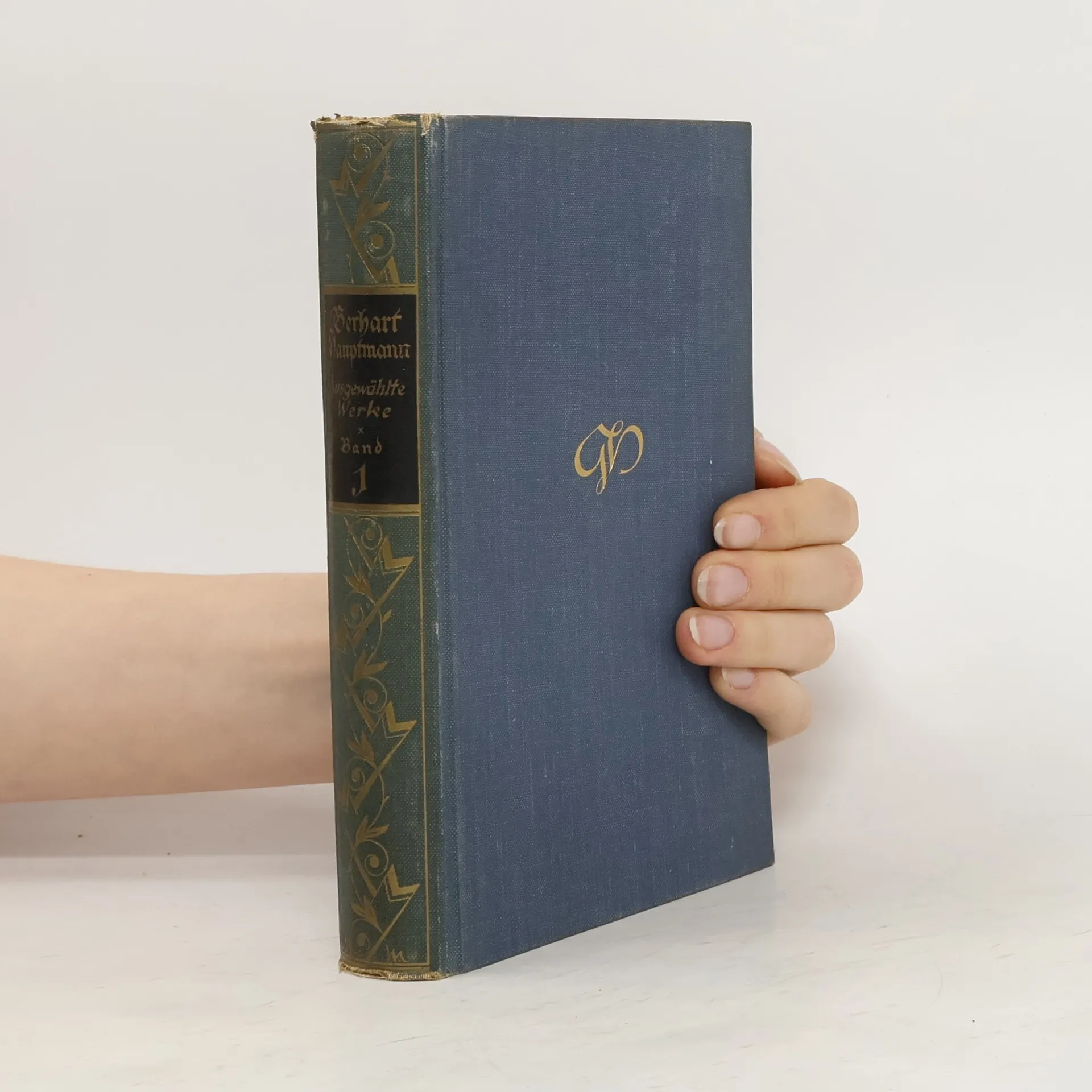
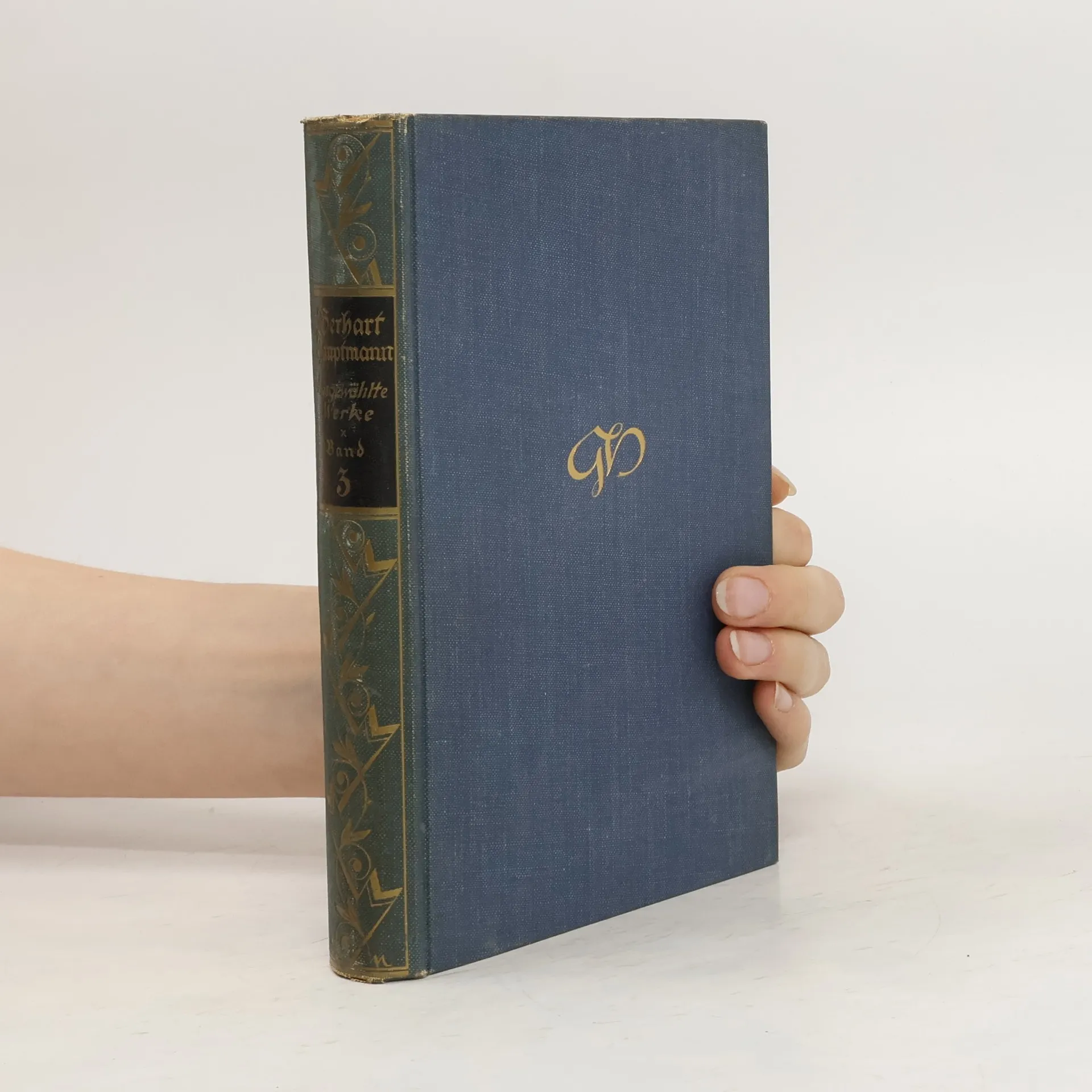
Gerhart Hauptmann fut un dramaturge et romancier allemand, figure de proue du naturalisme littéraire qui intégra également d'autres styles dans son œuvre. Il est reconnu pour sa production fructueuse, variée et exceptionnelle dans le domaine de l'art dramatique, pour laquelle il reçut le prix Nobel de littérature. Ses écrits explorent souvent des questions sociales et la condition humaine, examinant les réalités de la vie et la psychologie des personnages avec une voix puissante et marquante. Les contributions littéraires distinctives d'Hauptmann continuent de résonner, consolidant sa place parmi les figures littéraires importantes.
The Heretic of Soana is widely regarded as the crowning achievement of Gerhart
Hauptmann, the recipient of the 1912 Nobel Prize for Literature and one of the
most important exponents of German Naturalism.
Three Plays representative of an important period in twentieth- century drama! A good part of modern drama owes its techniques and its intense awareness of social and psychological problems to the German playwright who was awarded the Nobel Prize for Literature in 1912. Hauptmann's achievements had great influence on many outstanding writers, among them Eugene O'Neill, who felt a special indebtedness to the European master. These three plays are superb examples of Hauptmann's wide range and offer readers an opportunity to become acquainted with the work of a supremely accomplished writer. The Weavers, perhaps his most famous play, reveals the bitter lives of the wretched handweavers of the 1840s and their abortive rebellion. Hennele centers on an abused, motherless child, abandoned to a poorhouse, who creates her own fantasy world of dreams and legends. The Beaver Coat is a delightful satire about a washerwoman who quickly learns that she cannot advance very far through honest labor alone, and proceeds accordingly. Titles of related interest from Waveland Goethe, Gotz von A Play (ISBN 9780881335415); Novalis, Henry von A Novel (ISBN 9780881335743); and Plenzdorf, The New Sufferings of Young W. (ISBN 9780881338911).
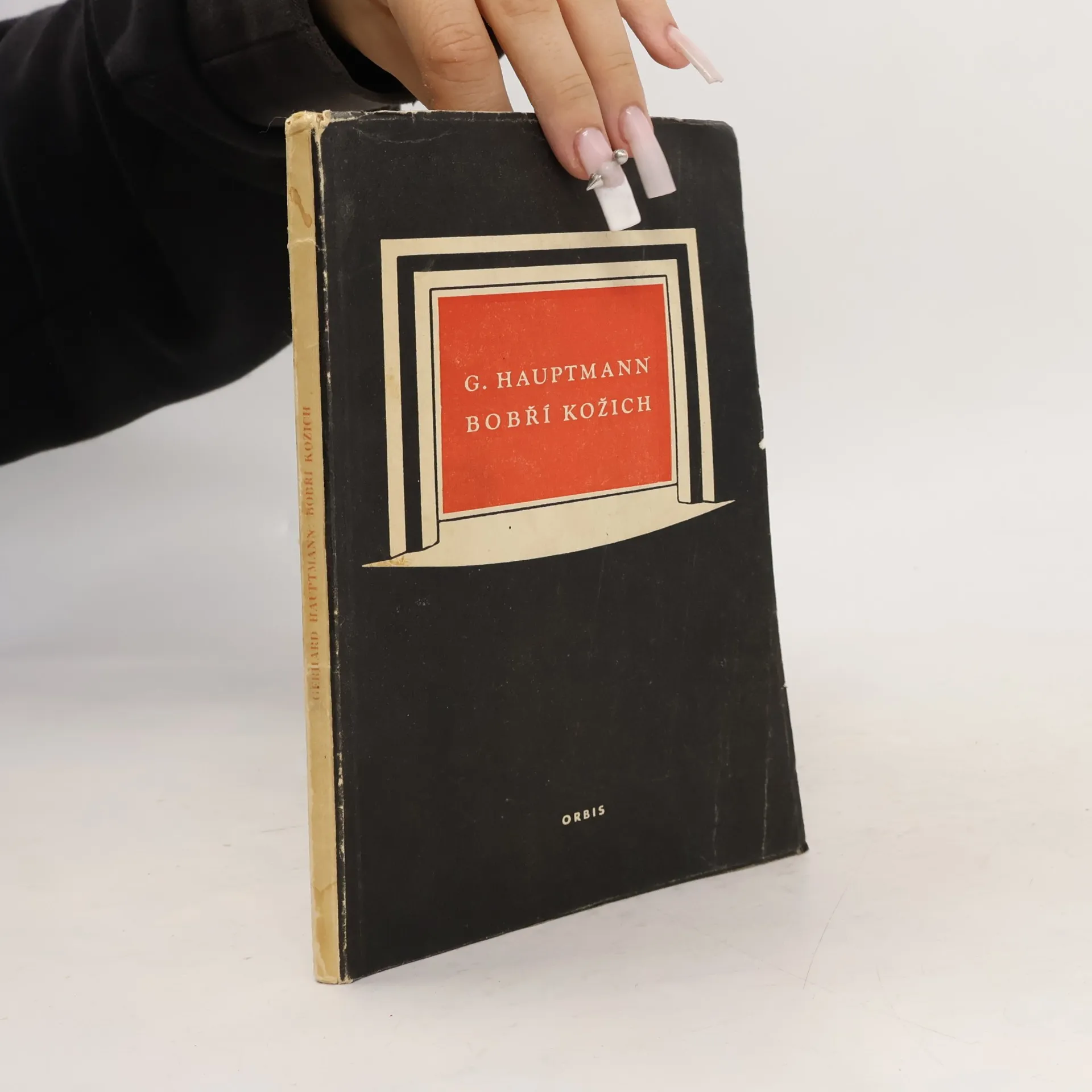
Úspěšná hra německého autora s podtitulem Zlodějská komedie o čtyřech jednáních, ve které se jedná o krádež bobřího kožichu, je satirickým pohledem na měšťáckou společnost, která dokáže oproti tomu, co hlásá, dobro trestat a špatnost chránit. Vychází jako 190. svazek edice D v překladu J. Stacha.
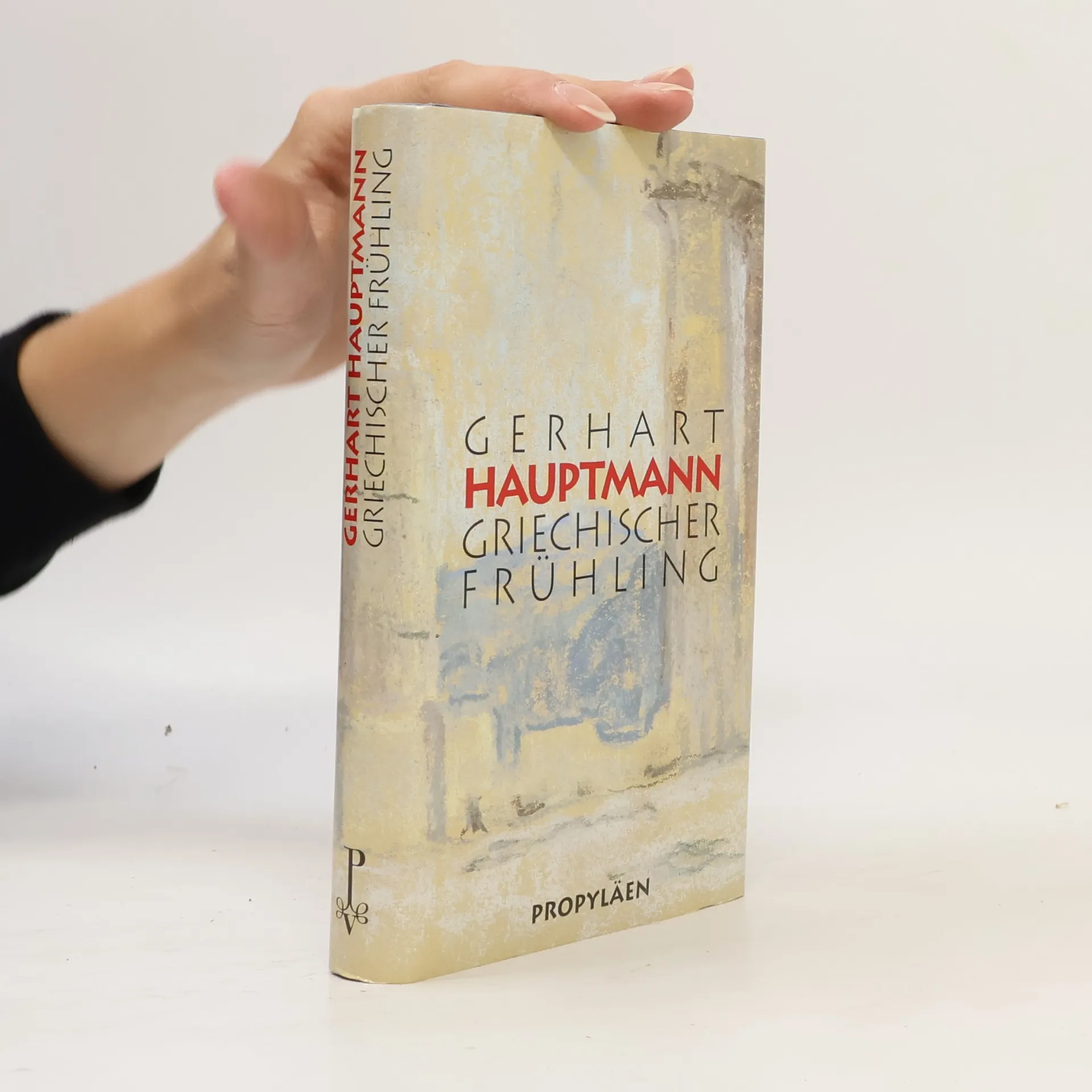
Gerhart Hauptmann erlebte 1907 in Griechenland eine prägende Erkenntnis über die Tragödie, die sein Werk beeinflusste. In Delphi formulierte er, dass Tragödie aus denselben Instinkten wie Menschenopfer stammt und sich in Feindschaft, Verfolgung, Hass und Liebe als Lebenswut äußert. Diese Einsicht prägt all seine Werke.
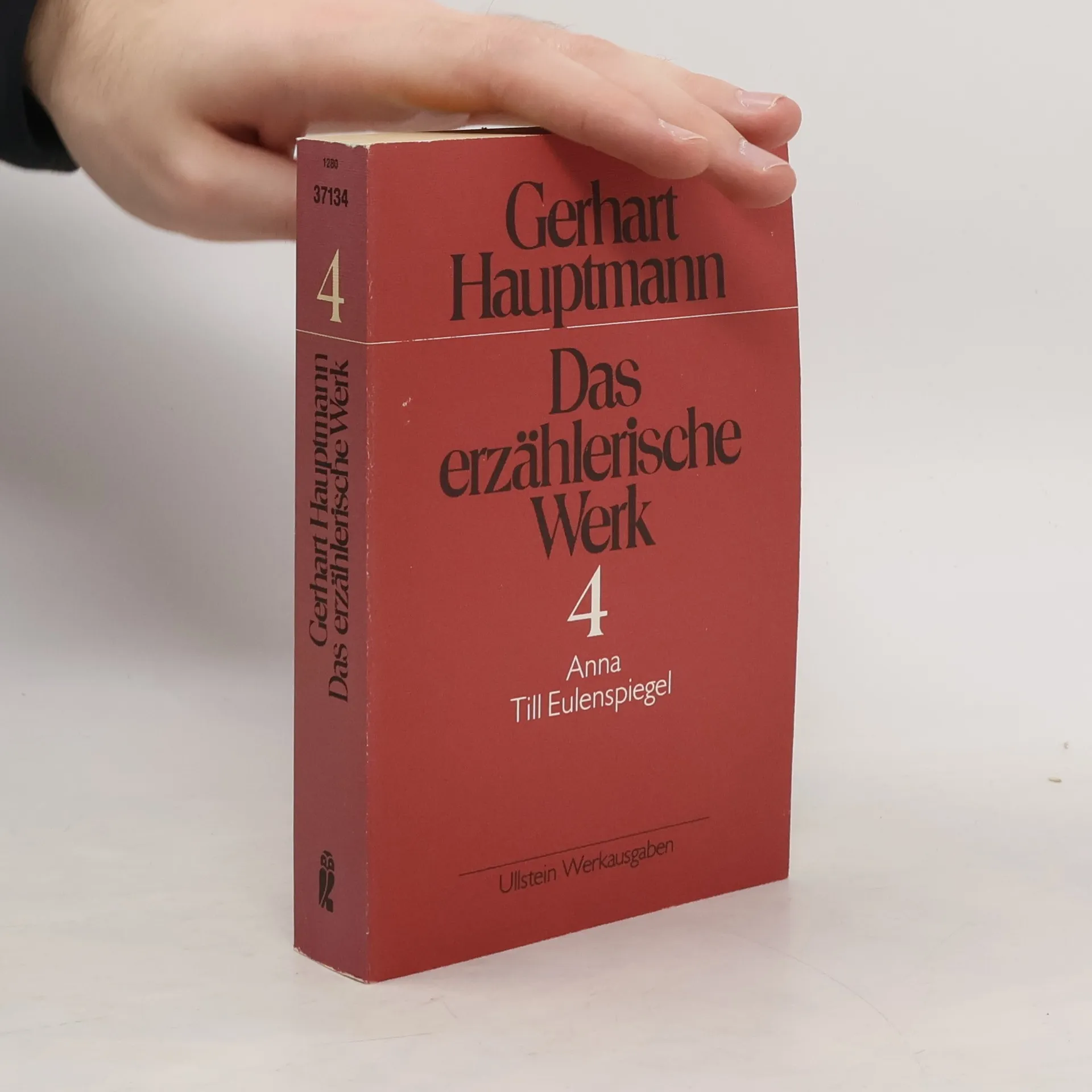
Der aufstrebende Philosoph Johannes Vockerat und seine Frau Käthe haben ihr erstes Kind bekommen. Käthe ist von der Geburt geschwächt, während Johannes mit seinem philosophischen Werk nur langsam vorankommt. Er reagiert zunehmend gereizt auf seine Frau. Plötzlich steht eine Fremde in der Tür: die russische Studentin Anna Mahr. Ihr Besuch gilt dem Maler Braun – einem Freund der Familie. Johannes ist beeindruckt von der intelligenten, selbstbewussten jungen Frau. Er lädt sie ein, für ein paar Wochen in seinem Haus zu bleiben. Käthe leidet still, während die frommen Eltern Vockerat zunehmend moralische Bedenken äußern.
In der modernen Zeit beweist Gerhart Hauptmann die Unsterblichkeit der Kunst als ein natürliches Ausdrucksmittel und Denkweise, die durch Formen und Bilder reflektiert wird, die nicht aus dieser Welt stammen. Die Kunst wird als primäres Phänomen verstanden, das sich durch mythische Wiedergeburt in dieser Welt manifestiert. Besonders hervorzuheben ist Hauptmanns Art, die Dinge wahrzunehmen – er untersucht und dringt tief in das Innere des Menschen ein. In seinen Dramen zeigt er sich als großer Künstler, was sich in einer charakteristischen Prägnanz äußert, die den Zuschauer oder Leser von Anfang bis Ende in die Handlung seiner Werke einbindet.
Hauptmanns Dramen und Erzählungen sind Meisterwerke des Naturalismus, einer Kunstströmung, die sich durch eindringliche Milieustudien, Sozialkritik und Wirklichkeitsnähe auszeichnet. So thematisieren 'Die Weber' den schlesischen Weberaufstand von 1844. Und 'Die Ratten' spielen in einer ehemaligen Berliner Kavaleriekaserne, in der die Armen und Einsamen wie die Ratten hausen. In der tragischen Erzählung 'Bahnwärter Thiel' geht es um Determinismus und den Einfluss der Industrialisierung auf die einfachen Arbeiter. 1912 wurde Hauptmann für sein dramatisches Werk mit dem Nobelpreis für Literatur ausgezeichnet.
Friedrich von Kammacher, ein Sohn aus wohlhabendem Hause, steht im Mittelpunkt dieser fesselnden Erzählung. Die Geschichte beleuchtet seine innere Zerrissenheit zwischen den Erwartungen seiner Familie und seinen eigenen Wünschen. Im Kontext gesellschaftlicher Veränderungen und persönlicher Herausforderungen wird sein Streben nach Identität und Sinn eindrucksvoll dargestellt. Die komplexen Beziehungen zu seiner Familie und seinen Freunden bieten tiefgreifende Einblicke in die menschliche Psyche und die Konflikte zwischen Tradition und Individualität.
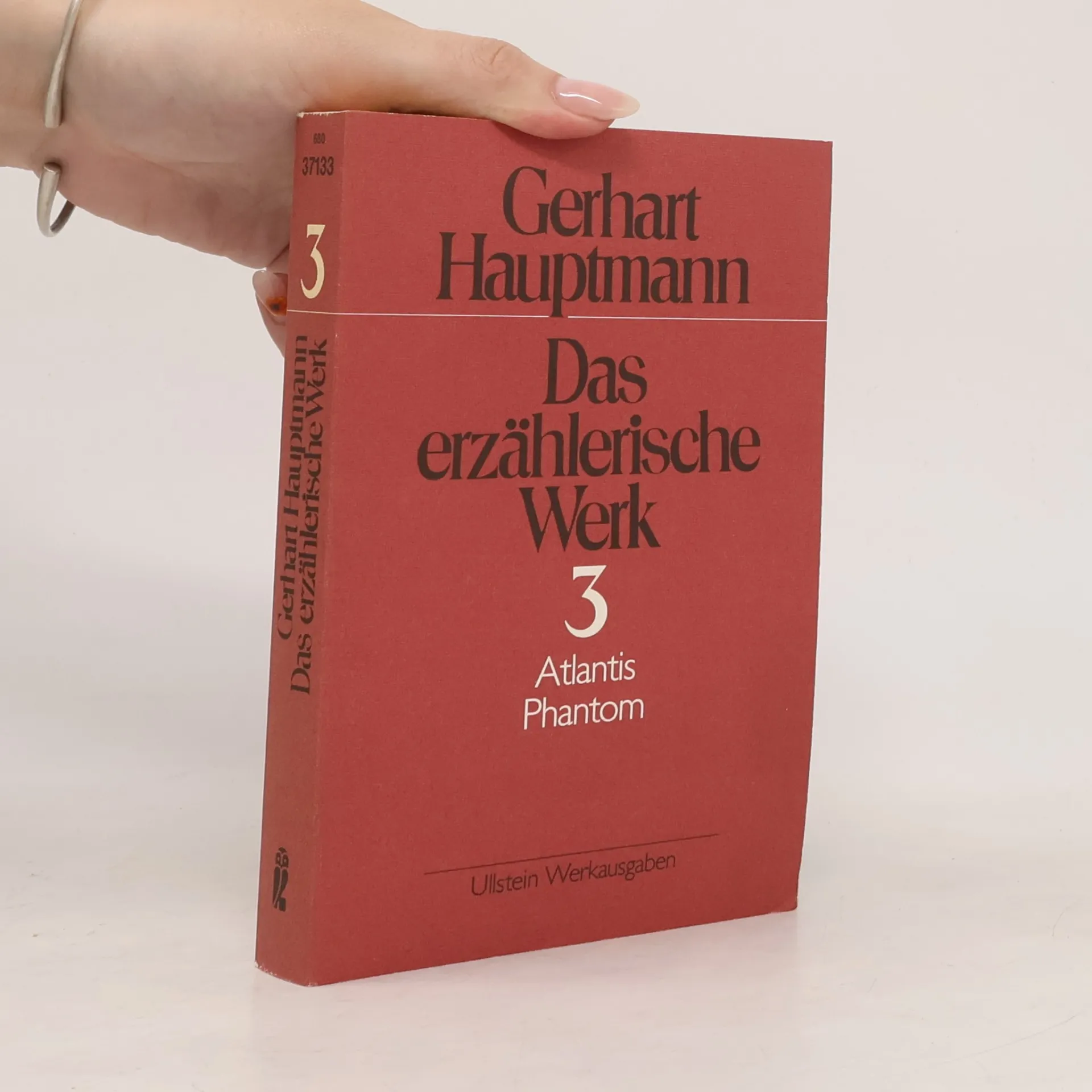
Es ward nun allmahlich still am Strande der Schiffbruchigen. Alle, die Alten sowie die Jungen, die Verzweifelten wie die Mutigen, wurden vom Schlaf ubermannt. Manche traumten, was auch eine Art von Wachen ist: diese waren die weniger Glucklichen! Allein bei den meisten hatte die korperliche Ermattung infolge des Erlebten und Uberstandenen einen solchen Grad erreicht, da sie zur vollen Bewutlosigkeit eingingen. Sie litten nicht mehr, denn sie waren nicht mehr! Weder Madchen noch Frauen, Witwen noch Waisen: nicht einmal mehr Menschen, geschweige Schiffbruchige. Um sie entfaltete sich, fur sie nicht vorhanden, nutzlos die nachtliche Tropennatur. Am Himmel stand das Sudliche Kreuz wenig uber dem Horizont, hoher hinauf der Zentaur. Gegen Norden herrlich strahlend der Arktur. Sternstaub, Milchstrae, Myriaden Welten. Und Myriaden und aber Myriaden von leuchtenden Welten enthielt auch das Meer, das Lichtwogen, flieende Funkenberge zum Strande her- und am Strande hinrollte und magische Helle am Ufer verbreitete. Die Schlafenden waren von alledem losgelost und lagen doch darin wie im Mutterscho, nur durch die Atmung damit verbunden wie gleichsam durch eine Nabelschnur.
Gerhart Hauptmann: Der Narr in Christo Emanuel Quint. Roman Entstanden: 1901-1902, 1907-1910. Erstdruck in: Die neue Rundschau, 1910. Erstdruck als Buch: S. Fischer, Berlin, 1910. Neuausgabe. Herausgegeben von Karl-Maria Guth. Berlin 2017. Umschlaggestaltung von Thomas Schultz-Overhage unter Verwendung des Bildes: Lovis Corinth, Portrat von Gerhart Hauptmann, 1900. Gesetzt aus der Minion Pro, 11 pt.
"Kto pri letných potulkách na pobreží NDR zablúdi na ostrovček Hiddensse, iste nájde aj dedinku Kloster, kde Gerhart Hauptmann mal letné sídlo a kde ho roku 1946 aj pochovali. Prostý žulový balvan nad jeho hrobom priliehavo symbolizuje život a tvorbu tohto nemeckého reprezentanta svetovej literatúry... ...Hoci sa Hauptmann preslávil najmä ako dramatik, nesmierne pôsobivé a literárne cenné sú aj jeho prozaické diela. Z jeho literárnej tvorby prinášame v našom zväzku novely Kacír zo Soanny, Železničný strážnik Thiel, Výstrel v parku, román Atlantída a drámy Potkany, A Pippa tancuje a Bobrový kožuch." (Z anotácie na prebale).
Gerhart Hauptmanns Erzählungen – zum ersten Mal gesammelt in digitaler Fassung.Gerhart Hauptmann gilt als der bedeutendste deutsche Vertreter des Naturalismus. Er war jedoch auch in anderen Stilrichtungen präsent.Das Zentrum seines Schaffens ist die Dramatik, jedoch integrierte er in sein Schaffen Lyrik und Versepik, erzählende, autobiografische und essayistische Prosa. In Hauptmanns Werk sind die Gattungsgrenzen oft fließend – formal ebenso wie thematisch.1912 erhielt er den Nobelpreis für Literatur.
Die schlesische Sagenwelt bildet den Hintergrund der zwischen Realität und Irrealität angesiedelten Handlung von Gerhart Hauptmanns „Glashüttenmärchen“ Und Pippa tanzt!, das 1906 in Berlin uraufgeführt wurde und im gleichen Jahr in Buchform erschien. Das Drama spielt im schlesischen Gebirge und handelt von der zerbrechlich wirkenden Kindfrau Pippa, von der alle Männer im Stück gefangen sind.
Hauptmann versucht in diesem Symbolspiel voll Naturmystik, künstlicher Naivität, Anklängen an Nietzsche und an den Jugendstil die „Polaritäten und Widersprüche von Natur gegen Kunst, von kalter nordischer Winterstarre gegen die Sehnsucht nach dem hellen frühlingshaften Italien, von Trieb gegen Geist, Wirklichkeit gegen Traum in ein märchenhaftes Gleichnis zu fassen“ (Reclams Schauspielführer).
Dans le port d'Aulis, la flotte grecque attend les vents pour gagner la ville de Troie. Mais les dieux sont hostiles et demandent le sacrifice d'une vierge. Ce sera Iphigénie, la fille d'Agamemnon, le Roi des rois. Sur cette tragédie légende, Euripide et Racine ont brodé à l'envi. Ce volume rapproche les deux auteurs sur fond de mythologie en suivant à la trace les avatars du mythe d'Iphigénie.
Informationen zur Reihe: Diese lesefreundlichen Textausgaben sprechen die Schüler/innen durch ihr Format, durch Illustrationen und Worterklärungen an. Zur Optimierung des Lektüreunterrichts enthalten sie Zusatzmaterialien und Arbeitsanregungen für die Erschließung der Primärtexte. Hervorragendes Merkmal der Reihe: die Handreichungen für den Unterricht. Werkinterpretationen und didaktische Analysen führen zu detaillierten Stundensequenzen und Tafelbildern, zu Vorschlägen für Hausaufgaben und Klassenarbeiten, Projekten und zentralen Prüfungen.
Gerhart Hauptmann thematisiert in seinem im Jahr 1900 erschienenen und uraufgeführten Drama 'Michael Kramer' die Auseinandersetzung zwischen der Boheme-Welt und dem Kleinbürgertum sowie zwei verschiedenen Verhaltensweisen zur Kunst und zur Gesellschaft. Kombiniert wird diese Auseinandersetzung mit einem Vater-Sohn-Konflikt mit tödlichem Ausgang, der an zwei gegensätzlichen Charakteren festgemacht wird: dem mittelmäßigen Maler Michael Kramer, der seine fehlende Genialität mit Pflichtbewusststein und Arbeitseifer ausgleicht und seinem begabten Sohn Arnold, dem es jedoch an Selbstbewusstsein fehlt, der überall aneckt und sich ausgestoßen fühlt. Mit seinem Schauspiel, das Ansätze einer Gesellschaftssatire aufweist, setzt sich Hauptmann über das rein naturalistische und das romantisch-symbolische Drama hinweg. Mit einem Nachwort von Fritz Martini.
In seinen beiden frühen Novellen 'Fasching' (1887) und 'Der Apostel' (1890) geht Gerhart Hauptmann mit packender Erzählkunst der Frage nach der Stellung des Menschen in Natur und Kosmos nach. In seinem Erstlingswerk 'Fasching' erzählt Hauptmann vom Segelmacherehepaar Kielblock, das kaum eine dörfliche Feier auslässt. Der Faschingsball bildet den Höhepunkt der winterlichen Feiersaison - und endet für die Familie in einer Katastrophe. Die Novelle 'Der Apostel' hat nicht nur ein spezifisch naturalistisches Sujet, sie eröffnet zugleich auch Gerhart Hauptmanns lebenslange Auseinandersetzung mit der Figur Jesu Christi. Der Wanderprediger mit seiner weißen Kutte glaubt, der Erlöser der Menschheit, ja: der wiedergekehrte Christus zu sein, der den Menschen den Weltfrieden bringt. Doch er ist, wie sich immer deutlicher herausstellt, ein Psychopath, dessen Befindlichkeit zwischen Allmachtsphantasien und beklemmendem Selbstzweifel schwankt. Mit einem Nachwort von Karl S. Guthke.
Rose Bernds Liebesverhältnis mit dem Erbscholtiseibesitzer Christoph Flamm gehört zu Beginn des Schauspiels bereits der Vergangenheit an. Sie hat sich damit abgefunden, den bieder-frommen Buchbinder August Keil zu heiraten, den ihr der Vater bestimmt hat. Ihre letzte Begegnung mit Flamm wird aber von dem Maschinisten Streckmann, einem prahlerischen und brutalen Weiberhelden, belauscht. Er, der bei Rose abgeblitzt ist, verfolgt sie nun mit erpresserischen Drohungen und beantwortet ihr Flehen mit Vergewaltigung. Noch scheint sie sich aus ihrer Not befreien zu können. Frau Flamm, der Rose anvertraut, dass sie schwanger ist, bietet ihr Trost und Hilfe. Rose drängt nun auf baldige Hochzeit, erhofft dabei von Keil Verzeihung für ihren Fehltritt und glaubt an Streckmanns Stillschweigen. Eine Auseinandersetzung zwischen dem alten Bernd und Keil mit Streckmann, der Rose wieder bedrängt, hat jedoch verhängnisvolle Folgen.
Die Novelle "Bahnwärter Thiel" entstand 1887 und gehört zu den herausragenden Werken des Naturalismus. Thiel ist ein in sich gekehrter Mensch, der nicht viele Worte macht, sich jedoch mit den Nachbarskindern abgibt und seinen Beruf mit Hingebung ausführt. Er gerät in einen wachsenden inneren Konflikt, als seine Frau Minna stirbt und er sich wieder verheiratet um die Versorgung seines Sohnes Tobias abzusichern. Er versucht trotz wachsender Spannungen sein Leben in den gewohnten Bahnen zu halten, sieht sich jedoch mehr und mehr unfähig dazu.
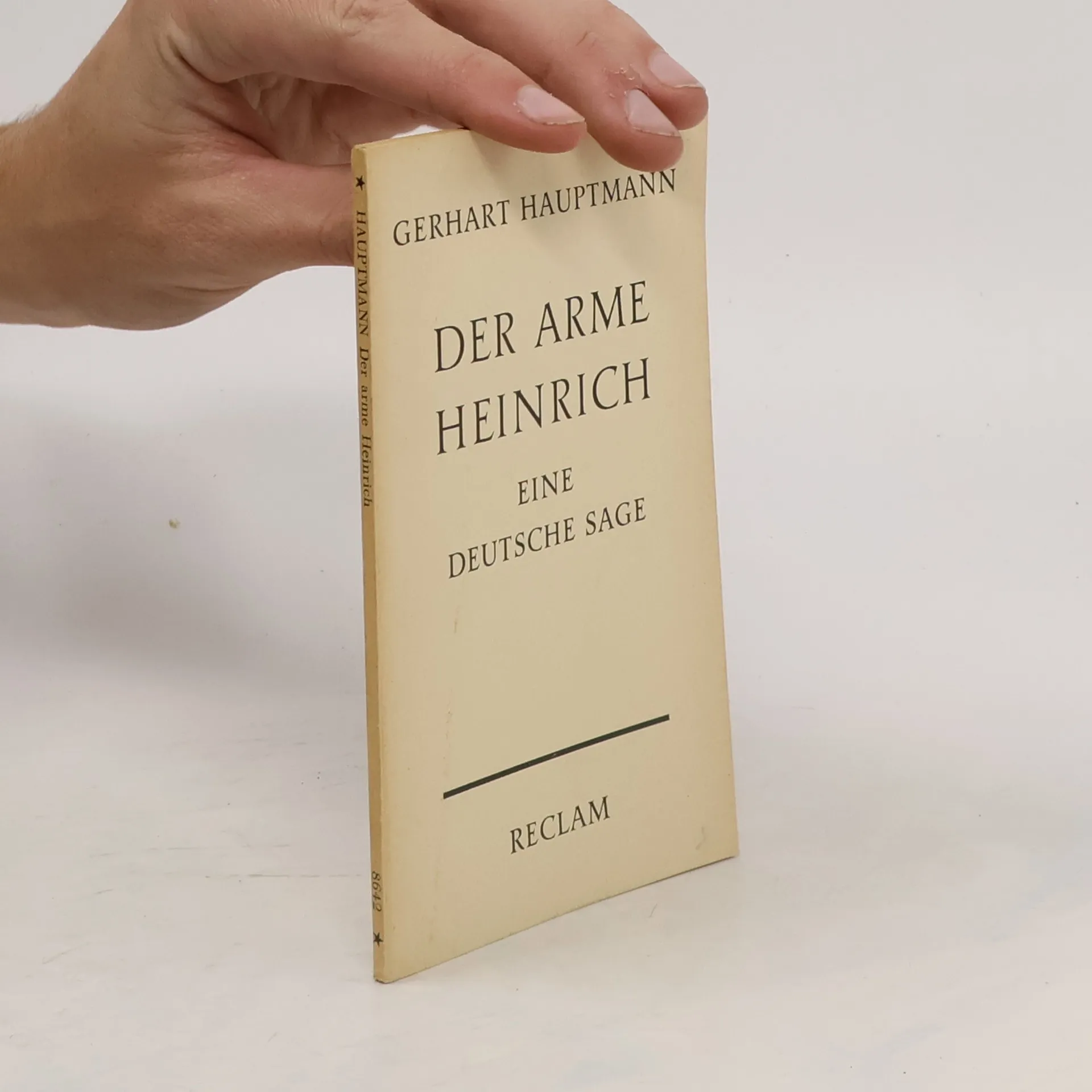
Vorlage für Gerhart Hauptmanns 1902 erschienenes und uraufgeführtes Blankvers-Drama 'Der arme Heinrich' - 'Eine deutsche Sage' - ist die im 12. Jahrhundert entstandene gleichnamige Verserzählung Hartmanns von Aue. Das Werk gilt als das bedeutendste Zeugnis für Hauptmanns Hinwendung zur Neuromantik. Es verwandelt die mittelalterliche legendenhafte Erzählung in ein modernes psychologisches Seelendrama. Man hat den Armen Heinrich auch das „Hauptwerk jener Epoche“ genannt, das erschütternde Einblicke in seine gepeinigte und oft am Rande der Verzweiflung nach einem Ausweg suchenden Seele eröffnet.
Mit einem Nachwort von Fritz Martini.
Wie kann ein Lehrer seine Schueler anweisen, Phaenomene zu analysieren, wenn er sich nicht einmal sicher sein kann, wie man sie buchstabiert, wo man sie finden kann, ob sie nicht schon morgen Faenomene waeren oder Venomene oder eine andere fuerchterliche Perversion?
Die Uraufführung von Vor Sonnenaufgang 1889 mündete in einen Skandal und bedeutete den Durchbruch der naturalistischen Bewegung. Vor dem düsteren Hintergrund der Kohlengruben und ihrer Arbeiter scheint sich eine Familientragödie abzuspielen. Doch zur Tragödie im klassischen Sinn kommt es nicht mehr, da die Figuren zu eigenständigem Handeln nicht imstande sind.
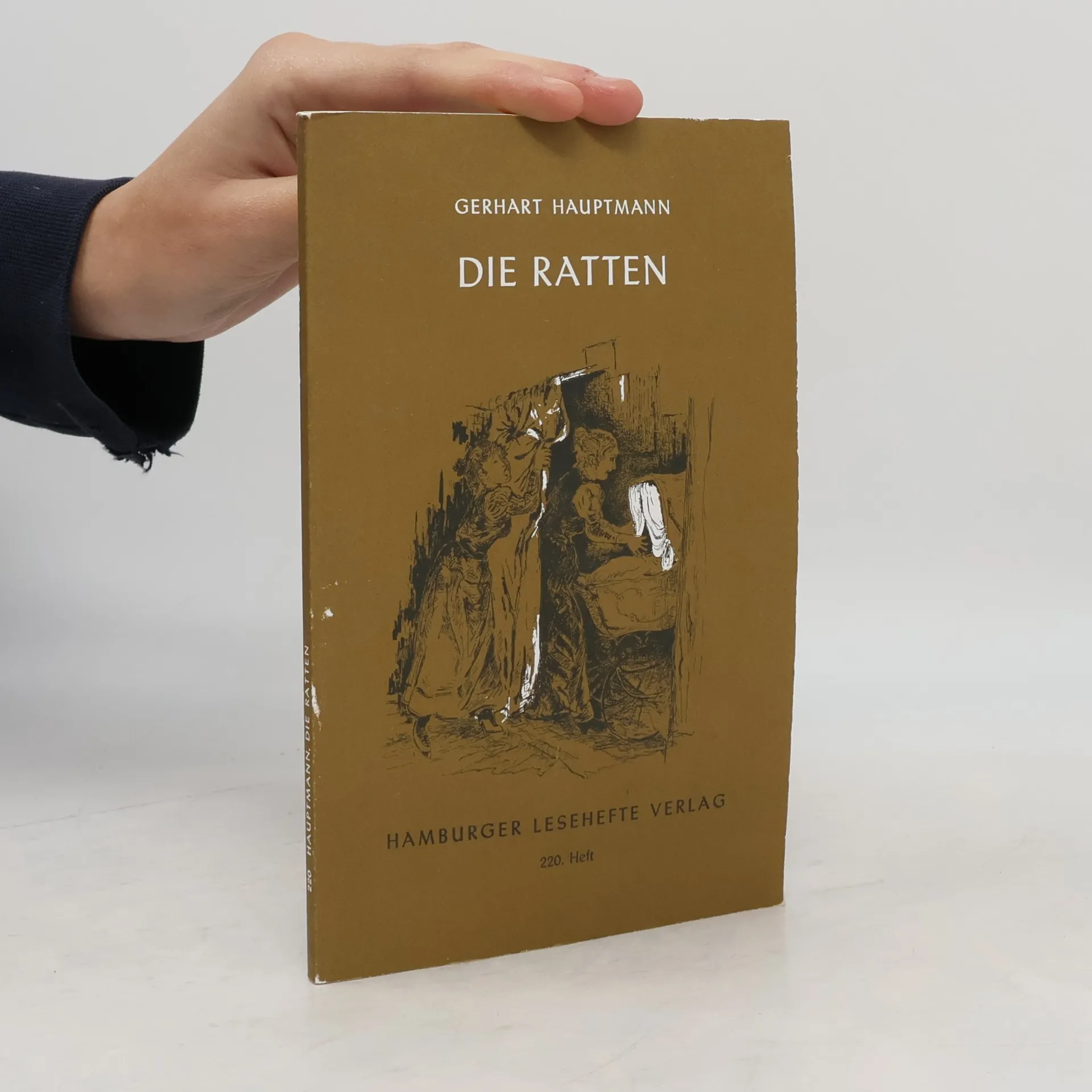
Auf dem von Ratten bewohnten Dachboden des Theaterdirektors Hassenreuther kommt das uneheliche Kind des Dienstmädchens Pauline Piperkarcka zur Welt. Frau John, die nach dem Tod ihres ersten Kindes den krankhaften Wunsch nach einem zweiten Kind hat, nutzt die Verzweiflung des Mädchens aus. Sie kauft ihr das Kind ab und gibt es als ihr eigenes aus. Die Mutter des Kindes bekommt jedoch bald ein schlechtes Gewissen und Frau John fürchtet, dass sie ihr das Kind wieder wegnehmen will. Als das Dienstmädchen ermordet aufgefunden wird und Frau Johns Bruder im Verdacht steht, fängt ihr Mann an misstrauisch zu werden und findet schließlich die Wahrheit heraus. Von der Polizei gejagt, sieht sie ihren einzigen Ausweg im Selbstmord. Die Handlung der sozialkritischen Tragikomödie von Gerhart Hauptmann spielt sich im kleinbürgerlichen Berlin des späten 19. bis frühen 20. Jahrhunderts ab. Es zeigt die gesellschaftlichen Verhältnisse des großstädtischen Lebens in tragischer, auch teils komischer Art und Weise. Die Sprache des Stückes ist vom berlinerischen Dialekt bestimmt, der in seinen unterschiedlichen Ausprägungen die sozialen Ebenen, der Personen sowie deren Bildung widerspiegelt. Das Schauspiel wurde 1911 zum ersten Mal aufgeführt und konnte sich bis heute auf der Bühne behaupten.
Gerhart Johann Robert Hauptmann war ein deutscher Dramatiker und Schriftsteller. Er gilt als der bedeutendste deutsche Vertreter des Naturalismus, hat aber auch andere Stilrichtungen in sein Schaffen integriert. 1912 erhielt er den Nobelpreis für Literatur.