De tegenstander
- 160pages
- 6 heures de lecture


Emmanuel Carrère explore dans son œuvre foisonnante les thèmes centraux de l'interrogation de l'identité, du développement de l'illusion et de la direction de la réalité. Son style littéraire, qui brouille avec fluidité les frontières entre fiction et non-fiction, plonge le lecteur dans de profondes réflexions sur la condition humaine. Carrère entrelace avec maestria expériences personnelles et thèmes universels, créant ainsi des récits à la fois intimes et stimulants. Son approche singulière de l'écriture en fait une voix marquante de la littérature française contemporaine.



Philip K. Dick (1928–1982) zählt zu den einflussreichsten US-amerikanischen Autoren des 20. Jahrhunderts. Seine Werke, darunter Romane und Kurzgeschichten, wurden vielfach verfilmt, mit internationalen Erfolgen wie Blade Runner und Total Recall. Dick beschäftigte sich zeitlebens mit der Frage, welche inneren und äußeren Kräfte unser Denken und Handeln beeinflussen. In seinen fantastischen Szenarien thematisierte er die verheerenden Folgen, wenn Menschen an der Realität ihrer Wahrnehmungen zweifeln oder gar an ihrer Menschlichkeit. Besonders seine 1977 geäußerte Vermutung, dass wir in einer Simulation einer Künstlichen Intelligenz leben, erlangt heute neue Bedeutung. Dicks mystische Visionen und seine Überzeugung, von Geheimdiensten überwacht zu werden, werfen die Frage auf, ob sie das Ergebnis von Drogenpsychosen waren oder ob er tatsächlich Zugang zu einer verborgenen Realität hatte. Emmanuel Carrère schildert Dicks Lebensweg vom Plattenverkäufer zum selbsternannten Messias in einem Amerika, das von Paranoia und Spaltung geprägt war. Dabei bietet er faszinierende Perspektiven auf die Gegenwart, die Rolle von Technik und Macht und stellt existenzielle Fragen, die bis zu den Wurzeln der westlichen Zivilisation reichen.
En septembre 2021, Emmanuel Carrère couvre le procès V13 à Paris, suite aux attentats du 13 novembre 2015. À travers ses chroniques, il explore le traumatisme national, les perspectives des victimes et des coupables, et interroge les racines du terrorisme. Un récit poignant sur la quête de guérison d'une société bouleversée.
Nouvelle édition - Nouveaux programmes - Texte intégral et dossier
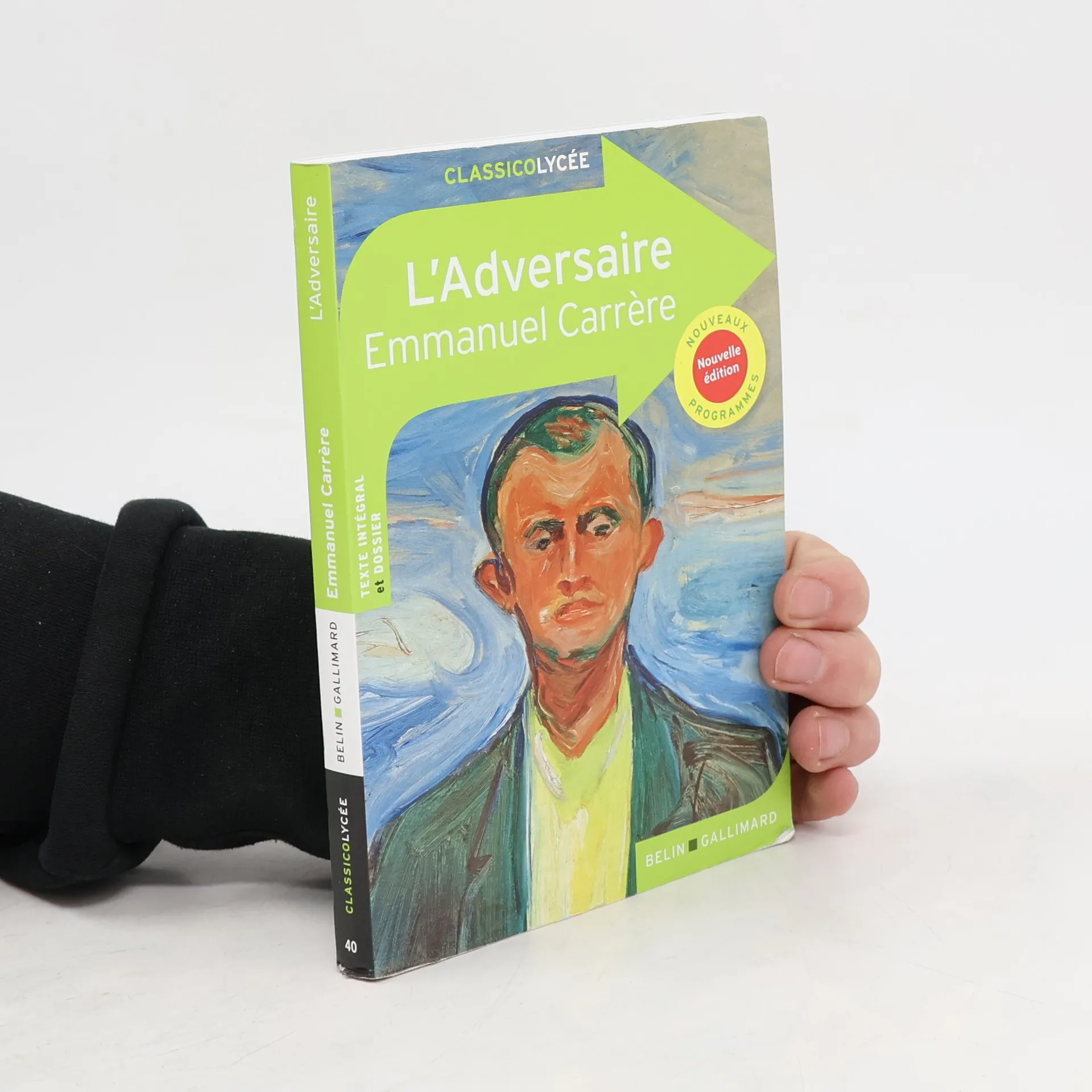
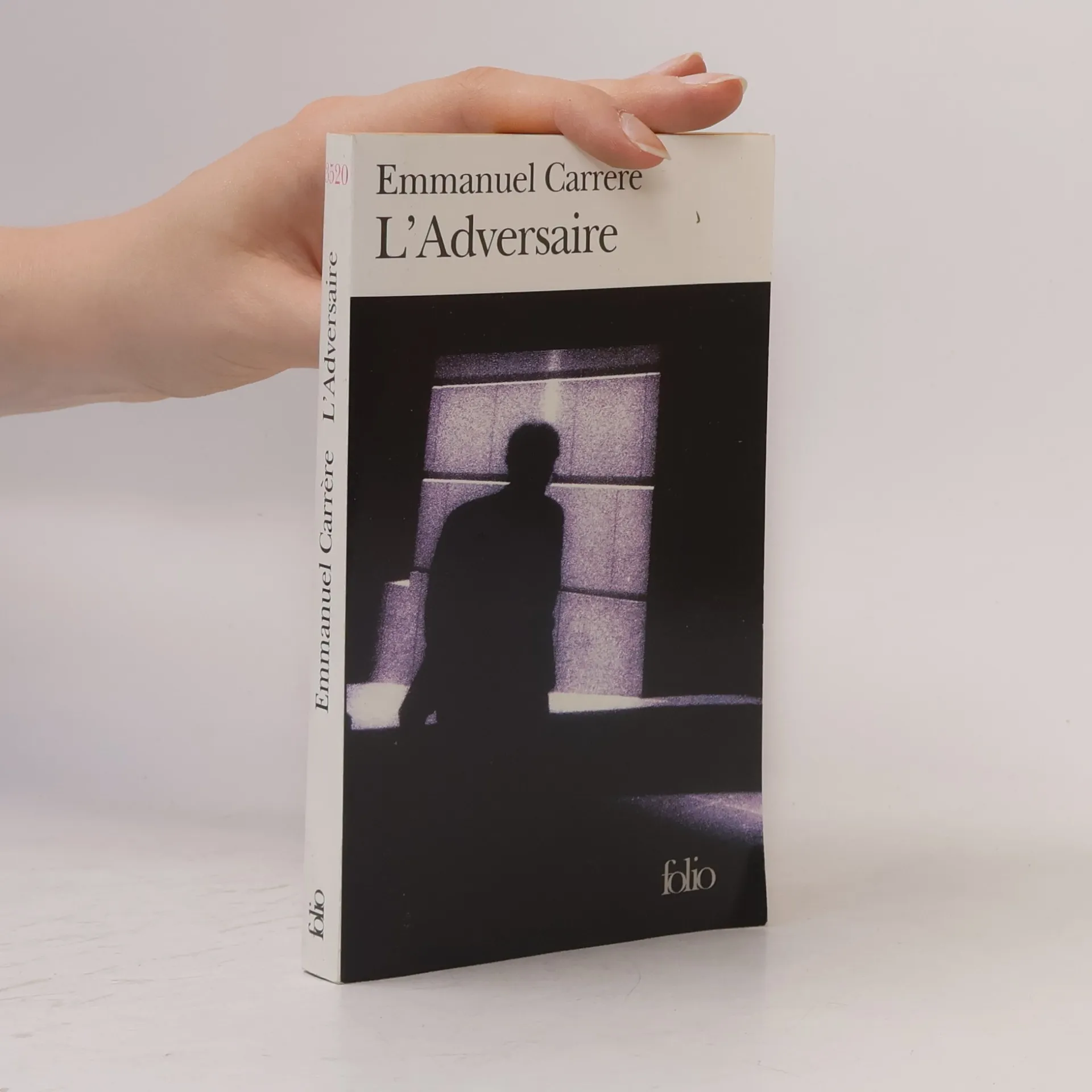
'LE SAMEDI MATIN DU 9 JANVIER 1993, ALORS QUE JEAN CLAUDE ROMAND TUAIT SA FEMME ET SES ENFANTS, J'ÉTAIS AVEC LES MIENS À UNE RÉUNION PARENTS-ENSEIGNANTS... Qui pourrait croire que Romand était un meurtrier ? C'était, après tout, un médecin réputé à l'Organisation mondiale de la santé, un chercheur novateur avec des liens avec des figures humanitaires internationales, un génie financier chargé des économies de ses beaux-parents, et un fils aimant qui appelait ses parents chaque soir pour leur dire bonne nuit. Mais lorsque un parent est allé annoncer la terrible nouvelle du meurtre de sa femme et de ses enfants aux parents de Romand, eux aussi étaient morts - tués par l'étranger qui avait été leur fils. Maître acclamé du suspense psychologique, Emmanuel Carrère explore la double vie d'un médecin respectable, dix-huit ans de mensonges, cinq meurtres, et les extrêmes auxquels un homme ordinaire est prêt à aller pour se protéger.'
Jeanne, ses études terminées, a quitté sa Bretagne natale pour vivre à Paris. Elle a trouvé un emploi temporaire d'« accueillante » à la Tannerie, une nouvelle institution culturelle, installée dans une usine désaffectée de Pantin.D'abord déboussolée par le gigantisme et l'activité trépidante du lieu, timide et ignorante des codes de la jeunesse parisienne, elle prend peu à peu de l'assurance et se lie à quelques-uns de ses collègues, comme la délurée Marianne ou le charismatique Julien, responsable du service accueil.Elle les accompagne dans leurs déambulations nocturnes, participe à des fêtes. Leur groupe se mêle au mouvement Nuit debout. Ils se retrouvent dans des manifestations, parfois violentes - mais sans véritablement s'impliquer, en spectateurs.Bientôt, deux ans ont passé. Dans l'effervescence de la Tannerie, en pleine expansion, chacun tente de se placer pour obtenir enfin un vrai contrat ou décrocher une promotion. Jeanne va devoir saisir sa chance.La Tannerie - tel un microcosme de notre société - forme une monde à part entière, avec ses techniciens, ses employés de bureau, ses artistes. Mais derrière la bienveillance affichée et le progressisme des intentions, la précarité et la violence dominent.Avec ce roman, qui frappe autant par la finesse de ses descriptions que par sa force critique, Celia Levi fait le portrait d'une époque et d'une génération en proie aux ambitions factices et à l'imposture des discours.
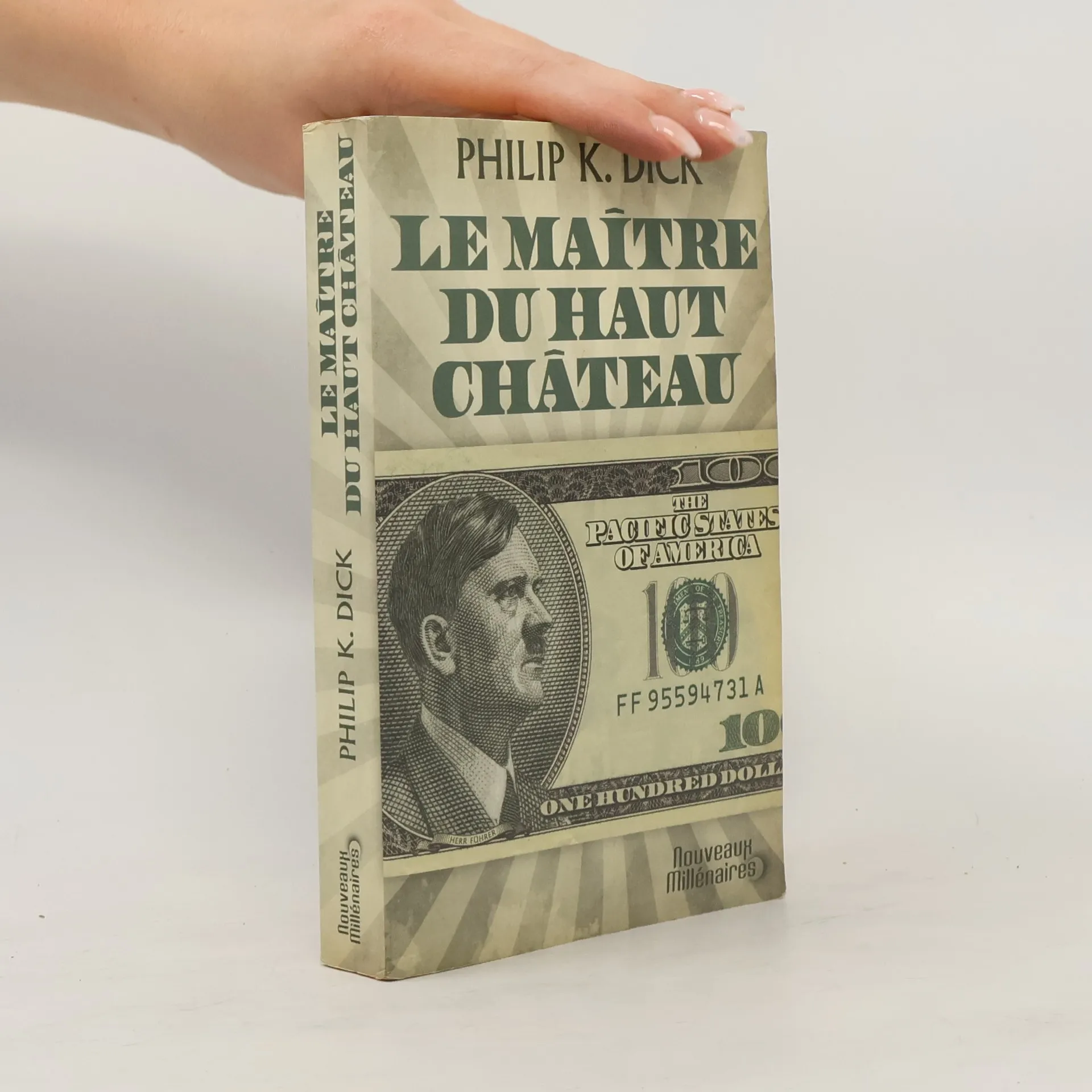
Nouvelle traduction 1948, fin de la Seconde Guerre mondiale et capitulation des Alliés ; le Reich et l'Empire du Soleil levant se partagent le monde. Vingt ans plus tard, dans les Etats-Pacifiques d'Amérique sous domination nippone, la vie a repris son cours. L'occupant a apporté avec lui sa philosophie et son art de vivre. A San Francisco, le Yi King, ou Livre des mutations, est devenu un guide spirituel pour de nombreux Américains, tel Robert Chidan, ce petit négociant en objets de collection made in USA. Certains Japonais, comme M. Tagomi, grand amateur de culture américaine d'avant-guerre, dénichent chez lui d'authentiques merveilles. D'ailleurs, que pourrait-il offrir à M. Baynes, venu spécialement de Suède pour conclure un contrat commercial avec lui ? Seul le Yi King le sait. Tandis qu'un autre livre, qu'on s'échange sous le manteau, fait également beaucoup parler de lui : Le poids de la sauterelle raconte un monde où les Alliés, en 1945, auraient gagné la Seconde Guerre mondiale...
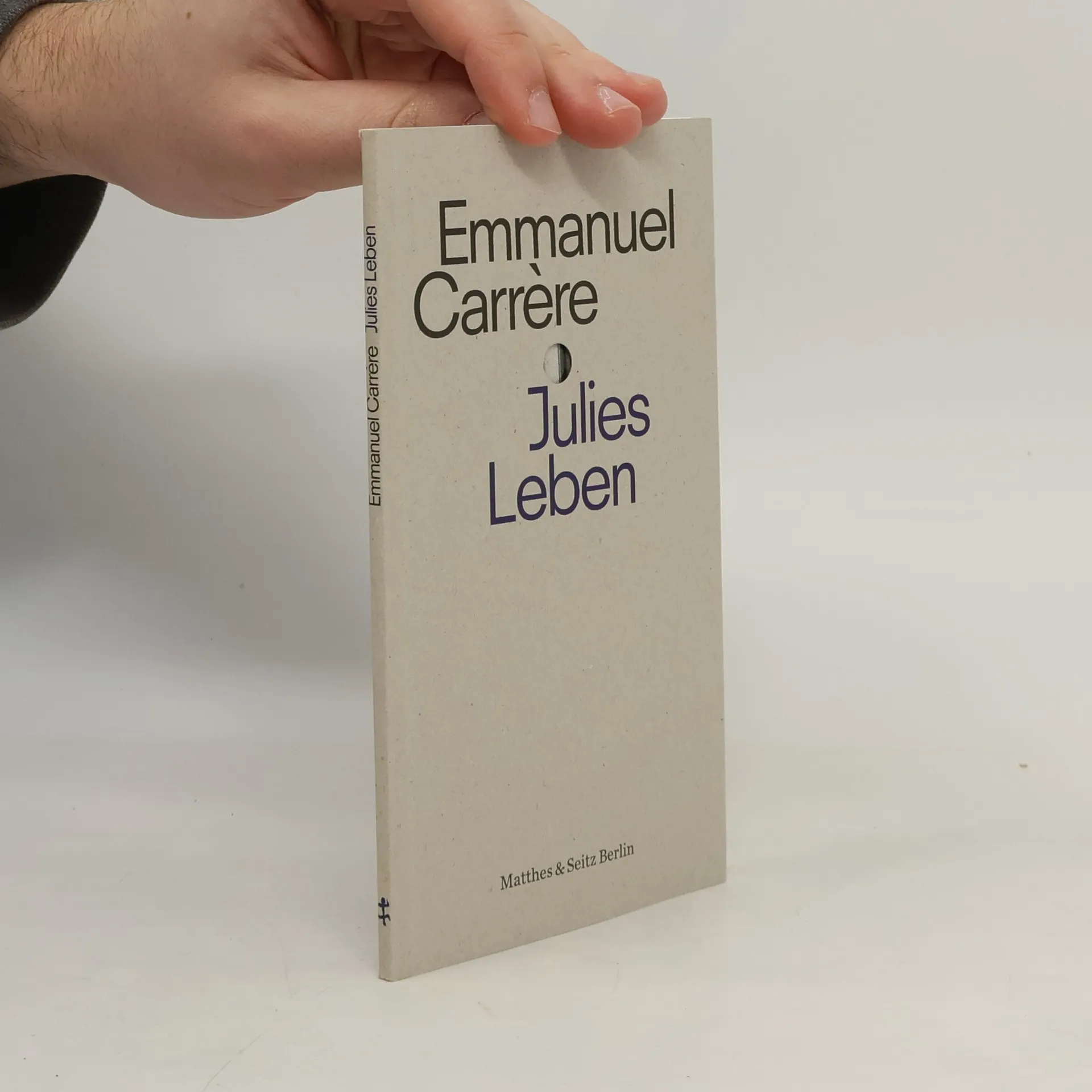
An einem kalten Februarmorgen 1993 sieht die Fotojournalistin Darcy Padilla eine Achtzehnjährige mit einem Neugeborenen im Arm in der Lobby des Ambador-Hotels in San Francisco stehen – barfuß. Sie bittet sie, ein Foto von ihr machen zu dürfen. Sie wird Julie die nächsten achtzehn Jahre bis zu deren Aids-Tod im Jahr 2010 als Chronistin ihres Lebens und Freundin fotografisch begleiten. Als Emmanuel Carrère die Fotos zum ersten Mal sieht, beschließt er, sich auf die Spuren der beiden Frauen zu begeben, und reist in die USA. Als Meister der dokumentarischen Erzählung beschreibt er Julies Lebensweg und die Freundschaft der beiden ungleichen Abhängigkeiten, familiäre Katastrophen, Beziehungen, Geburten und Abschiede, viele tragische und wenige heitere Momente in einem Milieu, aus dem es kein Entrinnen zu geben scheint. Denn Julie ist ein Fall von Padillas Bilder und Carrères Text werfen die Frage nach der sozialen Bedingtheit eines Schicksals auf, nach dem Gebot der Anteilnahme angesichts von Lebenswegen, die aussichtslos erscheinen.
Read the definitive essay collection from the Sunday Times bestselling author of The Adversary, dubbed 'France's greatest writer of non-fiction' (New York Times) 'The most exciting living writer' Karl Ove Knausgaard Over the course of his career, Emmanuel Carr re has reinvented non-fiction writing. In a search for truth in all its guises, he dispenses with the rules of genre. For him, no form is out of reach- theology, historiography, reportage and memoir - among many others - are fused under the pressure of an inimitable combination of passion, curiosity and intellect that has made Carr re one of our most distinctive and important literary voices today. 97,196 Words introduces Carr re's shorter work to an English-language audience. Featuring more than thirty extraordinary texts written over an illustrious twenty-five-year period of Carr re's creative life, the book shows a remarkable mind at work. Spanning continents, histories, and personal relationships, 97,196 Words considers the divides between truth, reality and our shared humanity, exploring remarkable events and eccentric lives, including Carr re's own. * A New York Times Notable Book *
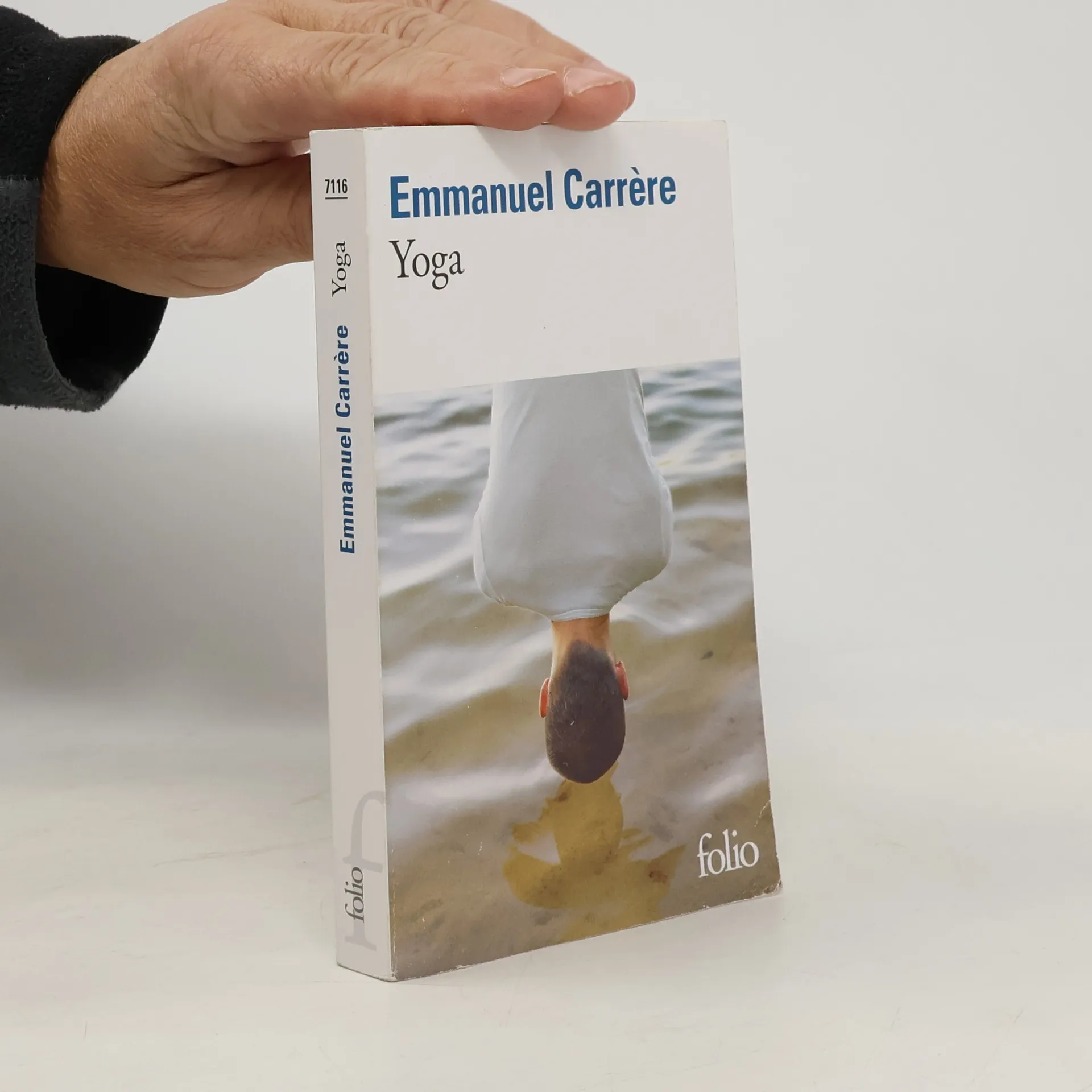
C'est l'histoire d'un livre sur le yoga et la dépression. La méditation et le terrorisme. L'aspiration à l'unité et le trouble bipolaire. Des choses qui n'ont pas l'air d'aller ensemble, et pourtant : elles vont ensemble.
« Il est avantageux d’avoir où aller » : quand on lui demande son avis, c’est une des choses que répond le Yi-King , l’antique livre de sagesse chinoise. Alors on y va. Le premier des reportages qu’on trouvera ici se lance sur les traces de Dracula en Roumanie, après la chute de Ceausescu. L’un des derniers se mêle aux riches et aux puissants du monde réunis au Forum de Davos. Entre les deux, il y a beaucoup de patrouilles sur le front de l’Est, dans le chaos postcommuniste, des récits de procès criminels, des projets de films, des éloges de livres aimés, une vie du mathématicien Alan Turing, une rencontre désastreuse avec Catherine Deneuve et même une série de chroniques un peu pornos écrites avec une délicieuse sensation d’impunité pour un magazine italien. Le tout peut se lire aussi comme une sorte d’autobiographie.
The diarist's father is killed and mother badly injured during an air strike, he is sentenced to 40 lashes for speaking out against a beheading, he sees a woman stoned to death. This book shows how every aspect of life is impacted - from the spiralling costs of food to dictating the acceptable length of trousers.
A linguist flying to a conference in Helsinki has landed in a strange city where he can't understand a word anyone says. As one claustrophobic day follows another, he wonders why no one has found him yet, whether his wife has given him up for dead, and how he'll get by in this society that looks so familiar, yet is so strange. In a vision of hell unlike any previously imagined, Budai must learn to survive in a world where words and meaning are unconnected. A suspenseful and haunting Hungarian classic. Translated by George Szirtes.Ferenc Karinthy was born in Budapest in 1921. He obtained a PhD in linguistics and went on to be a translator and editor, as well as an award-winning novelist, playwright, journalist and water polo champion. He is the author of over a dozen novels. Metropole is the first to be translated into English.
« Limonov è un libro stupefacente, inclassificabile. E sconvolgente ... Gli uomini sono tutti legati a un’epoca e a pochi luoghi, i più avanzano come possono, passo dopo passo. Limonov vuole di più. Vuole sentirsi un essere vivente a tutti gli effetti. Che importano i valori e il contesto, sarà teppista, poeta, vagabondo, maggiordomo, mercenario e quasi criminale nelle inestricabili guerre dei Balcani, capo di un partito nazionalbolscevico nella Russia del postcomunismo, prigioniero a Saratov e poi a Lefortovo. Eroe che l’ombra, la monotonia dei giorni e i semplici piaceri della vita quotidiana uccidono più di ogni altra malattia. Il personaggio romanzesco che Limonov sogna di essere vuole il rumore, la luce accecante e la frenesia. Carrère gli offre tutto questo, nero su bianco. Lo porta dove Limonov, nei suoi stessi libri, non saprebbe arrivare». Yasmina Reza
«Quello che mi interessa è poter scrivere un reportage nello stesso modo in cui scriverei un libro» afferma Emmanuel Carrère. Così, della «Giungla» di Calais, non ci racconta il fango, la violenza e la miseria del campo, bensì tutto quello che c'è attorno: la rabbia e la frustrazione di una parte dei calesiani; la compassione e la solidarietà di un'altra parte; le fabbriche e i quartieri abbandonati; l'immane apparato poliziesco; il circo mediatico; il «turismo del dolore». E lo fa nel suo modo affabile e diretto, con lo sguardo, insieme lucido ed empatico, di chi si interroga costantemente su tutto – anche su se stesso.
SOMMAIRE : 28. Sommaire et édito Le rêve de Lagos Les orphelines du peuple fantôme Retour au Viêtnam La vie sans les hommes À la recherche de l’homme-dé La belle échappée La leçon polonaise Monsieur et Madame Zhang L’oiseau de Palestine : Enquête sur Khaled Jarrar Entretien avec Malek Chebel Bataye Kok Les mariés de la frontière
« Limonov n’est pas un personnage de fiction. Il existe. Je le connais. Il a été voyou en Ukraine ; idole de l’underground soviétique sous Brejnev ; clochard, puis valet de chambre d’un milliardaire à Manhattan ; écrivain branché à Paris ; soldat perdu dans les guerres des Balkans ; et maintenant, dans l’immense bordel de l’après-communisme en Russie, vieux chef charismatique d’un parti de jeunes desperados. Lui-même se voit comme un héros, on peut le considérer comme un salaud : je suspends pour ma part mon jugement. C’est une vie dangereuse, ambiguë : un vrai roman d’aventures. C’est aussi, je crois, une vie qui raconte quelque chose. Pas seulement sur lui, Limonov, pas seulement sur la Russie, mais sur notre histoire à tous depuis la fin de la Seconde Guerre mondiale ».
"À un moment de ma vie, j'ai été chrétien. Cela a duré trois ans. C'est passé. Affaire classée, alors ? Il faut qu'elle ne le soit pas tout à fait pour que, vingt ans plus tard, j'aie éprouvé le besoin d'y revenir. Ces chemins du Nouveau Testament que j'ai autrefois parcourus en croyant, je les parcours aujourd'hui en romancier? en historien ? Disons en enquêteur."--Page [4] of cover.
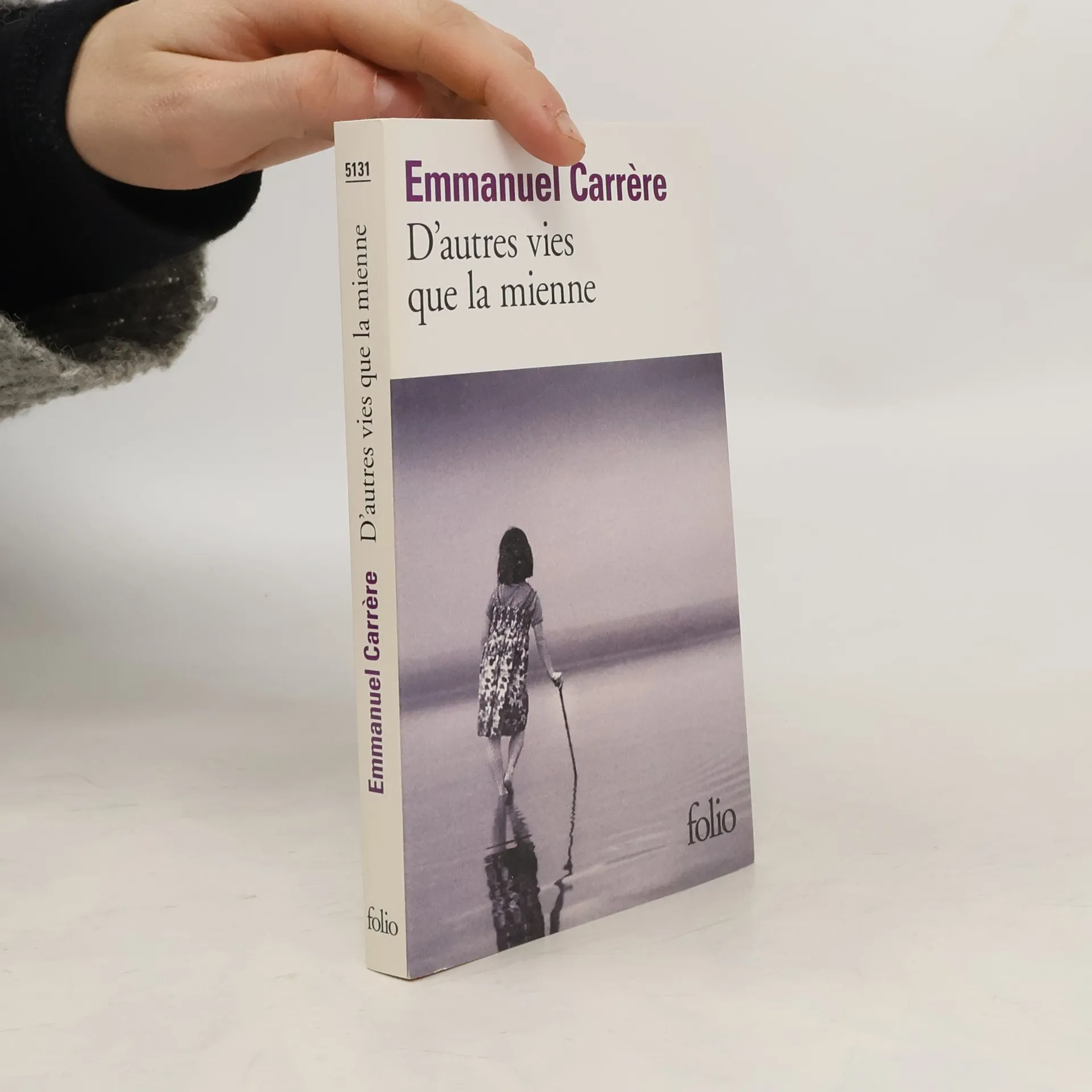
A quelques mois d'intervalle, la vie m'a rendu témoin des deux événements qui me font le plus peur au monde : la mort d'un enfant pour ses parents, celle d'une jeune femme pour ses enfants et son mari. Quelqu'un m'a dit alors : tu es écrivain, pourquoi n'écris-tu pas notre histoire? C'était une commande, je l'ai acceptée. C'est ainsi que je me suis retrouvé a raconter l'amitié entre un homme et une femme, tous deux rescapés d'un cancer, tous deux boiteux et tous deux juges, qui s'occupaient d'affaires de surendettement au tribunal d'instance de Vienne (Isere). Il est question dans ce livre de vie et de mort, de maladie, d'extreme pauvreté, de justice et surtout d'amour. Tout y est vrai.
Une nuit, un scénariste de Hollywood imagina en rêve la plus gracieuse et originale des histoires. Du début à la fin, il en suivit la progression dramatique imparable, les péripéties, l'agencement ingénieux et naturel. Dans un demi-sommeil, il griffonna quelques mots qui, peut-être, lui permettraient de reconstituer la merveille, le lendemain. Au matin, il trouva sur son bloc le résumé lapidaire de ce qui lui avait paru si neuf - et qui l'était, n'en doutons pas : Boy meets girl. On pourrait résumer ainsi L'Amie du jaguar : un garçon rencontre une fille. Son sujet choisi, l'auteur a tâché d'organiser cette rencontre et de raconter ce qui en résulte selon la capricieuse nécessité qui, dans son rêve, avait émerveillé le scénariste. Ainsi est-il question, dans ce roman, des rites funéraires en usage dans la colonie française de Surabaya (Indonésie), d'un jeu appelé le loto chantant, des rapports entre les sentiments exprimés dans une lettre et le bureau de poste choisi pour l'expédier, de stations prolongées dans des ascenseurs, de parenthèses, d'un ou plusieurs crimes atroces dissimulés dans un manuel de graphologie, de grimaces, de quatorze karatékas, d'un trafic de zombies entre Biarritz et Surabaya, d'amour surtout et de fabulations. Cette liste, bien entendu, n'est pas exhaustive.
« La folie et l'horreur ont obsédé ma vie. Les livres que j'ai écrits ne parlent de rien d'autre. Après L'adversaire, je n'en pouvais plus. J'ai voulu y échapper. » À la fois quête des origines, carnet de bord, récit d'un fait divers et d'une passion amoureuse, Un roman russe est une œuvre autobiographique dense et captivante. Emmanuel Carrère y restitue avec talent la complexité d'un homme dont la vie ressemble à ses livres.
Le matin du 9 janvier 1993, le docteur Jean-Claude Romand assassinait sa femme et leurs deux enfants. Il se rendait ensuite chez ses parents qu'il tuait également ... Cette affaire devait aboutir, en 1996, à sa condamnation à la réclusion à perpétuité assortie d'une peine de sûreté de 22 ans. Emmanuel Carrère reconstitue cette histoire qui semble l'avoir hanté sa vie tout entière
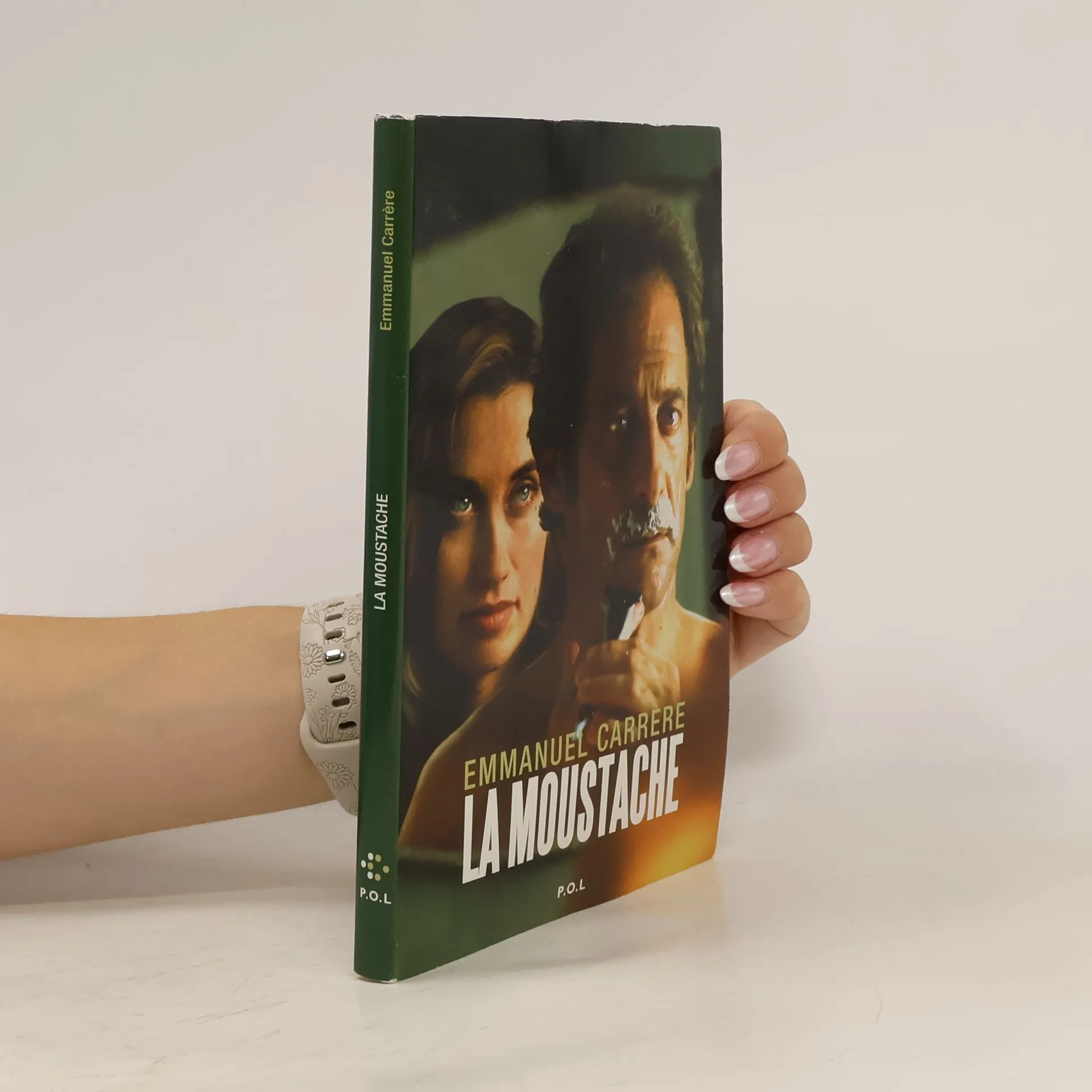
Eines Tages, um Ihre Frau und Ihre Freunde zum Lächeln zu bringen, rasieren Sie den Schnurrbart, den Sie seit zehn Jahren tragen. Niemand bemerkt es oder, schlimmer noch, jeder tut so, als hätte er es nicht bemerkt, und Sie lächeln gezwungen. So gezwungen, dass Sie bald überhaupt nicht mehr lächeln. Sie bestehen darauf, man versichert Ihnen, dass Sie niemals einen Schnurrbart hatten. Würden Sie verrückt werden? Möchte man, dass Sie das glauben? Oder ist etwas in der Ordnung der Welt zu Ihren Lasten aus den Fugen geraten? Die Geschichte endet auf jeden Fall sehr schlecht und lässt Sie, von unmöglichen Interpretationen zu irrationalen Fluchten, ohne Ausweg zurück. Oder doch, einen, den die letzten Seiten öffnen und den es stark zu vermeiden gilt, um in das Buch einzutreten. Sie sind gewarnt.
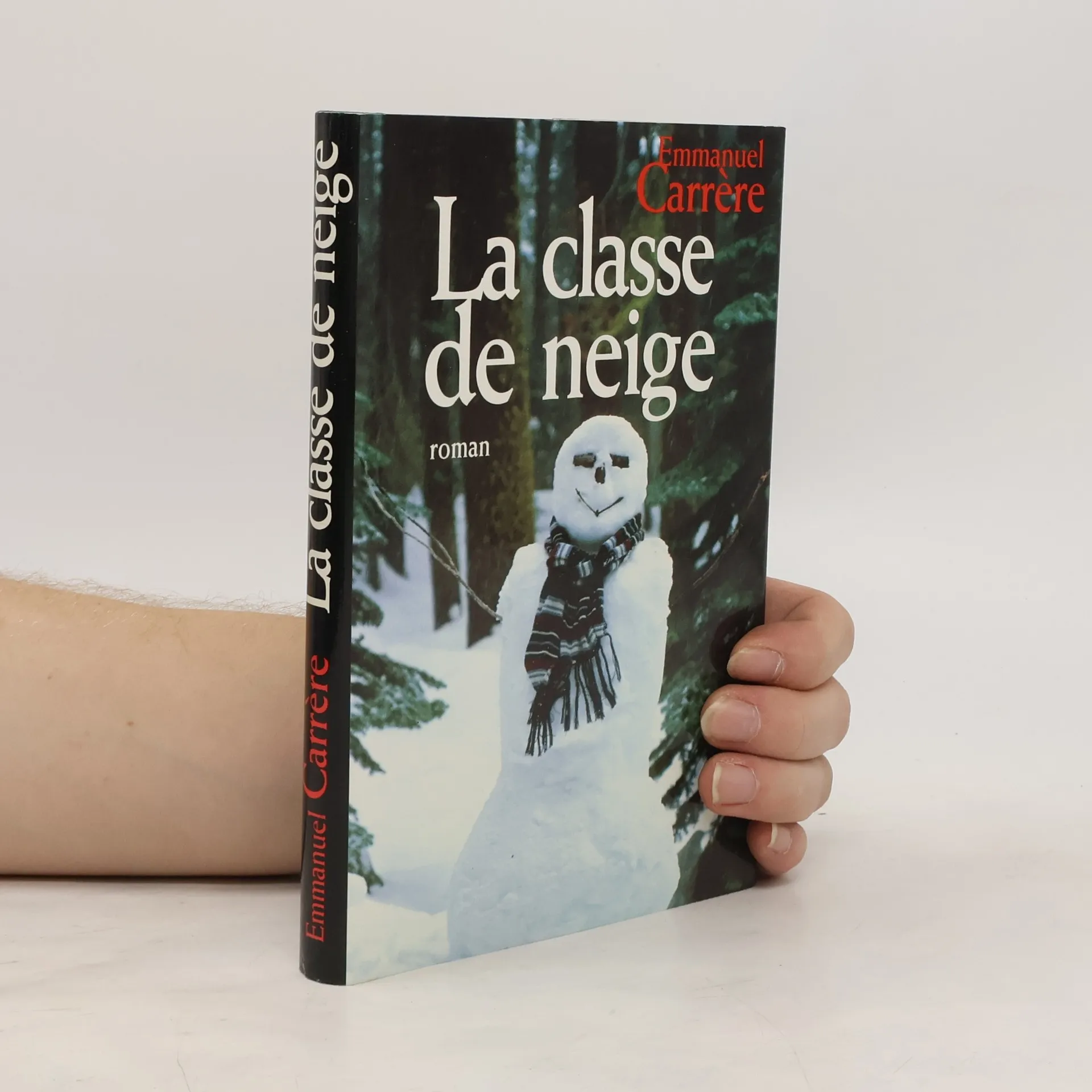
Dès le début de cette histoire, une menace plane sur son petit héros : nous le sentons, nous le savons, tout comme lui le sait, l’a toujours su. Pourtant, quoi de plus ordinaire qu’une classe de neige? Mais celle-ci, à partir d’un incident apparemment mineur (son père qui l'a amené en voiture repart en emportant les affaires de l'enfant) va tourner au cauchemar. Et si nous ignorons d’où va surgir le danger, quelle forme il va prendre, qui va en être l’instrument, nous savons que quelque chose est en marche, qui ne s’arrêtera pas. Ce roman impitoyablement écrit raconte l’un des pires malheur qui puisse arriver à un enfant, un malheur, né autant de son imagination que du monde qui l'entoure, et contre lequel il sera totalement démuni car il touche le cœur de ce qui fait sa faiblesse, sa vulnérabilité et le prive de toute issue, de tout recours.
Ein literarischer Führer
Joseph Roth: Ich will hier heimise.. Der nicht zu Hause. Ich möchte kommen und gehen, kommen und gehen. Thomas Mann: Schließlich, man braucht eine Kommode! Anaïs Nirs: Dagegen habe ich festgestellt, daß die Betten fremder Hotelzimmer, in denen anonyme Liebende gelegen hatten, meine Einbildungskraft anstachelten. Kurt Tucholsky: In einem fremden Hotelzimmer öffnet man das Fenster und macht es wieder zu und geht hin und her. Dann lege ich den Kopf an die Scheibe und mache ein dummes Gesicht. Die Nägel könnte ich mir auch mal schneiden. Was tue ich eigentlich hier? Franz Kafka: Ich kann fast von jedem Hotelzimmer, in dem ich gelebt habe, nur das Beste erzählen. Eine Liebeserklärung an das Leben im Hotel.
For his many devoted readers, Philip K. Dick is not only one of the 'most valiant psychological explorers of the 20th century' (The New York Times) but a source of divine revelation. Dick, whose work inspired such films as Blade Runner, Total Recall, and Minority Report, dedicated his life to solving one ultimately unanswerable question: What is real? In the riveting style that won accolades for The Adversary, Emmanuel Carrre follows Dick's strange odyssey from his traumatic beginnings in 1928, when his twin sister died in infancy, to his lonely end in 1982, beset by mystical visions of swirling pink lights, three-eyed invaders, and messages from the Roman Empire. Drawing on interviews as well as unpublished sources, Carrre traces Dick's multiple marriages, paranoid fantasies, and vertiginous encounters with the drug culture of sixties California. He vividly conjures the spirit of this restless observer of American postwar malaise whose more than fifty novels subverted the materials of science fiction-parallel universes, intricate time loops, collective delusions-to create classic works of contemporary anxiety. As disturbing and engrossing as a book by its subject, Carrre's unconventional work interweaves life and art to reveal the maddening genius whose writing foresaw-from cloning to reality TV-a world that looks ever more like one of his inventions.
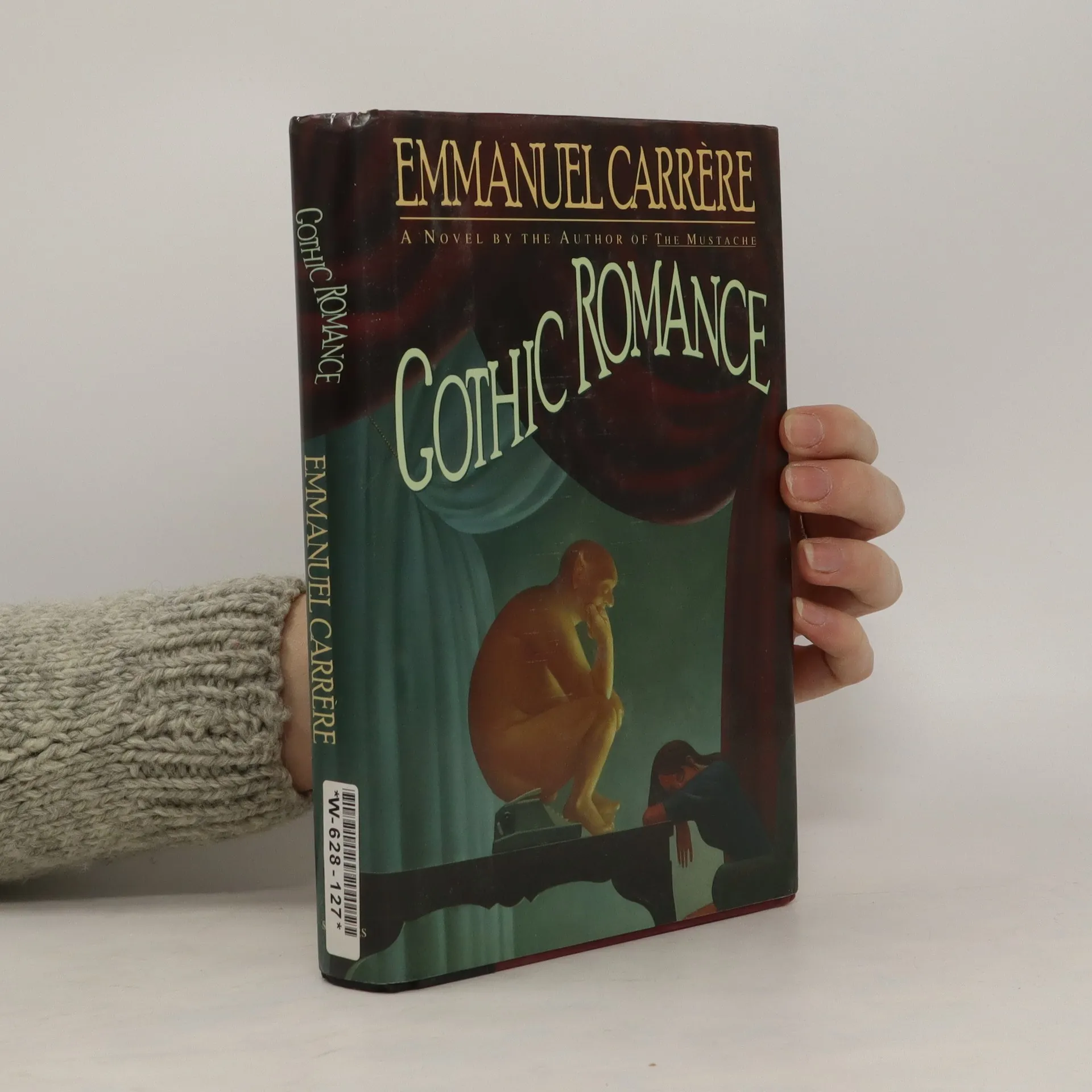
Based on the legendary evening at Lake Geneva that ostensibly inspired Mary Shelley's Frankenstein, Gothic Romance intertwines parallel stories of suspense set in the early 19th century and latter-day London.
Ayant vidé la poubelle sur le trottoir, il trouva vite le sac qu'on plaçait dans la salle de bains, en retira des cotons-tiges, un vieux tube de dentifrice, un autre de tonique pour la peau, des lames de rasoir usagées. Et les poils étaient là. Pas tout à fait comme il l'avait espéré : nombreux, mais dispersés, alors qu'il imaginait une touffe bien compacte, quelque chose comme une moustache tenant toute seule. Il en ramassa le plus possible, qu'il recueillit dans le creux de sa main, puis remonta. Il entra sans bruit dans la chambre, la main tendue en coupelle devant lui et, s'asseyant sur le lit à côté d'Agnès apparemment endormie, alluma la lampe de chevet. Elle gémit doucement puis, comme il lui secouait l'épaule, cligna des yeux, grimaça en voyant la main ouverte devant son visage. "Et ça, dit-il rudement, qu'est-ce que c'est ?"
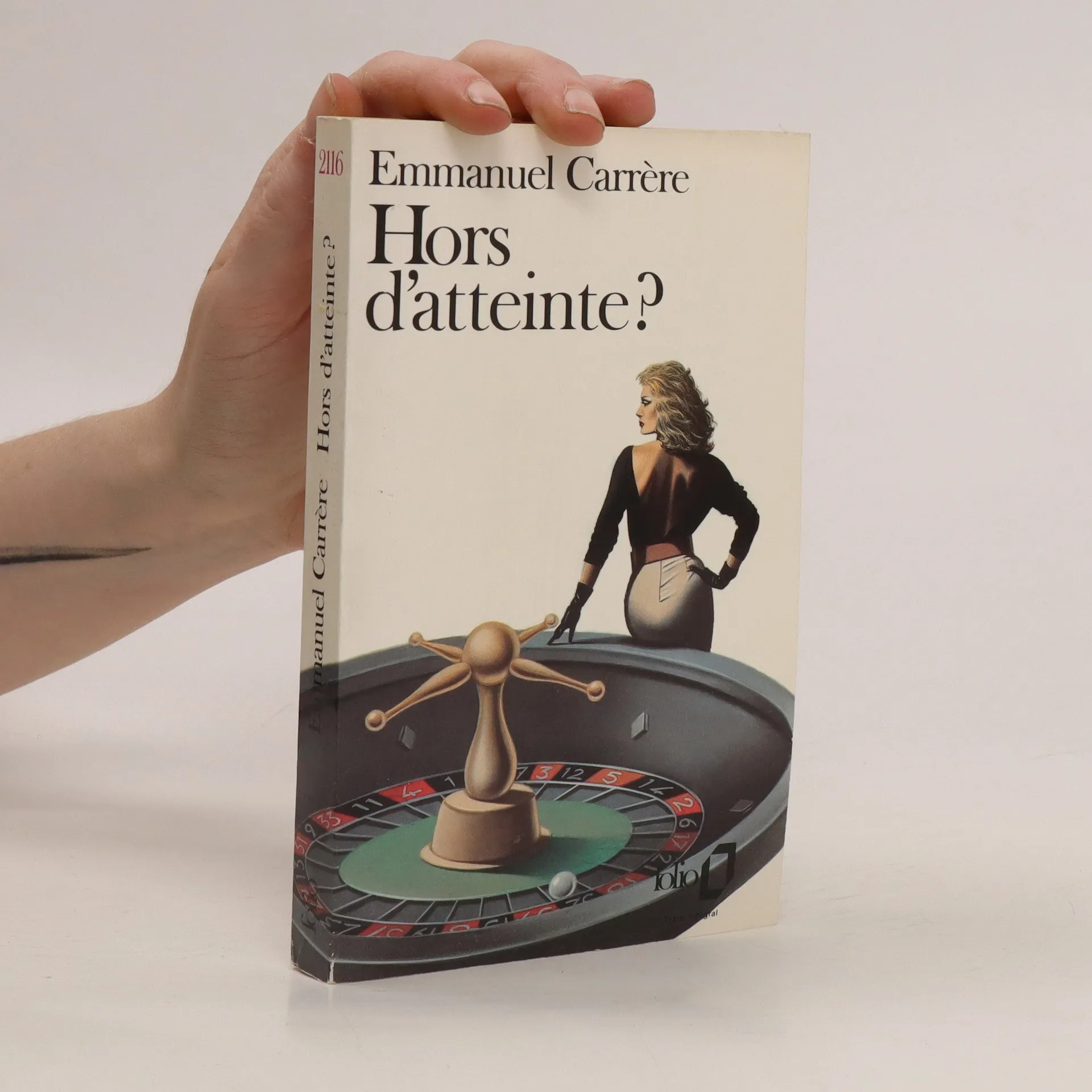
Frédérique est professeur de collège. Elle vit avec son fils Quentin, séparée de son mari Jean-Pierre, qu'elle voit souvent, avec qui elle passe parfois des vacances. Ainsi les quelques jours de la Toussaint, à Trouville. Si on allait finir la soirée au casino ? La roulette ? Un jeu simple. Frédérique a trente-six ans. Elle joue pour la première fois le 36, perd, rejoue, gagne. Et rentre à Paris. Elle étudie, comme on prépare un concours, les différentes catégories de mises : plein, transversale, cheval, sizain... Et repart jouer. Par Passion ? Allons donc. Ces vertiges lui vont mal. Son lot, c'est l'envie de les éprouver. Un jour pourtant, sans rien décider, elle abandonne à la roulette la conduite de sa vie et se met au pied du mur, en espérant, après l'avoir sauté, être enfin délivrée, hors d'atteinte...