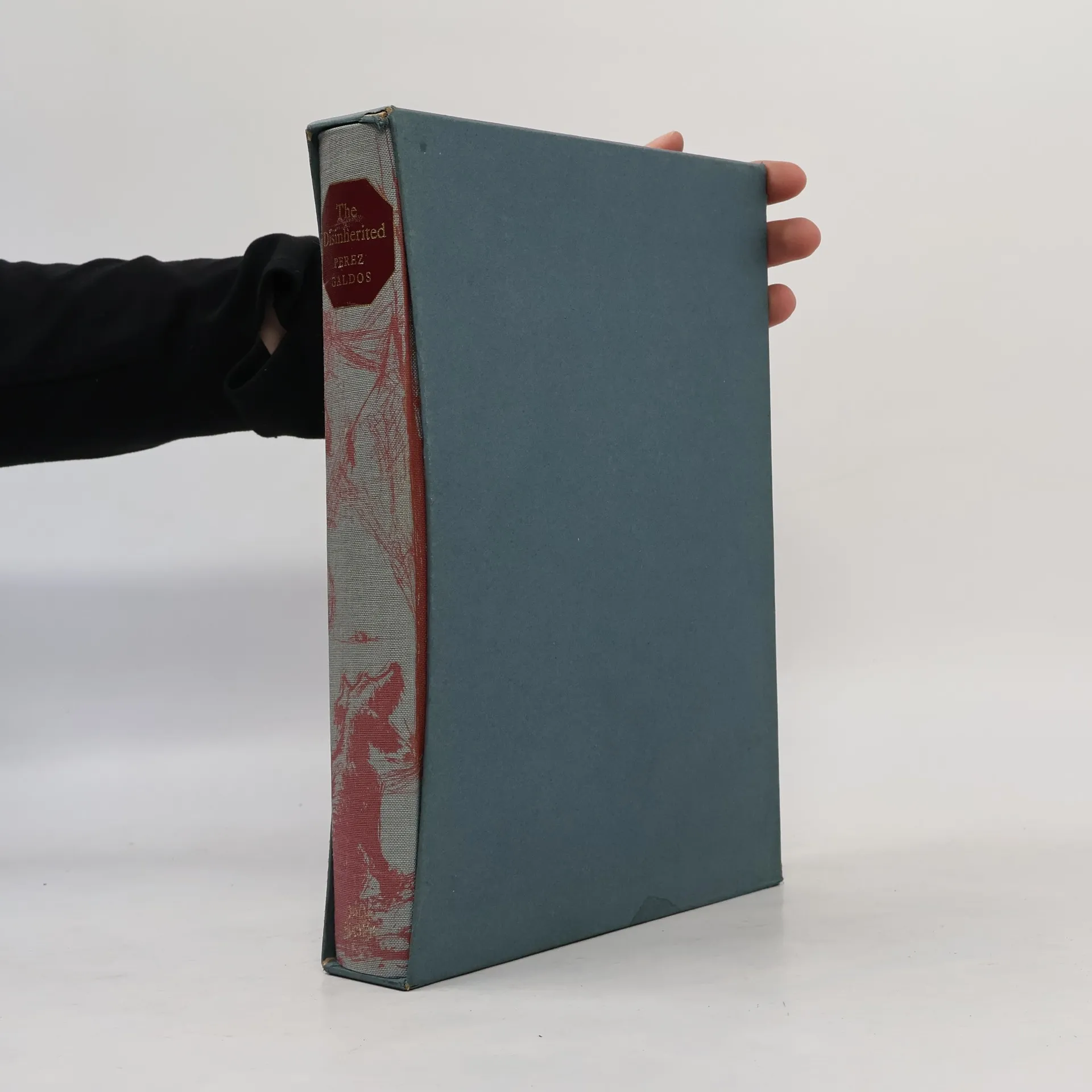
Modernity in literature begins in 1881 with the publication of The Disinherited. With this novel, Galdós makes a deliberate and risky decision, a historic choice: he breaks with the technical and formal divisions between literary "genres" to enhance the political-social effectiveness of the ideological weapon he has reinvented: the novelization of class conflicts. As a representative of the revolutionary liberal bourgeoisie of the nineteenth century, he conducts an unrelenting internal critique of his own social class, with proposals "to find certain ideals and resolve certain problems that concern everyone, and to know the origin and remedy of certain evils that disturb families," whether "in external life" or "in the domestic life" of the "middle class" or bourgeoisie. At the same time, and also from the bourgeois front to which he belongs, he positions himself against the early organizational proletarian internationalism in Spain. Here is modernity, here is "the revolution that The Disinherited accuses." A novel that must be read to rethink our current and contemporary history.
José Antonio Fortes Livres