Matthew Ridley est un écrivain scientifique et un aristocrate anglais dont le travail explore les sujets complexes de la nature humaine et du progrès. Fort d'une solide formation scientifique, il explore comment notre héritage évolutif façonne les sociétés et les individus contemporains. Le style de Ridley est connu pour son accessibilité, traduisant des concepts scientifiques complexes en récits captivants. Son écriture incite les lecteurs à réfléchir aux questions profondes qui entourent notre passé et notre avenir.
The extraordinary implications of Charles Darwin's strangest idea
336pages
12 heures de lecture
Exploring the unique mating behaviors of birds, this book delves into the origins of beauty and its connection to humanity. Acclaimed science writer Matt Ridley examines how these avian rituals reflect broader themes of attraction and evolution, offering insights into the intricate relationship between nature and human perception.
Nová kniha známého britského zoologa a popularizátora vědy navazuje na bestsellery Racionální optimista a Evoluce všeho, v nichž líčí cestu lidstva od doby kamenné k současné prosperitě. Základním faktorem na této cestě jsou inovace, záhadný a nedoceňovaný proces, který vskrytu formuje historii lidské civilizace a je obdobou biologické evoluce. Inovace se zásadně liší od vynálezů, protože při nich nevzniká něco zcela nového, ale již existující vynálezy a myšlenky se přetvářejí ve spolehlivé, prakticky upotřebitelné a masově dostupné věci. Jde o postupný, nepředvídatelný, zdola poháněný proces, který často provází šťastná náhoda. Inovace také nejsou dílem jednotlivců, ale plodem spolupráce a výměny myšlenek mnoha lidí. V řadě příběhů se seznámíme s inovacemi od vzniku zemědělství přes parní stroj a očkování až po sociální média a sdílenou ekonomiku. Vůbec první a nejdůležitější inovací je však z hlediska planety Země vznik života samotného.
Understanding how Covid-19 started is more important than we know for the
future of humankind. Determining whether the virus came from nature or from a
lab will help us to safeguard against the next pandemic.
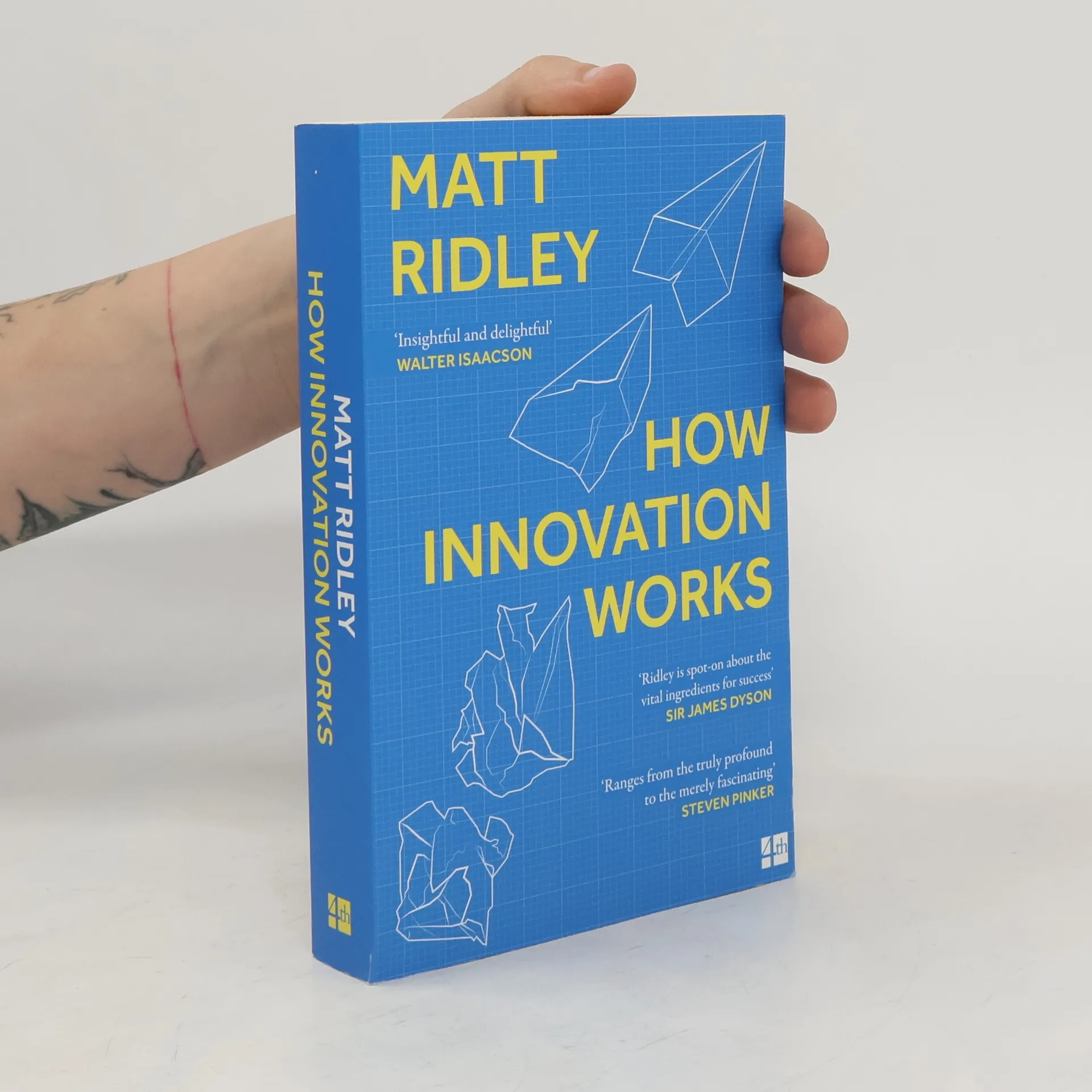
'Ridley is spot-on when it comes to the vital ingredients for success' Sir James Dyson Building on his bestseller The Rational Optimist, Matt Ridley chronicles the history of innovation, and how we need to change our thinking on the subject.
Podtitul: Jak malé změny přetvářejí svět.
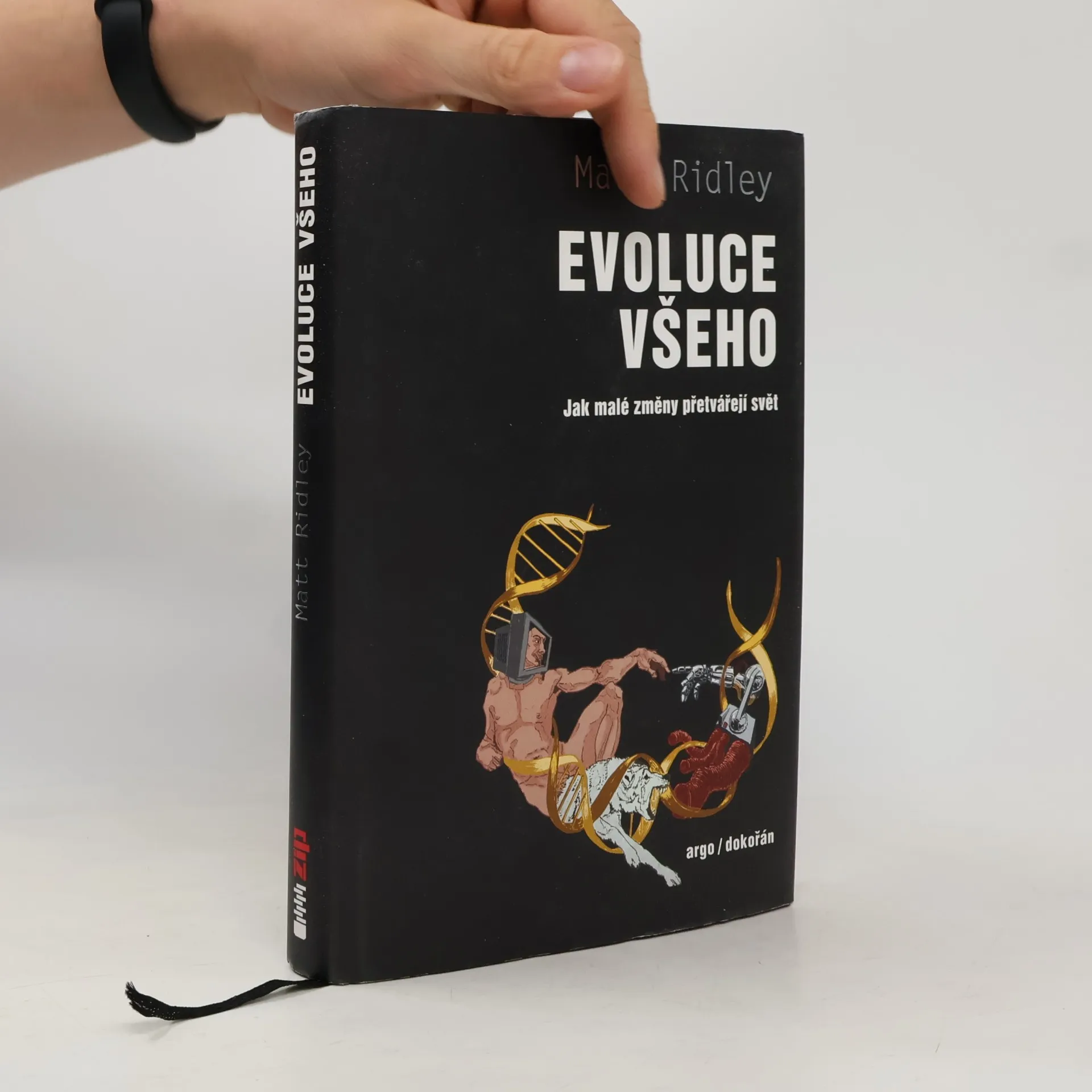
Svou nejnovější knihou Evoluce všeho podnikl přední britský popularizátor vědy Matt Ridley frontální útok na všeobecně rozšířenou představu, že svět je celý naplánovaný a že všechno musí být řízeno shora. Svět, jak podrobně dokládá Ridley, je naopak prostoupen nikým neplánovanou a neřízenou evolucí, která je zdrojem a motorem všeho důležitého nejen v přírodě, ale i ve společnosti; nové věci vznikají spontánně, v drobných a postupných přírůstcích, zákonitě a metodou pokusu a omylu - všechno jsou to různé verze biologického principu přirozeného výběru, ať jde o jazyk, trhy, vynálezy, morálku, náboženství nebo internet. Většina lidského světa tedy není výsledkem lidského ani jiného plánu, ale produktem lidského konání. Ridley myšlenku primární role evoluce podepírá erudovaně zpracovanými doklady z vědy, technologie, ekonomiky, historie, vývojové psychologie, politiky i filozofie. Evoluce je síla, která formuje naši kulturu, naše technologie, naše mysli a nyní formuje i naši budoucnost.
Het belangrijkste wetenschappelijke nieuws volgens 193 'briljante geesten'
528pages
19 heures de lecture
Bijna dagelijks worden we geconfronteerd met nieuwe inzichten en weetjes, variërend van wereldbelang tot drijfzand. Of het nu gaat om dieetvoorschriften, experimentele medicijnen, technologische doorbraken of klimaatvoorspellingen, het is voor leken vaak onmogelijk om waardevolle informatie te onderscheiden van onzin. Wat zijn de ontdekkingen die écht invloed hebben op onze toekomst? John Brockman, oprichter van edge.org, vroeg invloedrijke wetenschappers en denkers naar het meest interessante recente wetenschappelijke nieuws. Steven Pinker wijst op de kwantificering van menselijke vooruitgang als een opmerkelijke ontwikkeling. Chris Anderson is onder de indruk van het sociale experiment dat internet vertegenwoordigt en de opkomst van een wereldwijd collectief bewustzijn. Max Tegmark waarschuwt dat technologische en wetenschappelijke vooruitgang de leercurve van onze wijsheid overstijgt, wat zorgwekkend is, vooral bij gevoelige onderwerpen zoals kernwapens. Peter Gabriel benadrukt hoe hersenwetenschap de grens tussen fantasie en werkelijkheid vervaagt. Daarnaast delen ook John C. Mather, Bill Joy, Michael Shermer, Matt Ridley, George Church en anderen hun inzichten, wat een breed scala aan perspectieven biedt op de huidige wetenschappelijke ontwikkelingen.
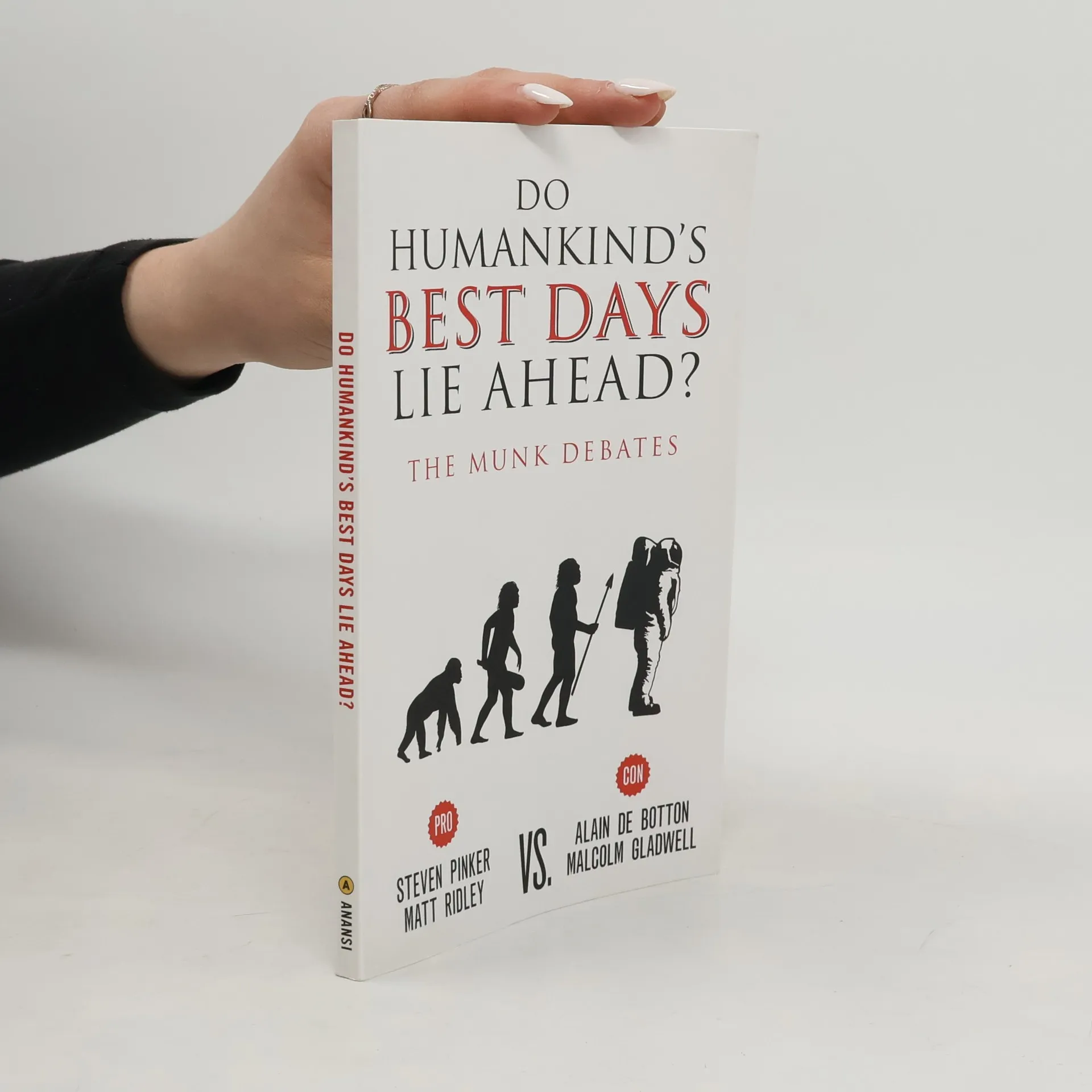
"Progress. It is one of the animating concepts of the modern era. From the Enlightenment onwards, the West has had an enduring belief that through the evolution of institutions, innovations, and ideas, the human condition is improving. This process is supposedly accelerating as new technologies, individual freedoms, and the spread of global norms empower individuals and societies around the world. But is progress inevitable? Its critics argue that human civilization has become different, not better, over the last two and a half centuries. What is seen as a breakthrough or innovation in one period becomes a setback or limitation in another. In short, progress is an ideology not a fact; a way of thinking about the world as opposed to a description of reality. In the seventeenth semi-annual Munk Debates, which was held in Toronto on November 6, 2015, pioneering cognitive scientist Steven Pinker and best-selling author Matt Ridley squared off against noted philosopher Alain de Botton and best-selling author Malcolm Gladwell to debate whether humankind's best days lie ahead, "--Amazon.com.
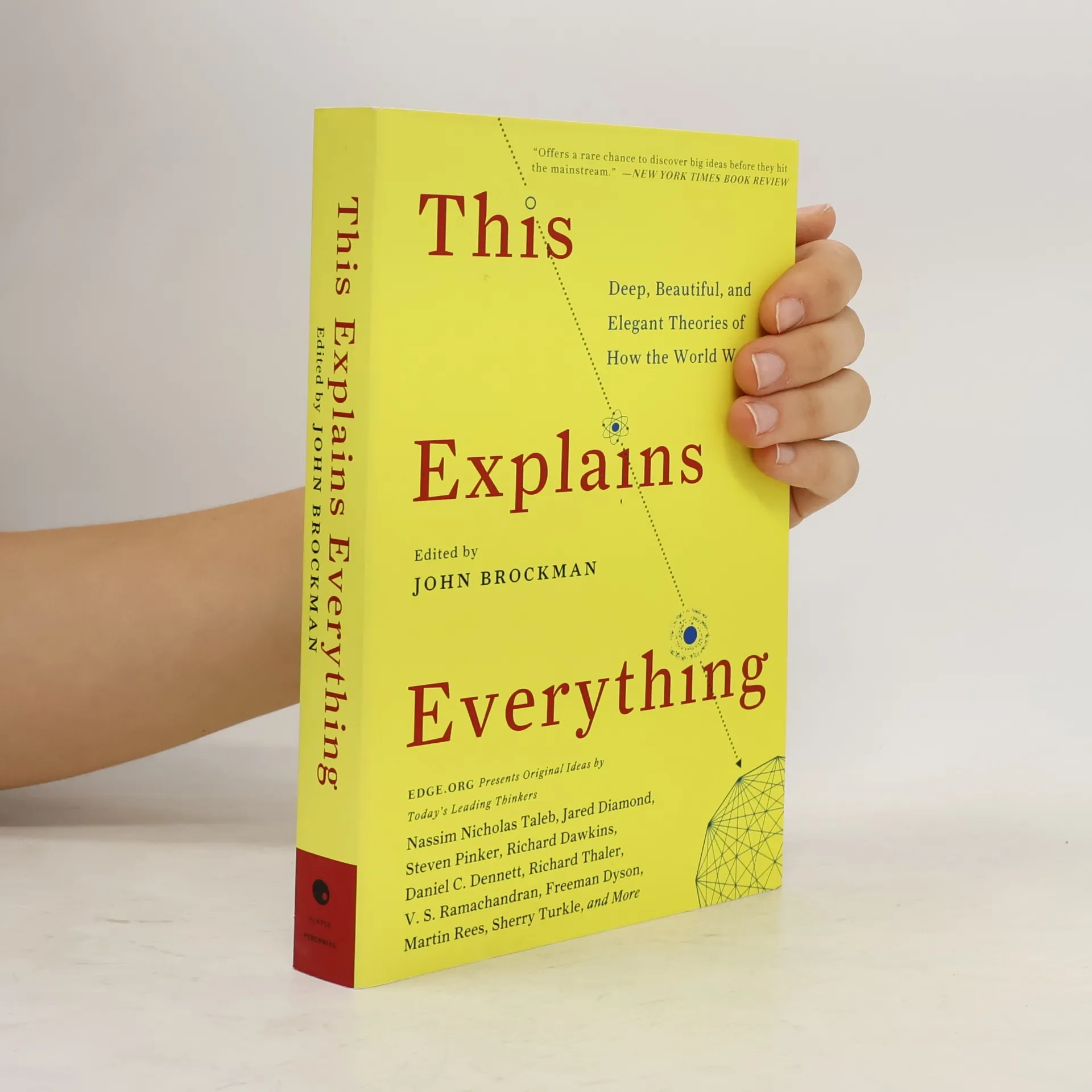
In This Explains Everything, John Brockman, founder and publisher of Edge.org, asked experts in numerous fields and disciplines to come up with their favorite explanations for everyday occurrences. Why do we recognize patterns? Is there such a thing as positive stress? Are we genetically programmed to be in conflict with each other? Those are just some of the 150 questions that the world's best scientific minds answer with elegant simplicity. With contributions from Jared Diamond, Richard Dawkins, Nassim Taleb, Brian Eno, Steven Pinker, and more, everything is explained in fun, uncomplicated terms that make the most complex concepts easy to comprehend.
Jak je možné, že lidské společnosti se řídí morálkou, zákony a všeobecně převládající slušností, když naše chování se podle sociobiologů formovalo během milionů let, kdy jsme mezi sebou zápasili o přežití a naslouchali příkazům svých sobeckých genů? Anglický zoolog a publicista Matt Ridley se na tyto a další otázky pokouší odpovědět, přičemž své brilantně a vtipně formulované závěry podpírá důkazy ze světa zvířat, z historie, antropologie nebo ekonomických teorií.
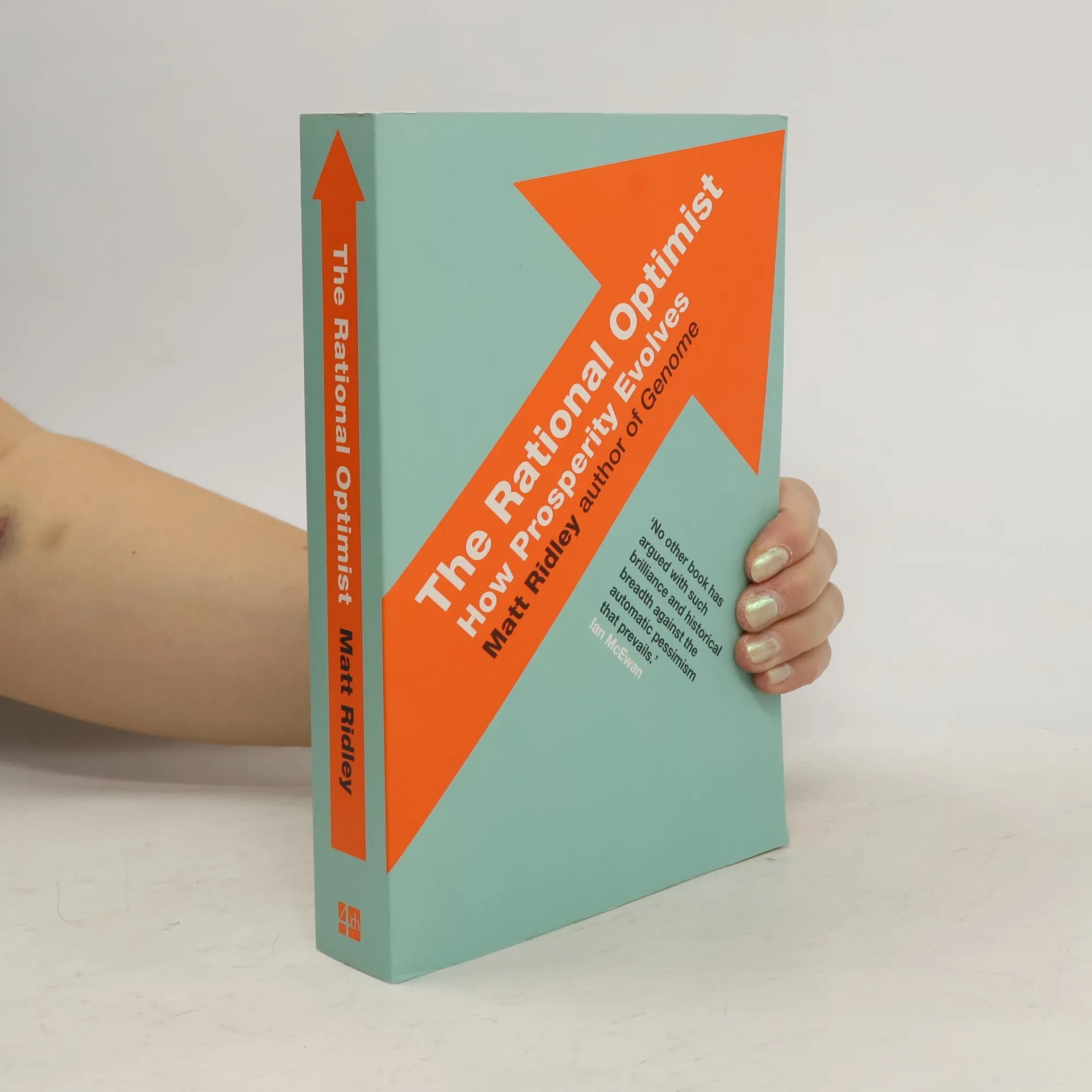
Matt Ridley, acclaimed author of the classics Genome and Nature via Nurture, turns from investigating human nature to investigating human progress. In The Rational Optimist Ridley offers a counterblast to the prevailing pessimism of our age, and proves, however much we like to think to the contrary, that things are getting better.
This is the story of the father of molecular biology whose famous research team uncovered the structure of DNA. Georgina Ferry’s story brims with life, has the zest of an adventure novel and is full of fascinating characters.
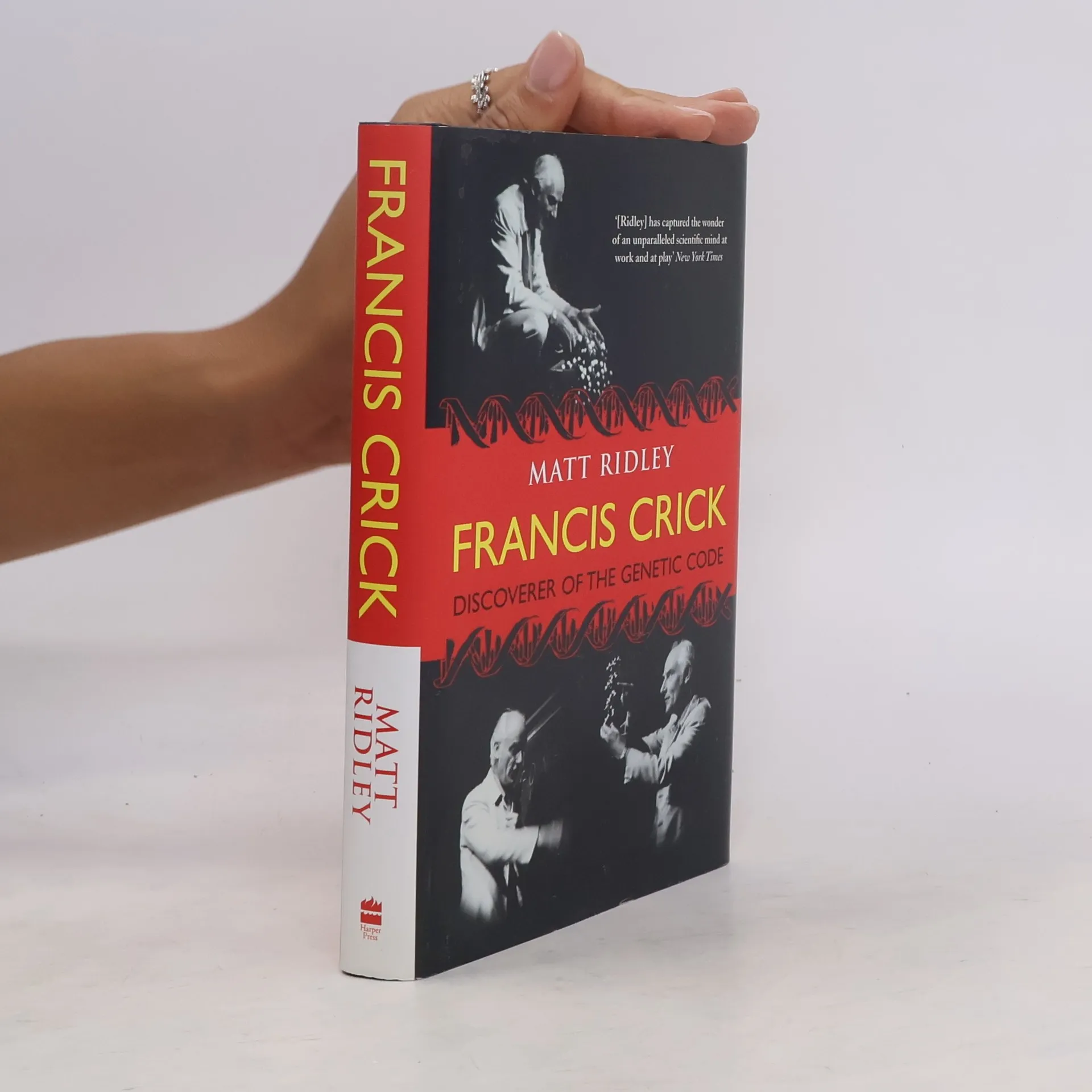
Ridley traces Crick's life from middle-class mediocrity through his leap into biology at the age of 31 and his co-discovery of the double helix structure of DNA.
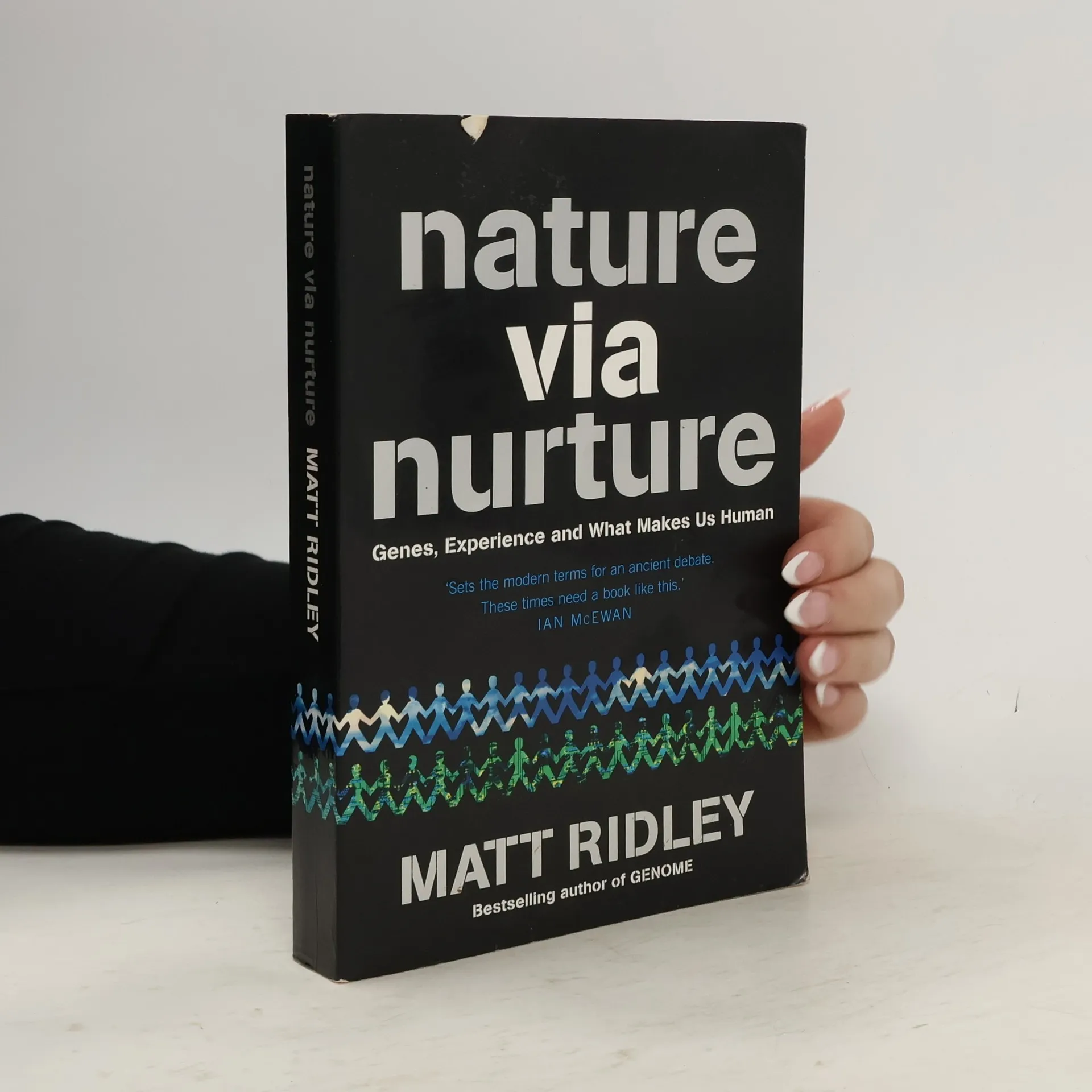
Armed with extraordinary new discoveries about our genes, acclaimed science writer Matt Ridley turns his attention to the nature-versus-nurture debate in a thoughtful book about the roots of human behavior. Ridley recounts the hundred years' war between the partisans of nature and nurture to explain how this paradoxical creature, the human being, can be simultaneously free-willed and motivated by instinct and culture. With the decoding of the human genome, we now know that genes not only predetermine the broad structure of the brain, they also absorb formative experiences, react to social cues, and even run memory. They are consequences as well as causes of the will.
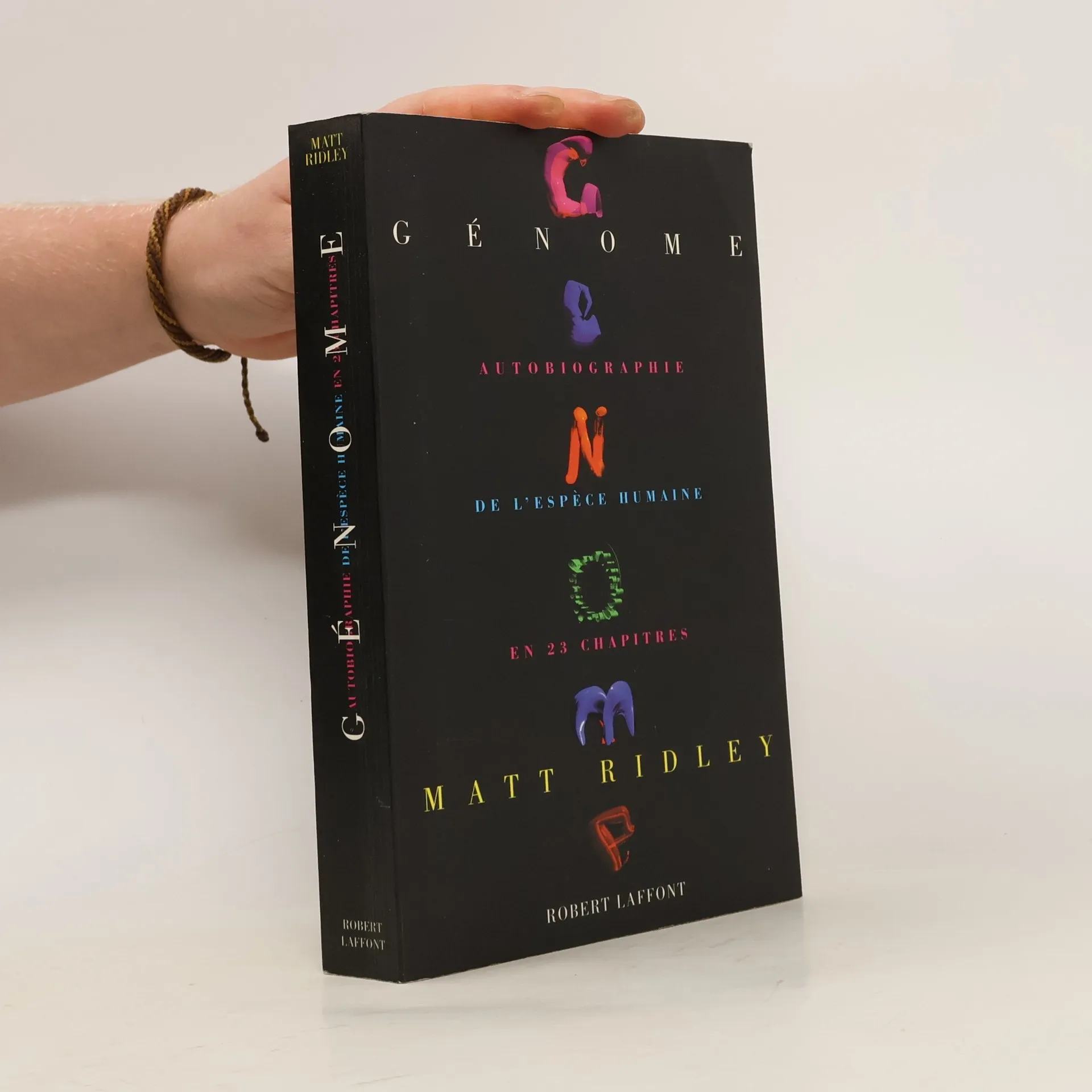
Qui sommes-nous ? D'où venons-nous ? Où allons-nous ? Pour comprendre les véritables conséquences de la plus importante découverte scientifique du nouveau siècle, lisez Matt Ridley. Le génome humain contient sa propre autobiographie - l'histoire, écrite dans la langue des gènes, de toutes les vicissitudes et inventions qui ont marqué notre évolution. Certains gènes n'ont guère changé depuis la nuit des temps. Certains se sont développés quand nous étions de simples vers. D'autres quand nous étions des poissons. Certains existent sous leur forme actuelle en raison d'épidémies récentes. D'autres enfin permettent d'écrire l'histoire des migrations humaines... Le génome est comme un journal intime : il contient la trace écrite de chaque événement important. Une visite guidée en vingt-trois chapitres - un par paire de chromosomes - des plus beaux sites touristiques de notre génome. Nous avons une chance inouïe : nous sommes les premiers à pouvoir lire le livre de la vie. Et cela bouleverse déjà ce que nous savons de nos origines, de notre évolution, de notre nature et de notre esprit. Une révolution s'annonce : l'anthropologie, la psychologie, la médecine, la paléontologie et pratiquement toutes les autres disciplines ne seront plus jamais les mêmes.
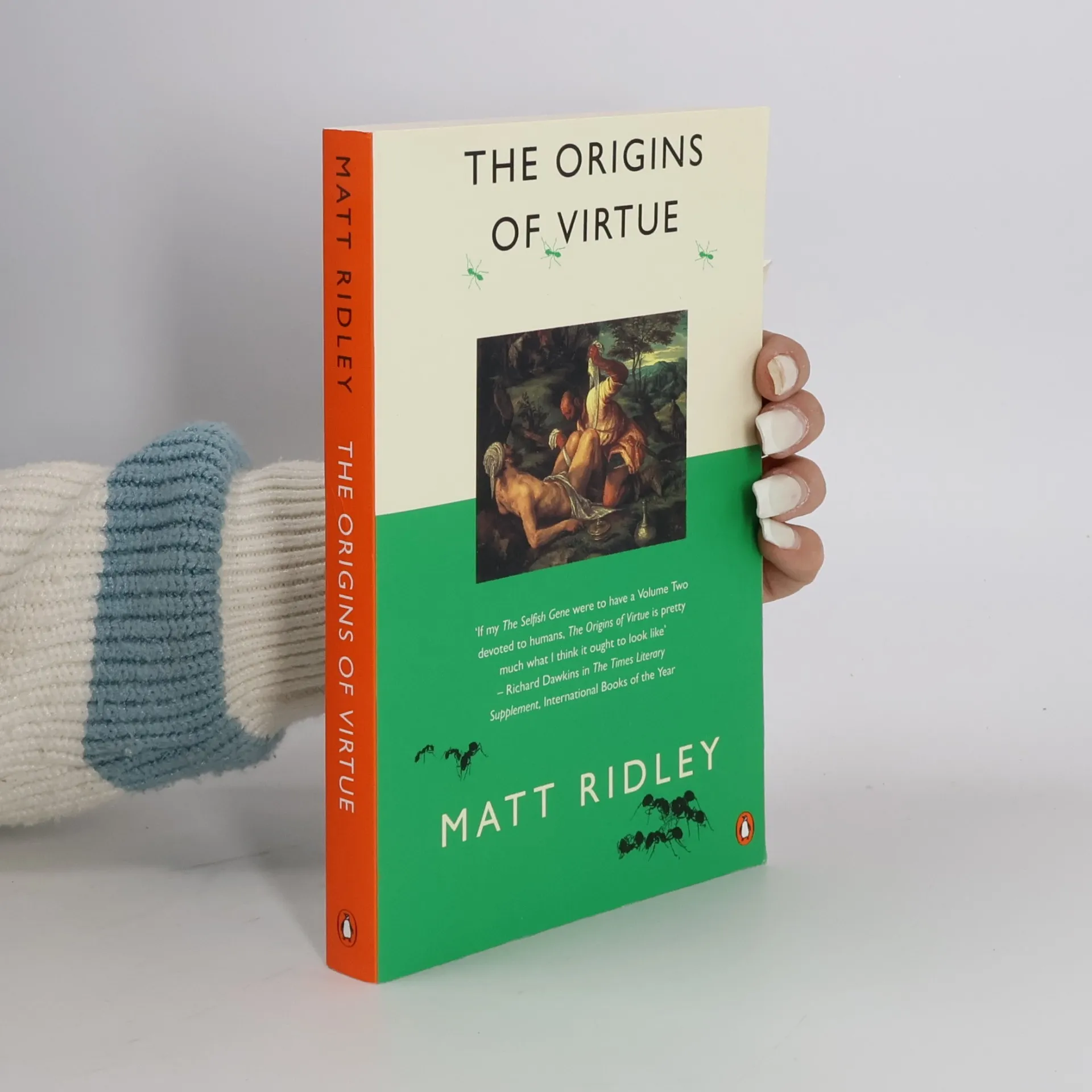
Matt Ridley explores such perplexing conundrums as why, if humans are such egoistical beings, don't they behave as rational fools and forego the benefits of cooperation. He uses the findings of new research to look afresh at "Mankind".
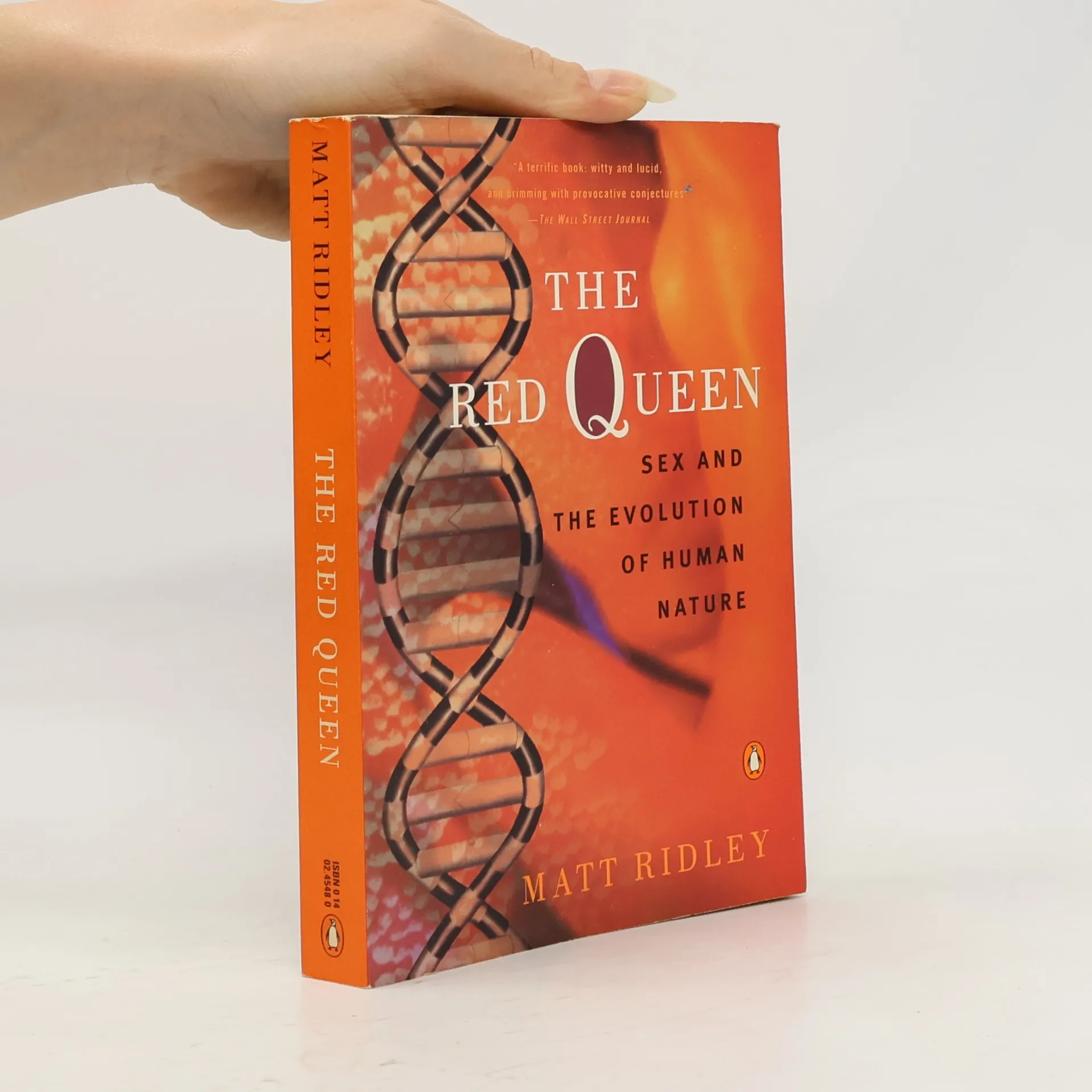
Two intriguing questions underpin the exploration of human sexuality: why is Homo sapiens a sexual species, and what does this mean for human nature? While sexual reproduction may seem ordinary, many organisms reproduce through cloning, often more efficiently. To grasp evolution and the advantages of sex, we must consider the Red Queen from Lewis Carroll's work, who runs to maintain her position. A compelling theory suggests that evolution is not about progress but adaptation for survival. Humans face constant challenges from internal parasites, necessitating rapid genetic changes. Sexual reproduction allows for new genetic combinations each generation, serving as a crucial defense against diseases and ensuring we don't fall behind in the evolutionary race. This leads to profound implications for human nature. Matt Ridley delves into the Red Queen theory, linking it to various aspects of human behavior. He examines whether humans are inherently polygamous, the mental differences between genders, and the similarities in sexual habits with other species. He questions the arbitrary nature of beauty standards and engages in the ongoing debate about "human nature." This exploration provides a fresh perspective on the human condition and its evolution.