

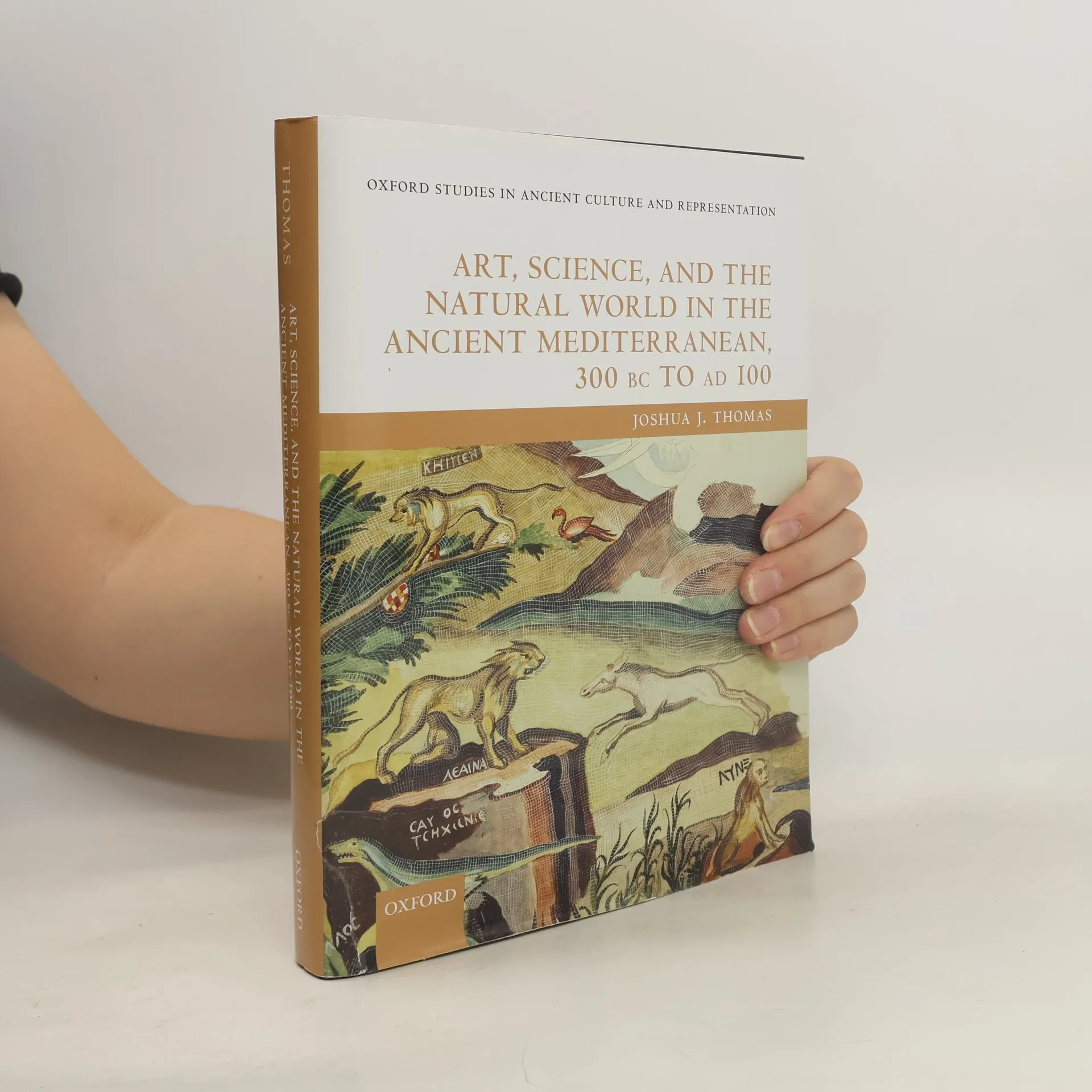
Art, Science, and the Natural World in the Ancient Mediterranean, 300 BC to AD 100
- 392pages
- 14 heures de lecture
The Hellenistic Period saw significant advancements in art, literature, and science, particularly in the study of animals and the natural world. Following the revolutionary contributions of Aristotle and his followers in zoology and botany during the fourth century BC, these disciplines evolved in exciting ways. Kings imported exotic species to their capitals, while travel writers documented encounters with unusual creatures. Artworks featuring animals and plants became popular among various social classes, adorning palaces, homes, and tombs. Although textual sources provide some insights, the central argument is that surviving artistic evidence offers a deeper understanding of these developments. This study compiles a diverse array of visual material, encouraging fresh perspectives on the significance of natural world knowledge during this era. It posits that this cultural phenomenon influenced various groups, from kings in Alexandria and Pergamon to provincial aristocrats in the Levant, and from the Julio-Claudian imperial family to affluent homeowners in Pompeii. By examining the art created for these individuals, a vivid portrayal of this remarkable aspect of ancient culture emerges.