
Bookbot

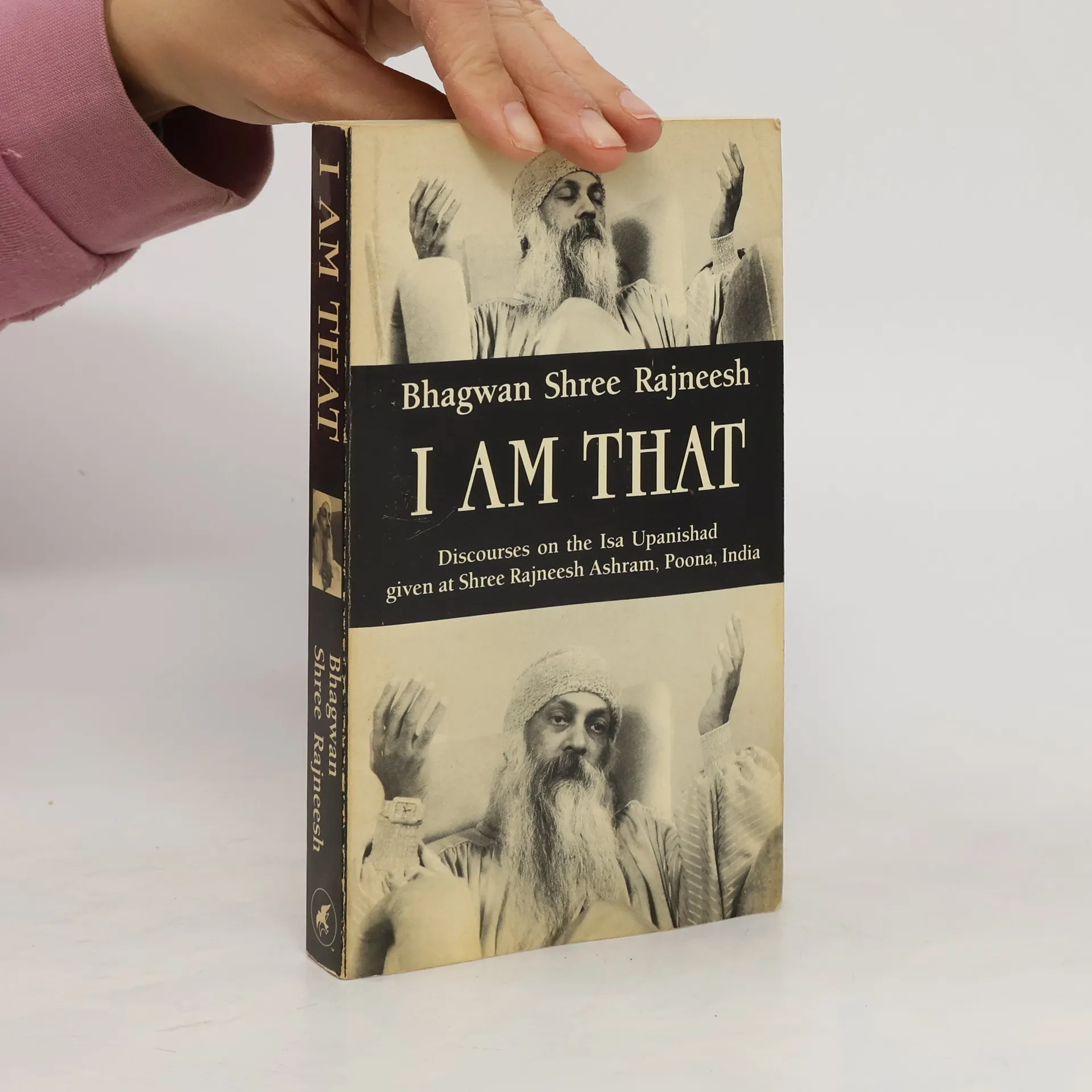
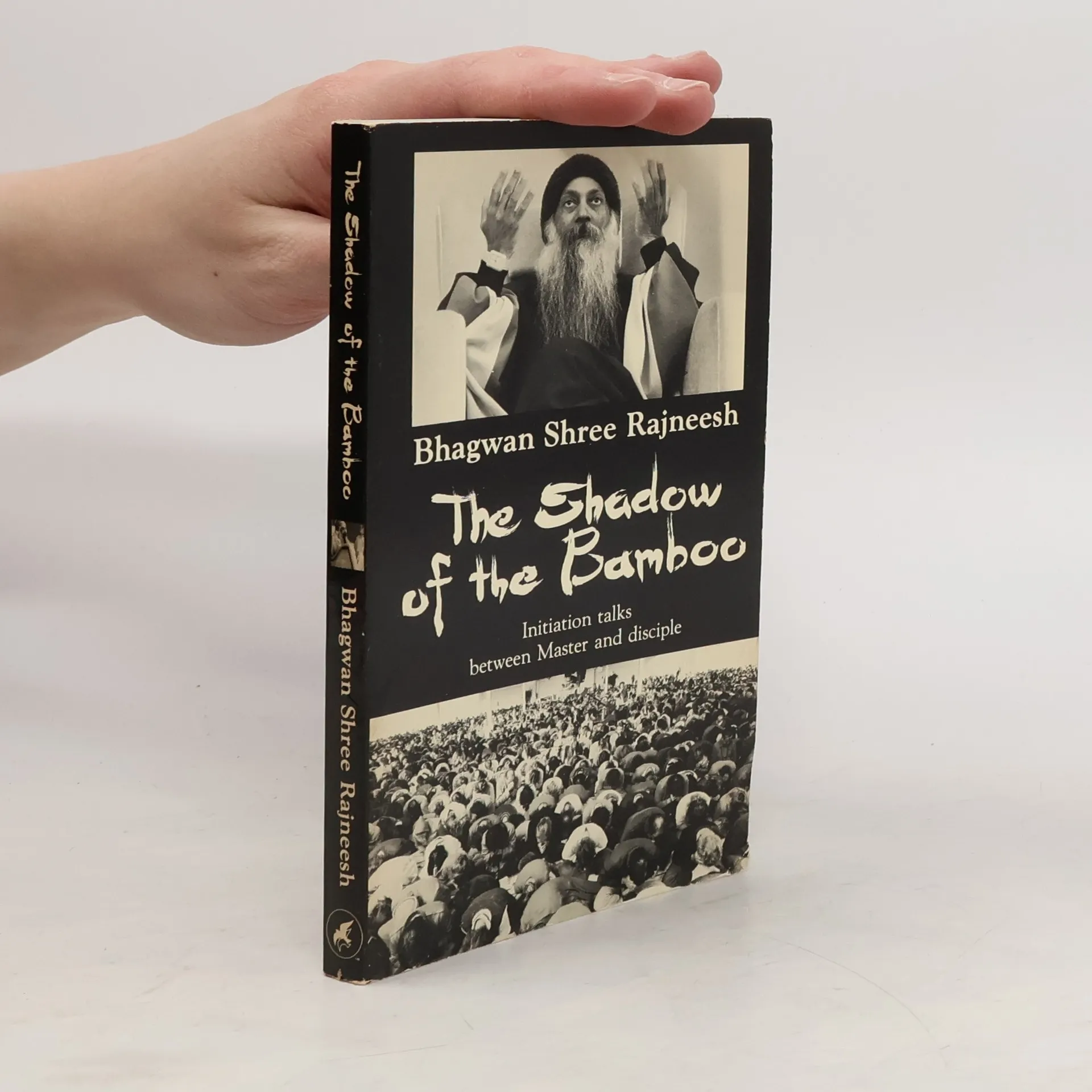
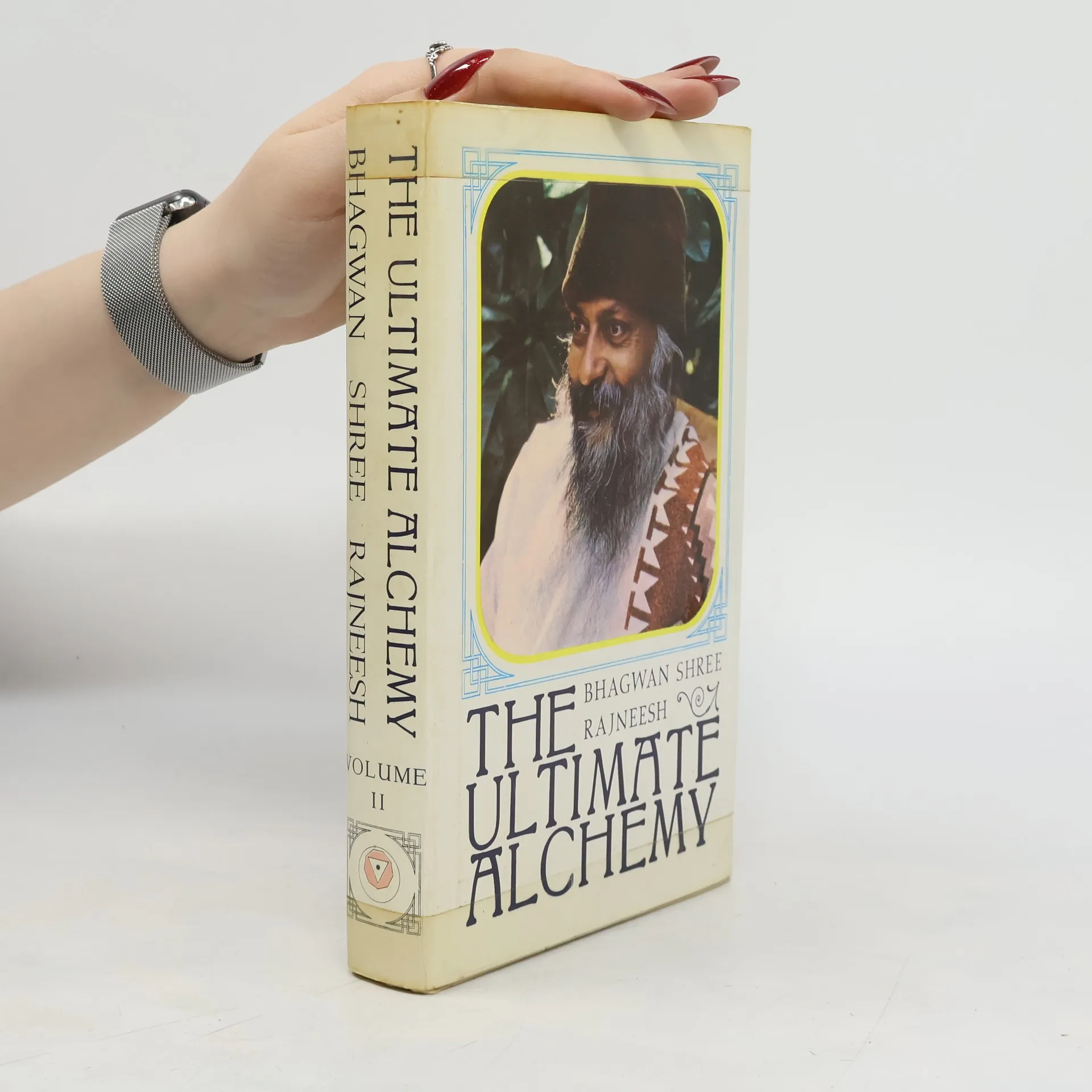
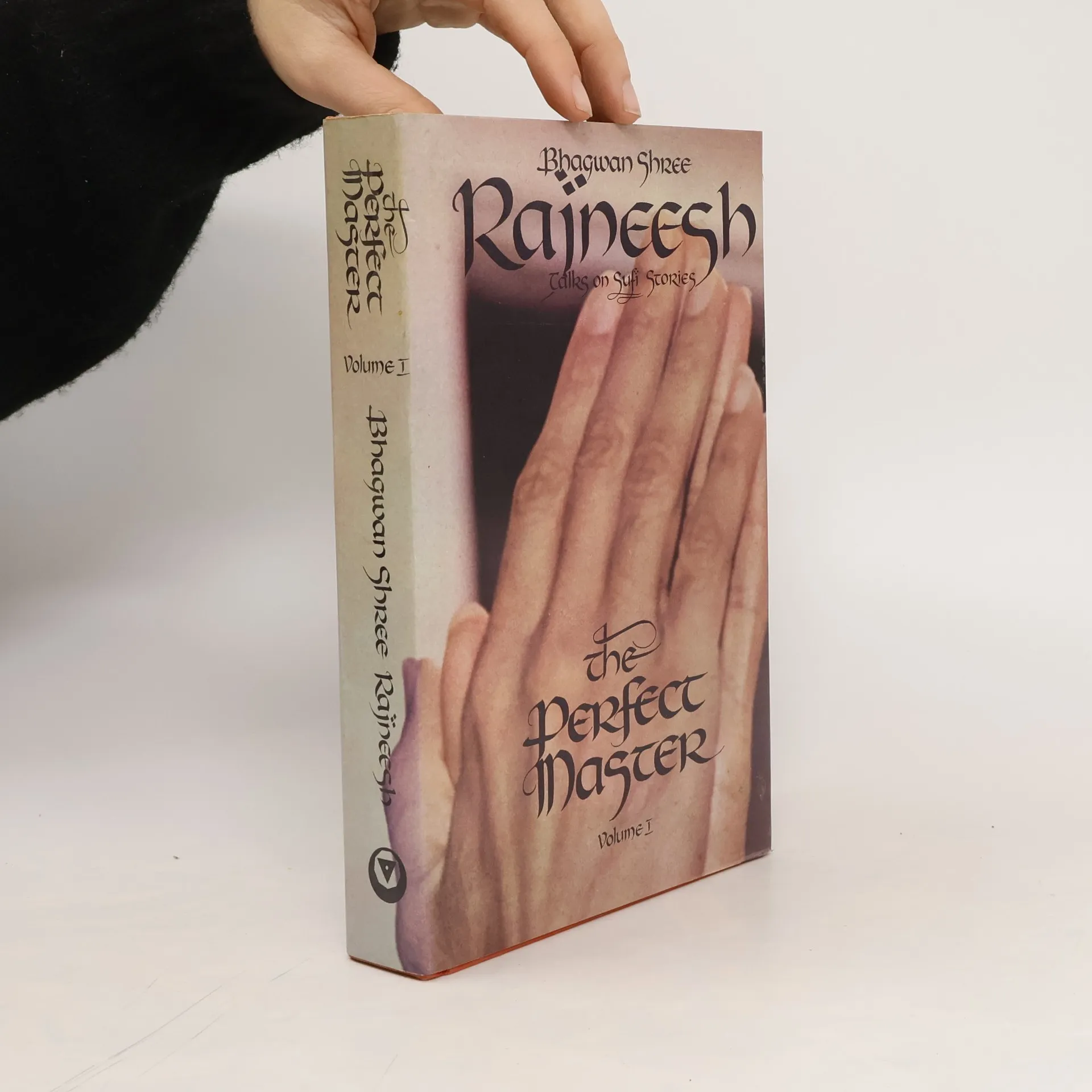
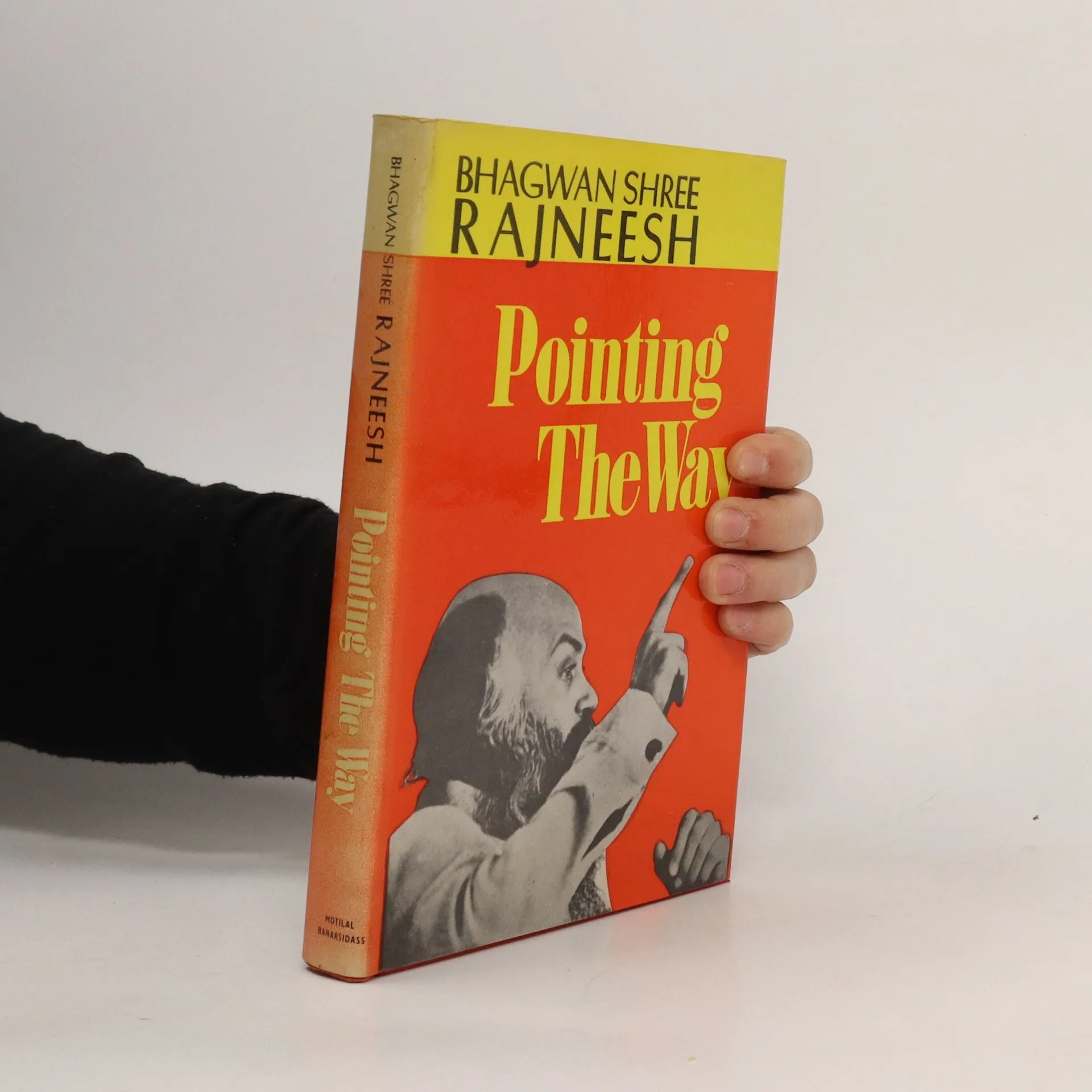
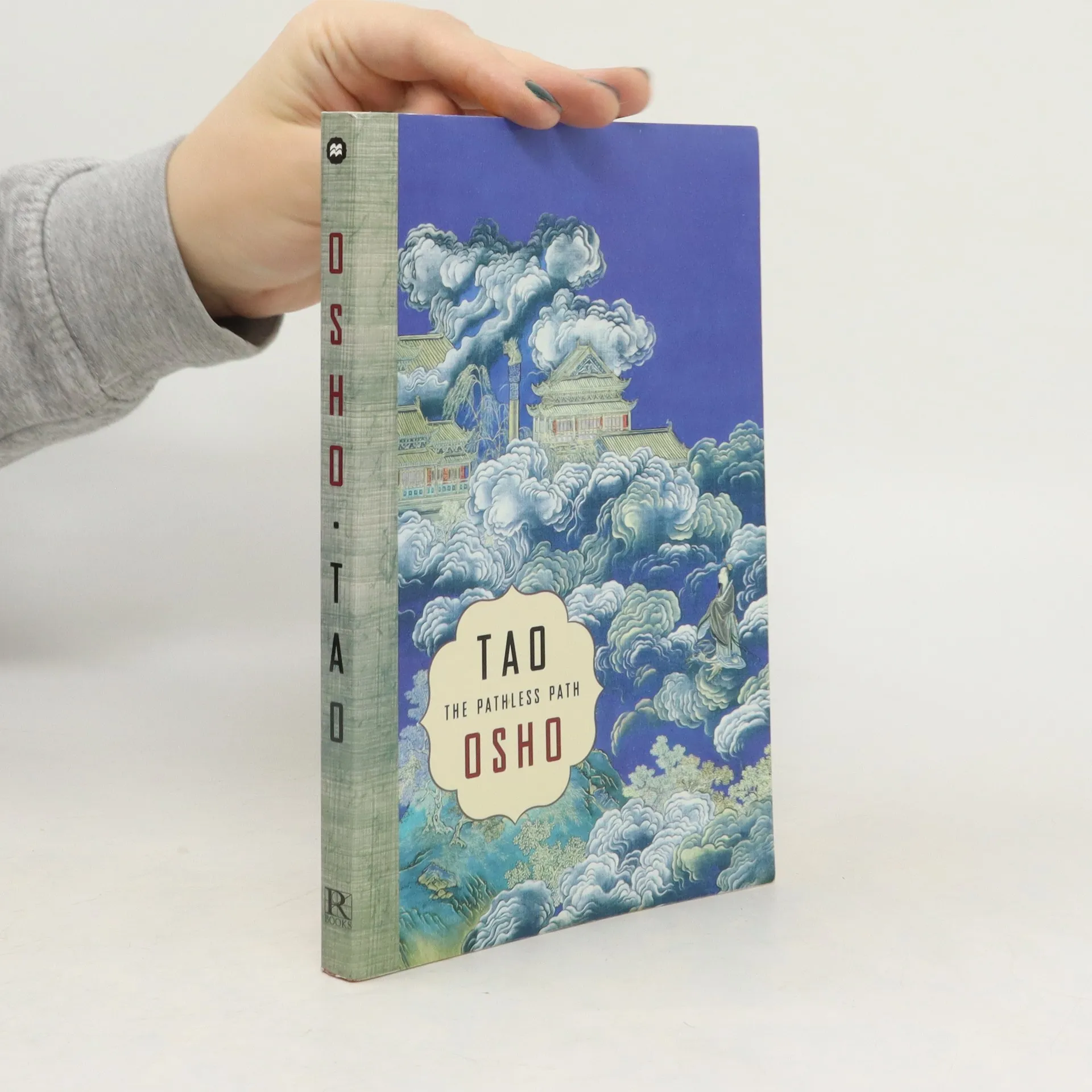
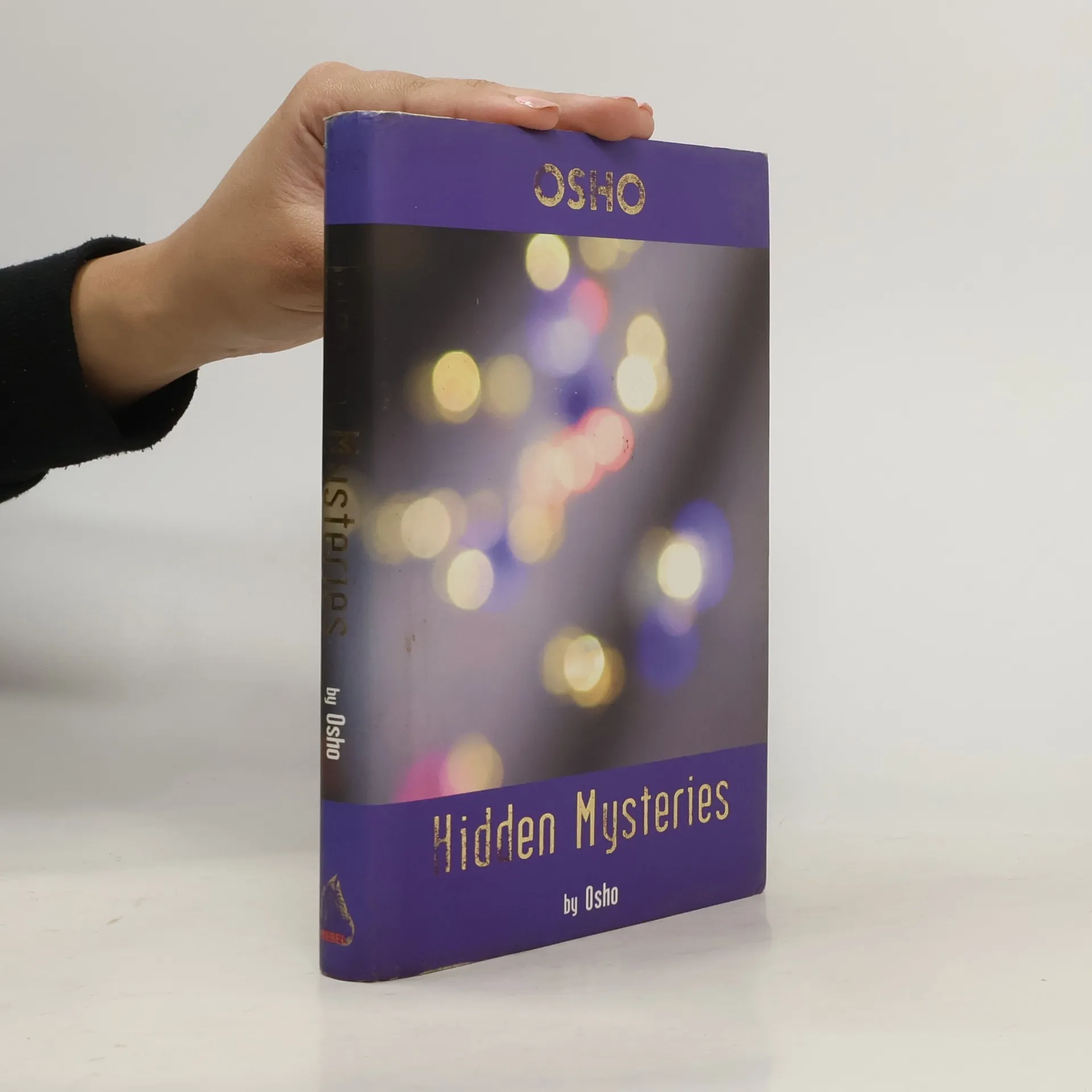
Osho Rajneesh

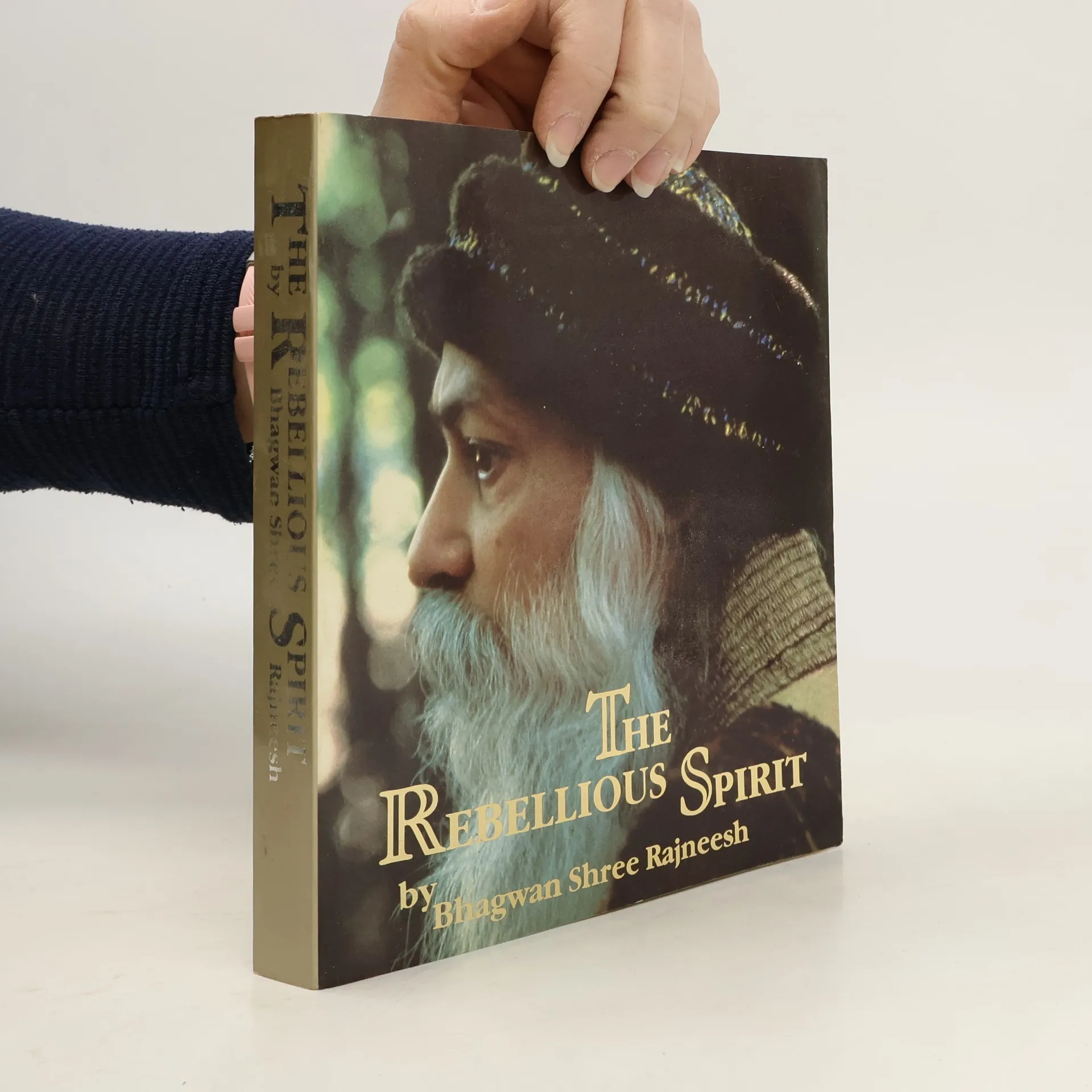
    The Rebellious Spirit
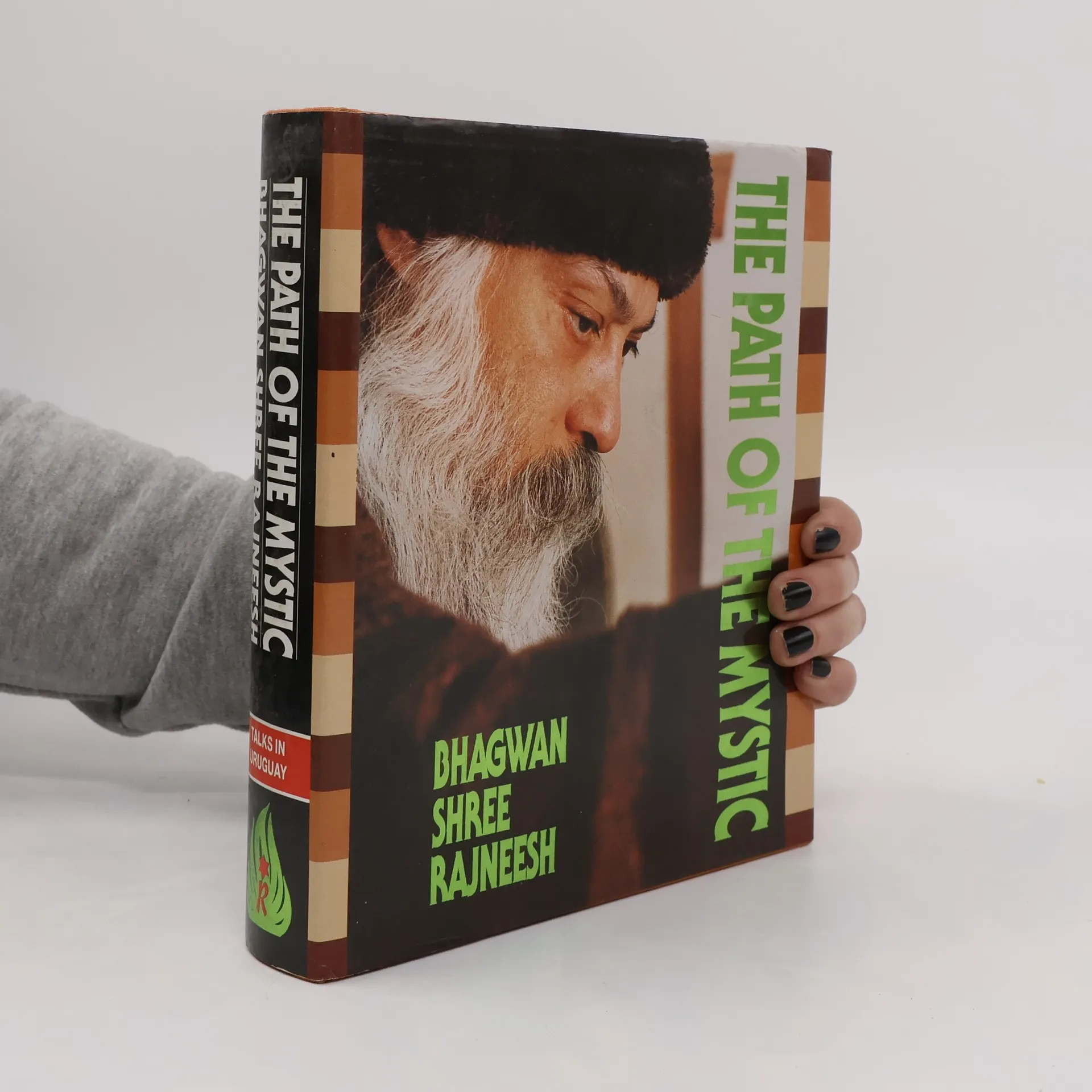
    The path of the mystic
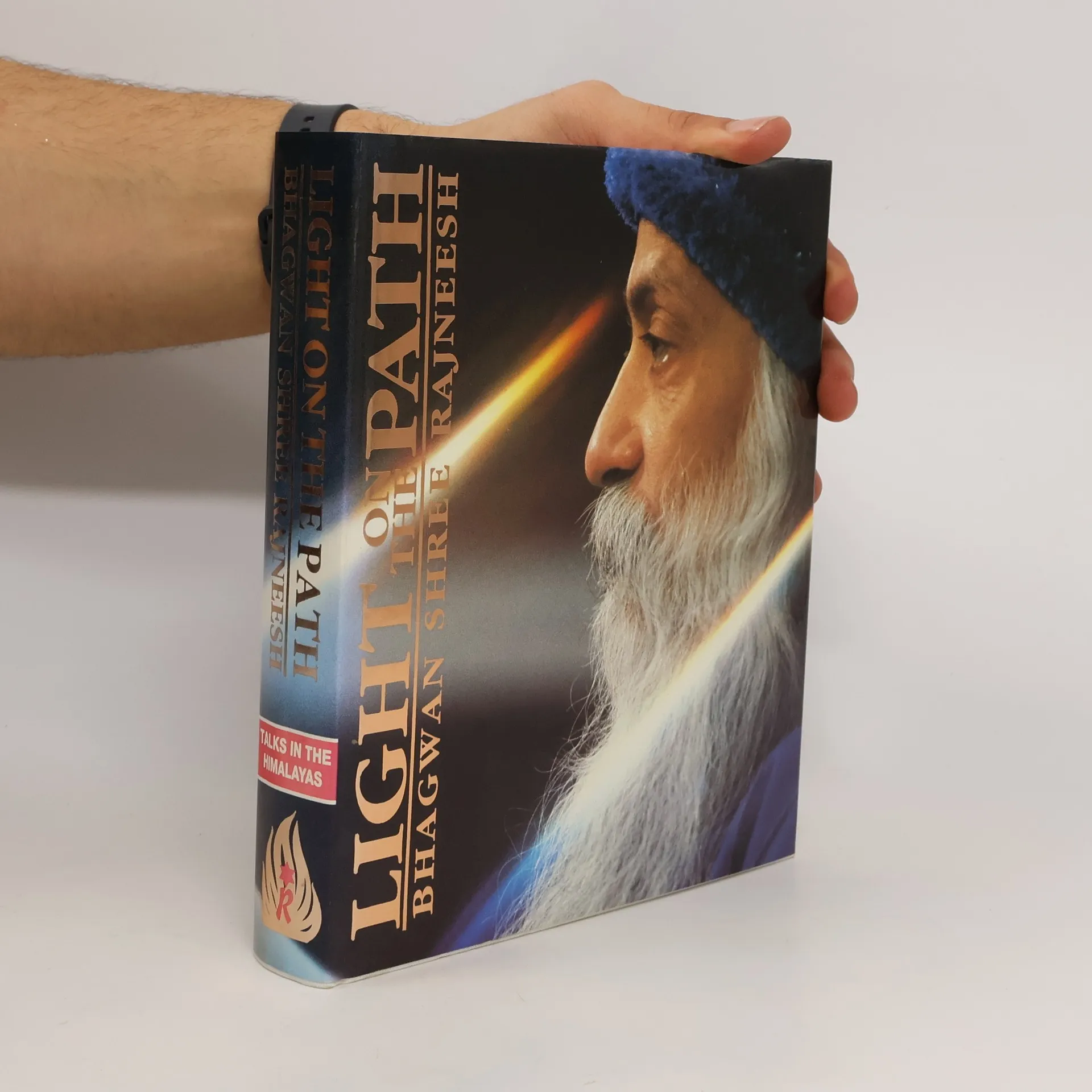
    Light on the Path
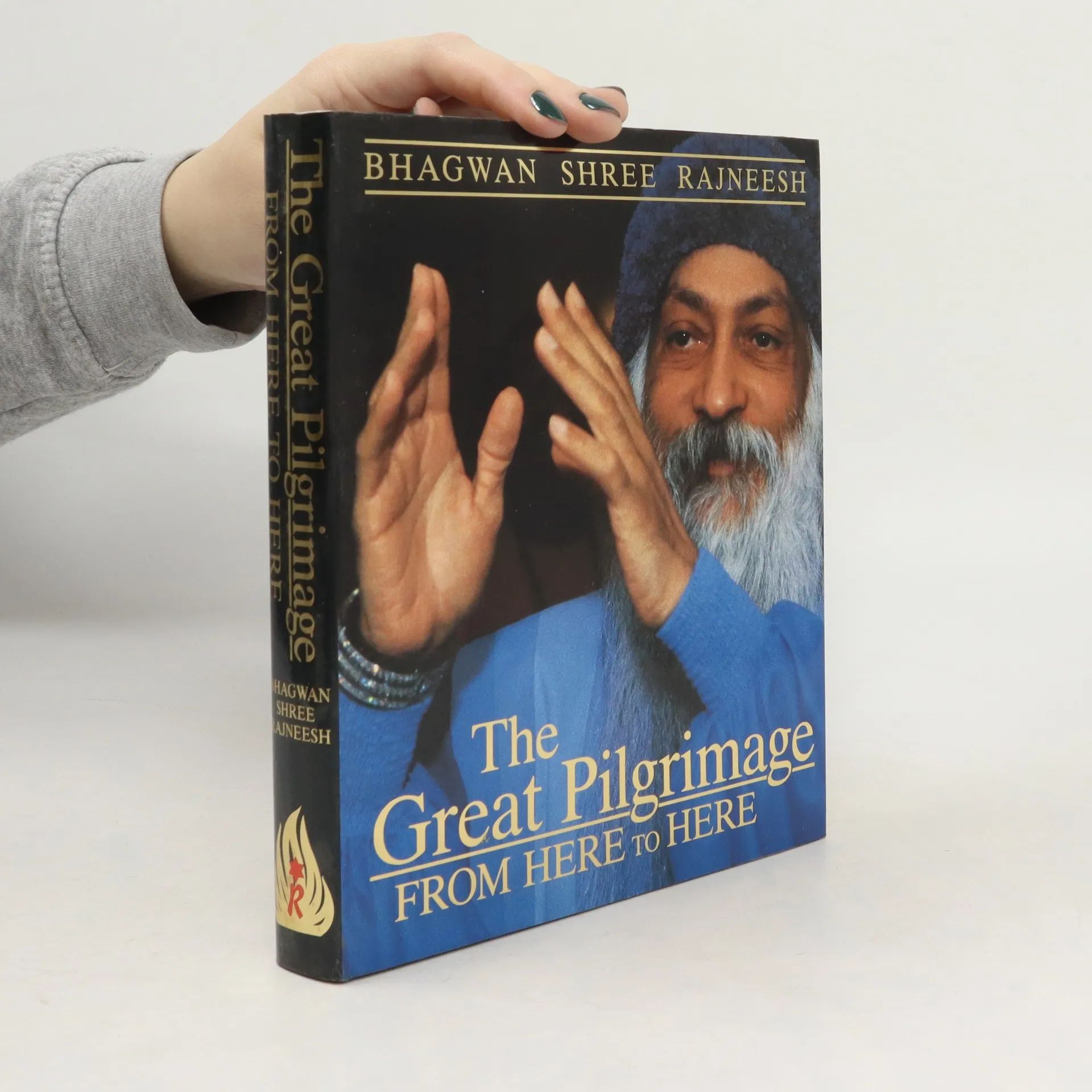
    The Great Pilgrimage From Here to Here
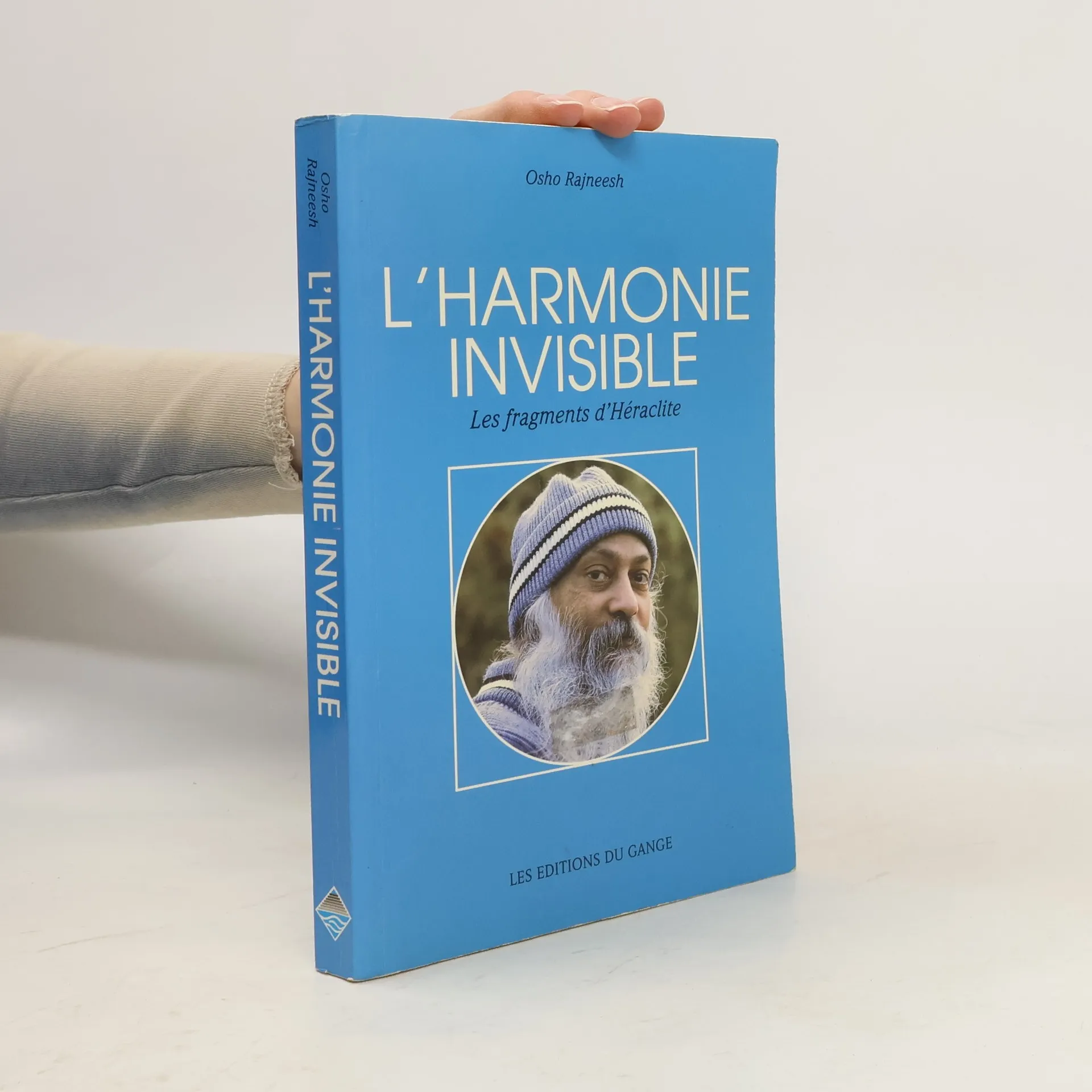
    Harmonie invisible
    Le Livre des Secrets
    • Le Livre des Secrets

      • 376pages
      • 14 heures de lecture

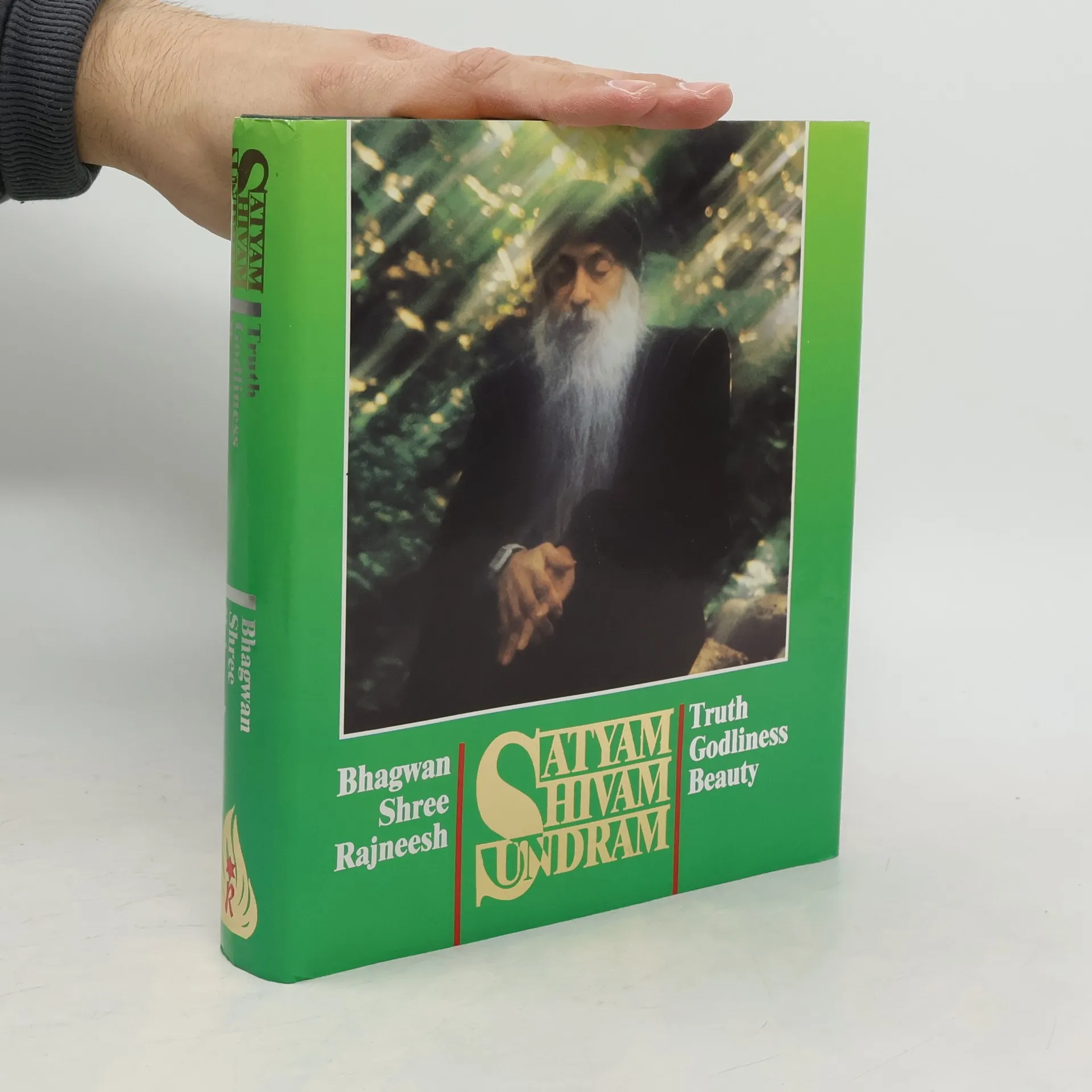
      Il y a cinq mille ans, Devi assise sur les genoux de son bien aimé - Shiva, l'écoutait lui décrire les 112 méthodes de transformation de l'énergie sexuelle vers des états de conscience et des potentialités cachées. Ils inventaient le Tantra. Cinq mille ans plus tard, les disciples de Bhagwan Shree Rajneesh ont redécouvert la Vigyana Bhairava Tantra, Le livre des secrets commenté dans cet ouvrage. C'est peut-être l'ouvrage spirituel le plus explosif de toutes les traditions. Loin d'inviter hommes et femmes aux frustrations du monastère, il préconise le plaisir et l'abandon comme voie de la renonciation. Le sexe et le sacré se rejoignent et sont associés, le monde et le divin ne font qu'un. " L'énergie sexuelle est la seule énergie que nous connaissons, dit Bhagwan, apprenons à la maîtriser et elle peut devenir plus puissante qu'une explosion atomique. "

      Le Livre des Secrets
      4,0
    • Harmonie invisible

      Fragments d'Héraclite

      • 217pages
      • 8 heures de lecture

      Osho Rajneesh nous dévoile la beauté de ces " fragments " et nous apporte une lumière nouvelle sur la pensée d'Héraclite. Dans l'histoire de la pensée occidentale, Héraclite, considéré comme un simple philosophe n'a pas été perçu comme un éveillé mais comme un personnage insolite, étrange. La concision de sa pensée, incomprise par la plupart de ses contemporains, lui valut d'ailleurs le surnom d'Obscur. Héraclite, dans un langage qui peut nous surprendre parce que la vérité est déroutante, parle de la vie, de ses apparentes contradictions et de son harmonie invisible. En cette fin de siècle, ces aphorismes, loin d'être dépassés, prennent au contraire tout leur sens. Ils nous montrent ce qui engendre les conflits, les guerres, l'intégrisme et nous indiquent précisément la voie qui peut nous mener hors de tous les antagonismes.

      Harmonie invisible
    • Light on the Path

      • 416pages
      • 15 heures de lecture

      Talks given to the Rajneesh Mystery School in the Himalayan foothills of Kulu-Manali, India and Kathmandu, Nepal December 1985 - February 1986

      Light on the Path
      4,8
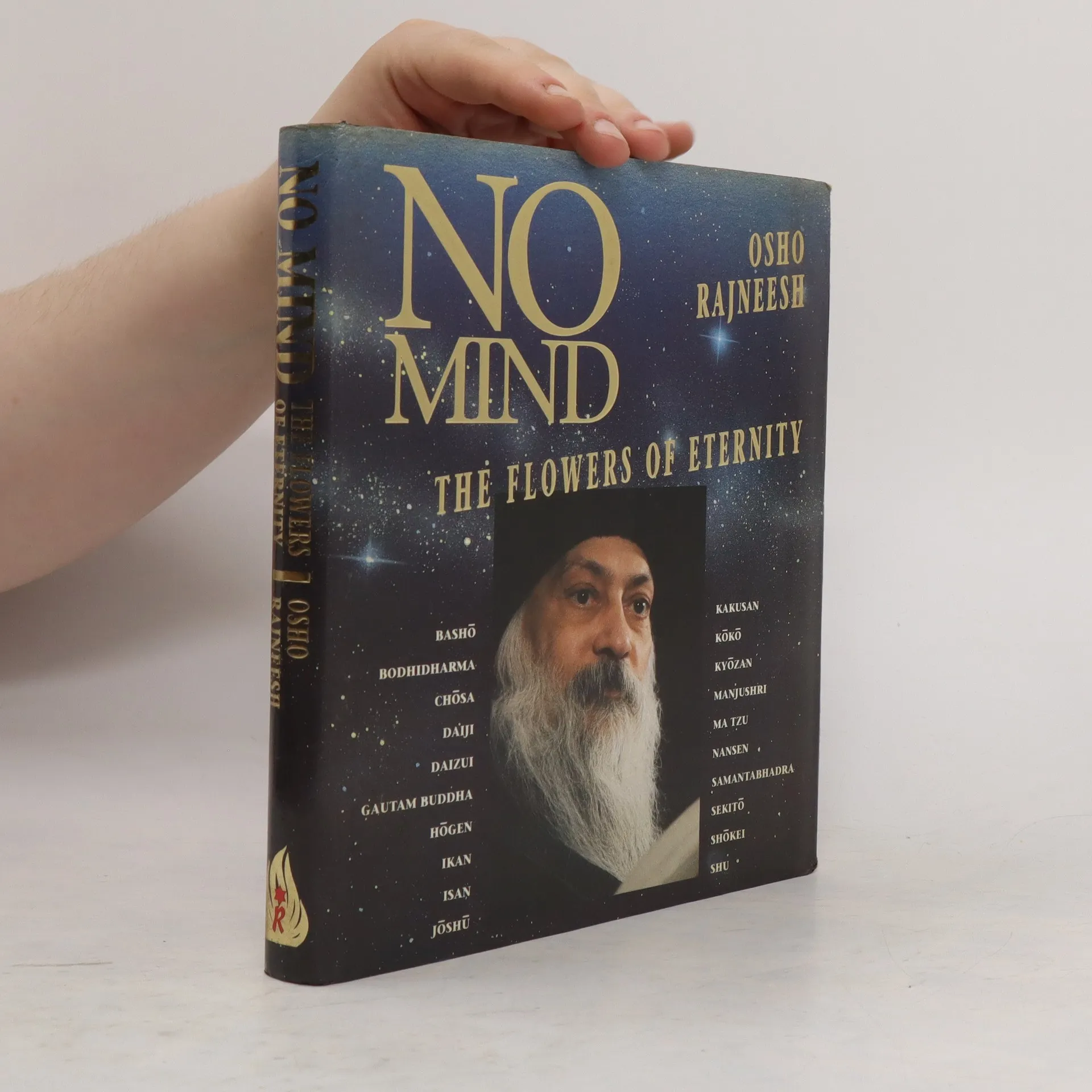
    • No mind

      • 9pages
      • 1 heure de lecture
      No mind
      4,7
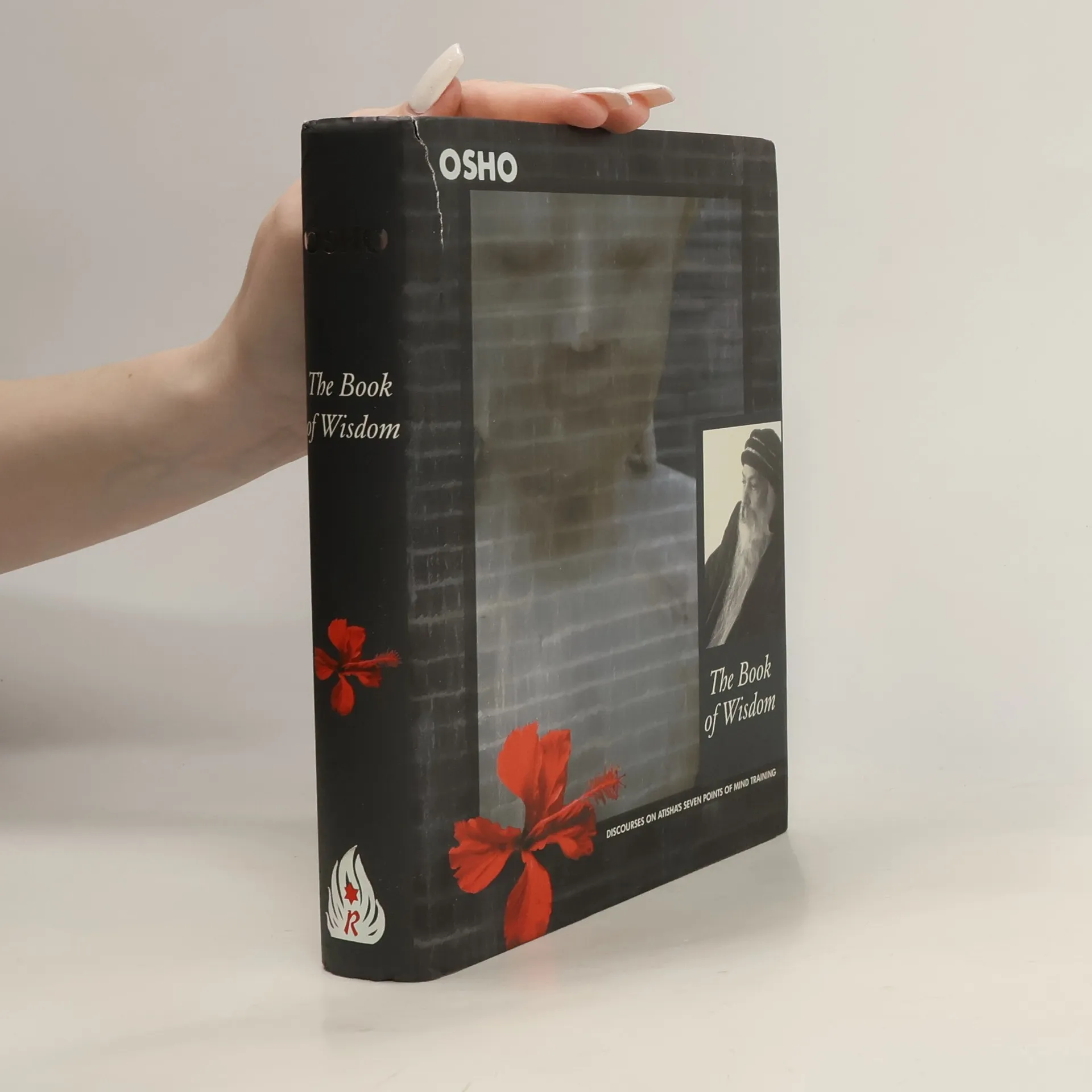
    • The Book of Wisdom

      • 550pages
      • 20 heures de lecture

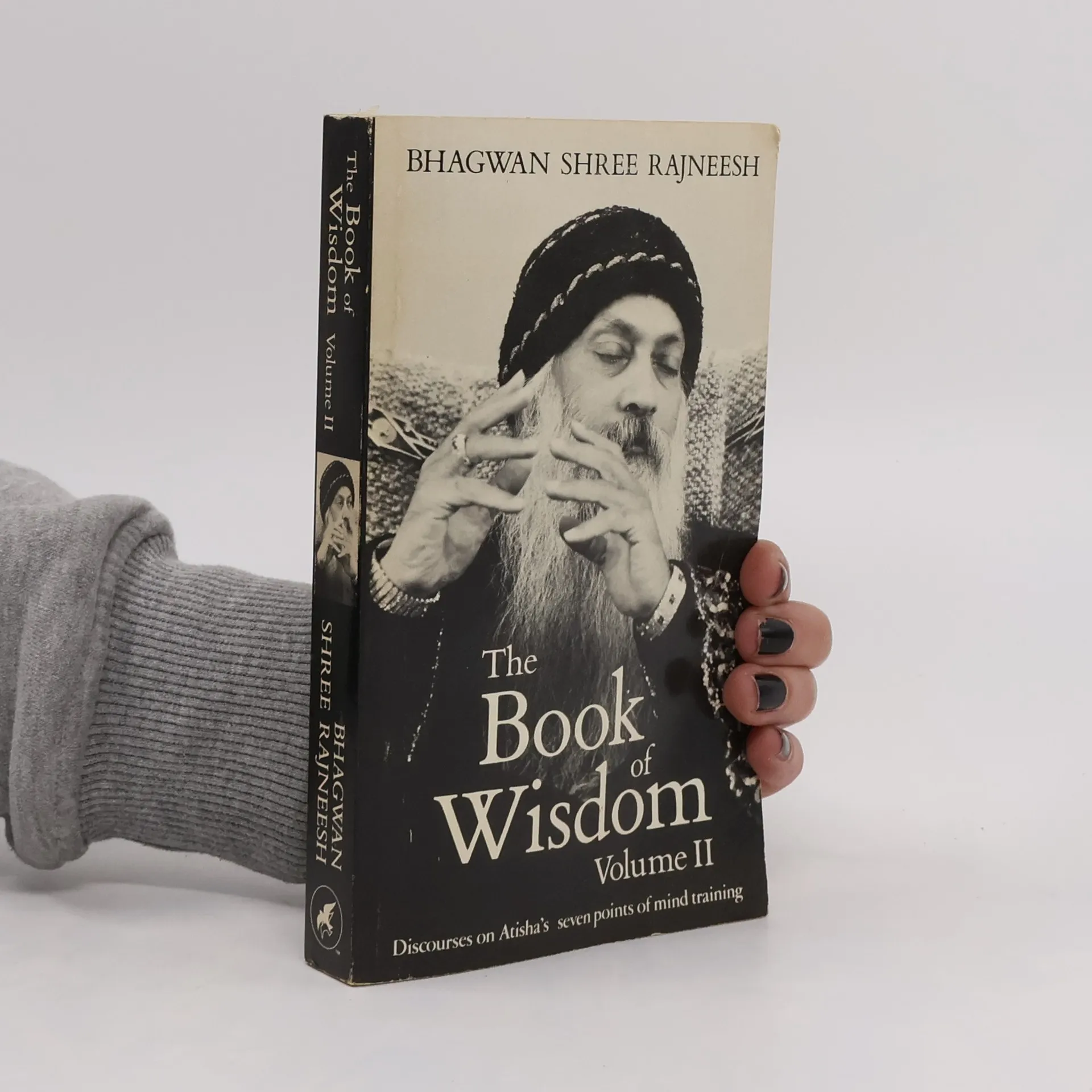
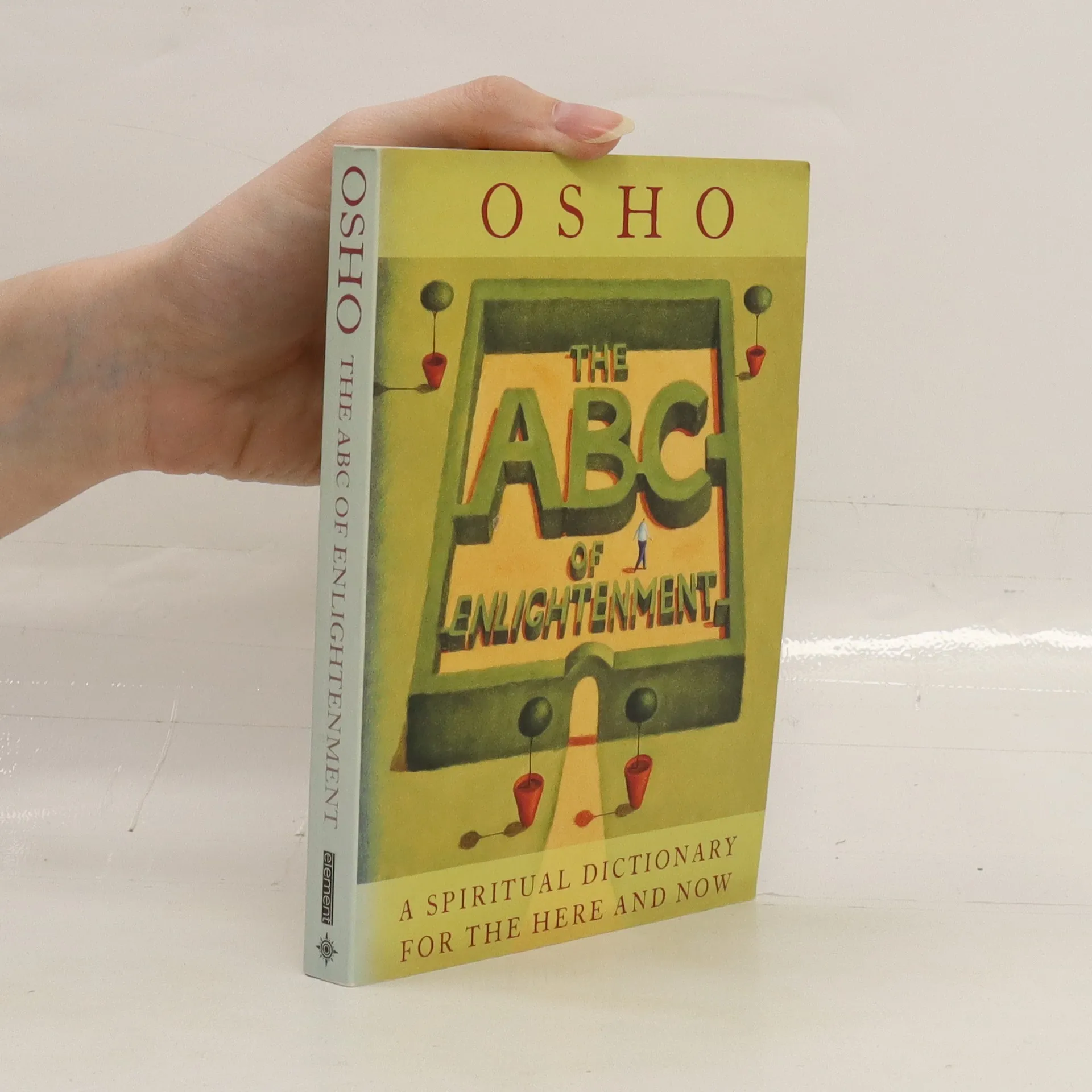
      Osho is known around the world for his pioneering contribution to meditation -- the science of inner transformation -- with the unique approach of his "Osho Active Meditations" acknowledging the accelerated pace of the contemporary world and bringing meditation into modern life. Based on the Seven Points of Mind Training by the 11th-century Buddhist mystic Atisa, The Book of Wisdom removes the dust of tradition that has gathered around meditation, conveying the essential science and methodology of the practice with a freshness and spontaneity that is rarely found in contemporary spiritual works. The book is a guide for inner discipline and transformation that is also highly accessible, incorporating light, often humorous question-and-answer sessions between the author and his audience that help readers make the practical connection between spiritual theory and meditation as a lifestyle.

      The Book of Wisdom
      4,6
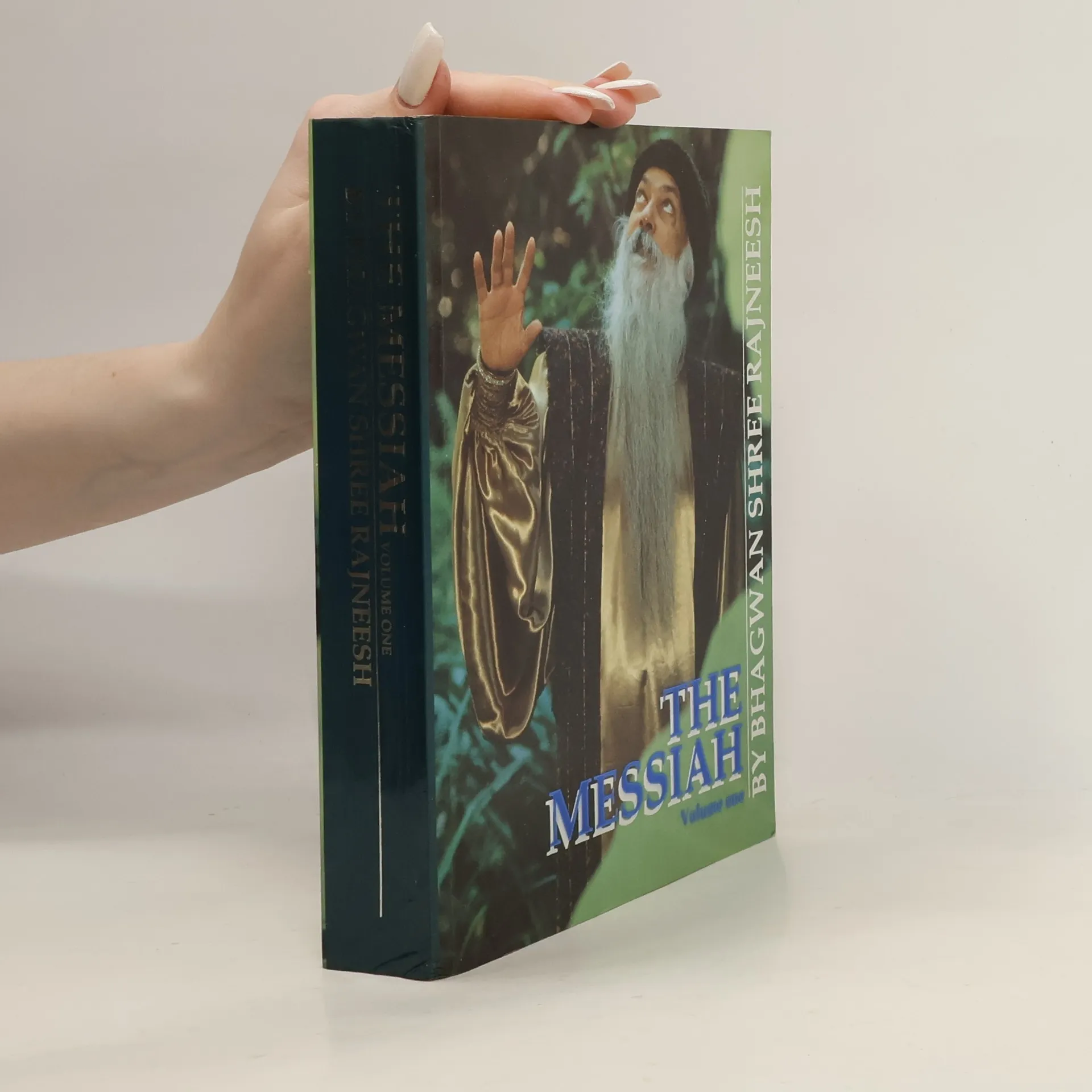
    • The Messiah

      Commentaries by Bhagwan Shree Rajneesh on Kahlil Gilbran's The Prophet

      • 496pages
      • 18 heures de lecture

      Early in this century a Lebanese poet, Kahlil Gibran, produced a book that has become universally known and loved for its beauty and the timeless themes it addresses. But because Gibran was a poet, not a mystic, in The Prophet he could give us only a work of imagination, a glimpse into the dream that is the mystic's everyday reality. The Messiah, Osho's two-volume commentary on The Prophet, must find itself as a companion to Gibran's work in the hands of every lover of truth and beauty. In this volume Osho speaks on the themes that Gibran addresses through the fictional prophet, love, children, giving, work; eating and drinking, and clothes; joy and sorrow; houses and homes, buying and selling; crime and punishment.

      The Messiah
      4,6