A guide to the architecture and internal structure of Microsoft Windows 7 and Microsoft Windows server 2008 R2.
David A. Solomon Ordre des livres (chronologique)
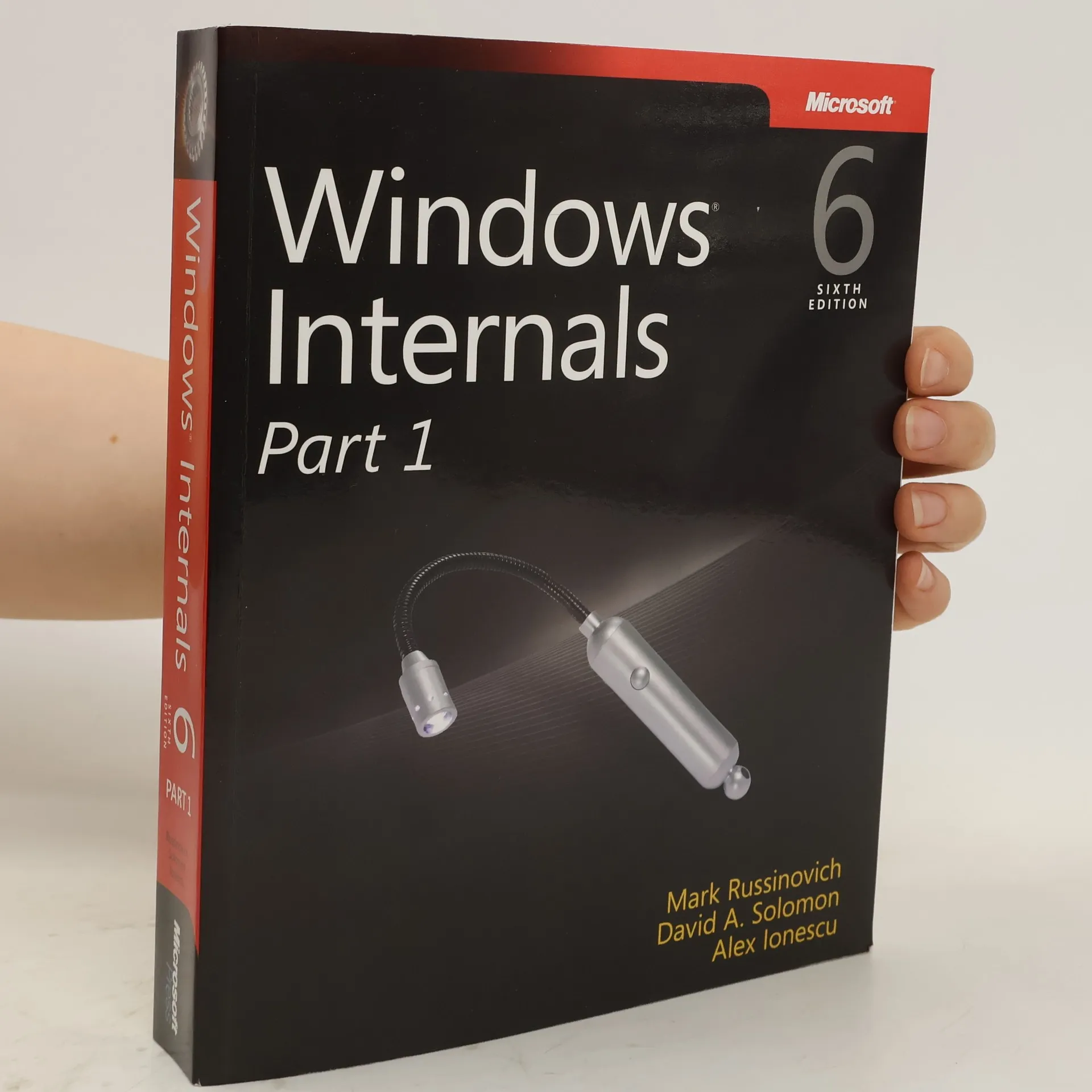
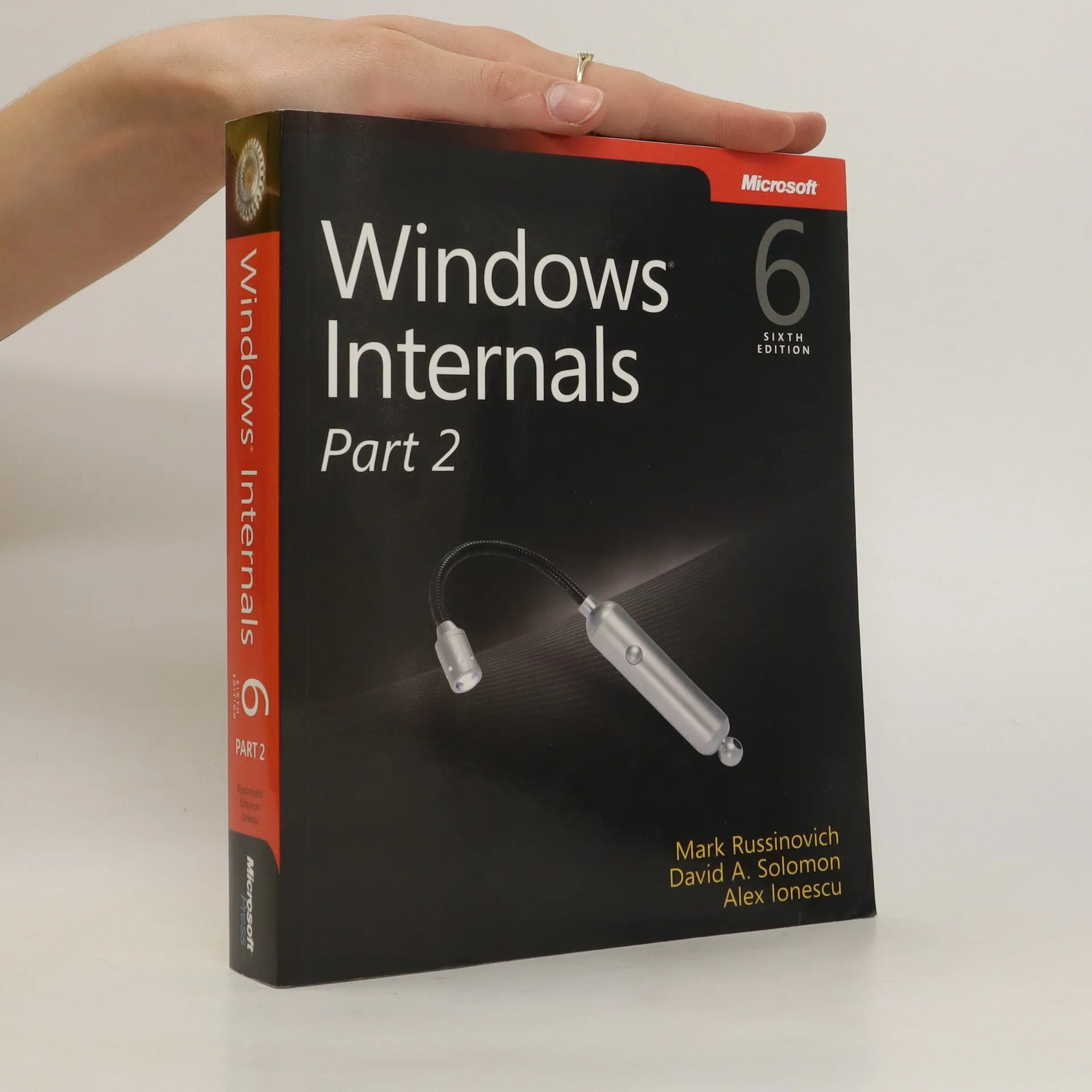

Windows internals. Part 1
- 726pages
- 26 heures de lecture
A guide to the architecture and internal structure of Microsoft Windows and Microsoft Windows server.
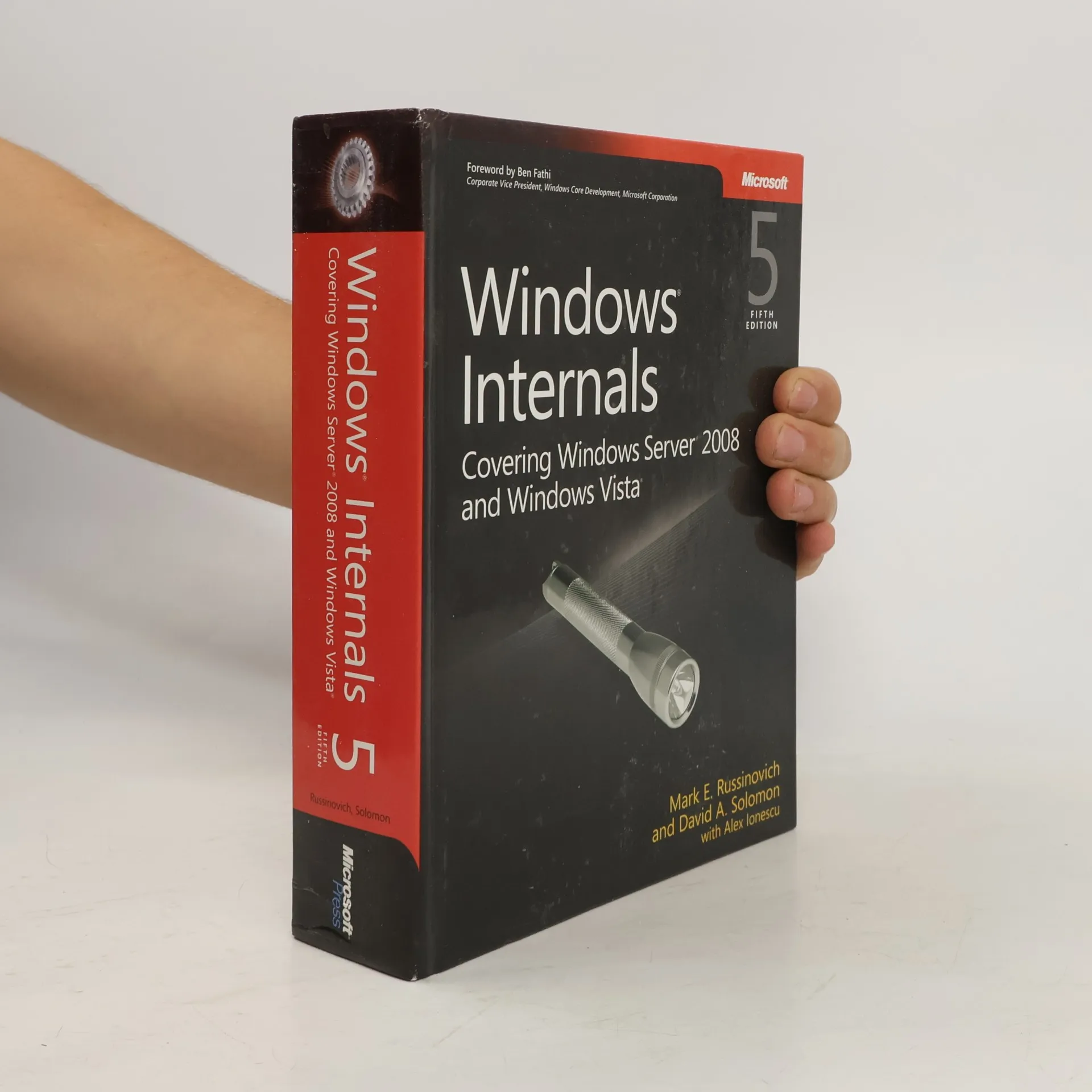
Windows internals
- 1232pages
- 44 heures de lecture
See how the core components of the Windows operating system work behind the scenes--guided by a team of internationally renowned internals experts. Fully updated for Windows Server(R) 2008 and Windows Vista(R), this classic guide delivers key architectural insights on system design, debugging, performance, and support--along with hands-on experiments to experience Windows internal behavior firsthand. Delve inside Windows architecture and internals: Understand how the core system and management mechanisms work--from the object manager to services to the registry Explore internal system data structures using tools like the kernel debugger Grasp the scheduler's priority and CPU placement algorithms Go inside the Windows security model to see how it authorizes access to data Understand how Windows manages physical and virtual memory Tour the Windows networking stack from top to bottom--including APIs, protocol drivers, and network adapter drivers Troubleshoot file-system access problems and system boot problems Learn how to analyze crashes
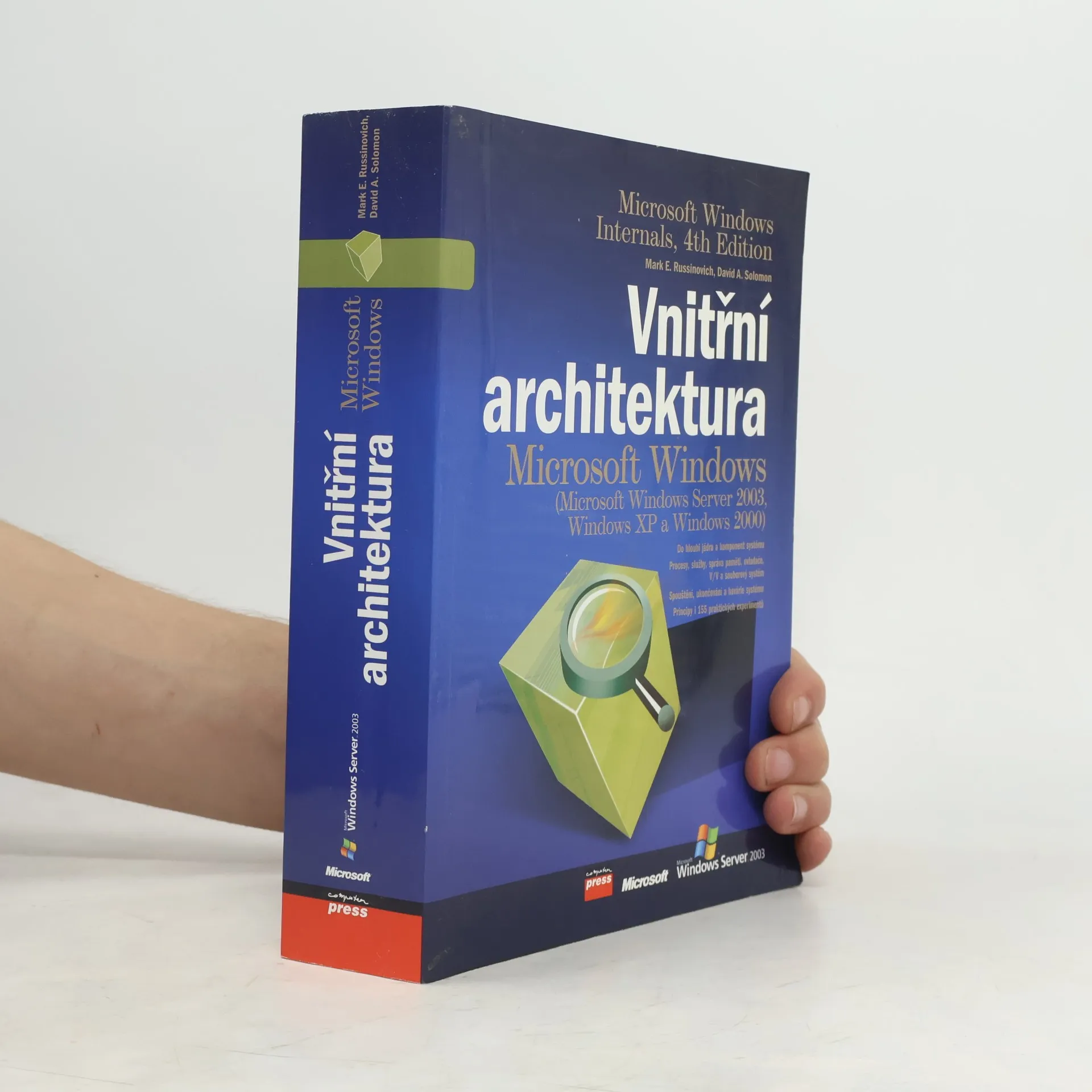
Vnitřní architektura Microsoft Windows
- 938pages
- 33 heures de lecture
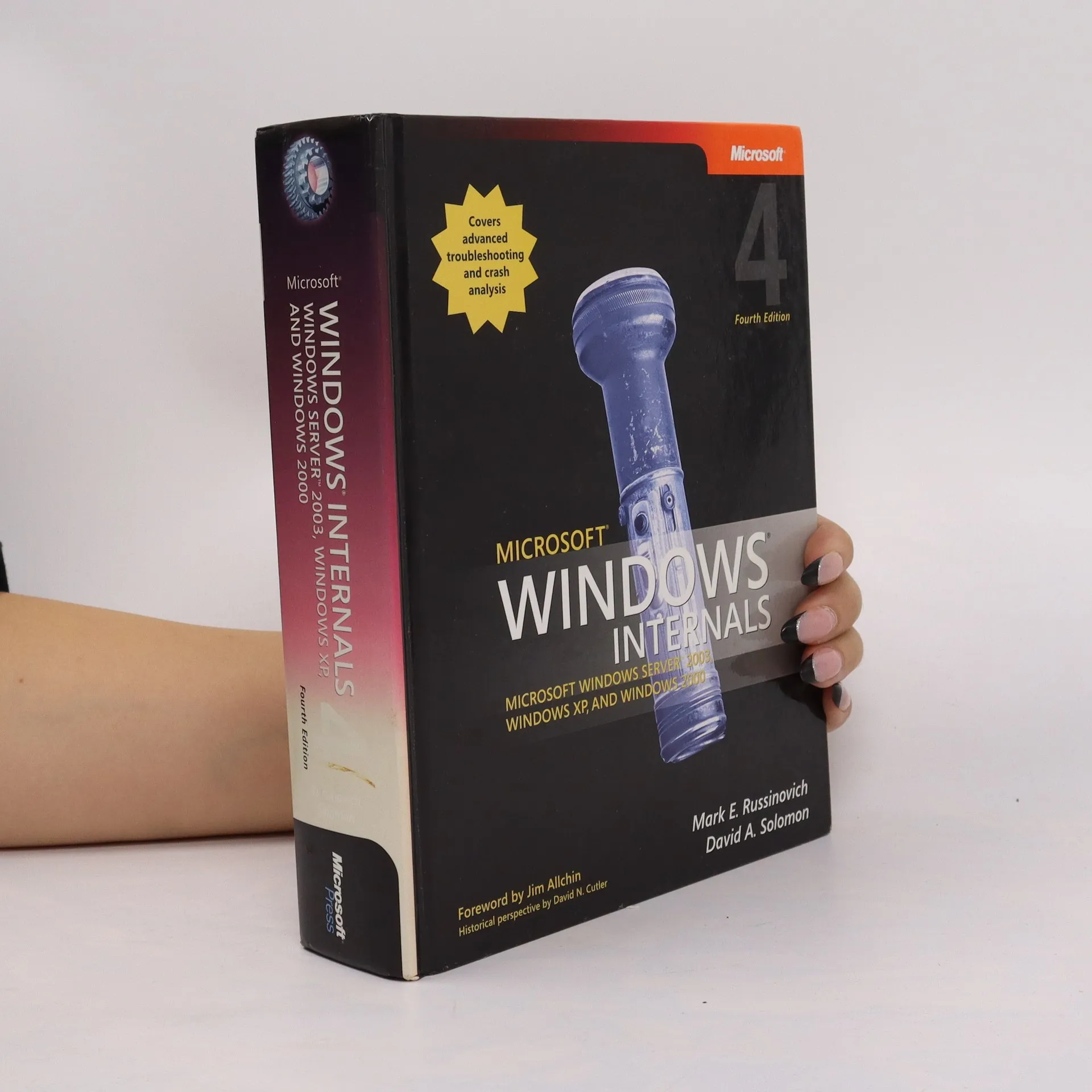
Microsoft windows internals, fourth edition : microsoft windows server 2003, windows XP, and windows 2000
- 976pages
- 35 heures de lecture
The classic indepth developer's guide to the Windows kernel now covers Windows .NET Server 2003, Windows XP and Windows 2000.
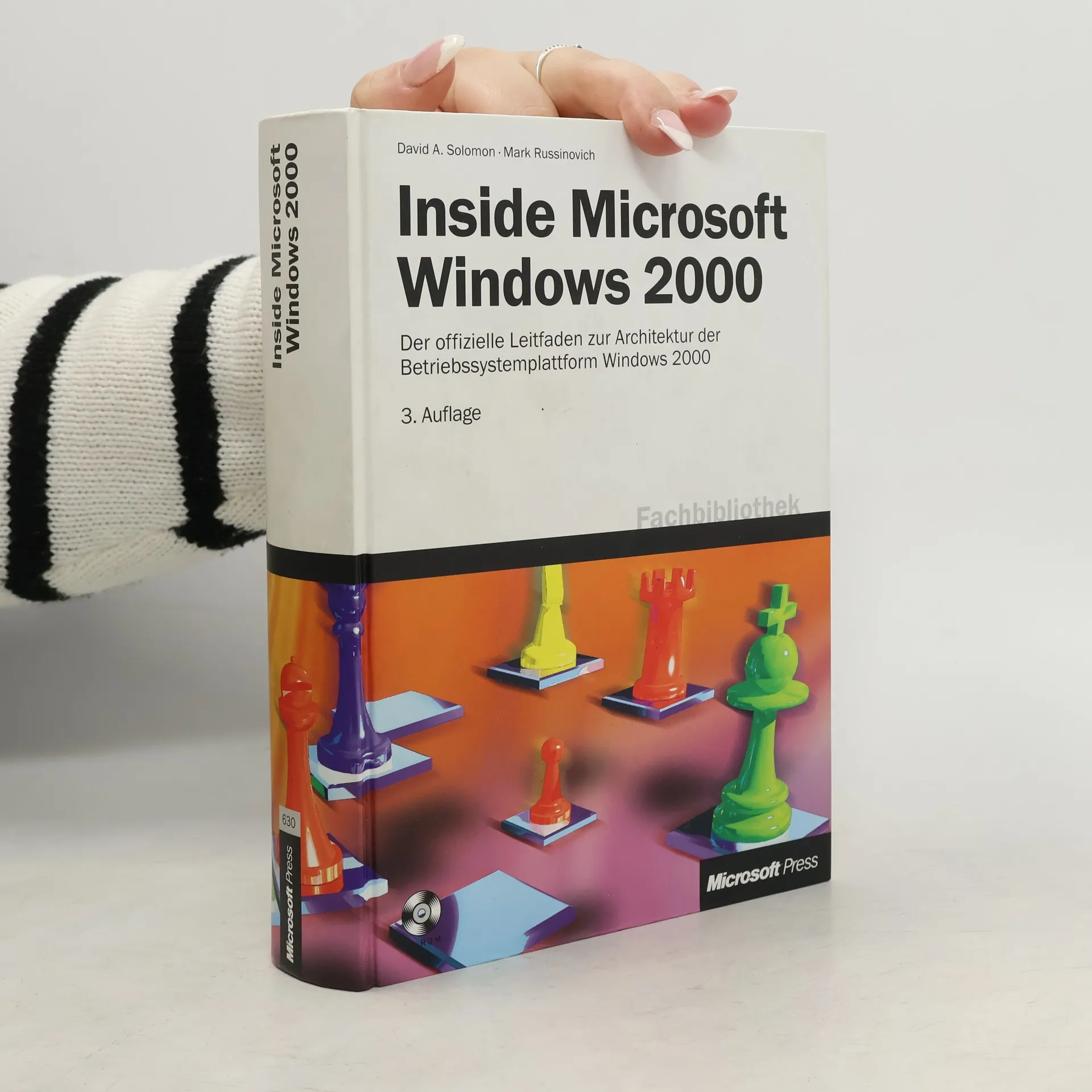
Inside Microsoft Windows 2000 - 3. Auflage
- 768pages
- 27 heures de lecture
This newly updated, official guide to the Microsoft "RM" Windows 2000 core architecture and internals provides the key to help readers unlock the full power of Microsoft's premier operating system. Written in full partnership with the Microsoft Windows 2000 product development team, this book takes developers, technical managers, and IS professionals deep into the core components of Windows 2000. Along the way, it provides abundant information and perspective that readers can quickly apply for better design, debugging, performance, and troubleshooting. It's packed with up-to-the-minute information -- and unrivaled programming insights -- about topics such as Plug and Play, power management, the Windows Driver Model, security, 64-bit extended addressing support, job objects, new priority classes, NTFS extensions, kernel streaming and kernel code, and registry internals. In short, this is the must-have text for anyone who wants to get the most out of Microsoft Windows 2000.
Windows NT pro administrátory a vývojáře : oficiální průvodce architekturou a jádrem operačního systému
- 476pages
- 17 heures de lecture
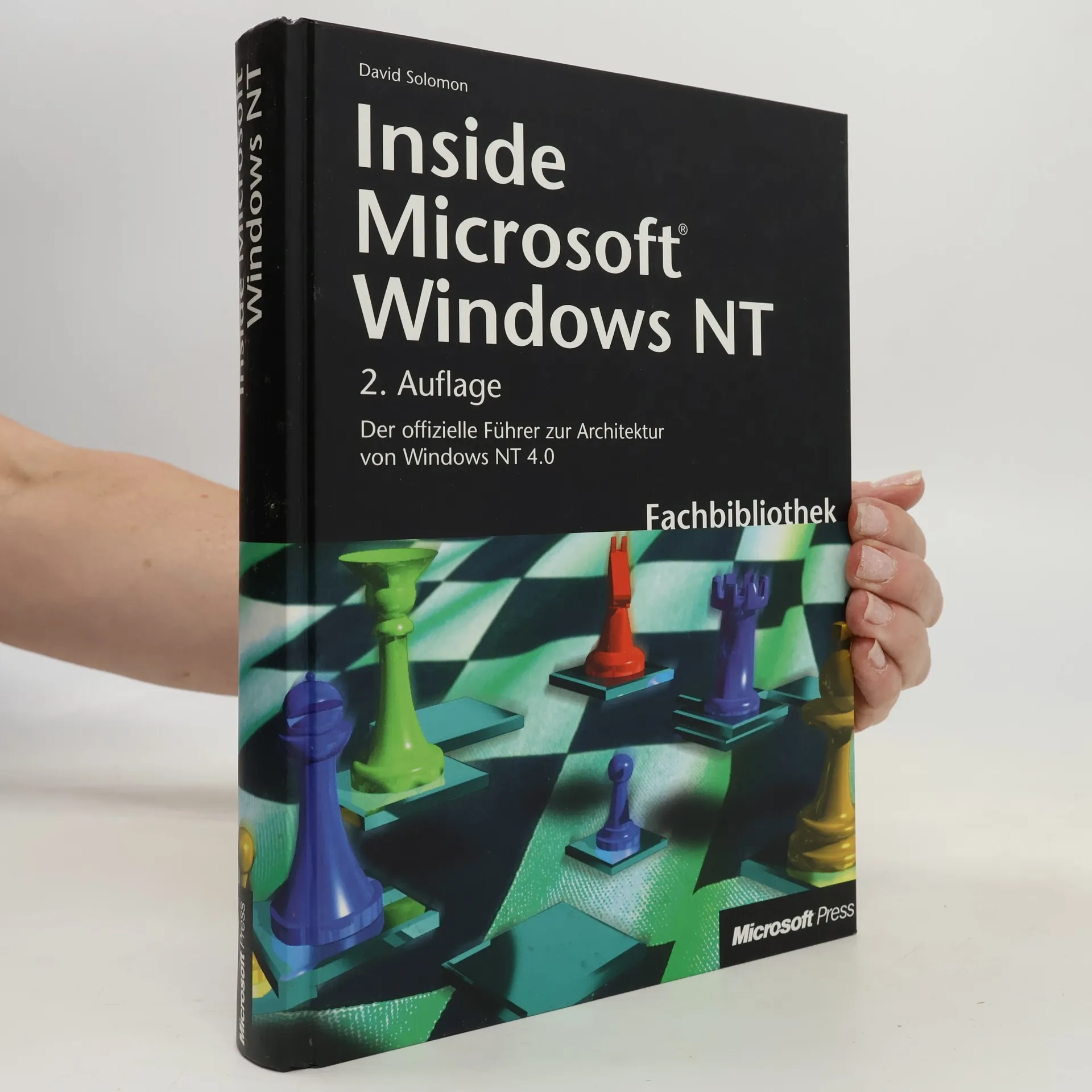
Inside Microsoft Windows NT
Der offizielle Führer zur Architektur von Windows NT 4.0 - 2. Auflage
- 517pages
- 19 heures de lecture