This companion volume to 'Competent to Counsel' and 'The Christian Counselor's Manual' is designed to help the user assimilate and apply the principles of nouthetic counseling. It is a great tool for all sorts of training and personal development programs, as well as the classroom.
Jay E. Adams Livres
30 janvier 1929 – 14 novembre 2020
Jay Edward Adams était un auteur chrétien réformé axé sur les méthodes bibliques de conseil. Il a fondé le mouvement du conseil noétique, qui adhère strictement aux principes bibliques pour aborder les problèmes psychologiques. Son œuvre a considérablement influencé la manière dont de nombreux chrétiens abordent les luttes mentales et émotionnelles. Par sa production écrite prolifique et la création de l'Institut d'Études Noétiques, il a laissé une marque durable sur la littérature chrétienne.
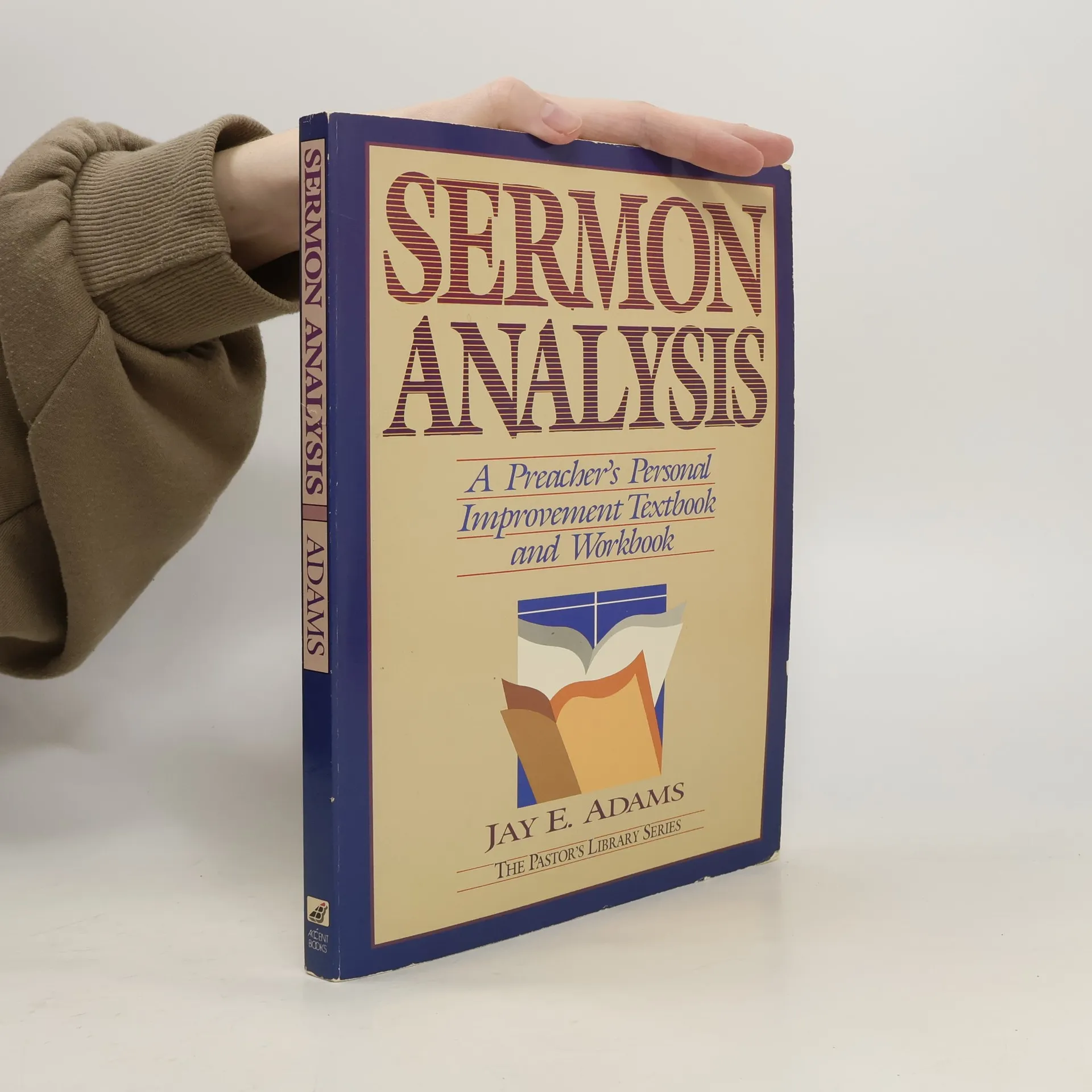
The Pastor's Library Series: Sermon Analysis
A Preacher's Personal Improvement Textbook and Workbook
- 224pages
- 8 heures de lecture
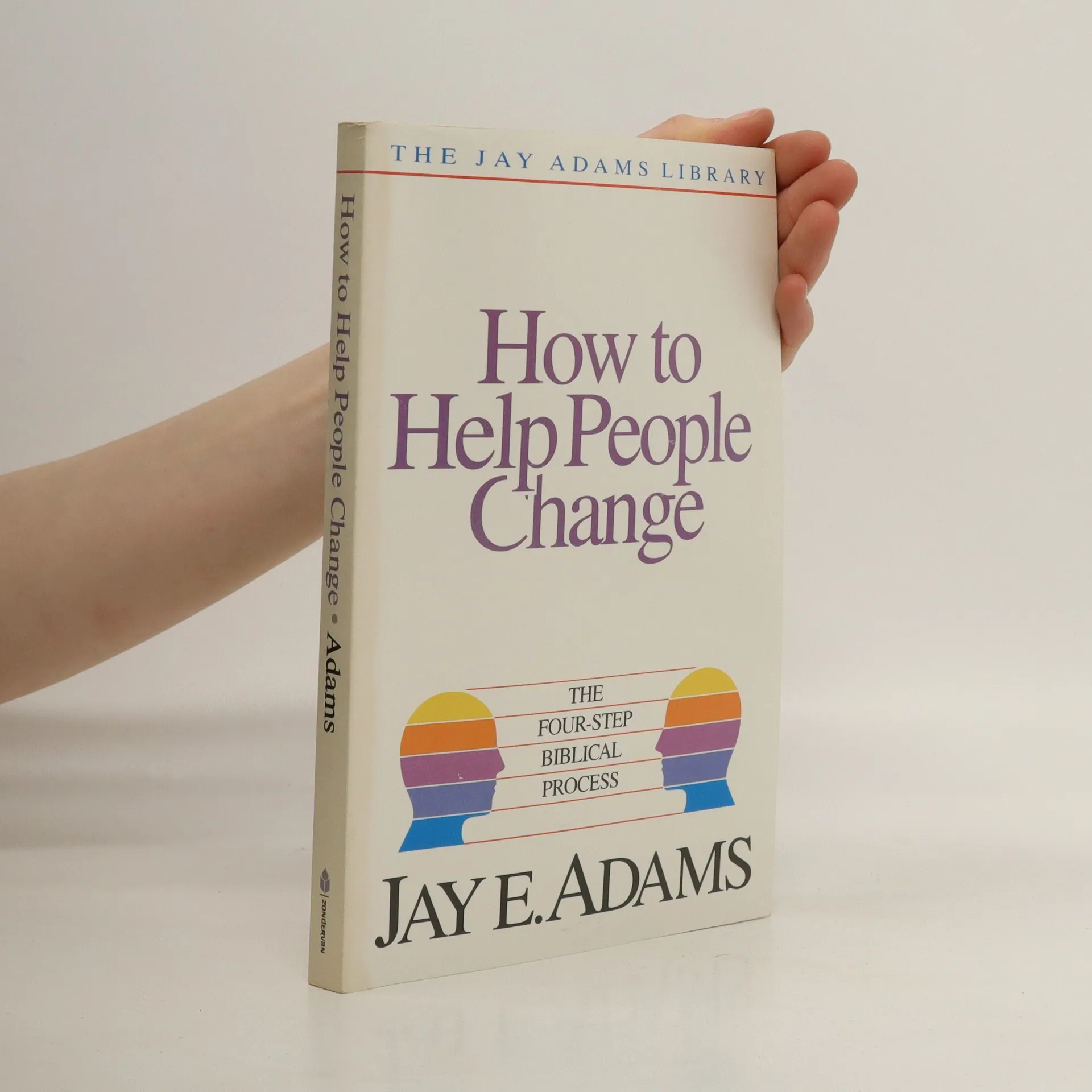
Change is the essential goal of the counseling process. How can a Christian counselor facilitate such change? The answer, of course, may be found in Scripture, specifically in 2 Timothy 3:14-17. Professor, pastor, and well-known counselor Jay E. Adams bases his whole approach on Scripture. This book provides an unparalleled opportunity to see how he discovers and applies biblical principles as well as the way in which Scripture functions as the basis for his counseling approach. In How to Help People Change , this book answers two This book has much to say about the ongoing discussion of the relationship between theology and psychology in the enterprise of Christian counseling. Jay presents a fresh perspective not only on how to counsel, but also on what measures to take at what stages of counseling. While touching on many aspects of counseling, How to Help People Change is specifically designed to elucidate the process of counseling.
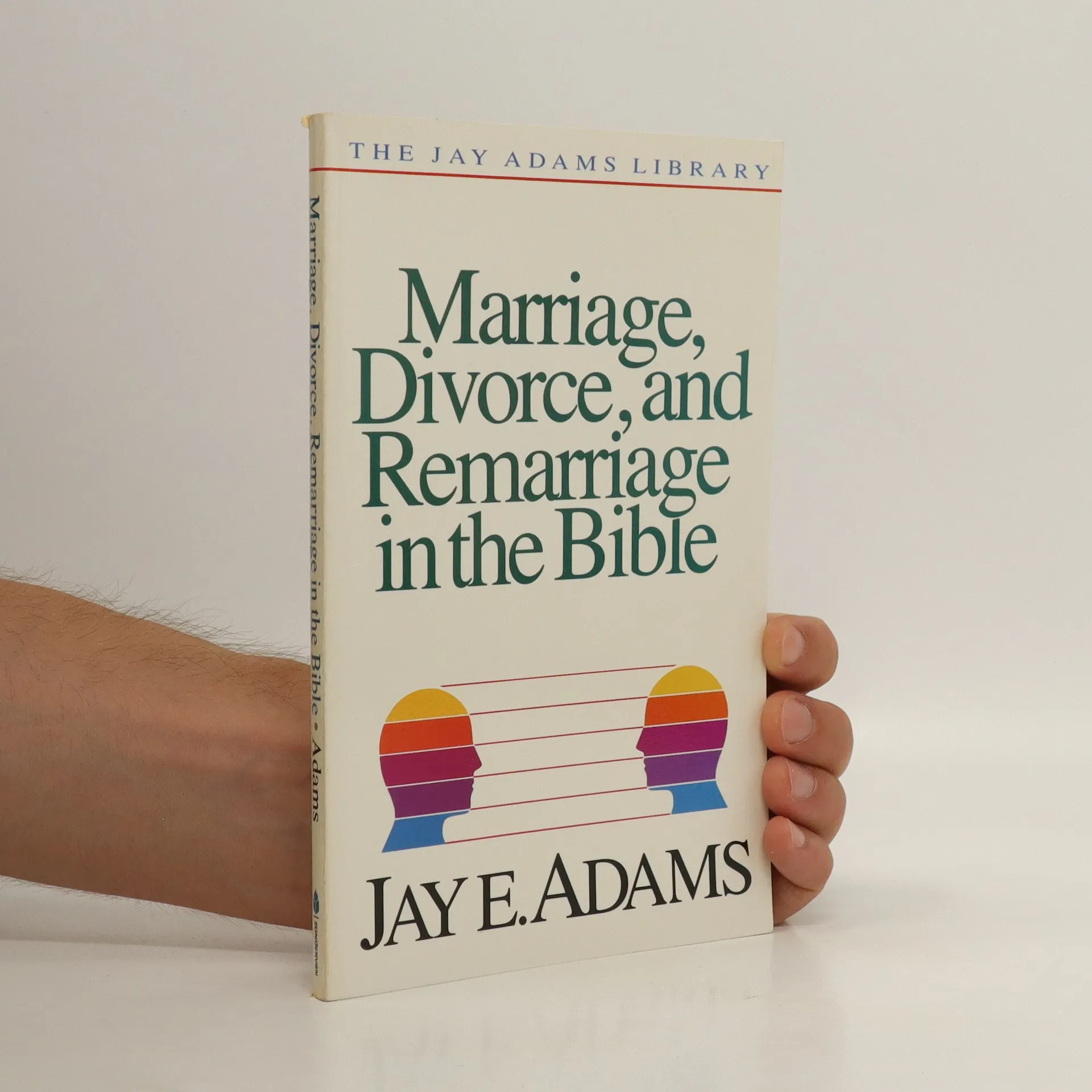
If the church is going to use the Bible to decide whether divorce is legitimate in certain cases and whether divorced couples have the right to remarry with the approval and blessing of God’s people, then the Bible must be studied without prejudice toward a particular answer. The author examines the relevant passages in both the Old and New Testaments so that his readers can consider the many issues and interpretations that arise in trying to establish a consistently biblical position. As a result, readers can see more clearly and accept more firmly the truth of Scripture. The book succeeds at being exactly what the author wanted it to be: "a comprehensive, lucid, accurate study presented in a readable and practical style. . . ." It is a valuable resource for the pastor, counselor, church leader, and others who are struggling to understand and apply scriptural principles to the problems of divorce and remarriage.
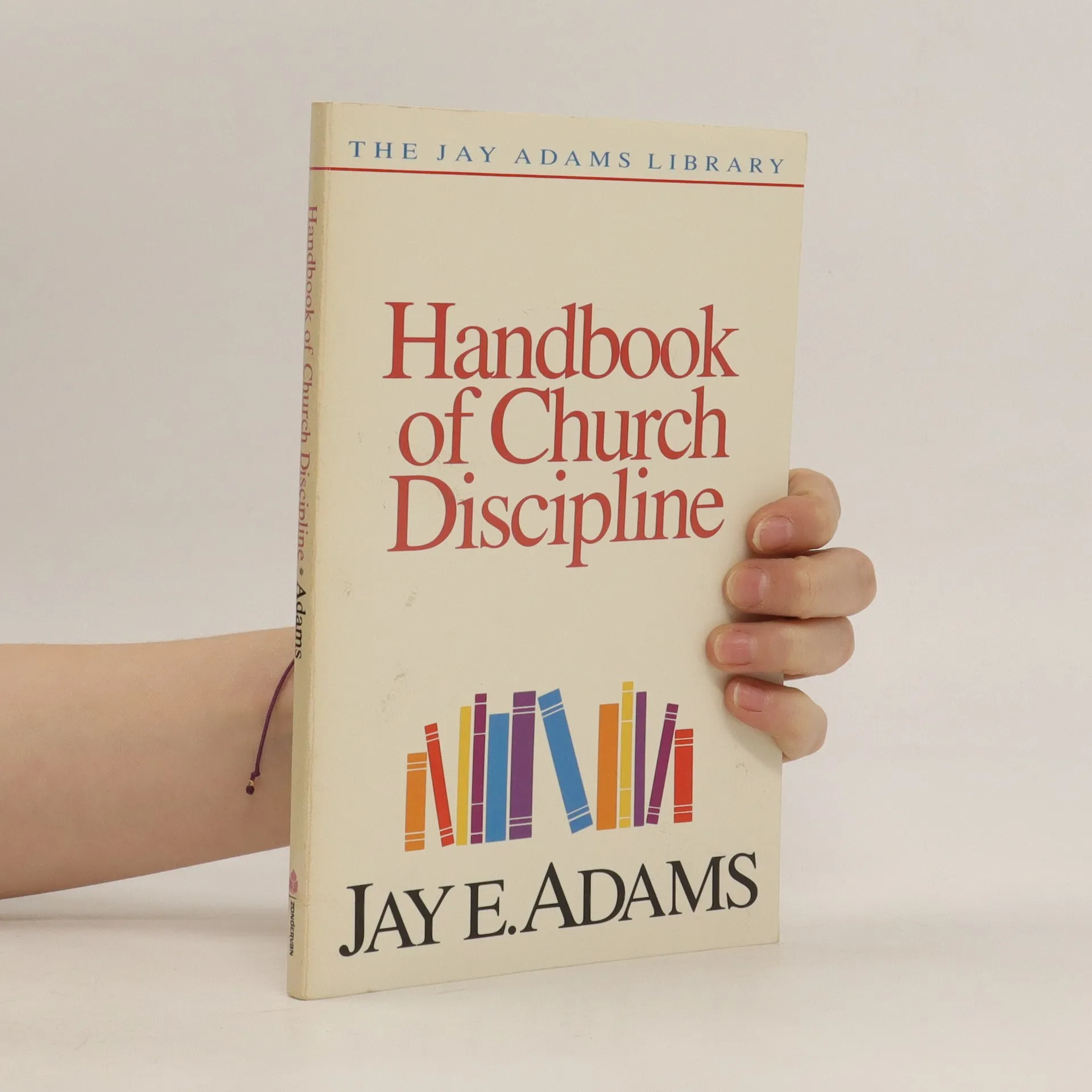
NOTE : The Copyright Date of this ISBN is1974 But the Sale of the Book was started n the Year 1986 This is a handbook for pastors, elders, and all Christians who want to see how Scripture presents the process of discipline that should operate in the Christian community. It was written in response to the various concerns that threaten to tear apart marriages, families, friendships, and congregations--concerns that call for a biblical approach to discipline that can heal fractures, restore right relationship, and ensure the health of the church. Developed around the five corrective steps found especially in Matthew 18:15-17, this book helps church leaders deal with the sorts of problems that require the church’s disciplinary response. Charting a course that combines discernment with appropriate action, this simple, readable handbook can have a profound effect on the community of believers.
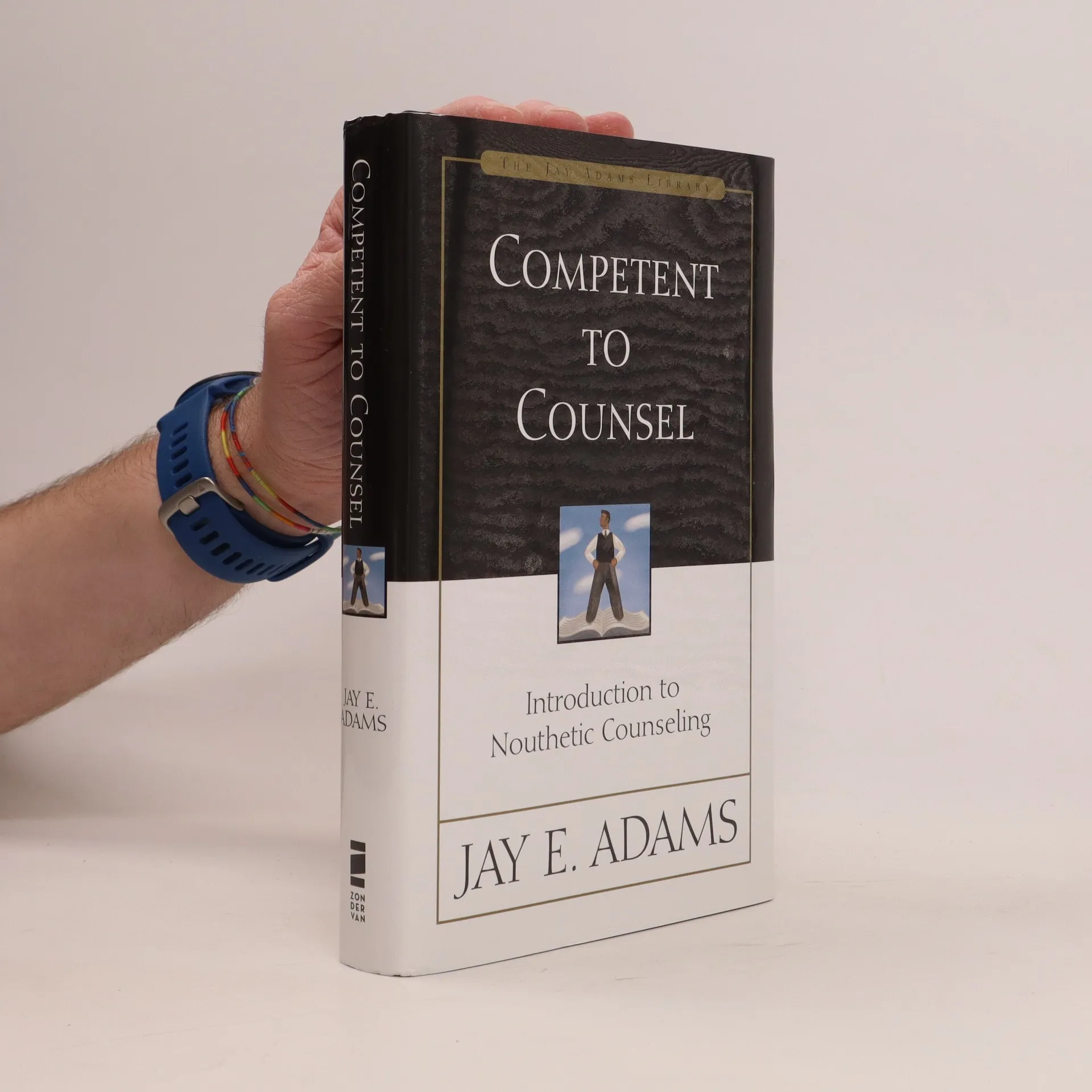
A classic in the field of Christian counseling, Competent to Counsel is one of the first works to fully articulate a vision of "nouthetic" counseling—a strictly biblical approach to behavioral counseling and therapy.Dr. Jay Adams defends the idea that the Bible itself, as God's Word, provides all the principles needed for understanding and engaging in holistic counseling. Using biblically directed discussion, nouthetic counseling works by means of the Holy Spirit to bring about change—both immediate and long-term—in the personality and behavior of the counselee. As he points out in his introduction, "I have been engrossed in the project of developing biblical counseling and have uncovered what I consider to be a number of important scriptural principles. . . There have been dramatic results. . . Not only have people's immediate problems been resolved, but there have also been solutions to all sorts of long-term problems as well." Competent to Counsel has helped thousands of pastors, students, laypersons, and Christian counselors develop: Since its first publication in 1970, this book has gone through over thirty printings. It establishes the basis for and an introduction to a counseling approach that is being used in pastors' studies, in counseling centers, and across dining room tables throughout the country and around the world.
The Gospel of John and The Letters of John and Jesus
- 322pages
- 12 heures de lecture
The Gospel of John offers a profound exploration of Jesus' identity and mission, emphasizing His divine nature and relationship with God. It presents key themes such as love, faith, and eternal life, illustrated through unique miracles and teachings. The narrative is distinct from the Synoptic Gospels, focusing on Jesus' spiritual significance rather than just His earthly ministry. Key figures, including the beloved disciple and Mary Magdalene, play crucial roles in conveying the message of salvation and the importance of belief in Christ.
Proverbs
- 240pages
- 9 heures de lecture
Counselors will find Proverbs to be an invaluable resource, rich with wisdom that enhances their ability to provide guidance. As they delve deeper into its teachings, they will increasingly incorporate its insights into their counseling practices. Familiarity with this text equips counselors with essential knowledge, encouraging them to learn its entirety to access its profound wisdom whenever needed.
Jay E. Adams is a pioneer in the field of counseling. Here he has taken the most essential elements of counseling and packaged them in a nontechnical volume. The result is neither simplistic, nor superficial, but a complete, systematic course, useful for study groups, bible colleges, church leaders, and individual study.
Christsein auch zu Hause
- 126pages
- 5 heures de lecture
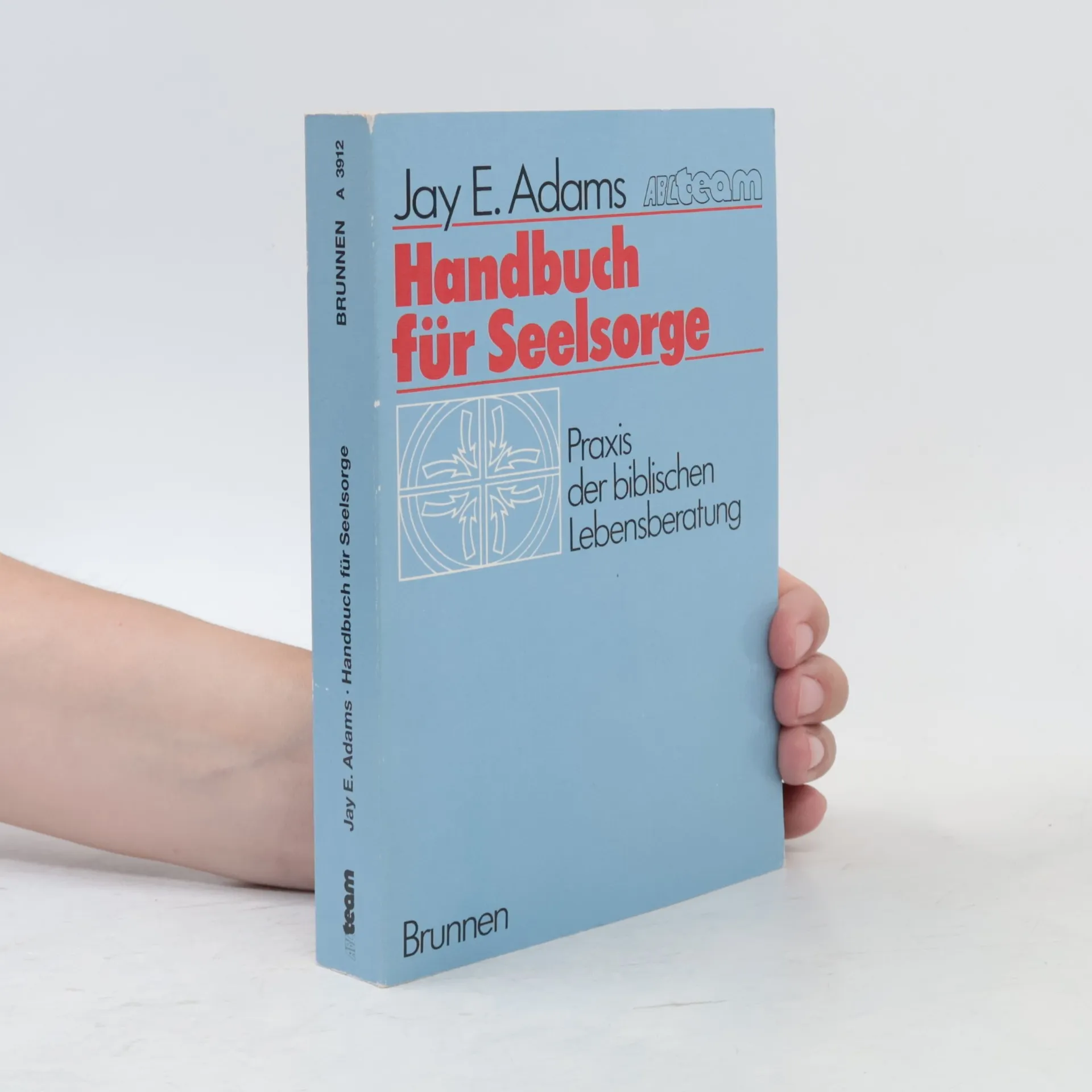
Handbuch für Seelsorge
Praxis der biblischen Lebensberatung
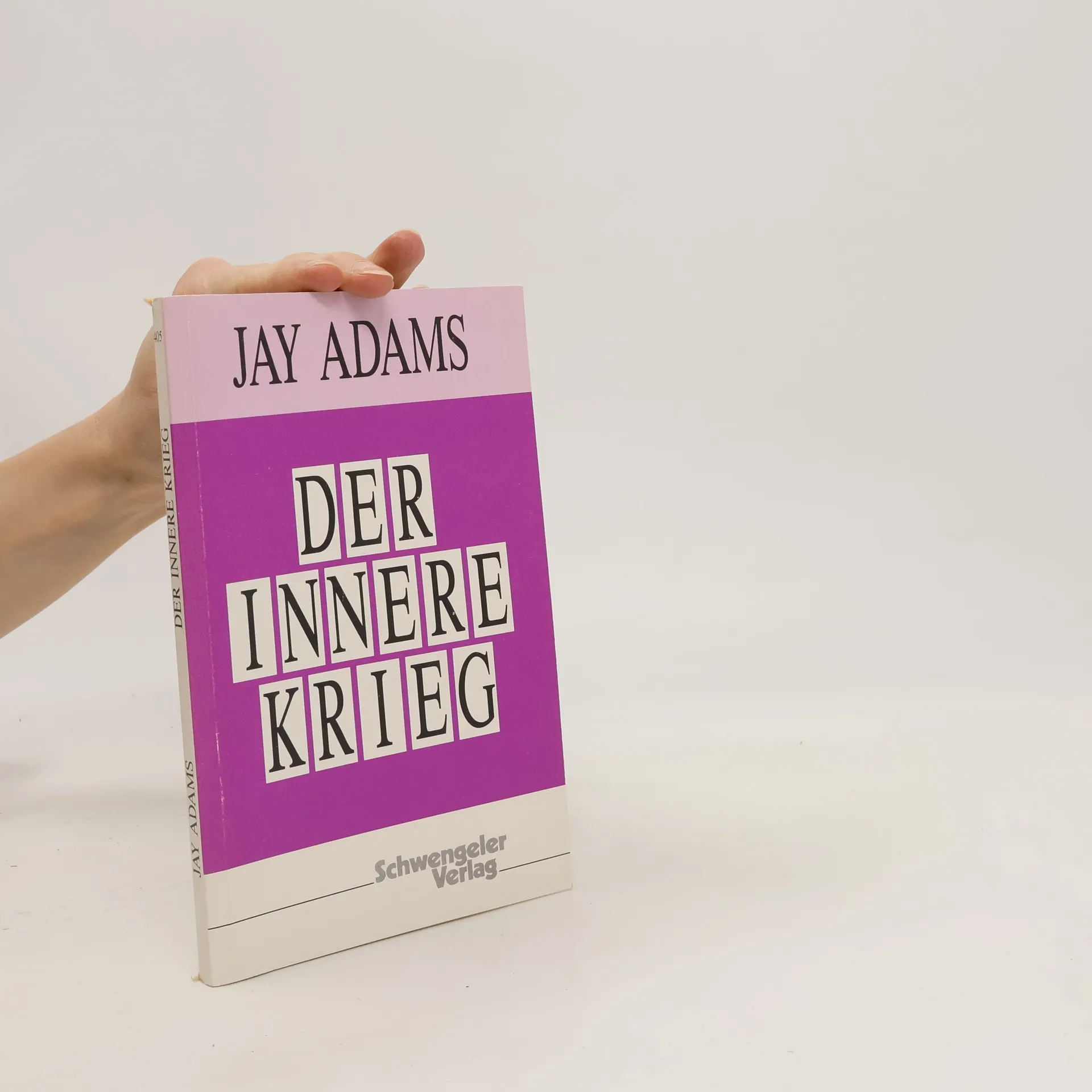
Der innere Krieg
- 152pages
- 6 heures de lecture
Ich bin am Ende
- 77pages
- 3 heures de lecture
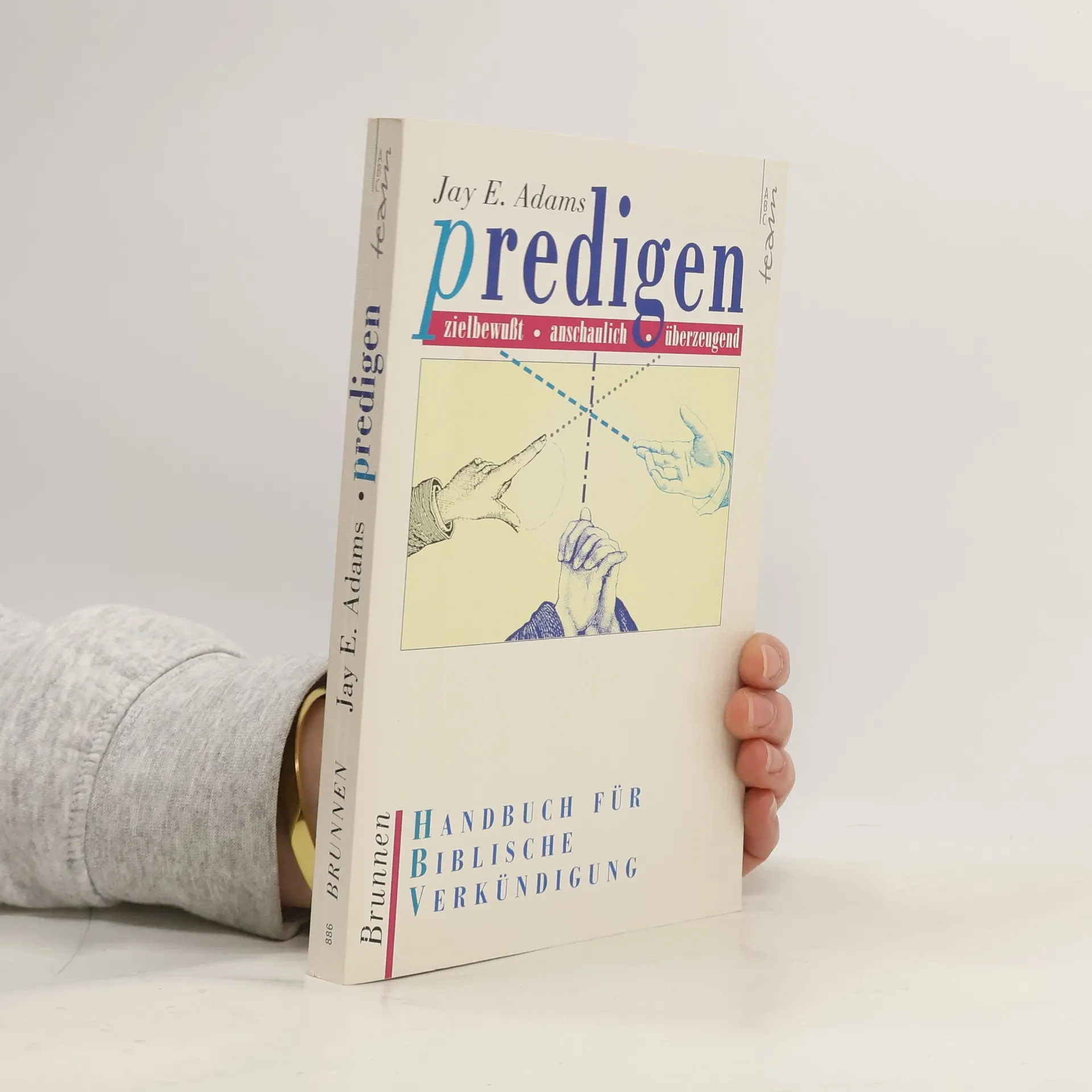
Predigen
- 190pages
- 7 heures de lecture
Kristus a vaše problémy
- 32pages
- 2 heures de lecture
Prožíváte problémy, které se zdají příliš těžké, než aby se daly zvládnout? Přemýšlíte, zda vůbec existuje nějaká cesta ze všeho toho zmatku, který prožíváte? Kristus a vaše problémy je brožurka, která vám ukáže nový pohled na těžké životní situace.
Jak přemáhat zlo
- 146pages
- 6 heures de lecture
Sobectví, zloba, rozhořčení, odplata… Příliš často podléháme těmto reakcím, bez přemýšlení, když proti nám lidé hřeší. I když si uvědomujeme, že bychom takto reagovat neměli vůči svým rodinným příslušníkům, sousedům, spoluvěřícím, spolupracovníkům nebo nepřátelům, vyvstává otázka: jak bychom měli reagovat? Jay E. Adams říká, že je lepší způsob, jak ho popisuje apoštol Pavel v listu Římanům 12:14-21. Tento praktický výklad výše jmenované pasáže se zabývá podstatou našeho boje se zlem a ukazuje cestu k vítězství a pokoji. Zde najde pomoc a náhled do každodenních konfliktů každý řadový věřící, vedoucí církve i poradce.
Christsein auch zu Hause
Familienleben biblisch gestalten - Mit Fragebogen und Praxis-Teil
- 128pages
- 5 heures de lecture
Handbuch für Seelsorge
Die Praxis biblischer Lebensberatung