Conçue à la manière d'un journal écrit au quotidien, cet ouvrage se déploie dans un enchaînement rigoureux, mêlant aux évènements la notoriété publique, informations secrètes, anecdotes et vie privée, cependant que des éphémérides détaillées restituent la présence active du monde environnant.
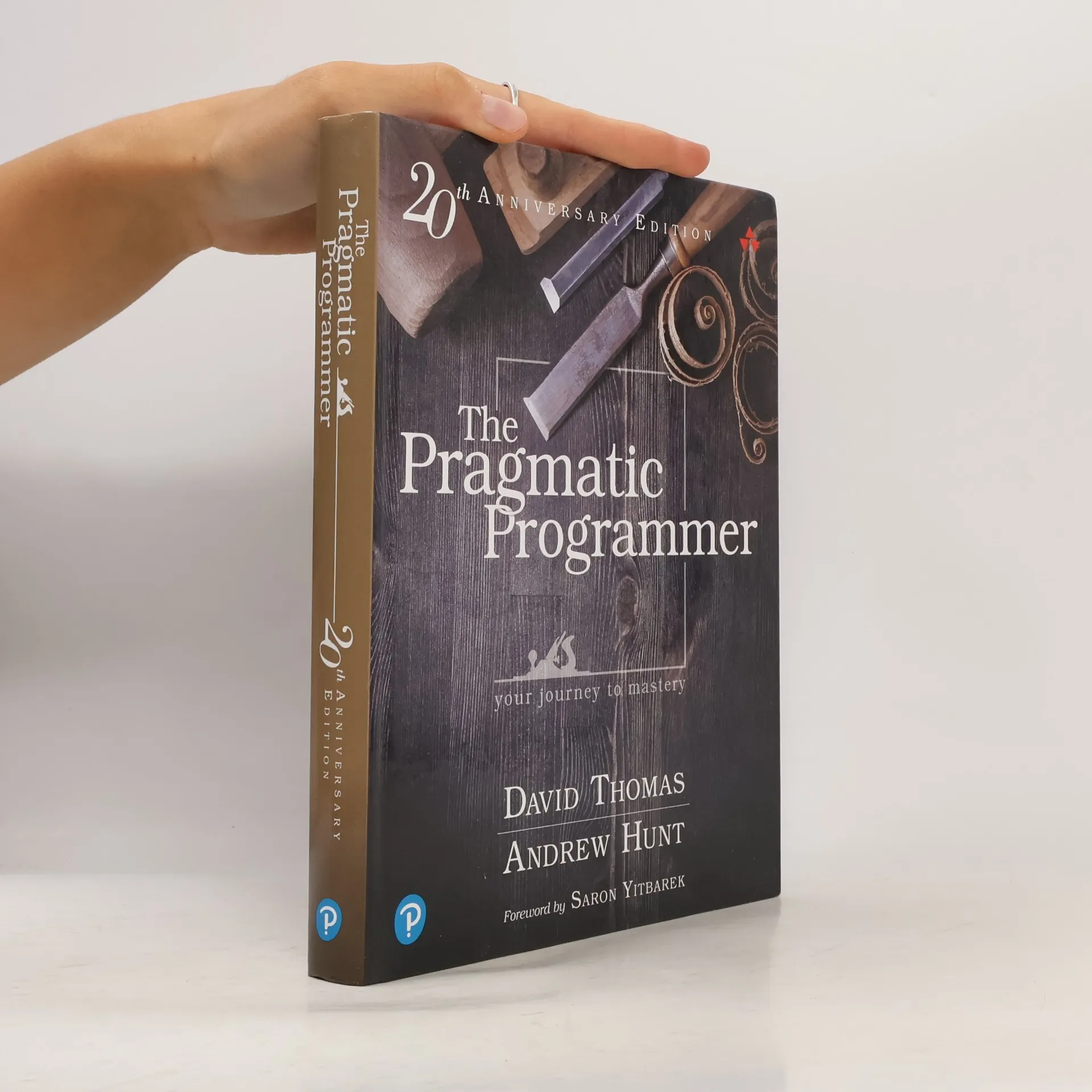
Using anecdotes, analogies, examples and parables, this user-friendly guide offers techniques for getting any programming job done effectively, and can help any programmer improve skills, no matter what level. Incorporates today's top languages, including Java, C, C++, and Perl.
Recounts the events of the past year, from the tragedy in Somalia, through the war in the former Yugoslavia and the devastation of Hurricane Andrew, to the 1992 presidential election. 35,000 first printing.
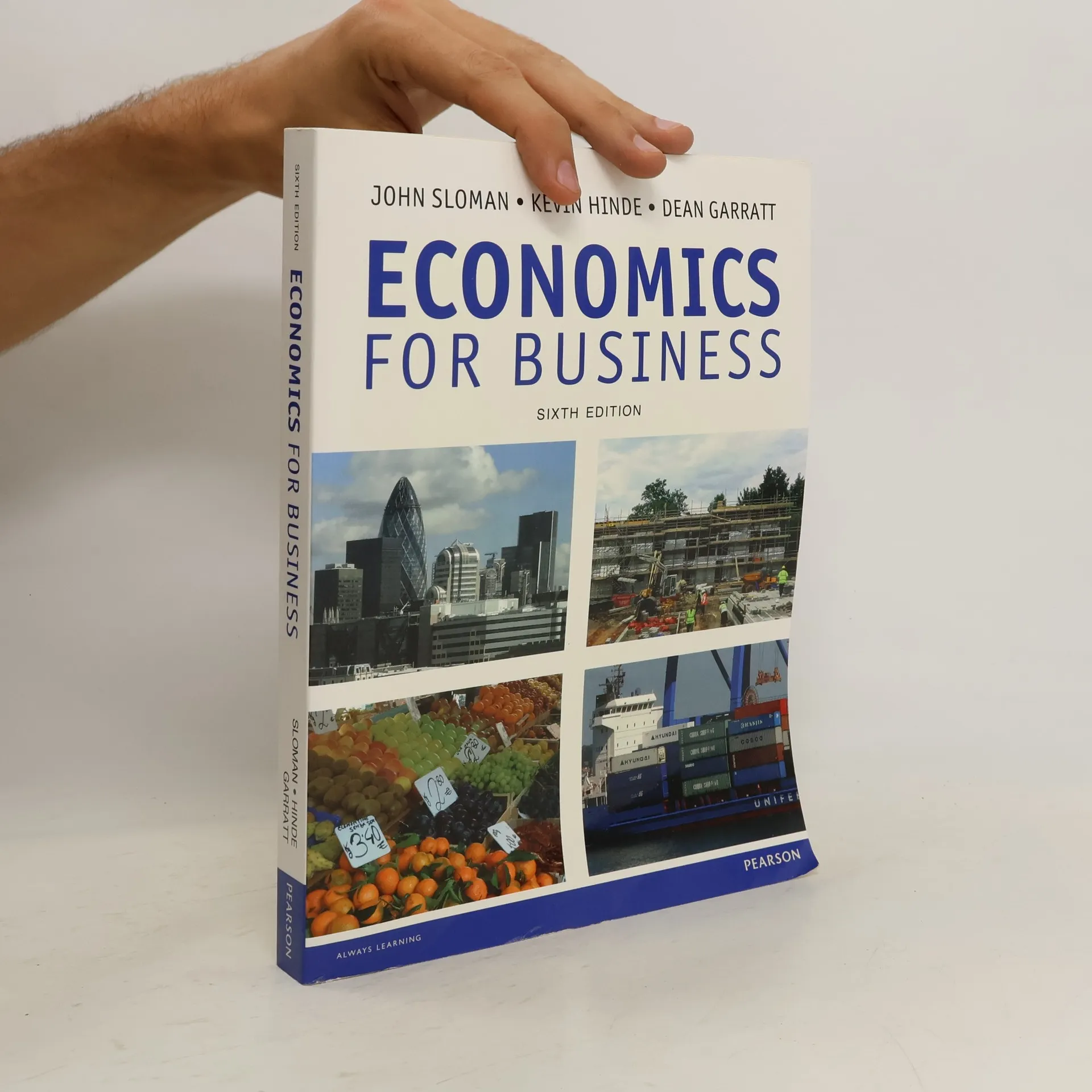
Economics for Business covers all the current issues facing today's business world. Up-to-date case studies cover everything from the impact of the financial crisis to the examination of specific businesses.
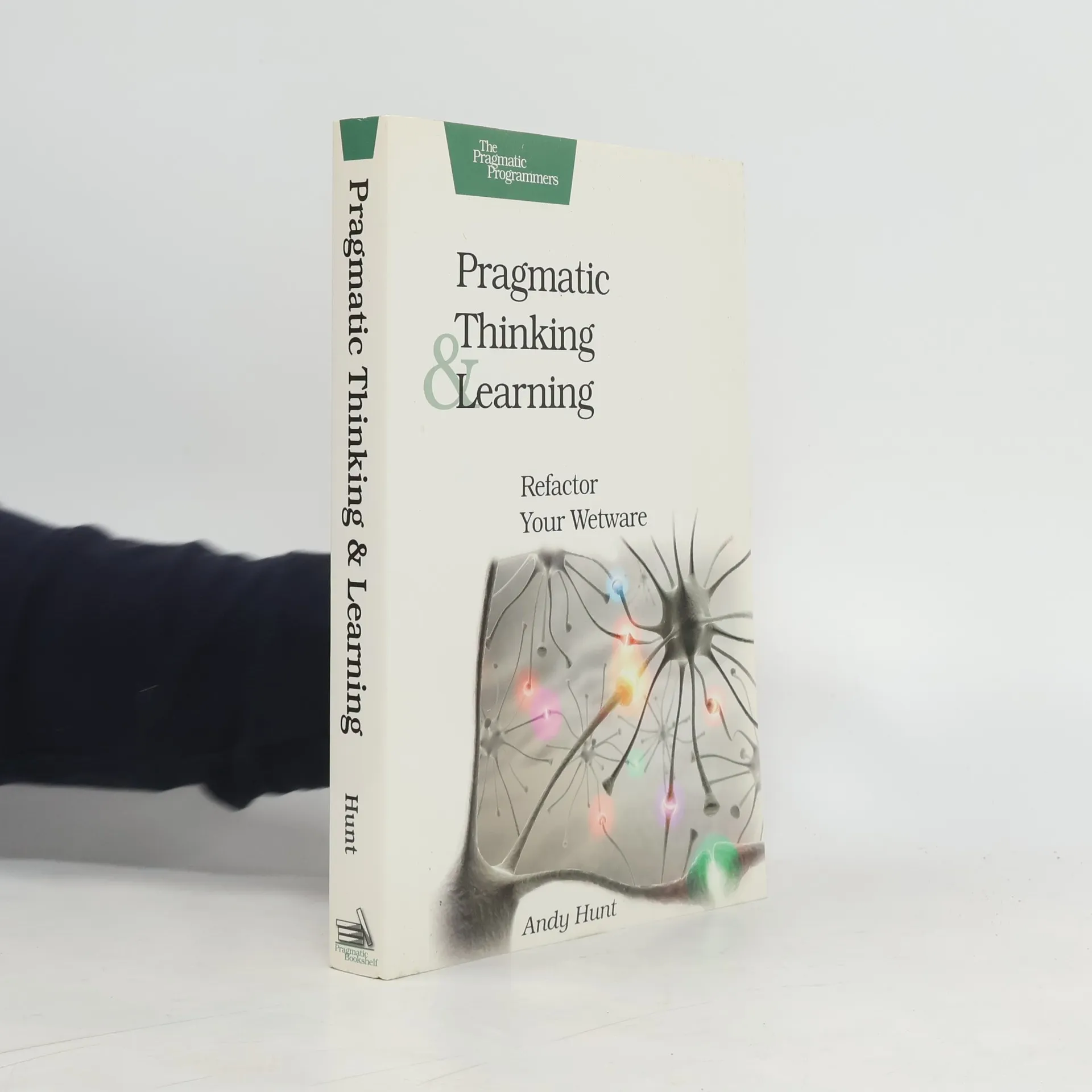
Helps you learn how to: use the Dreyfus Model of Skill Acquisition; leverage
the architecture of the brain to strengthen different thinking modes; avoid
common 'known bugs' in your mind; and, manage knowledge efficiently.
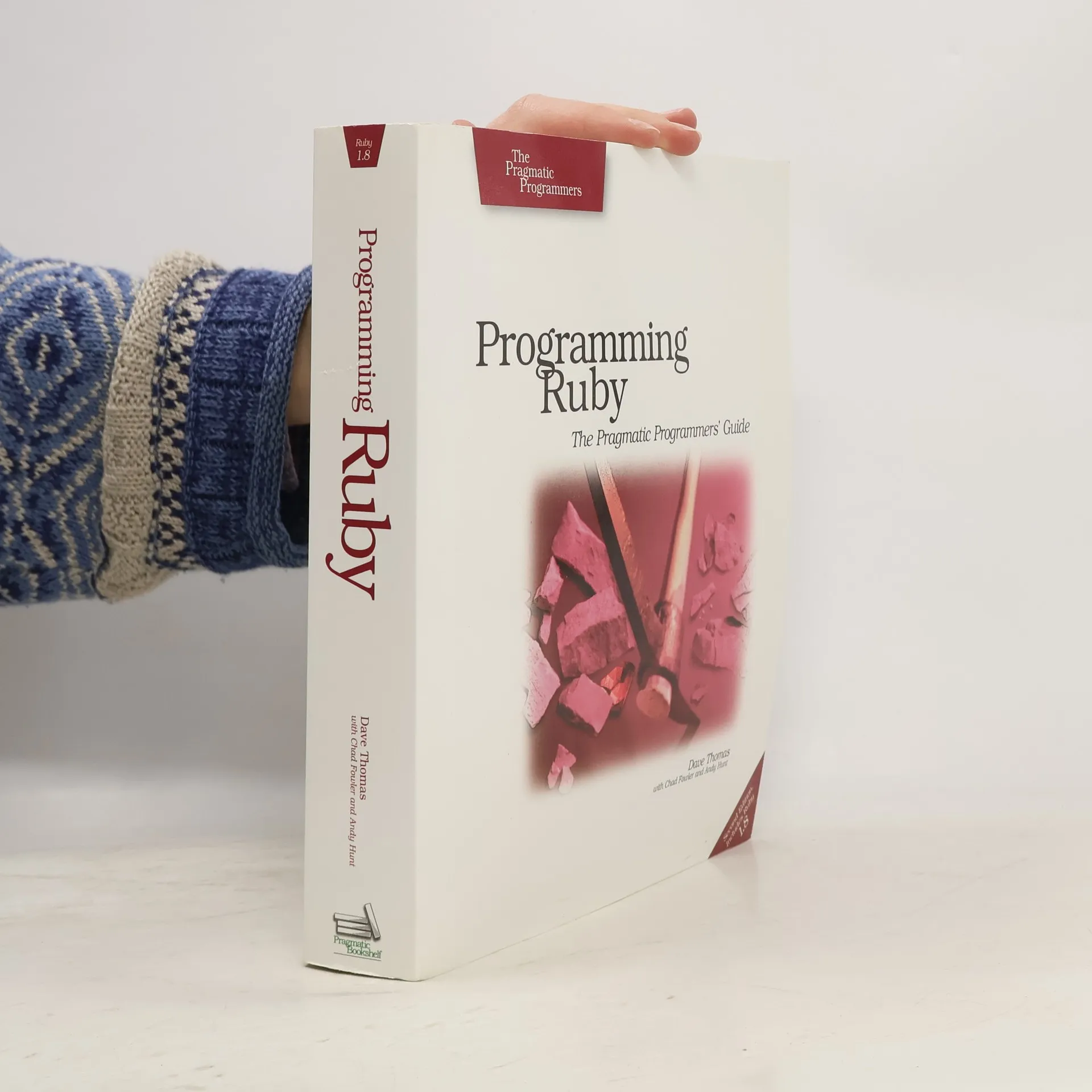
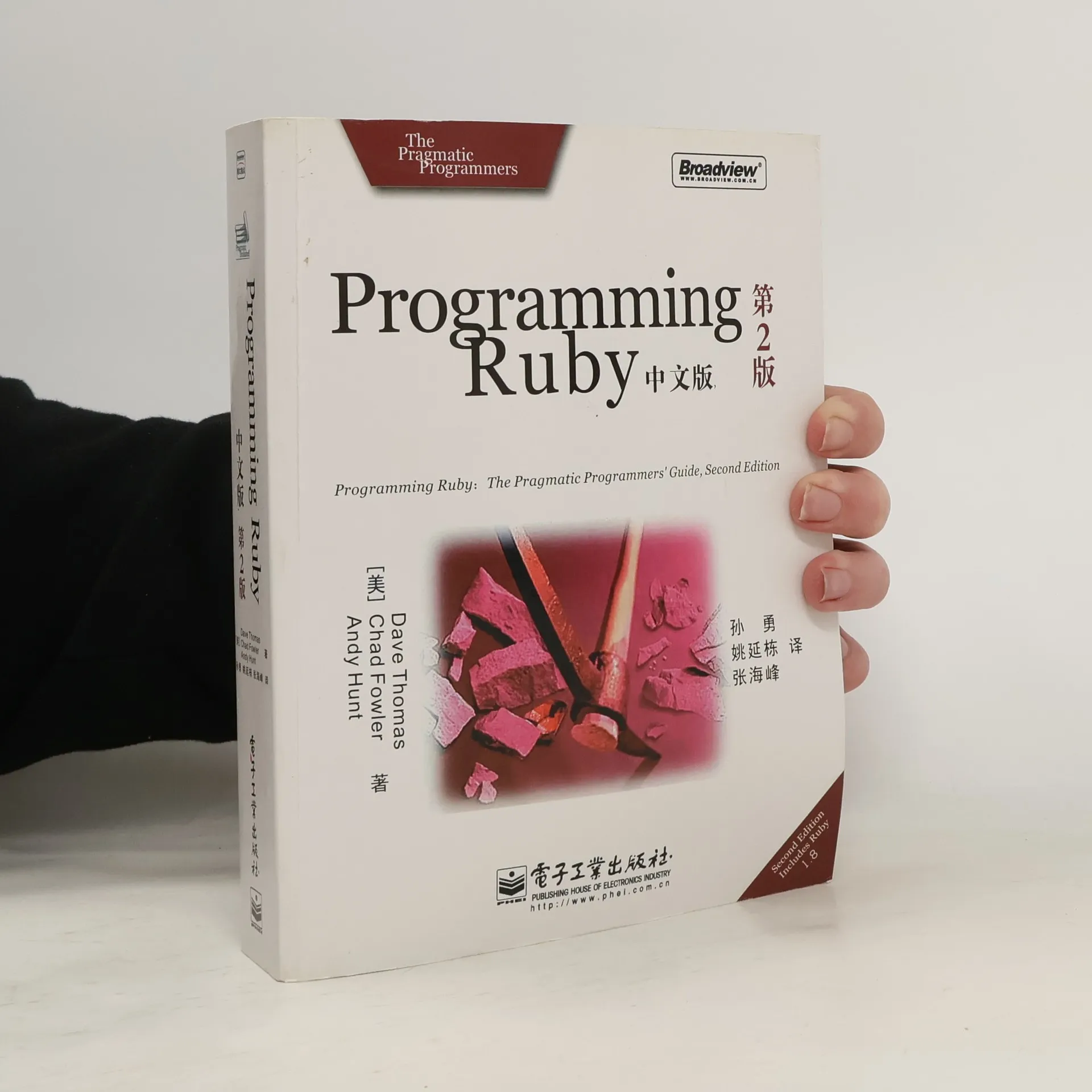
A tutorial and reference to the object-oriented programming language for beginning to experienced programmers, updated for version 1.8, describes the language's structure, syntax, and operation, and explains how to build applications. Original. (Intermediate)
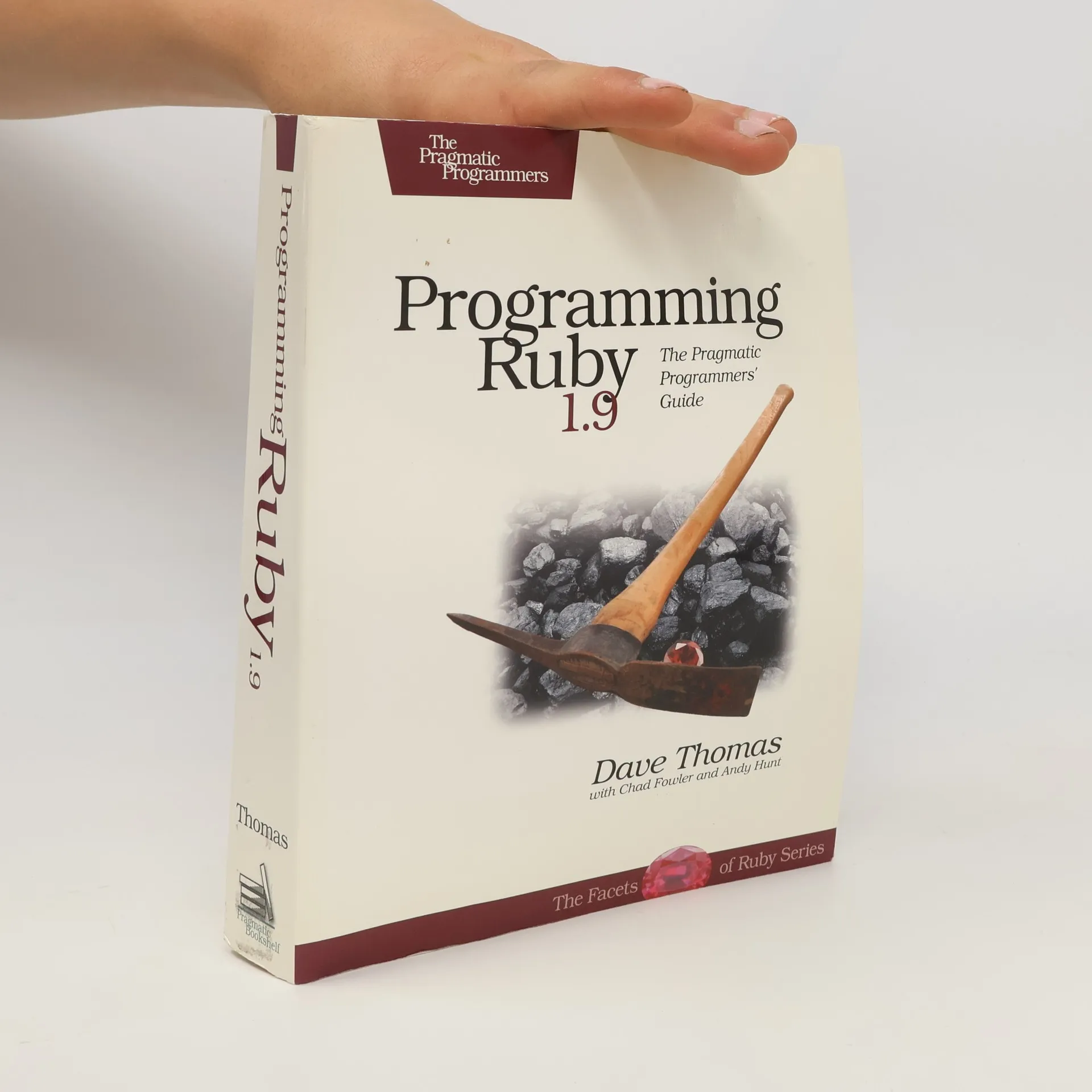
A tutorial and reference to the object-oriented programming language for beginning to experienced programmers, updated for version 1.9, describes the language's structure, syntax, and operation, and explains how to build applications.
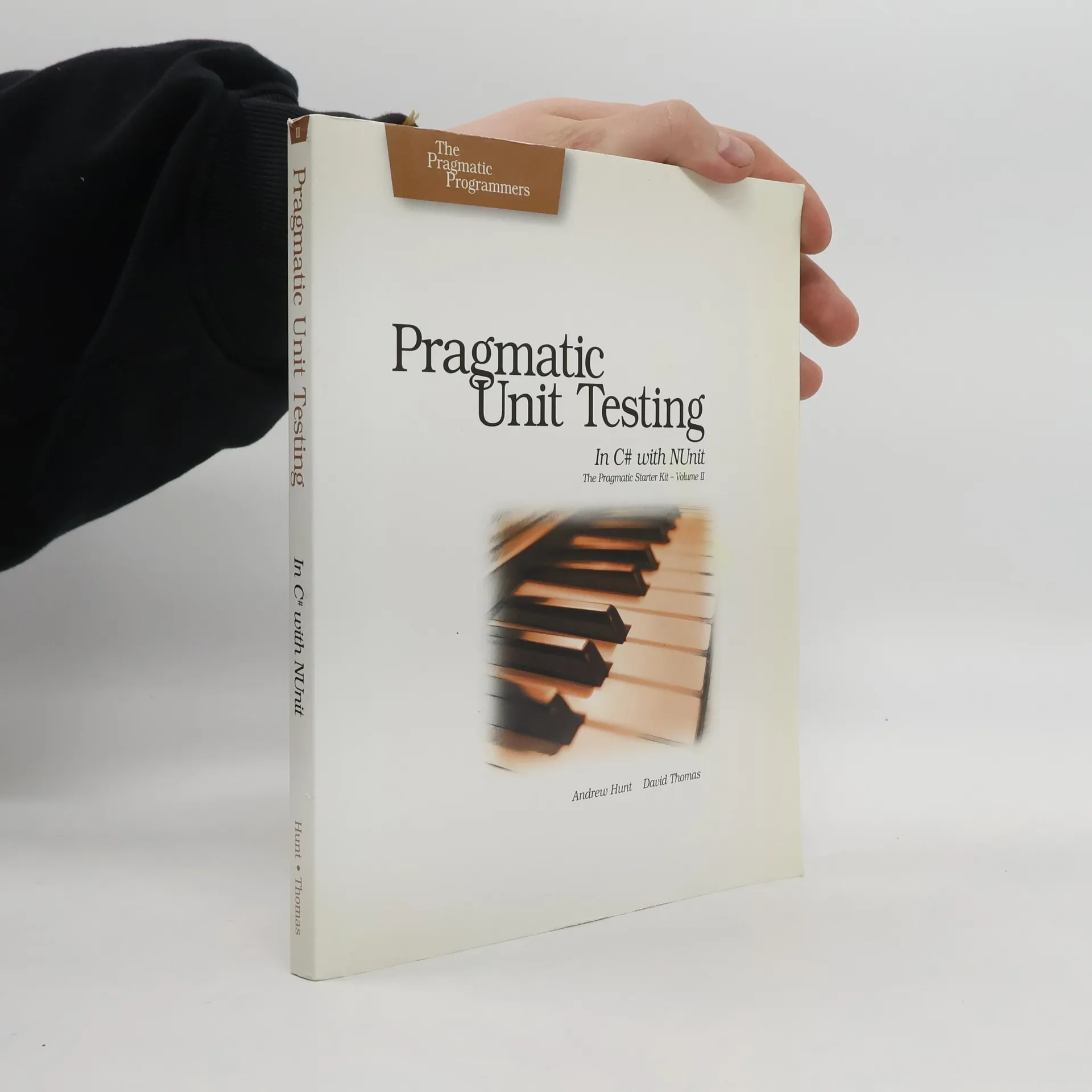
Describing the ways to improve C# coding skills using unit testing, this book shows not just how to test, but what to test. It helps discover the tricky hiding places where bugs breed, and how to catch them using NUnit. It also covers how to use Mock Objects for testing and how to use unit testing to improve the design skills.
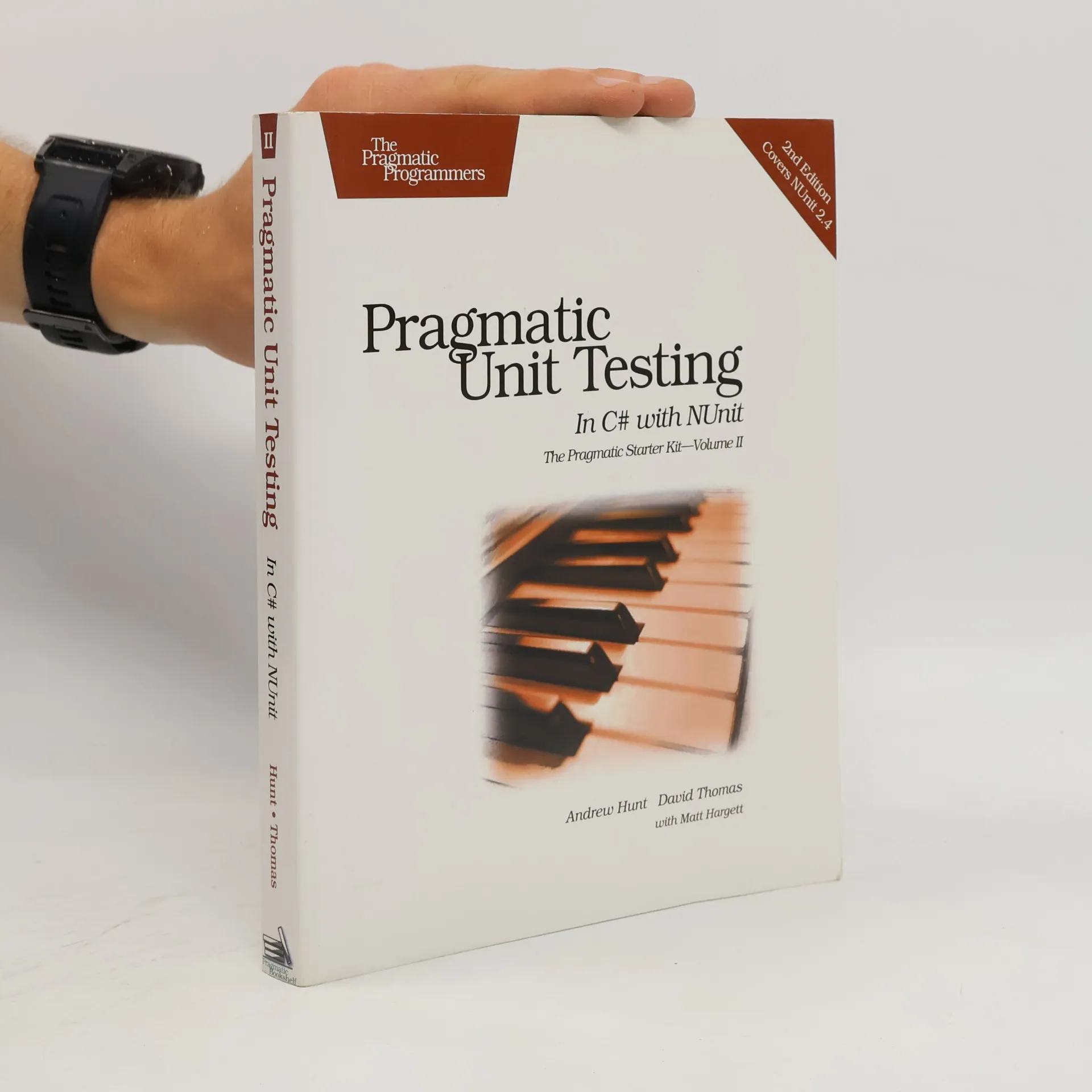
The NIST estimates that poor testing costs the US economy $60 billion annually. This book gives teams straightforward and proven ways to introduce unit testing into their process, resulting in higher quality and fewer bugs. All over the world, software teams are using unit testing both to verify their code and as a way of helping them design better code. This book is unique in the way it covers two aspects: showing developers both how to test and helping them determine what to test. New in the second edition: Updated for NUnit 2.4 (.NET 2.0 and Visual Studio 2005) More assert methods New String and Collection assertion support Better support for multiple-platform development Higher-level setup and teardown fixtures Whole new chapter on extending NUnit and more!
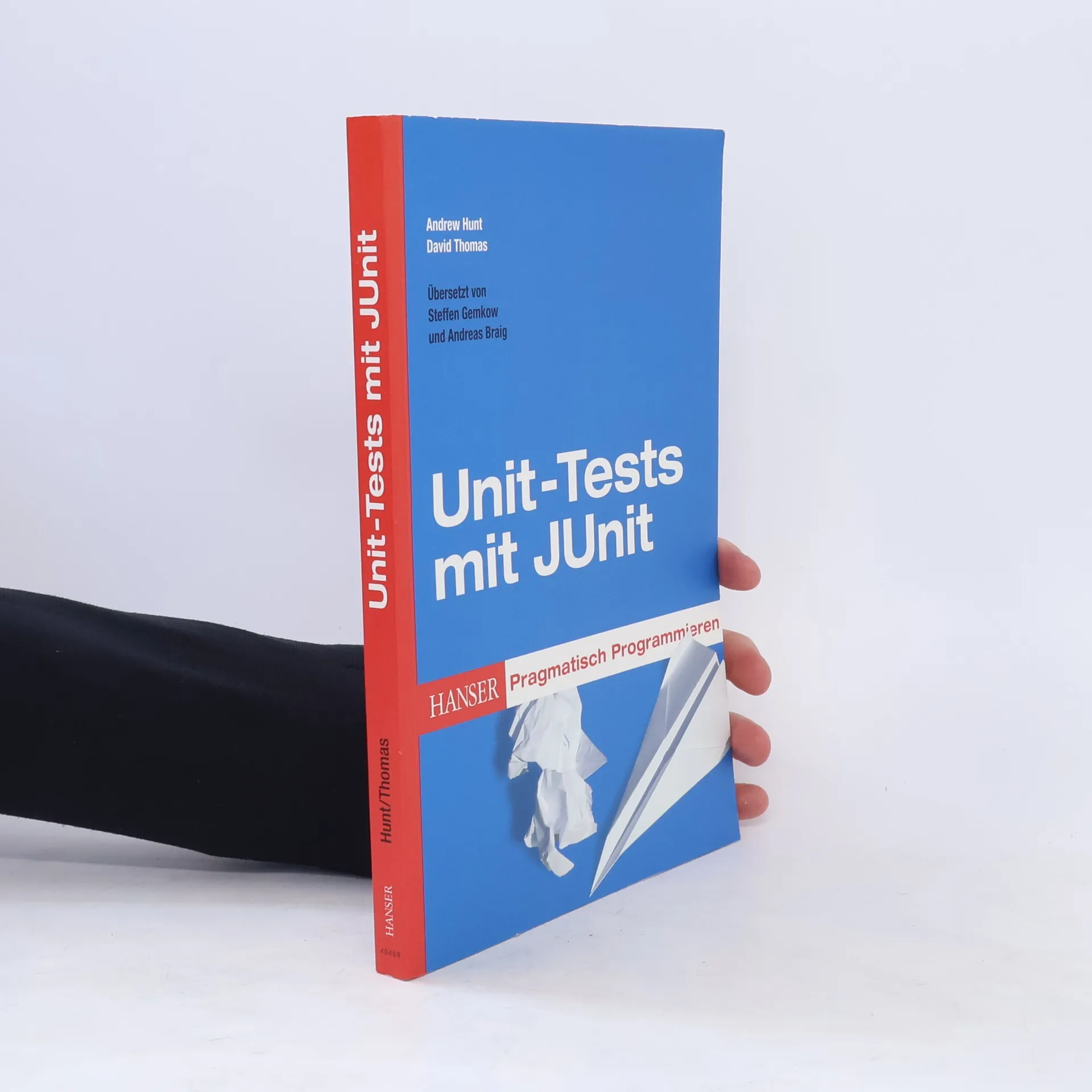
Die Reihe „Pragmatisch Programmieren“ beschreibt die Werkzeuge, die Pragmatische Programmierer brauchen, um erfolgreich zu sein. Pragmatische Programmierer reagieren auf Rückmeldungen und steuern so ihren Entwicklungsprozess im Team und auch individuell. Die wertvollsten Rückmeldungen beim Programmieren geben Unit-Tests. Man testet eine Brücke nicht, indem man mit einem einzigen Auto an einem sonnigen Tag genau in der Mitte darüber fährt. Aber viele Programmierer gehen so an das Testen heran - ein Durchlauf genau in der Mitte und sie nennen ihr Programm „getestet“. Pragmatische Programmierer können das besser! Richtige Unit-Tests machen Ihr Leben leichter. Sie verbessern das Design und reduzieren gleichzeitig den Zeitaufwand für die Fehlersuche drastisch. Dieses Buch beschreibt Unit-Tests unter Verwendung der frei verfügbaren Java-Bibliothek JUnit. Die Techniken können aber ebenso auf andere Programmiersprachen und Frameworks angewendet werden. Ihr Vorteil: Mit Hilfe dieses Buches werden Sie - schneller besseren Quelltext mit weniger Fehlern schreiben, - die gängigen Fehler-Brutstätten finden und beseitigen können, - Teile des Quelltextes testen, ohne das gesamte Projekt zu verwenden, - erkennen, wie man Tests mit JUnit vereinfacht, - erfolgreich im Team testen. Sie wollen noch pragmatischer werden? „Der Pragmatische Programmierer“ von Andy Hunt und Dave Thomas hilft weiter (ISBN 3-446-22309-6).
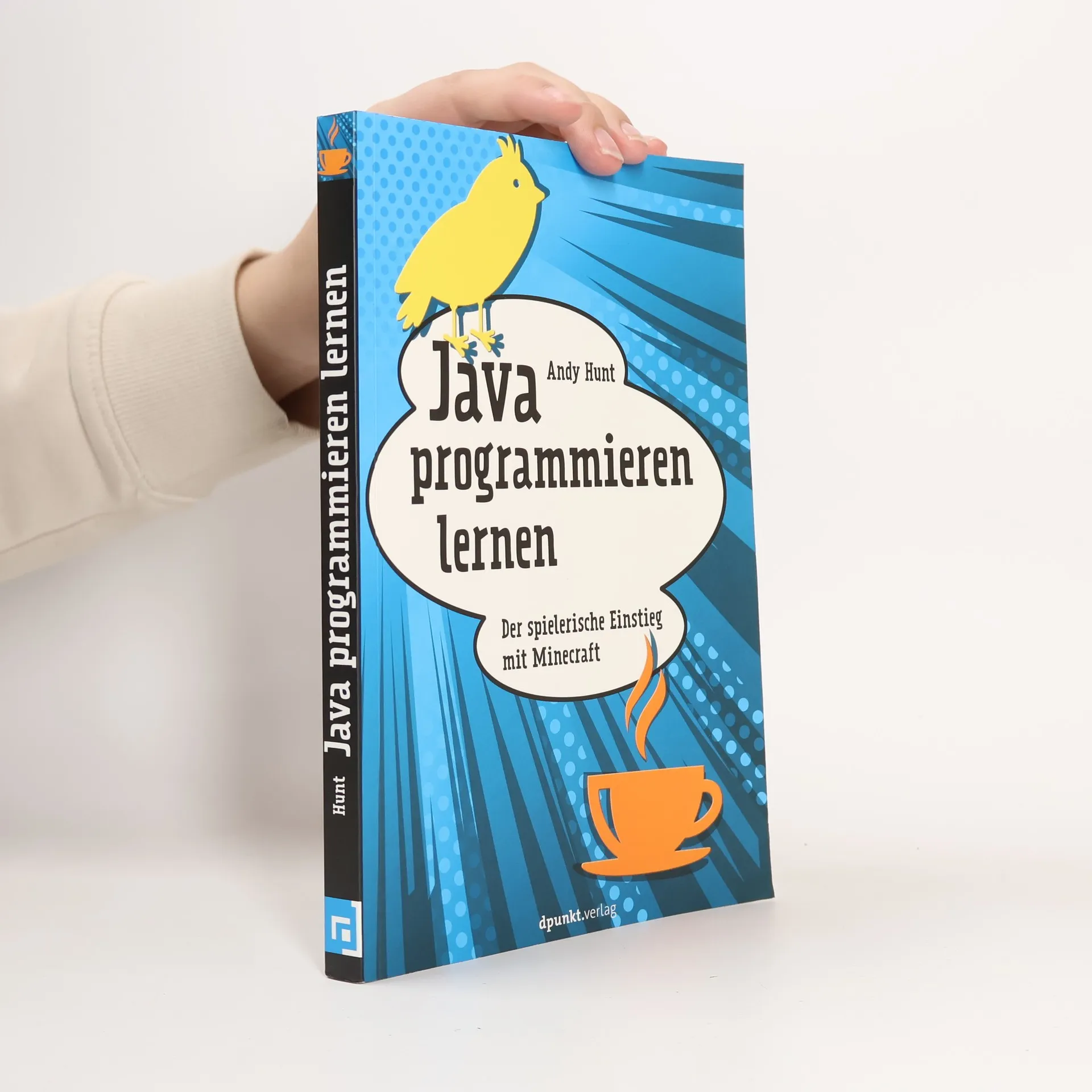
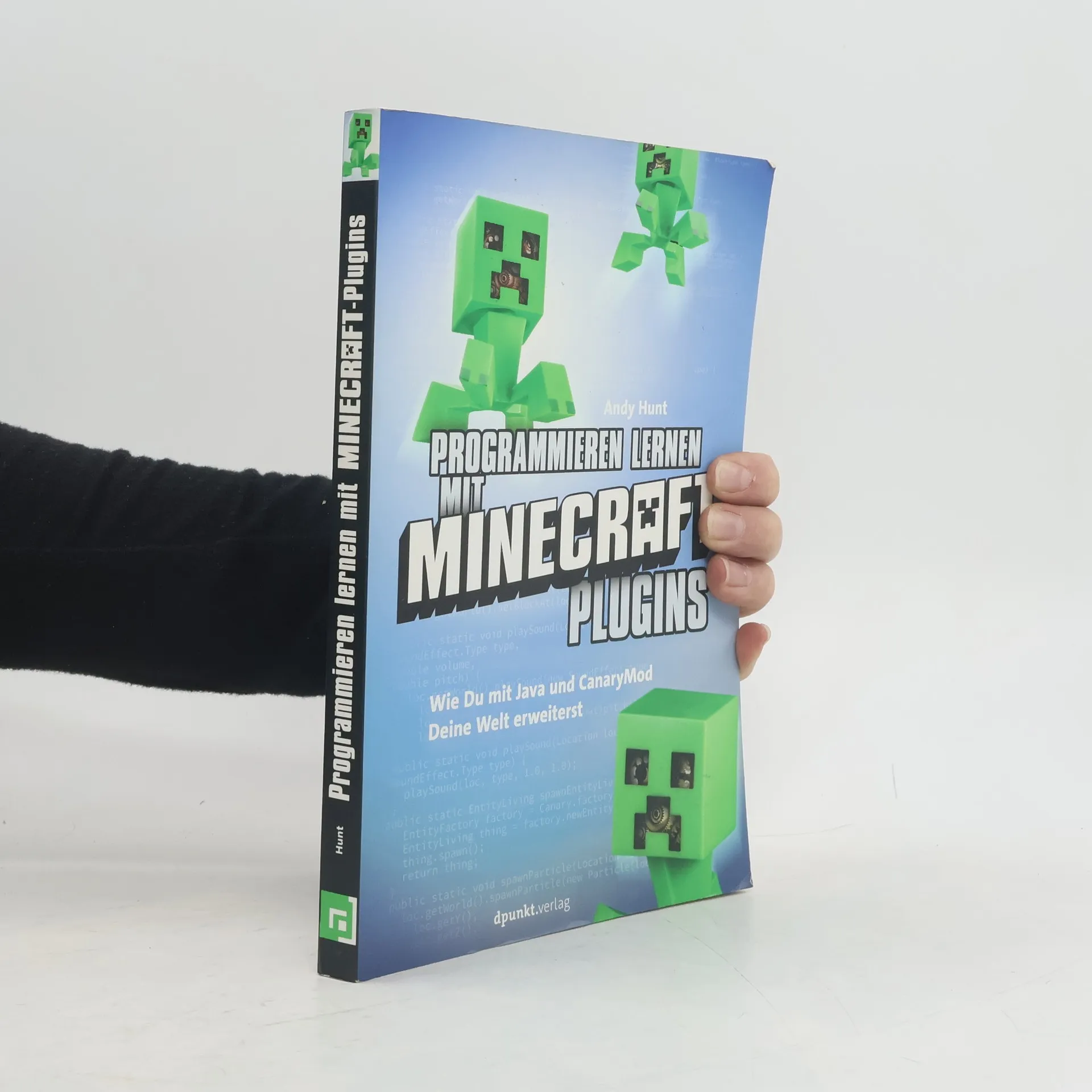
Mit diesem Buch lernst du, deine eigenen Minecraft-Plugins zu programmieren – brennende Kühe, fliegende Creeper, Funktionen zum Teleportieren und vieles mehr. Du entwickelst deine Plugins in der Programmiersprache Java und auf einem Minecraft-Server, den du selbst aufsetzt (mit CanaryMod). Dazu musst du weder riesige Frameworks auswendig lernen, noch tonnenweise Code schreiben. Du startest einfach mit den Grundbausteinen und baust daraus deine ersten Plugins. Und ganz nebenbei lernst du Java zu programmieren, verwaltest deinen Code ganz professionell mit Git und konfigurierst und betreibst deinen eigenen Minecraft-Server. Wenn du das Buch durchgearbeitet hast, kannst du dir Plugins ausdenken, selbst entwickeln und mit anderen Spielern in deiner selbstgestalteten Minecraft-Welt ausprobieren. Du benötigst hierfür keinerlei Vorkenntnisse – alles, was du wissen musst, findest du in diesem Buch oder kannst es aus dem Internet herunterladen.
Mit diesem Buch lernst du, deine eigenen Minecraft-Plugins zu programmieren – brennende Kühe, fliegende Creeper, Funktionen zum Teleportieren und vieles mehr. Du entwickelst deine Plugins in der Programmiersprache Java und auf einem Minecraft-Server, den du selbst aufsetzt (mit CanaryMod). Dazu musst du weder riesige Frameworks auswendig lernen, noch tonnenweise Code schreiben. Du startest einfach mit den Grundbausteinen und baust daraus deine ersten Plugins. Und ganz nebenbei lernst du Java zu programmieren, verwaltest deinen Code ganz professionell mit Git und konfigurierst und betreibst deinen eigenen Minecraft-Server. Wenn du das Buch durchgearbeitet hast, kannst du dir Plugins ausdenken, selbst entwickeln und mit anderen Spielern in deiner selbstgestalteten Minecraft-Welt ausprobieren. Du benötigst hierfür keinerlei Vorkenntnisse – alles, was du wissen musst, findest du in diesem Buch oder kannst es aus dem Internet herunterladen.