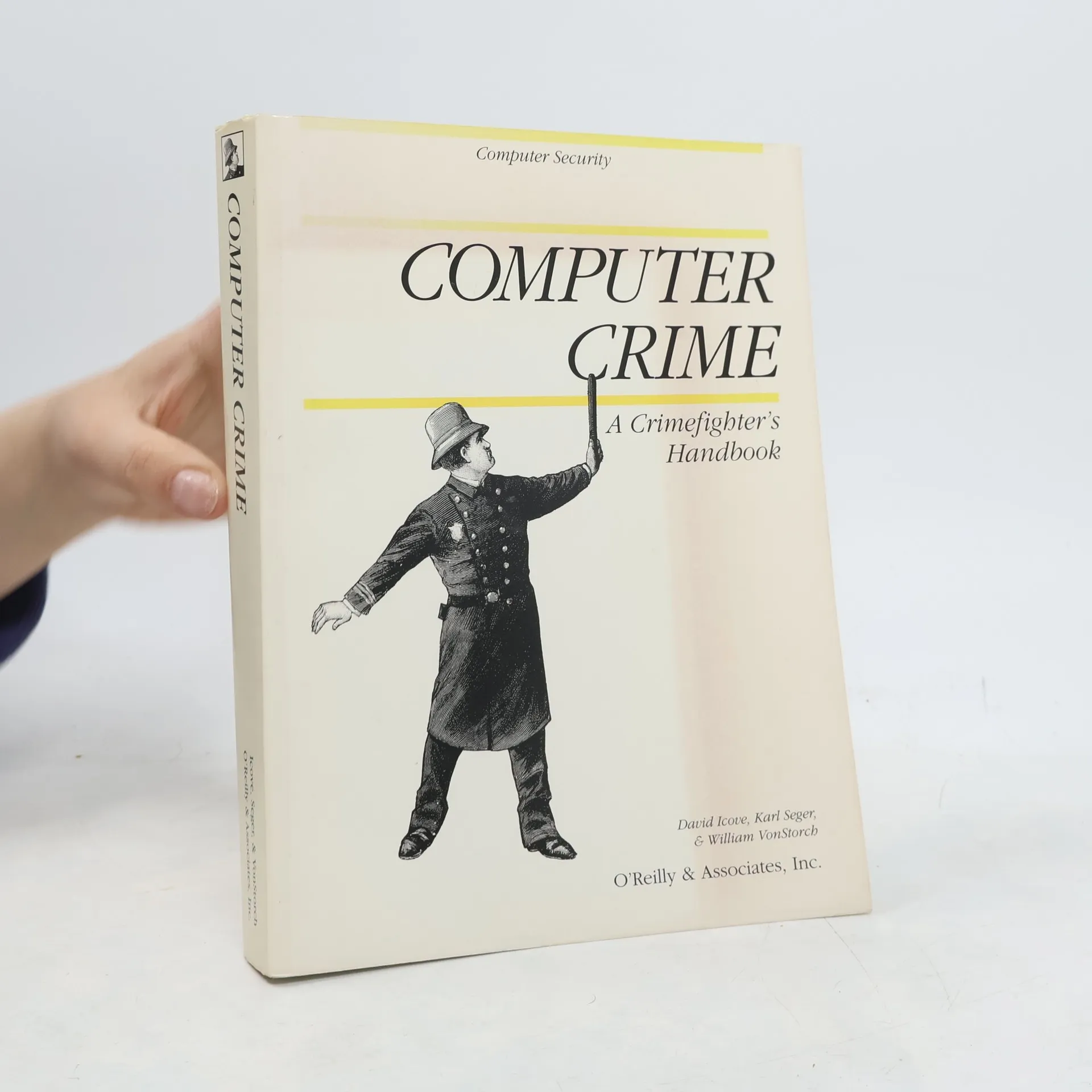
Terrorist attacks on computer centers, electronic fraud, viruses, corporate espionage, and system breaches are increasingly sophisticated challenges in today's digital landscape. This handbook is essential for understanding modern computer crimes, prevention strategies, and the processes for detection, investigation, and prosecution. It offers foundational knowledge of computer security and practical guidelines for investigators, law enforcement, and system administrators. The first part discusses the nature of computer crimes, profiles of criminals, and relevant laws, categorizing various offenses and employing investigative techniques used by agencies like the FBI. The second part addresses risks to computer systems and personnel, detailing operational, physical, and communication measures to mitigate these threats. In the third section, the focus shifts to planning for investigations, outlining necessary supplies, detection tools, and methods for presenting evidence in court. The fourth part serves as a comprehensive resource, compiling U.S. federal statutes, state laws, and selected international regulations. Finally, the fifth section provides a resource summary, in-depth papers on computer crime, and a sample search warrant, making it a valuable tool for anyone involved in combating computer-related offenses.
Karl Seger Ordre des livres (chronologique)