Joseph Heller Ordre des livres (chronologique)
Yosef Heller est un auteur dont les œuvres explorent de profondes questions humaines avec une intelligence pénétrante et une perspective unique. Son écriture se caractérise par son élégance stylistique et sa capacité à capturer les complexités de l'expérience humaine. Heller aborde fréquemment des thèmes tels que l'identité, la mémoire et la recherche de sens dans le monde moderne. Sa contribution littéraire réside dans sa capacité à susciter l'introspection et l'empathie chez les lecteurs à travers ses récits réfléchis et résonnants.



Work
- 96pages
- 4 heures de lecture
It is splendidly put together and hypnotic to read. It is as clear and hard- edged as a cut diamond Kurt Vonnegut New York Times
Flamingo Moderne Klassieke: Catch-22
- 475pages
- 17 heures de lecture
De zwarte humor, de absurde logica en onvergetelijke personages als Yossarian, de bommenrichter die denkt dat de vijand erop uit is hem te vermoorden, en de gewiekste messofficier Milo Minderbinder, maken Joseph Hellers Catch-22 tot een indrukwekkend boek. Catch-22 is de oorlogsroman die alle andere oorlogsromans overbodig maakt: origineel, bitter, vulgair, geestig, spitsvondig en ontroerend.
Two rival businessmen meet in the Warsaw train station. "Where are you going?" says the first man."To Minsk," says the second."To Minsk, eh? What a nerve you have! I know you're telling me you're going to Minsk because you want me to think that you're really going to Pinsk. But it so happens that I know you really are going to Minsk. So why are you lying to me?"Four men are walking in the desert.The German says, "I'm tired and thirsty. I must have a beer."The Italian says, "I'm tired and thirsty. I must have wine."The Mexican says, "I'm tired and thirsty.I must have tequila."The Jew says, "I'm tired and thirsty. I must have diabetes."
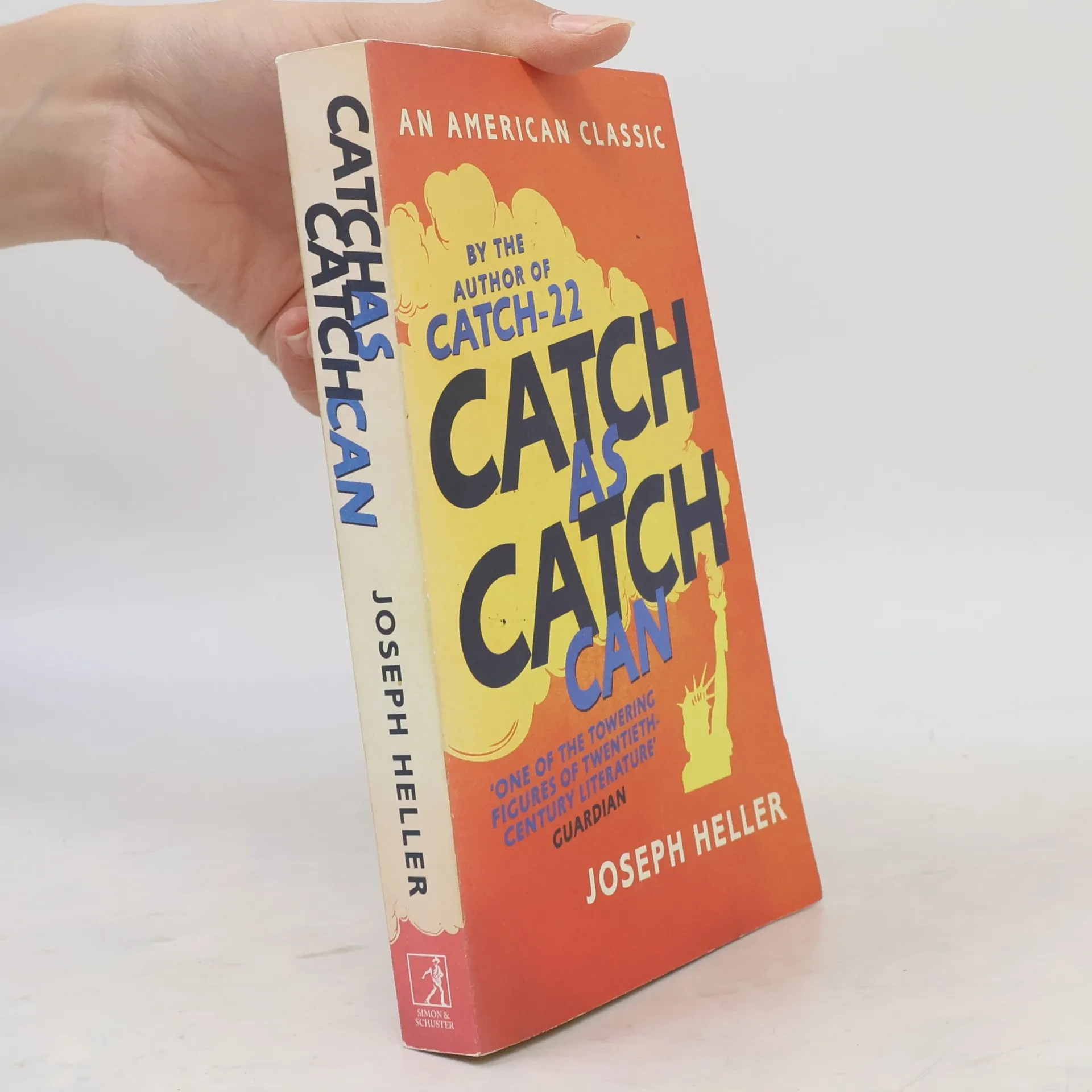
Catch As Catch Can
- 352pages
- 13 heures de lecture
Not many writers introduce a phrase – let alone a whole idea – into the language. In Catch-22, Joseph Heller invented a motif for the modern world. The book shaped everything that came after it, establishing Heller's reputation as one of the greatest American writers of the twentieth century. But where did the author who was able to create that novel come from? And what happened to those remarkable characters? In Catch as Catch Can, Joseph Heller’s stories are collected for the first time, and clearly chart the development of a genius. From Heller's recollections of his Coney Island childhood to the later stories of his greatest creation, Yossarian, Catch as Catch Can is the last great work of one of the twentieth century's most important literary figures
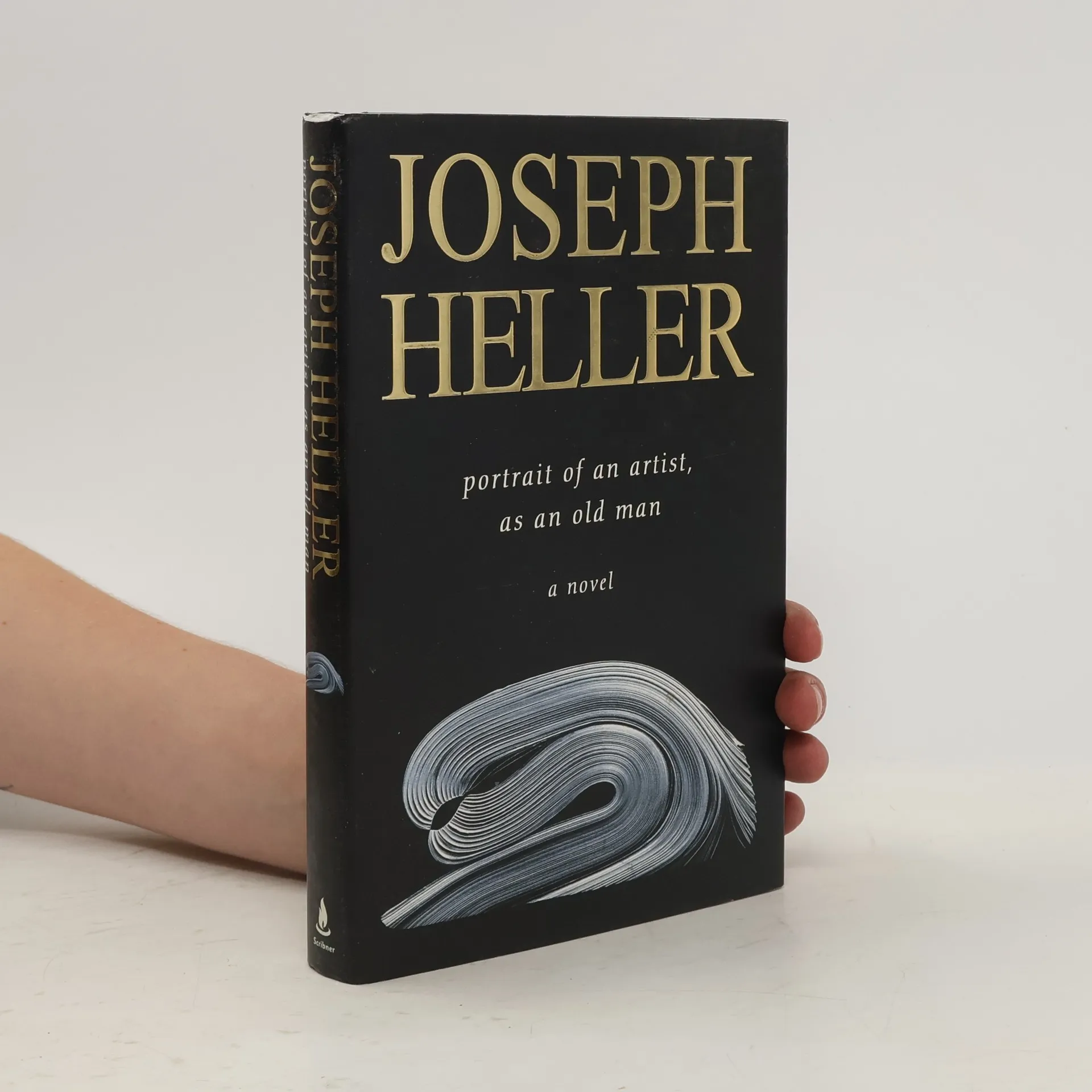
Portrait of an Artist As an Old Man
- 288pages
- 11 heures de lecture
Imagine an author who has become a legend in his own lifetime - all because of the novel he wrote in the first flush of youth. Novelist Eugene Pota is a cultural icon of the twentieth century, struggling to write what will be the last novel of his career. But what to write about when, like so many noted authors before him, all of Pota's output since that first, landmark novel has been scrutinized and dissected - and found wanting? PORTRAIT OF THE ARTIST, AS AN OLD MAN follows Pota's efforts to settle on a subject for his final work. In his search, Heller - through Pota - pays homage to his favourite authors and discusses the problems that have plagued so many writers whose later works failed to live up to the successes of their first: F. Scott Fitzgerald, Henry James, Jack London, Joseph Conrad, to name but a few. It is a rare and enthralling look into the artist's search for creativity, a search that comes at a point in life when impotence - both sexual and spiritual - has become a frustrating fact. Joseph Heller must have known that this would be his final novel; it stands as a fitting testament to the life and works of a leading light in modern literature.
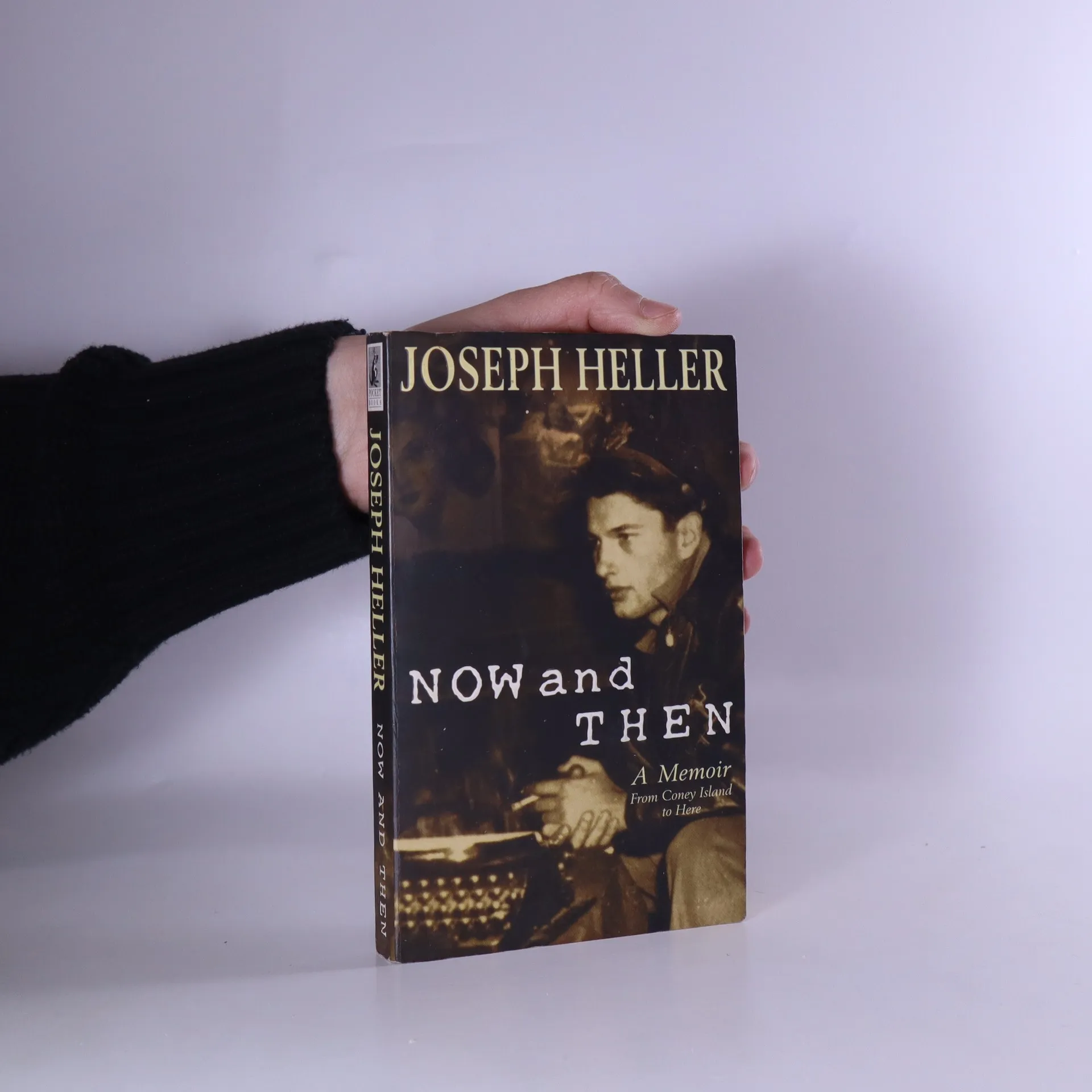
Now and then: From Coney Island to here
- 259pages
- 10 heures de lecture
The demented Army Air Force of Catch-22, the lethal business world of Something Happened, and the dysfunctional family of Good as Gold are rooted in Joseph Heller's past. Over thirty-five years after Catch-22's explosion into the world, Heller shares his life story. He recounts his Coney Island childhood during the Depression, growing up in a fatherless family yet enjoying life on the boardwalk, in the ocean, and in school. His journey includes various jobs, from delivering telegrams to working in a navy yard, leading to his service in the air force during World War II. After the war, he attended college thanks to the G.I. Bill, pursued teaching, and ventured into Madison Avenue, all while continuously writing. The success of Catch-22 marked the beginning of a remarkable literary career. The strengths of this memoir lie in the energy, humor, and mischief characteristic of Heller's work, alongside the dark undertones that accompany them. He vividly recalls a Coney Island that symbolizes fun and a seemingly golden age of innocence. For the first time, he discusses the people and events that inspired memorable characters and scenes in his writing. This memoir offers both an account of a remarkable life and insight into the creative process of a major American writer.
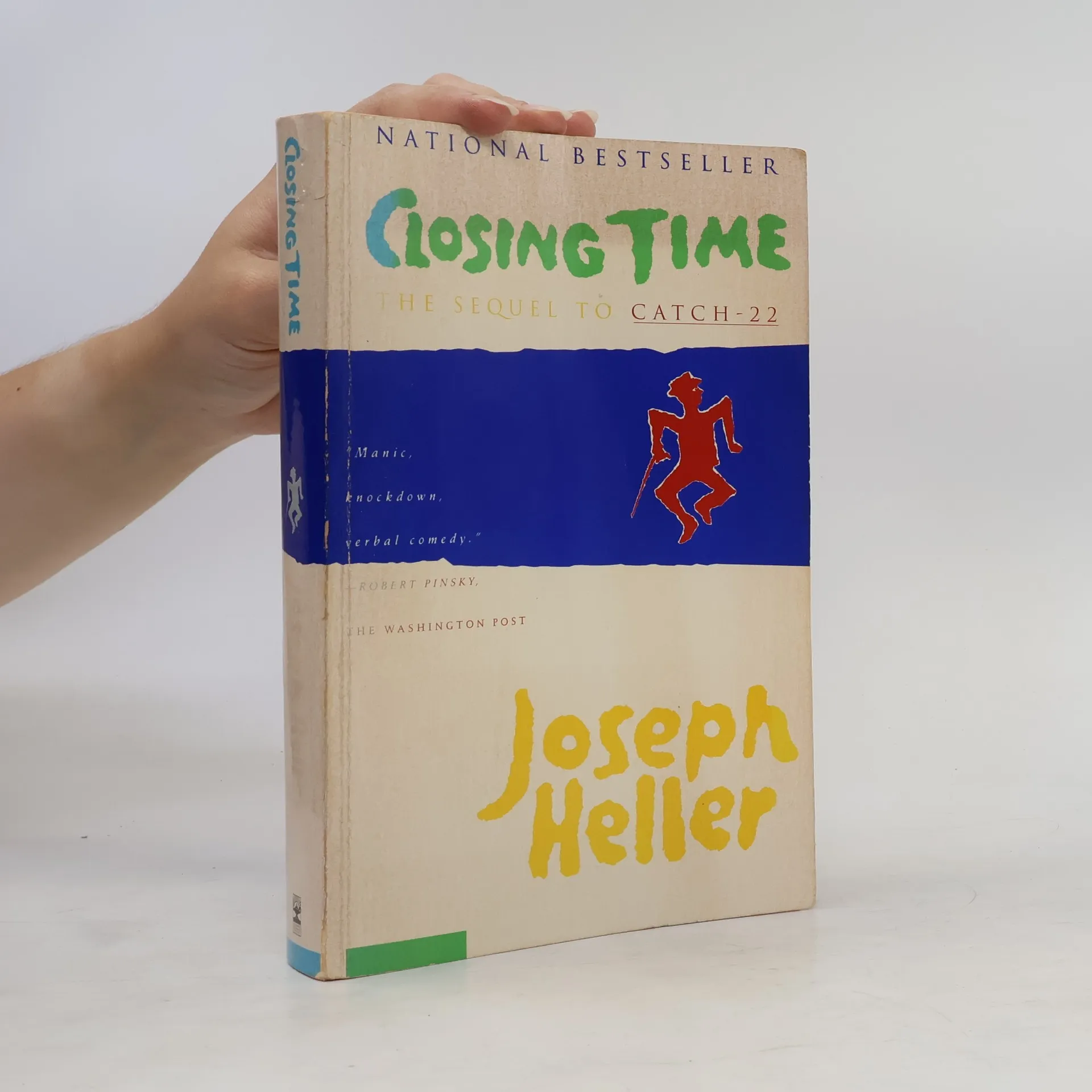
Catch-22: Closing Time
- 464pages
- 17 heures de lecture
A darkly comic and ambitious sequel to the American classic Catch-22 . In Closing Time, Joseph Heller returns to the characters of Catch-22, now coming to the end of their lives and the century, as is the entire generation that fought in World War II: Yossarian and Milo Minderbinder, the chaplain, and such newcomers as little Sammy Singer and giant Lew, all linked, in an uneasy peace and old age, fighting not the Germans this time, but The End. Closing Time deftly satirizes the realities and the myths of America in the half century since WWII: the absurdity of our politics, the decline of our society and our great cities, the greed and hypocrisy of our business and culture -- with the same ferocious humor as Catch-22. Closing Time is outrageously funny and totally serious, and as brilliant and successful as Catch-22 itself, a fun-house mirror that captures, at once grotesquely and accurately, the truth about ourselves.
Een voorval
- 549pages
- 20 heures de lecture
Een mogelijkheid tot promotie beweegt een welvarende, veelbelovende manager tot een diepgravende zelfanalyse.
Picture this
- 352pages
- 13 heures de lecture
The novel is an eclectic journey across three historical periods, all connected by Rembrandt van Rijn's painting, Aristotle Contemplating a Bust of Homer. With constant reflection between the different eras, we jump back & forth between the time of Aristotle, Rembrandt & Heller: the Golden Age of Athens, the 17th century golden age of Holland & the golden age of the USA. Like Heller's version of King David's story, God Knows, the author changes little in the storyline of the original–-he excels in narrative & historical counterpoints, some explicit, some implicit. Incomprehension may have contributed to the cool reception this book received. Heller concludes that we don't learn from history. In fact, so much of history may be nonfactual that learning may be impossible. Being a pessimistic chronicler of the American Century, his main unspoken theme is the parallel between the onetime Hellenic overlord & his home country. This is most apparent in his treatment of the downfall of Athens, when after the victory over Persia, it formed the Delian League & got embroiled in the Peloponnesian War. He describes a beacon of democracy that destroys its advances, transforming them into tools of abuse, turning on its own allies just to demonstrate its power & losing to weaker enemies due to self-deception.
Joseph Heller is suddenly struck by a diagnosis of Guillain-Barré syndrome, a condition that can lead to paralysis of all muscles. For Heller, this means six months in the intensive care unit. In collaboration with his long-time friend Speed Vogel, he recounts these harrowing months, exploring themes of illness, vulnerability, and the human spirit's resilience in the face of adversity. The narrative delves into the emotional and psychological challenges of coping with a life-altering condition, offering insights into the fragility of health and the strength found in friendship and support. Heller's experience becomes a profound reflection on life, mortality, and the struggle to maintain one's identity amidst overwhelming circumstances.
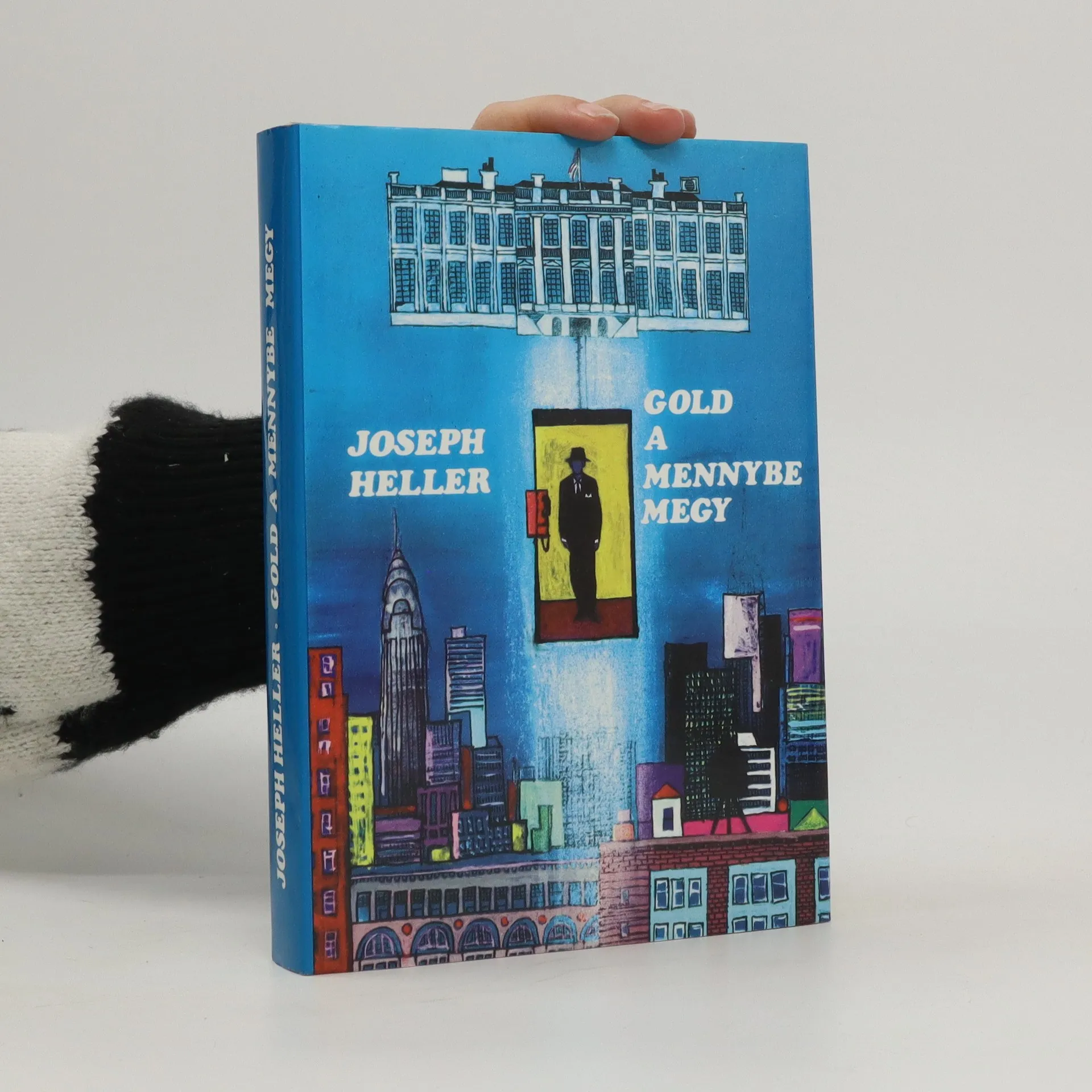
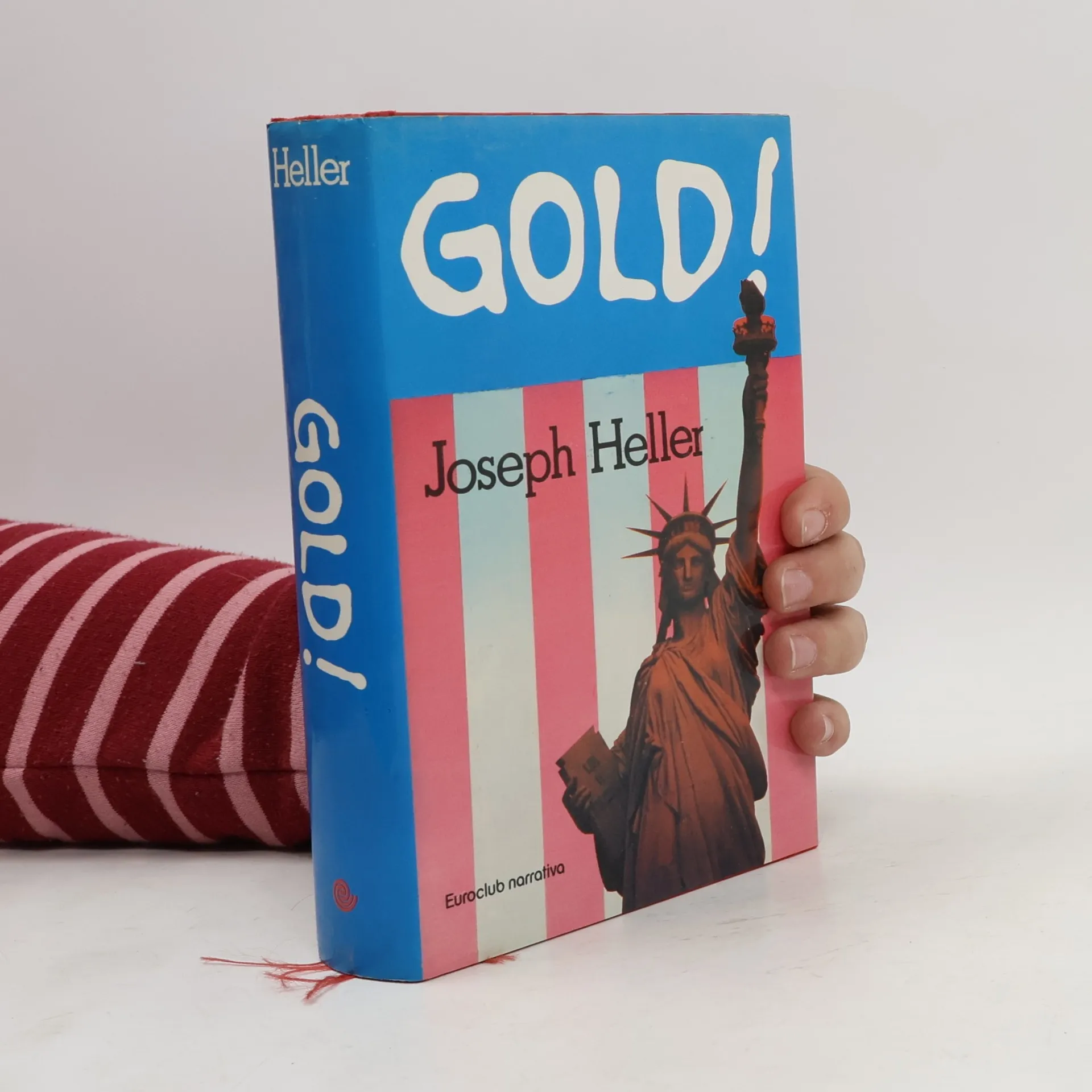
Gold a mennybe megy
- 435pages
- 16 heures de lecture
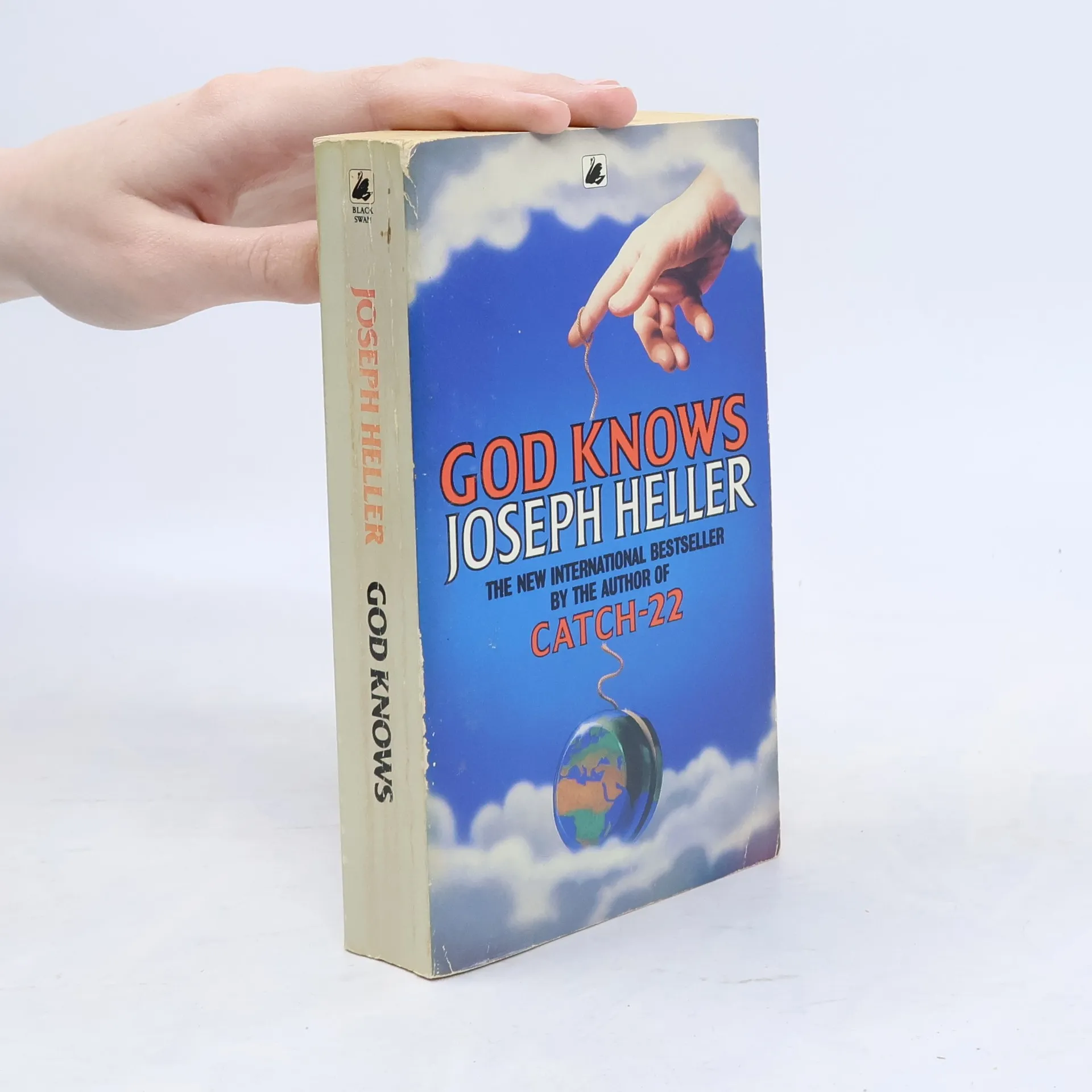
God Knows
- 452pages
- 16 heures de lecture
Joseph Heller's powerful, wonderfully funny, deeply moving novel is the story of David -- yes, King David -- but as you've never seen him before. You already know David as the legendary warrior king of Israel, husband of Bathsheba, and father of Solomon; now meet David as he really was: the cocky Jewish kid, the plagiarized poet, and the Jewish father. Listen as David tells his own story, a story both relentlessly ancient and surprisingly modern, about growing up and growing old, about men and women, and about man and God. It is quintessential Heller.
Eerlijk als Gold
- 440pages
- 16 heures de lecture
Portret van een briljante joodse taal- en letterkundige uit New York, die ondanks zijn doordringen in de hoogste maatschappelijke kringen, een geboren en getogen schlemiel blijft.
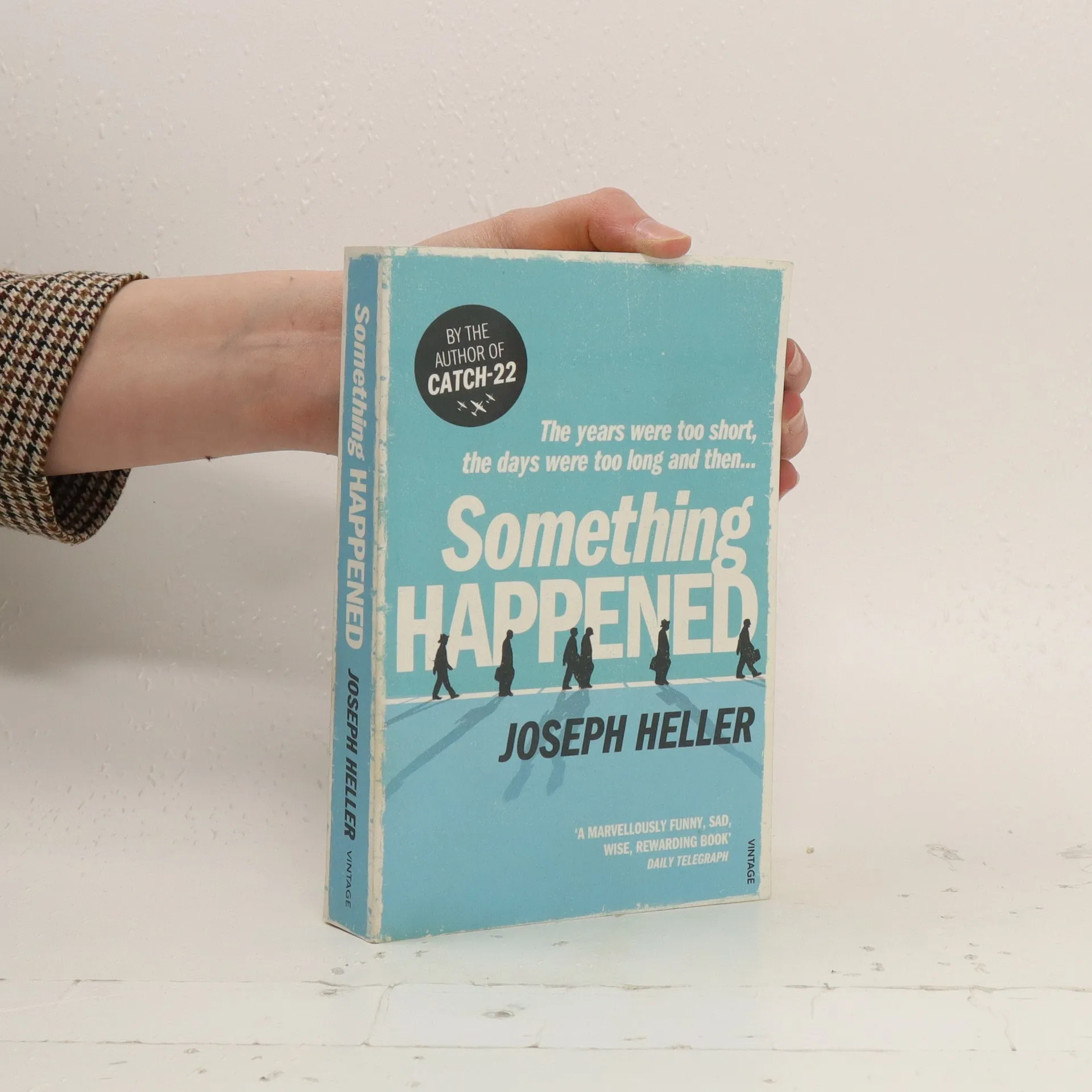
Something happened
- 569pages
- 20 heures de lecture
Bob Slocum was a promising executive. He had an attractive wife, three children, a nice house, and as many mistresses as he desired. His life was settled and ordered; he had conformed and society demanded he be happy - or at least pretend to be, But the pretence was becoming more and more difficult, as Slocum's discontent grew into an overwhelming sense of desolation, frustration and fear. And then something happened. . . .
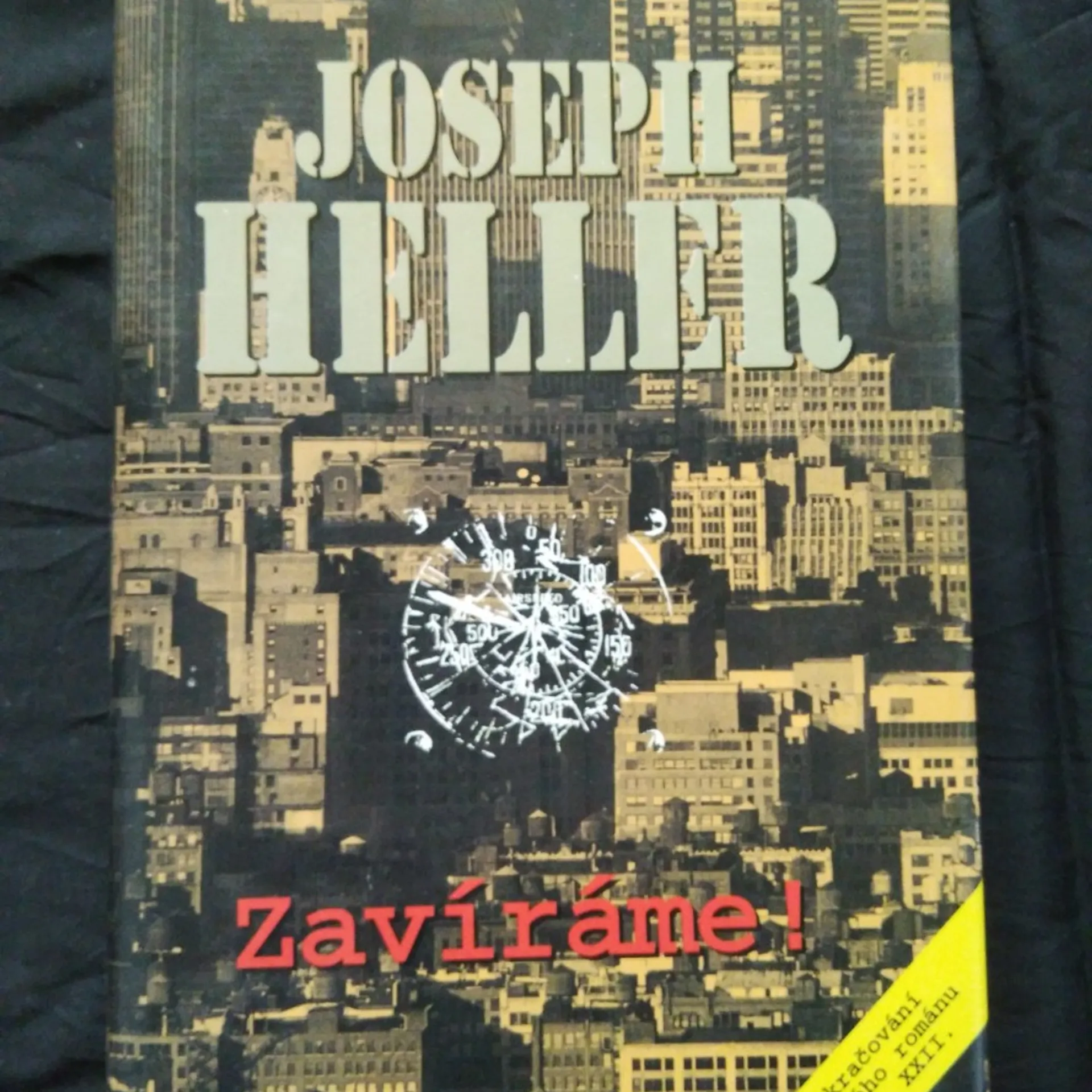
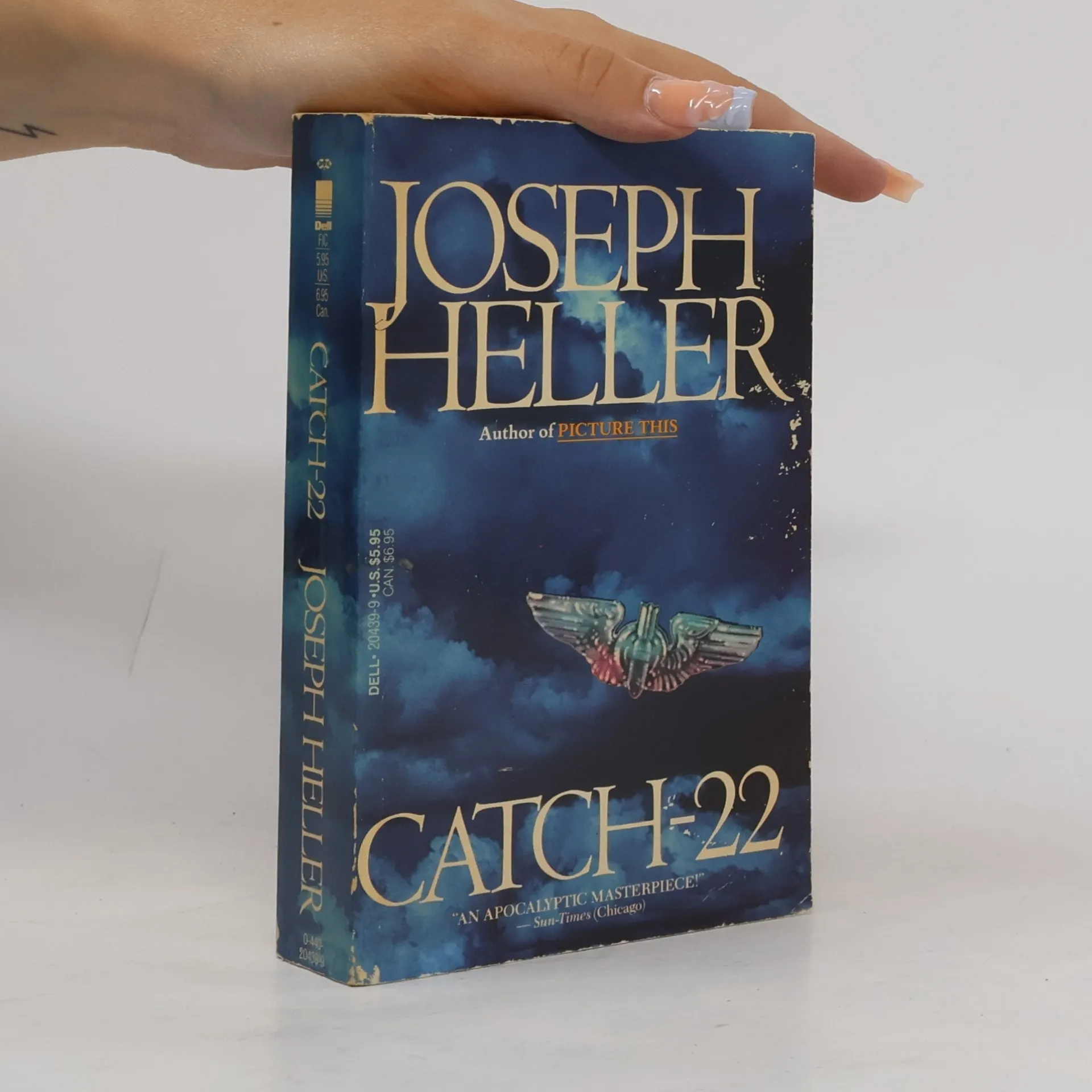
Das Konzept des "Paragraf 22" wurde von Joseph Heller in diesem Roman geschaffen - einem der großen literarischen Meisterwerke des 20. Jahrhunderts. Es bedeutet allgemein ein Paradoxon im Gesetz, in Regeln oder in der Realität, das den Menschen zum Opfer seiner eigenen Handlungen macht, unabhängig davon, was sie sind. Im Werk geht es um einen scheinbar gewöhnlichen Absurdität. Wenn ein Pilot verrückt ist, kann er aufhören zu fliegen. Er muss nur ablehnen. Aber wenn er ablehnt, ist er normal und muss weiter fliegen. Diese raffinierte und schreckliche Definition wurde nach der Veröffentlichung des Romans häufig verwendet und missbraucht. Sie ist zu einem Symbol für die Widersprüche in der "entwickelten Gesellschaft" geworden.
Good as Gold
- 488pages
- 18 heures de lecture
Bruce Gold, a middle-aged, Jewish professor of English literature, finds himself on the brink of a golden career in politics -- and not a moment too soon, as Gold yearns for an opportunity to transform a less-than-picture-perfect life: His children think little of him, his intimidating father endlessly bullies him, and his wife is so oblivious that she doesn't even notice he's left her. As funny as it is sad, Good as Gold is a story of children grown up, parents grown old, and friends and lovers grown apart -- a story that is inimitably Heller.
Depicts the struggles of a U.S. airman attempting to survive the lunacy and depravity of a World War II base