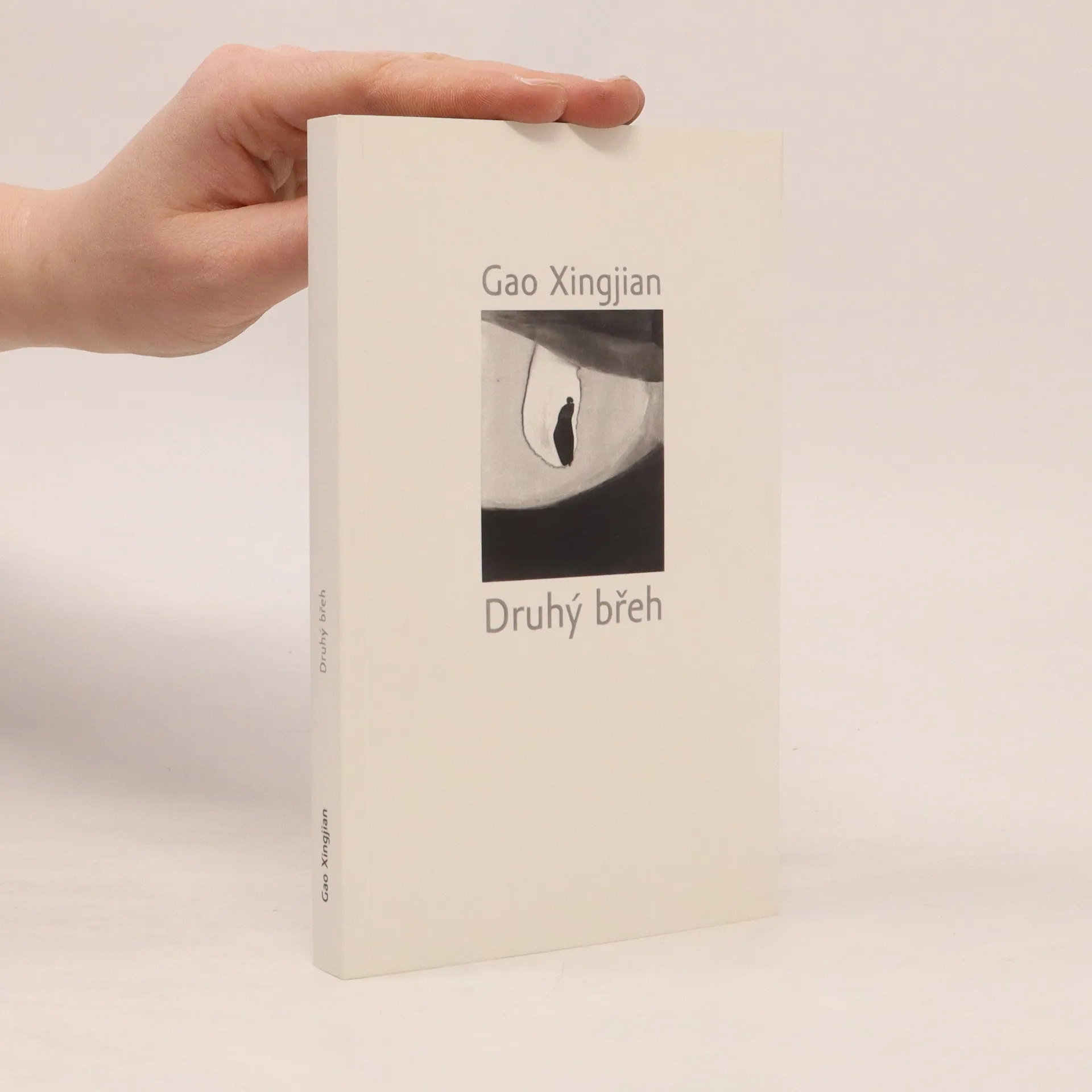
Soubor dramatických textů Druhý břeh francouzského spisovatele a malíře čínského původu Gao Xingjiana, který je u nás známý především díky svým románům Hora duše a Bible osamělého člověka, jej představuje z pohledu jeho originální divadelní tvorby, která jeho prozaické dílo obepíná. Z autorova rozsáhlého dramatického díla bylo pro tento svazek vybráno a z čínštiny a francouzštiny přeloženo sedm textů z let 1986–2000 (Druhý břeh, 1986; Monolog, 1986; Únik, 1990; Námluvy a pomluvy, 1992; Na břehu života, 1993; Náměsíčný, 1995; Hledač smrti, 2000). Svazek doplňují dvě novější autorovy teoretické eseje Všemoc divadla (2007) a Umění hereckého projevu (2009) o autorově pojetí divadla, herectví a dramatu a předmluva překladatele Denise Molčanova a doslov Petra Christova. V knize jsou otištěny reprodukce Gaových obrazů.
Gao Xingjian Ordre des livres (chronologique)
Gao Xingjian est un romancier, dramaturge et peintre d'origine chinoise, dont l'œuvre explore les profondeurs de l'existence humaine, de l'identité et de la liberté dans le paysage de la société moderne. Son écriture aborde souvent des thèmes universels, employant un langage minimaliste mais évocateur qui relie les traditions littéraires orientale et occidentale. La voix distinctive et les perspectives profondes de Gao lui ont valu la reconnaissance en tant que figure littéraire et artistique marquante.


Features some of the most venerable names in publishing and makes available new explorations in writing and translation.
Contra los ismos
- 176pages
- 7 heures de lecture
La literatura es para Gao la voz de un individuo, la expresión de su sentimiento de existir, el resultado de una visión personal del mundo. El autor no pretende explicar el mundo: sencillamente, halla la libertad en la escritura. Entre los textos del presente libro se encuentran La huida –obra de teatro que provocó el rechazo del Partido Comunista chino– y tres ensayos sobre sus concepciones dramáticas, que combinan elementos del teatro tradicional chino e influencias de la dramaturgia occidental moderna (Artaud, Brecht y Beckett).La presente edición consta de textos que fueron escritos en chino y que hasta hoy sólo han sido traducidos al español. Presentamos, pues, una primicia en Occidente.
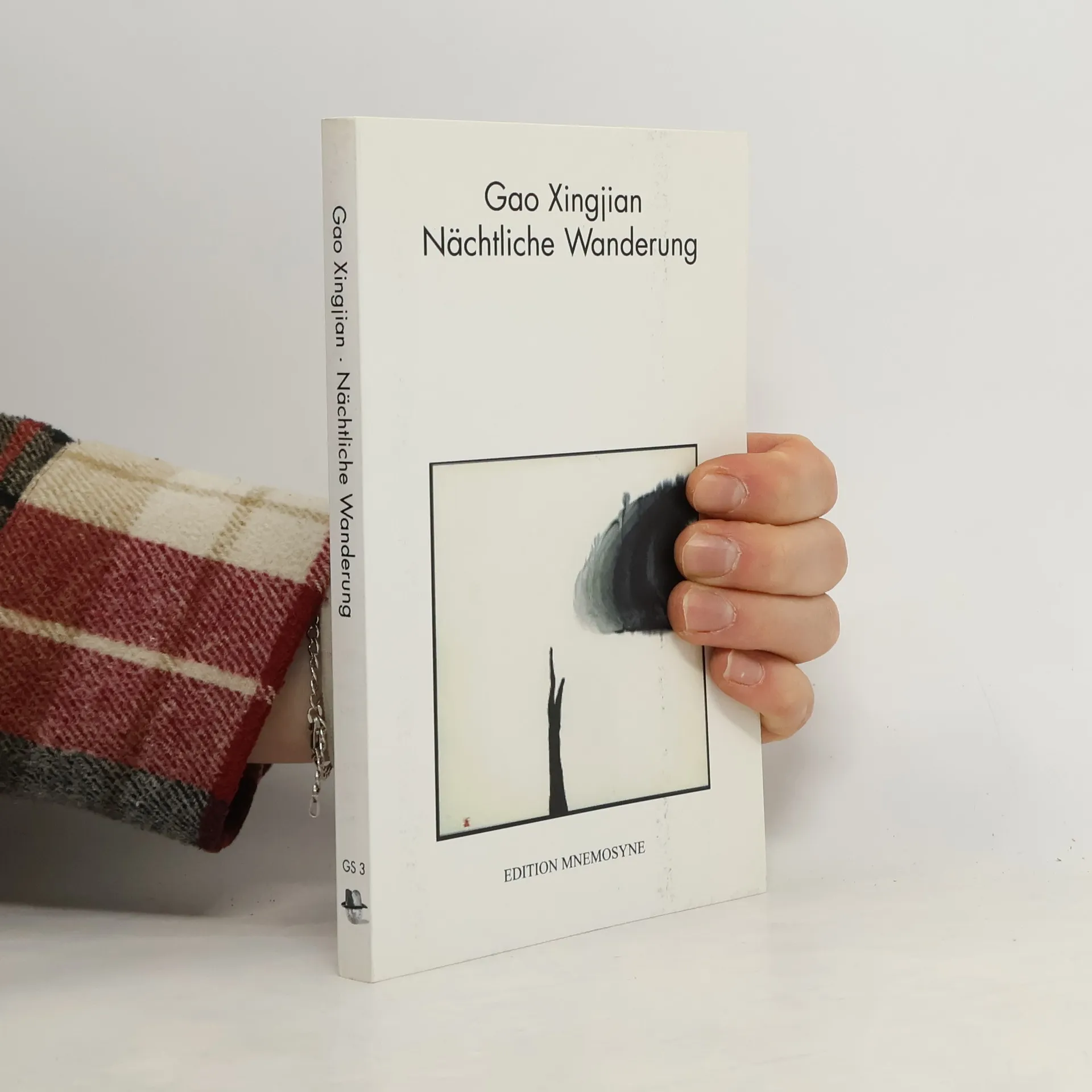
Nächtliche Wanderung.
- 139pages
- 5 heures de lecture
Für mich muß ich sagen, daß ich weder in politischer noch in literarischer Hinsicht einer Franktion oder Schule angehöre. Ich ordne mich keiner Theorie zu, d.h. auch nicht dem Nationalismus oder Patriotismus. Natürlich habe ich trotzdem meine politischen Ansichten und literarischen Auffassungen, doch sehe ich keine Notwendigkeit, diese in irgendein politisches oder literarisches Raster einzuordnen. In Zeiten, da die Ideologien vor unseren Augen zusammenbrechen, kann der Mensch seine geistige Unabhängigkeit nur bewahren, wenn er sich zum Zweifel bekennt. Auch gegenüber dem jeweils Modischen halte ich mich daran. Denn die Erfahrungen, die ich in der Vergangenheit gemacht habe, sagen mir, daß man alles, was aus Massenbewegungen hervorgeht oder dem Massengeschmack entspricht, einschließlich dessen, was man das 'Ich' nennt, weder einstnehmen noch glauben kann.
Le Livre d'un homme seul
- 492pages
- 18 heures de lecture
" Il n'a pas oublié qu'il a eu une autre vie. " Un dramaturge chinois en exil et une jeune juive allemande se découvrent au gré des cicatrices qui dessinent leurs corps. De la profondeur des silences et des tabous, dans la chaleur des corps amoureux, jaillit le récit d'une vie de terreur. Le héros raconte les purges et la barbarie du régime de Mao, mais aussi la fuite et l'espoir...
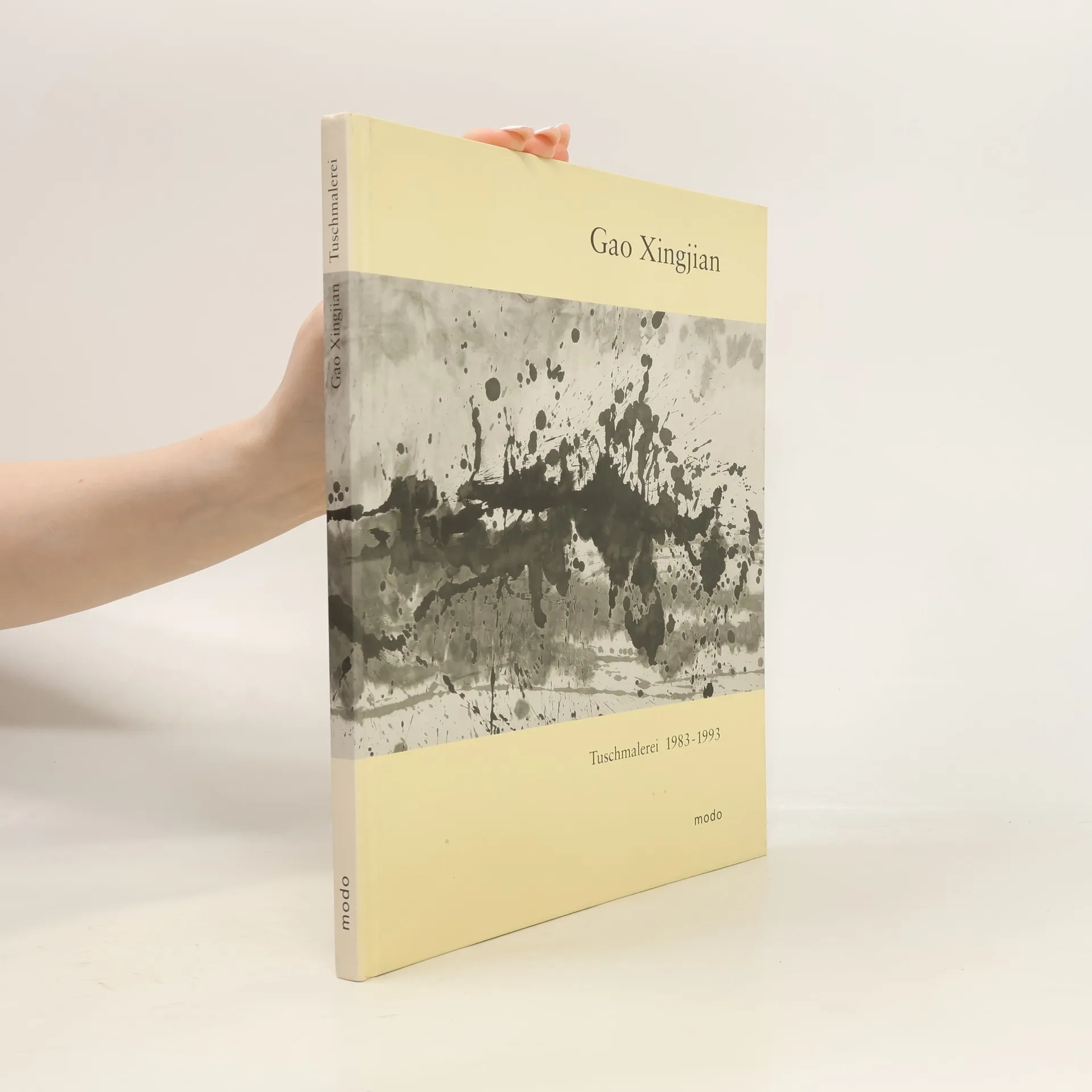
Gao Xingjian - Tuschmalerei 1983-1993
- 103pages
- 4 heures de lecture
Der Nobelpreisträger für Literatur im Jahr 2000 ist neben seiner literarischen Arbeit auch und mit gleichem Gewicht als Maler tätig. Der 1940 in der Provinz Jiangxi geborene Künstler ging nach den Vorgängen auf dem Platz des Himmlischen Friedens 1989 ins Exil nach Frankreich. In China hatte er seine Arbeit nach vielen Repressionen nicht fortsetzen können. Dieser sorgfältig gestaltete Band stellt den Künstler als Schöpfer von Tuschbildern vor, die in einer der größten Sammlungen von Gaos Malerei, der Sammlung F. A. Morat, versammelt sind. Die 60 abgebildeten der mehr als 100 Bilder der Sammlung erlauben einen Einblick in das bildnerische Schaffen dieses Künstlers, der sich zwar traditioneller Mittel – Pinsel, Tusche, Reispapier – bedient, dessen Bildsprache aber von dem abweicht, was wir als chinesische Malerei kennen. In seinem Beitrag „Thoughts on Painting”, der hier zum ersten Mal auch in deutscher Sprache vorliegt, nimmt er Stellung zu seinem malerischen Werk.
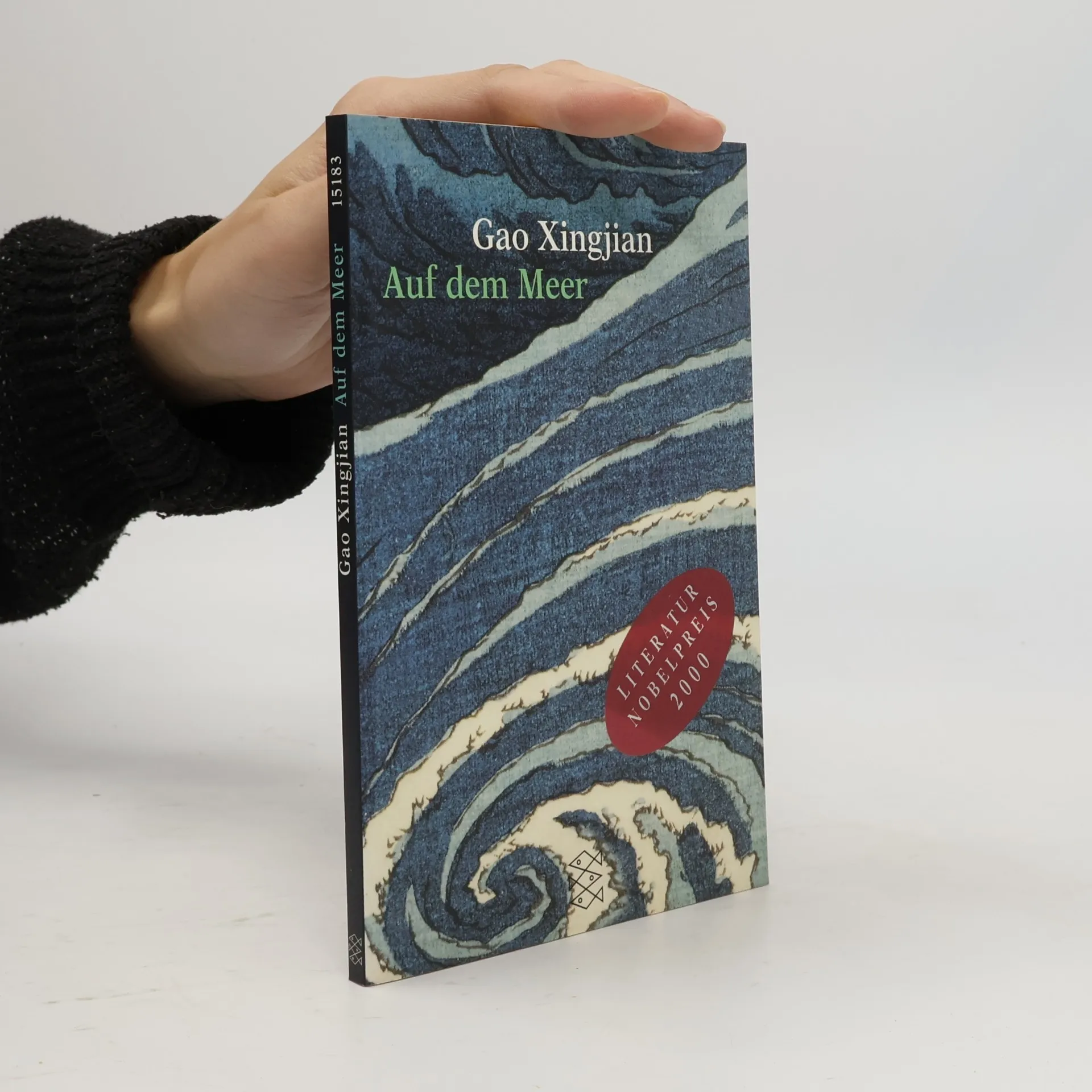
Auf dem Meer. Erzählungen
- 93pages
- 4 heures de lecture
"Auf dem Meer" präsentiert vier Erzählungen von Gao Xingjian, die bedeutende Wegmarken der chinesischen Literatur darstellen. In einem repressiven politischen Umfeld sucht der Autor nach Worten, um grundlegende Werte zu rehabilitieren. Mit Ernst, Ironie und skurrilen Wendungen entfalten die Erzählungen den einzigartigen Resonanzraum seines Schaffens.
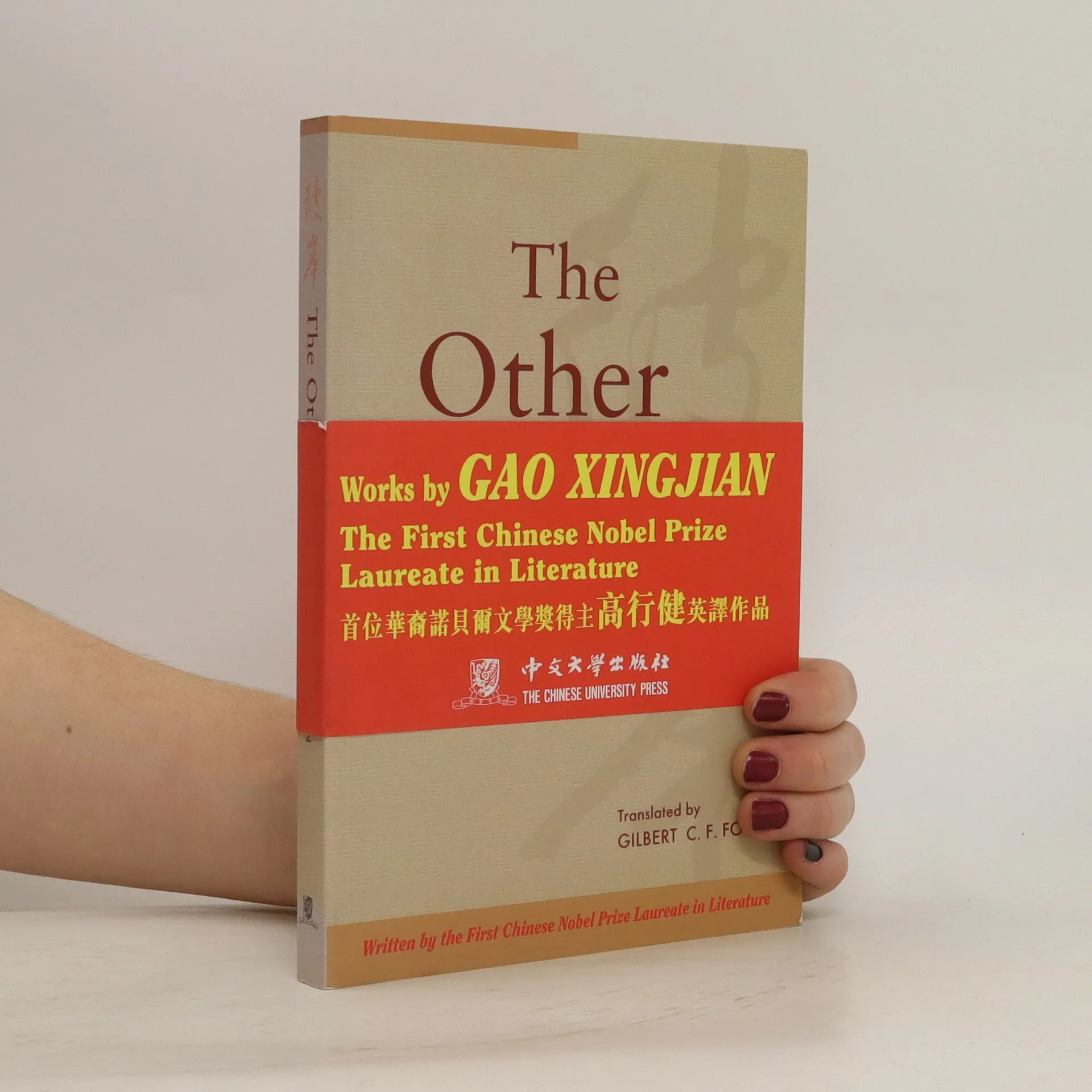
The Other Shore
- 312pages
- 11 heures de lecture
When Gao Xingjian won the Nobel Prize for Literature in 2000, he became the only Chinese writer to achieve such international acclaim. The Chinese University Press is the first publisher of his work in the English language. Indeed, The Other Shore is one of the few works by the author available in English today. The Other Shore: Plays by Gao Xingjian contains five of Gao's most recent works: The Other Shore (1986), Between Life and Death (1991), Dialogue and Rebuttal (1992), Nocturnal Wanderer (1993), and Weekend Quartet (1995). With original imagery and in beautiful language, these plays illuminate the realities of life, death, sex, loneliness, and exile. The plays also show the dramatist's idea of the tripartite actor, a process by which the actor neutralizes himself and achieves a disinterested observation of his self in performance. An introduction by the translator describes the dramatist and his view on drama.
L'aube poche: La Montagne de l'âme
- 669pages
- 24 heures de lecture
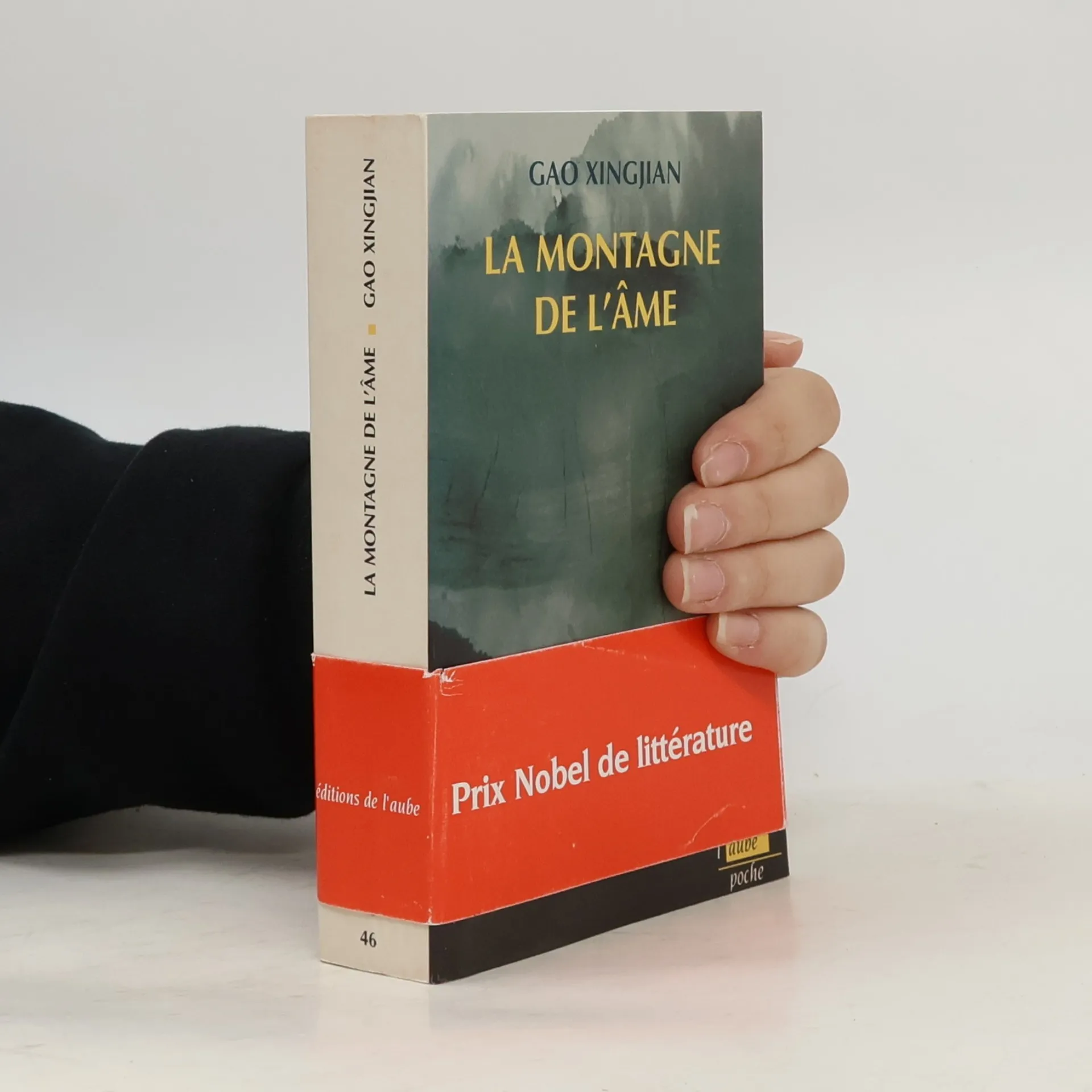
"Toi qui as bien appris tout ce qu'il te faut apprendre, que vas-tu encore rechercher ?" Ce roman est avant tout un conte initiatique. Le héros, dont les médecins ont diagnostiqué à tort un cancer du poumon, renaît à la vie après avoir pactisé un temps avec la mort. Après une telle épreuve, il se met en quête de son Graal intérieur, symbolisé par la mystérieuse "Montagne de l'âme". Dans ce but, il sillonne sans fin son pays, une Chine post-révolution culturelle, qui n'en demeure pas moins enracinée dans son passé. À preuve, les récits fantastiques ou populaires, inspirés du patrimoine traditionnel chinois, que le narrateur égrène sur son chemin, à l'intention, le plus souvent, de la jeune femme dont il s'éprend. Chacun des personnages, désigné par un simple pronom personnel (et donc impersonnel !), apporte une couleur universelle à cet insolite roman picaresque. Gao Xingjian est peintre, dramaturge, essayiste, metteur en scène et traducteur (les surréalistes, Ionesco et Beckett). Il vit en Seine-Saint-Denis depuis les événements de Tiennamen. La Montagne de l'âme est son premier roman et le premier prix Nobel chinois. --Laure Anciel
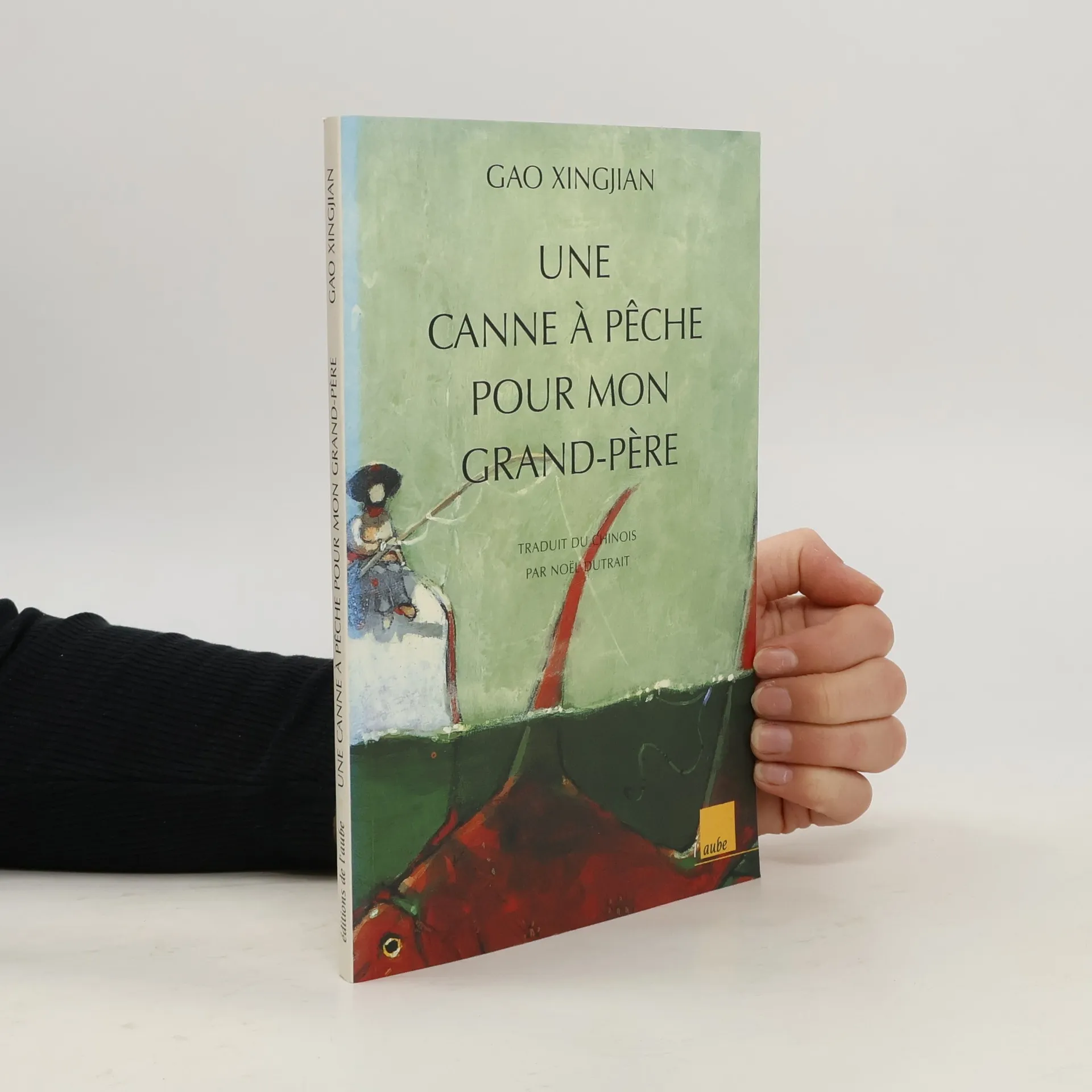
Une canne à pêche pour mon grand-père
- 112pages
- 4 heures de lecture
Souvenirs d’enfance, les bonheurs simples de l’amour et de l’amitié, le pays natal et ses lieux familiers, mais aussi les drames de la rue ou les tragédies vécues par la Chine, tels sont les thèmes de prédilection de ces six nouvelles choisies par l’auteur – avec la complicité de son traducteur. « Dans ce recueil vous trouverez “Instantanés”, l’un des plus beaux textes de Gao Xingjian. » Alain Peyraube, Le Monde. « Gao Xingjian appartient à ce qu’on pourrait dire l’école du vrai. De fait, chaque mot qu’il écrit est lesté de son poids de sens vécu et trouve sa place dans une langue limpide et pure de toute fioriture – chaque mot sonne vrai. » Jean-Louis Kuffer, 24 heures.