

Bookbot

Karl Marx

    5 mai 1818 – 14 mars 1883

    Karl Marx fut un scientifique social, l'un des principaux architectes des sciences sociales modernes, dont l'œuvre a profondément façonné le développement de la théorie communiste. Ses écrits, en particulier "Le Capital", ont offert un examen critique de la société et des systèmes économiques, influençant des générations de penseurs. L'approche analytique de Marx et ses théories sur la lutte des classes et le développement historique ont laissé une marque indélébile dans l'histoire intellectuelle mondiale. Il demeure l'une des figures les plus influentes de l'histoire de l'humanité, suscitant continuellement des débats sur le pouvoir, l'économie et le changement social.

    Karl Marx
    Philosophie
    Le 18 brumaire de Louis Bonaparte
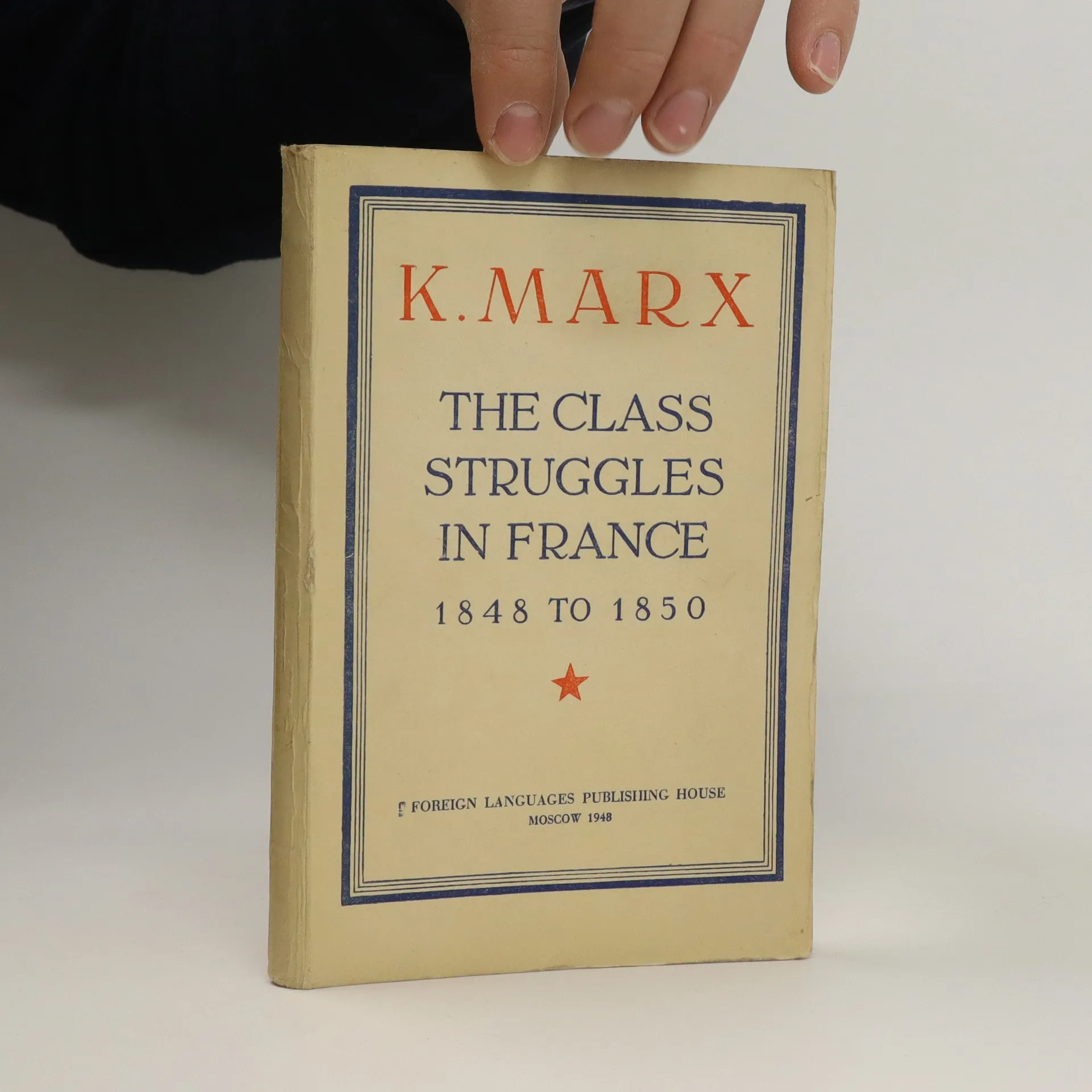
    Les luttes de classes en France suivi de La Constitution de la République Française adoptée le 4 novembre 1848 suivi de Le 18 Brumaire de Louis Bonaparte
    Aliénation et émancipation
    Manifeste
    Le Capital
    • Le Capital

      • 992pages
      • 35 heures de lecture

      Les différents moments de l'accumulation initiale se répartissent donc principalement, dans un ordre plus ou moins chronologique, entre l'Espagne, le Portugal, la Hollande, la France et l'Angleterre. A la fin du XVIIe siècle, en Angleterre, ils sont tous rassemblés en une sorte de résumé systématique dans un système colonial, un système de la dette publique, et un système moderne d'imposition et de protection douanière. Ces méthodes reposent en partie sur la violence la plus brutale ; c'est le cas, par exemple, du système colonial. Mais toutes utilisent le pouvoir d'Etat, la violence concentrée et organisée de la Société, pour activer artificiellement le procès de transformation du mode de production féodal en mode de production capitaliste et pour en abréger les transitions. La violence est l'accoucheuse de toute vieille société grosse d'une société nouvelle. Elle est elle-même une potentialité économique.

      Le Capital
      4,3
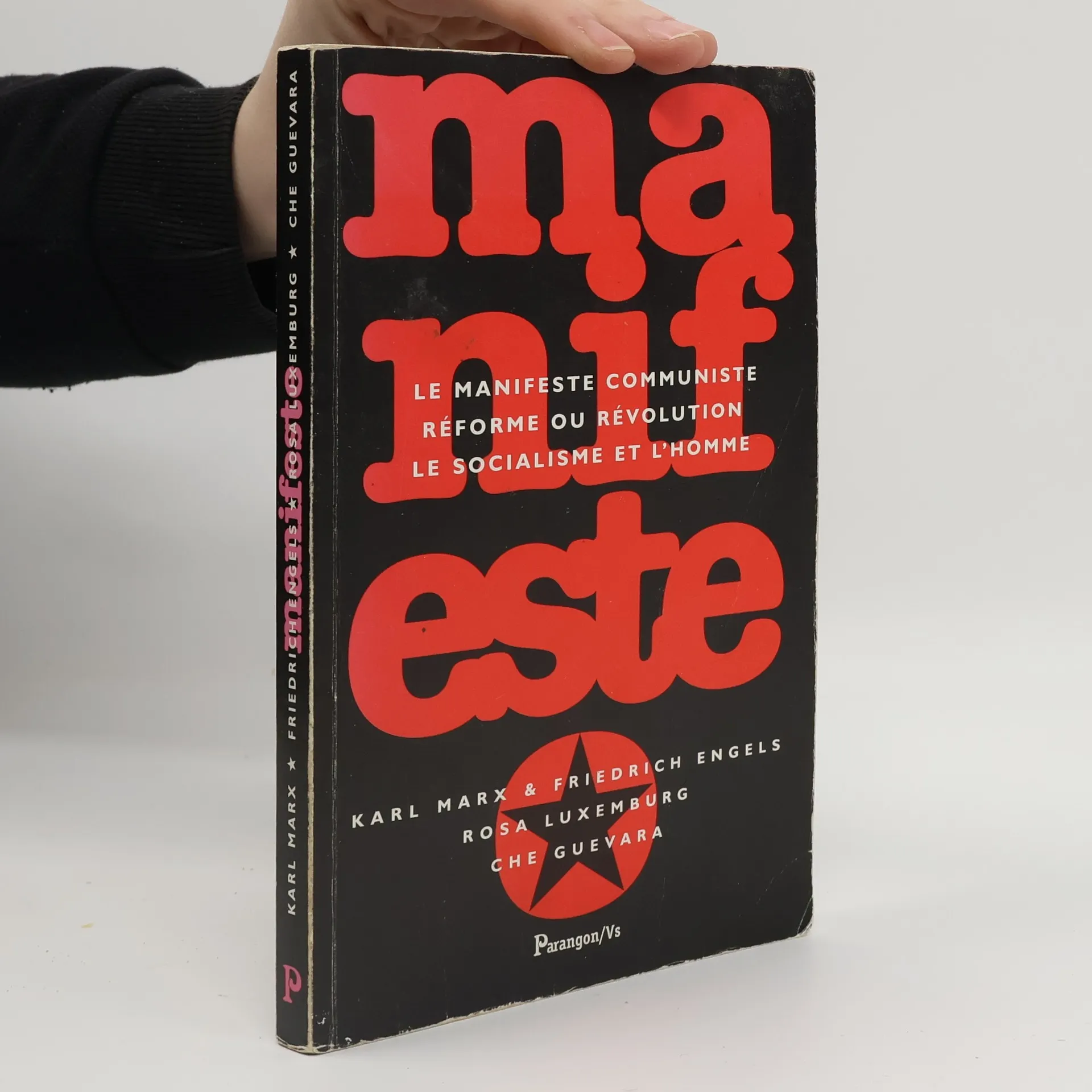
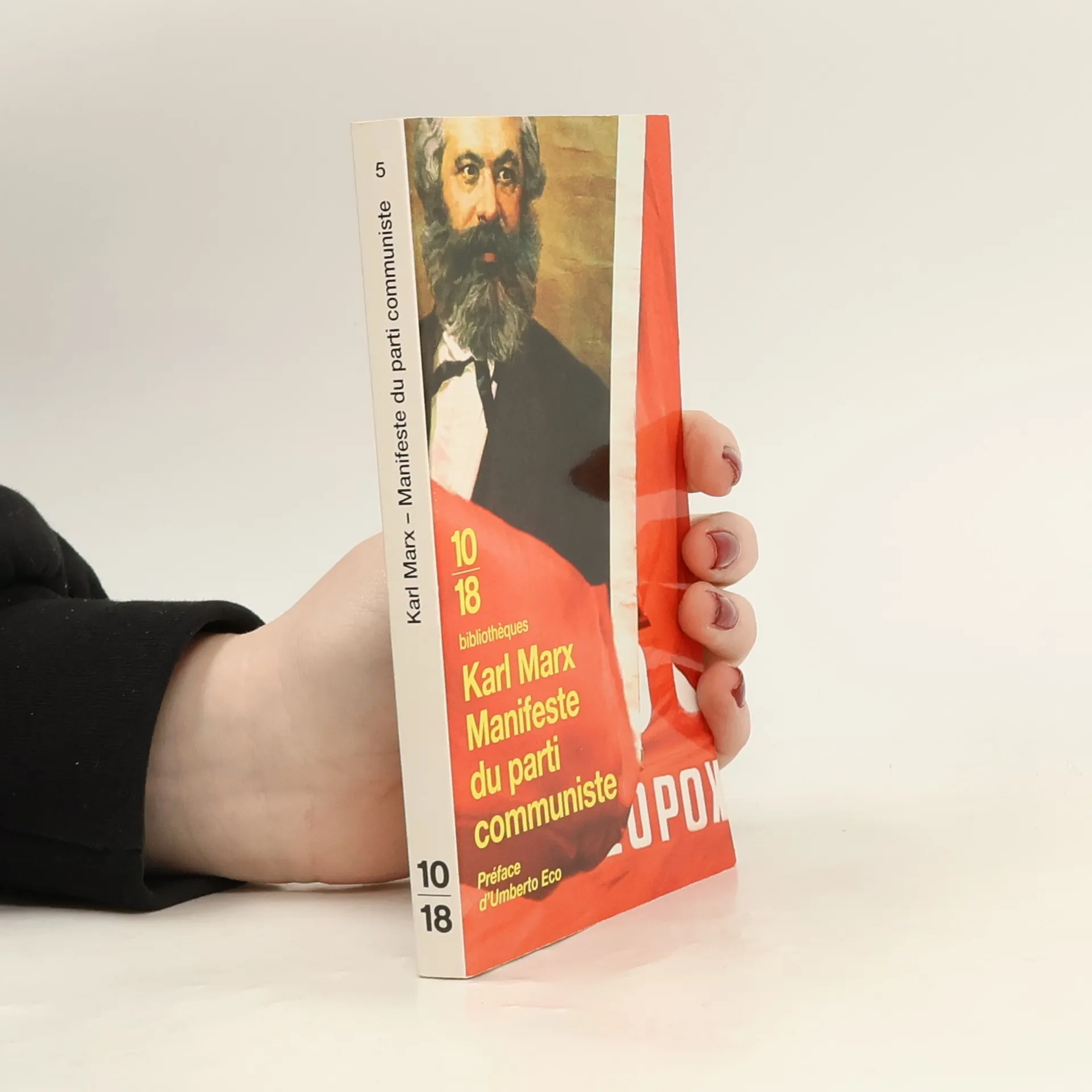
    • Manifeste

      Le Manifeste communiste, Réforme ou révolution, Le Socialisme et l'homme

      • 156pages
      • 6 heures de lecture

      En 1847, la Ligue communiste, nouvellement formée, demande à Karl Marx et Friedrich Engels de rédiger un manifeste exposant ses orientations et ses buts. Le Manifeste communiste est publié à Londres en février 1848, en langue allemande. Il connaît une diffusion massive à partir de 1871. Critiquant le révisionnisme d'Eduard Bernstein, Réforme ou révolution est initialement publié sous la forme d'une série d'articles, en septembre 1898 et avril 1899. Bernstein, personnalité de premier plan du mouvement socialiste allemand, rejetait un grand nombre de concepts marxistes, en se basant sur la montée de la social-démocratie et d'une supposée stabilité du capitalisme. Che Guevara rédige en 1965 une lettre, Le socialisme et l'homme, adressée à Carlos Quijano, journaliste à l'hebdomadaire Marcha, à Montevideo. Ces textes sont un acte d'accusation contre l'aliénation, née de l'exploitation de l'homme par l'homme. Ils ont en commun l'idée que le système capitaliste mène, par son propre développement, à la nécessité de socialiser la richesse.

      Manifeste
      4,0
    • Aliénation et émancipation

      Précédé de urgence de communisme ; suivi de Karl Marx : 82 textes du Capital sur l'aliénation

      • 219pages
      • 8 heures de lecture

      Avec la crise profonde du capitalisme, le concept d'aliénation de Marx connaît un regain d'intérêt. Lucien Sève, dans ce recueil, propose une réactualisation précise de ce concept en lien avec les enjeux théoriques et politiques contemporains, visant l'émancipation collective et le dépassement du capitalisme. L'ouvrage offre une lecture inédite de Marx, démontrant que l'idée d'aliénation, centrale dans les Manuscrits de 1844, ne disparaît pas dans Le Capital, mais y prend une dimension nouvelle. Au-delà de la souffrance individuelle au travail, elle interroge les logiques fondamentales du capitalisme : sans appropriation collective, les productions humaines deviennent des forces sociales incontrôlables, menaçant l'humanité. Sève souligne que surmonter cette aliénation est essentiel, car l'émancipation sociale ne peut exister sans celle de chaque individu, et la préservation de la planète dépend de la lutte contre la déshumanisation capitaliste. Le texte inédit "Urgence de communisme", qui constitue la première moitié de l'ouvrage, affirme que pour dépasser le capitalisme aliénant, il est crucial d'inventer un communisme radicalement émancipateur, comme l'envisageait Marx.

      Aliénation et émancipation
      3,5
    • Il est des textes qui ont une réputation pauvrement décalée au regard de leur profondeur analytique. Qu'a-t-on retenu des essais d'histoire immédiate de Karl Marx, face aux événements qui secouent la France entre 1848 et 1851, sinon la formule triviale qui voudrait qu'événements et personnages surgissent deux fois, la première comme grande tragédie, la seconde comme misérable farce ? Or les écrits de Marx, historien de la France, sont avant tout des modèles d'histoire conceptuelle. Tocqueville, son contemporain, a forgé, comme grille d'analyse de la démocratie libérale, le couple antagonique liberté-égalité ; Marx nous a laissé en héritage le couple société-État. Historiens, philosophes, sociologues et politistes n'ont cessé d'en débattre depuis lors autonomie relative de l'État, limites de la société civile, ou bien encore notion, vite devenue inusable fourre-tout, de " bonapartisme ". Éclairer l'héritage conceptuel et interprétatif de Marx, qui d'autre mieux que Maximilien Rubel pouvait le faire dans Karl Marx devant le bonapartisme, étude toujours lumineuse sur le statut historique, philosophique et politique de l'État dans la pensée marxienne ?
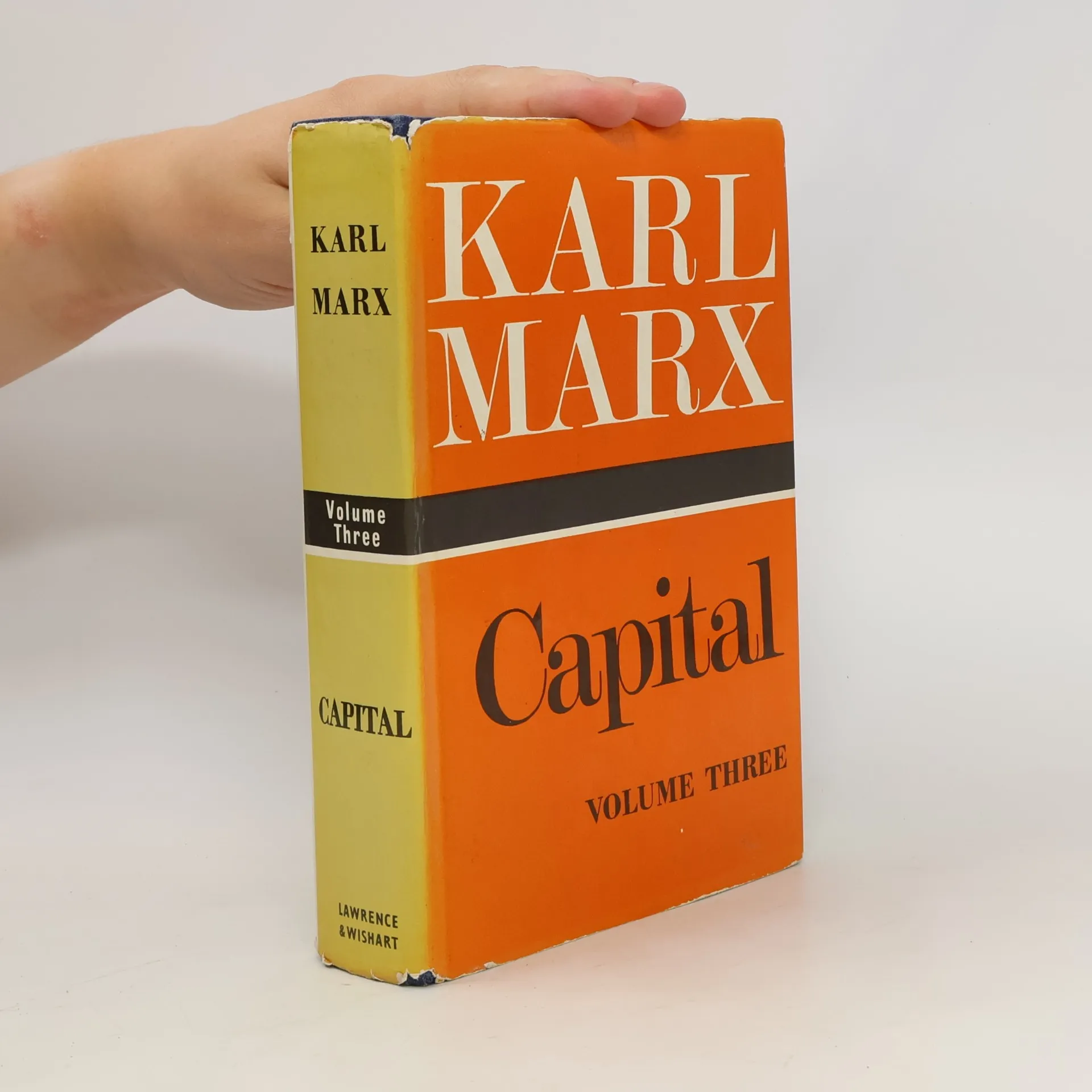
      Les luttes de classes en France suivi de La Constitution de la République Française adoptée le 4 novembre 1848 suivi de Le 18 Brumaire de Louis Bonaparte
      4,1
    • Le 18 brumaire de Louis Bonaparte

      • 223pages
      • 8 heures de lecture

      Ecrit de décembre 1851 à mars 1852, dans des conditions matérielles très précaires, Le 18 brumaire analyse " l'histoire immédiate " du coup d'Etat qui, le 2 décembre 1851, porte le neveu de Napoléon à la tête de ce qui va devenir Second Empire. En plaçant le coup d'Etat dans son contexte économique, social et culturel, Marx nous en donne une interprétation brillante où il dévoile la nature d'un Etat vampire, animé par une caste de bureaucrates surnuméraires qui dévore la société civile. Cette intelligence claire des évènements, au moment même où ils se déroulent, est, en effet, un exemple.

      Le 18 brumaire de Louis Bonaparte
      4,1
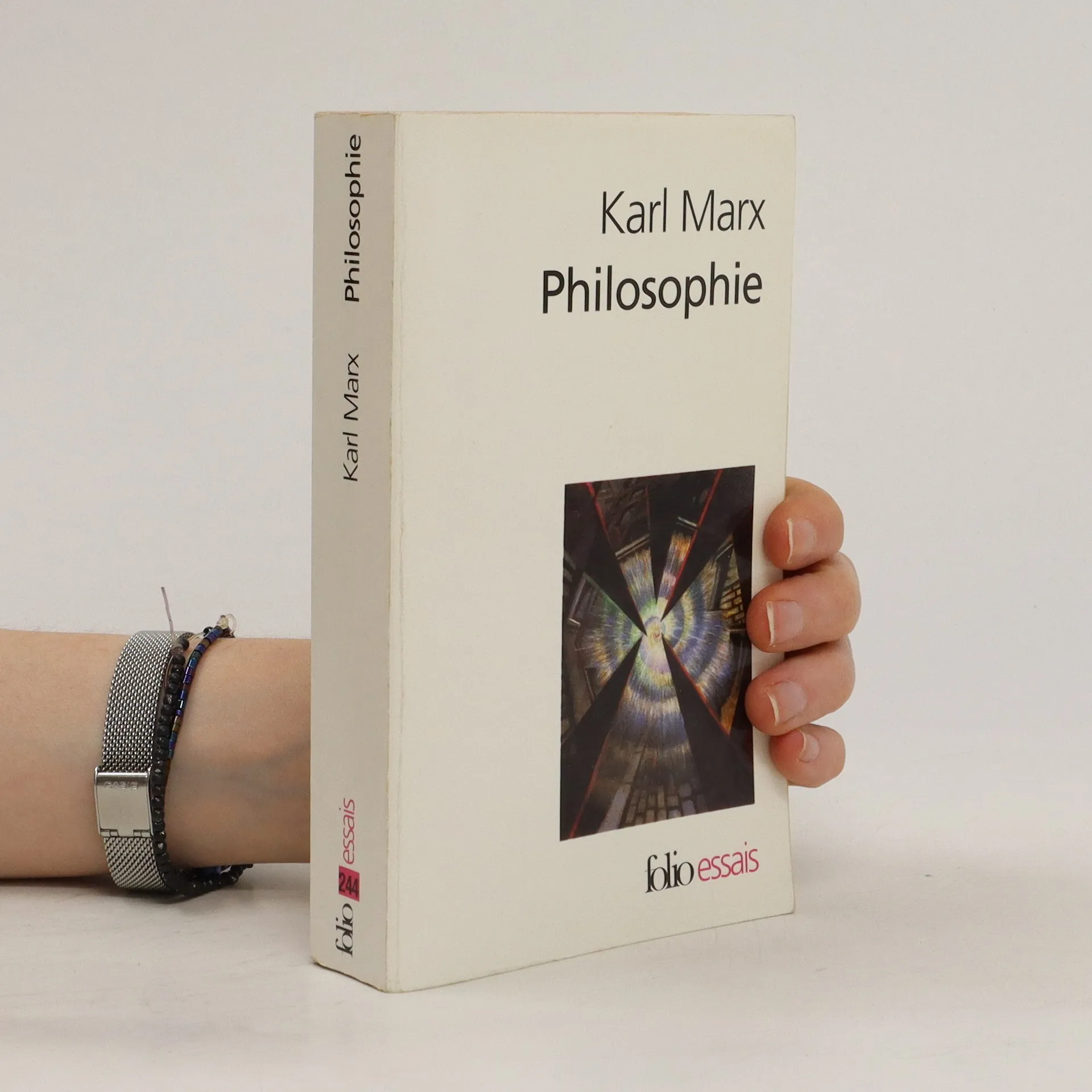
    • Philosophie

      • 684pages
      • 24 heures de lecture

      Argent, État, prolétariat Économie et philosophie De l'abolition de l'État à la constitution de la société humaine La Sainte Famille ou Critique de la critique critique L'Idéologie allemande Le Manifeste communiste De la Critique de l'économie politique Du Capital

      Philosophie
      3,6
    • Civil War in France: The Paris Commune

      • 144pages
      • 6 heures de lecture

      A reprint of the 1934 'enlarged edition', a volume that added newly translated material to the title essay. It includes an introduction by Engels ["Do you want to know that this dictatorship of the proletariat looks like? Then look at the Paris Commune. That was the dictatorship of the proletariat"], Marx's first and second 'Manifesto On The Franco-Prussian War', the correspondence of Marx & Engels on the Commune, and Engels' 'The Program of the Blanquist Fugitives from the Paris Commune'.

      Civil War in France: The Paris Commune
      4,6
    • Value, Price and Profit

      • 76pages
      • 3 heures de lecture

      This paper highlights two notable characteristics of Marx: his patient effort to clarify his ideas for even the simplest student and the remarkable clarity of those ideas. The volume serves as a concise summary of the first volume of Capital, which many have attempted to analyze and simplify, often with limited success. A humorous commentator has suggested that Marx should explain our interpretations of his work. Students frequently ask for the best sequence of books to grasp the fundamental principles of Socialism, a challenging question to answer. A possible recommendation includes Engels' Socialism, Utopian and Scientific, followed by this work, the first volume of Capital, and the Student's Manual. My contribution to this work involved reading the manuscript, suggesting English expressions, organizing the chapters, and revising proofs for publication. The majority of the work, however, was accomplished by the individual credited on the title page. This edition is a reproduction of an important historical work, published by Forgotten Books, which employs advanced technology to digitally reconstruct texts while preserving their original format and repairing imperfections. While some flaws from the original may remain, most have been successfully addressed to maintain the integrity of these historical works.

      Value, Price and Profit
      4,5
    • A Contribution To The Critique Of The Political Economy

      Translated From The Second German Edition By N. I. Stone With An Appendix

      • 158pages
      • 6 heures de lecture

      Focusing on the foundations of political economy, this work critiques classical economic theories and explores the relationship between labor, value, and capital. It delves into the dynamics of capitalist society and the impact of economic structures on social relations. The translation includes an appendix featuring Marx's introduction to the critique, providing additional insights into his revolutionary ideas. This edition is significant for those studying Marx's contributions to economic thought and its implications for political theory.

      A Contribution To The Critique Of The Political Economy
      5,0
    • Exploring the economic theories of Karl Marx, this edition features two pivotal essays that delve into the dynamics between labor, value, and profit. "Wage Labour and Capital" lays the groundwork for concepts later expanded in "Das Kapital," while "Value, Price, and Profit" articulates Marx's belief that workers, who generate value, deserve a share in the profits through fair wages. Marx's insights into class struggle and economic inequality continue to resonate, making his work essential for understanding contemporary economic issues.

      Wage Labour and Capital and Value, Price, and Profit
      4,6
    • The Marx Reader

      Manifesto of the Communist Party; Wage Labour & Capital; and Value, Price & Profit

      • 154pages
      • 6 heures de lecture

      Exploring the foundations of Marxist economic theory, this collection includes three pivotal works that delve into the critique of political economy, the nature of capitalism, and the dynamics of labor and value. Each treatise offers profound insights into the workings of capitalist societies, addressing issues such as exploitation, class struggle, and the relationship between labor and production. Together, they provide a comprehensive understanding of Marx's revolutionary ideas and their enduring impact on economic thought and social theory.
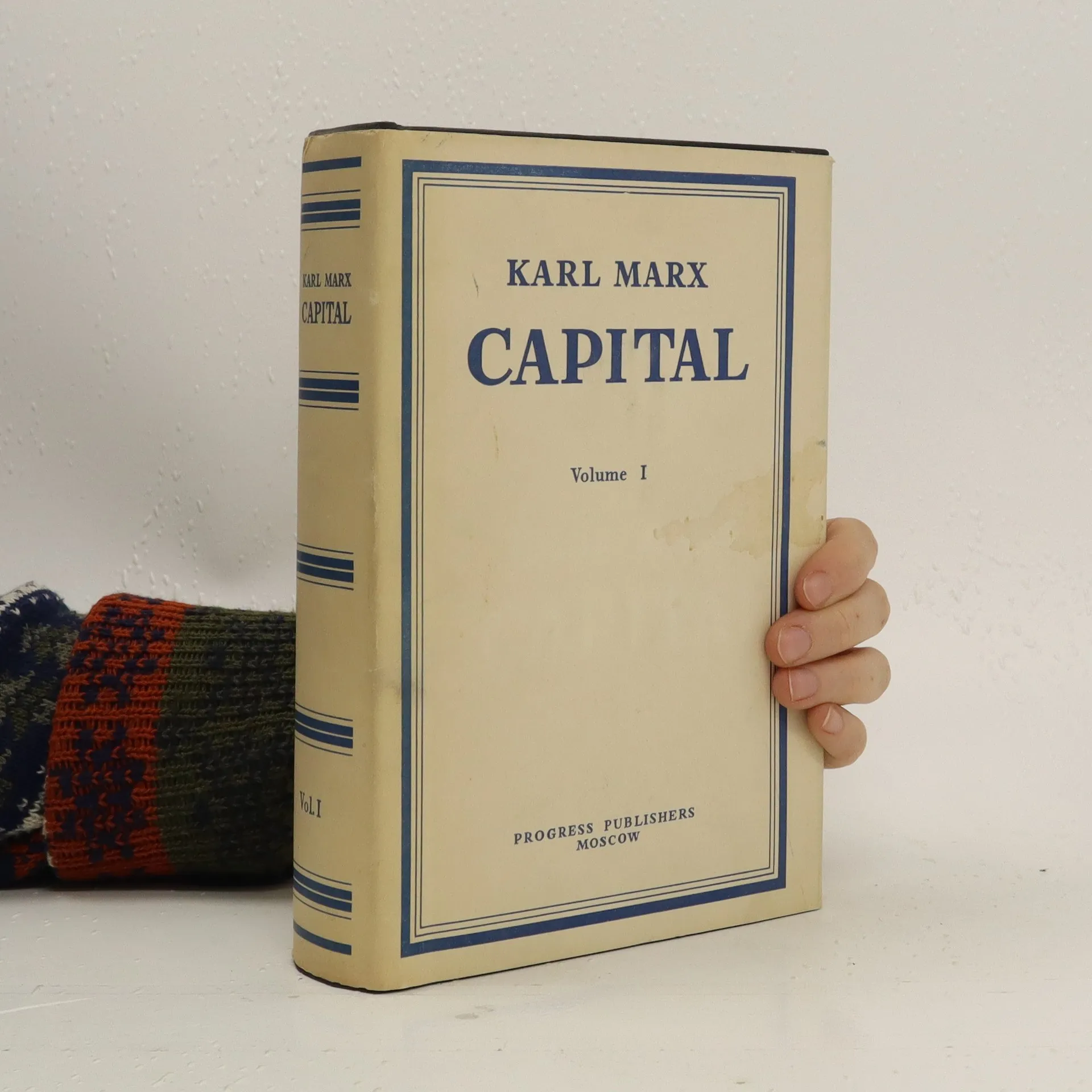
      The Marx Reader
      4,7
    • Since their first appearance as separate brochures Wage-Labour and Capital and Value, Price and Profit have served as popular introductions to the study of political economy, each complementing the other. The first is based on lectures delivered by Marx before the German Workingmen's Club of Brussels in 1847, the second is an address by Marx before two sessions of the General Council of the First International in London in 1865. Both classics are included in this volume.
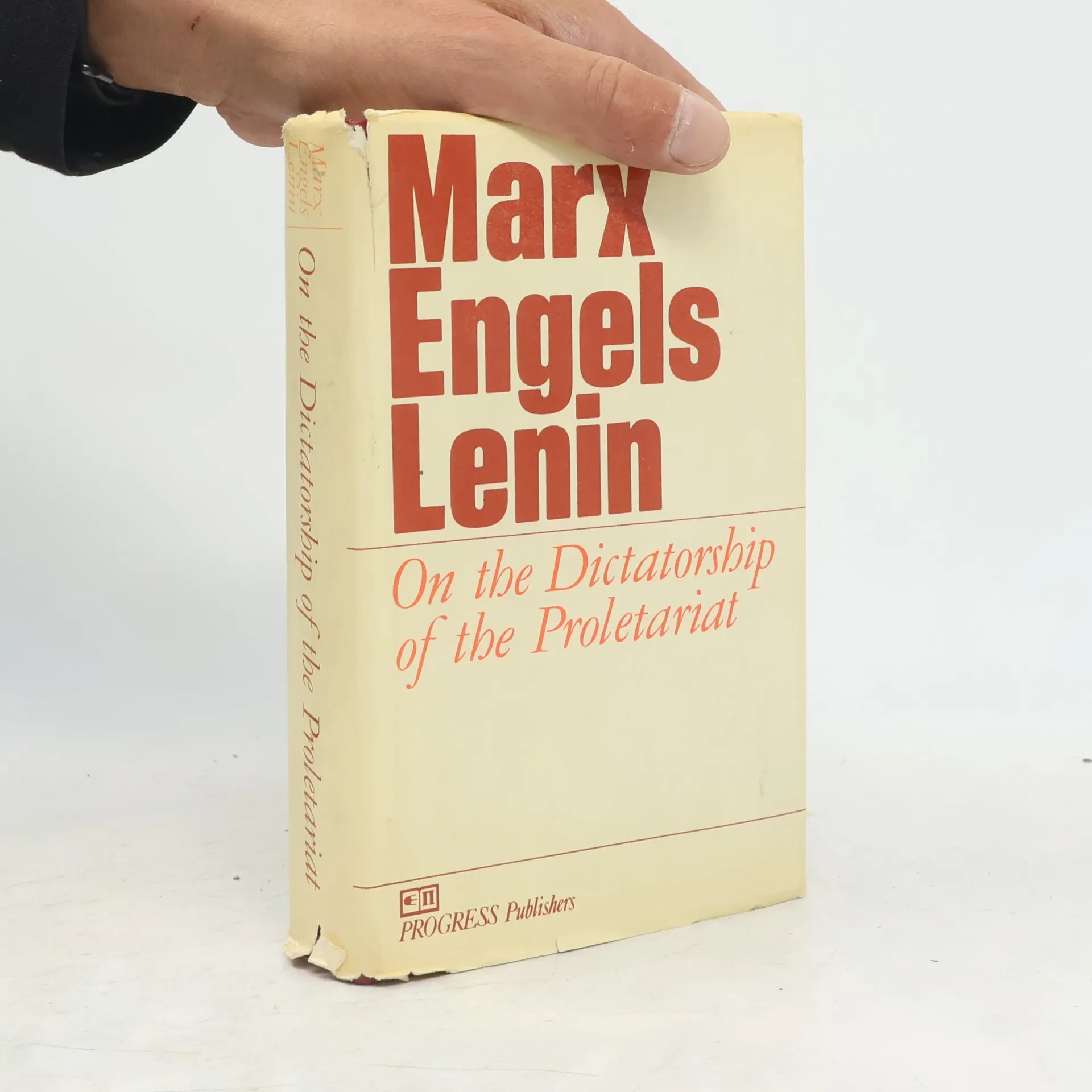
      Wage Labour and Capital / Value Price and Profit
      4,4
    • Paris Commune 150

      • 112pages
      • 4 heures de lecture

      The book explores the Paris Commune of 1871, highlighting its brief but impactful experiment in democracy and workers' governance. It includes Marx's address on the Commune, Lenin's reflections on its significance for building socialism, and Bertolt Brecht's poetic tribute. Additionally, it features the Manifesto of the Paris Commune's Federation of Artists, showcasing the cultural and political aspirations of the time. Together, these texts provide insights into revolutionary thought and the enduring legacy of the Commune in shaping socialist ideals.
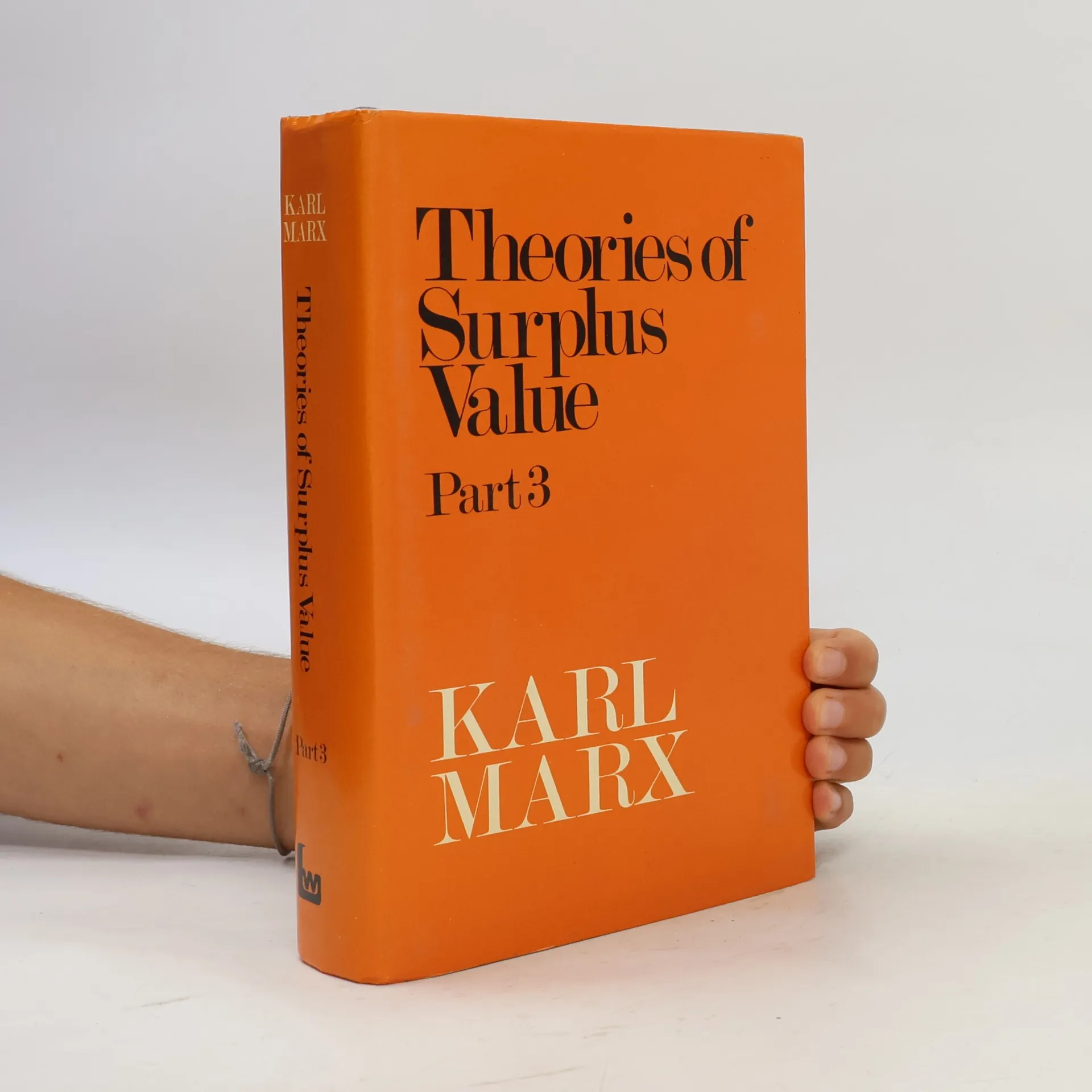
      Paris Commune 150
      4,4
    • Grundrisse

      • 912pages
      • 32 heures de lecture

      Written during the winter of 1857-8, the Grundrisse was considered by Marx to be the first scientific elaboration of communist theory. A collection of seven notebooks on capital and money, it both develops the arguments outlined in the Communist Manifesto (1848) and explores the themes and theses that were to dominate his great later work Capital. Here, for the first time, Marx set out his own version of Hegel's dialectics and developed his mature views on labour, surplus value and profit, offering many fresh insights into alienation, automation and the dangers of capitalist society. Yet while the theories in Grundrisse make it a vital precursor to Capital, it also provides invaluable descriptions of Marx's wider-ranging philosophy, making it a unique insight into his beliefs and hopes for the foundation of a communist state. For more than seventy years, Penguin has been the leading publisher of classic literature in the English-speaking world. With more than 1,700 titles, Penguin Classics represents a global bookshelf of the best works throughout history and across genres and disciplines. Readers trust the series to provide authoritative texts enhanced by introductions and notes by distinguished scholars and contemporary authors, as well as up-to-date translations by award-winning translators.

      Grundrisse
      4,3
    • Marx's Capital

      • 384pages
      • 14 heures de lecture

      Karl Marx's Capital is the classic text of Marxism for economists, social scientists, philosophers, students and political activists alike. But the sheer extent of Marx's great work of political economy has often daunted readers, and hampered their understanding of his ideas. Chris Arthur has substantially edited and abridged Marx's monumental work, eliminating the more arcane polemics, the scholarly footnotes, statistical data and mathematical formulae. He leaves intact and clarified Marx's main theoretical arguments and the historical information which supports them. 'Chris Arthur has solved the problem of slimming down Capital with exceptional success' EJ Hobsbawm 'A skilful abridgement...approachable and readable' Sean Sayers, Political Studies

      Marx's Capital
      4,2
    • Marx: Later Political Writings

      • 304pages
      • 11 heures de lecture

      A collection of Marx's important later writings translated and introduced by a leading Marx scholar.

      Marx: Later Political Writings
      4,3
    • "A new beautiful edition of The Communist Manifesto, combined with Lenin’s key revolutionary tract. It was the 1917 Russian Revolution that transformed the scale of the Communist Manifesto, making it the key text for socialists everywhere. On the centenary of this upheaval, this volume pairs Marx and Engels’s most famous work with Lenin’s own revolutionary manifesto, The April Theses, which lifts politics from the level of everyday banalities to become an art-form."-- versobooks.com

      The Communist Manifesto / The April Theses
      4,2
    • In Critique of the Gotha Programme, Karl Marx delivers a sharp analysis and critique of the socio-economic proposals of the German Social Democratic Party (SPD) from 1875. This influential work is essential for grasping the flaws and contradictions inherent in capitalist societies. Marx examines the fundamental principles and practical implications of the Gotha Programme, challenging its vision of socialism and exposing its internal contradictions. He meticulously dissects the program's views on labor, distribution, and the state's role, highlighting their inadequacy in addressing the oppressive nature of capitalism. Throughout the text, Marx confronts the flawed notions of equality and fairness claimed by the Gotha Programme, identifying the remnants of bourgeois thought that persist in the party's proposals, which continue to perpetuate class divisions and exploitative labor relations. His critique combines rigorous analysis with passionate prose, serving as a powerful indictment of capitalist ideology and a call for revolutionary societal transformation. This work showcases Marx's intellectual brilliance and commitment to the working class's emancipation, advocating for a true socialist revolution and a classless society. It remains a vital resource for those seeking to understand Marxist theory and its relevance to the struggle against exploitation and inequality.

      Critique of the Gotha Programme
      4,3
    • Unfinished at the time of Marx's death in 1883 and first published with a preface by Frederick Engels in 1894, the third volume of Das Kapital strove to combine the theories and concepts of the two previous volumes in order to prove conclusively that capitalism is inherently unworkable as a permanent system for society. Here, Marx asserts controversially that - regardless of the efforts of individual capitalists, public authorities or even generous philanthropists - any market economy is inevitably doomed to endure a series of worsening, explosive crises leading finally to complete collapse. But healso offers an inspirational and compelling prediction: that the end of capitalism will culminate, ultimately, in the birth of a far greater form of society.

      Capital. Volume III.
      4,2
    • Capital

      A Critique of Political Economy [Abridged]

      • 200pages
      • 7 heures de lecture

      A classic of early modernism, Capital combines vivid historical detail with economic analysis to produce a bitter denunciation of mid-Victorian capitalist society. It has proved to be the most influential work in twentieth-century social science; Marx did for social science what Darwin had done for biology. This is the only abridged edition to take into account the whole of Capital. It offers virtually all of Volume 1, which Marx himself published in 1867; excerpts from a new translation of "The Result of the Immediate Process Production"; and a selection of key chapters from Volume 3, which Engels published in 1895.

      Capital
      4,0
    • Capital Volume II

      • 624pages
      • 22 heures de lecture

      The "forgotten" second volume of Capital, Marx's world-shaking analysis of economics, politics, and history, contains the vital discussion of commodity, the cornerstone to Marx's theories.

      Capital Volume II
      4,1
    • The German Ideology

      • 574pages
      • 21 heures de lecture

      Nearly two years before his powerful Communist Manifesto, Marx (1818—1883) co-wrote The German Ideology in 1845 with friend and collaborator Friedrich Engels expounding a new political worldview, including positions on materialism, labor, production, alienation, the expansion of capitalism, class conflict, revolution, and eventually communism. They chart the course of "true" socialism based on G. W.F. Hegel's dialectic, while criticizing the ideas of Bruno Bauer, Max Stirner and Ludwig Feuerbach. Marx expanded his criticism of the latter in his now famous Theses on Feuerbach, found after Marx's death and published by Engels in 1888. Introduction to the Critique of Political Economy, also found among the posthumous papers of Marx, is a fragment of an introduction to his main works. Combining these three works, this volume is essential for an understanding of Marxism.

      The German Ideology
      4,1
    • The Paris Commune

      • 124pages
      • 5 heures de lecture

      Focusing on the revolutionary government that briefly ruled Paris in 1871, this historical account by Karl Marx delves into the events leading to the Paris Commune, its policies, and its eventual defeat. Marx analyzes the socio-political conditions that birthed the Commune, viewing it as a pioneering effort by the working class to create a socialist government and a new democracy. He critiques its initiatives aimed at worker control, social welfare, and education, while also discussing its military strategies. This work is crucial for understanding early socialist movements and workers' rights struggles.

      The Paris Commune
      3,9
    • The Marx-Engels Reader

      • 832pages
      • 30 heures de lecture

      Compiles the significant writings of Marx and Engels in an attempt to trace the origins and meaning of classical Marxism.

      The Marx-Engels Reader
      4,0
    • The portable Karl Marx

      • 720pages
      • 26 heures de lecture

      Includes the complete Communist Manifesto and substantial extracts from On the Jewish Question, the German Ideology, Grundrisse, and Capital, a broad representation of his letters, and lesser-known works, especially his long-unavailable, early works.

      The portable Karl Marx
      4,0
    • The Communist Manifesto and Das Kapital

      • 252pages
      • 9 heures de lecture

      In The Communist Manifesto and Das Kapital, now available together in this highly designed jacketed hardcover, Karl Marx and Friedrich Engels discuss class struggles and the problems of a capitalist society.

      The Communist Manifesto and Das Kapital
      3,4
    • Marx's critique of the capitalist system is rife with big themes: his theory of 'surplus value', his discussion of the exploitation of the working class, and his forecast of class conflict on a grand scale.

      Capital
      3,9
    • Designed to appeal to the book lover, the Macmillan Collector's Library is a series of beautifully bound pocket-sized gift editions of much loved classic titles. Bound in real cloth, printed on high quality paper, and featuring ribbon markers and gilt edges, Macmillan Collector's Library are books to love and treasure. Karl Marx’s Communist Manifesto, first printed just before the French revolution of 1848, is his most accessible and famous work. In his powerful call to arms, Marx expounds his famous theory that class struggle is the real determinant of historical change. Next in this volume comes his treatise, Wages, Price and Profit, written in 1865, which serves as an accessible introduction to the ideas which Marx went on to develop in Capital, his masterful, multi volume analysis of how the world was irreversibly changed by the industrial revolution. This Macmillan Collector’s Library edition contains the most salient extracts from his great work, selected and introduced by Hugh Griffith. Whilst old-style Marxism is now dead and buried, today's conflicts within capitalism are as sharp as ever and Marx’s brilliant, painstaking writings remain disturbingly relevant.

      The Communist Manifesto & Selected Writings
      3,7
    • The Communist Manifesto

      • 452pages
      • 16 heures de lecture

      Provides the theoretical basis of political systems in Russia, China, Cuba and Eastern Europe, affecting the lives of millions. This book continues to influence and provoke debate on capitalism and class.

      The Communist Manifesto
      3,7
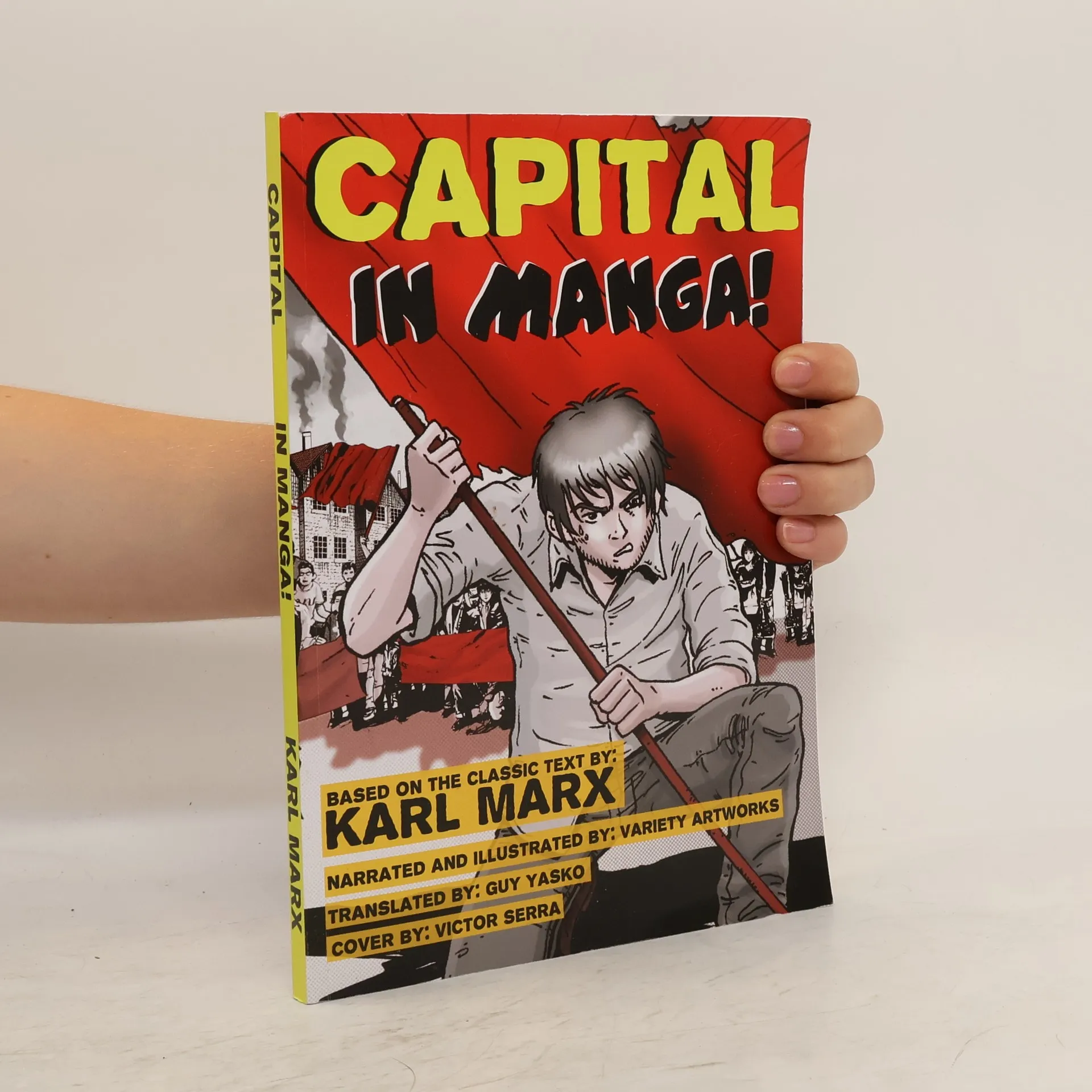
    • Capital - In Manga!

      • 200pages
      • 7 heures de lecture

      The book explores the relevance of Karl Marx's ideas in today's context of increasing economic disparity. It delves into Marx's critique of the global economic system, emphasizing how wealth generation exploits workers through mechanisms like "surplus value," unpaid labor, and the pressures of credit. By reflecting on these insights, the new generation seeks to understand the complexities of wealth accumulation and the systemic issues that perpetuate inequality.

      Capital - In Manga!
      3,4
    • The Communist Manifesto (unabridged edition)

      A 1848 political pamphlet by the German philosophers Karl Marx and Friedrich Engels

      • 40pages
      • 2 heures de lecture

      Focusing on the class struggle and the conflicts inherent in capitalism, this influential 1848 pamphlet by Karl Marx and Friedrich Engels was commissioned by the Communist League. Published in London amidst the Revolutions of 1848, it analyzes historical and contemporary societal dynamics rather than forecasting the future of communism. The work has since become a cornerstone in political thought, sparking discussions on class conflict and the capitalist system.

      The Communist Manifesto (unabridged edition)
    • This comprehensive collection showcases the extensive writings of Karl Marx, highlighting his profound impact on political theory, economics, and social philosophy. It includes his key texts, offering insights into his critiques of capitalism, class struggle, and historical materialism. The compilation serves as an essential resource for understanding Marx's ideas and their relevance in contemporary discussions on society and economics.

      Complete Works of Karl Marx (Grapevine edition)
    • Focusing on class struggle and capitalism, this influential political manuscript offers a critical analysis of the capitalist system and its inherent issues. It delves into the dynamics between different social classes, providing insight into the socio-economic challenges of the time and laying the groundwork for communist theory.

      The Communist Manifesto (Royal Collector's Edition) (Case Laminate Hardcover with Jacket)
    • DISCOVER THE WORK THAT LAUNCHED REVOLUTIONS AROUND THE WORLD Although it was published in 1848, The Communist Manifesto is as controversial and provocative as ever. Its stirring and poetic language helped spread Marx and Engels' socialist message far and wide, unleashing a century of political revolution. In an age of great inequality, the Manifesto's message of an exploited and suffering working class that must rise up and claim the means of production and wealth continues to resonate. This deluxe edition features an insightful introduction from Tom Butler-Bowdon which explains how the text came to be written, and why it remains popular.

      The Communist Manifesto: The Political Classic
    • Karl Marx was born in Germany but spent most of his life as a stateless exile in Paris, Brussels and London, where he died in 1883. As a student, he had dreamed of following a literary career and worked on poems, a novel and a play, before realising that his future lay elsewhere.

      Evening Hour
    • Manifesto

      • 192pages
      • 7 heures de lecture

      The three texts this book, all written in vastly different eras —The Communist Manifesto (1848) by Marx and Engels, Reform or Revolution (1899) by Rosa Luxemburg and Socialism and Man in Cuba (1965) by Ernesto Che Guevara—illuminate socialist ideas of the 19th and 20th centuries. For a new generation of activists, these are classic revolutionary writings by four famous rebels, including The Communist Manifesto by Karl Marx and Friedrich Engels; Reform or Revolution by Rosa Luxemburg; and Che Guevara’s Socialism and Man in Cuba. Includes an introduction by Cuban Marxist intellectual Armando Hart and a preface by US radical poet Adrienne Rich. The essays in this book, Manifesto, were written by three relatively young people—Karl Marx when he was 30, Rosa Luxemburg at 27, Che Guevara at the age of 37. Born into different historical moments and different generations, they shared an energy of hope, an engagement with history, a belief that critical thinking must inform action, and a passion for the world and its human possibilities. Here are urgent conversations from the past that are still being carried on, among new voices, throughout the world.

      Manifesto
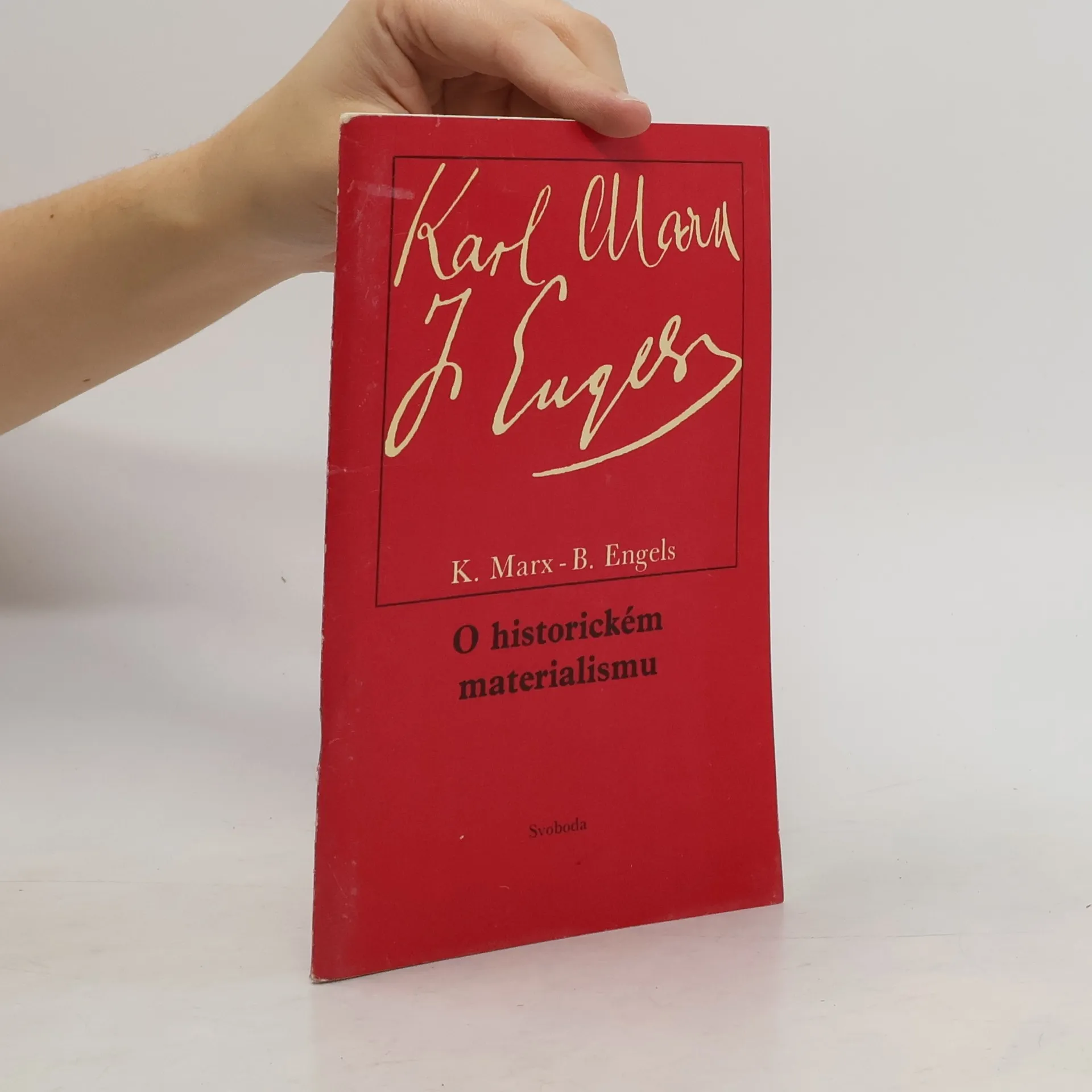
    • "Filosofové svět jen různě vykládali, jde však o to jej změnit!" Výbor z textů obou filosofů dotýkajících se tématu historického materialismu: Předmluva ke kritice politické ekonomie, Ke kritice Hegelovy filosofie práva, Z korespondence, O historickém materialismu, These o Feuerbachovi.

      O historickém materialismu
      5,0
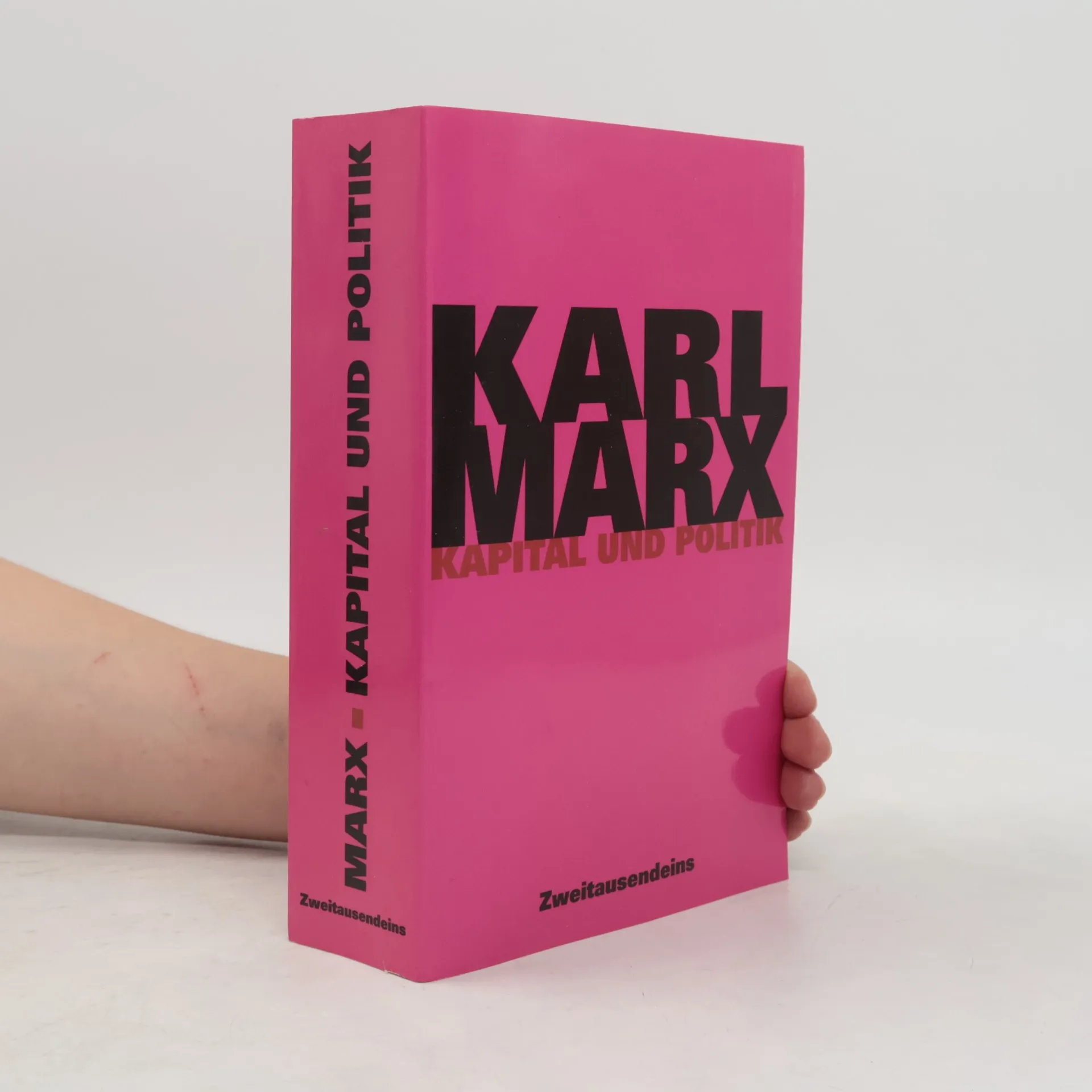
    • „Alle paar Jahre wird gefragt, ob Karl Marx denn nun ein toter Hund oder aber doch höchst lebendig sei. Allein diese Tatsache nährt den Verdacht, dass einer wie er heute fehlt.“ Der Tagesspiegel In einer BBC-Umfrage nach dem größten Philosophen aller Zeiten landete Karl Marx 2005 mit 28 Prozent auf Platz eins der Liste. „Marx is back. Nach der Finanzkrise hat Karl Marx wieder Konjunktur. Doch können wir überhaupt etwas vom alten Marx lernen?“ Cicero online In diesem Band sind wesentliche Texte von Karl Marx zusammengestellt: – Die deutsche Ideologie – Manifest der Kommunistischen Partei – Lohnarbeit und Kapital – Zur Kritik der politischen Ökonomie – Inauguraladresse der Internationalen Arbeiter-Assoziation – Das Kapital, Erster Band

      Kapital und Politik
      4,8
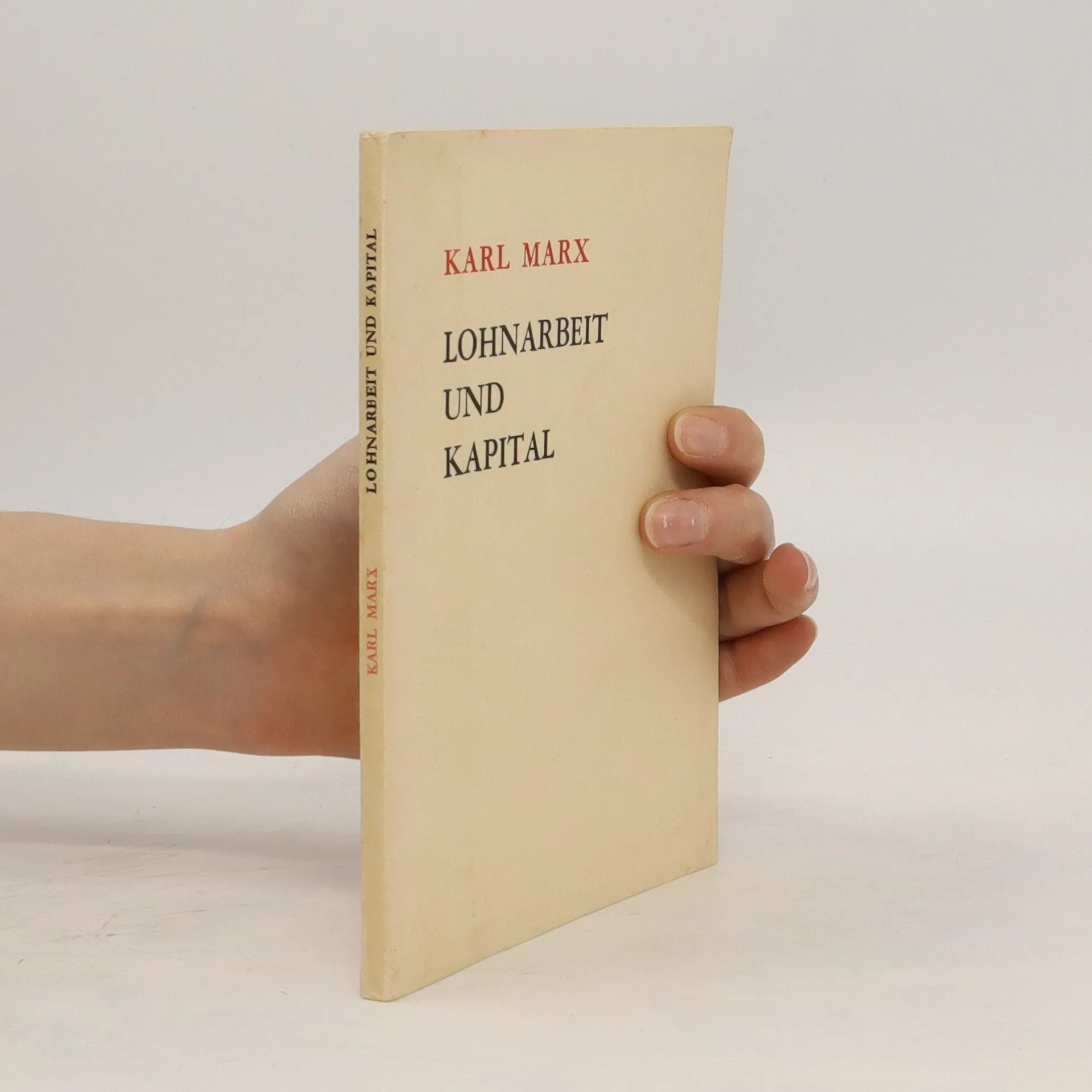
    • Die beiden in diesem Band enthaltenen ökonomischen Arbeiten von Marx sind Ausdruck der engen Verbindung des theoretischen Erkenntnisprozesses mit dem praktischen Kampf der Arbeiter. In ihrer ursprünglichen Fassung waren sie Vorträge, die Marx vor Arbeitern gehalten hatte - über 'Lohnarbeit und Kapital' sprach er 1847 vor den Mitgliedern des Brüsseler Deutschen Arbeitervereins, und das Verhältnis von 'Lohn, Preis und Profit' legte er 1865 im Generalrat der I. Internationale dar. Anschaulich erklärte er den Arbeitern das Wesen der kapitalistischen Ausbeutung sowie die ökonomischen Grundlagen der Herrschaft der Bourgeoisie und der Lohnsklaverei; daraus leitete er die Bedeutung des ökonomischen Kampfes ab und erläuterte Aufgaben und Nutzen der Gewerkschaften. Beide Schriften sind von Marx selbst verfaßte Einführungen in seine politische Ökonomie und helfen, das 'Kapital', sein theoretisches Hauptwerk, zu erschließen.

      Lohnarbeit Und Kapital
      4,6
    • Werke. 1845-1846

      • 612pages
      • 22 heures de lecture

      Inhalt: Die Sammlung umfasst zentrale Texte von Marx und Engels, darunter "Die deutsche Ideologie" und Marx' "Thesen über Feuerbach".

      Werke. 1845-1846
      4,5
    • Kritik des Kapitalismus

      Schriften zu Philosophie, Ökonomie, Politik und Soziologie

      • 666pages
      • 24 heures de lecture

      Die Ideen und Thesen von Karl Marx haben in den letzten Jahren sowohl in der öffentlichen Debatte als auch in der Wissenschaft eine Renaissance erfahren – weil der Kapitalismus sich global entfaltet hat, sein Versprechen sozialer Stabilität jedoch kaum noch einzulösen vermag. Einflussreich, kontrovers und wortmächtig wie vor und nach ihm nur wenige, schrieb Marx zugleich über Philosophie, Ökonomie, Politik und Soziologie. Die vorliegende Anthologie führt seine wichtigsten Texte zusammen, kommentiert sie einleitend und zeigt so, wie wichtig Marx für die Analyse auch des gegenwärtigen Kapitalismus ist.

      Kritik des Kapitalismus
      4,6
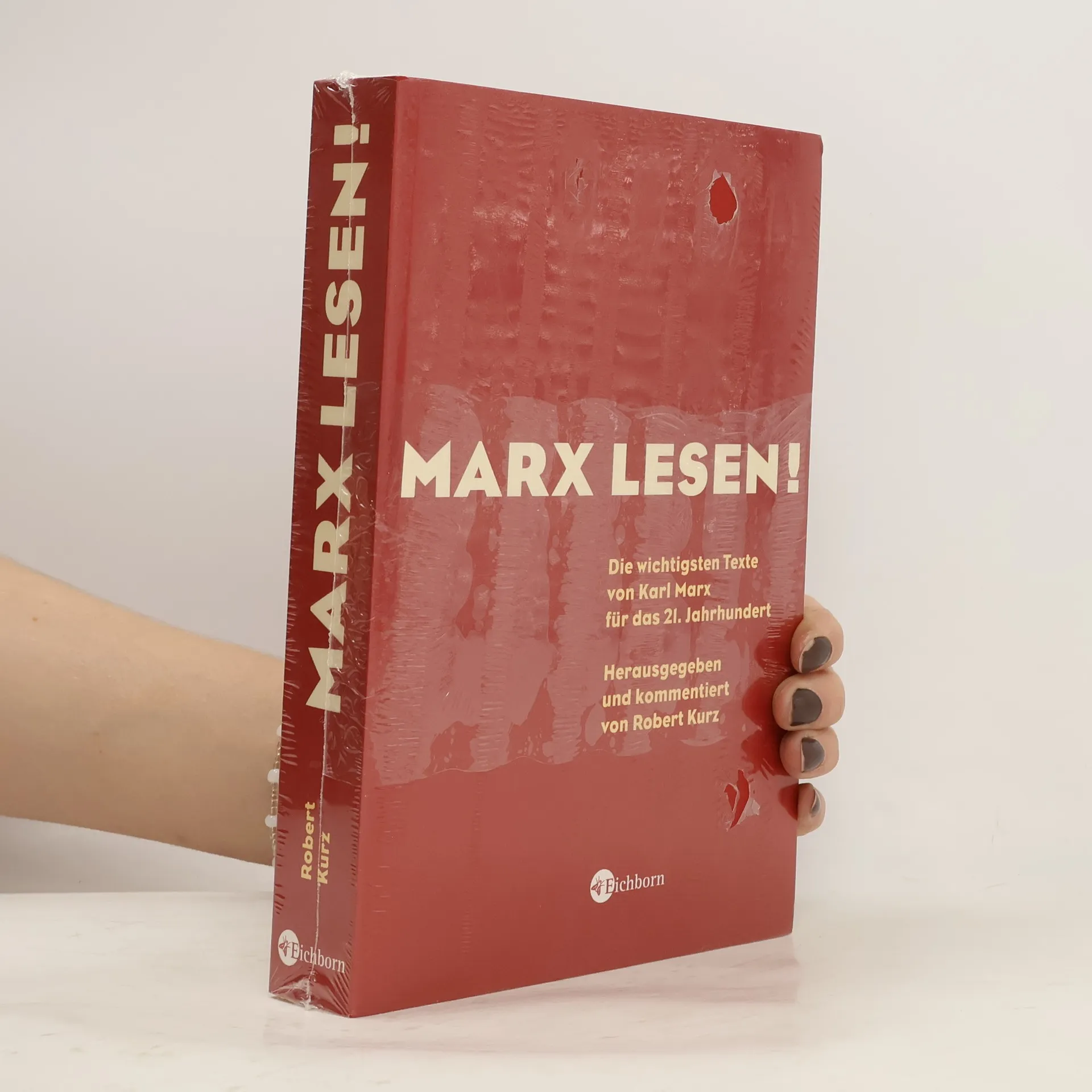
    • Marx lesen

      Die wichtigsten Texte von Karl Marx für das 21. Jahrhundert

      • 432pages
      • 16 heures de lecture

      Robert Kurz, Autor des "Schwarzbuch Kapitalismus" präsentiert in diesem kommentierten Marx-Reader die wichtigsten Texte des wohl meistgelesenen Klassikers der Ökonomie. Seine Auswahl zeigt, dass Marx' Analyse der Marktwirtschaft auch im 21. Jahrhundert noch aktuell ist. Kurz verzichtet auf zeitgebundene, heute überholte Texte. Er befreit die Marxsche Theorie von zahlreichen Fehlinterpretationen und schafft so die Grundlage für eine neue Lektüre. Ein unverzichtbares Werk für alle, die unsere Wirtschaft verstehen wollen.

      Marx lesen
      4,7
    • Die Finanzkrise im Kapitalismus

      • 184pages
      • 7 heures de lecture

      Die Relevanz von Karl Marx' Werk zeigt sich in seiner tiefgreifenden Analyse der gesellschaftlichen und wirtschaftlichen Strukturen. Durch die kritische Auseinandersetzung mit Kapitalismus und Klassenkampf bietet es wertvolle Einsichten in moderne soziale Ungleichheiten und wirtschaftliche Herausforderungen. Marx' Theorien sind nicht nur historisch bedeutsam, sondern regen auch heute zu Diskussionen über Gerechtigkeit, Machtverhältnisse und die Zukunft der Arbeit an. Seine Ideen inspirieren weiterhin politische Bewegungen und wissenschaftliche Debatten weltweit.

      Die Finanzkrise im Kapitalismus
      5,0
    • Das kommunistische Manifest. Schmuckausgabe mit Farbschnitt

      »Keine Schrift hat im selben Maße Geschichte geschrieben« NDR

      • 80pages
      • 3 heures de lecture

      Das "Kommunistische Manifest" von Karl Marx und Friedrich Engels ist eine kraftvolle Analyse der sozialen Gerechtigkeit und der Rolle des Proletariats in der Geschichte. Es gilt als zentraler Text der Moderne und hat bis heute großen Einfluss. Die klare Sprache und die prägnante Darstellung machen es zu einer anregenden Lektüre.

      Das kommunistische Manifest. Schmuckausgabe mit Farbschnitt
      4,3
    • Im Herbst 1867, also vor bald 150 Jahren, verfasste Karl Marx die Bibel der Arbeiterklasse, wie Friedrich Engels Das Kapital im Vorwort zur englischen Ausgabe bezeichnete. Rechtzeitig zum 150. Jubiläum der Erstausgabe des ersten Bandes des Kapitals wird im Sommer 2017 Band 44 der Marx-Engels-Werke erscheinen. Damit steht nun innerhalb der MEW das 23 Hefte umfassende ökonomische Manuskript von 1861 bis 1863, häufig als der zweite Entwurf des Kapitals bezeichnet, vollständig (in den Bänden 26.1-3, 43 und 44) zur Verfügung. Zusammen mit dem im Band 42 bereits auf Grundlage der MEGA neu bearbeiteten Manuskripts von 1857/58 (Grundrisse der Kritik der politischen Ökonomie) liegen somit die wichtigsten Manuskripte im Vorfeld des ersten Bandes des Kapitals in der Studienausgabe vor.

      Werke. Bd.44
      5,0