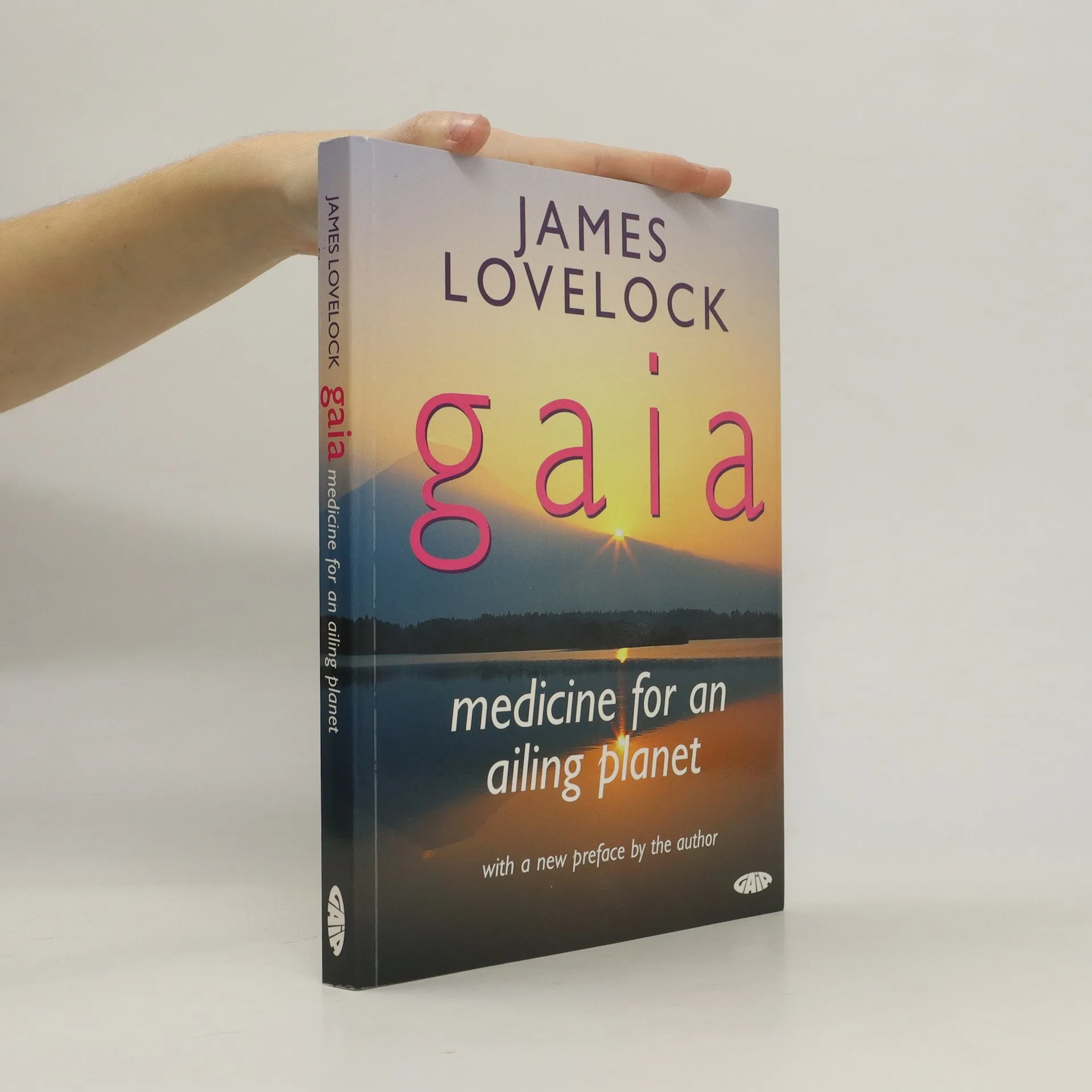
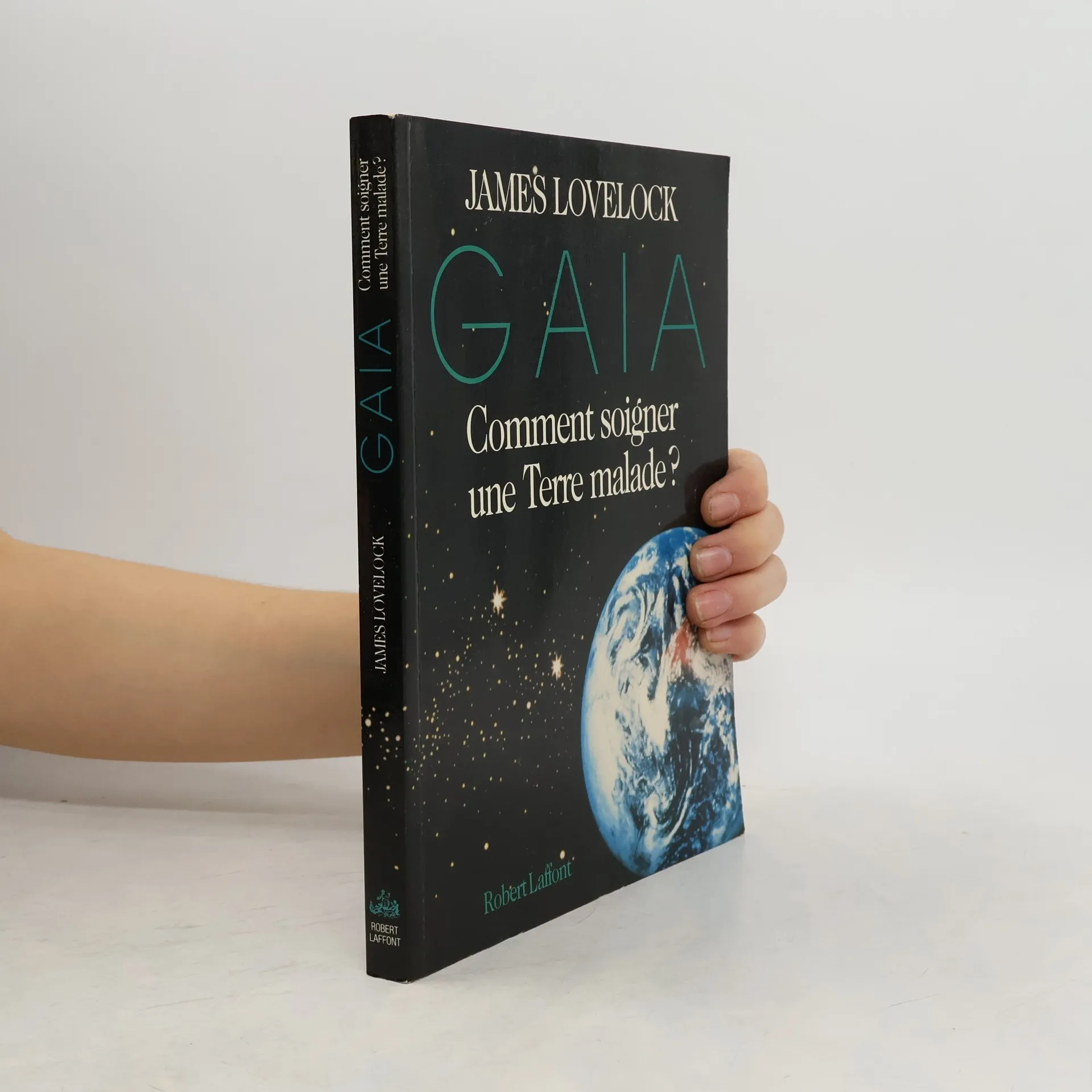
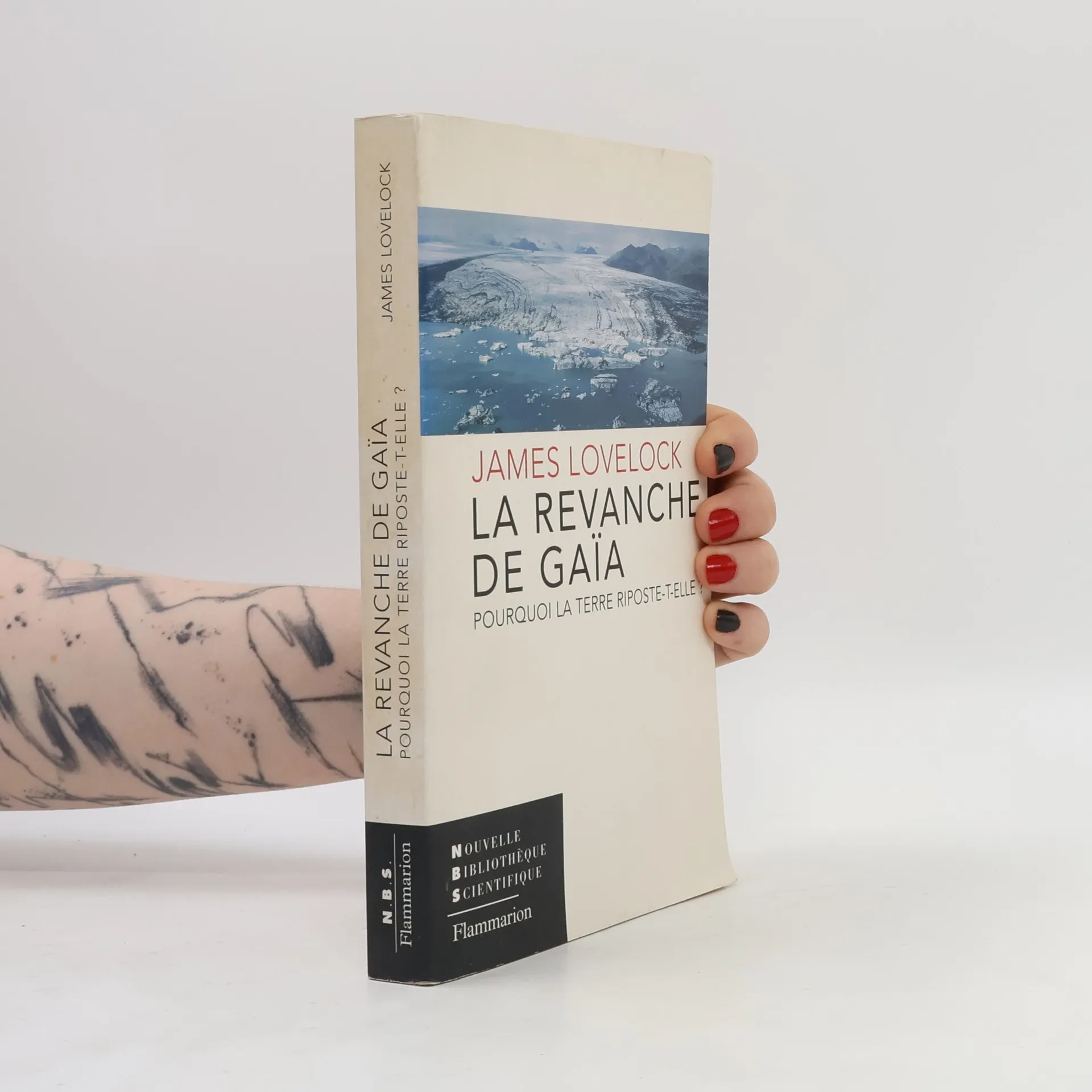
Gaia comment soigner une Terre malade
- 191pages
- 7 heures de lecture


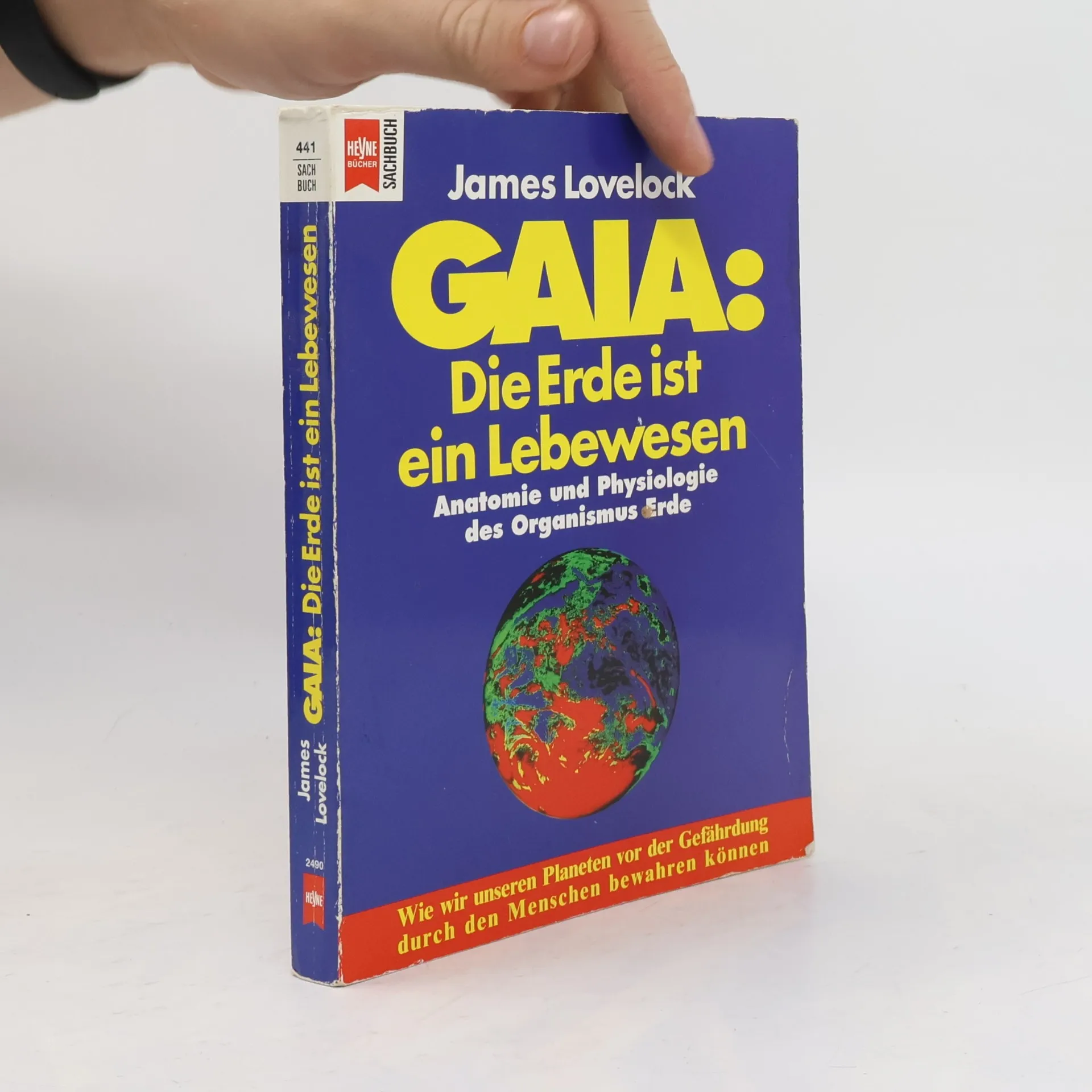
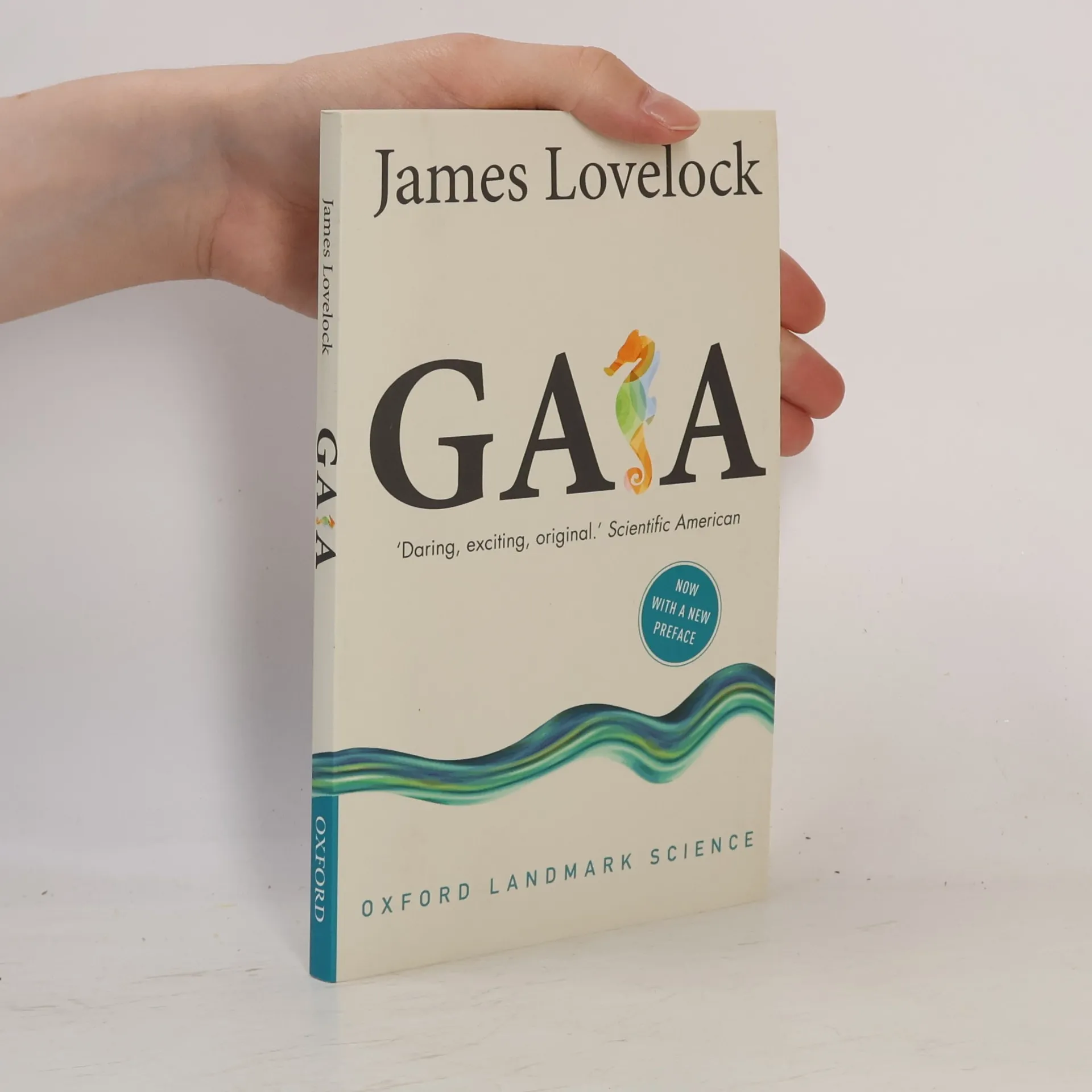
The Gaia hypothesis, first put forth in the mid-1960s, and published in book form in 1975, explores the idea that the life of earth functions as a single organism which actually defines and maintains conditions necessary for its survival. Disclaiming the conventional belief that living matter reacts passively in the face of threats to its existence, Lovelock argues that the earth's living matter - air, ocean, and land surfaces - forms a complex system which has the capacity to keep our planet a fit place for life. Now reissued with an updated preface which discusses how Lovelock's predictions have already begun to hold true, Gaia has dramatically altered the way scientists view evolution and the environment.
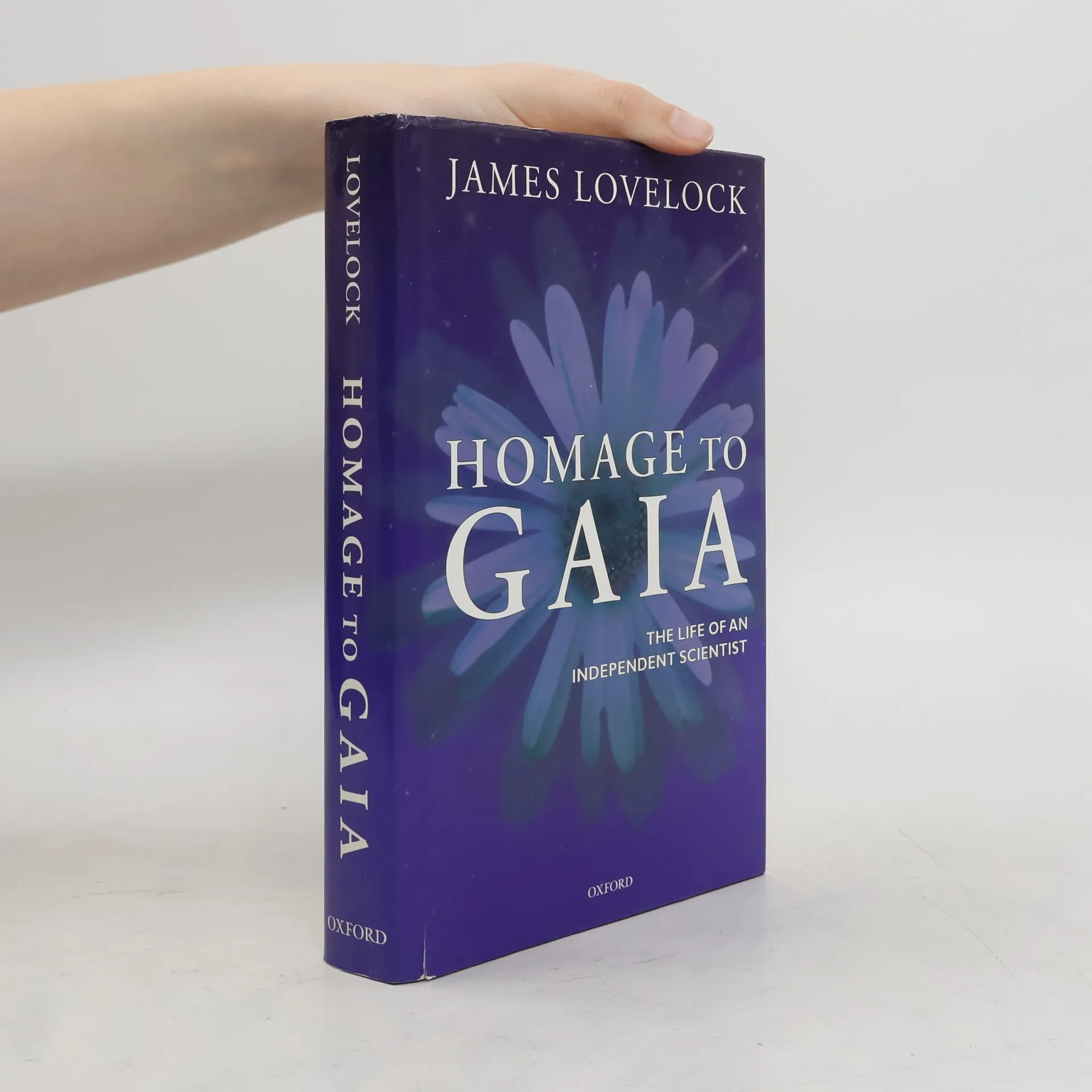
One of today's most influential environmentalists tells the fascinating storyof his life as a self-made inventor and scientist.
Lovelock first began thinking that the planet resembles a living entity in the 1960s, while working for a NASA project on how to detect life on Mars. While other scientists suggested elaborate tests involving space probes to check for microbes in Martian soil, Lovelock said to save the rocket fuel, we didn't even need to bother going there. Life, he theorized, would leave its telltale signature in a planet's atmosphere. There would be chemicals or elements that shouldn't be there but for the existence of something unusual, like living things. Anyone looking at the Earth from afar could tell right away that it had to harbour life because its atmosphere is loaded with oxygen, a gas so chemically reactive it shouldn't exist at all in any quantity. -- from http://www.theglobeandmail.com (Dec. 17, 2015)
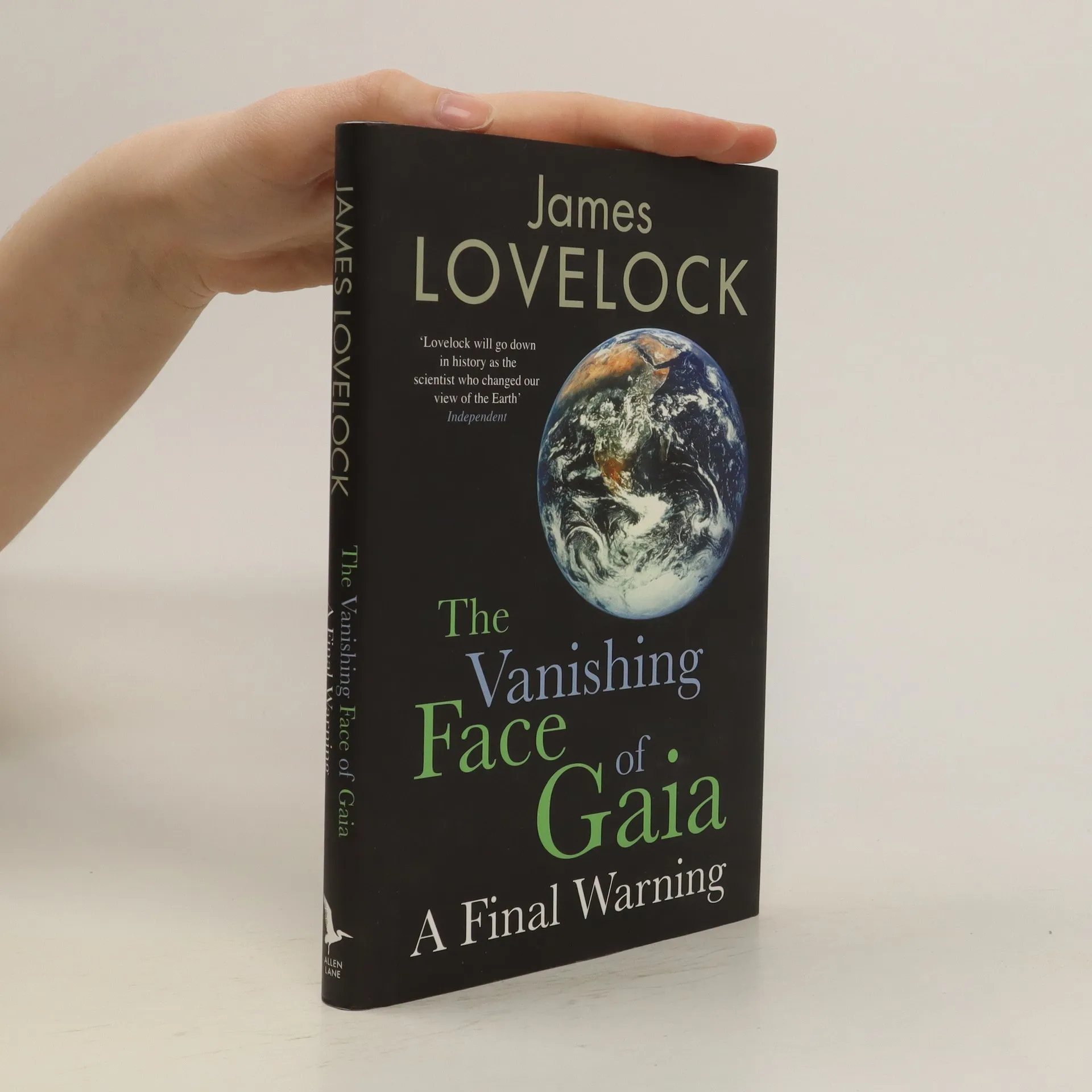
Why the Earth Is Fighting Back – And How We Can Still Save Humanity
James Lovelock, originator of the idea of Gaia, makes an argued plea that we must change our way of life - before it is too late. Illustrated with examples drawn from his experiences around the world, he draws many radical conclusions, most controversially a passionate advocacy of nuclear energy.
A New Look at Life on Earth
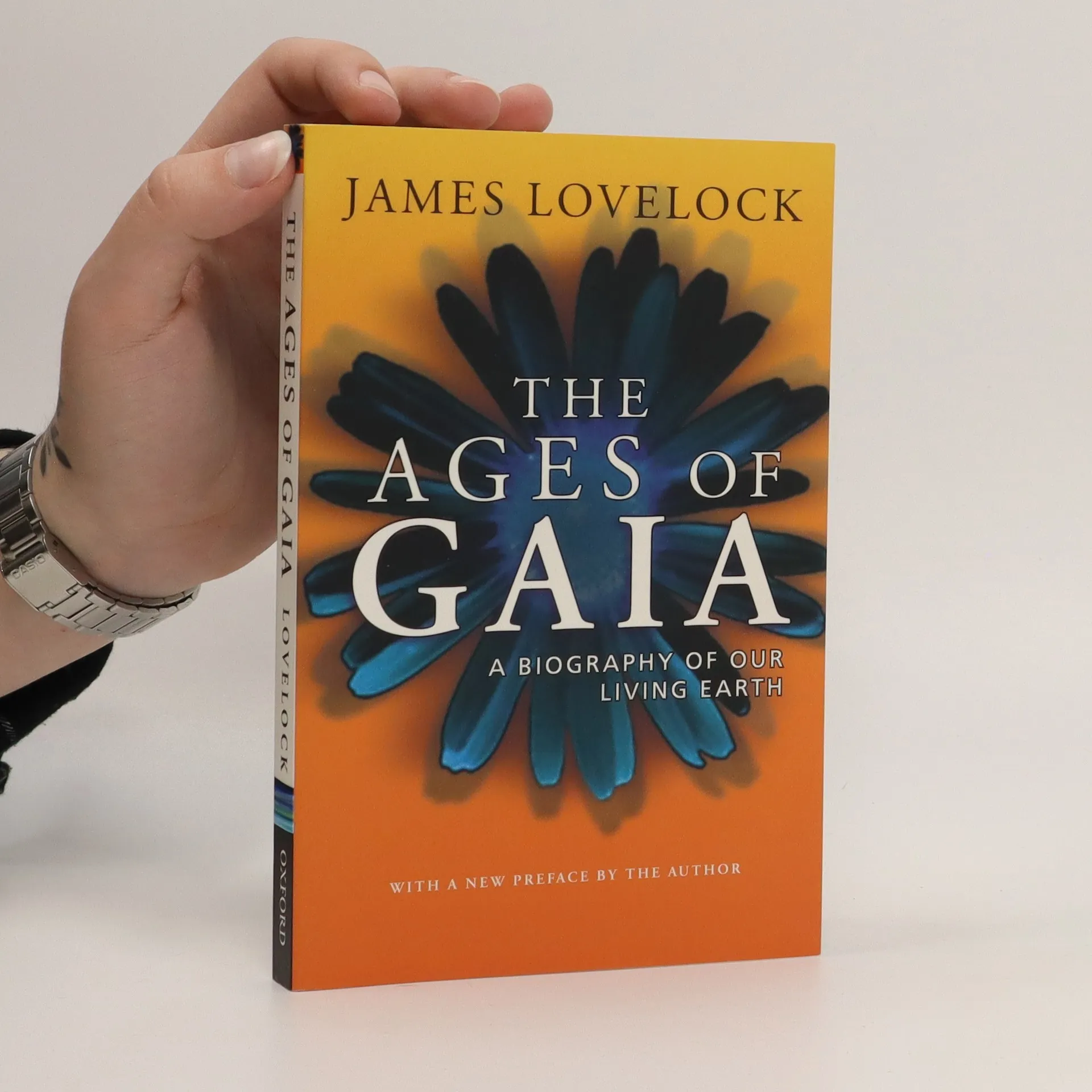
The Gaia hypothesis, first put forth in the mid-1960s, and published in book form in 1975, explores the idea that the life of earth functions as a single organism which actually defines and maintains conditions necessary for its survival. Disclaiming the conventional belief that living matter reacts passively in the face of threats to its existence, Lovelock argues that the earth's living matter - air, ocean, and land surfaces - forms a complex system which has the capacity to keep our planet a fit place for life. Now reissued with an updated preface which discusses how Lovelock's predictions have already begun to hold true, Gaia has dramatically altered the way scientists view evolution and the environment.
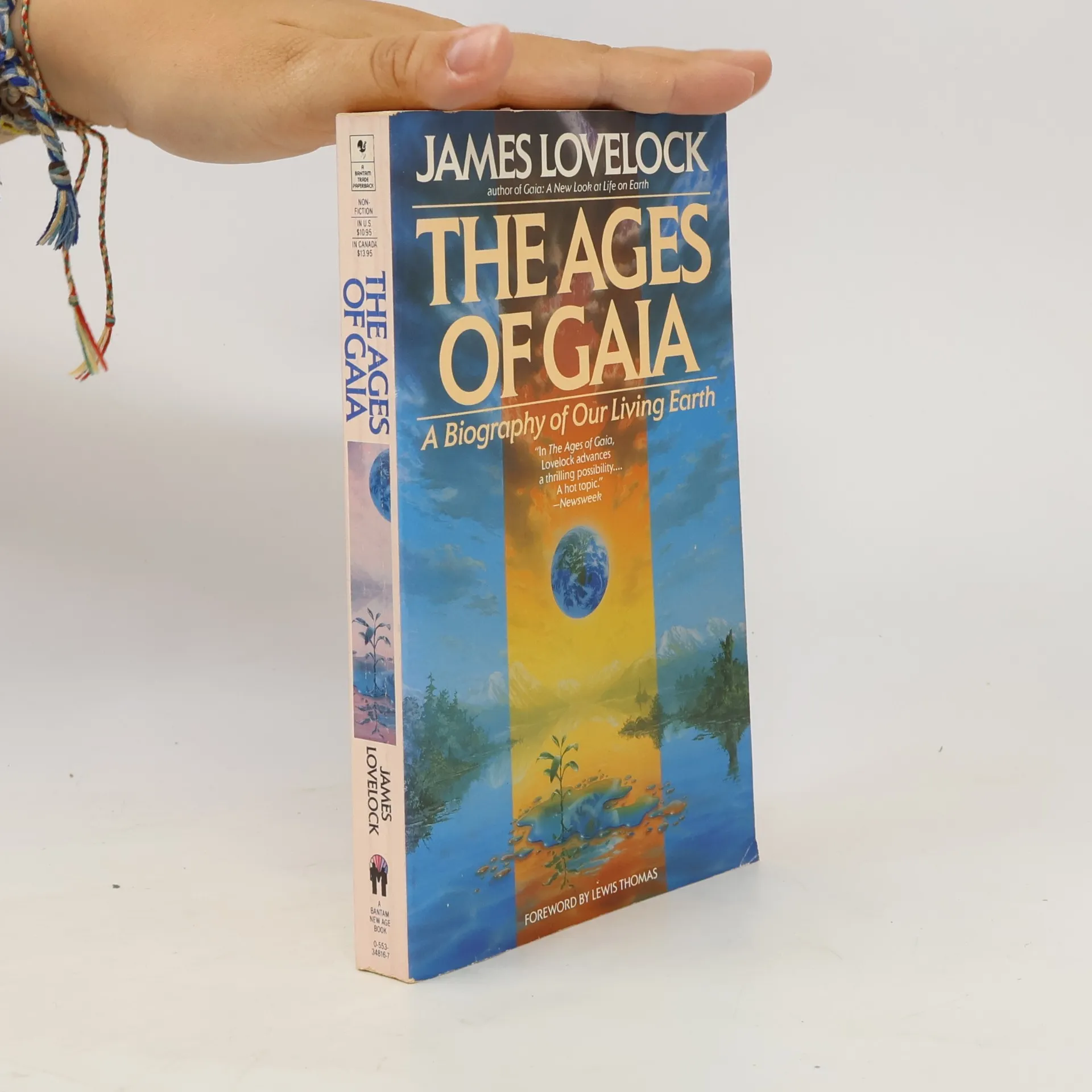
Since James Lovelock's first book, Gaia, was published, much scientific work has confirmed his theory that the Earth and all living things are part of one great organism. The Ages of Gaia looks at this evidence in detail and has been updated and revised throughout in this second edition. In his discussion of scientific and environmental issues he sounds a warning of the damage man is doing to the health of the planet.
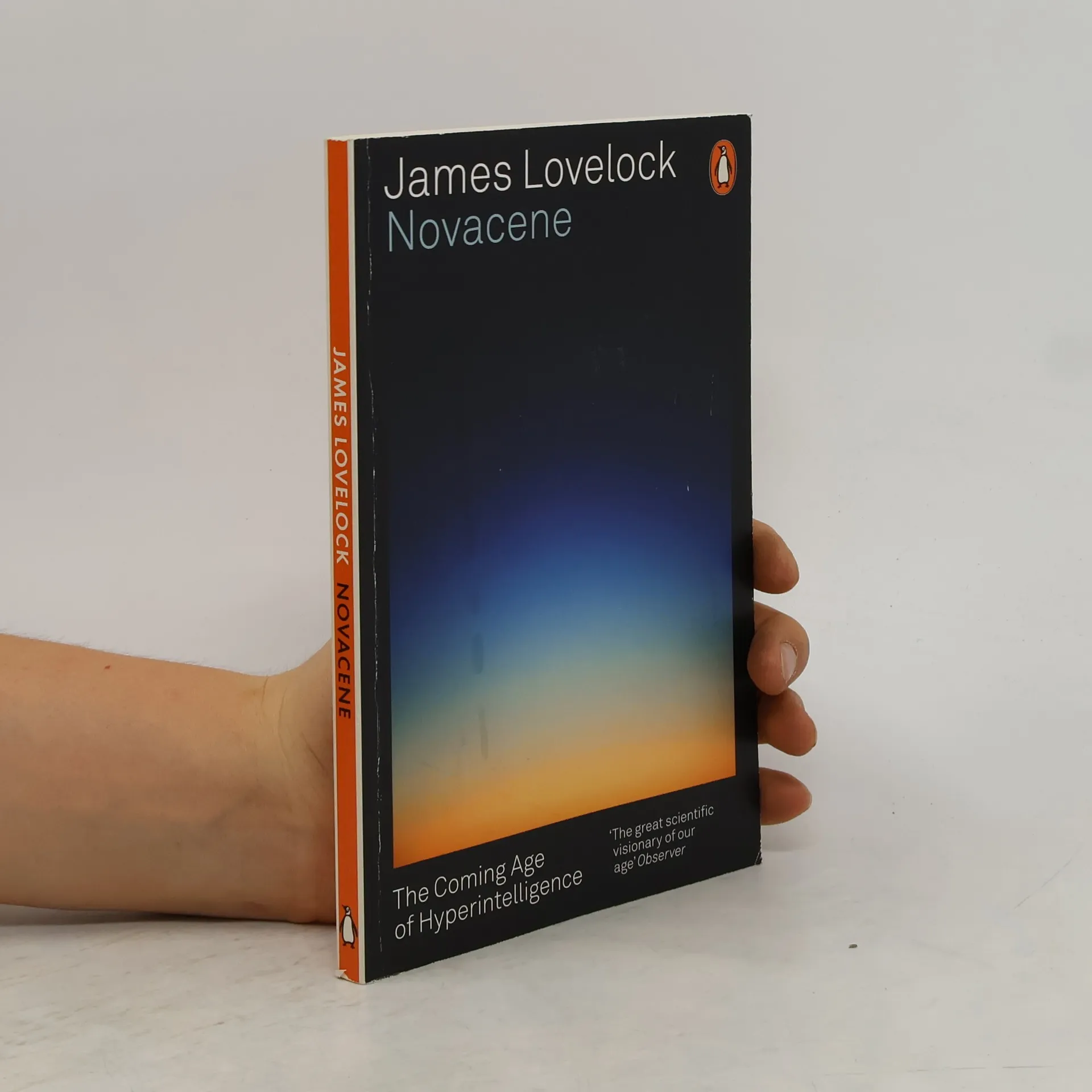
James Lovelock, creator of the Gaia hypothesis and the greatest environmental thinker of our time, has produced an astounding new theory about future of life on Earth. He argues that the anthropocene - the age in which humans acquired planetary-scale technologies - is, after 300 years, coming to an end. A new age - the novacene - has already begun. New beings will emerge from existing artificial intelligence systems. They will think 10,000 times faster than we do and they will regard us as we now regard plants - as desperately slow acting and thinking creatures. But this will not be the cruel, violent machine takeover of the planet imagined by sci-fi writers and film-makers. These hyper-intelligent beings will be as dependent on the health of the planet as we are. They will need the planetary cooling system of Gaia to defend them from the increasing heat of the sun as much as we do. And Gaia depends on organic life. We will be partners in this project. It is crucial, Lovelock argues, that the intelligence of Earth survives and prospers. He does not think there are intelligent aliens, so we are the only beings capable of understanding the cosmos. Maybe, he speculates, the novacene could even be the beginning of a process that will finally lead to intelligence suffusing the entire cosmos. At the age 100, James Lovelock has produced the most important and compelling work of his life.
The originator of the Gaia theory offers the vision of a future epoch in which humans and artificial intelligence together will help the Earth survive.
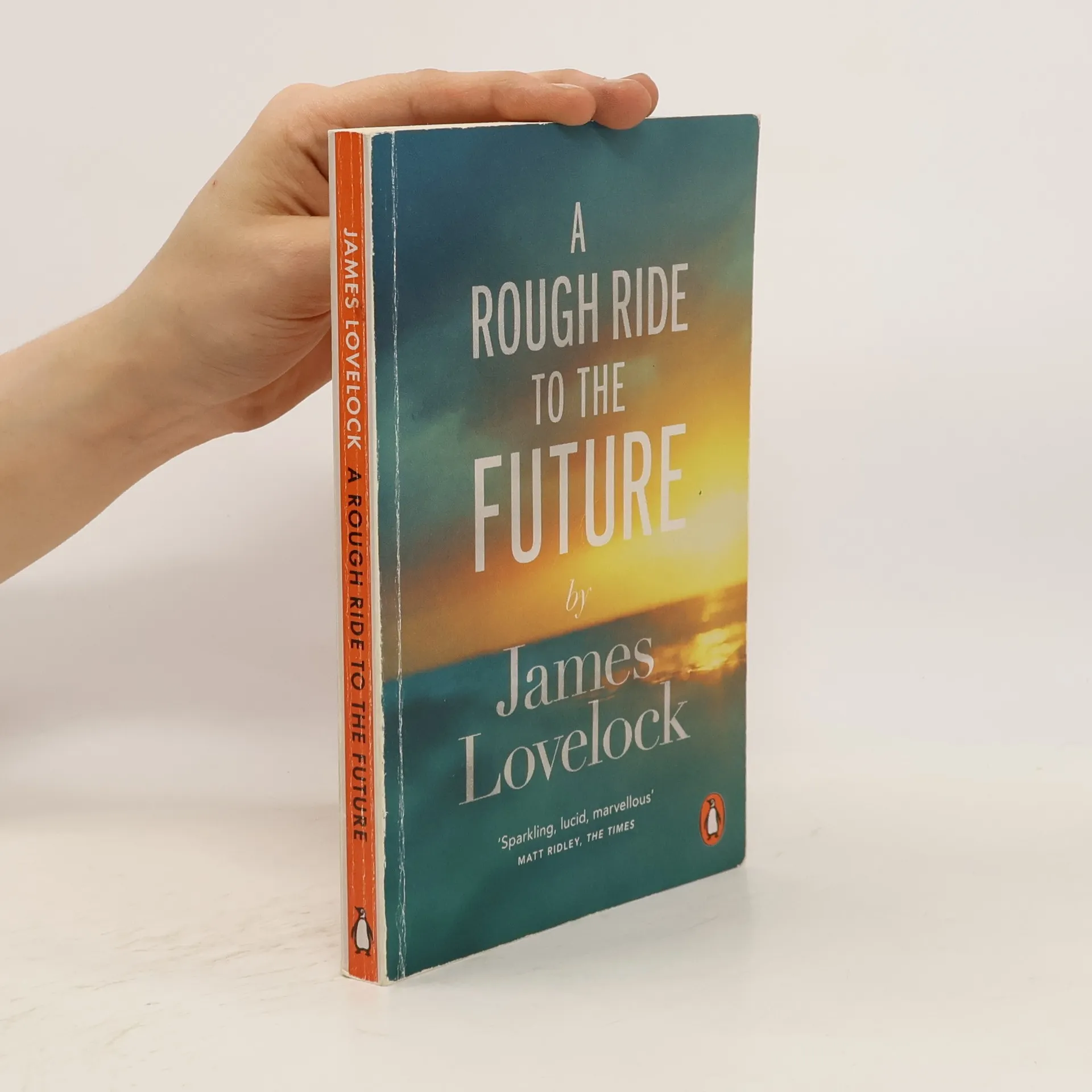
In 'A Rough Ride to the Future', James Lovelock - the great scientific visionary of our age - presents a radical vision of humanity's future as the thinking brain of our Earth-system