


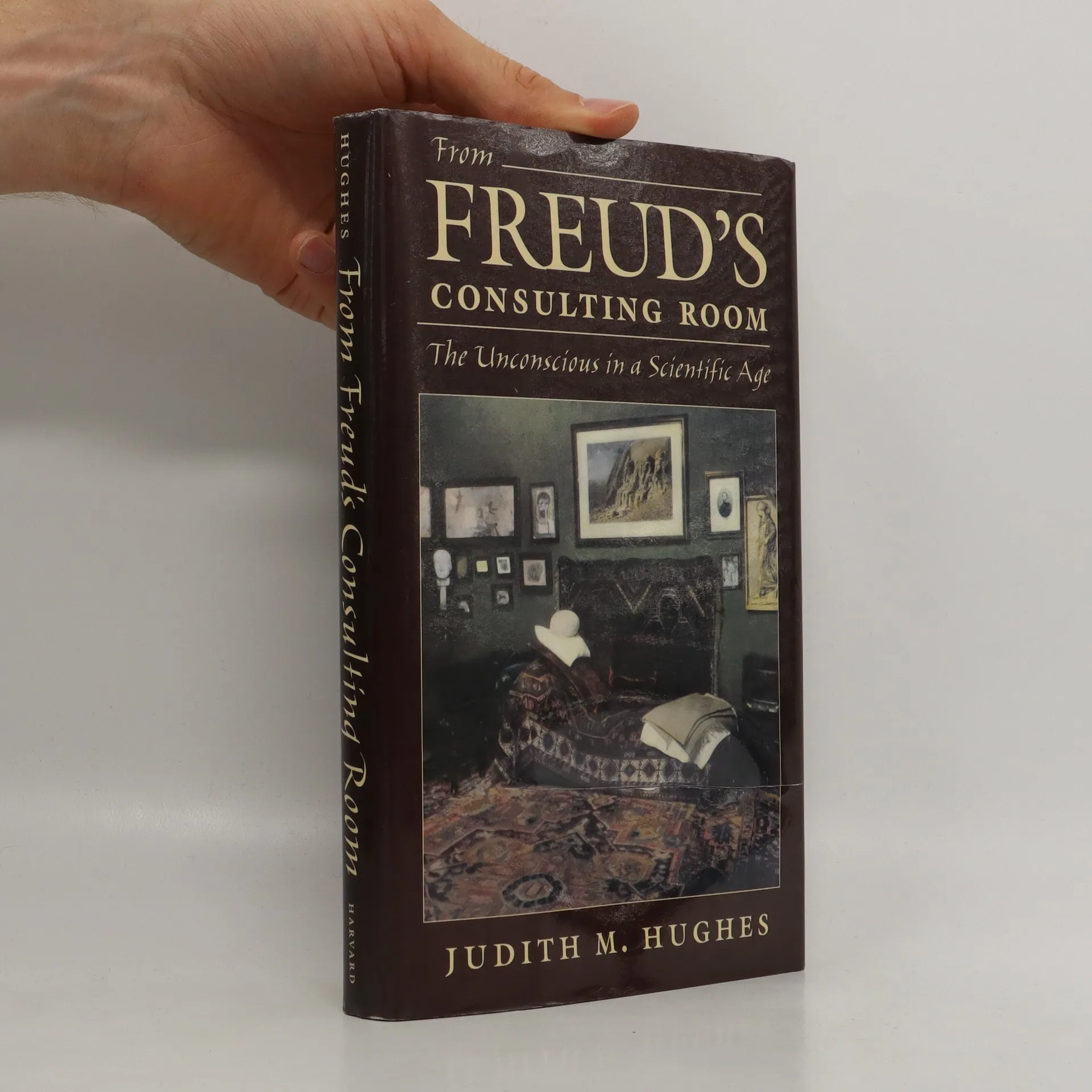
From Freud's Consulting Room
- 235pages
- 9 heures de lecture
The science of mind has long grappled with philosophical puzzles, particularly regarding memory distortions and the mind-body relationship. Sigmund Freud's clinical practice compelled him to confront these issues, leading to the emergence of psychoanalysis. This work explores the evolution of Freud's ideas through his clinical experiences, highlighting the successes and failures of significant case histories and establishing a distinct discipline. Freud's interactions with hysterical patients forced him to reconsider the mind-body problem, which he approached through the lens of psychosexuality, as illustrated by the cases of Anna O., Emmy von N., Elisabeth von R., Dora, and Little Hans. In his exploration of memory value with patients like Dora and Little Hans, as well as the Rat Man and the Wolf Man, Freud reintroduced psychosexuality and developed the Oedipus complex. The narrative also follows the evolution of Freud's understanding of the analytic situation and the importance of transference, including his own role as a patient. By weaving these cases into a coherent narrative, the author presents a textured intellectual history that offers a fresh perspective on the origins and development of psychoanalysis.