Cet auteur explore les profondes forces sociales qui façonnent l'Amérique, en se concentrant sur les moments clés et les voix marginalisées. Son travail navigue dans les complexités de l'histoire américaine, éclairant les expériences des Afro-Américains et des femmes, et découvrant de nouvelles perspectives sur des époques cruciales. Grâce à une recherche méticuleuse et à une narration captivante, il donne vie au passé, offrant des portraits saisissants qui résonnent auprès des lecteurs contemporains. Son écriture se caractérise par une profonde compréhension des structures sociales et par l'impact durable des événements historiques.
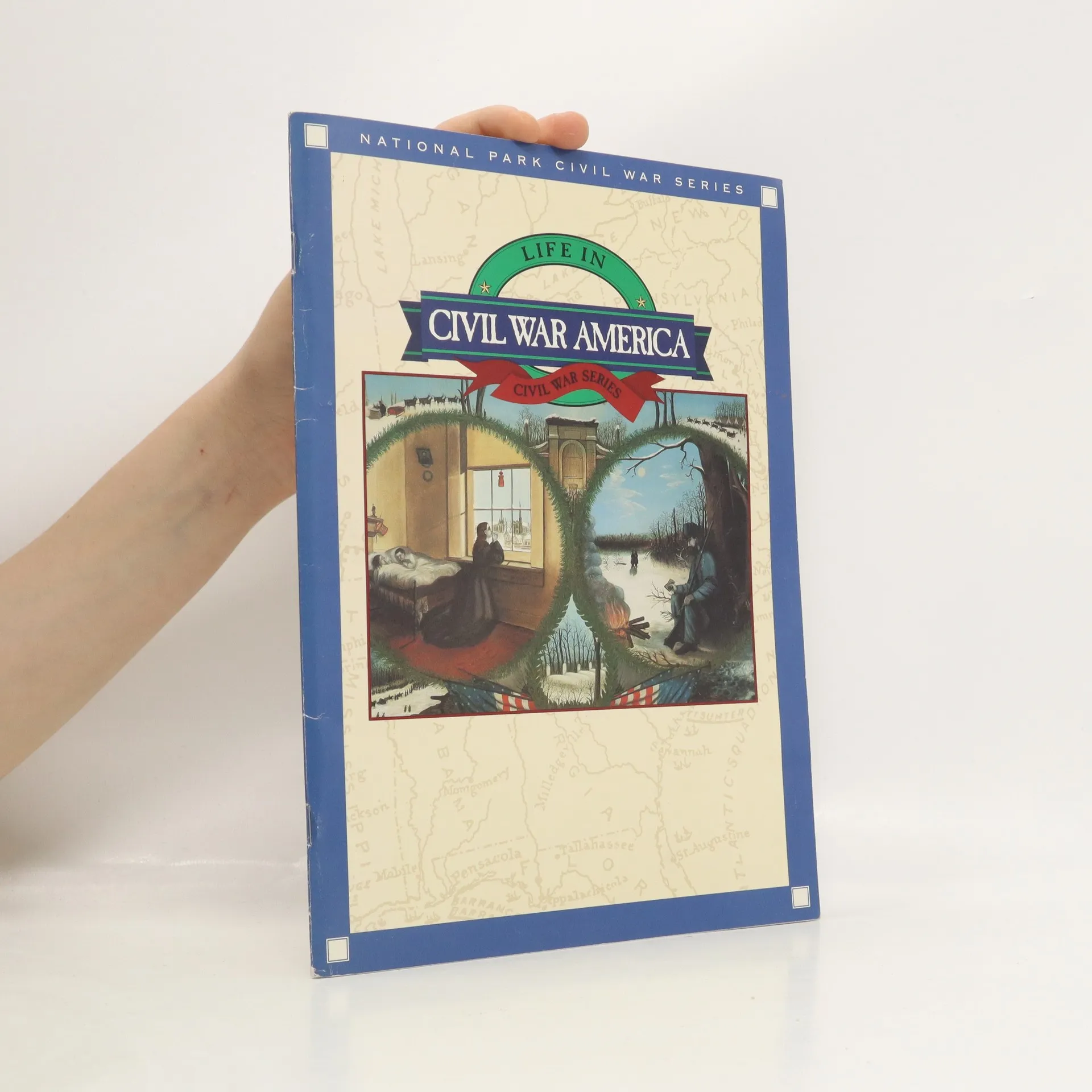
This series delves into the origins and impacts of a significant conflict in American history, exploring the intricate factors that led to its outbreak and the far-reaching effects it had on society. Through detailed analysis, it uncovers the human stories and historical events that shaped this deadly confrontation, providing a comprehensive understanding of its legacy.
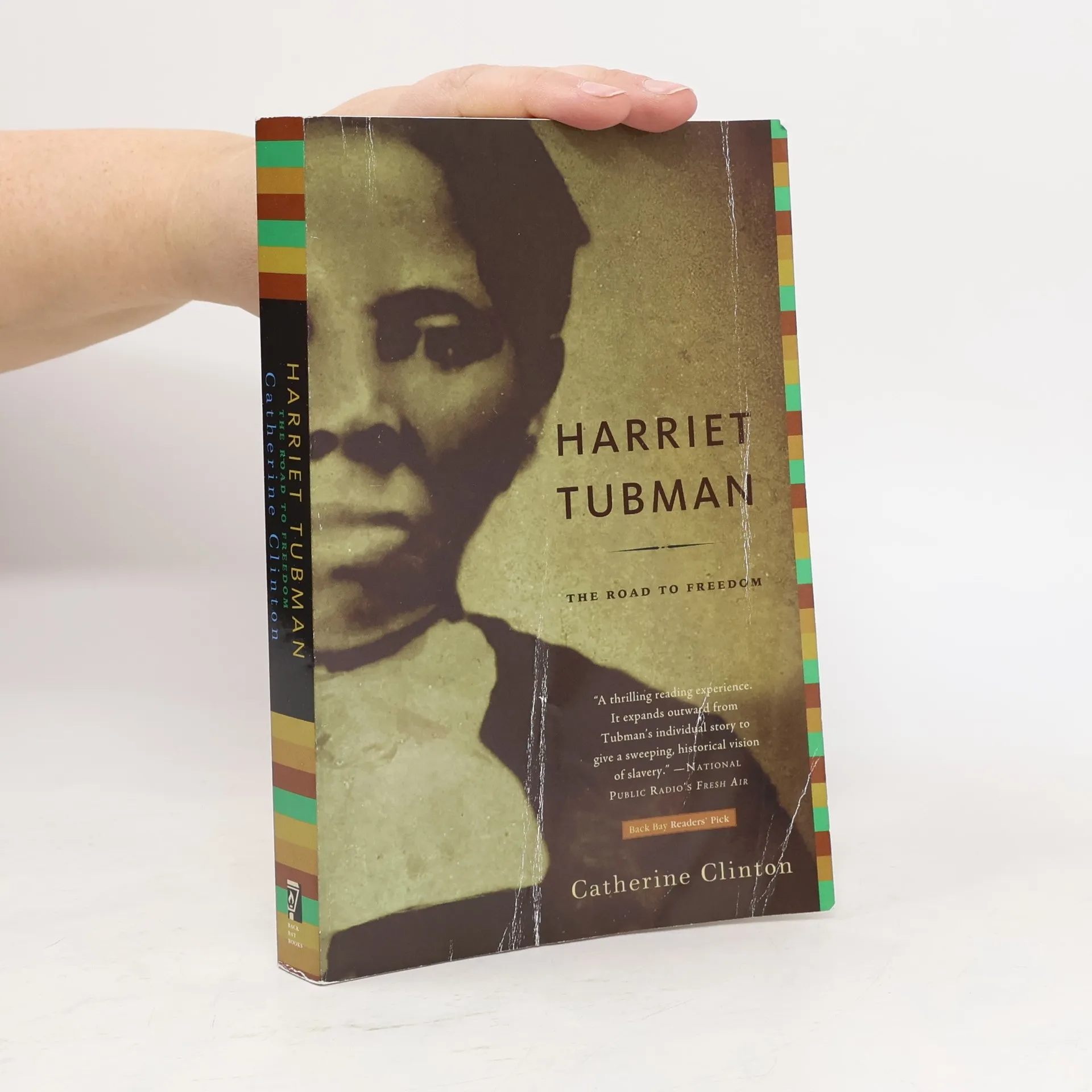
The definitive biography of one of the most courageous women in American history "reveals Harriet Tubman to be even more remarkable than her legend" (Newsday).Celebrated for her exploits as a conductor on the Underground Railroad, Harriet Tubman has entered history as one of nineteenth-century America's most enduring and important figures. But just who was this remarkable woman? To John Brown, leader of the Harper's Ferry slave uprising, she was General Tubman. For the many slaves she led north to freedom, she was Moses. To the slaveholders who sought her capture, she was a thief and a trickster. To abolitionists, she was a prophet.Now, in a biography widely praised for its impeccable research and its compelling narrative, Harriet Tubman is revealed for the first time as a singular and complex character, a woman who defied simple categorization."A thrilling reading experience. It expands outward from Tubman's individual story to give a sweeping, historical vision of slavery." --NPR's Fresh Air
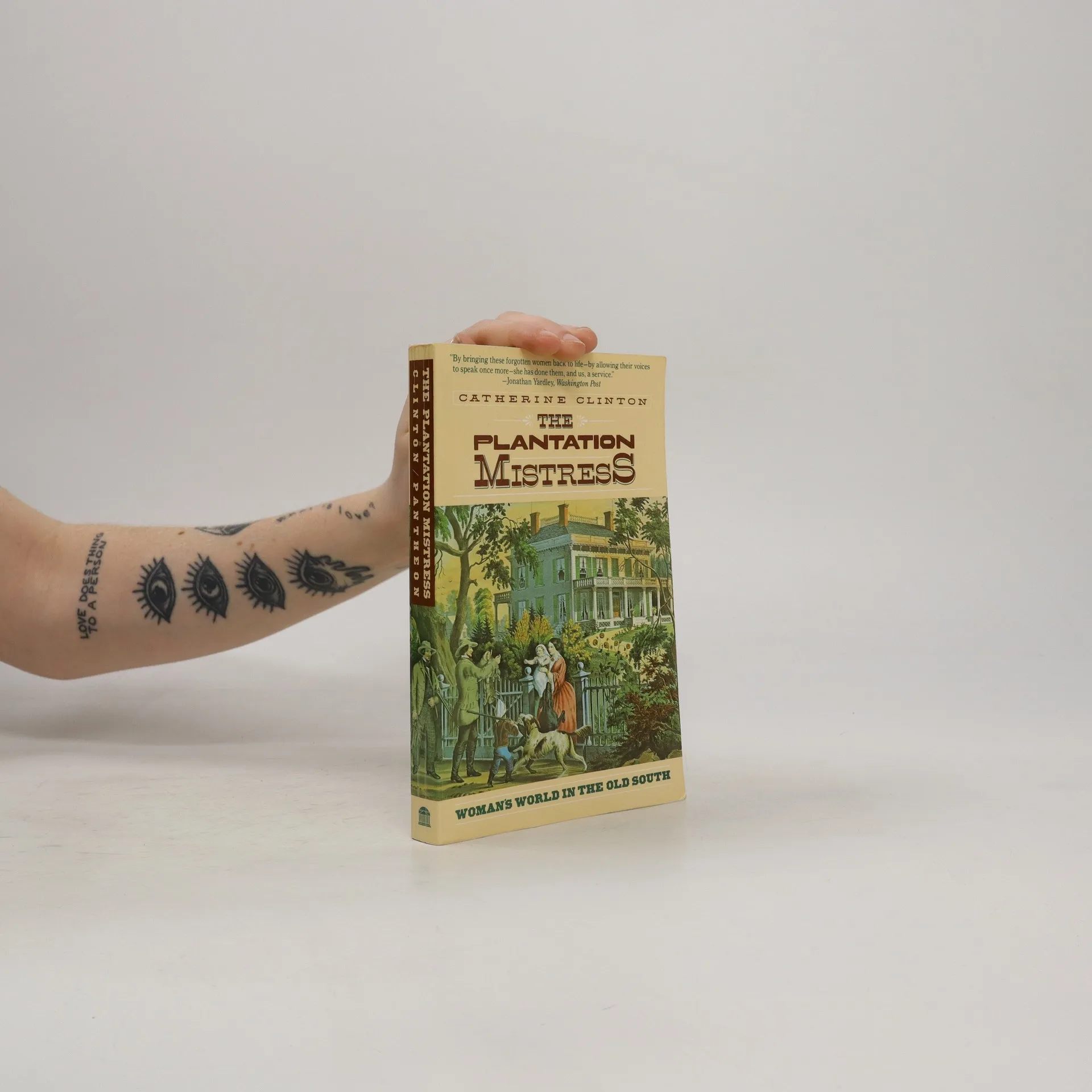
This pioneering study of the much-mythologized Southern belle offers the first serious look at the lives of white women and their harsh and restricted place in the slave society before the Civil War. Drawing on the diaries, letters, and memoirs of hundreds of planter wives and daughters, Clinton sets before us in vivid detail the daily life of the plantation mistress and her ambiguous intermediary position in the hierarchy between slave and master. "The Plantation Mistress challenges and reinterprets a host of issues related to the Old South. The result is a book that forces us to rethink some of our basic assumptions about two peculiar institutions -- the slave plantation and the nineteenth-century family. It approaches a familiar subject from a new angle, and as a result, permanently alters our understanding of the Old South and women's place in it.