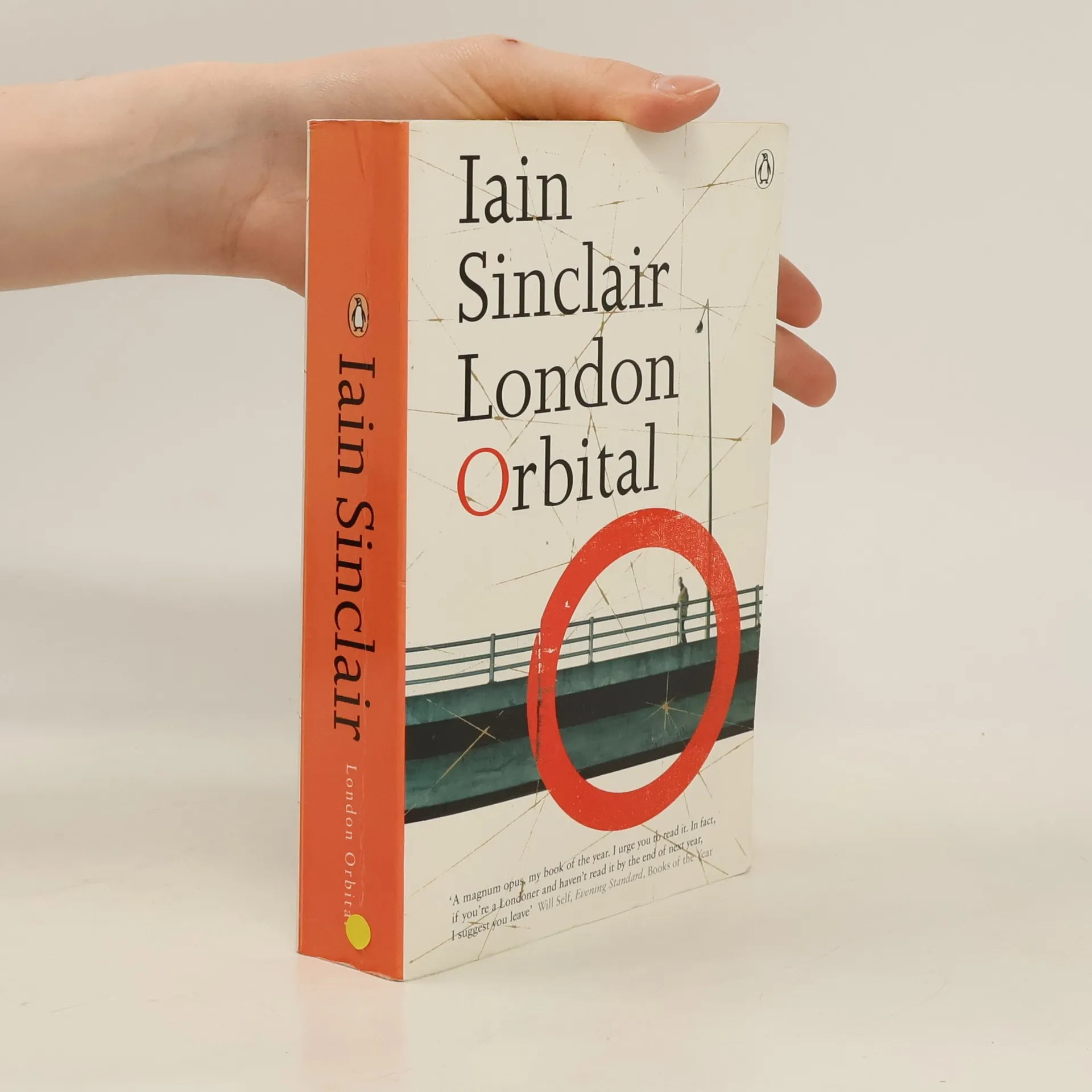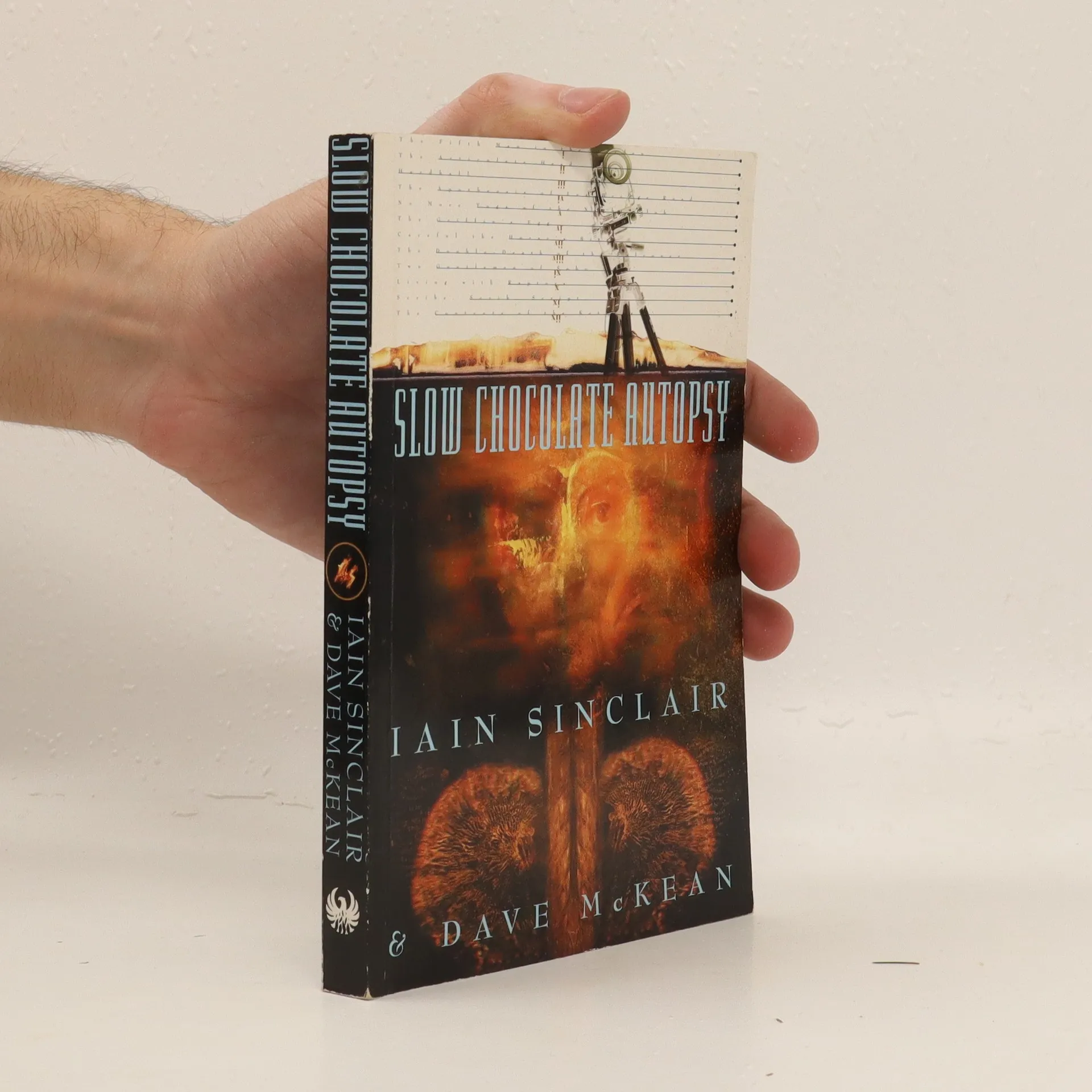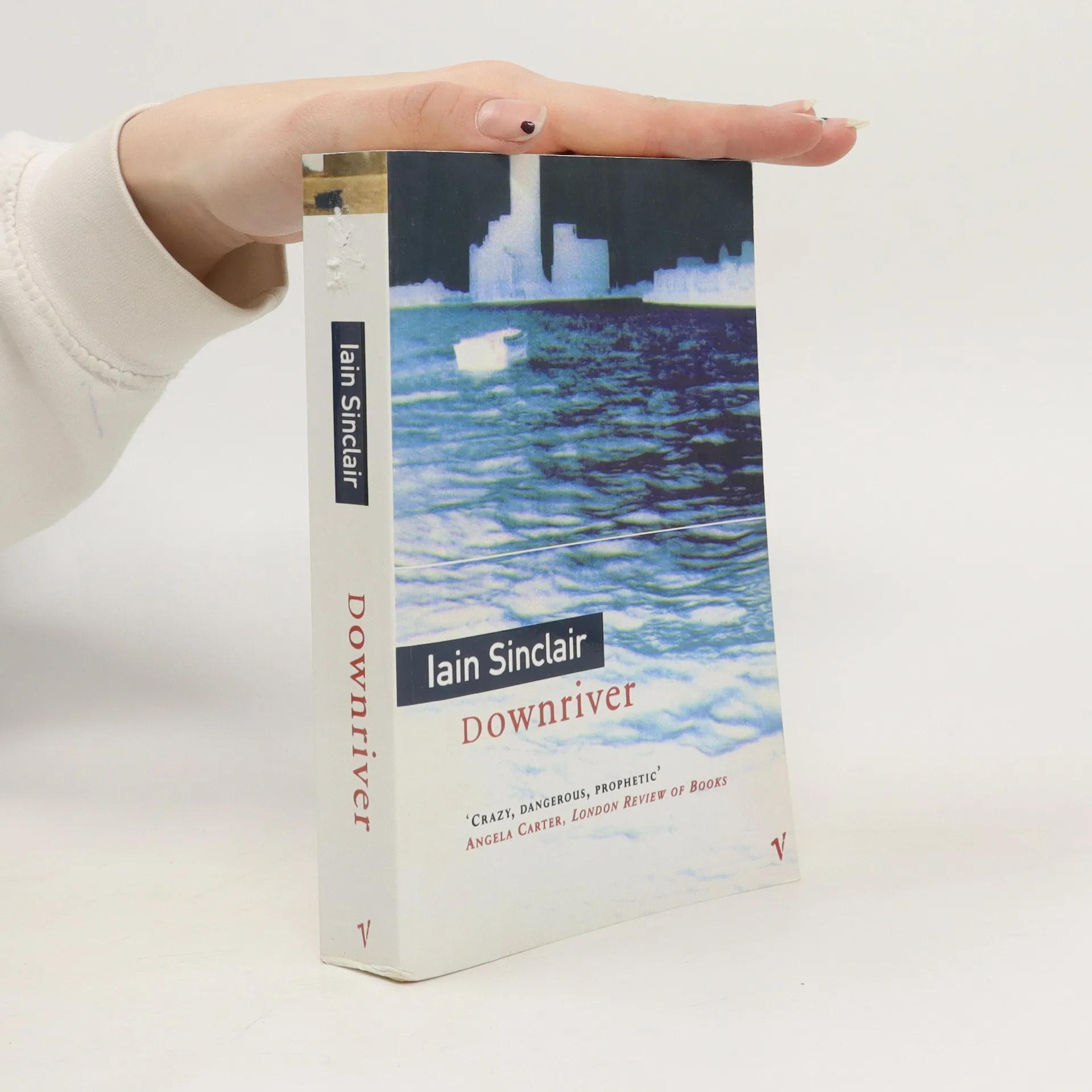
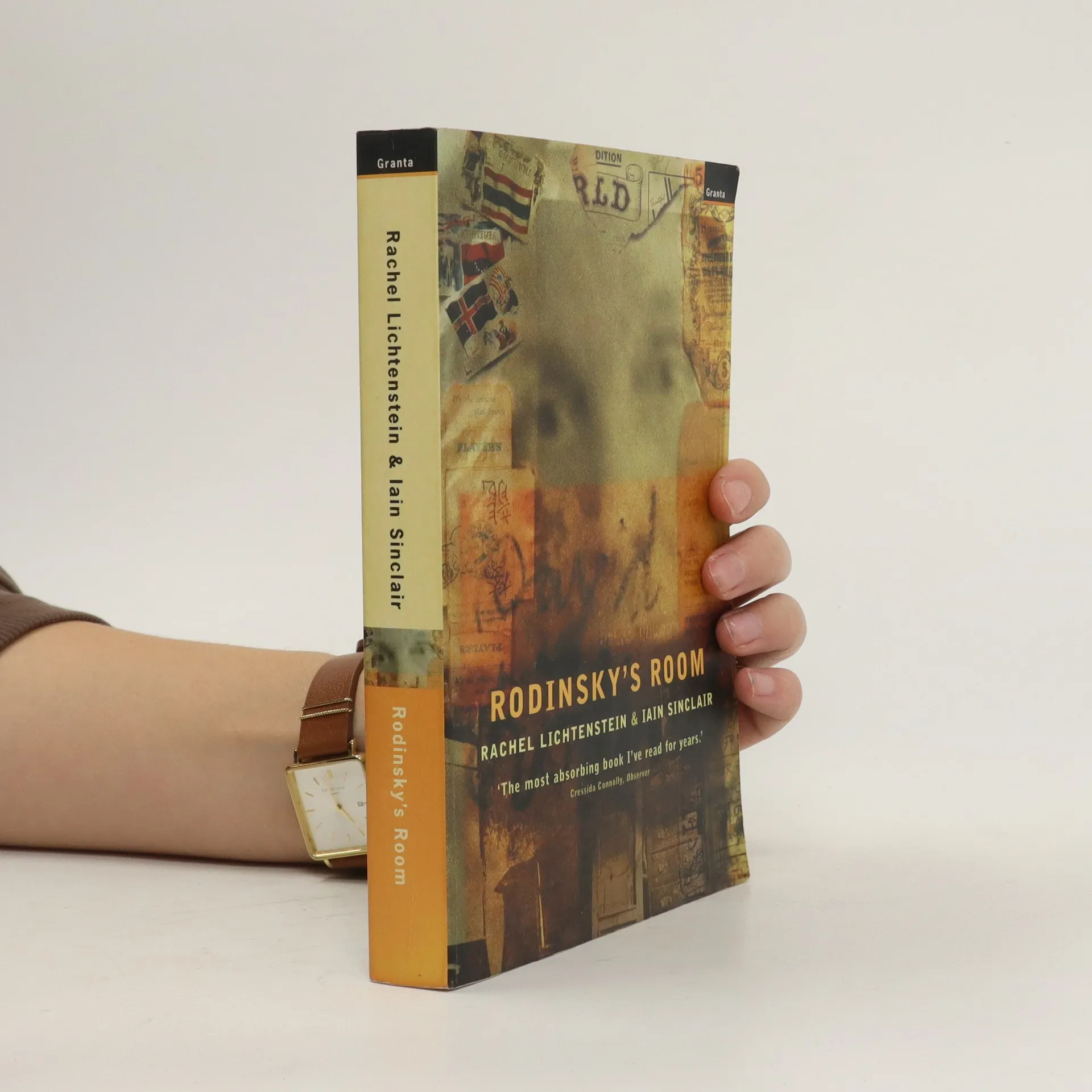
Iain Sinclair est un écrivain et cinéaste britannique dont les œuvres sont profondément ancrées à Londres et dans la pratique de la psychogéographie. Sa production précoce comprenait de la poésie et de la prose expérimentale, mêlant souvent essai, fiction et vers. Il a ensuite acquis une plus large reconnaissance pour ses œuvres de non-fiction qui explorent la structure de Londres et ses histoires cachées. Le style distinctif de Sinclair se caractérise par une observation méticuleuse, une récupération littéraire et une exploration unique du paysage urbain.
When Dennis discovers a mysterious book, he enters an alternate London filled with fantastical characters. This dreamlike city, shaped by art and fiction, contrasts with post-war London. The series promises a magical journey through friendship, betrayal, and mischief in this extraordinary urban landscape.
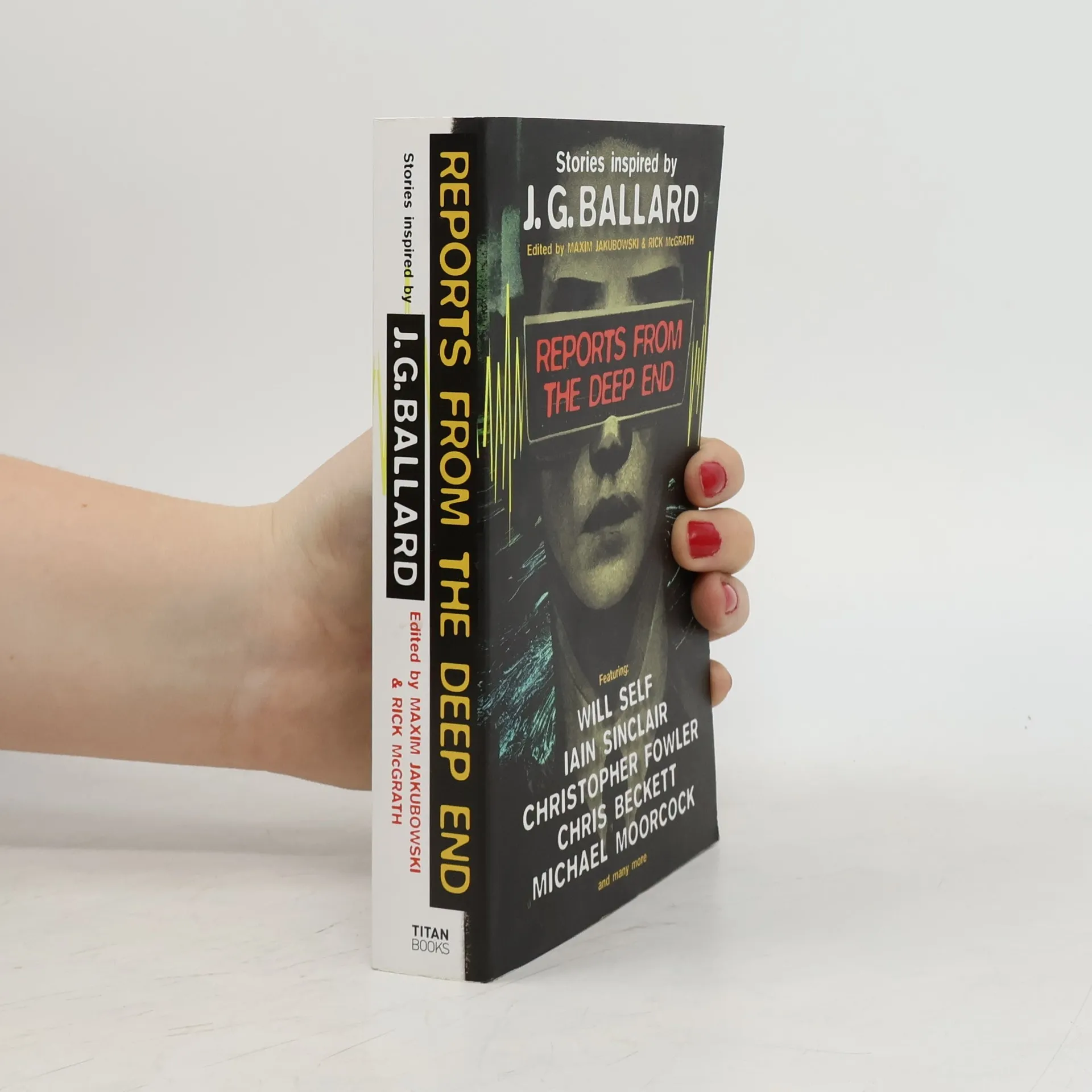
This anthology presents 32 science fiction short stories inspired by the prophetic dystopias of J. G. Ballard, a titan of 20th-century literature. Featuring contributions from notable authors like Will Self, Iain Sinclair, Christopher Fowler, Chris Beckett, and a new Jerry Cornelius story by Michael Moorcock, it pays homage to Ballard’s unique vision of a bewildering and alienating world. Ballard’s works, including Empire of the Sun, Crash, and Cocaine Nights, explore the disjointed nature of contemporary reality and classic dystopias such as The Drowned World and High Rise, leaving an indelible mark on literature. This groundbreaking collection, edited by Maxim Jakubowski and Rick McGrath, showcases the uncanny and uneasy relationship between humanity and the future, reflecting Ballard’s influence on literary and science fiction. The anthology includes stories from a diverse array of authors, such as Jeff Noon, Preston Grassmann, Toby Litt, Christine Poulson, and many more, each offering their interpretation of the themes that Ballard so masterfully explored. Through this compilation, readers are invited to engage with the unsettling visions that define our empires of concrete, seen through the warped lens of Ballard's legacy.
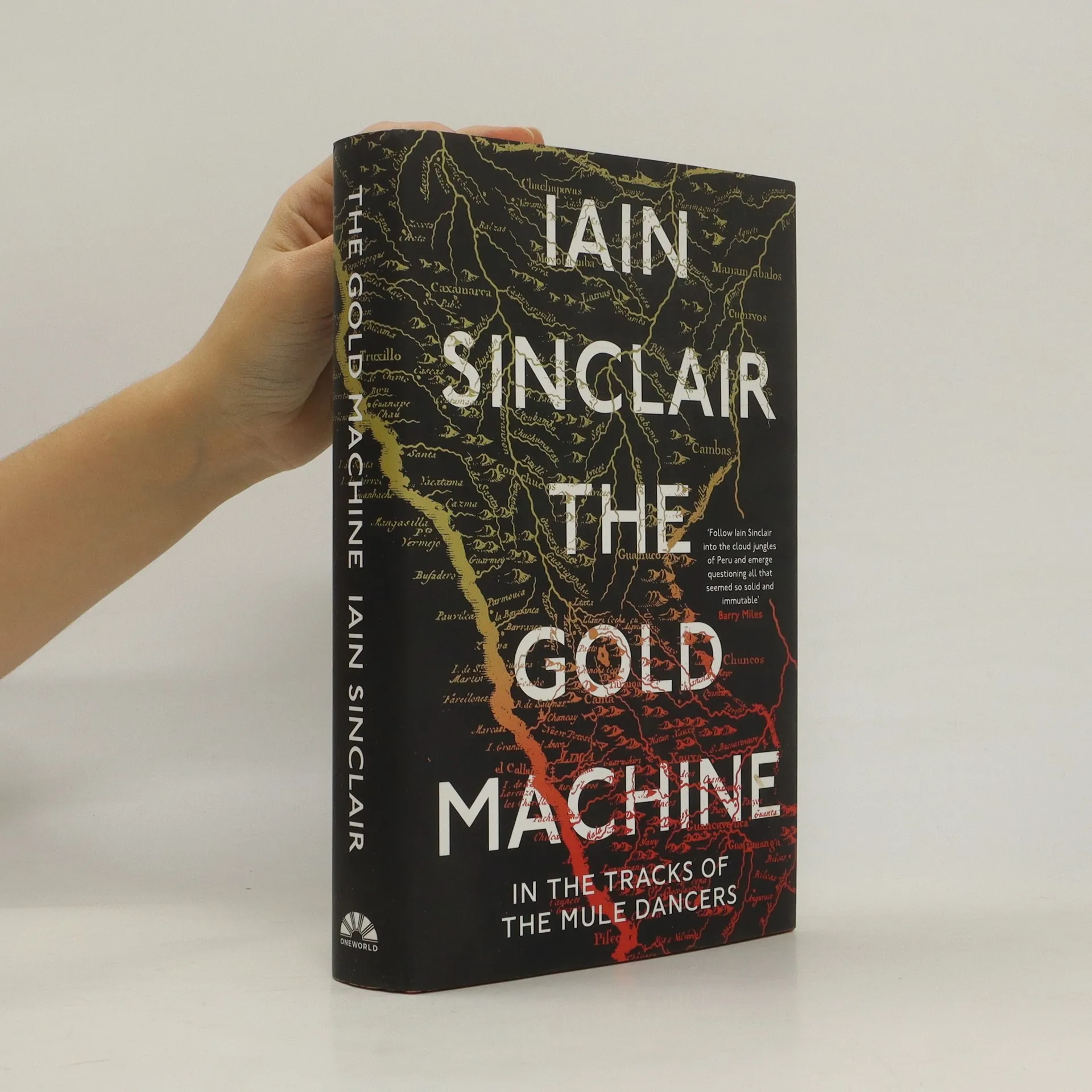
A journey through time and space, grappling with the ghosts of empireA New Statesman Book of the Year, 2021‘Follow Iain Sinclair into the cloud jungles of Peru and emerge questioning all that seemed so solid and immutable.’ Barry MilesFrom the award-winning author of The Last London and Lights Out for the Territory , a journey in the footsteps of our ancestors.Iain Sinclair and his daughter travel through Peru, guided by – and in reaction to – an ill-fated colonial expedition led by his great-grandfather. The family history of a displaced Scottish highlander fades into the brutal reality of a major land grab. The historic thirst for gold and the establishment of sprawling coffee plantations leave terrible wounds on virgin territory.In Sinclair’s haunting prose, no place escapes its past, and nor can we.‘ The Gold Machine is a trip, a psychoactive expedition in compelling company.’ TLS
Iain Sinclair erkundet in diesem literarischen Spaziergang die Verbindung zwischen dem heutigen London und William Blakes Visionen. Er analysiert Blakes Poetik und deren Beziehung zu konkreten Orten, während er Einflüsse von Emanuel Swedenborg aufdeckt und Parallelen zu anderen Flaneuren zieht. Sinclairs Werk ist eine tiefgehende Auseinandersetzung mit Londons Geheimnissen.
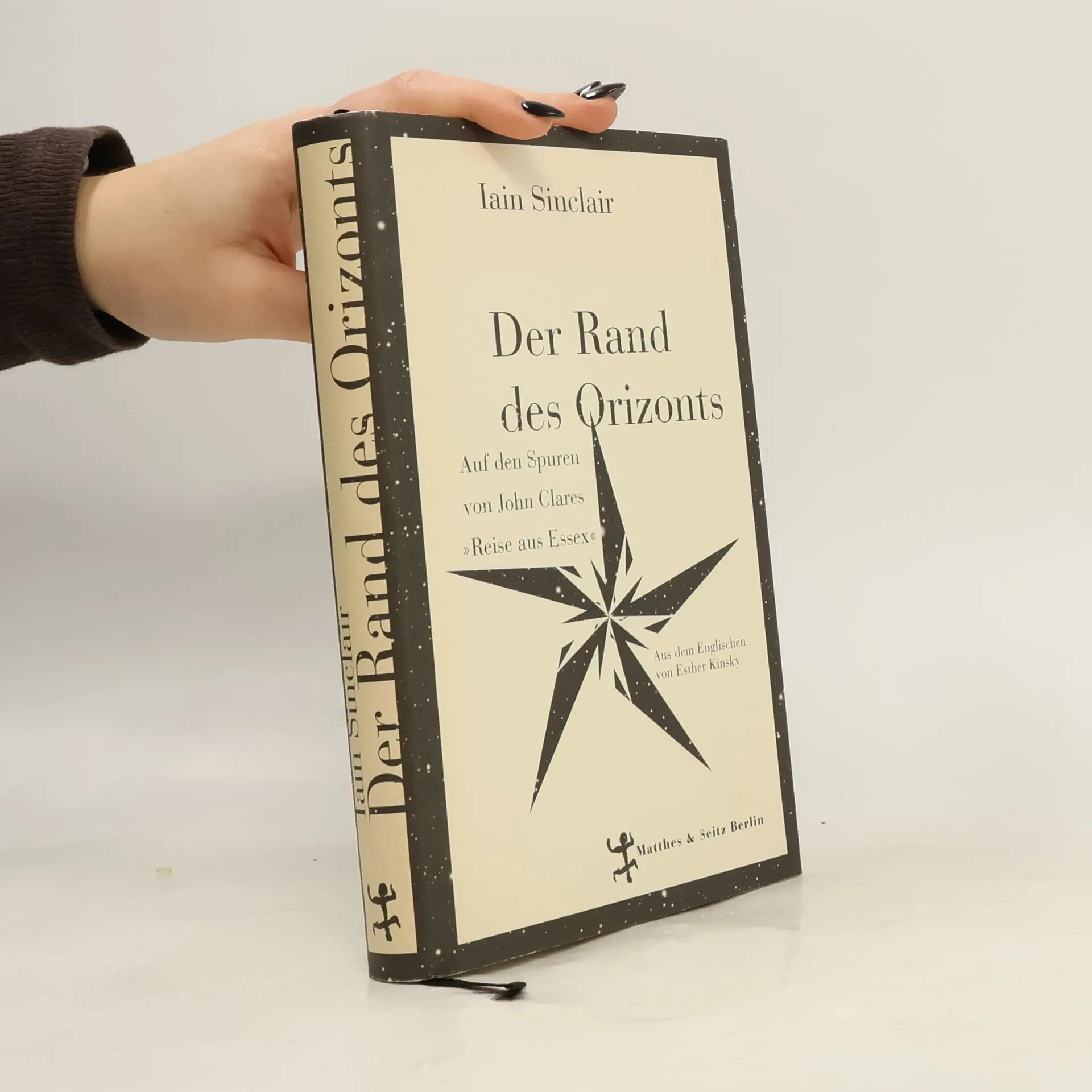
Fast alle seiner zahlreichen Bücher hat Iain Sinclair erwandert und dem Boden abgerungen. Dabei hat er zahlreiche Beobachtungen insbesondere von Stadtlandschaften gemacht und deren Veränderung dokumentiert. Zentrum seiner in England längst Klassiker gewordenen psychogeografischen Bücher ist London. Ein Buch aber bildet die Ausnahme: In Der Rand des Orizonts verlässt er die Stadt und macht sich gemeinsam mit seiner Frau auf, eine tief bewegende Wanderung zu unternehmen. Er durchmisst Flucht und Leid des Dichters John Clare, der sich mehr als 150 Jahre vor den beiden auf derselben Strecke von seiner Schwermut und der Sehnsucht nach seiner drei Jahre zuvor verstorbenen Ehefrau zu heilen versuchte, aus der Nervenheilanstalt ausbrach und in einem Gewaltmarsch in sein Heimatdorf zurückwanderte. Die physische Anstrengung Sinclairs, das Erleben der über die Zeiten veränderten Landschaft, die Lektüre Clares in Gedanken machen diese autobiografisch-biografische Recherche zu einem tief bewegenden Erlebnis.
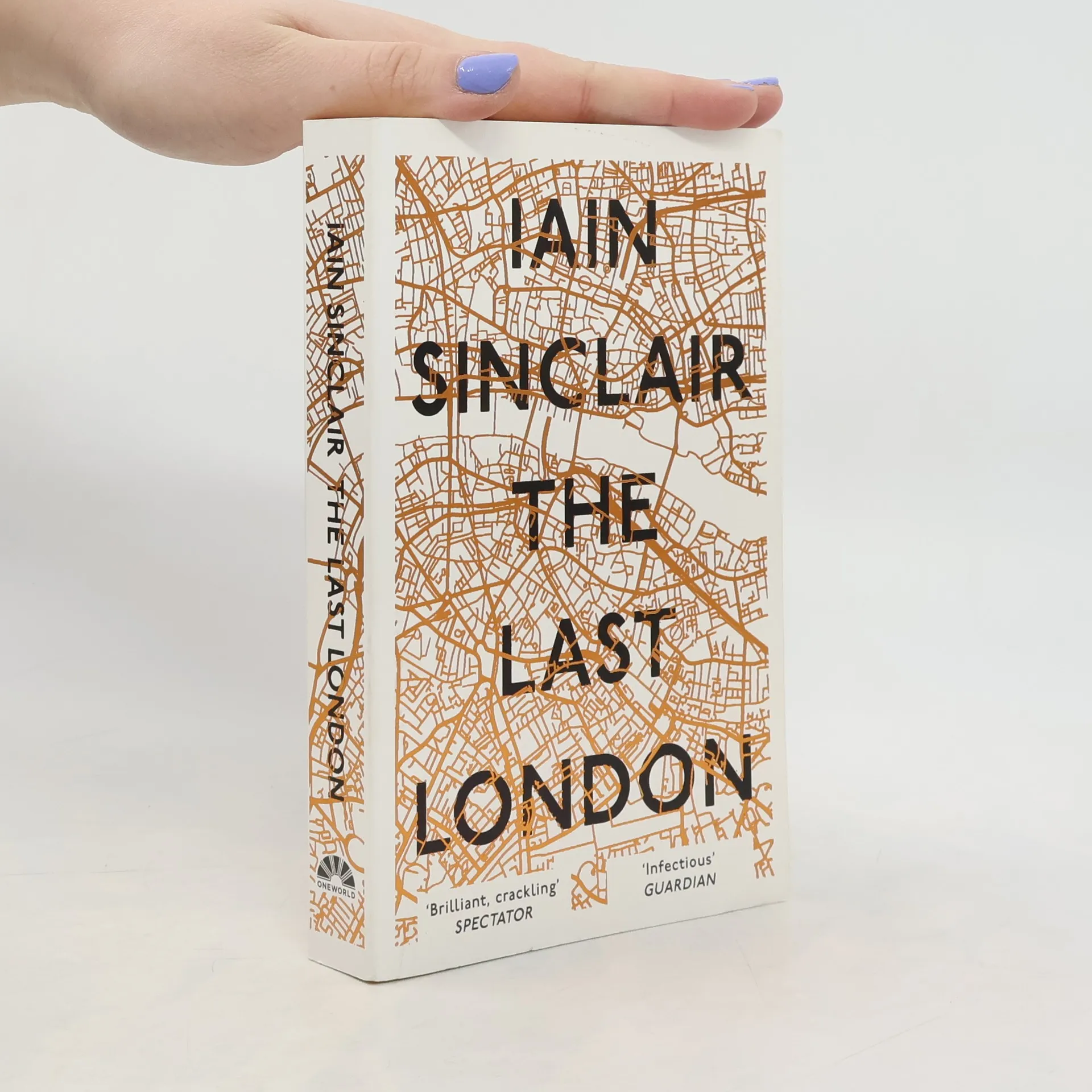
Iain Sinclair has been documenting the peculiar magic of the river-city that absorbs and obsesses him for most of his adult life. In The Last London, he strikes out on a series of solitary walks and collaborative expeditions to make a final reckoning with a capital stretched beyond recognition. Here is a mesmerising record of secret scholars and whispering ghosts. Of disturbing encounters. Night hospitals. Pits that become cameras. Mole Man labyrinths. And privileged swimming pools, up in clouds, patrolled by surveillance helicopters. Where now are the myths, the ultimate fictions of a many times revised city? Travelling from the pinnacle of the Shard to the outer limits of the London Overground system at Croydon and Barking, from the Thames Estuary to the future ruins of Olympicopolis, Sinclair reflects on where London begins and where it ends. A memoir, a critique and a love letter, The Last London stands as a delirious conclusion to a truly epic project.
"The completion of the full circle of London Overground provides Iain Sinclair with a new path to walk the shifting territory of the capital. It is a route haunted by the unquiet voices of the city's many literary ghosts. With thirty-three stations and thirty-five miles to tramp--plus inevitable and unforeseen detours and false steps--he embarks on a marathon circumnavigation at street level, tracking the necklace of garages, fish farms, bakeries, convenience cafés, cycle-repair shops and Minder lock-ups which enclose inner London."--back cover.