
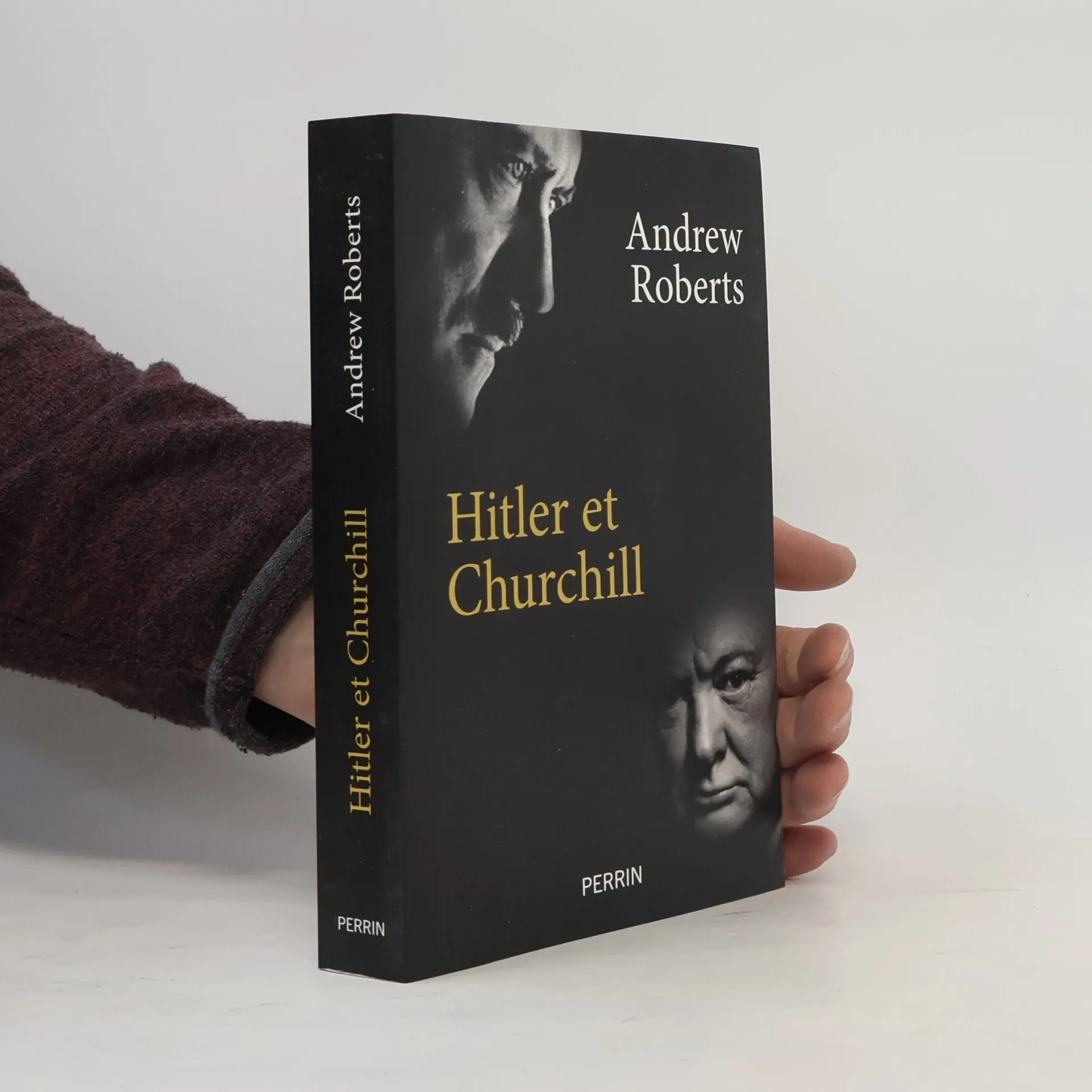
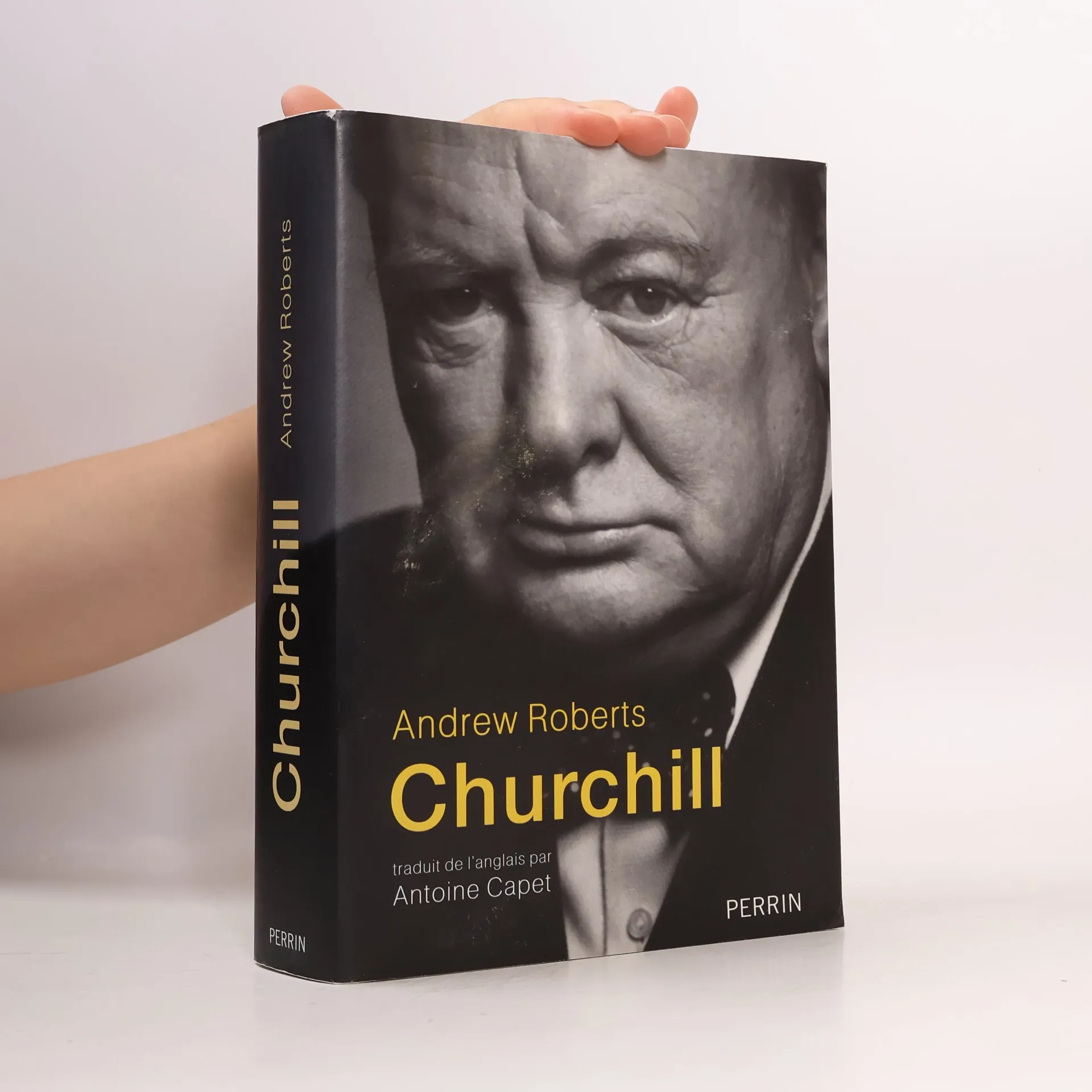
Churchill : walking with destiny
- 1152pages
- 41 heures de lecture
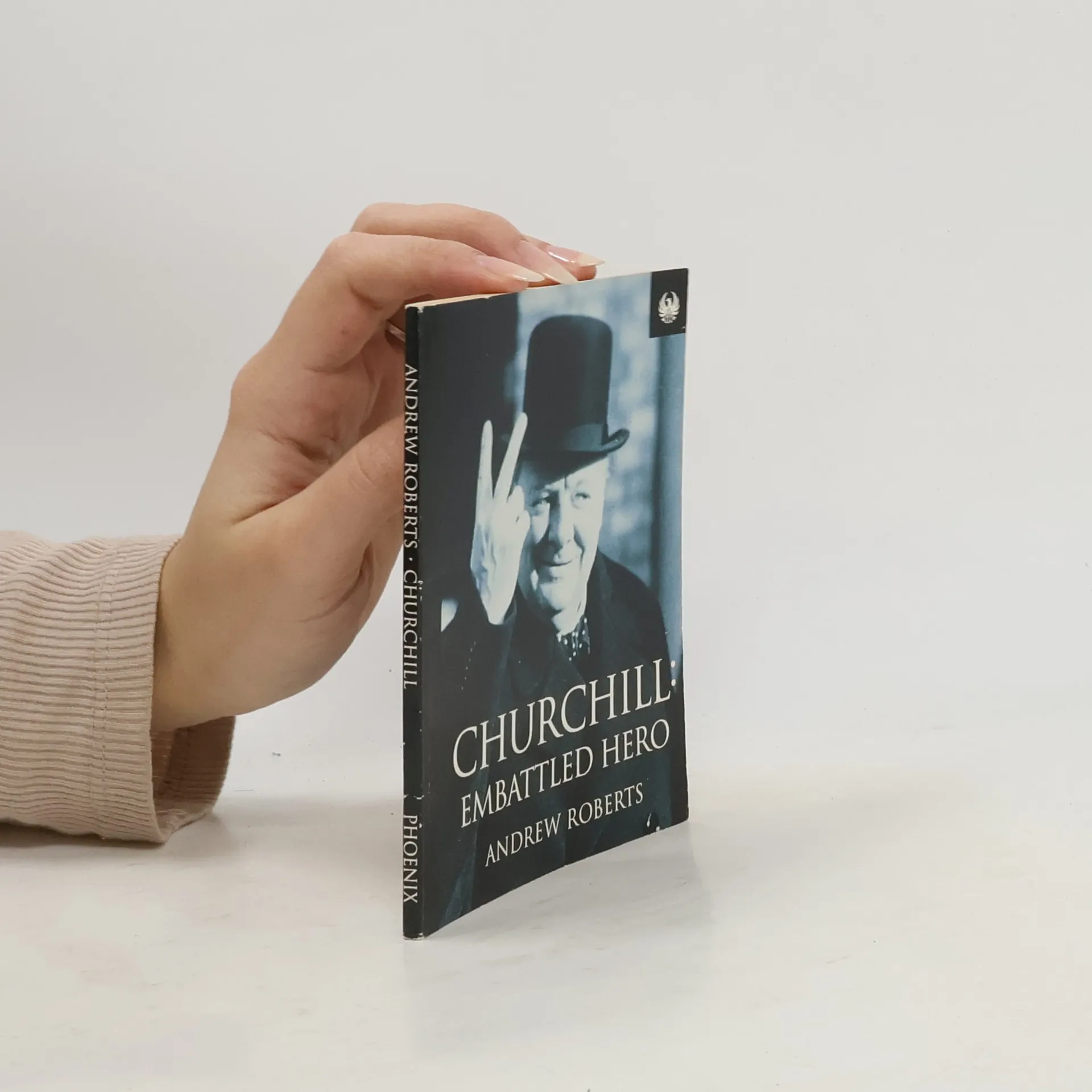
A magnificently fresh and unexpected biography of The Greatest Briton, by one of Britain's best-selling historians.
Cet auteur explore l'histoire avec la précision d'un universitaire et le talent d'un conteur. Ses œuvres examinent des moments et des figures clés qui ont façonné le monde, en mettant l'accent sur la dimension humaine et les interconnexions. Grâce à une analyse perspicace et un style captivant, des événements historiques complexes deviennent accessibles au lecteur contemporain. Ses écrits sont appréciés pour leur profondeur, leur exactitude et leur capacité à immerger le lecteur dans le récit.


A magnificently fresh and unexpected biography of The Greatest Briton, by one of Britain's best-selling historians.
A Dictionary of Czech Popular Culture
Emphasizing the significance of popular culture, this comprehensive dictionary explores Czech daily life through its songs, movie stars, athletes, traditional dishes, and children's games. With six hundred cross-referenced entries, it provides English readers with an invaluable resource to understand a rich yet ephemeral cultural landscape. The accessible writing style ensures that a broad audience can engage with the material, making it a substantial contribution to the study of Czech popular culture.
Challenging the common perception of George III as a tyrant, this book reveals him as a wise and humane ruler who faced numerous adversities. Historian Andrew Roberts delves into extensive unpublished correspondence, uncovering the complexities of the king's character and reign. The narrative critiques the biased portrayals by revolutionary figures like Thomas Paine and Thomas Jefferson, highlighting how their agendas shaped public opinion. Through meticulous research, the book aims to restore a more nuanced understanding of George III's legacy.
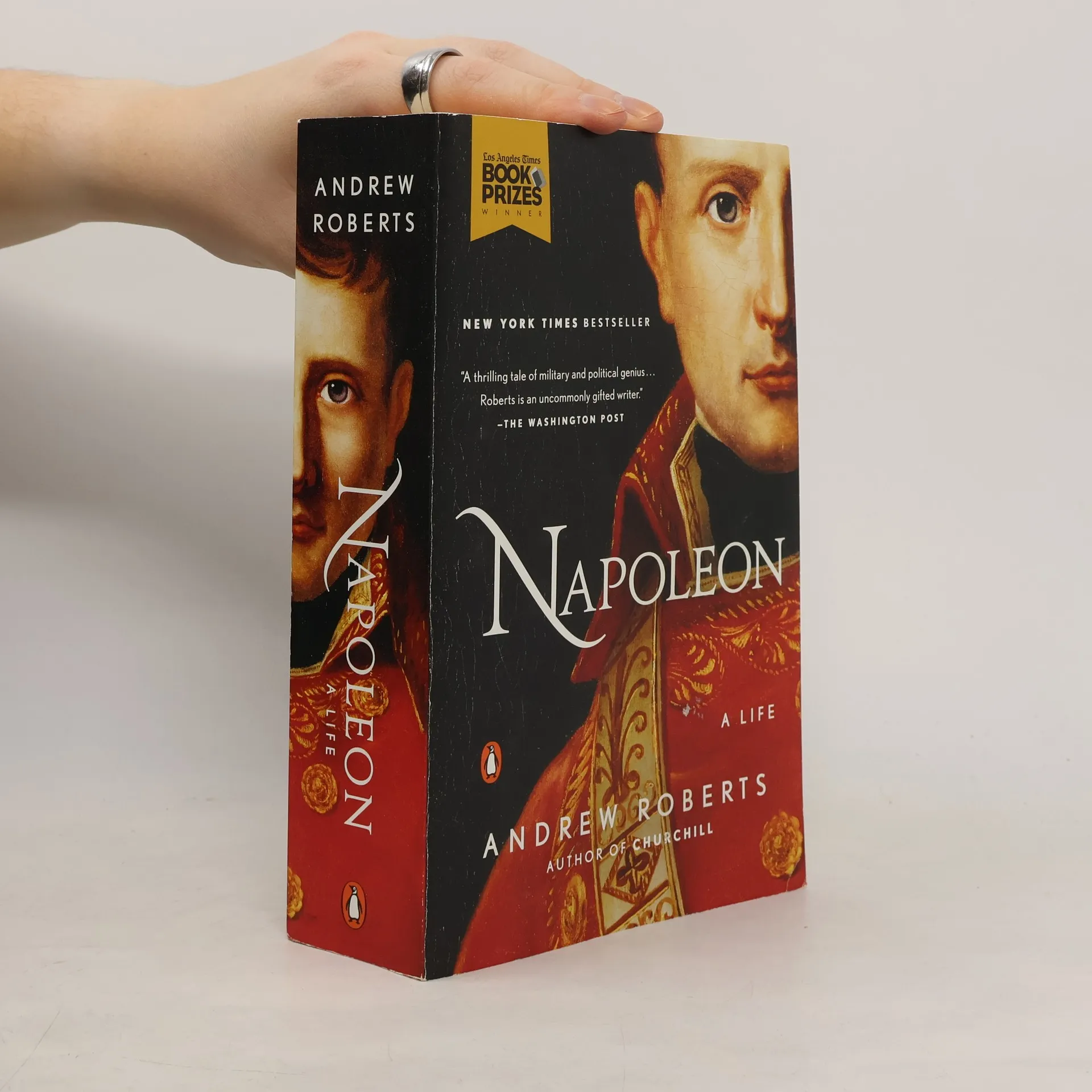
The biography delves into the life of a prominent soldier-statesman, showcasing his significant contributions and complex character. Written by an acclaimed author, it combines thorough research with engaging narrative, highlighting the subject's pivotal role in history. The book has received critical acclaim, winning multiple awards, including the LA Times Book Prize, and has been recognized as a New York Times bestseller, underscoring its impact and the author's expertise in historical storytelling.
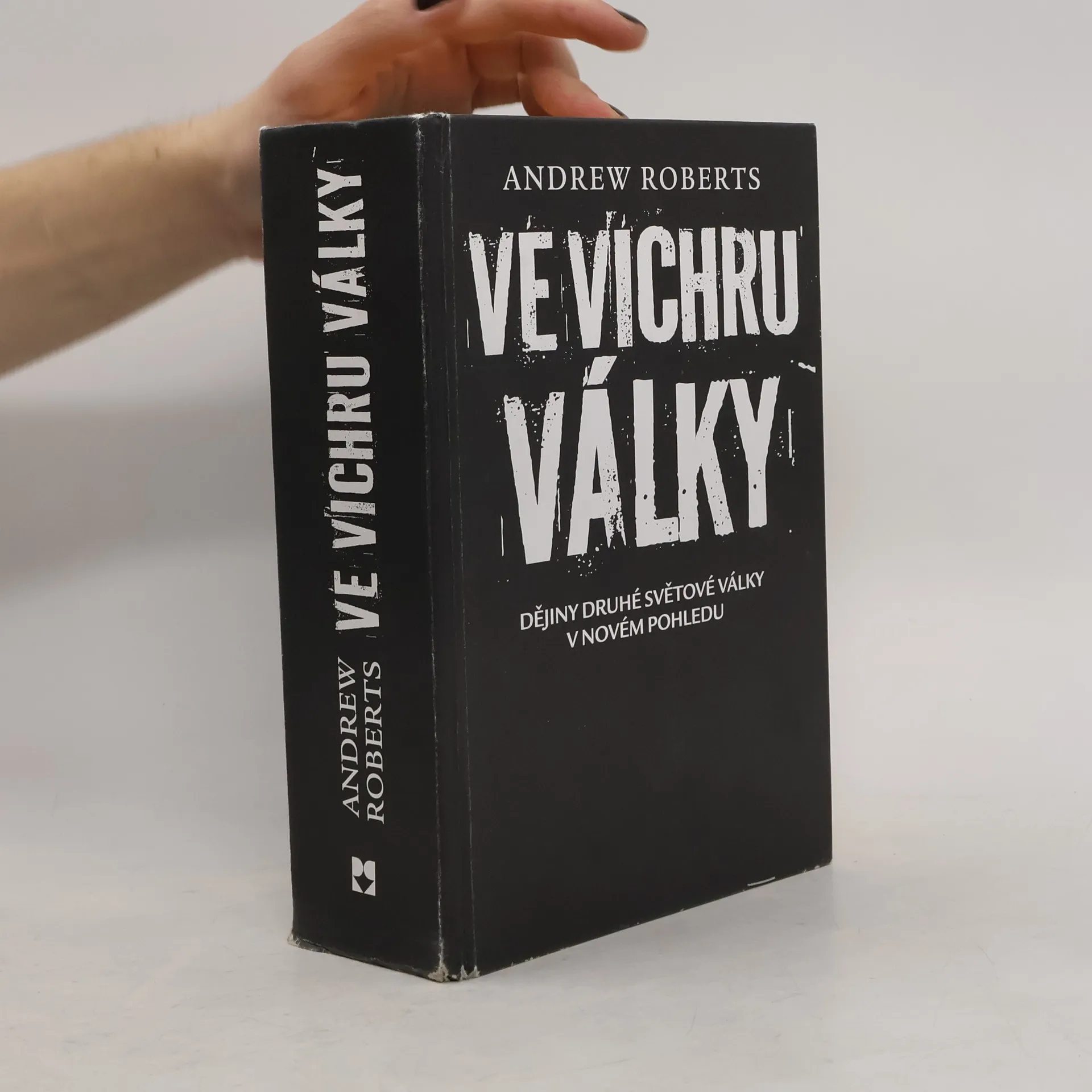
Analyses how Axis strategy evolved. Examining the Second World War on different fronts, this book asks whether, with a different decision-making process and a different strategy, the Axis might even have won.
Uganda's natural history is legendary and this guide provides detailed coverage of all the species, including the rare mountain gorillas. It covers a wealth of practical information, as well as Uganda's attractions, from national parks and gorilla reserves to Lake Victoria and the Ssese Islands.
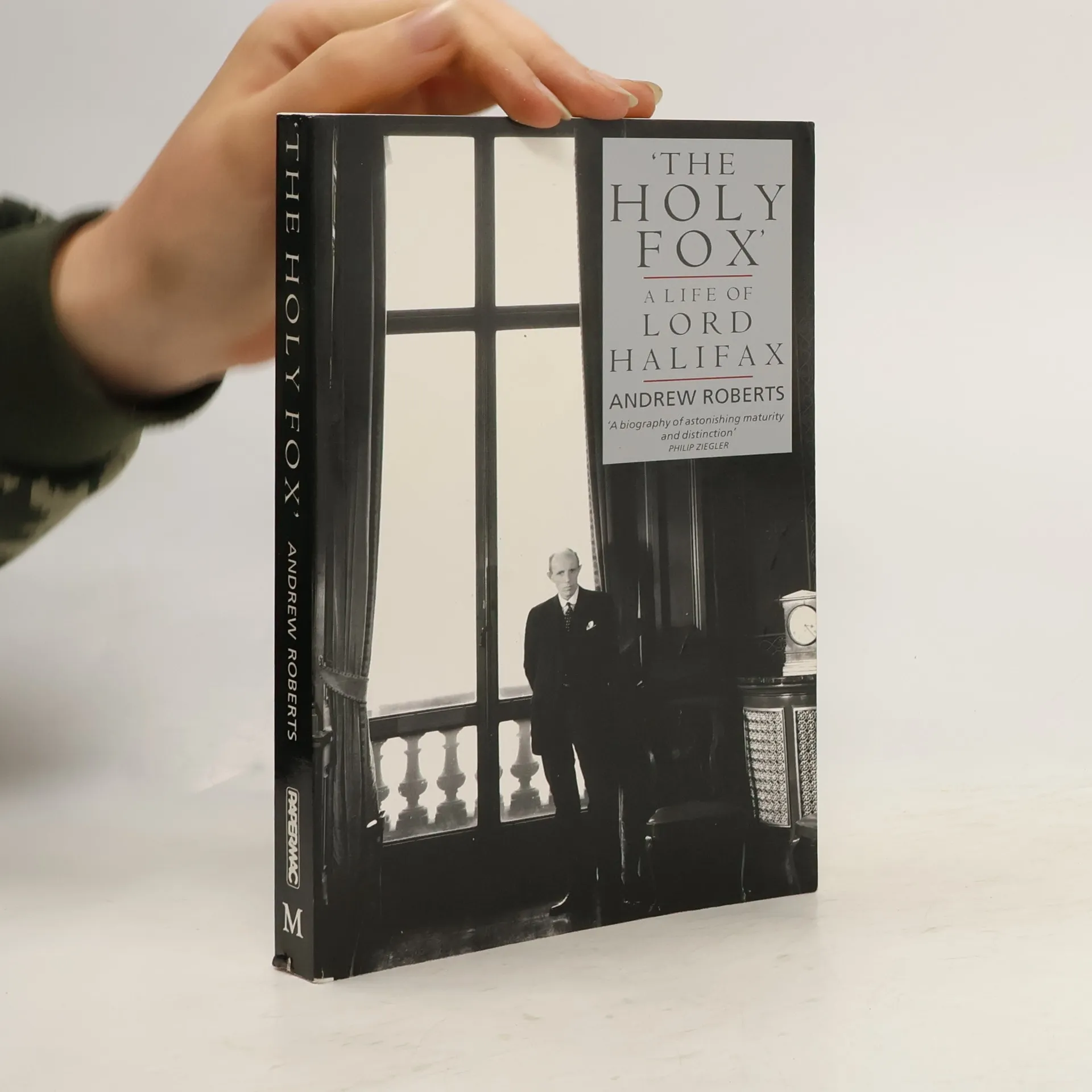
Edward Wood, 3rd Viscount Halifax, was a church-going, fox-hunting aristocat. It was his political guile that earned him his nickname. The author has had access to private documents which produce an interpretation at variance with the popular view of this influential politician.
Focusing on the British actors who rose to prominence in the 1950s, this book explores a transformative era for British cinema marked by the challenge of television and the influence of Hollywood. It delves into the careers and contributions of these stars, highlighting their impact on the film industry during a time of significant change.
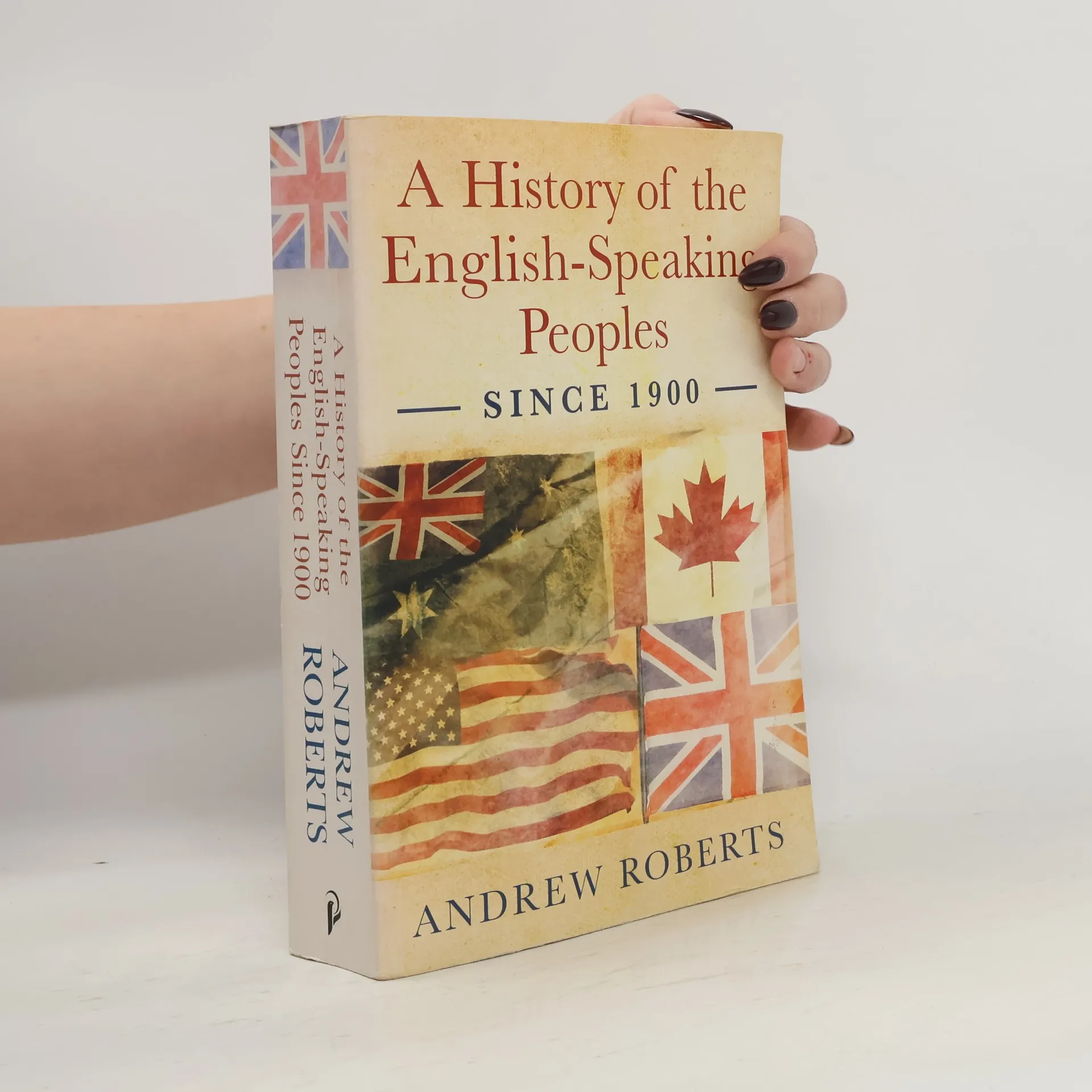
Telling the story of the English-speaking people in the 20th century, this book covers the four world-historical struggles in which they have been engaged - the wars against German Nationalism, Axis Fascism, Soviet Communism & the War against Terror. It also deals with the cultural, & social history of the English global diaspora.
The last king of America, George III, has often been portrayed as a disastrous monarch who lost the colonies and succumbed to madness. However, this view is overly simplistic and fails to capture the complexities of his reign and legacy. Many Americans see him as a heartless ruler, largely shaped by the negative portrayals of revolutionary figures like Thomas Paine and Thomas Jefferson, who depicted him as evil to further their political goals. Award-winning historian Andrew Roberts has sifted through extensive unpublished correspondence to reveal a more nuanced truth: George III was a wise and humane monarch, plagued by skilled adversaries, mental health challenges, ineffective ministers, and sheer bad luck. In this exploration, Roberts presents a balanced portrait of the often-maligned king, highlighting his overlooked achievements. As we reflect on George III's reign, it is essential to reassess our understanding of him and recognize the complexities of the last time America was under monarchical rule. This reevaluation invites a deeper appreciation of a figure who has been unjustly caricatured throughout history.