The story of Europe and its peoples, told through its genetic legacy and woven together using the latest archaeological findings, will fascinate anyone interested in genealogy. Karin Bojs grew up in a small, broken family, and at her mother's funeral she felt this more acutely than ever. As part of the healing process, she decided to use DNA research to learn more about herself, her family, and the interconnectedness of society. She went deep in search of her genealogy, having her DNA sequenced and tested, and effectively becoming an experimental subject. Remarkably, she was able to trace the path of her ancestors through recorded history and into prehistory. Through the course of her research, she met dozens of scientists working in genetic research. The narrative travels the length and breadth of Europe, from the Neanderthals of central Germany to the Cro-Magnon in France. Bojs visited the ancient caves, realizing that her direct ancestors must have been living in the area when the cave art was painted. A second DNA analysis later revealed she has Sami (i.e. Lapp) genetic material in her genome, and there were further revelations about her hunter-gatherer, Bronze-Age, and Iron-Age relatives, including the Vikings. This fresh, first-person exploration of genes and genetics goes well beyond personal genealogy and reveals much about the shared history of European peoples.
Karin Bojs Livres
Karin Bojs est une auteure et journaliste scientifique dont l'œuvre explore des questions profondes sur l'histoire humaine et notre place dans le monde. Elle est reconnue pour sa capacité à tisser ensemble l'enquête scientifique et des récits captivants. Son écriture offre aux lecteurs une exploration fascinante de ce qui nous définit en tant qu'humains et de la manière dont nous sommes devenus ce que nous sommes.


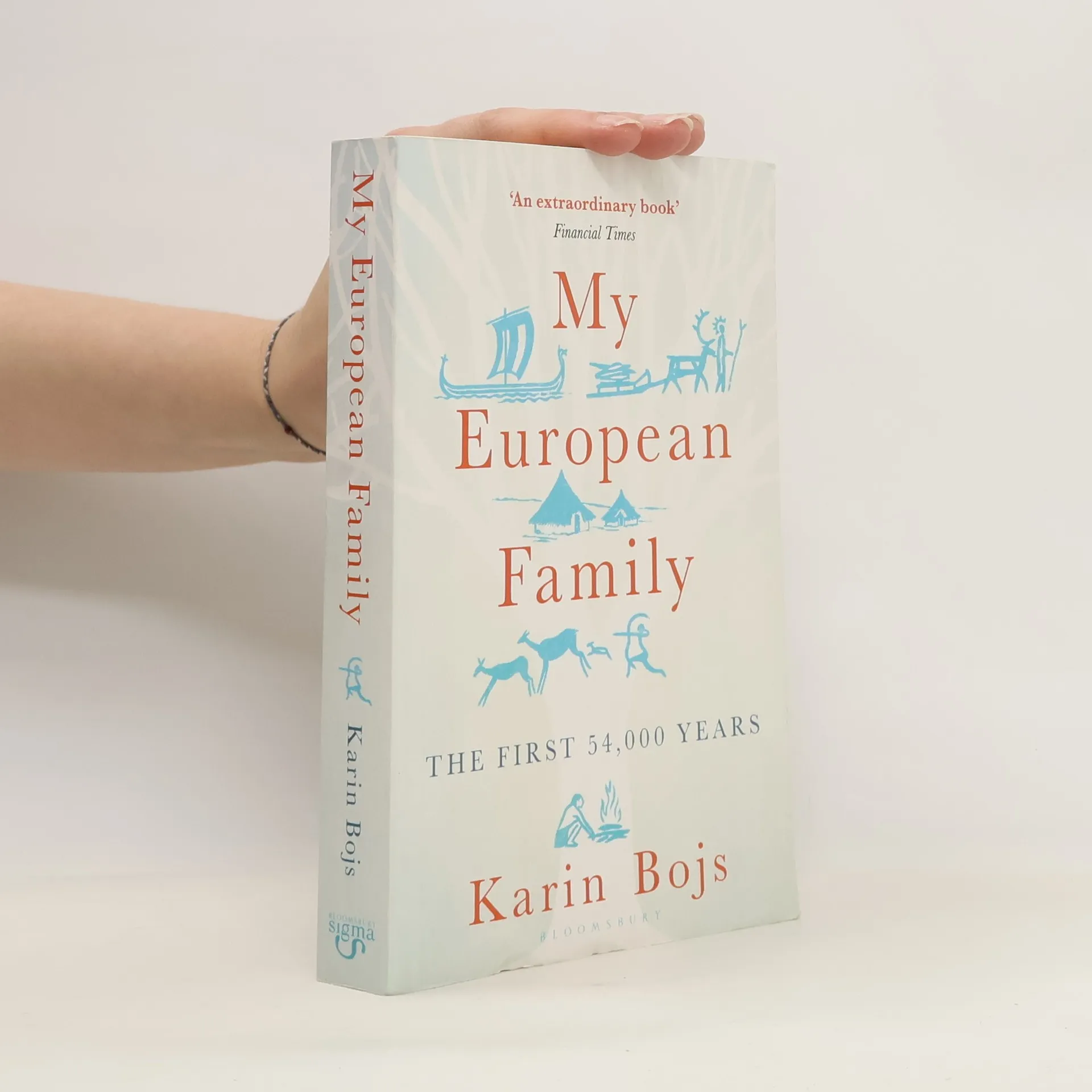
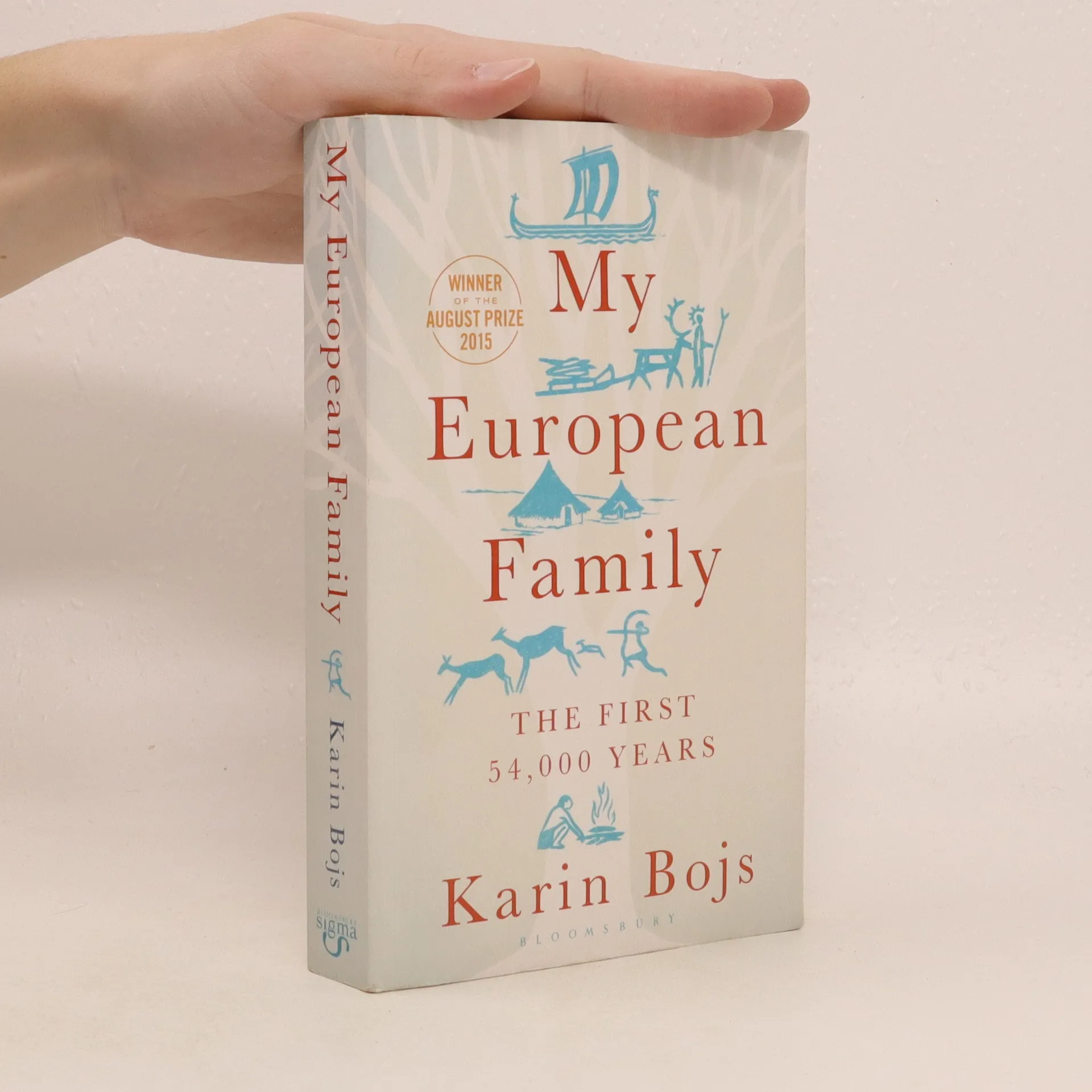
My European Family: The First 54 000 Years
- 400pages
- 14 heures de lecture
Karin Bojs grew up in a small, broken family. At her mother's funeral she felt this more keenly than ever. As a science journalist she was eager to learn more about herself, her family and the interconnectedness of society. After all, we're all related. And in a sense, we are all family. My European Family tells the story of Europe and its people through its genetic legacy, from the first wave of immigration to the present day, weaving in the latest archaeological findings. Karin goes deep in search of her genealogy; by having her DNA sequenced she was able to trace the path of her ancestors back through the Viking and Bronze ages to the Neolithic and beyond into prehistory, even back to a time when Neanderthals ran the European show. Travelling to dozens of countries to follow the story, she learns about early farmers in the Middle East and flute-playing cavemen in Germany and France, and a whole host of other fascinating characters. This book looks at genetics from a uniquely pan- European perspective, with the author meeting dozens of geneticists, historians and archaeologists in the course of her research. The genes of this seemingly ordinary modern European woman have a truly fascinating story to tell, and in many ways it is the true story of Europe. At a time when politics is pushing nations apart, this book shows that, ultimately, our genes will always bind us together.
Mých prvních 54 000 let : nejnovější poznatky z archeologie a evoluční genetiky
- 392pages
- 14 heures de lecture
Mých prvních 54 000 let - Nejnovější poznatky z archeologie a evoluční genetiky. Dějiny lidstva neseme každý v sobě. Náš vlastní genom lze číst jako knihu o posledních desítkách tisíc let. Toto poznání vedlo Karin Bojsovou k propojení jejího osobního příběhu se současnými revolučními poznatky archeogenetiky, s příběhem předků od Vikingů přes dobu bronzovou až k neolitu a dávné době, kdy Evropu obývali neandertálci. Kniha provází čtenáře celým kontinentem a přilehlými oblastmi s jejich prehistorií, setkává se s prvními zemědělci na Středním východě, jeskynními hráči na flétnu v Německu a Francii, lovci mamutů v Brně, prvními výrobci piva, zmiňuje Ötziho i možné budoucí zajímavé objevy skrývající se na dně Severního moře. Poznatky, jež autorka čerpala ze setkávání s desítkami odborníků - genetiků, archeologů a historiků, skládají obraz dějin nahlížených z genetické perspektivy. Takové pojetí je nejen v souladu se současnými trendy, ale vede i k základnímu pochopení, že všichni Evropané jsou součástí jedné velké rodiny.
Min europeiske familie
- 443pages
- 16 heures de lecture
Vitenskapsjournalisten Karin Bojs bestemte seg for å ta slektsforskningen et skritt videre og la DNA-trådene knytte henne sammen med fortidens mennesker. Hun har lest, intervjuet forskere og reist i en rekke land for å følge sporene bakover. Siden 1980-tallet har DNA-teknologien gjennomgått en enestående utvikling. Den har revolusjonert både kriminalteknikernes arbeid og biologisk og medisinsk forskning, og har bidratt til ny kunnskap innen arkeologi og historie. Til og med privatpersoner som driver slektsforskning, har begynt å bruke DNA-tester. Små variasjoner i DNA-sekvenser gjør det mulig å finne søskenbarn, tremenninger og firmenninger, og til og med slektninger som levde for veldig lenge siden - under siste istid og enda lenger tilbake. Resultatet av Bojs' arbeid har blitt en bok om hennes opphav og familie. Men også om oss andre. Vi er jo i slekt. Et sted, en gang levde vår siste felles formor og forfar. DNA-trådene knytter oss alle sammen. Bojs vant med denne boken Augustprisen i Sverige.
Min europeiska familj. De senaste 54 000 åren
- 485pages
- 17 heures de lecture
En en spännande personlig sökning efter våra genetiska ursprung som visar att vi alla är kopplade. Karin Bojs växte upp i en liten och splittrad familj. Vid sin mors begravning kände hon en ensamhet som aldrig förr. Som en del av en läkningsprocess beslutade hon sig för att göra en DNA-undersökning för att lära sig mer om sig själv, sin familj och samhällets sammanlänkning. Vi är alla kopplade, och på sätt och vis är vi alla familj. Boken berättar Europas historia och dess invånare genom deras genetiska arv, och väver in de senaste arkeologiska upptäckterna. Från Island till Spanien dyker Karin djupt ner i sin släktforskning; genom att sekvensera och undersöka sitt DNA blir hon ett experimentellt ämne och kan spåra sina förfäder, ända tillbaka till förhistorien. Denna bok betraktar genetiken ur ett unikt paneuropeiskt perspektiv, genom författarens möten med dussintals genetiker, historiker och arkeologer under sin forskningsprocess. Karin Bojs gener, som en vanlig europeisk kvinna, har en fascinerande historia att berätta.
Einmachen ist eine der einfachsten Methoden, um Lebensmittel zu veredeln und haltbar zu machen. Viele von uns erinnern sich an das Selbsteingemachte aus Omas Garten. Einmachen liegt wieder voll im Trend; somit steigt auch das Interesse zu wissen, wie man die Nahrungsmittel verarbeitet. Milchsäuregärung ist eine der ältesten Möglichkeiten, um Gemüse zu konservieren. Sie ist nicht nur energiesparend und umweltfreundlich, sondern sie bringt komplexe Aromen hervor, die bei anderen, schnelleren Prozessen verloren gehen. Dieses Buch gibt einen Einblick in die traditionelle Technik und zeigt neben Klassikern wie Gurken, Kohl und Rote Bete auch internationale Rezepte wie das koreanische Kimchi oder türkische Sarma. Reich bebildert gehört dieses Handbuch in jedes Regal eines Hobbykochs, der das traditionelle Einmachen wiederentdecken will.