
Bookbot

Amin Saikal

    Amin Saikal est un professeur émérite de sciences politiques dont les travaux explorent les complexités du Moyen-Orient et de l'Asie centrale. Ses recherches portent sur la dynamique du pouvoir, les changements historiques et l'évolution des États modernes au sein de cette région géopolitique cruciale. Saikal analyse l'ascension et le déclin de figures influentes et examine les forces qui façonnent les nations contemporaines. Ses analyses offrent une perspective précieuse pour comprendre le paysage politique complexe de la région.

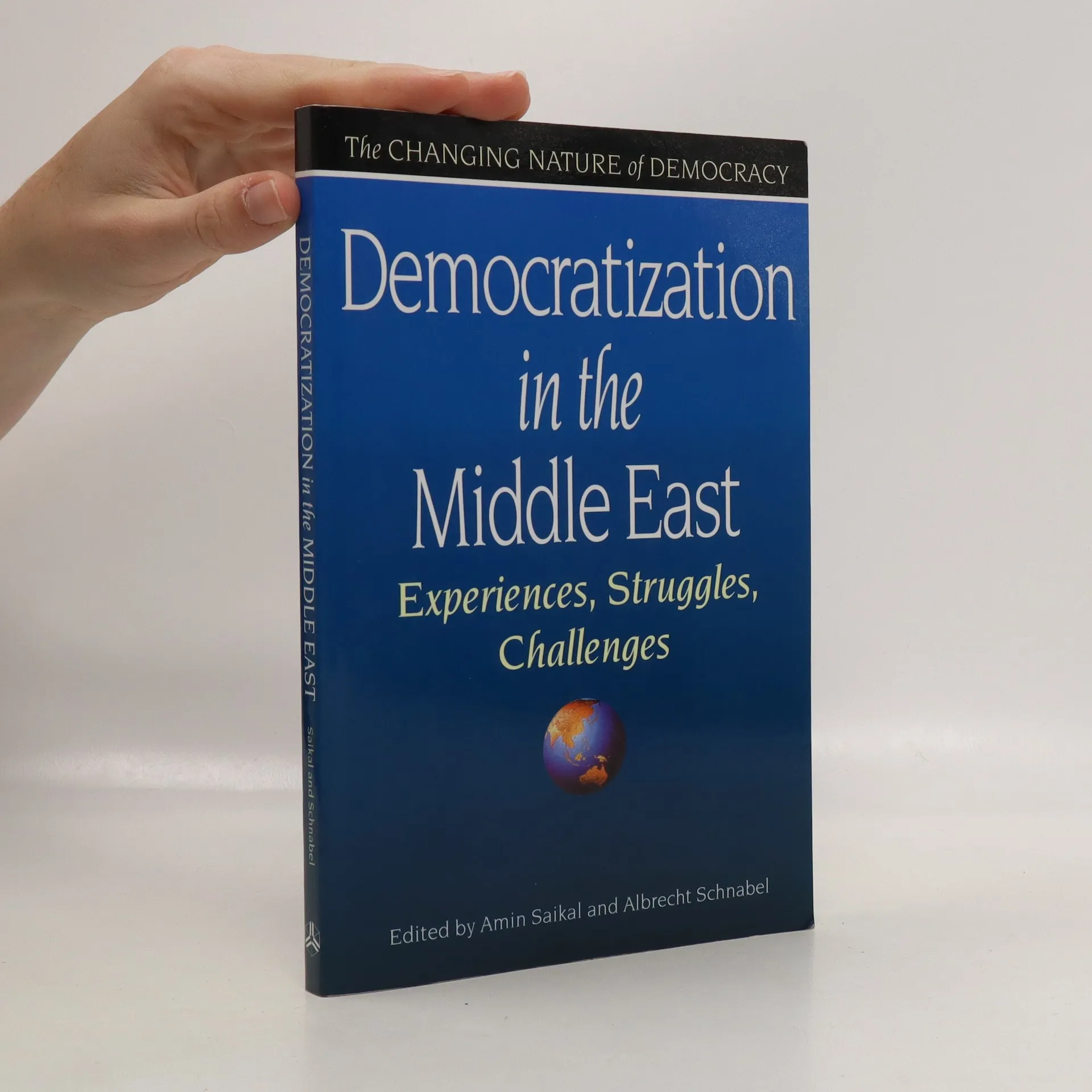
    Democratization in the Middle East: Experiences, Struggles, Challenges
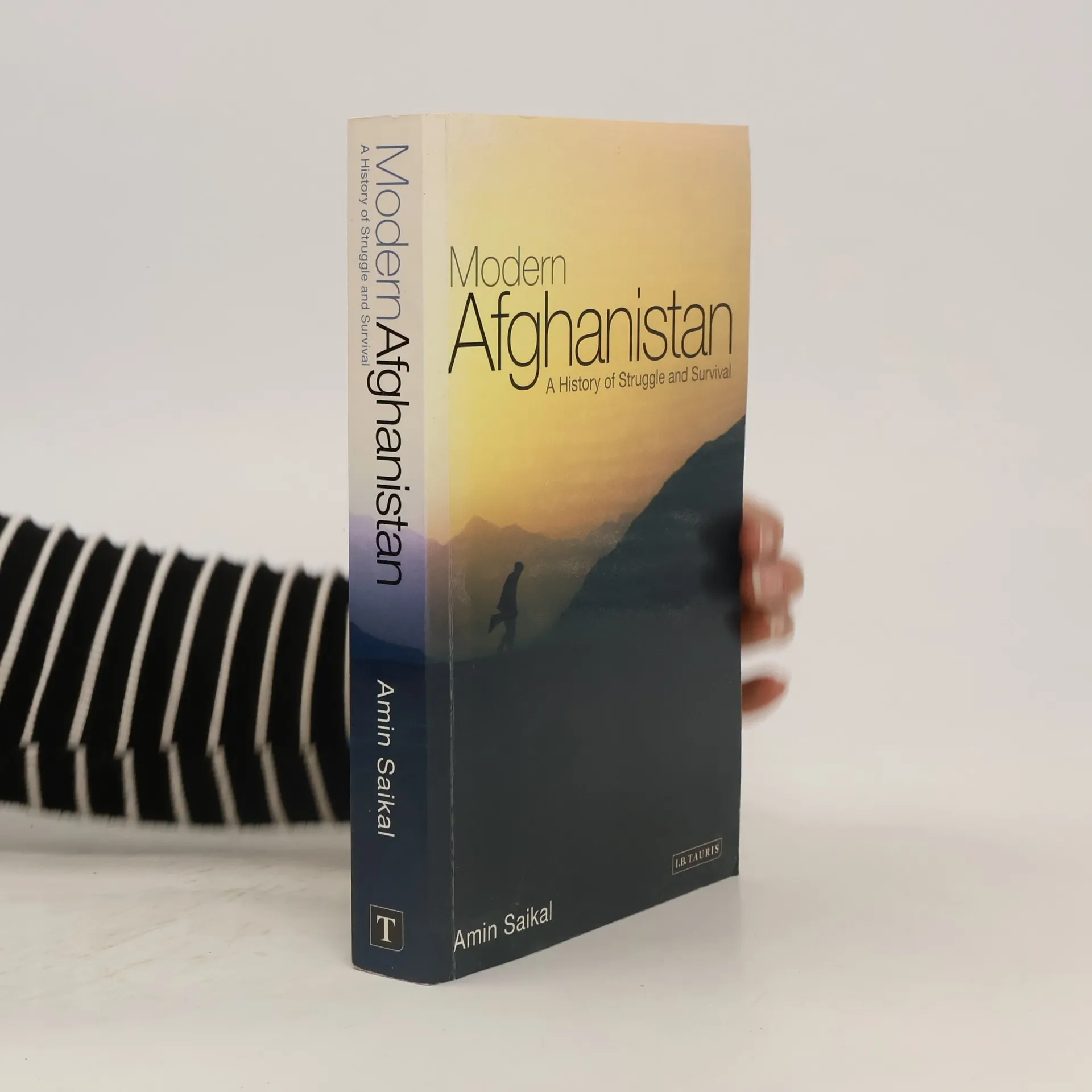
    Modern Afghanistan
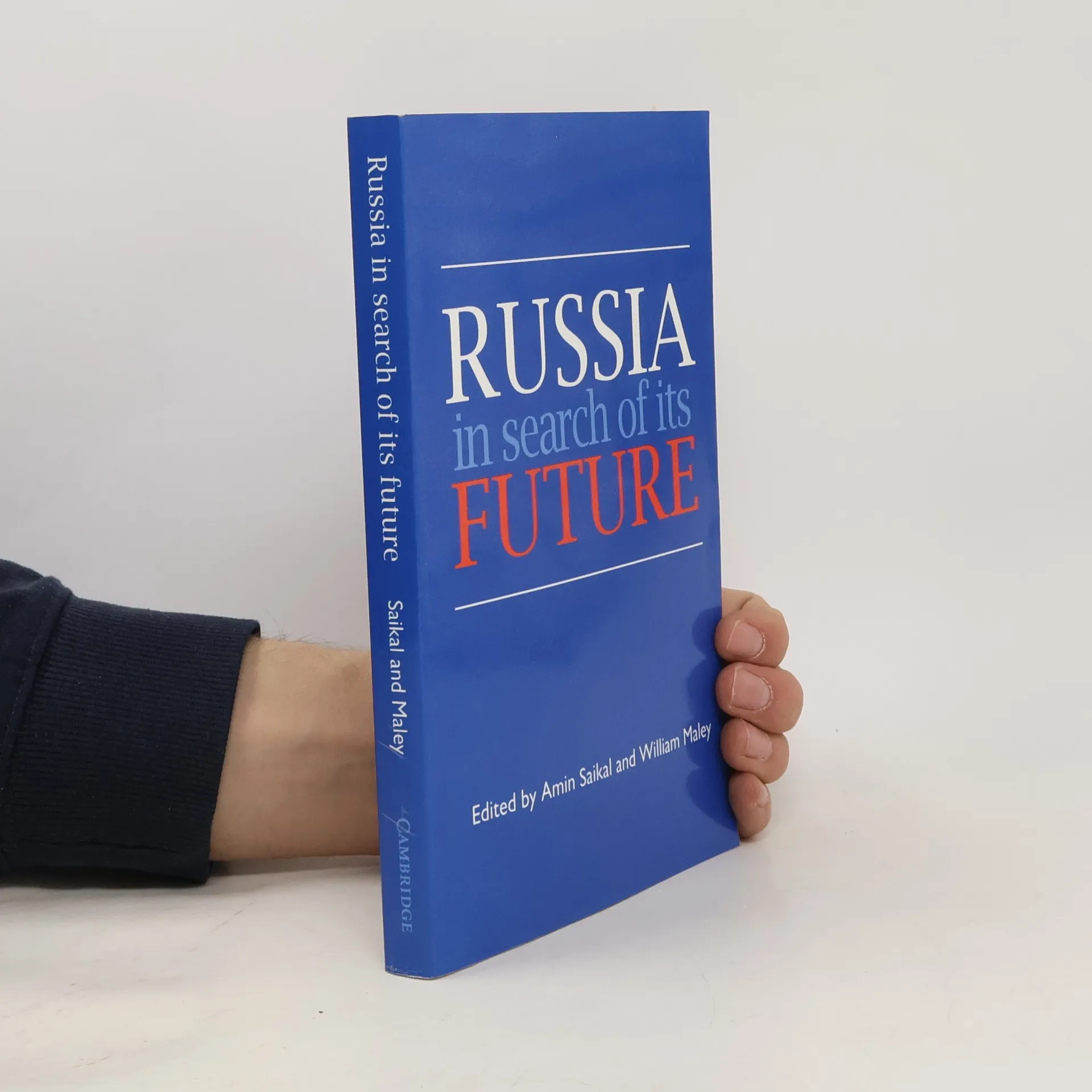
    Russia In Search Of Its Future
    • Russia In Search Of Its Future

      • 252pages
      • 9 heures de lecture

      Russia's renewal since the collapse of communism has proved extraordinarily disturbed, marked by escalating conflict between President Yeltsin and the Congress of People's Deputies inherited from the Soviet era. This culminated in insurrection and violence on the streets, and when the main rebels were given amnesty in February 1994, the situation remained as uncertain as ever. The contributors to this book analyze a Russia that is searching for its future amid a maelstrom of complex forces--political, economic, sociocultural, and international. They examine each of these elements of Russia's situation and investigate the role that each may play in shaping Russia's fortunes into the next century. Their overall conclusion is that, whatever the exact shape of the future, it will be determined both by elements embedded over many generations, and the influence of seven decades of communist rule.

      Russia In Search Of Its Future
      3,0
    • Modern Afghanistan

      A History of Struggle and Survival

      • 342pages
      • 12 heures de lecture

      Afghanistan's history is a sad Soviet invasion in 1979; Pakistan-backed internal conflict in the 1980s; the Taliban regime and then the US invasion after the catastrophe of September 11th. Why does Afghanistan remain so vulnerable to domestic instability, foreign intervention and ideological extremism? Amin Saikal provides us with a sweeping new understanding of this troubled country that grounds Afghanistan's problems in rivalries stemming from a series of dynastic alliances within the successive royal families from the end of the eighteenth century to the pro-Communist coup of 1978. This is the definitive study of Afghanistan.

      Modern Afghanistan
      3,9
    • Democratization in the Middle East addresses a number of key issues determining the success or failure of sustainable democratization in the region. With the exception of Israel, the constituent states cannot yet guarantee a path toward sustainable democracy. If anything, movement toward political, economic, and cultural liberalization has thus far brought instability and violence to the region, as traditional and religious values conflict with secular ethics, norms, and practices. Drawing on analyses of Iran, Iraq, Jordan, Lebanon, and Syria—as well as the North African nations of Algeria, Libya, Morocco, and Tunisia—this book examines patterns of democratization; the relationship between civil society and the state; the impact of Islam and Islamic movements; and the interdependence of development, peace and democratization, and political and economic transition. The contributors conclude that, in order to advance democratization processes throughout the region, reforms must be gradual and must be organized and monitored from the top, while supplemented by a similarly gradual process toward the establishment of a broad-based and broadly supported civil society. Only such gradual reform processes will be successful in creating participatory, just, peaceful, and stable societies in the Middle East. Contributors include Kamel S. Abu Jaber, Tom Pierre Najem, Etel Solingen, Gerald Steinberg, Majid Tehranian, and Mark Tessler.

      Democratization in the Middle East: Experiences, Struggles, Challenges