Sous le pseudonyme se trouvait l'enseignant, traducteur et auteur Hippolyte Léon Denizard Rivail, le père du spiritisme. Il fut membre de plusieurs sociétés savantes et, pendant des décennies, il a fait progresser la pédagogie de Pestalozzi en France. Il organisa et enseigna des cours gratuits pour les défavorisés, travaillant comme enseignant, auteur dans le domaine de l'éducation et traducteur.
Ce livre est parfaitement mis en page pour une lecture sur Kindle. Le Livre des Esprits est l'ouvrage fondateur du spiritisme. Il est le résultat du travail de synthèse d'Allan Kardec qui le mit en forme et le publia pour la première fois à Paris, le 18 avril 1857. Il contient une introduction à la doctrine spirite, ainsi que mille dix-huit questions posées aux « Esprits » accompagnées de leur réponse.
Réimpression inchangée de l'édition originale de 1860. La maison d'édition Anatiposi publie des livres historiques en réimpression. En raison de leur âge, ces livres peuvent présenter des pages manquantes ou une qualité moindre. Notre objectif est de préserver ces livres et de les rendre accessibles au public afin qu'ils ne se perdent pas.
Celebrating Allan Kardec's insights, this book explores the Christian message through the reflections and spiritual experiences of those who have passed on. Its elegant prose and poetic expressions invite readers to engage with profound themes of devotion and the afterlife, offering a unique perspective on spirituality and the intersection of faith and reason. The work serves as both a philosophical exploration and a source of inspiration for the speculative imagination.
The Book on Mediums, also known as The Mediums Book, was written by Allan Kardec and originally published in 1861. It is the widely respected follow up to The Spirits Book which was published in 1857 and is the second in a series of five books that Kardec wrote that are collectively known as the 'Spiritist Codification'.
Exploring the concepts of divine justice and the afterlife, this work delves into the principles of Spiritism, offering insights into the moral implications of human actions. It contrasts the experiences of souls in heaven and hell, emphasizing the idea of personal responsibility and the potential for redemption. Through a collection of narratives and philosophical reflections, the book invites readers to reconsider their understanding of justice, morality, and the spiritual journey beyond physical existence.
The first Chinese translation of "Le Livre des Médiums" by Allan Kardec offers readers access to this foundational text on Spiritism, originally published in 1861. The translation is based on the standard second edition from 1862, ensuring authenticity and fidelity to Kardec's original ideas. This work explores the principles of mediumship and communication with spirits, making it a significant resource for those interested in spiritual philosophy and the study of the afterlife.
os Milagres e as Predições Segundo o Espiritismo, A
384pages
14 heures de lecture
This is the most scientific book of Allan Kardec. It deals with themes regarded as incontestable by religion, in the light of the immortality of the soul, unifying Christian thought and scientific discoveries. It offers us a unique opportunity to know and study themes of universal interest, discussed in a logical, rational and revealing way. It analyses, with coherence, the origin of the planet Earth, and avoids mysterious or magical interpretations about the creation of the world. It also analyses the question of miracles, explaining the true nature of the supernatural facts of the Gospels. Finally, it talks about a new generation, whose rising will be the landmark of a new Era for Humanity, based on the practice of justice, peace and friendship.
Kniha duchů patří ke klasice duchovní literatury. Tvoří ji otázky a odpovědi. Tato kniha má poskytnout čtenáři poučení a vedení na složité a přitom vznešené cestě životem. Skutečnými autory této knihy jsou údajně duchové, přebývající na onom světě,
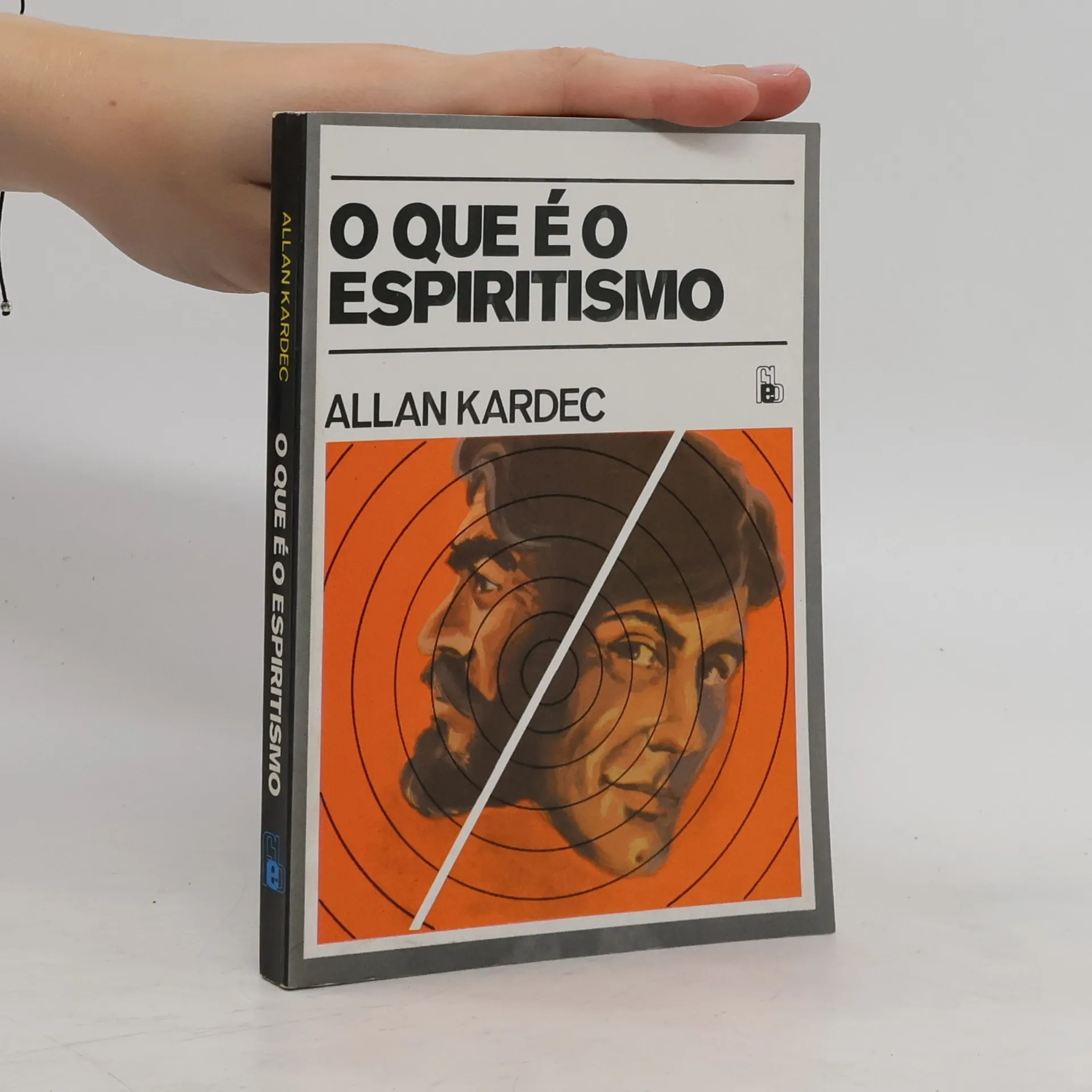
O que é o Espiritismo? As pessoas que conhecem o espiritismo de forma superficial costumam fazer perguntas cujas respostas podem ser encontradas com um estudo mais aprofundado. Antes de se aprofundar, muitos desejam saber do que se trata e se vale a pena se dedicar ao tema. Assim, é útil apresentar de maneira resumida algumas respostas às perguntas fundamentais que recebemos diariamente. O espiritismo é, ao mesmo tempo, uma ciência de observação e uma doutrina filosófica. Como ciência prática, consiste nas relações que podem ser estabelecidas com os Espíritos; como filosofia, abrange todas as consequências morais que decorrem dessas relações. ALLAN KARDEC
Kniha je rozdělena do dvou částí. První část nese podtitul Nauka, kde se dozvíte o budoucnosti a nicotě, o strachu před smrtí, o nebi, pekle a očistci, jaké jsou budoucí tresty dle spiritismu, andělé démoni - ďáblové, o zasazích ďáblů do současných projevů, o zákazu přivolávání mrtvých. Druhá část má podtitul Příklady, kde naleznete Odchod, o šťastných duchách, o duchách ve středně dobrých podmínkách, o trpících duchách, o sebevrazích, o kajících se zločincích, o zatvrzelých duchách a o pozemském vykoupení.
Kniha přináší oroginální přístup k tradičním křesťanským otázkám pohledem spiritismu, obsahuje 28 kapitol, pojednává v nich kukpříkladu o Evengelijním kultu v domově, Autoritě duchovní nauky, Království mé není z tohoto světa, Je mnoho příbytků v domě Otce mého, Nikdo nespatří království Boží, Utěšující Kristus, Blahoslavení mírní a pokorní, Milovat scého bližního, Cti otce svého i matku svou, Víra hory přenáší, Dělníci poslední hodiny, Falešní Kristové a proroci, Nerozdělujte to, co Bůh spojil, Sbírka spiritistických motliteb...
Pojednání o spiritismu ze stránky vědy Pojednání o spiritismu ze stránky náboženské Stručný návod ku zřizování spiritistických kroužků a vyvinování medií Kožená vazba
„Die geistige Welt hat eine Art die Dinge zu beurteilen, die nicht immer mit der unseren identisch ist. Ihr Sehen, Denken und Handeln beruht auf anderen Elementen. Während unser Ausblick auf die Materie beschränkt und durch den engen Kreis begrenzt ist, in dessen Mitte wir uns befinden. Sie umfassen das Ganze, für sie ist die Zeit, die uns so lange erscheint, nur ein Augenblick, die Ferne nur ein Schritt. Einzelne Dinge, die uns ungemein wichtig vorkommen, sind in ihren Augen Kindereien, wogegen sie Dinge für wichtig erachten, deren Tragweite wir nicht zu erfassen mögen.“
Vasto material doutrinário deixado por Kardec em seu escritório de trabalho, quando regressou ao Mundo Espiritual, foi reunido, em face de seu inestimável valor, constituindo este livro. Dentre os temas aqui abordados, citaremos: Manifestações dos Espíritos, Estudo sobre a natureza do Cristo, Fotografia e telegrafia do pensamento, Música celeste, Conhecimento do futuro. Na Segunda Parte, a obra apresenta uma coletânea de mensagens mediúnicas e estudos do autor que constituiria o livro "Previsões concernentes ao Espiritismo". No final desta obra, há um Índice Analítico dos Assuntos, reunindo, em ordem alfabética, todos os verbetes que podem interessar aos estudiosos. Allan Kardec, quando redigiu seus livros, escreveu para o povo, em linguagem simples, e, sendo esta uma tradução literal, a linguagem simples original foi preservada. Além disto, e principalmente, o tradutor respeitou a integridade do livro, que deve ser considerado sagrado, e não acrescentou nem sua opinião pessoal, nem notas de rodapé que não estavam no original.