George Gordon Byron Livres




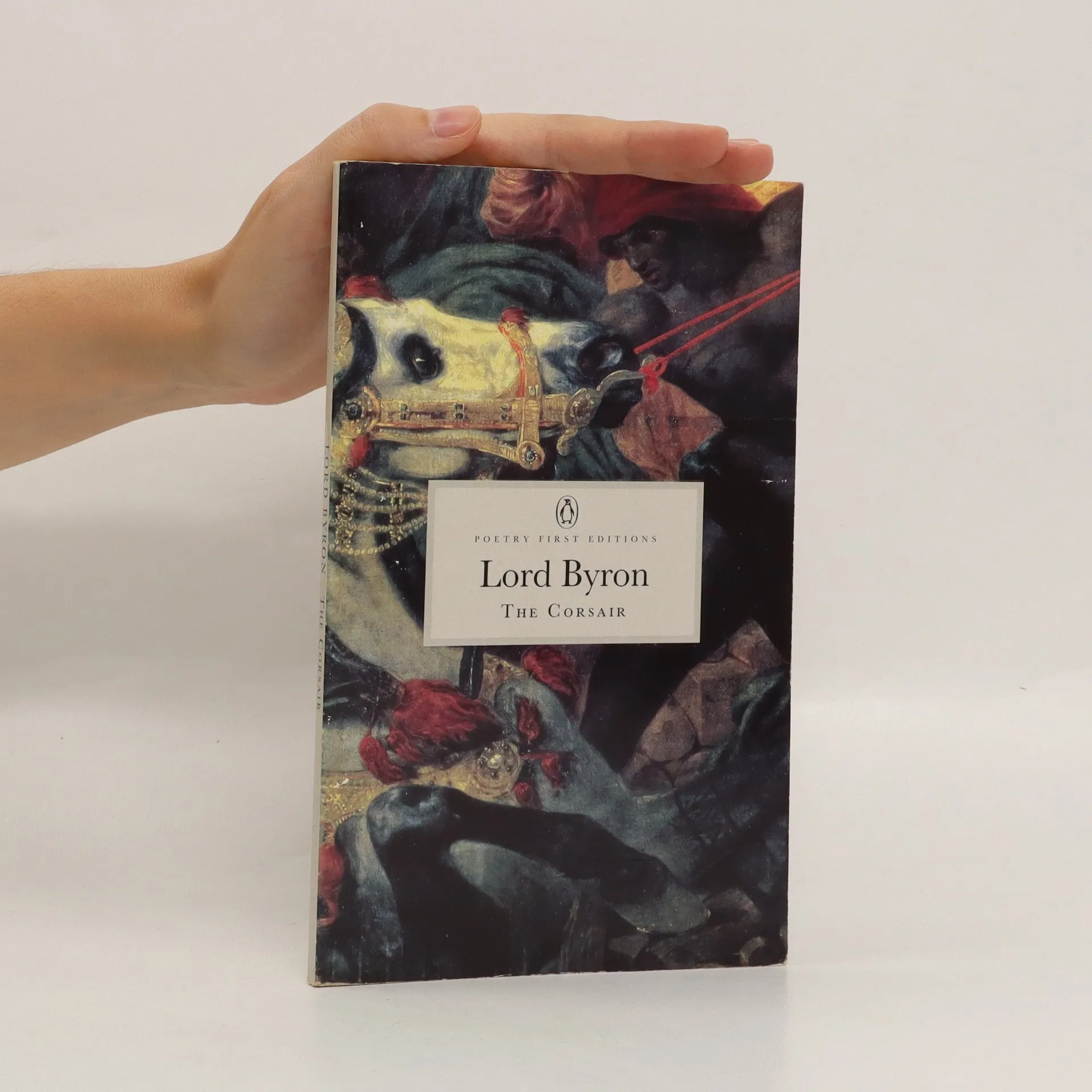
Manfred. Le corsaire
- 185pages
- 7 heures de lecture
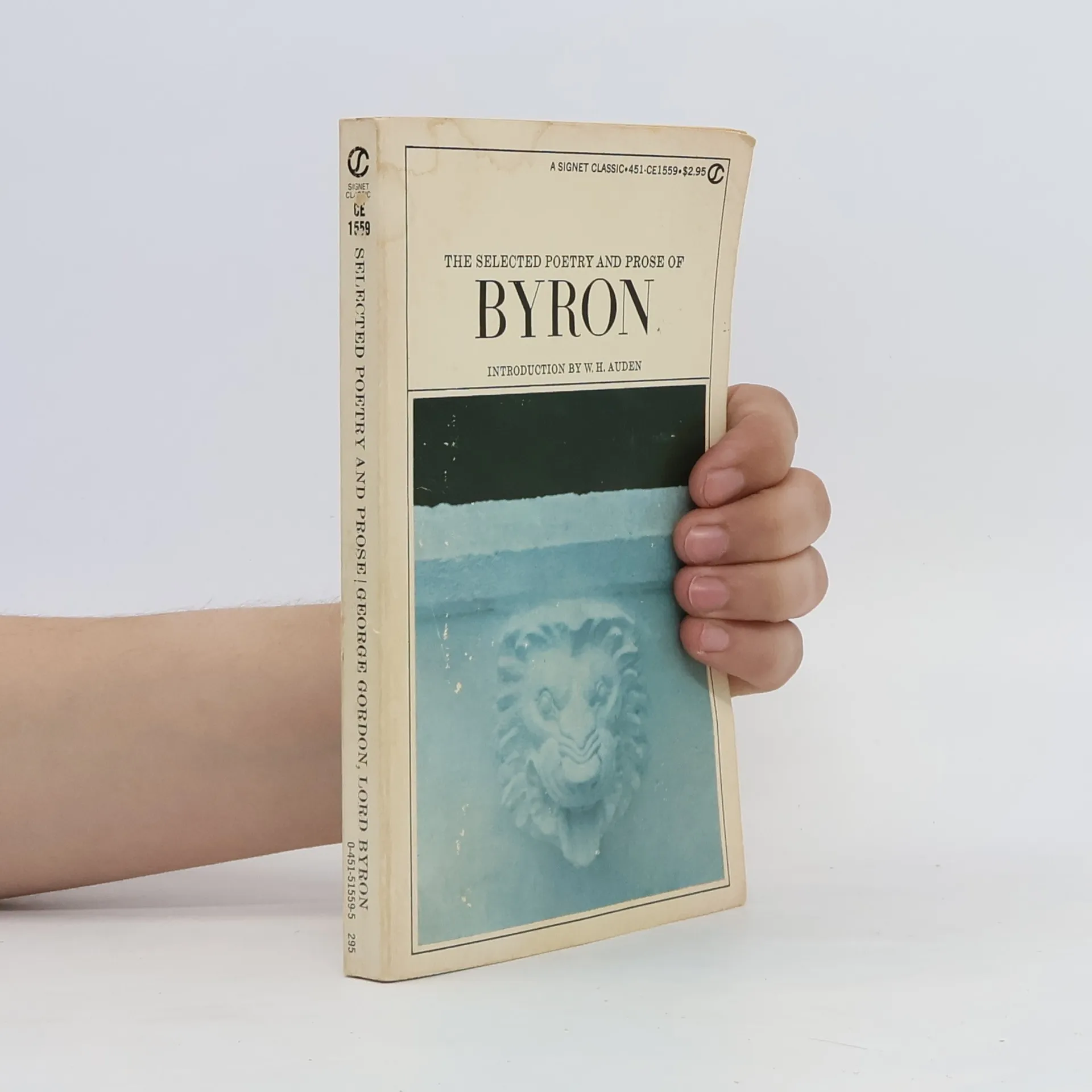
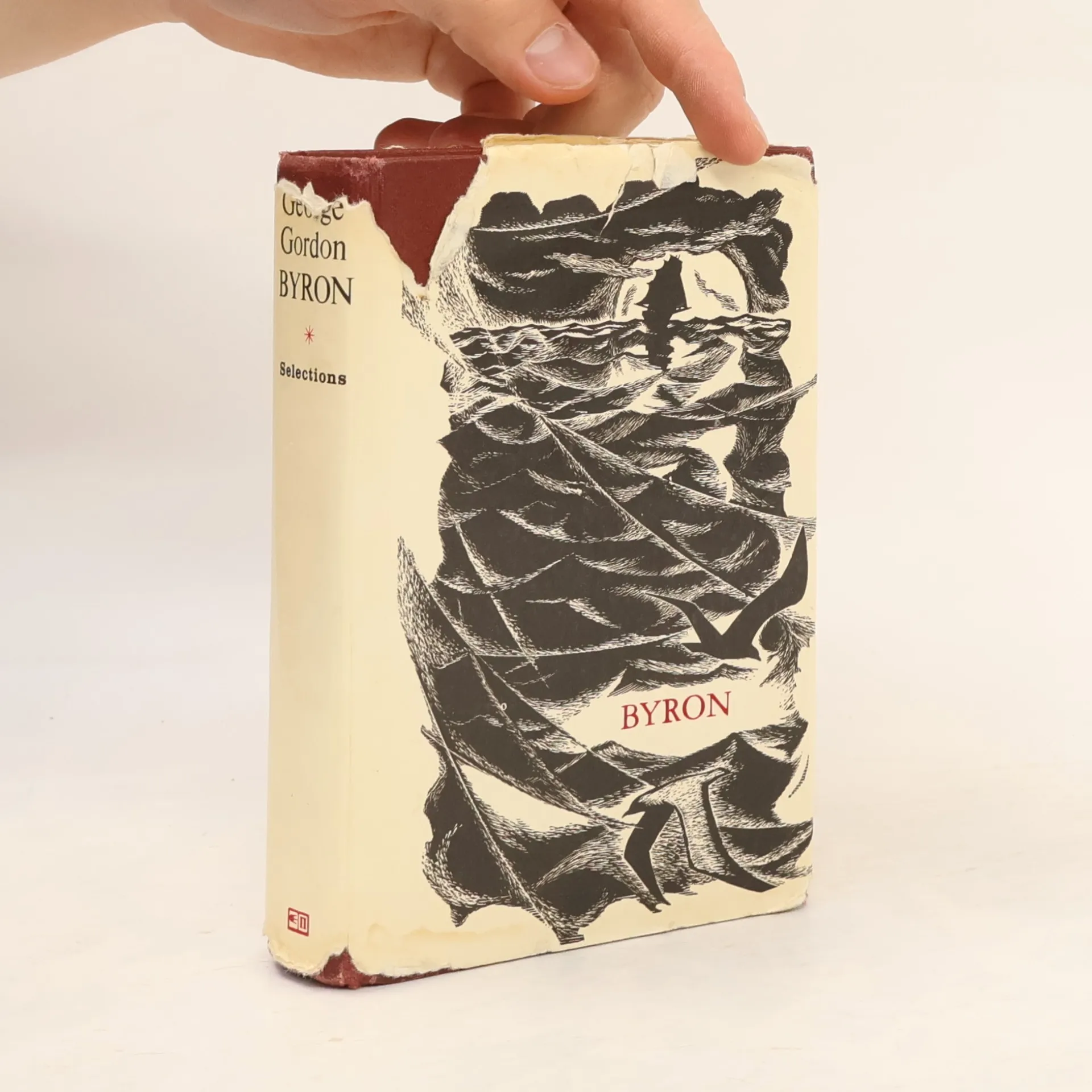
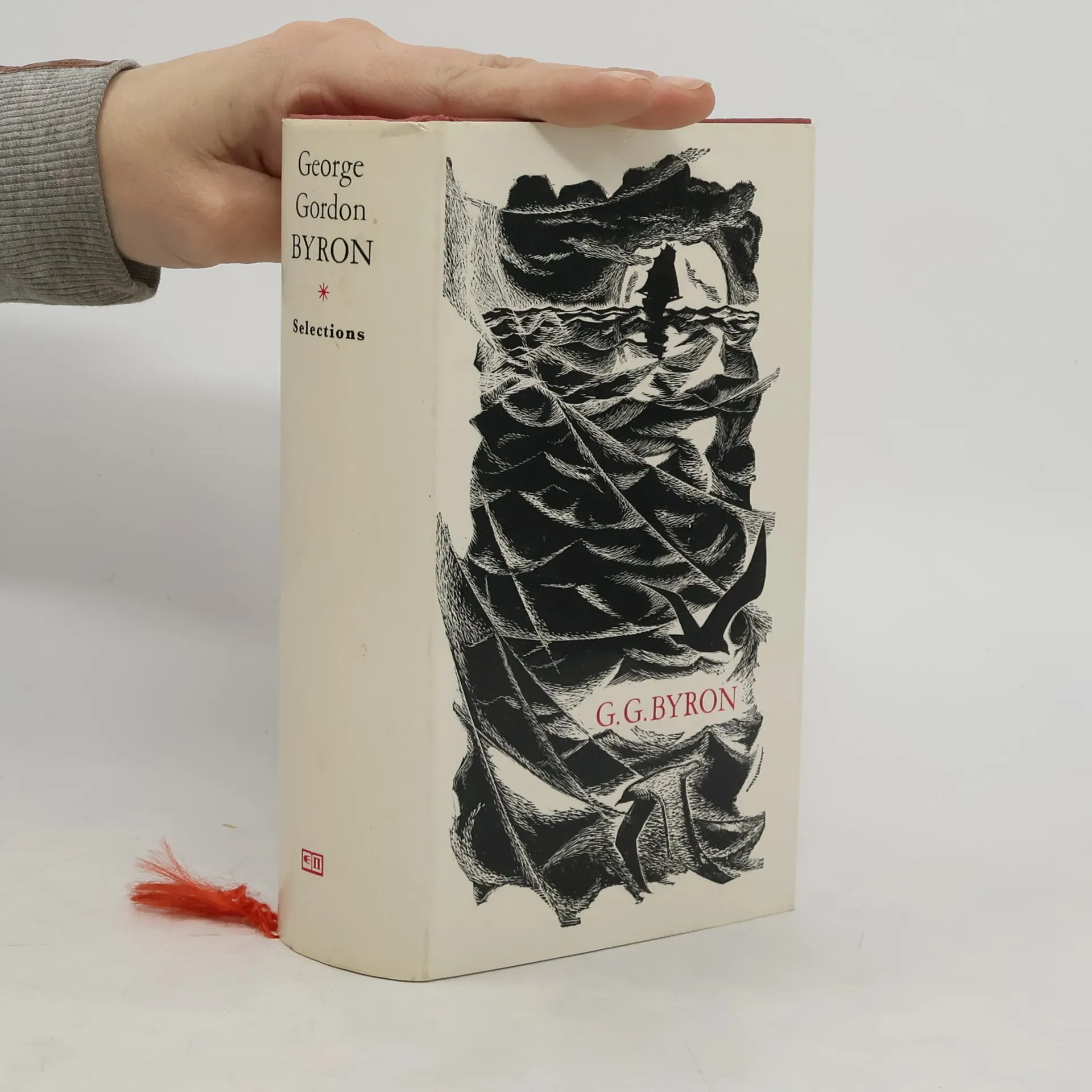
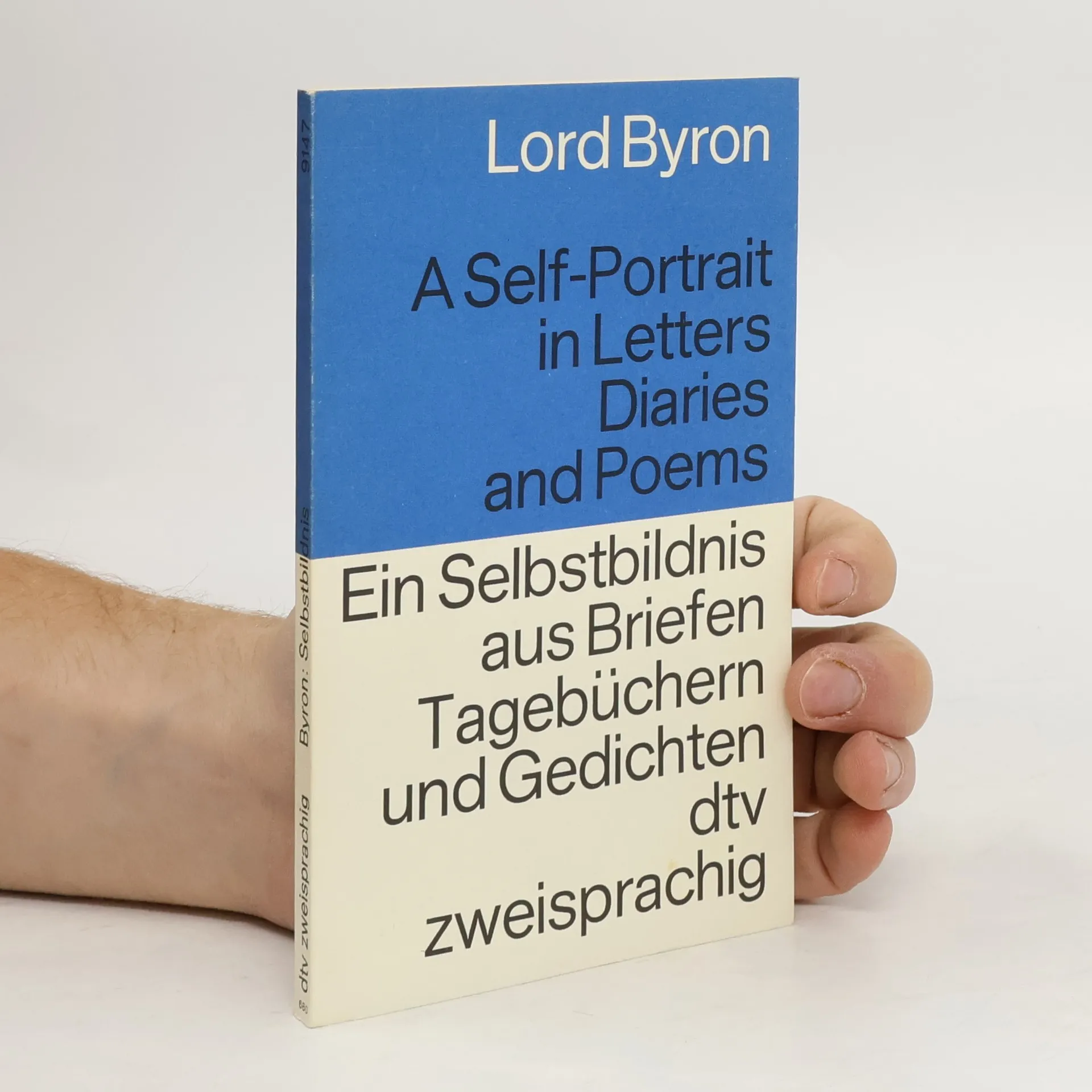
Lord Byron's letters and journals were originally published in two volumes; this new one-volume selection includes poems and provides a vivid overview of his dramatic life arranged to reflect his travels through Scotland, Italy, Spain, Turkey, Albania, Switzerland, and of course Greece, where he died
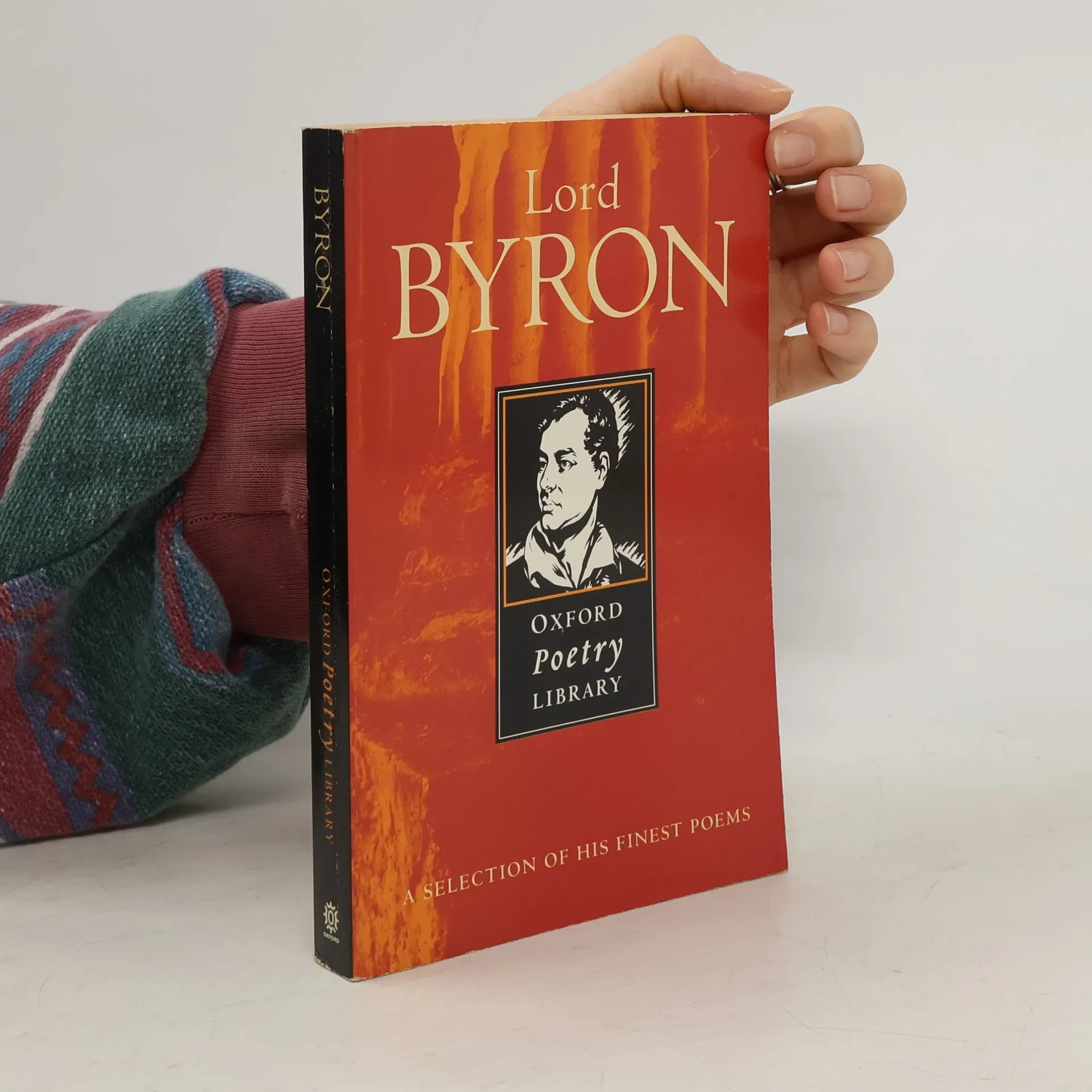
Byron
- 222pages
- 8 heures de lecture
Lord Byron was won of the most popular and acclaimed writers of his day, as well as the Romantic Age's most notorious figure. He was a man of the world who traveled widely, and who was actively engaged in the events of his day (he died in Greece where he is still honored for his role in resisting Turkish rule). In his poetry he displays a mastery of a sweeping range of topics and forms which reveal his interest in the long tradition of British and continental poetry. The publication of his largely autobiographical poem Childe Harold's Pilgrimage in 1812 rocketed him to fame throughout Europe; he enjoyed the status a rock star might today. With its Romantic emphasis on the personality of the poet, it established the hallmark of all Byron's verse, and marked the emergence of the infamous "Byronic Hero." This new collection, gleaned from Jerome McGann's Complete Poetical Works of Byron, includes generous excerpts from Childe Harold as well as selections from all of the poet's most important works: The Corsair, Manfred, Beppo, and his great satire Don Juan.
Lord Byron
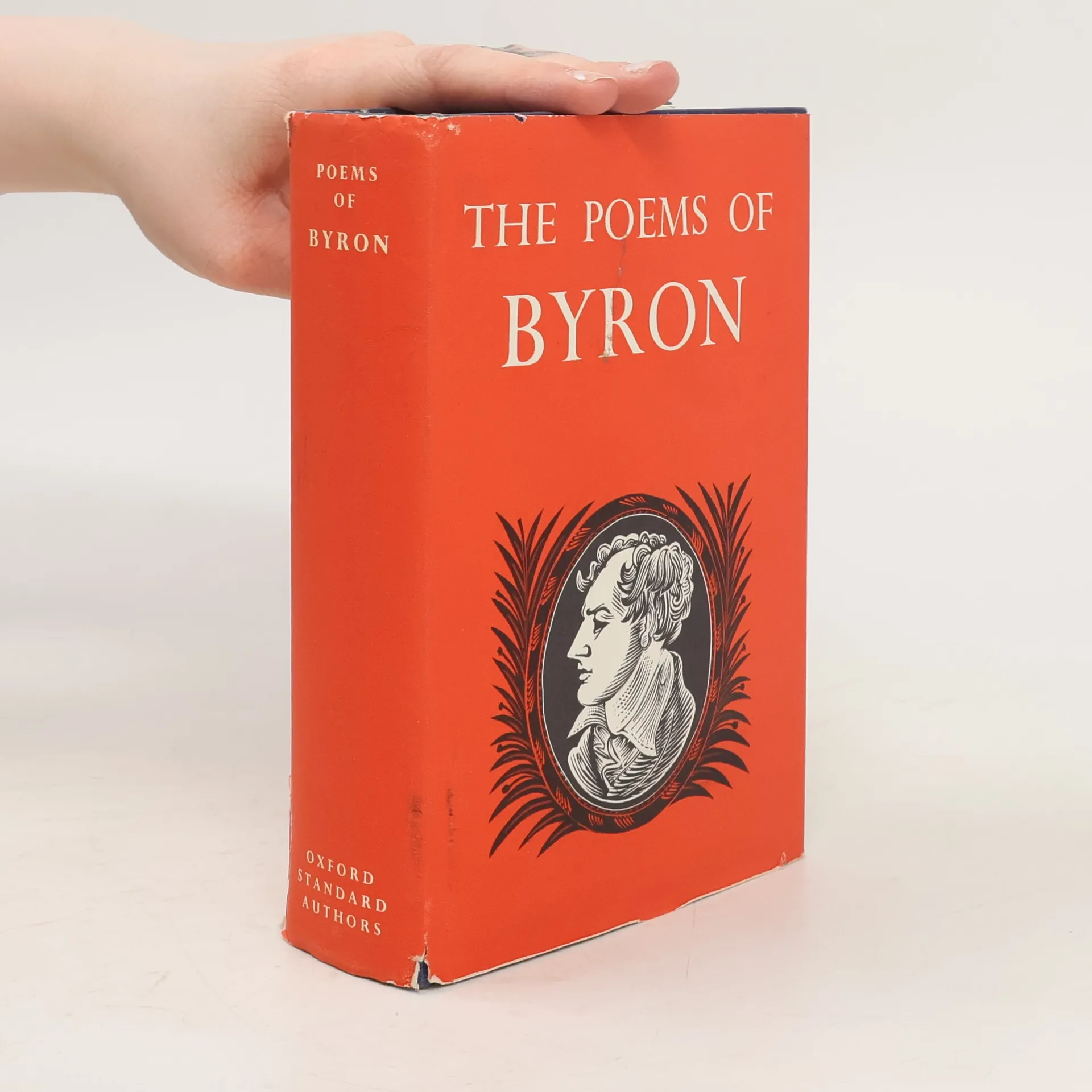
The Major Works
Byron is regarded today as the ultimate Romantic, whose name has entered the language to describe a man of brooding passion. Although his private life shocked his contemporaries his poetry was immensely popular and influential, especially in Europe. This comprehensive edition includes thecomplete texts of his two poetic masterpieces Childe Harold's Pilgrimage and Don Juan , as well as the dramatic poems Manfred and Cain . There are many other shorter poems and part of the satire English Bards and Scotch Reviewers . In addition there is a selection from Byron's inimitable letters,extracts from his journals and conversations, as well as more formal writings.
Sardanapalus, A Tragedy
- 100pages
- 4 heures de lecture
The book focuses on the scarcity and rising costs of early literature from the 1900s and earlier. It highlights the effort to republish these classic works in affordable, high-quality editions, preserving the original text and artwork. This initiative aims to make these timeless pieces more accessible to readers today.
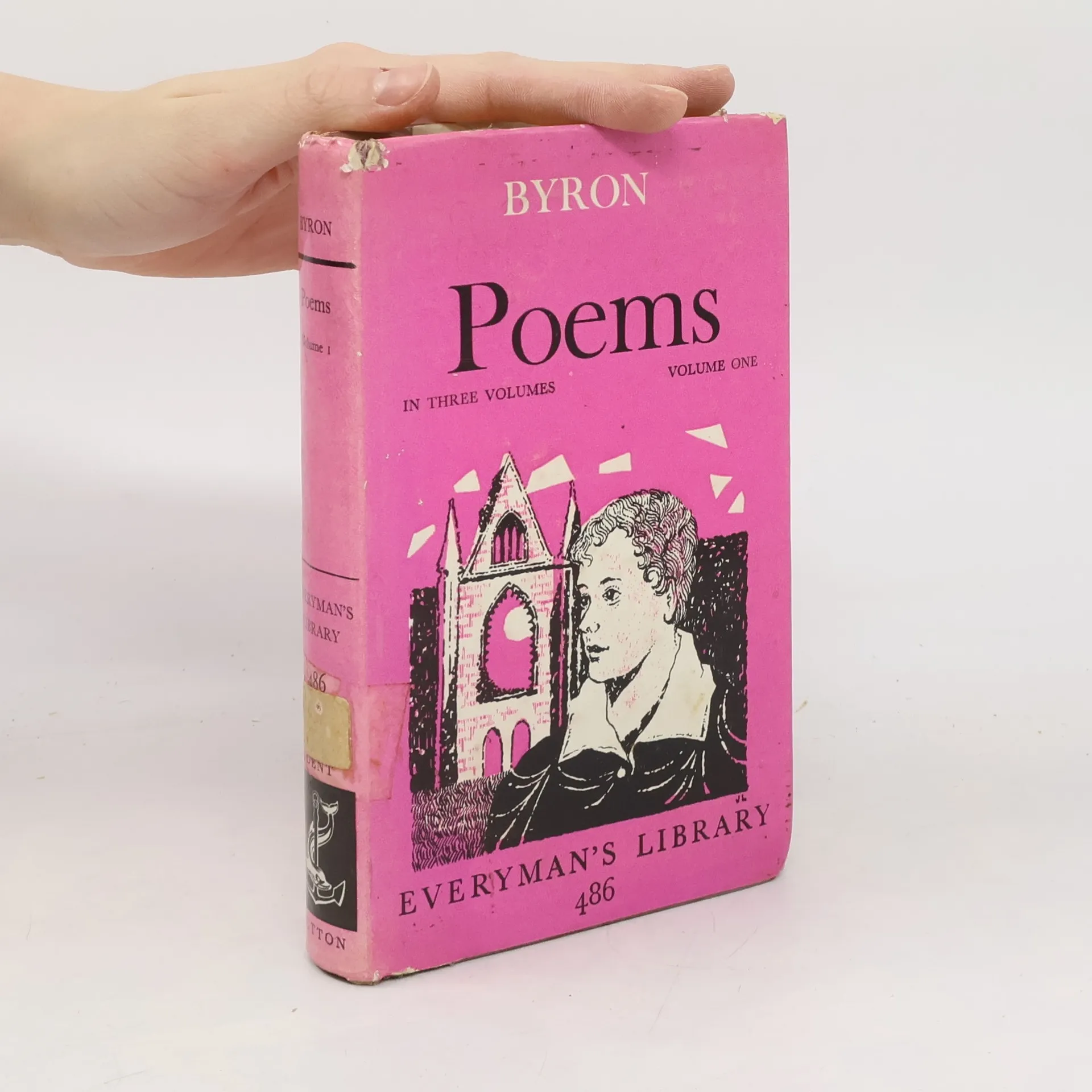
Poems
- 288pages
- 11 heures de lecture
Byron's poetry took Europe by storm in the early nineteenth century. He is a comic poet of the Romantic movement. This book deals with his life and work.
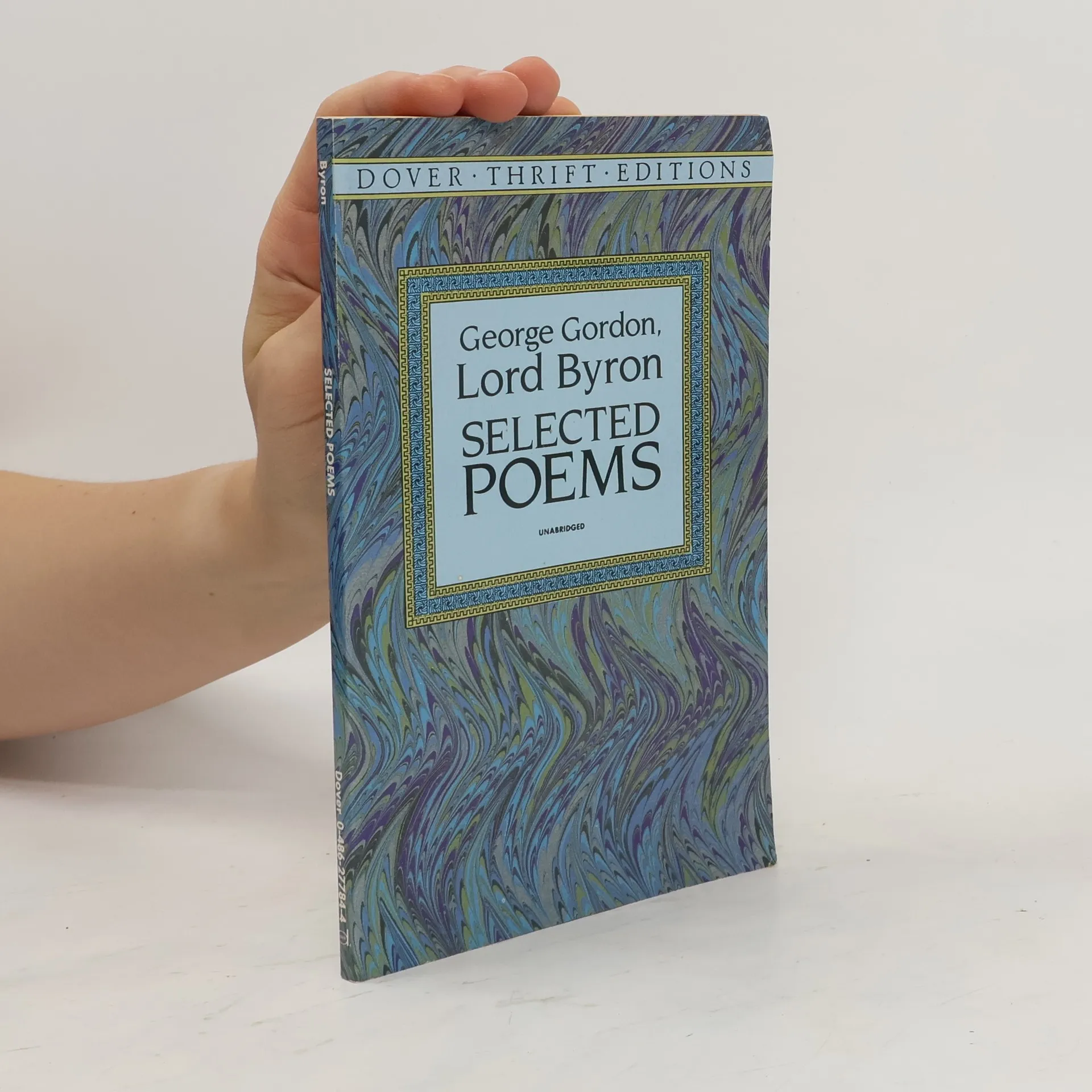
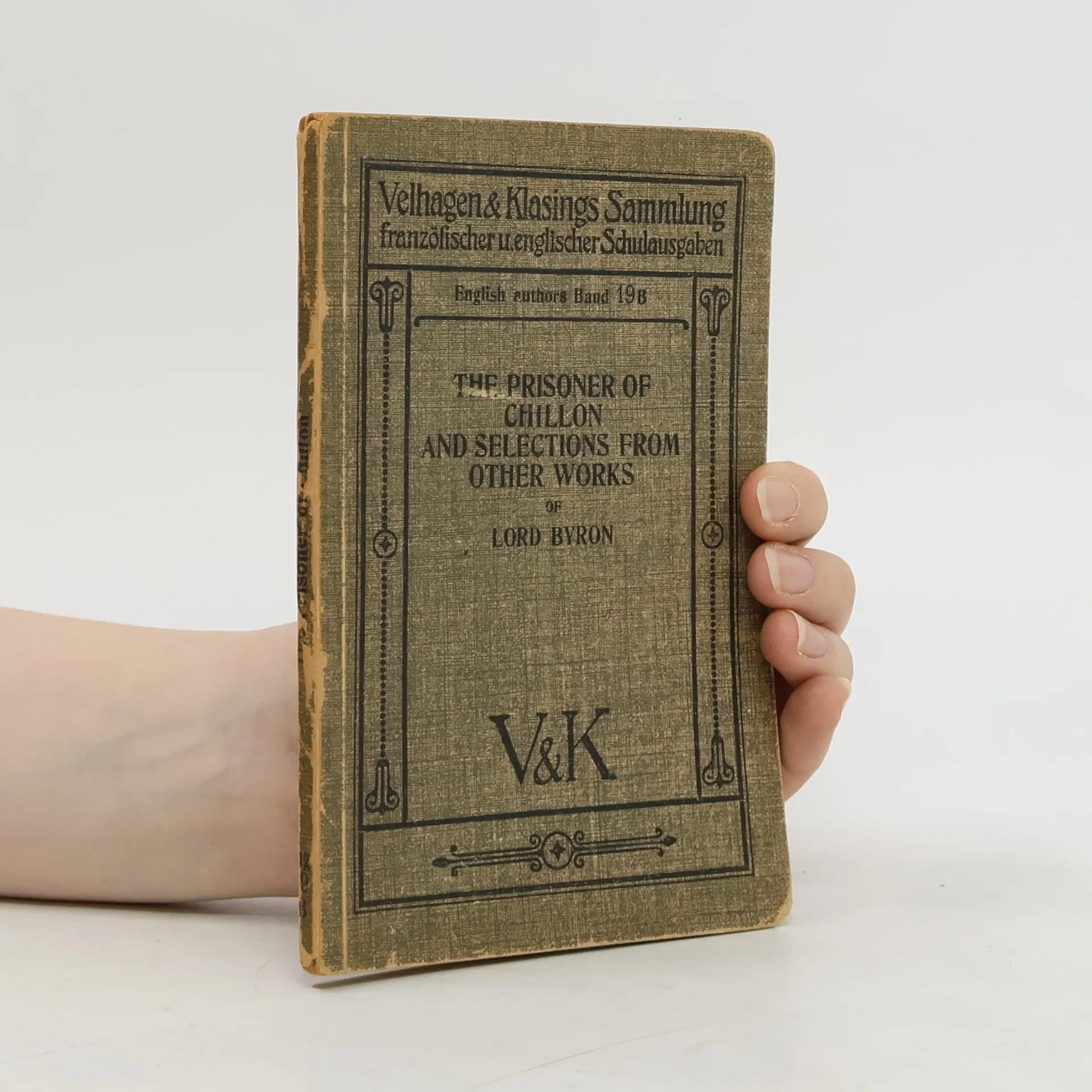
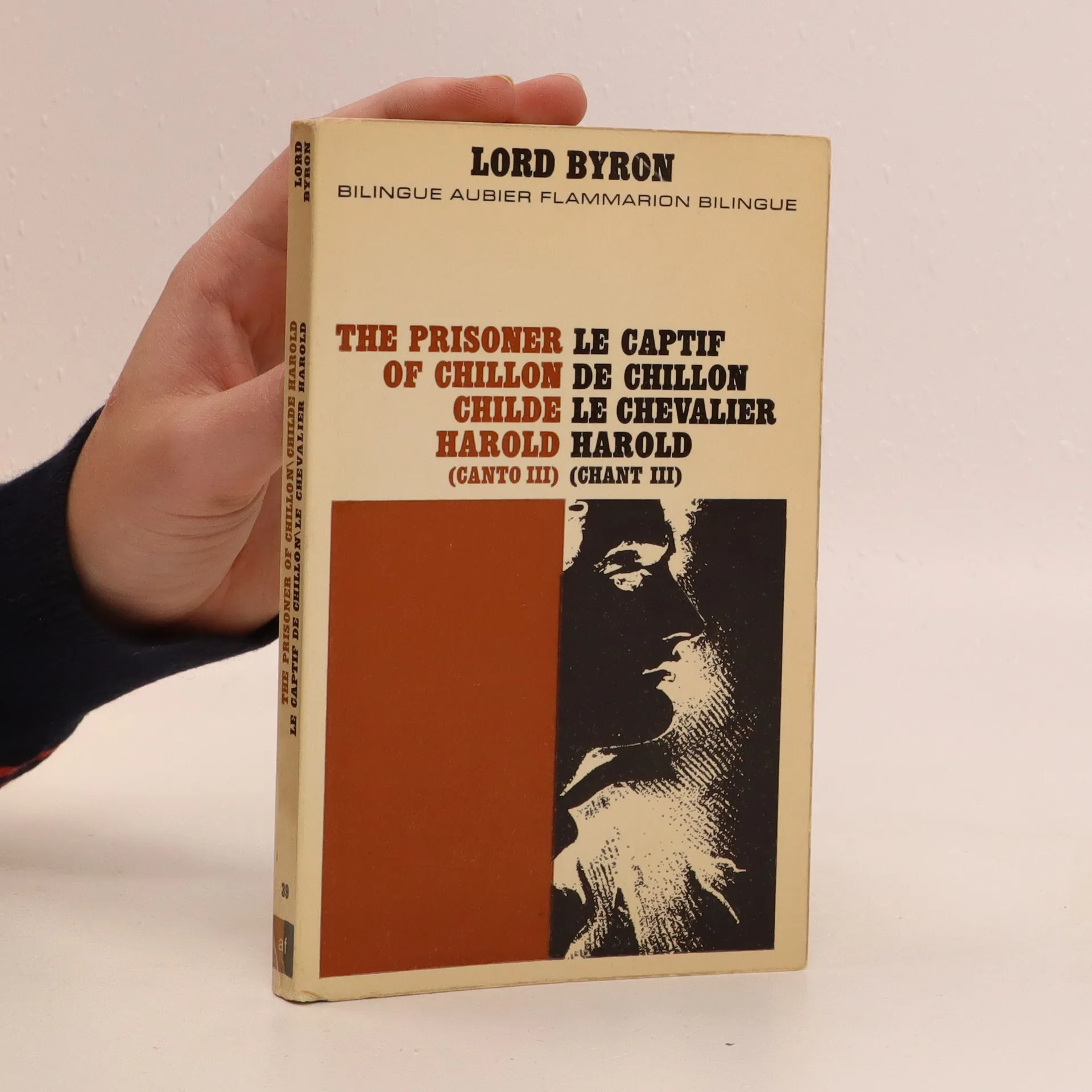
Byron's free-spirited lifestyle combined with his rare poetic gift to make him one of the foremost figures of the Romantic Era. This collection of his poems, richly varied in mood and content, captures the essence of his great achievement. Among the thirty-one poems included are convivial song-like poems, love poems, travel poems, humorous and satiric poems. Shorter works such as the famous "She Walks in Beauty," "Stanzas to Augusta" and "So We'll Go No More a Roving" are well represented. Also here are important longer works — "The Prisoner of Chillon," "Beppo," "The Vision of Judgment," all unabridged — and lyrics excerpted from Don Juan, Childe Harold's Pilgrimage, and the play Manfred. Taken together, these are poems that draw readers quickly into the passions, humors, and convictions of a poet whose life and work truly embodied the Romantic spirit.
Love Letters Of Great Men
- 136pages
- 5 heures de lecture
LOVE LETTERS OF GREAT MEN (Volume 1) is an anthology of romantic love letters written by leading male historical figures. *** The book plays a key role in the plot of the US movie Sex and the City. *** When Carrie Bradshaw in the "Sex and the City" movie began reading the book Love Letters of Great Men, millions of women wanted to get their hands on the book. Of course, what could be more romantic than an entire book of love letters, written by men! *** The book includes love letters written by Ludwig van Beethoven, Pietro Bembo, Napolean Bonaparte, Rupert Brooke, Robert Browning, Robert Burdette, Lord Byron, Lord Randolph Churchill, Winston Churchill, Mark Twain, John Constable, Cuff Cooper, Oliver Cromwell, Pierre Curie, Alfred de Musset, F. Scott Fitzgerald, Gustave Flaubert, Johann Wolfgang von Goethe, Lyman Hodge, Count Gabriel Honore de Mirbeau, Victor Hugo, James Joyce, Franz Kafka, John Keats, Henry IV of France, Henry VIII, Franz Liszt, Jack London, Wolfgang Amadeus Mozart, Thomas Otway, Robert Peary, Sir Walter Raleigh, Theodore Roosevelt, Jr., John Ruskin, Robert Schumann, George Bernard Shaw, Richard Steele, Alfred de Musset, Dylan Thomas, Count Leo Tolstoy, Vincent Van Gogh, Voltaire, Henry von Kleist, and Woodrow Wilson.
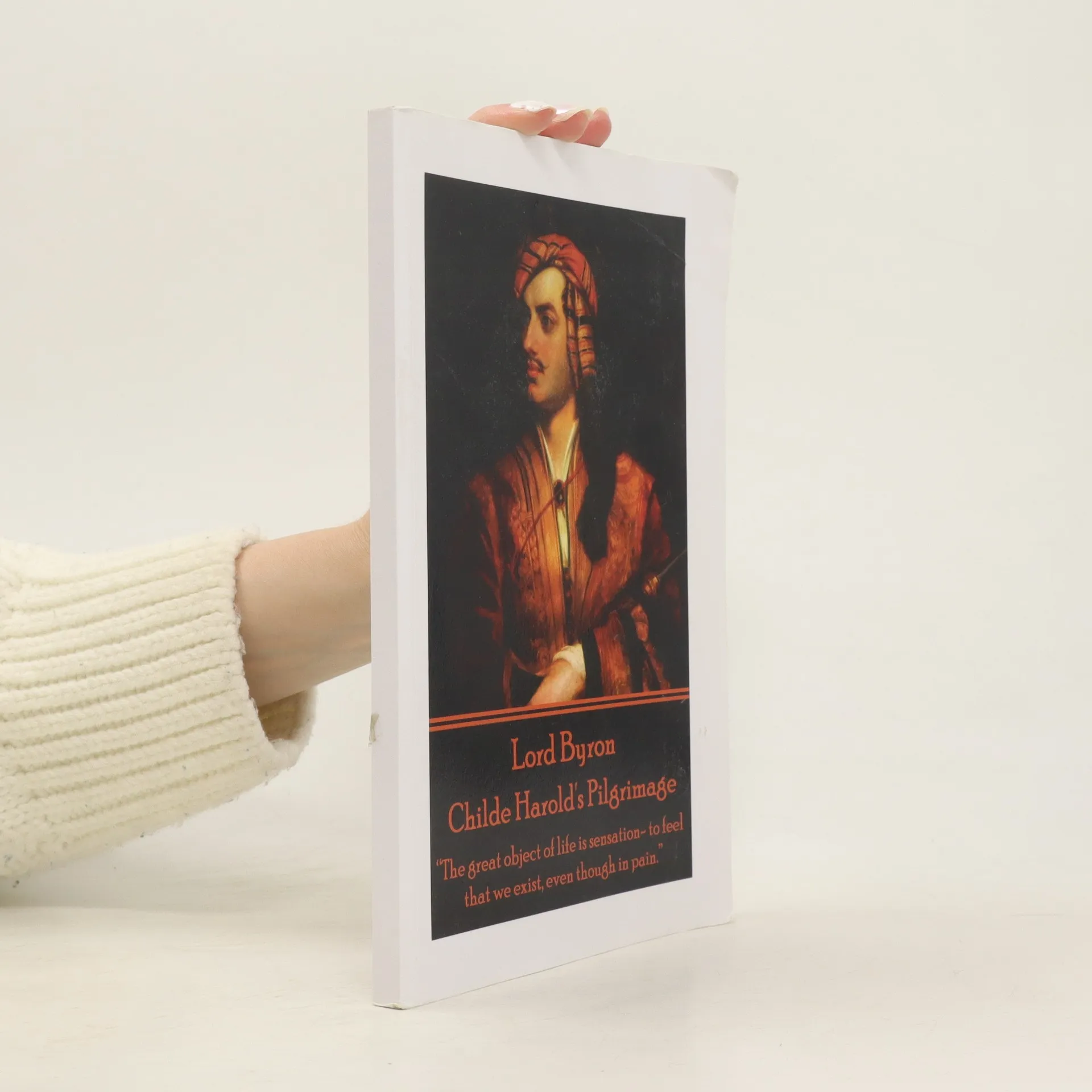
Childe Harold's Pilgrimage
- 202pages
- 8 heures de lecture
This edition made to fit most pockets and formatted for a smaller page. Makes a great traveling companion. Childe Harold's Pilgrimage is a classic narrative poem in four parts. It describes the travels and reflections of a world-weary young man who, disillusioned with a life of pleasure and revelry, looks for distraction in foreign lands. Byron, through Childe Harold, regrets his wasted early youth and so re-designs himself on this pilgrimage, which takes him through Portugal, the Mediterranean and Aegean Sea between 1809 and 1811. Many of the events are said to be auto-biographical, with Byron himself initially hesitating to publish the first two cantos of the poem as he felt it revealed too much of himself.
Lord Byron
- 106pages
- 4 heures de lecture
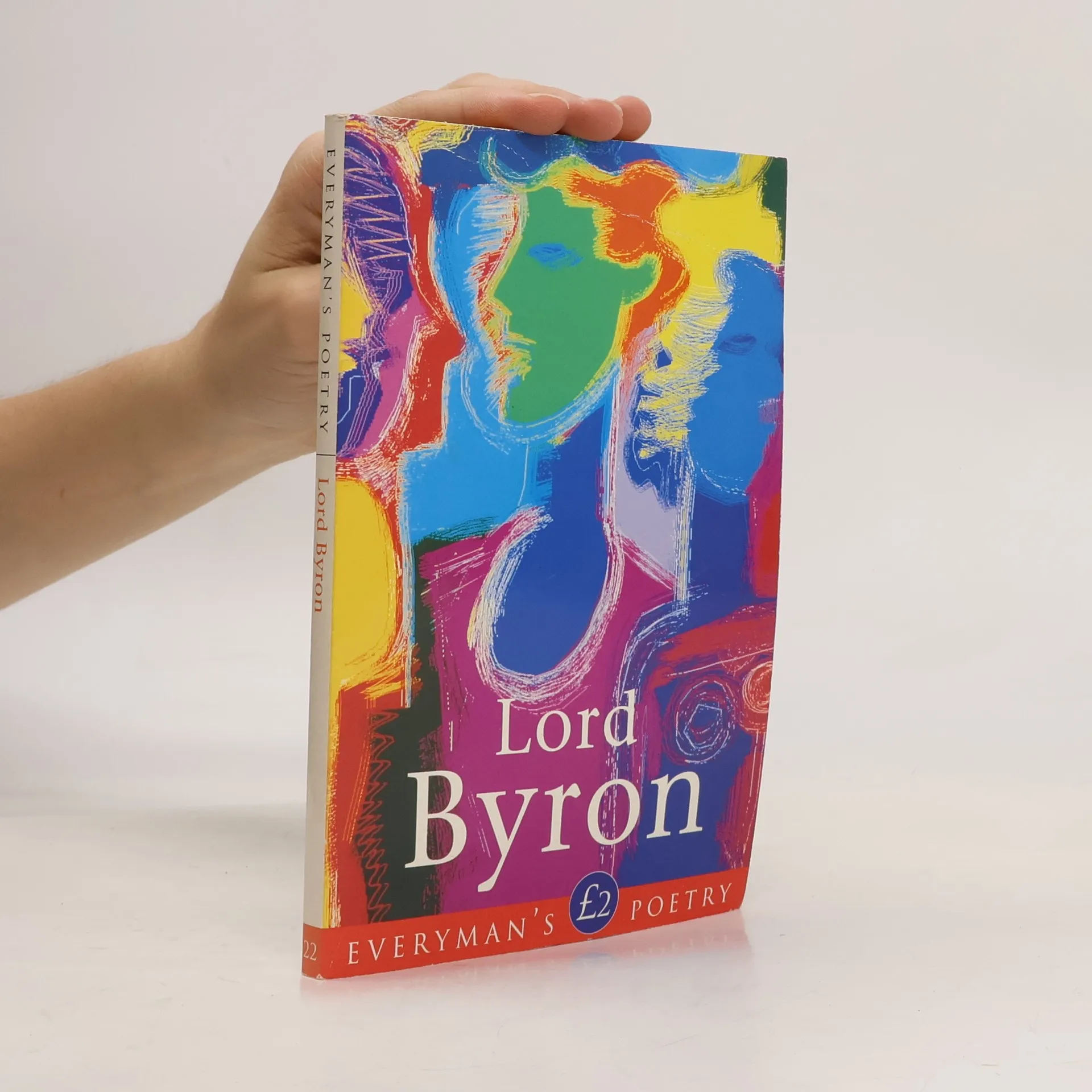
Mad bad and dangerous to known'Byron is often cast as the anti-hero of romantic literature. This selection ranges from the exuberant sexual enery of Don Juan to the wistful When We Two Parted.
Don Juan
- 784pages
- 28 heures de lecture
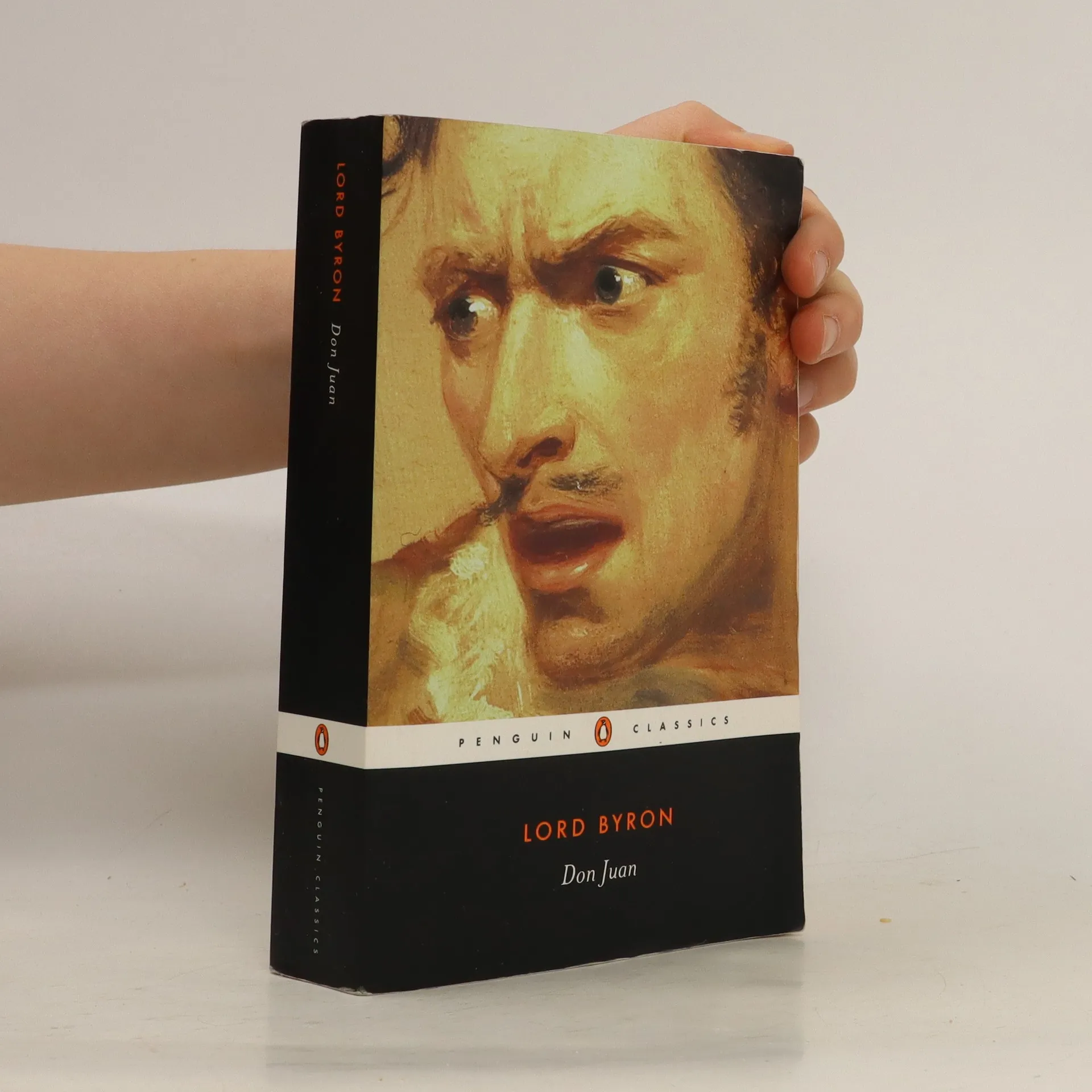
Probably few subjects fitted Byron's particular talents better than Don Juan.In this rambling, exuberant, conversational poem, the travels of Don Juan are used as a vehicle for some of the most lively and acute commentaries on human societies and behaviour in the language. The manner is what Goethe called 'a cultured comic language'-a genre which he regarded as not possible in Geman and which he felt Byron managed superbly.
Featuring a facsimile reprint of an original antiquarian text, this book preserves its historical significance despite potential imperfections like marks and marginalia. The commitment to maintaining cultural heritage is evident, as it aims to provide accessible, high-quality editions that honor the original work. This initiative underscores the importance of protecting and promoting literature for future generations.
Manfred
- 144pages
- 6 heures de lecture
A quintessential depiction of the Byronic hero, Byron's poetic drama Manfred centres on the interior sufferings of its psychologically tortured title character, who is haunted by the death of his forbidden lover. This edition of Manfred is accompanied by a substantial selection of contextual materials.
The Vampyre
- 34pages
- 2 heures de lecture
The Vampyre is a short work of prose fiction written in 1819 by John William Polidori. The work is often viewed as the progenitor of the romantic vampire genre of fantasy fiction. The work is described by Christopher Frayling as "the first story successfully to fuse the disparate elements of vampirism into a coherent literary genre."
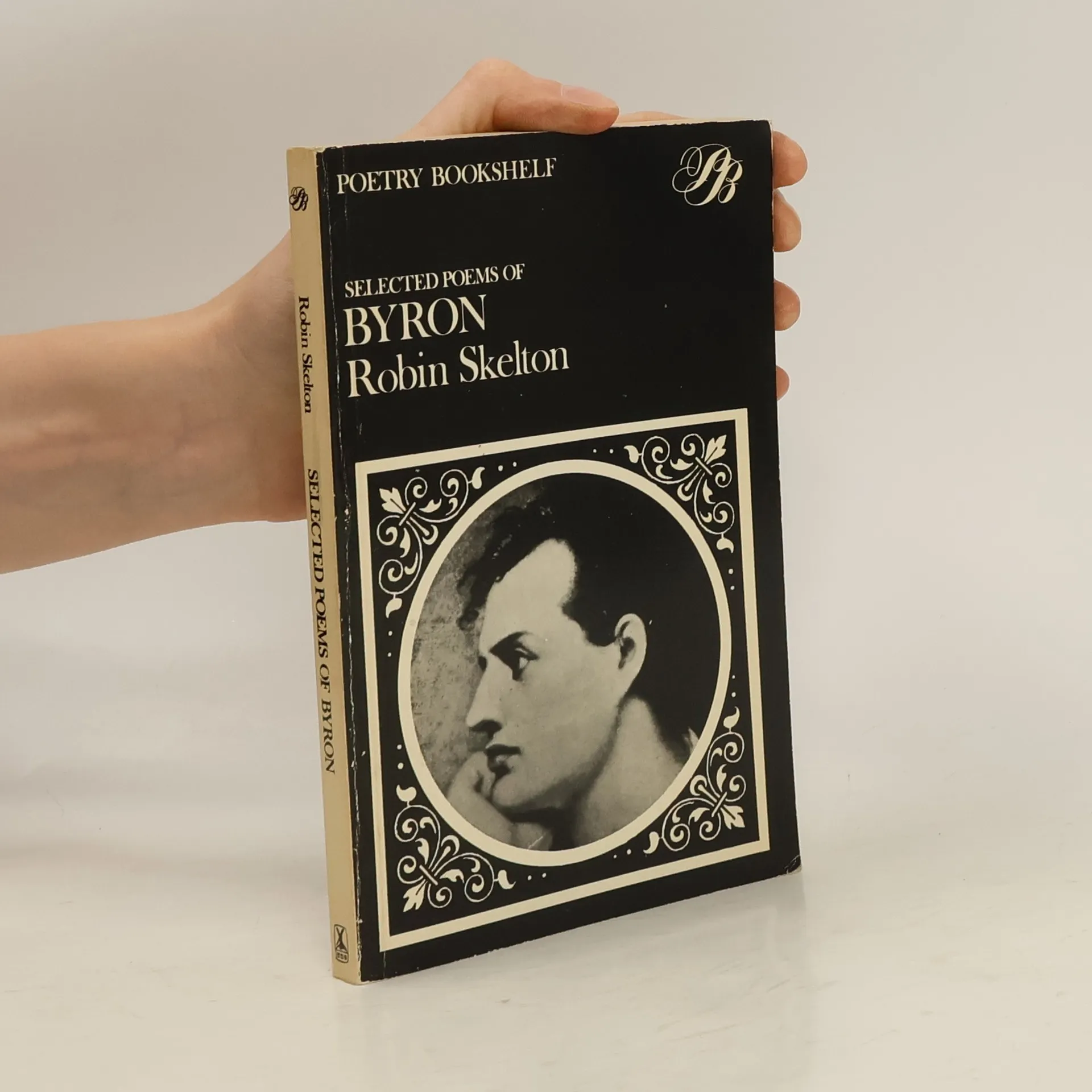
Selected Poems of Byron
- 216pages
- 8 heures de lecture
George Gordon Byron, 6th Baron Byron, but more commonly known as just Byron was a leading English poet in the Romantic Movement along with Keats and Shelley. Byron was born on January 22nd, 1788. He was a great traveller across Europe, spending many years in Italy and much time in Greece. With his aristocratic indulgences, flamboyant style along with his debts, and a string of lovers he was the constant talk of society. In 1823 he joined the Greeks in their war of Independence against the Ottoman Empire, both helping to fund and advise on the war's conduct. It was an extraordinary adventure, even by his own standards. But, for us, it is his poetry for which he is mainly remembered even though it is difficult to see where he had time to write his works of immense beauty. But write them he did. He died on April 19th 1824 after having contracted a cold which, on the advice of his doctors, was treated with blood-letting. This cause complications and a violent fever set in. Byron died like his fellow romantics, tragically young and on some foreign field.
Focusing on accessibility, this publication by Megali aims to enhance reading experiences for individuals with visual impairments by reproducing historical works in large print. The emphasis on clear, legible text highlights the importance of inclusivity in literature.
Visions of Byron
- 282pages
- 10 heures de lecture
The narrative explores the author's challenging childhood, marked by a move from Rockfort Kingston to St. Johns Road in Spanish Town. Facing financial struggles, the author drops out of school to learn welding from his father and begins working in construction. The harsh realities of life expose him to violence and crime, leading to pivotal life lessons. Ultimately, the journey takes a darker turn as he experiences imprisonment, highlighting the struggles and consequences of his environment.
The book is a reproduction of a historical work, published by Megali, which specializes in creating large print editions. This initiative aims to enhance accessibility for readers with impaired vision, ensuring that important texts remain available and readable for a wider audience.
The Pinetum
- 380pages
- 14 heures de lecture
The book is a reprint of the original work from 1858, offering readers a chance to explore its historical context and themes as they were presented in the 19th century. This edition aims to preserve the authenticity of the text, allowing contemporary audiences to appreciate the language, style, and cultural insights of the time. It serves as a valuable resource for those interested in literature from this era, reflecting the societal norms and artistic expressions of its day.
Focusing on accessibility, this book is a reproduction of a historical work published by Megali, a house dedicated to making literature more accessible through large print editions. This initiative aims to support readers with impaired vision, ensuring that they can enjoy and engage with classic texts in a more comfortable format.
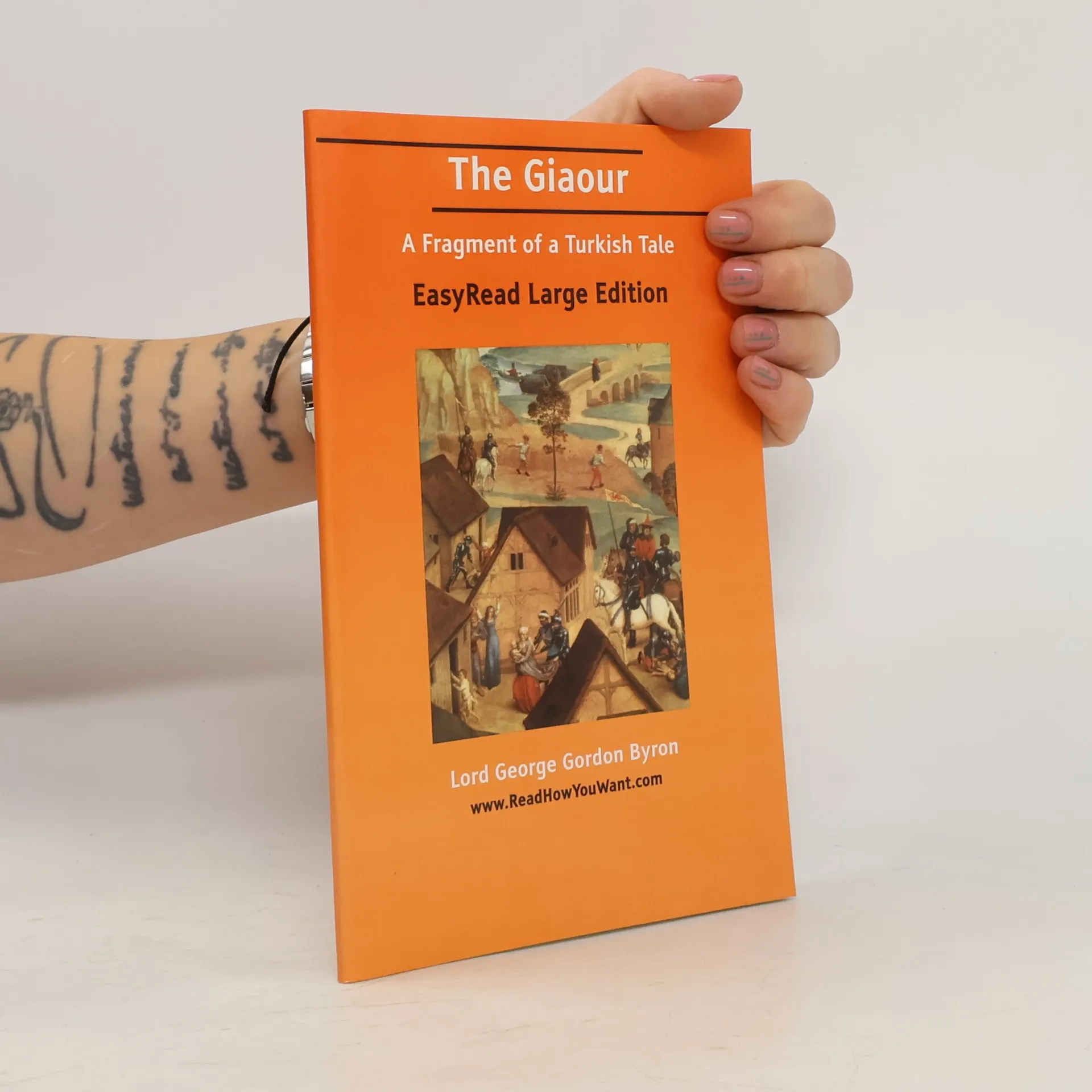
The Giaour - EasyRead Large Edition
- 68pages
- 3 heures de lecture
The narrative poem is set in the time of Moslem rule. The story is narrated from three different point of views. It is a tale of love, revenge and repentance. Almost fragmentary, it is brimming with adventure and courage that leads a slave to fight a lord....
Word Cloud Classics: The Romantic Poets
- 800pages
- 28 heures de lecture
Feelings come alive through the words of the Romantic poets. William Wordsworth, George Gordon Byron, Percy Bysshe Shelley, Samuel Taylor Coleridge, William Blake, and John Keats
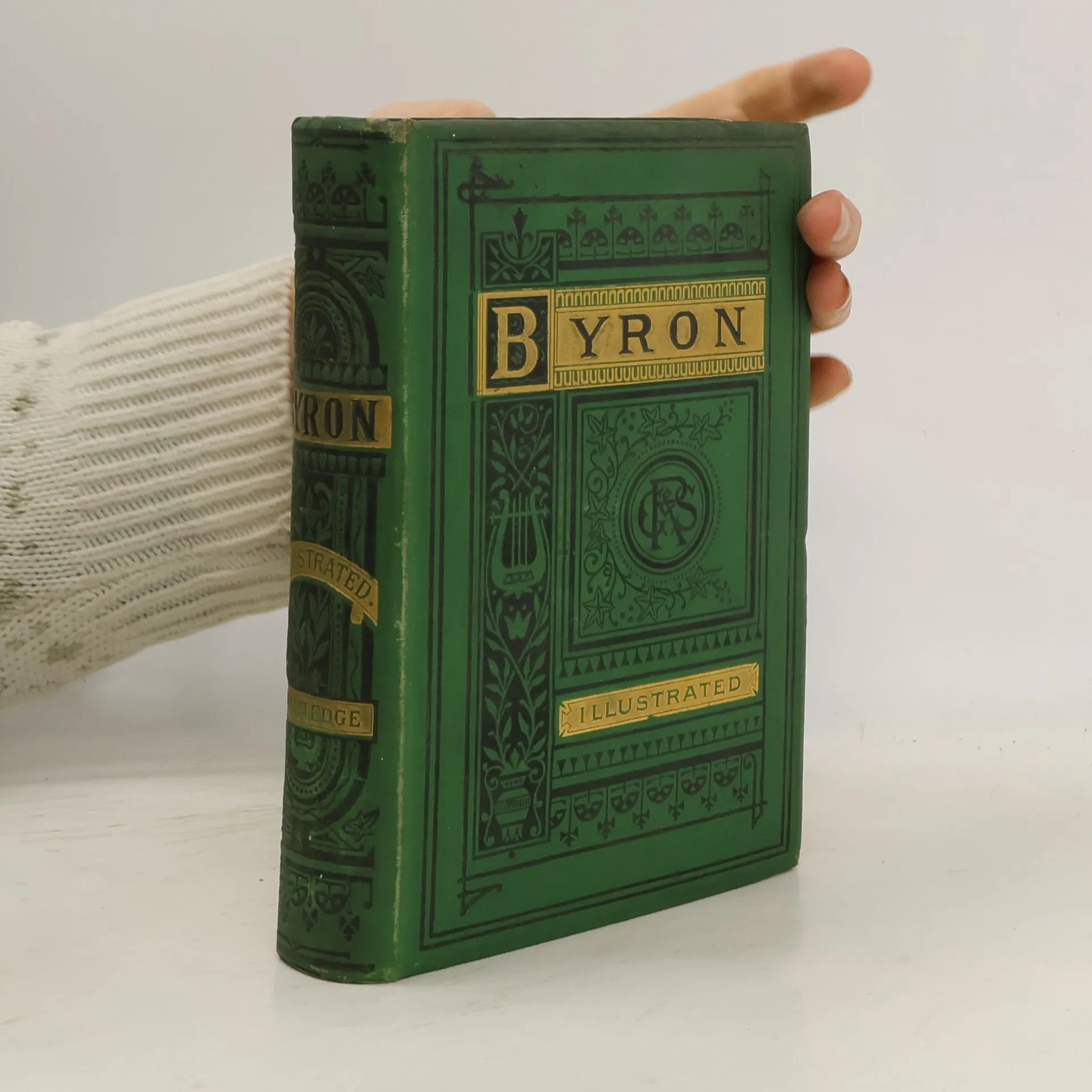
Poems
Illustrated
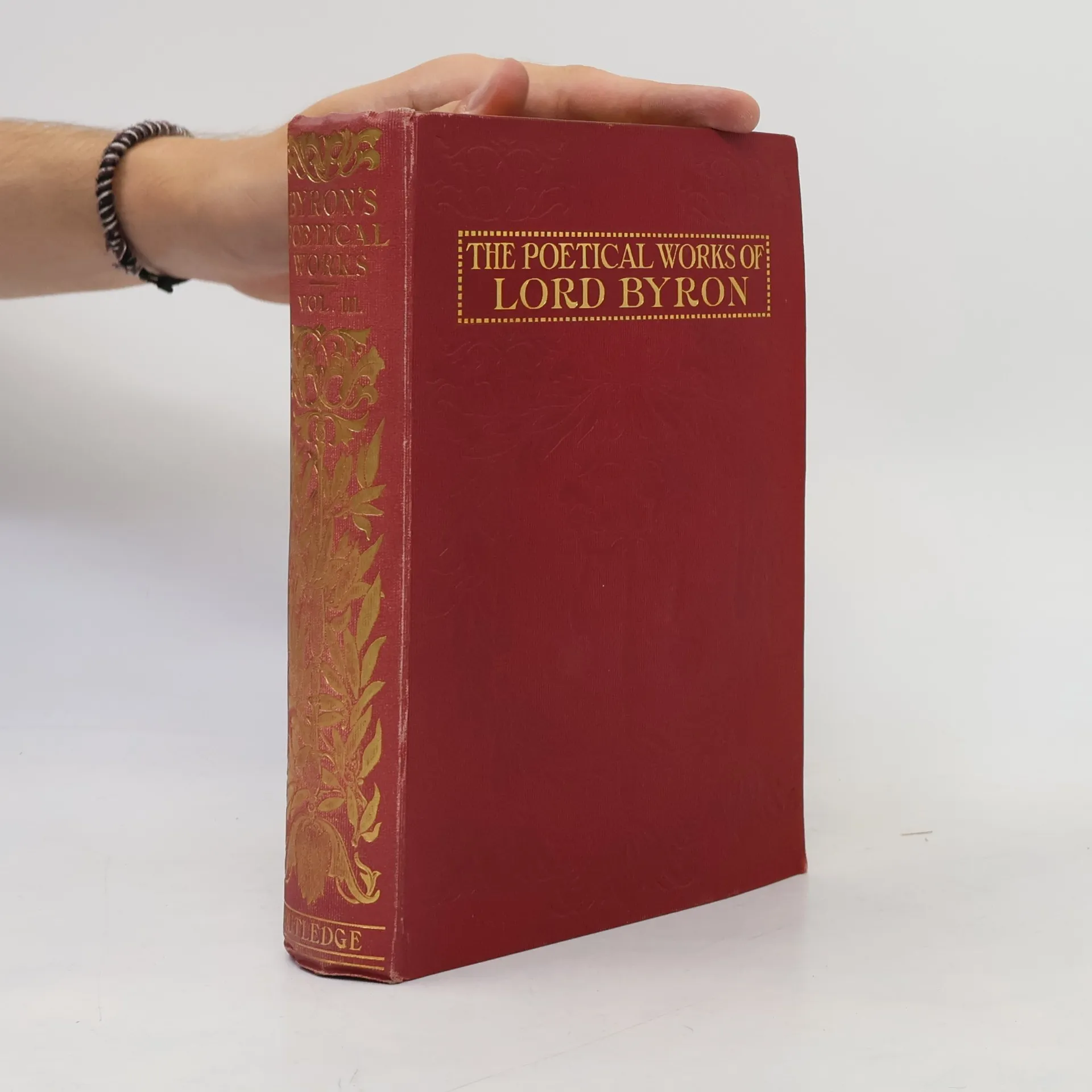
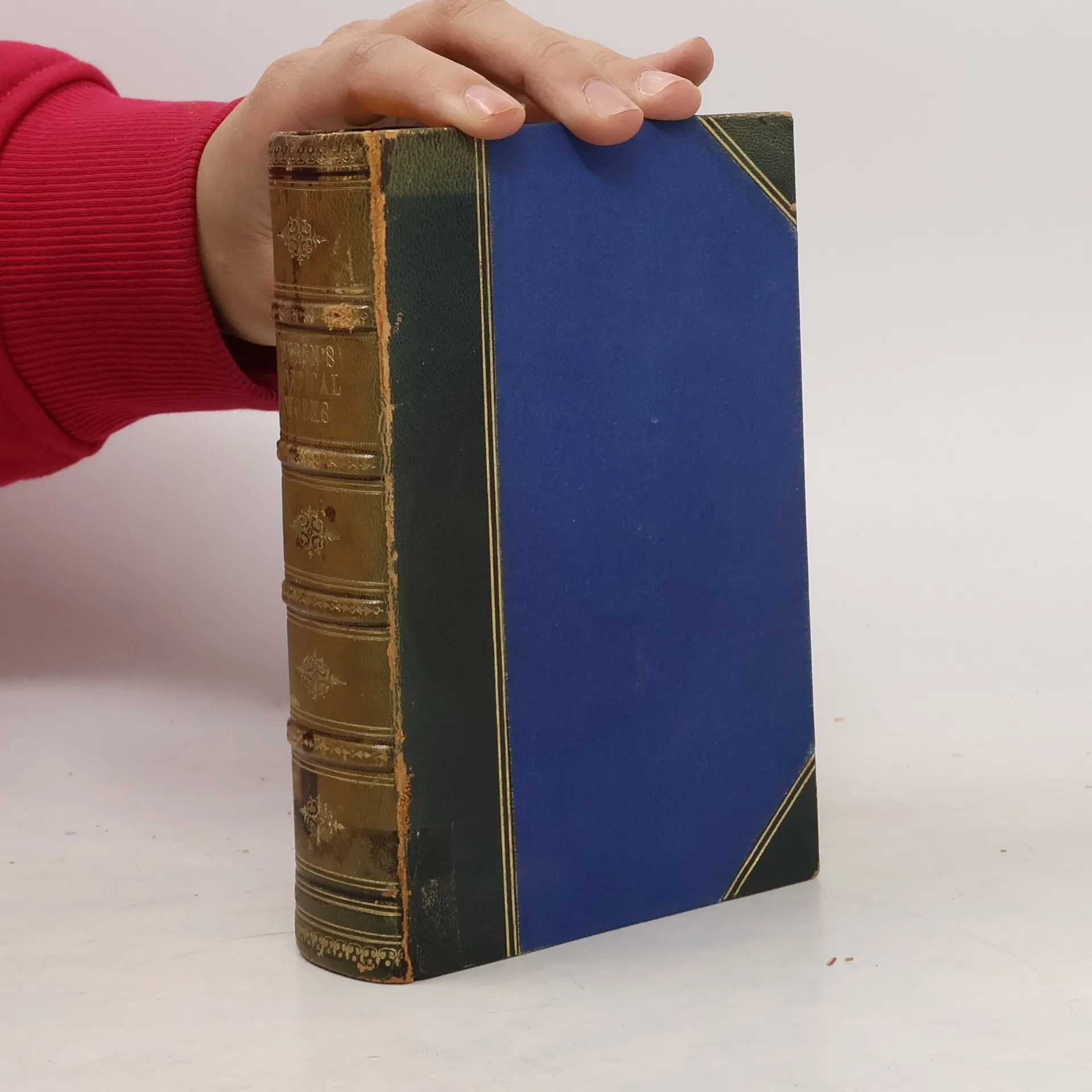
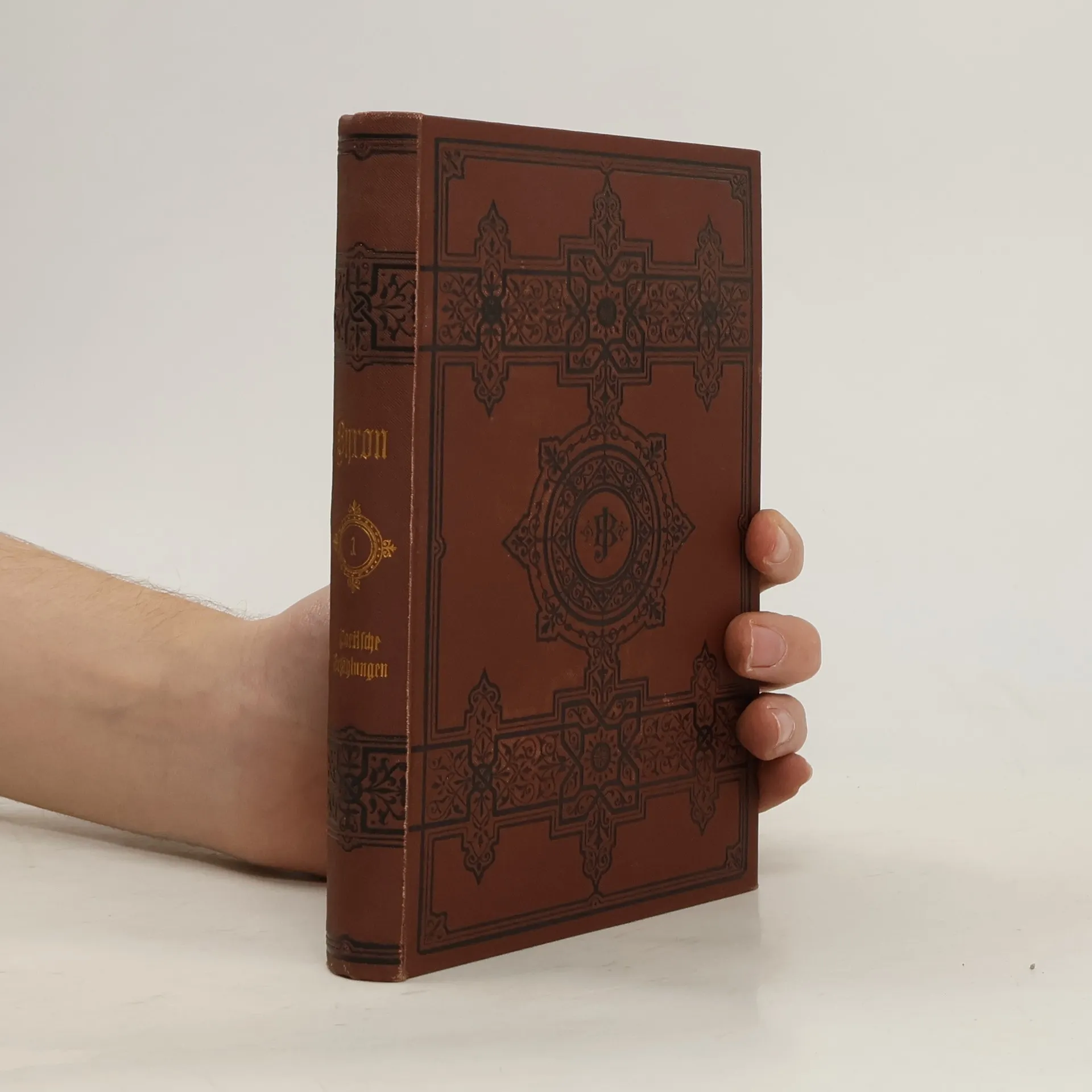
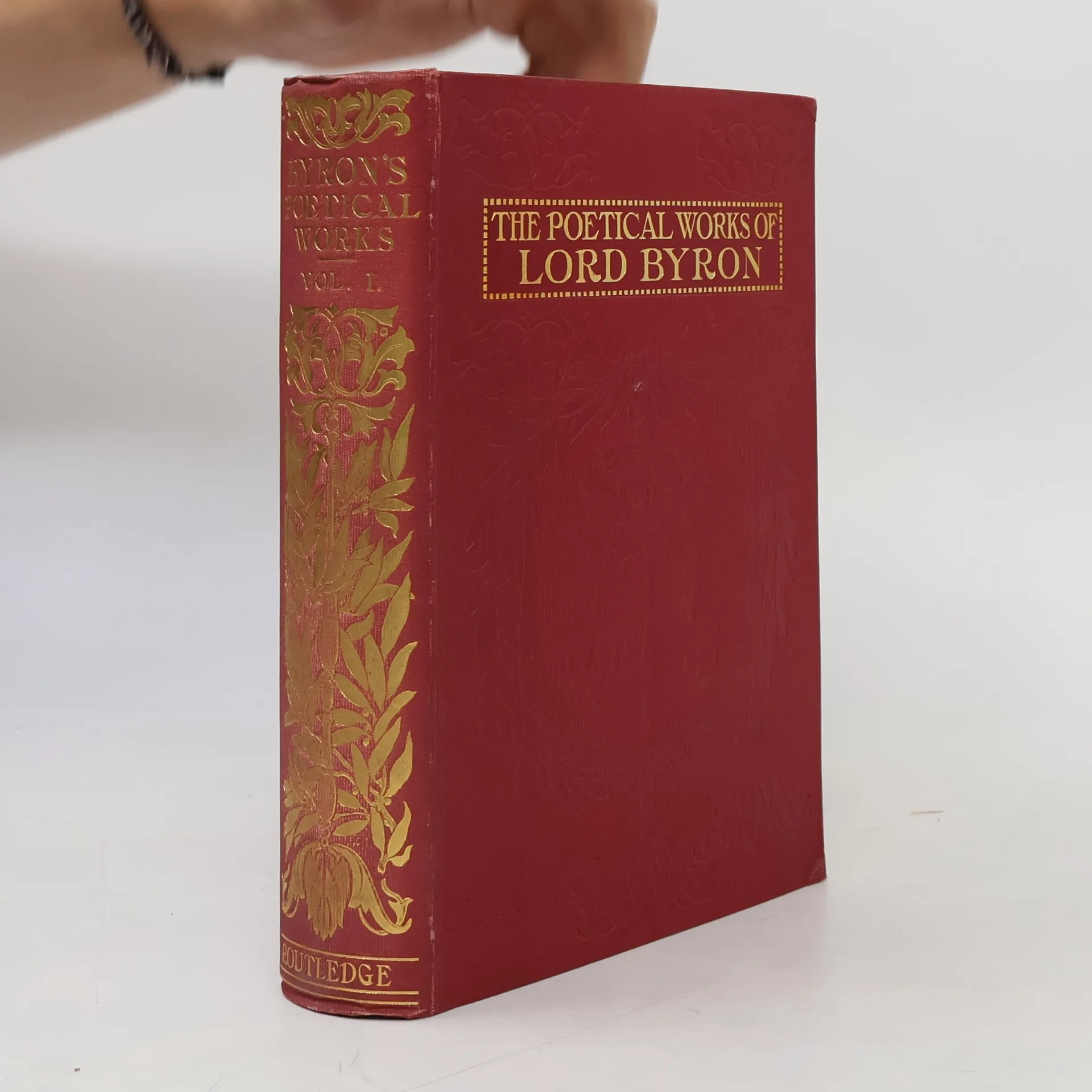
The Poetical Works of Lord Byron
Ein Vampir Roman
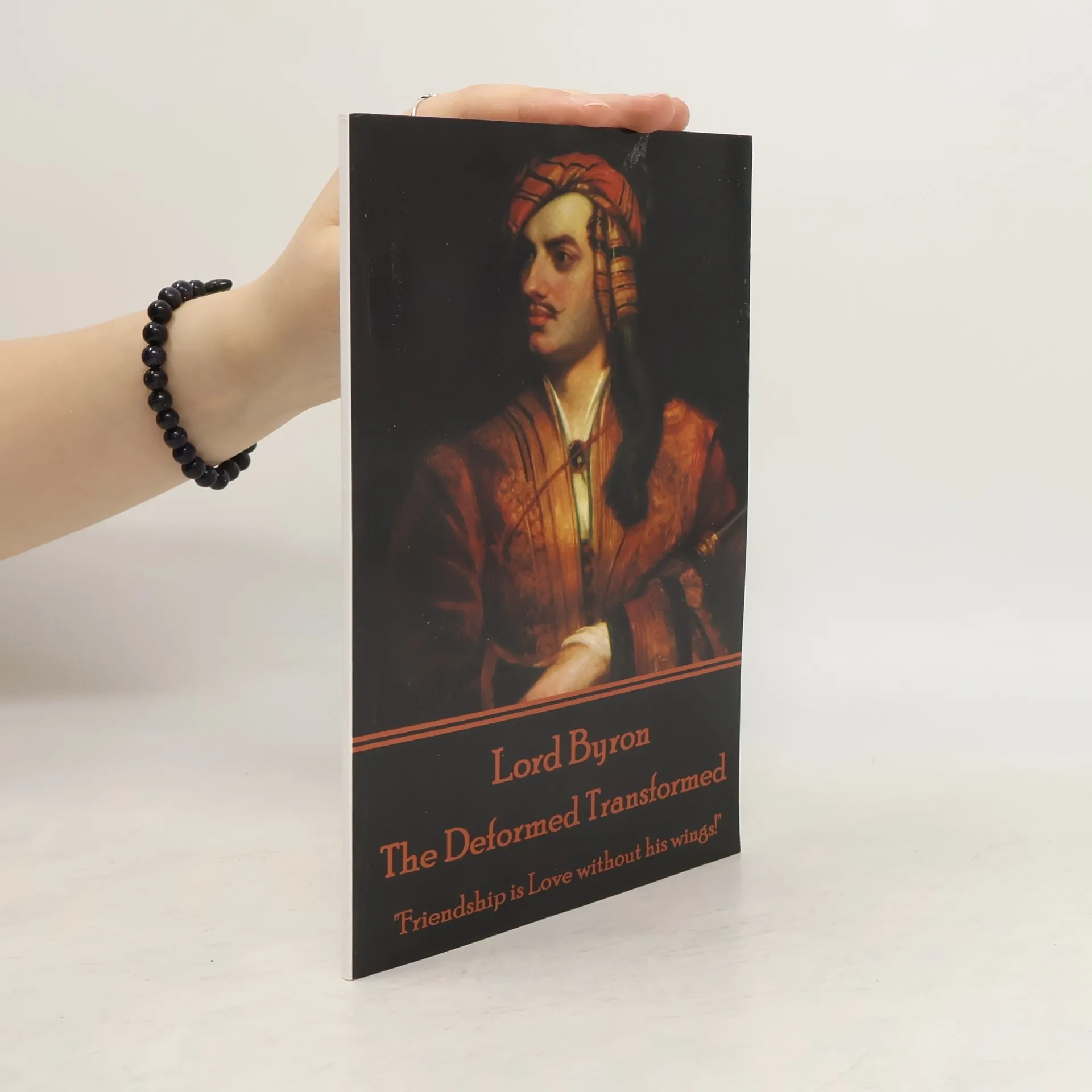
Lord Byron - The Deformed Transformed: "Friendship Is Love Without His Wings!"
- 68pages
- 3 heures de lecture
George Gordon Byron, 6th Baron Byron, but more commonly known as just Byron was a leading English poet in the Romantic Movement along with Keats and Shelley. Byron was born on January 22nd, 1788. He was a great traveller across Europe, spending many years in Italy and much time in Greece. With his aristocratic indulgences, flamboyant style along with his debts, and a string of lovers he was the constant talk of society. In 1823 he joined the Greeks in their war of Independence against the Ottoman Empire, both helping to fund and advise on the war's conduct. It was an extraordinary adventure, even by his own standards. But, for us, it is his poetry for which he is mainly remembered even though it is difficult to see where he had time to write his works of immense beauty. But write them he did. He died on April 19th 1824 after having contracted a cold which, on the advice of his doctors, was treated with blood-letting. This cause complications and a violent fever set in. Byron died like his fellow romantics, tragically young and on some foreign field.
Wahrscheinlich gibt es wenige Themen, die besser zu Byrons besonderen Talenten passen als Don Juan. In diesem ausschweifenden, lebhaften, gesprächigen Gedicht werden die Reisen von Don Juan als Vehikel für einige der lebhaftesten und schärfsten Kommentare zu menschlichen Gesellschaften und Verhaltensweisen in der Sprache genutzt. Die Art und Weise ist das, was Goethe als 'eine kultivierte komische Sprache' bezeichnete - ein Genre, das er im Deutschen für unmöglich hielt und das Byron seiner Meinung nach hervorragend meisterte.
Childe Harolds Pilgerfahrt und andere Verserzählungen
- 684pages
- 24 heures de lecture
Ritter Harolds Reise führt ihn zunächst nach Portugal, Spanien und über Malta in das türkisch besetzte Albanien sowie nach Istanbul und Griechenland. Er beschreibt dabei Landschaften, Menschen, Ereignisse wie einen Stierkampf oder Begegnungen mit Herrschern. Byron wird zum Fürsprecher unterdrückter Völker und kritisiert die Innen- und Aussenpolitik seines Heimatlands. Zu den Höhepunkten der Dichtung gehören die Strophen über die Schlacht bei Waterloo und Harolds Rheinreise sowie die Naturbeschreibungen am Genfer See, die Byron einrahmt in Porträts von Edward Gibbon (1737-94), R Voltaire und Jean-Jacques R Rousseau. Das Epos endet in Italien: Harold erlebt die Melancholie auslösende Unfreiheit und den Verfall Venedigs und kommt schliesslich nach Rom, dessen Ruinen und verlorene Grösse der Pilger beklagt. Aus dem Englischen von O. Gildemeister und A. Neidhardt. Mit Anmerkungen von S. Schmitz. 2. Auflage 2002.
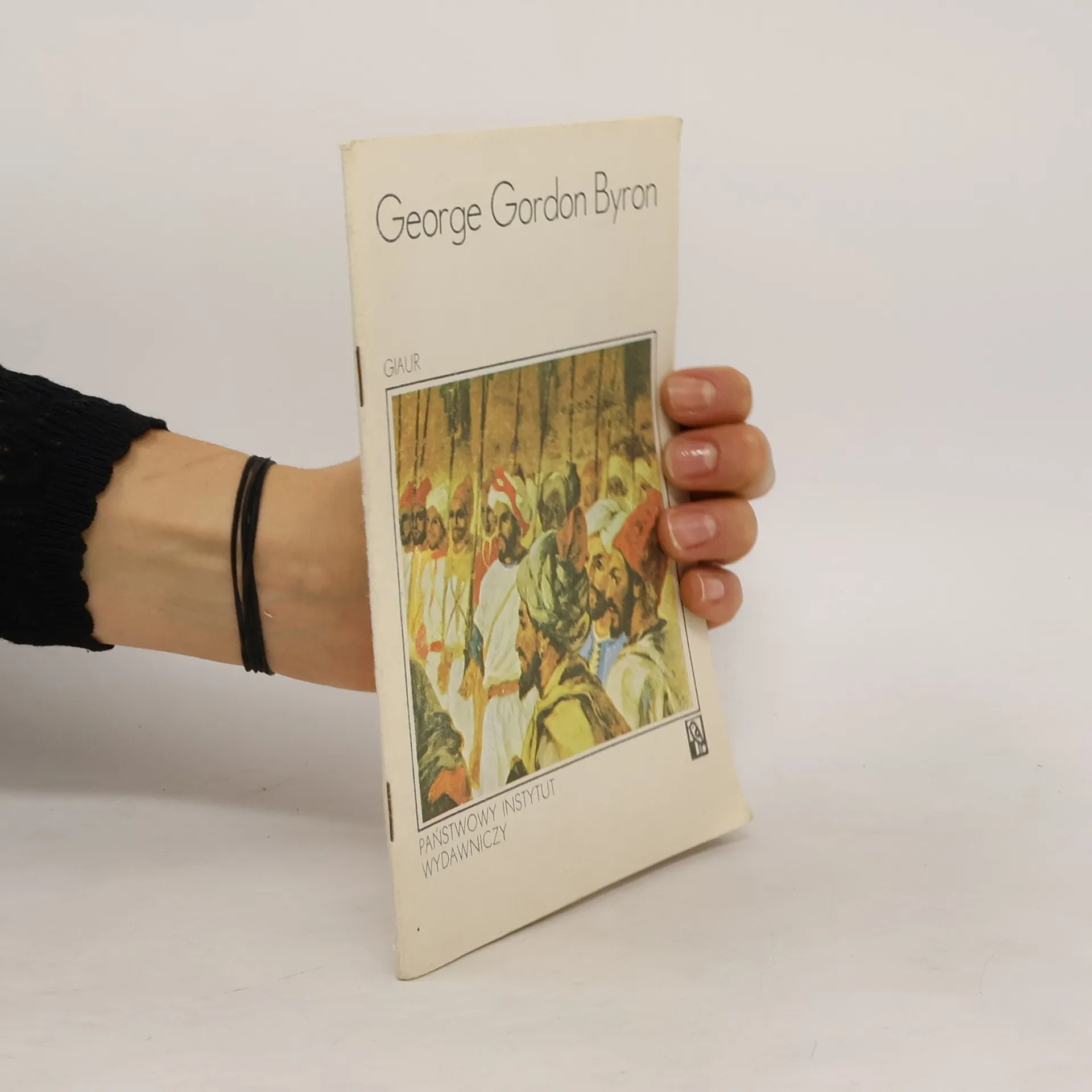
Giaur
- 82pages
- 3 heures de lecture
Giaur jest poetycką powieścią romantyczną angielskiego pisarza George'a Byrona. Powieść ukazała się po raz pierwszy w 1813 roku i od razu wpisała się do światowego kanonu literatury pięknej. Byron nadaje ton swojemu dziełu inwokacją do Grecji, kolebki cywilizacji Europejskiej, która w tamtym czasie podjęła walkę z turecką okupacją. Następnie, w kilku sugestywnych obrazach, opisuje losy młodego Wenecjanina, który podróżując po ówczesnym imperium tureckim, zakochuje się pięknej żonie muzułmańskiego baszy Hassana. Opowieść o niemożliwej do spełnienia i pełnej tragicznych zdarzeń miłości ma wiele znaczeń. Podobnie jak imię tytułowego bohatera Giaura, które w pierwotnym znaczeniu jest pogardliwym określeniem, jakim Turcy określali innowierców, a które Byron czyni synonimem romantycznego bohatera. Giaur został przetłumaczony na język polski przez Adama Mickiewicza, który podkreślił patriotyczny wydźwięk fragmentów powieści odnoszących się do sytuacji zniewolonej Grecji. Lektura dla szkół średnich
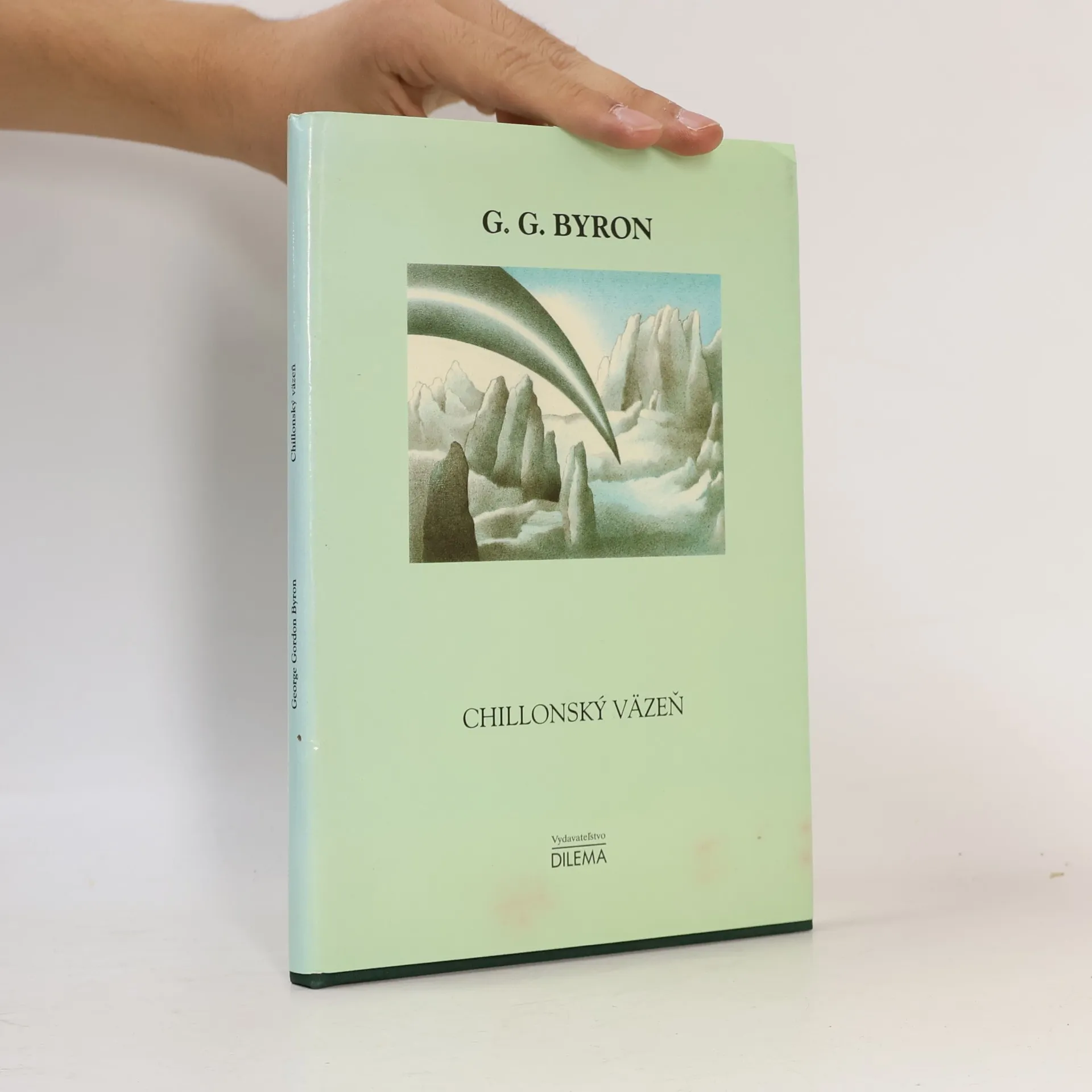
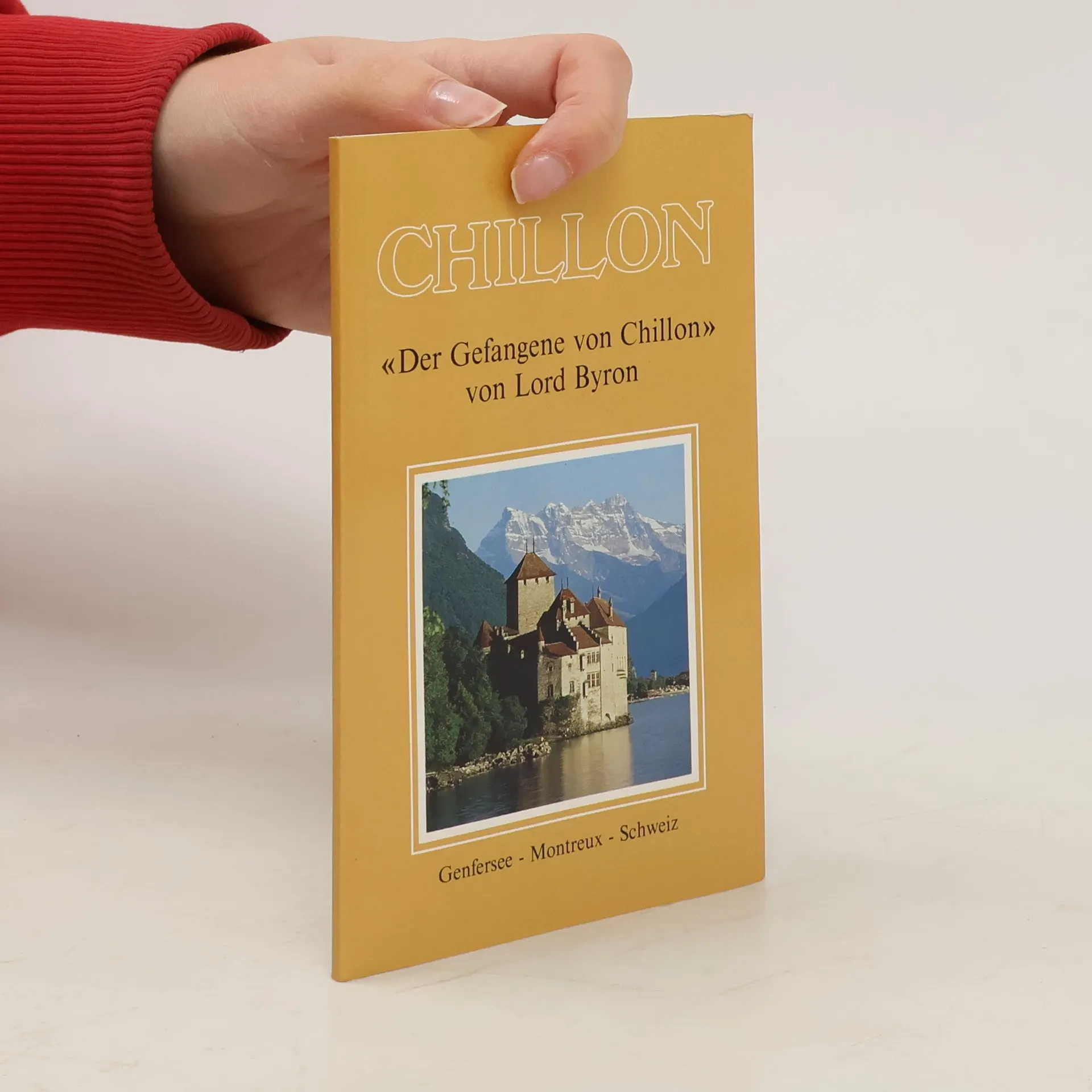
Chillonský väzeň. Sen. Tma
- 84pages
- 3 heures de lecture
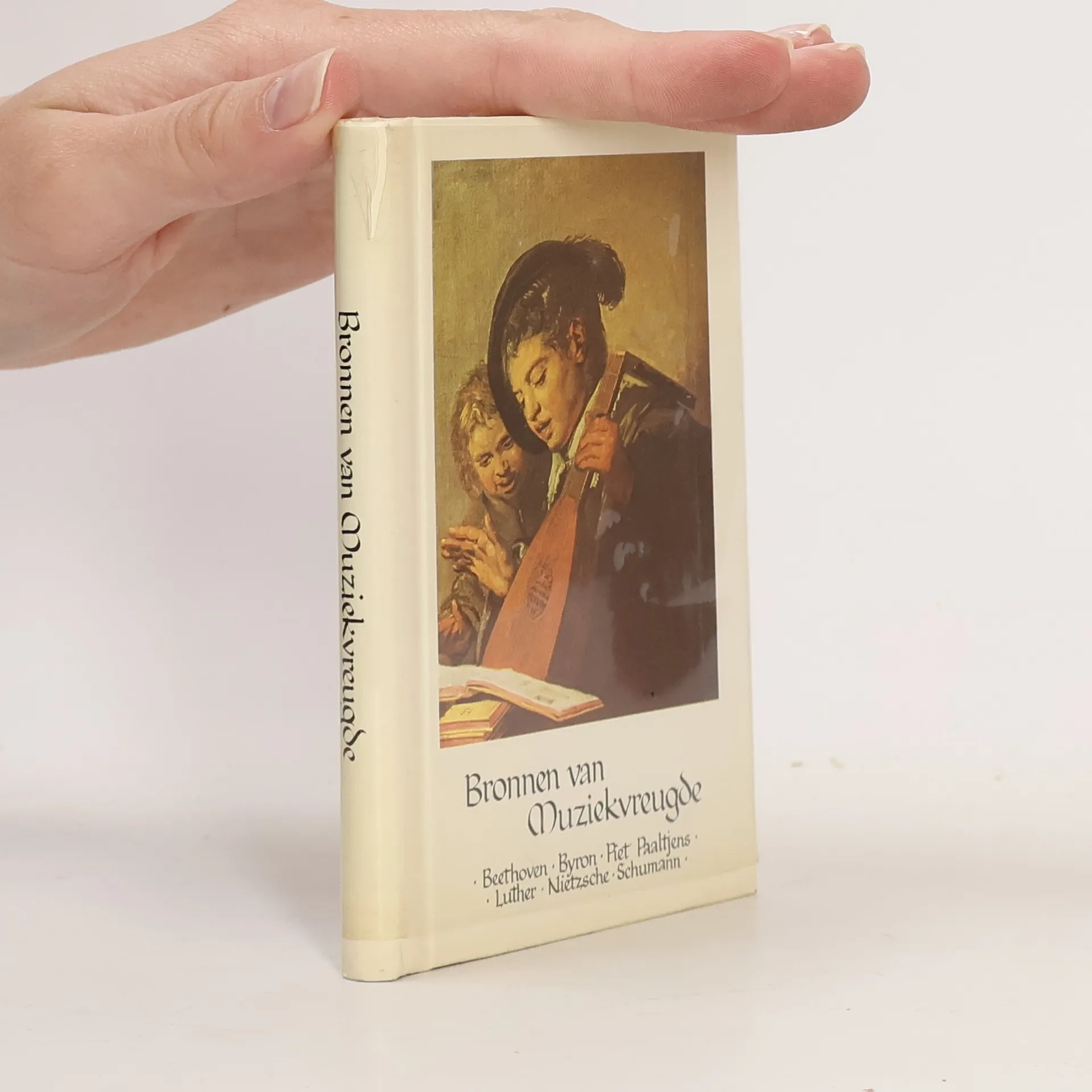
Bronnen van muziekvreugde
- 24pages
- 1 heure de lecture
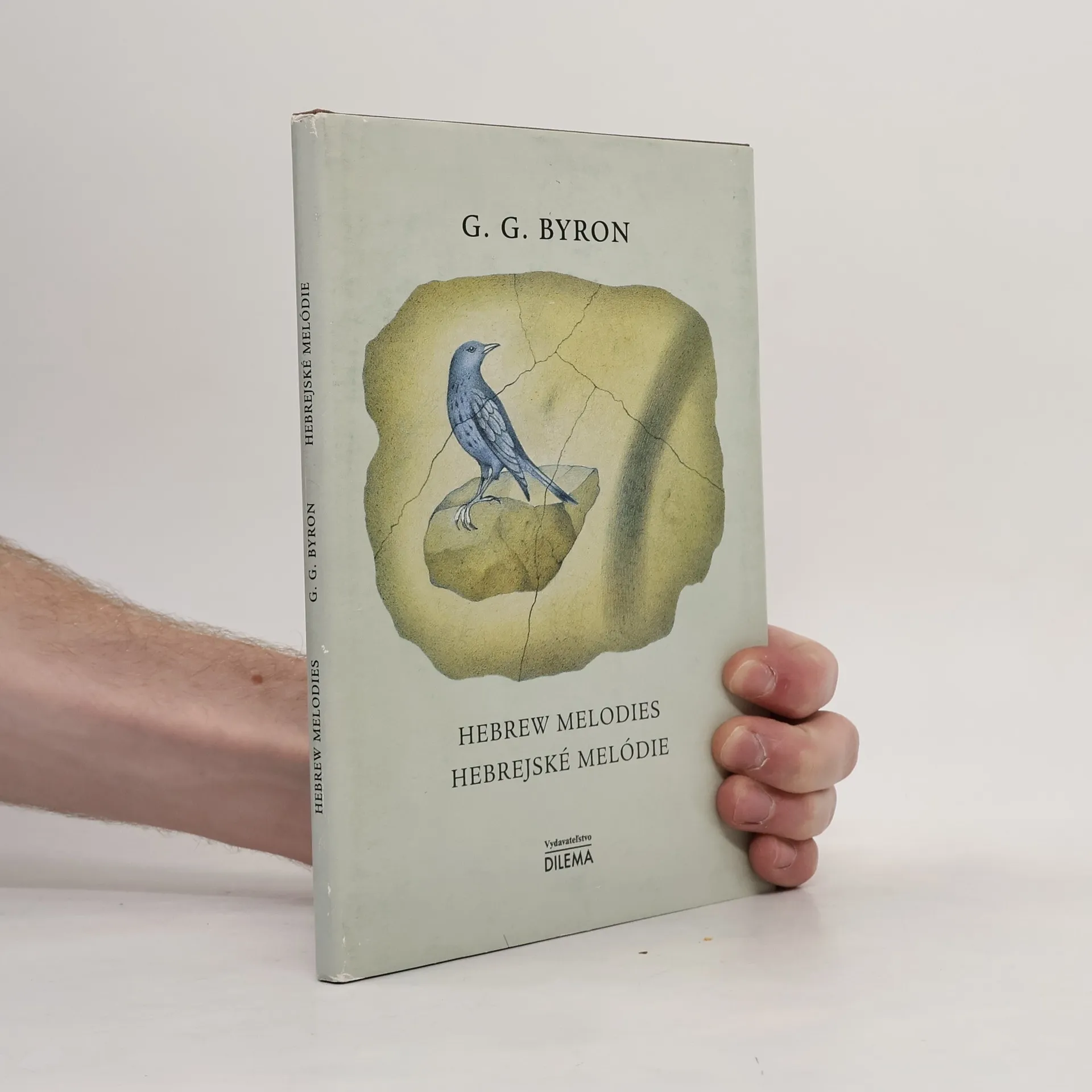
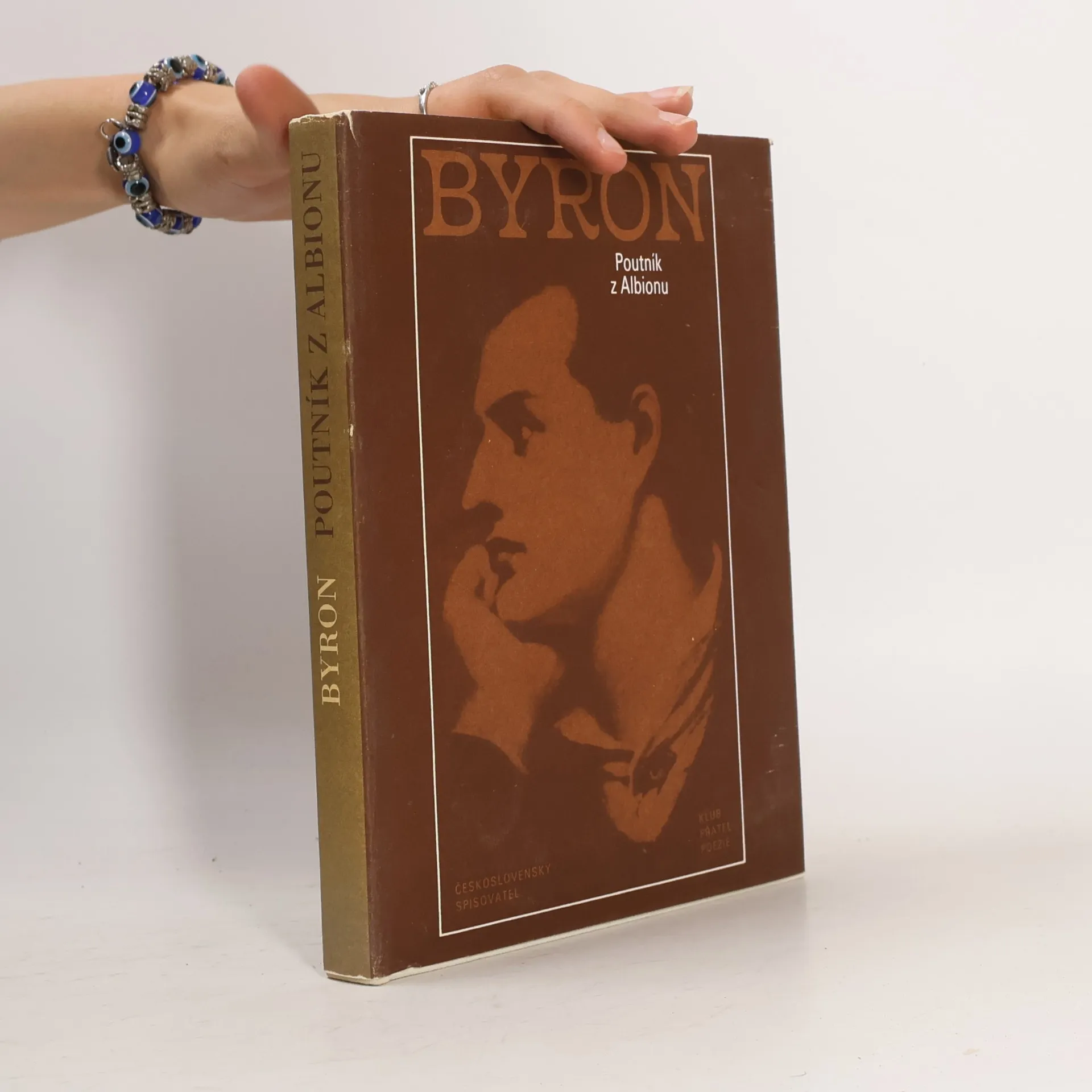
Tento výbor přináší Byronovu lyriku i ukázky z jeho nejslavnějších epických skladeb a je doplněn fotografiemi a výběrem z básníkovy korespondence, jejíž obsah je pro něho příznačný a dokresluje čtenáři představu o jeho osobnosti. Na závěr publikace je uvedena stručná chronologie života a díla.
Dramen
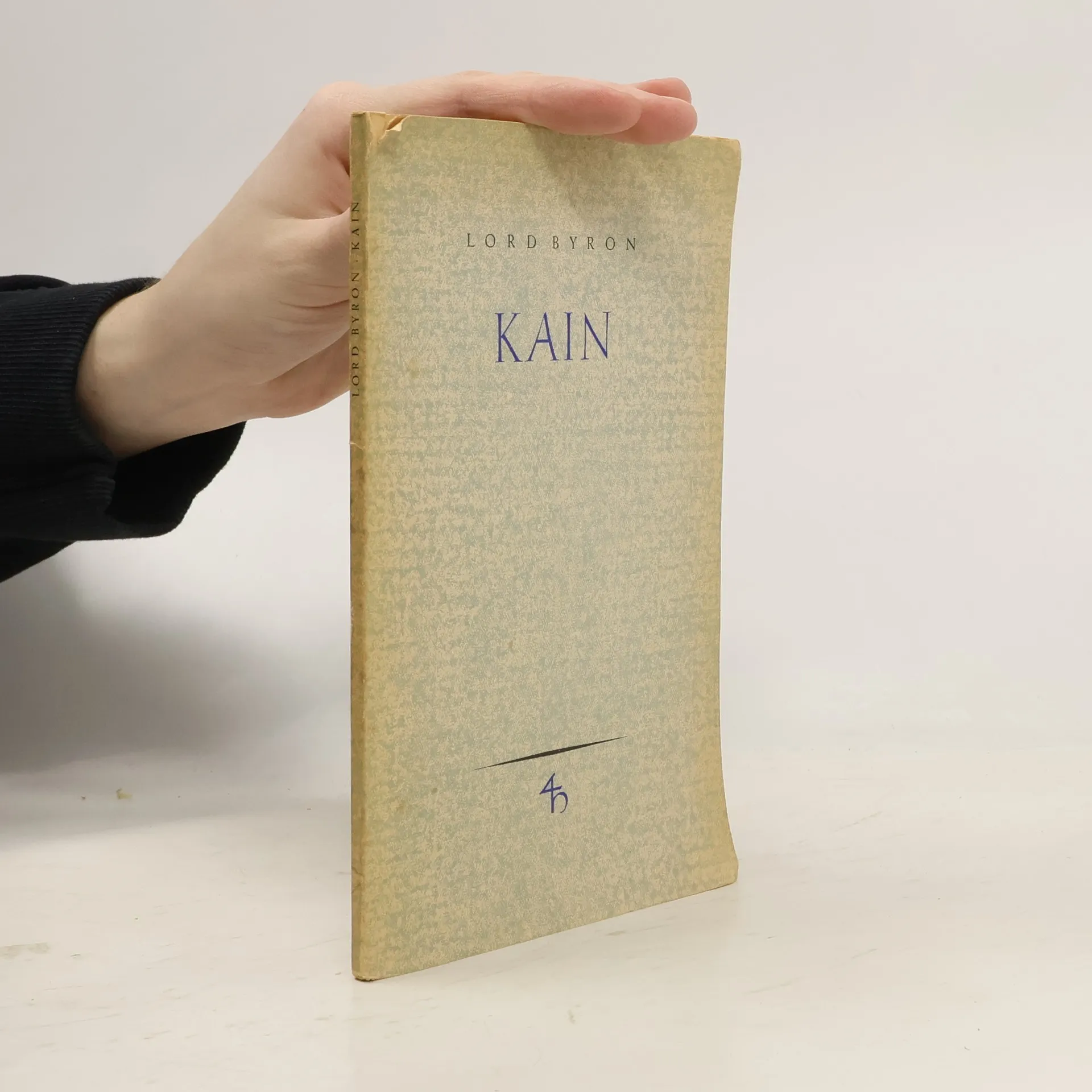
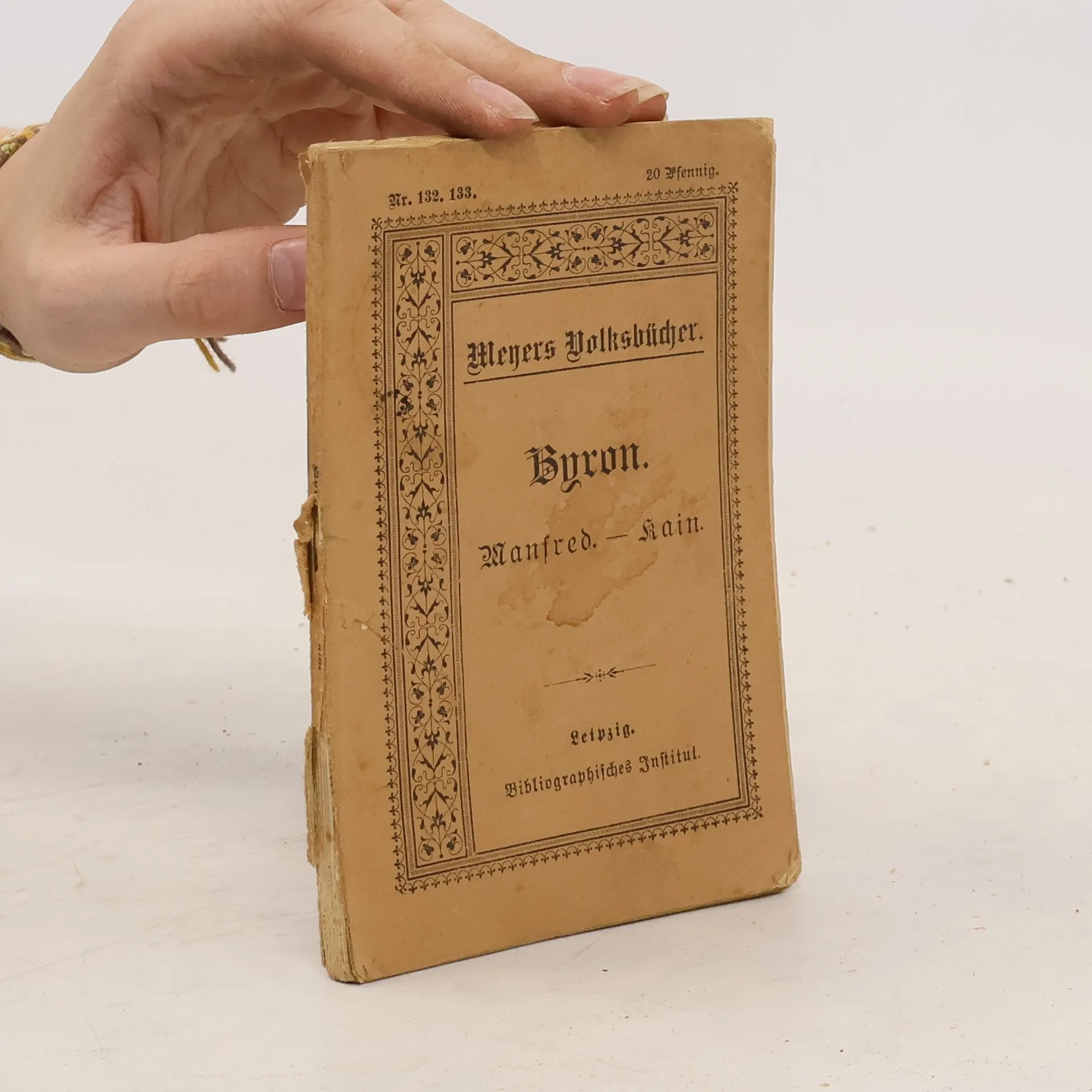
Manfred - Kain
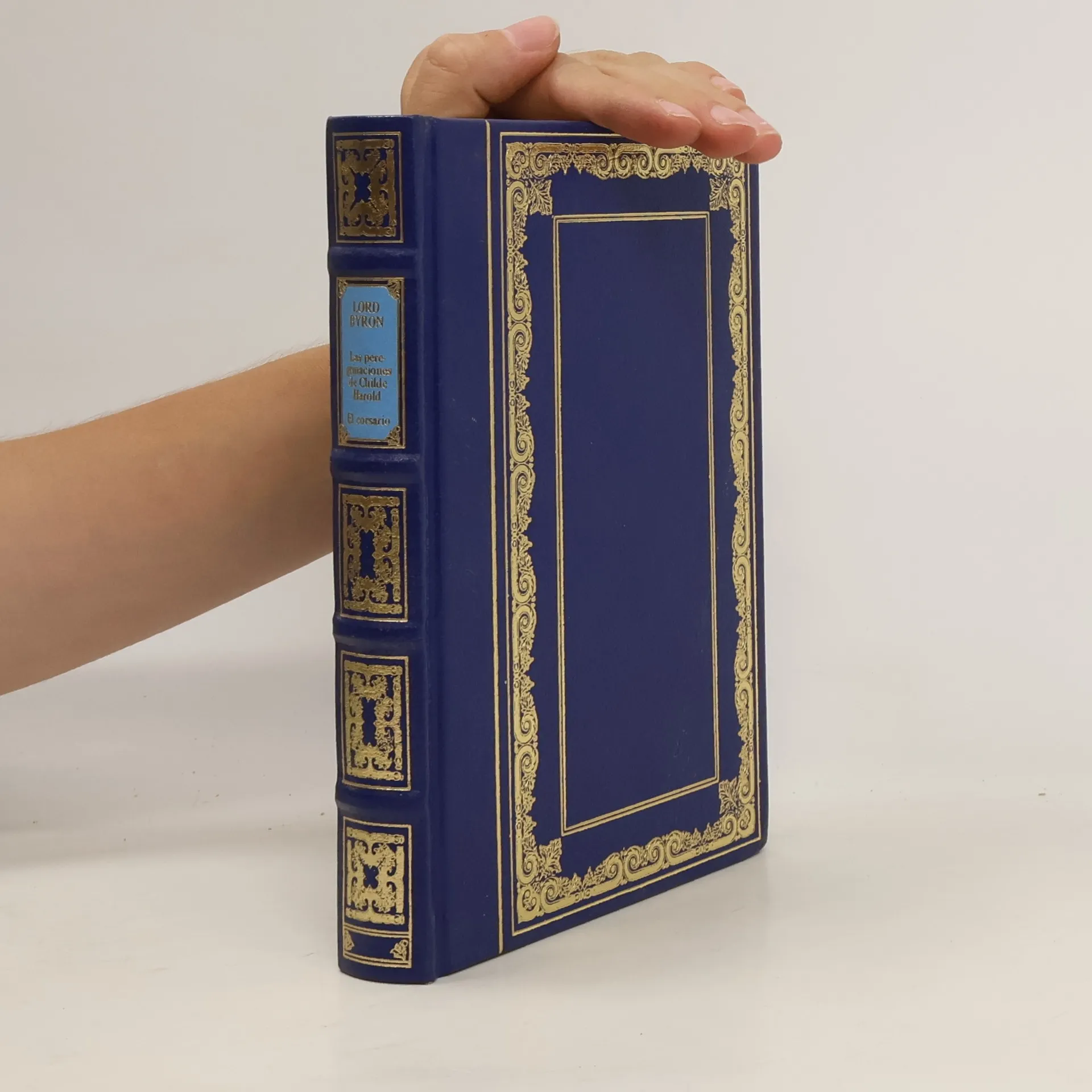
Las peregrinaciones de Childe Harold. El Corsario
- 207pages
- 8 heures de lecture
Libro por compuesto por dos libros.Las peregrinaciones de Childe haroldEl comisario
A self-portrait in letters, diaries and poems
- 131pages
- 5 heures de lecture
Der sechste Band von Lord Byrons poetischen Werken präsentiert eine unveränderte und hochwertige Nachdruckausgabe der Originalausgabe von 1893. Diese Sammlung bietet Einblicke in Byrons einflussreiche Poesie, die durch ihre emotionale Tiefe und romantische Themen besticht. Leser können sich auf eine facettenreiche Darstellung von Liebe, Leidenschaft und dem Streben nach Freiheit freuen, die Byrons einzigartigen Stil und seine literarische Bedeutung unterstreicht.
Die Tragödie „Sardanapalus“ von George Gordon Lord Byron, erstmals 1821 veröffentlicht, thematisiert den Konflikt zwischen Pflicht und persönlichem Verlangen. Sardanapalus, ein orientalisierter König, steht vor der Entscheidung zwischen seiner Liebe und dem drohenden Untergang seines Reiches. Diese Neuausgabe, herausgegeben von Karl-Maria Guth, enthält eine Biografie des Autors und wurde an die neue deutsche Rechtschreibung angepasst. Byron, ein zentraler Vertreter der englischen Romantik, lebte ein bewegtes Leben, geprägt von Skandalen, politischen Engagements und tragischen Liebesbeziehungen.
Don Juan (Großdruck)
- 684pages
- 24 heures de lecture
Die Erzählung von Don Juan, einem der bekanntesten Werke von George Gordon Lord Byron, bietet eine satirische und humorvolle Perspektive auf die Themen Liebe, Sexualität und gesellschaftliche Normen. Byron präsentiert Juan nicht als den klassischen Verführer, sondern als einen naiven und unglücklichen Protagonisten, der von Frauen verfolgt wird. Durch seine poetische Sprache und scharfsinnige Beobachtungen kritisiert Byron die Doppelmoral der Gesellschaft und reflektiert über die menschliche Natur. Das Werk ist eine Mischung aus Abenteuer, Romantik und scharfer Gesellschaftskritik.