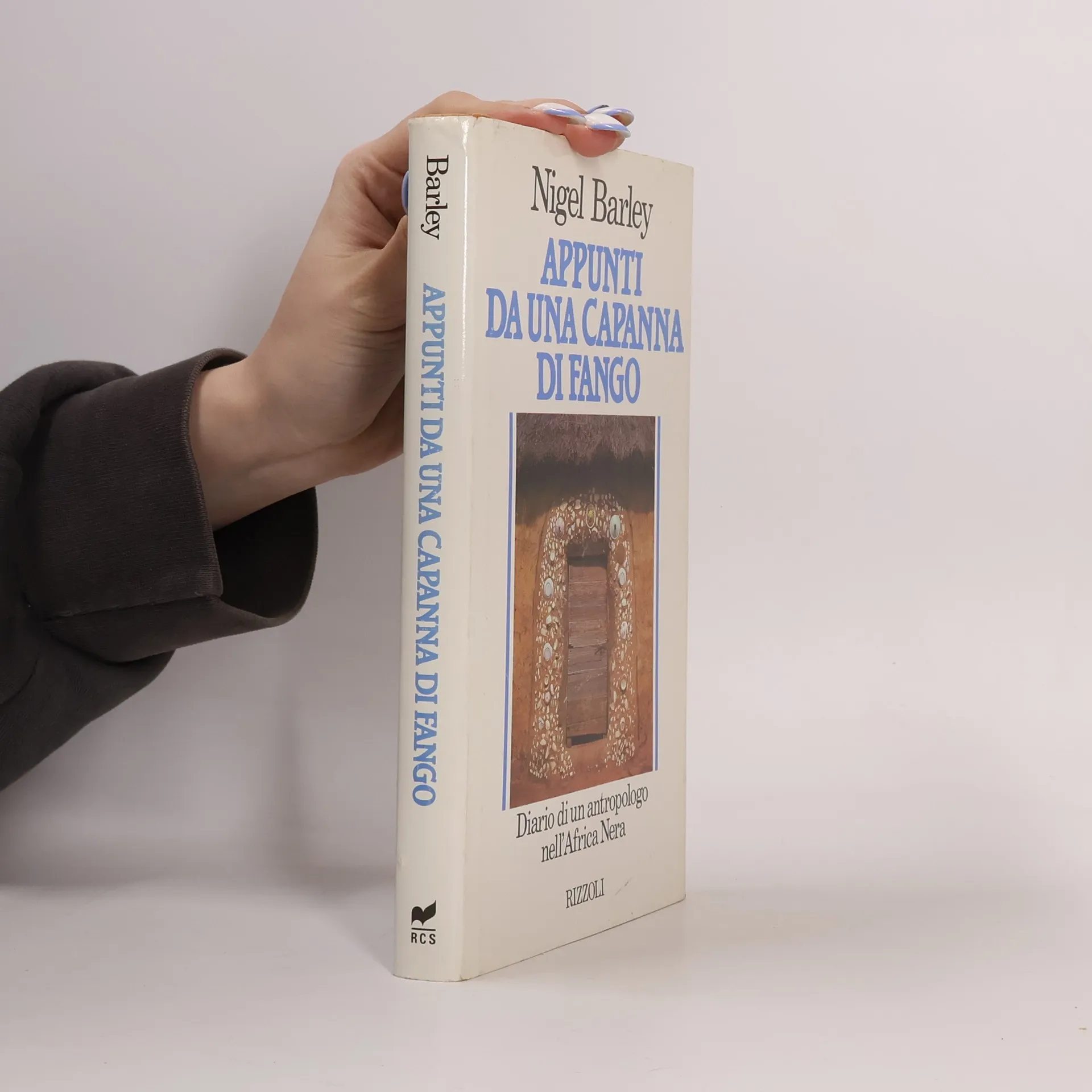
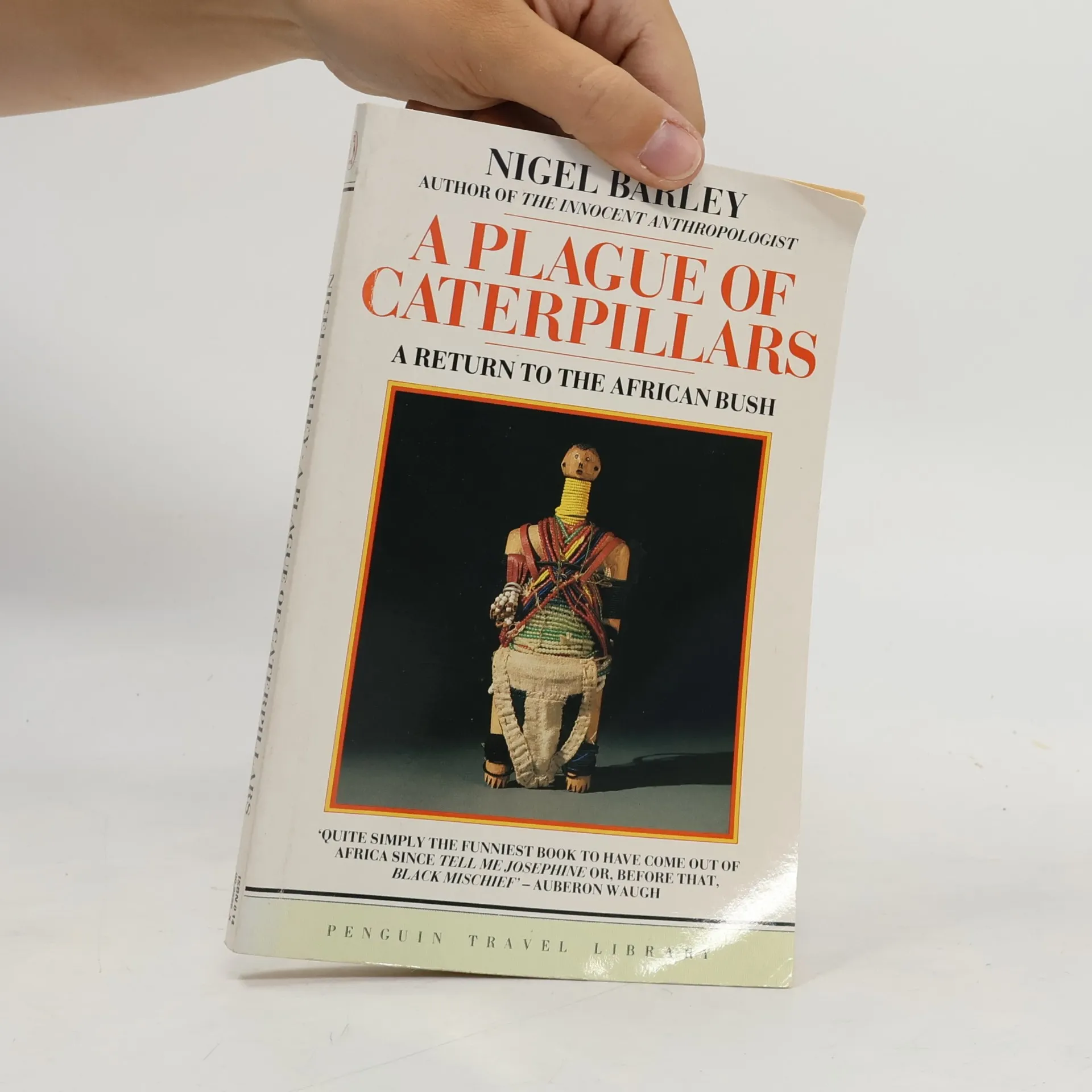
The chance to witness a rare circumcision ceremony was an opportunity not to be missed Nigel Barley's return to Cameroon promised much. The Dowayos, a pagan mountain tribe, were due to perform their fearsome ancient ritual for the first time in six or seven years. Armed with Christmas pudding and Cheddar Cheese, Dr Barley embarked on his quest to witness this unusual anthropological phenomenon, only to find his way strewn with difficulties - not least an extraordinary plague of black, hairy caterpillars. The author of The Innocent Anthropologist has again produced a catalogue of hilarious anecdotes, as well as a skilful reflection on the problems of different cultures understanding one another.
Nigel Barley Livres
1 janvier 1947
N/A


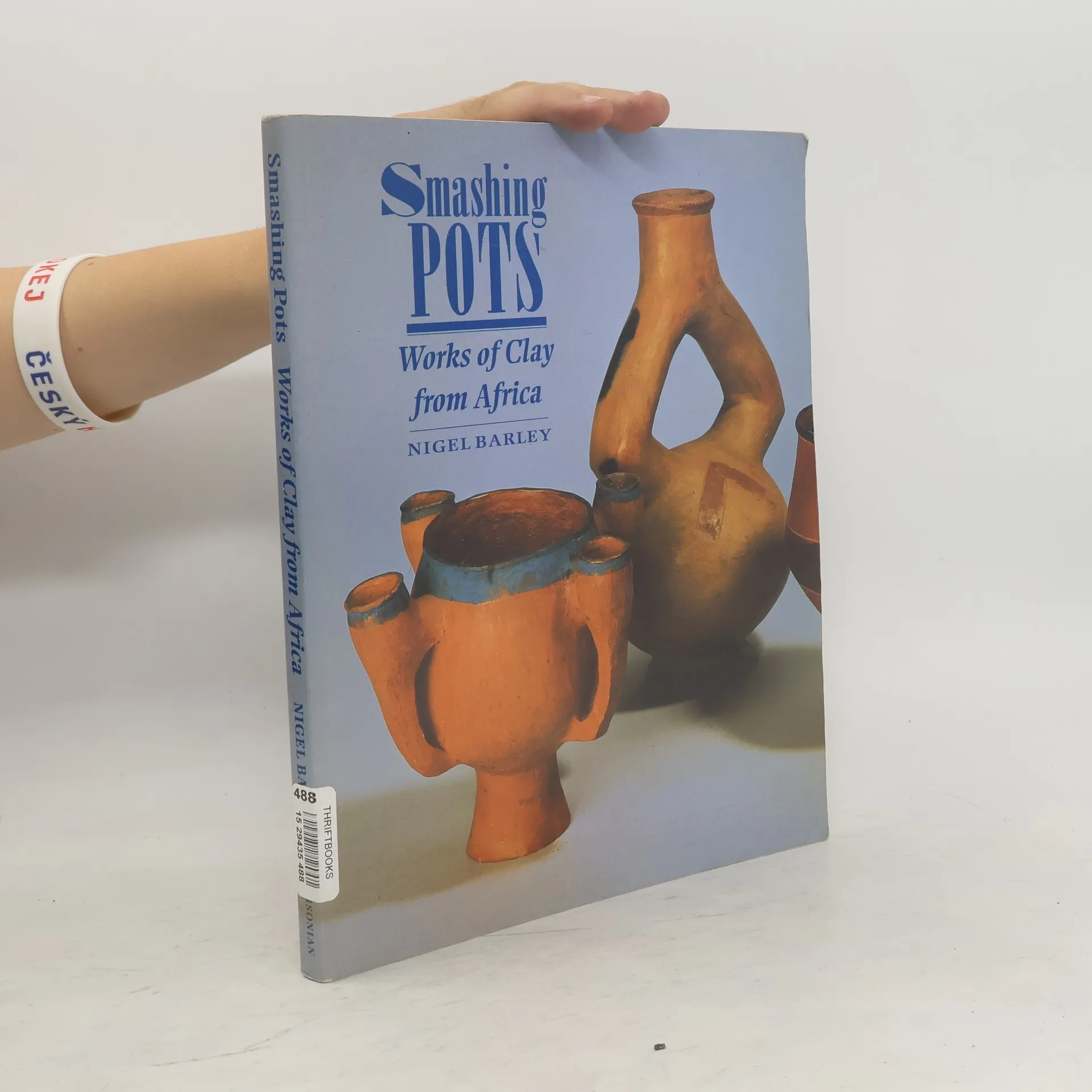
Offers a look at the history of African pottery, from excavation finds to more recent examples
The innocent anthropologist: notes from a mud hut
- 192pages
- 7 heures de lecture
Nigel Barley was a ?new anthropologistOCO, one of the younger generation of academics whose learning and research had been acquired in institutes, research departments, from academic journals and university libraries. But after suffering years of gentle put-downs from leathery old field-workers, their ?teeth permanently gritted from years of dealing with nativesOCO, he was determined to gain his own experience. The two years he spent among the Dowayo people in the Cameroons (1978-80) produced a comic masterpiece of travel writing, The Innocent Anthropologist, which remains as honest, as funny and as compelling a read as when it was first penned ? and a devastating critique of academics attempting to impose their rules and their order on West African life."
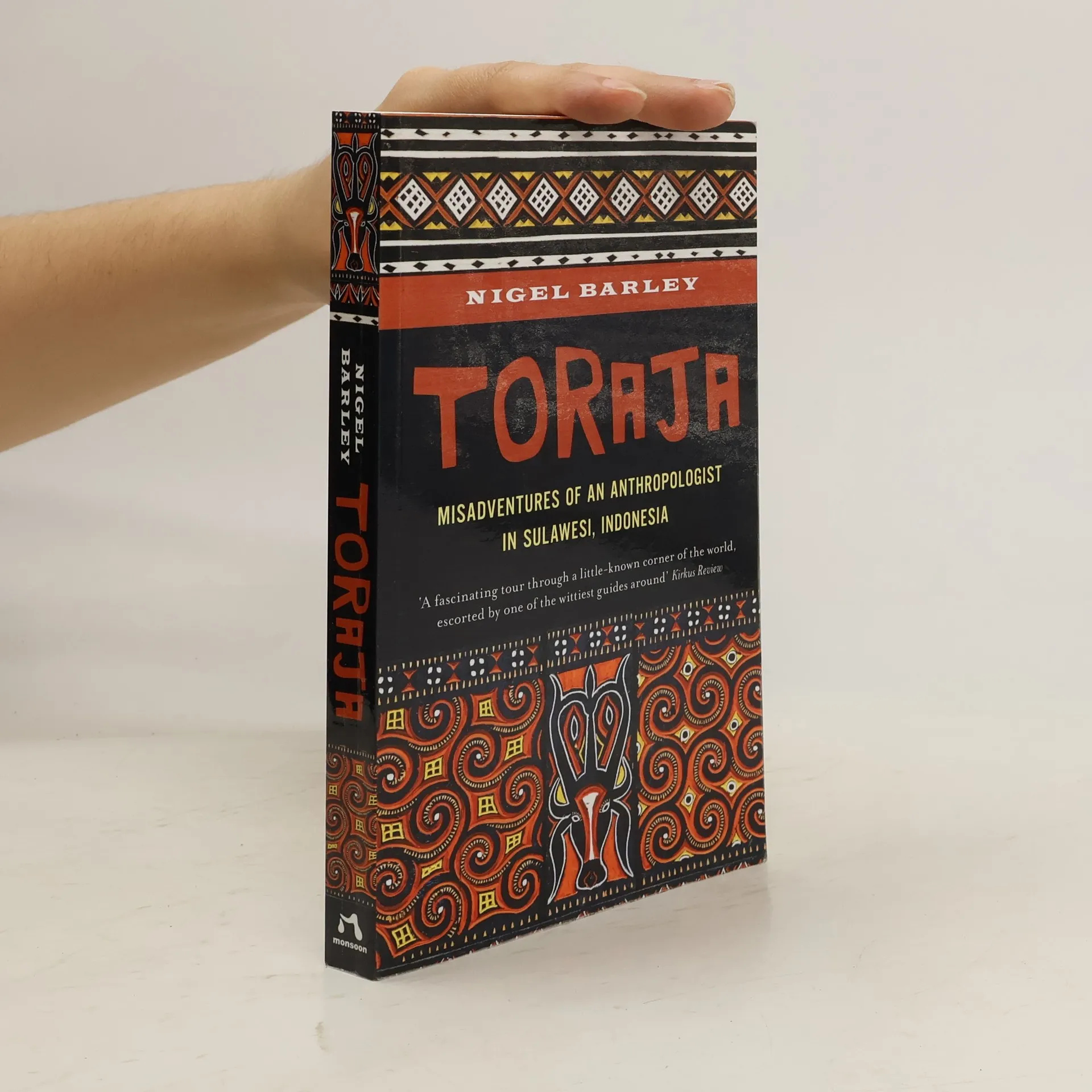
Toraja
- 248pages
- 9 heures de lecture
In 1985, Dr Nigel Barley taught himself Indonesian and set off for the relatively unknown island of Sulawesi. Here he hoped to find unsullied cultures to study and unspoilt natives to investigate. he soon found plenty to wonder at and plenty to admire among the Toraja.
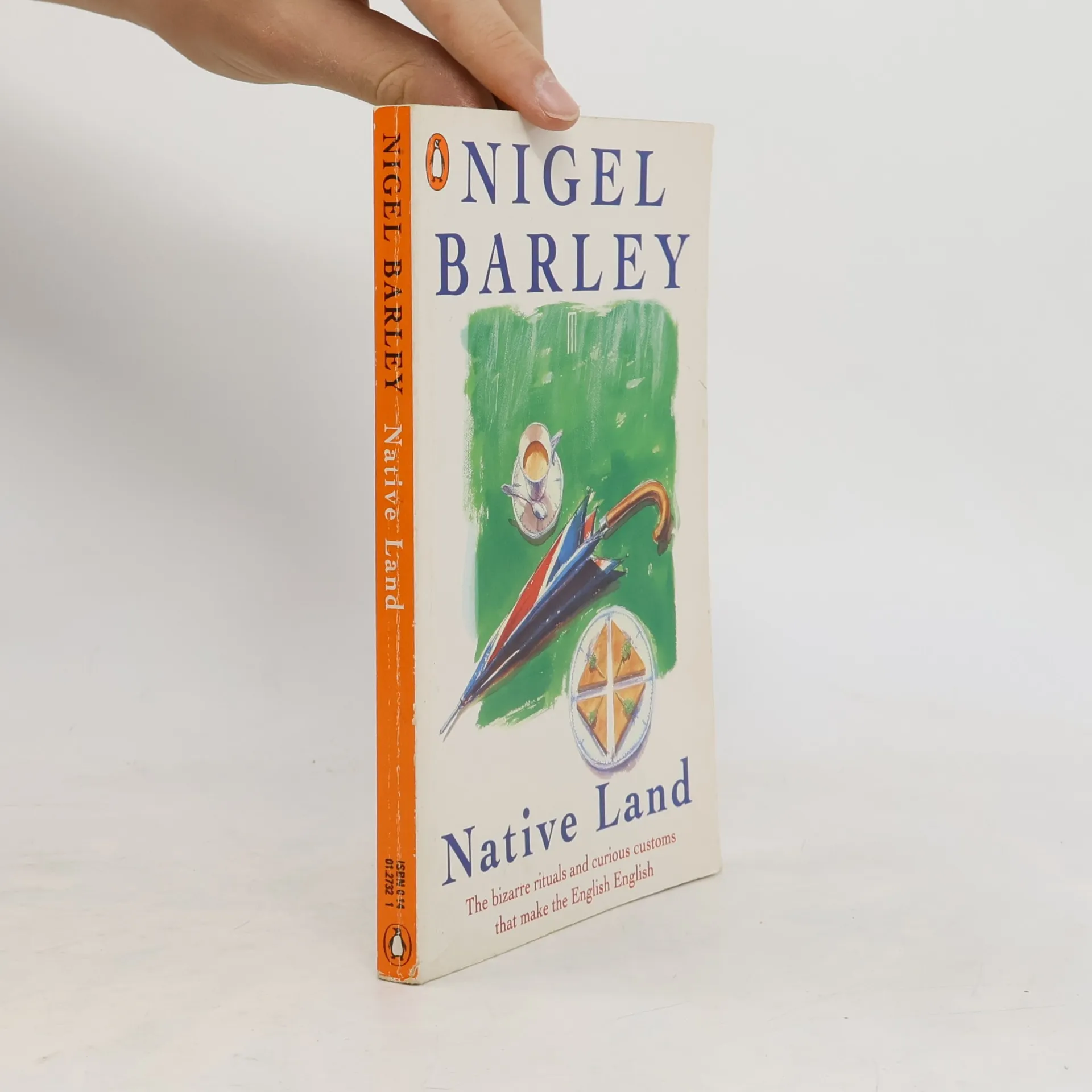
A unique look at the British from an anthropologist`s point of view. The author uses his skills to describe and analyze various aspects of British society, from weddings and church services to strip clubs and pub-crawls.
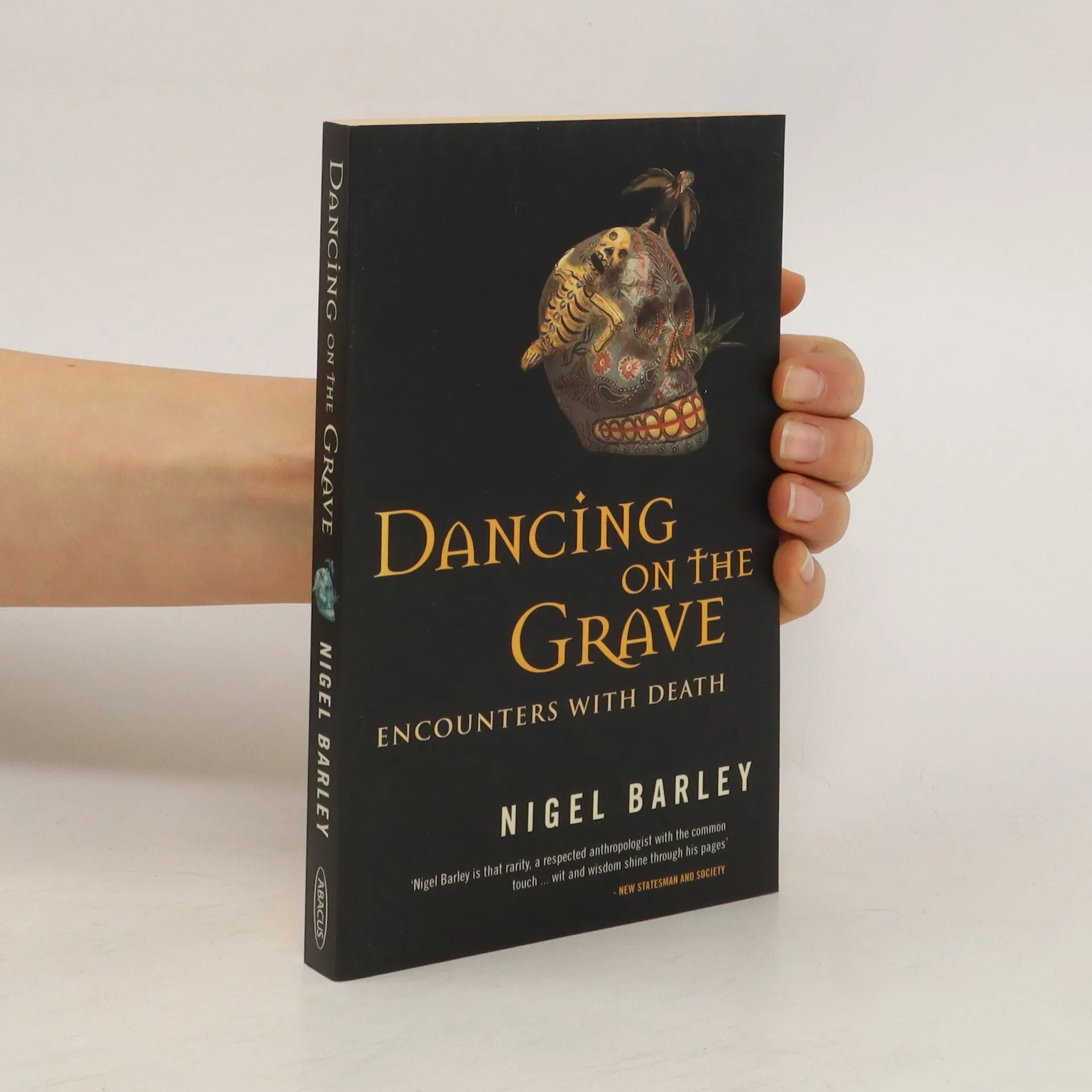
Dancing on the Grave
- 250pages
- 9 heures de lecture
Seeking to merge the information of theologians and anthropologists, this book looks at the variety of ways in which cultures around the world deal with death and give it meaning. In some cultures, most famously Ancient Egypt, families would virtually financially ruin themselves in order to deal with the death of just one person. Other cultures such as the nomadic peoples of southern Africa, simply pull down the roof of their dwelling onto the body and move on, while the wrapped bodies in Torajan (Indonesian) houses are used as shelves. The reader is guided through such diverse areas as myths about death, belief about ways to mourn, joking at funerals, post-mortem videos, cannibalism, headhunting and royal mortuary ritual.
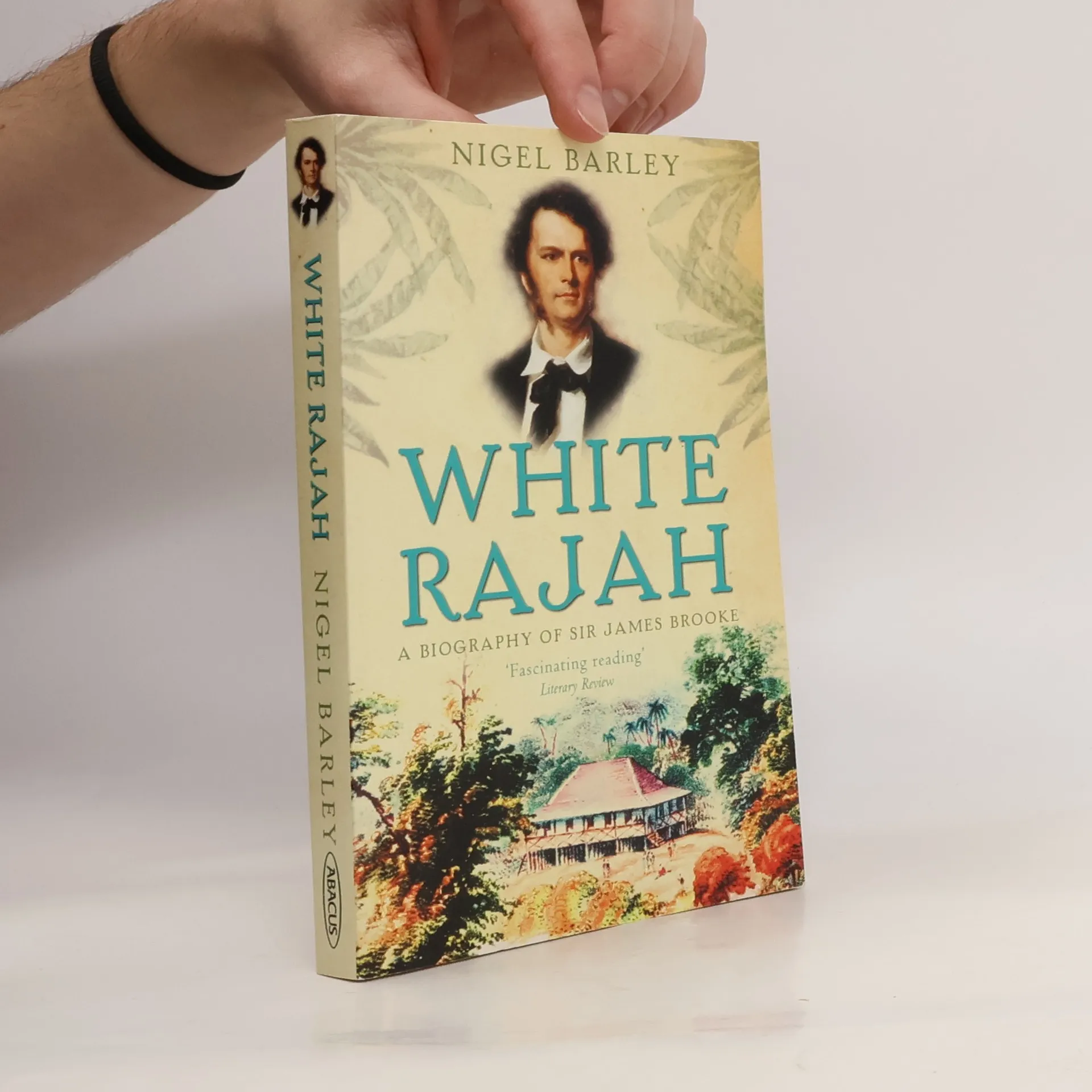
White Rajah
- 272pages
- 10 heures de lecture
A wonderful piece of swashbuckling historical biography which recalls the best and the worst of the British Imperial character. schovat popis
Island of Demons
- 388pages
- 14 heures de lecture
Many men dream of running away to a tropical island and living surrounded by beauty and exotic exuberance. Walter Spies did more than dream. He actually did it. In the 1920s and 30s, Walter Spies - ethnographer, choreographer, film maker, natural historian and painter - transformed the perception of Bali from that of a remote island to become the site for Western fantasies about Paradise and it underwent an influx of foreign visitors. The rich and famous flocked to Spies' house in Ubud and his life and work forged a link between serious academics and the visionaries from the Golden Age of Hollywood. Charlie Chaplin, Noel Coward, Miguel Covarrubias, Vicki Baum, Barbara Hutton and many others sought to experience the vision Spies offered while Margaret Mead and Gregory Bateson, the foremost anthropologists of their day, attempted to capture the secret of this tantalizing and enigmatic culture. Island of Demons is a fascinating historical novel, mixing anthropology, the history of ideas and humour. It offers a unique insight into that complex and multi-hued world that was so soon to be swept away, exploring both its ideas and the larger than life characters that inhabited it.
Even
- 142pages
- 5 heures de lecture
We live lives full of daily frustration, haunted by our pasts and unfulfilled hopes. We are told that only therapy offers us salvation through closure. Or is it better to seek revenge? There are professionals who can help us avenge life's insults. Don't get mad get even!
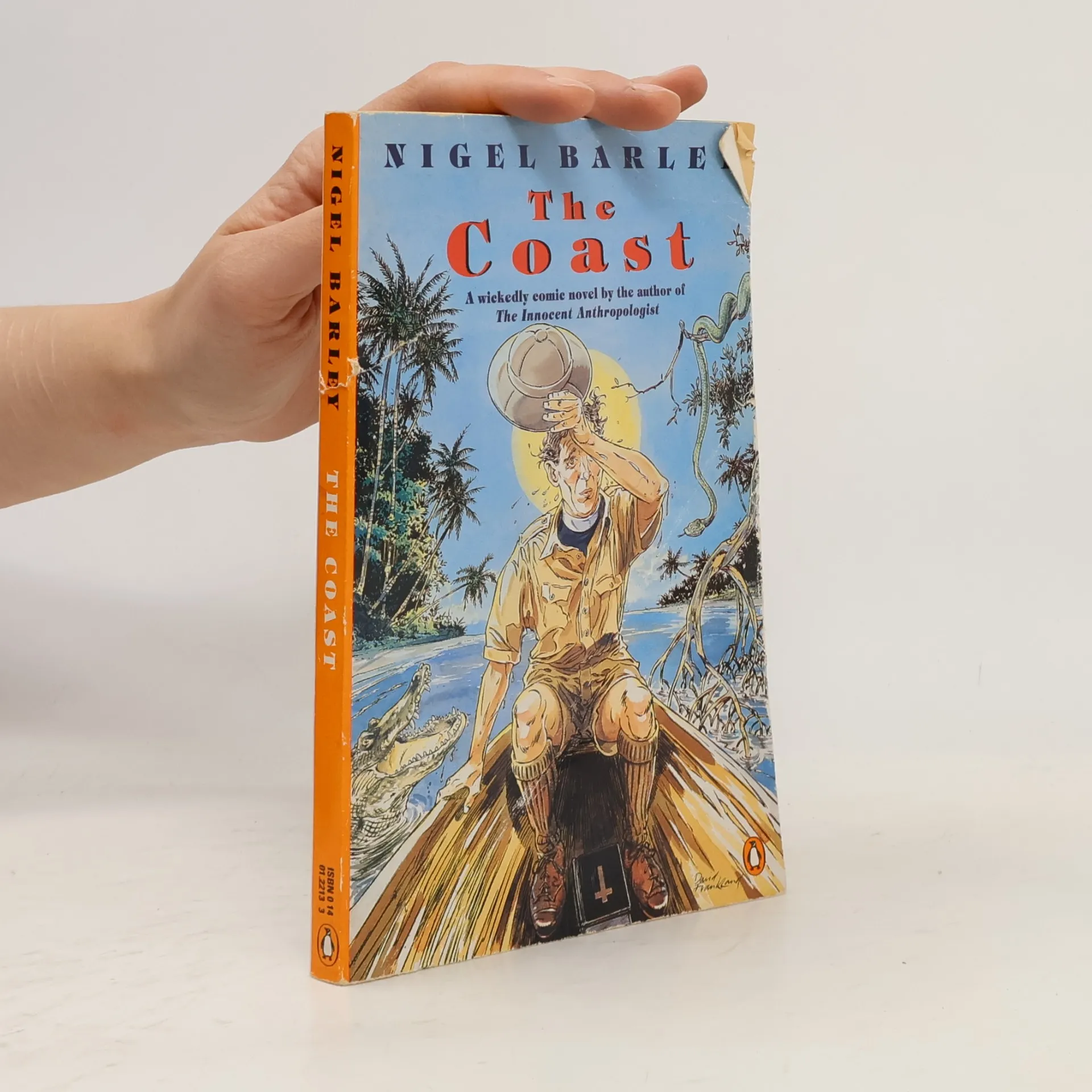
A comic novel, set in the early 19th century, about the interplay between whites and blacks on the West African coast. The pious Reverend Truscott and his wife arrive full of hope about their mission to convert the natives - but find themselves embroiled in native politics and white chicanery.
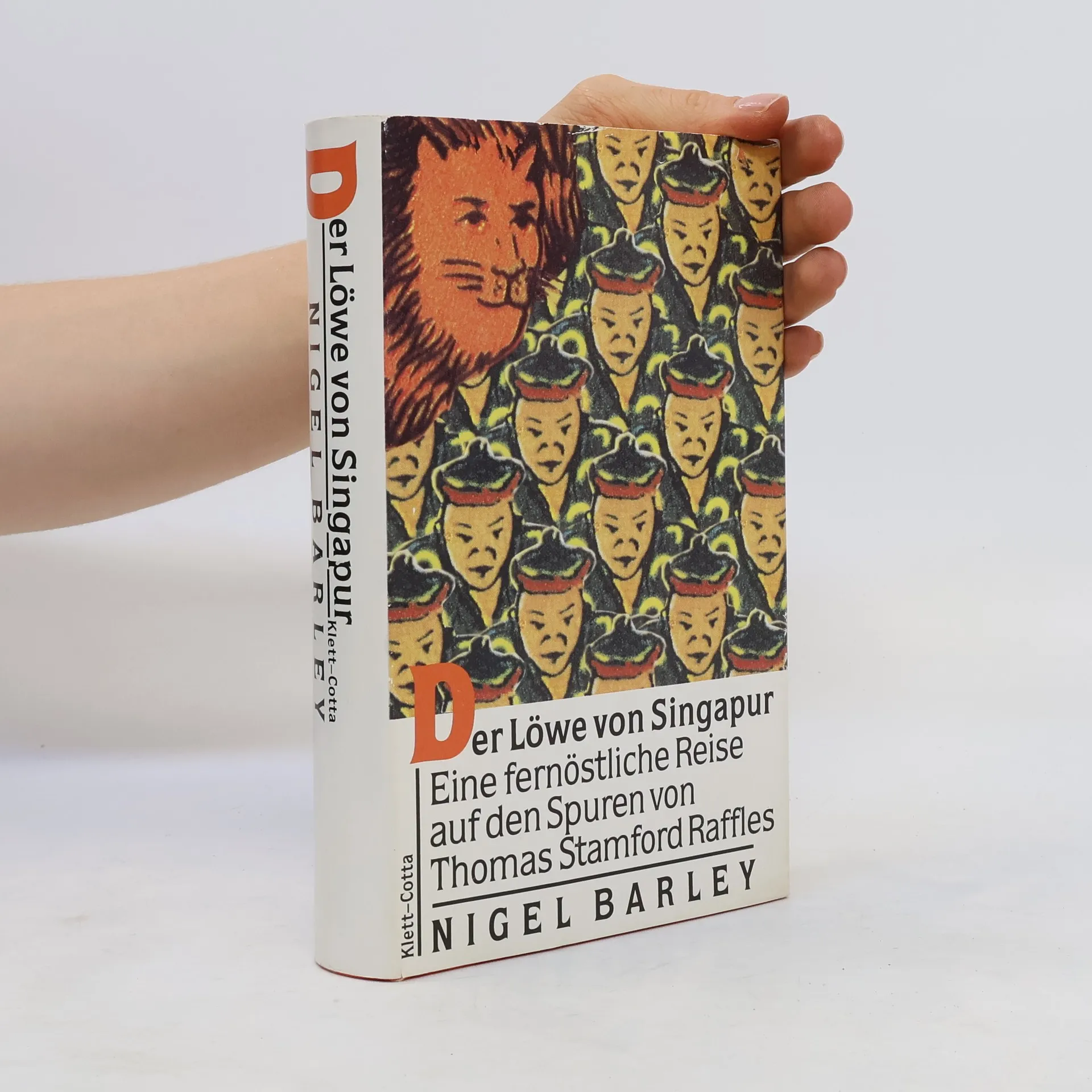
Der Löwe von Singapur
- 317pages
- 12 heures de lecture
Zu den humanen Vertretern des Kolonialismus zählte der Engländer Sir Stamford Raffles (1781-1826). Der britische Ethnologe Nigel Barley folgt den Spuren dieses "menschenfreundlichen Autokraten" nach Java, Bali und Singapur.
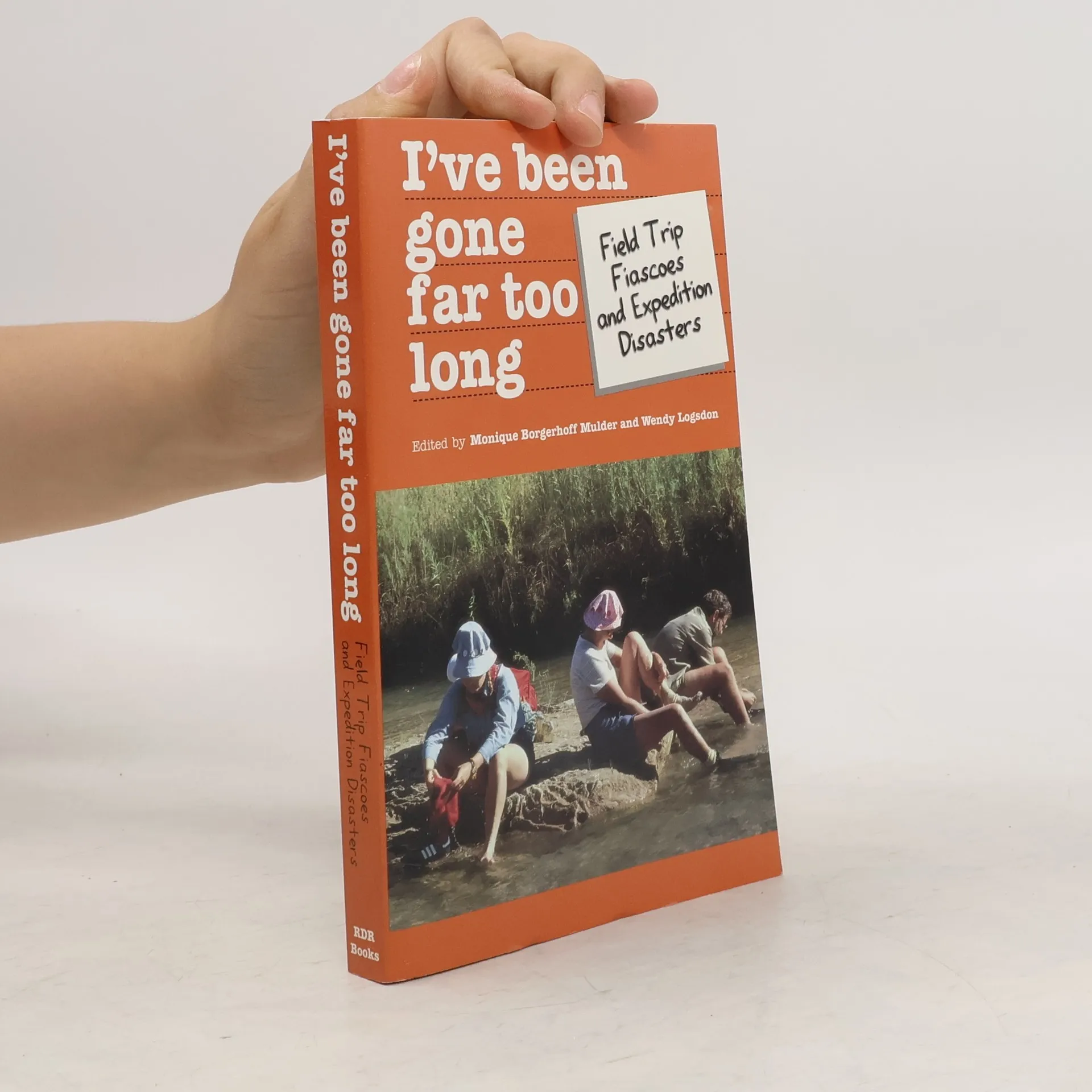
I've Been Gone Far Too Long
- 296pages
- 11 heures de lecture
A compendium of hysterically funny travel crises--and not of the tame "I asked for a hamburger on the train to Frankfurt and got a..." order; these are gems from the field, horror stories written by 21 anthropologists, botanists, and biologists. There are some reports on the well known, such as Kelly Stewart's memory of Dian Fossey packing a pistol in a fruitcake as she crossed into Rwanda. The dominant and disarming truth that reigns in this utterly delightful volume? "Almost every exciting bush story I have ever heard or experienced," cites one contributor, "has been due to the protagonist's stupidity." A must-read for those who ate up its predecessor, the 1994 bestseller I Should Have Stayed Home.