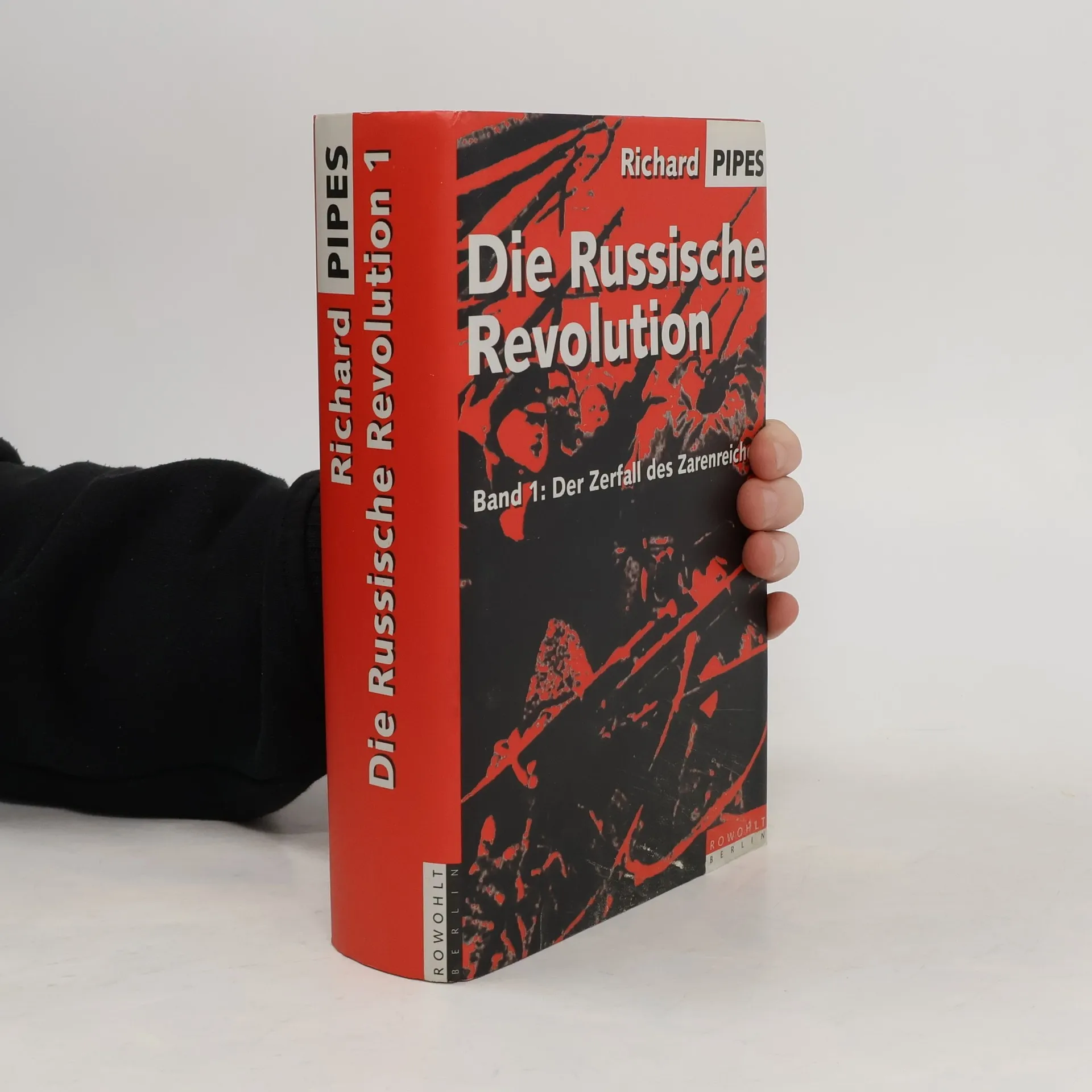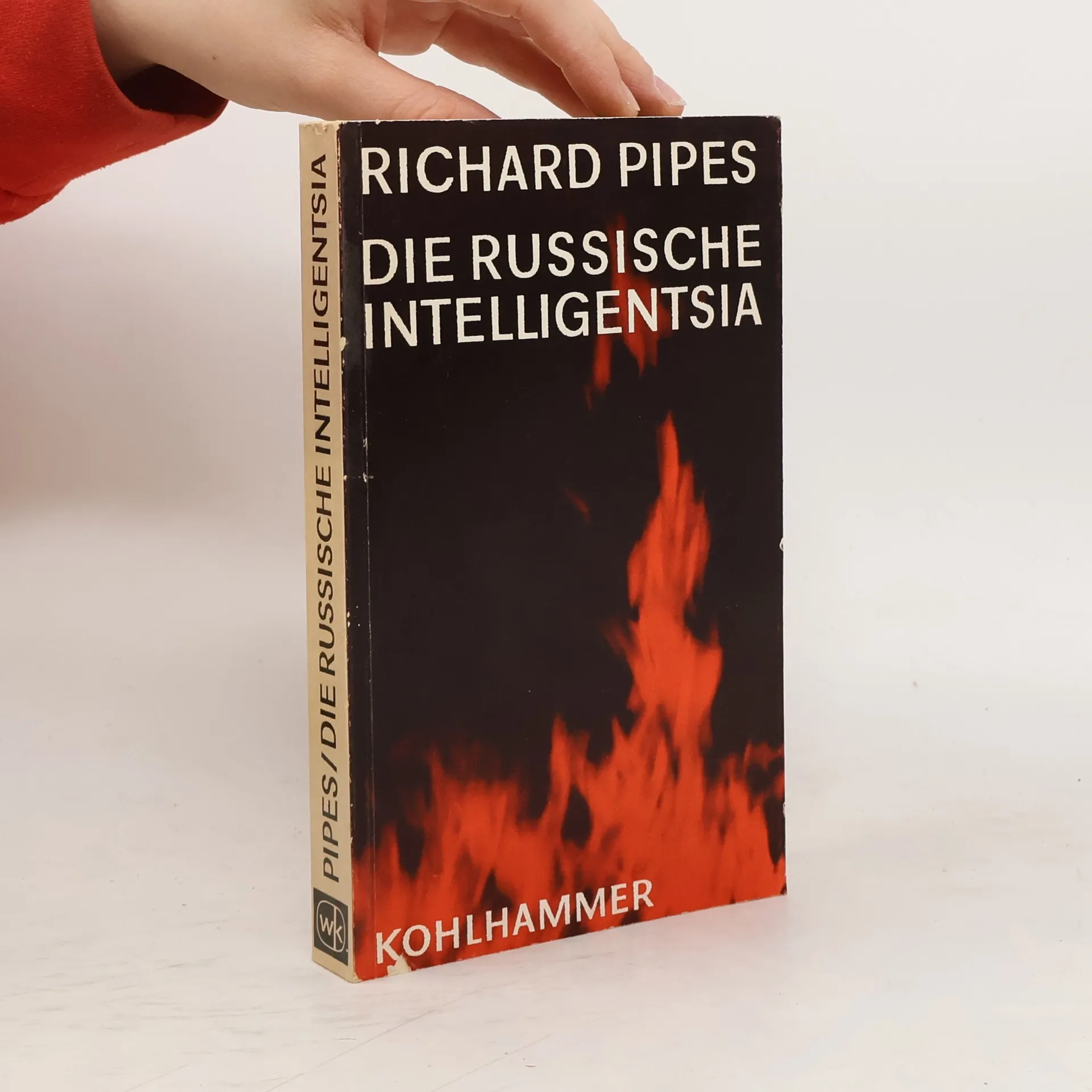

Richard Pipes Livres
Richard Pipes était un historien spécialisé dans l'histoire russe. Son œuvre s'est concentrée sur les périodes tsariste et soviétique, soulignant la nature totalitaire du régime communiste. Pipes a cherché à découvrir les racines historiques de l'impérialisme russe et de l'expansionnisme soviétique. Son approche analytique et ses critiques acerbes du pouvoir soviétique en ont fait une figure influente de la Guerre Froide.


The Russian Intelligentsia
- 248pages
- 9 heures de lecture
Alexander Yakovlev
- 168pages
- 6 heures de lecture
Youth -- War -- Khrushchev's speech -- Columbia University -- Trouble -- Canada -- Back home -- The December 1985 Memorandum -- Relations with Gorbachev -- Glasnost' -- Need of a fundamental break -- Role in foreign policy -- The 1939 Secret Protocol -- Attitude toward the United States -- Advocating presidency -- Accusations of treason -- Bolshevik crimes -- Dissolution of the Soviet Union -- Private life -- The August 1991 Coup -- Yakovlev's final thoughts about Russia and Russians -- Death
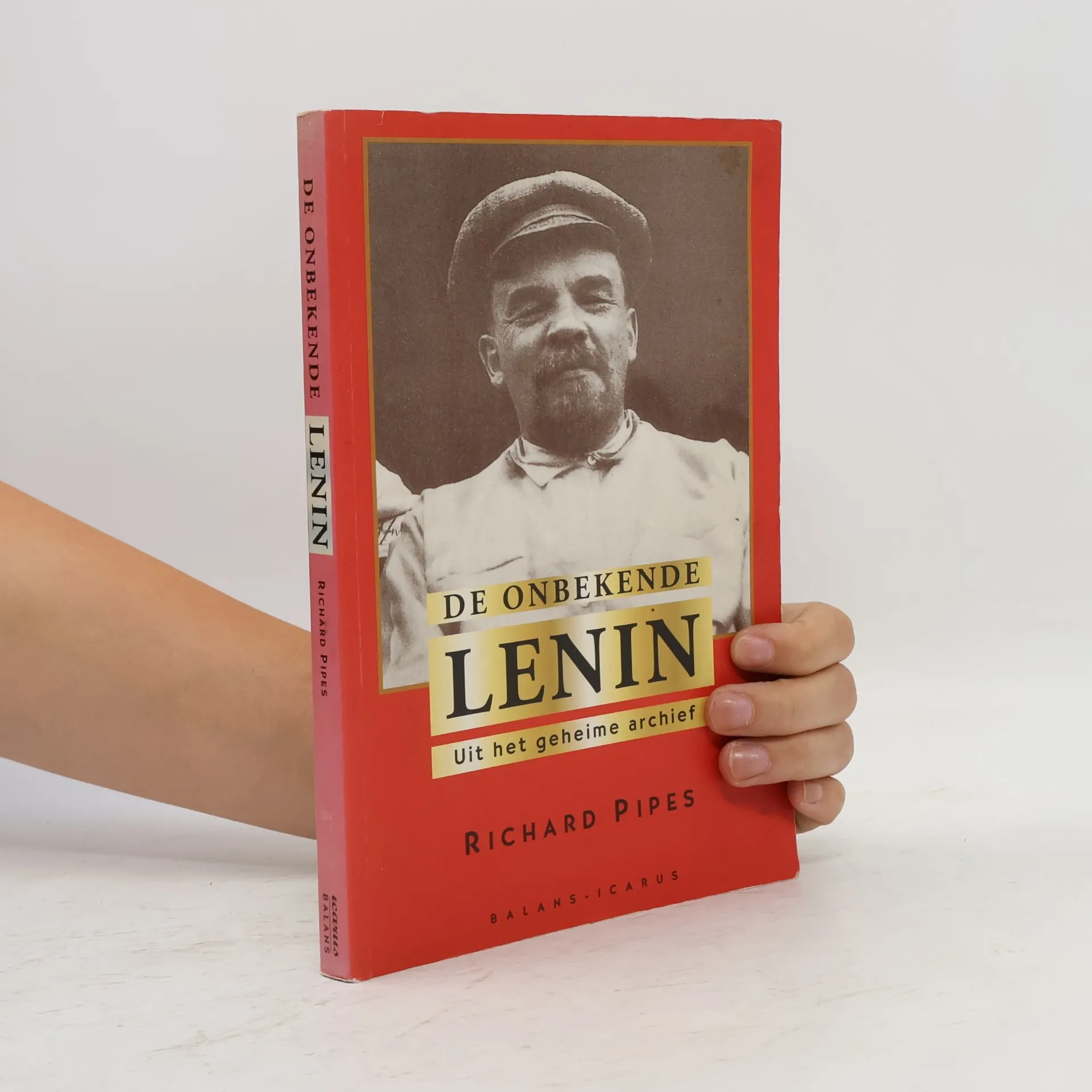
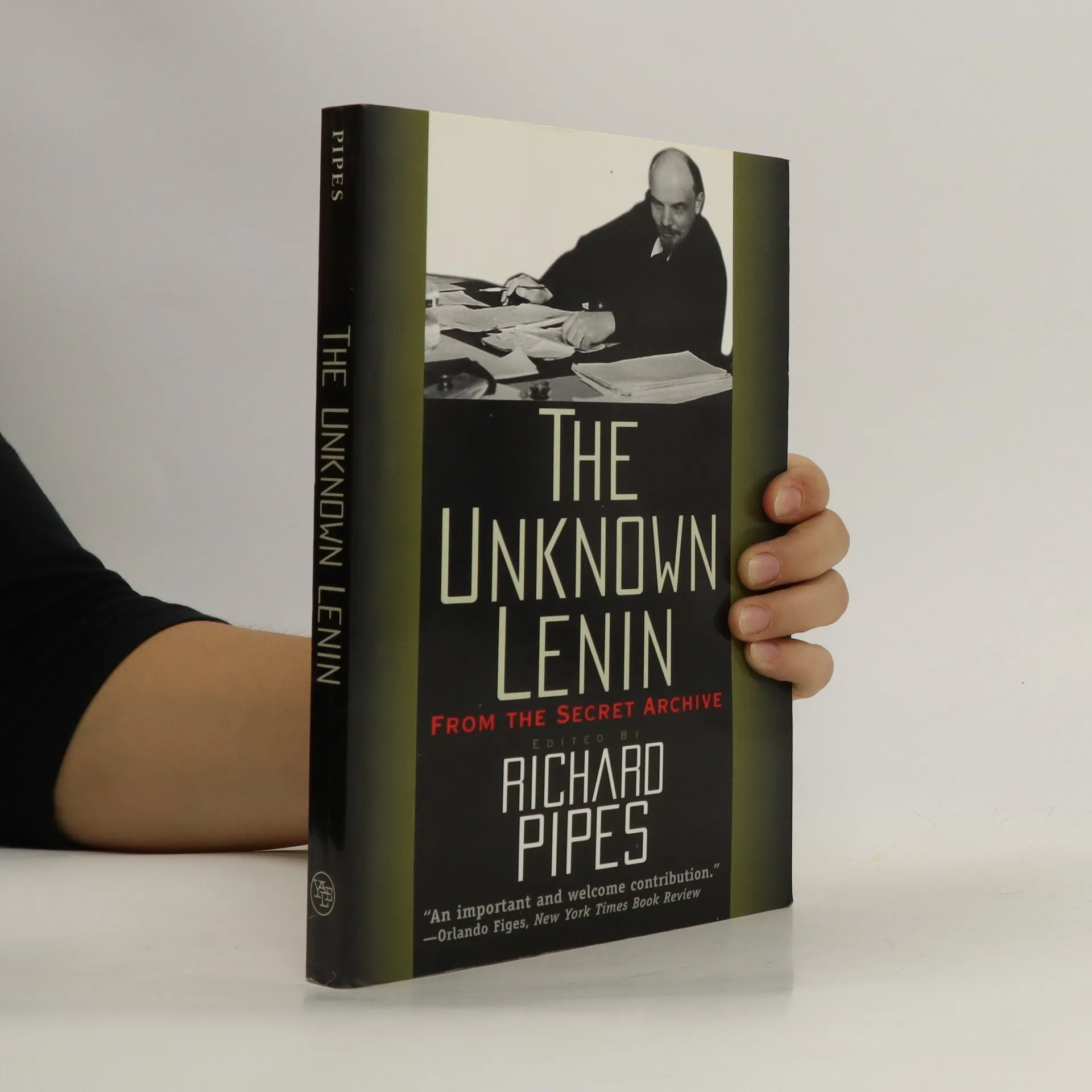
The Unknown Lenin
- 240pages
- 9 heures de lecture
Lenin - the man, the revolutionary, and the world leader - has remained an enigma, part myth arising from the tumult of the Russian Revolution and part image carefully controlled for nearly seventy years by the leaders of the Soviet Union and their sympathizers abroad. The Unknown Lenin, containing long concealed documents from the Soviet archives, helps correct the myth and revise the image. Lenin emerges here as a ruthless, manipulative leader who used terror, subversion, and persecution to achieve his goals.
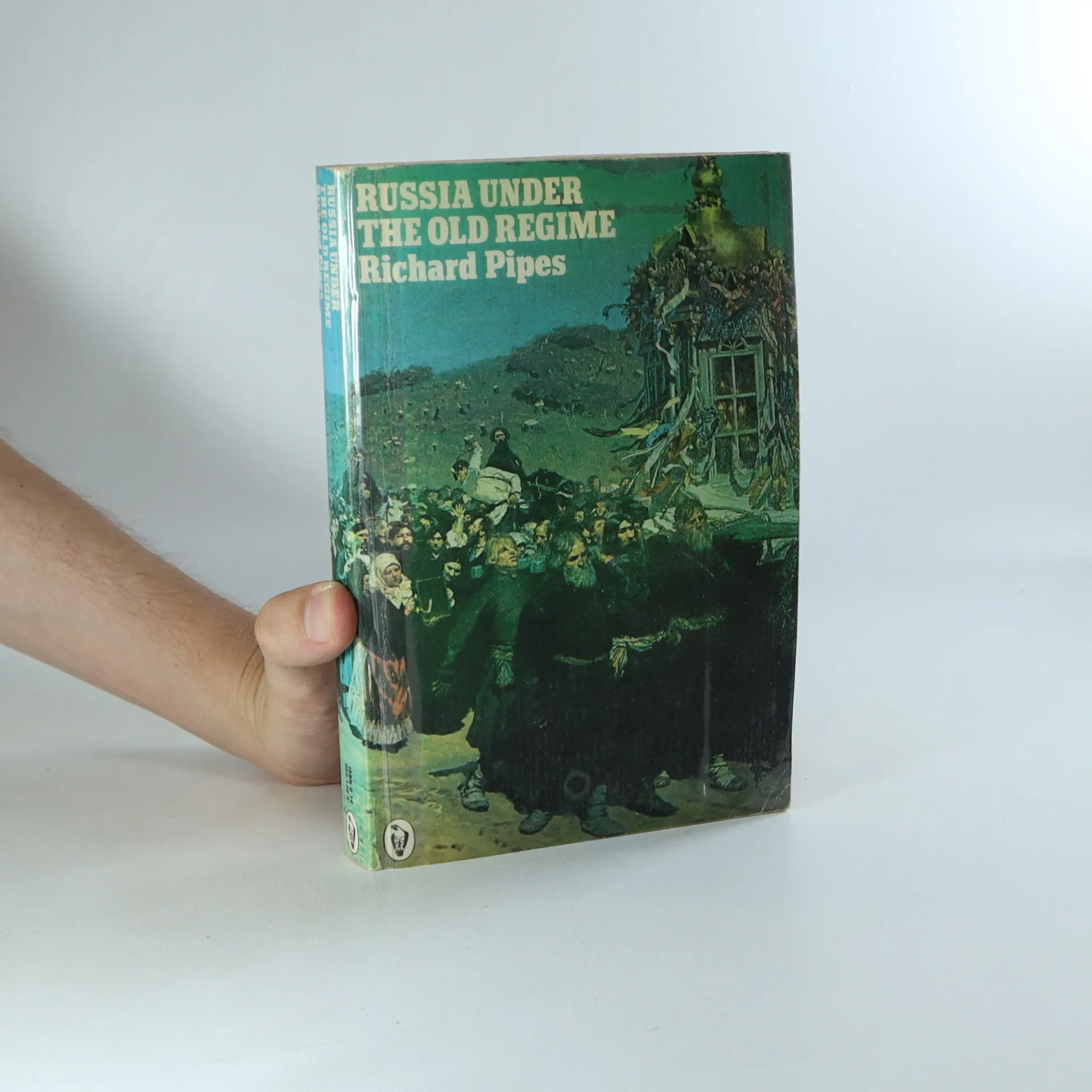
Analyzes the evolution of the Russian state from the 9th century to the 1880s. It describes the patrimonial state, and analyzes the failure of the peasantry, nobility, middle-class and clergy to stand up to the increasing absolutism of the tsar.
The heart of a dog
- 144pages
- 6 heures de lecture
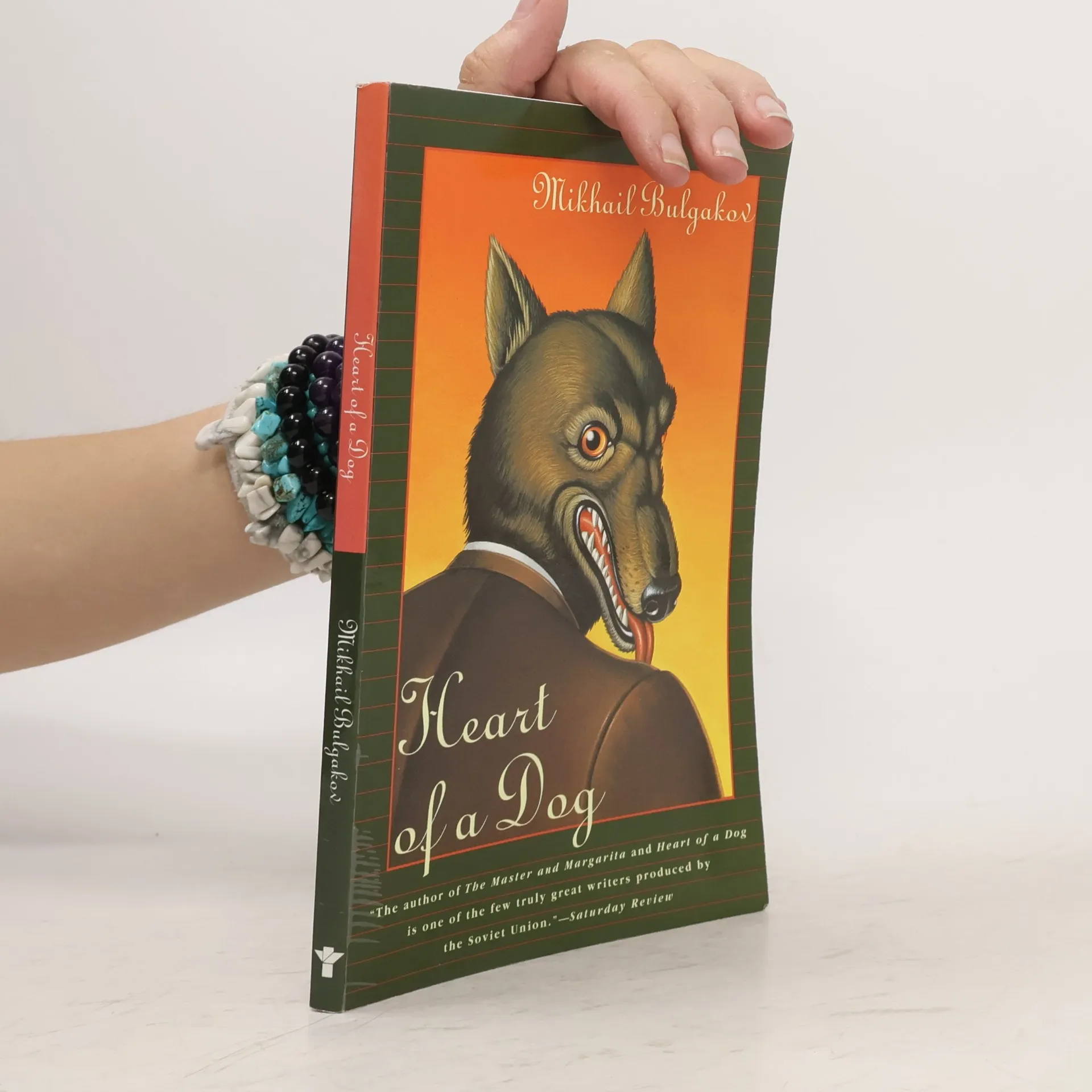
WITH A NEW INTRODUCTION BY ANDREY KURKOV A rich, successful Moscow professor befriends a stray dog and attempts a scientific first by transplanting into it the testicles and pituitary gland of a recently deceased man. A distinctly worryingly human animal is now on the loose, and the professor's hitherto respectable life becomes a nightmare beyond endurance. An absurd and superbly comic story, this classic novel can also be read as a fierce parable of the Russian Revolution.
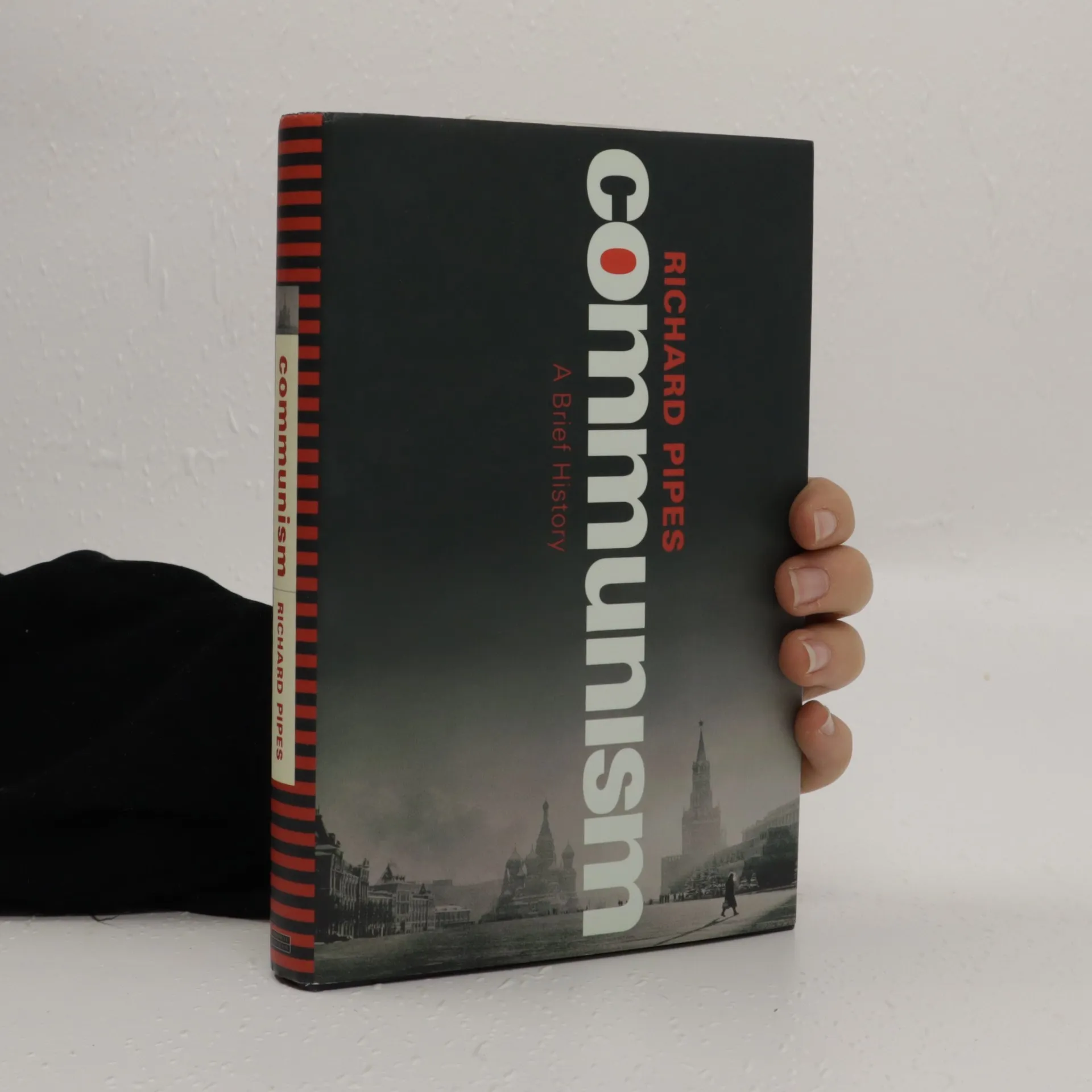
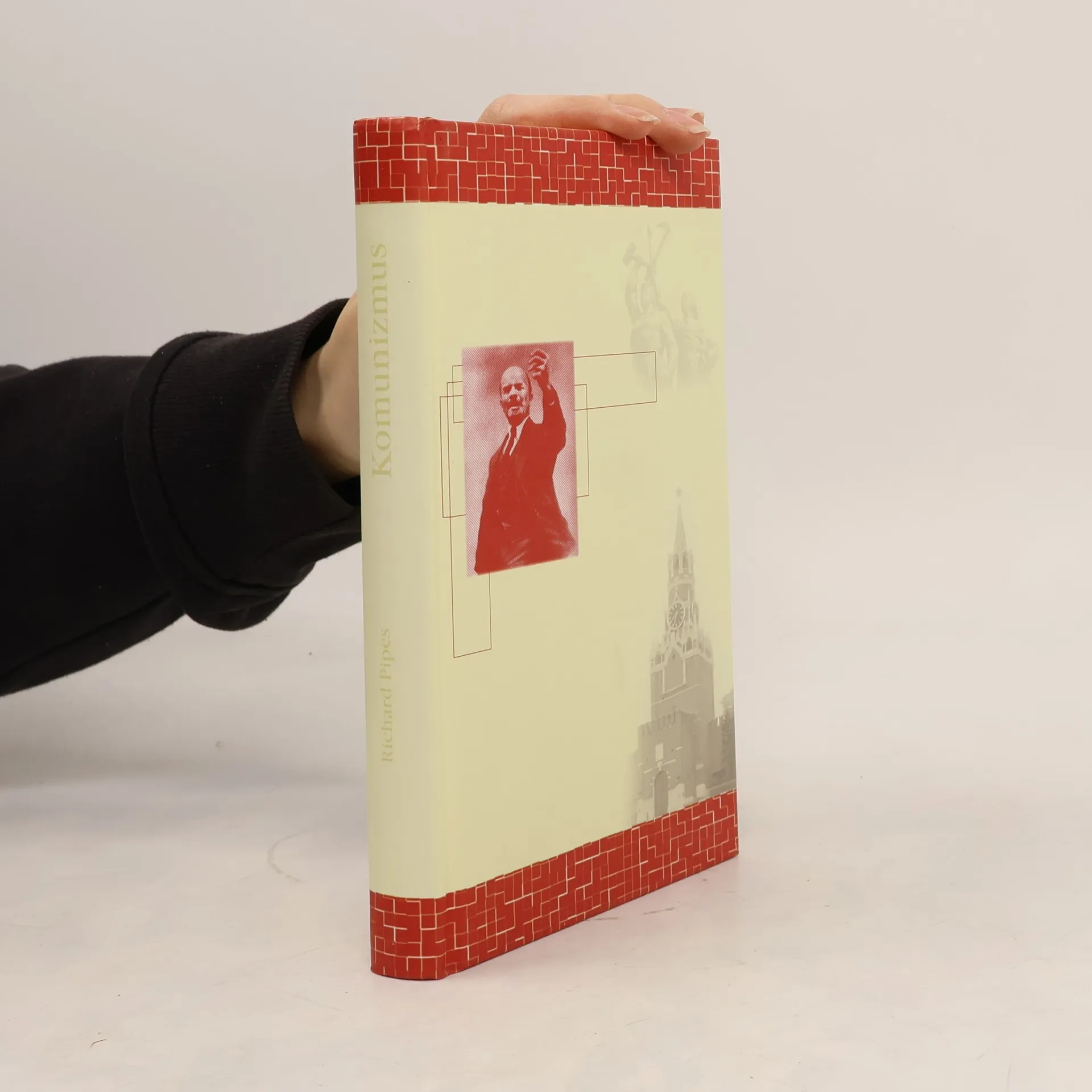
Beginning with Plato and the first expressions of a utopian vision of a property-less society, Pipes describes communism's historical antecedents, through to Marx, Engels and the birth of communism' as a theory of class relations and a call to arms. He traces its spread to Russia and its adoption by young radical intellectuals led by Lenin, and explores why Russia, against all Marx's predictions, was such a fertile ground. He goes on to reckon brilliantly with the history of the Soviet Union, from the Russian Revolution and the Civil War, Stalin, Stalinism and the Great Terror, and the Second World War to the regime's decline and its ultimate collapse.Pipes also looks at communism in its global context, from its spread to China and the Third World to its reception in the West, the Comintern, and the world-wide power struggle known as the Cold War. Finally he analyses the roots of communism's catastrophic failures and the staggering human cost it inflicted on the world in the 20th century.
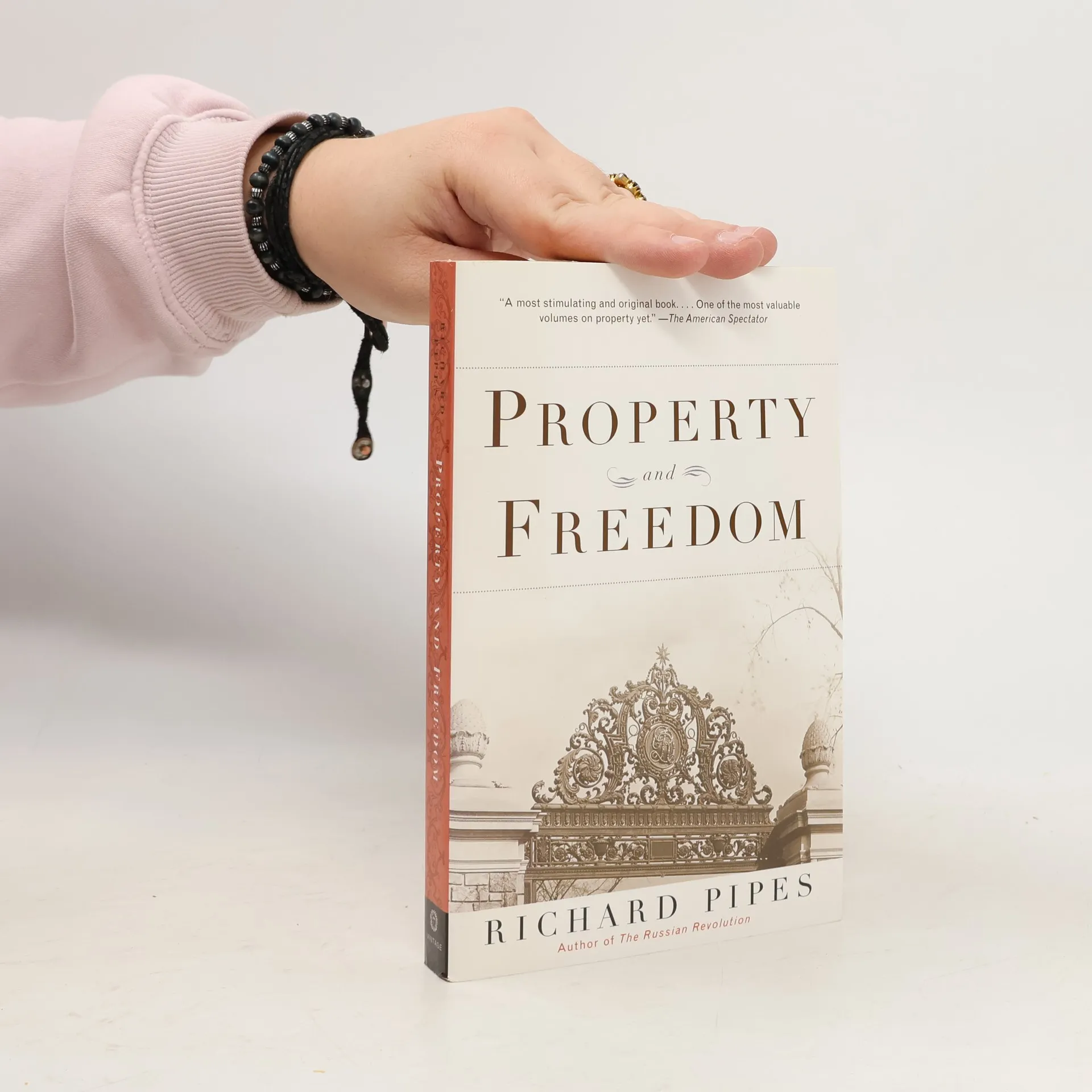
"A superb book about a topic that should be front and center in the American political debate" ( National Review ), from the acclaimed Harvard scholar and historian of the Russian RevolutionAn exploration of a wide range of national and political systems to demonstrate persuasively that private ownership has served over the centuries to limit the power of the state and enable democratic institutions to evolve and thrive in the Western world.Beginning with Greece and Rome, where the concept of private property as we understand it first developed, Richard Pipes then shows us how, in the late medieval period, the idea matured with the expansion of commerce and the rise of cities. He contrasts England, a country where property rights and parliamentary government advanced hand-in-hand, with Russia, where restrictions on ownership have for centuries consistently abetted authoritarian regimes; finally he provides reflections on current and future trends in the United States.Property and Freedom is a brilliant contribution to political thought and an essential work on a subject of vital importance.
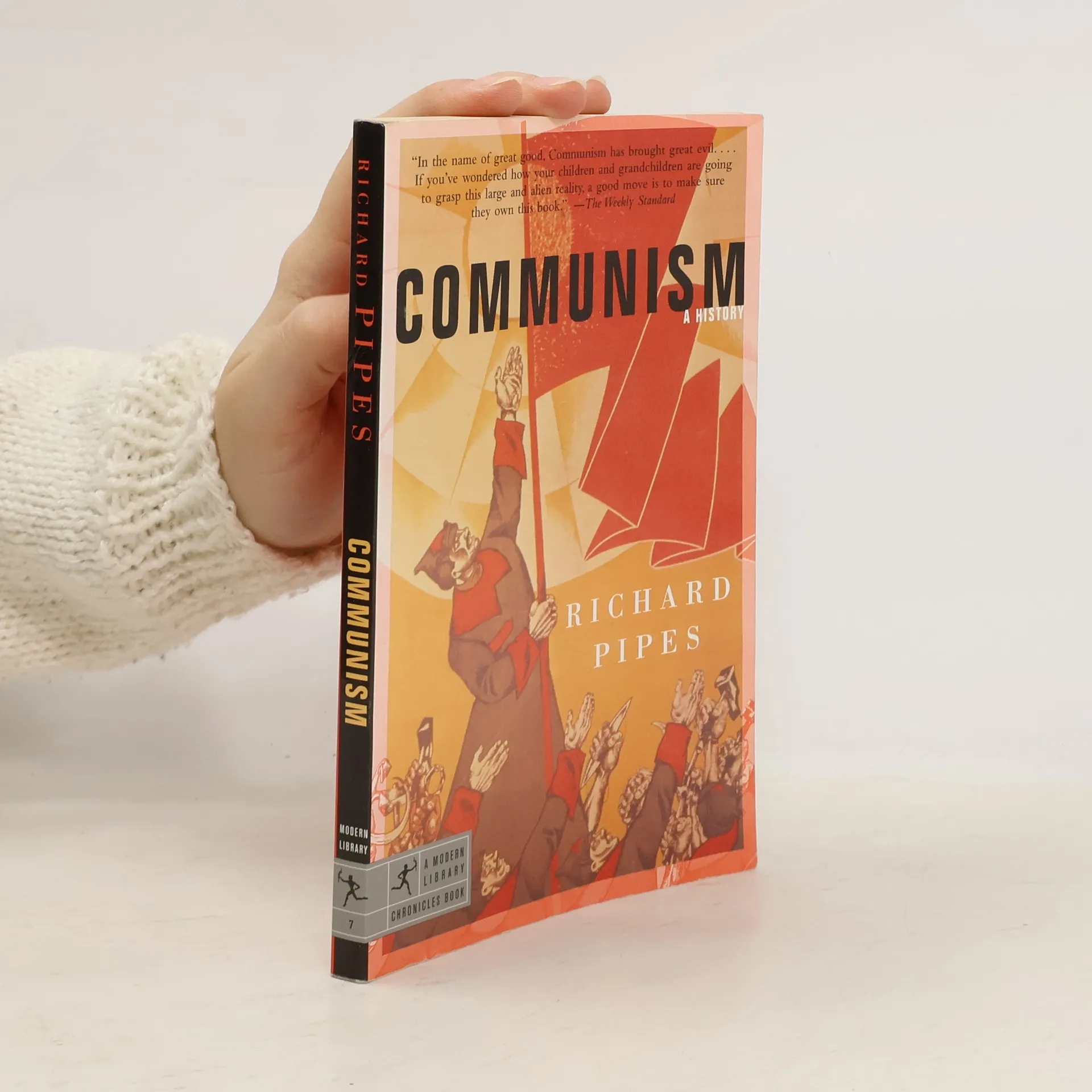
Modern Library Chronicles - 7: Communism
- 192pages
- 7 heures de lecture
With astonishing authority and clarity, Richard Pipes has fused a lifetime’s scholarship into a single focused history of Communism, from its hopeful birth as a theory to its miserable death as a practice. At its heart, the book is a history of the Soviet Union, the most comprehensive reorganization of human society ever attempted by a nation-state. This is the story of how the agitation of Karl Marx and Friedrich Engels, two mid-nineteenth-century European thinkers and writers, led to a great and terrible world religion that brought down a mighty empire, consumed the world in conflict, and left in its wake a devastation whose full costs can only now be tabulated.
Solzhenitsyn at Harvard
The Address, Twelve Early Responses, Six Later Reflections
- 143pages
- 6 heures de lecture
When Aleksandr Solzhenitsyn gave the commencement address at Harvard University in 1978, many Americans expected to hear their country praised by this celebrated refugee from a totalitarian state. Instead they heard some sharply critical views of their legal system, their press, their popular culture, and even their national will. The forthright and controversial speech makes up Part One of this book. A sampling of the avalanche of comment that followed it is included in Part Two. In Part Three, six thoughtful scholars reflect on the ideas and judgments expressed by the great Russian writer.