

The book critiques the modern interpretation of responsibility, which equates it with self-sufficiency and has influenced welfare reforms that impose conditions on entitlements. Yascha Mounk employs political theory and moral philosophy to argue that this shift is harmful and explores how to counter it. The text encourages a reevaluation of luck and choice in welfare debates, highlighting the punitive nature of current policies and advocating for a more compassionate understanding of mutual responsibilities among citizens.
Yascha Mounk Livres
6 octobre 1982




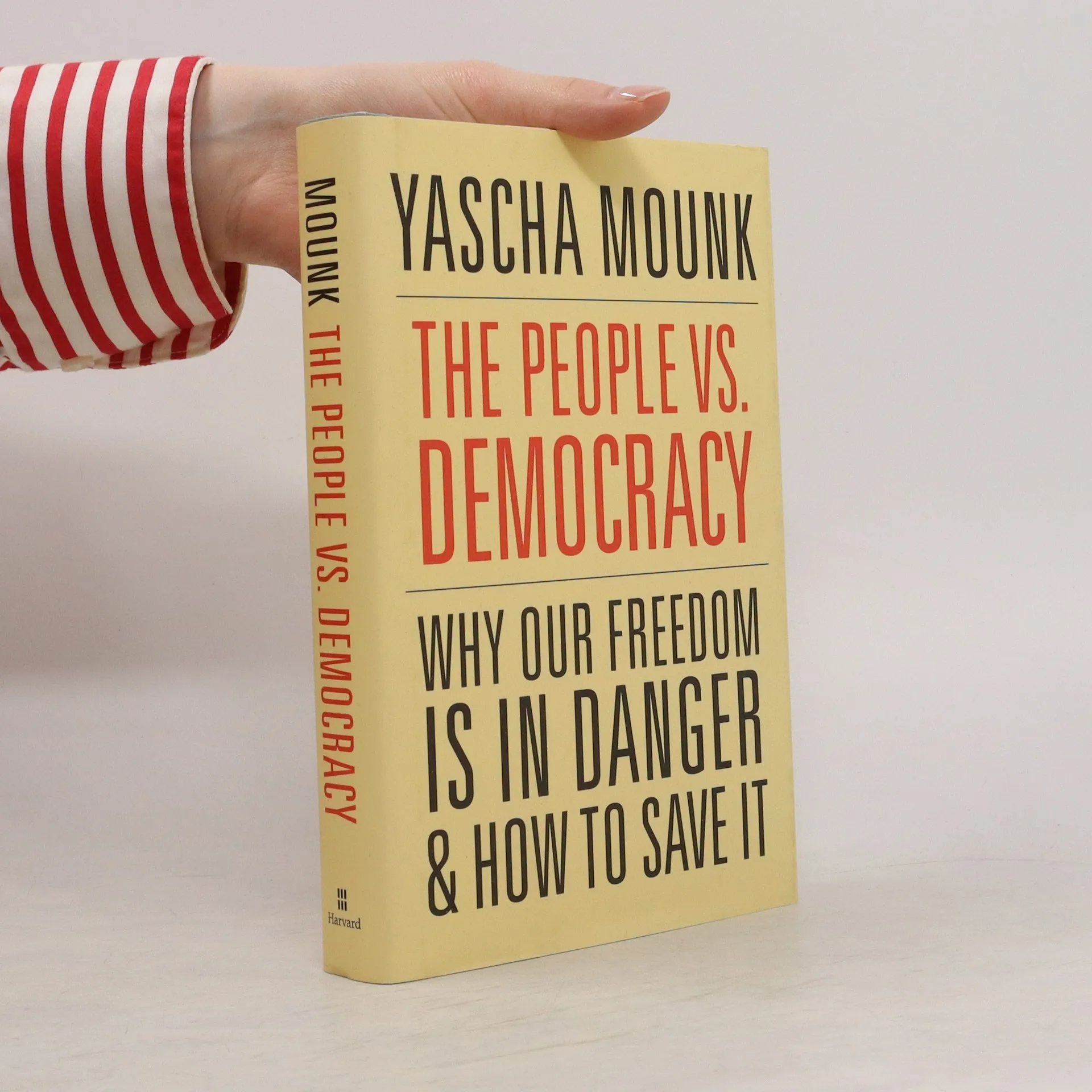
The People Vs. Democracy
- 393pages
- 14 heures de lecture
From India to Turkey, from Poland to the United States, authoritarian populists have seized power. Two core components of liberal democracy--individual rights and the popular will--are at war, putting democracy itself at risk. In plain language, Yascha Mounk describes how we got here, where we need to go, and why there is little time left to waste.-- Provided by publisher
The Identity Trap
- 416pages
- 15 heures de lecture
The origins, consequences and limitations of an ideology that has quickly become highly influential around the world. For much of their history, societies have violently oppressed ethnic, religious and sexual minorities. It is no surprise then that many who passionately believe in social justice have come to believe that members of marginalized groups need to take pride in their identity if they are to resist injustice. But over the past decades, a healthy appreciation for the culture and heritage of minorities has transformed into an obsession with group identity in all its forms. A new ideology - which Yascha Mounk terms the 'identity synthesis' - seeks to put each citizen's matrix of identities at the heart of social, cultural and political life. This, he argues, is The Identity Trap. Mounk traces the intellectual origin of these ideas. He tells the story of how they were able to win tremendous power over the past decade. And he makes a nuanced case why their application to areas from education to public policy is proving to be deeply counterproductive. In his passionate plea for universalism and humanism, he argues that the proponents of identitarian ideas will, though they may be full of good intentions, make it harder to achieve progress towards genuine equality.
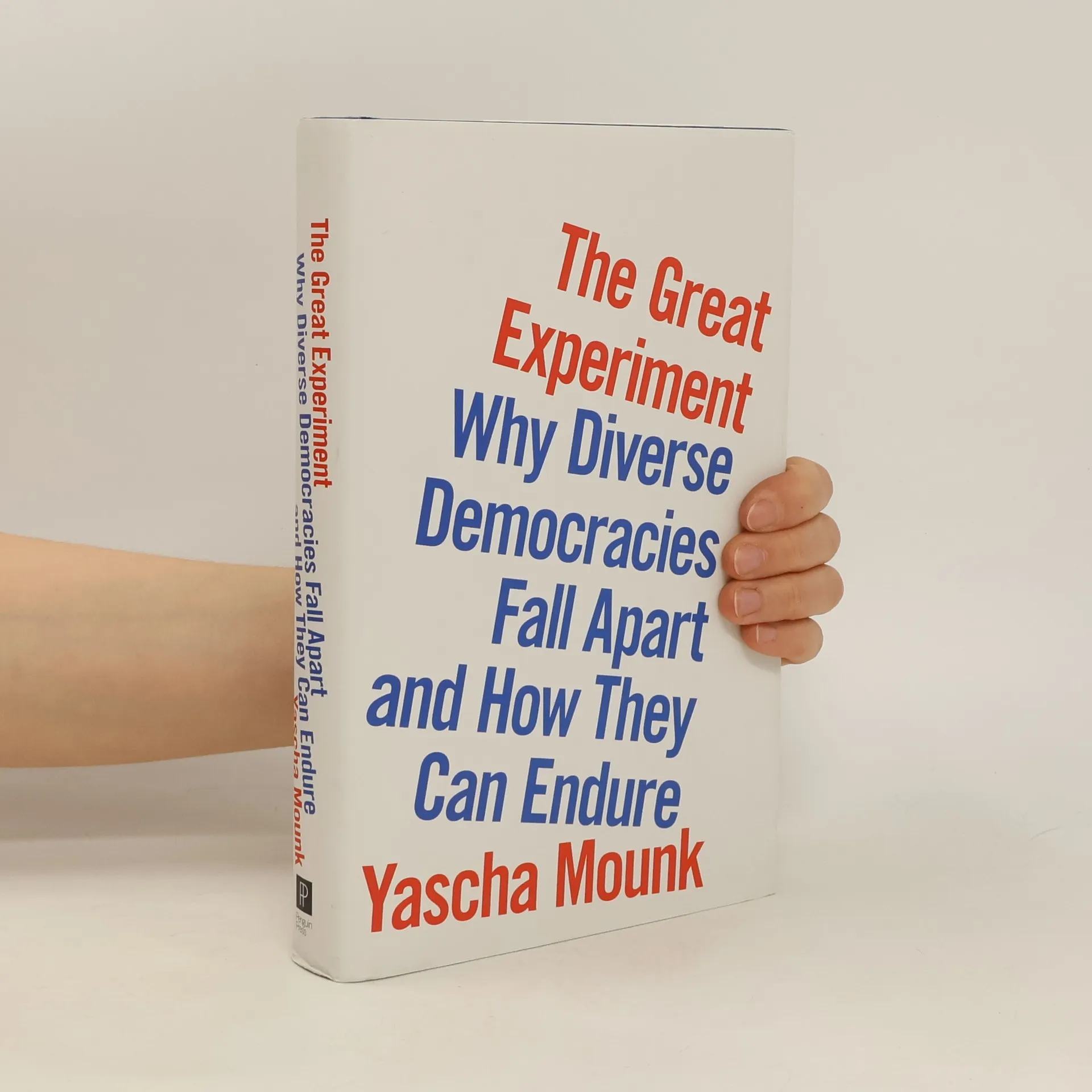
The Great Experiment
Why Diverse Democracies Fall Apart and How They Can Endure
- 368pages
- 13 heures de lecture
This recommended read for summer offers insights into themes of resilience and hope, showcasing compelling storytelling that resonates with contemporary issues. The narrative weaves together personal experiences and broader societal reflections, making it both relatable and thought-provoking. Readers can expect a blend of engaging characters and poignant moments that challenge perspectives and inspire change. Ideal for those seeking an uplifting and meaningful literary experience.
»Hör auf zu lügen! Jeder weiß, dass es keine Juden mehr gibt.« Mit diesem Kommentar seines Klassenkameraden beginnt für Yascha Mounk die Auseinandersetzung mit seinem Jüdischsein. Er, der als einer von zwei Juden (er und seine Mutter) in dem schwäbischen Nest Laupheim aufgewachsen ist, erlebte das verkrampfte Verhältnis vieler Deutscher zu Juden bereits in jungen Jahren. Ob es antisemitische Reaktionen sind oder das Gegenteil, betontes Wohlwollen – die meisten Deutschen behandeln Juden einfach nicht normal. Yascha Mounk, mittlerweile unterrichtet er Politische Theorie in Harvard, fragt, welches Licht seine Erfahrungen auf das heutige Deutschland werfen können. Denn einige Muster im Umgang mit der Vergangenheit sind weiterhin in der Politik erkennbar – eine Politik, deren Auswirkungen in Zeiten der Krise verhängnisvoller sind denn je.