
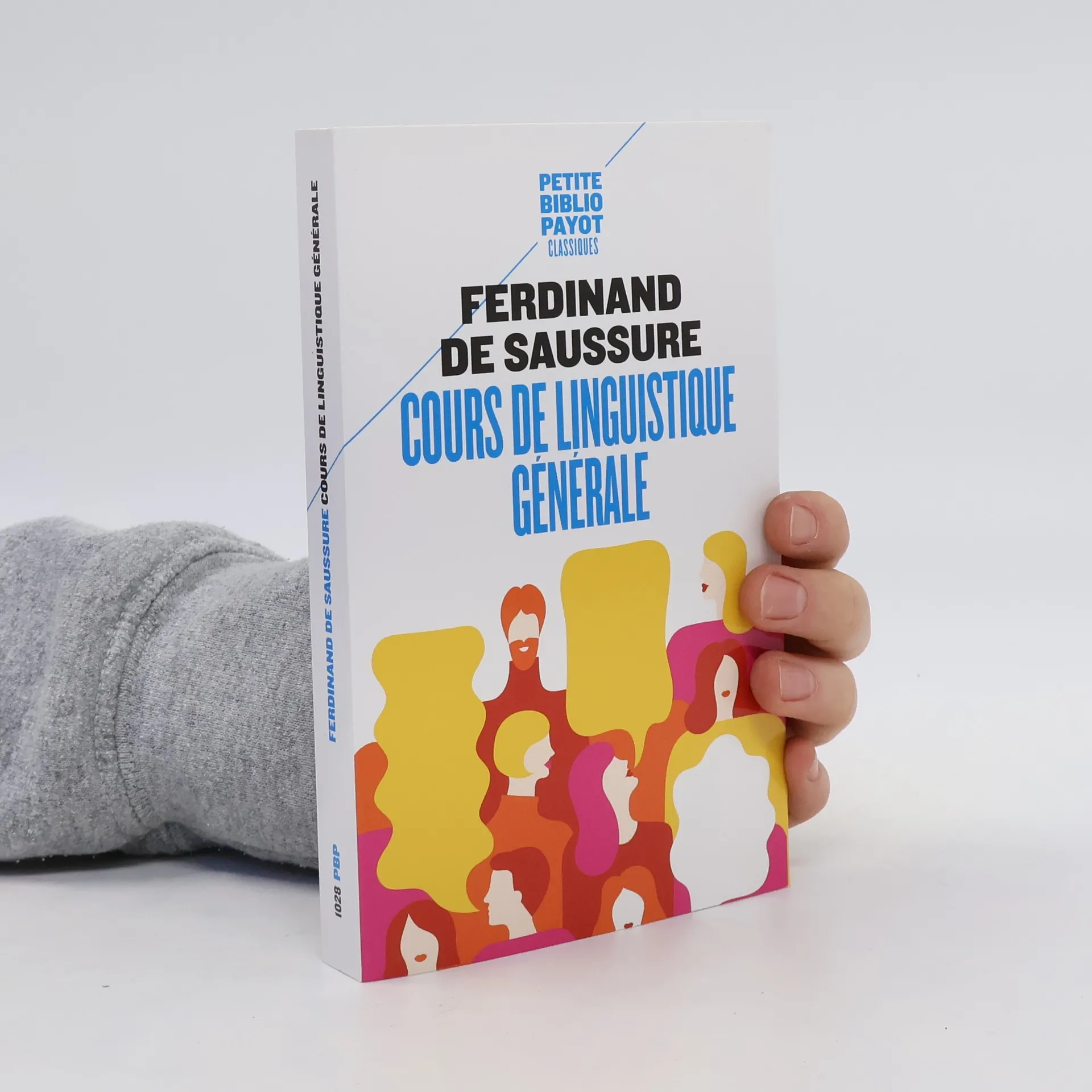
Monument des sciences humaines, le «Cours de linguistique générale» de Ferdinand de Saussure, publié en juin 1916 chez Payot, a 100 ans et passe pour la première fois en poche avec une préface de Jean-Didier Urbain, sémiologue, qui éclaire à la fois l'homme Saussure, son projet scientifique, ses principaux concepts, sa réception en France comme à l'étranger, et les enjeux, aujourd'hui, d'un «Cours» qui entendait poposer une nouvelle façon de penser la langue, donc l'être humain.
Ferdinand de Saussure Livres
Ferdinand de Saussure était un linguiste suisse dont les idées ont jeté les bases de nombreux développements significatifs en linguistique au XXe siècle. Saussure est largement considéré comme l'un des pères de la linguistique du XXe siècle et ses idées ont eu un impact monumental dans les sciences humaines et sociales.


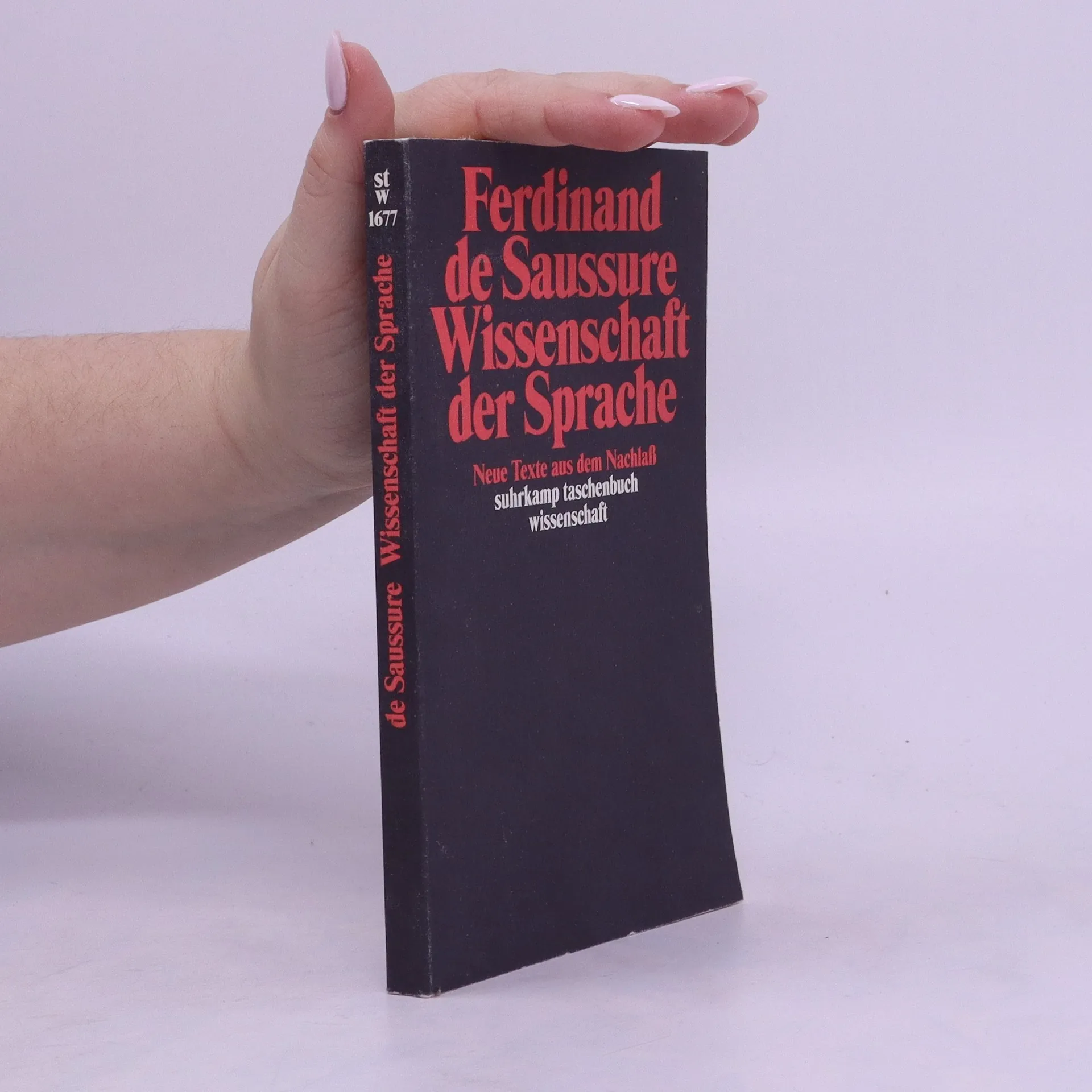
1996 wurden in der Orangerie des Genfer Stadthauses der Familie unbekannte Notizen Ferdinand de Saussures entdeckt. Ein bedeutender Anteil der neu aufgefundenen Manuskriptfragmente kreist um die Frage der Identität sprachlicher Einheiten und damit um die Frage nach Gegenstand und Methode der Sprachwissenschaft. Obgleich sie sich weithin bereits publizierten Notizen Saussures – wie den Notes Item und den Notizen zu den Vorlesungen über allgemeine Sprachwissenschaft – zuordnen lassen, erlauben sie einen faszinierenden Blick auf den Prozeß der begrifflichen Entfaltung der Saussureschen Sprachidee. Der überraschende Fund läßt an die Stelle der starren strukturalistischen Systematik des Cours de linguistique générale das facettenreiche Bild eines unorthodoxen Sprachdenkens treten.
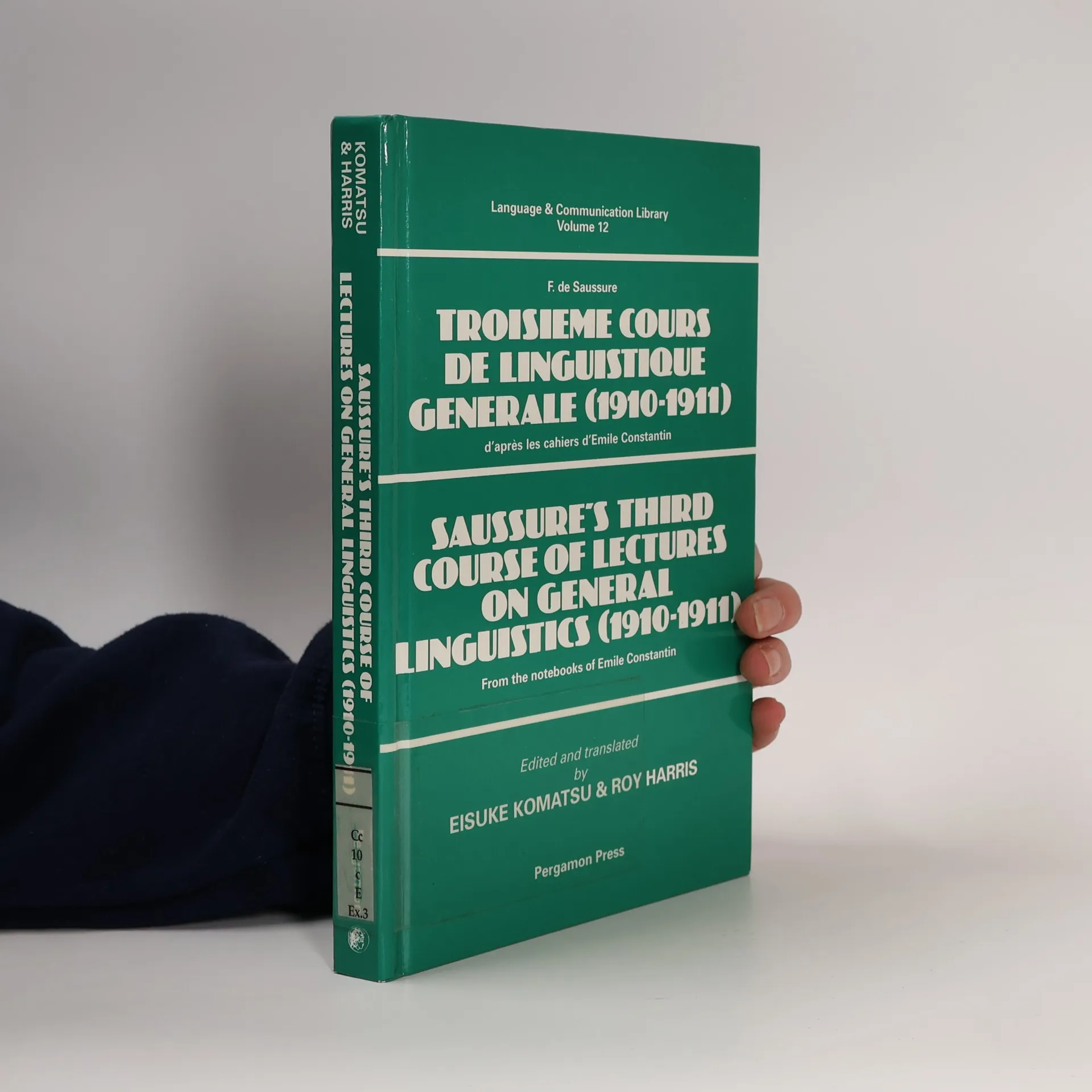
Saussure's Third Course of Lectures on General Linguistics (1910-1911)
- 373pages
- 14 heures de lecture
The notes taken by Saussure's student Emile Constantin were not available to the editors of the published Cours de linguistique générale (1916), and came to light only after the second world war. They have never been published in their entirety. The third and last course of lectures, of which Constantin kept this very full record, is generally considered to represent a more advanced version of Saussure's teaching than the earlier two. It is clear that Constantin's notebooks offer a text which differs in a number of significant respects from the Cours published by Saussure's original editors, and bring forward ideas which do not emerge in the 1916 publication. They constitute unique evidence concerning the final stages of Saussure's thinking about language. This edition of the notes is accompanied by an introduction and a full English translation of the text. There has been no attempt made by Komatsu and Harris, to turn the English into readable prose. Constantin's notes, even as revised by their author, retain the infelicities, repetitions, abruptness - occasionally incoherences - that betray the circumstances of their origin. The volume constitutes an important landmark in the history of modern linguistics and provides essential documentation for all scholars and libraries specializing in the subject.