Bronislaw MalinowskiOrdre des livres (chronologique)
7 avril 1884 – 16 mai 1942
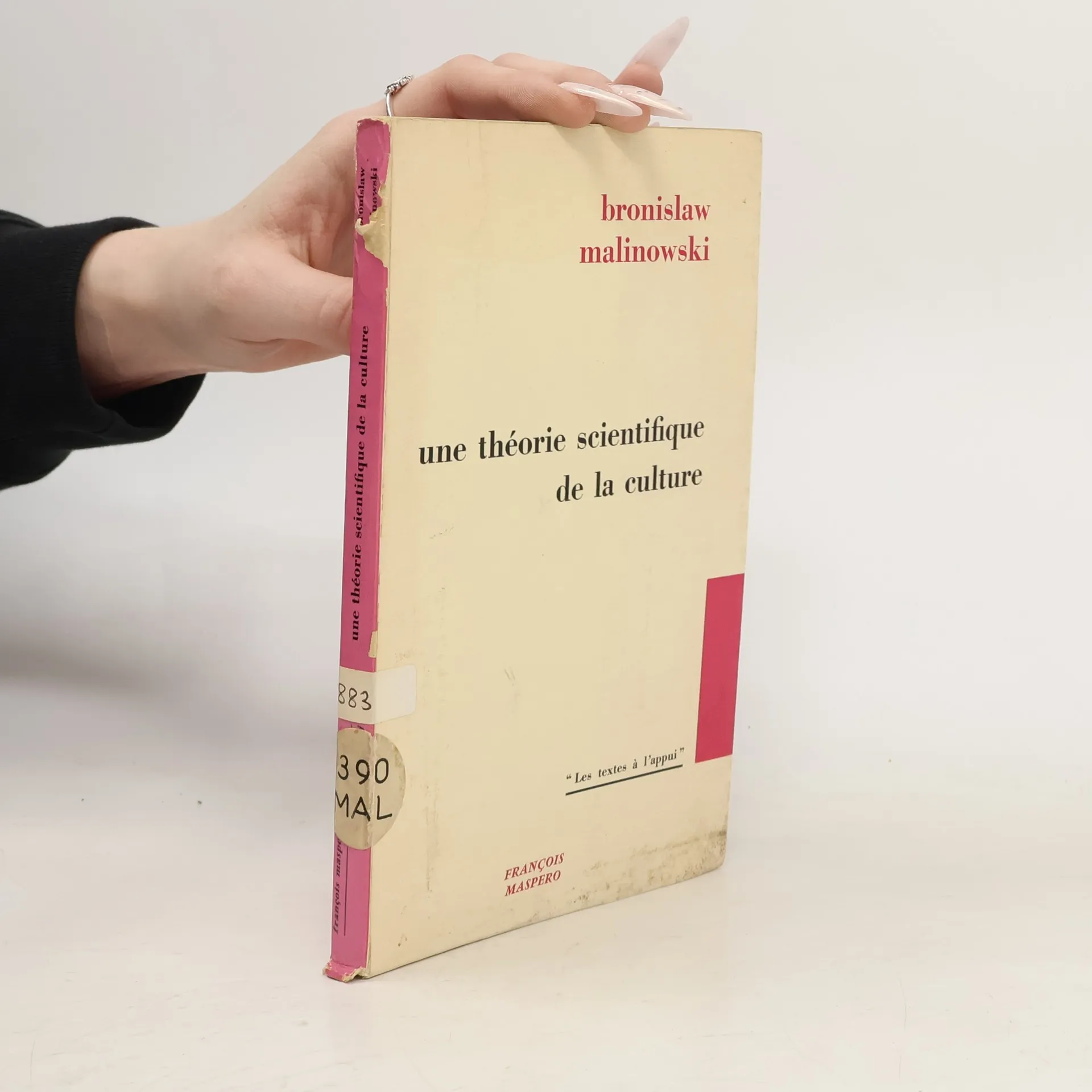
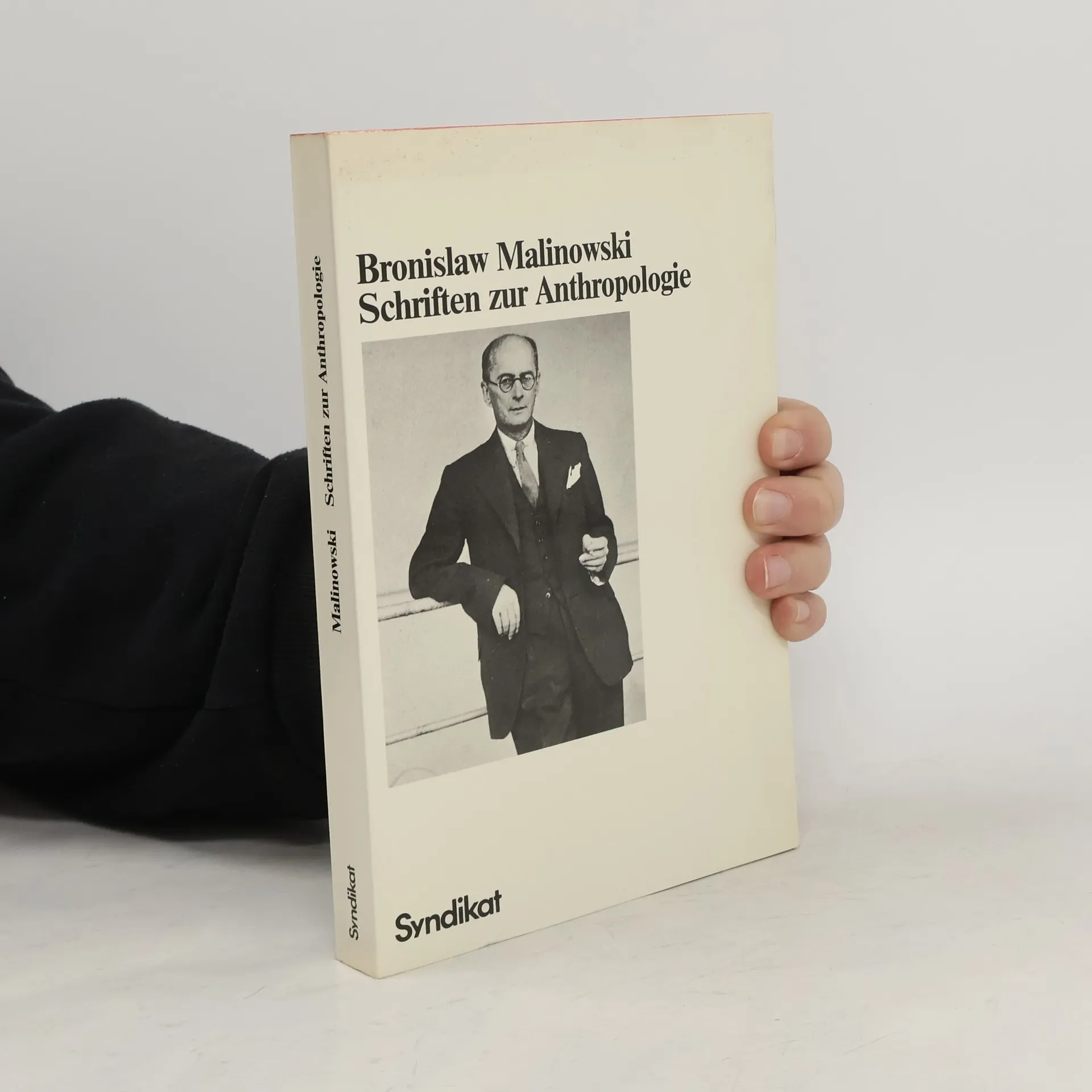
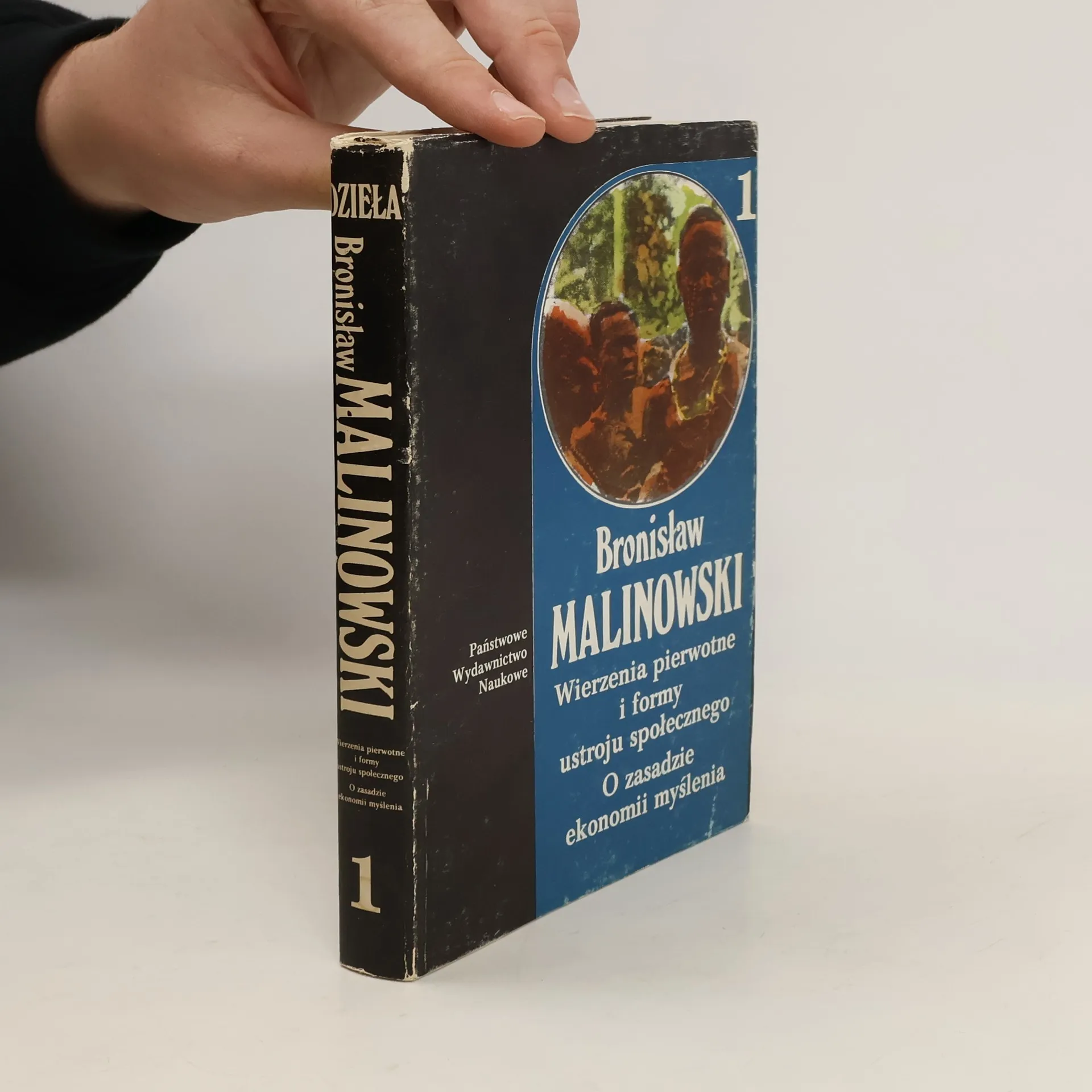
Bronisław Malinowski était un anthropologue polonais dont le travail pionnier sur le terrain ethnographique a profondément façonné l'étude de la Mélanésie et de la réciprocité. Son approche du travail de terrain, mettant l'accent sur l'immersion profonde au sein d'une culture, est devenue une pierre angulaire de l'anthropologie moderne. Les méthodes innovantes de Malinowski et son souci de comprendre les sociétés de l'intérieur ont redéfini la discipline. Ses vastes contributions continuent d'éclairer notre compréhension des relations humaines et des dynamiques culturelles.
Exploring the interplay between myth, magic, and human psychology, this work by Bronislaw Malinowski delves into how primitive myths shape psychological experiences. Originally published in 1926, it offers insights into the significance of these cultural elements in understanding human behavior. The republished edition includes a new biography of the author, providing additional context to his influential contributions to anthropology and psychology.
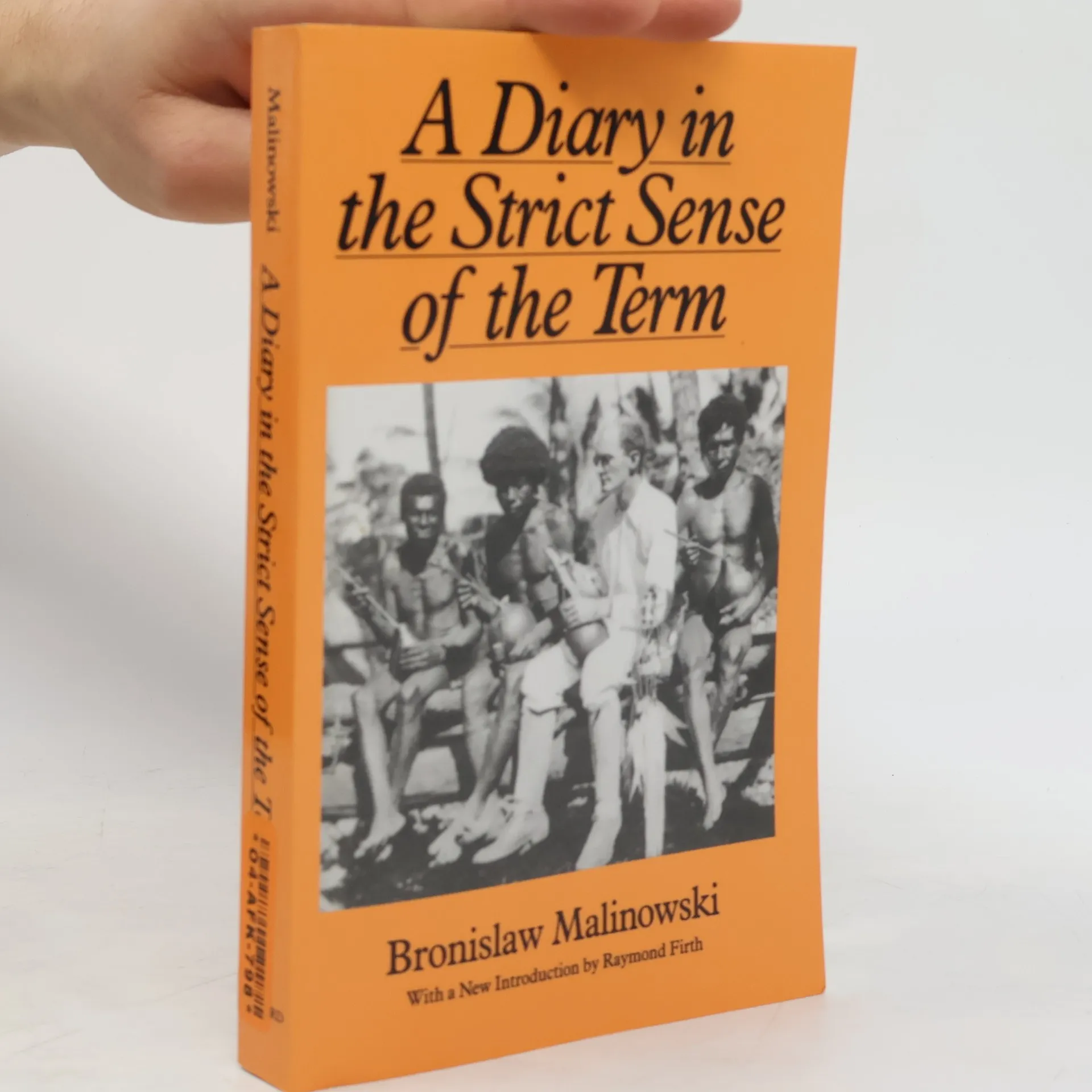
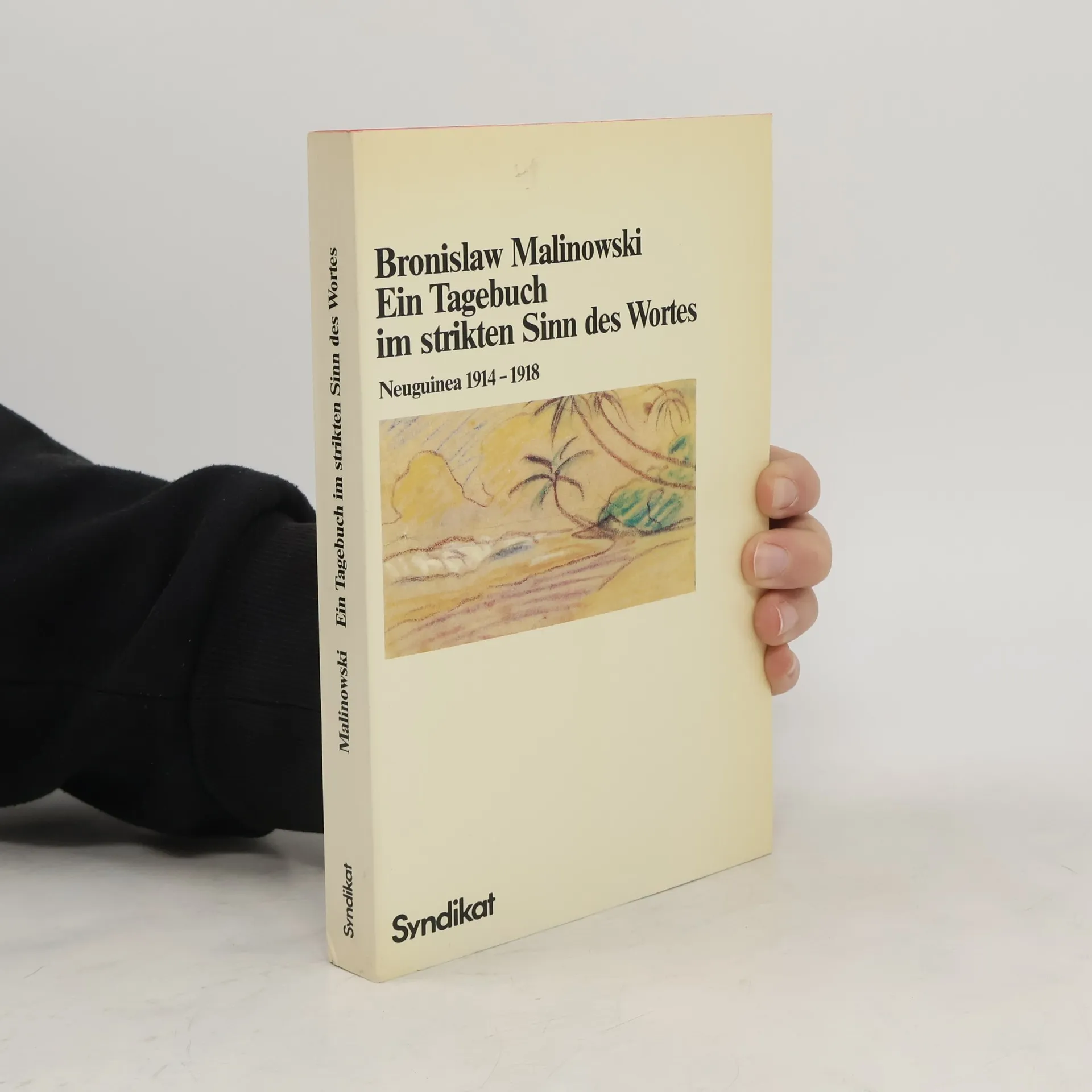
When it was first published (in 1967, posthumously), Bronislaw Malinowski's diary, covering the period of his fieldwork in 1914-1915 and 1917-1918 in New Guinea and the Trobriand Islands, set off a storm of controversy. Many anthropologists felt that the publication of the diarywhich Raymond Firth describes as "this revealing, egocentric, obsessional document"was a profound disservice to the memory of one of the giant figures in the history of anthropology. Almost certainly never intended to be published, Malinowski's diary was intensely personal and brutally honest. He kept it, he said, "as a means of self-analysis." Reviews ranged from "it is to the discredit of all concerned that the diary has now been committed to print" to "fascinating reading." Twenty years have passed, and Raymond Firth suggests that the book has moved over to a more central place in the literature of anthropological reflection. In 1967, Clifford Geertz felt that the "gross, tiresome" diary revealed Malinowski as "a crabbed, self-preoccupied, hypochondriacal narcissist, whose fellow-feeling for the people he lived with was limited in the extreme." But in 1988, Geertz referred to the diary as a "backstage masterpiece of anthropology, our The Double Helix." Similarly in 1987, James Clifford called it "a crucial document for the history of anthropology."
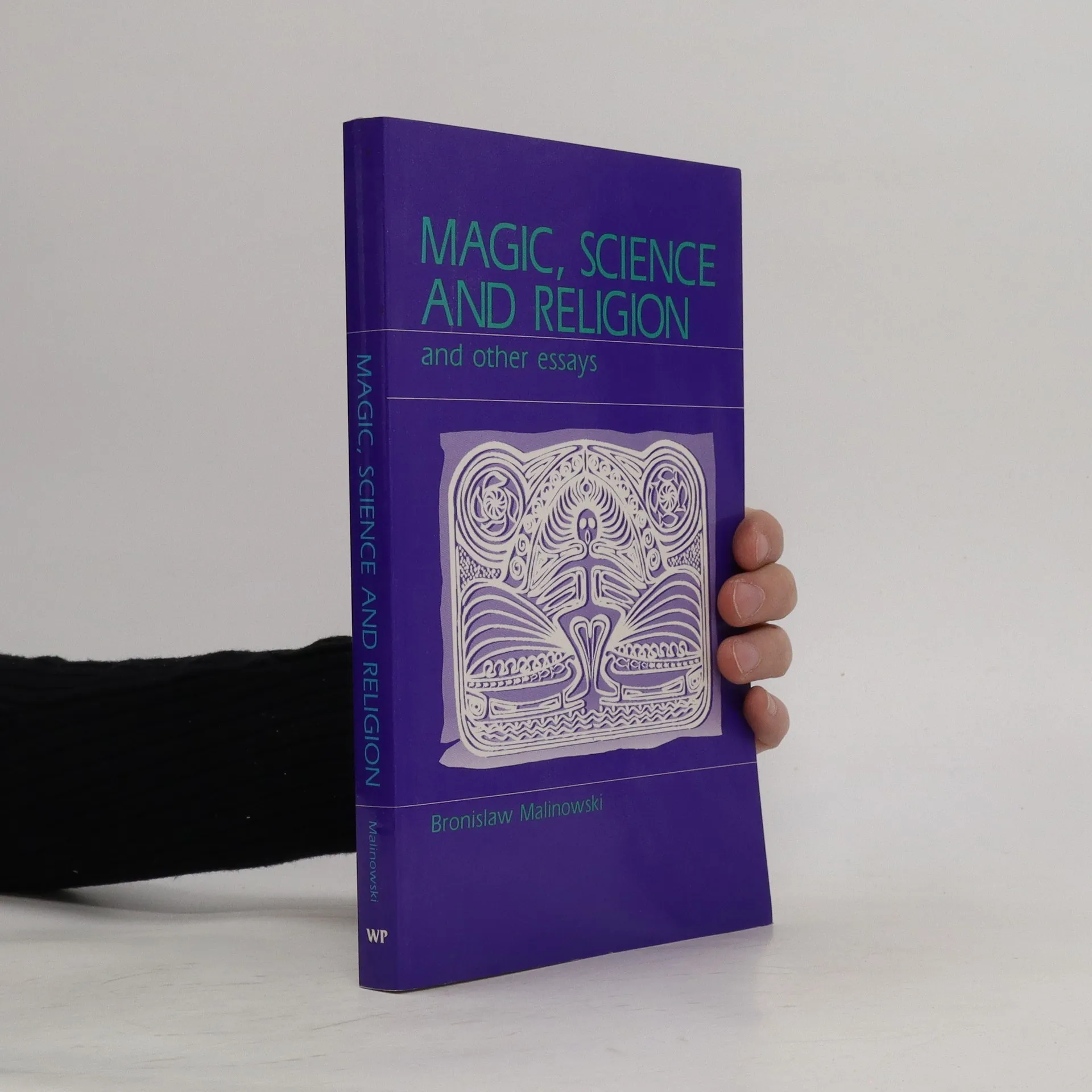
Three famous Malinowski essays! Malinowski, one of the all-time great anthropologists of the world, had a talent for bringing together in single comprehension the warm reality of human living with the cool abstractions of science. His pages have become an almost indispensable link between the knowing of exotic and remote people with theoretical knowledge about humankind. An important collection of three of his most famous essays, Magic, Science and Religion offers readers a set of concepts about religion, magic, science, rite and myth in the course of forming vivid impressions and understandings of the Trobrianders of New Guinea. Also by Malinowski and available from Waveland Argonauts of the Western An Account of Native Enterprise and Adventure in the Archipelagoes of Melanesian New Guinea, Enhanced Edition ( 9781478602095). Titles of related interest from Waveland Angrosino, The Culture of the Exploring the Anthropology of Religion (ISBN 9781577662938) and Malefijt, Religion and An Introduction to Anthropology of Religion (ISBN 9780881334838).
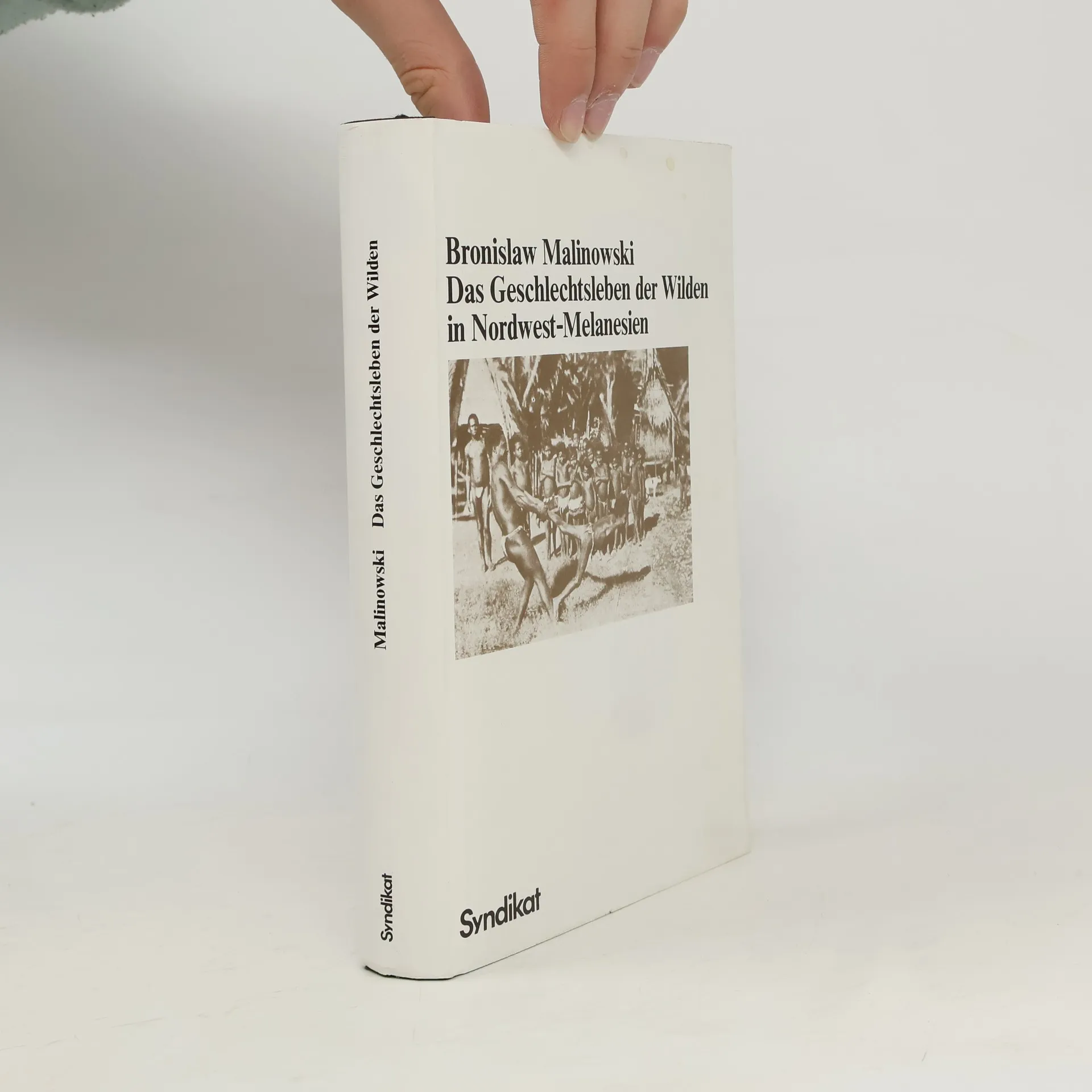
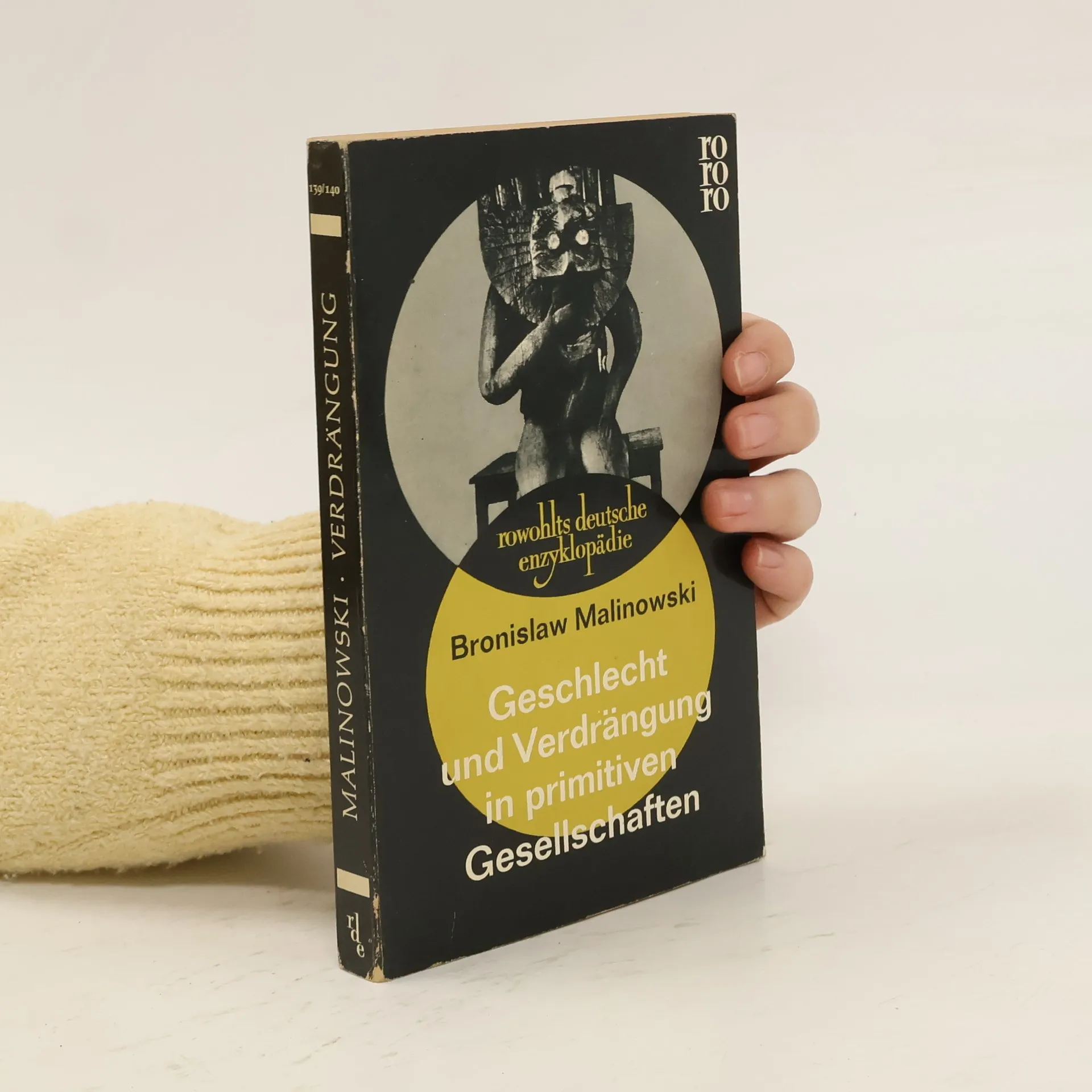
During the First World War the pioneer anthropologist Bronislaw Malinowski found himself stranded on the Trobriand Islands, off the eastern coast of New Guinea. By living among the people he studied there, speaking their language and participating in their activities, he invented what became known as 'participant-observation'. This new type of ethnographic study was to have a huge impact on the emerging discipline of anthropology. In Sex and Repression in Savage Society Malinowski applied his experiences on the Trobriand Islands to the study of sexuality, and the attendant issues of eroticism, obscenity, incest, oppression, power and parenthood. In so doing, he both utilized and challenged the psychoanalytical methods being popularized at the time in Europe by Freud and others. The result is a unique and brilliant book that, though revolutionary when first published, has since become a standard work on the psychology of sex.
Die tatsächlichen Beobachtungen des martilinearen Komplexes bei den Melanesiern sind wohl die erste Anwendung der psychoanalytischen Theorie auf die Erforschung des Lebens der Primitiven und könnten von einigem Interesse für den sein, der den Menschen, seinen Geist und seine Kultur studiert.
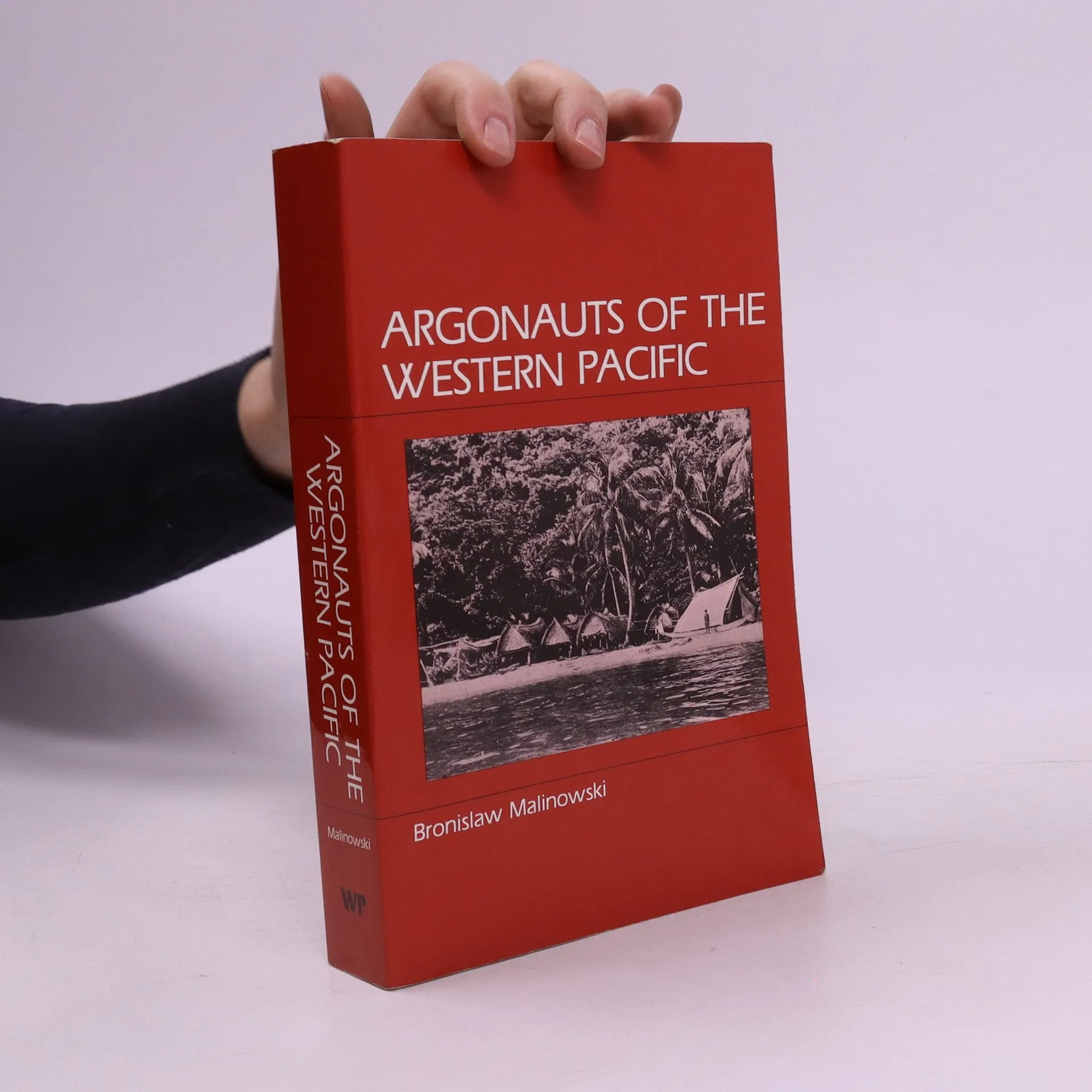
Bronislaw Malinowski's pathbreaking Argonauts of the Western Pacific is at once a detailed account of exchange in the Melanesian islands and a manifesto of a modernist anthropology. Malinowski argued that the goal of which the ethnographer should never lose sight is 'to grasp the native's point of view, his relation to life, to realise his vision of his world.' Through vivid evocations of Kula life, including the building and launching of canoes, fishing expeditions and the role of myth and magic amongst the Kula people, Malinowski brilliantly describes an inter-island system of exchange - from gifts from father to son to swapping fish for yams - around which an entire community revolves. A classic of anthropology that did much to establish the primacy of painstaking fieldwork over the earlier anecdotal reports of travel writers, journalists and missionaries, it is a compelling insight into a world now largely lost from view. With a new foreword by Adam Kuper.
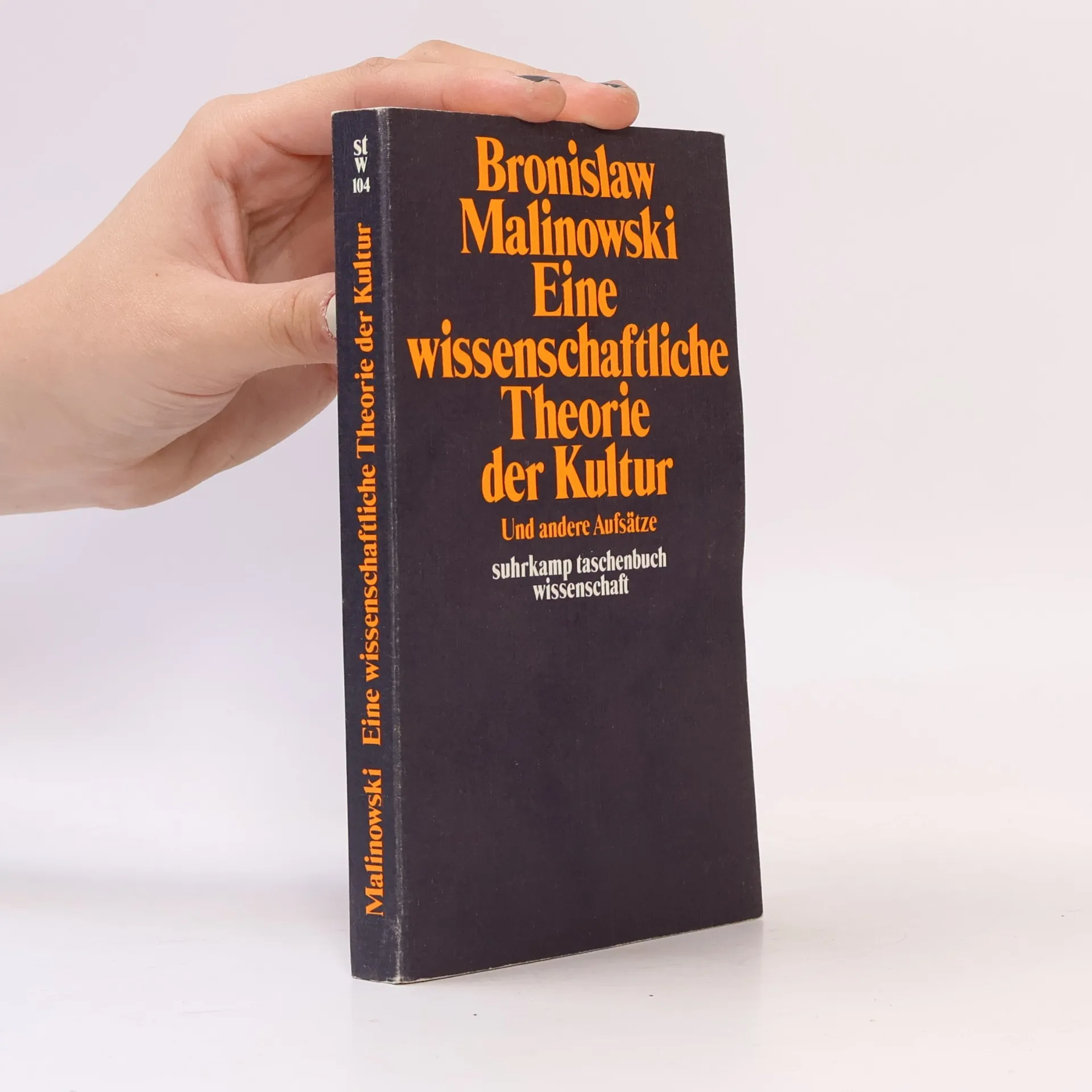
Malinowski präsentiert in diesem Buch seine definitive Aussage zur Theorie des Funktionalismus. Als wesentlichen Schlüssel zum Verständnis menschlichen Verhaltens, sowohl primitiven als auch zivilisierten, analysiert er das funktionale Prinzip, dass Kultur eine Untersuchung der Grundlagen der Anthropologie ist, um ein allgemeines System zu konstruieren, das die Fakten der Kultur durch dieses Prinzip erklärt.
Focusing on the themes of war and totalitarianism, this treatise by Bronislaw Malinowski reflects his urgent analysis of global issues during World War Two. Concerned with the implications of a totalitarian victory, Malinowski delves into concepts of freedom, culture, and humanity's future. The book's chapters explore various dimensions of freedom, making it a thought-provoking read. Now republished in a modern edition, it includes a new biography of the author and is essential for those interested in Malinowski's insights and the broader implications of civilization.