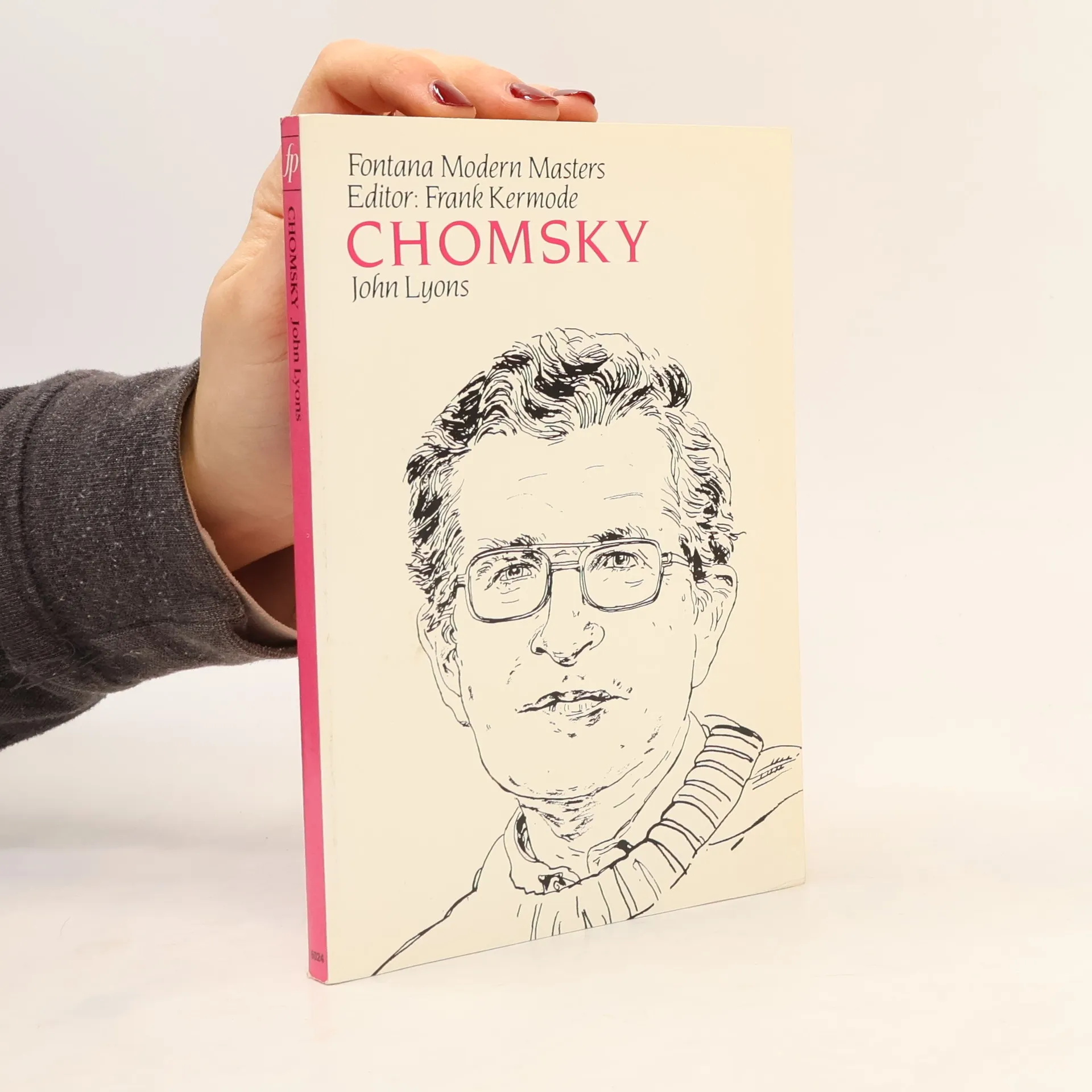
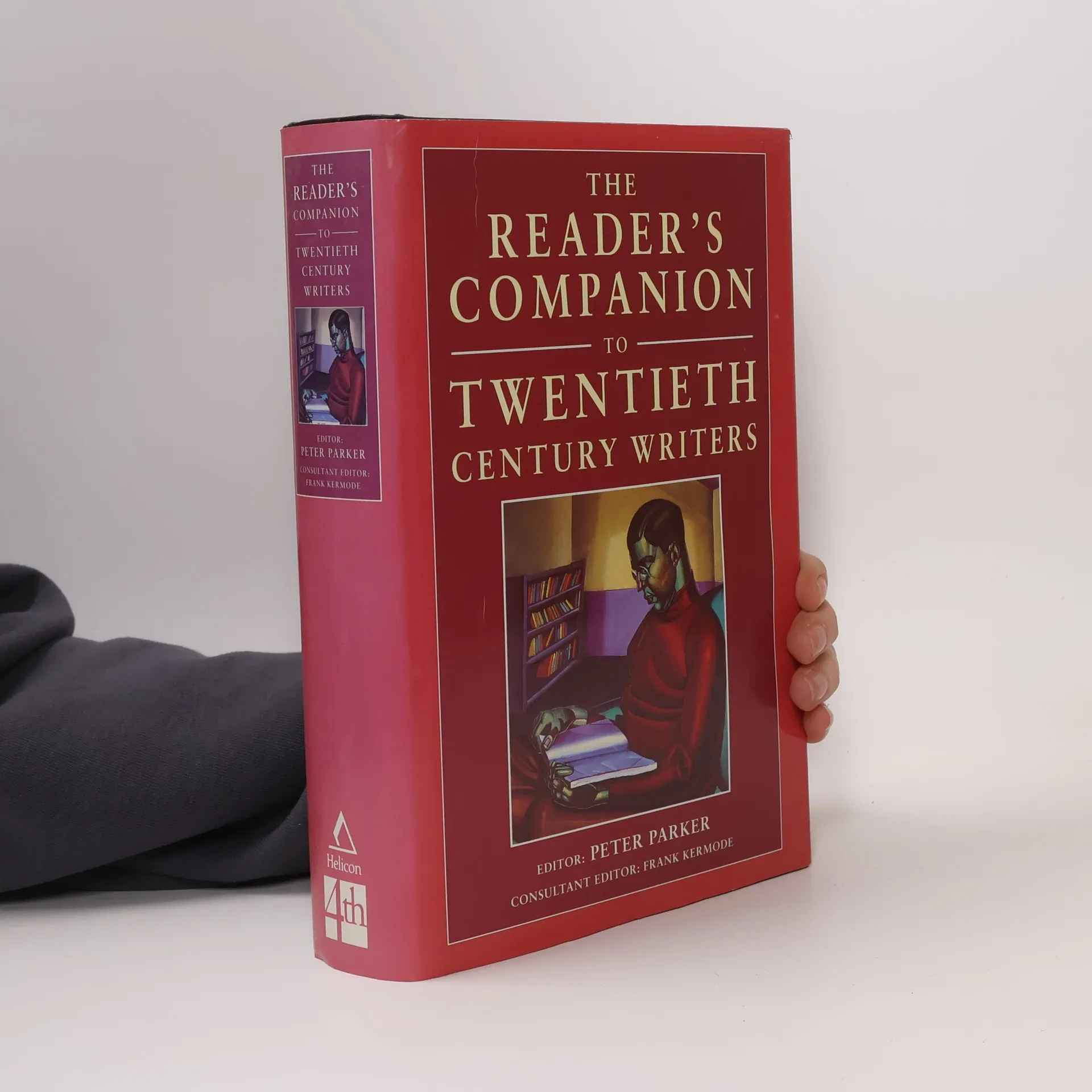
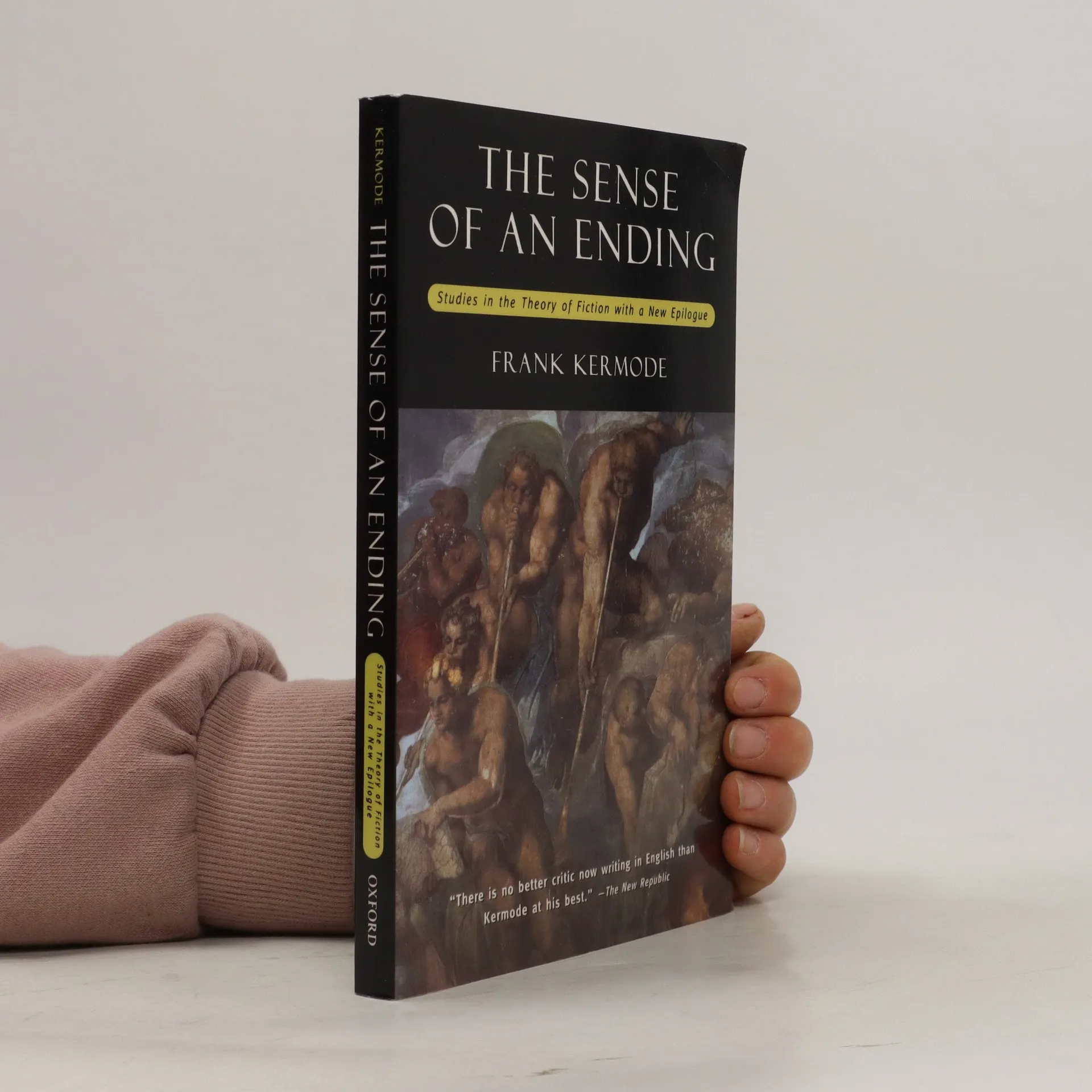
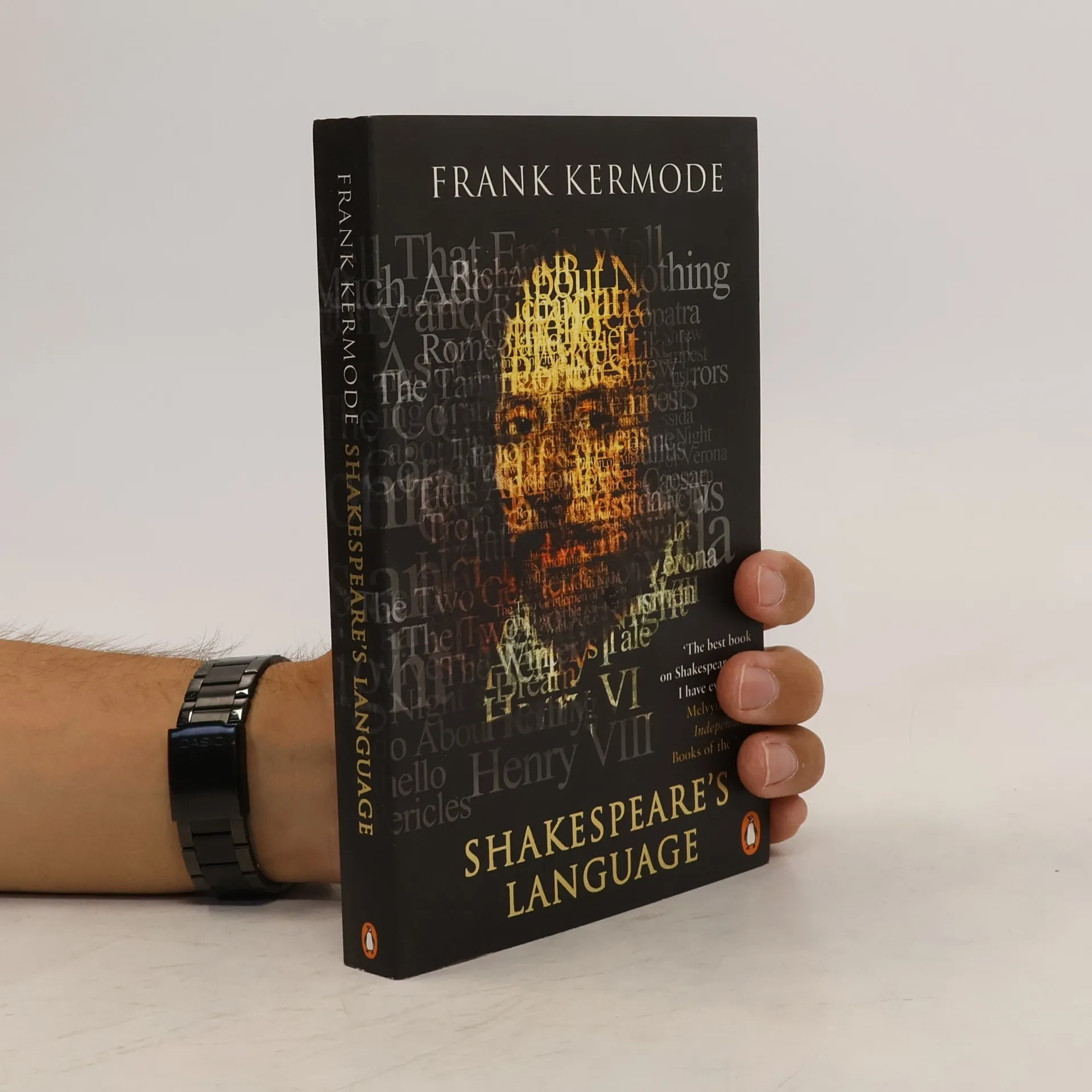
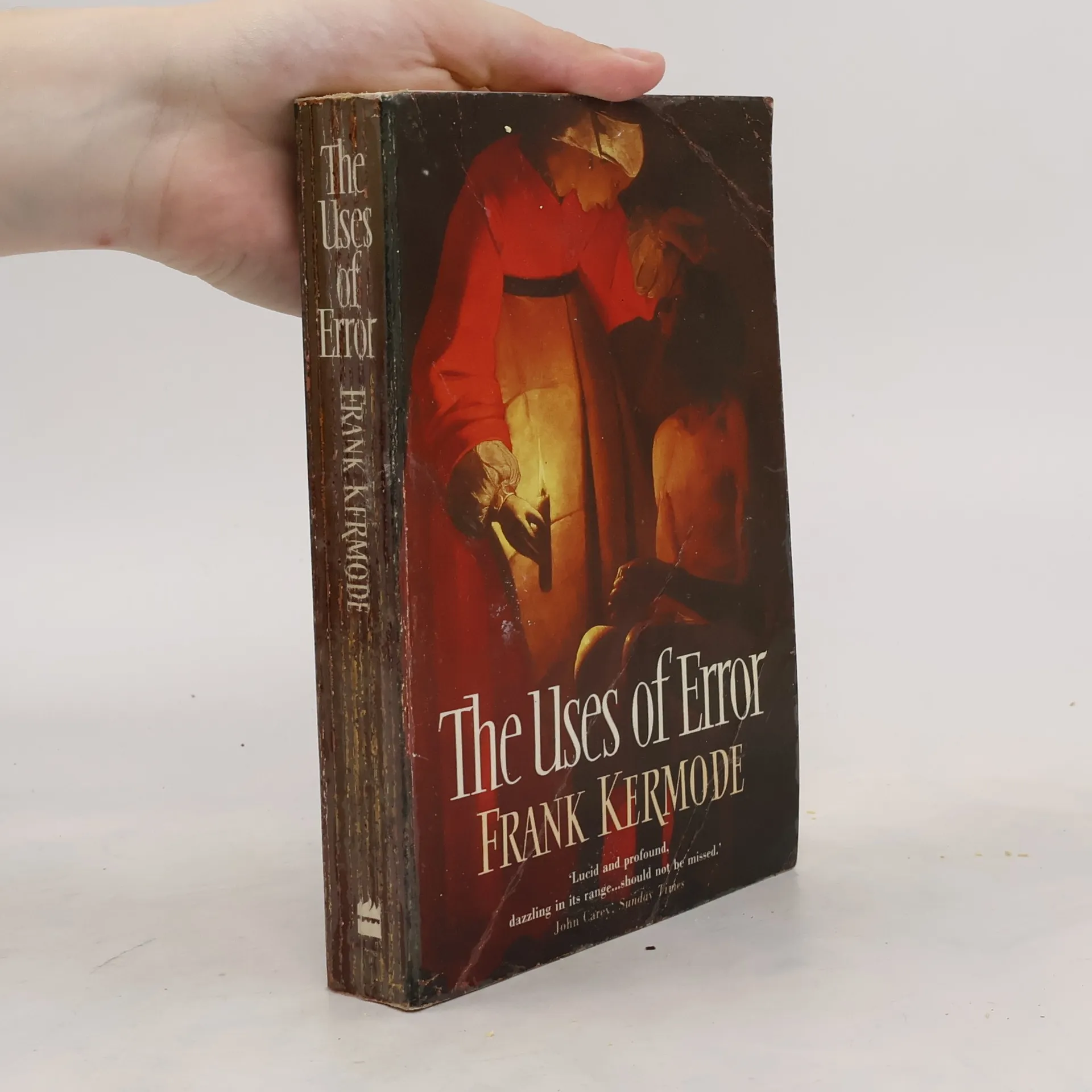
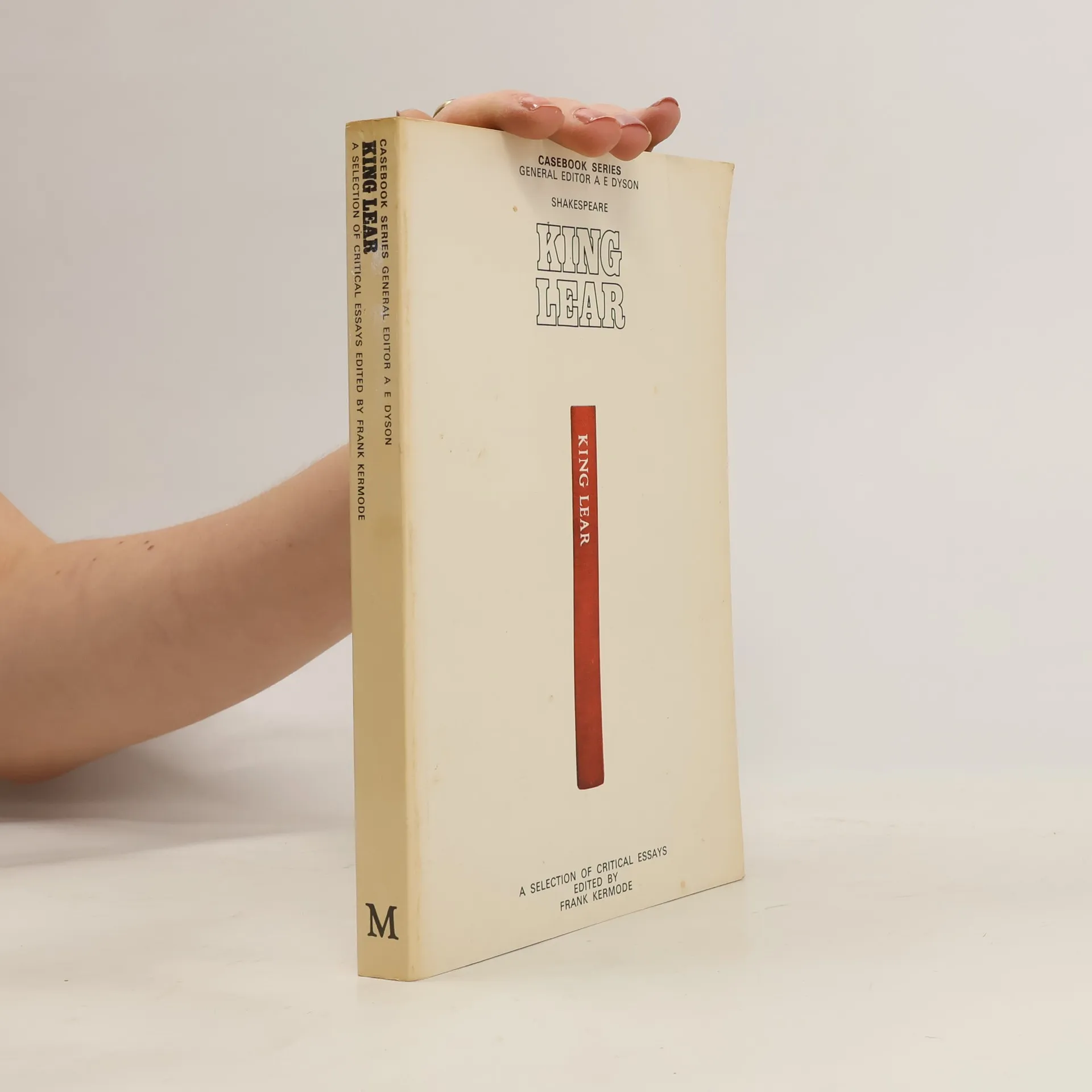
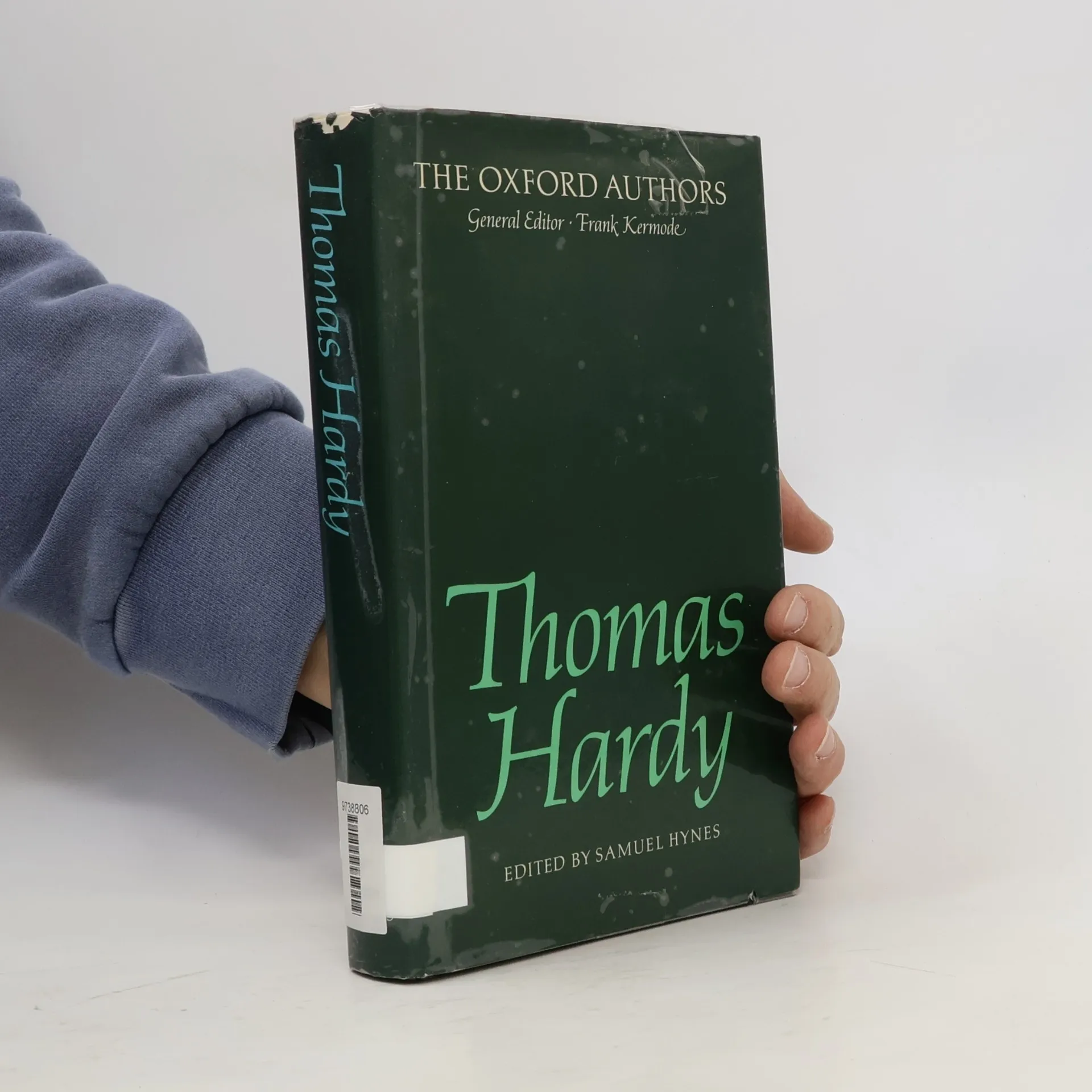
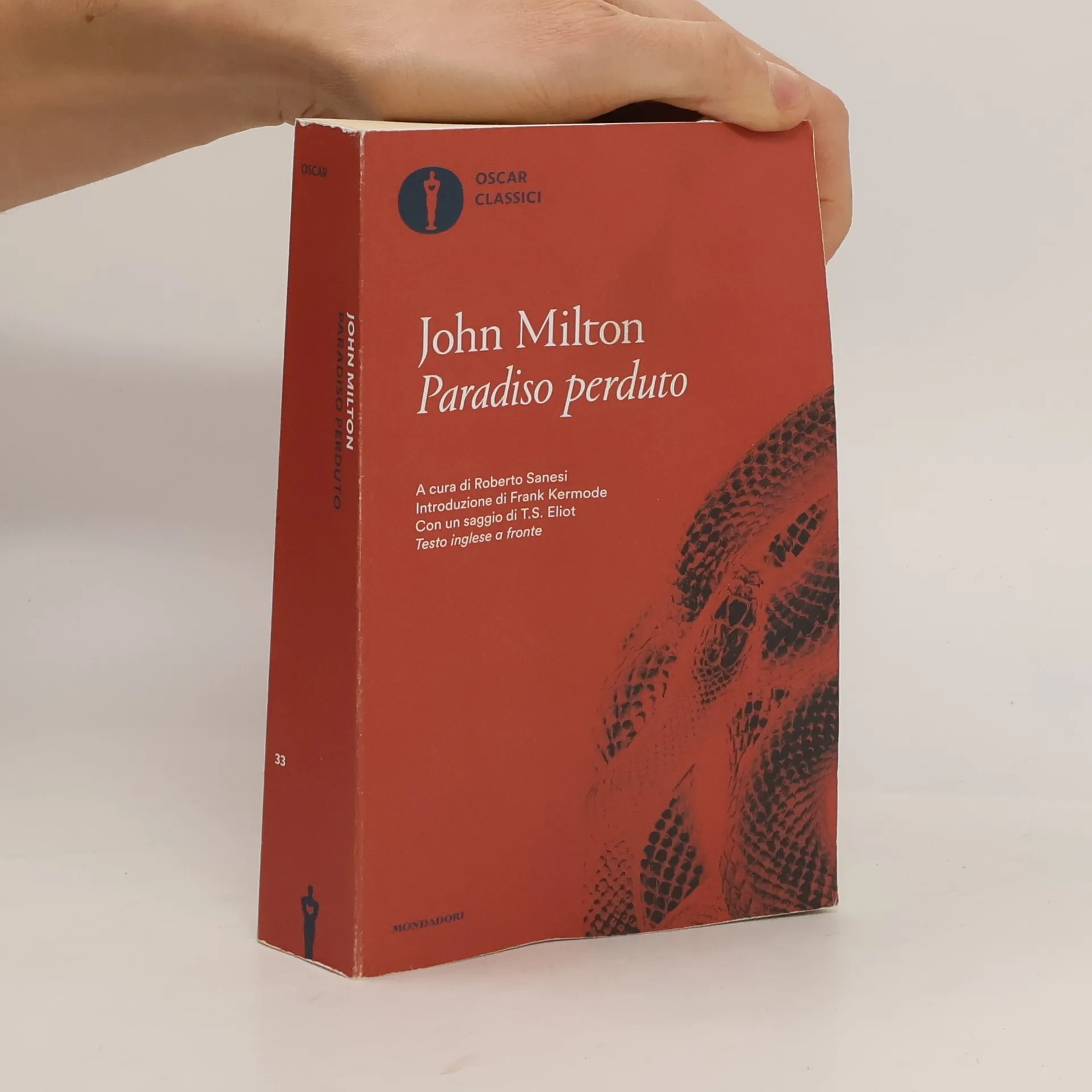
Sir John Frank Kermode était un critique littéraire britannique très respecté, dont l'œuvre se distinguait par un engagement profond envers la théorie de la fiction. Ses écrits exploraient souvent comment les individus construisent du sens à partir des récits et comment cette interprétation évolue au fil du temps. Kermode a étudié comment les formes littéraires reflètent et façonnent notre compréhension du monde et de notre propre existence. Son approche critique a éclairé les complexités de l'art littéraire et sa place dans la culture humaine.
Rational Emotive Behaviour Therapy in a Nutshell provides a concise overview of a popular therapeutic approach, starting with the ABCDE Model of Emotional Disturbance and Change. Written by leading REBT specialists, Michael Neenan and Windy Dryden, the book goes on to explain the core of the therapeutic process: - Assessment - Disputing - Homework - Working through - Promoting self-change. As an introduction to the basics of the approach, this updated and revised edition of Rational Emotive Behaviour Therapy in a Nutshell is the ideal first text and a springboard to further study.
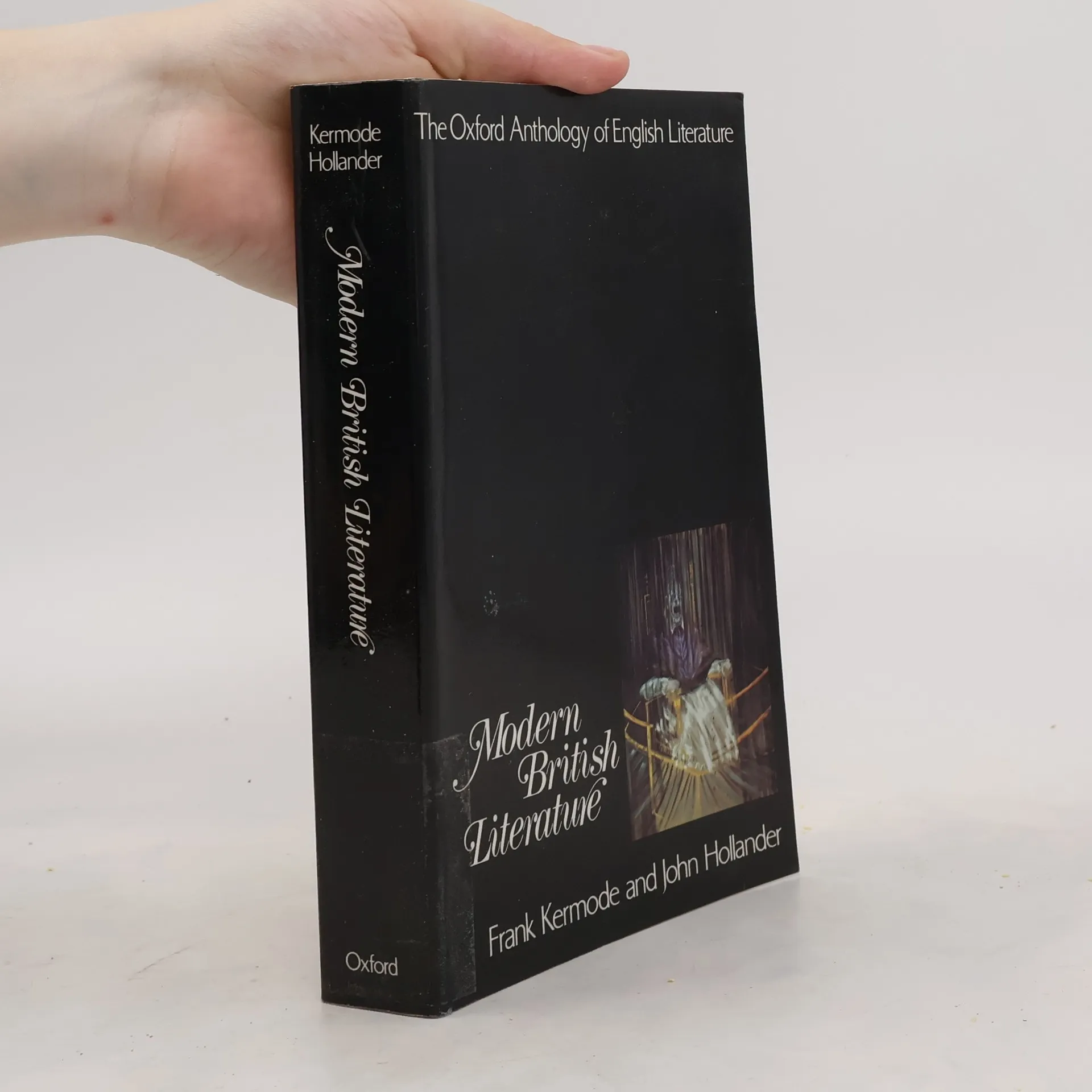
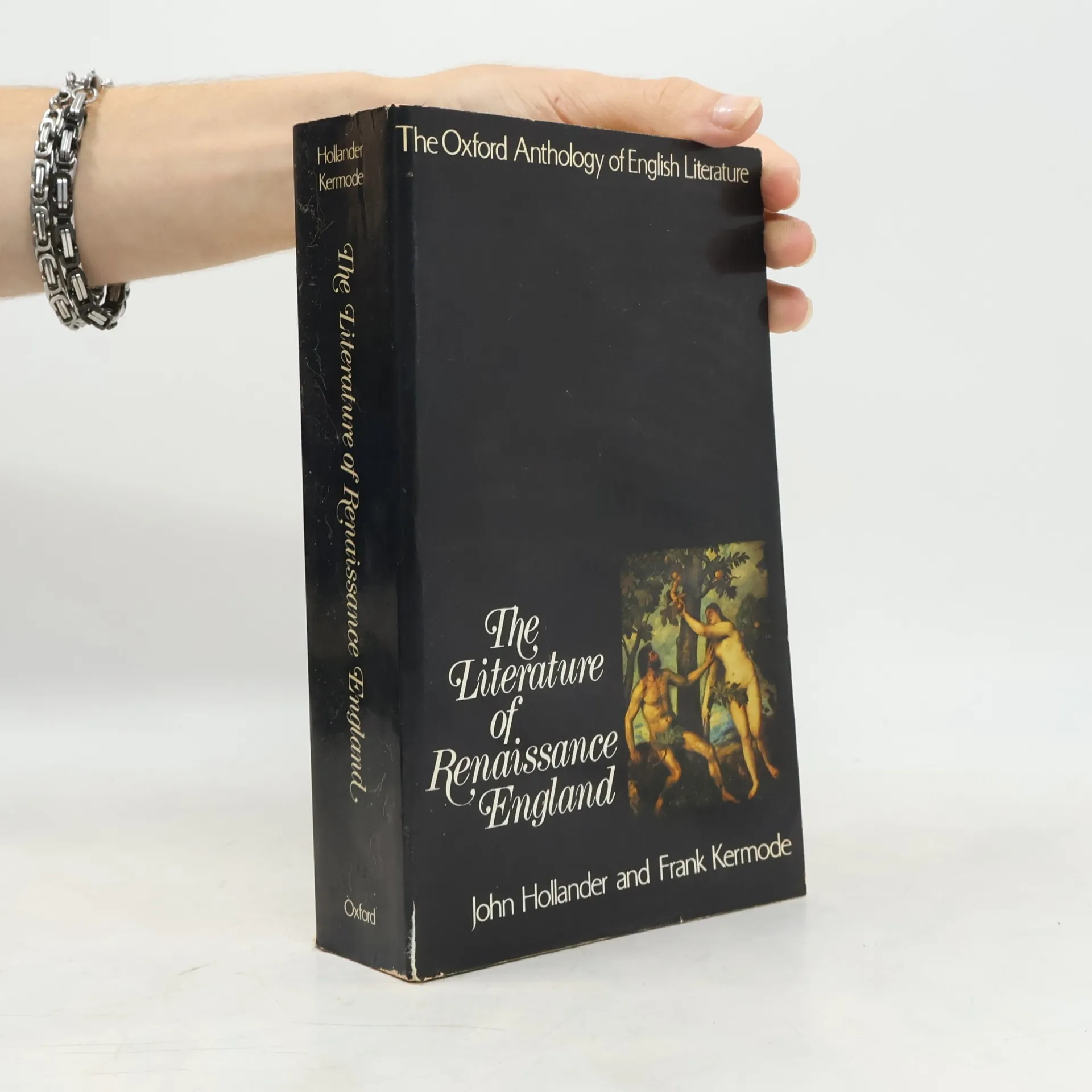
This 4,500-page collection presents the finest literature produced in Great Britain from the Middle Ages through the twentieth century. It has been edited and annotated by six eminent critics and scholars. Almost three hundred illustrations show the relationship between images in language and in pictures. The Oxford Anthology of English Literature is available in three formats: a two-volume cloth edition, breaking at 1800; a two-volume paper edition, breaking at 1800; and six paperbound volumes, each covering one of the traditional periods of English literary history
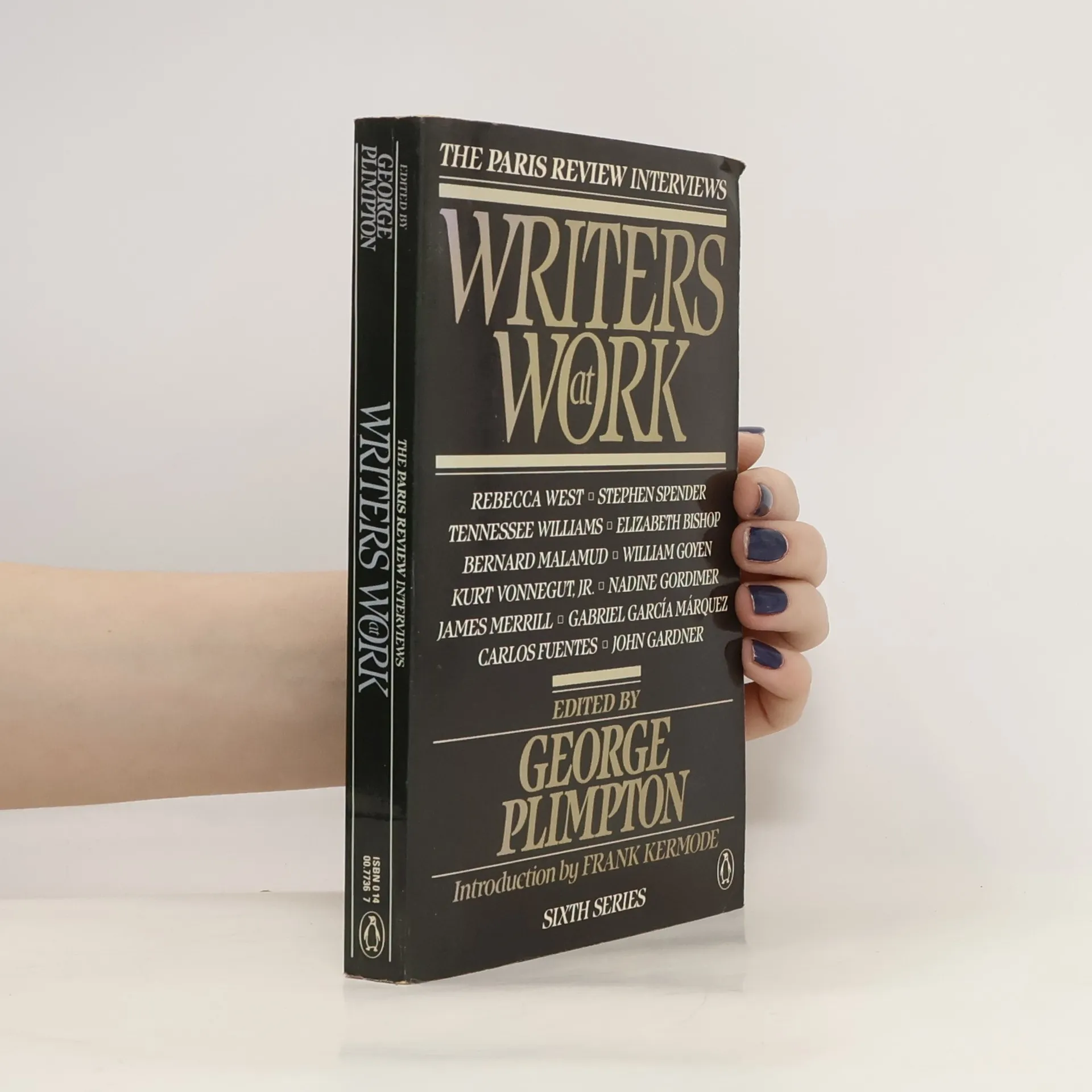
Paris Review 6th Series is the sixth of collection literary interviews published by The Paris Review (1985), edited by George Plimpton, and includes an introduction by Frank Kermode.Interviews: Rebecca West; Stephen Spender; Tennessee Williams; Elizabeth Bishop; Bernard Malamud; William Goyen; Kurt Vonnegut, Jr; Nadine Gordimer; James Merrill; Gabriel García Márquez; Carlos Fuentes; John Gardner .
A major reassessment of the great English novelistThis impressive new the celebrated British critic Frank Kermode examines hitherto neglected aspects of the novelist E. M. Forster€™s life and work. Kermode is interested to see how it was that this apparently shy, reclusive man should have claimed and kept such a central position in the English writing of his time, even though for decades he composed no fiction and he was not close to any of his great contemporaries€”Henry James, Ford Madox Ford, Joseph Conrad, James Joyce.Concerning E. M. Forster has at its core the Clark Lectures that Kermode gave at Cambridge University in 2007 on the subject of Forster, eighty years after Forster himself gave those lectures, which became Aspects of the Novel. Kermode reappraised the influence and meaning of that great work, assessed the significance of Forster€™s profound musicality (Britten thought him the most mu
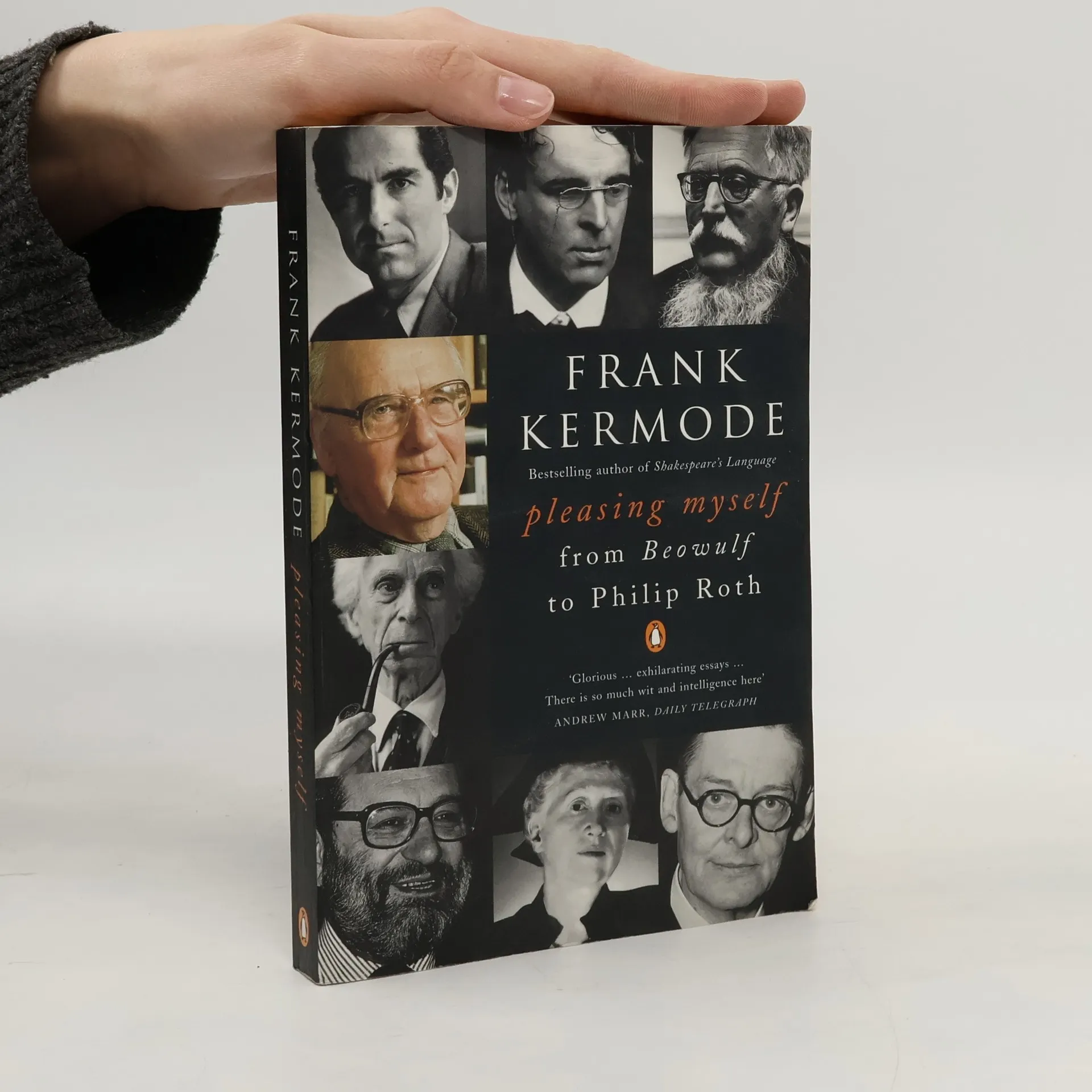
Frank Kermode is often regarded as the leading literary critic now writing in English; his recent book Shakespeare's Language, which became a bestseller in both Britain and America, was a reminder of the originality and humanity - and good sense - of his criticism.Kermode himself said that much of his best work has been done at shorter length, in the essays he has written on a very wide range of subjects for literary journals of one kind or another. Pleasing Myself brings the best of these pieces from the last decade, on topics as diverse as Donne, Yeats, Howard Hodgkin, gnosticism, the sea and money, as well as further thoughts on Shakespeare. Each of them is concise and entertaining, and has something original or pithy to say about its subject. They will bring as much pleasure to their readers as Kermode unashamedly admits to writing of them brought to the author.
This volume includes works by Spenser (excerpts from all books of The Faerie Queene), Shakespeare (including The Tempest), Marlowe (Dr. Faustus, Hero and Leander), Donne, and Milton (Comus, Samson Agonistes, and long excerpts from Paradise Lost).
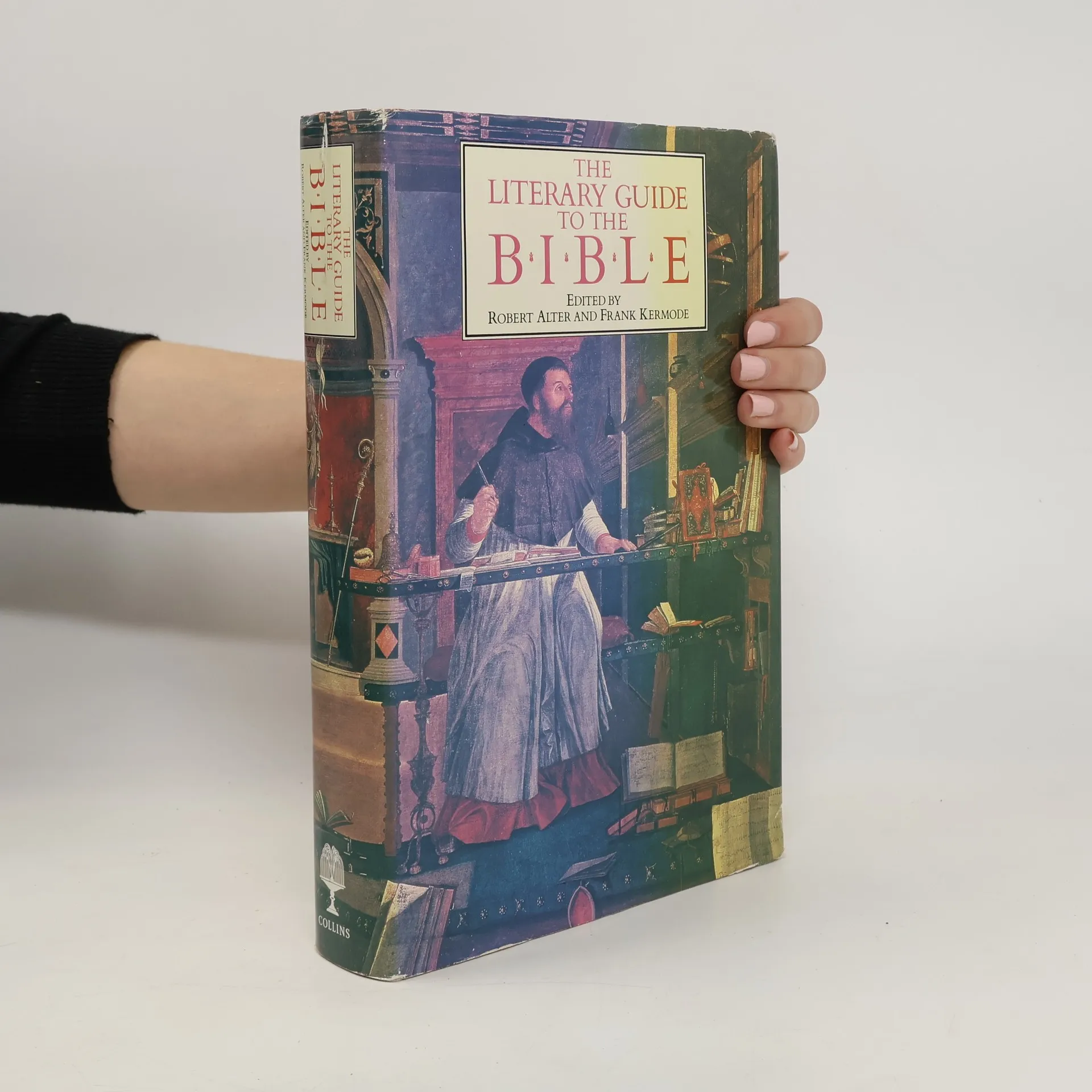
This is a collection of essays on each book of the Bible, and a number that relate to the Bible as a whole. It brings modern literary and historical analysis to this greatest of all works of literature.
'Literary criticism is a distinctive activity of the civilised mind.' With
Eliot's dictum in mind, Professor Kermode has selected from the whole range of
his critical writings, some of them dating back to before 1918.
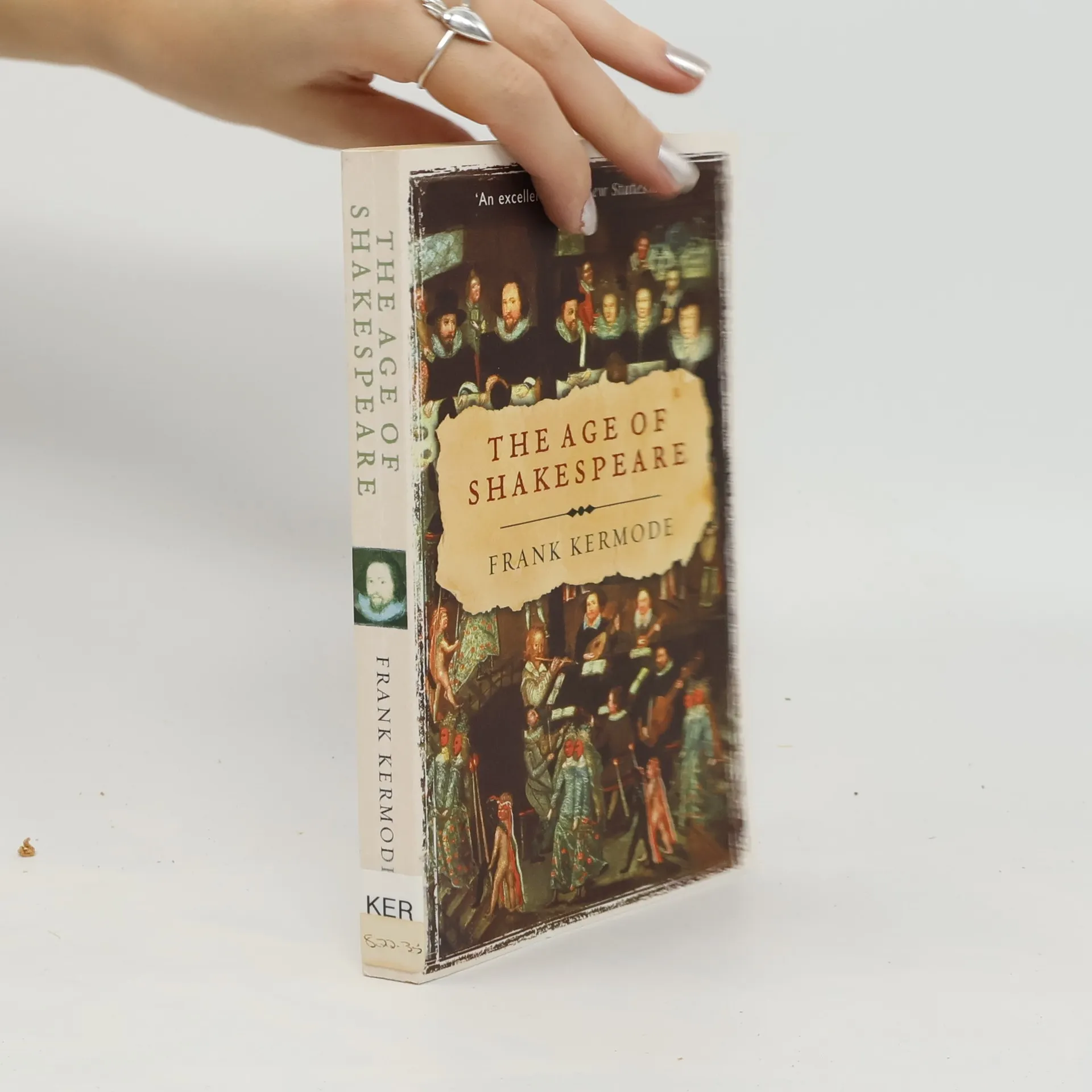
'The greatest literary scholar of his generation' (Independent) explains how
the history of the Elizabethan era is the backdrop to William Shakespeare and
his plays.
s/t: With a New EpilogueFrank Kermode is one of our most distinguished and beloved critics of English literature. Here, he contributes a new epilogue to his collection of classic lectures on the relationship of fiction to age-old concepts of apocalyptic chaos and crisis. Prompted by the approach of the millennium, he revisits the book which brings his highly concentrated insights to bear on some of the most unyielding philosophical and aesthetic enigmas. Examining the works of writers from Plato to William Burrows, Kermode shows how they have persistently imposed their "fictions" upon the face of eternity and how these have reflected the apocalyptic spirit. Kermode then discusses literature at a time when new fictive explanations, as used by Spenser and Shakespeare, were being devised to fit a world of uncertain beginning and end. He goes on to deal perceptively with modern literaturewith "traditionalists" such as Yeats, Eliot, and Joyce, as well as contemporary "schismatics," the French "new novelists," and such seminal figures as Jean-Paul Sartre and Samuel Beckett. Whether weighing the difference between modern and earlier modes of apocalyptic thought, considering the degeneration of fiction into myth, or commenting on the vogue of the Absurd, Kermode is distinctly lucid, persuasive, witty, and prodigal of ideas.
The true biography of Shakespeare is in the plays. The great English tragedies
were all written in the first decade of the seventeenth century. They are
often in language that is difficult to us, and must have been hard even for
contemporaries. How and why did Shakespeare's language develop as it did?
schovat popis
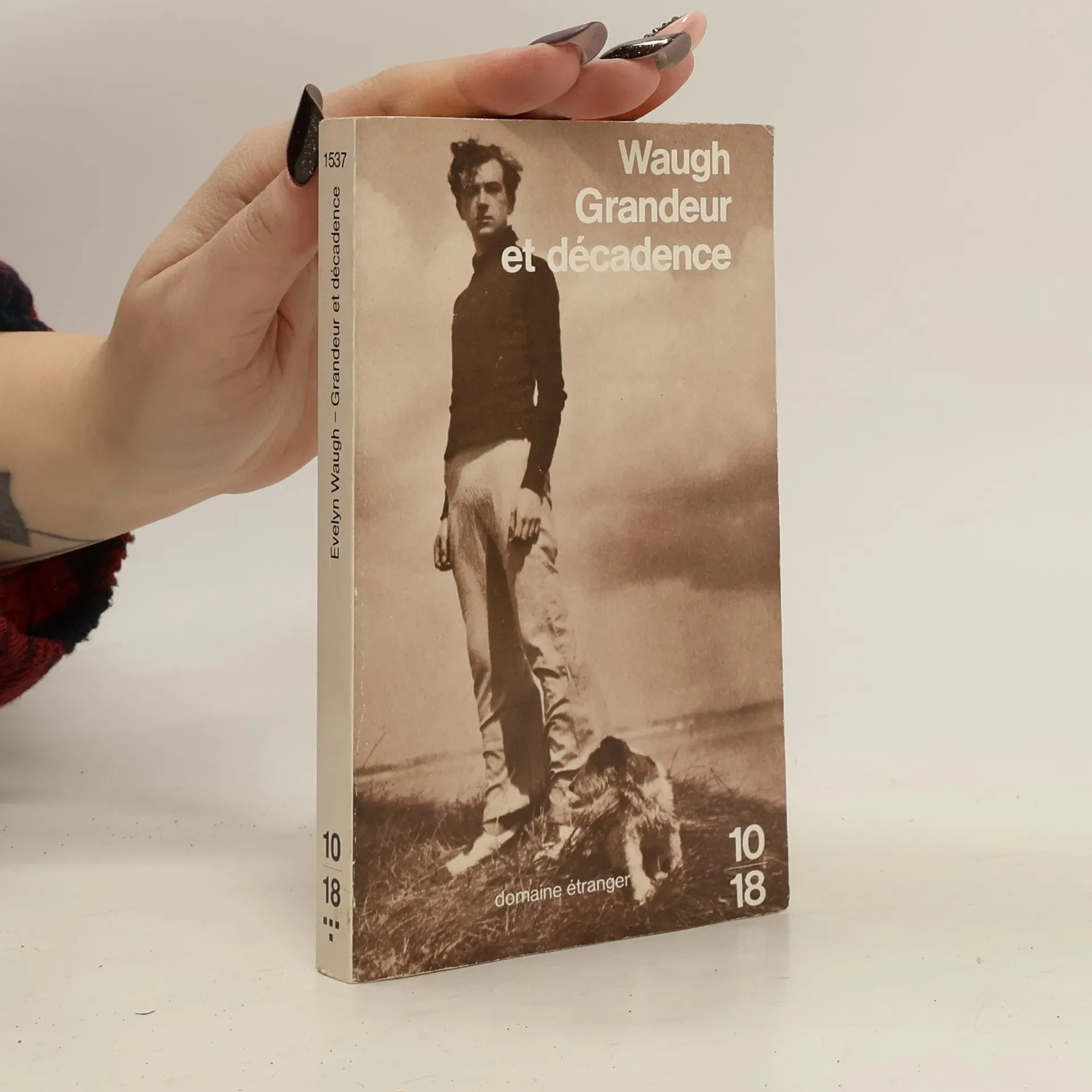
Expulsé d'Oxford pour comportement indécent, Paul Pennyfeather n'est guère surpris de se retrouver en tant que maître d'école au château de Llanabba. Ses collègues sont un assortiment de marginaux, dont Prendy, tourmenté par des doutes, et le capitaine Grimes, toujours dans l'embarras (ou simplement ivre). Puis arrive le jour des sports, avec la délicieuse Margot Beste-Chetwynde, flottant sur une brise parfumée. Alors que la farce se déroule et que les jeunes se déchaînent, personne n'est en sécurité, surtout pas Paul. Tirant son titre de "Déclin et chute de l'Empire romain" d'Edward Gibbon, le premier roman d'Evelyn Waugh, le plus drôle, a immédiatement captivé le public avec son récit d'un ingénu perdu dans la confusion décadente de la haute société des années 1920.
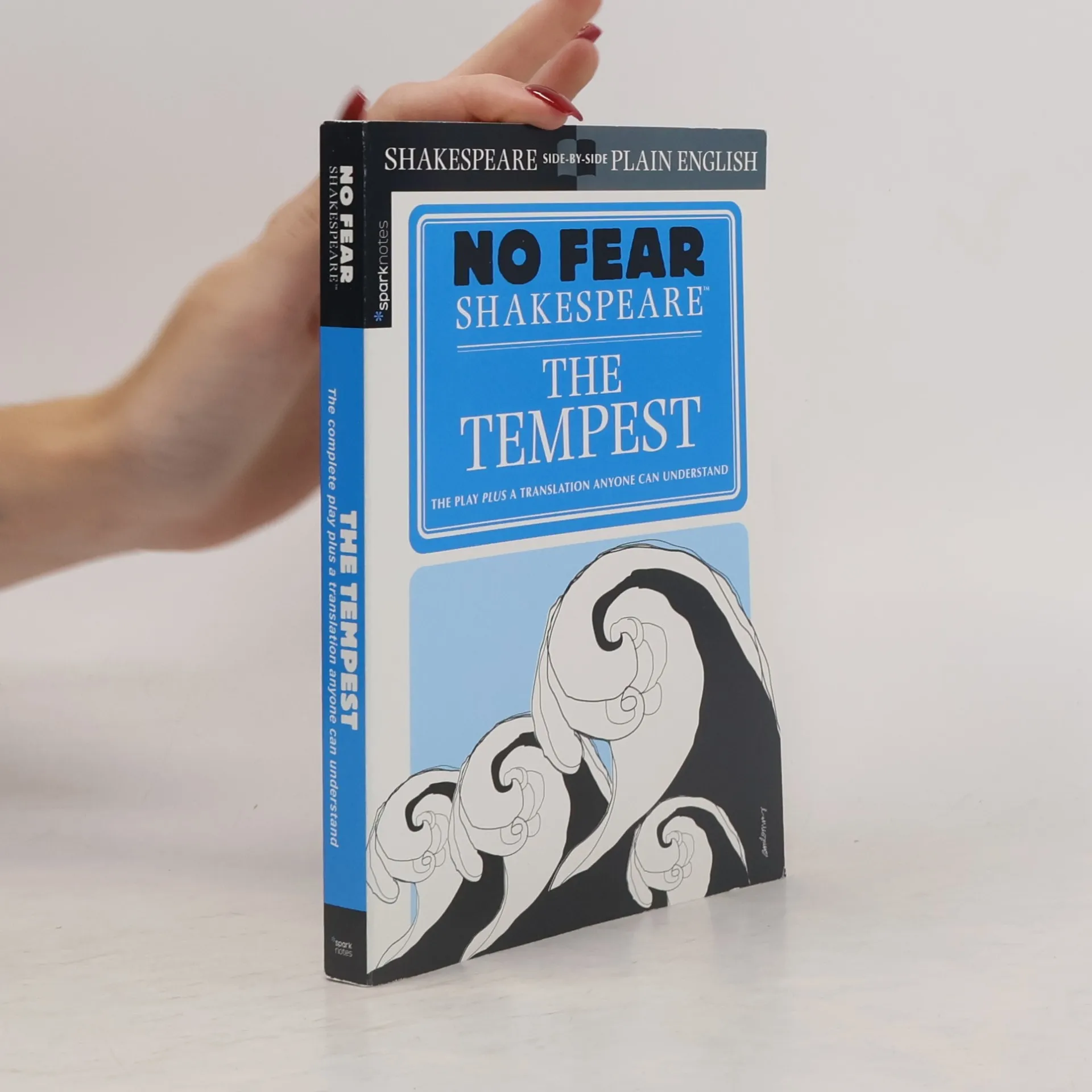
Presents the original text of Shakespeare's play side by side with a modern version, with marginal notes and explanations and full descriptions of each character
The question of the canon has been the subject of debate in academic circles for over fifteen years. Pleasure and Change contains two lectures on this important subject by the distinguished literary critic Sir Frank Kermode. In essays that were originally delivered as Tanner Lectures at Berkeley in November of 2001, Kermode reinterprets the question of canon formation in light of two related and central pleasure and change . He asks how aesthetic pleasure informs what we find valuable, and how this perception changes over time. Kermode also explores the role of chance, observing the connections between canon formation and unintentional and sometimes even random circumstance. Geoffrey Hartmann (Yale University), John Guillory (New York University), and Carey Perloff (director of the American Conservatory Theatre) offer incisive comments on these essays, to which Kermode responds in a lively rejoinder. The volume begins with a helpful introduction by Robert Alter. Theresult is a stimulating and accessible discussion of a highly significant cultural debate.
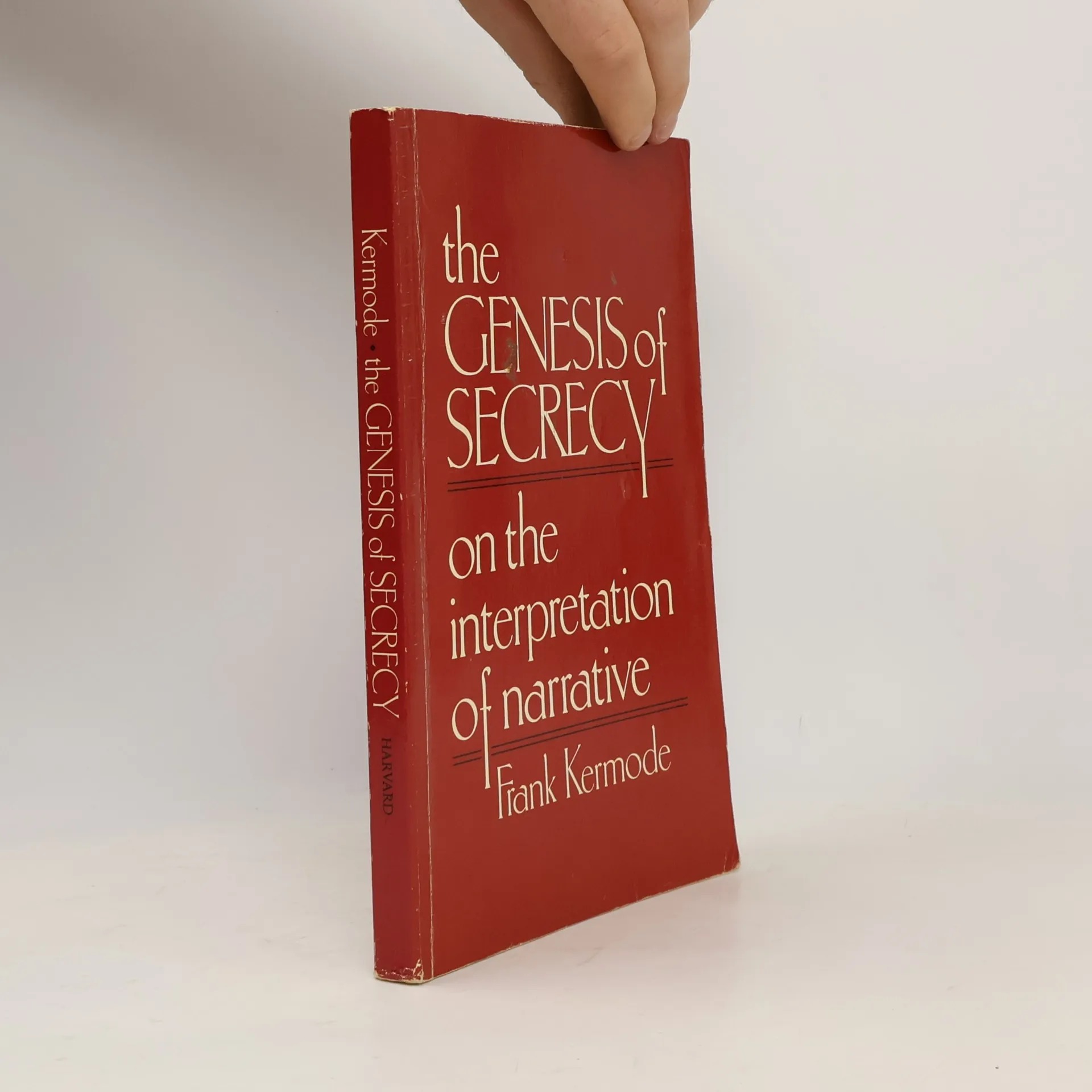
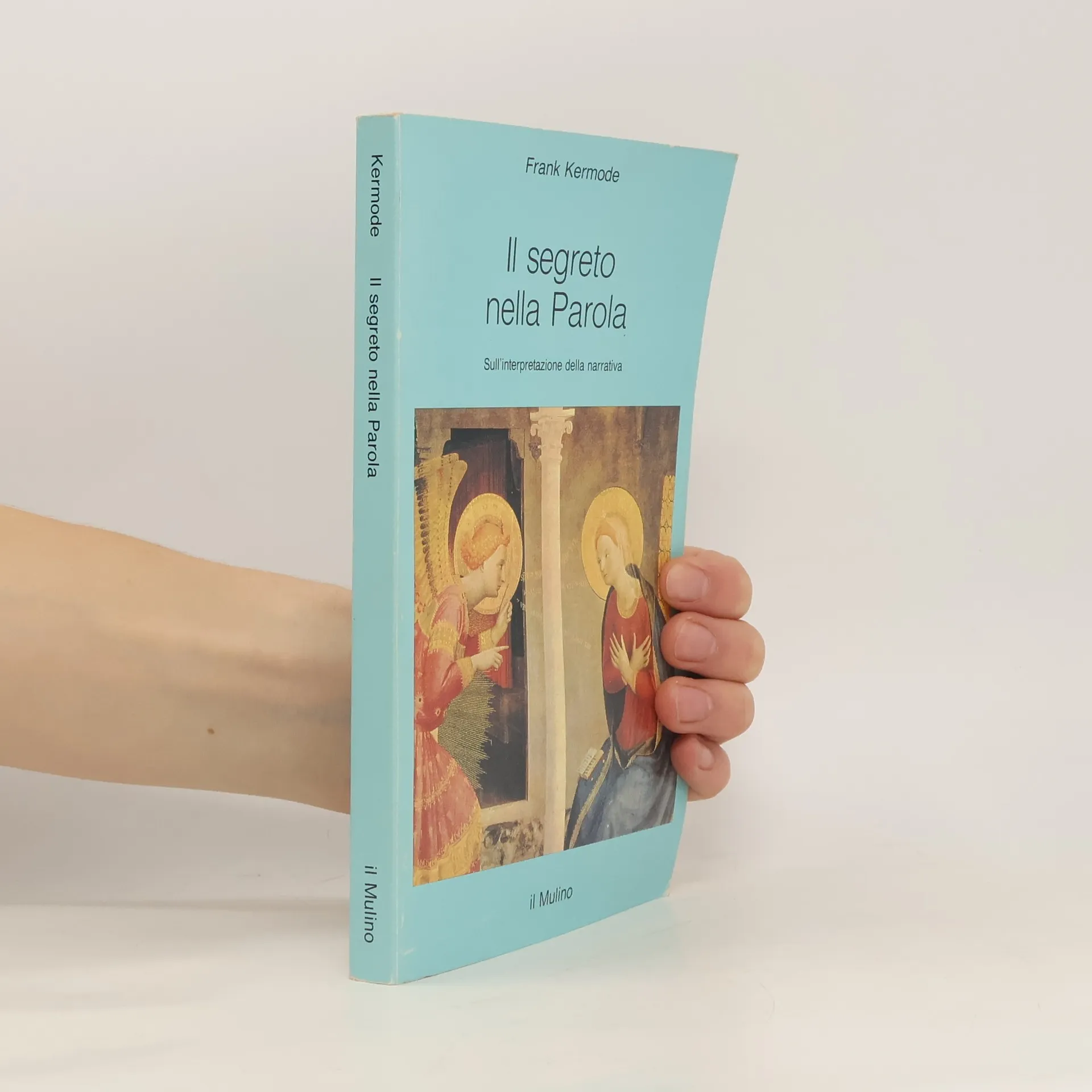
Frank Kermode has long held a distinctive place among modern critics. He brings to the study of literature a fine and fresh critical intelligence that is always richly suggestive, never modish. He offers here an inquiry--elegant in conception and style--into the art of interpretation. His subject quite simply is meanings; how they are revealed and how they are concealed.Drawing on the venerable tradition of biblical interpretation, Mr. Kermode examines some enigmatic passages and episodes in the gospels. From his reading come ideas about what makes interpretation possible--and often impossible. He considers ways in which narratives acquire opacity, and he asks whether there are methods of distinguishing all possible meaning from a central meaning which gives the story its structure. He raises questions concerning the interpretation of single texts in relation to their context in a writer's work and a tradition; considers the special interpretative problems of historical narration; and tries to relate the activities of the interpreter to interpretation more broadly conceived as a means of living in the world.While discussing the gospels, Mr. Kermode touches upon such literary works as Kafka's parables, Joyce's Ulysses, Henry James's novels, and Pynchon's Crying of Lot 49. By showing the relationships between religious interpretation and literary criticism, he has enhanced both fields.