Bookbot

John Man

    15 mai 1941

    John Man est un historien et écrivain voyageur britannique dont le travail explore la Chine, la Mongolie et l'histoire de la communication écrite. Il mêle habilement le récit historique à l'expérience personnelle, offrant aux lecteurs une perspective captivante et unique sur le passé. Son approche littéraire se caractérise par une recherche méticuleuse et une interprétation originale qui découvre souvent de nouvelles connexions et perspectives. Il a consacré des efforts considérables à l'exploration de moments cruciaux dans l'histoire de l'écriture, de ses origines à l'avènement de l'imprimerie, et ses œuvres sont louées pour leur profondeur et leur accessibilité.

    Saladin : the life, the legend and the Islamic empire
    The Great Wall
    Empire of Horses: The First Nomadic Civilization and the Making of China
    Barbarians at the Wall
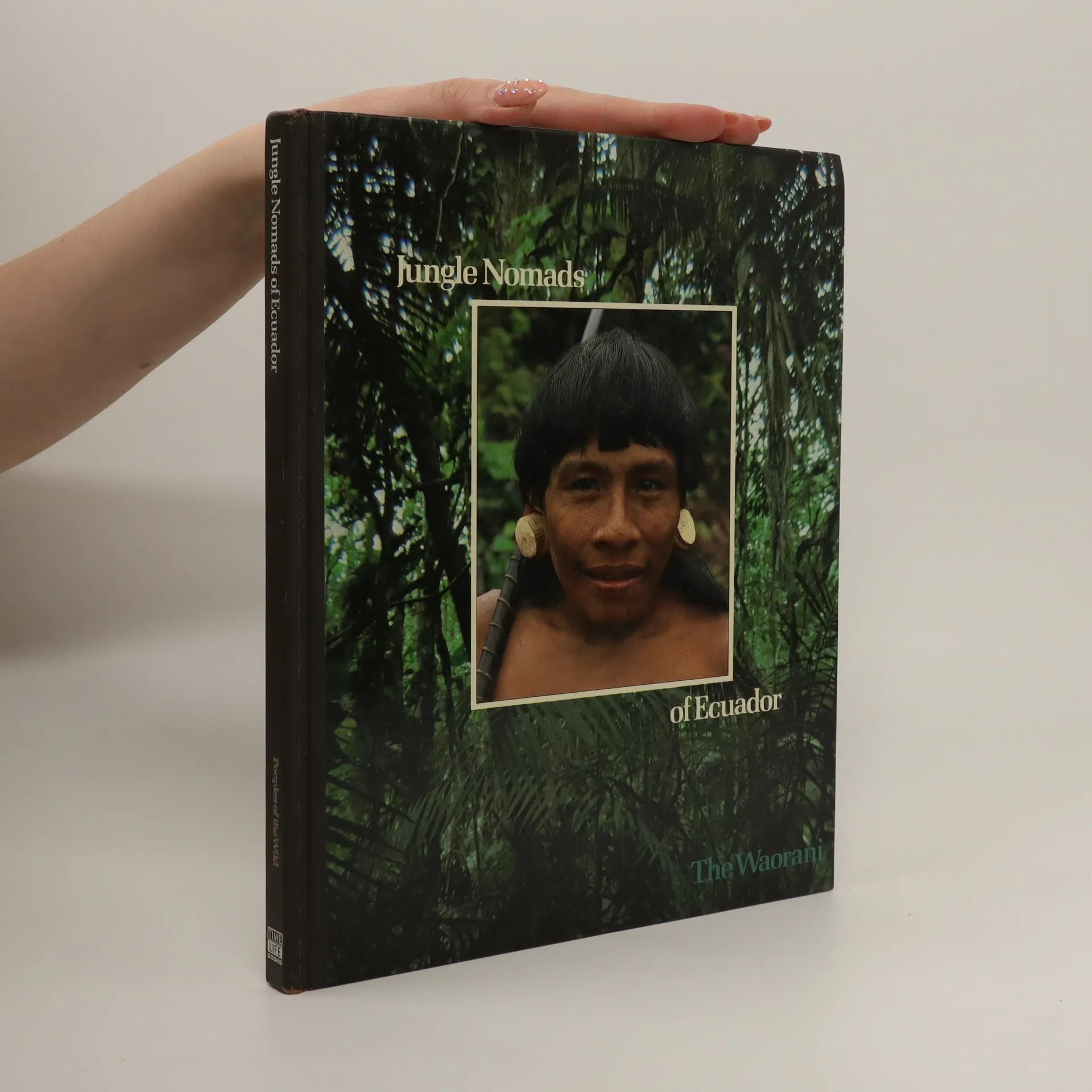
    Jungle Nomads of Ecuador: The Waorani
    The Leadership Secrets of Genghis Khan
    • 2024

      Attyla, znany jako Bicz Boży, symbolizuje brutalną destrukcję i okrucieństwo. Jako wódz Hunów, zjednoczył barbarzyńskie plemiona w potężną armię, decydując o losach Europy w latach 433-453. Jego imperium rozciągało się od Renu po Morze Czarne, a jego najazdy i kampanie przeciwko cesarstwu zapewniły mu nieśmiertelną sławę. Attyla, nieokrzesany i brutalny, potrafił zdobyć wierność milionów. Hunowie postrzegali go jako półboga, a Goci go podziwiali. Był także wytrawnym politykiem, który potrafił szantażować Rzym, wysyłając posłów z jego obozu na węgierskich stepach. Dyktował warunki Europie, zmieniając jej przyszłość, ale jego ambicje, od żądania ręki rzymskiej księżniczki po liczne najazdy, przerosły go. Jego nagła śmierć podczas nocy poślubnej z nową żoną była dramatycznym zakończeniem jego życia, które, choć krótkie, wpłynęło na upadek Rzymu. W tej fascynującej biografii, autor odkrywa człowieka skrytego za mitem Attyli, oferując barwny portret i dogłębną analizę jego życia. Jego styl opowieści ożywia Hunów i ich króla, a każda strona zaskakuje nowymi, fascynującymi informacjami.

      Attyla.
    • 2023

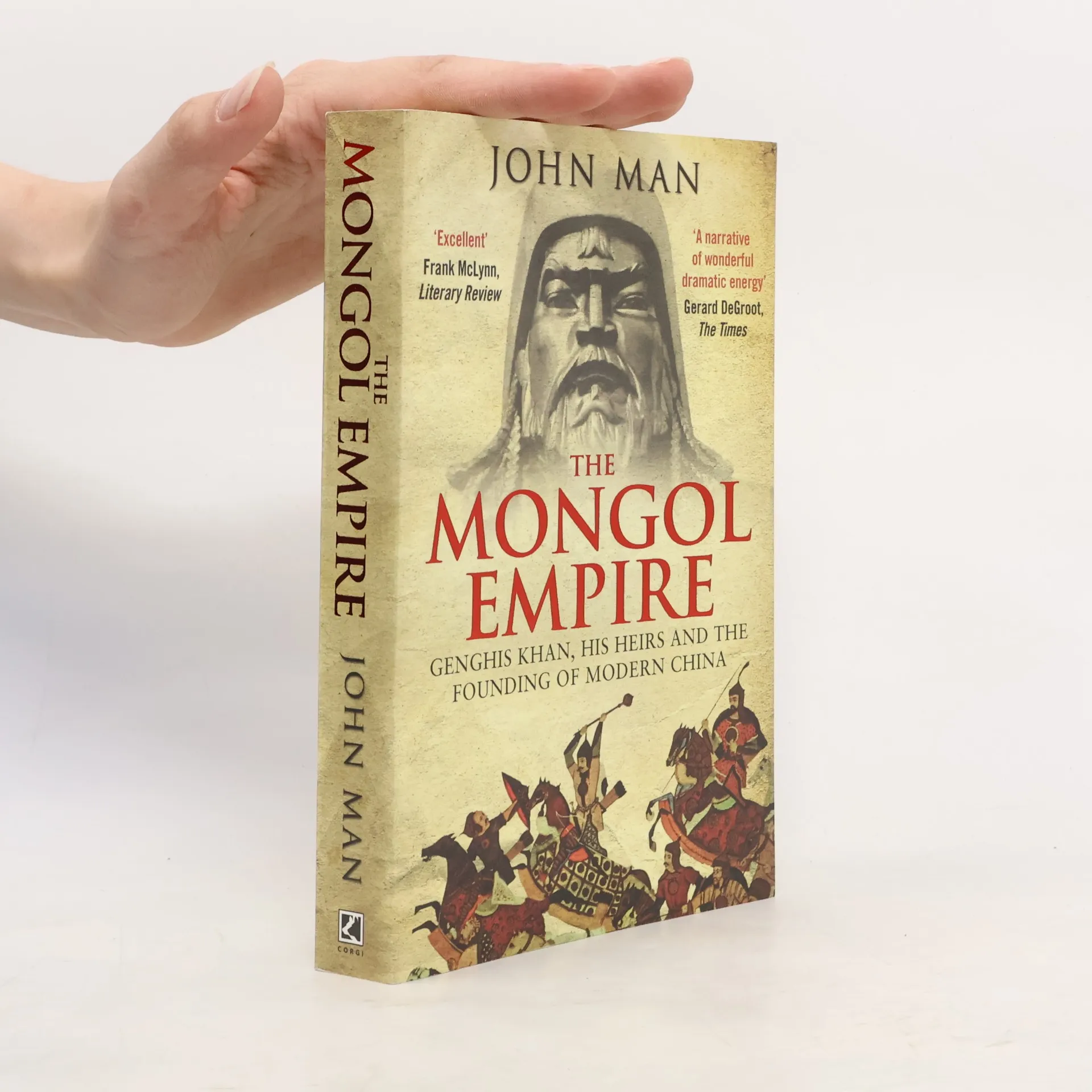
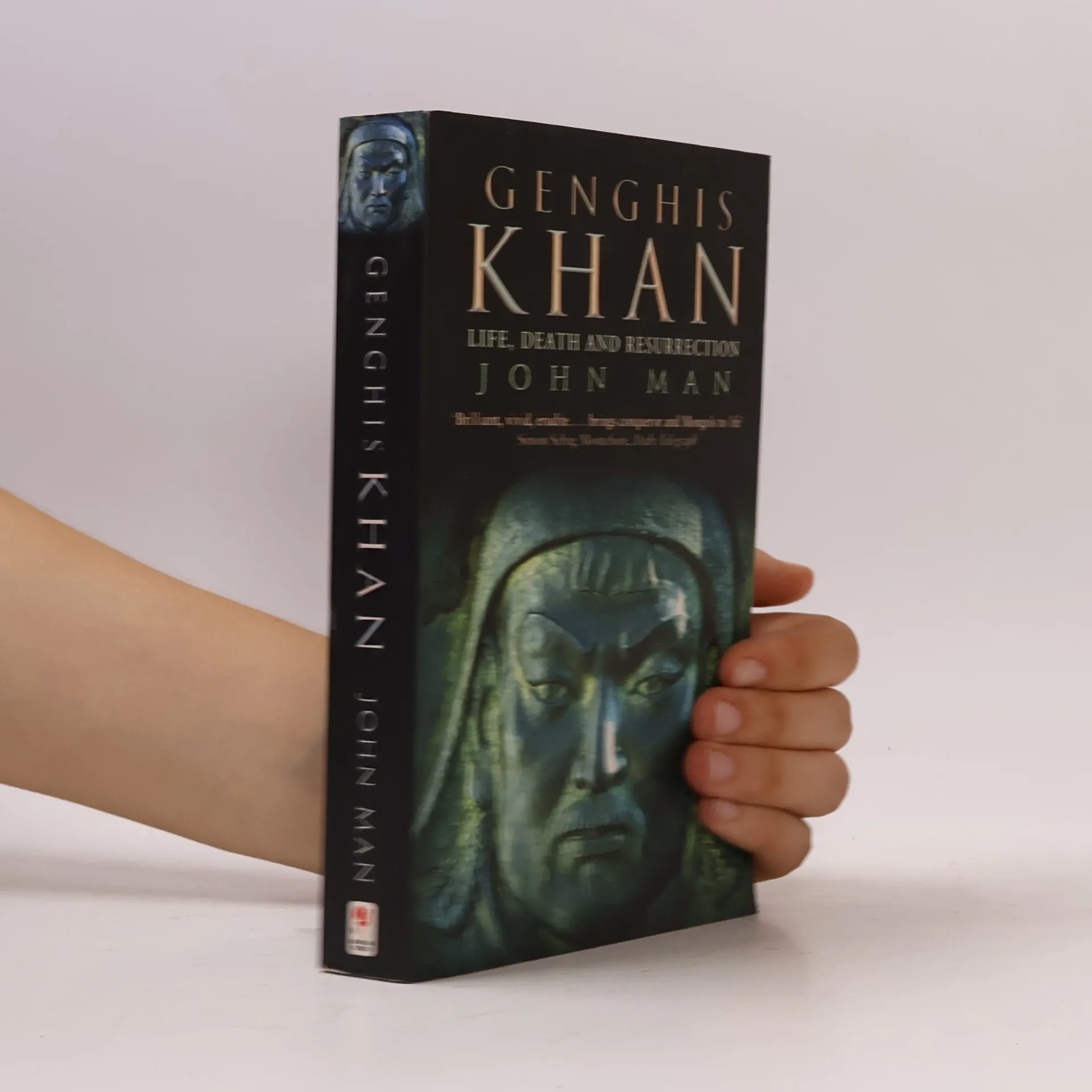
      Twórca największego imperium w dziejach przeszedł do historii jako zabójca milionów i brutalny ciemiężca, militarny geniusz i półbóg. W swojej ojczystej Mongolii – paradoksalnie – jest czczony jako ojciec narodu oraz patron pokoju i pojednania. Kim był naprawdę człowiek, który podbił pół świata, choć urodził się w ubóstwie i ciemnocie? Jak to się stało, że nastoletni zbieg, ukrywający się przed wrogiem w odległych górach, stał się twórcą największego imperium i zmienił bieg dziejów? Bieda i upokorzenie (jak byśmy powiedzieli) lub wola nieba (jak sam twierdził) popchnęły Czyngis-chana do wielkich podbojów. Bezlitosny i dumny, błyskotliwie i nowatorsko rządził – aż do śmierci w 1227 roku – imperium dwukrotnie większym niż rzymskie. Imperium, które jego następcy doprowadzili do szczytowej potęgi i które potem rozpadło się na odrębne jednostki terytorialne: Chiny, Azję Środkową, Persję i Rosję. Tajemnicą pozostaje, jak i gdzie zmarł oraz jak i gdzie został pochowany największy zdobywca. W poszukiwaniu jej rozwiązania John Man przemierzył tysiące kilometrów, podążając śladem legendy, która przetrwała przez stulecia i żyje do dziś. Jego fascynujące odkrycia ujawniają prawdę i oddzielają ją od mitu. Fascynujące połączenie śledztwa historycznego z wartką, godną thrillera narracją, w tej barwnej opowieści o życiu, śmierci i nieprzemijającym wpływie Czyngis-chana. „The Times” JOHN MAN to wybitny angielski historyk, podróżnik i pisarz, świetny znawca historii Chin, Japonii i Mongolii, autor porywających biografii słynnych azjatyckich wodzów: Czyngis-chan, Atylla i Kubiłaj-chan.

      Czyngis-chan Najokrutniejszy zdobywca wszech czasów
    • 2022

      The D-Day Atlas

      • 144pages
      • 6 heures de lecture

      An illustrated guide to one of the greatest events of World War II. The Allied landing in German-occupied Normandy on June 6, 1944 was the greatest amphibious operation in military history. In the months that followed, German forces, outnumbered and outgunned, fought one of the most tenacious and skillful defensive campaigns of the entire war. This magnificent graphical reconstruction details the momentous events of the Normandy campaign from its conception through to the destruction of the German 7th and 5th Panzer Armies at Falaise and the Allied liberation of Paris. Included in The D-Day Atlas are: Disposition and movements of military units Plans and objectives of the commanders on both sides Nature of the Normandy terrain Role of Allied air interdiction and long-range naval fire support Movement of reserve units and supplies Activities of the French Resistance Follow troop movements and positions throughout the Normandy campaign to discover how the British, American, and Commonwealth troops reached victory.

      The D-Day Atlas
    • 2021

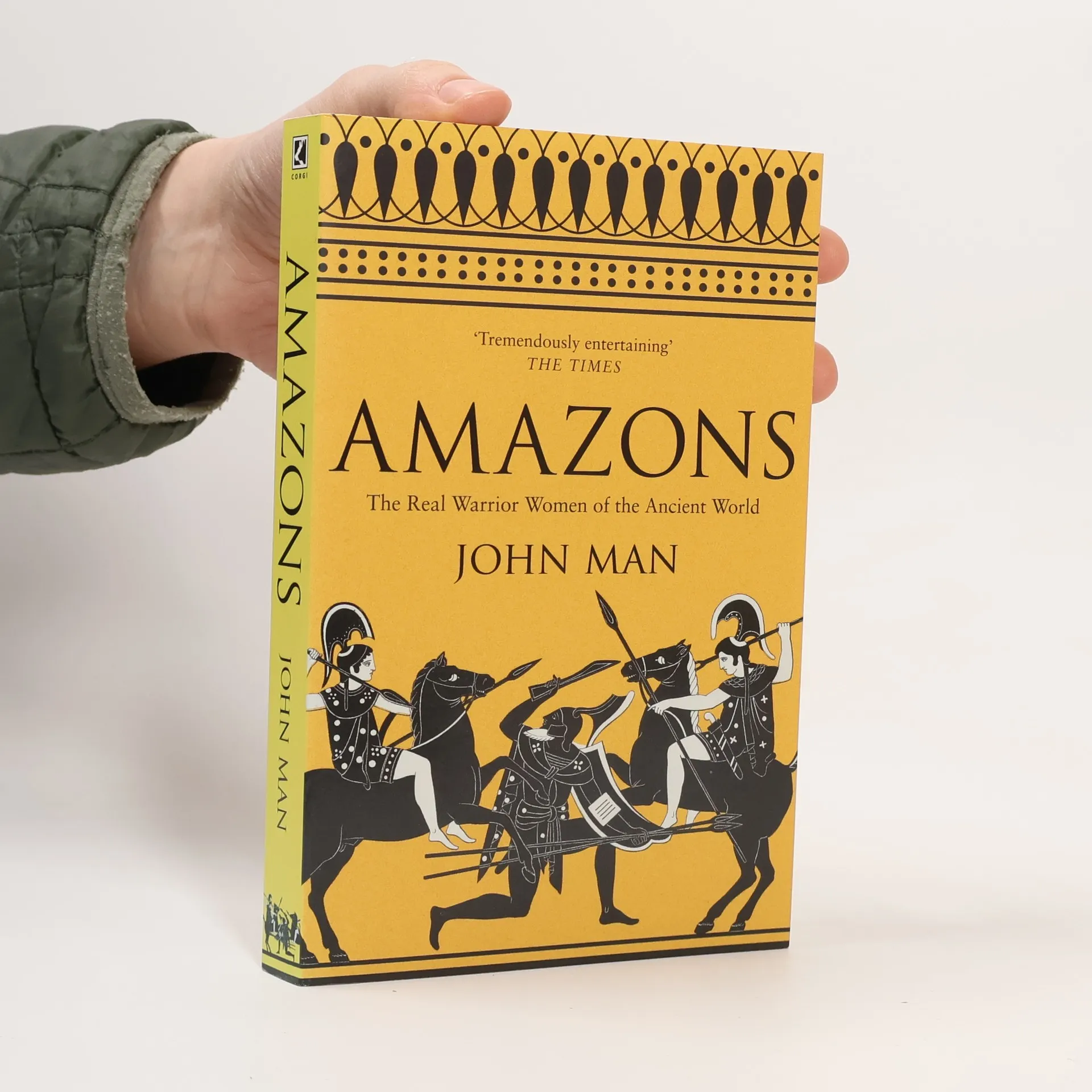
      An authoritative and rich history of the remarkable Xiongnu culture—a lost empire which preceded the Mongols and even China itself. The author of landmark histories such as Genghis Khan, Attila, and Xanadu invites us to discover a fertile period in Asian history that prefigured so much of the world that followed. The people of the first nomadic empire left no written records, but from 200 bc they dominated the heart of Asia for four centuries, and changed the world in the process. The Mongols, today’s descendants of Genghis Khan, see these people as ancestors. Their rise cemented Chinese identity and inspired the first Great Wall. Their descendants helped destroy the Roman Empire under the leadership of Attila the Hun. We don’t know what language they spoke, but they became known as Xiongnu, or Hunnu, a term passed down the centuries and surviving today as “Hun,” and Man uncovers new evidence that will transform our understanding of the profound mark they left on half the globe, from Europe to Central Asia and deep into China. Based on meticulous research and new archaeological evidence, Empire of Horses traces this civilization’s epic story and shows how this nomadic cultures of the steppes gave birth to an empire with the wealth and power to threaten the order of the ancient world.

      Empire of Horses: The First Nomadic Civilization and the Making of China
    • 2020

      Samurai

      The Last Warrior: A History

      • 352pages
      • 13 heures de lecture
      3,4(89)Évaluer

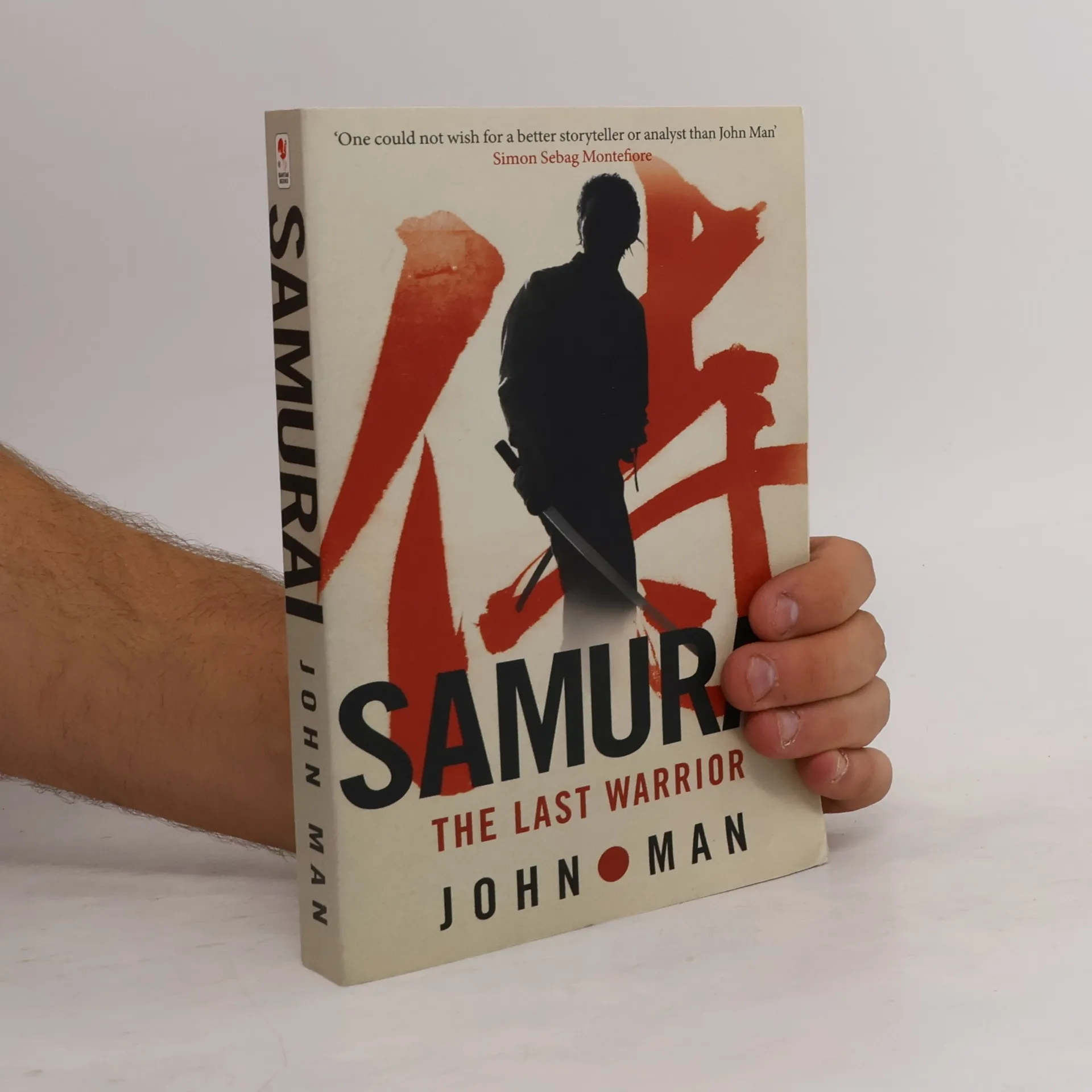
      Exploring the rich and complex history of the Samurai, this definitive work delves into their cultural significance, martial traditions, and the evolution of their role in Japanese society. The author, known for their expertise in the subject, provides an in-depth analysis of the Samurai's impact on both historical and modern contexts, offering readers a comprehensive understanding of these iconic warriors. Through detailed narratives and historical accounts, the book illuminates the values and philosophies that shaped the Samurai way of life.

      Samurai
    • 2020

      Ninja

      • 320pages
      • 12 heures de lecture
      3,0(39)Évaluer

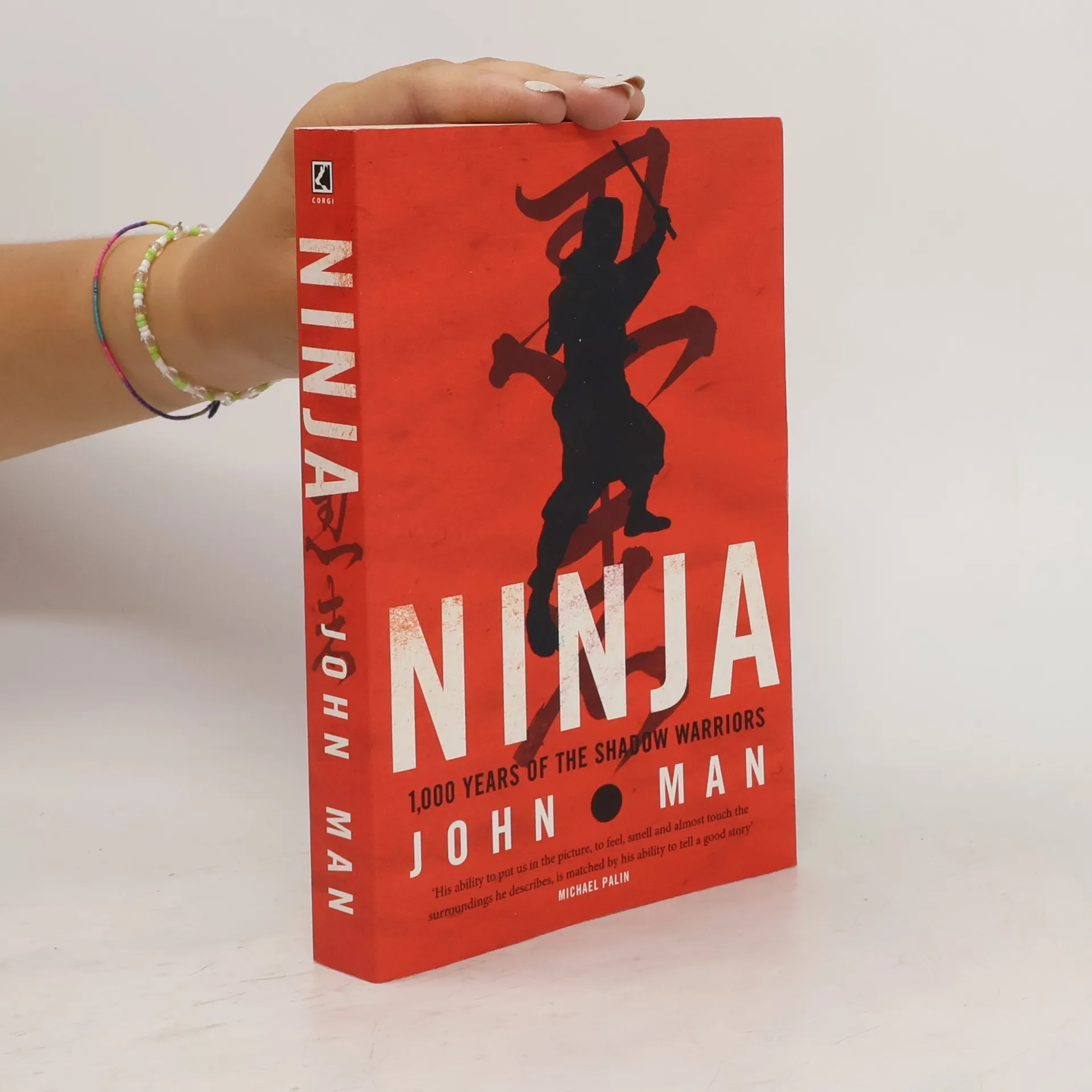
      Set against the backdrop of medieval Japan, the narrative explores the rise of a group of peasants who transformed into formidable ninjas, mastering the lethal combination of martial arts and stealth known as ninjutsu. The book delves into the historical reality of these warriors, contrasting their genuine skills with the exaggerated myths and pop culture portrayals that have emerged over time. It questions the authenticity of legendary feats attributed to ninjas, such as flying and invisibility, providing a deeper understanding of their true capabilities.

      Ninja
    • 2020

      Barbarians at the Wall

      • 328pages
      • 12 heures de lecture
      4,0(9)Évaluer

      The people of the first nomadic empire left no written records, but from 200 BC they dominated the heart of Asia for 400 years. They changed the world. The Mongols, today’s descendants of Genghis Khan, see them as ancestors. Their rise cemented Chinese unity and inspired the first Great Wall. Their heirs under Attila the Hun helped destroy the Roman Empire. We don’t know what language they spoke, but they became known as Xiongnu, or Hunnu, a term passed down the centuries and across Eurasia, enduring today in shortened form as ‘Hun’. Outside Asia precious little is known of their rich history, but new evidence reframes our understanding of the indelible mark they left on a vast region stretching from Europe and sweeping right across Central Asia deep into China. Based on meticulous research and new archaeological evidence, Emperors and Barbarians traces their epic story, and shows how the nomadic cultures of the steppes gave birth to a ‘barbarian empire’ with the wealth and power to threaten the civilised order of the ancient world.

      Barbarians at the Wall
    • 2017
    • 2015

      Saladin remains one of the most iconic figures of his age. As the man who united the Arabs and saved Islam from Christian crusaders in the 12th century, he is the Islamic worldâe(tm)s preeminent hero. Ruthless in defence of his faith, brilliant in leadership, he also possessed qualities that won admiration from his Christian foes. He knew the limits of violence, showing such tolerance and generosity that many Europeans, appalled at the brutality of their own people, saw him as the exemplar of their own knightly ideals. But Saladin is far more than a historical hero. Builder, literary patron and theologian, he is a man for all times, and a symbol of hope for an Arab world once again divided. Centuries after his death, in cities from Damascus to Cairo and beyond, to the Arabian Peninsula and the Gulf, Saladin continues to be an immensely potent symbol of religious and military resistance to the West. He is central to Arab memories, sensibilities and the ideal of a unified Islamic state. In this authoritative biography, historian John Man brings Saladin and his world to life in vivid detail. Charting his rise to power, his struggle to unify the warring factions of his faith, and his battles to retake Jerusalem and expel Christian influence from Arab lands, Saladin explores the life and the enduring legacy of this champion of Islam, and examines his significance for the world today.

      Saladin : the life, the legend and the Islamic empire
    • 2013

      The ninja were the medieval equivalent of the SAS; the original men in black. They were Japan's spies, assassins, saboteurs and secret agents - and the subject of countless legends. In 'Ninja', John Man goes in search of the true history behind the myths and legends. Originally published: London: Bantam, 2012.

      Ninja: 1,000 Years of the Shadow Warrior