Fidel Castro Livres
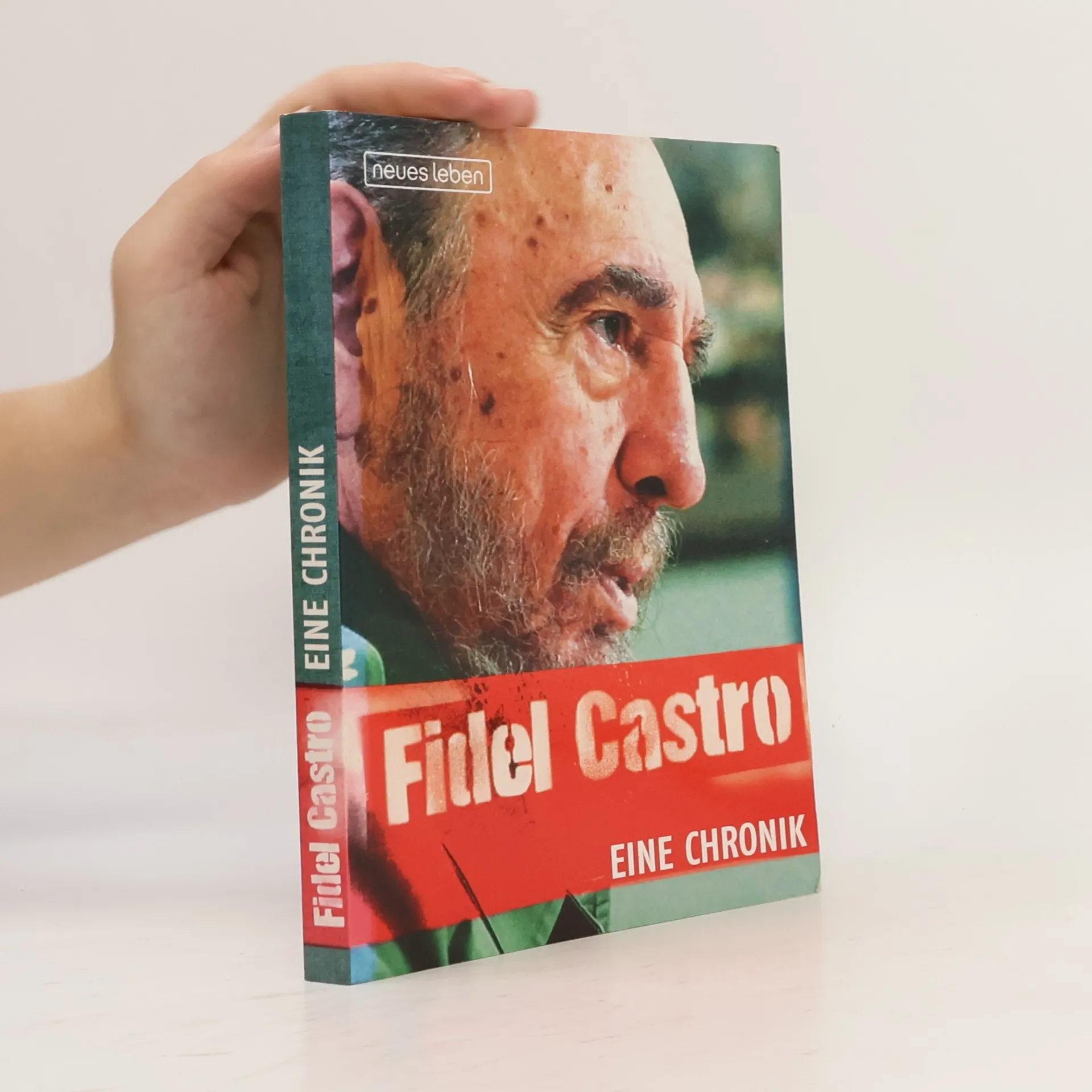
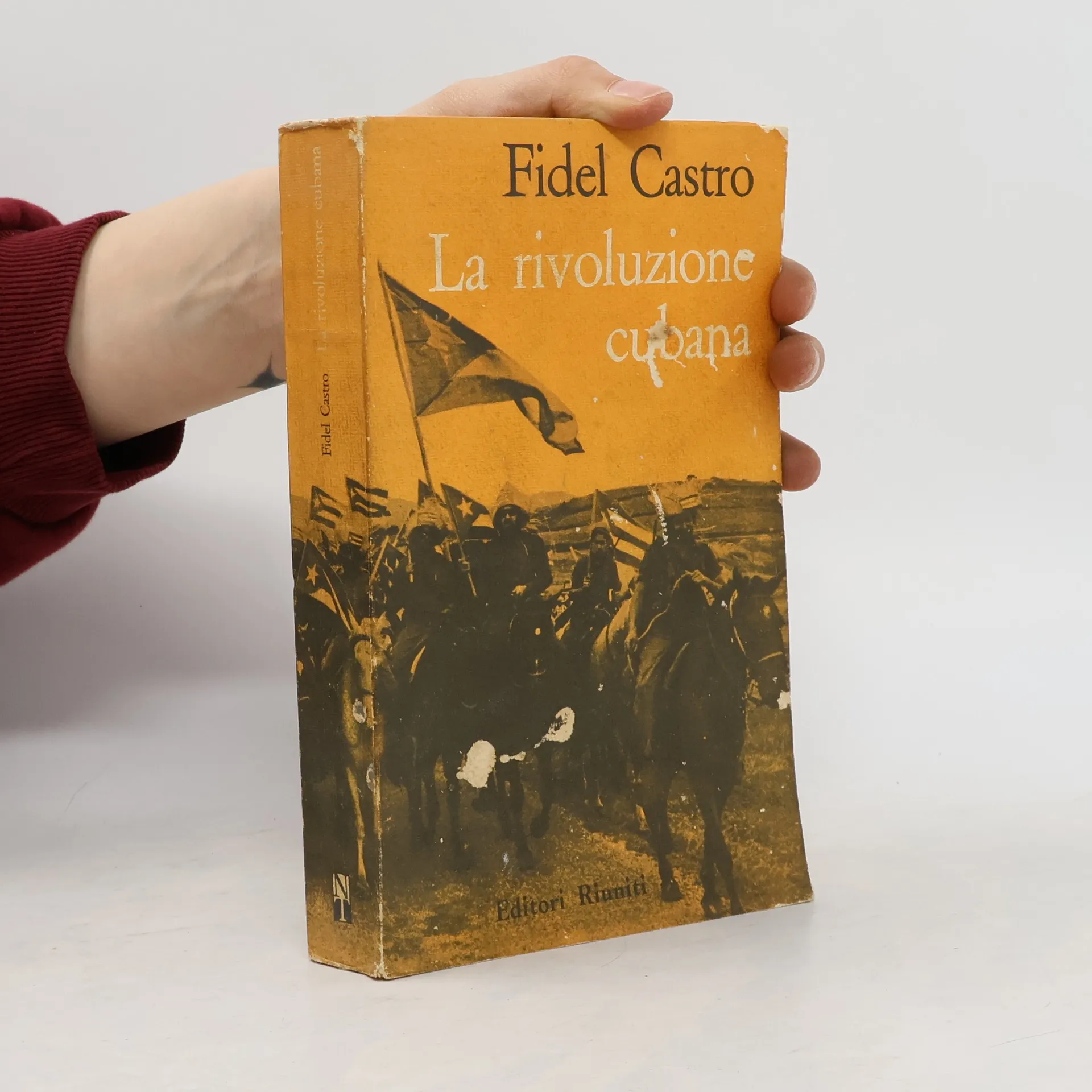
Fidel Castro fut un leader révolutionnaire et un homme politique qui a incarné la Révolution Cubaine. Sa philosophie politique, fermement ancrée dans le marxisme-léninisme, a conduit à la transformation de Cuba en un État socialiste doté d'une économie centralisée et de vastes réformes sociales. Castro fut une figure centrale des relations internationales de la Guerre Froide, soutenant les mouvements révolutionnaires à l'échelle mondiale et défiant l'impérialisme. Son héritage est complexe, perçu par certains comme un champion des idéaux socialistes et de la résistance anti-impérialiste, tandis que d'autres critiquent son régime autoritaire et ses conséquences.


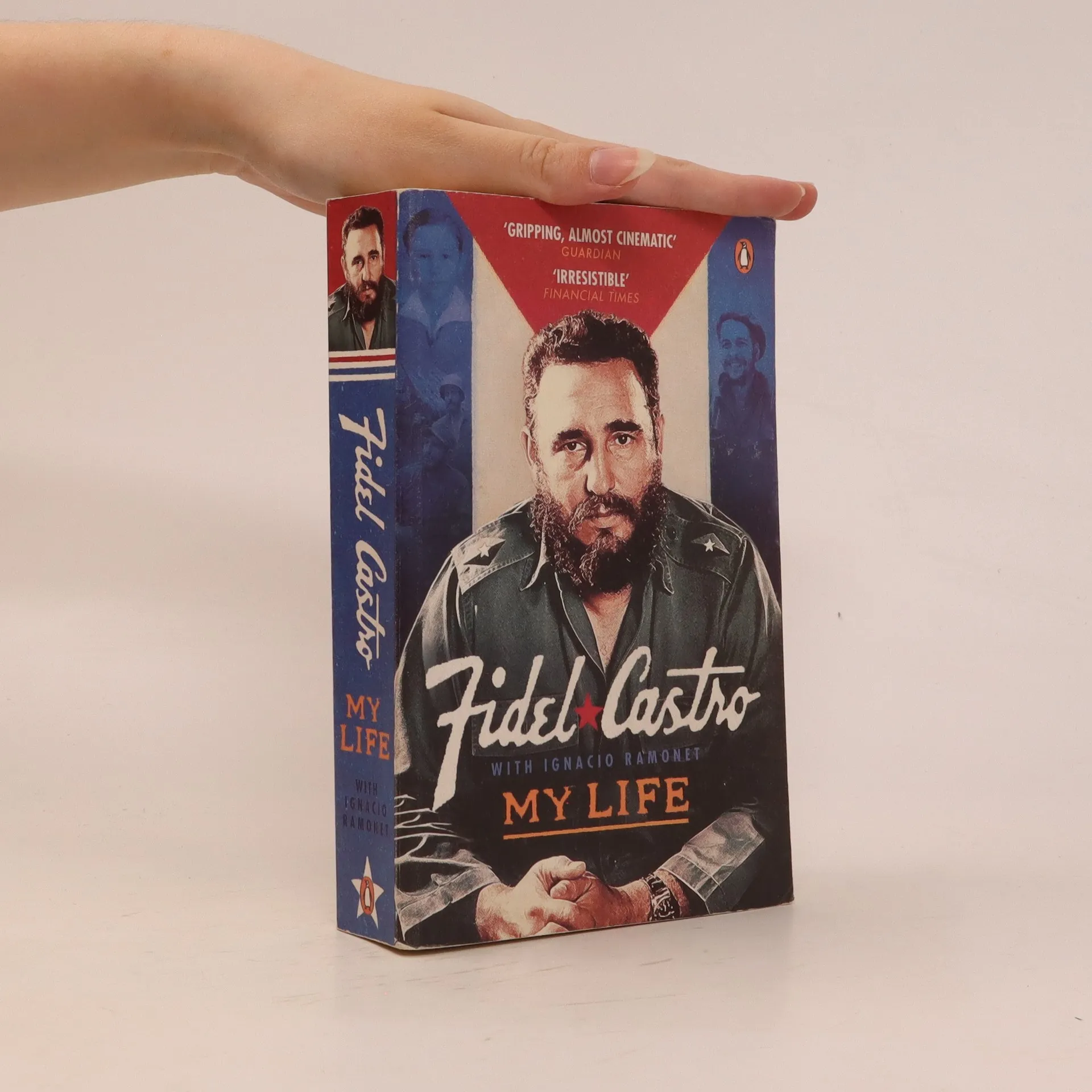
My life
- 723pages
- 26 heures de lecture
The acclaimed autobiography of Fidel Castro, one of the towering political figures of our age, who dominated both Cuba and the world stage for over half a century. Here Castro tells his story in full for the first time, speaking openly about everything from his parents and earliest influences to his imprisonment, guerrilla war and the Cuban revolution and on to the Bay of Pigs, the missile crisis and his relationship with Che Guevara. He also remembers the people he knew, from John F. Kennedy to Ernest Hemingway. Whatever your views on Castro are, this is an essential record of an incredible life - and even more extraordinary times. 'Cubaphiles are all the richer for this book ... Castro's prodigious gifts are well displayed: his formidable erudition, steely discipline, epic curiosity and his astute grasp of history' Financial Times 'Castro's life has been extraordinary and he can tell a good story' Evening Standard
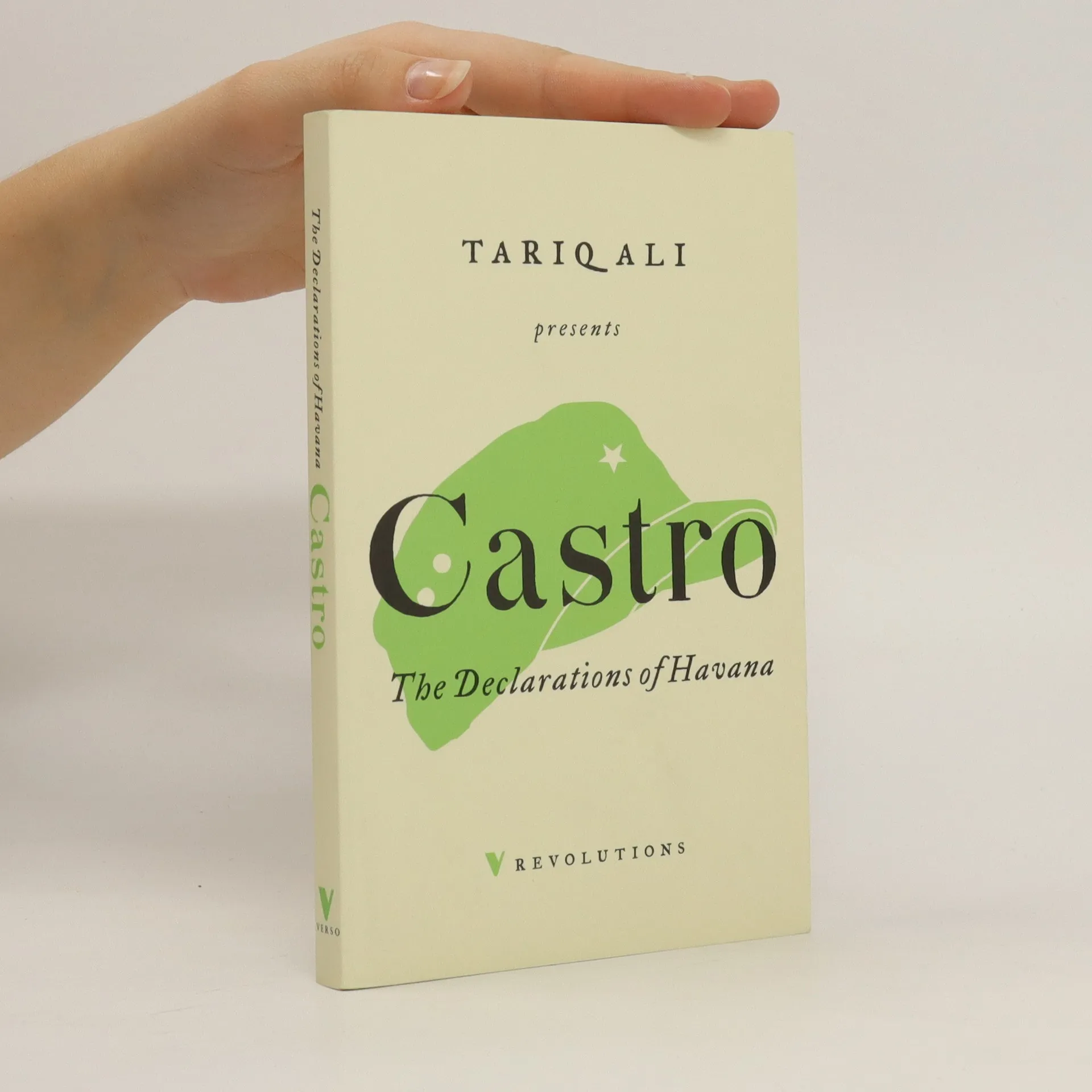
The Declarations of Havana
- 160pages
- 6 heures de lecture
In response to the American administration’s attempt to isolate Cuba, Fidel Castro delivered a series of speeches designed to radicalize Latin American society. As Latin America experiences more revolutions in Venezuela and Bolivia, and continues to upset America’s plans for neo-liberal imperialism, renowned radical writer and activist Tariq Ali provides a searing analysis of the relevance of Castro’s message for today.
A selections of speeches and interviews with Fidel Castro, dating from June, 2000 to November, 2001. The Cuban leader presents an indictment of the world economic and political order
Che: A Memoir By Fidel Castro
- 237pages
- 9 heures de lecture
Castro's own description of the historic political partnership that changed the face of Cuba and Latin America. He vividly portrays Che - the man, the revolutionary and the thinker - recounting in detail his last days with Che in Cuba and giving a frank assessment of the Bolivian mission.
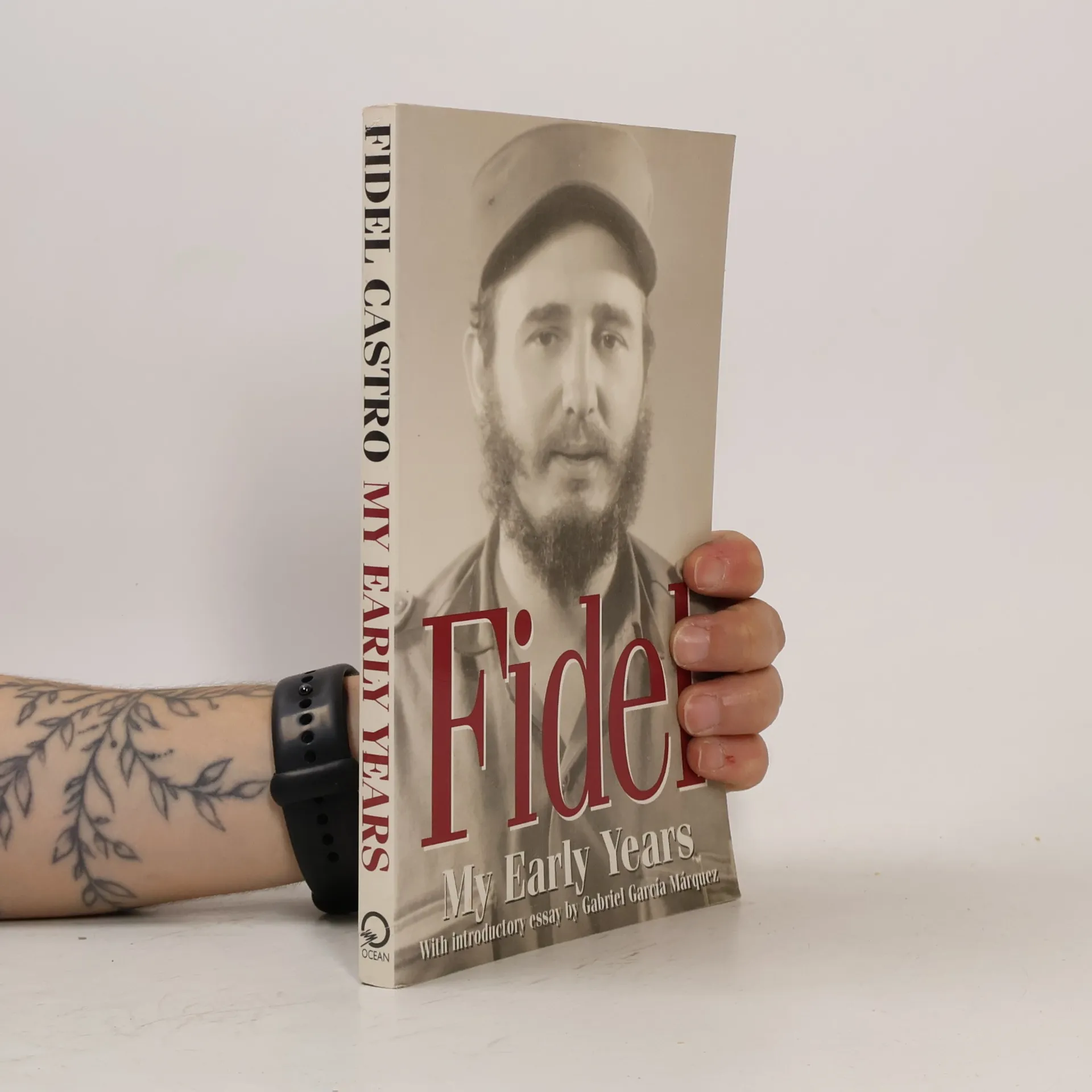
My Early Years
- 160pages
- 6 heures de lecture
In the twilight of his life, Fidel Castro, one of the century's most controversial figures, reflects on his childhood, youth and student activism. In an unprecedented and remarkably candid manner, the Cuban leader describes his family background, his childhood and education at elite Catholic schools, and the religious and moral influences that led to his involvement in politics from a very young age. This collection of autobiographical sketches gives a glimpse of Fidel Castro, the boy and the young rebel. He recollects his student days at the University of Havana, his early thoughts about armed struggle, his travels in Latin America as an international student organizer, his participation in a popular uprising in Colombia in 1948 and his experiences as a young lawyer and political activist.
Cien horas con Fidel
- 798pages
- 28 heures de lecture
Cien horas con Fidel recoge el contenido de las largas conversaciones sostenidas entre el Comandante en Jefe Fidel Castro y el intelectual y periodista francés Ignacio Ramonet entre principios de 2003 y mediados del 2005. Es un libro excepcional por la magnitud, diversidad y trascendencia de esta entrevista. Nunca antes Fidel había dedicado tantas horas a una conversación con fines de publicación en forma de libro, ni abordado un espectro de temas tan copioso en una sola entrevista, desde los recuerdos y vivencias de la infancia en Birán y en Santiago de Cuba, los años escolares y universitarios, los primeros afanes políticos y revolucionarios contra la tiranía batistiana, hasta las más recientes batallas de la Revolución Cubana: contra el bloqueo y la criminal Ley de Ajuste, por la liberación de los Cinco Héroes, el comandante contra toda forma de corrupción, la revolución energética y la grandiosa Batalla de Ideas que actualmente libera al pueblo cubano. El valor fundamental de este libro está en la profundidad de los análisis y respuesta del entrevistado.
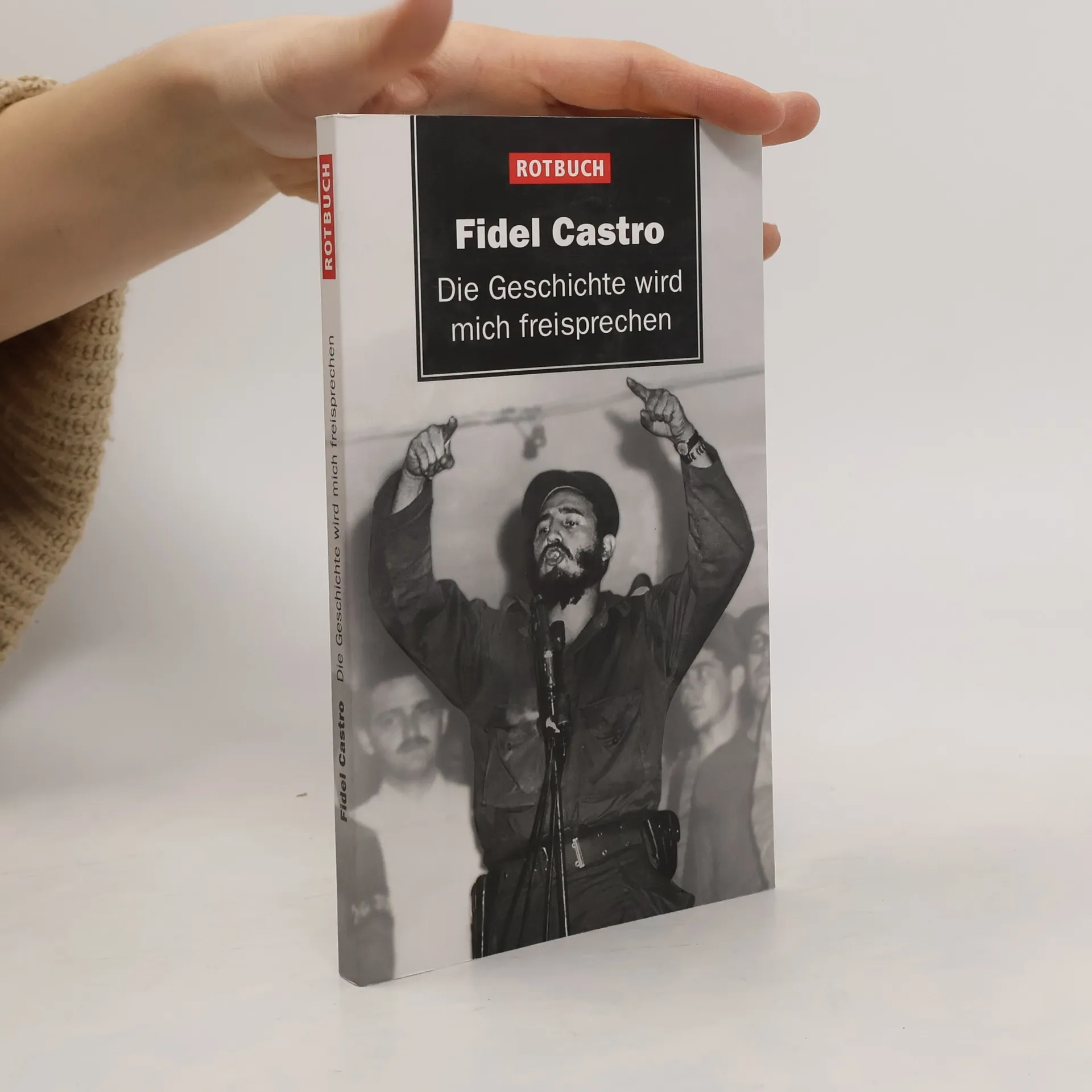
Die Geschichte wird mich freisprechen
- 124pages
- 5 heures de lecture
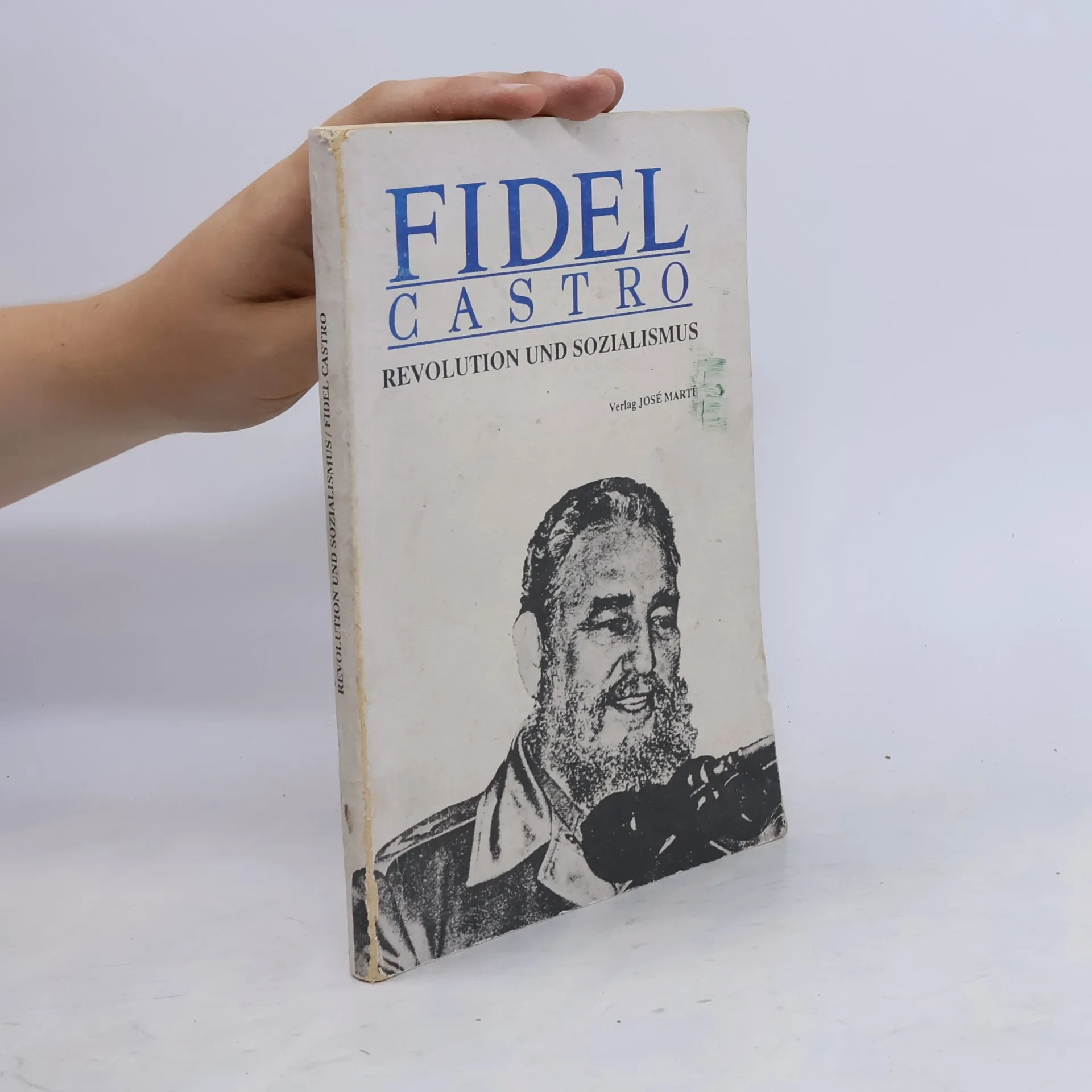
Unter dem Titel „La historia me absolverá“, in Anlehnung an den letzten Satz seines Plädoyers, wurde Fidel Castros Verteidigungsrede bekannt. Der Anführer der kubanischen Rebellenarmee hielt sie am 16. Oktober 1953 bei der vorletzten Gerichtsverhandlung in Santiago de Cuba gegen die Beschuldigten des Angriffs auf die Moncada-Kaserne im selben Jahr. Sie ist ein programmatisches Manifest, Anklageschrift, rechtliche, moralische, philosophische und politische Verteidigungsschrift des revolutionären Kampfes gegen die Tyrannei. „Die Geschichte wird mich freisprechen“ ist damit von selbst zu einem Grundsatzdokument der Kubanischen Revolution und einem der wichtigsten Texte über das politische Denken und die revolutionäre Aktion Kubas und Lateinamerikas geworden.
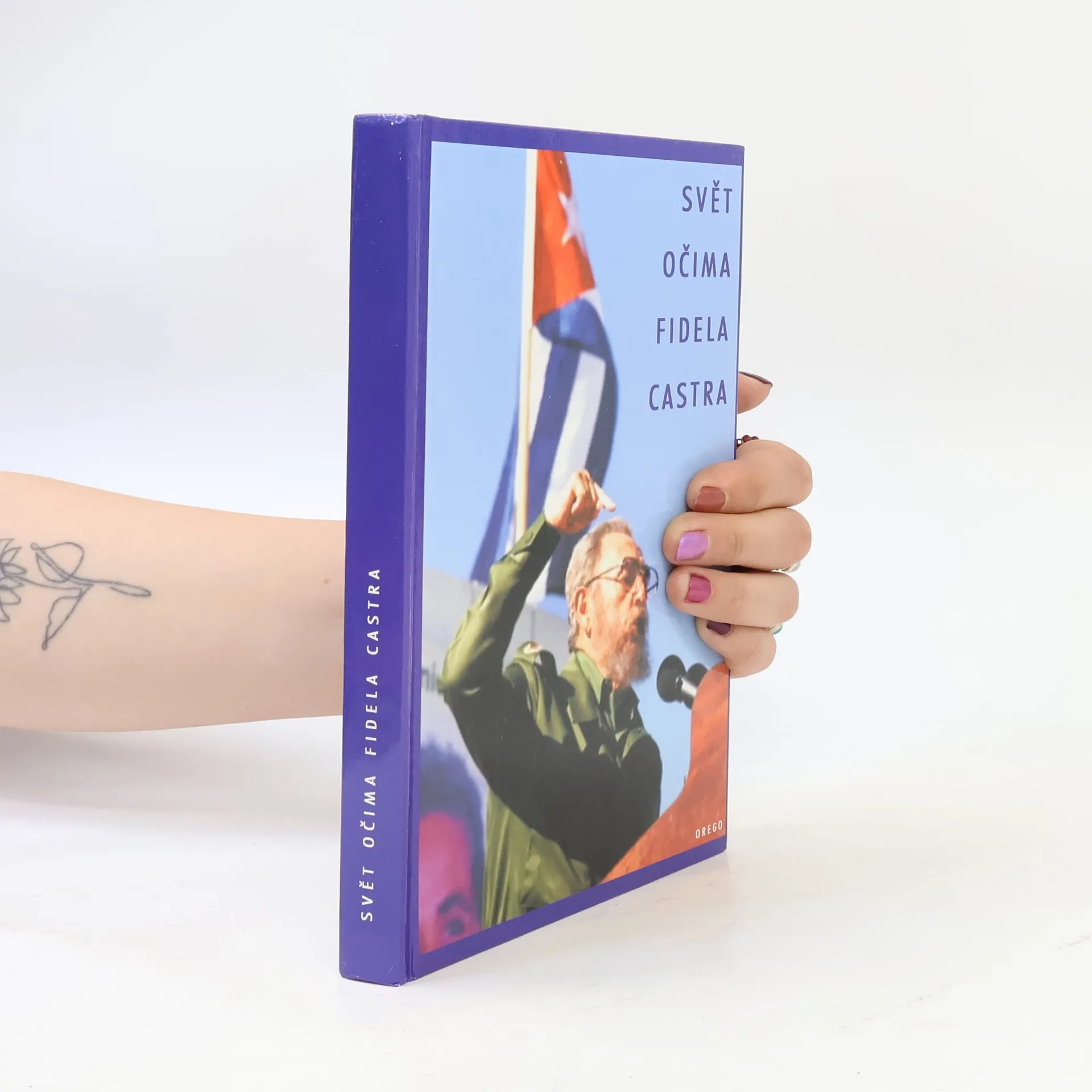
Svět očima Fidela Castra : sborník vystoupení
- 263pages
- 10 heures de lecture
Der strategische Sieg
- 703pages
- 25 heures de lecture
Die Kubanische Revolution hat bis heute nichts von ihrer Strahlkraft eingebüßt. Sie ist Vorbild und Bezugspunkt für sämtliche nachfolgenden Befreiungsbewegungen in Lateinamerika, ihre politischen Anführer Fidel Castro und Che Guevara wurden zu Ikonen des Kampfes David gegen Goliath. Im ersten Teil seiner umfassenden Erinnerungen schildert der 'Comandante en Jefe' Fidel Castro minutiös den Guerillakampf in der Sierra Maestra im Jahr 1958, die Schwierigkeiten bei der Organisation des Widerstandes gegen einen zahlenmäßig weit überlegenen Gegner und die entscheidenden Schlachten, die schließlich zum Sturz des Diktators Batista führten.
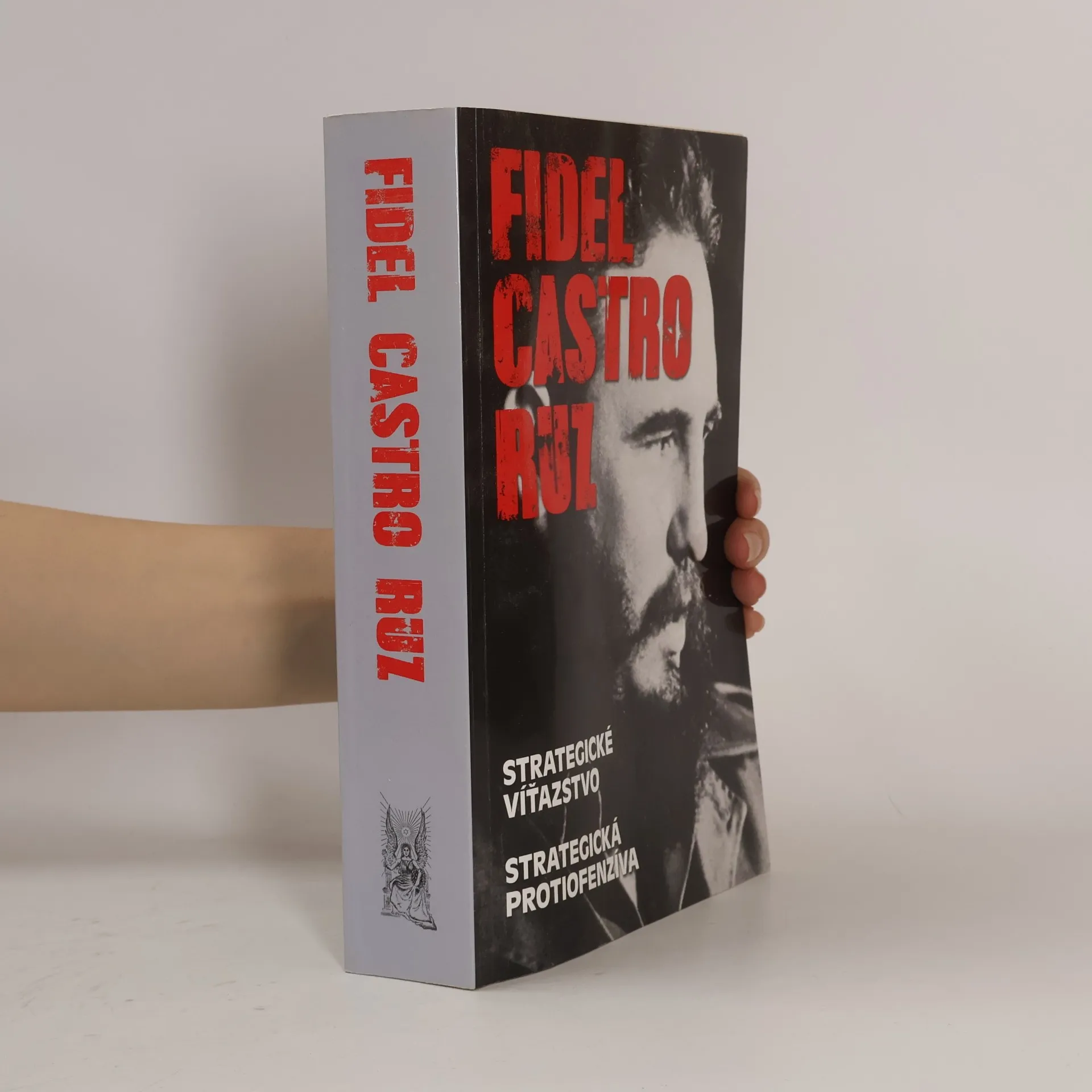
Strategické víťazstvo / Strategická protiofenzíva
- 1024pages
- 36 heures de lecture
Pod názvom STRATEGICKÉ VÍŤAZSTVO a STRATEGICKÁ PROTIOFENZÍVA vychádza najvýznamnejšie dielo Fidela Castra Ruza - autobiografická dvojzväzková kniha spomienok na priebeh kubánskej revolúcie. Je to vôbec prvá Castrova kniha, ktorá bola vydaná na Slovensku. Autor mimoriadne pútavým a zaujímavým spôsobom mapuje priebeh revolúcie a občianskej vojny na Kube. Približuje denný život povstaleckých vojsk, ich úspechy a strasti na bojiskách. Rozprávač sa s čitateľmi veľmi otvorene delí o svoje pocity, názory a stratégie a neváha zverejniť ani osobné listy z tej doby. Denníková forma ešte umocňuje vnímanie tohto diela, z ktorého je zrejmé, prečo si ľudia na Kube vážia Fidela Castra ako výnimočného človeka, hrdinu a historického vodcu kubánskej revolúcie. Kniha je doplnená unikátnymi fotografiami, faksimile Castrových listov či mapovými prílohami s rozbormi bojových konfliktov.
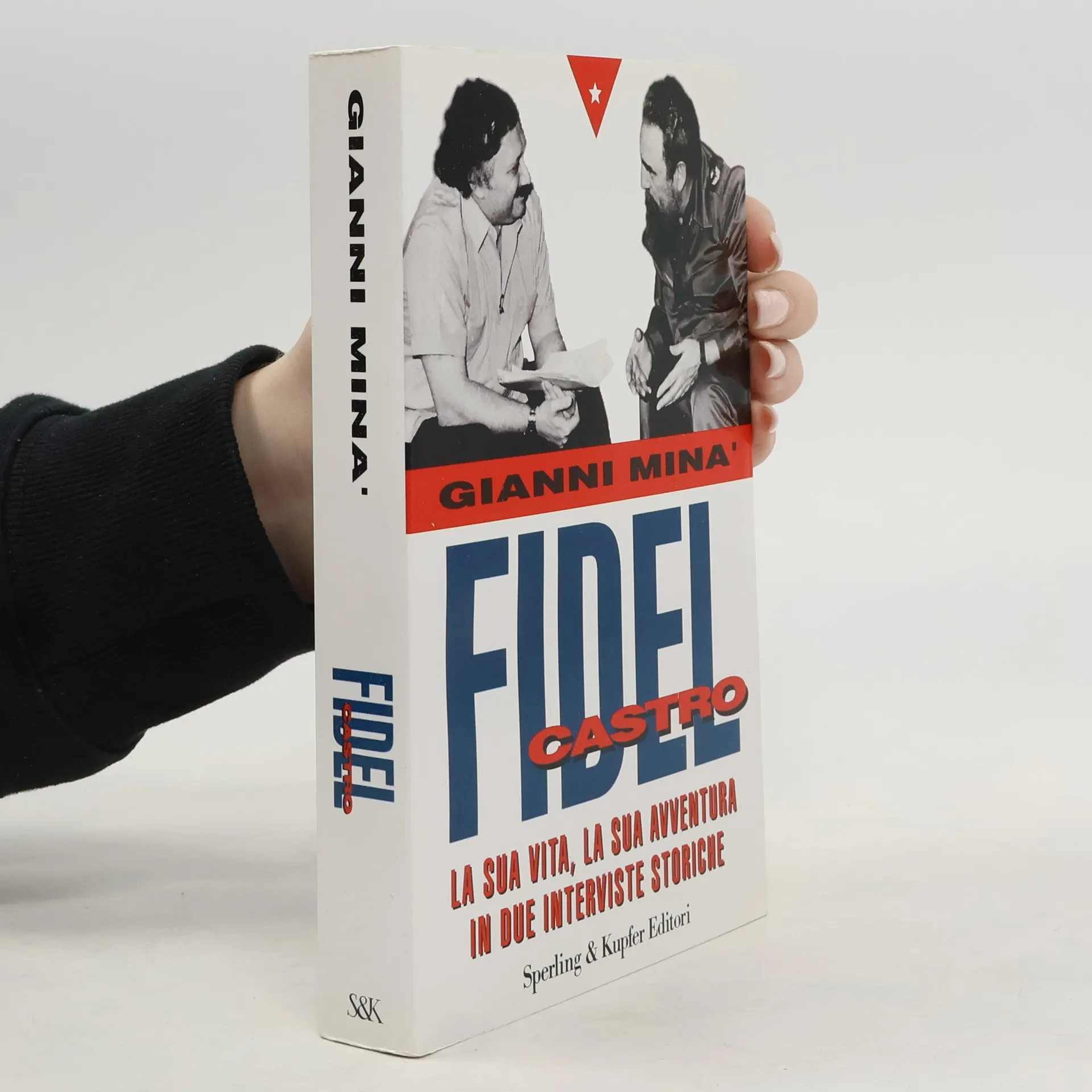
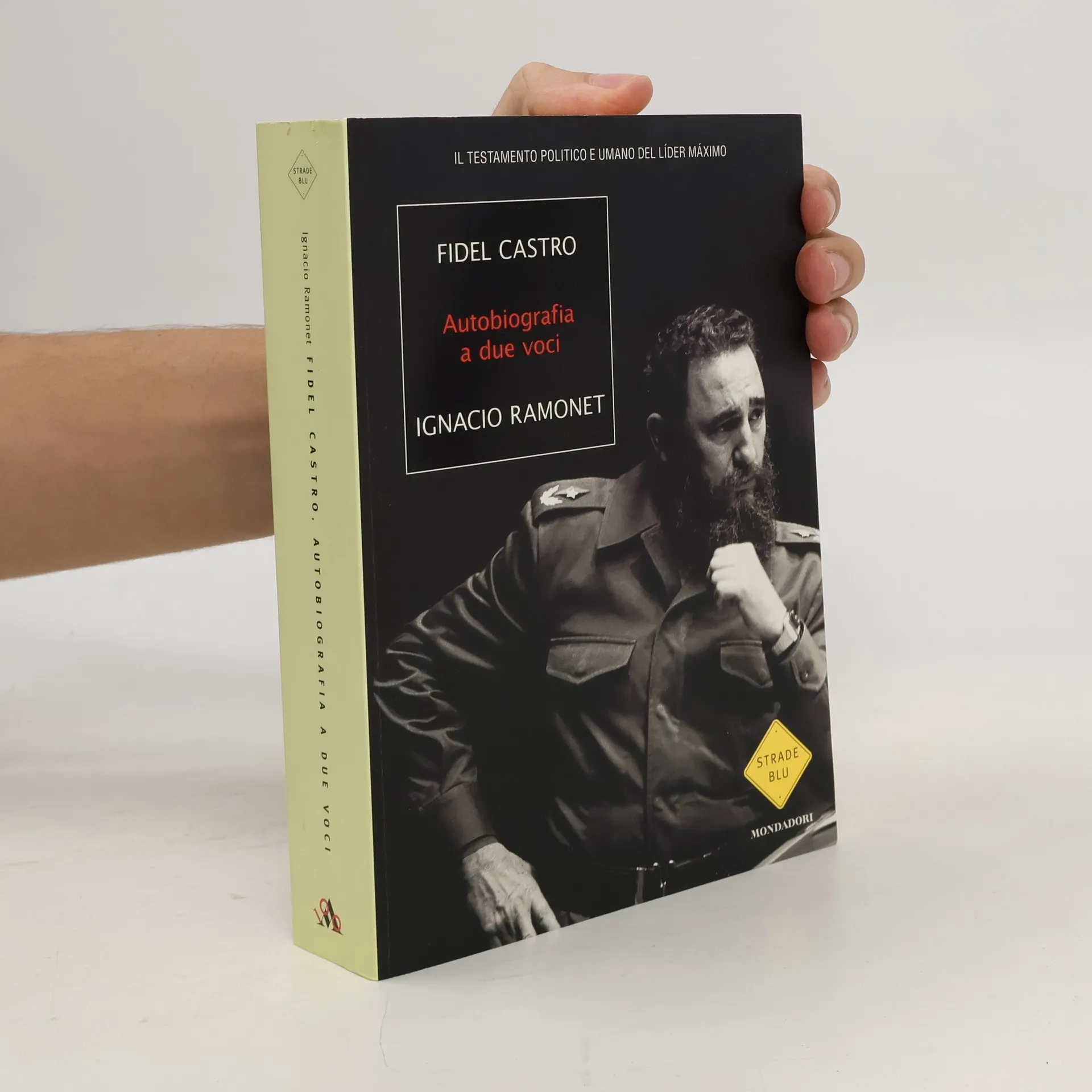
L'intervista è suddivisa in due parti. La prima parte, introdotta da un ritratto di Castro di Gabriel García Márquez, si concentra sulla storia della rivoluzione cubana. Il presidente Castro descrive le caratteristiche dei principali protagonisti, tra cui Che Guevara e importanti politici mondiali come Kennedy, Carter, Reagan, Chruščov e Brežnev. Viene menzionata l'azione militare cubana in Angola e eventi poco noti, come l'attentato a un aereo cubano nel 1976, in cui persero la vita membri della squadra di scherma cubana. Si affrontano anche temi come l'emigrazione negli Stati Uniti e le relazioni internazionali. La seconda parte, intitolata Presenza e futuro, contiene un'intervista con Gianni Minà, che interroga Castro sulle relazioni internazionali nel 1990, comprese quelle con l'URSS e Michail Gorbaciov. Insieme teorizzano sul comunismo, la pena di morte e la politica. Minà cerca di mantenere un approccio obiettivo, a differenza di Márquez e Amado, che ammirano la personalità di Castro. Discutono del successo del comunismo e del significato delle rivoluzioni. Il libro è ricco di informazioni dal punto di vista di Castro e può offrire un'oggettività nella percezione di questa figura controversa.
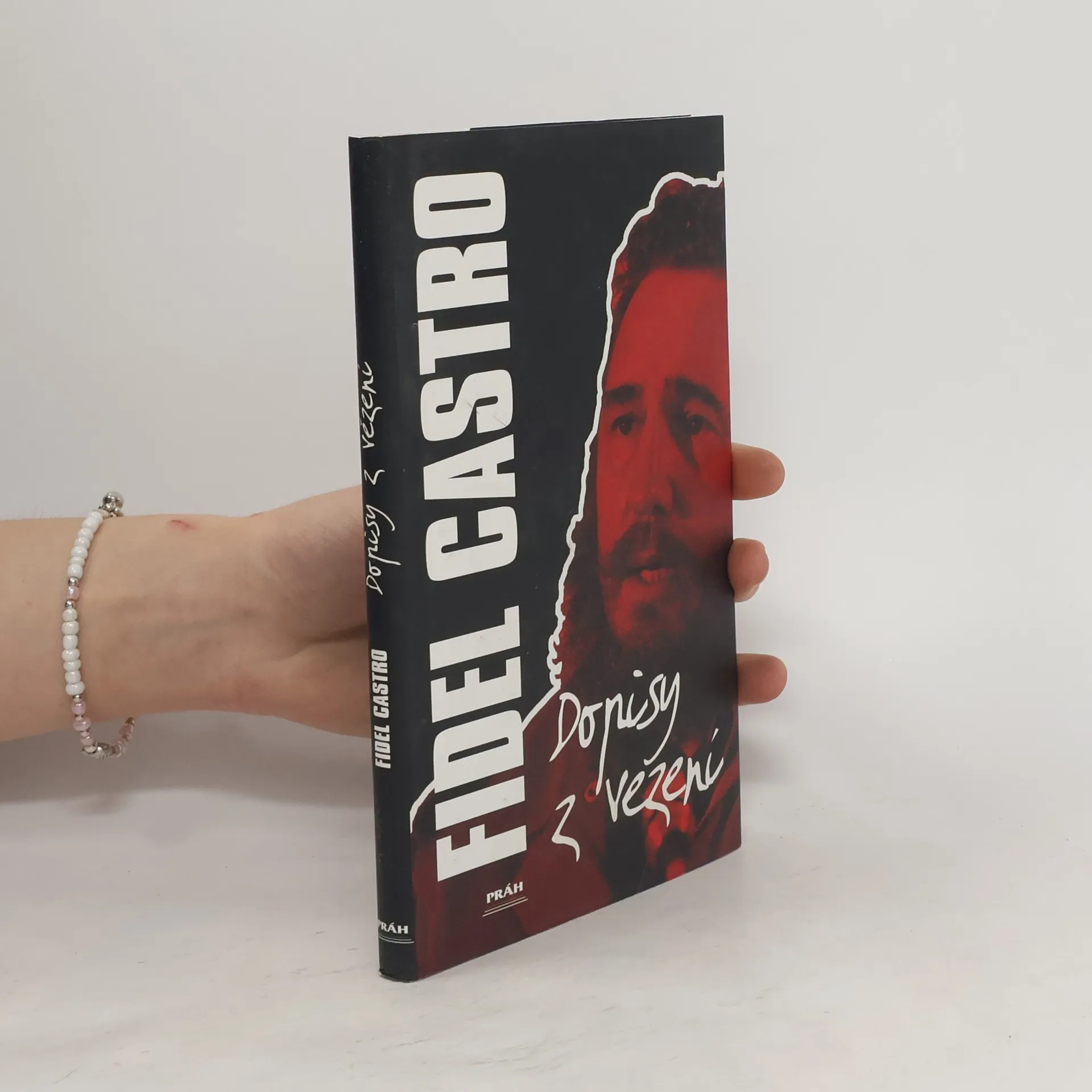
Dopisy z vězení
- 101pages
- 4 heures de lecture
V roce 1953 byl sedmadvacetiletý právník Fidel Castro uvězněn na ostrově Pinos za organizování ozbrojeného útoku na kasárna Moncada v Santiago de Cuba. Soubor těchto dopisů je z období od prosince 1953 do května 1955 a je doplněn o předmluvu Luis Conte Agüero, který byl přítelem tehdejšího politického vězně a adresátem některých z jeho dopisů, a doslov Vladimíra Nálevky.
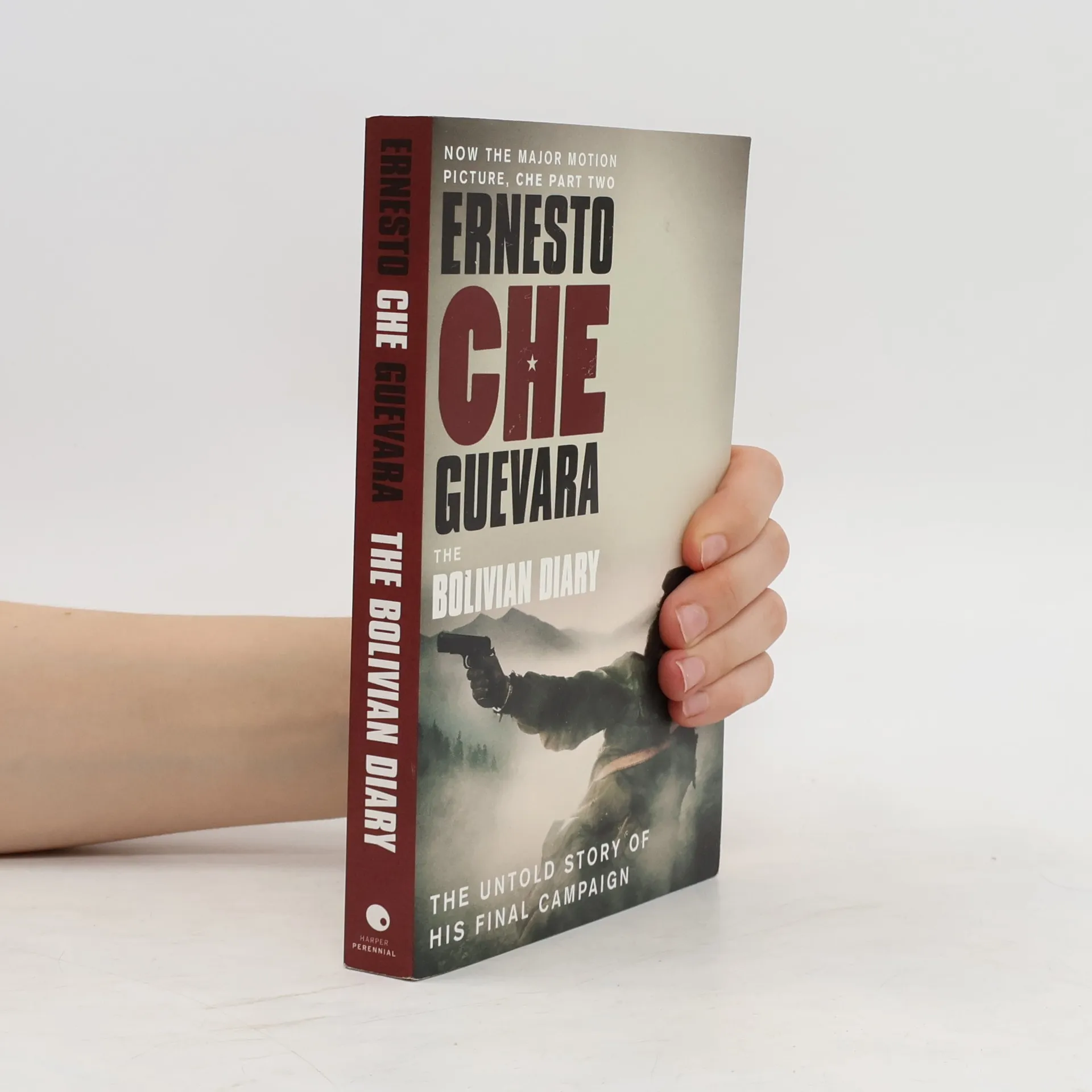
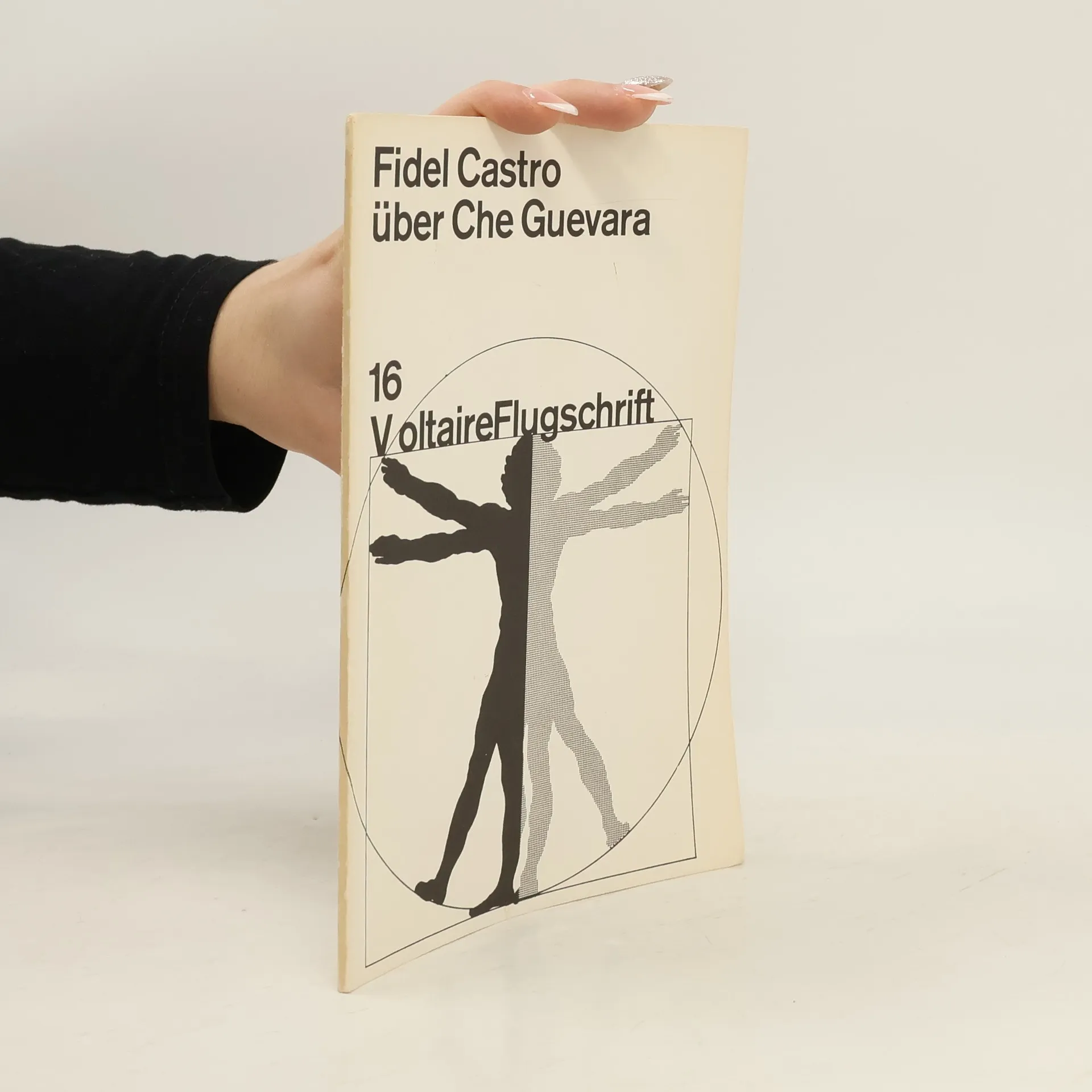
Che Guevara's last diary, discovered after his capture by the Bolivian Army in 1967, features an introduction by Fidel Castro and significantly contributed to Guevara's posthumous iconic status.
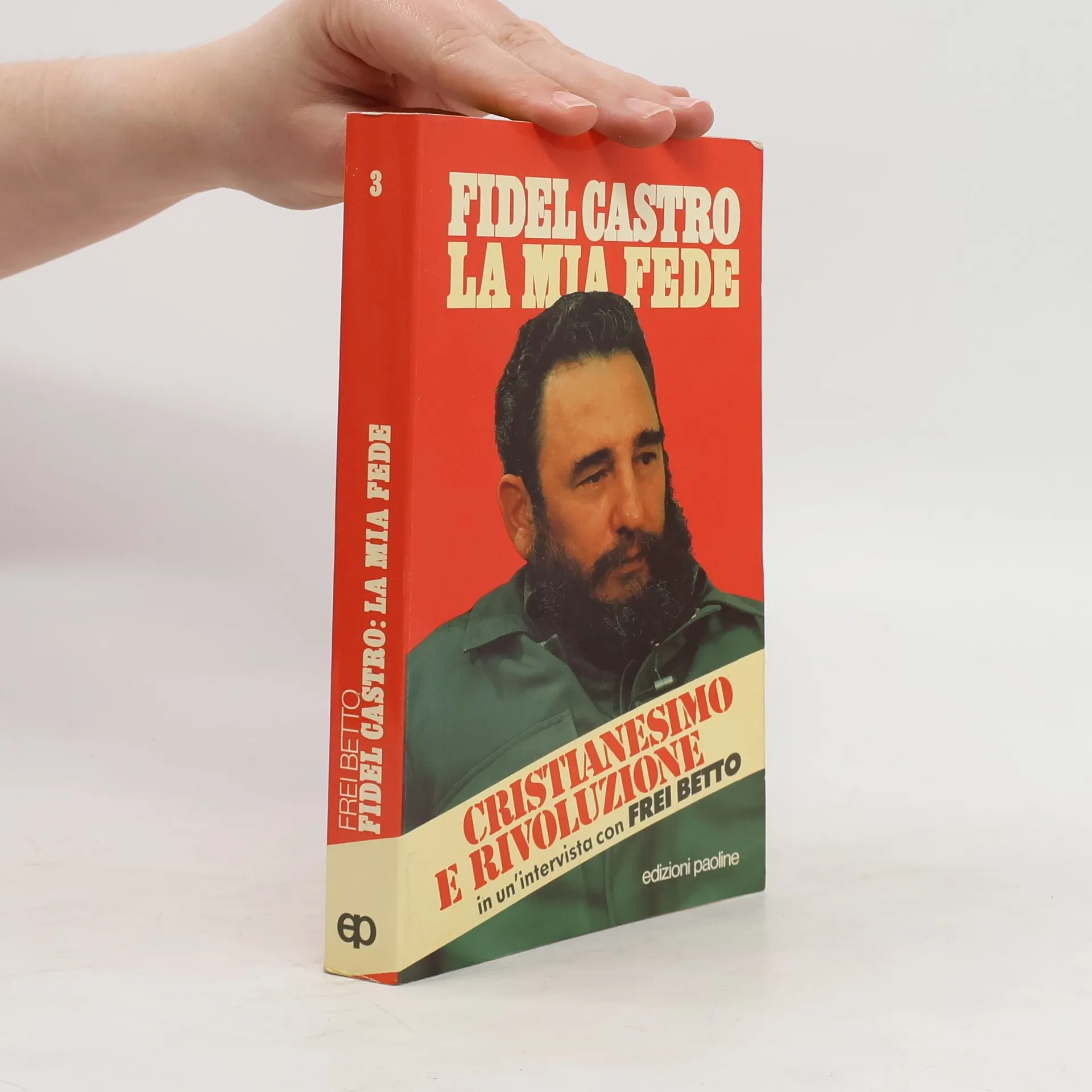
Fidel Castro la mia fede 3
- 327pages
- 12 heures de lecture
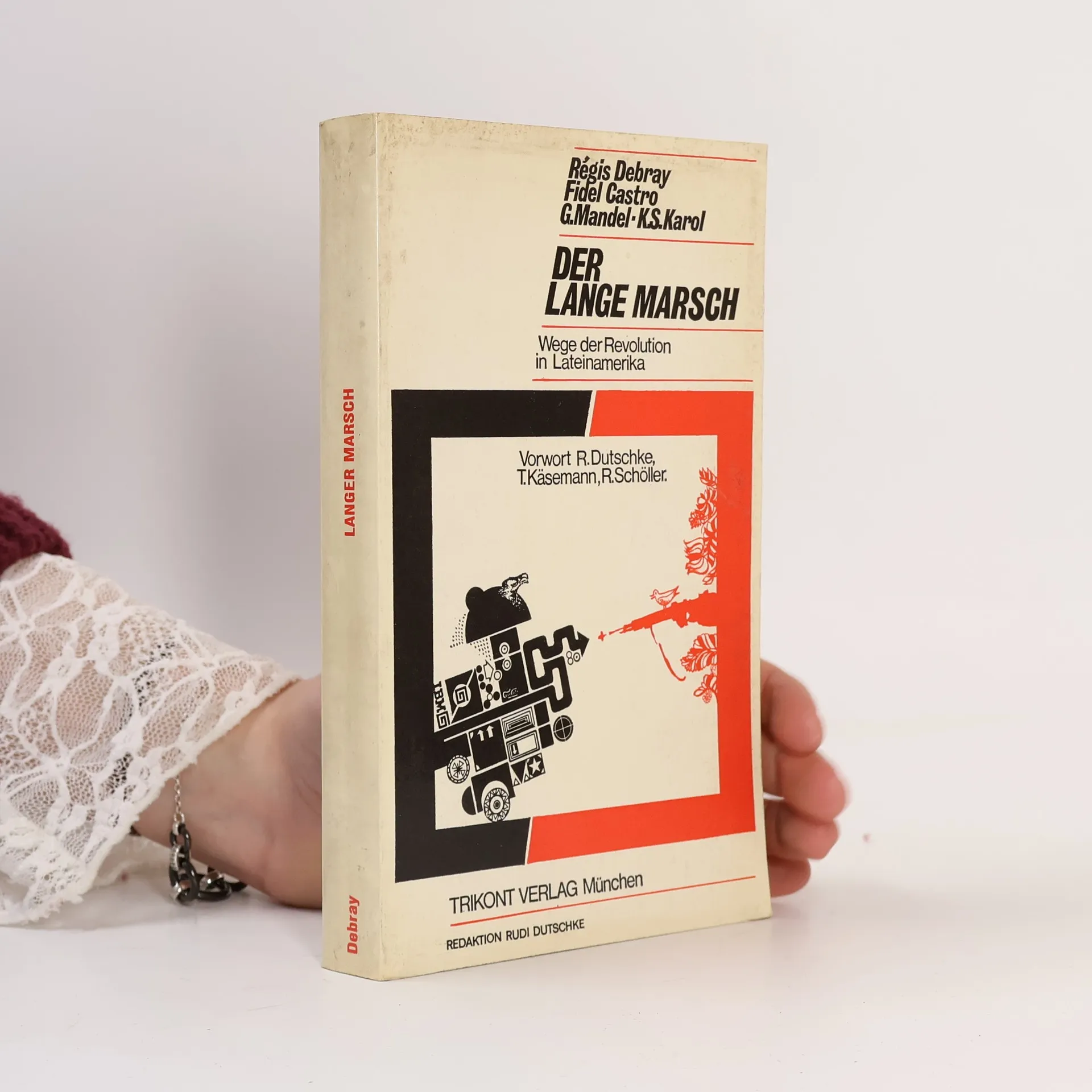
Der lange Marsch
Wege der Revolution in Lateinamerika
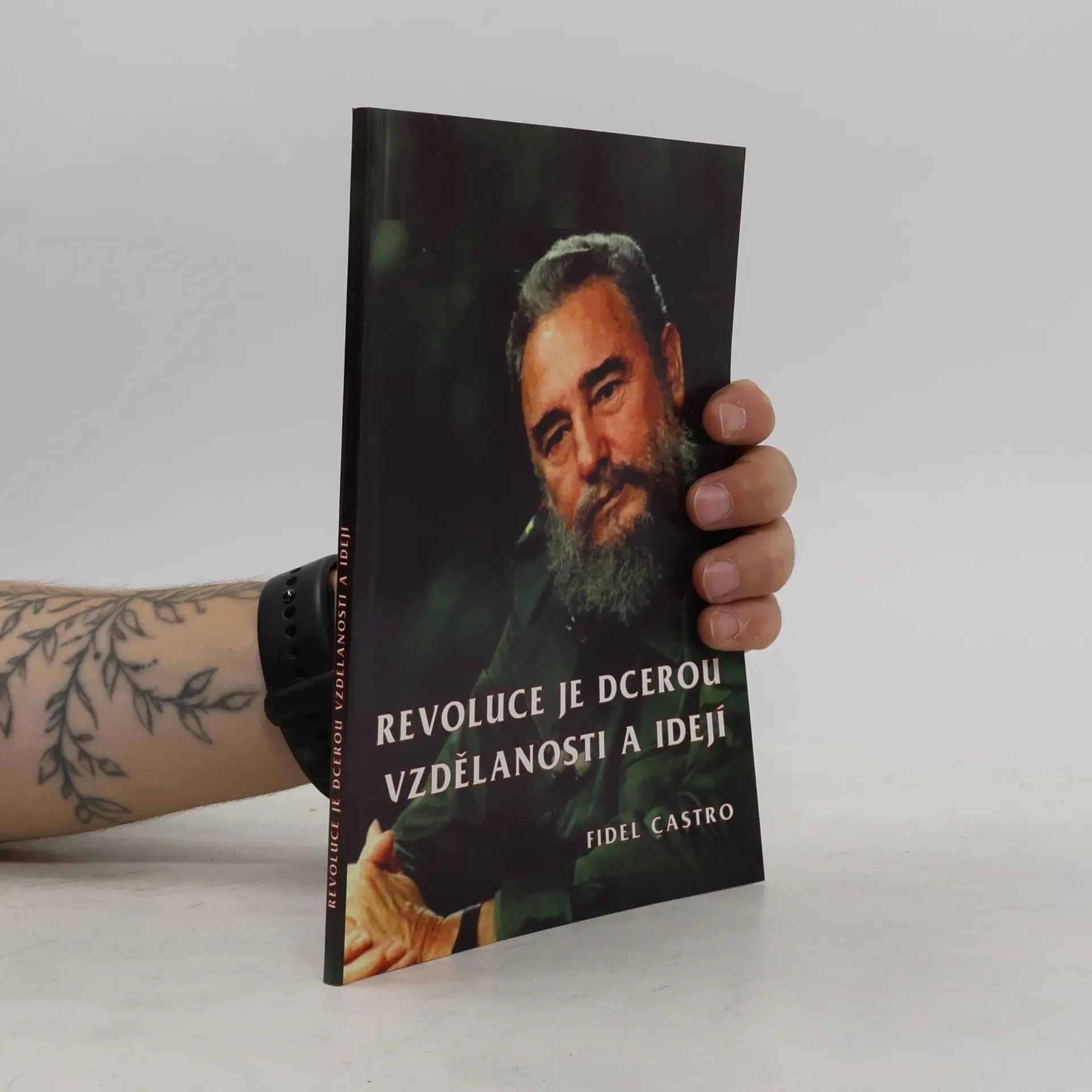
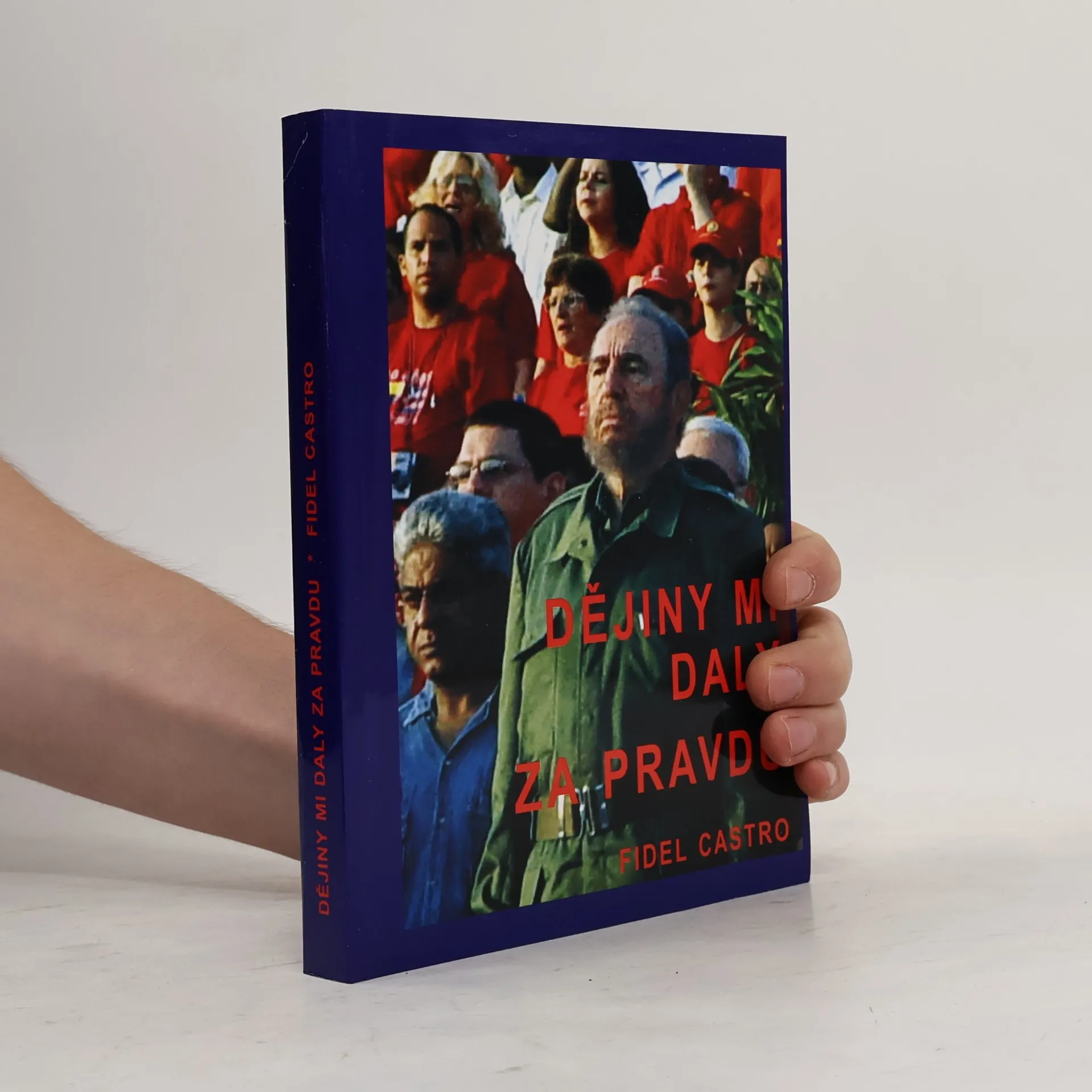
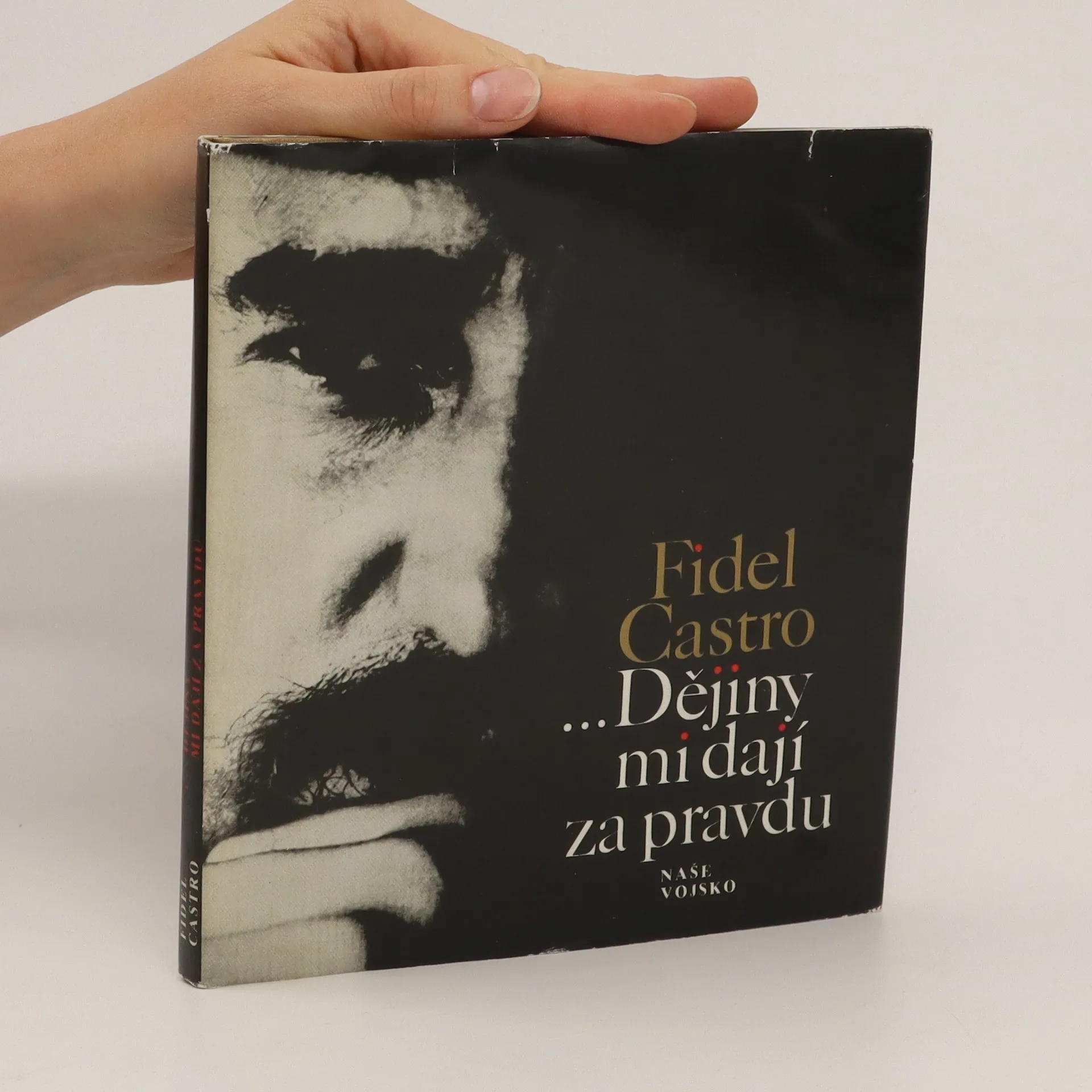
Dějiny mi daly za pravdu : (sborník vybraných vystoupení F. Castra 2003-2006)
- 343pages
- 13 heures de lecture
Sborník vybraných vystoupení F. Castra 2003-2006
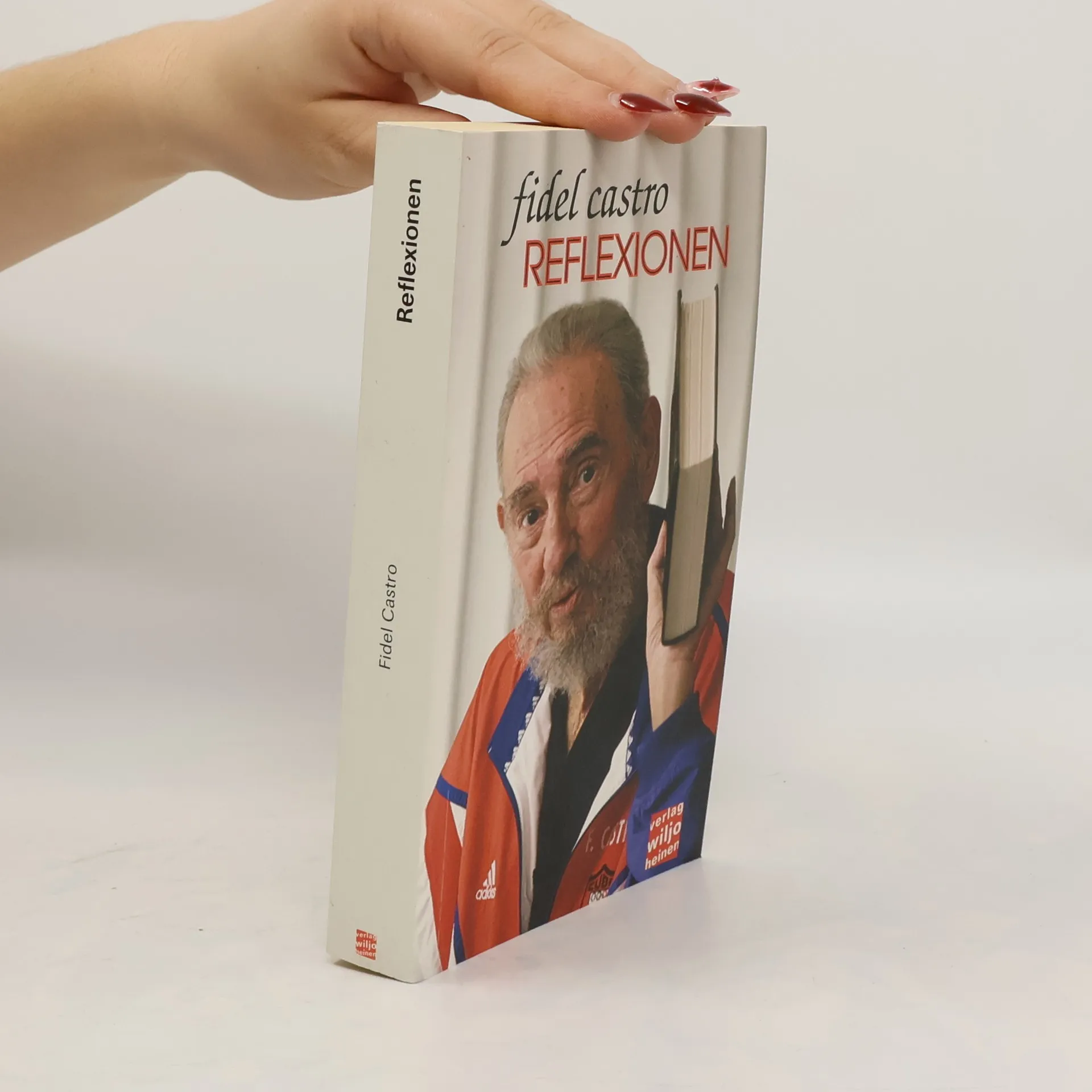
Fidels Reflexionen über den Zustand der Welt, die Themen wie Welthunger, Biokraftstoffe und Klimawandel behandeln. Sie lesen sich wie eine Reihe von nachdrücklichen Berichten, unterstützt durch Grafiken und Daten.
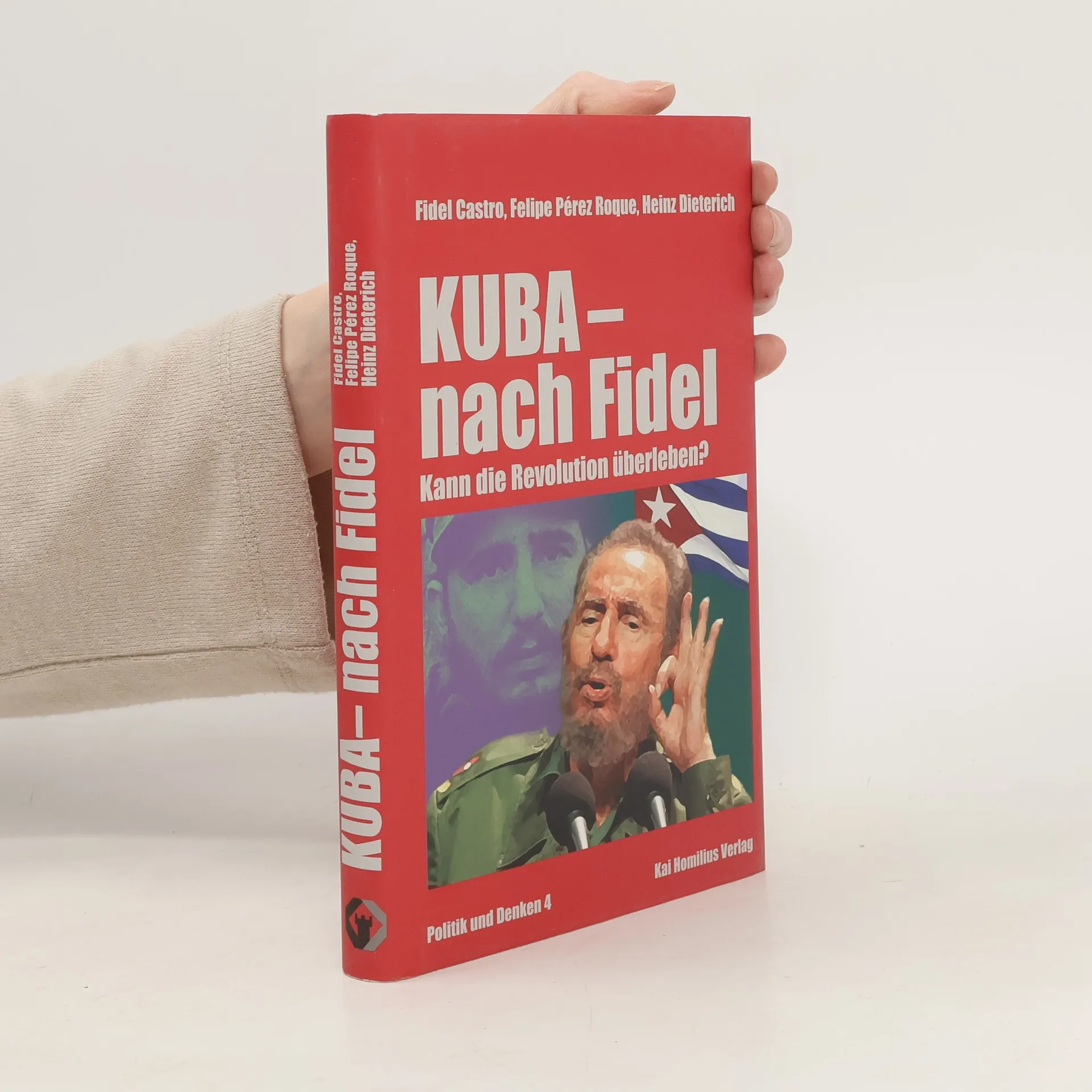
Kuba - nach Fidel
- 178pages
- 7 heures de lecture
wenn wir überleben wollen
- 296pages
- 11 heures de lecture
Projev Fidela Castra, který přednesl před soudním tribunálem Batistova buržoazního režimu v roce 1953. Projev byl současně nárysem politického programu národního a sociálního osvobození kubánského lidu.
Fidel Castro Ruz
guerrillero del tiempo : conversaciones con el líder histórico de la Revolución Cubana
- 1166pages
- 41 heures de lecture
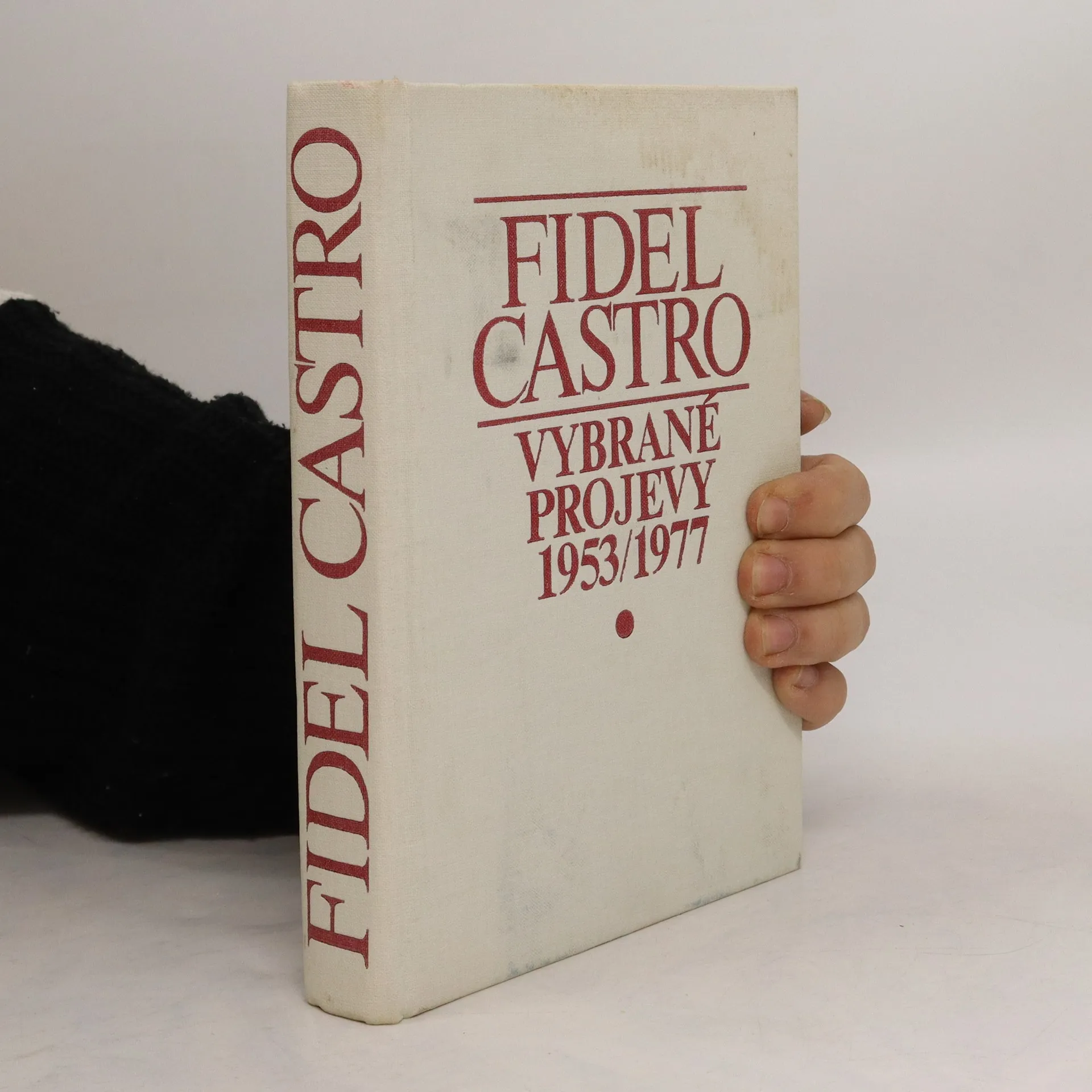
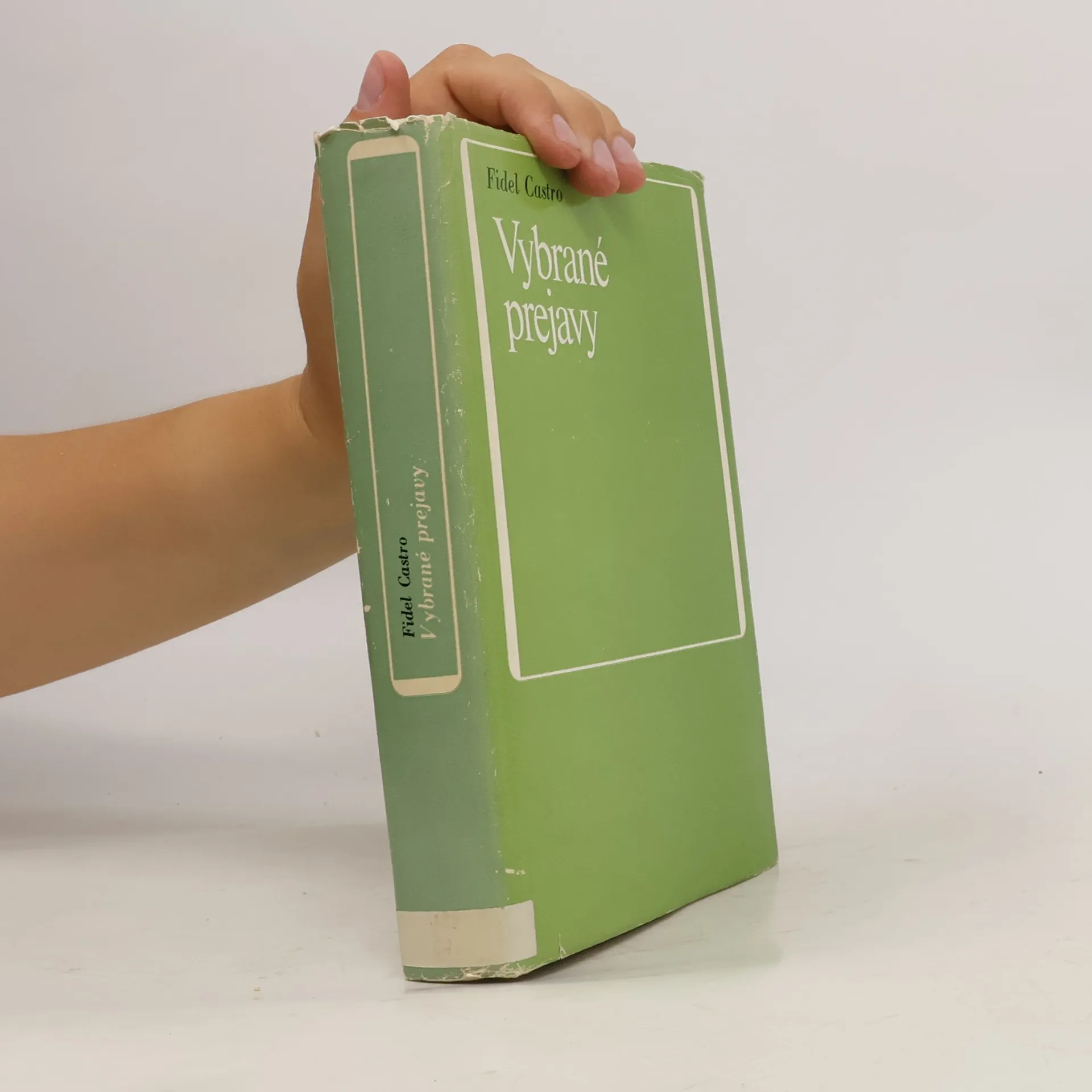
Vybrané prejavy
- 488pages
- 18 heures de lecture
Used book in good condition, due to its age it could contain normal signs of use
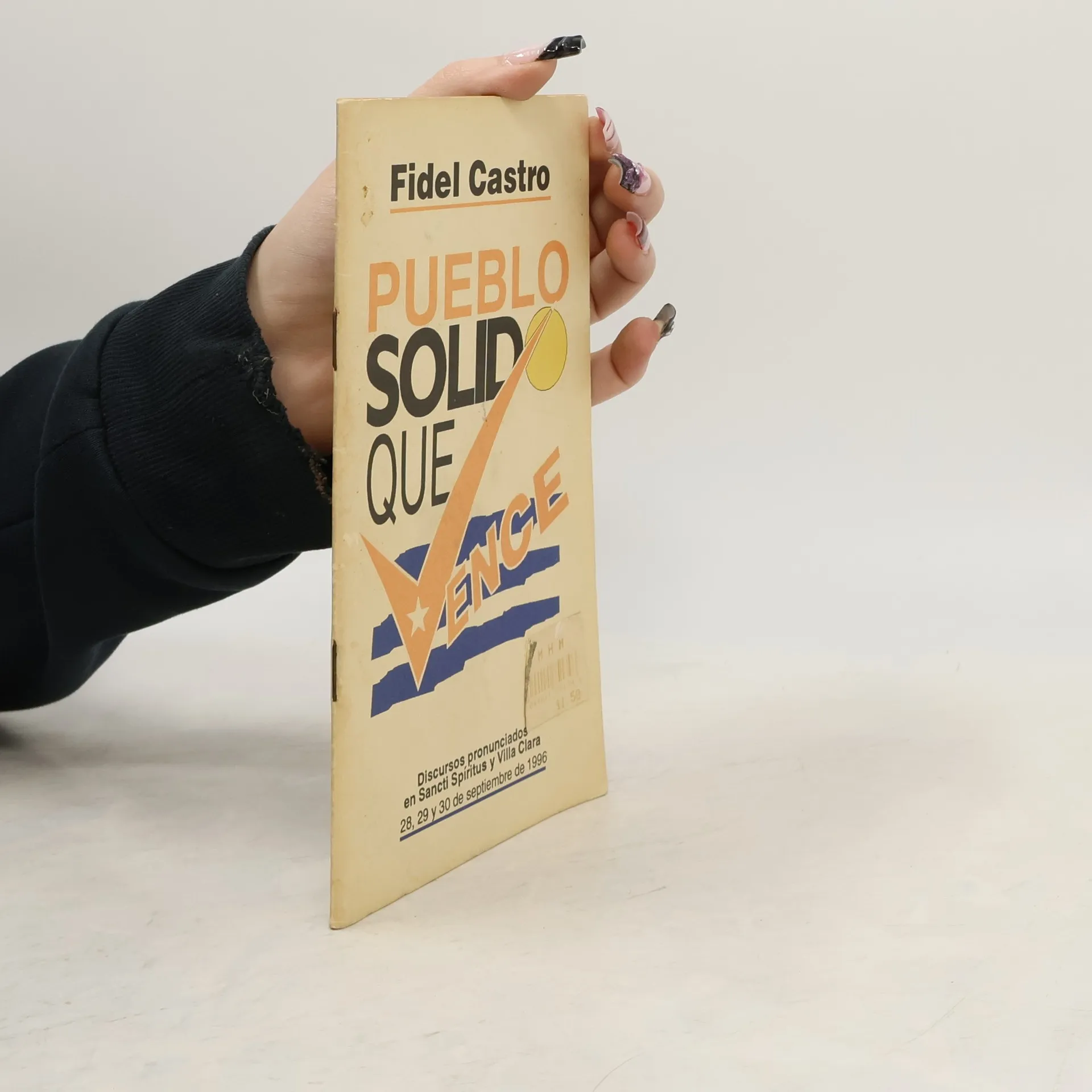
Pueblo sólido que vence
Discursos pronunciados en Sancti Spíritus y Villa Clara, 28, 29 y 30 de septiembre de 1996
- 51pages
- 2 heures de lecture
Fidel Castro
Mimořádné vystoupení k aktuálním událostem na Kubě
La revolución de octubre y la revolución cubana
Discursos 1959-1977