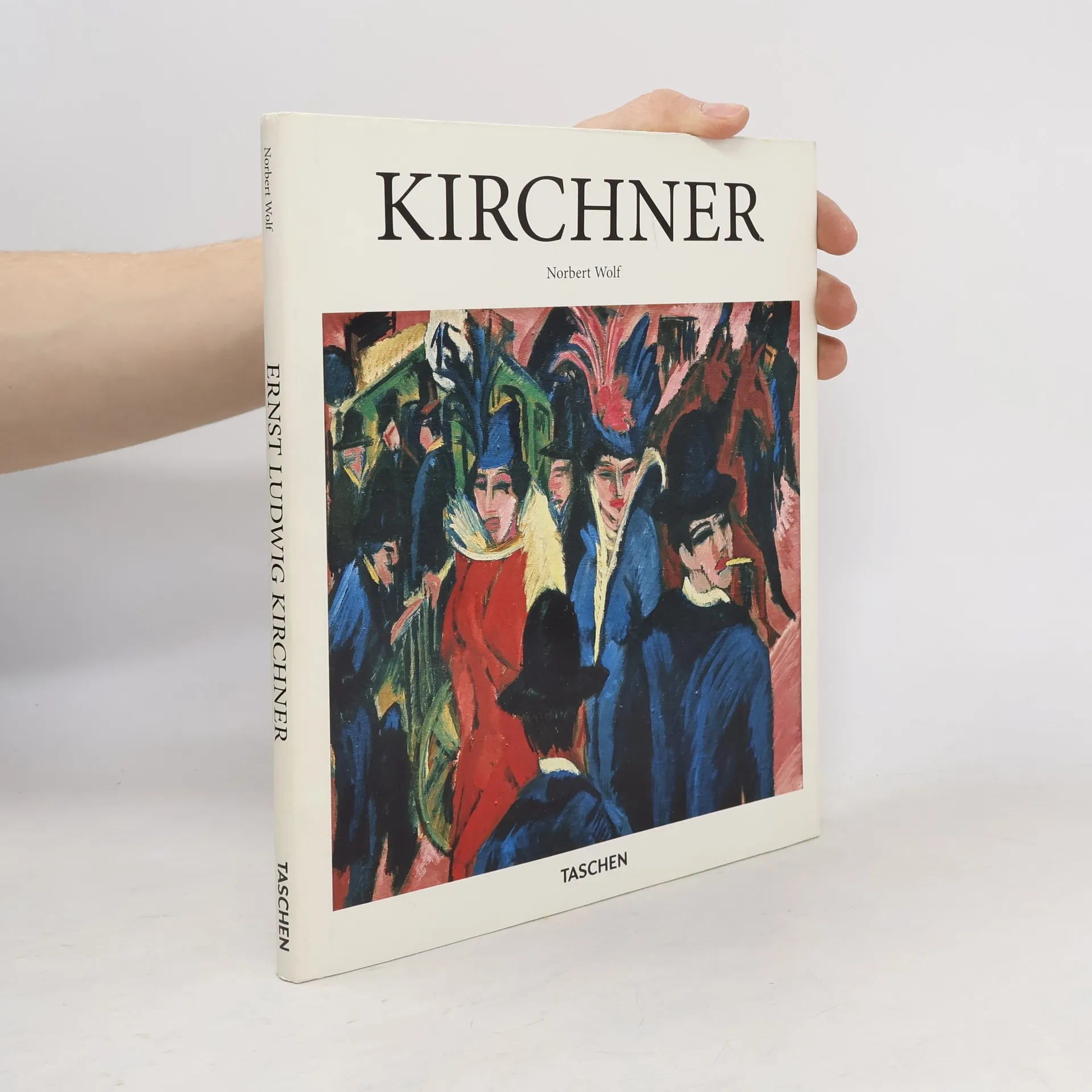
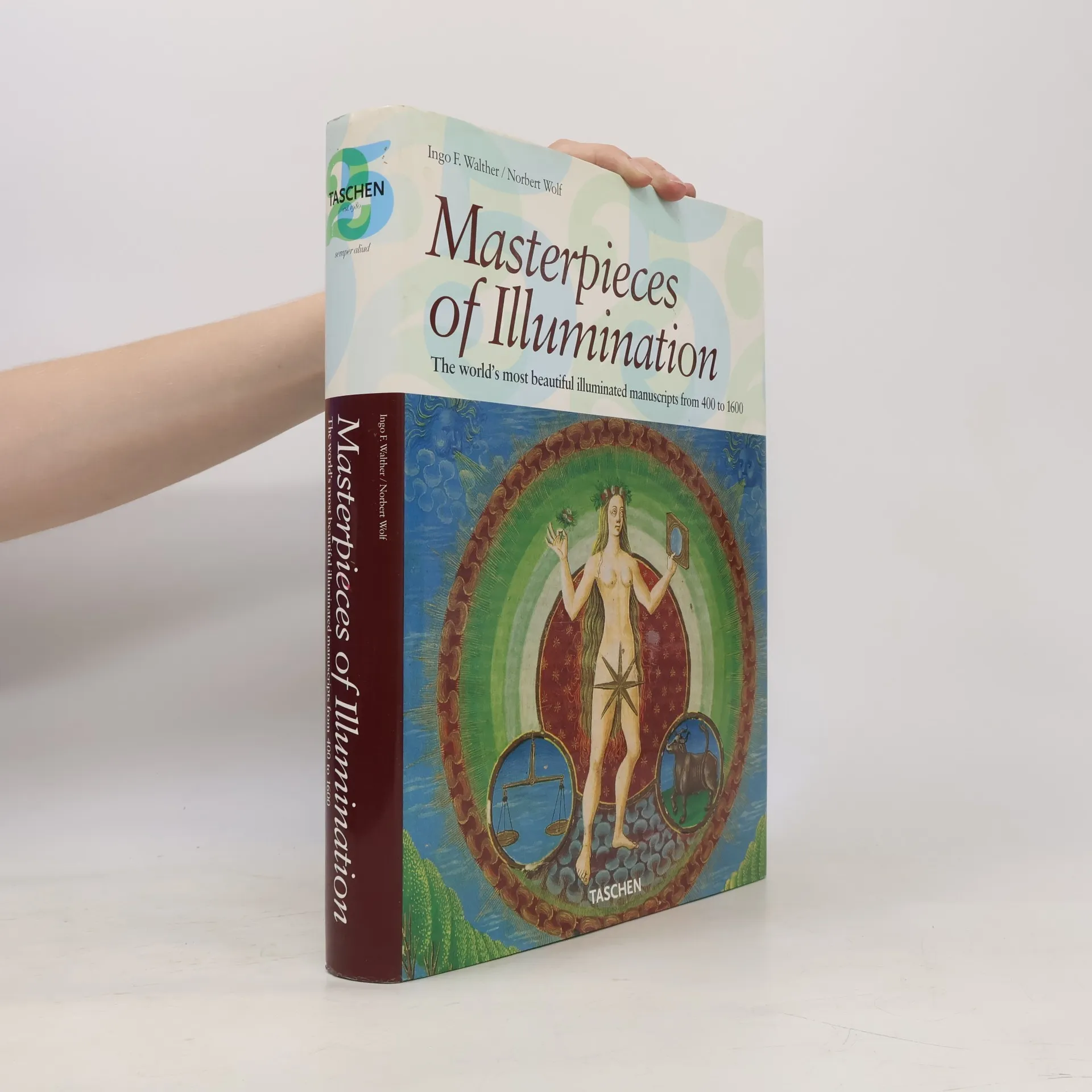
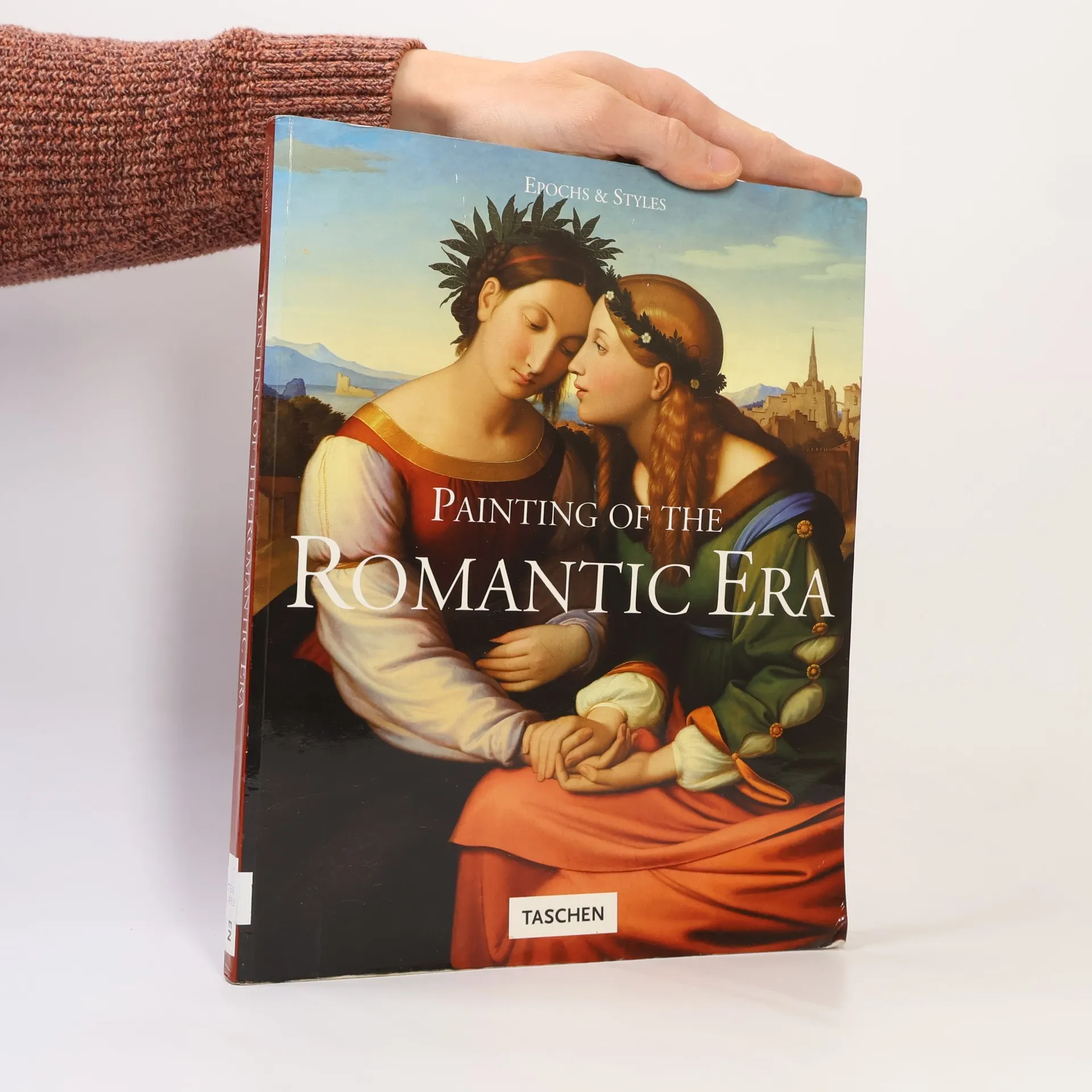
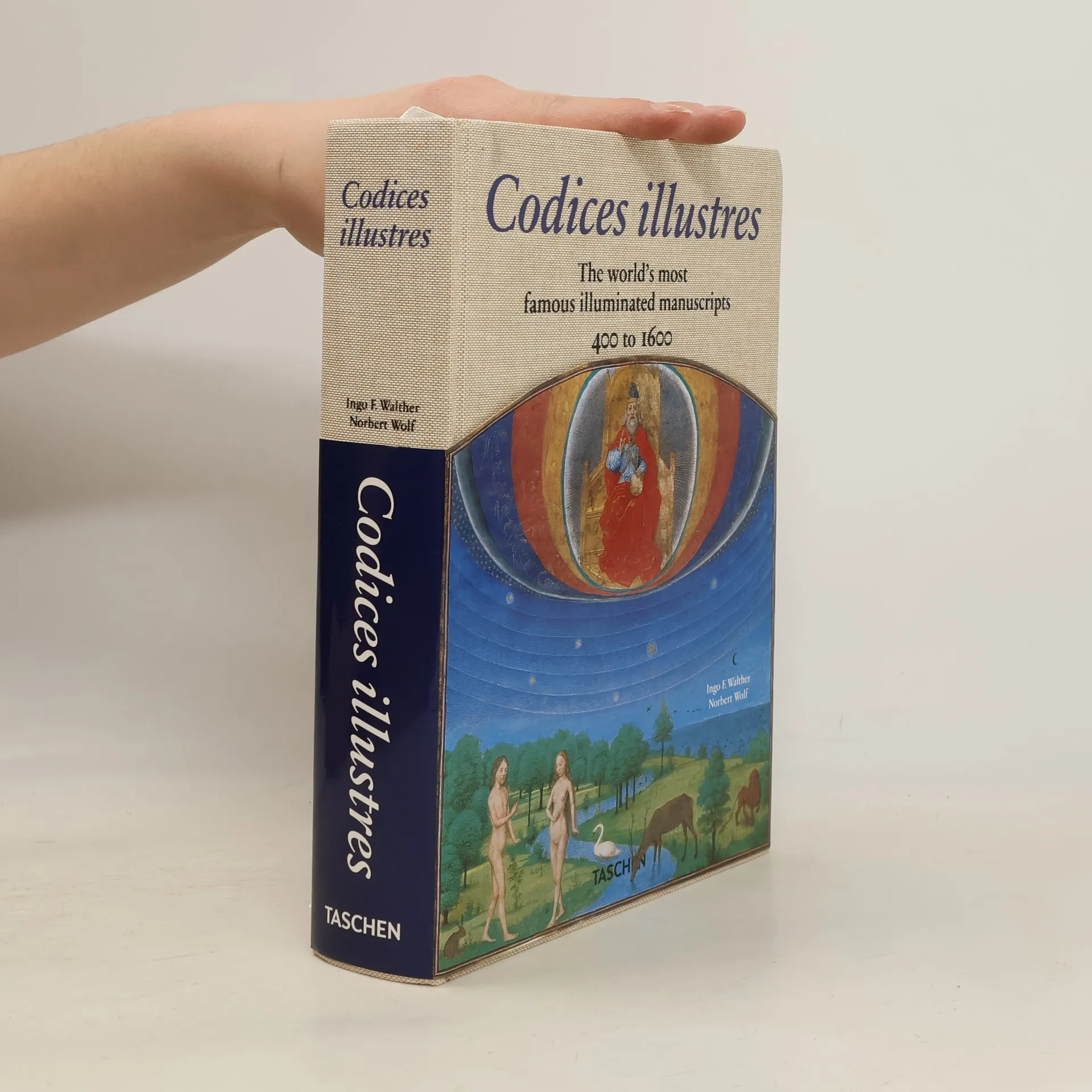
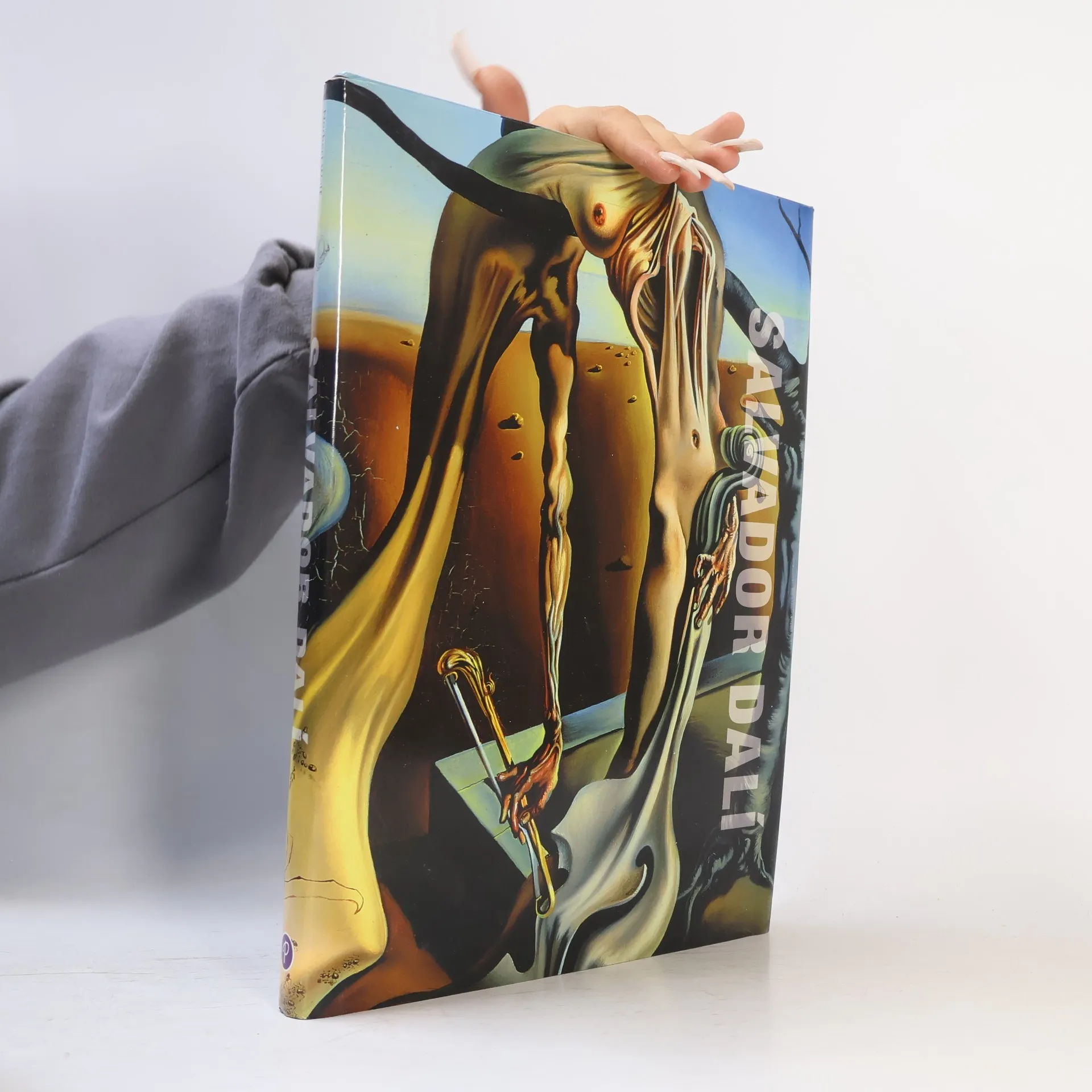
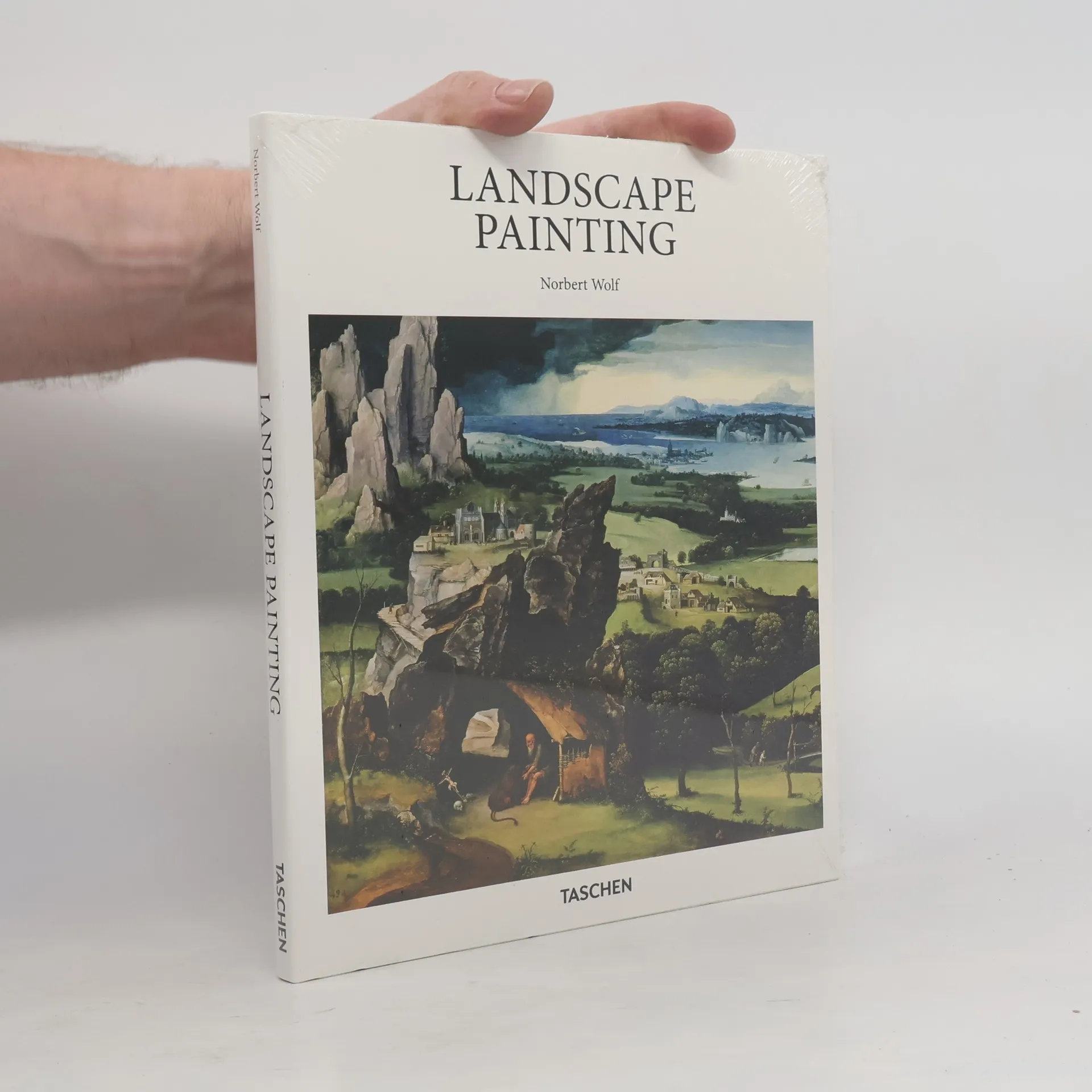
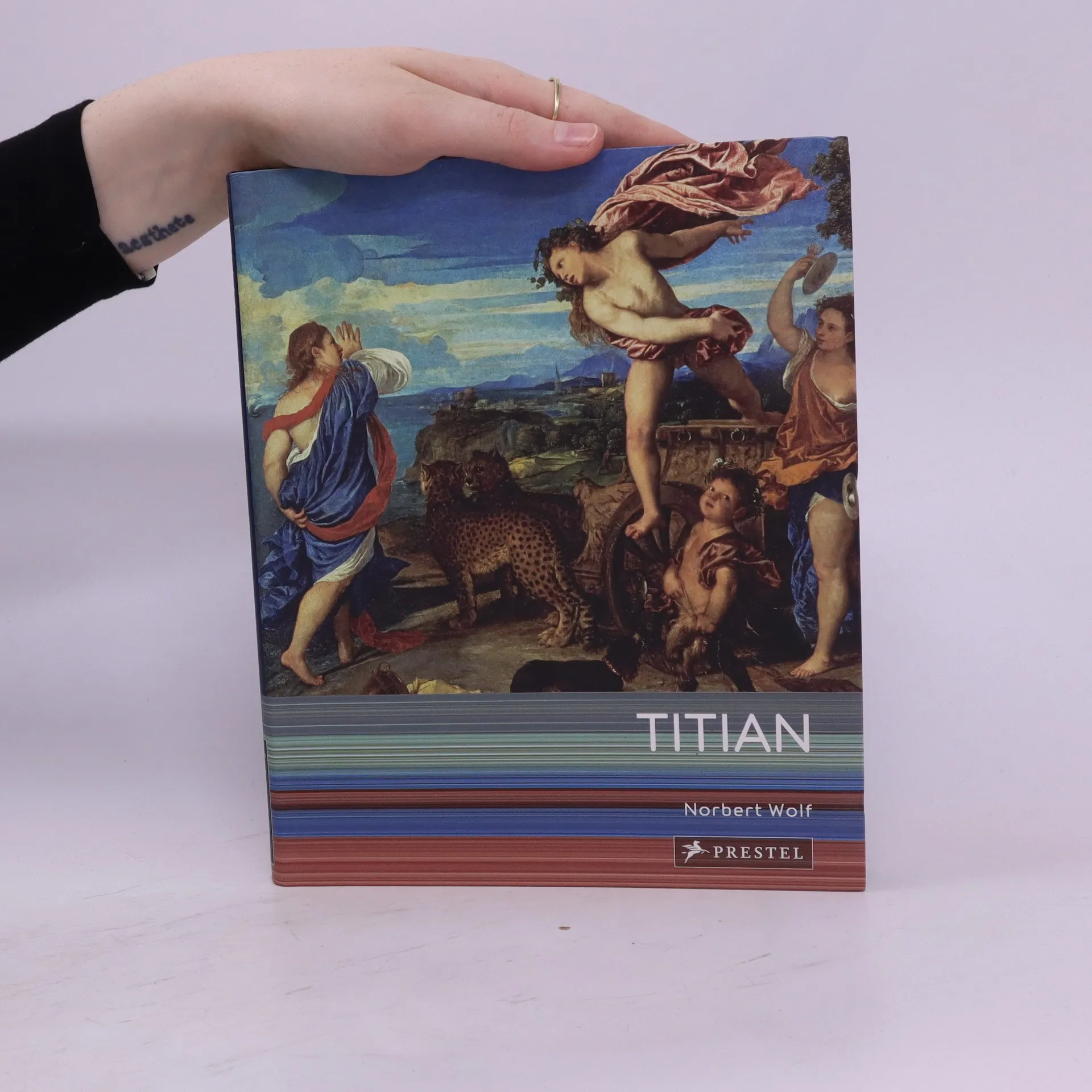
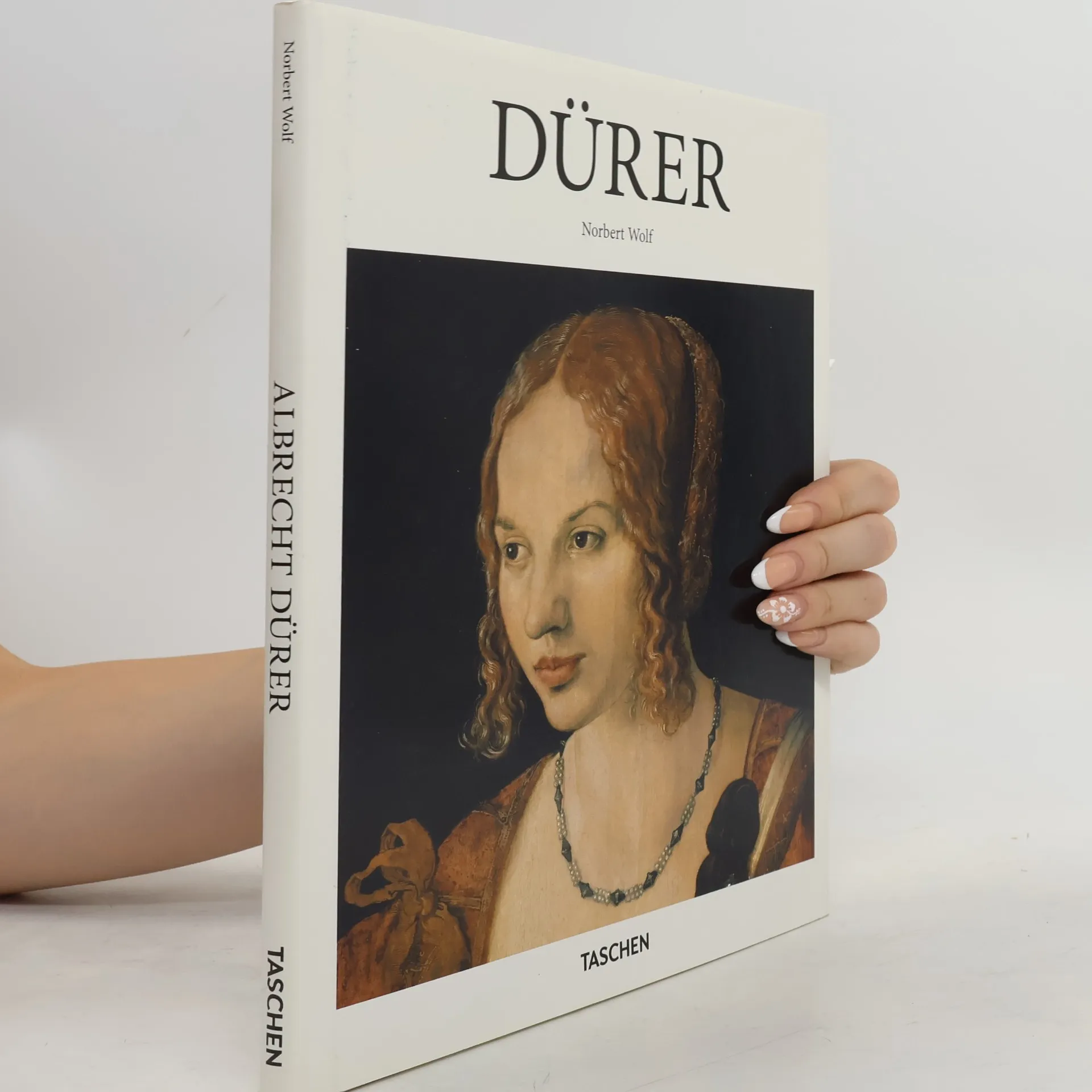
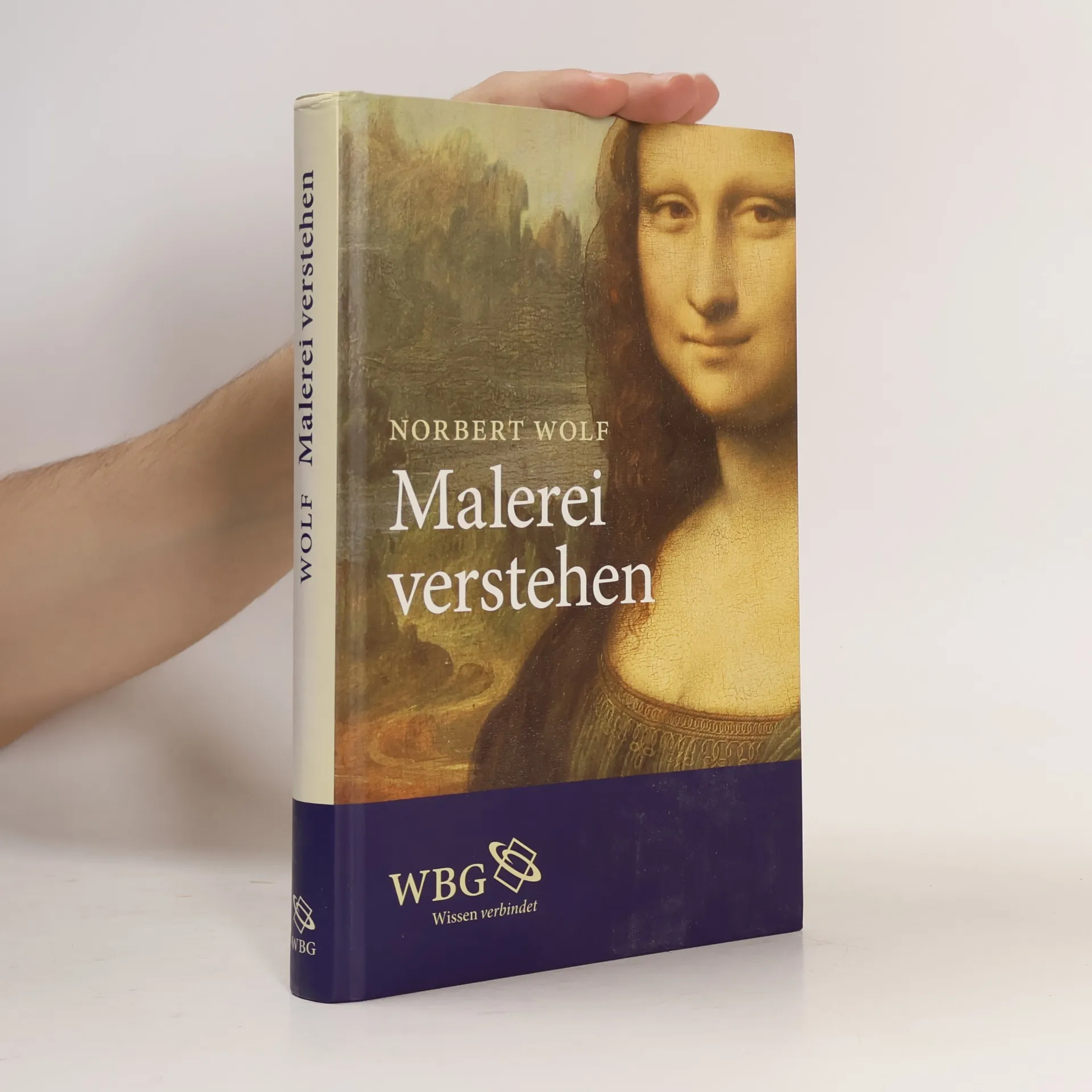
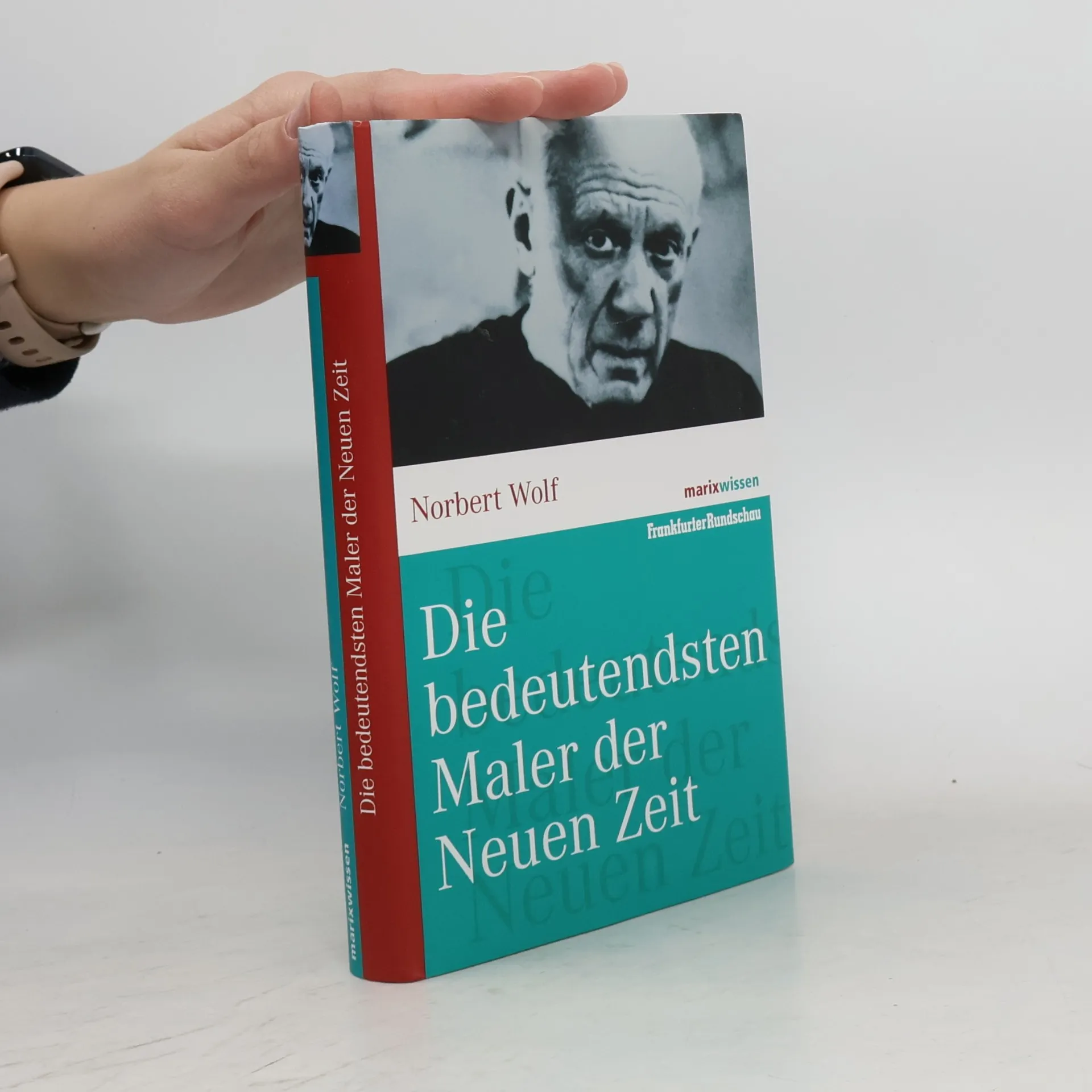
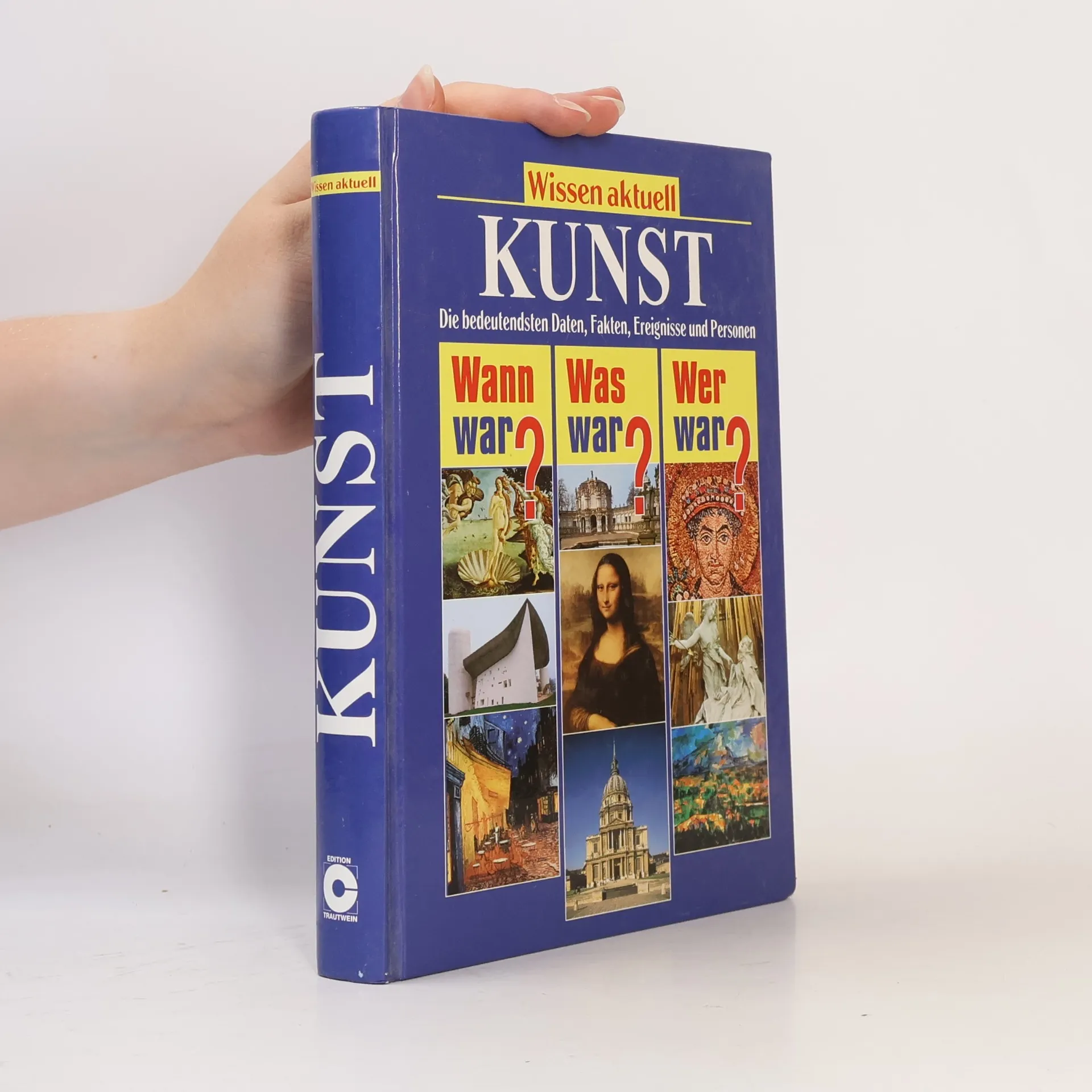
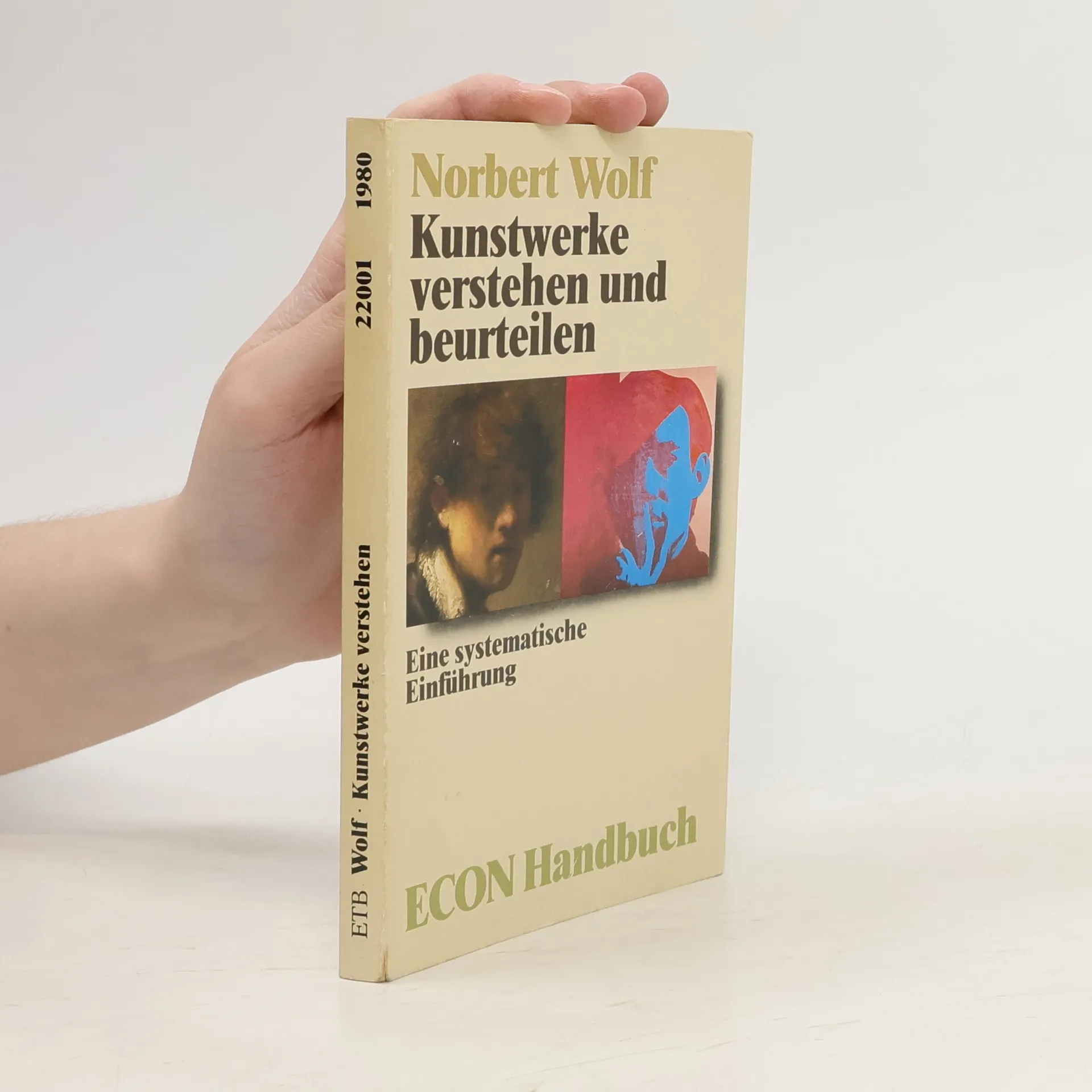
Peintre et graveur fécond, Ernst Ludwig Kirchner fut un pionnier de l'expressionnisme allemand et le cofondateur du groupe Die Brücke. À travers ses paysages colorés, ses nus austères et ses scènes de rues animées, cette introduction explore sa peinture radicale dans l'Allemagne à l'orée de la Première Guerre mondiale, et son influence décisive...
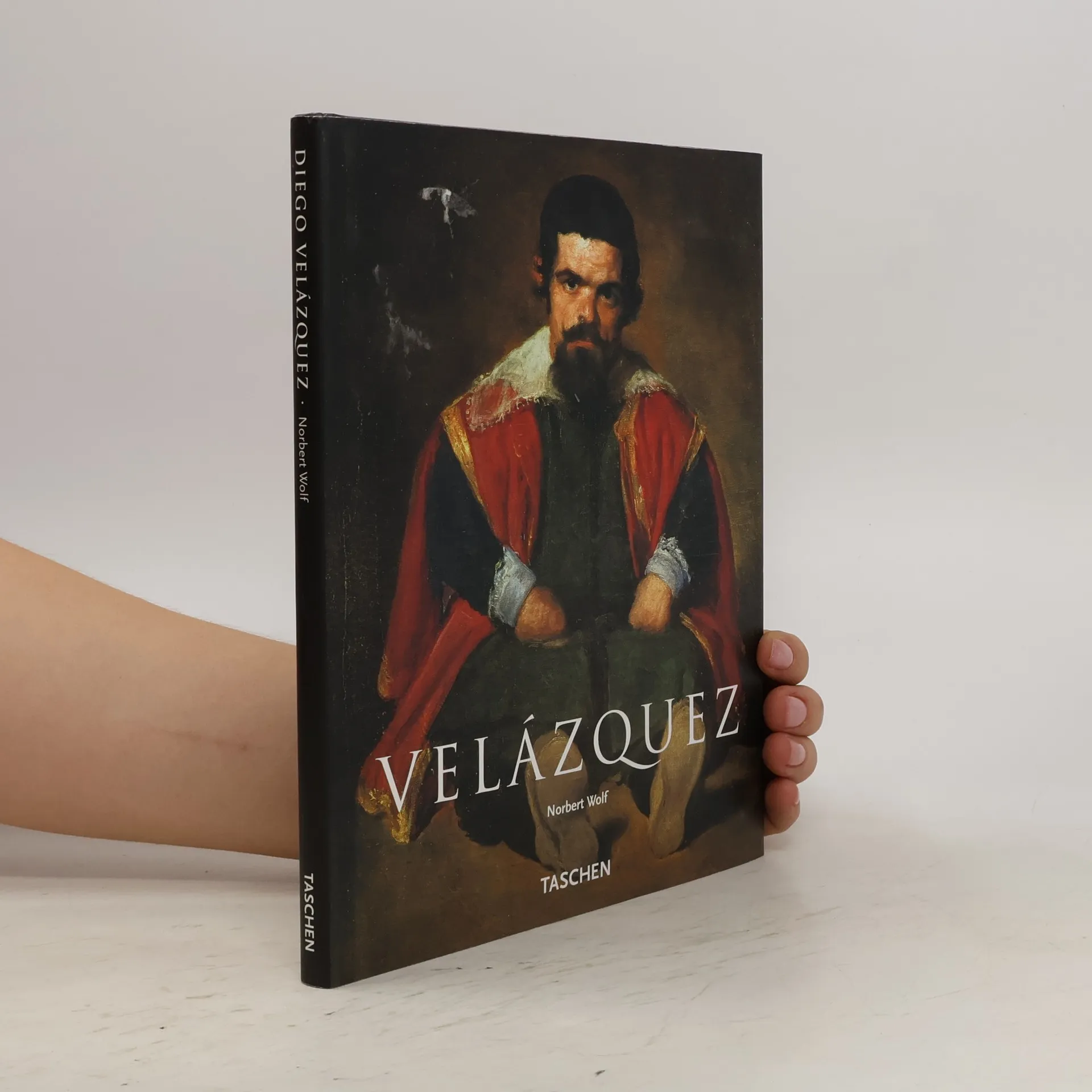
Images de genre et art de la représentation avec des traits révolutionnaires : Diego Rodríguez de Silva y Velázquez (juin 1599 – 6 août 1660), peintre de cour du roi espagnol Philippe IV, a laissé une multitude de portraits mémorables, incluant non seulement des personnes nobles, mais aussi des mendiants, des bouffons et des esclaves. Il a dépeint chacun avec la même dévotion, ce qui rend son art particulièrement unique. Sa technique quasi impressionniste et son coup de pinceau vivant confèrent aux tissus et aux vêtements une vitalité et une ambiguïté uniques, faisant de lui un idole pour de nombreux peintres. Ses œuvres, notamment « Les Ménines », soulèvent des questions sur la réalité et l'illusion ainsi que sur la relation entre le peintre, le sujet et le spectateur, et figurent parmi les plus discutées de l'histoire de l'art. Ce volume d'introduction présente des œuvres clés de toutes les périodes de création, éclaire la vie de Velázquez, son parcours artistique et son histoire de réception, et invite à une exploration approfondie d'un artiste dont les œuvres révèlent plus que ce qu'elles montrent au premier abord.
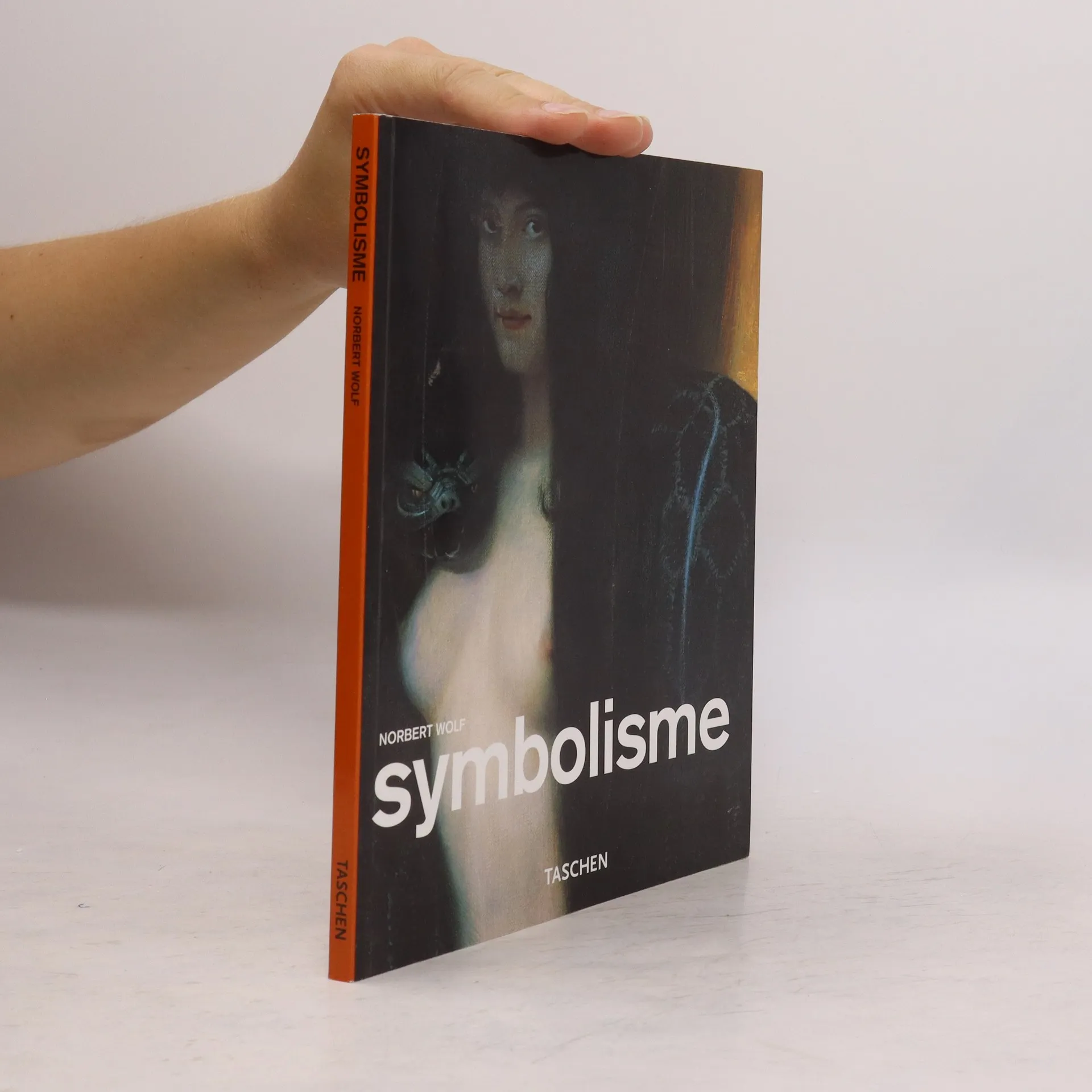
En 1884 paraît à Paris un livre culte de Fin de siècle, que le monde culturel européen célèbre comme une sensation pour le moins perverse : A rebours. Son auteur. Joris-Karl Huysmans l'a conçu comme un bréviaire séducteur de la décadence, un antidote contre le " banal naturalisme " de l'époque. Le symbolisme, qui s'est prolongé jusque dans l'art moderne, était un ersatz artistique de religion, un culte spirituel de la beauté. Un tableau symboliste, une sculpture symboliste restent sciemment énigmatiques : au lieu d'en appeler à la compréhension intellectuelle, l'œuvre veut que l'observateur ressente sa profondeur mystérieuse comme une vision. On ne s'étonne donc pas que les symbolistes aient créé certains des chefs-d'oeuvre les plus fascinants de l'époque.
Présentation du mouvement romantique en Europe, avec les événements politiques, culturels, scientifiques les plus importants de la priode. Puis sélection des oeuvres les plus importantes, avec pour chacune une reproduction pleine page, sa description et son interprétation, le portrait de l'artiste et parfois des citations. Autour de 1800, les philosophes, hommes de lettres et artistes propagèrent en Allemagne une nouvelle conception du monde qui traduisait le souffle divin de la nature, l'immersion de l'imagination dans les rapports cosmiques, mais aussi la profonde solitude de l'âme créatrice et par conséquent son aspiration à une harmonie entre l'homme et l'univers.
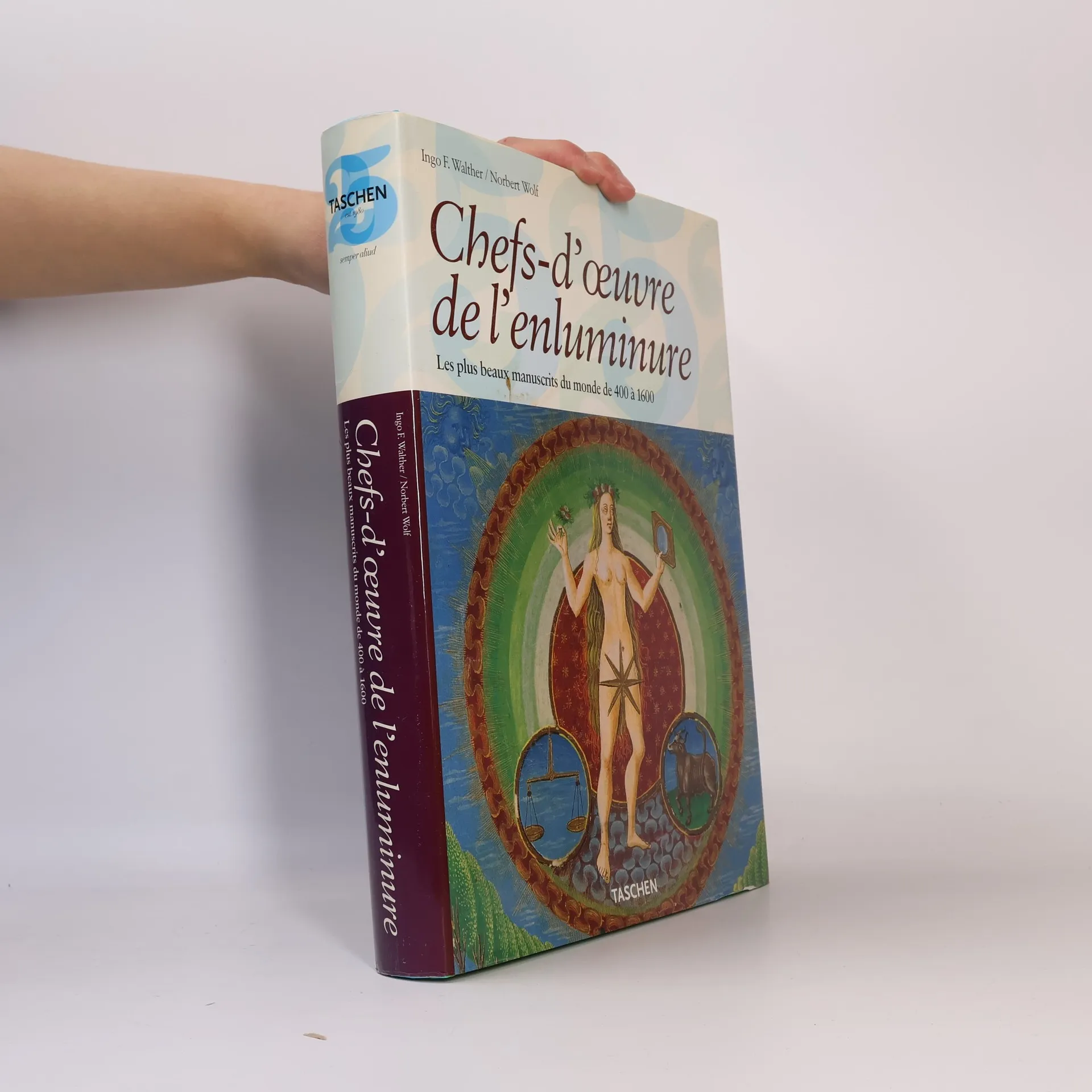
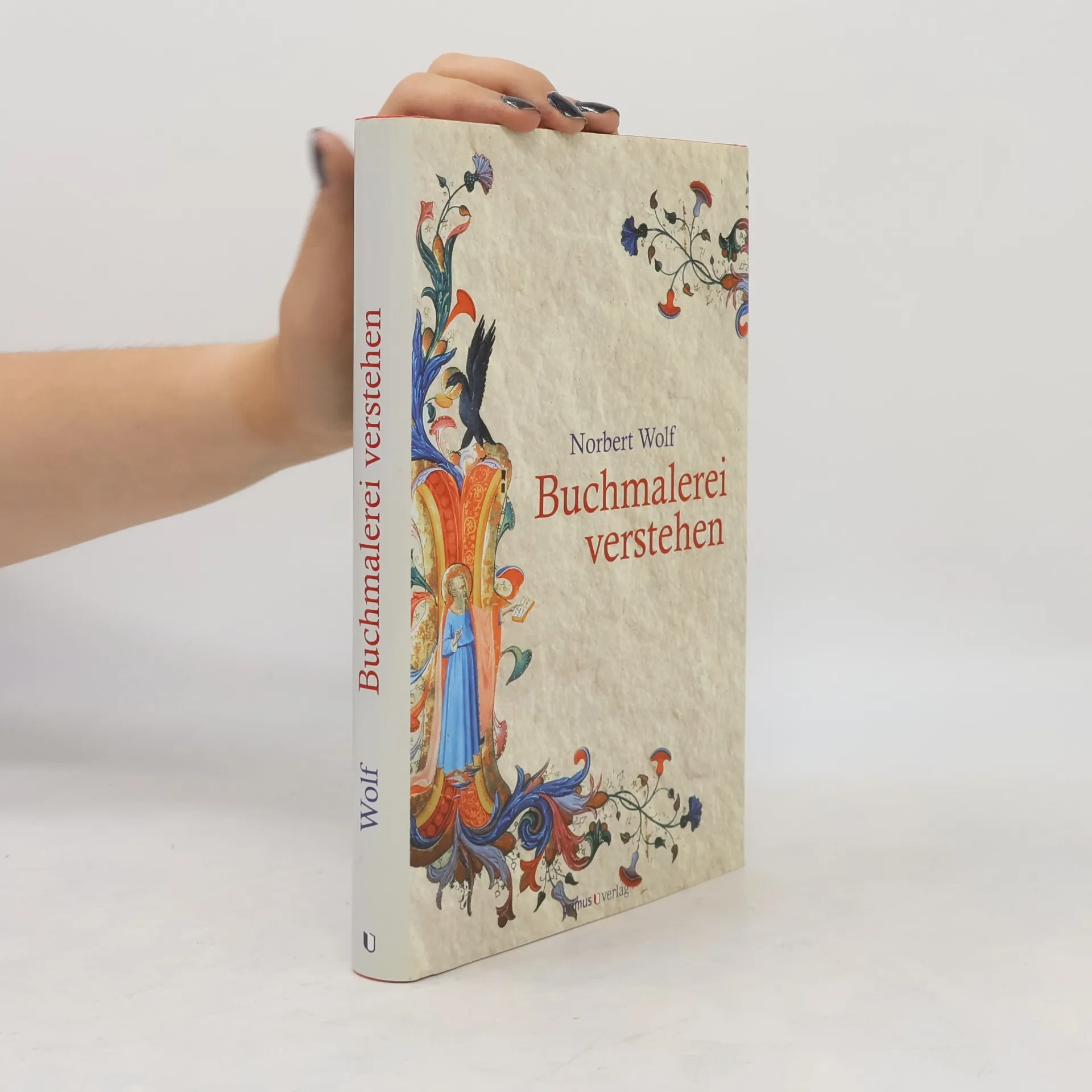
Du Livre de Kells au Décaméron de Boccace, et de la Genèse de Vienne à La Divine Comédie de Dante, vous découvrirez des originaux à couper le souffle, tirés de 167 des plus grands classiques de tous les temps. Cette édition de luxe représente une superbe introduction au monde fascinant des miniatures et des enluminures médiévales. 167 des plus beaux manuscrits du Moyen Âge du IVe jusqu'au XVIIe siècle sont présentés en détail par ordre chronologique. Chaque extrait de manuscrit est accompagné de présentations instructives qui permettent au lecteur de s'y retrouver d'un simple coup d'œil. Ces textes, ainsi que les très nombreuses reproductions en grand format qui les accompagnent font de cet ouvrage un livre absolument unique en son genre. Bien que l'ensemble se concentre davantage sur les manuscrits européens (français, néerlandais, allemands, italiens, anglais et espagnols), afin d'illustrer la complexité et le raffinement de l'enluminure en dehors de l'Europe également, d'autres exemples ont été sélectionnés (mexicains, perses, indiens, ottomans, etc.). 36 pages d'annexes regroupent les biographies des artistes, ainsi qu'une bibliographie exhaustive, un index, et surtout un glossaire dans lequel tous les termes techniques employés sont explicités. Voici l'occasion rêvée de découvrir ces trésors si précieux, ces joyaux ayant appartenu à des empereurs ou à des rois qui valent aujourd'hui plusieurs millions.
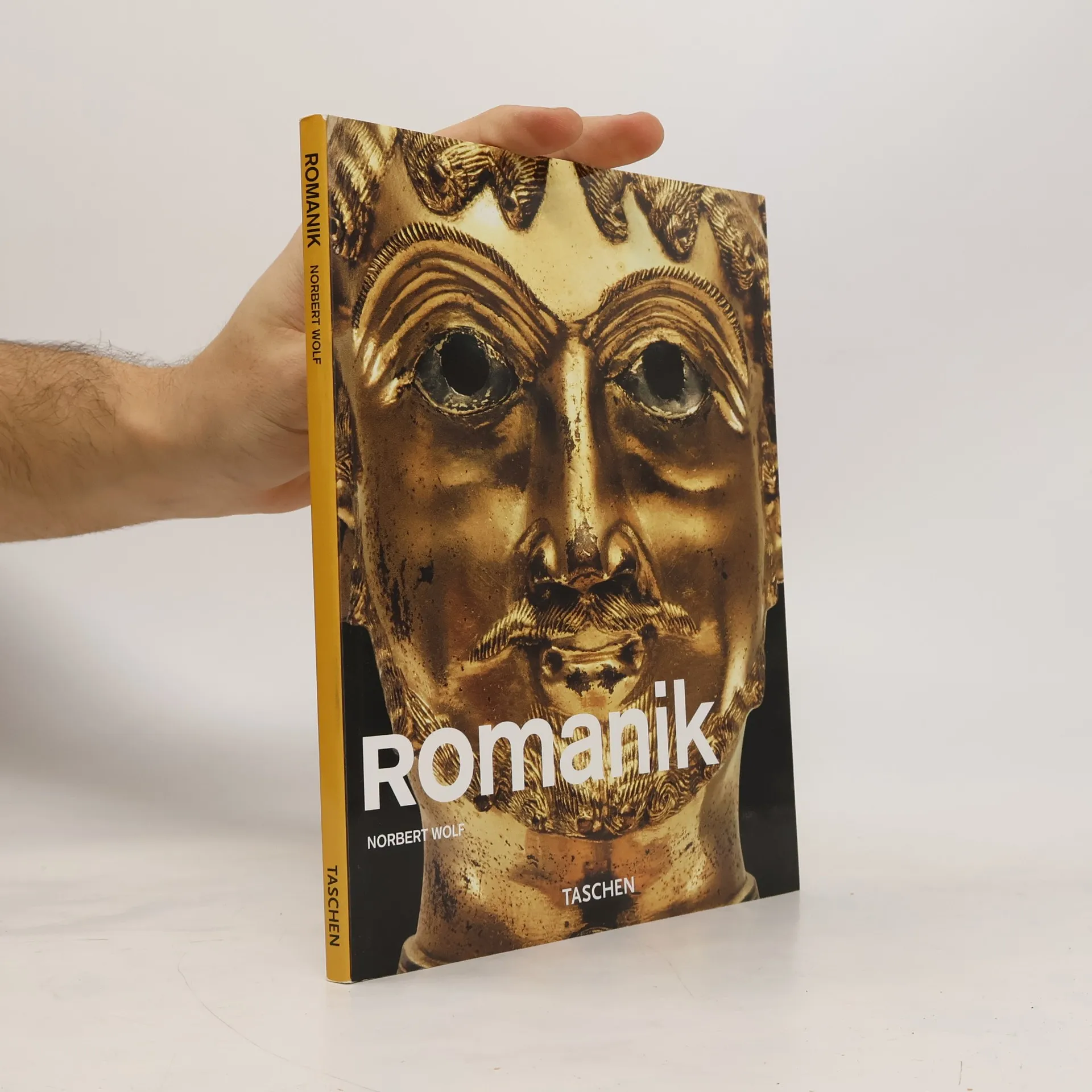
Rayon : Art Editeur : Taschen Date de parution : 2004 Description : In-8, 96 pages, relié cartonné avec jaquette parfaite, occasion, très bon état. Envois quotidiens du mardi au samedi. Les commandes sont adressées sous enveloppes bulles. Photos supplémentaires de l'ouvrage sur simple demande. Réponses aux questions dans les 12h00. Librairie Le Piano-Livre. Merci. Référence catalogue X5095. Please let us know if you have any questions. Thanks
Now available in a new edition, this sumptuous volume explores key aspects of Art Nouveau—decorative arts, architecture, fashion, dance, advertising, and more—with an in-depth approach and stunning illustrations. The Art Nouveau movement became an international phenomenon at the beginning of the twentieth century that ushered in the era of modernity in almost every aspect of cultural life. For decades critics have argued that Art Nouveau was not an artistic period in its own right, but an amalgam of artists and styles that served as a bridge between neoclassicism and modernism. In this comprehensive, authoritative, and copiously illustrated book, art historian Norbert Wolf explores Art Nouveau as a logical outgrowth of the historic forces in which it arose. This book focuses on the movement's wide variety of applications and reclaims its prominence in the pantheon of modern art history. Chapters on aesthetics, spirituality, and the cult of beauty offer luminous examples of works by Mucha, Gaudí, Hoffmann, Klimt, Horta, Munch, and Tiffany, among many others. Wolf's text is both informed and accessible, providing an exciting narrative that brings the Art Nouveau movement into clear focus. Beautifully produced to appeal to a wide range of readers, this new edition gives one of the world's most popular styles the serious consideration it deserves.
These paradigms of miniature painting from the fourth century to 1600 are
worth many millions and typically tucked away in private collections or
closely guarded archives-until now. Discover some of the most beautiful and
important manuscripts from the Middle Ages in this collection of brilliant
large-format reproductions, complete with a...
Now available in a compact and attractivelypriced edition, this lavishly
illustrated, multifacetedexamination of Impressionism tracesthe movement's
birth, development, andglobal impact.
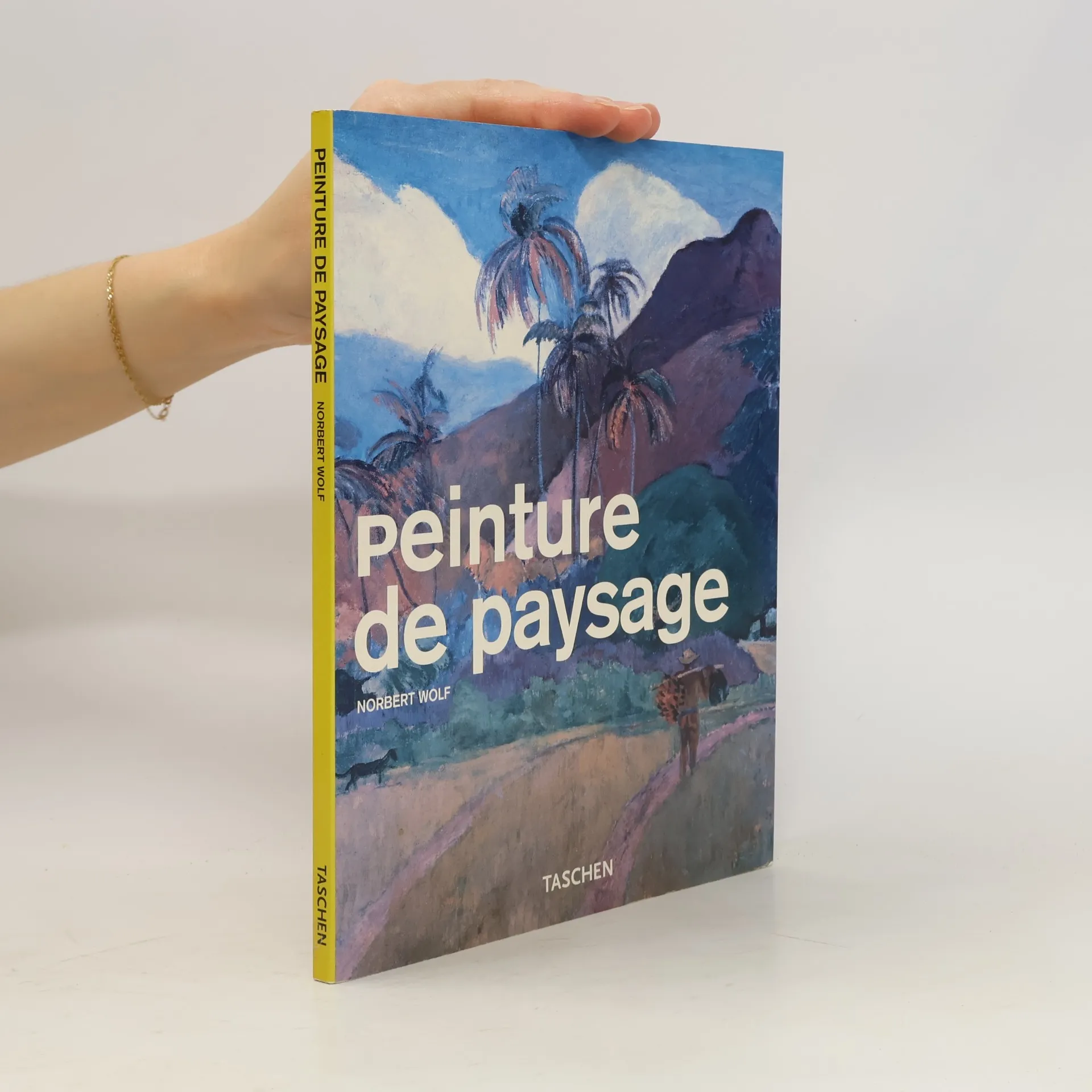
From rolling meadows to moody skies, how does the beauty, complexity, and dimensions of the world translate to artistic expression? Explore the evolution and importance of the landscape genre from the late Middle Ages to modern times in this selection of some of the most important landscapes in history from practitioners as diverse as Titian, ..
Now available in a flexi-cover edition, this book offers a multi-dimensional exploration of Titian's life and art. One of the original celebrity artists, Titian was famous for his beguiling personality as he was for his masterful paintings. This book introduces readers to the Venetian artist with an innovative format that marries Titian's voice with his works, allowing the artist's own words to deepen the appreciation of his achievements. An illustrated timeline and a pictorial tour of the galleries where his works now reside reveal how this contemporary of Michelangelo and Raphael broke new ground in nearly every genre of portraiture, altar pieces, the rendering of mythological themes, frescoes, and pastoral landscapes. Numerous superb reproductions illuminate not just the breadth of his oeuvre, but also the mastery with which he employed light and color to lend his paintings the sensuous energy for which he is so admired. Norbert Wolf's engaging text unlocks many of the mysteries surrounding Titian's celebrity, making this journey into the artist's world as intriguing as it is informative.
A polymath of the German Renaissance, Albrecht Dürer (1471–1528) was a prolific artist, theorist, and writer whose works spanned religion, art theory, and philosophy. His extensive oeuvre includes altarpieces, portraits, self-portraits, watercolors, and books, but he is most renowned for his groundbreaking woodcut prints, which elevated printmaking into a sophisticated art form. Dürer’s woodcuts are remarkable for their scale and intricate detail. Notable works like Apocalypse and the Triumphal Arch for Emperor Maximilian I feature dense, meticulous compositions that surpassed earlier woodcut efforts in size, precision, and complexity. With a bold tonal and dynamic range, he infused his art with conceptual, emotional, and spiritual depth. His major woodcut series on Christ’s Passion, The Large Passion and The Small Passion, stand out for their vivid portrayal of the Christian narrative. In his copper engraving Melancholia I, Dürer presents a striking vision of emotional ennui, often regarded as an early representation of melancholic states. Dürer was an avid learner, drawing inspiration from both German masters and Italian artists, while his influence resonated across Europe for generations. This introduction delves into his multifaceted practice, intellectual curiosity, and the key works that solidified his legacy.
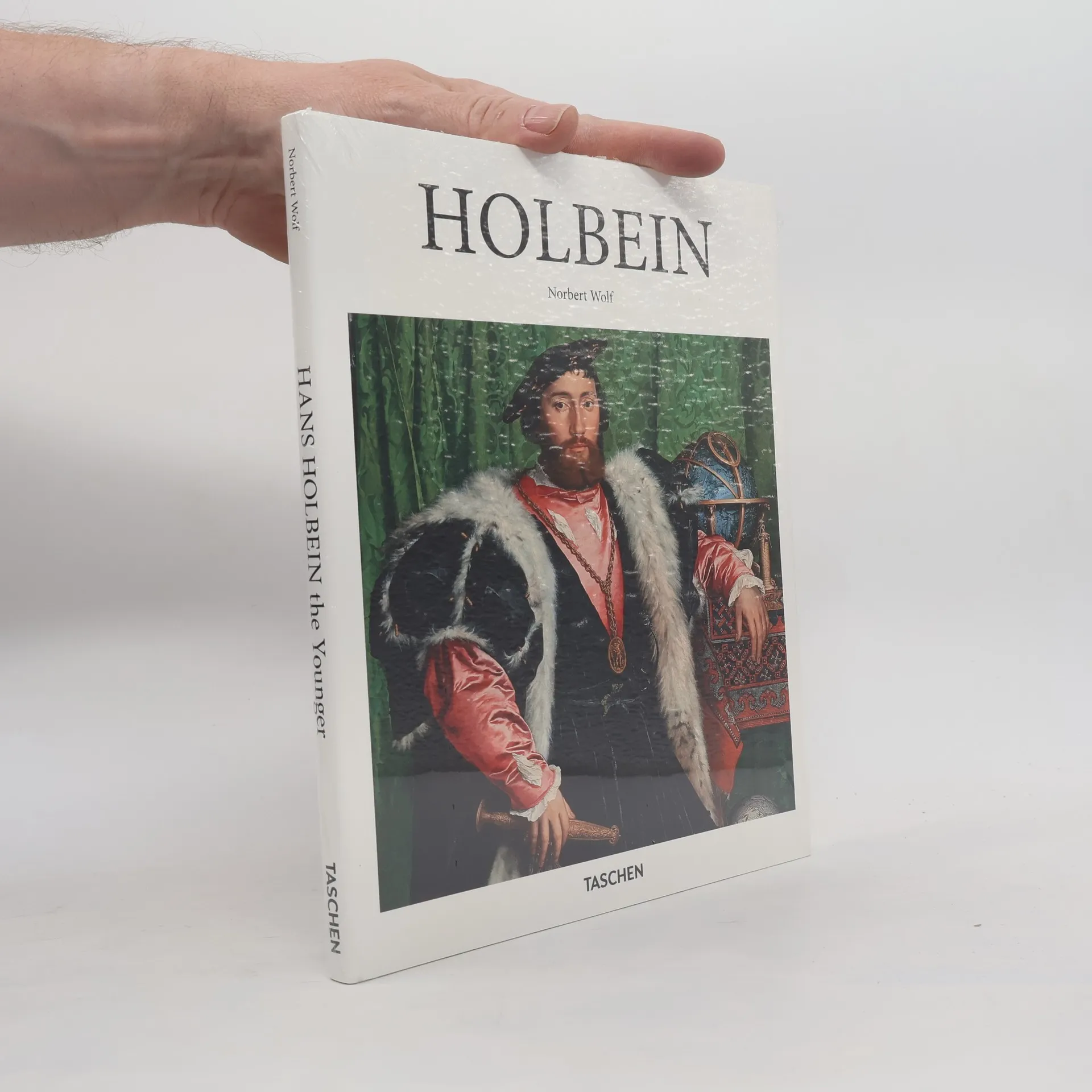
Get to grips with the astonishing brushwork of Hans Holbein the Younger, a
painter shaped by religion, Renaissance, and Reformation, whose remarkable
canon includes commissioned devotional works as well as penetrating portraits,
most famously of the Tudor court of Henry VIII.
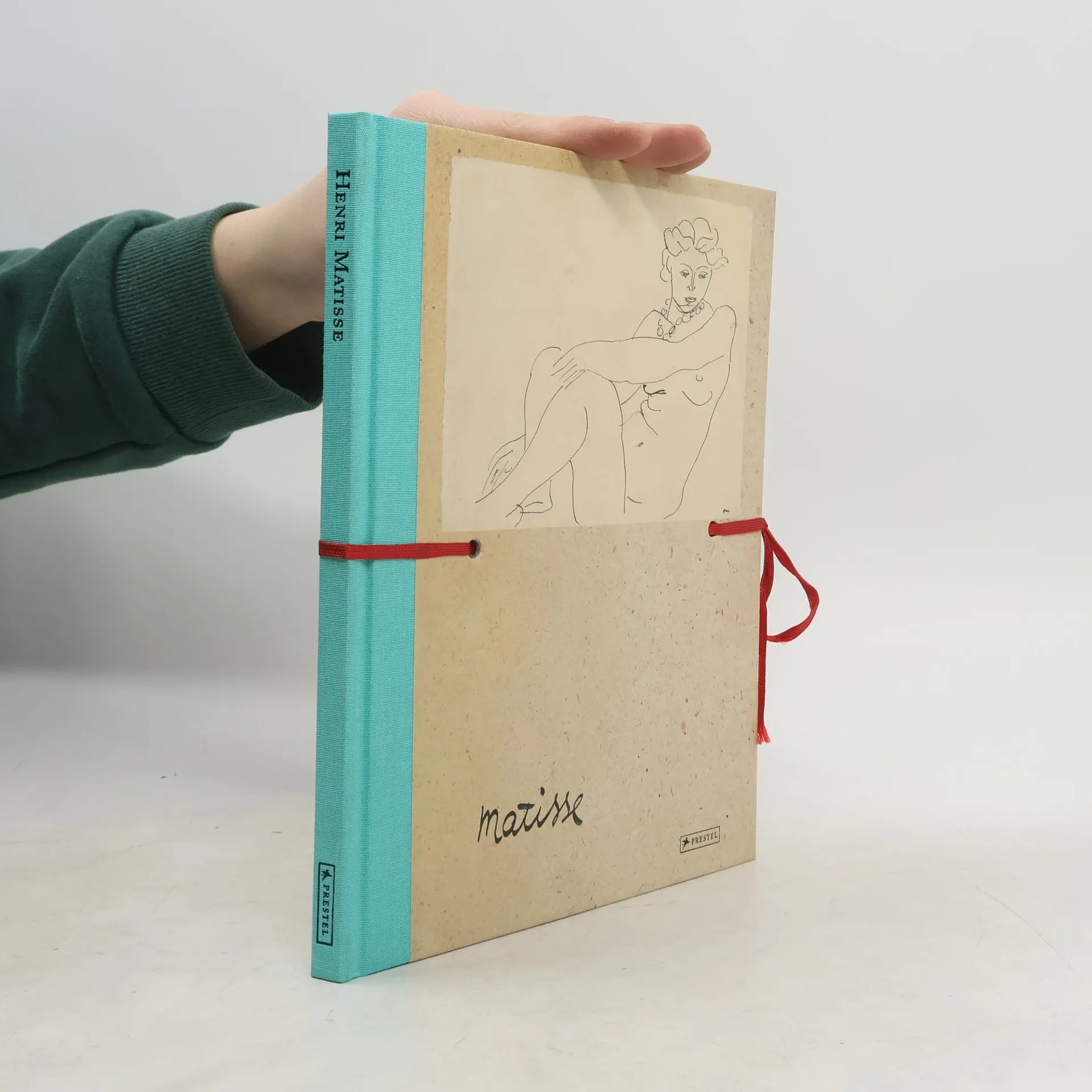
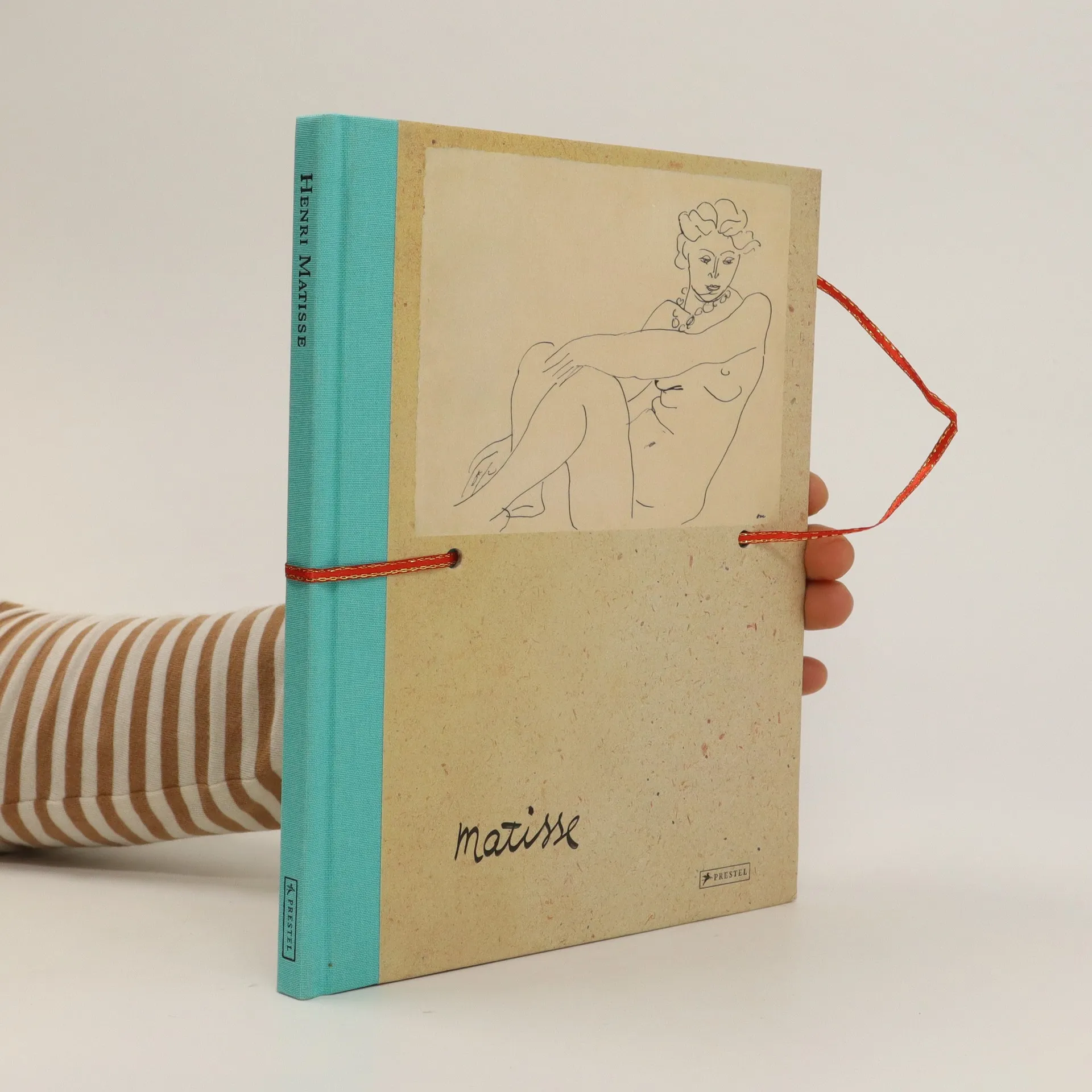
For Henri Matisse, drawing was an exercise as personal as it was essential to his art. Reproduced on elegant paper stock, these black and white and gently coloured sketches allow the viewer to appreciate the quality of Matisse's lines, their confidence and ease, as well as the intense relationship between artist and model. Matisse's joie de vivre, his love of beauty and his fascination with the human body are clearly in evidence in this lovely book that is a pleasure to hold.
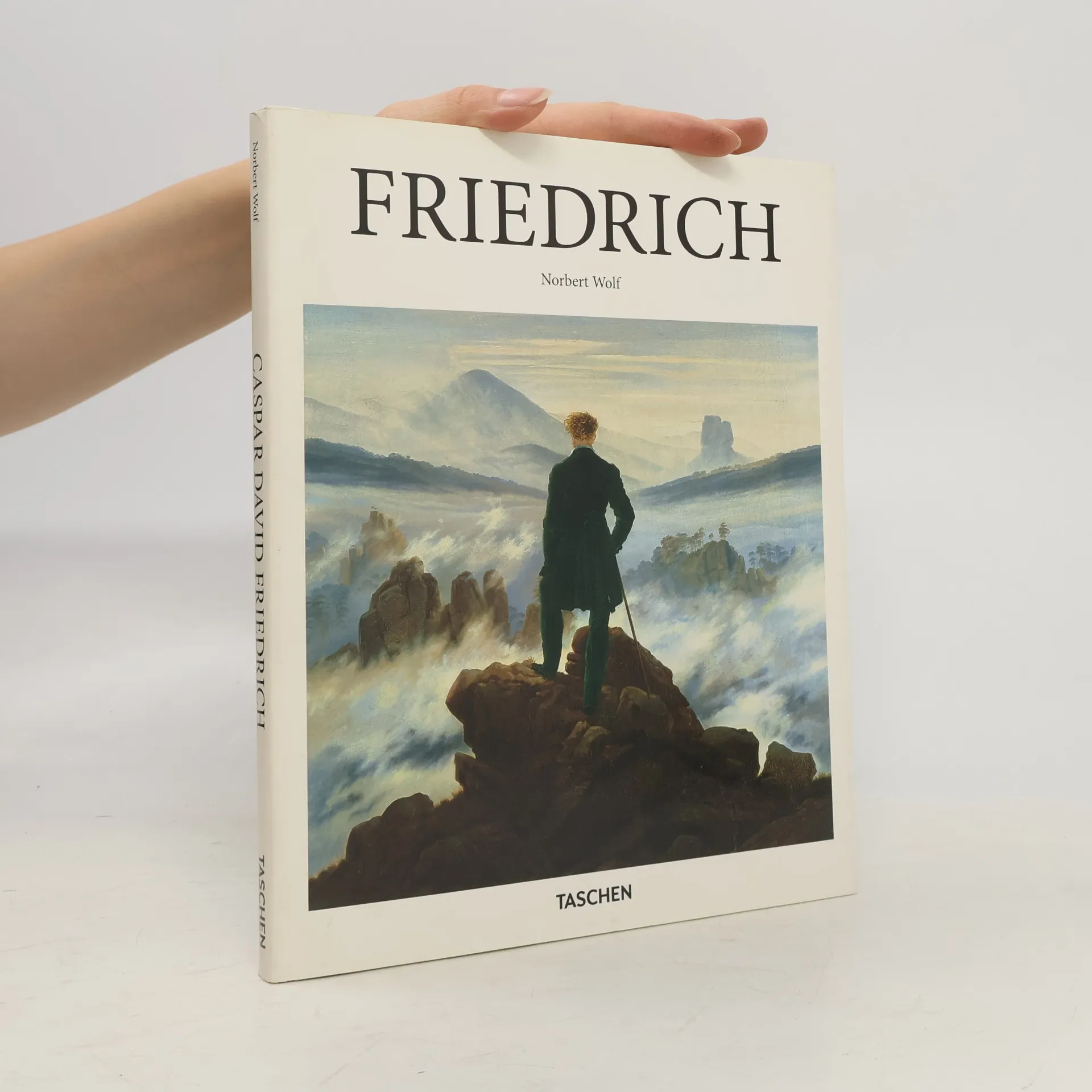
From night skies to morning mists to the much-cited Wanderer above a Sea of Fog, Caspar David Friedrich mastered the emotional and metaphysical experience of nature. This introductory book presents his most important and celebrated works to explore an oeuvre of sublime and haunting impact and a trailblazer of Romantic aesthetics.
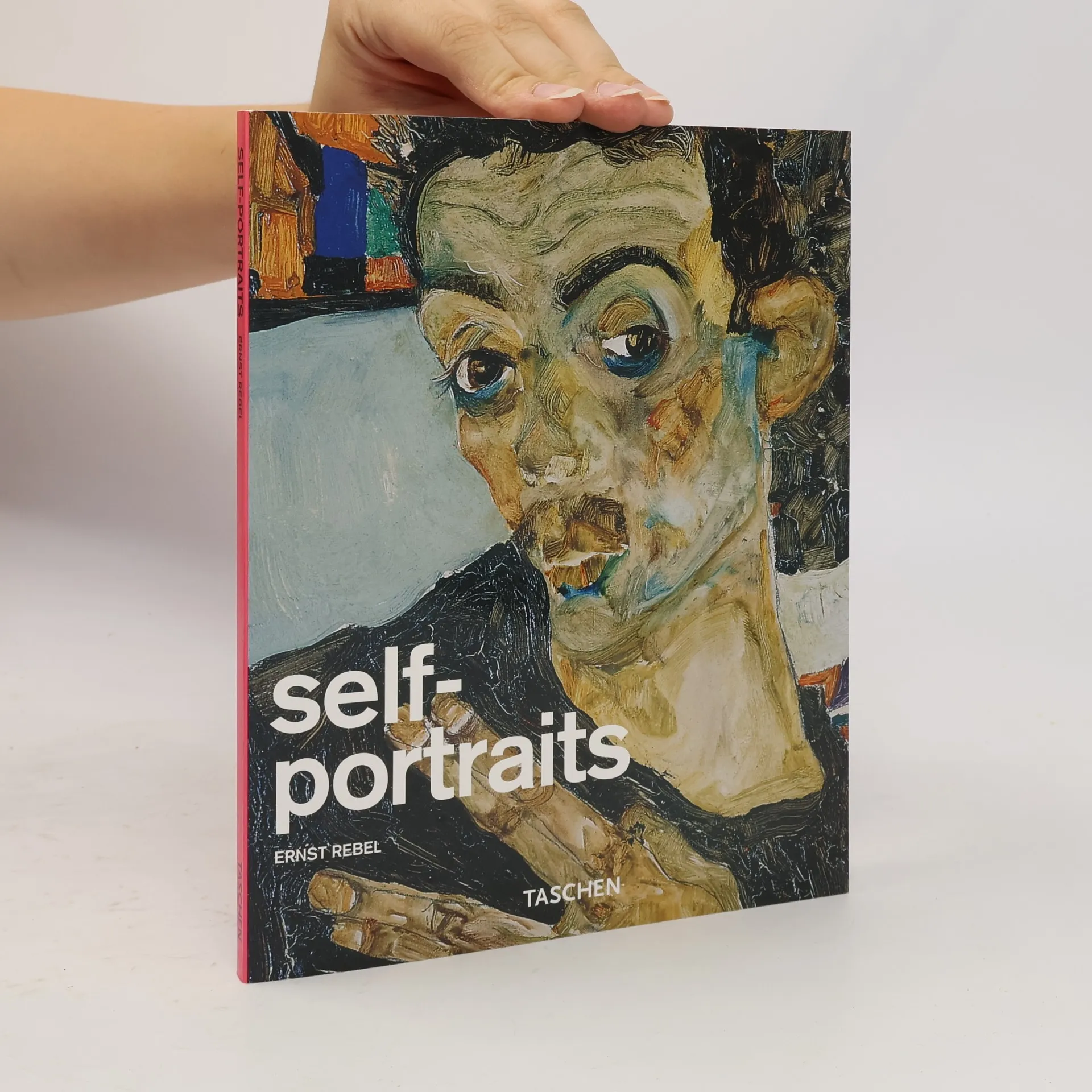
This visceral life: Seeing the world through Expressionist eyes. Sharp angles, strange forms, vivid colors, and distorted perspectives define Expressionism, a twentieth-century movement prioritizing emotion over objective reality. Originating mainly in Germany and Austria, it became a significant international influence in art history. With key groups like Die Brucke (The Bridge) and Der Blaue Reiter (The Blue Rider), and prominent figures such as Wassily Kandinsky, Egon Schiele, and Emil Nolde, Expressionists rejected Impressionism, which they viewed as a mere reproduction of the outer world. Instead, they sought to depict raw, visceral experiences of life, emphasizing feelings over appearances. Their works are characterized by intense, non-naturalistic color palettes, loose brushwork, and thick textures, all brimming with emotive force. This introductory book delves into the stylistic tendencies, influences, and significant figures of the movement, exploring the diverse panorama of moods, ideas, and emotions that reflect their quest for authenticity. Each book in TASCHEN's Basic Genre series includes approximately 100 color illustrations with captions, a detailed introduction, a timeline of key political and cultural events, and a selection of important works presented with interpretations and artist biographies.
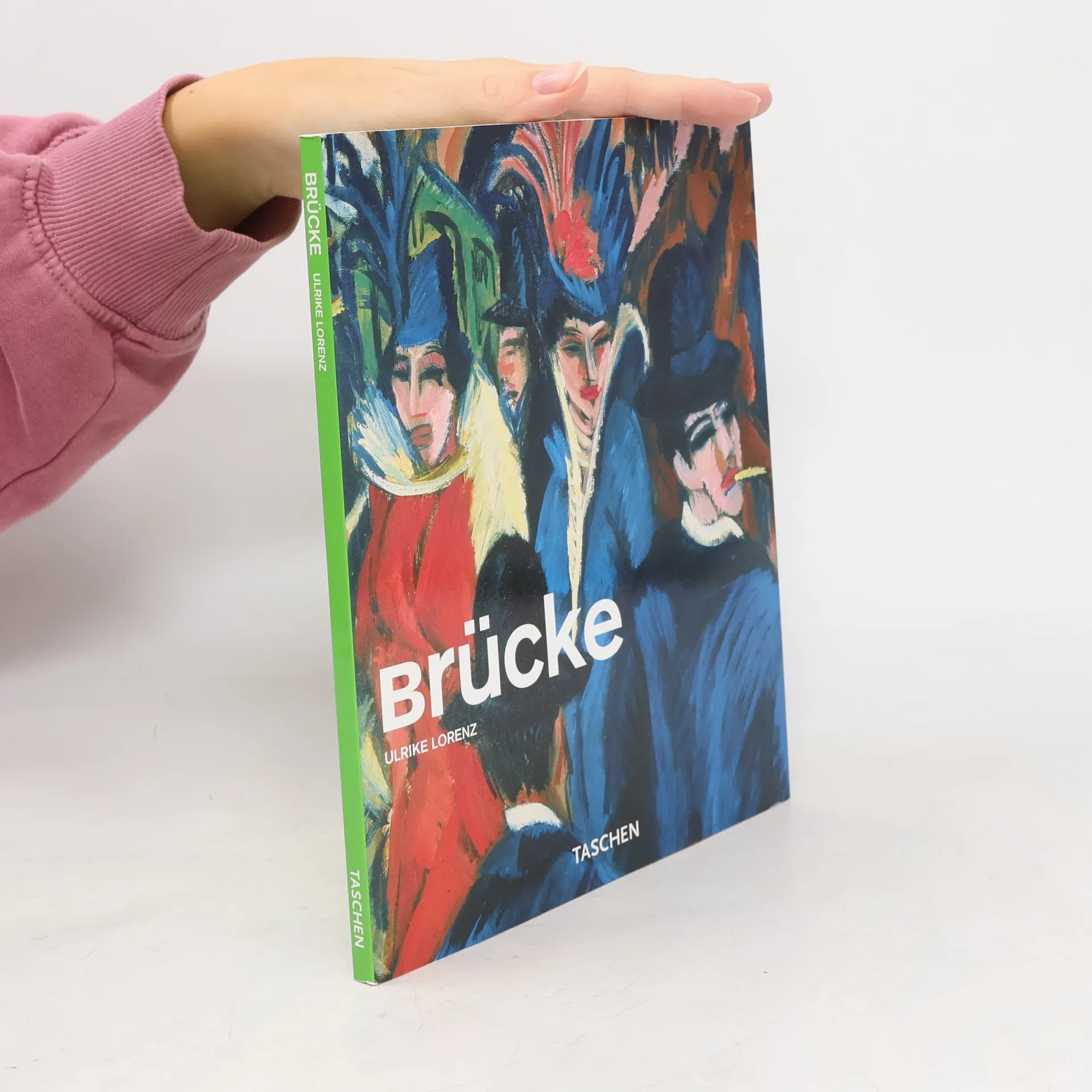
The "Brucke" (established in Dresden in 1905) is, together with the Blauer Reiter in Munich, the most important movement in German expressionism. Meaning "the bridge" in German, "Die Brucke" refers to Nietzsche's belief that humanity has the potential to make a bridge to a perfect future; more concretely, the movement formed a bridge between neo-romantic and expressionist painting. This book covers the work of founding members Ernst Ludwig Kirchner, Erich Heckel, Karl Schmidt-Rottluff, and Fritz Bleyl, as well as works by their friends, such as Emil Nolde and Otto Mueller. Divided into four main categories (self-portraits and portraits of friends, nudes in the studio and in nature, men in the cities, and war and apocalyptic themes) this volume provides a stimulating overview of the movement.Each book in "Taschen's Basic Genre Series" features: a detailed introduction with approximately 35 photographs, plus a timeline of the most important events (political, cultural, scientific, etc.) that took place during the time period; and, a selection of the most important works of the epoch; each is presented on a 2-page spread with a full-page image and, on the facing page, a description/interpretation of the work and brief biography of the artist as well as additional information such as a reference work, portrait of the artist, and/or citations.
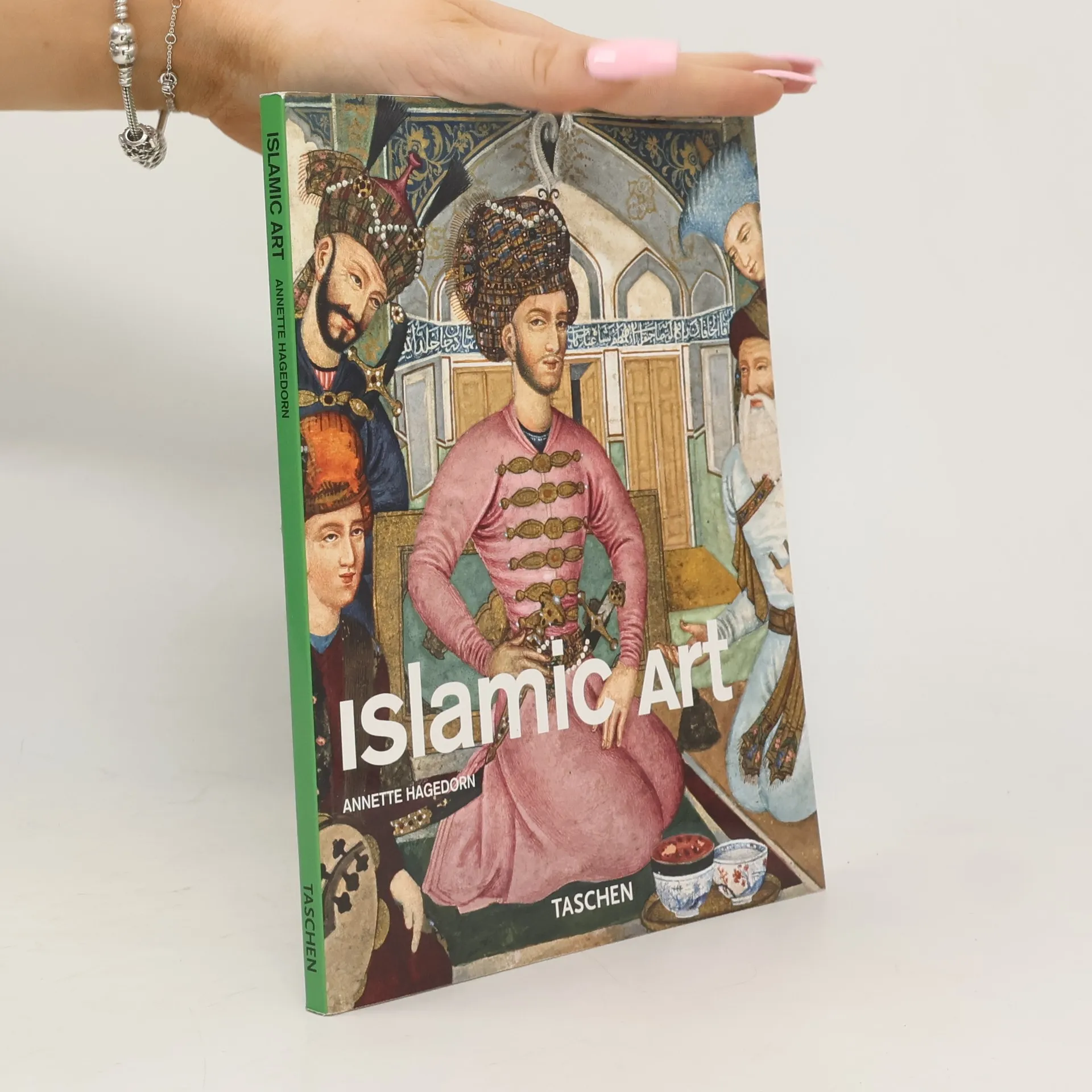
The delicate splendour and fairytale beauty of Islamic artThe art which arose from the 7th century in the Islamic empires reached from Spain and Morocco to the borders of China. It bore the stamp above all of Arabs, Persians and Turks, but outstanding contributions also came from Egypt and India. "Islamic Art" presents prominent luxury ceramics, prayer mats, goldsmithery, as well as witnesses to the decorative arts and calligraphy – and above all the masterpieces of the splendidly colourful courtly book illumination of Persia and the Mughal emperors of India. The book examines the contributions of the different countries and how they influenced each other, and in this way vividly illustrates the unfolding of the delicate splendour and fairytale beauty of Islamic art from its beginnings into the modern era.
This work in the Basic Genre series features more than 35 photographs, descriptions, and interpretations of the featured works, and a brief biography of the artists.
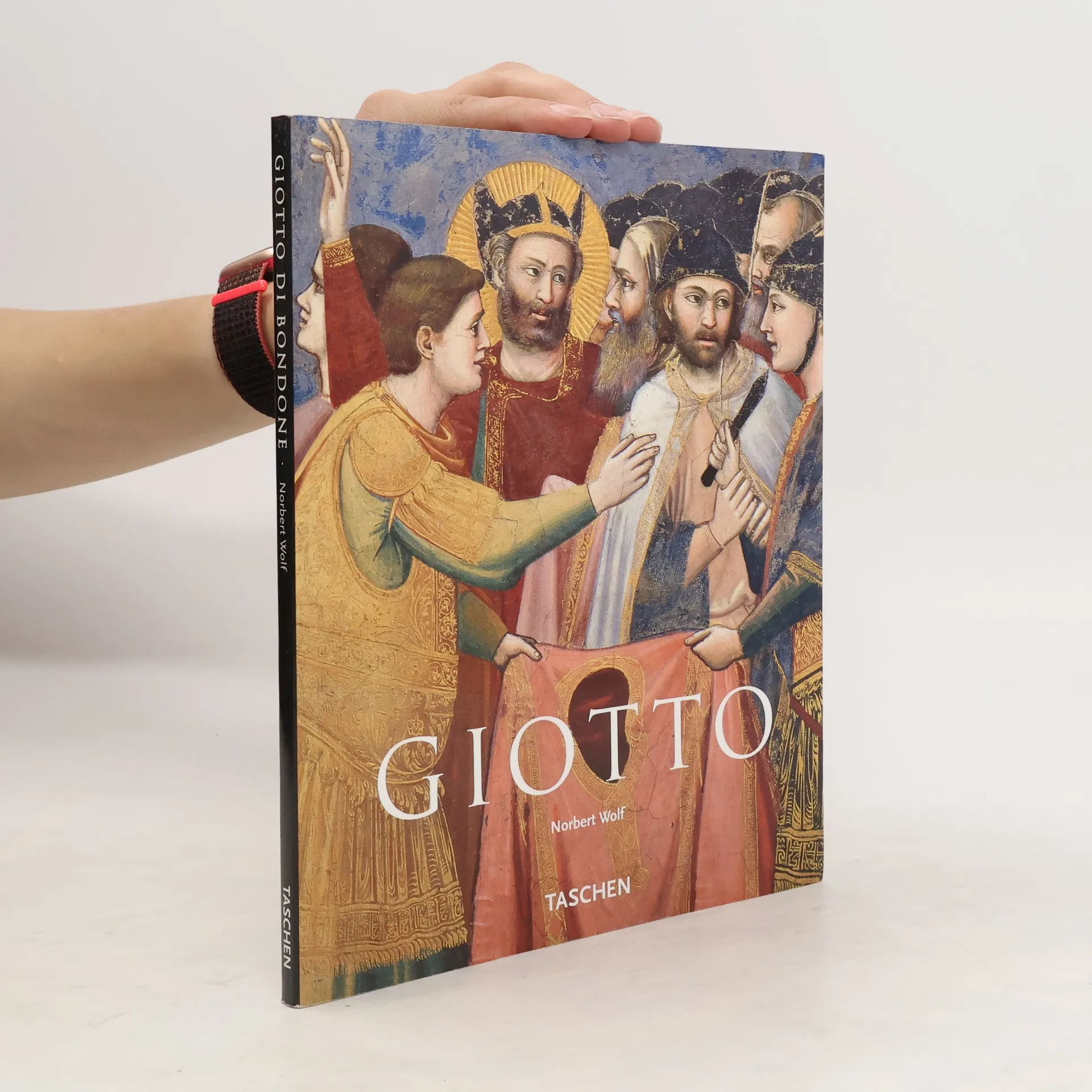
A central figure of the Early Renaissance According to legend, he was discovered by Cimabue as a boy, sketching his father’s sheep. Giotto di Bodone (1266-1337) was the most famous and influential painter of his generation in Italy. As the pioneer of modern painting, his impact was so enormous that his artist colleagues in Florence, however capable, were left struggling to keep up. His services were engaged by numerous high officials and princes, including the Pope and his cardinals, King Robert of Anjou, and the Scaligeri and Visconti. All these works, including the large secular cycles, are lost. Amongst his surviving works, his masterpieces are undoubtedly his decoration, from 1303 to 1305, of the private chapel built by the financier Enrico Scrovegni for his family in a former Roman amphitheatre in Padua, the fresco cycle in the Upper Church of Assisi, and the frescos in side chapels of Santa Croce in Florence. The simplicity and strength of his forms, as well as the humanism he infused in his works, set him apart from his Byzantine contemporaries and at the forefront of Italian painting in the early years of the Renaissance.
Titian was as famous for his beguiling personality as he was for his masterful paintings. I, Titian introduces readers to the influential painter, allowing the artist's own words to deepen an appreciation of his achievements. High-quality reproductions illustrate the breadth of his oeuvre and underline the mastery with which he employed light and colour. The text is supplemented by a concise biography and timeline to provide an in-depth look at the life and work of the visionary artist, immersing the reader into the time and place in which he painted.
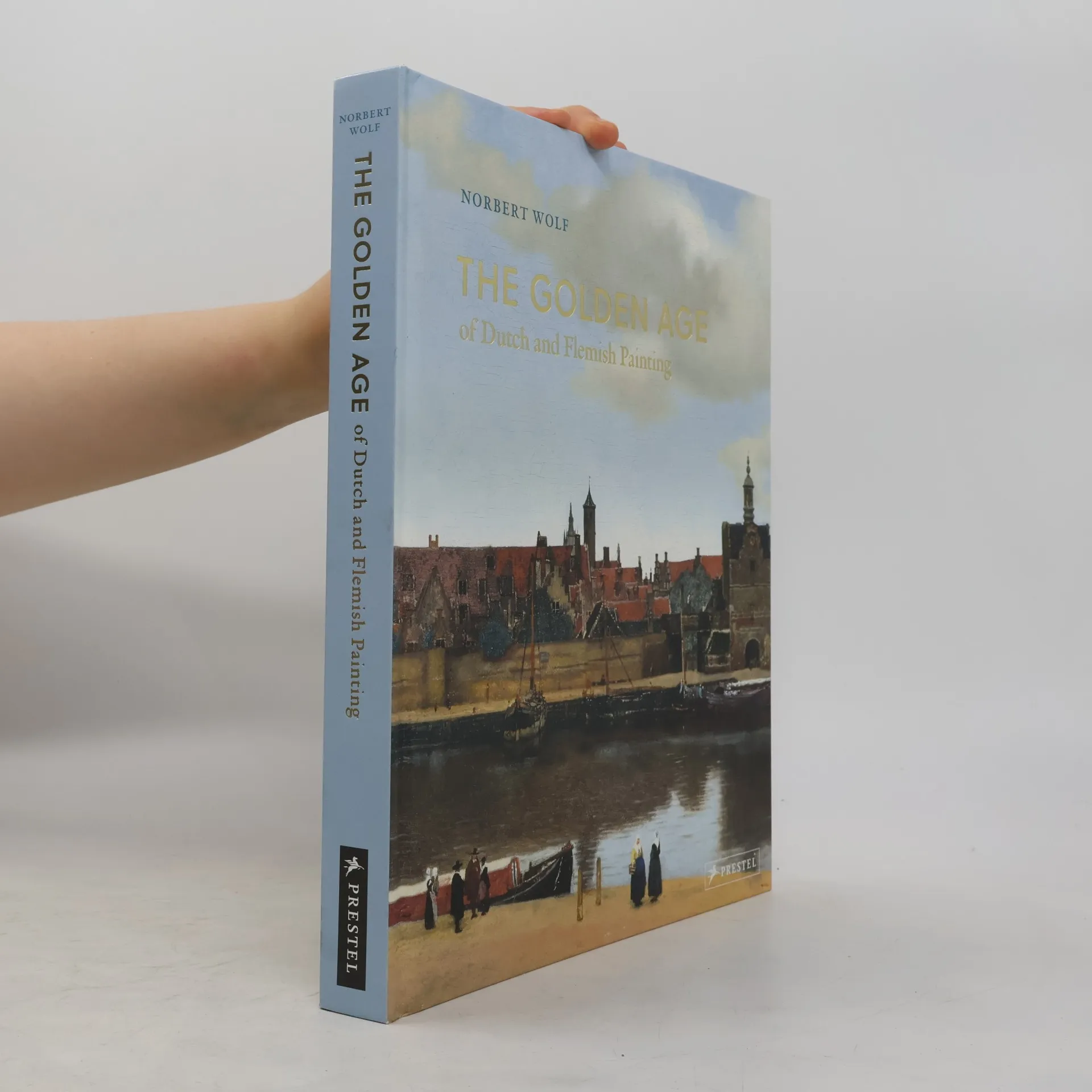
This beautifully illustrated, expansive overview of Dutch and Flemish art during the 17th century illuminates the creative achievements of one of the most important eras in western art. The Golden Age in Holland and Flanders roughly spanned the 17th century and was a period of enormous advances in the fields of commerce, science--and art. Still lifes, landscape paintings, and romantic depictions of everyday life became valued by the increasingly wealthy merchant classes in the Dutch provinces, while religious and historic paintings as well as portraits continued to appeal to the Flemish patronage. The Golden Age brought us Rembrandt, Vermeer, Rubens, and Van Dyck, but it was also the period of Frans Hals' revolutionary portraiture, Adriaen Brouwer's depictions of the working class at play, Jan Brueghel's velvety miniatures, and Hendrick Avercamp's lively winter landscapes. Norbert Wolf applies his vast understanding of the interplay between history, culture, and art to explore the forces that led to the Golden Age in Holland and Flanders and how this period influenced later generations of artists. Accompanied by luminous color illustrations, Wolf's accessible text considers the complex political, religious, social, and economic situation that led to newfound prosperity and, thus, to an enormous artistic output that we continue to marvel at and enjoy today.
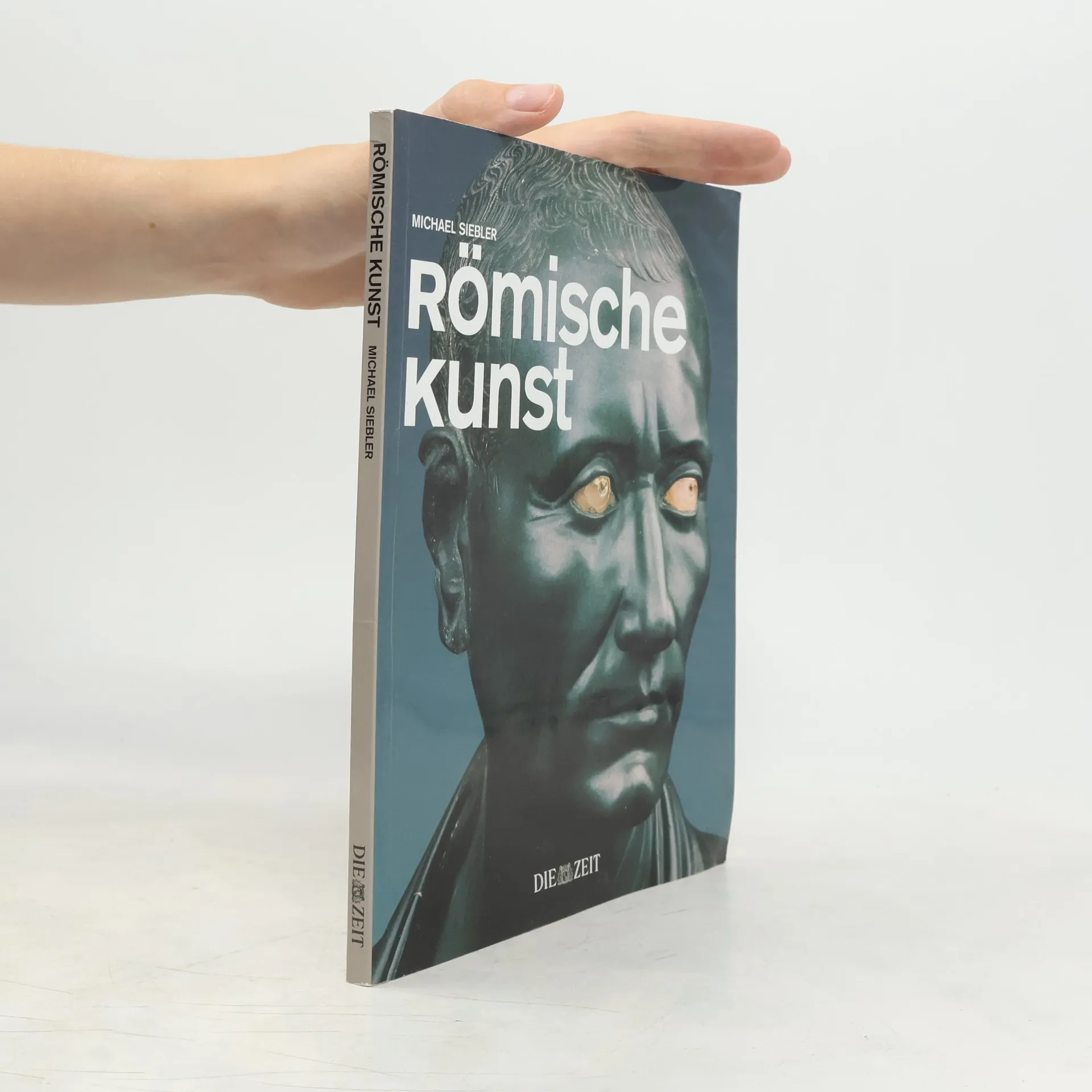
Der Sage nach soll Mars die Zwillinge Romulus und Remus gezeugt haben. Dem Kriegsgott verdankte Rom seinen Aufstieg. Das kleine Gemeinwesen am Tiber griff nach der Weltherrschaft und schaltete nach und nach seine Gegner aus. Das römische Volk bestaunte bei den Triumphzügen durch die Stadt die Kunstwerke und Schätze der eroberten Länder: Königliches Tafelgeschirr, kostbare Schmuckstücke, berühmte Gemälde und Skulpturen aus Marmor und Bronze wurden durch die Straßen getragen und schmückten anschließend die Tempel, Paläste und Privathäuser. Die römische Kunst spiegelt den Machtzuwachs des Staates. Aus bescheidenen republikanischen Anfängen steigerte sie sich zu imperialer Größe. DIE KAPITOLINISCHE WÖLFIN (LUPA CAPITOLINA) BRUTUS WANDMALEREIEN AUS DER VILLA VON BOSCOREALE WANDMALEREIEN AUS DER VILLA DER LIVIA BEI PRIMA PORTA AUGUSTUS VON PRIMA PORTA ARA PACIS AUGUSTAE GEMMA AUGUSTEA POMPEJANISCHE WANDMALEREI HADRIANA REITERSTANDBILD DES MARC AUREL DES SEPTIMIUS SEVERUS HERCULES FARNESE SARKOPHAG DIE VIER TETRARCHEN IN VENEDIG KOPF VON EINER KOLOSSALSTATUE KONSTANTINS MOSAIK AUS DER VILLA TAFELBILD MIT DER FAMILIE LUDOVISISCHER SCHLACHT- KONSTANTINSBOGEN
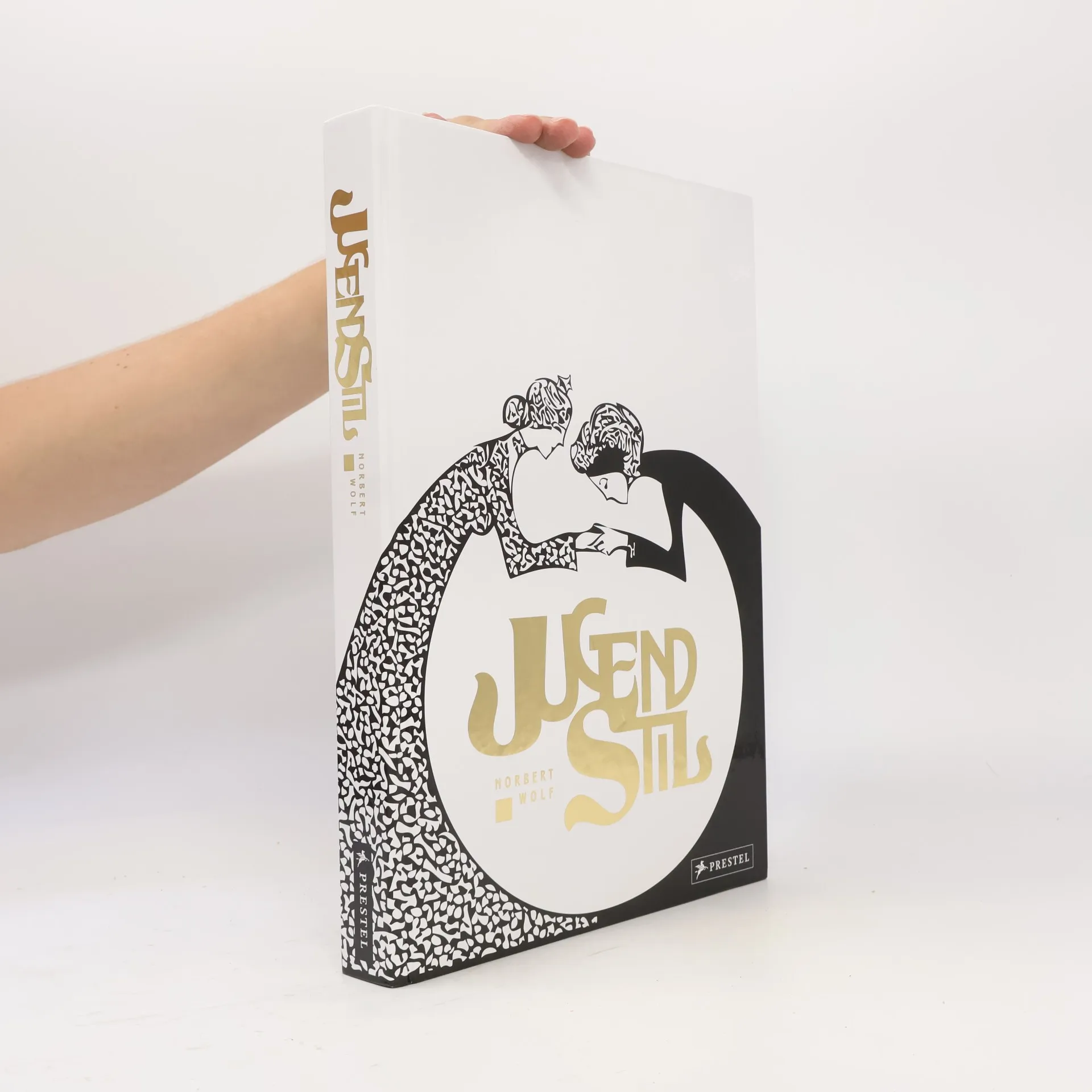
Stilvoller Aufbruch in ein neues Jahrhundert Wie ein frischer Wind wehte im ausgehenden 19. Jahrhundert eine neue Kunst- und Architekturströmung durch die europäischen Städte und noch weit darüber hinaus. Der Jugendstil kam schwungvoll und elegant daher und war eine willkommene Abwechslung zum bis dahin tonangebenden Historismus. Die neue Strömung traf den Nerv der Zeit und erfasste in kurzer Zeit sämtliche Kunst- und Lebensbereiche. Mehr noch: Der Jugendstil prägte ein völlig neues Lebensgefühl. Dieser mit Goldfolienprägung prachtvoll ausgestattete Band stellt die wichtigsten Zentren, Künstler und Werke länderübergreifend und in ihren Wechselwirkungen vor und geht der Begeisterung nach, von der die Menschen damals erfasst wurden. Großformatige Abbildungen und eindrucksvolle Werkbeispiele veranschaulichen den Einfluss des Jugendstils auf Architektur, Malerei, Plakatkunst, Design und Mode. Vorgestellt werden auch bisher weniger beachtete Bereiche wie der Jugendstil-Ausdruckstanz oder die neuartige Lichtästhetik. Hochwertig ausgestattet und aufwendig gestaltet, ist dieses Buch eine einzigartige Fundgrube und ein ideales Standardwerk für alle, die mehr über diesen großartigen Kunststil erfahren möchten. Ausstattung: Mit hochwertiger Goldfolienprägung
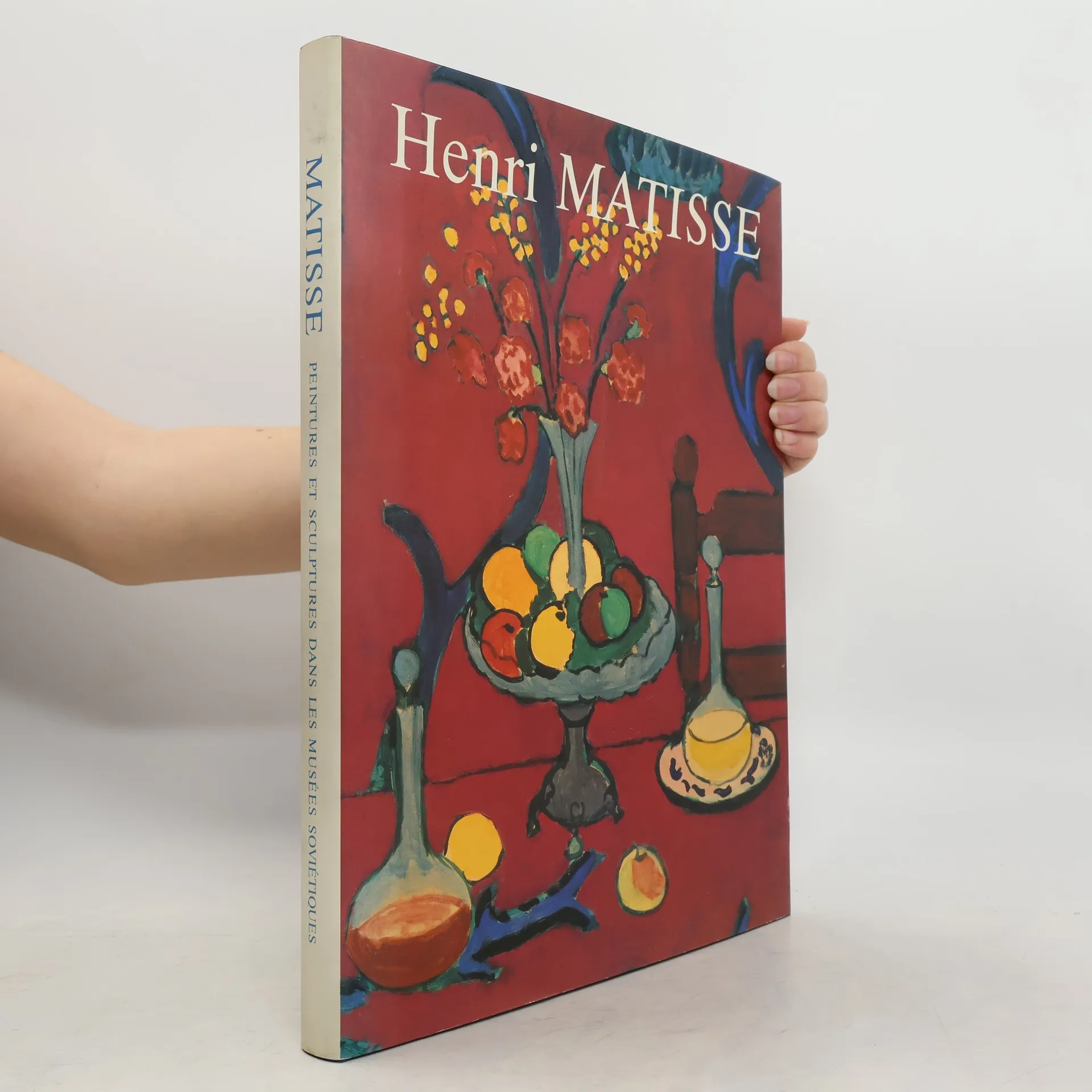
Matisse, le barde de la couleur, et Picasso, le briseur de moules : ensemble, ces deux géants ont façonné le monde de l'art moderne. L'œuvre d'Henri Matisse (1869-1954) est un hymne sensuel à la couleur, cette couleur sauvage mais subtile qu'il a apprivoisée, maîtrisée et gérée, exprimant ses sentiments envers les femmes et le monde. La couleur était l'outil avec lequel il contrôlait la ligne, l'arabesque, le volume, la transparence de la lumière, le reflet et l'espace. Bien qu'il n'ait pas hésité à pousser sa créativité à la limite de l'abstraction, il n'y a jamais totalement succombé. Cette liberté soigneusement conçue a marqué non seulement l'importance extraordinaire du peintre et sculpteur Matisse dans l'histoire de l'art moderne, mais aussi son influence, qui était tout aussi décisive que celle de son principal rival, Pablo Picasso. La libération stylistique de Matisse va même un pas plus loin dans la quête de son objectif personnel : la synthèse parfaite de la ligne et de la couleur, en s'inspirant des aspects classiques de la grande tradition de la peinture française.
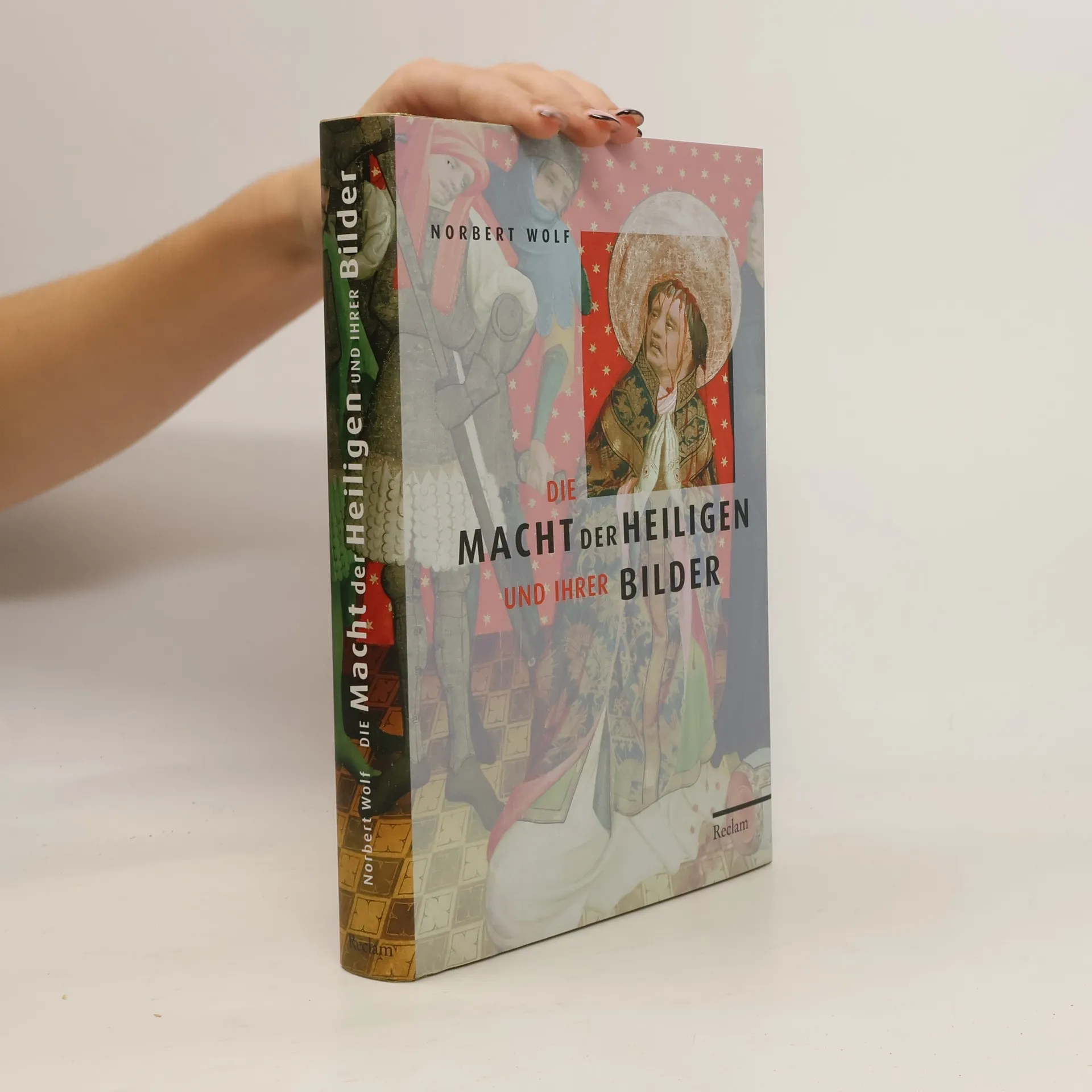
Auf Schritt und Tritt begegnen uns Heilige in der Kunst: in Gemälden, Mosaiken und Glasfenstern, in Plastik und Skulptur - Werke, die den Betrachter bis heute in ihren Bann ziehen. Der Band macht diese Faszination erlebbar: Anhand herausragender Beispiele vom Frühchristentum bis zur Gegenwart wird vorgeführt, wie sich das Verhältnis der Gläubigen zu den Heiligen und damit auch der Zugriff der Künstler veränderten, und wie umgekehrt die Kunst die Vorstellung von Heiligen über Jahrhunderte hinweg entscheidend prägte.
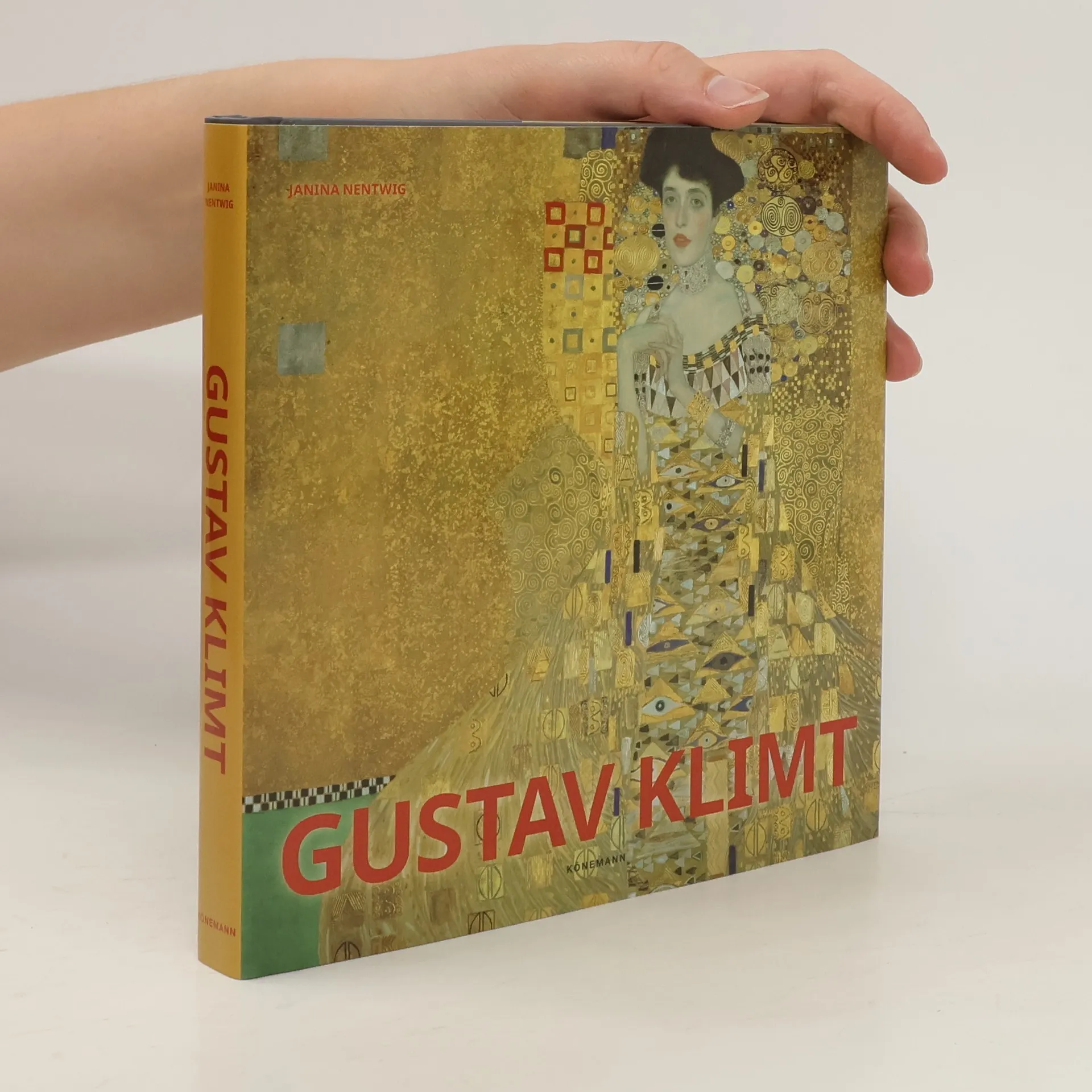
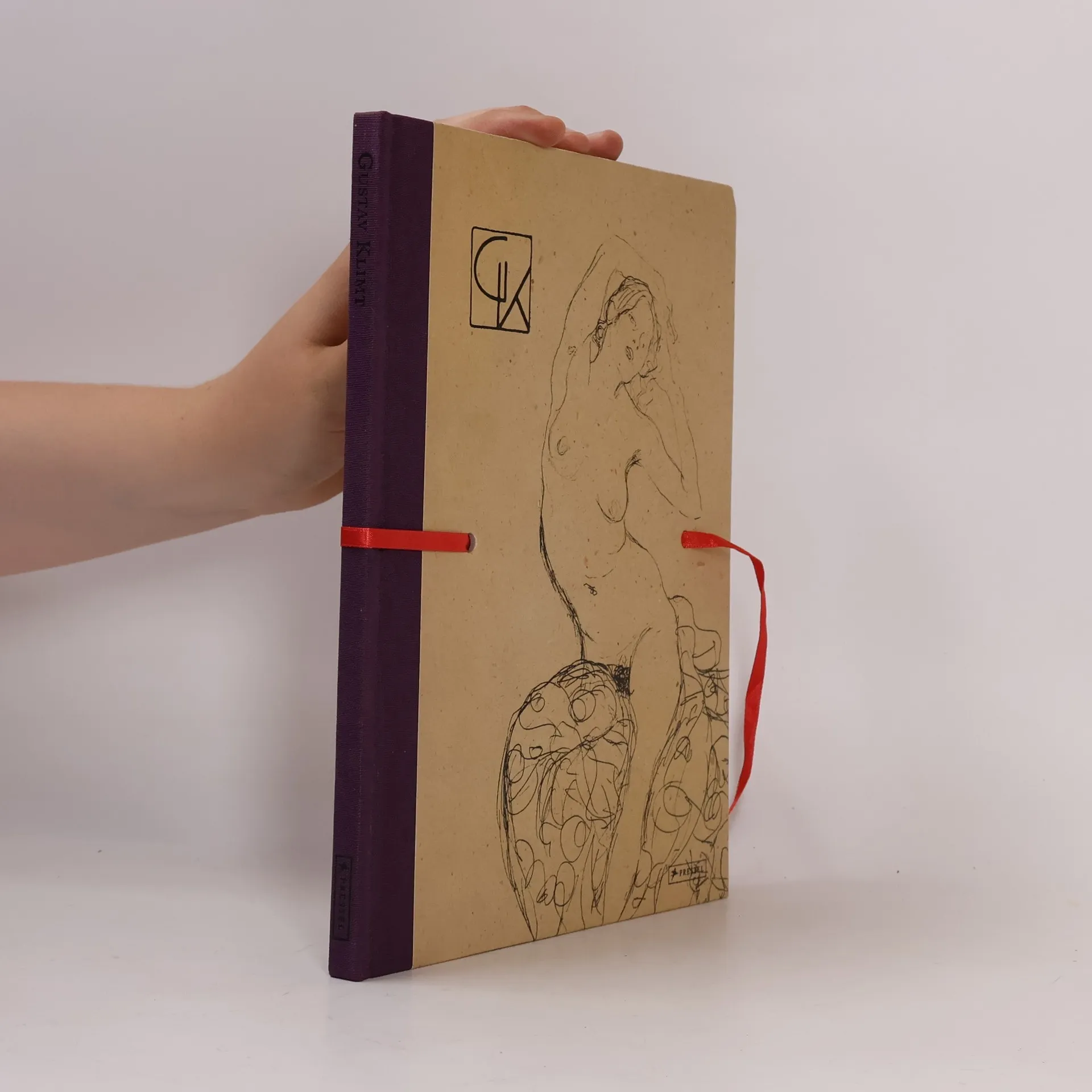
Die schönsten Zeichnungen und Aaquarelle. Klimts malerisches Werk umfasst etwa 220 Gemälde, dem stehen mehr als 4000 Zeichnungen gegenüber. Erotik, Sinnlichkeit und Spontaneität zeichnen diese Arbeiten aus und zeigen in ihren vielfältigen Darstellungen die weite ästhetische Spannbreite in Klimts Werk. Das Buch zeigt die schönsten dieser Zeichnungen und Aquarelle in einer Buchform, die dem ursprünglichen Skizzenbuch des Künstlers sehr nahe kommt.
V dějinách umění označujeme expresionismem tendenci, zdůrazňující psychické momenty tvorby, pokládající umělecké dílo především za projev umělcovy duše a usilující i za cenu deformace tvaru o stupňování výrazu; tato tendence se projevila zejména v německém umění. Nejde tedy o stylový pojem jako například kubismus nebo futurismus; do expresionismu v širším smyslu řadíme umělecká díla různého slohového zaměření.
Ob Gotik oder Grossraumbüro:>>Architektur verstehen<<macht mit den wichtigsten Techniken, Gestaltungsmethoden und Aufgaben der Baukunst bekannt. Zentrale Themen sind die Baumaterialien, der Werkprozess, die sakralen und profanen Grundtypen der Architektur, die Stadtplanung sowie die Symbolik. Den Abschluss bilden einige grundsätzliche Überlegungen zu den architektonischen Herausforderungen der Zukunft. Die einzelnen Kapitel sind als historische Erkundungsgänge angelegt, die den vielfältigen Wandlungen der abendländischen Baukunst im Laufe der Jahrhunderte nachspüren. Dabei wird auch deutlich, welch eminent wichtige Vorbilder die Antike bereit gestellt hat. Infokästen geben detailliert Auskunft über massgebliche Architekten, Bauwerke und Entwicklungslinien.
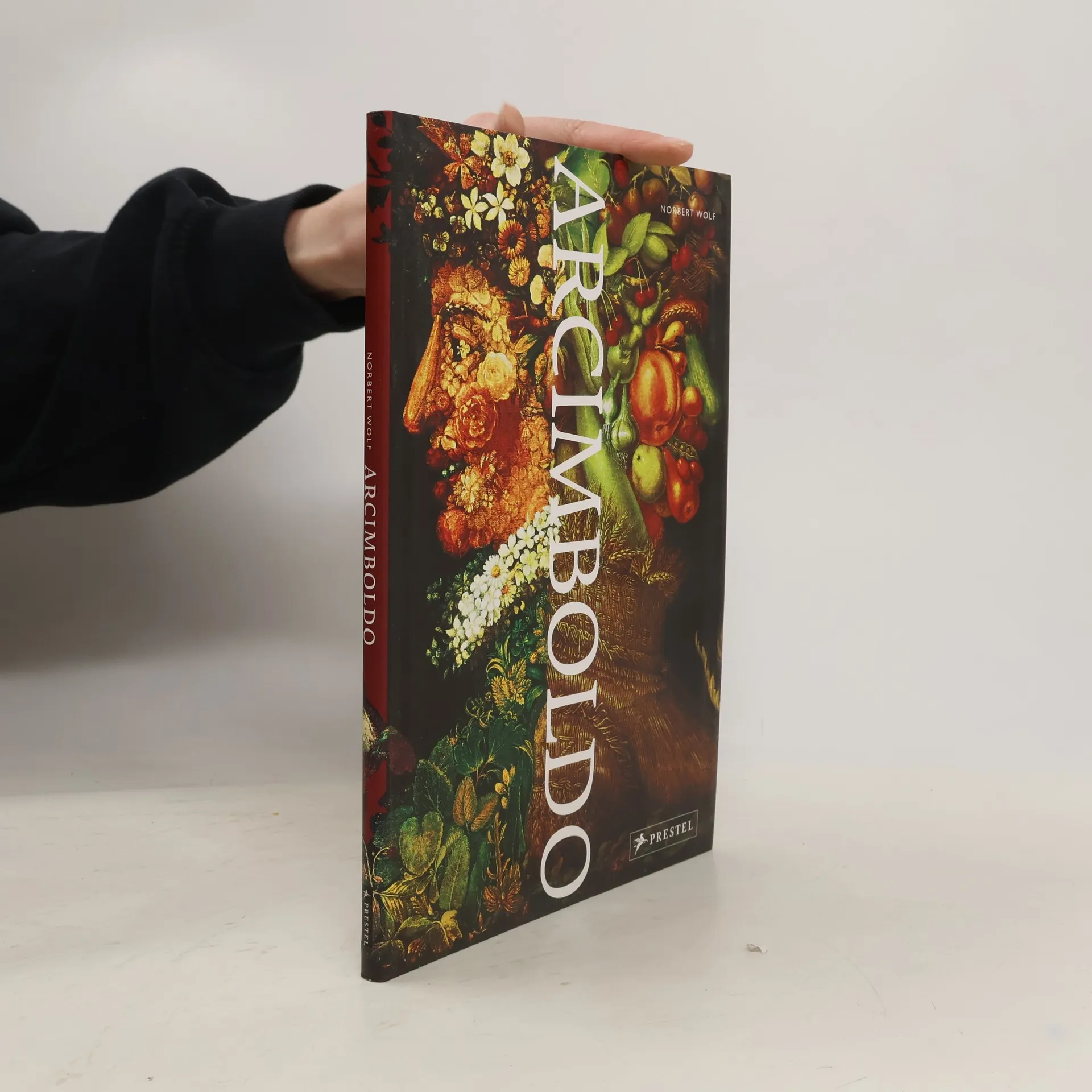
Für Salvador Dali war er Inspiration und Vorbild gleichermaßen: Giuseppe Arcimboldo, der in der Spätrenaissance als erfolgreicher Künstler am Kaiserhof in Prag beschäftigt war, ist zu Beginn des 20. Jahrhunderts von den Surrealisten und Dadaisten wieder entdeckt worden. Berühmt wurde er durch seine unvergleichlichen Porträts, in denen er Pflanzen, Früchte, Tiere oder Gegenstände, wie z. B. Bücher, so kunstvoll arranierte, dass identische Bildnisse des Porträtierten entstanden. Die ganze Palette seines Multitalents wird in diesem handlichen Buch hervorragend wiedergegeben.
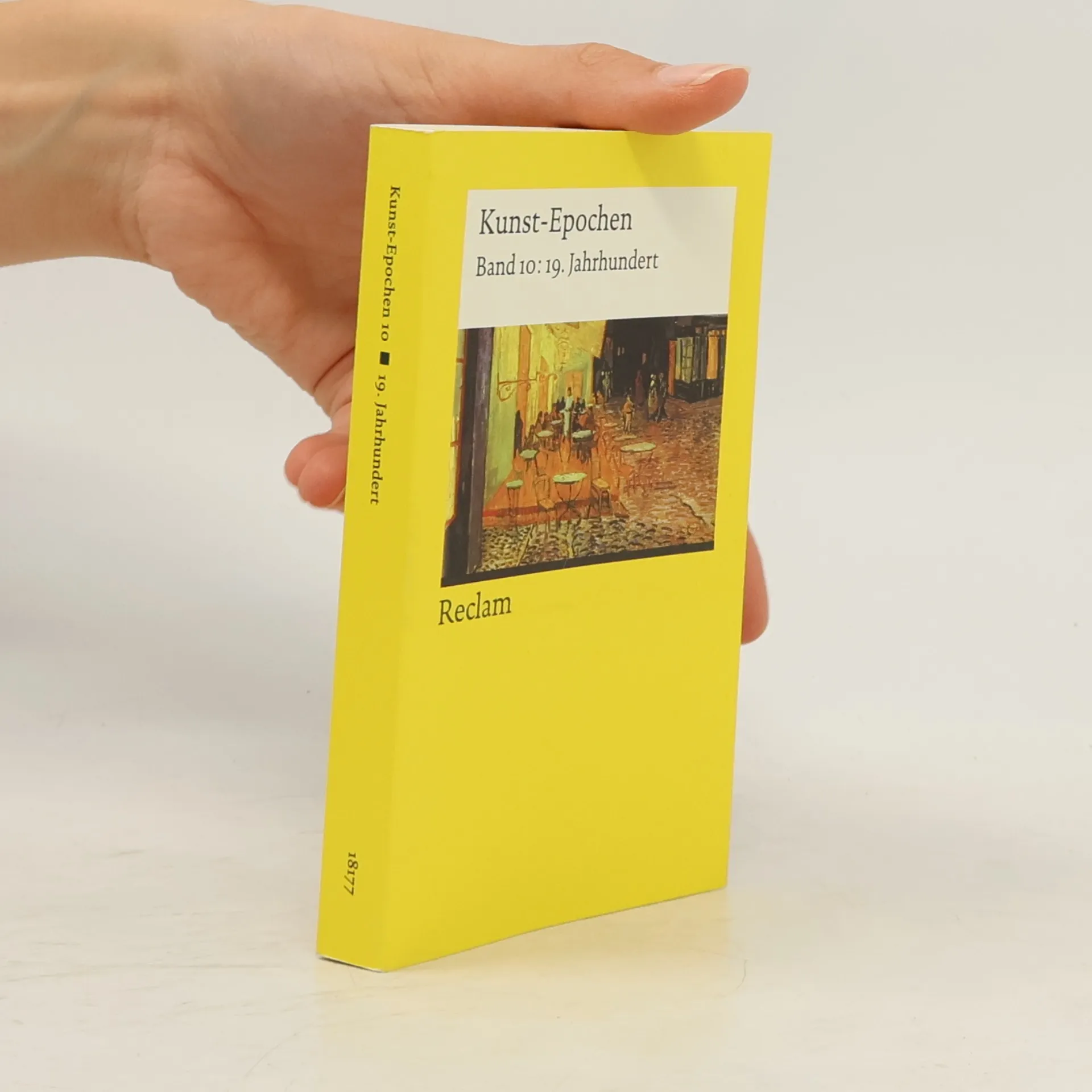
Die zwölfbändige Reihe 'Kunst-Epochen' bietet einen fundierten Einstieg in die Kunstgeschichte, von ihren Anfängen bis zur Gegenwart. Sie begleitet den Leser auf dem Weg zur Kunst, macht mit den Hintergründen, den wichtigsten Künstlern und Werken vertraut. Gleichzeitig zeigt sie Methoden auf, mit deren Hilfe man Bilder, Plastiken und Bauwerke erschließen und verstehen lernen kann. Der Aufbau der Bände: Die verschiedenen Epochen und ihre wichtigsten künstlerischen Strömungen - Epochale Errungenschaften und herausragenden Einzelwerke - Materialien und Quellen zum zeitgenössischen Kunstverständnis - Die wichtigsten Künstler, ihr Leben und Werk, Künstlergruppen - Personenregister und Literaturhinweise. Band 10: Zukunftsweisend bereiten zeitgleiche wie auch einander ablösende Stilphänomene im 19. Jahrhundert den künstlerischen Weg in die Abstraktion vor. Neue Themen und Techniken werden erprobt, neue Materialien verwendet. Das Selbstverständnis der Künstler und die gesellschaftliche Rolle der Kunst ändern sich gleichermaßen.
Rembrandt bis Rubens: ein Jahrhundert der Meisterwerke Das Goldene Zeitalter der niederländischen Malerei umfasst etwa die Zeitspanne des 17. Jahrhunderts und nennt alle großen Namen dieser Kunstepoche wie Rembrandt, Vermeer, Rubens, Van Dyck, Jan Brueghel d.Ä., Frans Hals oder Carel Fabritius. Zu der Zeit, als sich die ehemals vereinigten Niederlande endgültig in einen unabhängigen nördlichen Teil und einen weiterhin unter spanischer Herrschaft stehenden südlichen Teil aufgespalten hatten, erlebten Kunst und Kultur einen enormen Aufschwung. Es entstanden unzählige Meisterwerke: Genreszenen, Landschaften, Stillleben und Porträts ebenso wie religiöse und historische Motive. Illustriert mit einer fantastischen Fülle prächtiger Abbildungen auf Doppelseiten und in Details, führt der sachkundige und elegante Text des Spezialisten für niederländische Malerei Norbert Wolf hier Werke der holländischen und flämischen Malerei zu einer einzigartigen Gesamtschau zusammen. So entsteht ein ganz neuer einmaliger Blick auf eines der faszinierendsten Kapitel der Kunstgeschichte. Ausstattung: Prachtband im Schmuckschuber mit Goldfolienprägung
Diese Sonderausgabe besticht durch ihre hochwertige Aufmachung und bietet ein herausragendes Preis-Leistungs-Verhältnis. Sie vereint sorgfältig ausgewählte Inhalte und ansprechendes Design, wodurch sie sowohl als Sammlerstück als auch als Geschenk ideal geeignet ist. Die Kombination aus ansprechender Gestaltung und informativem Inhalt macht dieses Werk zu einem besonderen Erlebnis für Leser und Liebhaber hochwertiger Bücher.
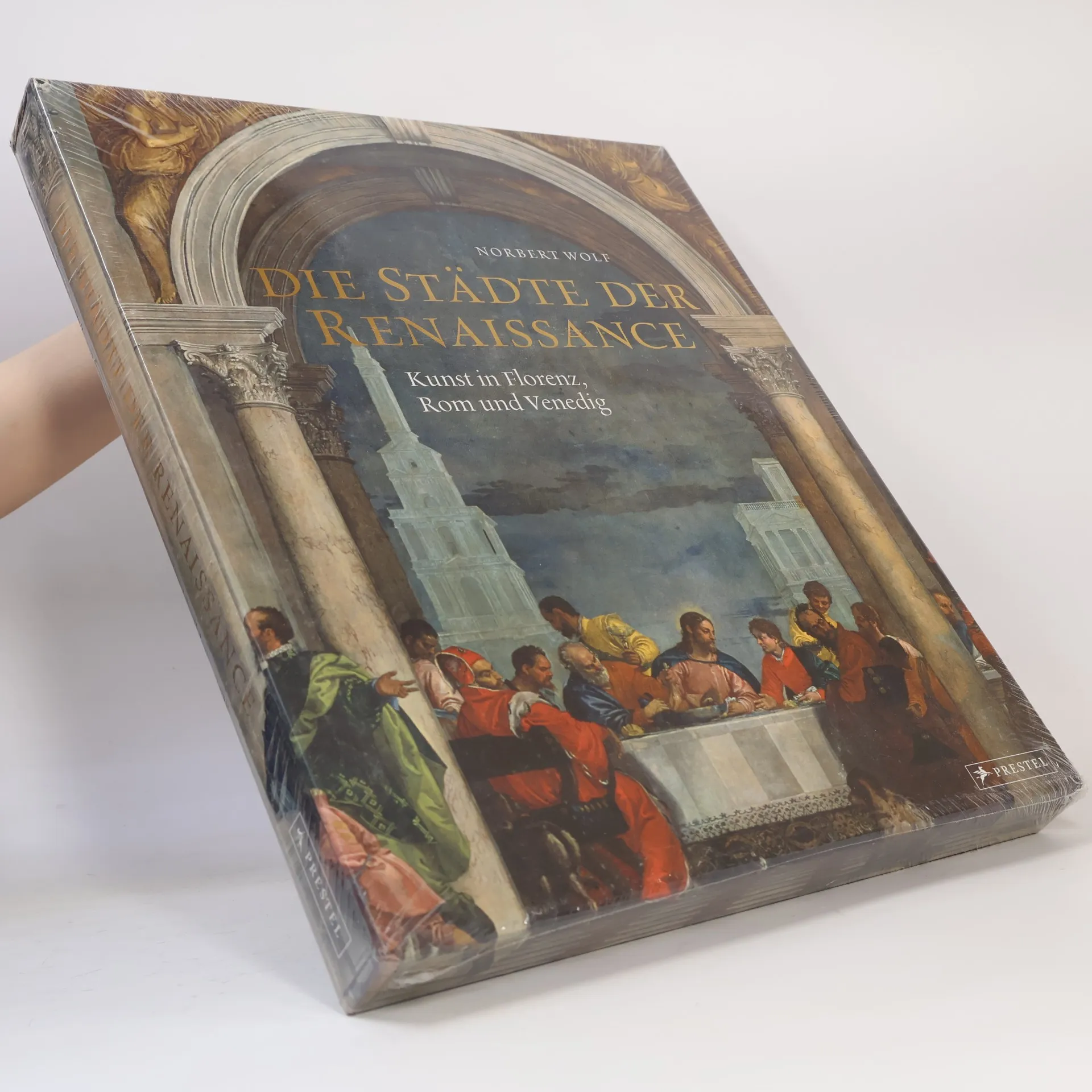
„Die Blüte der Kunst in Italien“ ist ein opulenter Bildband, der die Meisterwerke der italienischen Renaissance in Florenz, Rom und Venedig beleuchtet. Kunsthistoriker Norbert Wolf analysiert die Einflüsse von Machtstrukturen und städtischen Lebensweisen auf die Kunstentwicklung und bietet neue Perspektiven auf diese faszinierende Epoche.
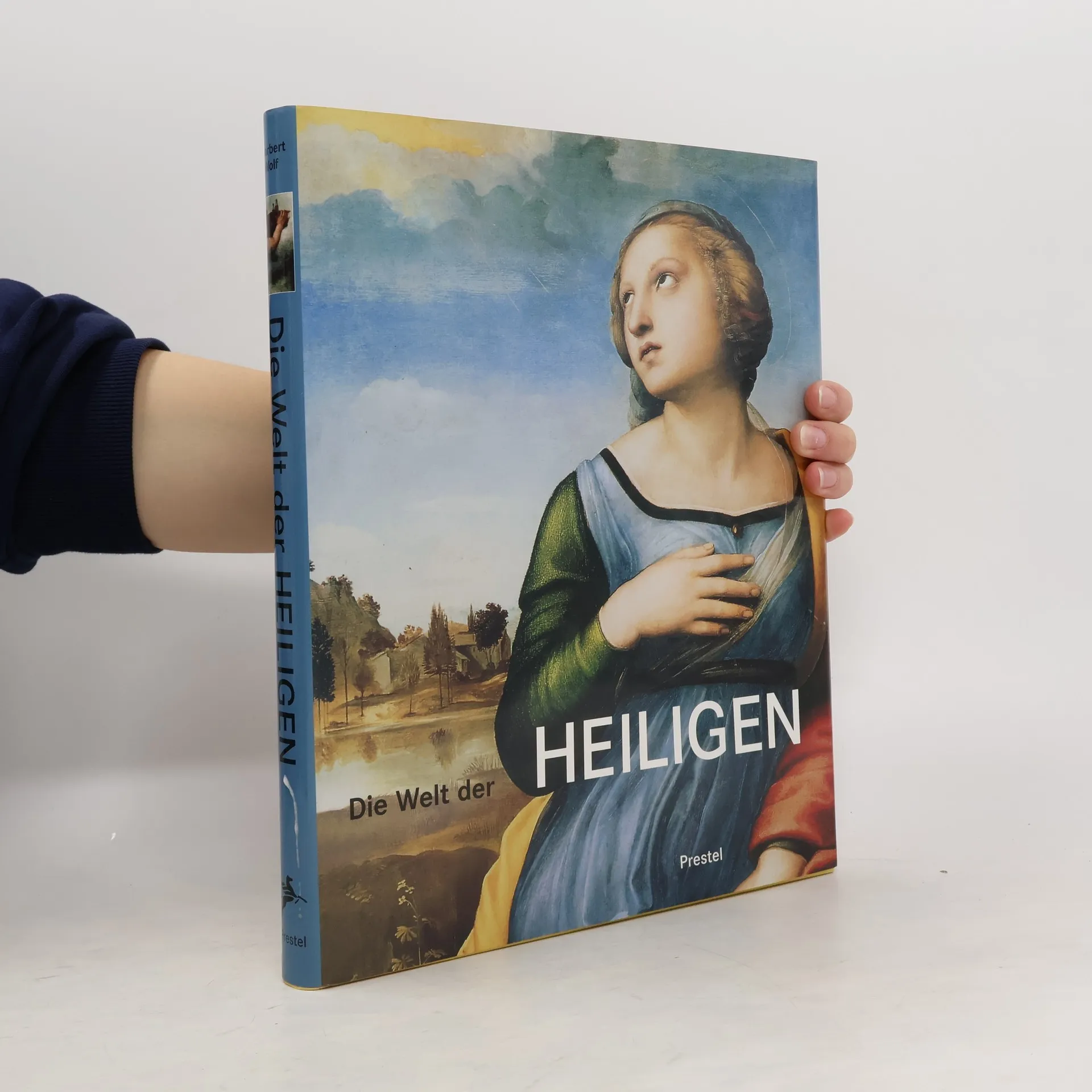
Heiligenbilder begegnen uns nicht nur in Kirchen und Klöstern, wo sie das Ziel von Millionen von Pilgern sind. Seit Jahrhunderten sind sie auch eine der wichtigsten künstlerischen Herausforderungen. Zu den Auftraggebern gehörten Päpste und Kaiser ebenso wie die mächtigen Adels- und Patriziergeschlechter, z. B. die Medici in Florenz oder die Fugger in Augsburg. Im opulenten Bildteil wird die Geschichte der Heiligen erzählt, es werden ihre Attribute erklärt und man erfährt, wessen Fürsprecher die jeweiligen Heiligen sind. Anschauliche Texte vermitteln darüber hinaus Wissenswertes zur Entstehung der Bilder und zu den Künstlern.
Geschaffen von Nikolaus Glockendon. Inspiriert von Albrecht Dürer
222pages
8 heures de lecture
Kraftvoll leuchtende Farben, phantasievolle Formen und großzügige Bildkompositionen? von 1522?1524 erschuf der größte deutsche Buchmaler seiner Zeit für den höchsten Kirchenfürsten des römisch-deutschen Reiches eine Handschrift der Superlative: das 'Missale Albrechts von Brandenburg' (Hofbibliothek Aschaffenburg, Ms. 10). 00Erstmals wird dieses überreich ausgestattete Missale jetzt im Quaternio Verlag Luzern als bibliophile Kunstbuch-Edition mit Original-Faksimilebogen mit allen Miniaturen und Schmuckinitialen erschlossen
Die Schätze der Buchmalerei lagern wohl verwahrt in den Tresoren berühmter Bibliotheken. Ihr Wert geht in die Millionen. Der Kunsthistoriker Norbert Wolf eröffnet dem Leser einen einzigartigen Zugang zu den Glanzlichtern des illuminierten Buches wie dem Book of Kells, der Wiener Genesis oder dem Codex Manesse. Der übersichtlich nach Themen gegliederte Überblick beginnt mit der Entwicklung des Codex im 4. und 5. Jh. und endet mit dem Siegeszug des gedruckten Buches im 16. Jh. Die wertvollen Materialien, die Buchtypen, ihre Bebilderung und die Arbeit der Schreiber und Miniaturen-Maler werden ausführlich erläutert. Gewürdigt wird auch die Rolle der großen Auftraggeber, Käufer und Sammler. Die sachkundige Beschreibung der prächtigen Handschriften macht mit faszinierenden Weltbildern und Wissensgebieten bekannt, die einen wichtigen Teil unseres kulturellen Erbes darstellen. Alle Fachbegriffe werden leicht verständlich erläutert.
Ein großformatiger Prachtband mit Schutzumschlag und Schuber über eine der bedeutendsten Epochen der Kunstgeschichte. Das Goldene Zeitalter Spaniens, das mit dem Aufstieg der Habsburger-Dynastie und der Ausdehnung des spanischen Reiches zusammenfiel, schuf ein ausgesprochen fruchtbares Umfeld für Kultur und wissenschaftliche Entdeckungen. In der Zeit zwischen der Mitte des 16. und dem 17. Jahrhundert entstanden einige der bedeutendsten Werke der Musik, Literatur und Kunst des Landes – gerade auch in der Malerei. Dieser reich bebilderte und mit anschaulichen Texten versehene Überblick geht thematisch und chronologisch auf diese Epoche und die ihr nachfolgenden Jahrhunderte bis zur Moderne ein. Alle bedeutenden spanischen Maler sind hier vertreten, mit 250 prächtig reproduzierten Werken von El Greco, de Ribera, Velázquez, Zurbarán, Murillo, Ribalta, Goya und Dutzenden anderen. Ein abschließendes Kapitel zeigt, wie die spanischen Künstler des 20. Jahrhunderts, etwa Picasso oder Dalí, von diesen Meistern mit geprägt wurden.
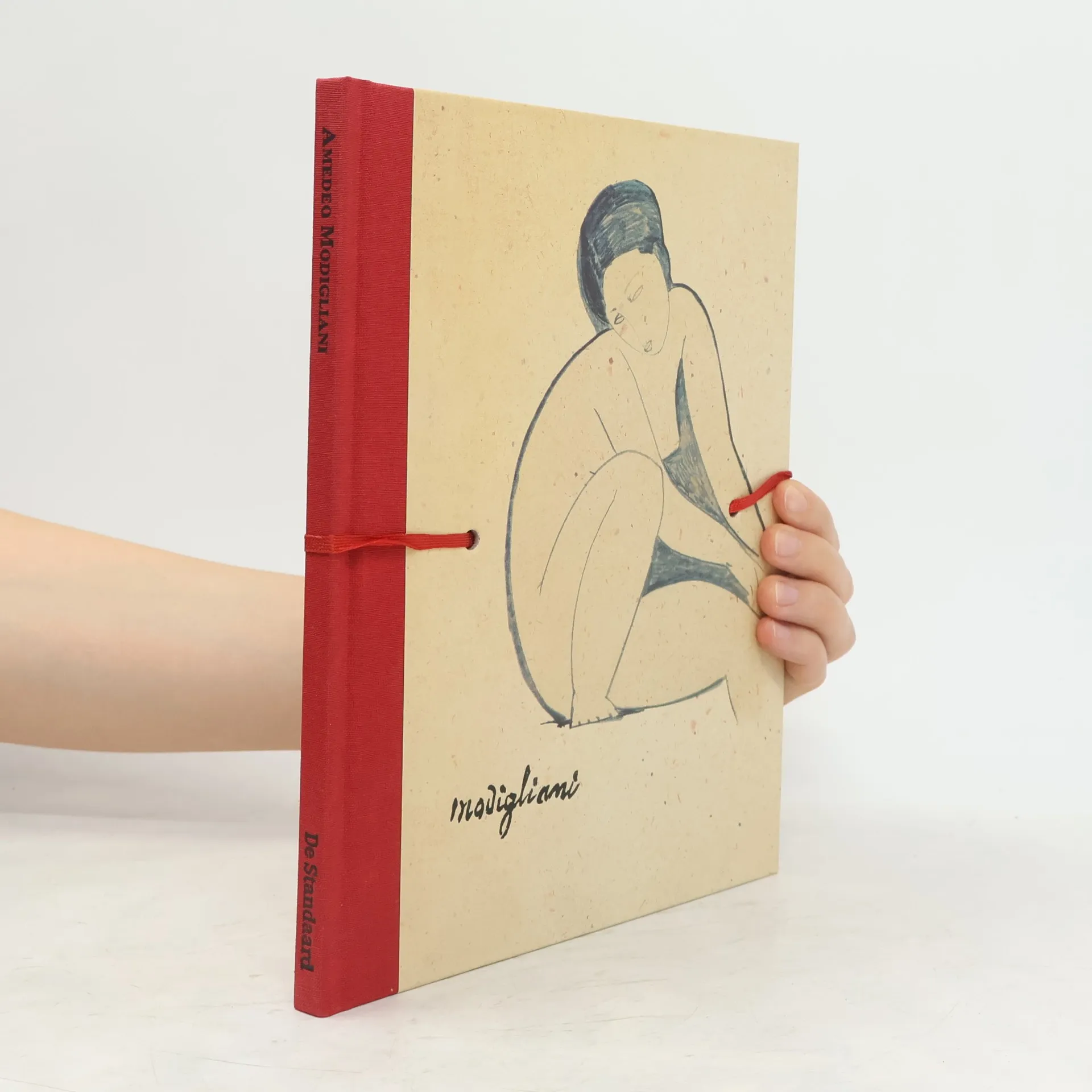
Der 1884 in Livorno geborene Amedeo Modigliani begann mit 14 Jahren ein Kunststudium in Italien und wurde Maler, Bildhauer und Zeichner. 1906 zog es ihn in die Pariser Avantgardisten-Szene. In seinem Atelier am Montmartre schuf Modigliani beeindruckende Porträts und Akte, die expressionistische, kubistische, symbolistische und afrikanische Einflüsse vereinten. In nur zehn Jahren entstanden 420 Gemälde und etwa 25 Plastiken. Die Monografie präsentiert die Meisterstücke und untersucht die Mythen, die sich bis heute um diesen 'letzten echten Bohemien' ranken.
Das vorliegende Buch präsentiert in gut 60 übersichtlichen Kapiteln herausragende Maler vom Klassizismus bis zur Gegenwart. Eine Konzentration auf die Disziplin der Malerei bringt freilich für das 20. und das noch junge 21. Jhd. Probleme mit sich, dort, wo die Grenze zwischen Flächen- und Raumkünsten aufgehoben wird. Daher beschränkt sich die Auswahl moderner Künstler auf diejenigen, die „im Rahmen“ bleiben, also einem Betrachter weiterhin Bild-Flächen anbieten, seien diese auch noch so sehr zu Experimentierfeldern verwandelt. Analog zu Band 1 rückt auch diese Publikation die Frage in den Mittelpunkt, welche Kriterien das überragende Können bestimmter Maler bedingen. Da diese Frage nicht mit Hilfe ausführlicher Werkbeschreibungen untersucht wird, sondern im Kontext übergreifender kunstwissenschaftlicher Erörterungen, wurde bewusst auf Abbildungen verzichtet. Dem Hauptteil ist ein stilgeschichtlicher Abriss vorangestellt. Mit kommentierten Literaturangaben. Vorstellung herausragender Maler vom Klassizismus bis zur Gegenwart
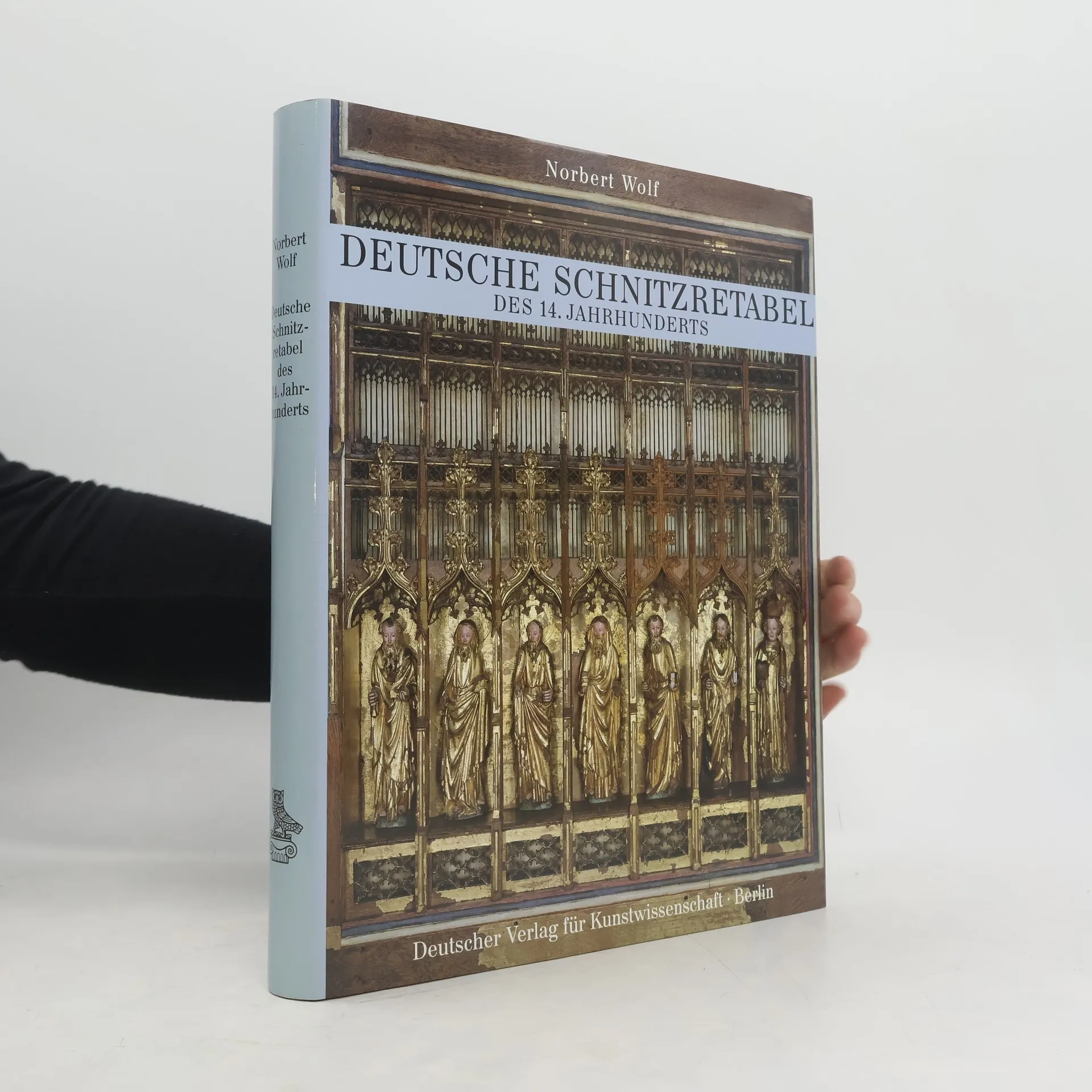
Norbert Wolf diskutiert die erhaltenen Beispiele geschnitzter Flügelretabel der Frühzeit und stellt auf dieser Basis gattungsspezifische Fragen nach den Entstehungsbedingungen, nach ihrer Symbolik und liturgischen Rolle, und ordnet sie in ein Panorama mittelalterlicher Altarausstattung ein. Aus dem bunten Spektrum mittelalterlicher Altaraufsätze kristallisiert sich gegen Ende des 13. und zu Beginn des 14. Jahrhunderts in der deutschsprachigen Kunstlandschaft die Version des geschnitzten Flügelretabels heraus. Im Unterschied zu den Schnitzaltären der Spätgotik, die in der Literatur opulent behandelt wurden, sind die frühen Werke immer noch zu wenig im Bewußtsein der Öffentlichkeit verankert. Erst in den letzten Jahren richtet sich wieder mehr Aufmerksamkeit auf den insgesamt faszinierenden Denkmälerbestand dieser Frühzeit. Einen wichtigen Beitrag dazu leistet die vorliegende Arbeit, die von den ältesten erhaltenen Werken um 1300 bis zu Stücken der Zeit um 1380 erstmals einen vollständigen Überblick bietet - eine Synopse der erhaltenen und rekonstruierbaren Werke in ihrem authentischen materiellen Bestand, in ihrer Morphologie und Ikonographie. Auf der Basis dieses bis dato noch nicht vorhandenen Katalogs werden schließlich gattungstypische Fragen aufgeworfen.
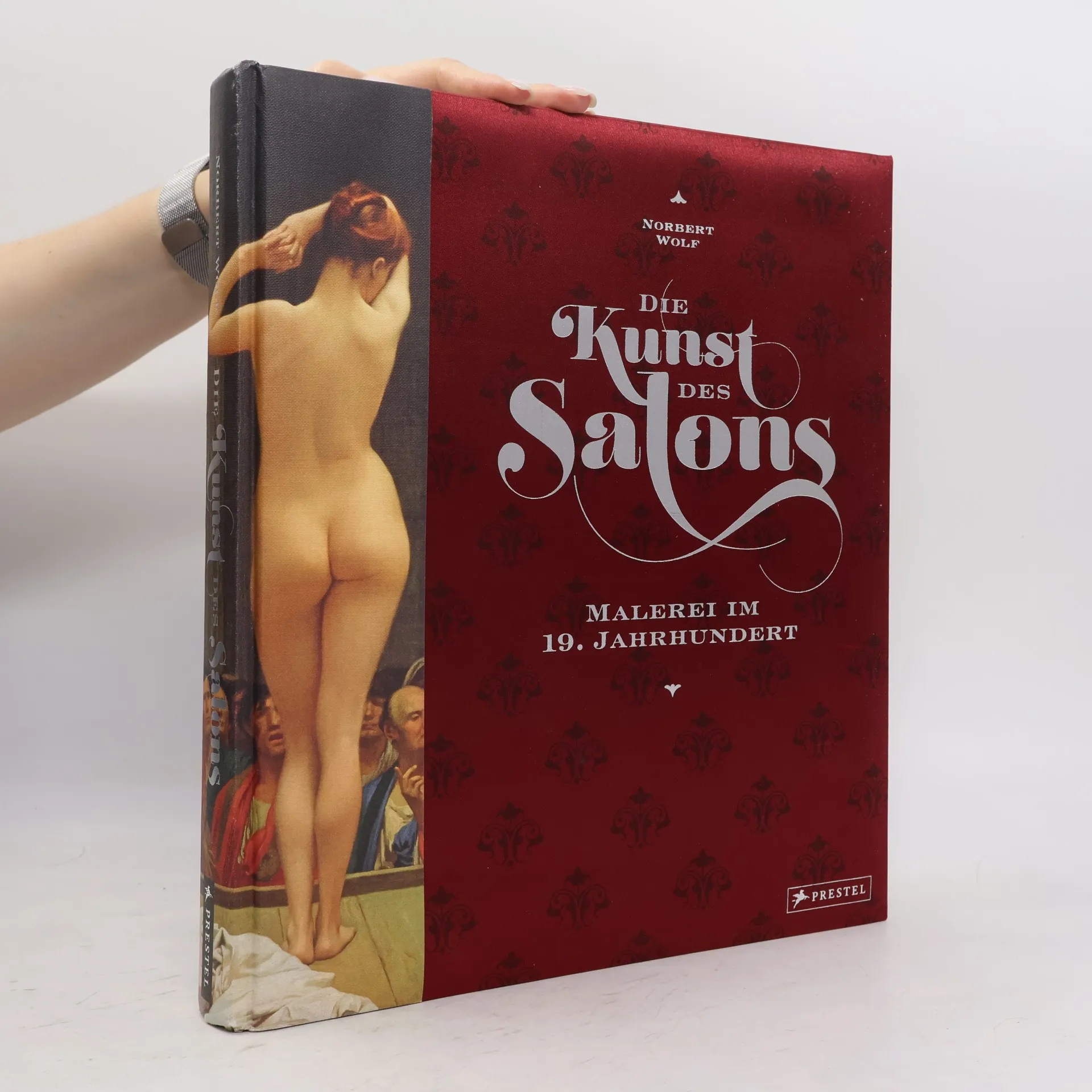
Der schöne Schein – Kunst zwischen Stil, Pomp und KitschEntdecken Sie in diesem luxuriös ausgestatteten Prachtband die Werke folgender Künstler: Arnold Böcklin, Alexandre Cabanel, Eugène Delacroix, Anselm Feuerbach, Jean-Léon Gérôme, Jean-Auguste-Dominique Ingres, Wilhelm von Kaulbach, Franz von Lenbach, Frederic Lord Leighton, Hans Makart, Edouard Manet, Gabriel von Max, Auguste Renoir, Dante Gabriel Rossetti, John Singer Sargent, James Abbot McNeill Whistler u. a. Göttinnen schlummern in üppig dekorierten Boudoirs, Sklavenhändler verschachern verzweifelte Jungfrauen, Eroberer durchqueren stürmische Ozeane – die Salonmalerei des 19. Jahrhunderts galt lange Zeit eher als Kitsch denn als »echte Kunst«. Dieser einseitige Blick verkennt jedoch die malerischen Qualitäten der in ihrer Entstehungszeit gefeierten Stilrichtung, die derzeit eine völlige Neubewertung erfährt. »Die Kunst des Salons« bietet erstmals einen ebenso fundierten wie fulminanten Gesamtüberblick zur Populärkunst des 19. Jahrhunderts, die nicht nur alle europäischen Länder, sondern auch die USA abdeckt. Der Betrachter entdeckt in den Werken von Böcklin, Ingres, Lenbach, Manet, Lord Leighton oder Dante Gabriel Rossetti nicht nur fantasievolle und exotische Bildwelten, sondern auch ein künstlerisches Handwerk von höchstem Rang.