Paul Oskar KristellerOrdre des livres (chronologique)
22 mai 1905 – 7 juin 1999
Paul Oskar Kristeller fut un érudit essentiel de l'humanisme de la Renaissance, consacrant son œuvre à la philosophie de cette époque transformatrice. Ses recherches ont exploré les penseurs clés de la pensée de la Renaissance, et sa vaste érudition, en particulier son catalogue monumental de manuscrits non catalogués, offre une ressource inestimable pour la compréhension de la culture de la Renaissance. L'influence de Kristeller s'est étendue à la philosophie de l'art, où ses essais sont devenus des lectures fondamentales. Il a également dirigé un projet important retraçant la réception des œuvres classiques à travers le Moyen Âge et la Renaissance.
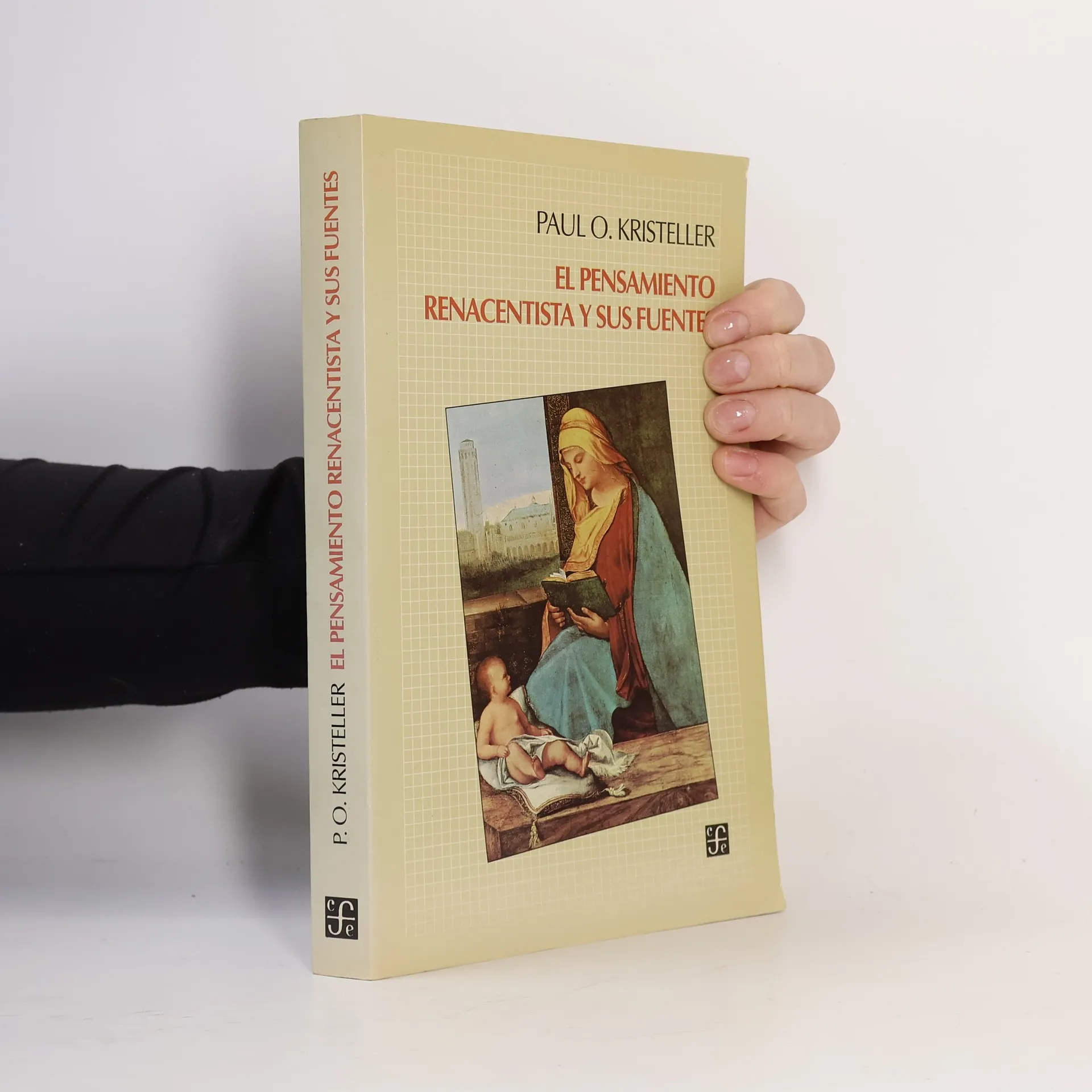
Madrid. 23x15 cm. 368 p. Encuadernación en rúst. de editorial. Colección 'Sección de obras de filosofía'. Traducido del Inglés. Traducido por Patán López, Federico .. Este libro es de segunda mano y tiene o puede tener marcas y señales de su anterior propietario. 978-84-375-0358-5; 84-375-0358-2
Features essays that deal with Renaissance humanism and philosophy, and also
with Renaissance theories of art. This title focuses on topics such as
humanist learning, humanist moral thought, the diffusion of humanism,
Platonism, music and learning during the early Renaissance, and the modern
system of arts in relation to the Renaissance.
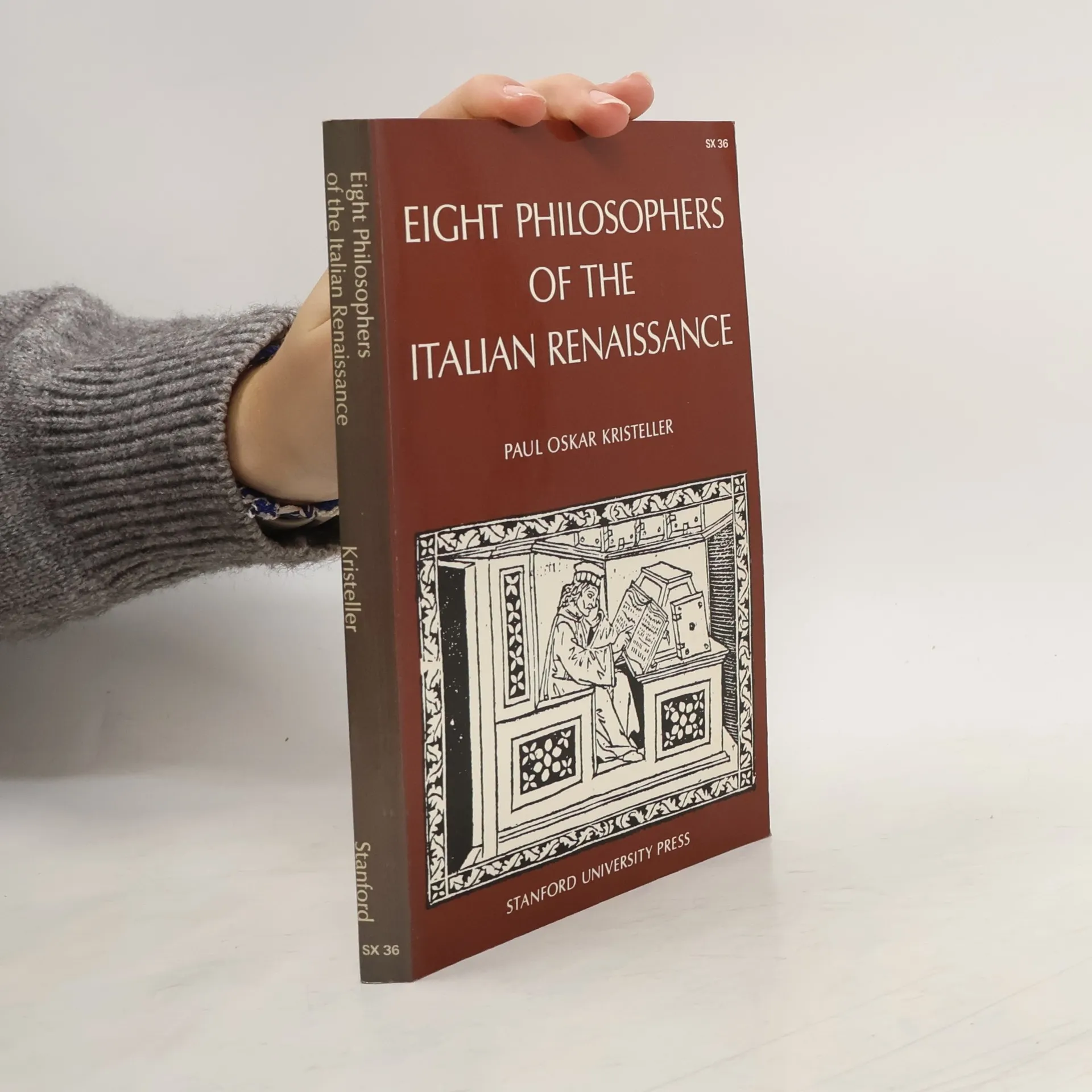
Italian Renaissance thought has been gaining ever-increasing recognition as seminal to the thought of the whole Renaissance period, affecting in many subtle ways the development and understanding of artistic, literary, scientific, and religious movements. The importance, then, of this detailed and careful survey of Italy's leading Renaissance philosophers and the intricate philosophical problems of the time can scarcely be exaggerated. Based upon the 1961 Arensberg Lectures, given at Stanford University, this collection of essays offers a genuinely unified interpretation of Italian Renaissance thought by describing and evaluating the philosophies of eight pivotal Petrarch, Valla, Ficino, Pico, Pomponazzi, Telesio, Patrizi, and Bruno. The essays not only discuss the life, writings, and main ideas of these eight thinkers, but also establish through a connective text, the place each of them occupies in the general intellectual development of the Italian Renaissance.