


Bookbot

John Lewis Gaddis

    2 avril 1941
    We Now Know : Rethinking Cold War History
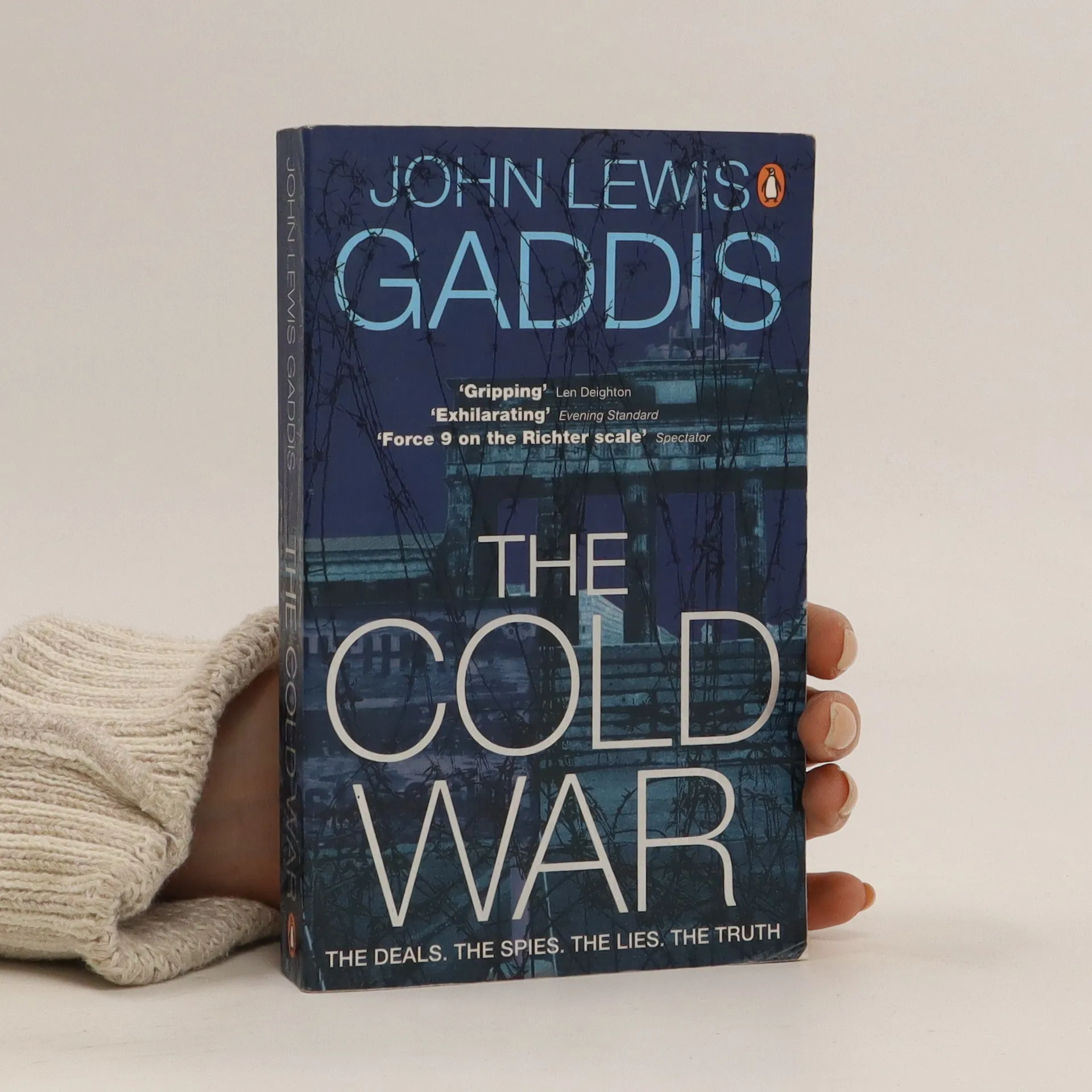
    The Cold War
    The United States and the Origins of the Cold War, 1941-1947
    Surprise, Security, and the American Experience
    Strategies of Containment
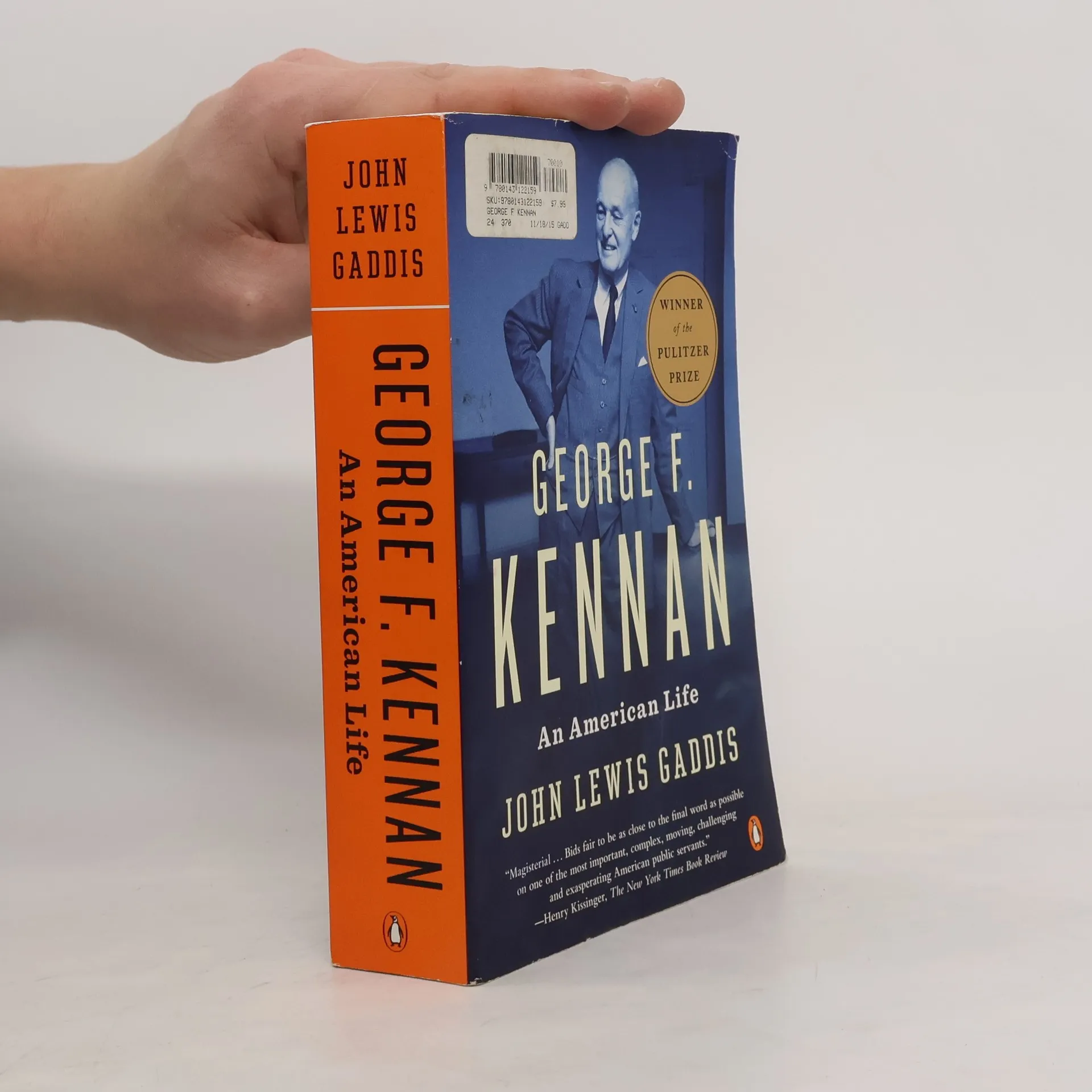
    George F. Kennan
    • 2018

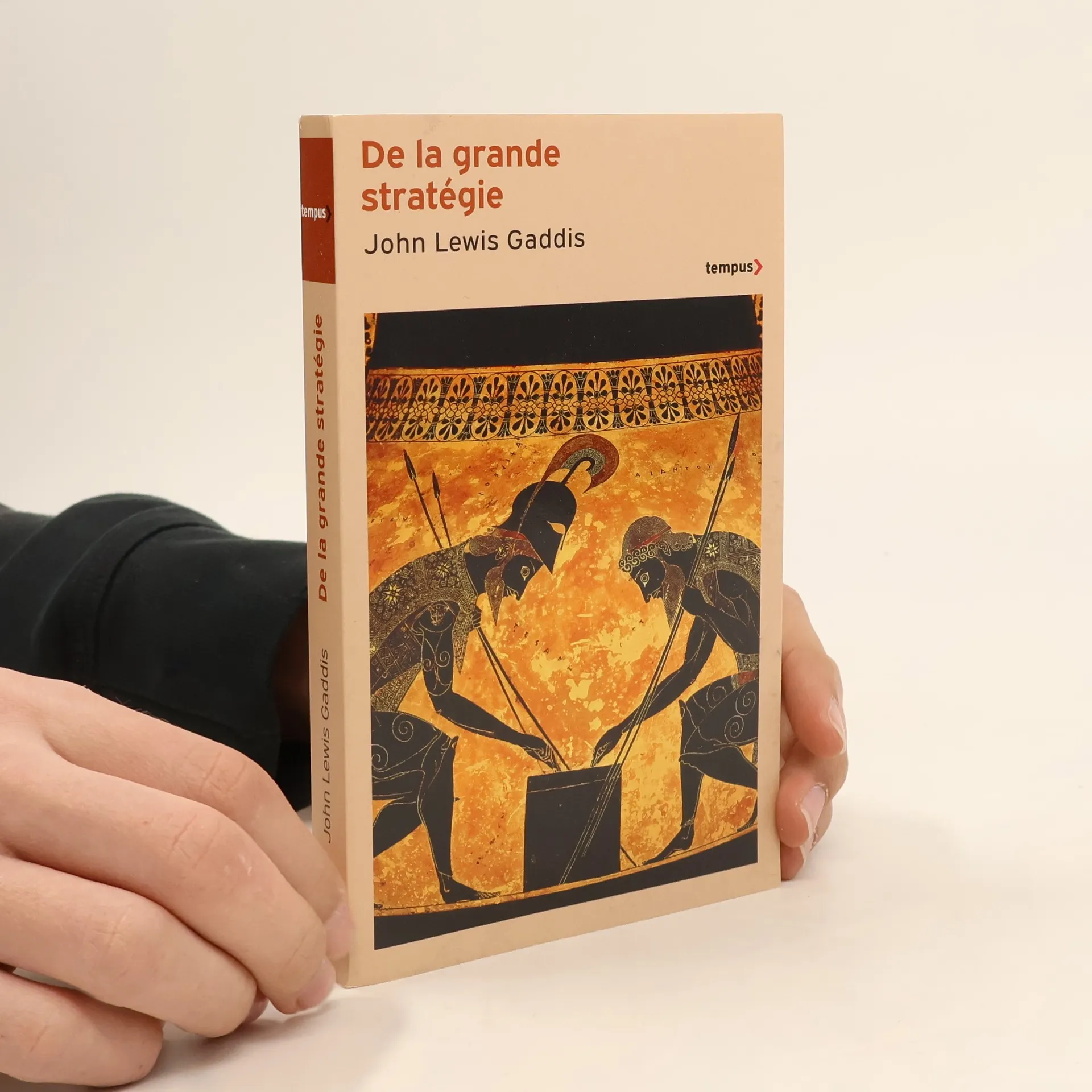
      On Grand Strategy

      • 384pages
      • 14 heures de lecture
      3,8(3658)Évaluer

      “The best education in grand strategy available in a single volume . . . a book that should be read by every American leader or would-be leader.”—The Wall Street Journal A master class in strategic thinking, distilled from the legendary program the author has co-taught at Yale for decades John Lewis Gaddis, the distinguished historian of the Cold War, has for almost two decades co-taught grand strategy at Yale University with his colleagues Charles Hill and Paul Kennedy. Now, in On Grand Strategy, Gaddis reflects on what he has learned. In chapters extending from the ancient world through World War II, Gaddis assesses grand strategic theory and practice in Herodotus, Thucydides, Sun Tzu, Octavian/Augustus, St. Augustine, Machiavelli, Elizabeth I, Philip II, the American Founding Fathers, Clausewitz, Tolstoy, Lincoln, Wilson, Franklin D. Roosevelt, and Isaiah Berlin. On Grand Strategy applies the sharp insights and wit readers have come to expect from Gaddis to times, places, and people he’s never written about before. For anyone interested in the art of leadership, On Grand Strategy is, in every way, a master class.

      On Grand Strategy
    • 2012

      George F. Kennan

      An American Life (Pulitzer Prize Winner)

      • 816pages
      • 29 heures de lecture
      4,2(98)Évaluer

      Focusing on George F. Kennan, a pivotal yet complex figure in Cold War history, this biography explores his role in formulating the U.S. strategy to contain the Soviet Union through the influential "long telegram" and "X" article. The author, a leading historian, offers an in-depth look at Kennan's life, utilizing exclusive access to his archives. The narrative reveals the contradictions in Kennan's thoughts and actions, providing insight into a man whose life and ideas significantly impacted the course of the twentieth century.

      George F. Kennan
    • 2008

      Der Kalte Krieg

      Eine neue Geschichte

      • 384pages
      • 14 heures de lecture

      It began during the Second World War, when American and Soviet troops converged from east and west. Their meeting point—a small German city—became part of a front line that solidified shortly thereafter into an Iron Curtain. It ended in a climactic square-off between Ronald Reagan’s America and Gorbachev’s Soviet Union. In between were decades of global confrontation, uncertainty, and fear. Drawing on new and often startling information from newly opened Soviet, Eastern European, and Chinese archives, this thrilling account explores the strategic dynamics that drove the Cold War, provides illuminating portraits of its major personalities, and offers much fresh insight into its most crucial events. Riveting, revelatory, and wise, it tells a story whose lessons it is vitally necessary to understand as America once more faces an implacable ideological enemy. --highbridgeaudio.com

      Der Kalte Krieg
    • 2007

      Zimna wojna

      Historia podzielonego świata

      • 345pages
      • 13 heures de lecture
      Zimna wojna
    • 2005

      Beginning with World War II and ending with the collapse of the Soviet Union, this is a new account of the strategic dynamics that drove the age, with portraits of its major personalities and much fresh insight into its most crucial events. It contains much new information drawn from newly opened Soviet, East European, and Chinese archives. Now, as America once again finds itself in a global confrontation with an implacable ideological enemy, this is a story whose lessons it is vitally necessary to understand.--From publisher description.

      The Cold War
    • 2004

      The Landscape of History

      • 208pages
      • 8 heures de lecture
      3,7(1736)Évaluer

      What is history and why should we study it? Is there such a thing as historical truth? Is history a science? One of the most accomplished historians at work today, John Lewis Gaddis, answers these and other questions in this short, witty, and humane book.

      The Landscape of History
    • 2004

      September 11, 2001, distinguished Cold War historian John Lewis Gaddis argues, was not the first time a surprise attack shattered American assumptions about national security and reshaped American grand strategy. The pattern began in 1814, when the British Army attacked Washington, burning the White House and the Capitol. This early violation of American homeland security gave rise to a strategy of unilateralism and preemption, best articulated by John Quincy Adams, aimed at maintaining strength beyond challenge throughout the North American continent. It remained in place for over a century. Only when Japan attacked Pearl Harbour in 1941 did the inadequacies of this strategy become evident: as a consequence, the administration of Franklin D. Roosevelt devised a new grand strategy of cooperation with allies on an intercontinental scale to defect authoritarianism. That strategy defined the American approach throughout World War II and the Cold War. The terrorist attacks of 9/11, Gaddis writes, made it clear that this strategy was now insufficient to ensure American security. The Bush administration has, therefore, devised a new grand strategy whose foundations lie in the nineteenth-

      Surprise, Security, and the American Experience
    • 2000

      This book moves beyond the focus on economic considerations that was central to the work of New Left historians, examining the many other forces-domestic politics, bureaucratic inertia, quirks of personality, and perceptions of Soviet intentions-that influenced key decision makers in Washington. schovat popis

      The United States and the Origins of the Cold War, 1941-1947