Władysław Szpilman était un pianiste, compositeur et mémorialiste polonais. Son œuvre est largement reconnue à travers son récit autobiographique de survie pendant l'Holocauste, qui a servi de base à un film acclamé. L'écriture de Szpilman offre une perspective profondément personnelle sur le traumatisme historique, explorant les thèmes de la résilience et de l'esprit humain face à des adversités inimaginables.
Septembre 1939. L'invasion de la Pologne, décrétée par Hitler, vient déclencher la Seconde Guerre mondiale. Varsovie est écrasée sous les bombes; à la radio résonnent les derniers accords d'un nocturne de Chopin. Le pianiste Wladyslaw Szpilman est contraint de rejoindre le ghetto nazi recrée au coeur de la ville. Là, il va subir l'horreur au quotidien avec la menace permanente de la déportation. Miraculeusement rescapé de l'enfer, grâce à un officier allemand mélomane, le pianiste témoigne au lendemain de la victoire alliée...
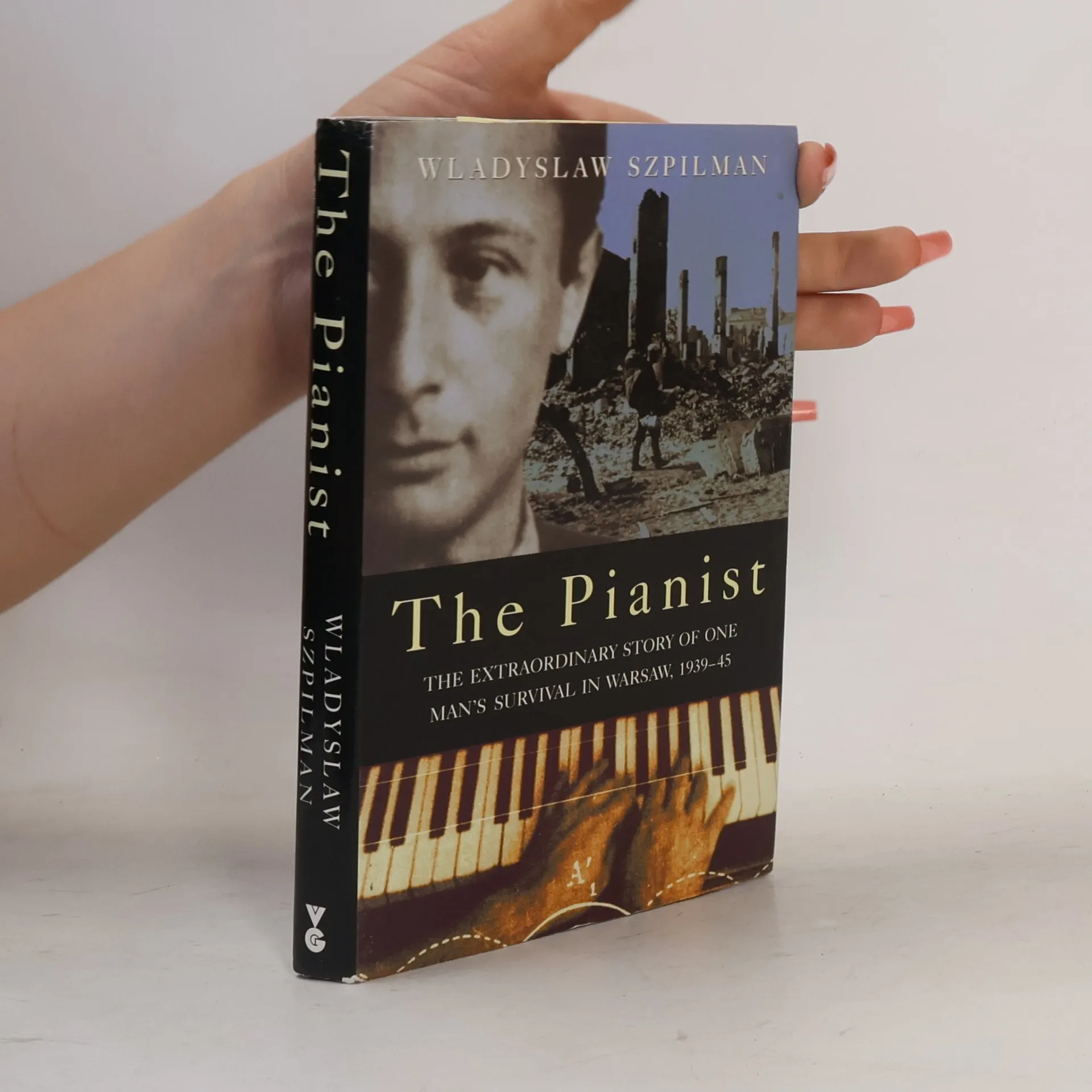
The Extraordinary Story of One Man's Survival in Warsaw, 1939–45
222pages
8 heures de lecture
The last live broadcast on Polish Radio on September 23, 1939, featured Chopin's Nocturne in C# Minor, played by Wladyslaw Szpilman, until German shelling interrupted. Six years later, the same piece and pianist resumed broadcasting. Szpilman's account details the years in between, marked by the death and cruelty inflicted on Warsaw's Jews, conveyed with a dispassionate restraint born of shock. Now 88, Szpilman has not revisited his painful memories since writing them in 1946. His family was deported to Treblinka, where they perished; he survived due to a music-loving policeman. This was just one of many fortunate escapes as he hid among the ruins of the Warsaw Ghetto, enduring hunger and despair. Ironically, it was German officer Wilm Hosenfeld who saved him by bringing food and warmth to his hiding place. Hosenfeld later died in a Stalingrad labor camp, but his diary entries reveal his bewilderment at the madness he witnessed, providing a stark contrast to Szpilman's nightmarish experiences. Initially published in Poland in 1946, Szpilman's account was withdrawn by Stalinist authorities for its candid portrayal of collaboration with the Nazis. Rediscovered by his son in 1997, it was published in Germany, and this robust translation by Anthea Bell is the first in English. Before the Nazi occupation, Poland had 3,500,000 Jews; after, only 240,000 remained. Szpilman's extraordinary survival story gives voice to the millions who